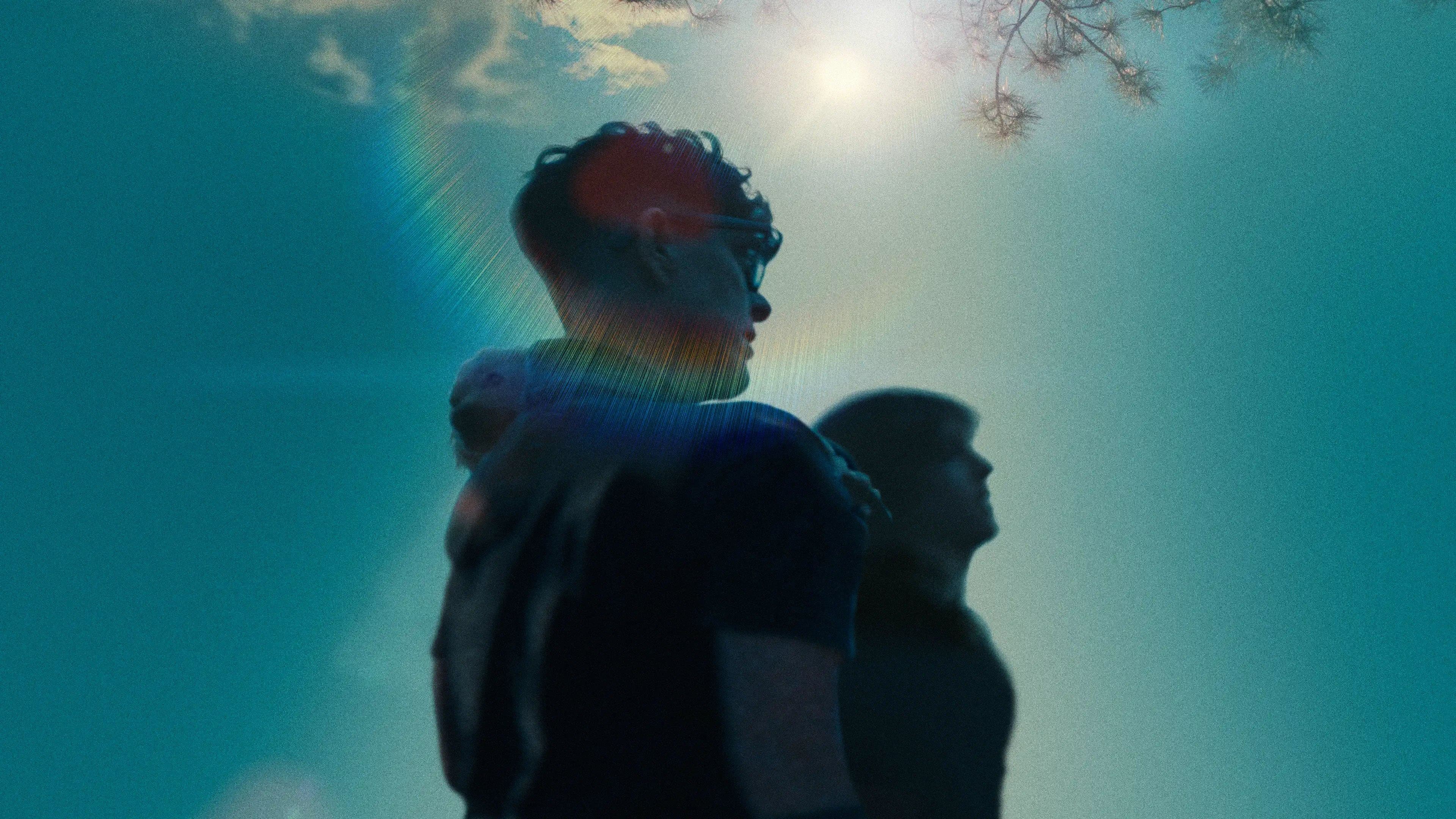
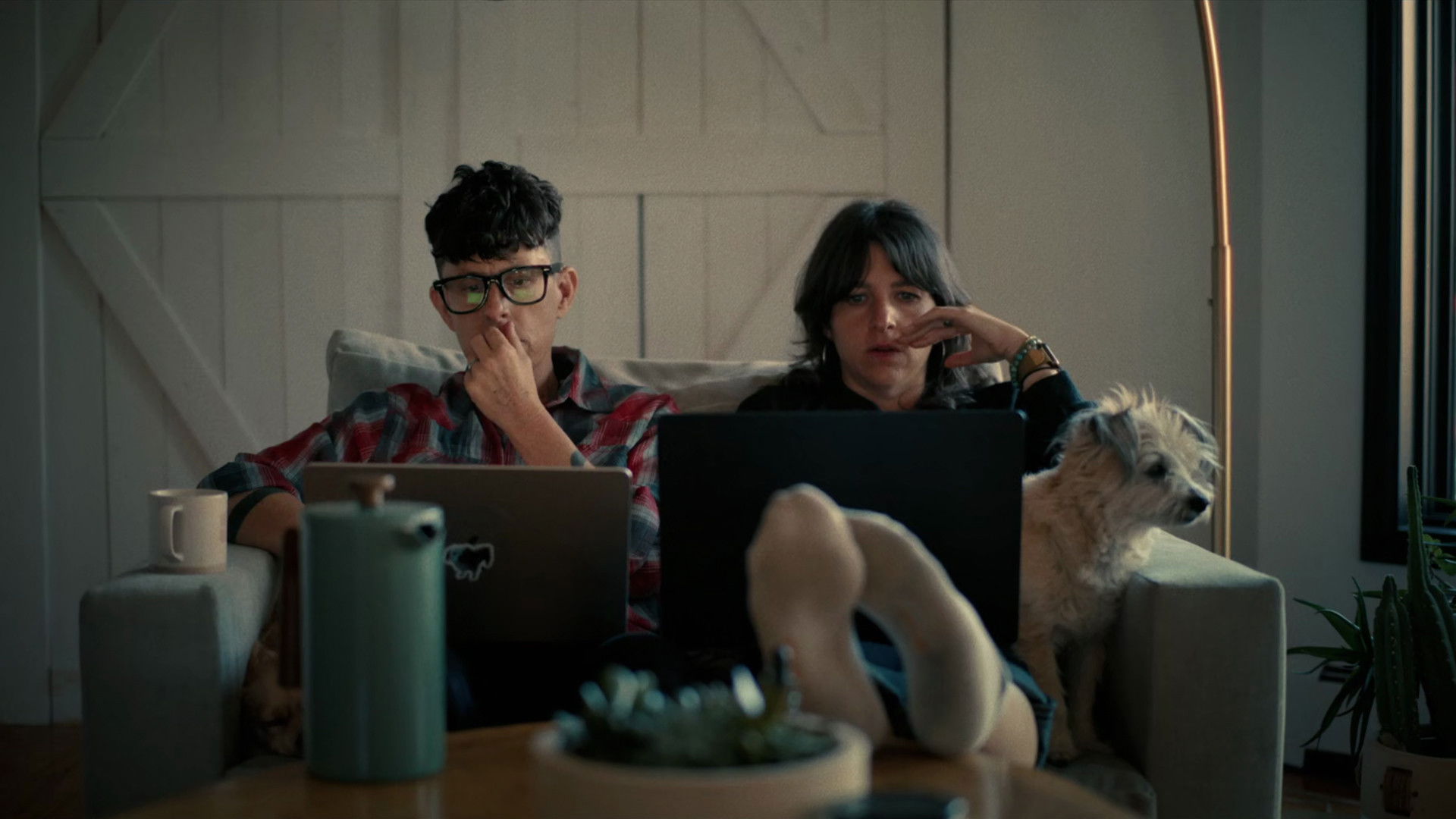
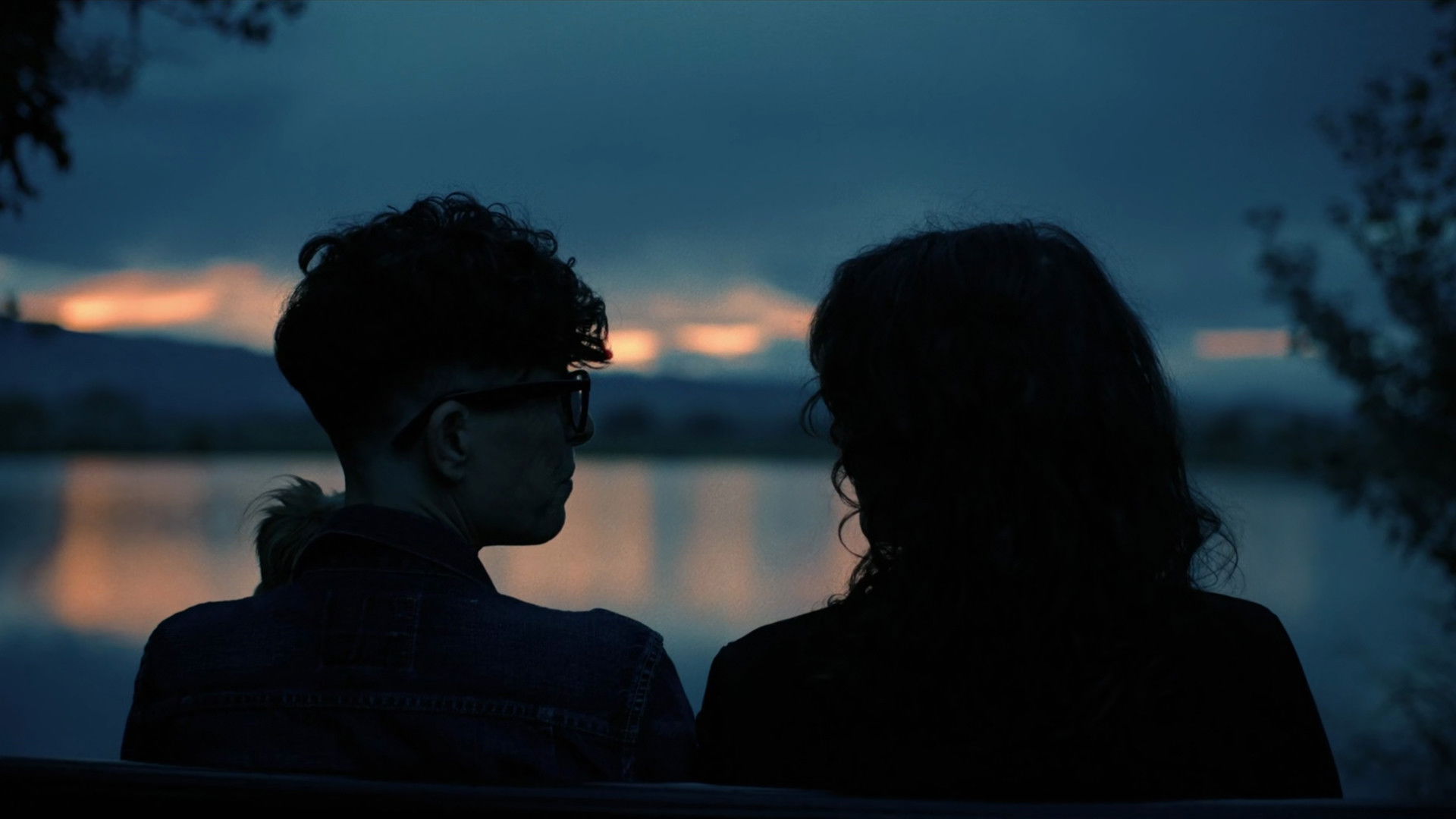
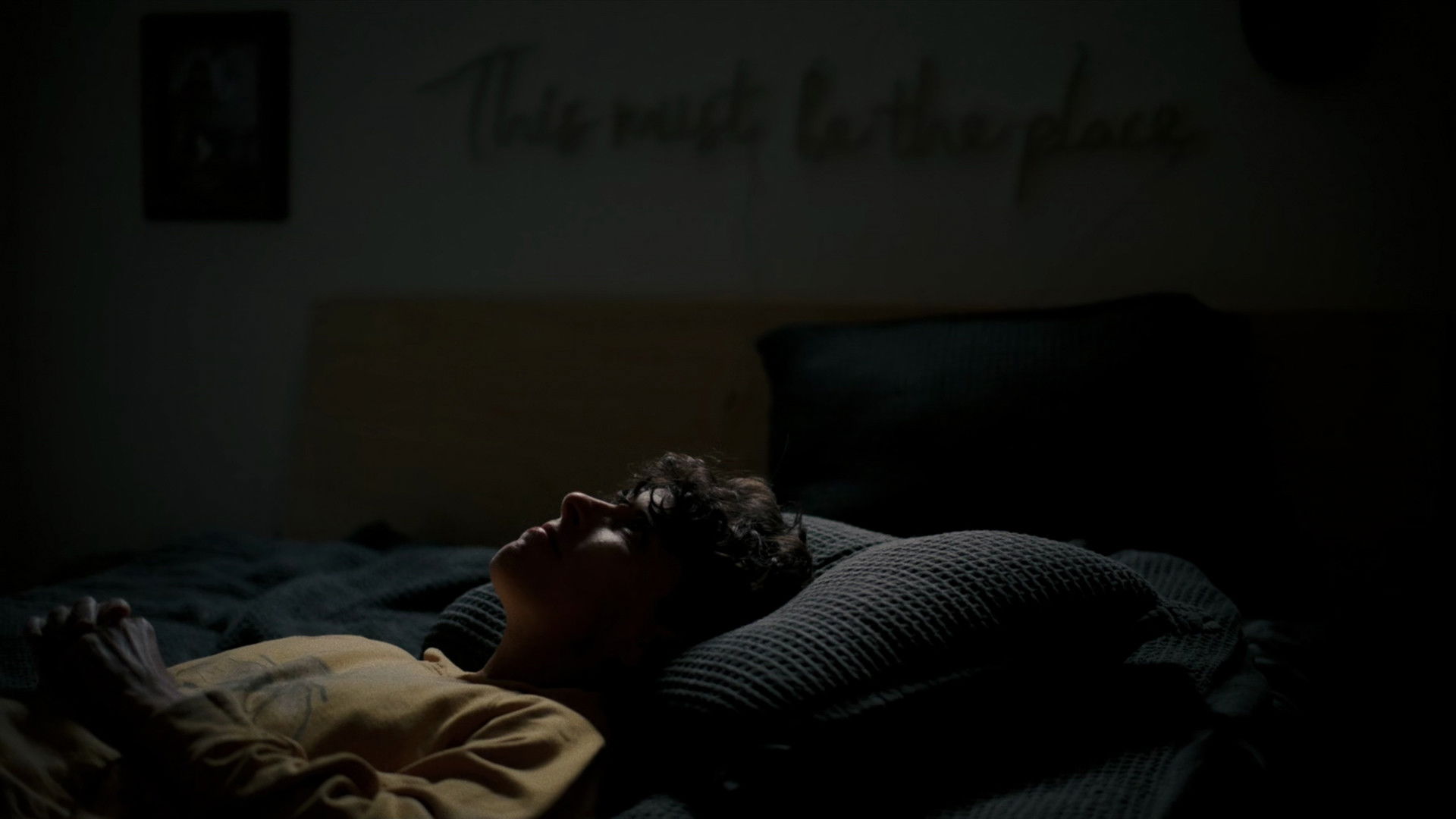
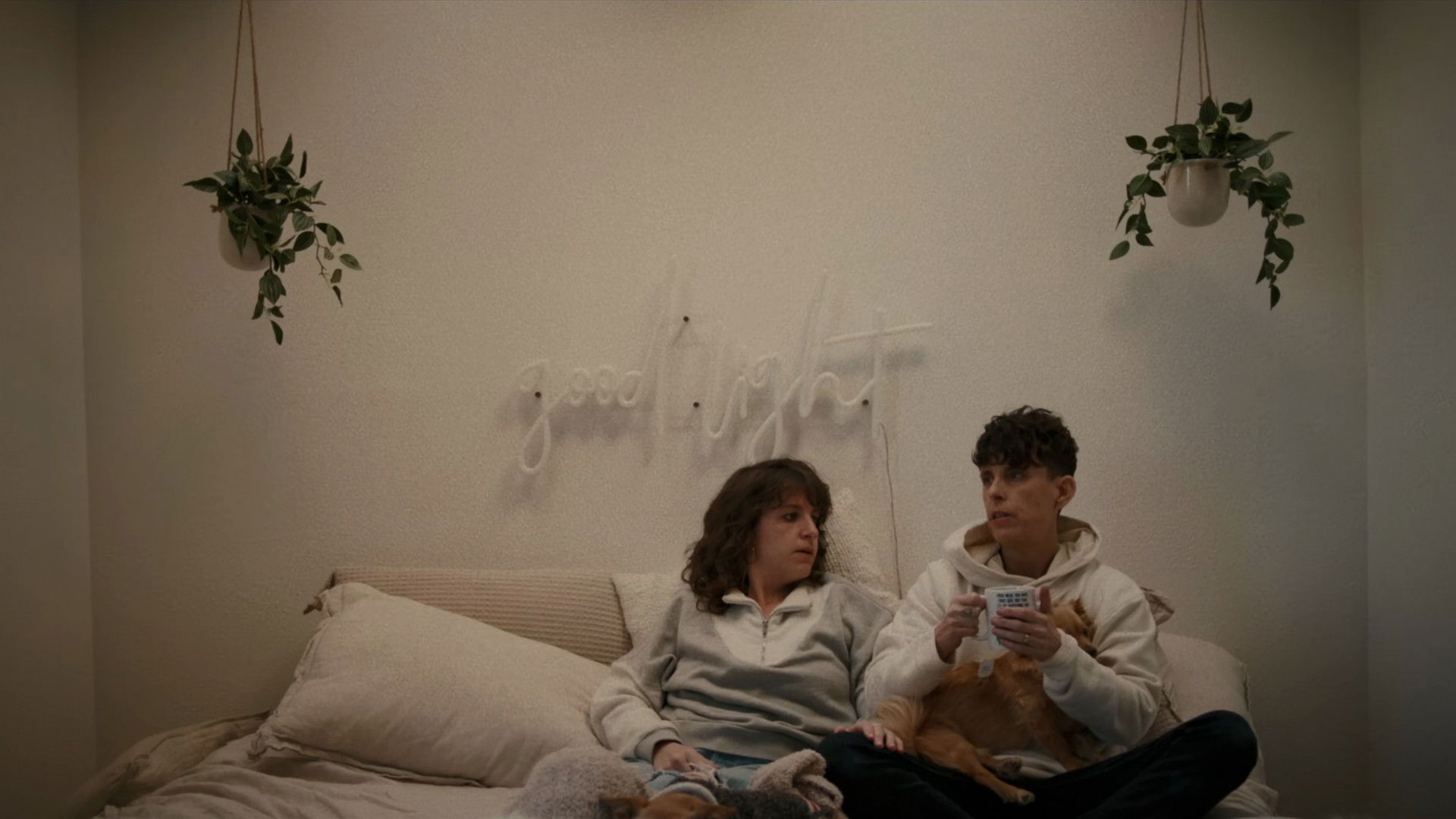
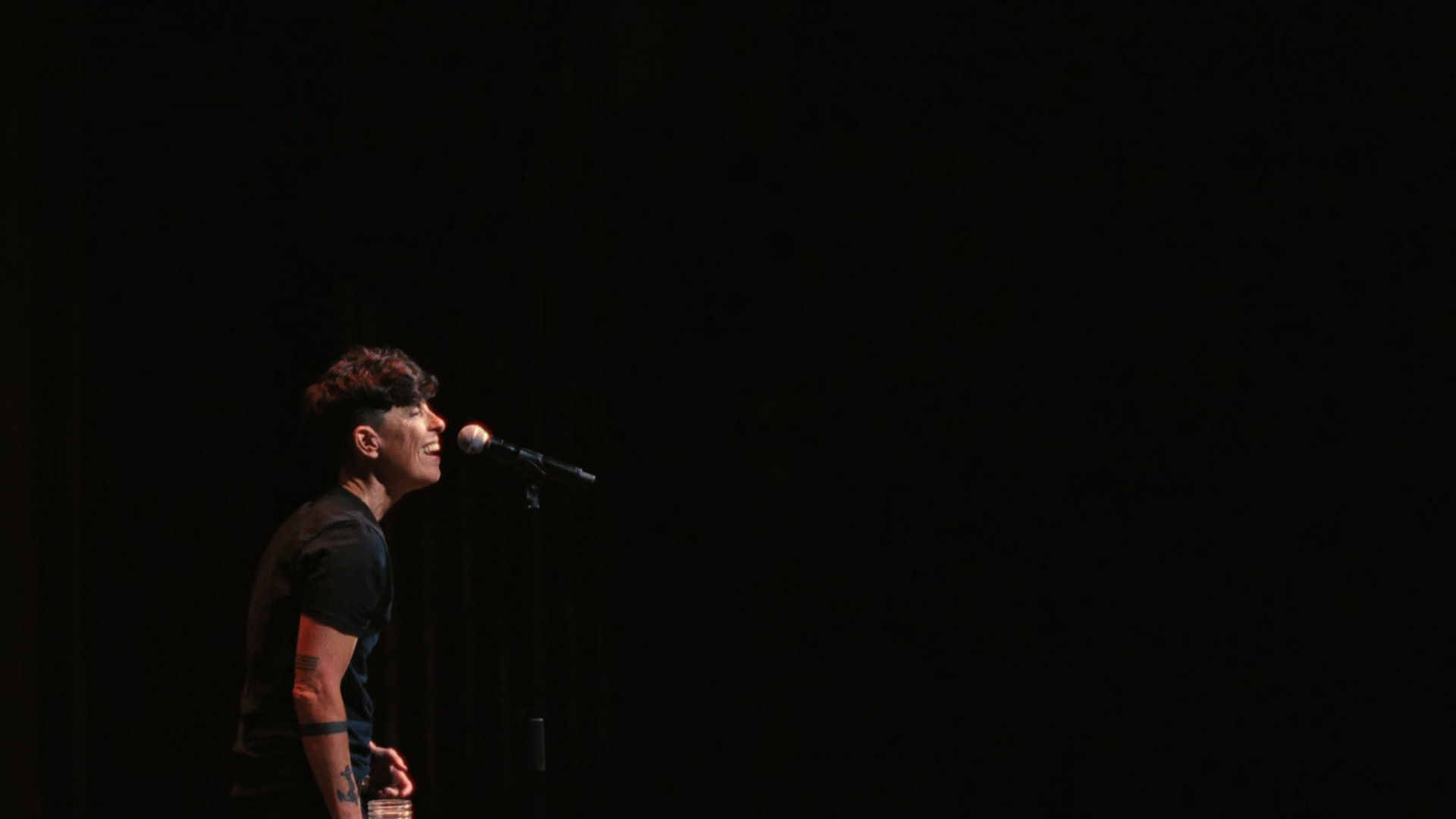
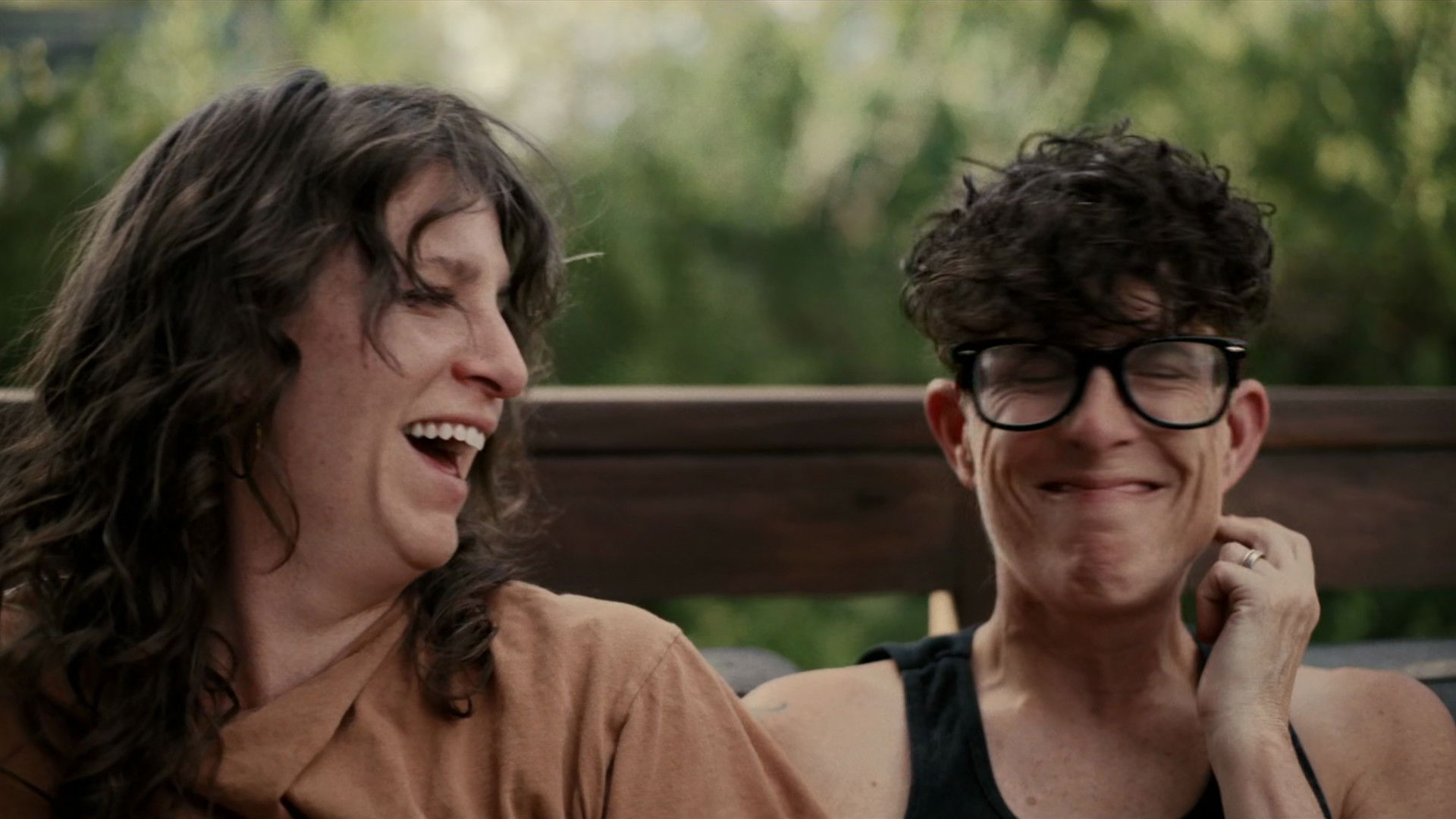
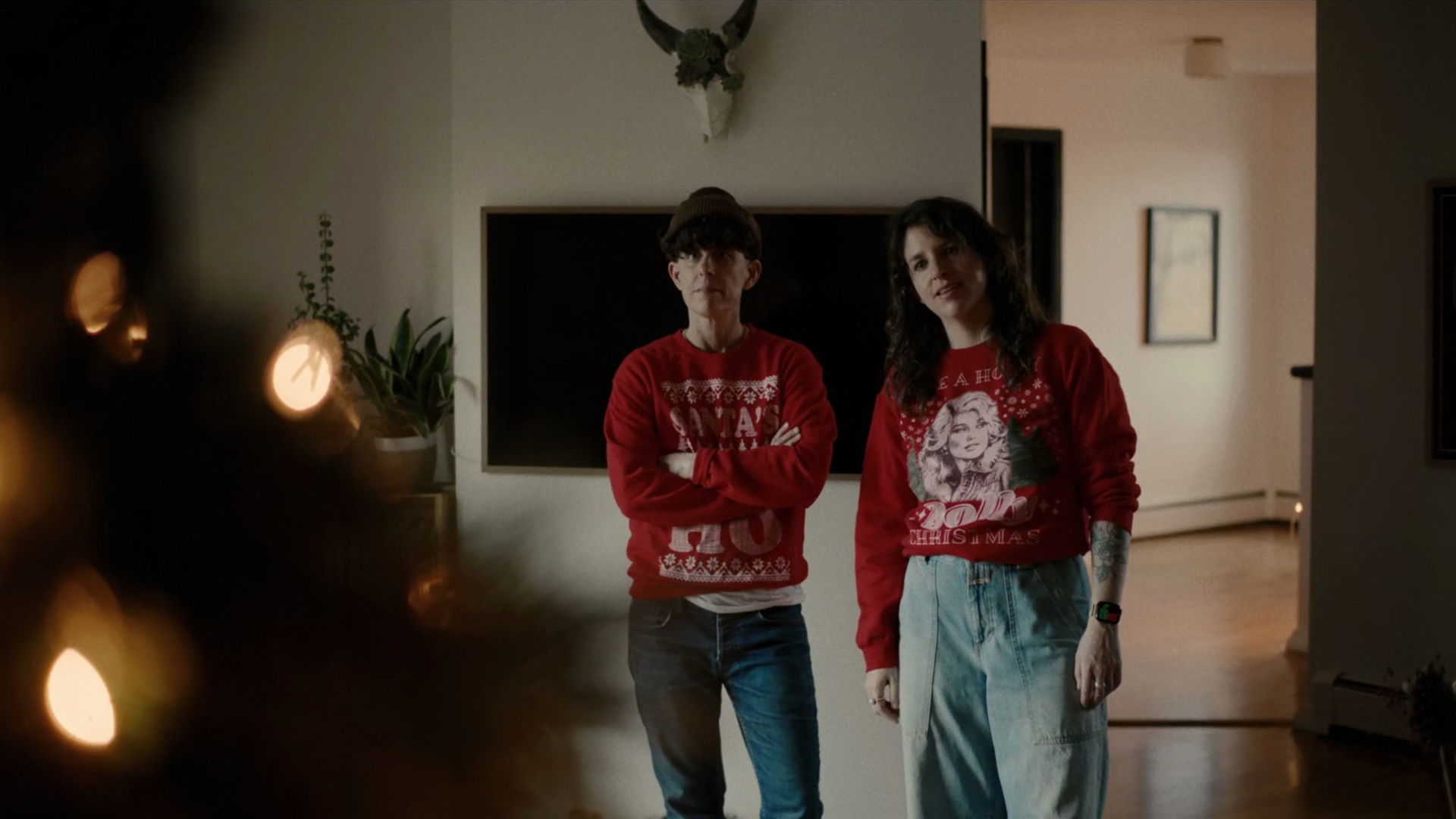
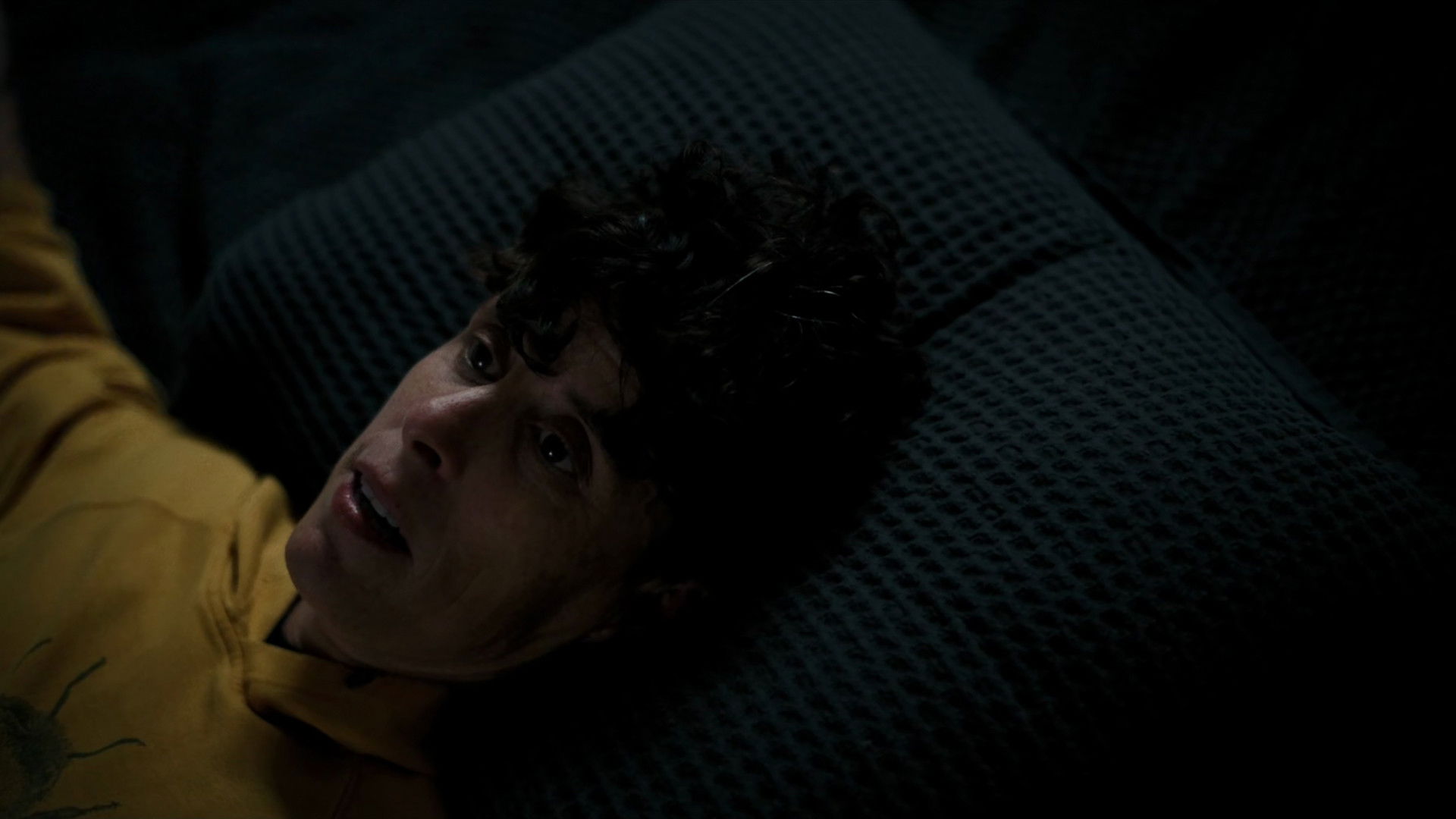
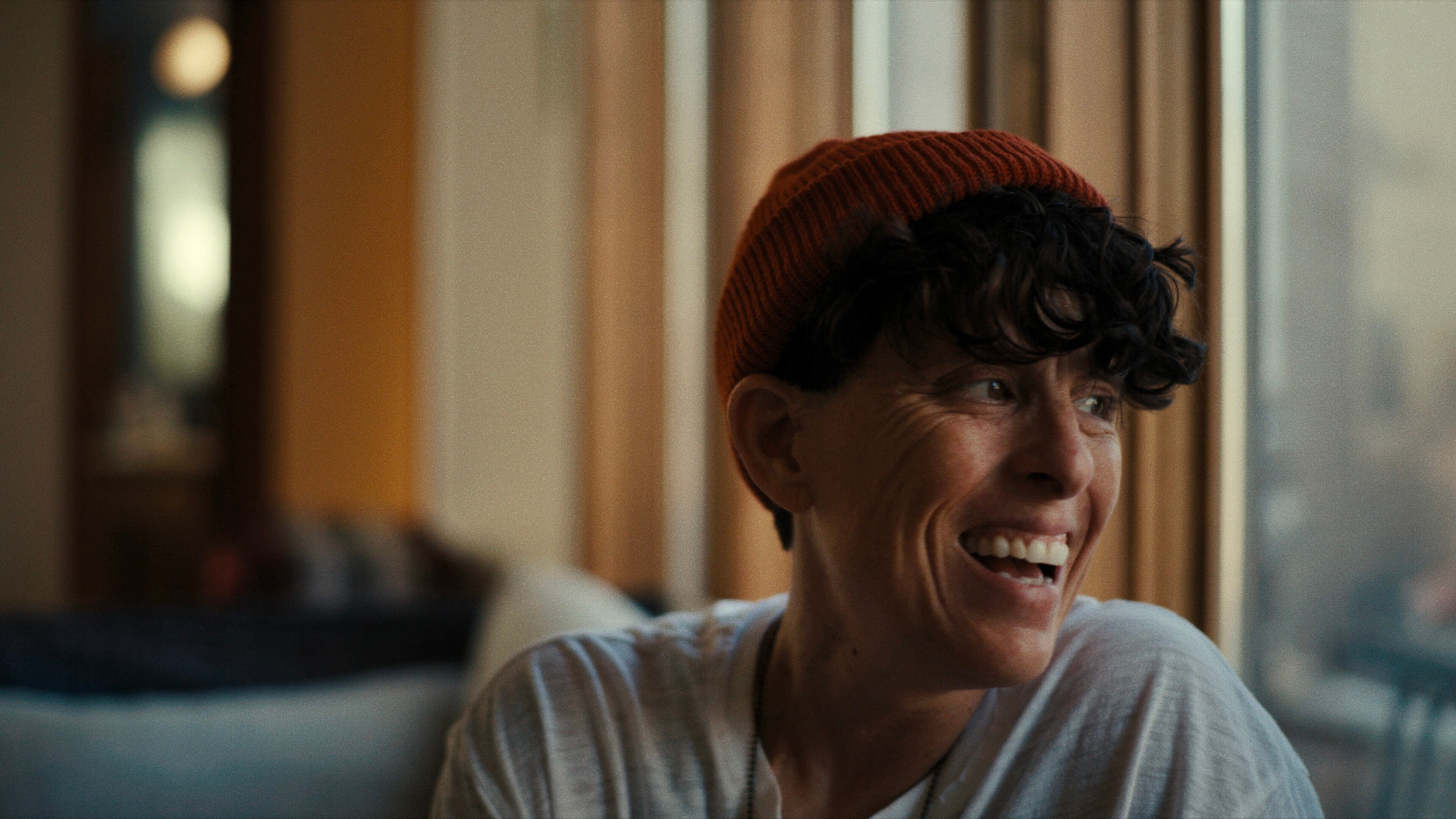
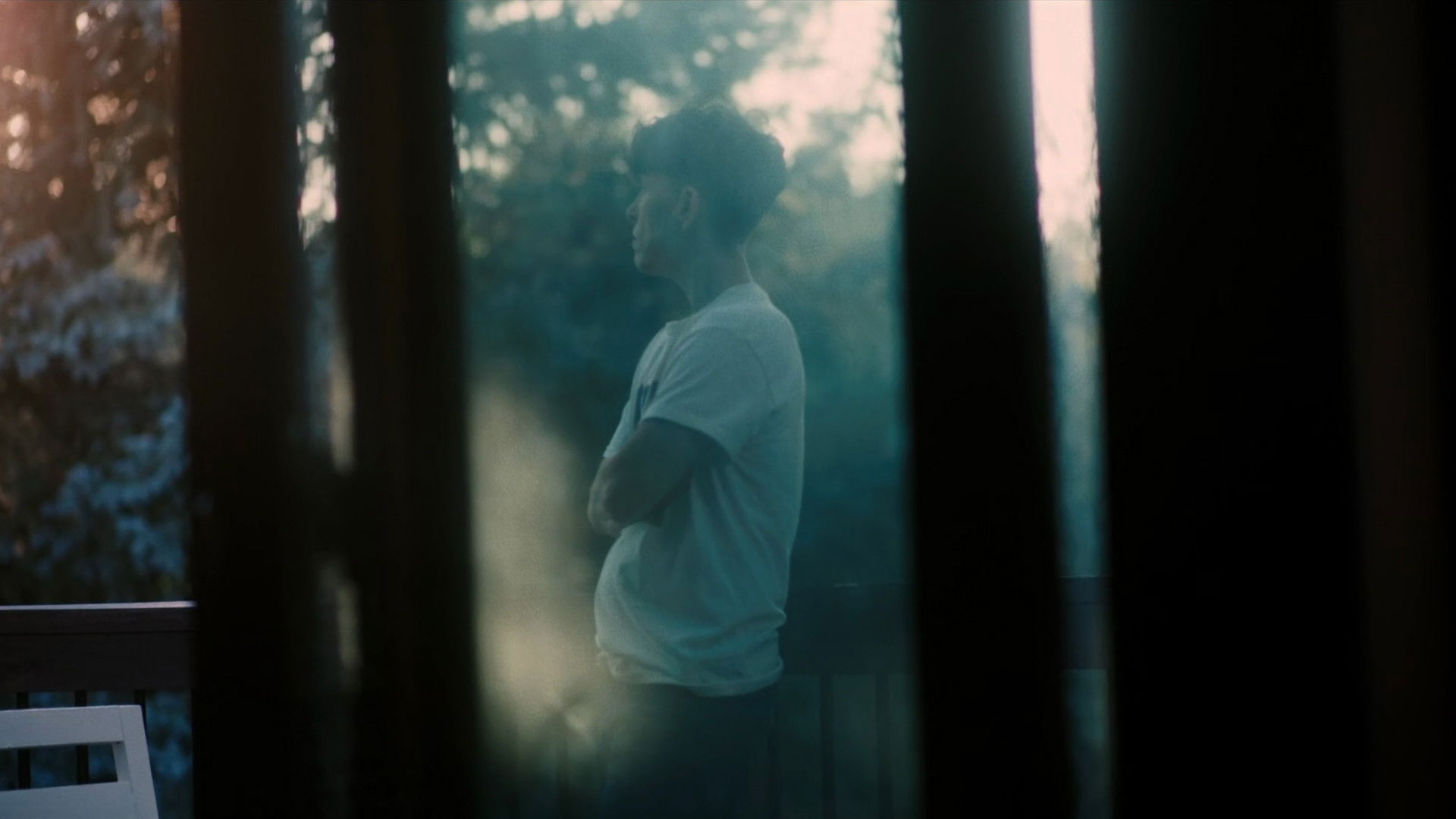
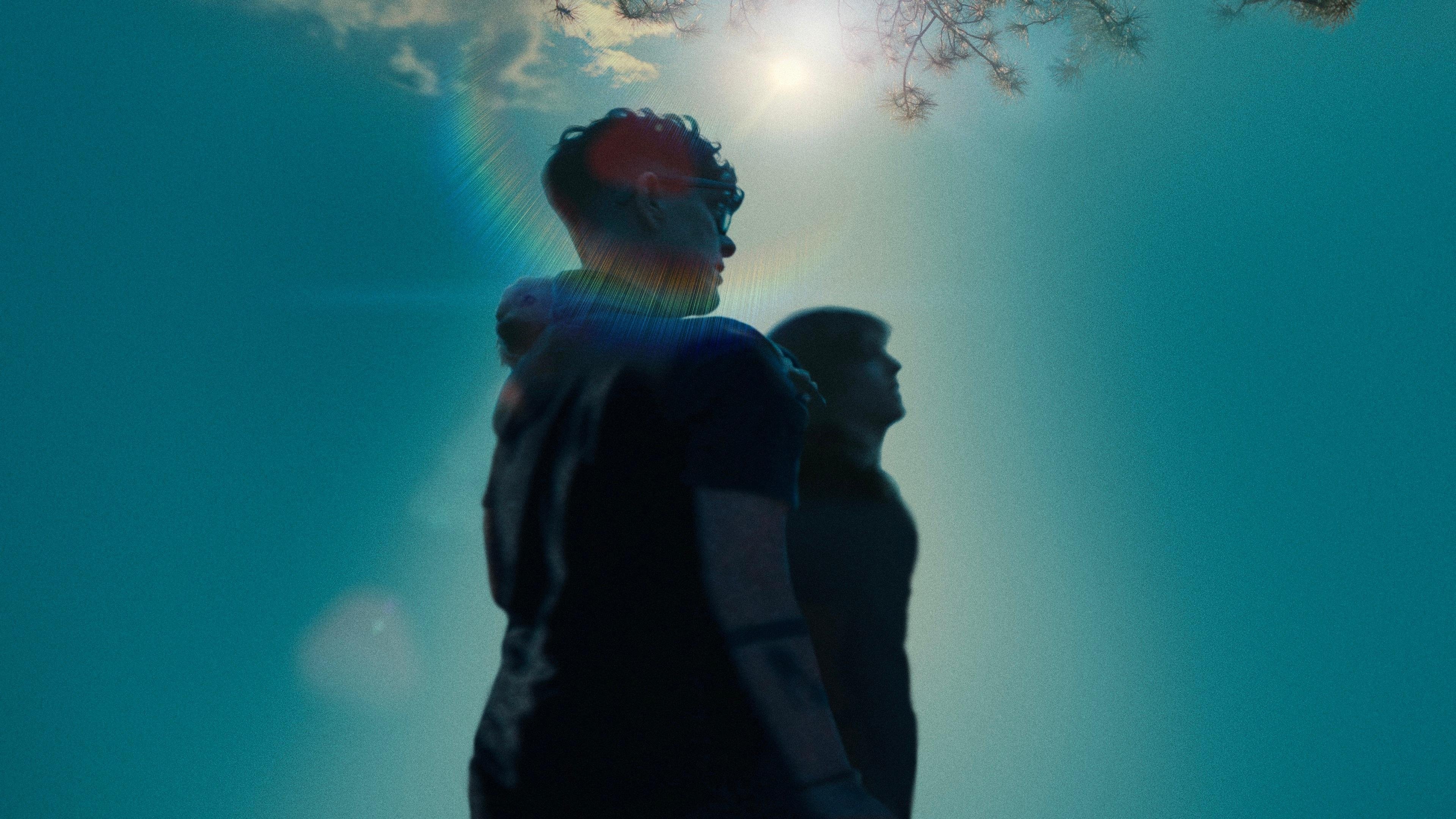
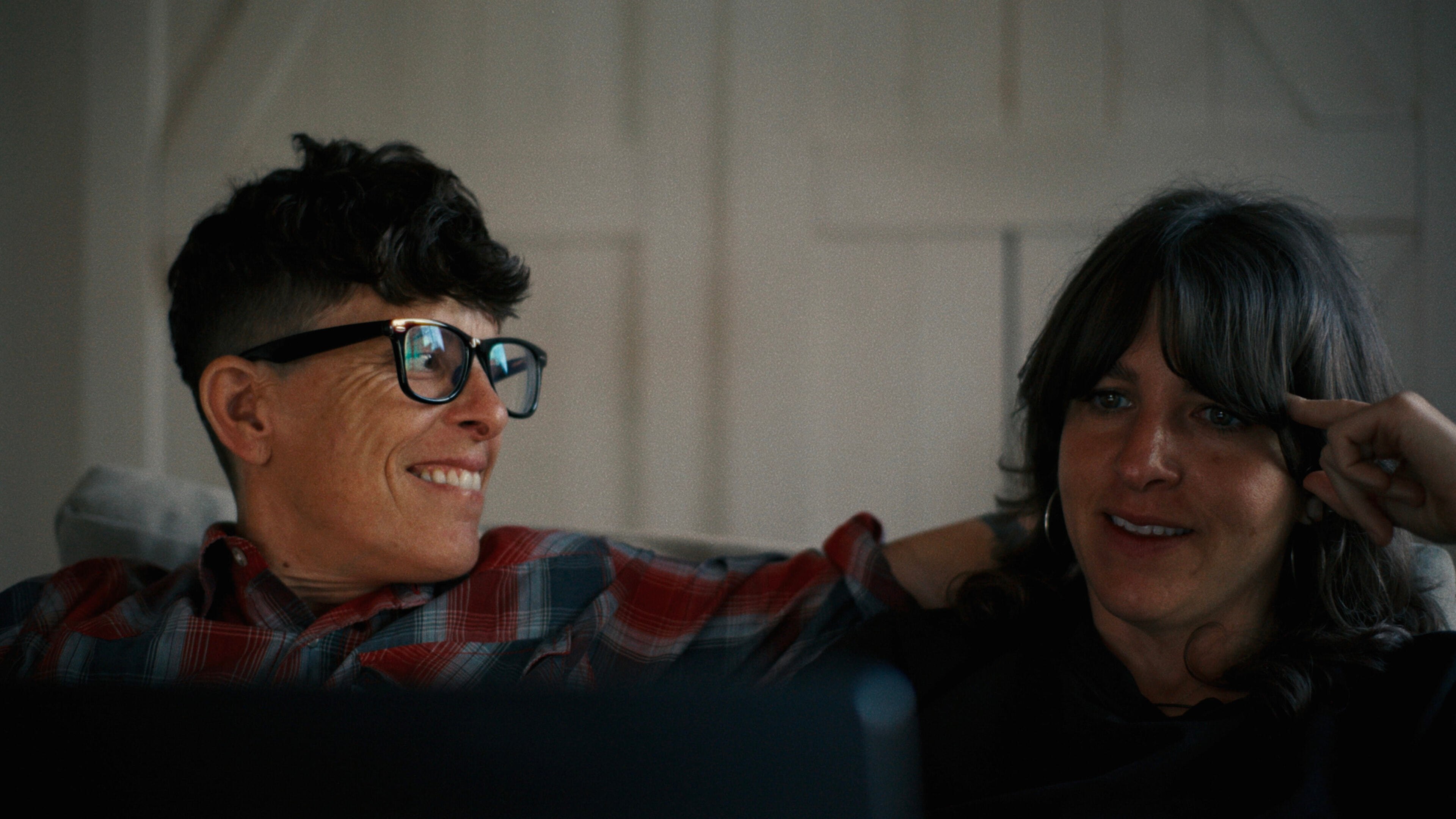
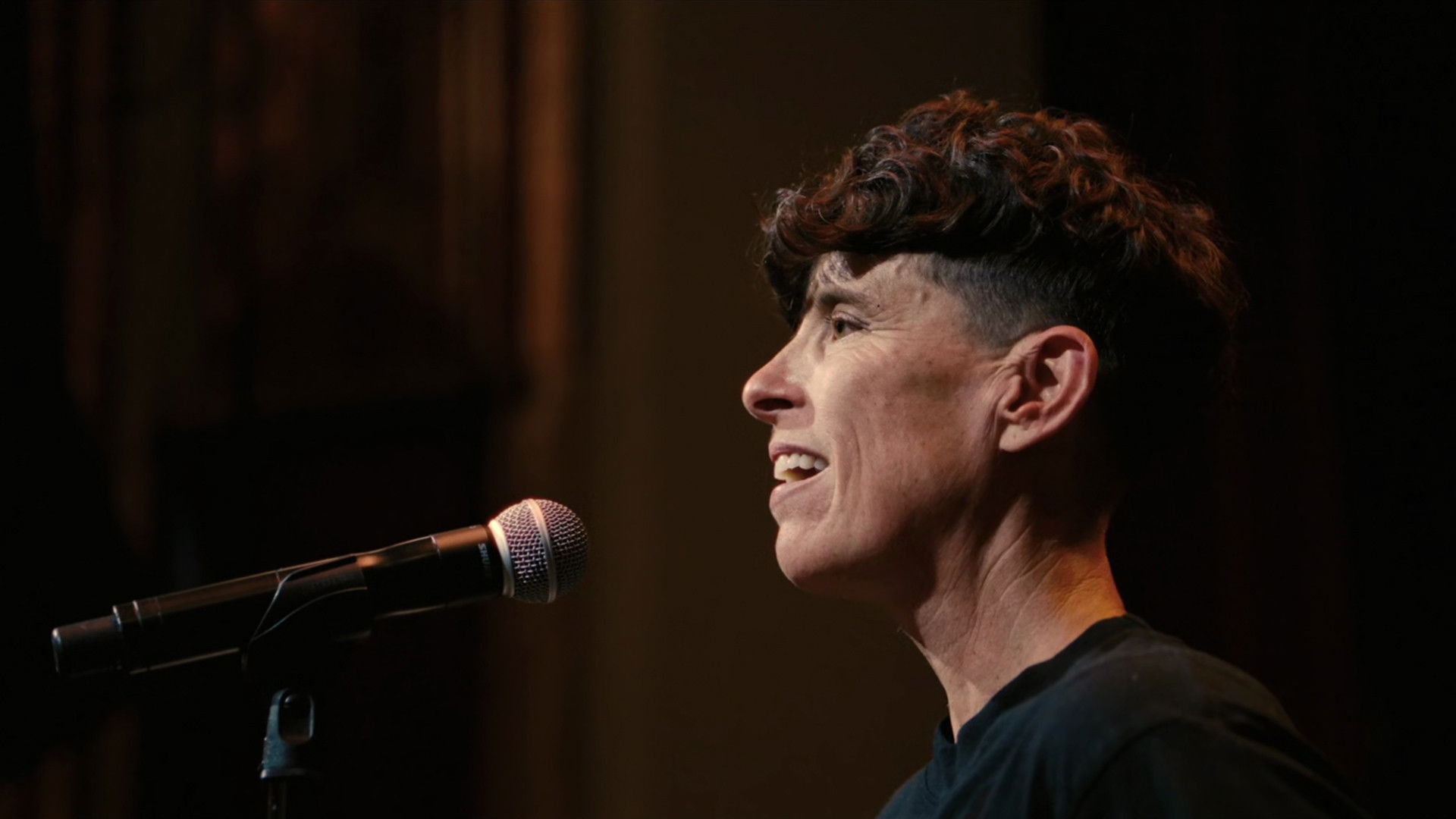
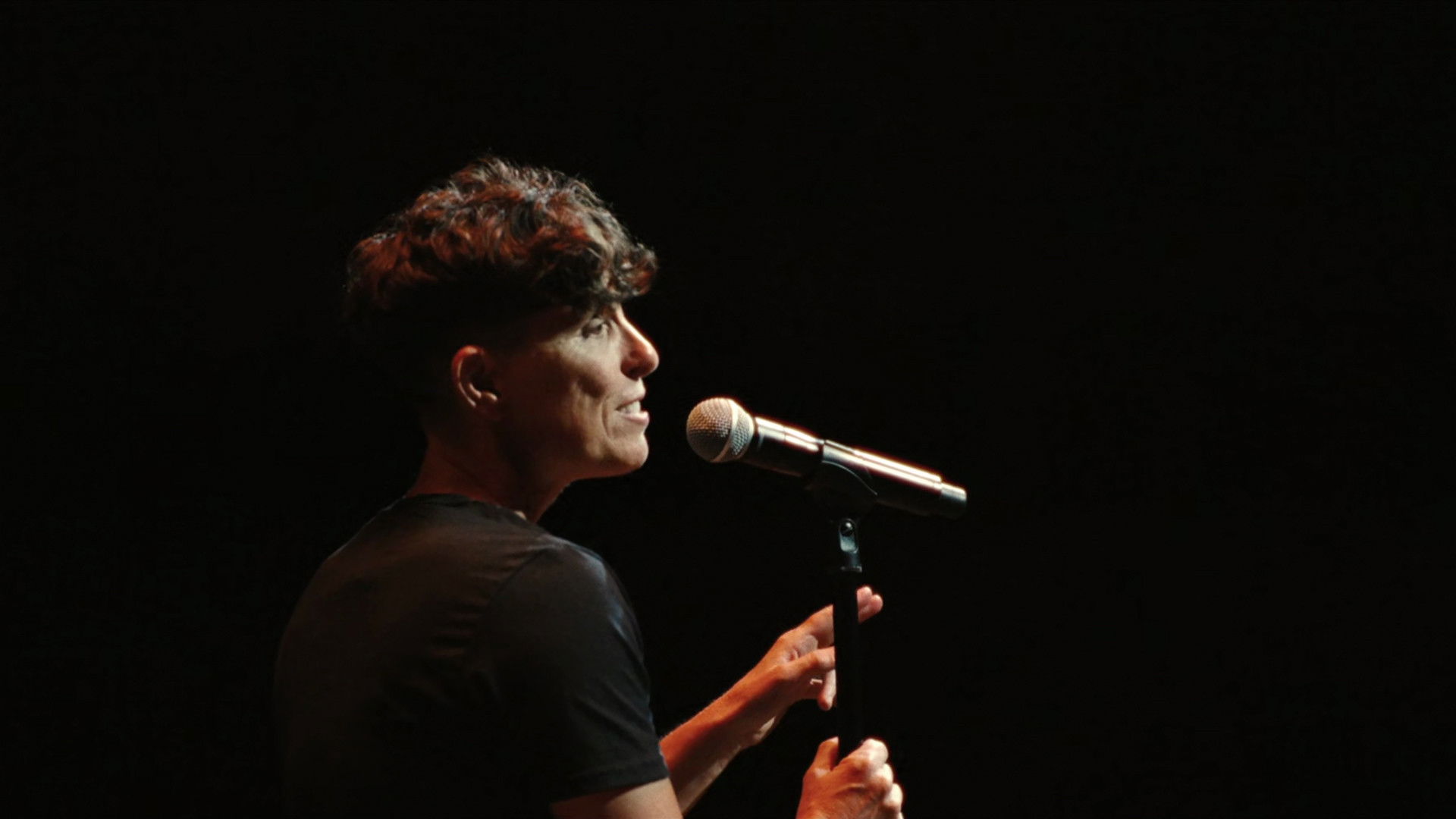
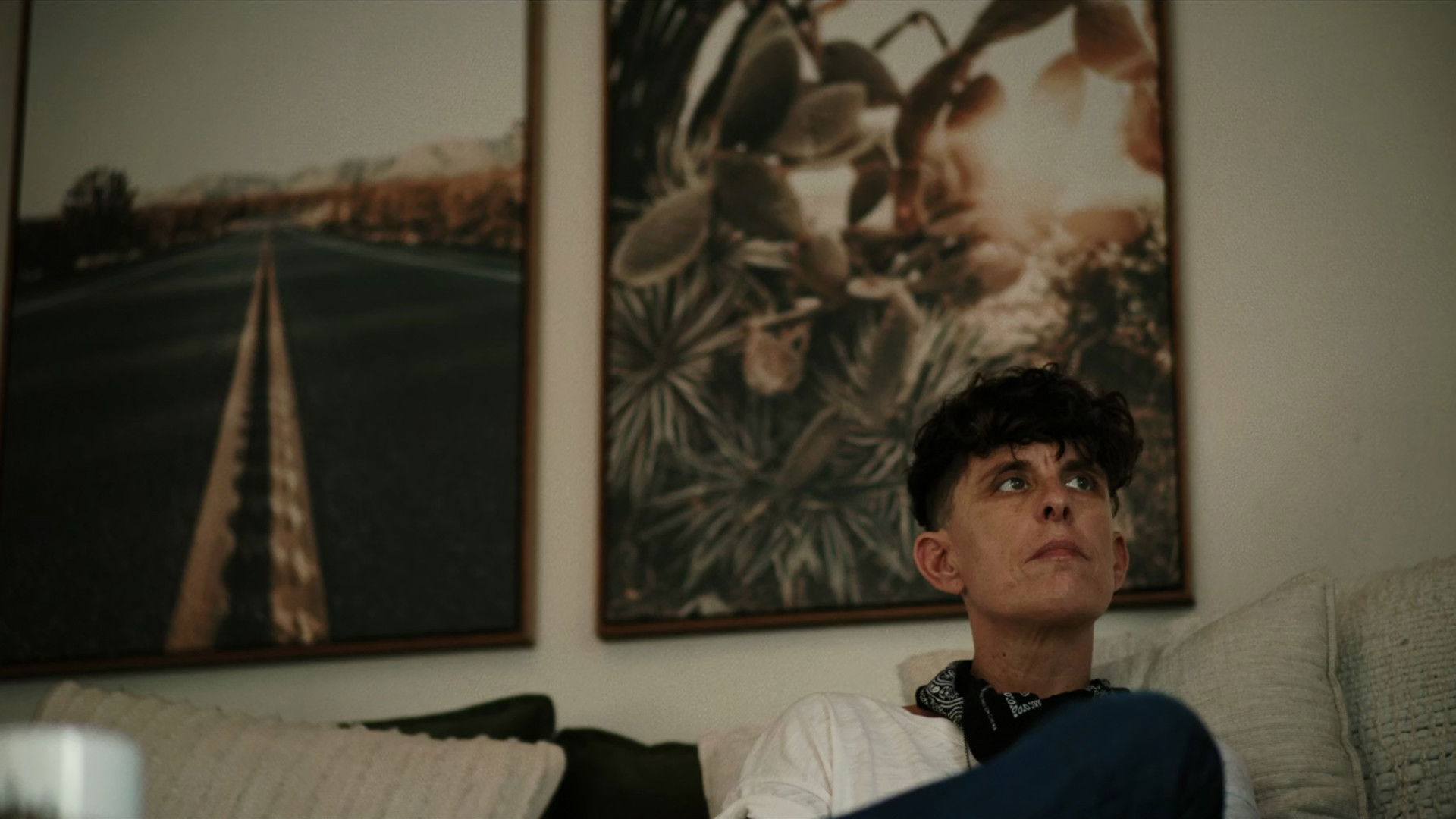
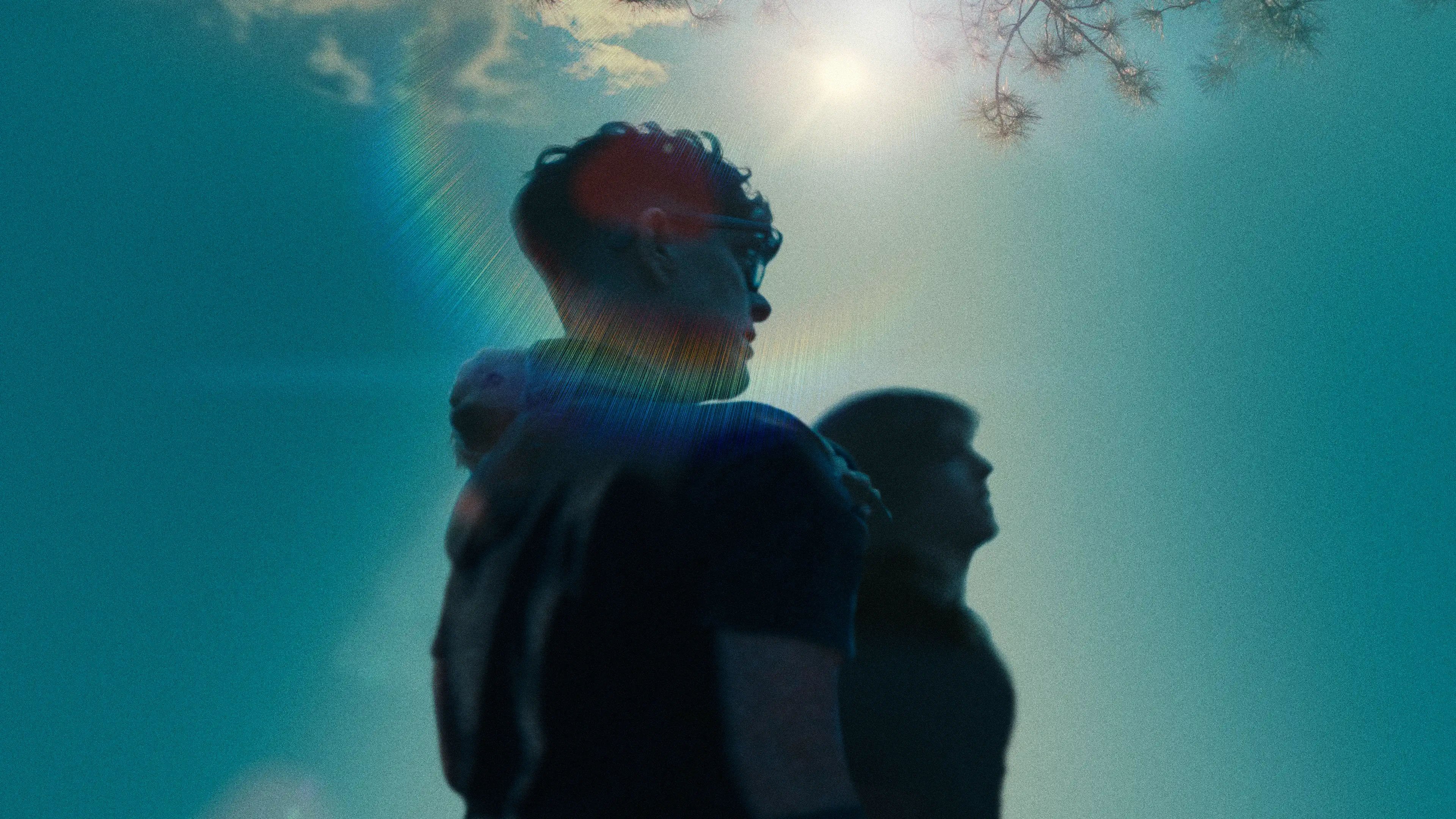
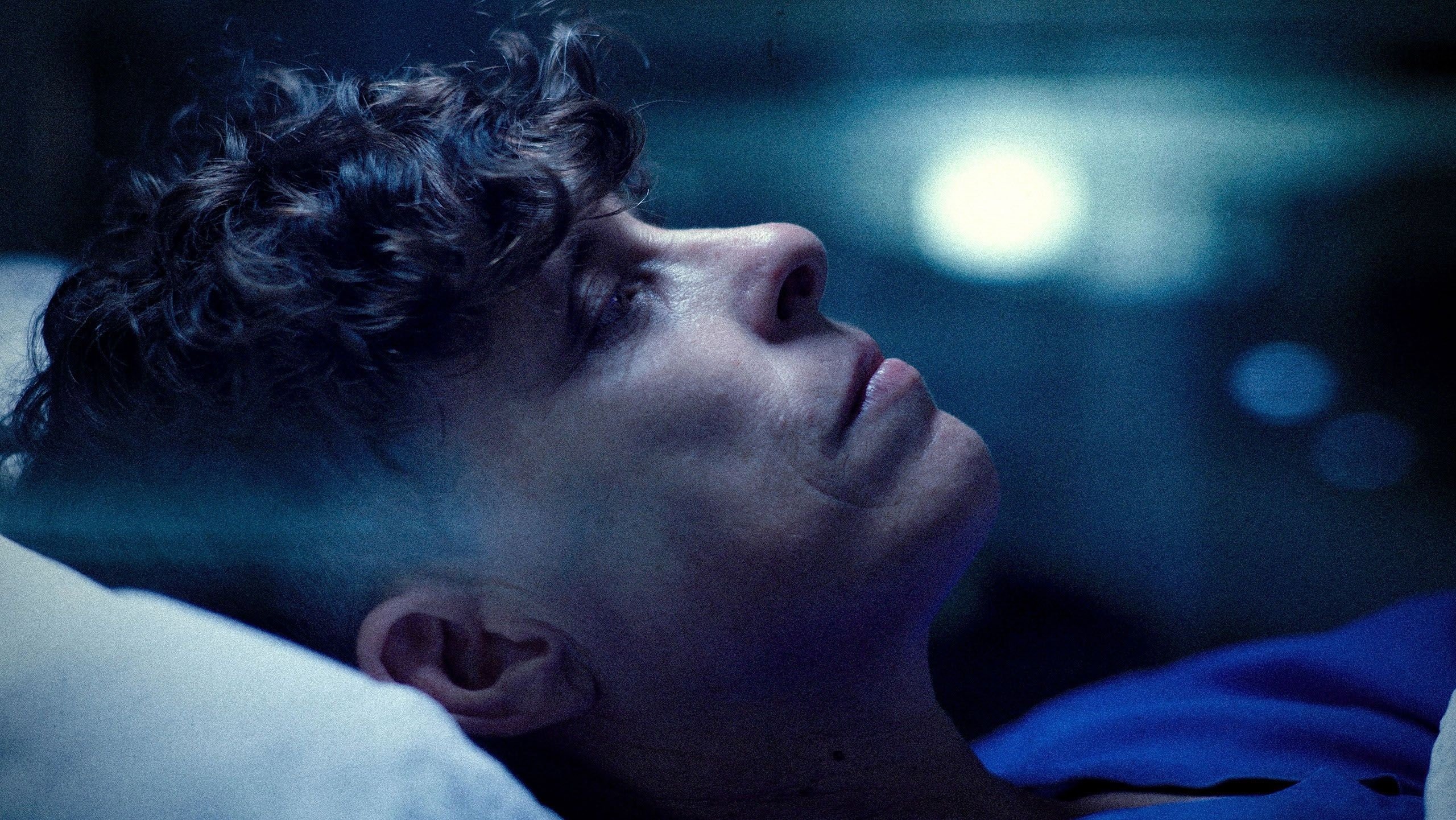
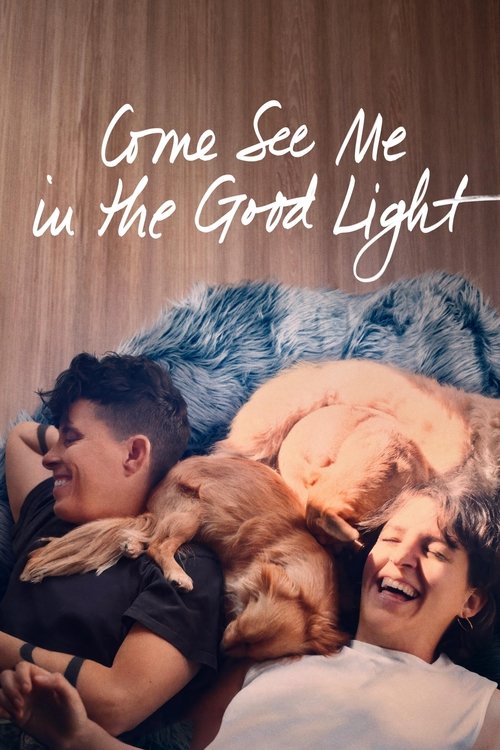
I have officially seen all of the Oscar-nominated documentary features this year, besides Mr. Nobody Against Putin, which is exclusively playing in theaters that are hours away. While not the most urgent overall—The Alabama Solution would easily get my vote if I were an Academy member—Come See Me in the Good Light is by far the most emotionally affecting of the docs nominated, and one of the more moving documentaries I’ve seen, hitting even harder as Andrea Gibson did not live to see its release. We spend days with her and Meg as we know Andrea’s days on this planet are numbered. Few docs, short or long, make us feel like we got to know its participants as fully fleshed-out human beings—but here we grow to know and love Meg and Andrea as people (I’d argue it’s just as much about Meg, as she’s right by Andrea for the rest of her life), and feel that we know them inside and out. The entire doc is razor-focused on their lives, with few other participants, making for a lovingly intimate experience. Little archive footage is utilized outside personal home videos and Andrea Gibson’s spoken-word poetry shows, allowing for further focus on the participants themselves, free of potentially distracting voiceover besides their own. This doc could have easily become exploitative and just been about Andrea and Meg’s struggles—the former growing up queer in a conservative religious household and becoming suicidal as a result, and the latter having body image struggles, all on top of Andrea’s incurable cancer—but it is willing to show how they have persevered through these struggles and are doing the best they can to stay alive as the world seemingly doesn’t want them to live as they are. In that respect, it’s an uplifting documentary about savoring the very life you have before it comes to an end—I got teary-eyed on multiple occasions. We need uplifting queer stories like these.
My only slight quibble is that it doesn’t fully dive into Andrea Gibson’s activism besides a few brief moments and doesn’t get fully into their creative process. The doc thankfully doesn’t straight wash their life story, but an even longer doc could have fleshed out their life even more.
I have officially seen all of the Oscar-nominated documentary features this year, besides Mr. Nobody Against Putin, which is exclusively playing in theaters that are hours away. While not the most urgent overall—The Alabama Solution would easily get my vote if I were an Academy member—Come See Me in the Good Light is by far the most emotionally affecting of the docs nominated, and one of the more moving documentaries I’ve seen, hitting even harder as Andrea Gibson did not live to see its release. We spend days with her and Meg as we know Andrea’s days on this planet are numbered. Few docs, short or long, make us feel like we got to know its participants as fully fleshed-out human beings—but here we grow to know and love Meg and Andrea as people (I’d argue it’s just as much about Meg, as she’s right by Andrea for the rest of her life), and feel that we know them inside and out. The entire doc is razor-focused on their lives, with few other participants, making for a lovingly intimate experience. Little archive footage is utilized outside personal home videos and Andrea Gibson’s spoken-word poetry shows, allowing for further focus on the participants themselves, free of potentially distracting voiceover besides their own. This doc could have easily become exploitative and just been about Andrea and Meg’s struggles—the former growing up queer in a conservative religious household and becoming suicidal as a result, and the latter having body image struggles, all on top of Andrea’s incurable cancer—but it is willing to show how they have persevered through these struggles and are doing the best they can to stay alive as the world seemingly doesn’t want them to live as they are. In that respect, it’s an uplifting documentary about savoring the very life you have before it comes to an end—I got teary-eyed on multiple occasions. We need uplifting queer stories like these.
My only slight quibble is that it doesn’t fully dive into Andrea Gibson’s activism besides a few brief moments and doesn’t get fully into their creative process. The doc thankfully doesn’t straight wash their life story, but an even longer doc could have fleshed out their life even more.