
Sisa
2026·Thriller·1h 54m
7.1
★
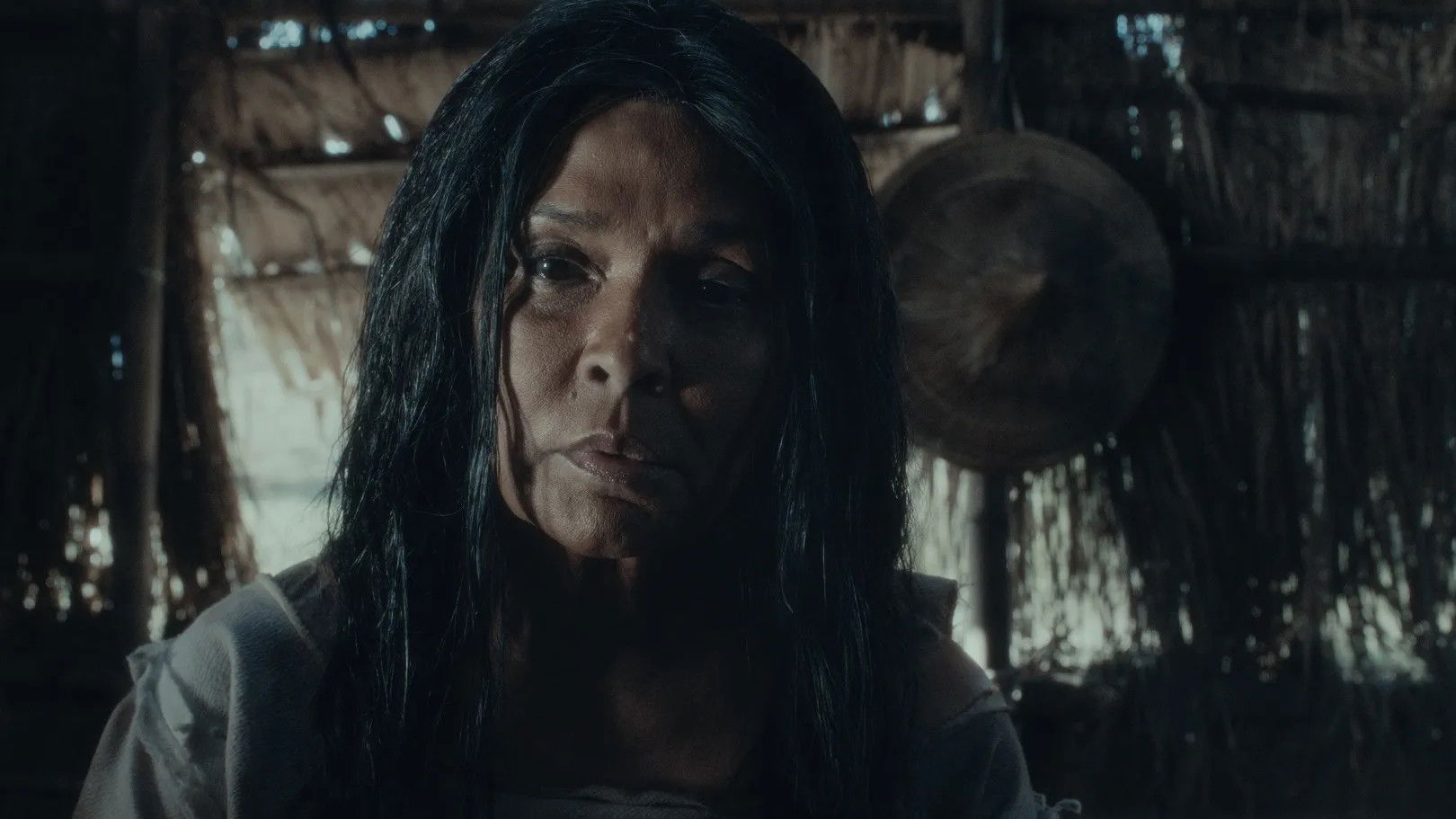
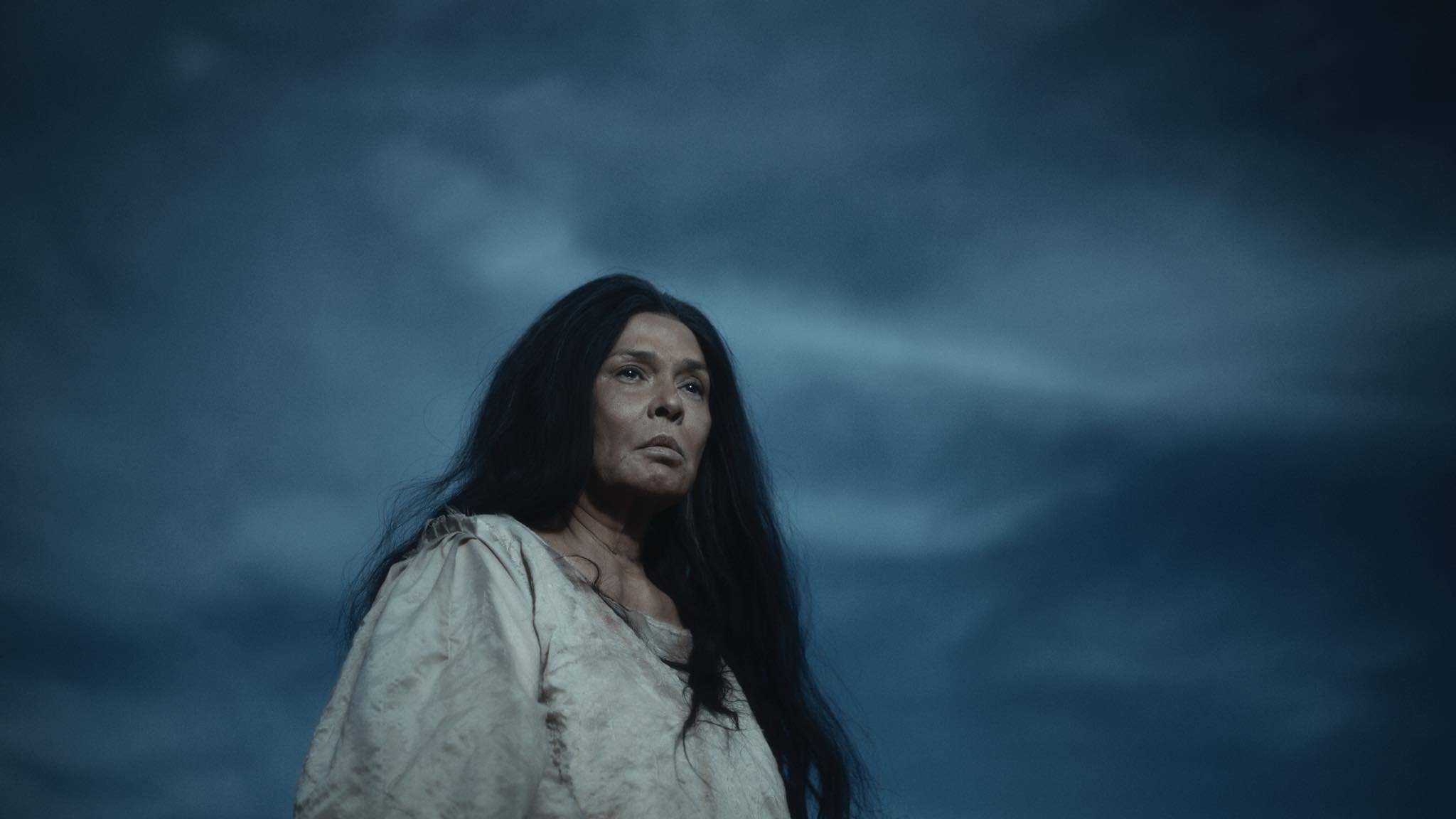
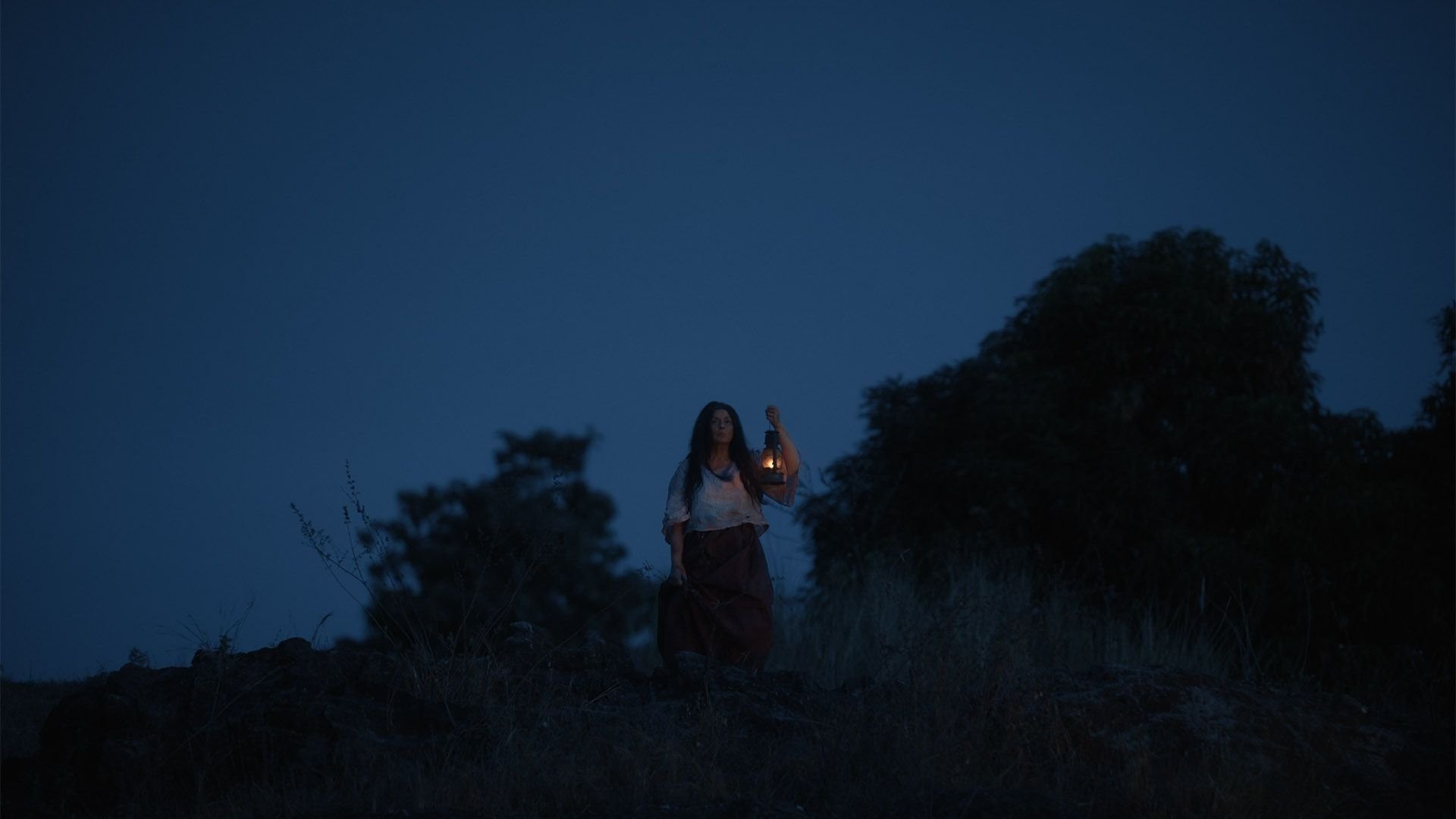
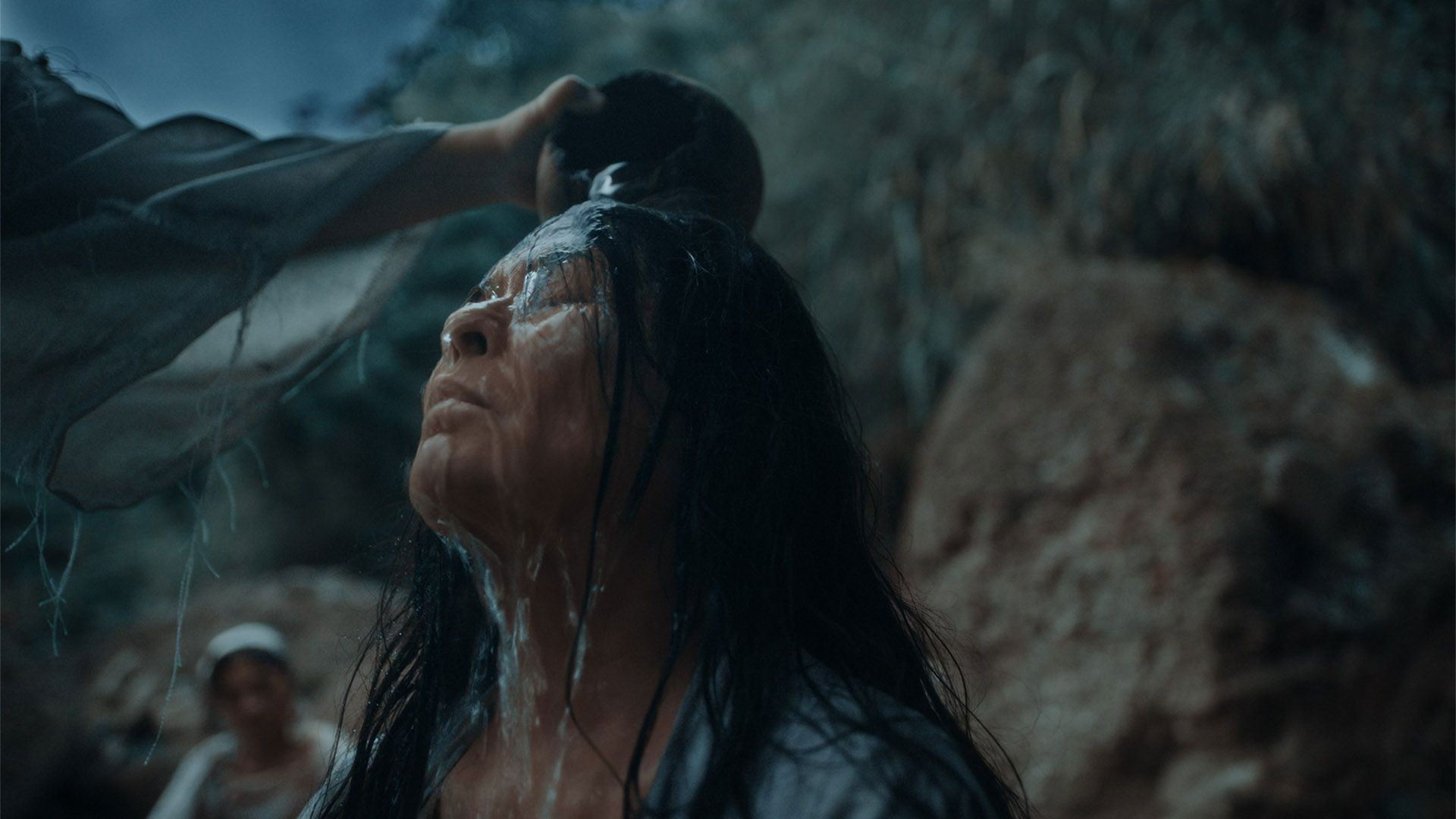
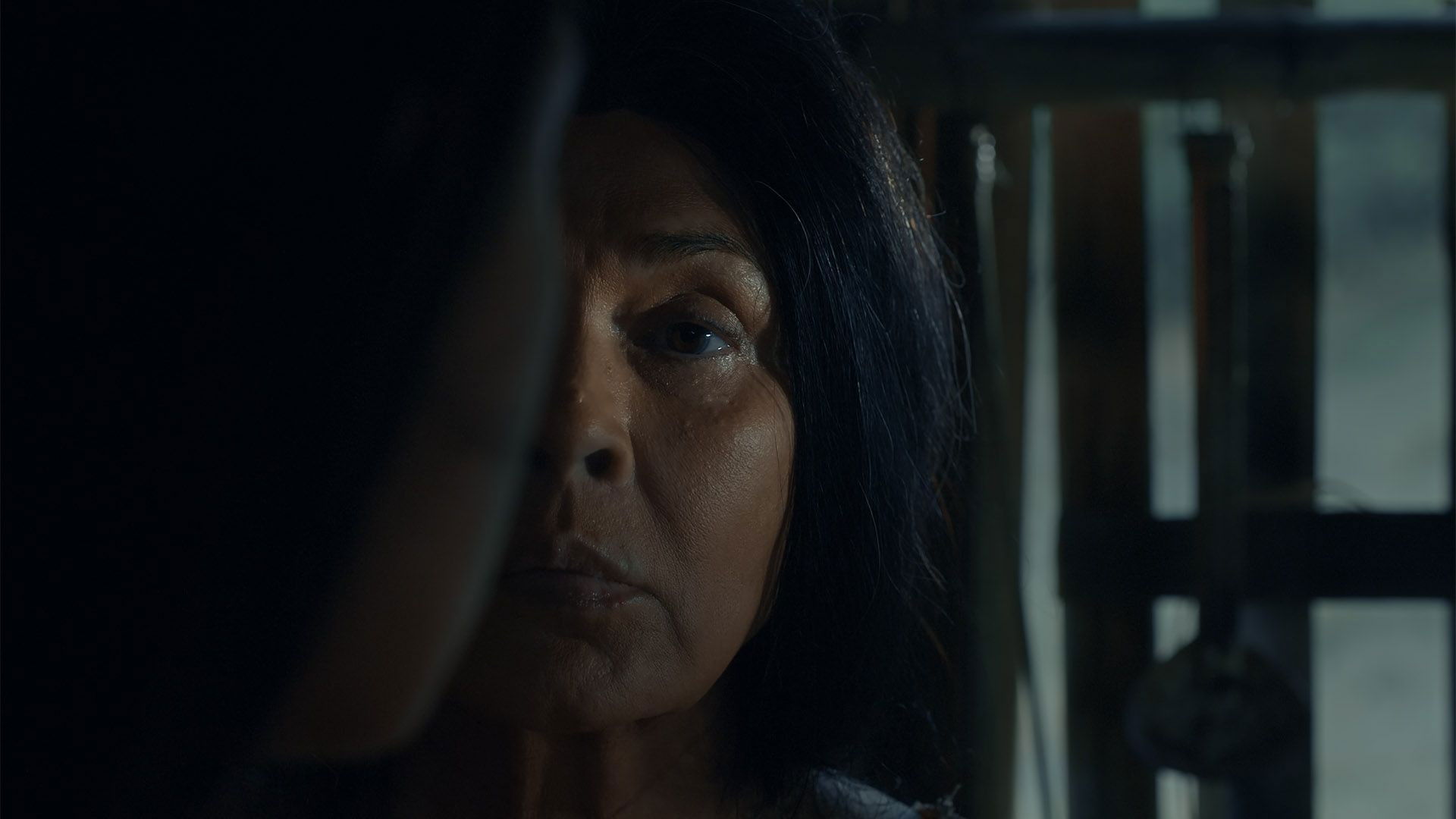
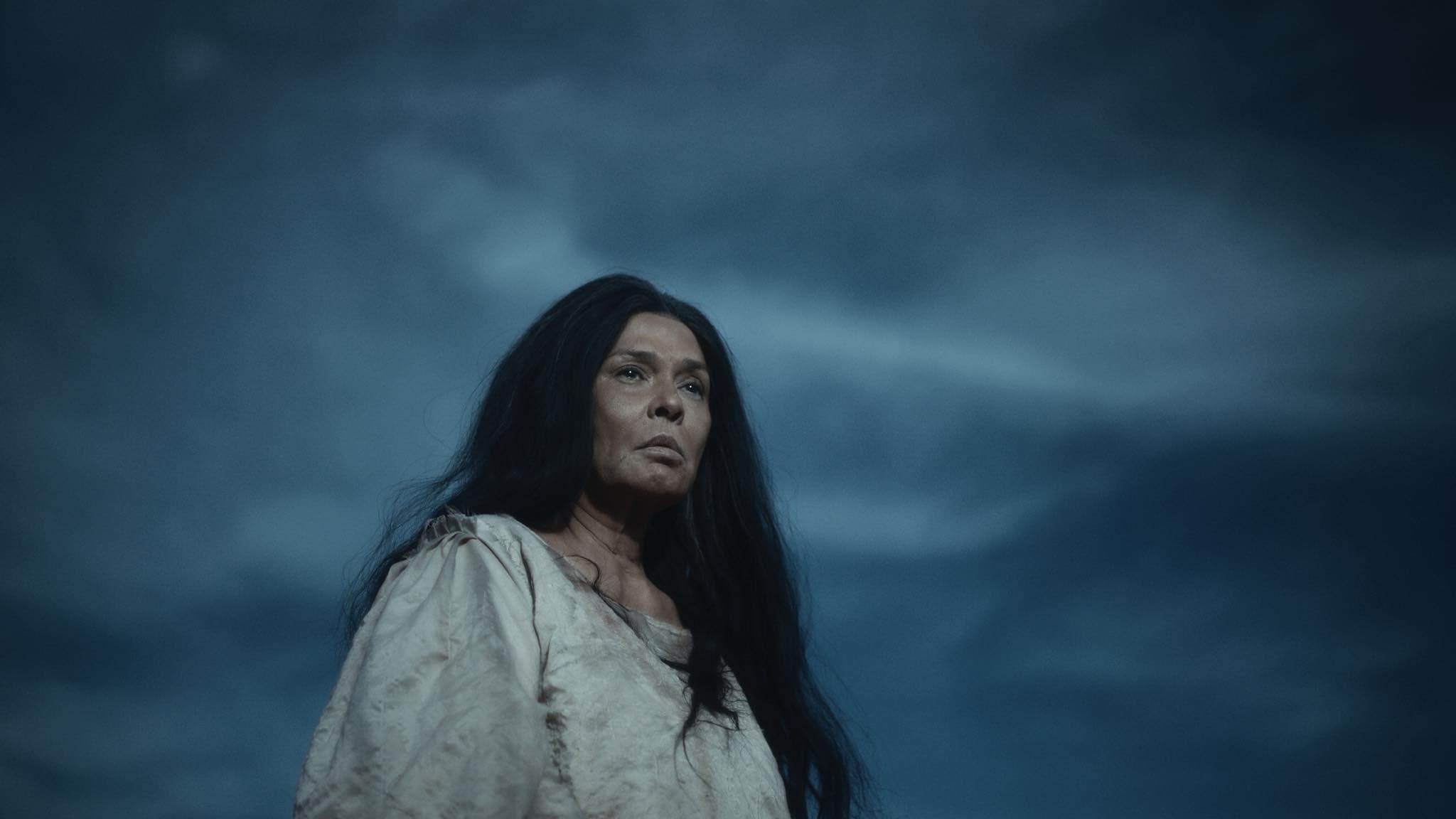
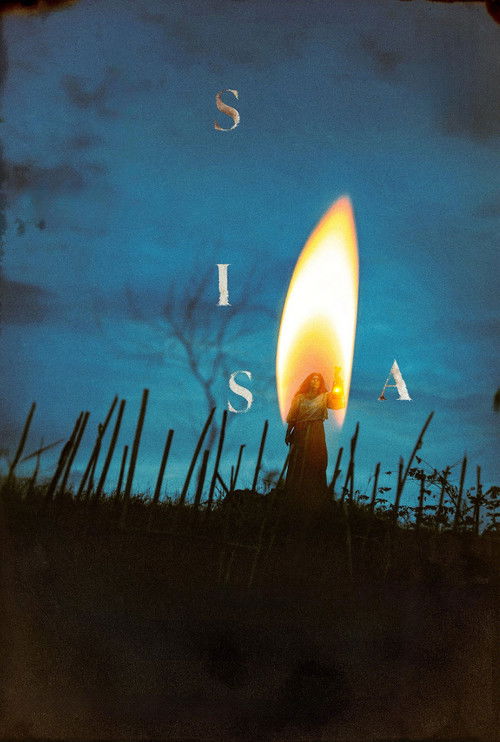
The Philippines, 1902. The land is raw, wounded, occupied. Smoke clings to the trees. Blood soaks the soil. The war is over – but the violence lingers. Widows fill the villages. Mothers vanish into silence. Among them walks Sisa, barefoot and broken, dismissed as mad by those who fear what they don't understand. But madness is only the surface.
Directed by Jun Robles Lana
revenge
tragedy
abuse
american soldiers
revenge thriller
war
women
violence

Trailer

IMDB
N/A
Cast
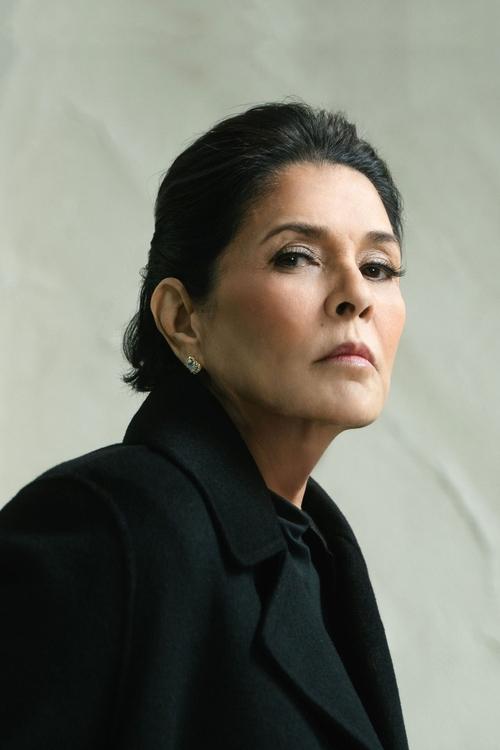
Hilda Koronel
Sisa

Eugene Domingo
Delia

Jennica Garcia
Leonor

Angellie Nicholle Sanoy
Nena

Barbara Miguel
Rita

Tanya Gomez
Ofelia

Jorrybell Agoto
Cedes

Janina Mendoza
Gloria

Timothy Castillo
Antonio

Romnick Sarmenta
General Artemio

Nico Antonio
Santiago
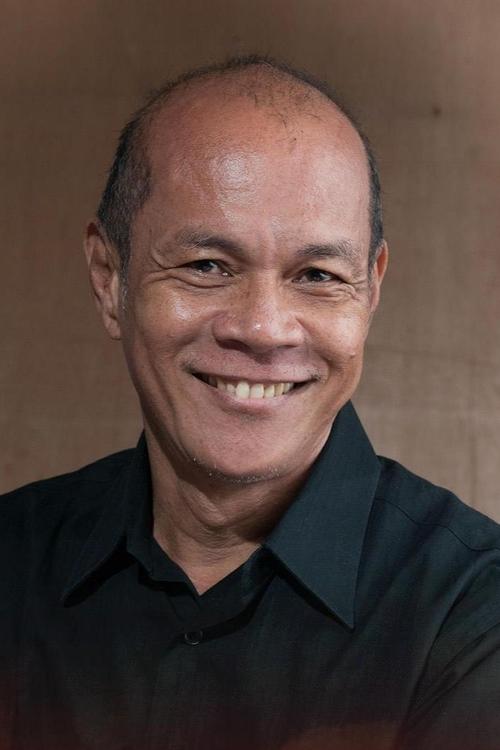
Jess Evardone
Tata Jose
Crew

Jun Robles Lana
Director
Jun Robles Lana
Writer

Teresa Barrozo
Original Music Composer

Lawrence S. Ang
Editor

Carlo Mendoza
Director of Photography

Perci Intalan
Producer
Jun Robles Lana
Producer

Joji Alonso
Producer

Ditoy Aguila
Sound

Jaylo Conanan
Production Design
Popular Reviews
34 reviews
Jis
10.0★ · 04/30/26
I WISH I WAS A NORMAL GIRL
GANDA PUTANGINA ANG GAGALING UMAKTING PUTANGINA ANG GANDA PUTA PALO YARRNNN
GANDA PUTANGINA ANG GAGALING UMAKTING PUTANGINA ANG GANDA PUTA PALO YARRNNN
I WISH I WAS A NORMAL GIRL
GANDA PUTANGINA ANG GAGALING UMAKTING PUTANGINA ANG GANDA PUTA PALO YARRNNN
GANDA PUTANGINA ANG GAGALING UMAKTING PUTANGINA ANG GANDA PUTA PALO YARRNNN


Bazar
10.0★ · 04/30/26
fucking brilliant. the last 30 minutes went beyond my expectations and the characters were so well developed up until the very end! camera work wow. eugene domingo and hilda koronel WOW.
fucking brilliant. the last 30 minutes went beyond my expectations and the characters were so well developed up until the very end! camera work wow. eugene domingo and hilda koronel WOW.
gen
9.0★ · 03/25/26
MABUHAY ANG MGA KABABAIHAN !!!
MABUHAY ANG MGA KABABAIHAN !!!
Storm
8.0★ · 03/16/26
If there should be anything that this movie should be praised for, it's pacing, but then again, it's Jun Robles Lana. A well-paced movie is The Standard. Interesting hook, mid-point sharp turn, and a heart-punding third act that got me hiding in my hoodie. This movie is riveting to say the least.
After getting over the hurdle of "is that jaundice a creative choice or a color grading issue (or maybe a me problem)", the slow and steady character exposition really grounds you into this world. A small town that we get to unravel day by day as Sisa does and as the town does Sisa. We see the people through her lens but we also get insight as to how they see her, perks of having a non-reactive character mask I guess.
A stand-out shot for me would be in the baile when Sisa, Nena, Leonor, and at one point Ms. Warren, stand at the table. The camera lingers on them for a few seconds and it clicks. These are the stories we are following, the outcasts of a town asked to submit and conform. The insane undercover spy, the mischievous translator, the AFAM-loving harlot, and the pseudo-bridge of civilization. They all connect separated sectors of the circles they belong to and yet they are all singled out at some point in the movie.
Sisa is definitely worth a watch. We've been beside men at war time and time again. It's refreshing to get to watch a women at war film right on Women's Month. Surprisingly (or unsurprisingly) several, if not all, of the women's struggles are still relevant and prevalent to this day. Submitting to patriarchal expectations, abuse, underage pregnancy, being an easy target for assumptions, and internalized misogyny to name some. The battle of a woman at war is not only a geographical fight but a psychosocial one as well.
The camera movements and lighting choices were highlights for me but that ending felt so anti-climactic and unsatisfactory. Even then, it's nice to have a movie that is not only woman-centered, but women-dominated. This is a war perspective I have not heard discussed before—of widows and reconcentrados—and I appreciate adding more knowledge to the already decorated Philippine History segment of my brain.
After getting over the hurdle of "is that jaundice a creative choice or a color grading issue (or maybe a me problem)", the slow and steady character exposition really grounds you into this world. A small town that we get to unravel day by day as Sisa does and as the town does Sisa. We see the people through her lens but we also get insight as to how they see her, perks of having a non-reactive character mask I guess.
A stand-out shot for me would be in the baile when Sisa, Nena, Leonor, and at one point Ms. Warren, stand at the table. The camera lingers on them for a few seconds and it clicks. These are the stories we are following, the outcasts of a town asked to submit and conform. The insane undercover spy, the mischievous translator, the AFAM-loving harlot, and the pseudo-bridge of civilization. They all connect separated sectors of the circles they belong to and yet they are all singled out at some point in the movie.
Sisa is definitely worth a watch. We've been beside men at war time and time again. It's refreshing to get to watch a women at war film right on Women's Month. Surprisingly (or unsurprisingly) several, if not all, of the women's struggles are still relevant and prevalent to this day. Submitting to patriarchal expectations, abuse, underage pregnancy, being an easy target for assumptions, and internalized misogyny to name some. The battle of a woman at war is not only a geographical fight but a psychosocial one as well.
The camera movements and lighting choices were highlights for me but that ending felt so anti-climactic and unsatisfactory. Even then, it's nice to have a movie that is not only woman-centered, but women-dominated. This is a war perspective I have not heard discussed before—of widows and reconcentrados—and I appreciate adding more knowledge to the already decorated Philippine History segment of my brain.
If there should be anything that this movie should be praised for, it's pacing, but then again, it's Jun Robles Lana. A well-paced movie is The Standard. Interesting hook, mid-point sharp turn, and a heart-punding third act that got me hiding in my hoodie. This movie is riveting to say the least.
After getting over the hurdle of "is that jaundice a creative choice or a color grading issue (or maybe a me problem)", the slow and steady character exposition really grounds you into this world. A small town that we get to unravel day by day as Sisa does and as the town does Sisa. We see the people through her lens but we also get insight as to how they see her, perks of having a non-reactive character mask I guess.
A stand-out shot for me would be in the baile when Sisa, Nena, Leonor, and at one point Ms. Warren, stand at the table. The camera lingers on them for a few seconds and it clicks. These are the stories we are following, the outcasts of a town asked to submit and conform. The insane undercover spy, the mischievous translator, the AFAM-loving harlot, and the pseudo-bridge of civilization. They all connect separated sectors of the circles they belong to and yet they are all singled out at some point in the movie.
Sisa is definitely worth a watch. We've been beside men at war time and time again. It's refreshing to get to watch a women at war film right on Women's Month. Surprisingly (or unsurprisingly) several, if not all, of the women's struggles are still relevant and prevalent to this day. Submitting to patriarchal expectations, abuse, underage pregnancy, being an easy target for assumptions, and internalized misogyny to name some. The battle of a woman at war is not only a geographical fight but a psychosocial one as well.
The camera movements and lighting choices were highlights for me but that ending felt so anti-climactic and unsatisfactory. Even then, it's nice to have a movie that is not only woman-centered, but women-dominated. This is a war perspective I have not heard discussed before—of widows and reconcentrados—and I appreciate adding more knowledge to the already decorated Philippine History segment of my brain.
After getting over the hurdle of "is that jaundice a creative choice or a color grading issue (or maybe a me problem)", the slow and steady character exposition really grounds you into this world. A small town that we get to unravel day by day as Sisa does and as the town does Sisa. We see the people through her lens but we also get insight as to how they see her, perks of having a non-reactive character mask I guess.
A stand-out shot for me would be in the baile when Sisa, Nena, Leonor, and at one point Ms. Warren, stand at the table. The camera lingers on them for a few seconds and it clicks. These are the stories we are following, the outcasts of a town asked to submit and conform. The insane undercover spy, the mischievous translator, the AFAM-loving harlot, and the pseudo-bridge of civilization. They all connect separated sectors of the circles they belong to and yet they are all singled out at some point in the movie.
Sisa is definitely worth a watch. We've been beside men at war time and time again. It's refreshing to get to watch a women at war film right on Women's Month. Surprisingly (or unsurprisingly) several, if not all, of the women's struggles are still relevant and prevalent to this day. Submitting to patriarchal expectations, abuse, underage pregnancy, being an easy target for assumptions, and internalized misogyny to name some. The battle of a woman at war is not only a geographical fight but a psychosocial one as well.
The camera movements and lighting choices were highlights for me but that ending felt so anti-climactic and unsatisfactory. Even then, it's nice to have a movie that is not only woman-centered, but women-dominated. This is a war perspective I have not heard discussed before—of widows and reconcentrados—and I appreciate adding more knowledge to the already decorated Philippine History segment of my brain.
Jar
7.0★ · 03/15/26
i enjoyed the sense of place in sisa - the way everything happens in the same few places, the way they shoot the landscapes and give a feeling of a time before ours. it helps reinforce the tangibility of revolution growing in small communities. revolution isn’t just a grand thing but an infinite series of small actions, defiant decisions by individuals who all contribute a part to the freedom we enjoy today as filipinos.
the tension sisa’s premise brings made me a lot more conscious of every scene and interaction, knowing there’s so many interconnected pieces that are just waiting for a spark. when it call comes crashing down, sisa delivers a oner that really gave a sense of urgency and pain that i really liked.
the tension sisa’s premise brings made me a lot more conscious of every scene and interaction, knowing there’s so many interconnected pieces that are just waiting for a spark. when it call comes crashing down, sisa delivers a oner that really gave a sense of urgency and pain that i really liked.
i enjoyed the sense of place in sisa - the way everything happens in the same few places, the way they shoot the landscapes and give a feeling of a time before ours. it helps reinforce the tangibility of revolution growing in small communities. revolution isn’t just a grand thing but an infinite series of small actions, defiant decisions by individuals who all contribute a part to the freedom we enjoy today as filipinos.
the tension sisa’s premise brings made me a lot more conscious of every scene and interaction, knowing there’s so many interconnected pieces that are just waiting for a spark. when it call comes crashing down, sisa delivers a oner that really gave a sense of urgency and pain that i really liked.
the tension sisa’s premise brings made me a lot more conscious of every scene and interaction, knowing there’s so many interconnected pieces that are just waiting for a spark. when it call comes crashing down, sisa delivers a oner that really gave a sense of urgency and pain that i really liked.