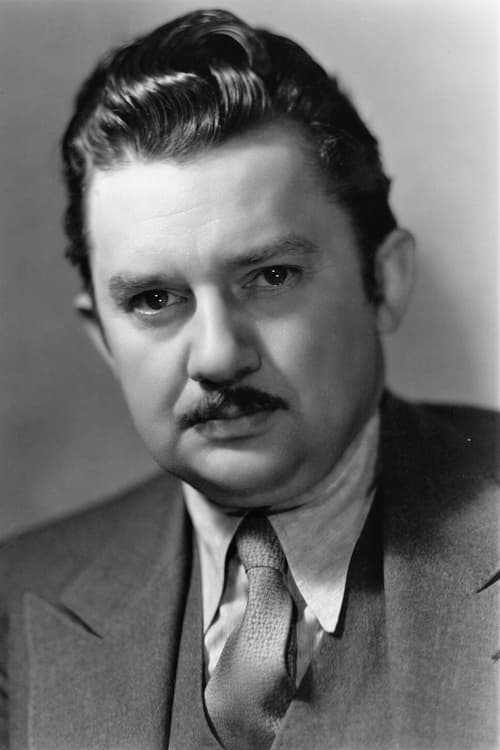
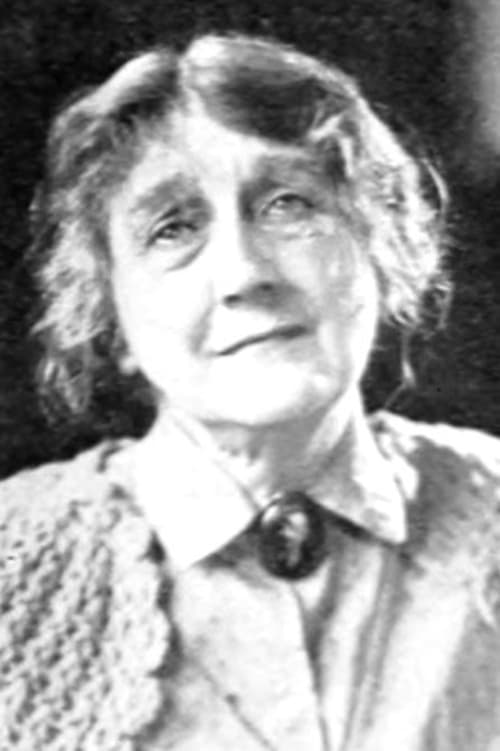
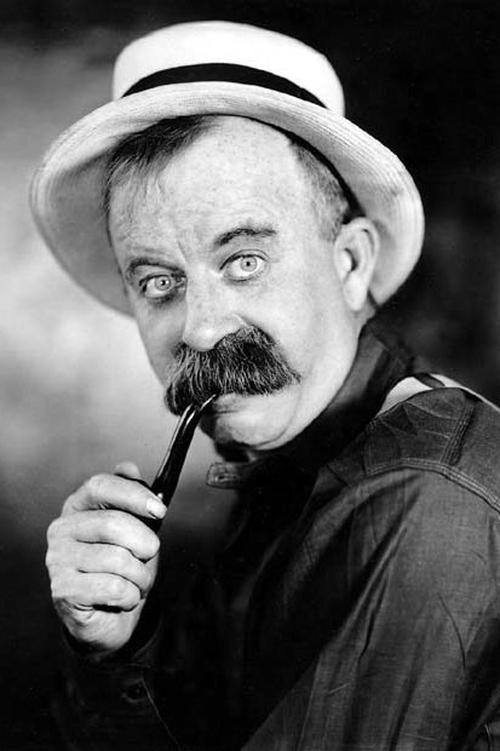
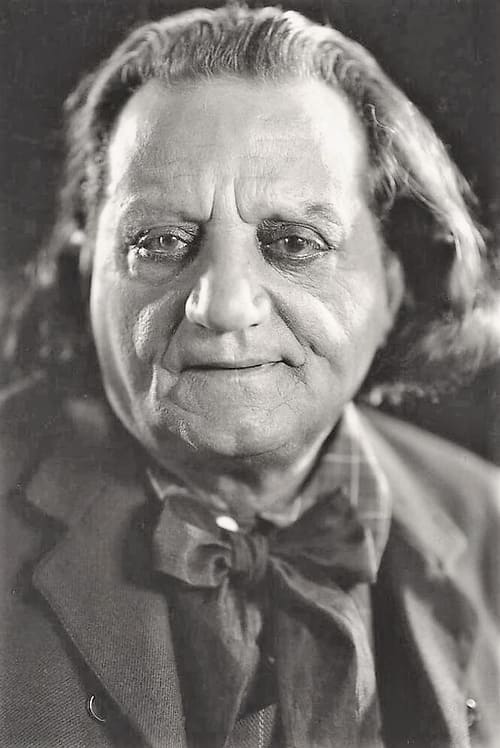
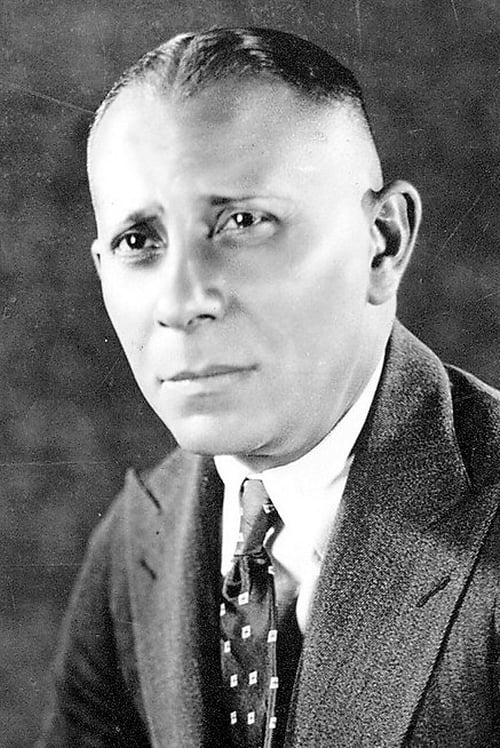
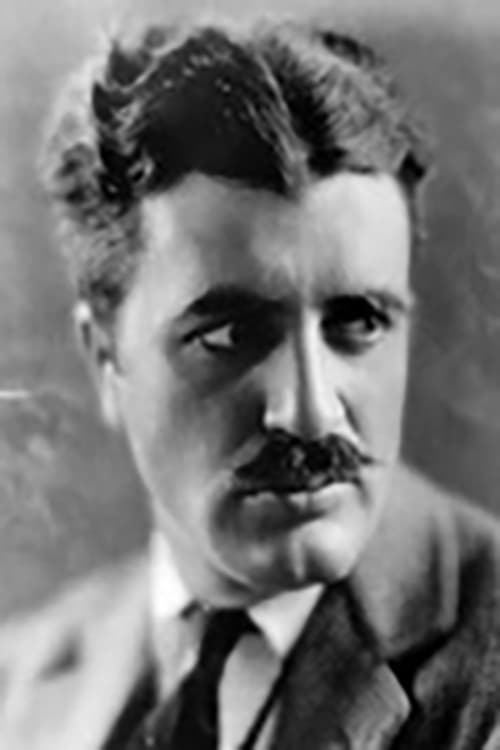
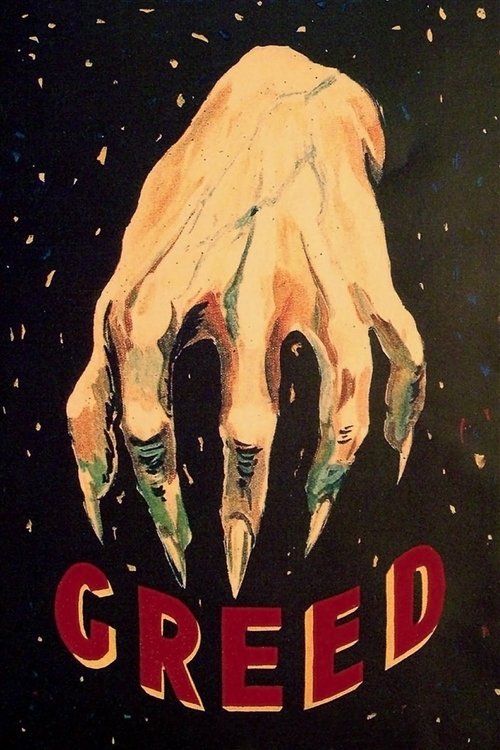
When I first saw this film roughly 8 years ago, and given how heretical those of us who love cinema are, I became convinced that God existed and that he was the brilliant Erich von Stroheim. From its very first images, the film has an overwhelming, elemental power; only the great masters know how to truly create, and Stroheim had talent to spare. In two quick strokes, he said more than others do after hours of digressions. Erich von Stroheim didn’t use a script; he simply took Frank Norris’s book and started filming it page by page.
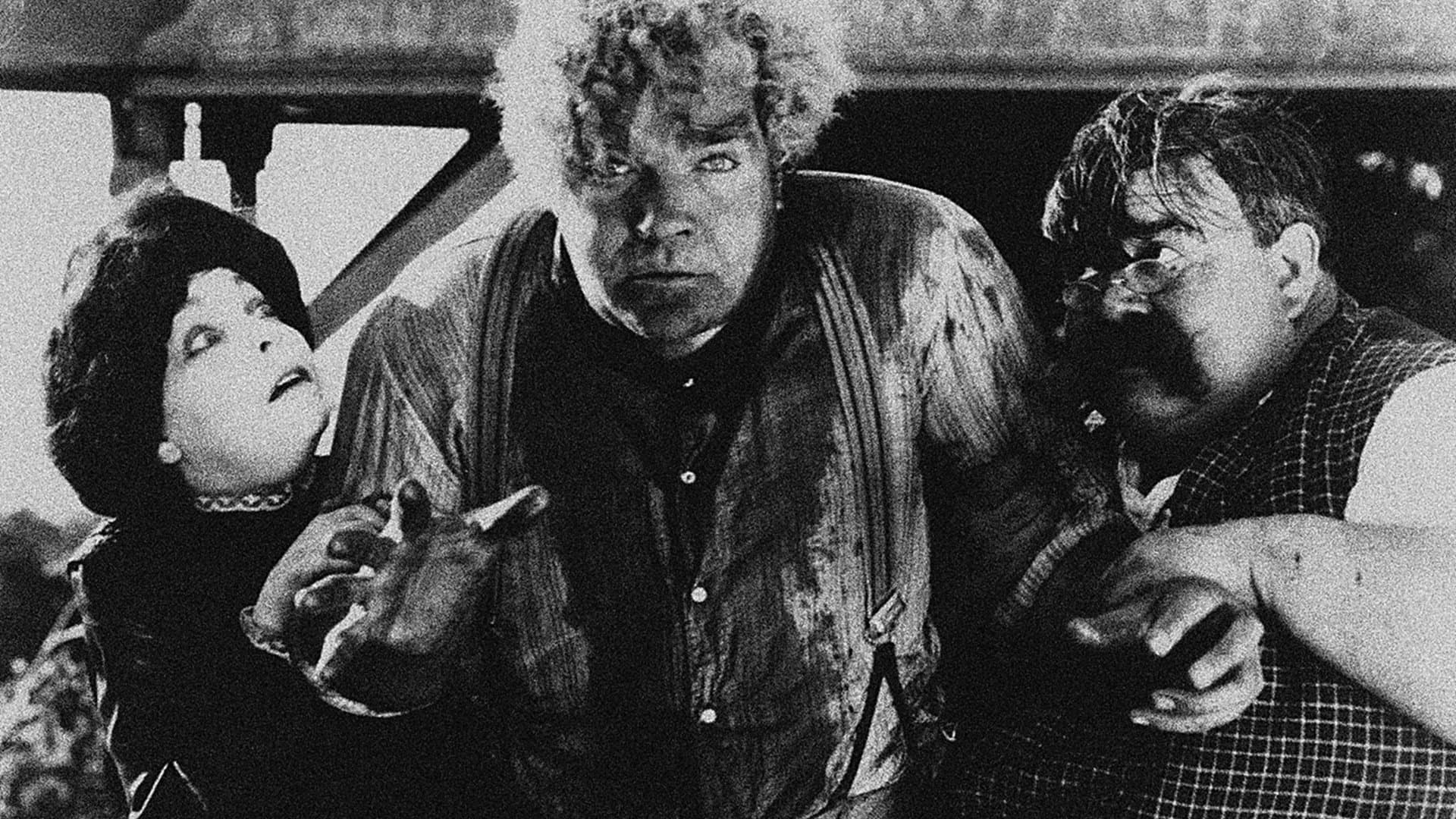
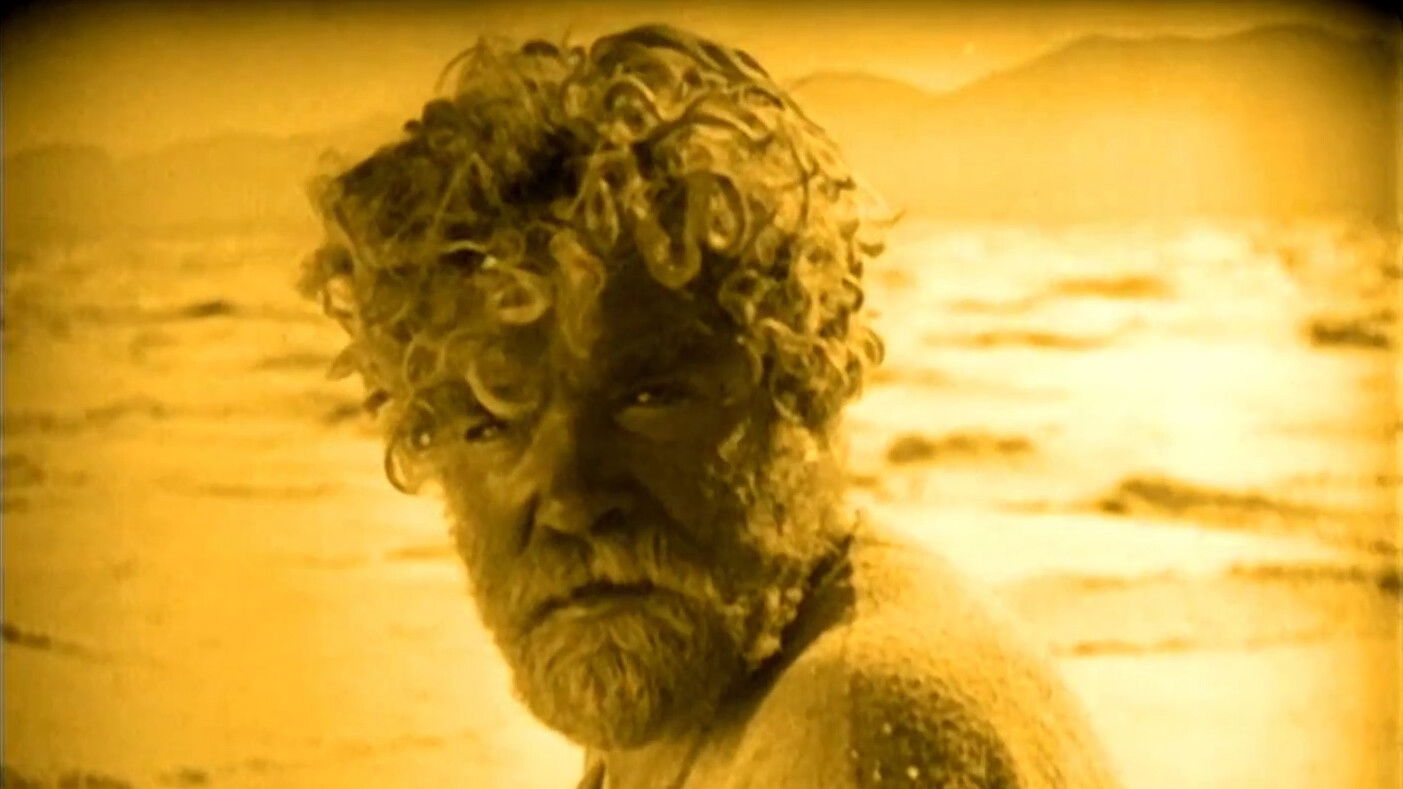
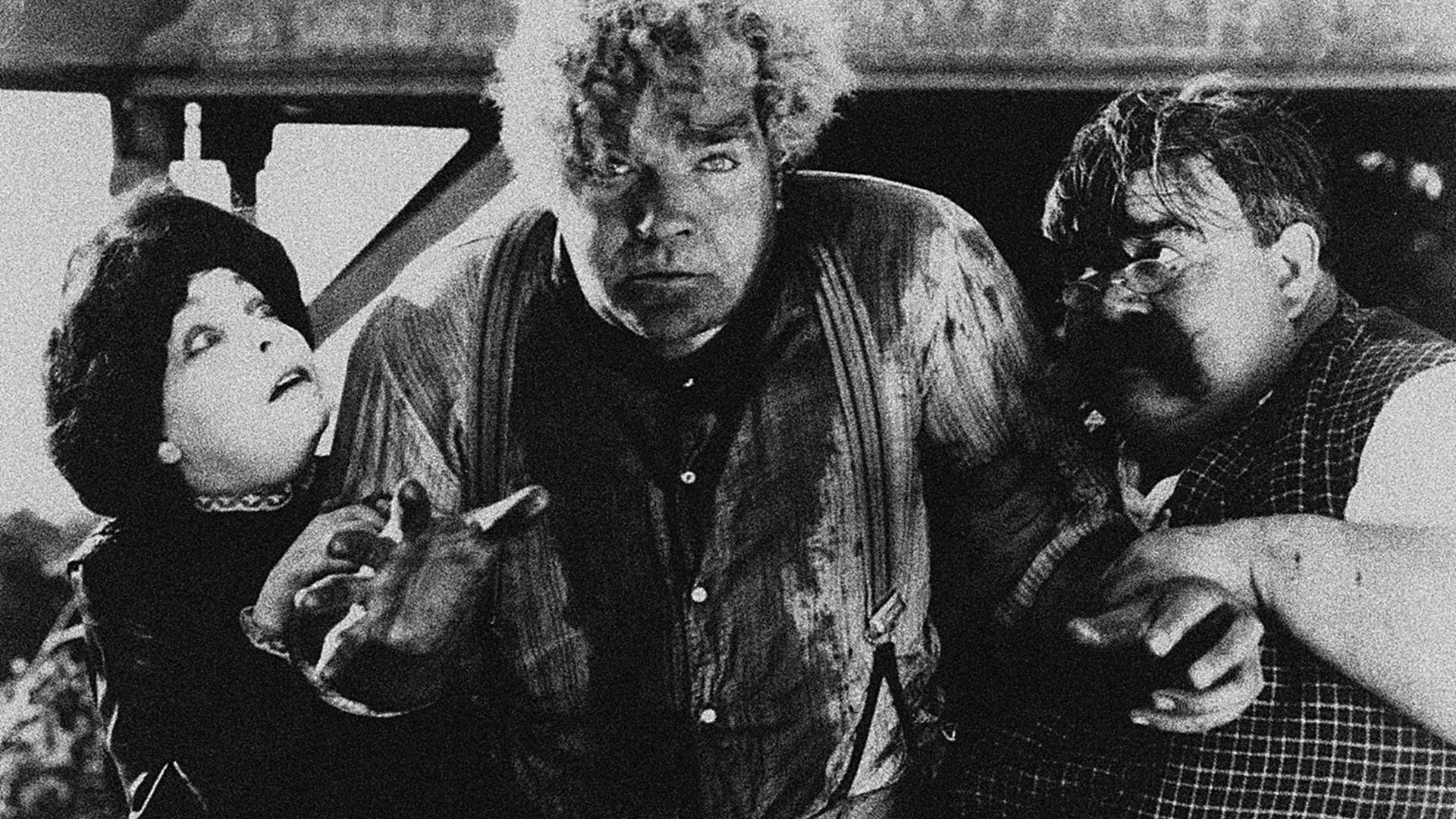
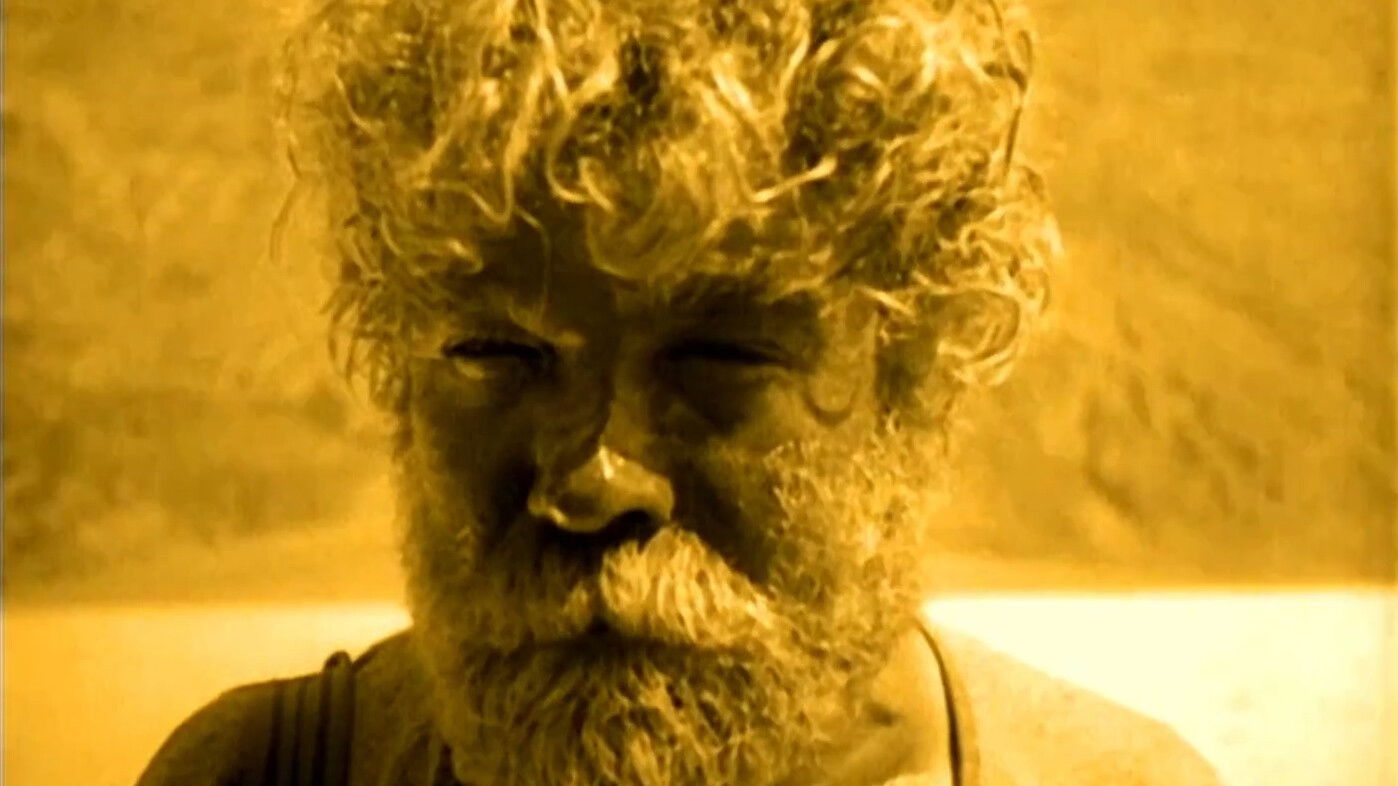
“Greed” is a masterpiece of layered imagery and recurring symbolism. Nothing is random. Every frame carries its own inner weight. Every gesture has an exact purpose. Silent cinema had never possessed such expressive force. For example, McTeague, the film’s protagonist, sees the rocks hiding the gold for what they truly are: mere stones. Yet moments later, this hulk brute giant gently picks up an injured bird and, with immense tenderness, tries to nurse it back to life. When one of his companions snatches it away and kills it with a single blow, McTeague does not hesitate for a second, he throws the man off a cliff.
The genius of Erich von Stroheim is distilled into a single brief title card: “That was McTeague.” The character is etched so deeply into your mind that, throughout the film’s descent into absolute degradation, his presence hangs over every moment of this masterful drama.
In a conversation between Billy Wilder and Michel Ciment, the great director recalled something Erich von Stroheim told him while they were shooting “Sunset Boulevard”. Wilder remarked that Stroheim’s problem had been being 10 years ahead of the cinema of his time. Stroheim replied: 20. I would say 50.
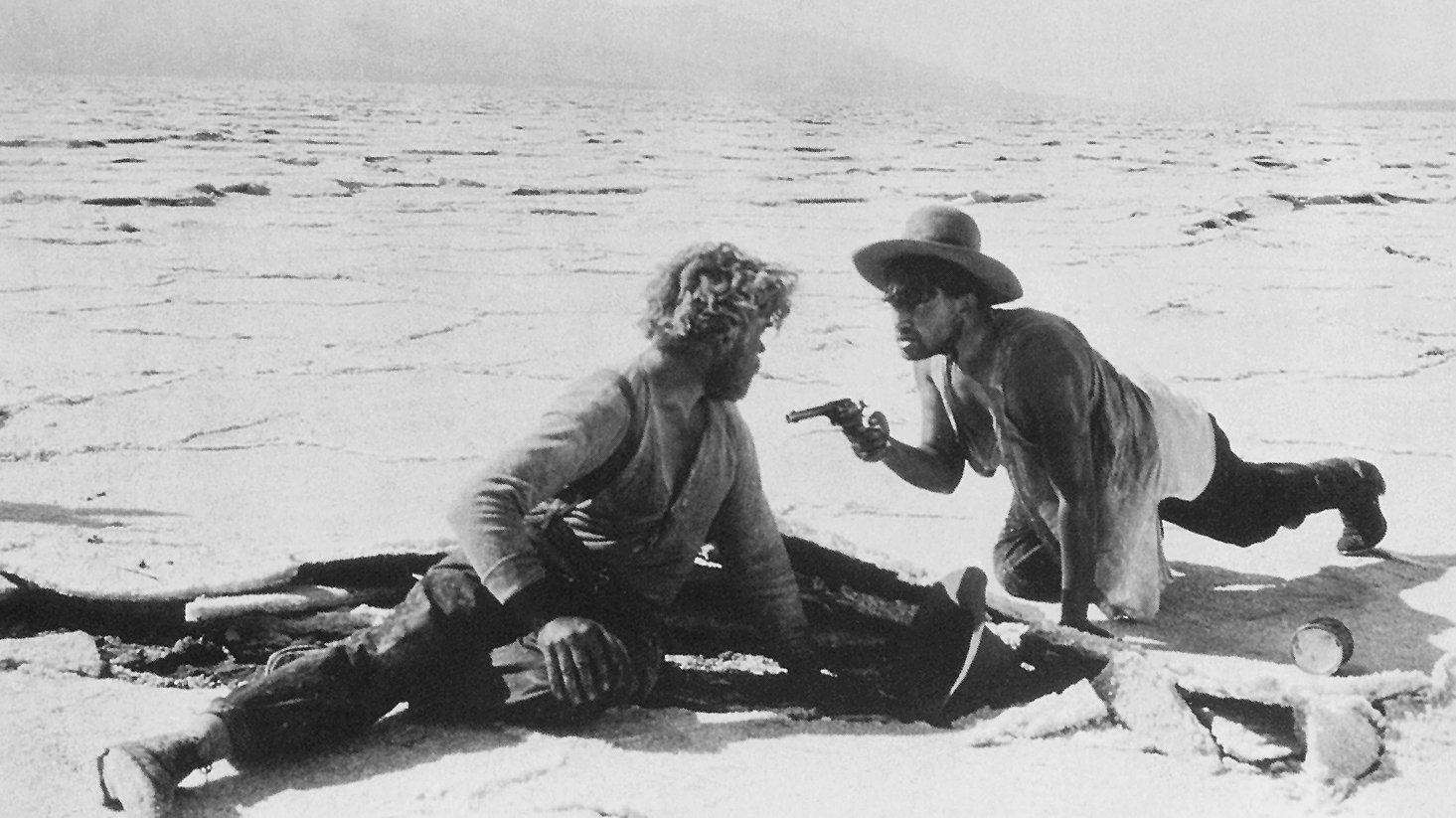
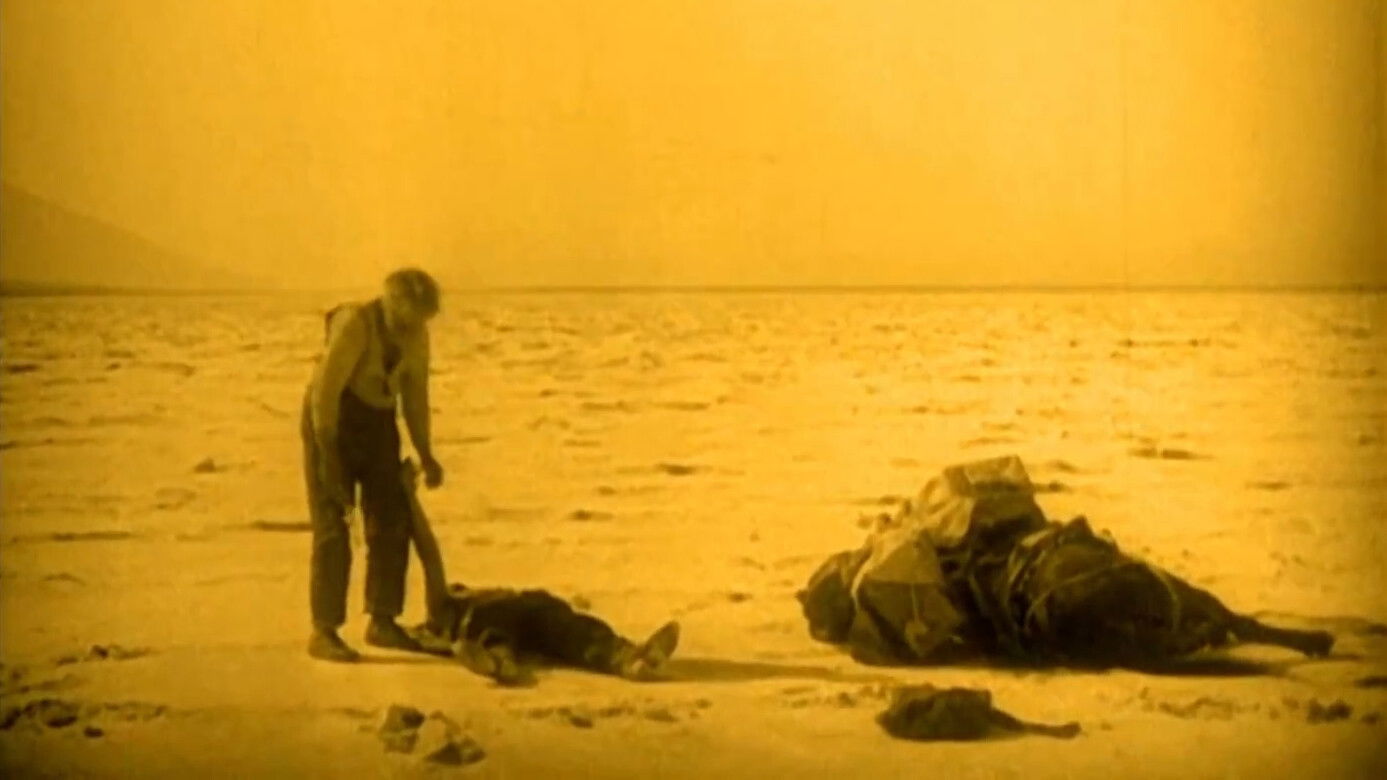
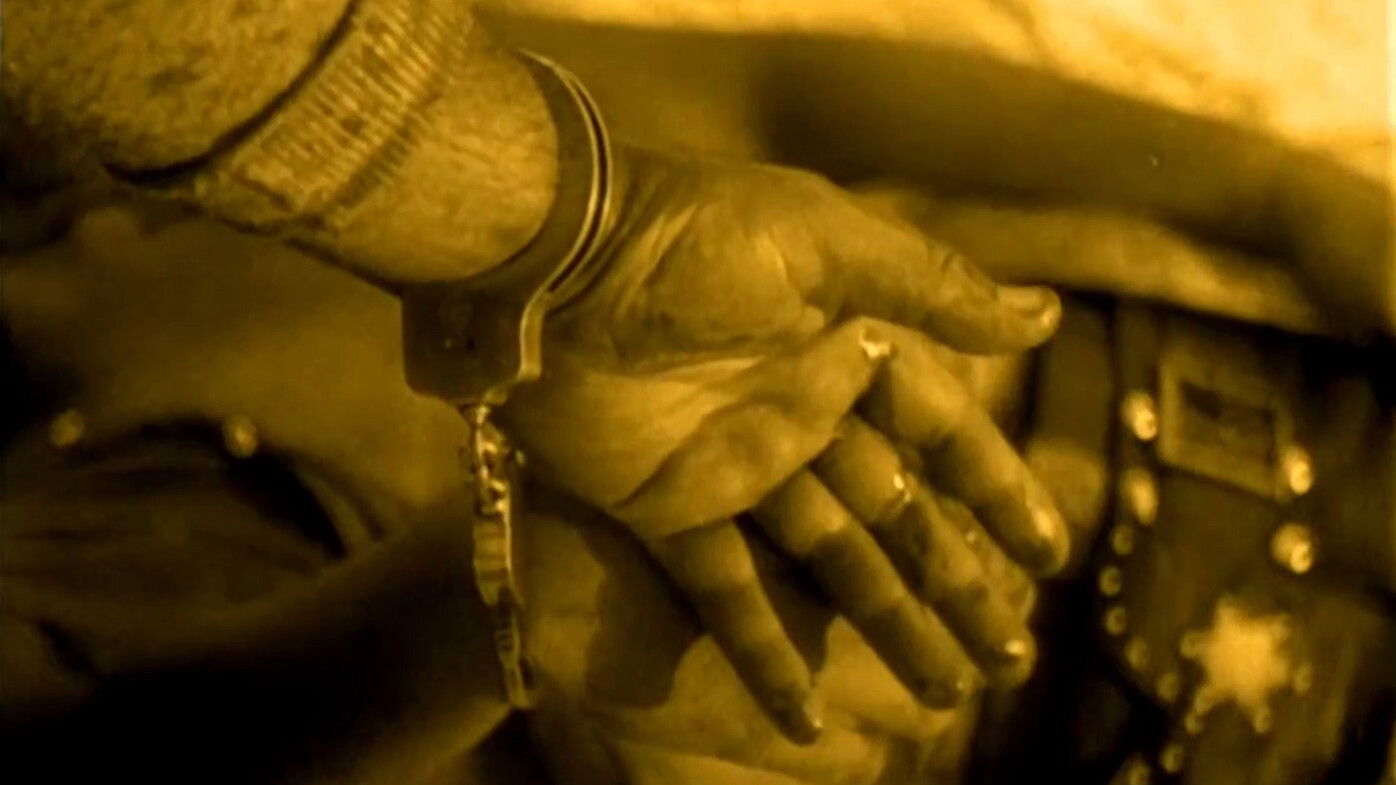
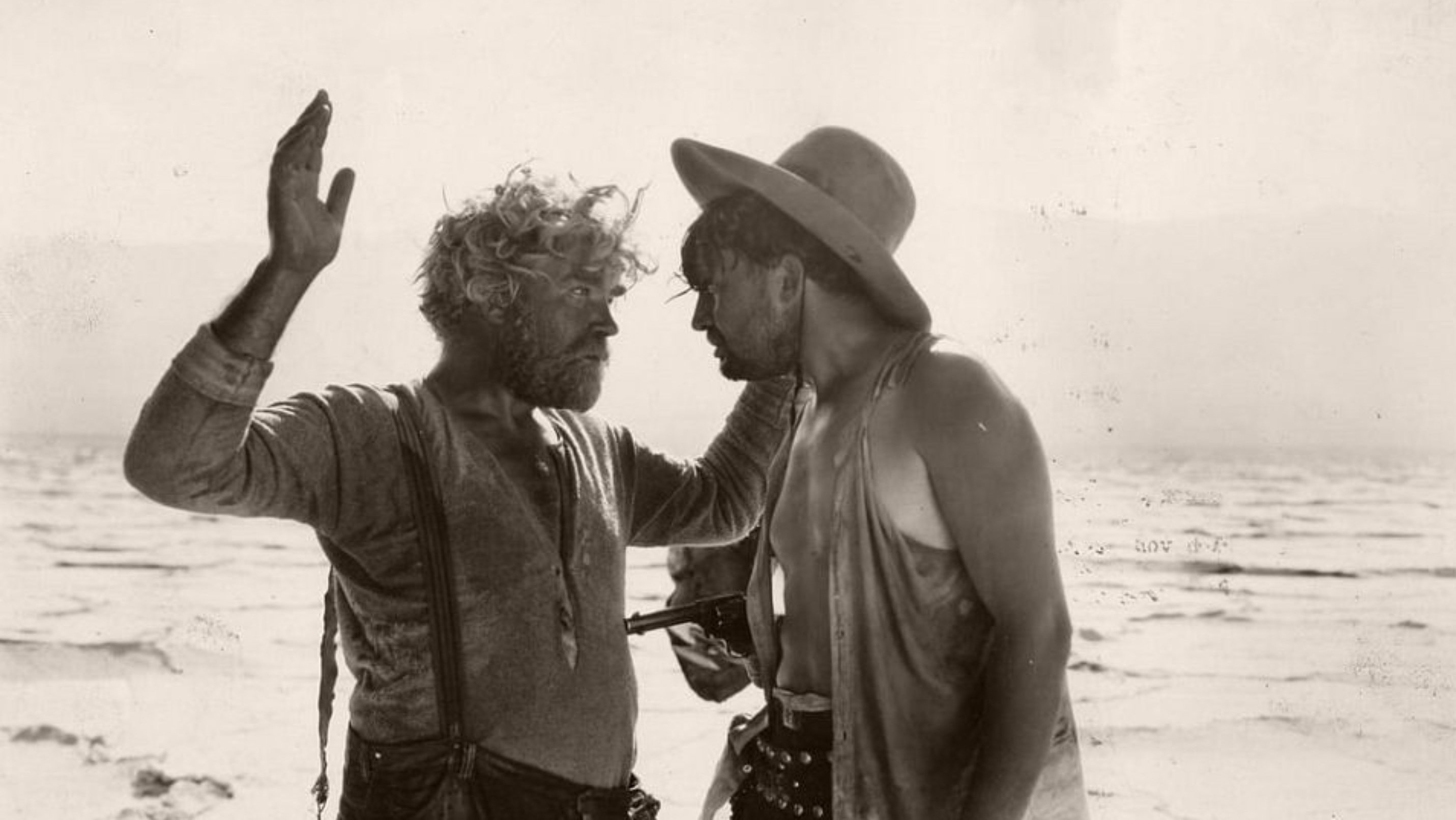
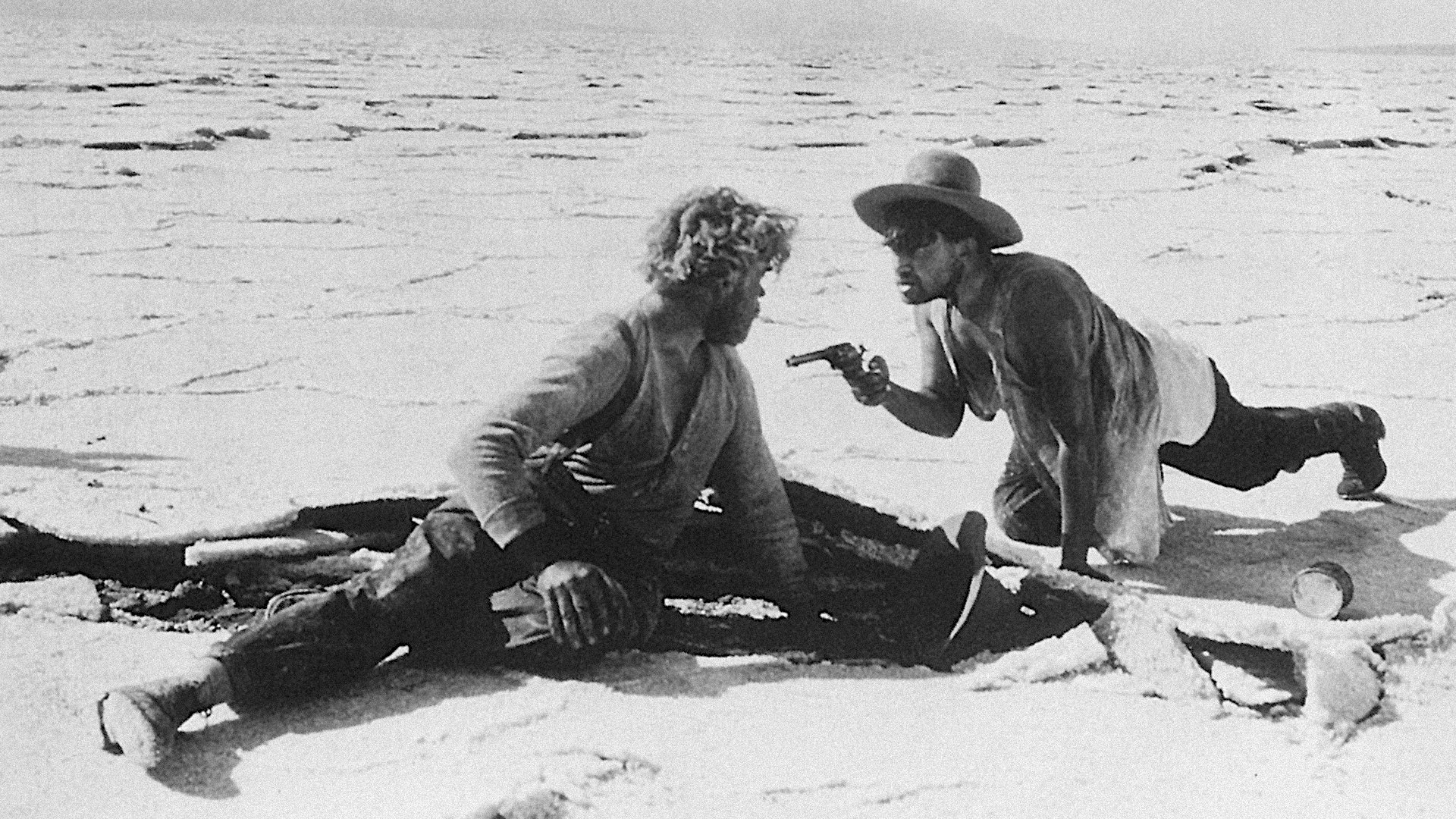
All later cinema is already there. Citizen Kane is already there. Surrealism is there. Italian neorealism, Federico Fellini, it is all somehow contained within it. The film is staggering. Its final image, in Death Valley, must have inspired more than one western.
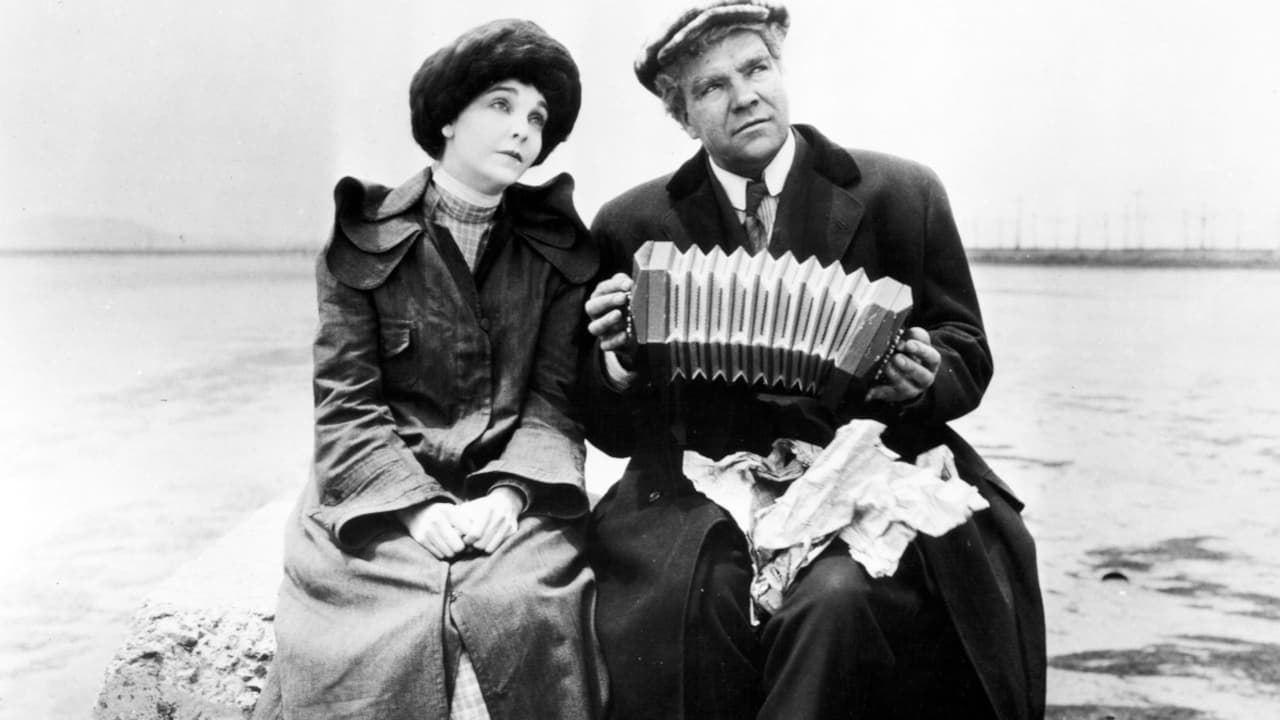
It is a cruel and violent film, with the actors existing in a near perfect state of grace, from Gibson Gowland to ZaSu Pitts. But above all, it is pure cinema, the kind only a genius could create.
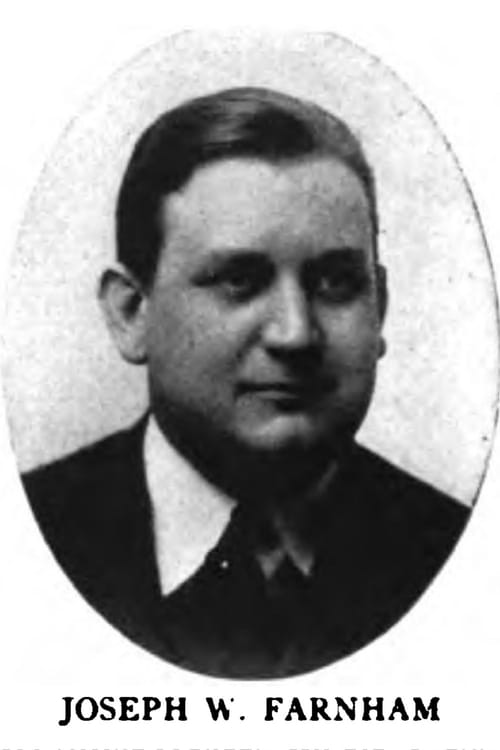
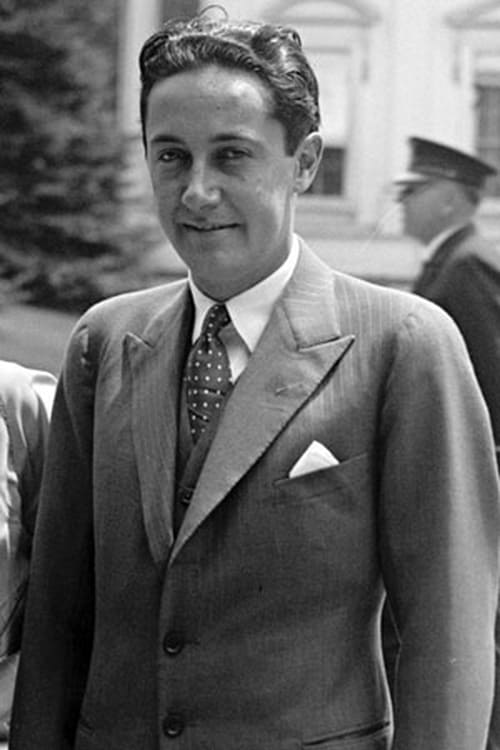
As a final irony, there is an award that is not even presented every year at the Oscars: the Irving Thalberg Award. Irving Thalberg, that brilliant producer, was the man responsible for reducing a 10 hour film to its current length. And with the discarded footage, Thalberg did only one thing: he burned it.
A fitting illustration of the roads cinema has chosen to follow.
When I first saw this film roughly 8 years ago, and given how heretical those of us who love cinema are, I became convinced that God existed and that he was the brilliant Erich von Stroheim. From its very first images, the film has an overwhelming, elemental power; only the great masters know how to truly create, and Stroheim had talent to spare. In two quick strokes, he said more than others do after hours of digressions. Erich von Stroheim didn’t use a script; he simply took Frank Norris’s book and started filming it page by page.
“Greed” is a masterpiece of layered imagery and recurring symbolism. Nothing is random. Every frame carries its own inner weight. Every gesture has an exact purpose. Silent cinema had never possessed such expressive force. For example, McTeague, the film’s protagonist, sees the rocks hiding the gold for what they truly are: mere stones. Yet moments later, this hulk brute giant gently picks up an injured bird and, with immense tenderness, tries to nurse it back to life. When one of his companions snatches it away and kills it with a single blow, McTeague does not hesitate for a second, he throws the man off a cliff.
The genius of Erich von Stroheim is distilled into a single brief title card: “That was McTeague.” The character is etched so deeply into your mind that, throughout the film’s descent into absolute degradation, his presence hangs over every moment of this masterful drama.
In a conversation between Billy Wilder and Michel Ciment, the great director recalled something Erich von Stroheim told him while they were shooting “Sunset Boulevard”. Wilder remarked that Stroheim’s problem had been being 10 years ahead of the cinema of his time. Stroheim replied: 20. I would say 50.
All later cinema is already there. Citizen Kane is already there. Surrealism is there. Italian neorealism, Federico Fellini, it is all somehow contained within it. The film is staggering. Its final image, in Death Valley, must have inspired more than one western.
It is a cruel and violent film, with the actors existing in a near perfect state of grace, from Gibson Gowland to ZaSu Pitts. But above all, it is pure cinema, the kind only a genius could create.
As a final irony, there is an award that is not even presented every year at the Oscars: the Irving Thalberg Award. Irving Thalberg, that brilliant producer, was the man responsible for reducing a 10 hour film to its current length. And with the discarded footage, Thalberg did only one thing: he burned it.
A fitting illustration of the roads cinema has chosen to follow.