
The Good Sister
2026·Drama·1h 37m
7.1
★
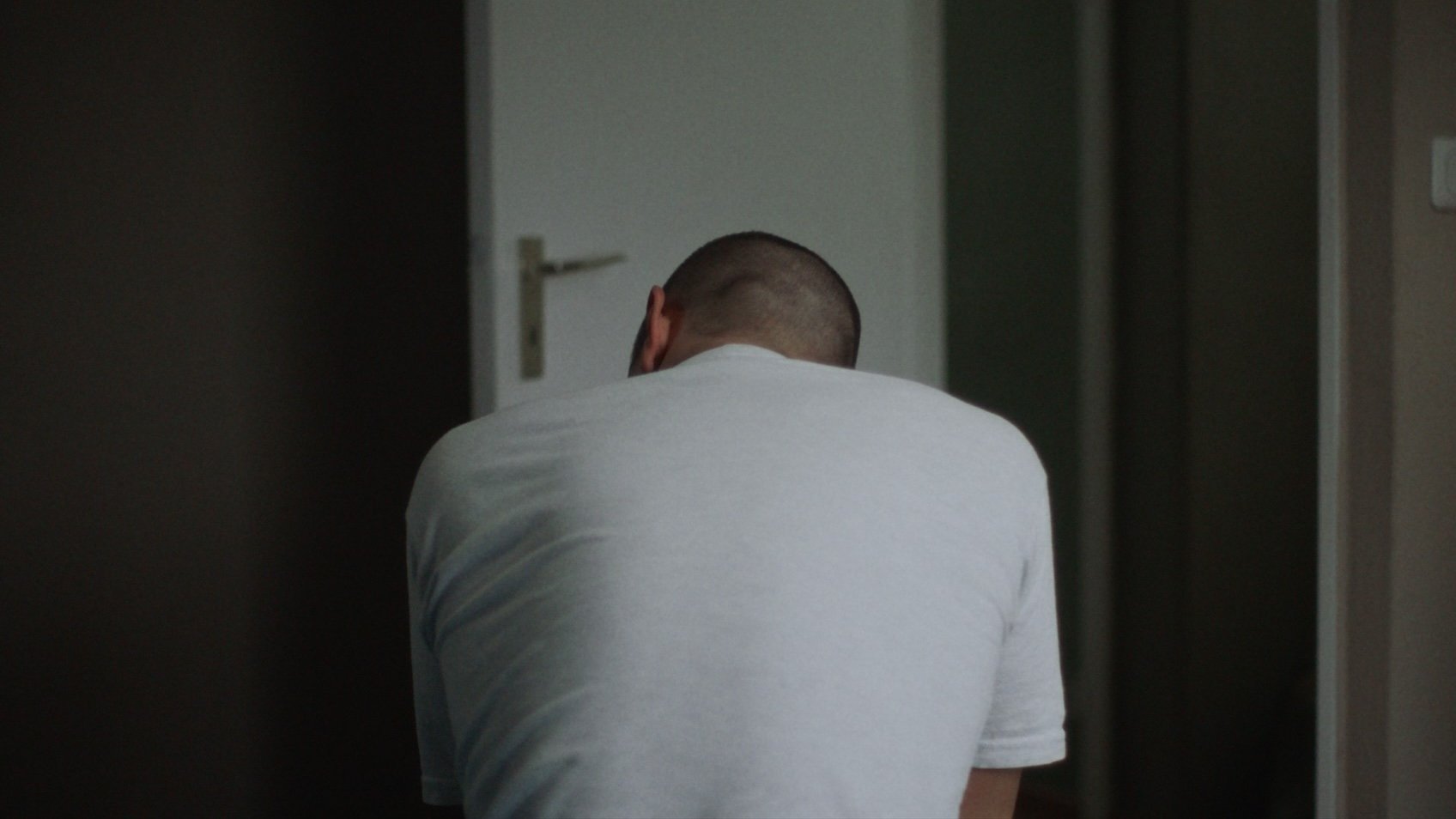

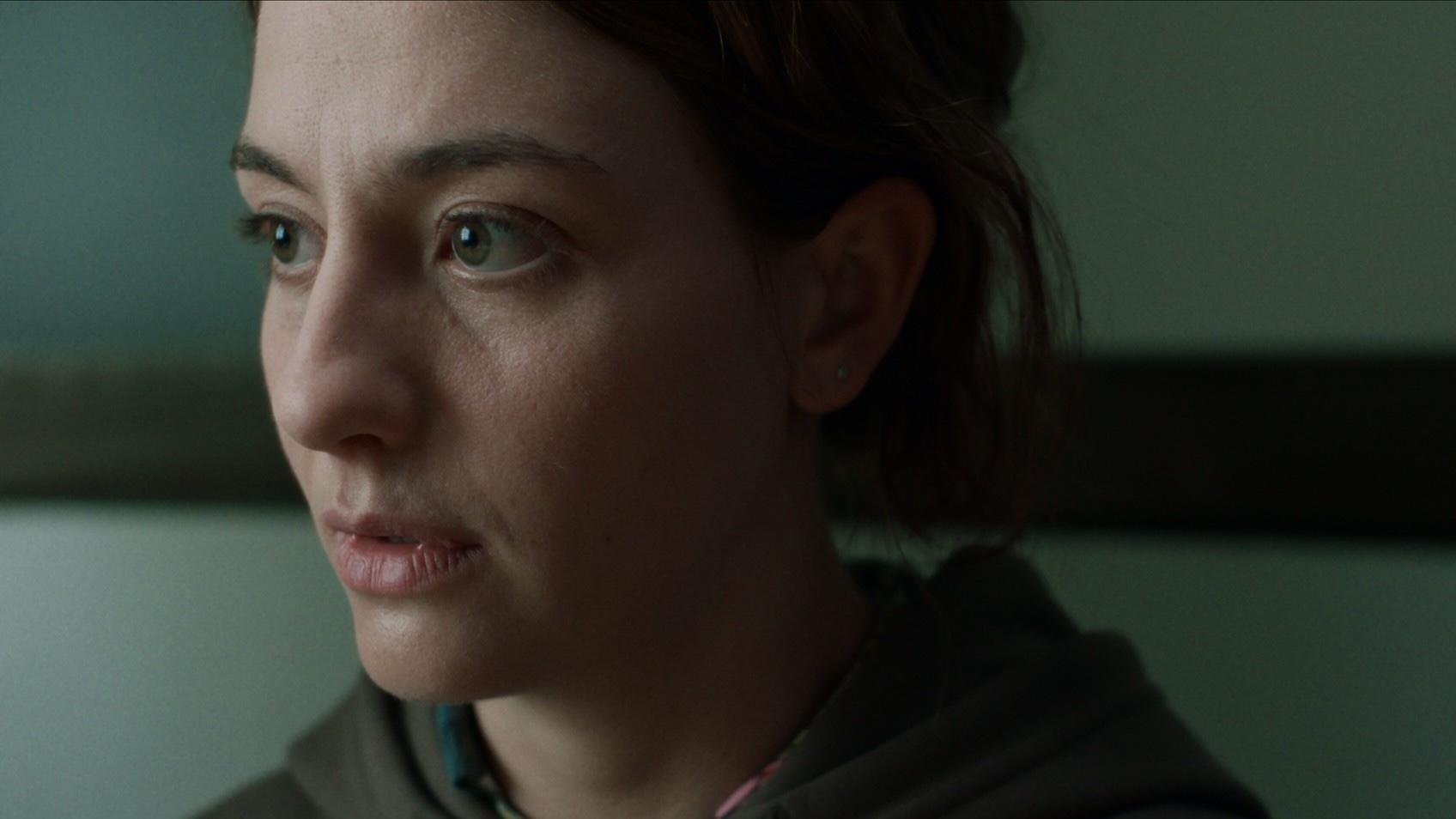
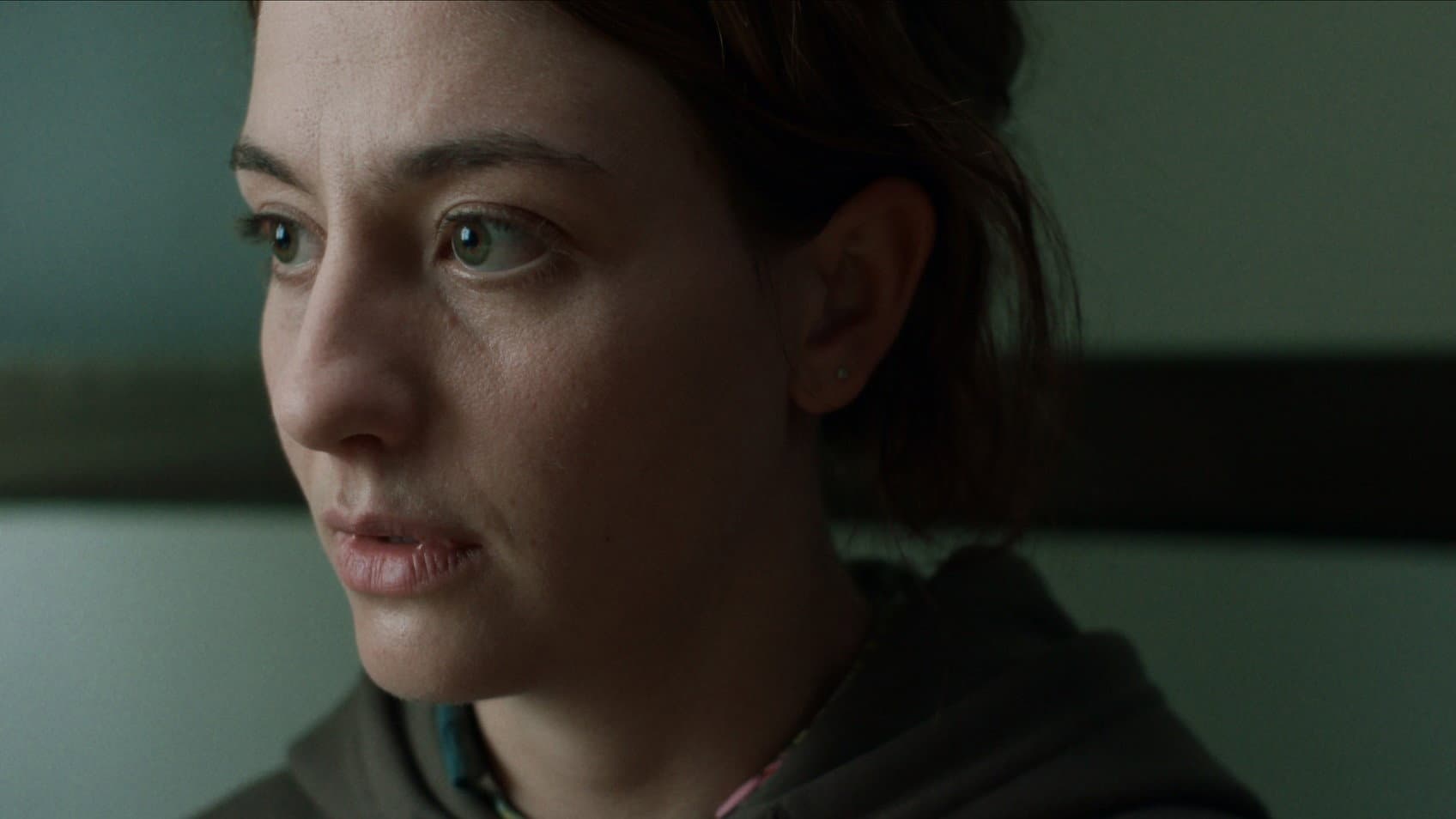
Rose is very close to her older brother Sam. When a woman accuses him of rape, Rose is asked to testify in the investigation against him. This tests both their relationship and her moral integrity.
Directed by Sarah Miro Fischer

Trailer

IMDB
N/A
Cast

Marie Bloching
Rose

Anton Weil
Sam

Proschat Madani
Linda

Laura Balzer
Elisa

Jane Chirwa
Lia
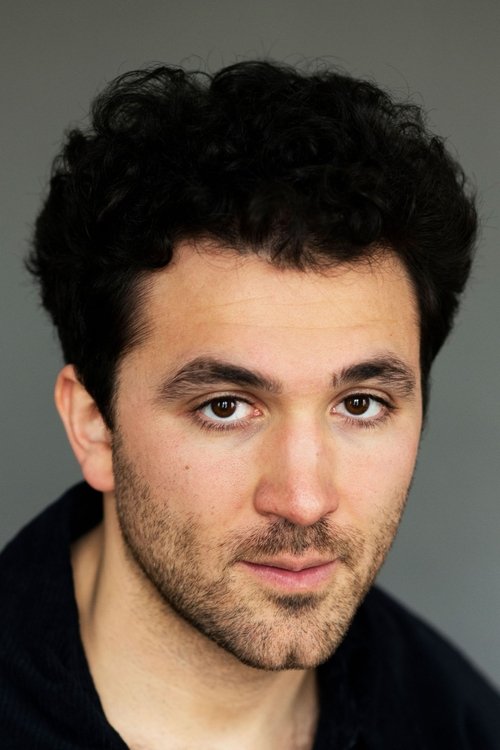
David Vormweg
Date

Franziska von Harsdorf
Jazz
Crew

Sarah Miro Fischer
Director
Sarah Miro Fischer
Writer
Sarah Miro Fischer
Co-Producer

Selma von Polheim Gravesen
Cinematography

Lorenz Fischer
Sound Mixer
Popular Reviews
6 reviews
Sepia GorePRO

Bkkiff #12
When people choose to stay silent or speak out about the crimes they’ve witnessed with the most common example being rape or sa, just the act alone we tend to take at face value because why wouldn’t someone say something or not purely based on their moral compass but that opens up its own can of uncertainty because what if that isn’t the case, what if to say or most often not is to do so for other reasons that goes deeper or more personal than we could be pravy to.
The Good Sister is a hard one to figure out at first glance and really it isn’t until the end that it becomes more obvious that film is not solely about rape or guilt or how this event has impacted the sister and brother bond or even the deconstruction of what those words, “good” and for “sister” means whether it be siblings or in the context of women. Does good mean a compliance to the patriarchy or does it mean to be merciful? In the end these things aren’t really clear but what is is how these choices isolated from larger political implications hold their own ethical and moral intrigues because in many ways to hear and not say or to claim witness can speak as much to who we are and what this event means to us especially as only a witness, a outsider. And for this film in particular, it unravels a eerie character study, one for the first thing we learn about the titular good sister is how her getting kicked out from her girlfriend’s apartment before going back in is a regular thing, bound to repeat again and another thing that becomes apart is how on the surface “good” she is. Just her presence alone calms a nervous young patient to a hospital, but as soon as her brother is accused and she dubiously deal with not just the situation but her involvement in it, a darker curiosity emerges that flirts close to the sun, as if to get closer is to better understand what her brother who she clearly holds dear feels like only for her final action at the end of the film, the literal final shot to be the good and right thing to do only what’s her intentions in doing so?
There’s many intriguing sequences here, the stand out being interrogation, bikini line and after drawing lesson, that prove and teases into this darkness that while never really emerges or pushes itself further is as per usual with debut features promising and even with its limitations and overlong pace, Sarah Miro Fischer’s first feature is a deceptively straightforward experience that just like the main character hides and buries and blurs the darker complexities underneath with palpable tension throughout under a first glance aesthetically and narratively clear ideas only for it to reflect back on who we’ve been following along all this time and what this not only say about her but about us, it’s a a cinematic quality not fully formed but absolutely worth expanding upon and keeping an eye for.
When people choose to stay silent or speak out about the crimes they’ve witnessed with the most common example being rape or sa, just the act alone we tend to take at face value because why wouldn’t someone say something or not purely based on their moral compass but that opens up its own can of uncertainty because what if that isn’t the case, what if to say or most often not is to do so for other reasons that goes deeper or more personal than we could be pravy to.
The Good Sister is a hard one to figure out at first glance and really it isn’t until the end that it becomes more obvious that film is not solely about rape or guilt or how this event has impacted the sister and brother bond or even the deconstruction of what those words, “good” and for “sister” means whether it be siblings or in the context of women. Does good mean a compliance to the patriarchy or does it mean to be merciful? In the end these things aren’t really clear but what is is how these choices isolated from larger political implications hold their own ethical and moral intrigues because in many ways to hear and not say or to claim witness can speak as much to who we are and what this event means to us especially as only a witness, a outsider. And for this film in particular, it unravels a eerie character study, one for the first thing we learn about the titular good sister is how her getting kicked out from her girlfriend’s apartment before going back in is a regular thing, bound to repeat again and another thing that becomes apart is how on the surface “good” she is. Just her presence alone calms a nervous young patient to a hospital, but as soon as her brother is accused and she dubiously deal with not just the situation but her involvement in it, a darker curiosity emerges that flirts close to the sun, as if to get closer is to better understand what her brother who she clearly holds dear feels like only for her final action at the end of the film, the literal final shot to be the good and right thing to do only what’s her intentions in doing so?
There’s many intriguing sequences here, the stand out being interrogation, bikini line and after drawing lesson, that prove and teases into this darkness that while never really emerges or pushes itself further is as per usual with debut features promising and even with its limitations and overlong pace, Sarah Miro Fischer’s first feature is a deceptively straightforward experience that just like the main character hides and buries and blurs the darker complexities underneath with palpable tension throughout under a first glance aesthetically and narratively clear ideas only for it to reflect back on who we’ve been following along all this time and what this not only say about her but about us, it’s a a cinematic quality not fully formed but absolutely worth expanding upon and keeping an eye for.
Bkkiff #12
When people choose to stay silent or speak out about the crimes they’ve witnessed with the most common example being rape or sa, just the act alone we tend to take at face value because why wouldn’t someone say something or not purely based on their moral compass but that opens up its own can of uncertainty because what if that isn’t the case, what if to say or most often not is to do so for other reasons that goes deeper or more personal than we could be pravy to.
The Good Sister is a hard one to figure out at first glance and really it isn’t until the end that it becomes more obvious that film is not solely about rape or guilt or how this event has impacted the sister and brother bond or even the deconstruction of what those words, “good” and for “sister” means whether it be siblings or in the context of women. Does good mean a compliance to the patriarchy or does it mean to be merciful? In the end these things aren’t really clear but what is is how these choices isolated from larger political implications hold their own ethical and moral intrigues because in many ways to hear and not say or to claim witness can speak as much to who we are and what this event means to us especially as only a witness, a outsider. And for this film in particular, it unravels a eerie character study, one for the first thing we learn about the titular good sister is how her getting kicked out from her girlfriend’s apartment before going back in is a regular thing, bound to repeat again and another thing that becomes apart is how on the surface “good” she is. Just her presence alone calms a nervous young patient to a hospital, but as soon as her brother is accused and she dubiously deal with not just the situation but her involvement in it, a darker curiosity emerges that flirts close to the sun, as if to get closer is to better understand what her brother who she clearly holds dear feels like only for her final action at the end of the film, the literal final shot to be the good and right thing to do only what’s her intentions in doing so?
There’s many intriguing sequences here, the stand out being interrogation, bikini line and after drawing lesson, that prove and teases into this darkness that while never really emerges or pushes itself further is as per usual with debut features promising and even with its limitations and overlong pace, Sarah Miro Fischer’s first feature is a deceptively straightforward experience that just like the main character hides and buries and blurs the darker complexities underneath with palpable tension throughout under a first glance aesthetically and narratively clear ideas only for it to reflect back on who we’ve been following along all this time and what this not only say about her but about us, it’s a a cinematic quality not fully formed but absolutely worth expanding upon and keeping an eye for.
When people choose to stay silent or speak out about the crimes they’ve witnessed with the most common example being rape or sa, just the act alone we tend to take at face value because why wouldn’t someone say something or not purely based on their moral compass but that opens up its own can of uncertainty because what if that isn’t the case, what if to say or most often not is to do so for other reasons that goes deeper or more personal than we could be pravy to.
The Good Sister is a hard one to figure out at first glance and really it isn’t until the end that it becomes more obvious that film is not solely about rape or guilt or how this event has impacted the sister and brother bond or even the deconstruction of what those words, “good” and for “sister” means whether it be siblings or in the context of women. Does good mean a compliance to the patriarchy or does it mean to be merciful? In the end these things aren’t really clear but what is is how these choices isolated from larger political implications hold their own ethical and moral intrigues because in many ways to hear and not say or to claim witness can speak as much to who we are and what this event means to us especially as only a witness, a outsider. And for this film in particular, it unravels a eerie character study, one for the first thing we learn about the titular good sister is how her getting kicked out from her girlfriend’s apartment before going back in is a regular thing, bound to repeat again and another thing that becomes apart is how on the surface “good” she is. Just her presence alone calms a nervous young patient to a hospital, but as soon as her brother is accused and she dubiously deal with not just the situation but her involvement in it, a darker curiosity emerges that flirts close to the sun, as if to get closer is to better understand what her brother who she clearly holds dear feels like only for her final action at the end of the film, the literal final shot to be the good and right thing to do only what’s her intentions in doing so?
There’s many intriguing sequences here, the stand out being interrogation, bikini line and after drawing lesson, that prove and teases into this darkness that while never really emerges or pushes itself further is as per usual with debut features promising and even with its limitations and overlong pace, Sarah Miro Fischer’s first feature is a deceptively straightforward experience that just like the main character hides and buries and blurs the darker complexities underneath with palpable tension throughout under a first glance aesthetically and narratively clear ideas only for it to reflect back on who we’ve been following along all this time and what this not only say about her but about us, it’s a a cinematic quality not fully formed but absolutely worth expanding upon and keeping an eye for.


Sepia GorePRO
Bkkiff #12
When people choose to stay silent or speak out about the crimes they’ve witnessed with the most common example being rape or sa, just the act alone we tend to take at face value because why wouldn’t someone say something or not purely based on their moral compass but that opens up its own can of uncertainty because what if that isn’t the case, what if to say or most often not is to do so for other reasons that goes deeper or more personal than we could be pravy to.
The Good Sister is a hard one to figure out at first glance and really it isn’t until the end that it becomes more obvious that film is not solely about rape or guilt or how this event has impacted the sister and brother bond or even the deconstruction of what those words, “good” and for “sister” means whether it be siblings or in the context of women. Does good mean a compliance to the patriarchy or does it mean to be merciful? In the end these things aren’t really clear but what is is how these choices isolated from larger political implications hold their own ethical and moral intrigues because in many ways to hear and not say or to claim witness can speak as much to who we are and what this event means to us especially as only a witness, a outsider. And for this film in particular, it unravels a eerie character study, one for the first thing we learn about the titular good sister is how her getting kicked out from her girlfriend’s apartment before going back in is a regular thing, bound to repeat again and another thing that becomes apart is how on the surface “good” she is. Just her presence alone calms a nervous young patient to a hospital, but as soon as her brother is accused and she dubiously deal with not just the situation but her involvement in it, a darker curiosity emerges that flirts close to the sun, as if to get closer is to better understand what her brother who she clearly holds dear feels like only for her final action at the end of the film, the literal final shot to be the good and right thing to do only what’s her intentions in doing so?
There’s many intriguing sequences here, the stand out being interrogation, bikini line and after drawing lesson, that prove and teases into this darkness that while never really emerges or pushes itself further is as per usual with debut features promising and even with its limitations and overlong pace, Sarah Miro Fischer’s first feature is a deceptively straightforward experience that just like the main character hides and buries and blurs the darker complexities underneath with palpable tension throughout under a first glance aesthetically and narratively clear ideas only for it to reflect back on who we’ve been following along all this time and what this not only say about her but about us, it’s a a cinematic quality not fully formed but absolutely worth expanding upon and keeping an eye for.
When people choose to stay silent or speak out about the crimes they’ve witnessed with the most common example being rape or sa, just the act alone we tend to take at face value because why wouldn’t someone say something or not purely based on their moral compass but that opens up its own can of uncertainty because what if that isn’t the case, what if to say or most often not is to do so for other reasons that goes deeper or more personal than we could be pravy to.
The Good Sister is a hard one to figure out at first glance and really it isn’t until the end that it becomes more obvious that film is not solely about rape or guilt or how this event has impacted the sister and brother bond or even the deconstruction of what those words, “good” and for “sister” means whether it be siblings or in the context of women. Does good mean a compliance to the patriarchy or does it mean to be merciful? In the end these things aren’t really clear but what is is how these choices isolated from larger political implications hold their own ethical and moral intrigues because in many ways to hear and not say or to claim witness can speak as much to who we are and what this event means to us especially as only a witness, a outsider. And for this film in particular, it unravels a eerie character study, one for the first thing we learn about the titular good sister is how her getting kicked out from her girlfriend’s apartment before going back in is a regular thing, bound to repeat again and another thing that becomes apart is how on the surface “good” she is. Just her presence alone calms a nervous young patient to a hospital, but as soon as her brother is accused and she dubiously deal with not just the situation but her involvement in it, a darker curiosity emerges that flirts close to the sun, as if to get closer is to better understand what her brother who she clearly holds dear feels like only for her final action at the end of the film, the literal final shot to be the good and right thing to do only what’s her intentions in doing so?
There’s many intriguing sequences here, the stand out being interrogation, bikini line and after drawing lesson, that prove and teases into this darkness that while never really emerges or pushes itself further is as per usual with debut features promising and even with its limitations and overlong pace, Sarah Miro Fischer’s first feature is a deceptively straightforward experience that just like the main character hides and buries and blurs the darker complexities underneath with palpable tension throughout under a first glance aesthetically and narratively clear ideas only for it to reflect back on who we’ve been following along all this time and what this not only say about her but about us, it’s a a cinematic quality not fully formed but absolutely worth expanding upon and keeping an eye for.
Bkkiff #12
When people choose to stay silent or speak out about the crimes they’ve witnessed with the most common example being rape or sa, just the act alone we tend to take at face value because why wouldn’t someone say something or not purely based on their moral compass but that opens up its own can of uncertainty because what if that isn’t the case, what if to say or most often not is to do so for other reasons that goes deeper or more personal than we could be pravy to.
The Good Sister is a hard one to figure out at first glance and really it isn’t until the end that it becomes more obvious that film is not solely about rape or guilt or how this event has impacted the sister and brother bond or even the deconstruction of what those words, “good” and for “sister” means whether it be siblings or in the context of women. Does good mean a compliance to the patriarchy or does it mean to be merciful? In the end these things aren’t really clear but what is is how these choices isolated from larger political implications hold their own ethical and moral intrigues because in many ways to hear and not say or to claim witness can speak as much to who we are and what this event means to us especially as only a witness, a outsider. And for this film in particular, it unravels a eerie character study, one for the first thing we learn about the titular good sister is how her getting kicked out from her girlfriend’s apartment before going back in is a regular thing, bound to repeat again and another thing that becomes apart is how on the surface “good” she is. Just her presence alone calms a nervous young patient to a hospital, but as soon as her brother is accused and she dubiously deal with not just the situation but her involvement in it, a darker curiosity emerges that flirts close to the sun, as if to get closer is to better understand what her brother who she clearly holds dear feels like only for her final action at the end of the film, the literal final shot to be the good and right thing to do only what’s her intentions in doing so?
There’s many intriguing sequences here, the stand out being interrogation, bikini line and after drawing lesson, that prove and teases into this darkness that while never really emerges or pushes itself further is as per usual with debut features promising and even with its limitations and overlong pace, Sarah Miro Fischer’s first feature is a deceptively straightforward experience that just like the main character hides and buries and blurs the darker complexities underneath with palpable tension throughout under a first glance aesthetically and narratively clear ideas only for it to reflect back on who we’ve been following along all this time and what this not only say about her but about us, it’s a a cinematic quality not fully formed but absolutely worth expanding upon and keeping an eye for.
When people choose to stay silent or speak out about the crimes they’ve witnessed with the most common example being rape or sa, just the act alone we tend to take at face value because why wouldn’t someone say something or not purely based on their moral compass but that opens up its own can of uncertainty because what if that isn’t the case, what if to say or most often not is to do so for other reasons that goes deeper or more personal than we could be pravy to.
The Good Sister is a hard one to figure out at first glance and really it isn’t until the end that it becomes more obvious that film is not solely about rape or guilt or how this event has impacted the sister and brother bond or even the deconstruction of what those words, “good” and for “sister” means whether it be siblings or in the context of women. Does good mean a compliance to the patriarchy or does it mean to be merciful? In the end these things aren’t really clear but what is is how these choices isolated from larger political implications hold their own ethical and moral intrigues because in many ways to hear and not say or to claim witness can speak as much to who we are and what this event means to us especially as only a witness, a outsider. And for this film in particular, it unravels a eerie character study, one for the first thing we learn about the titular good sister is how her getting kicked out from her girlfriend’s apartment before going back in is a regular thing, bound to repeat again and another thing that becomes apart is how on the surface “good” she is. Just her presence alone calms a nervous young patient to a hospital, but as soon as her brother is accused and she dubiously deal with not just the situation but her involvement in it, a darker curiosity emerges that flirts close to the sun, as if to get closer is to better understand what her brother who she clearly holds dear feels like only for her final action at the end of the film, the literal final shot to be the good and right thing to do only what’s her intentions in doing so?
There’s many intriguing sequences here, the stand out being interrogation, bikini line and after drawing lesson, that prove and teases into this darkness that while never really emerges or pushes itself further is as per usual with debut features promising and even with its limitations and overlong pace, Sarah Miro Fischer’s first feature is a deceptively straightforward experience that just like the main character hides and buries and blurs the darker complexities underneath with palpable tension throughout under a first glance aesthetically and narratively clear ideas only for it to reflect back on who we’ve been following along all this time and what this not only say about her but about us, it’s a a cinematic quality not fully formed but absolutely worth expanding upon and keeping an eye for.
Kasia Liwicka
7.1★ · 04/28/25
to szósty obejrzany przeze mnie film z konkursu głównego offcamery i muszę przyznać, że jak narazie to podoba mi się tegoroczny wybór - wiele z nich się ze sobą łączy, ale jednocześnie poprzez swoje różnice się uzupełniają i buduje nam się trochę opowieść o współczesności zrekonstruowana z różnych perspektyw, ciekawe to bardzo
to szósty obejrzany przeze mnie film z konkursu głównego offcamery i muszę przyznać, że jak narazie to podoba mi się tegoroczny wybór - wiele z nich się ze sobą łączy, ale jednocześnie poprzez swoje różnice się uzupełniają i buduje nam się trochę opowieść o współczesności zrekonstruowana z różnych perspektyw, ciekawe to bardzo
Arturo Márquez
8.0★ · 02/06/26
grizzly0304
8.0★ · 09/28/25