To feel nothing when all around you are living with their full hearts. To bury your mother and not be able to muster a single emotion, to realize that you're not feeling anything, even as you're in the middle of not feeling anything.
You perform the rituals of society. You say Thank You when someone brings you coffee, you read from the scripts that are required to get through the day, but none of it touches you, not like it should. You question nothing, you wish for nothing. Other people seem to feel, to care, to love, to grieve, but you're immune, unaffected, disaffected.
You observe. People living, crying, walking their children to school, laughing in movie theaters, conversing on street corners. You should feel something, and in your way you try, but it's like the ability to feel anything is a muscle you somehow let atrophy, or were born without.
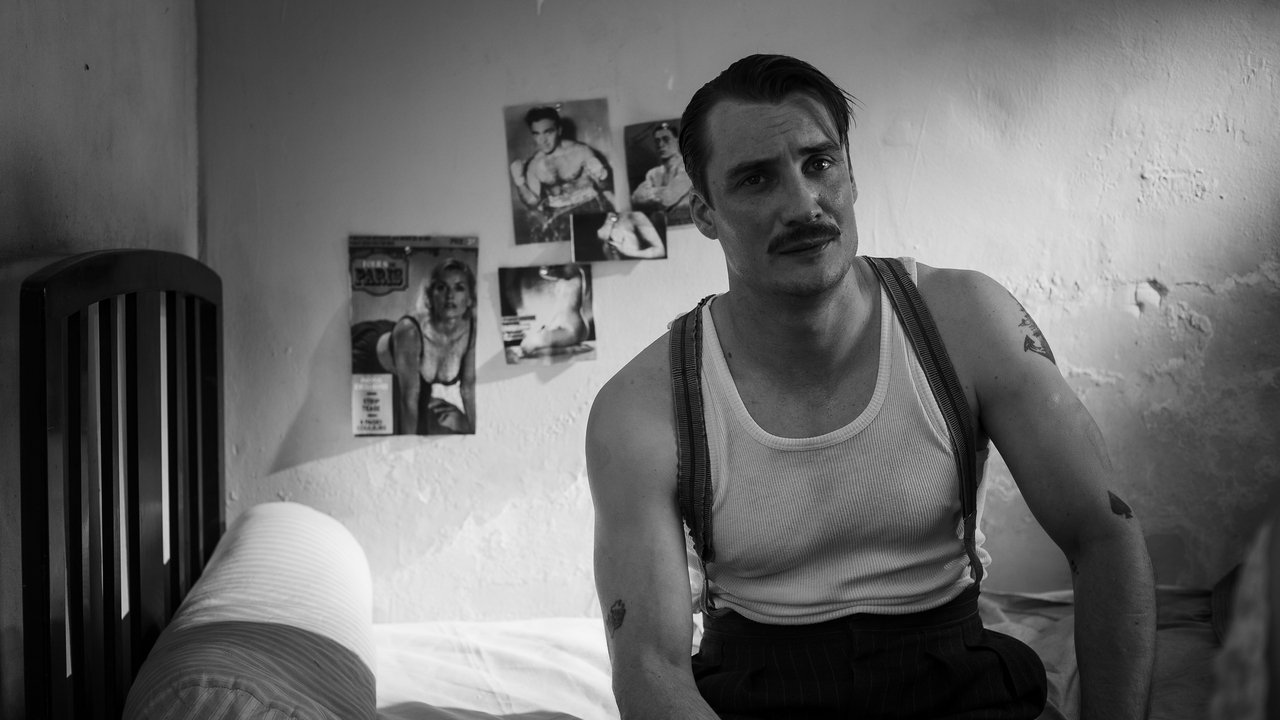
One of your neighbors is an old man who beats and berates his dog constantly, until it runs away, but then he mourns its loss deeply. Another neighbor is a boorish pimp, who treats women like objects and has made enemies among the local youths. He's so obviously, irredeemably trouble, and yet he's the one you follow, if only for a moment. The one active moment in your whole life, and it's... to kill an Arab.
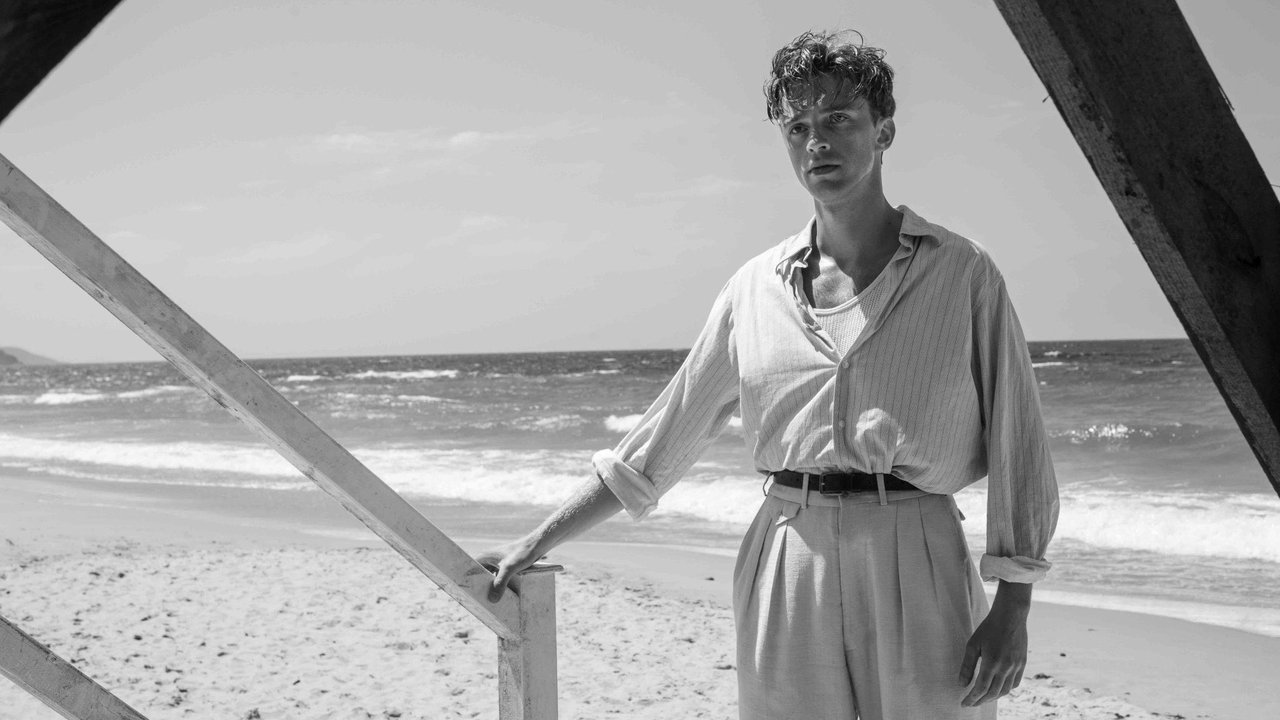
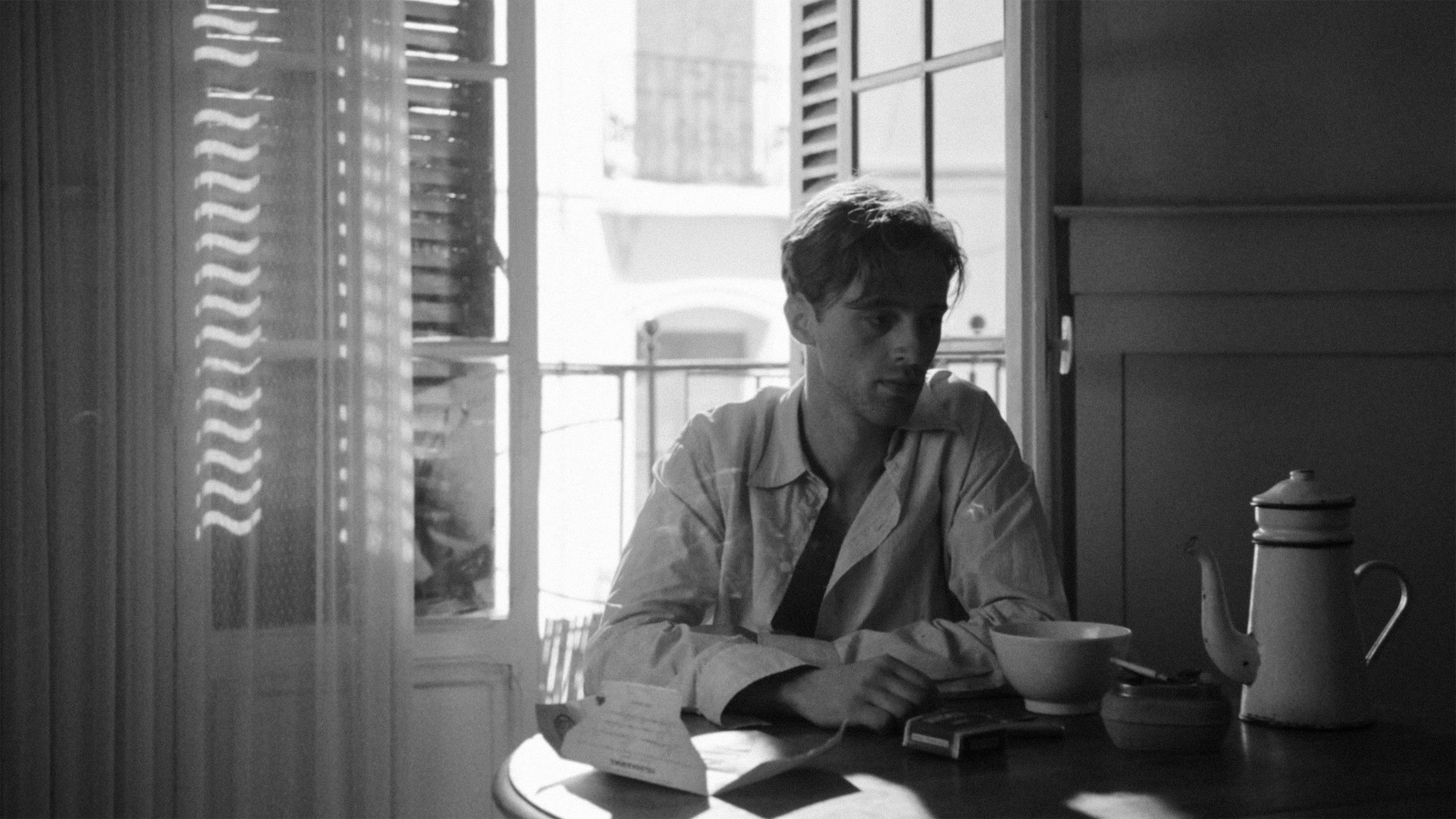
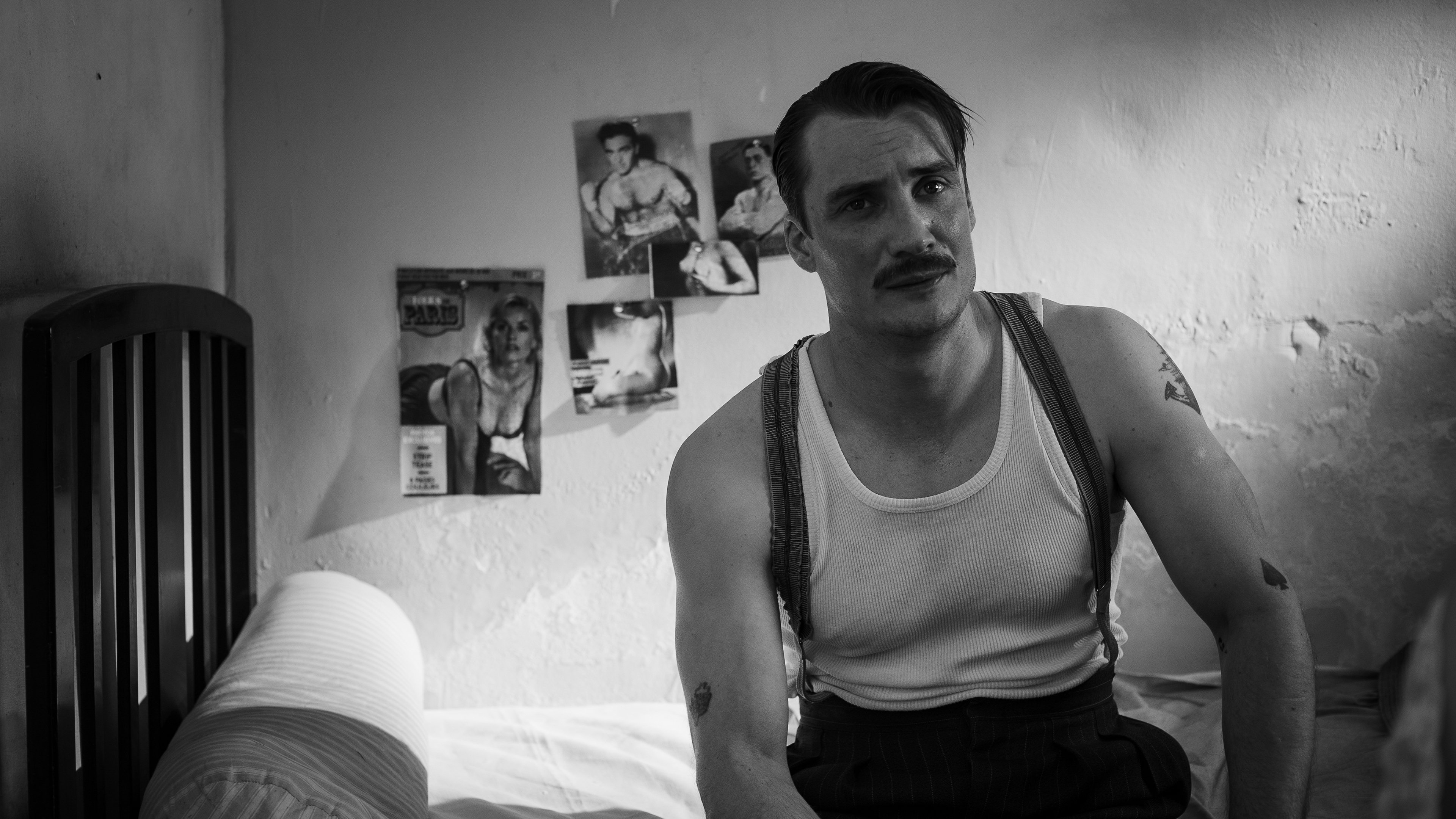
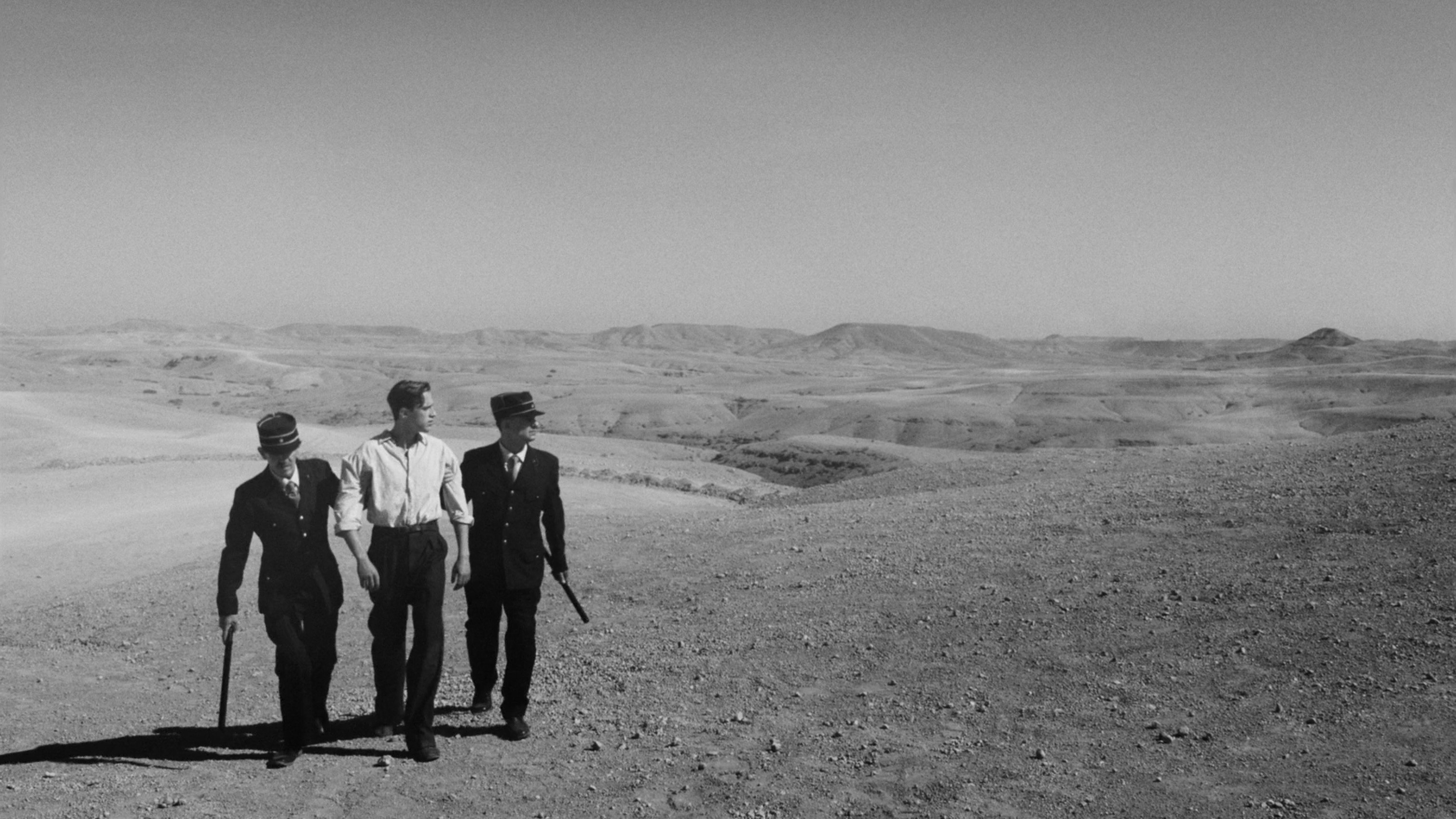
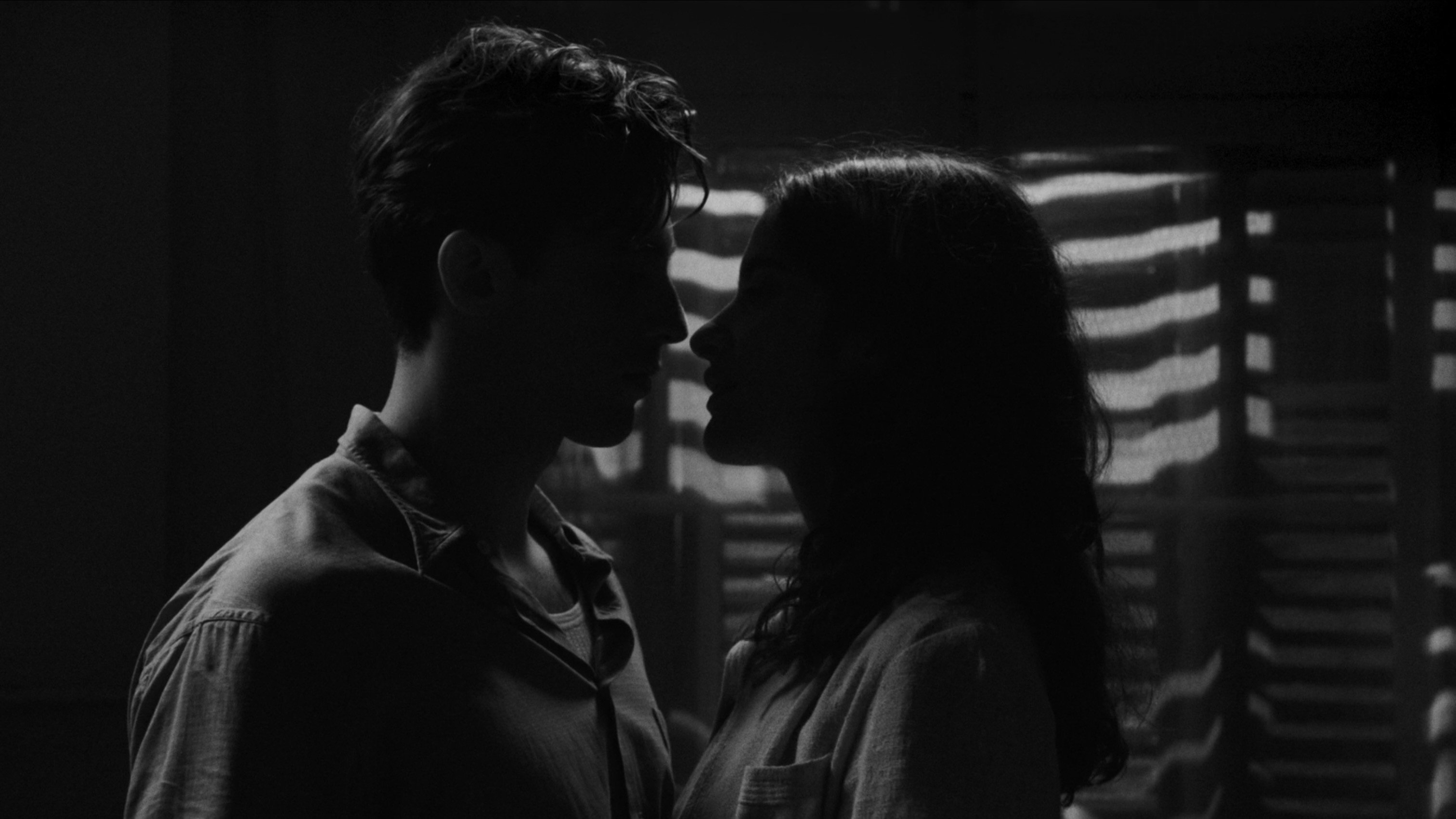
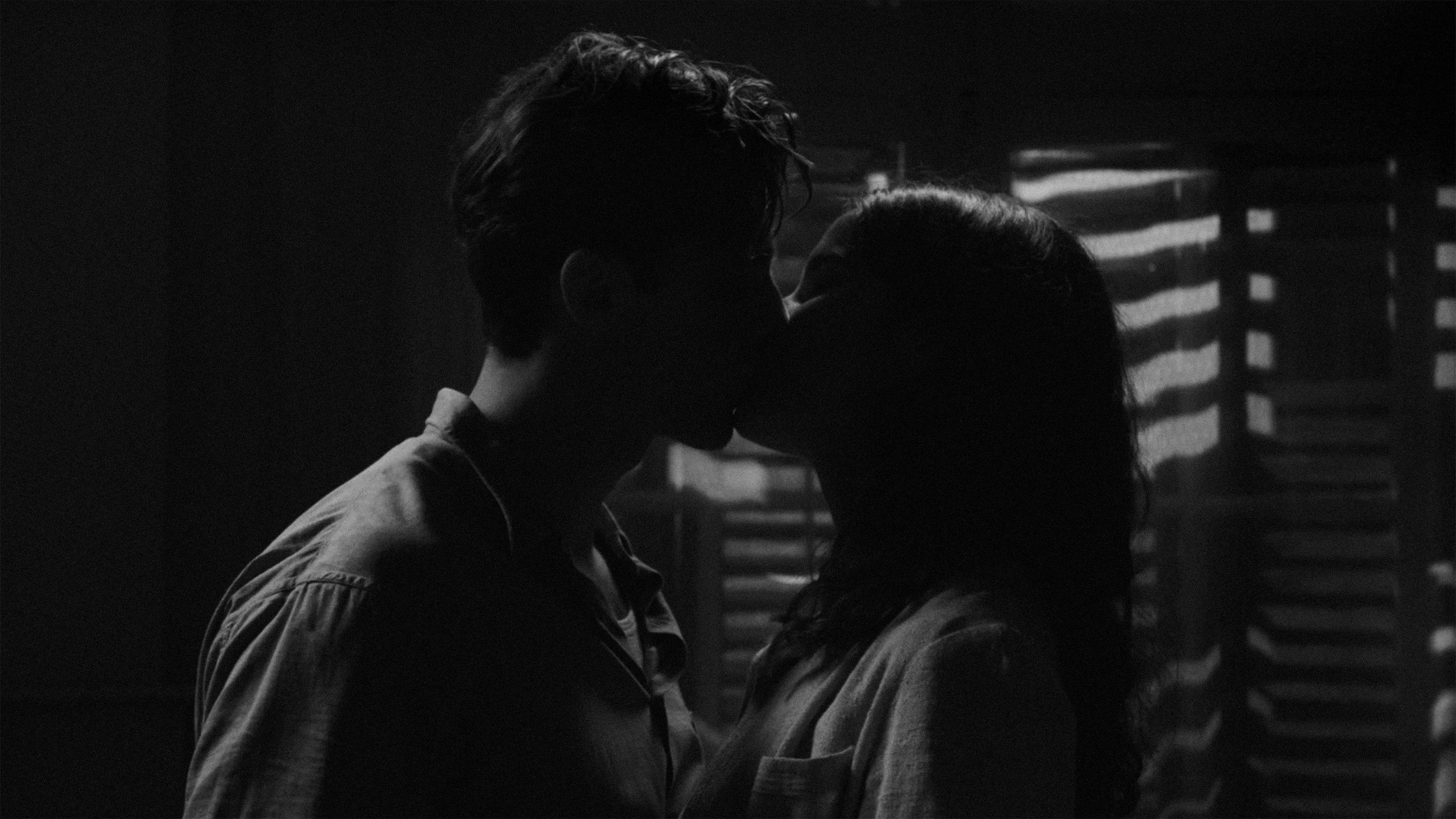
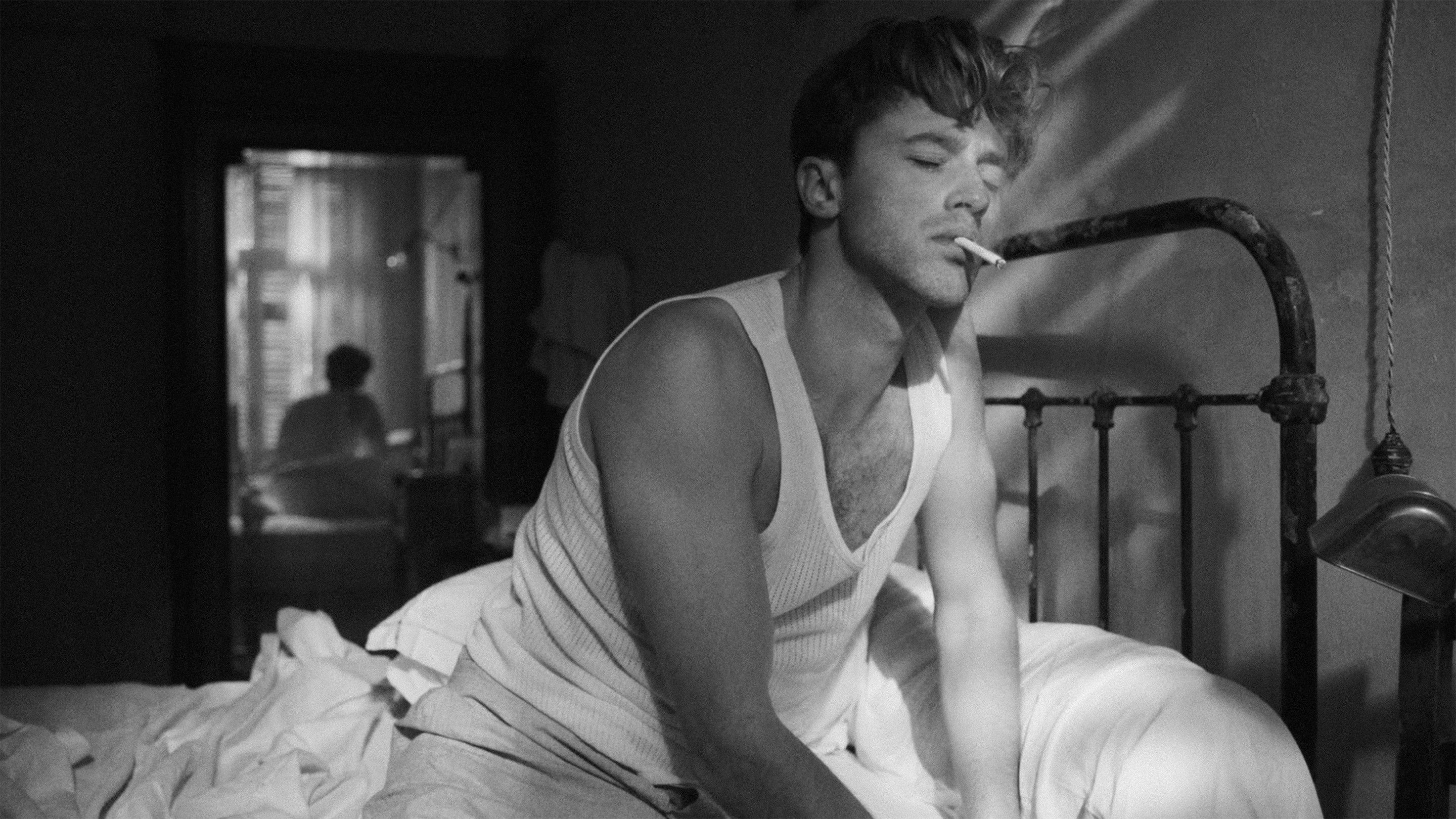
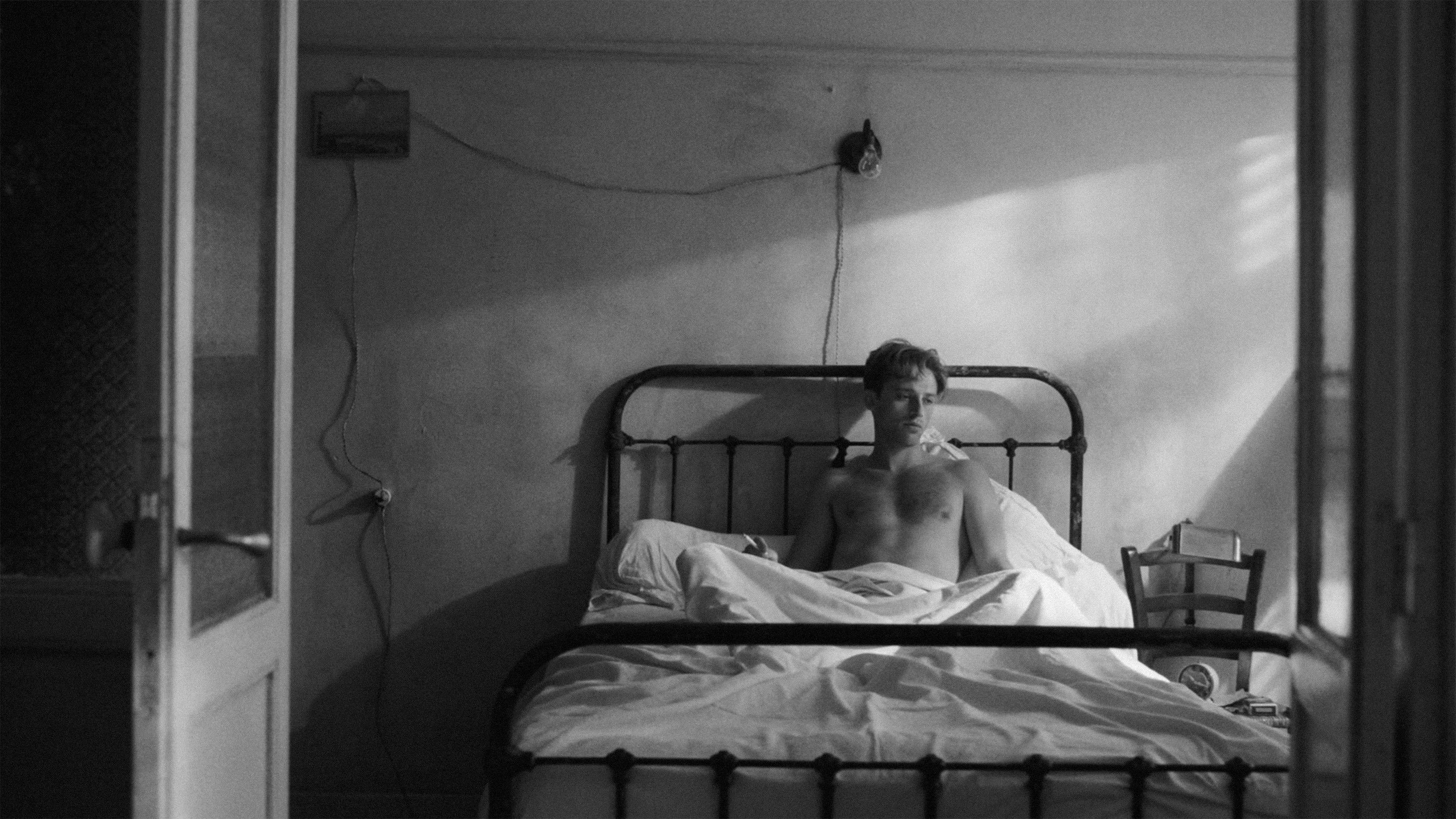
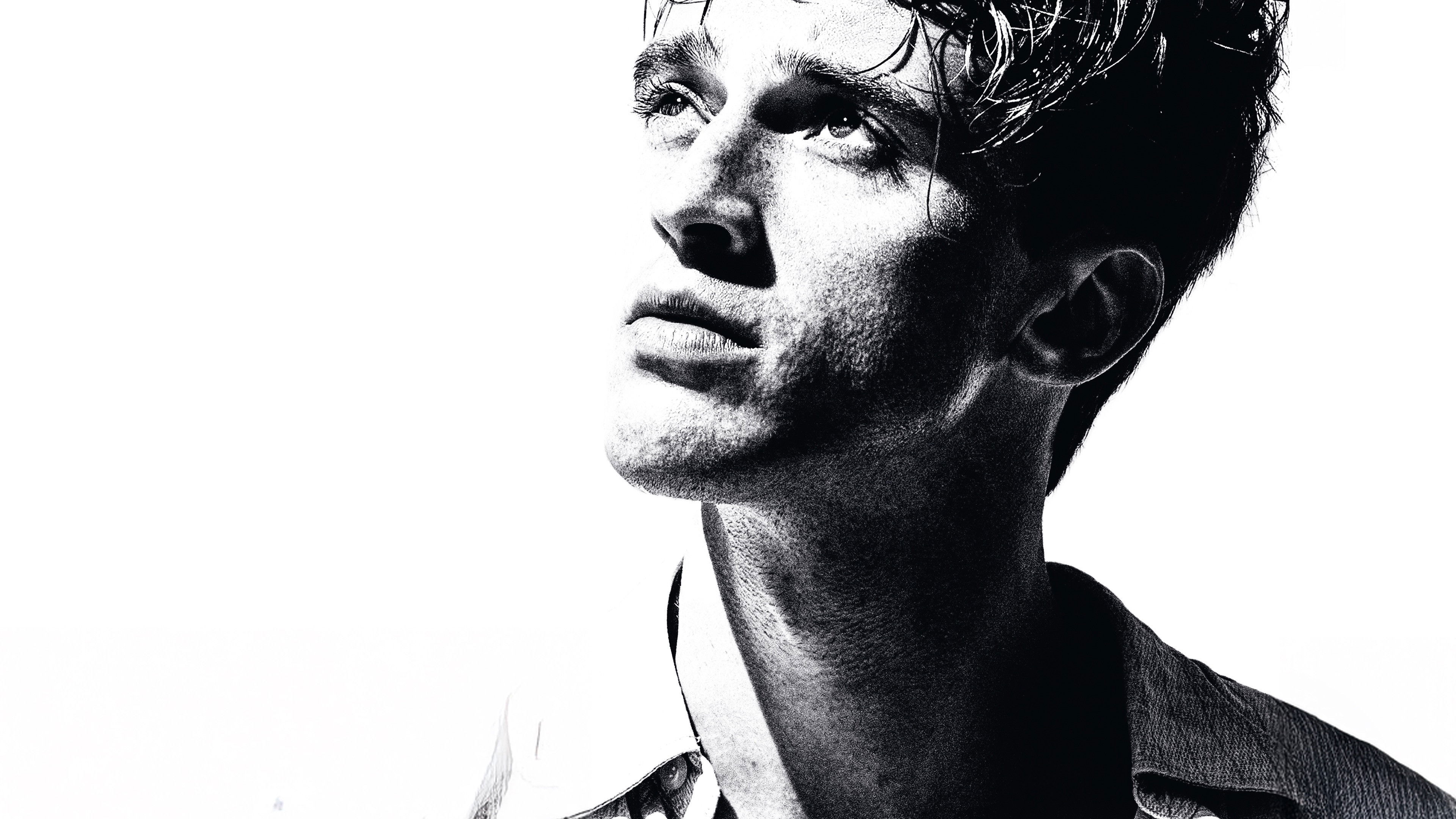
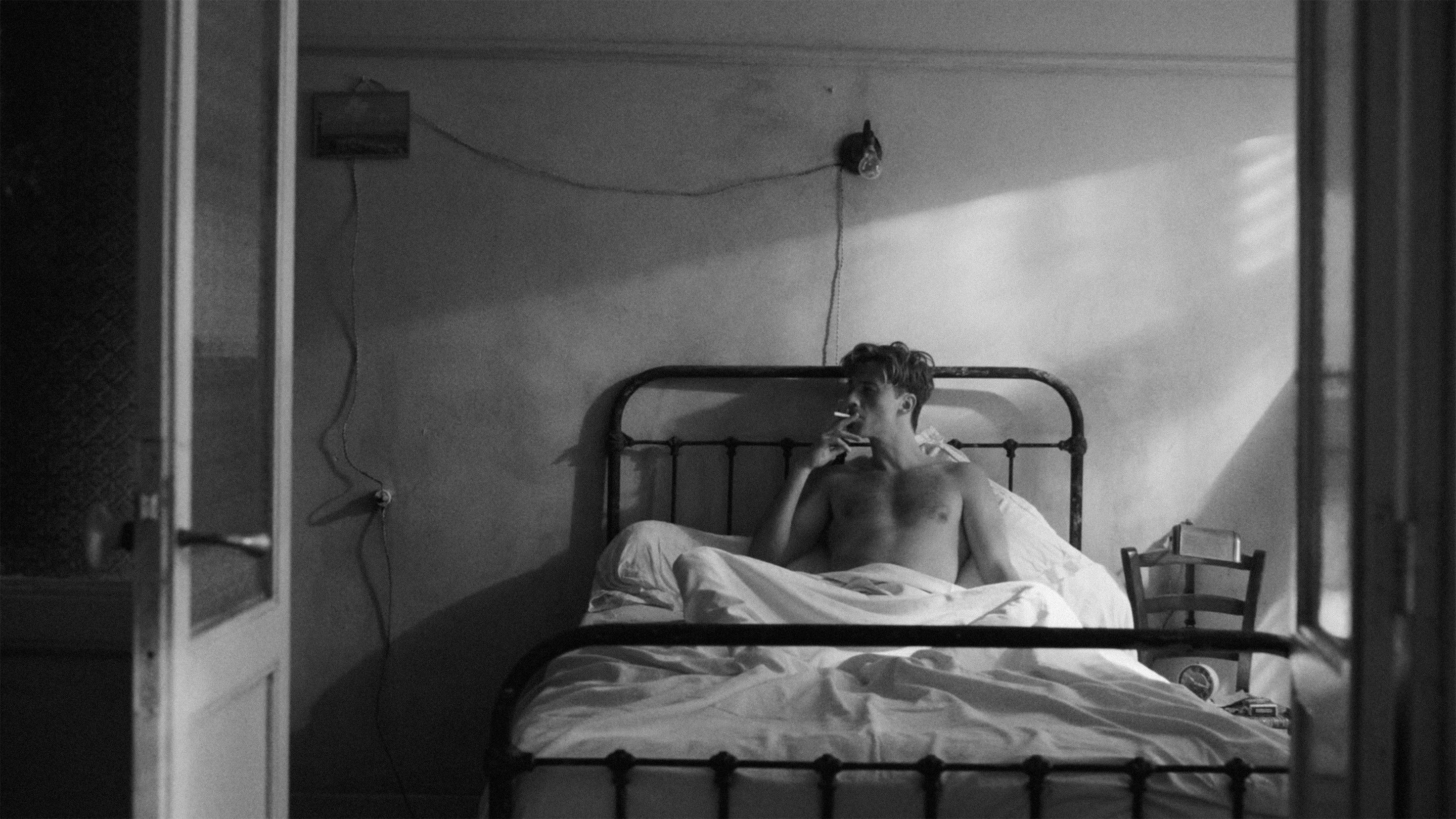
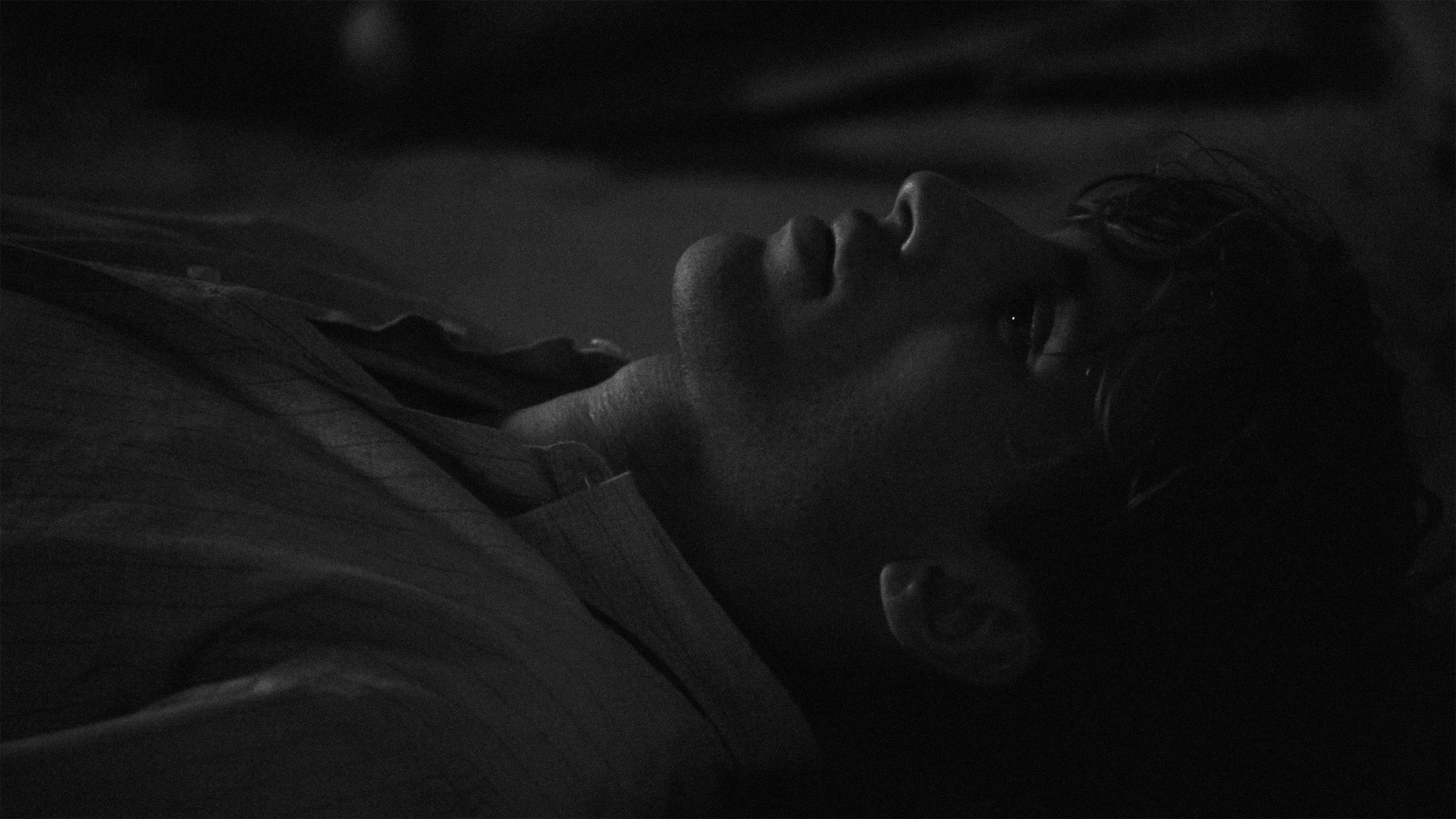
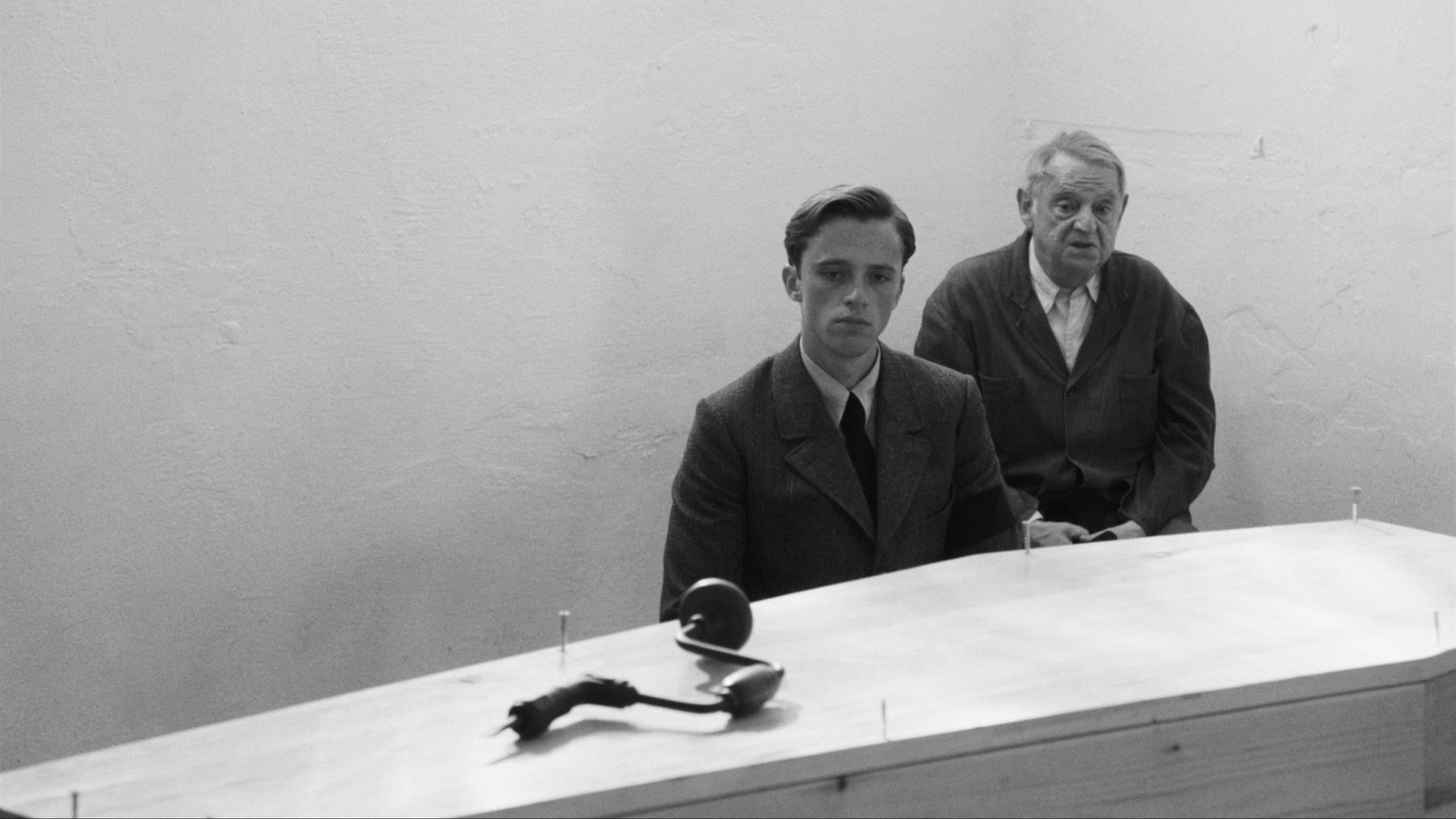
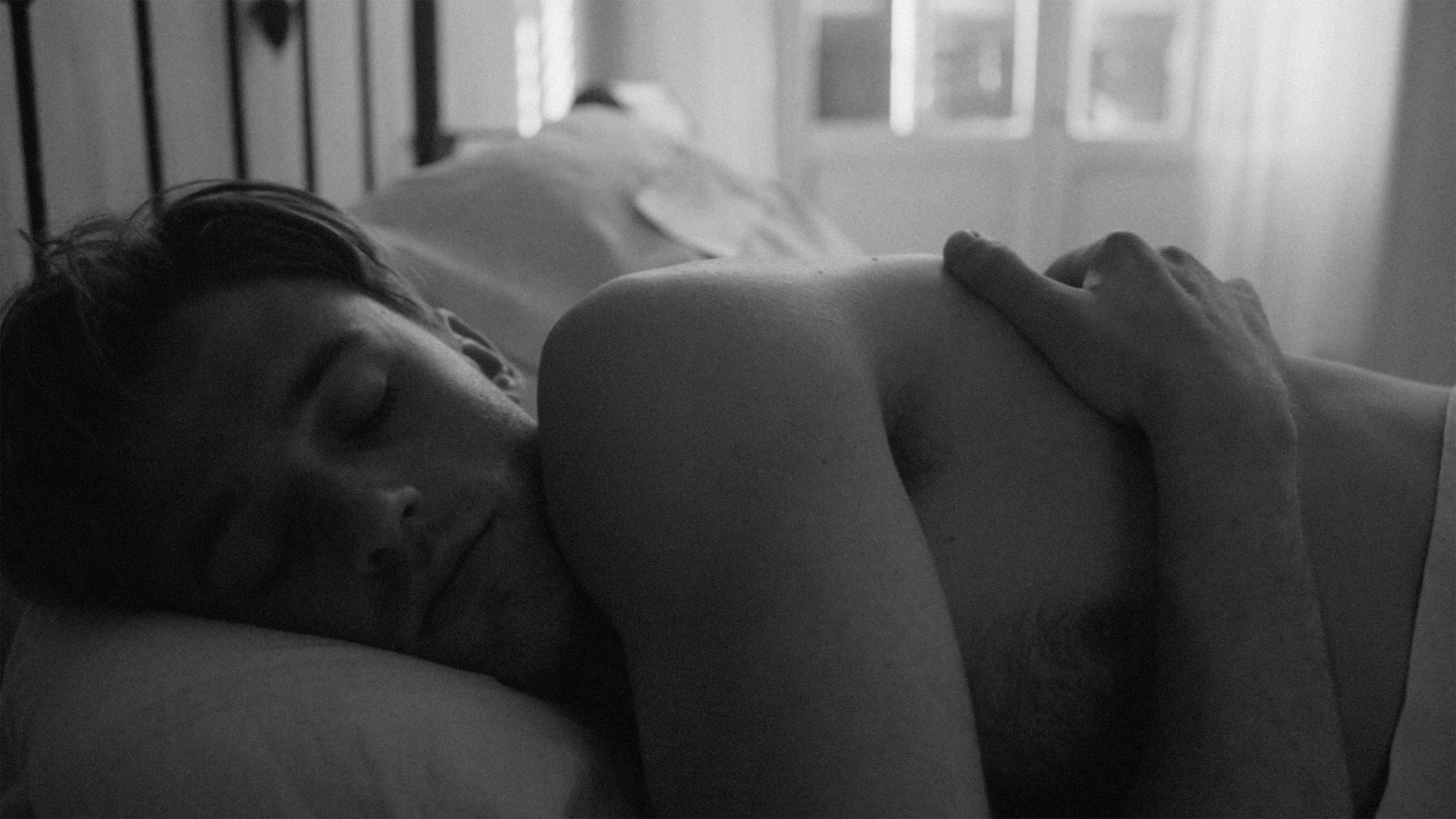
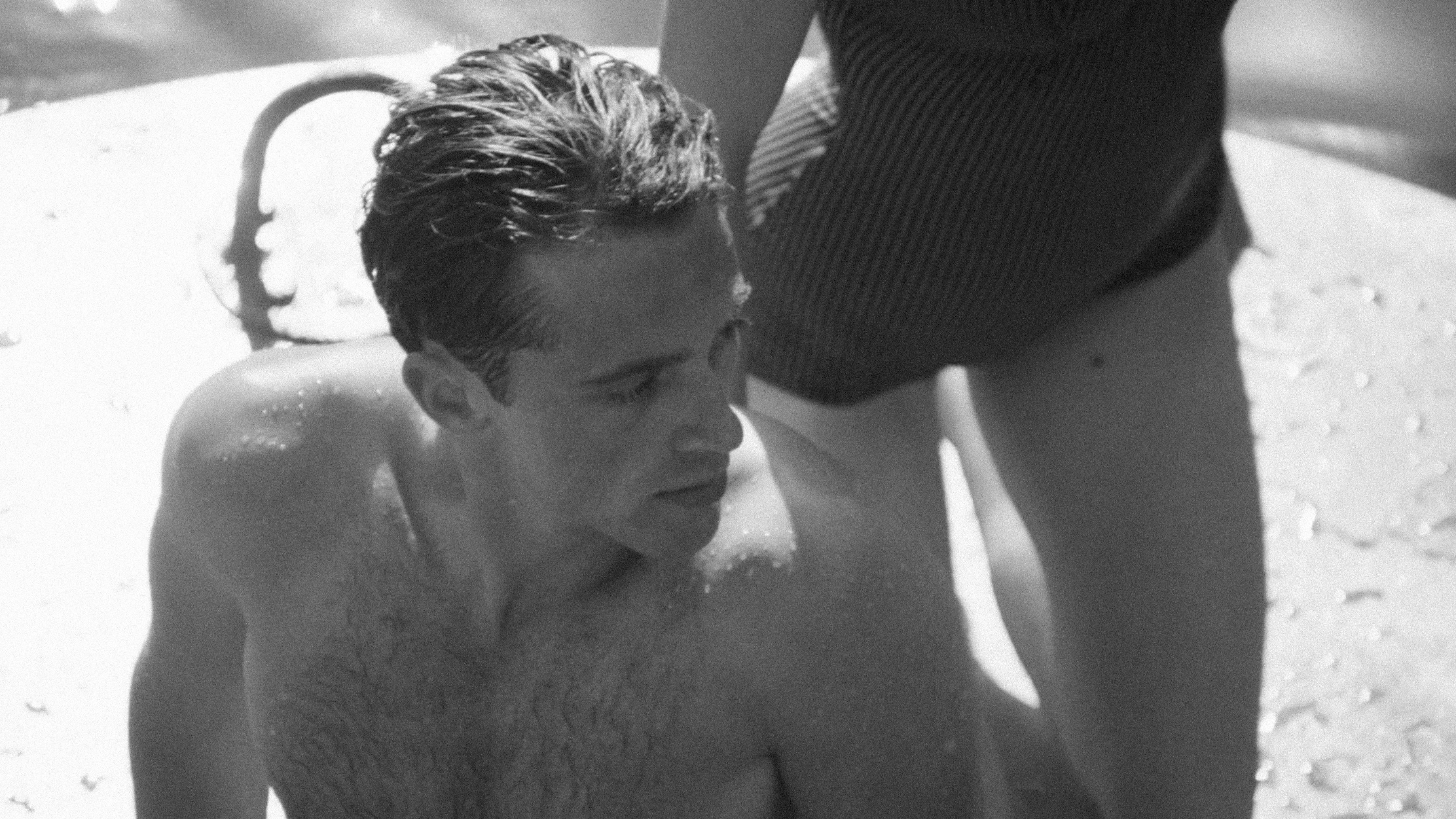
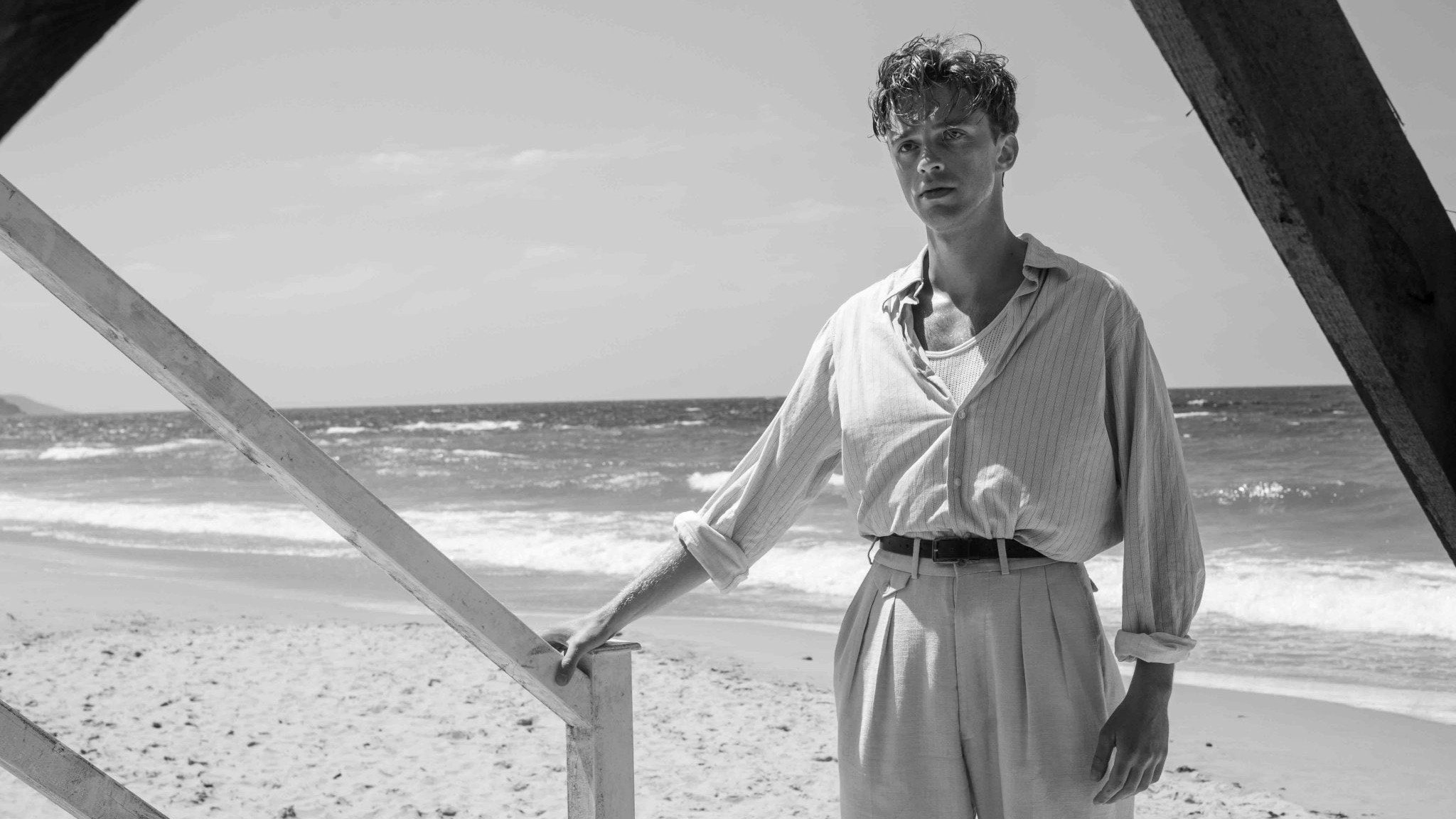
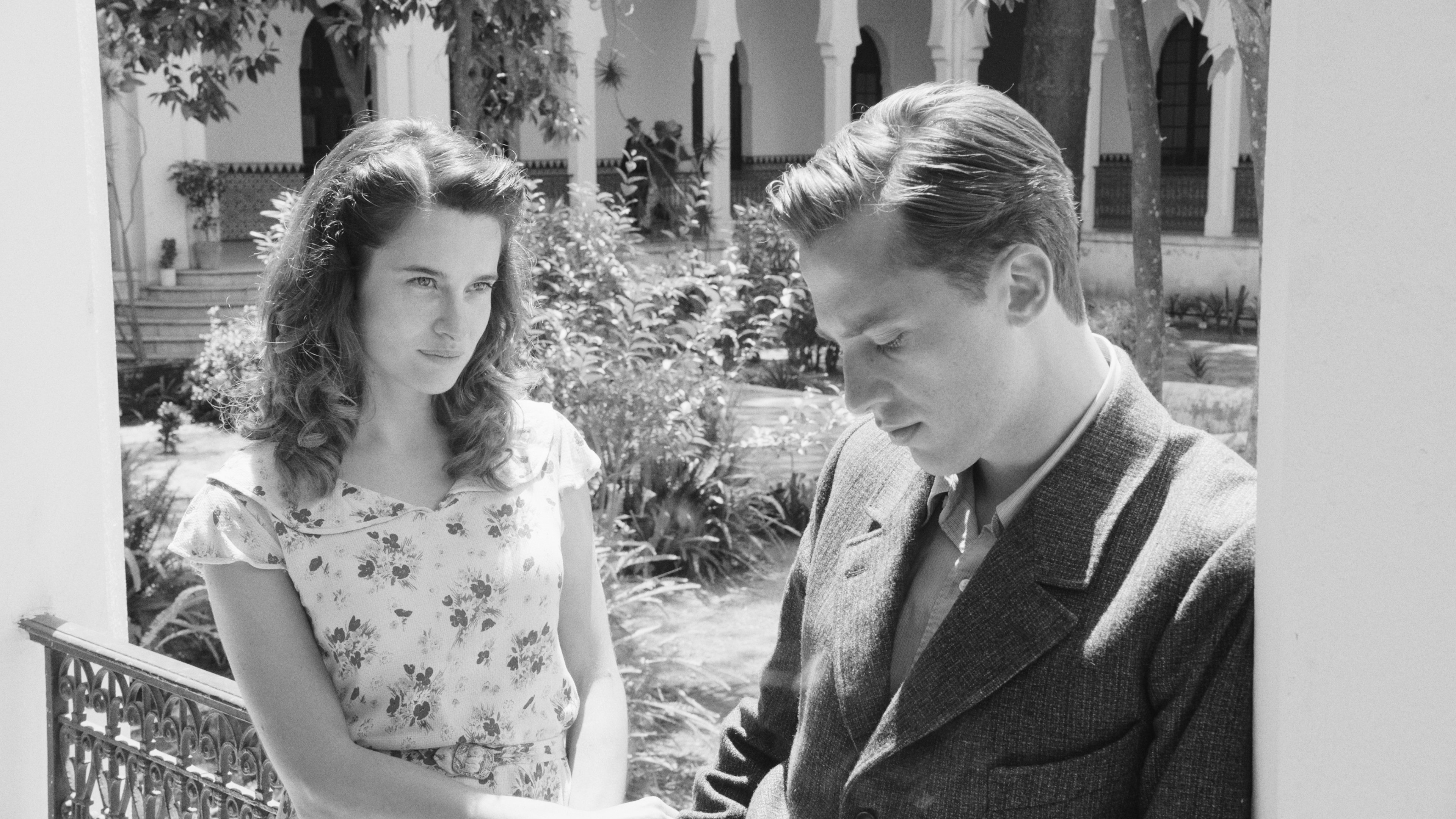
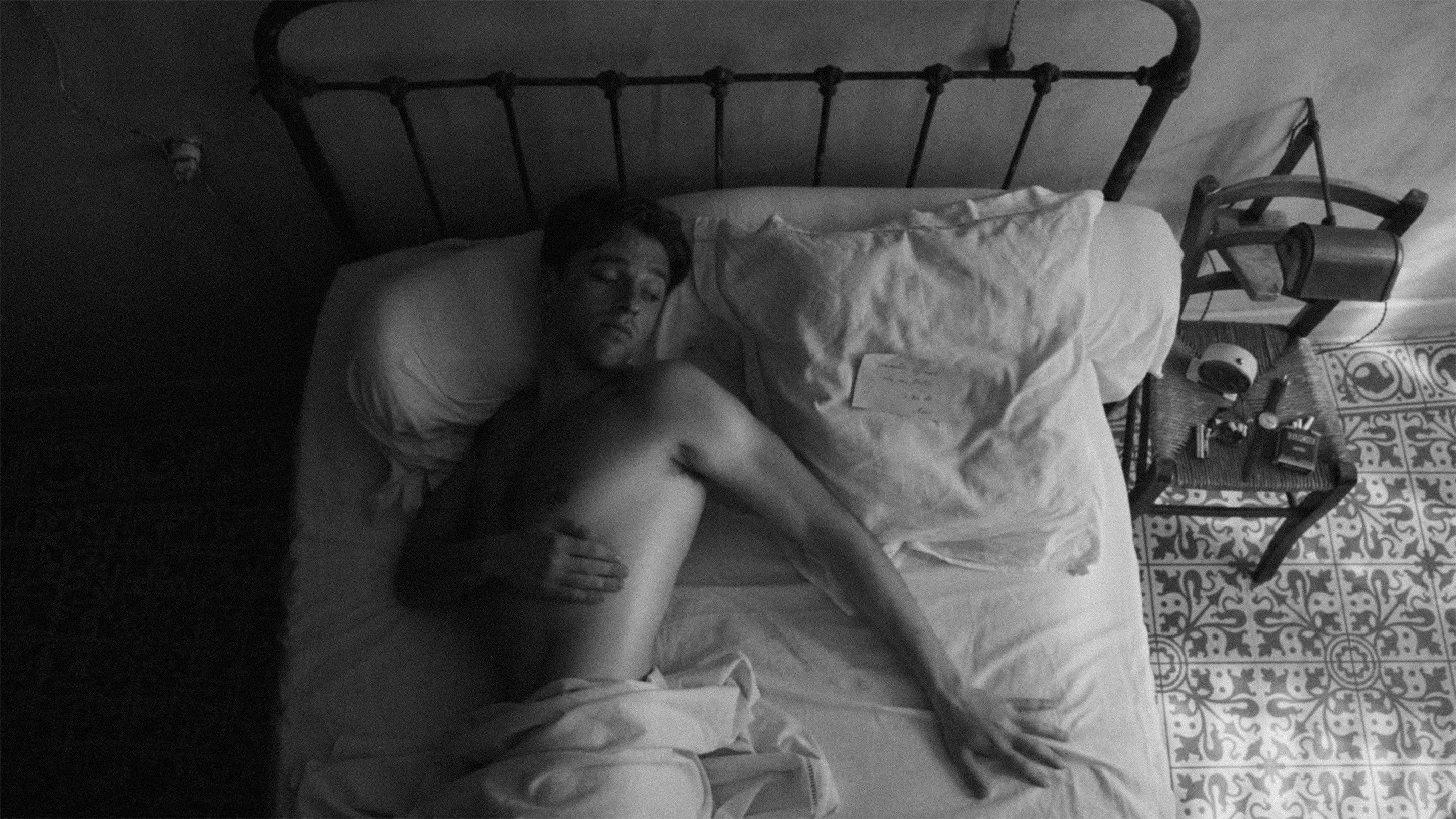
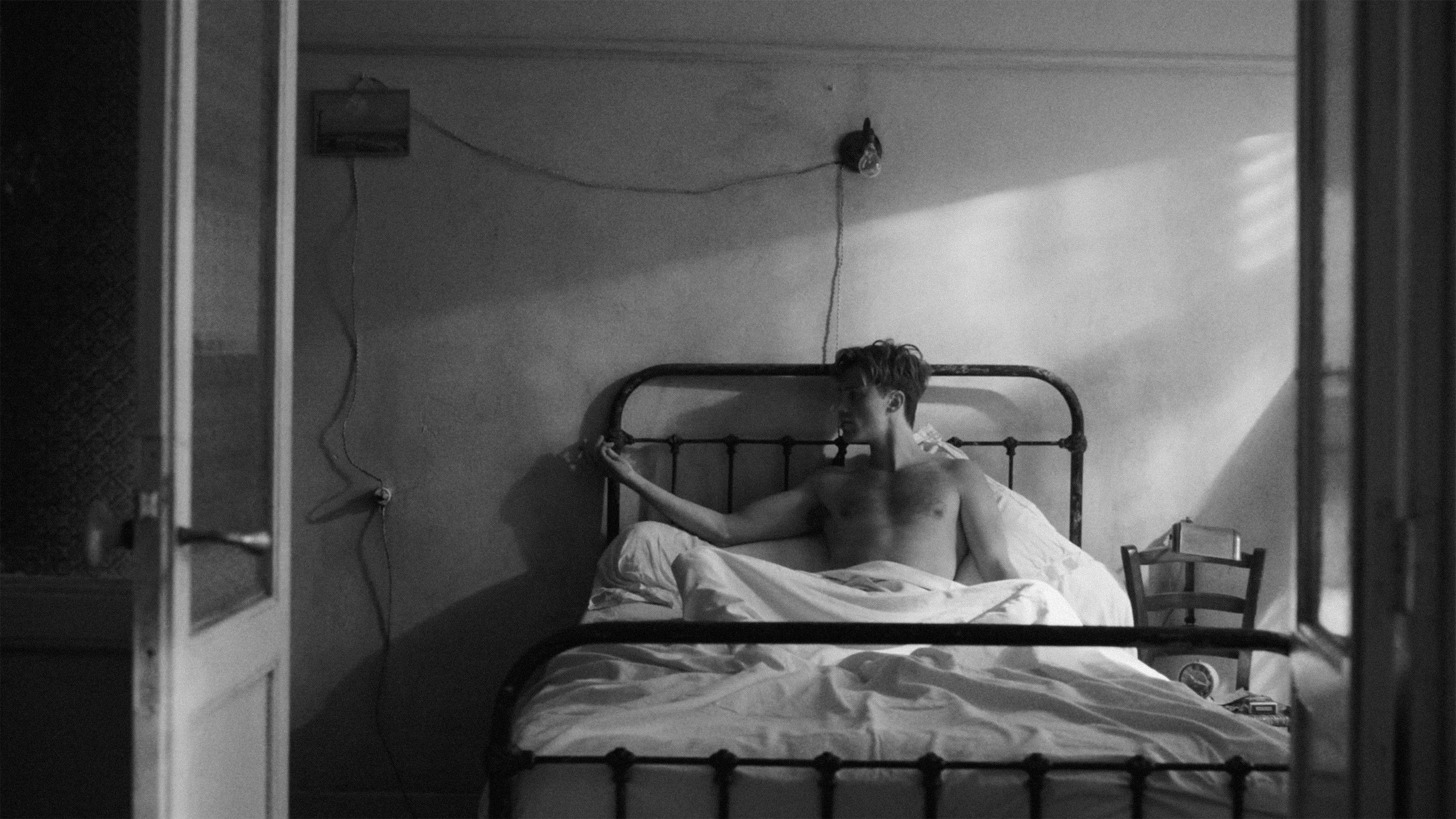
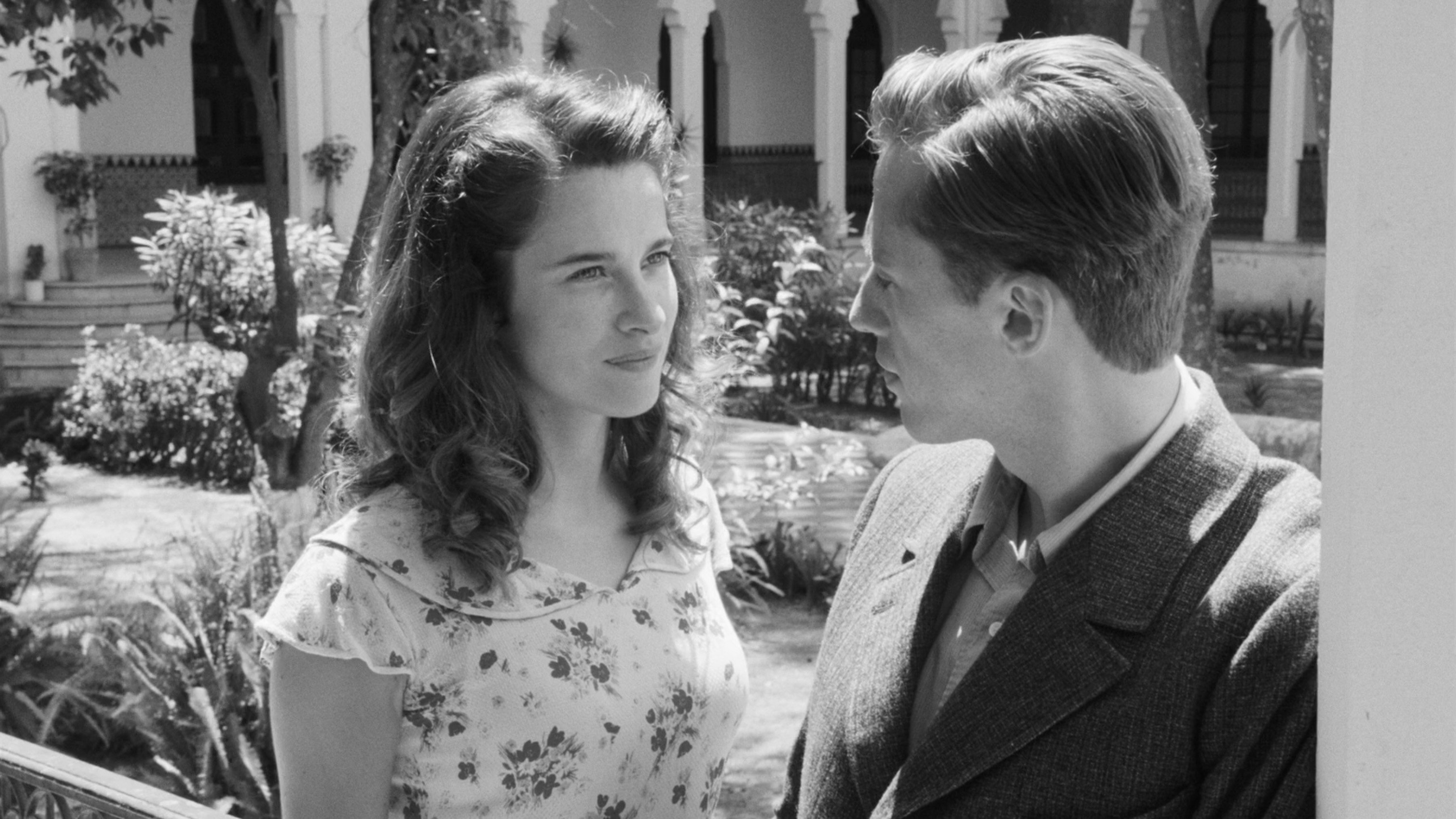
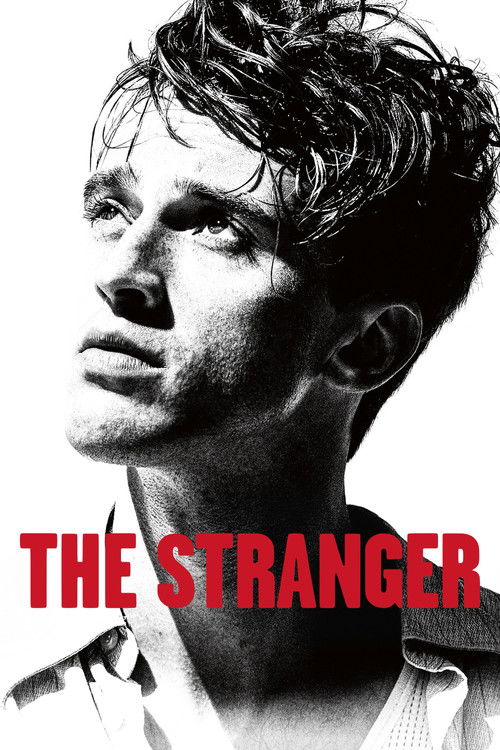
Francois Ozon has shot this like a neorealist noir, all harsh north African shadows and bustling Algiers streets, every shot a Hopper painting, everyone sweaty and sexy and on the edge of exploding, except for Mersault, the cipher who lives without emotion, without opinion, without ambition, his one precious life merely an interlude between eternities.
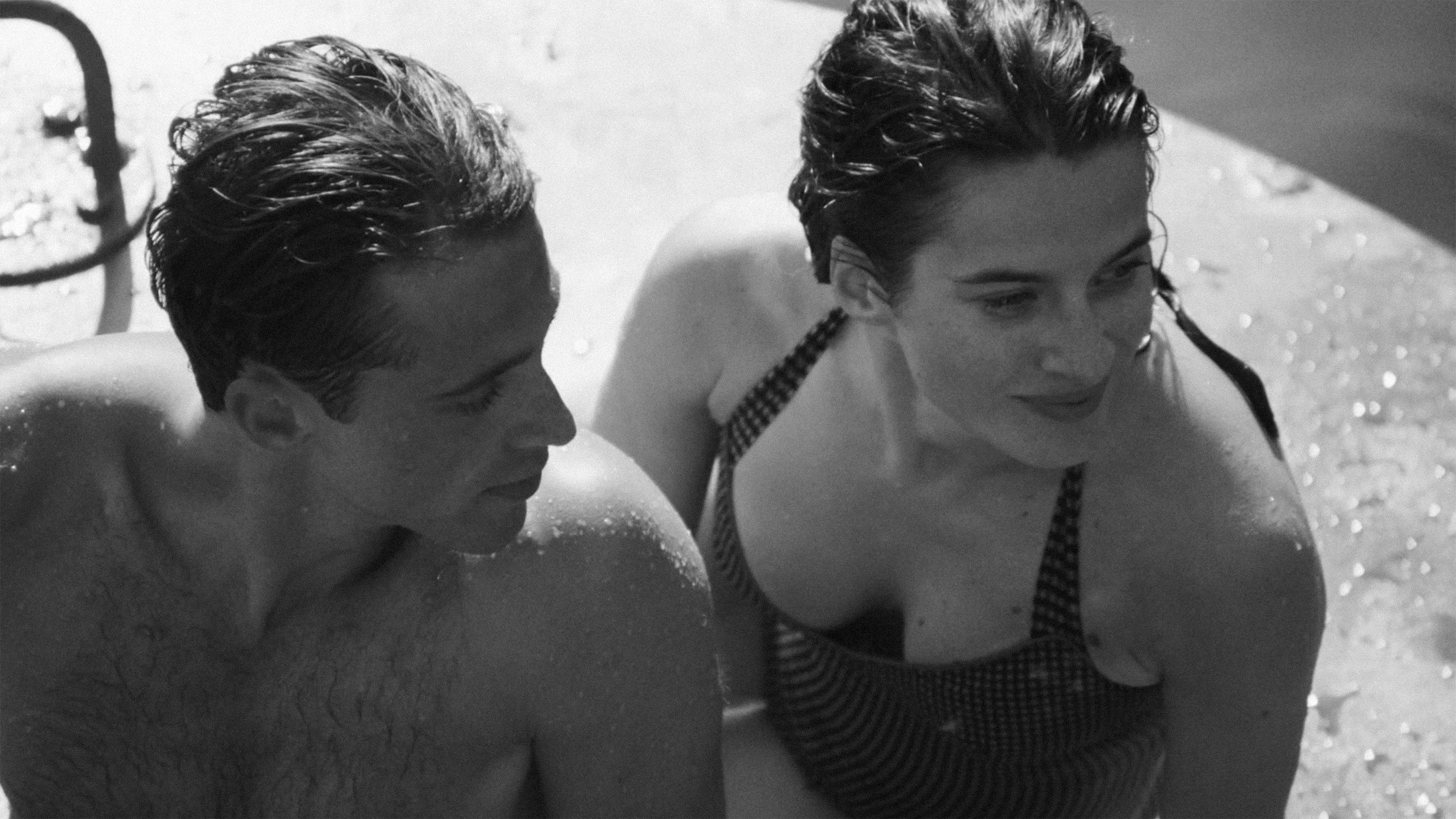
Benjamin Voisin and Rebecca Marder are both absolutely gorgeous, though.
To feel nothing when all around you are living with their full hearts. To bury your mother and not be able to muster a single emotion, to realize that you're not feeling anything, even as you're in the middle of not feeling anything.
You perform the rituals of society. You say Thank You when someone brings you coffee, you read from the scripts that are required to get through the day, but none of it touches you, not like it should. You question nothing, you wish for nothing. Other people seem to feel, to care, to love, to grieve, but you're immune, unaffected, disaffected.
You observe. People living, crying, walking their children to school, laughing in movie theaters, conversing on street corners. You should feel something, and in your way you try, but it's like the ability to feel anything is a muscle you somehow let atrophy, or were born without.
One of your neighbors is an old man who beats and berates his dog constantly, until it runs away, but then he mourns its loss deeply. Another neighbor is a boorish pimp, who treats women like objects and has made enemies among the local youths. He's so obviously, irredeemably trouble, and yet he's the one you follow, if only for a moment. The one active moment in your whole life, and it's... to kill an Arab.
Francois Ozon has shot this like a neorealist noir, all harsh north African shadows and bustling Algiers streets, every shot a Hopper painting, everyone sweaty and sexy and on the edge of exploding, except for Mersault, the cipher who lives without emotion, without opinion, without ambition, his one precious life merely an interlude between eternities.
Benjamin Voisin and Rebecca Marder are both absolutely gorgeous, though.























 1
1