
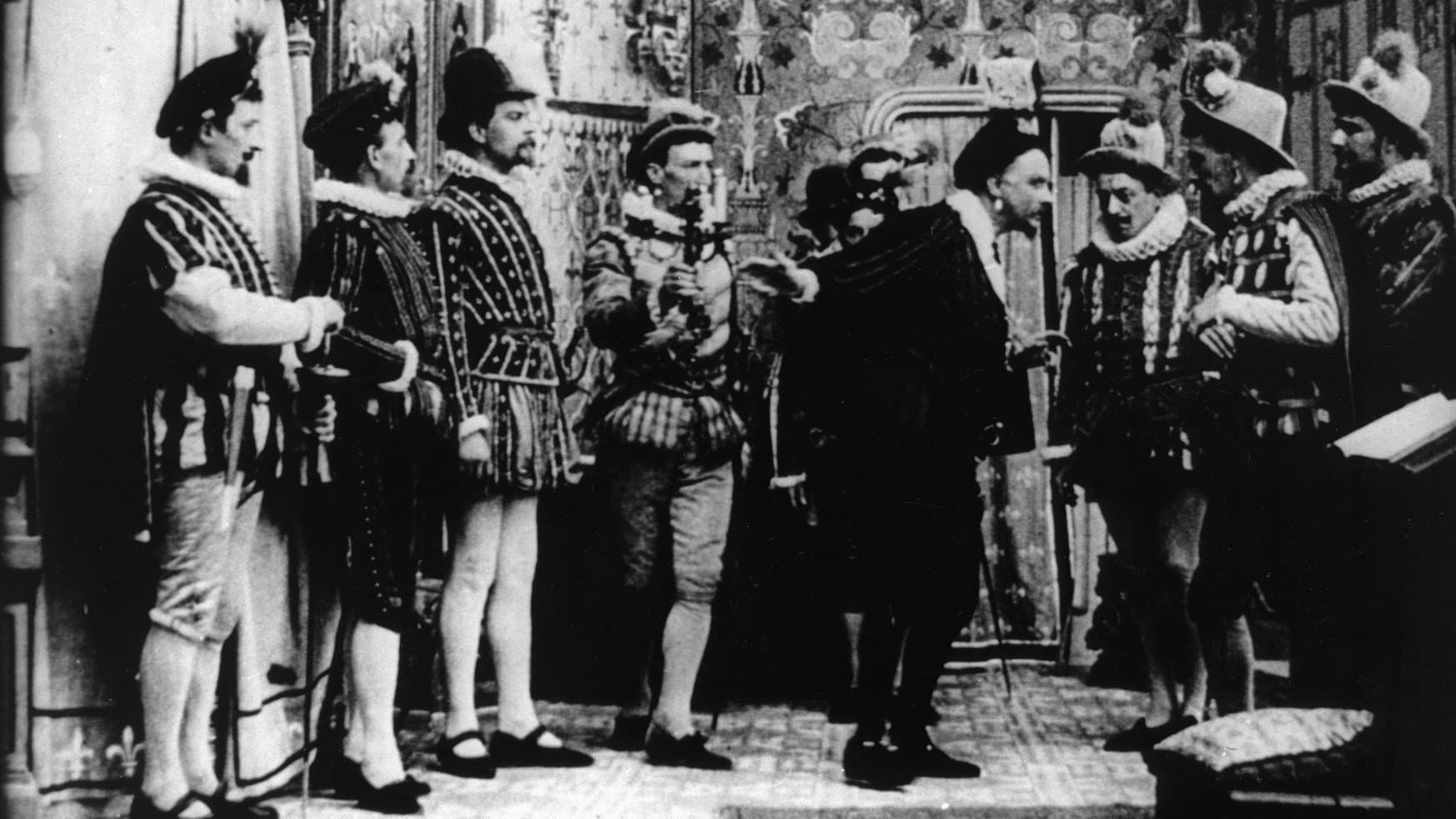
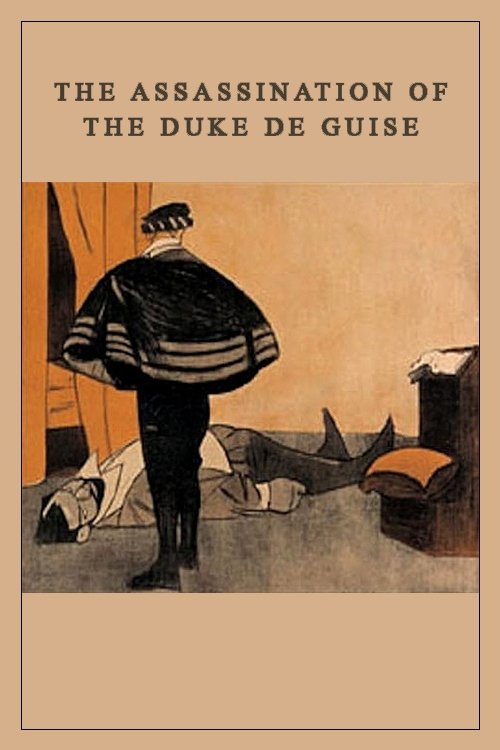
The Assassination of the Duke de Guise
1908·History·18m
7.0
★
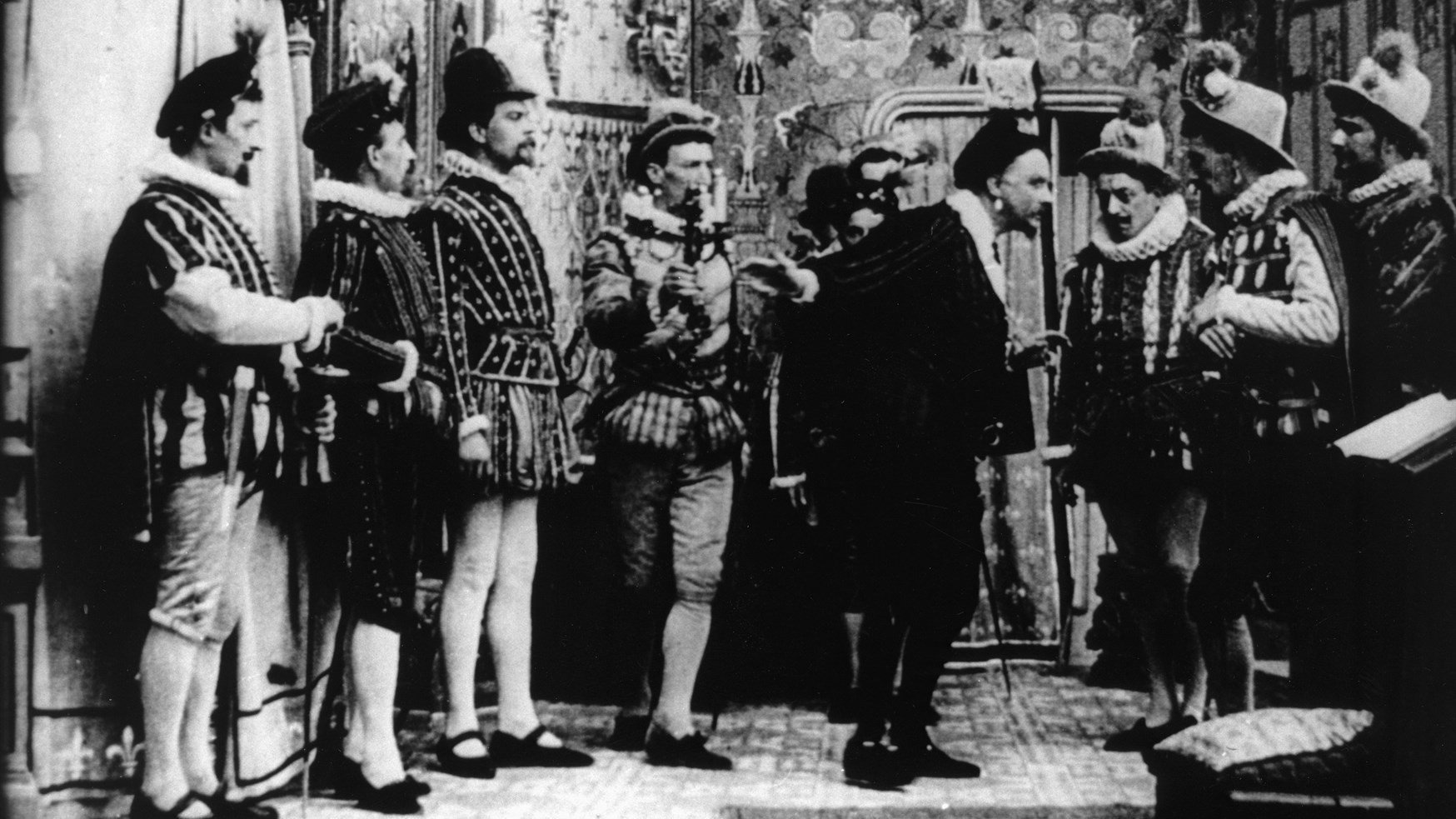
The film portrays the events on the day King Henri III of France arranged for Duke Henri de Guise to be murdered.
Directed by André Calmettes and Charles le Bargy

IMDB
N/A
Cast
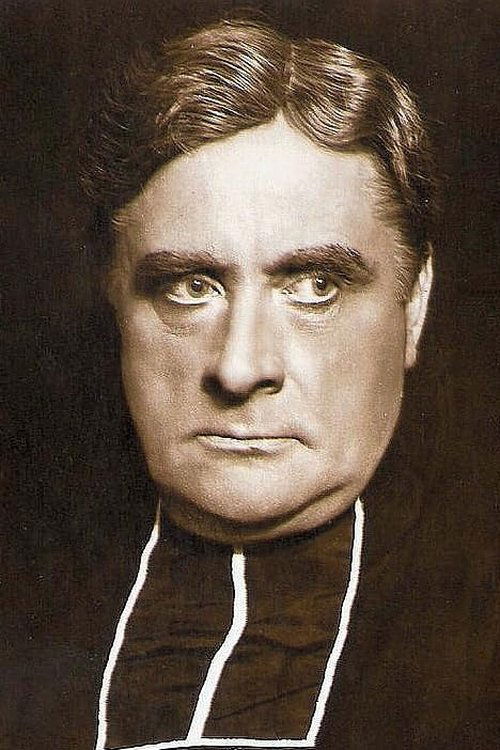
Charles le Bargy
Henri III
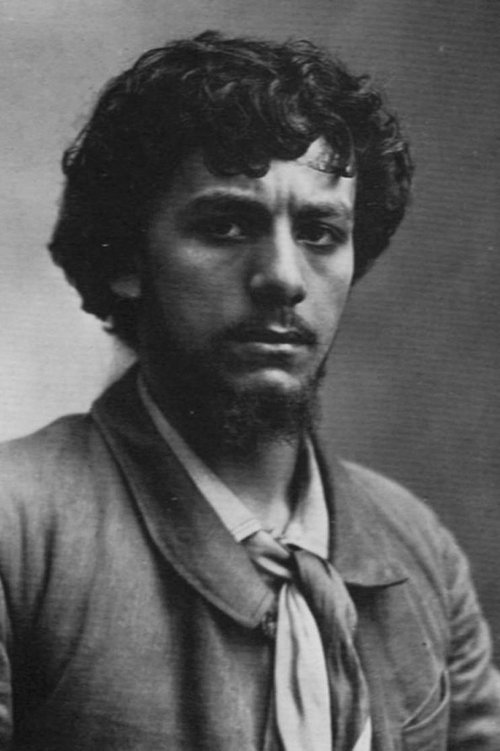
Albert Lambert
Le duc de Guise

Gabrielle Robinne
Marquise de Noirmoutier, maîtresse du duc

Berthe Bovy
Le page
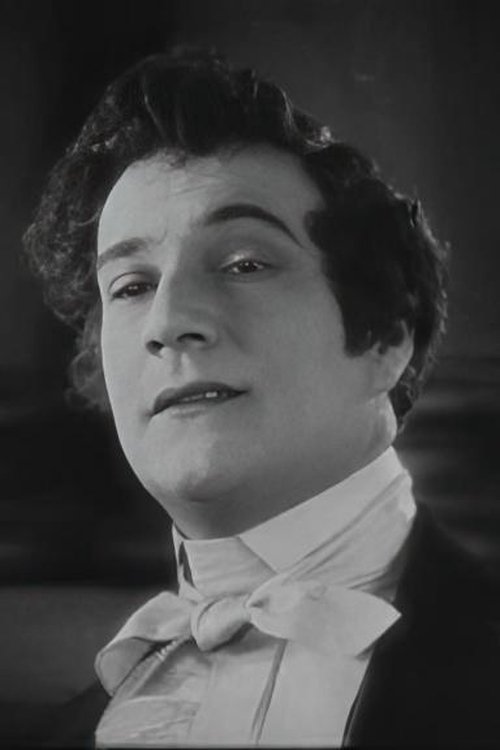
Jean Angelo
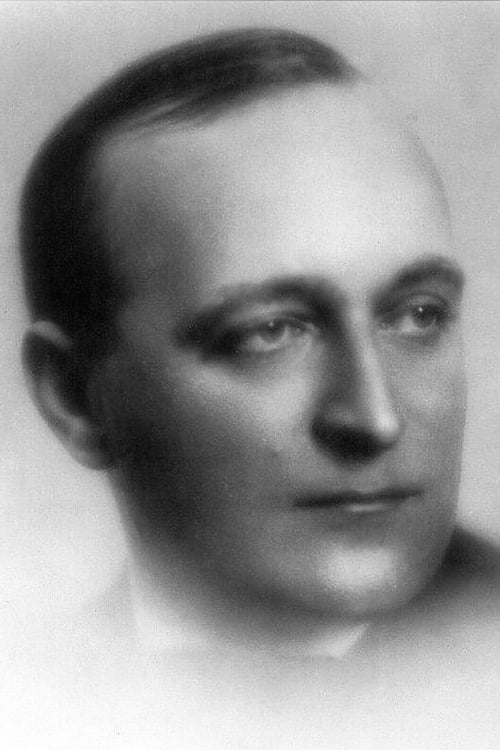
Albert Dieudonné
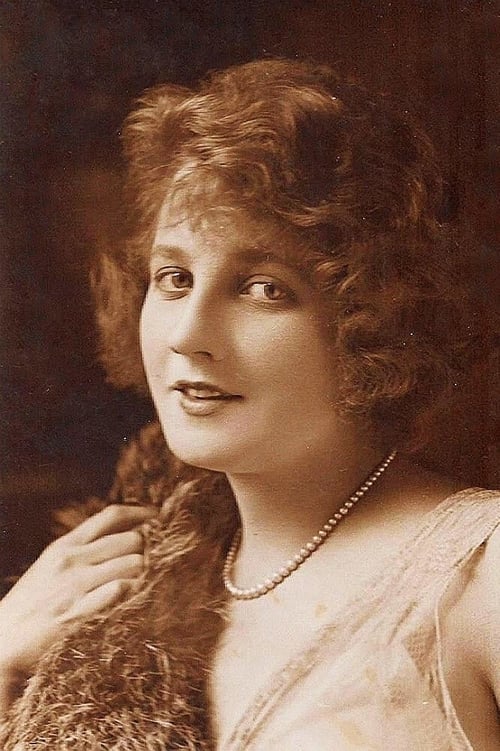
Huguette Duflos
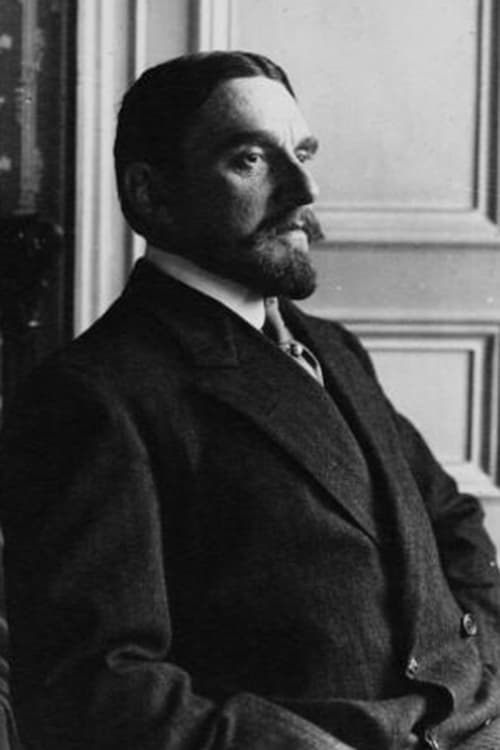
Raphaël Duflos
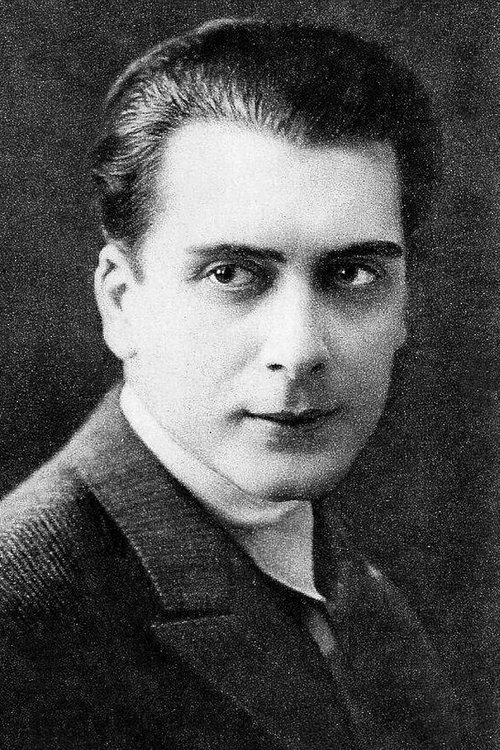
Rolla Norman
Crew
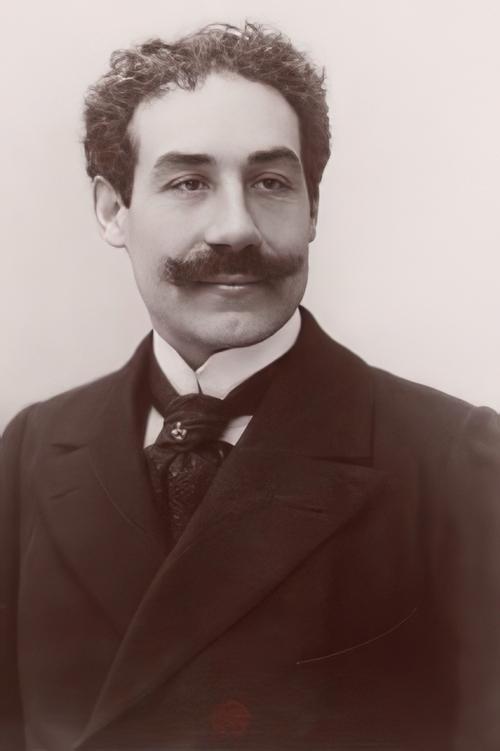
André Calmettes
Director
Charles le Bargy
Director
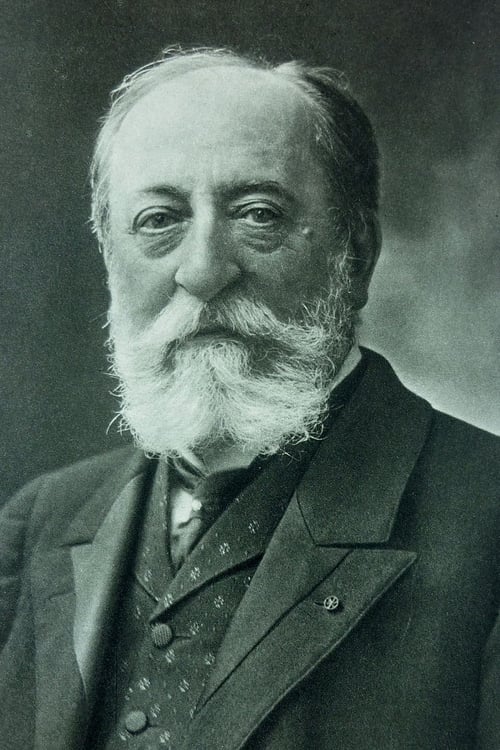
Camille Saint-Saëns
Music
Popular Reviews
15 reviews
crimzzn
Absolute snoozefest
Absolute snoozefest

1

The_watcher
3.0★ · 07/22/26
The Assassination of the Duc de Guise may seem static now, but at the time, its photography and staging broke new ground. First of all, the camera is at waist height instead of the typical shoulder height. Then, for the first time, some of the actors turned their back to the camera.
The Assassination of the Duc de Guise may seem static now, but at the time, its photography and staging broke new ground. First of all, the camera is at waist height instead of the typical shoulder height. Then, for the first time, some of the actors turned their back to the camera.
Anna
SAINT-SAËNS!!
I‘m studying film music for school and in my workbook there‘s some examples for film music. I love both film and music so i thought i would watch them all and write a bit about them :)
**-spoilers ahead but this is over 100 years old and a historical event so who cares-
**
The film was scored by Camille Saint-Saëns, a well known classical composer from the late romantic era, with orchestral music.
Even though this came out right at the beginning of cinema, it was already scored so well. Of course the score can‘t be as nuanced as scores are today because back then, people neither had the knowlegde nor the gear that we have today but saint-saëns still managed to score the different scenes so well.
Here‘s a few examples:
- I really liked the aural difference between the duke and his wife when they‘re talking. The wife tries to warn him and doesn‘t want him to go to the king because he‘s trying to kill the duke. The duke still wants to go against his wifes will. When the wife is talking, the music is really melodic and light, when the duke is talking the music becomes very dramatic and willful.
- the king plans the duke‘s murder. The music starts really cautious and mysterious and becomes more and more confident as the scene progresses
- the king and the congress members (?) realize that they have to hide the dukes body. As they realize the music get‘s really hectic and dramatic until they got rid of the body
These are just a few of many great examples of how well saint-saëns managed to capture the feelings of this film. Now of course saint-saëns is an incredible composer but because a lot of the time, music wasn‘t written for a film but rather just for some underlying sound in the silent film era, this is something that you don‘t hear that often in films that are that old.
Really interesting :)
I‘m studying film music for school and in my workbook there‘s some examples for film music. I love both film and music so i thought i would watch them all and write a bit about them :)
**-spoilers ahead but this is over 100 years old and a historical event so who cares-
**
The film was scored by Camille Saint-Saëns, a well known classical composer from the late romantic era, with orchestral music.
Even though this came out right at the beginning of cinema, it was already scored so well. Of course the score can‘t be as nuanced as scores are today because back then, people neither had the knowlegde nor the gear that we have today but saint-saëns still managed to score the different scenes so well.
Here‘s a few examples:
- I really liked the aural difference between the duke and his wife when they‘re talking. The wife tries to warn him and doesn‘t want him to go to the king because he‘s trying to kill the duke. The duke still wants to go against his wifes will. When the wife is talking, the music is really melodic and light, when the duke is talking the music becomes very dramatic and willful.
- the king plans the duke‘s murder. The music starts really cautious and mysterious and becomes more and more confident as the scene progresses
- the king and the congress members (?) realize that they have to hide the dukes body. As they realize the music get‘s really hectic and dramatic until they got rid of the body
These are just a few of many great examples of how well saint-saëns managed to capture the feelings of this film. Now of course saint-saëns is an incredible composer but because a lot of the time, music wasn‘t written for a film but rather just for some underlying sound in the silent film era, this is something that you don‘t hear that often in films that are that old.
Really interesting :)
SAINT-SAËNS!!
I‘m studying film music for school and in my workbook there‘s some examples for film music. I love both film and music so i thought i would watch them all and write a bit about them :)
**-spoilers ahead but this is over 100 years old and a historical event so who cares-
**
The film was scored by Camille Saint-Saëns, a well known classical composer from the late romantic era, with orchestral music.
Even though this came out right at the beginning of cinema, it was already scored so well. Of course the score can‘t be as nuanced as scores are today because back then, people neither had the knowlegde nor the gear that we have today but saint-saëns still managed to score the different scenes so well.
Here‘s a few examples:
- I really liked the aural difference between the duke and his wife when they‘re talking. The wife tries to warn him and doesn‘t want him to go to the king because he‘s trying to kill the duke. The duke still wants to go against his wifes will. When the wife is talking, the music is really melodic and light, when the duke is talking the music becomes very dramatic and willful.
- the king plans the duke‘s murder. The music starts really cautious and mysterious and becomes more and more confident as the scene progresses
- the king and the congress members (?) realize that they have to hide the dukes body. As they realize the music get‘s really hectic and dramatic until they got rid of the body
These are just a few of many great examples of how well saint-saëns managed to capture the feelings of this film. Now of course saint-saëns is an incredible composer but because a lot of the time, music wasn‘t written for a film but rather just for some underlying sound in the silent film era, this is something that you don‘t hear that often in films that are that old.
Really interesting :)
I‘m studying film music for school and in my workbook there‘s some examples for film music. I love both film and music so i thought i would watch them all and write a bit about them :)
**-spoilers ahead but this is over 100 years old and a historical event so who cares-
**
The film was scored by Camille Saint-Saëns, a well known classical composer from the late romantic era, with orchestral music.
Even though this came out right at the beginning of cinema, it was already scored so well. Of course the score can‘t be as nuanced as scores are today because back then, people neither had the knowlegde nor the gear that we have today but saint-saëns still managed to score the different scenes so well.
Here‘s a few examples:
- I really liked the aural difference between the duke and his wife when they‘re talking. The wife tries to warn him and doesn‘t want him to go to the king because he‘s trying to kill the duke. The duke still wants to go against his wifes will. When the wife is talking, the music is really melodic and light, when the duke is talking the music becomes very dramatic and willful.
- the king plans the duke‘s murder. The music starts really cautious and mysterious and becomes more and more confident as the scene progresses
- the king and the congress members (?) realize that they have to hide the dukes body. As they realize the music get‘s really hectic and dramatic until they got rid of the body
These are just a few of many great examples of how well saint-saëns managed to capture the feelings of this film. Now of course saint-saëns is an incredible composer but because a lot of the time, music wasn‘t written for a film but rather just for some underlying sound in the silent film era, this is something that you don‘t hear that often in films that are that old.
Really interesting :)
Sacho
6.0★ · 07/26/25
Camille Saint-Saëns qui cook comme jamais pour cette dernière minute en fond noir
Camille Saint-Saëns qui cook comme jamais pour cette dernière minute en fond noir
Nick
2.7★ · 04/09/25
boring 👎🏼
4/10
4/10
boring 👎🏼
4/10
4/10