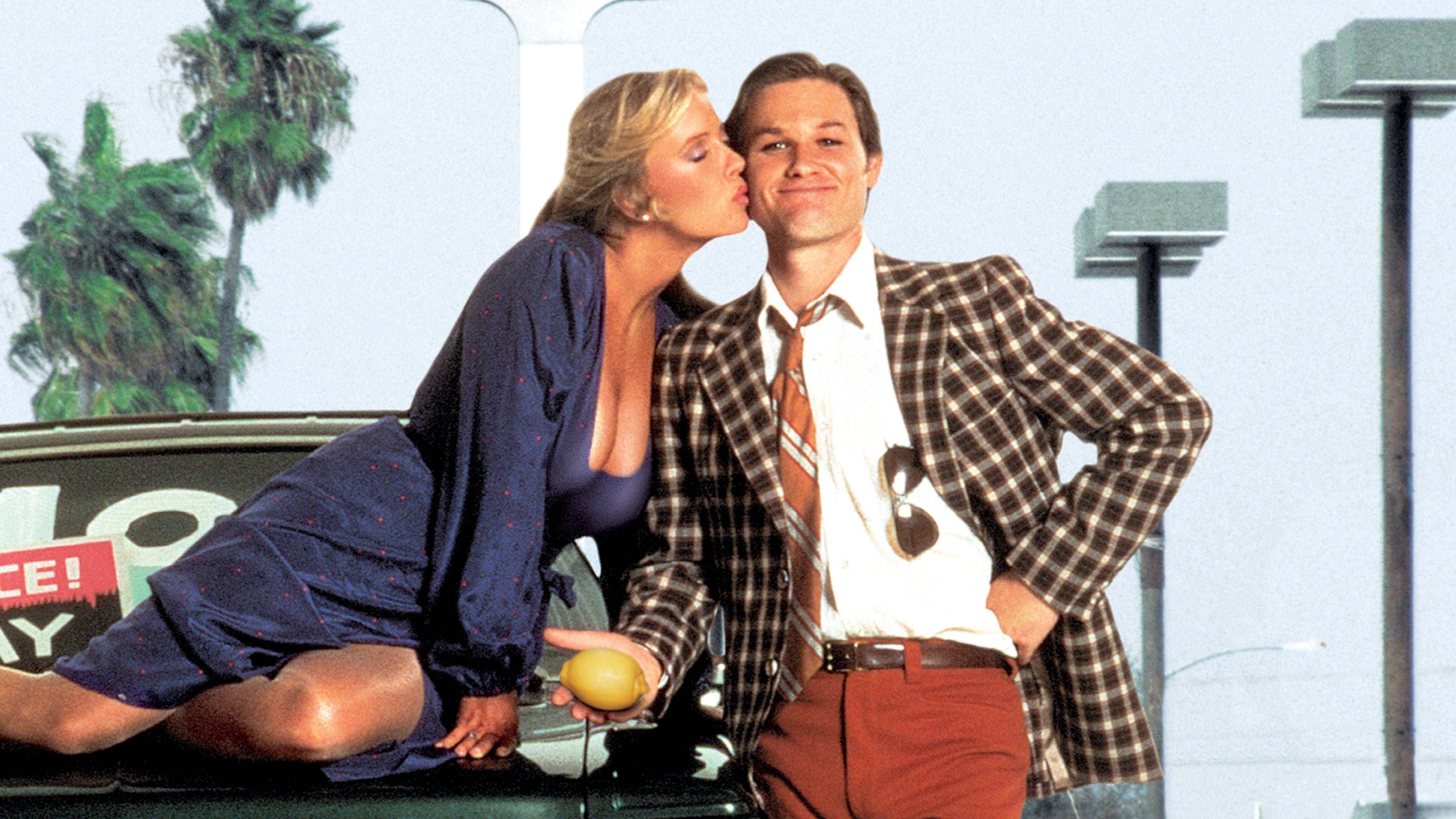
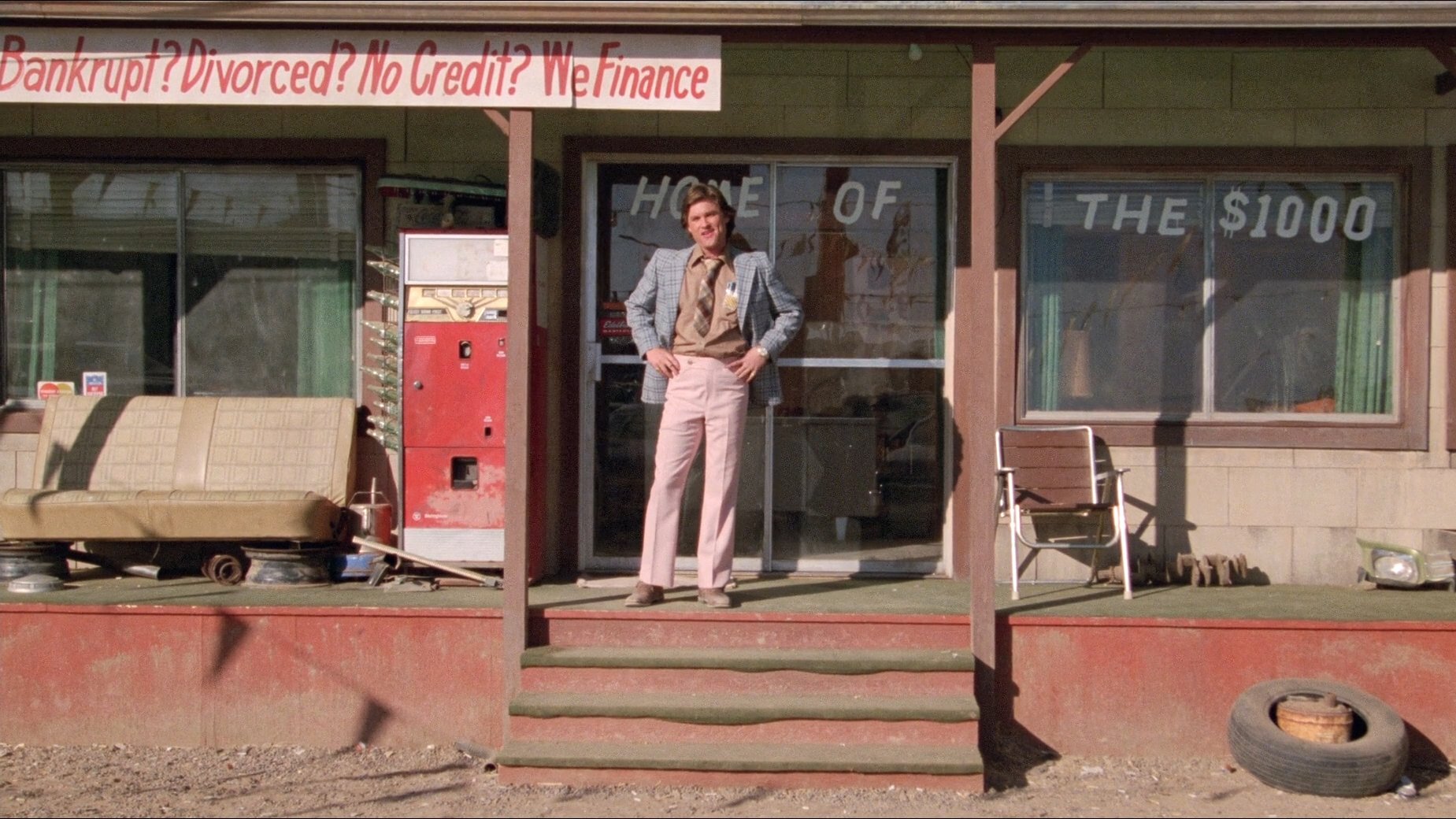
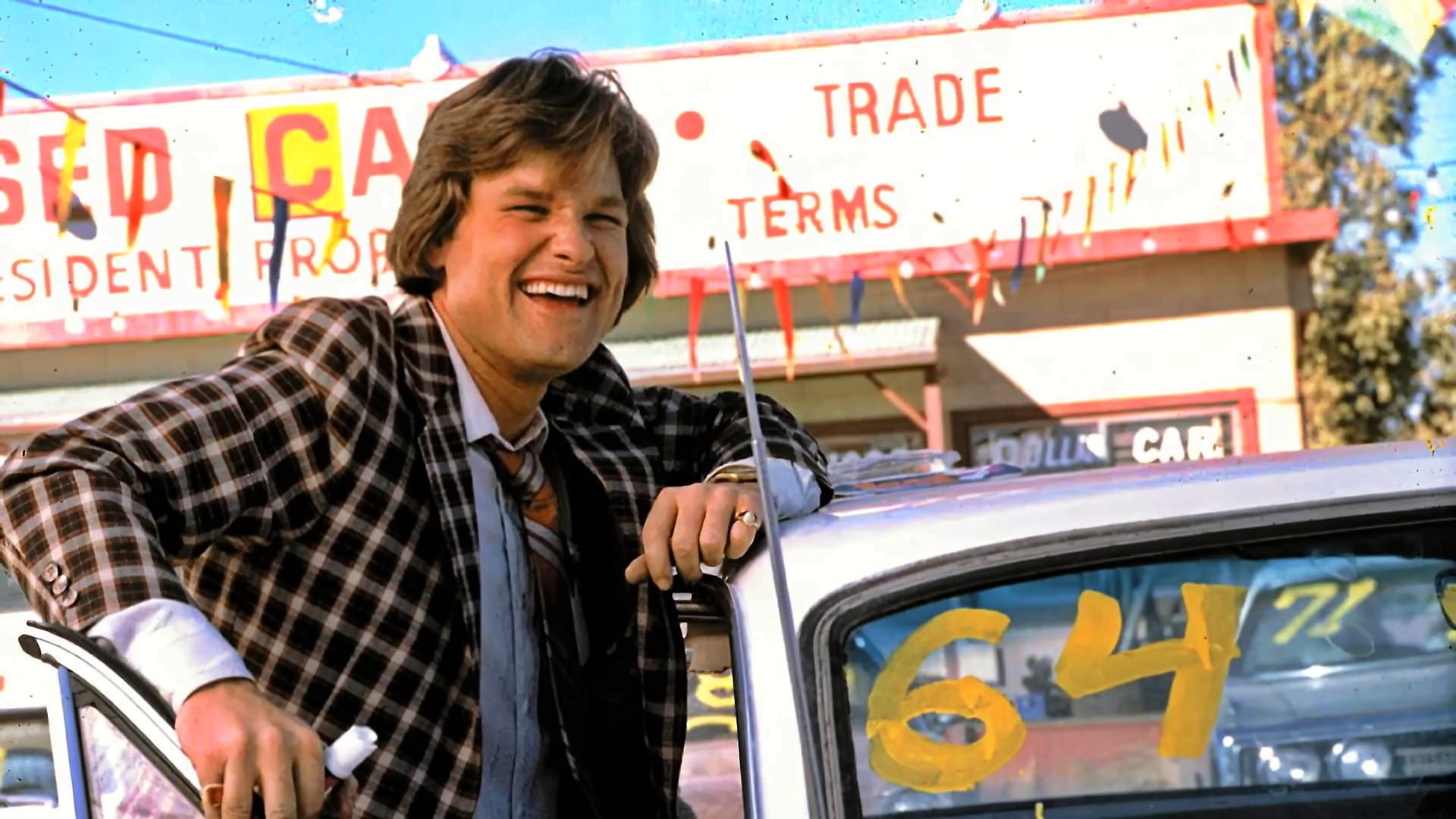
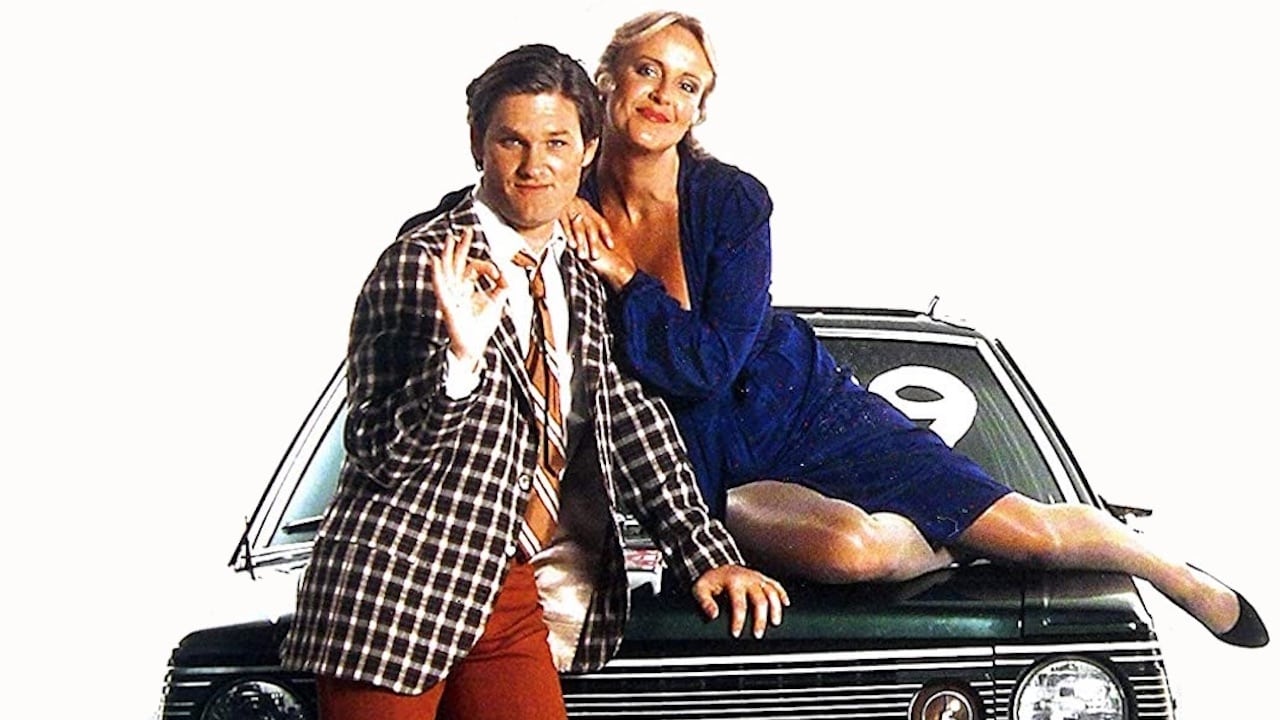
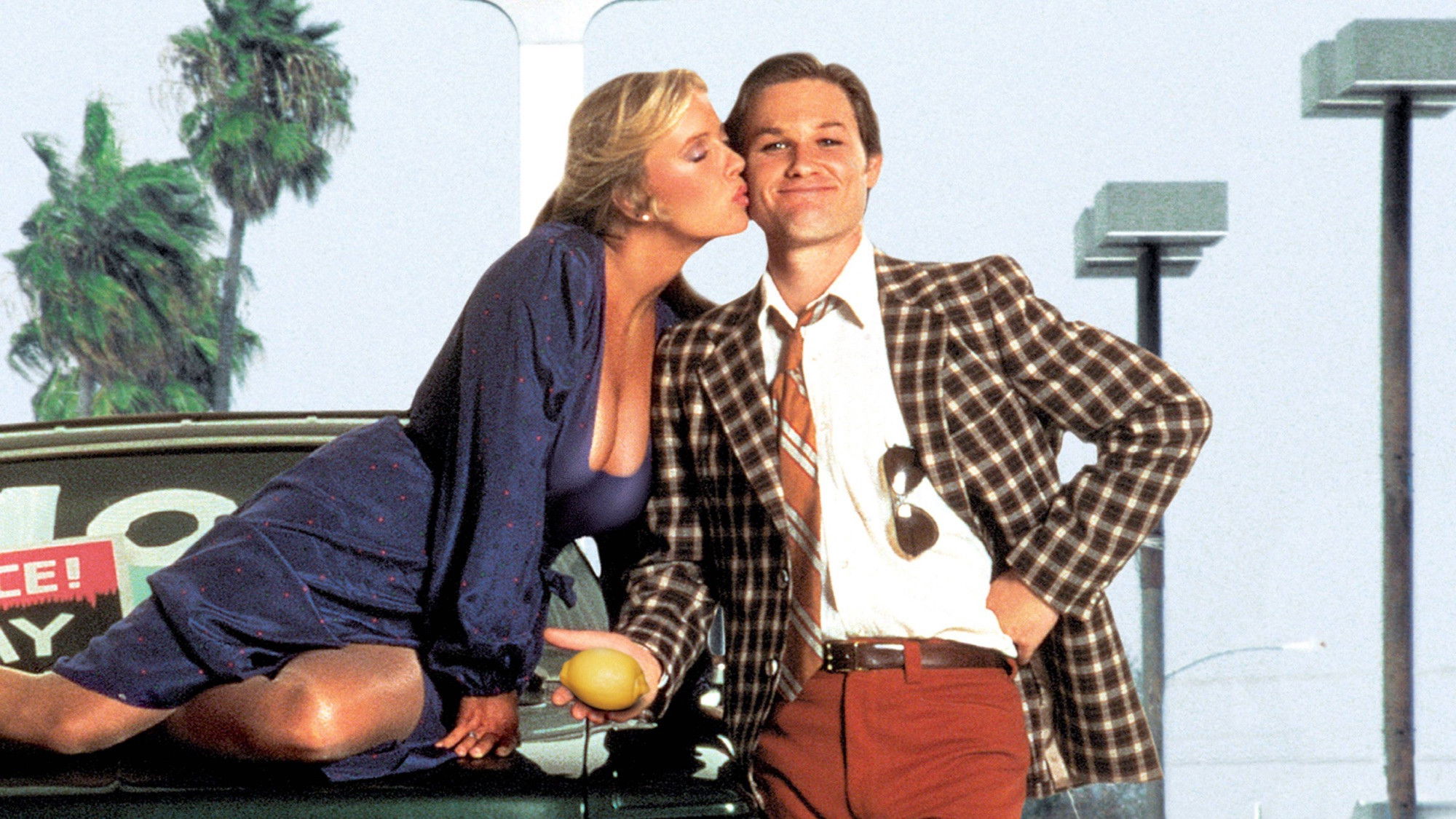
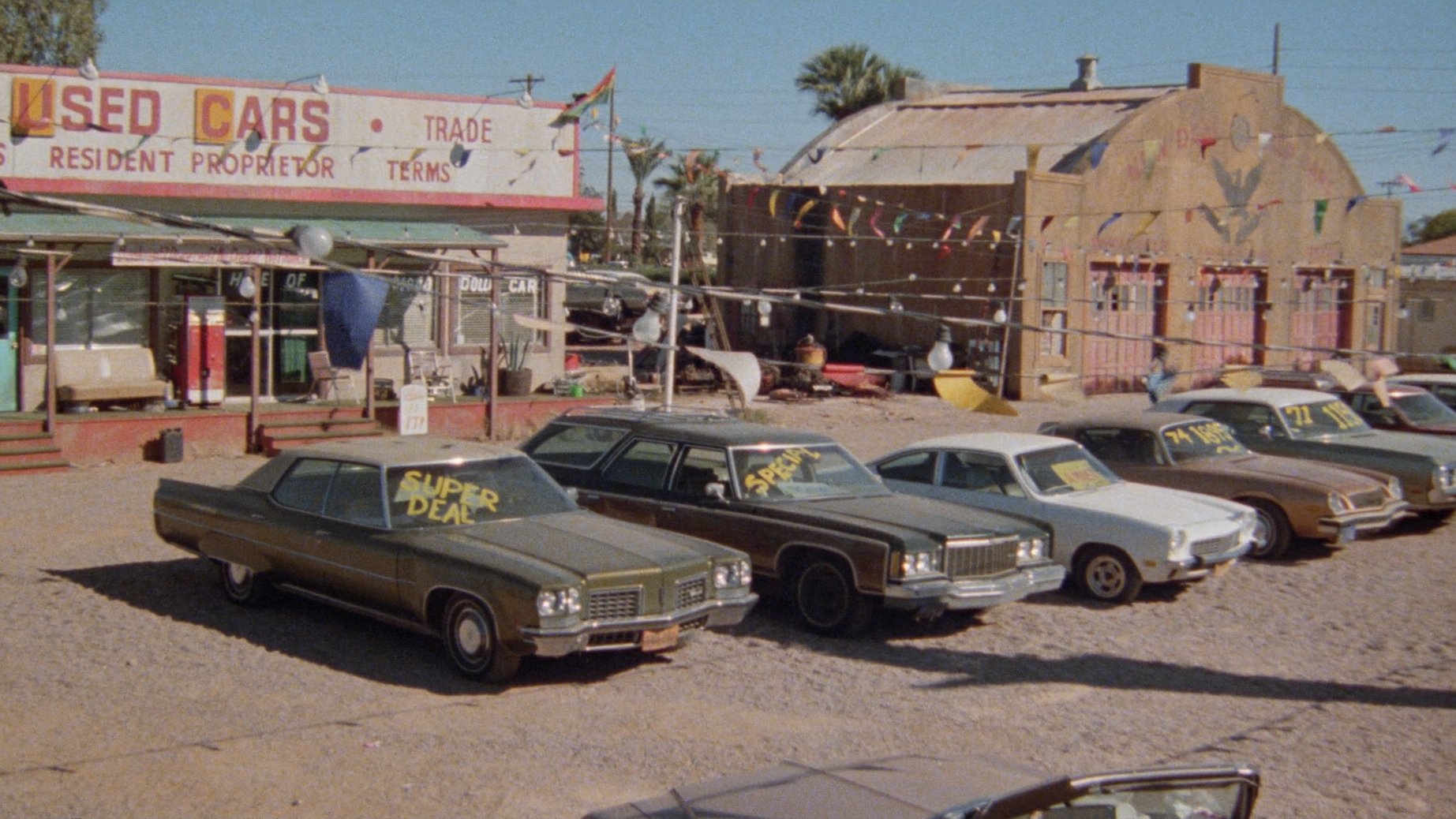
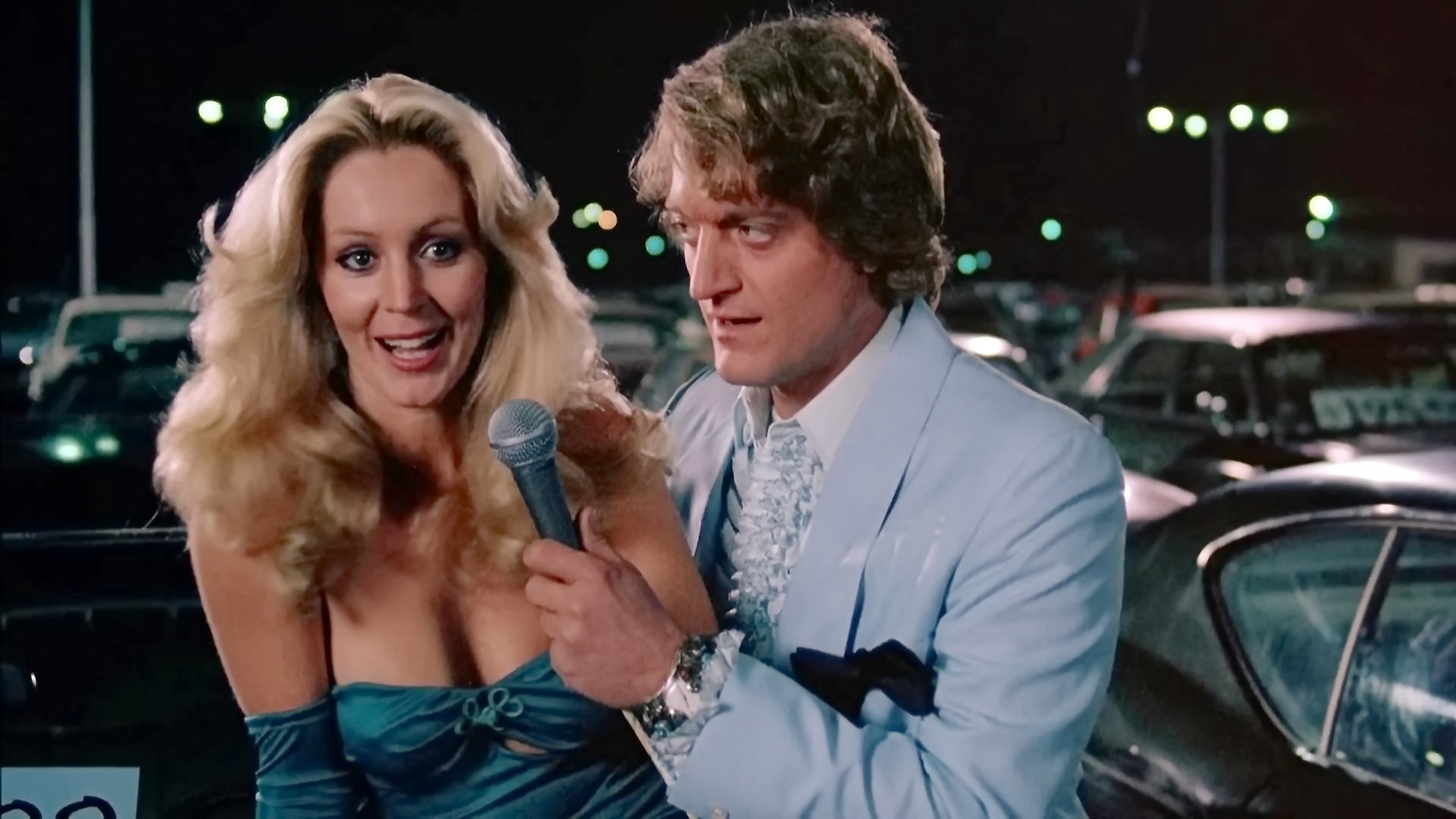
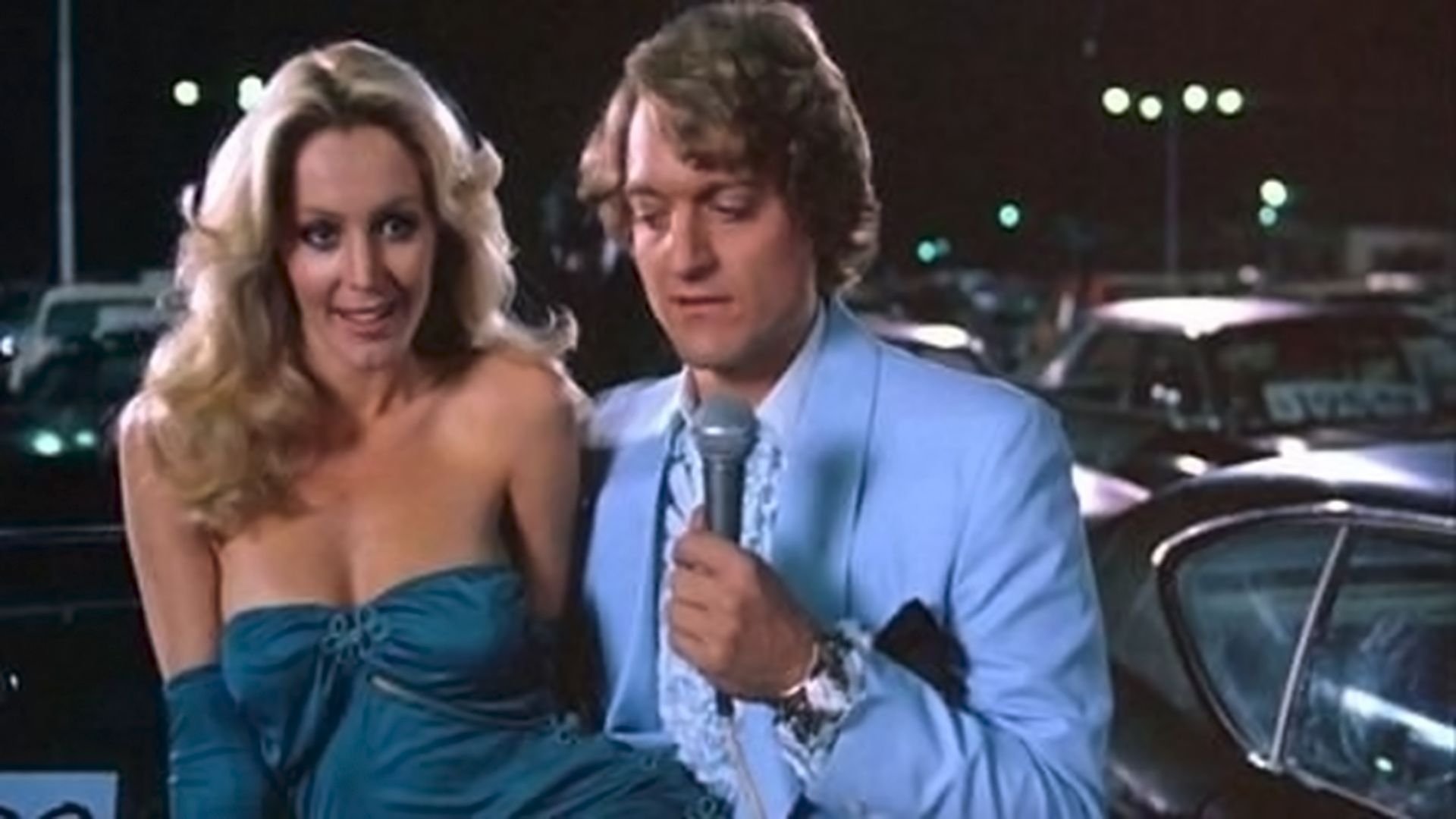
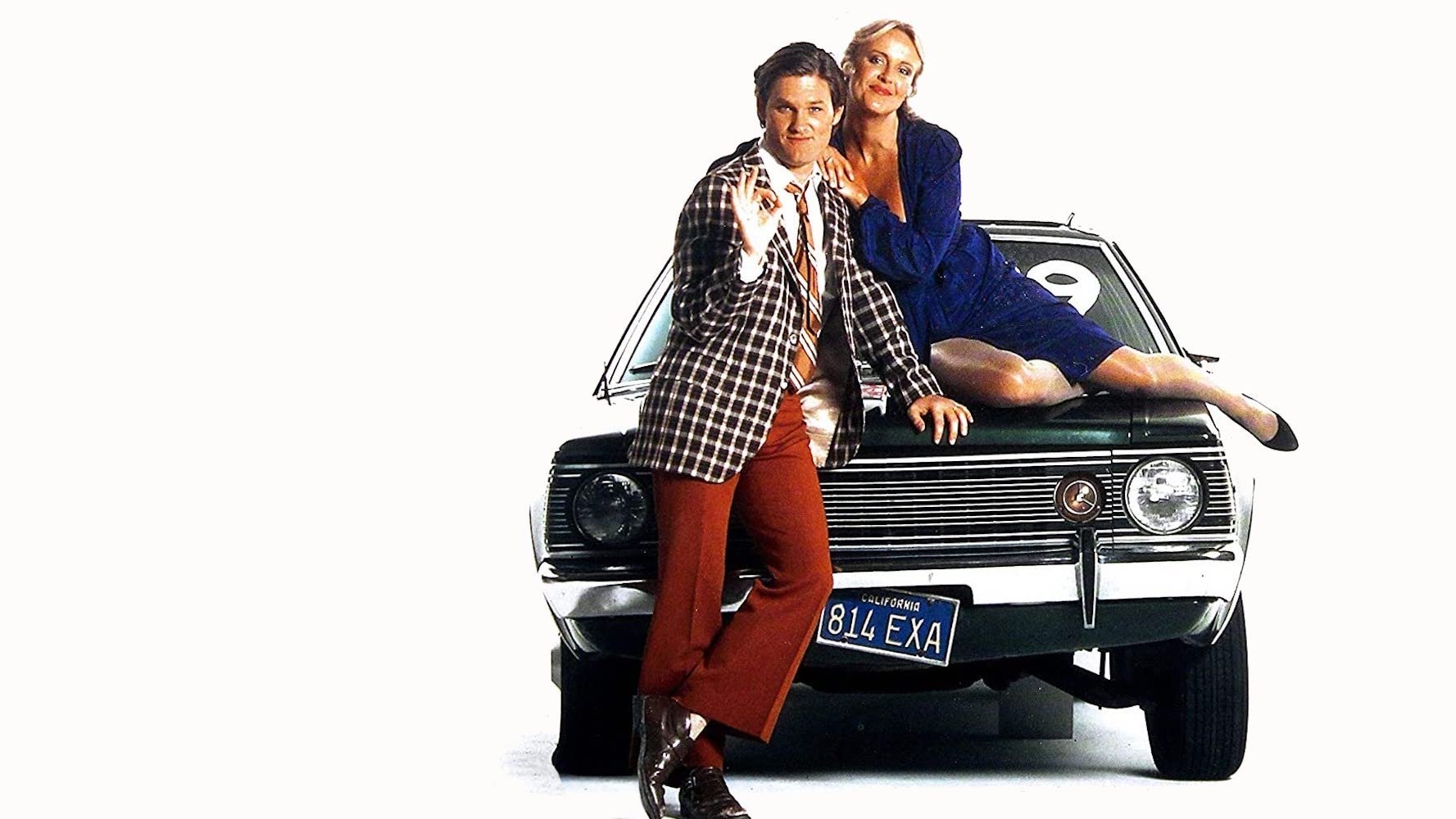
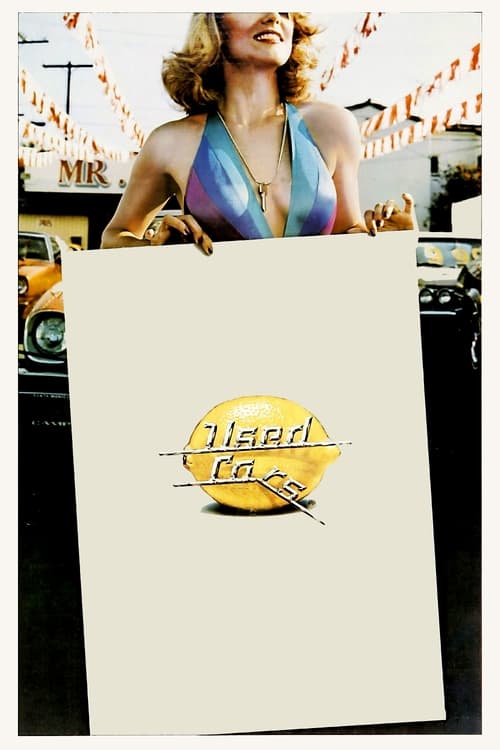
Used Cars is Zemeckis before he cleaned the blood off his knuckles. It’s lewd, loud, and lit like a porno on a budget. The film drips with grease and testosterone, unapologetically obsessed with tits, TV spots, and con artistry. It’s adolescent, but not in a wistful, Spielbergian sense. It’s adolescent the way a boy is when he’s just discovered how loud he can be and how much trouble he can get into before someone slaps him across the face.
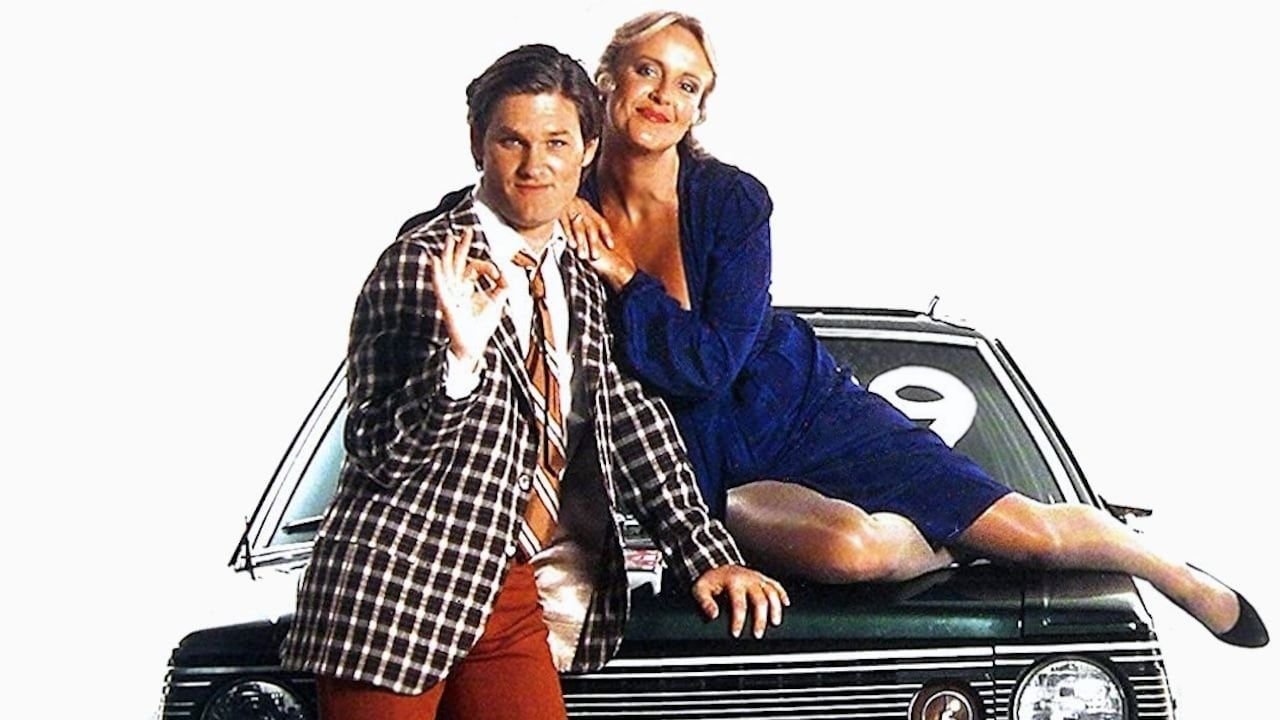
This is the only Zemeckis movie that doesn’t feel like it’s waiting for Spielberg to nod. There’s no guiding hand of sentiment, no plea for wonder or warmth. The men are pigs, the women are scenery, and the whole thing operates on the logic of a sleazy locker room debate. The only character with a working conscience, Barbara (Deborah Harmon), doesn’t win by being good. She wins by learning how to lie more effectively. It’s not growth. It’s survival.
And yet, this is exactly the kind of controlled chaos Zemeckis needed to cut his teeth on. The Spielberg connection was essential. Without I Wanna Hold Your Hand, Zemeckis might’ve been directing sitcoms that aired after Taxi. But Used Cars shows what Spielberg saw in him. The camera never stops moving. The scenes are stitched together like a con job with perfect timing. There’s something desperate and exhilarating about it, like watching someone try to build a roller coaster while already riding it.
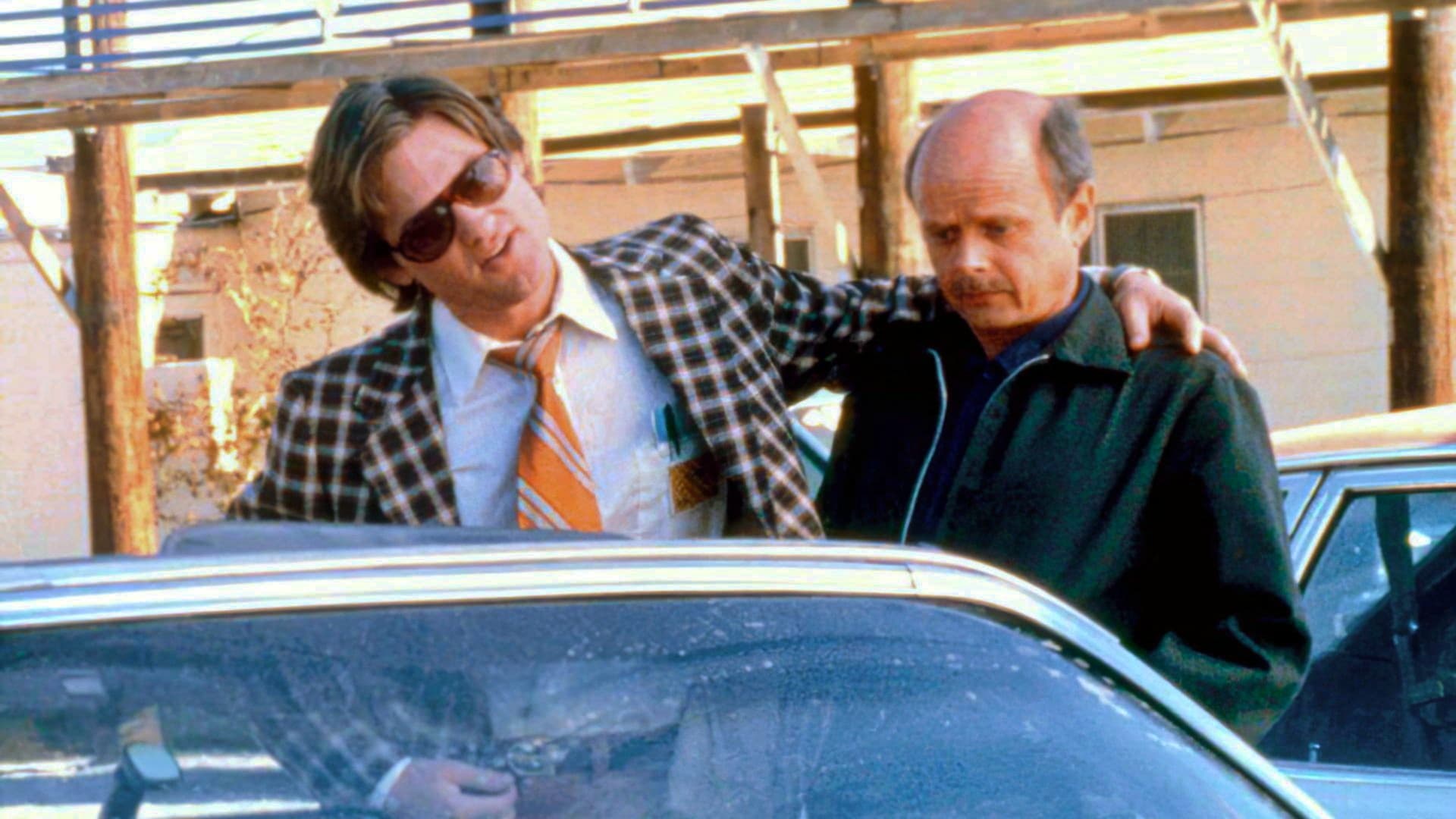
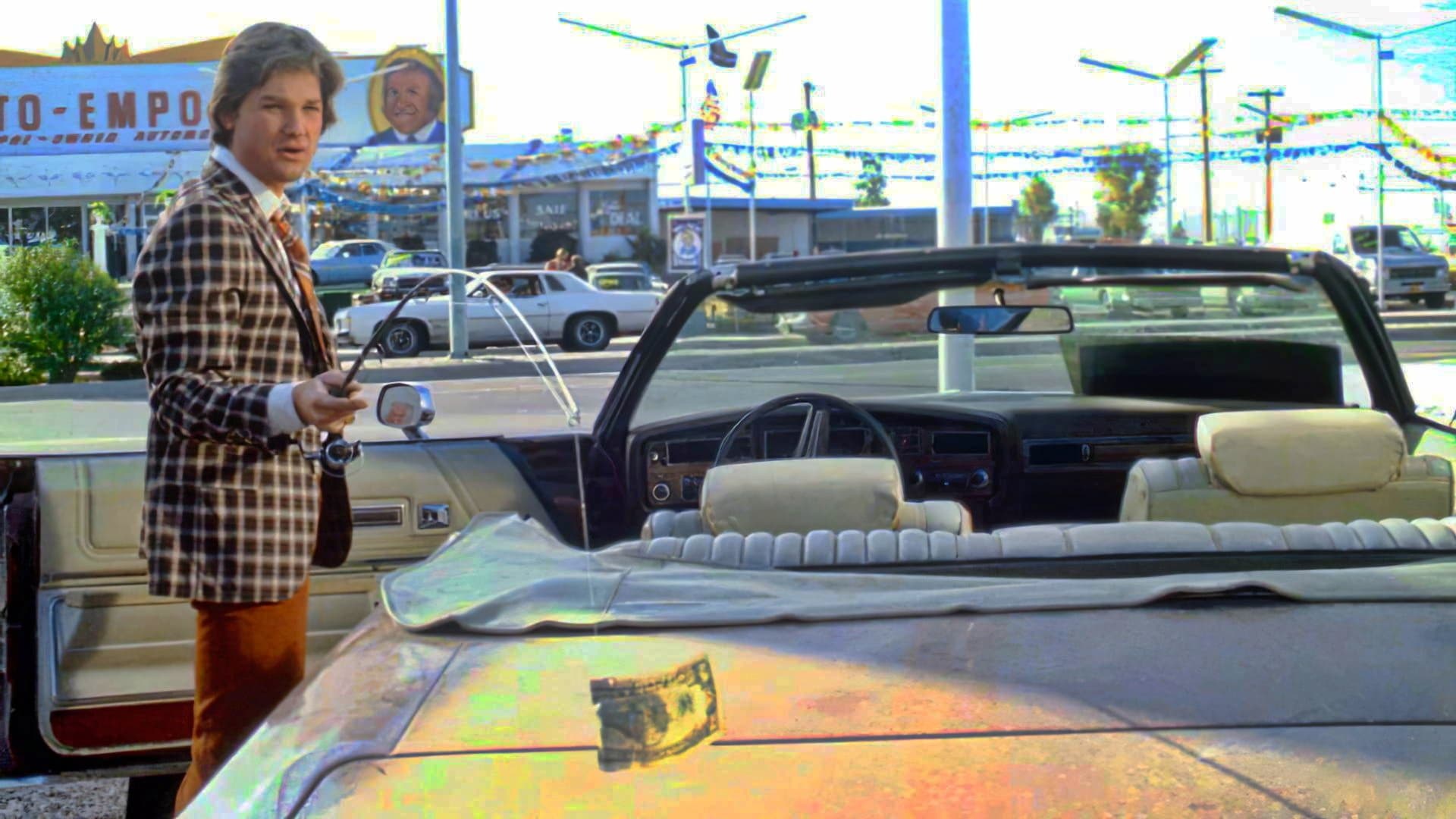
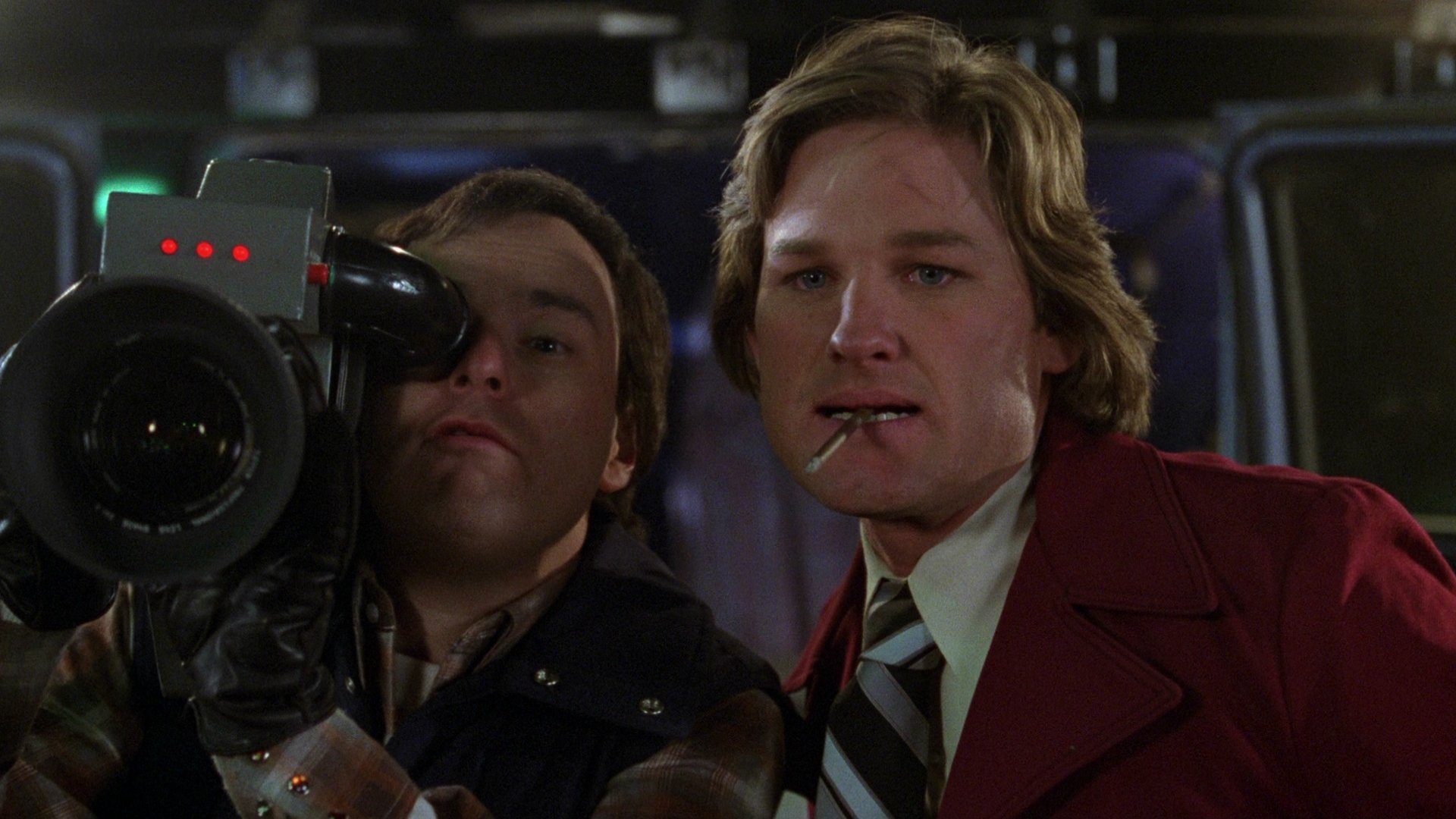
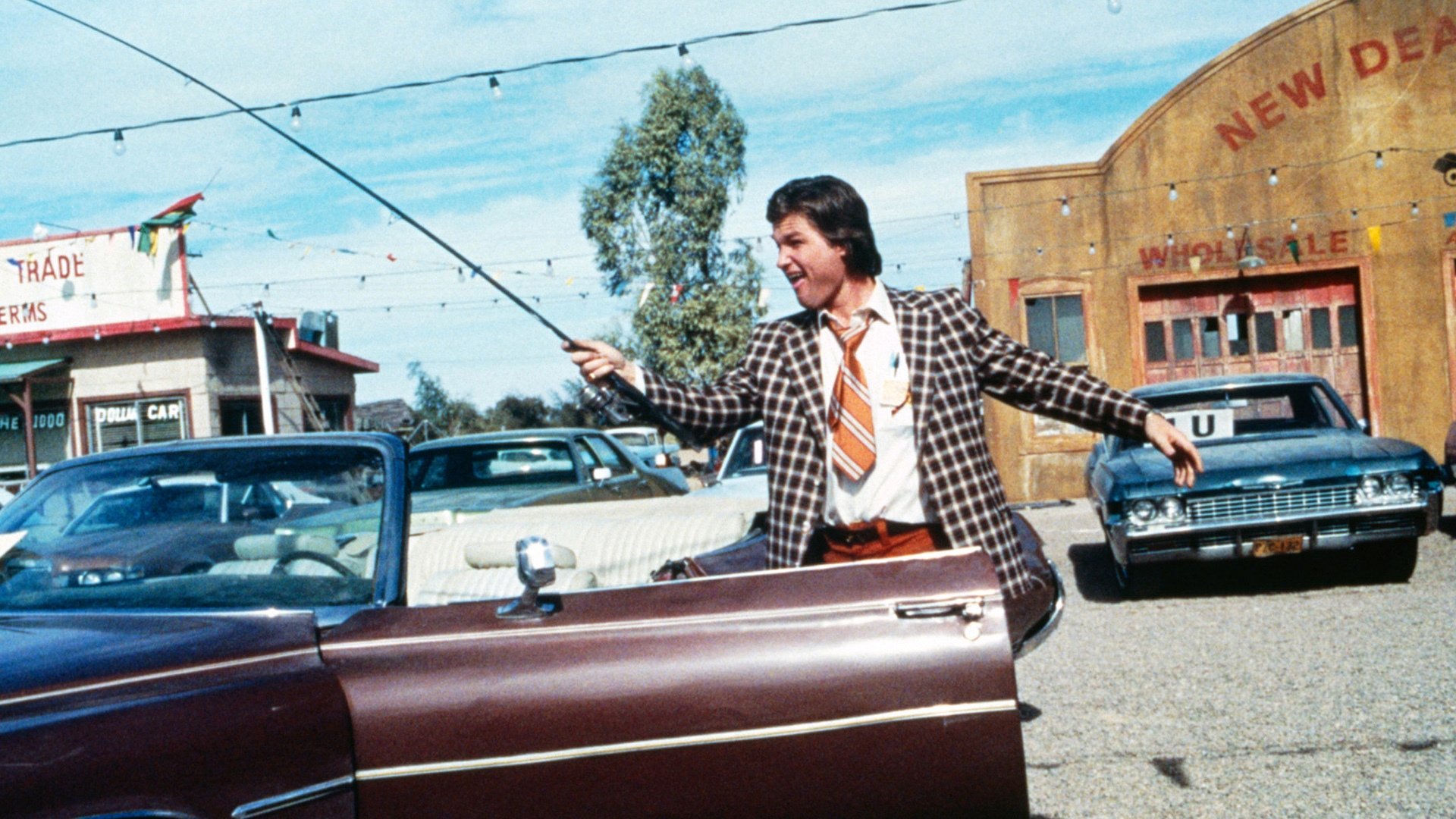
What’s often forgotten in the early Zemeckis discussion is how tuned in he already was to technology’s role in culture. Used Cars stages its entire moral battlefield not on the streets but on television. Rudy Russo (Kurt Russell) doesn’t win because he’s honest or clever. He wins because he hijacks the signal. The war is not over cars. It’s over perception. Television becomes the divine tool of American success, and Zemeckis treats it like a fetish object.
That fixation doesn’t go away. It mutates. By Back to the Future, technology becomes myth. In Who Framed Roger Rabbit?, it becomes a fourth wall to crack open. By the time we reach Contact, Zemeckis is making science his cathedral. He is not just interested in how machines work. He is consumed by how they shape belief. His mo-cap period, as awkward as it often looks now, wasn’t a stumble. It was an obsession finally given a blank check. He wanted to make actors immortal. He wanted to tell stories with digital ghosts. And for a while, he did.
That later phase, much-maligned, was also his most fearless. He embraced the uncanny, not because it worked, but because it thrilled him. He pushed past comfort. He broke form. He made movies that felt strange in the bones, and whether you laughed at them or recoiled, they left a mark. Zemeckis understood that technology could make film both more personal and more alienating, and he played that tension like a jazz riff.
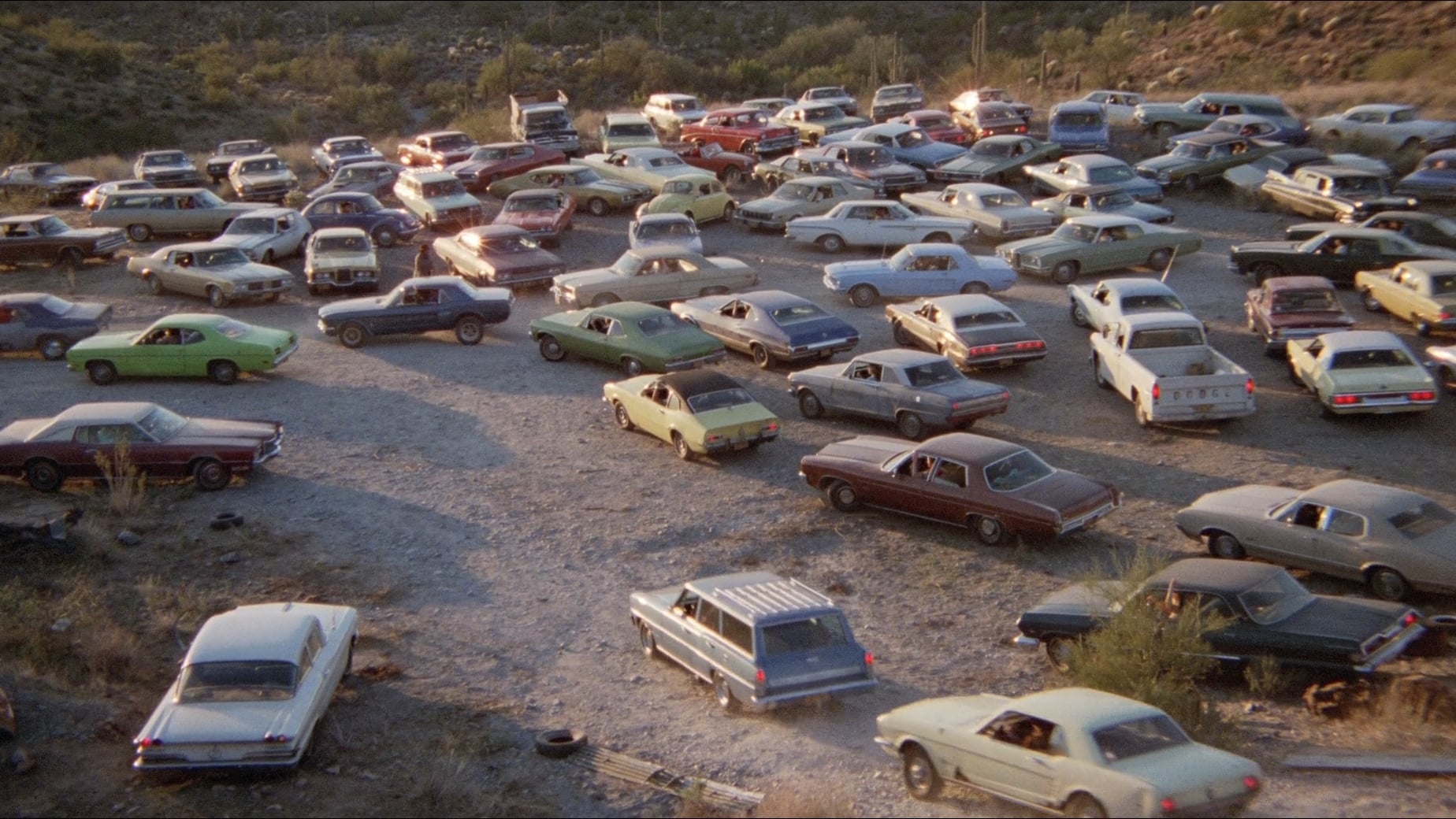
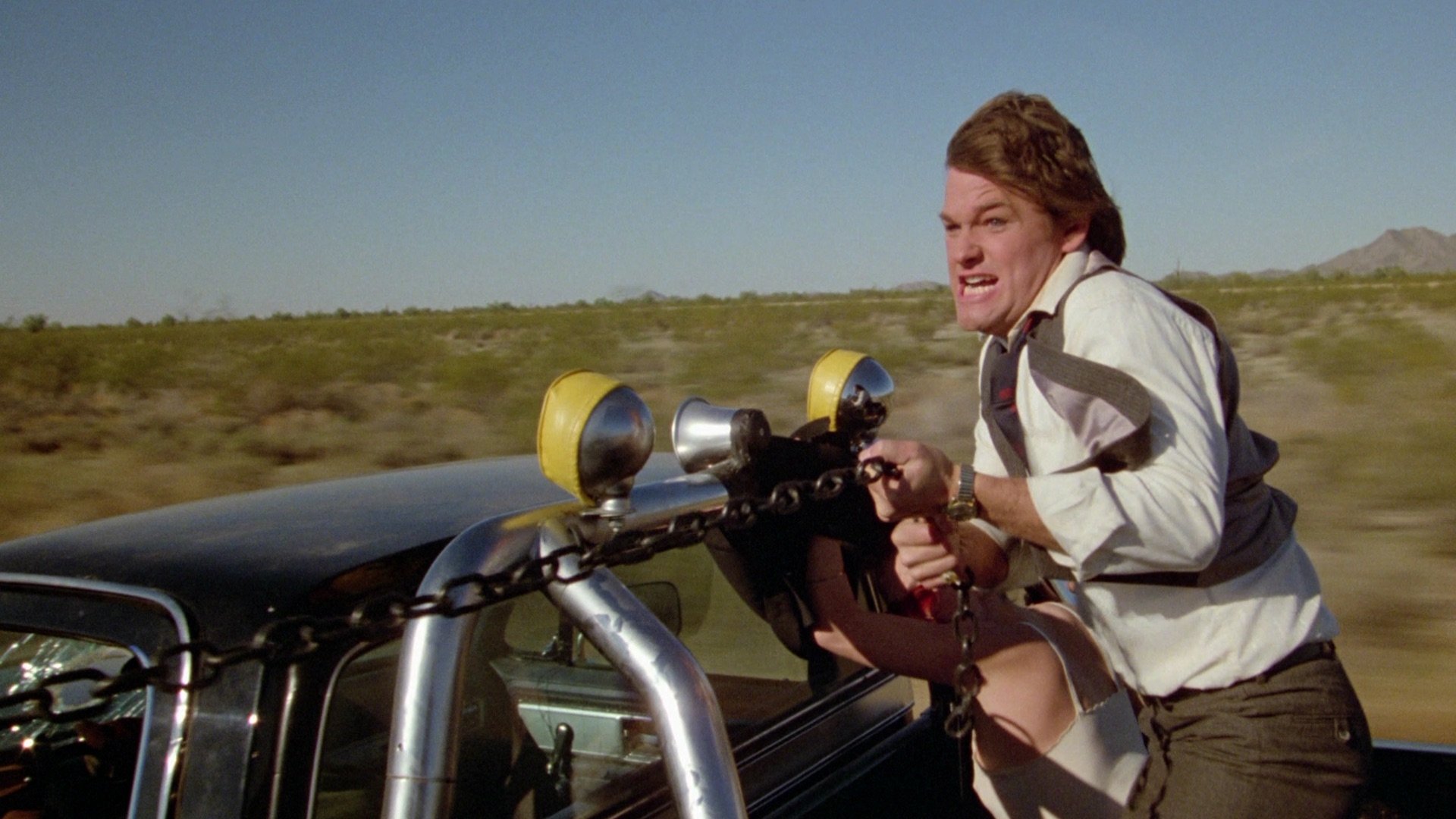
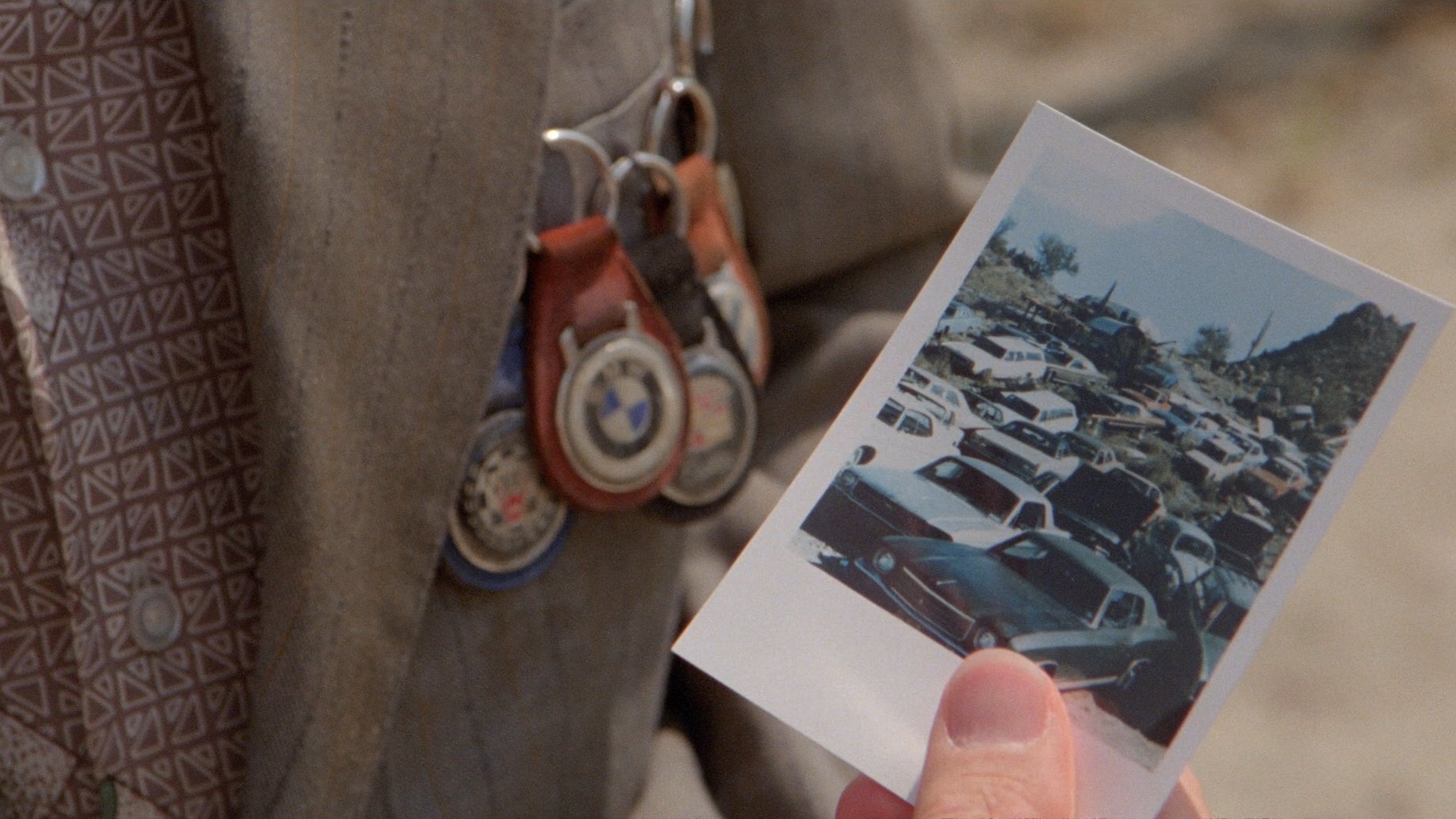
But in Used Cars, he hadn’t arrived there yet. This is still the dirty, bitter joke version of him. He’s not trying to say something beautiful. He’s trying to win a dare. And he does. The final set piece—a motorcade of junkers lining up to save the day—is his first great magic trick. Timing, choreography, absurdity, and the thrill of movement for its own sake. It is cinema as con, and he pulls it off with glee.
Zemeckis would go on to be many things. An Oscar winner. A digital pioneer. A sincere sentimentalist. But here, in 1980, he was still in the muck. Still willing to get his hands filthy. And while Used Cars isn’t exactly a classic, it is the last time he made a movie that wasn’t trying to be liked. That matters. It’s vulgar. It’s nasty. It’s alive.
Used Cars is Zemeckis before he cleaned the blood off his knuckles. It’s lewd, loud, and lit like a porno on a budget. The film drips with grease and testosterone, unapologetically obsessed with tits, TV spots, and con artistry. It’s adolescent, but not in a wistful, Spielbergian sense. It’s adolescent the way a boy is when he’s just discovered how loud he can be and how much trouble he can get into before someone slaps him across the face.
This is the only Zemeckis movie that doesn’t feel like it’s waiting for Spielberg to nod. There’s no guiding hand of sentiment, no plea for wonder or warmth. The men are pigs, the women are scenery, and the whole thing operates on the logic of a sleazy locker room debate. The only character with a working conscience, Barbara (Deborah Harmon), doesn’t win by being good. She wins by learning how to lie more effectively. It’s not growth. It’s survival.
And yet, this is exactly the kind of controlled chaos Zemeckis needed to cut his teeth on. The Spielberg connection was essential. Without I Wanna Hold Your Hand, Zemeckis might’ve been directing sitcoms that aired after Taxi. But Used Cars shows what Spielberg saw in him. The camera never stops moving. The scenes are stitched together like a con job with perfect timing. There’s something desperate and exhilarating about it, like watching someone try to build a roller coaster while already riding it.
What’s often forgotten in the early Zemeckis discussion is how tuned in he already was to technology’s role in culture. Used Cars stages its entire moral battlefield not on the streets but on television. Rudy Russo (Kurt Russell) doesn’t win because he’s honest or clever. He wins because he hijacks the signal. The war is not over cars. It’s over perception. Television becomes the divine tool of American success, and Zemeckis treats it like a fetish object.
That fixation doesn’t go away. It mutates. By Back to the Future, technology becomes myth. In Who Framed Roger Rabbit?, it becomes a fourth wall to crack open. By the time we reach Contact, Zemeckis is making science his cathedral. He is not just interested in how machines work. He is consumed by how they shape belief. His mo-cap period, as awkward as it often looks now, wasn’t a stumble. It was an obsession finally given a blank check. He wanted to make actors immortal. He wanted to tell stories with digital ghosts. And for a while, he did.
That later phase, much-maligned, was also his most fearless. He embraced the uncanny, not because it worked, but because it thrilled him. He pushed past comfort. He broke form. He made movies that felt strange in the bones, and whether you laughed at them or recoiled, they left a mark. Zemeckis understood that technology could make film both more personal and more alienating, and he played that tension like a jazz riff.
But in Used Cars, he hadn’t arrived there yet. This is still the dirty, bitter joke version of him. He’s not trying to say something beautiful. He’s trying to win a dare. And he does. The final set piece—a motorcade of junkers lining up to save the day—is his first great magic trick. Timing, choreography, absurdity, and the thrill of movement for its own sake. It is cinema as con, and he pulls it off with glee.
Zemeckis would go on to be many things. An Oscar winner. A digital pioneer. A sincere sentimentalist. But here, in 1980, he was still in the muck. Still willing to get his hands filthy. And while Used Cars isn’t exactly a classic, it is the last time he made a movie that wasn’t trying to be liked. That matters. It’s vulgar. It’s nasty. It’s alive.