
Interconnected narratives collectively tell the life story of the title character, covering the period from the Vietnam War up to an unspecified point in the near future.
Directed by Justine Triet
Cast

Cate Blanchett
Crew

Justine Triet
Director
Justine Triet
Screenplay

David Thion
Producer
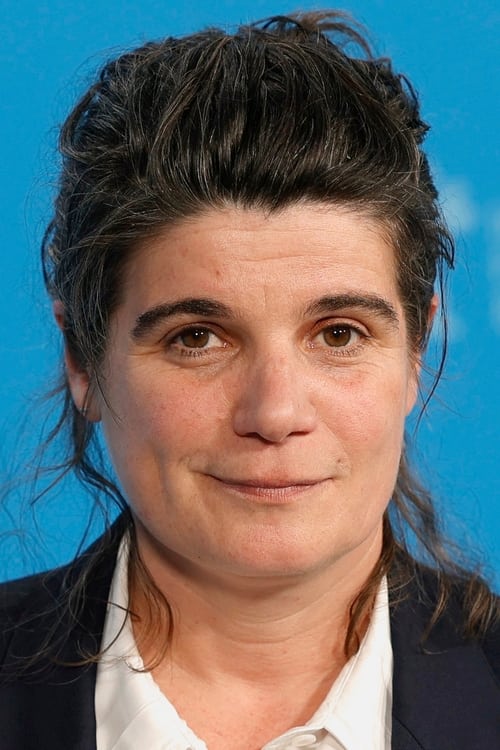
Marie-Ange Luciani
Producer
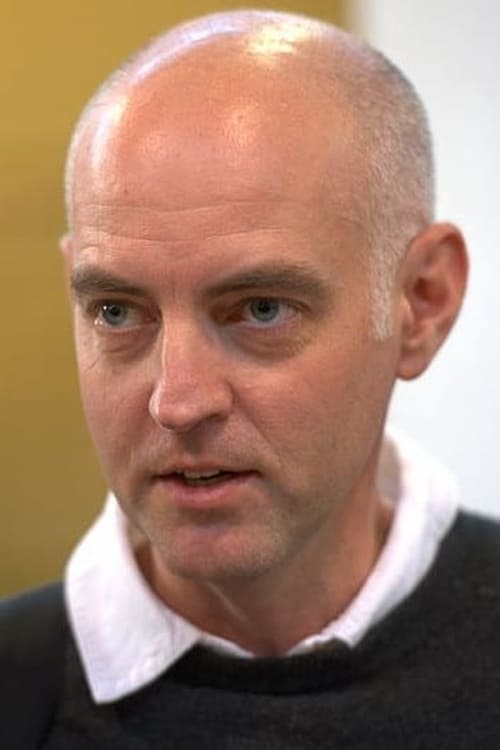
Daniel Clowes
Graphic Novel
Popular Reviews
29 reviews
Adina
9.0★ · 06/16/25
The more I think about this movie the more it crushes me. And it’s the type of movie I know I can watch again in like 10 years and it’ll crush me all over again in a completely different way. It’s pretty well-established at this point that dramatic, extreme trauma often plays too large a role in queer stories, but the less talked about part of this is how more understated forms of trauma, such as strained relationships with your family, are left out of the conversation. That’s what makes this so incredible, it doesn’t bask in misery but it’s not sugarcoated; it avoids making a spectacle of the experience of trans women. Rather than a suffering-filled story leading to some sensationalized violent tragedy, the tragedy instead comes in the raw expressions of emotion Monica has to reserve for moments she’s alone or won’t be heard, in the rift between she and her mother that I think resonates with any trans person who has had to either sacrifice parts of themselves or their relationship with a parent, in the lost time that constantly hangs over all of these relationships. Monica is never reduced to tragedy, or something to be poked and prodded at, or a projection of people’s perceptions of trans women to make them feel good; she’s just a woman, not in a way that erases how her identity shapes her experience, but in a way that isn’t trapped within discourses about that identity that are often engaged by people outside of the community. It felt like a movie written in a language that’s for me rather than about me.
The more I think about this movie the more it crushes me. And it’s the type of movie I know I can watch again in like 10 years and it’ll crush me all over again in a completely different way. It’s pretty well-established at this point that dramatic, extreme trauma often plays too large a role in queer stories, but the less talked about part of this is how more understated forms of trauma, such as strained relationships with your family, are left out of the conversation. That’s what makes this so incredible, it doesn’t bask in misery but it’s not sugarcoated; it avoids making a spectacle of the experience of trans women. Rather than a suffering-filled story leading to some sensationalized violent tragedy, the tragedy instead comes in the raw expressions of emotion Monica has to reserve for moments she’s alone or won’t be heard, in the rift between she and her mother that I think resonates with any trans person who has had to either sacrifice parts of themselves or their relationship with a parent, in the lost time that constantly hangs over all of these relationships. Monica is never reduced to tragedy, or something to be poked and prodded at, or a projection of people’s perceptions of trans women to make them feel good; she’s just a woman, not in a way that erases how her identity shapes her experience, but in a way that isn’t trapped within discourses about that identity that are often engaged by people outside of the community. It felt like a movie written in a language that’s for me rather than about me.


SheaPRO
7.0★ · 01/18/25
trace lysette, you will always be a star
trace lysette, you will always be a star
Mal
5.0★ · 09/03/24
This had been on my list for a while, but the sadly didn’t live up to the hype I had in my head. It was visually interesting to watch, but it didn’t feel like the story was pulling me in. I look forward to future work from Trace because I know this is just scratching the surface of her talent.
This had been on my list for a while, but the sadly didn’t live up to the hype I had in my head. It was visually interesting to watch, but it didn’t feel like the story was pulling me in. I look forward to future work from Trace because I know this is just scratching the surface of her talent.
max margaret
9.0★ · 07/29/24
so many beautiful, beautiful pictures. trace lysette stopped my heart
so many beautiful, beautiful pictures. trace lysette stopped my heart
noa bourne
10.0★ · 06/19/24
stunning cinematography, really quietly devastating. trace lysette deserves everything and, of course, patricia clarkson was excellent.
stunning cinematography, really quietly devastating. trace lysette deserves everything and, of course, patricia clarkson was excellent.