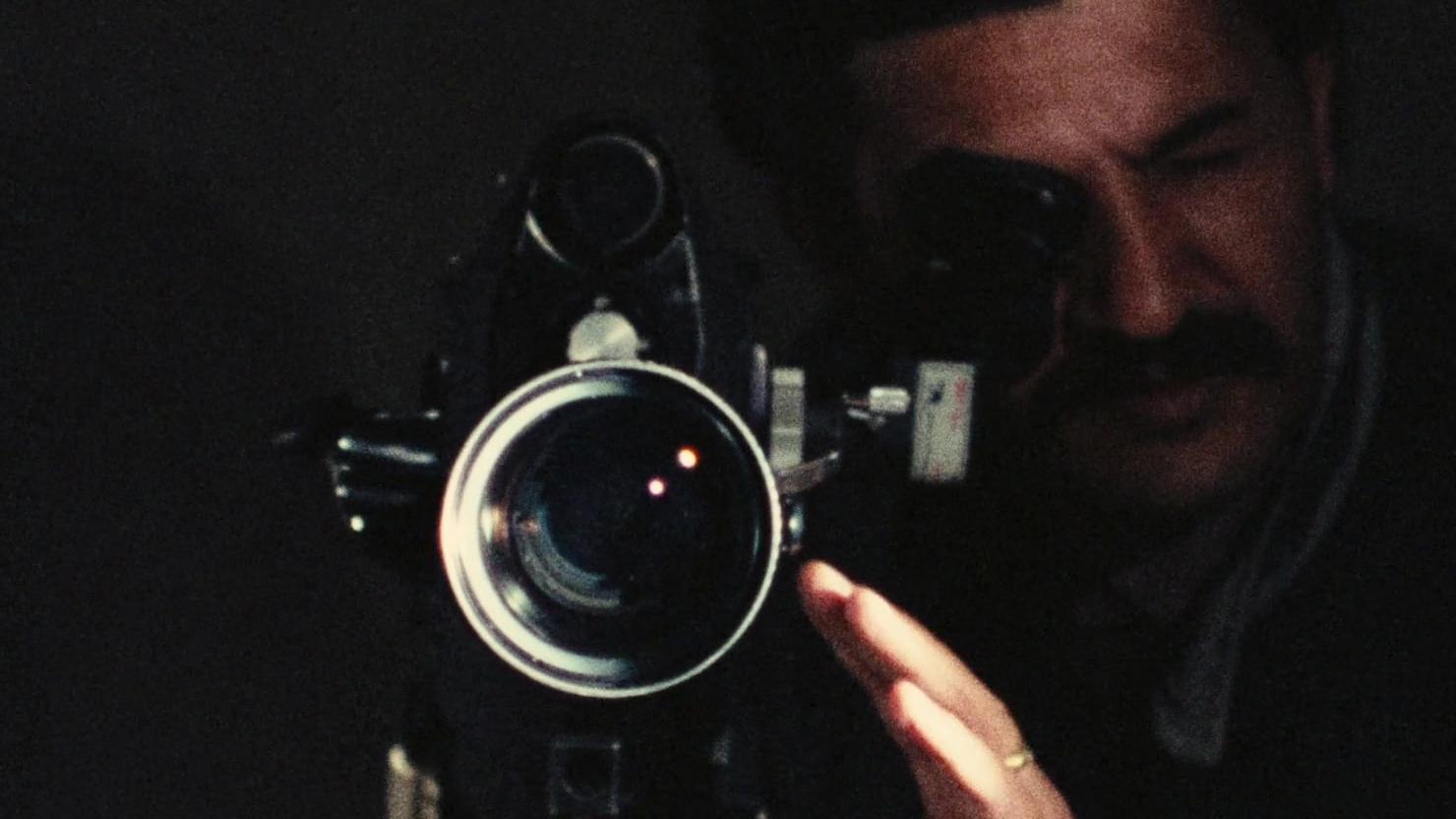
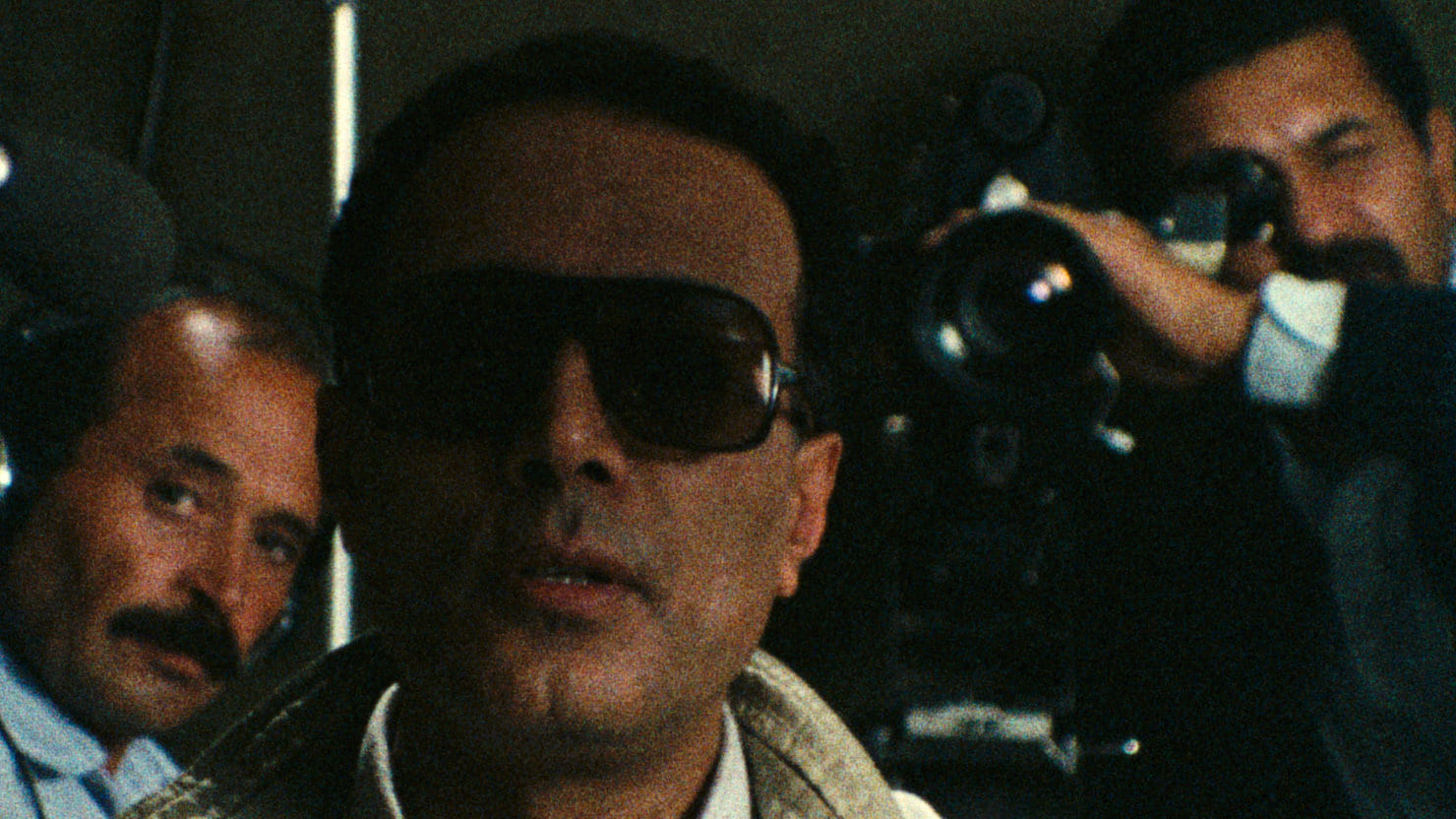
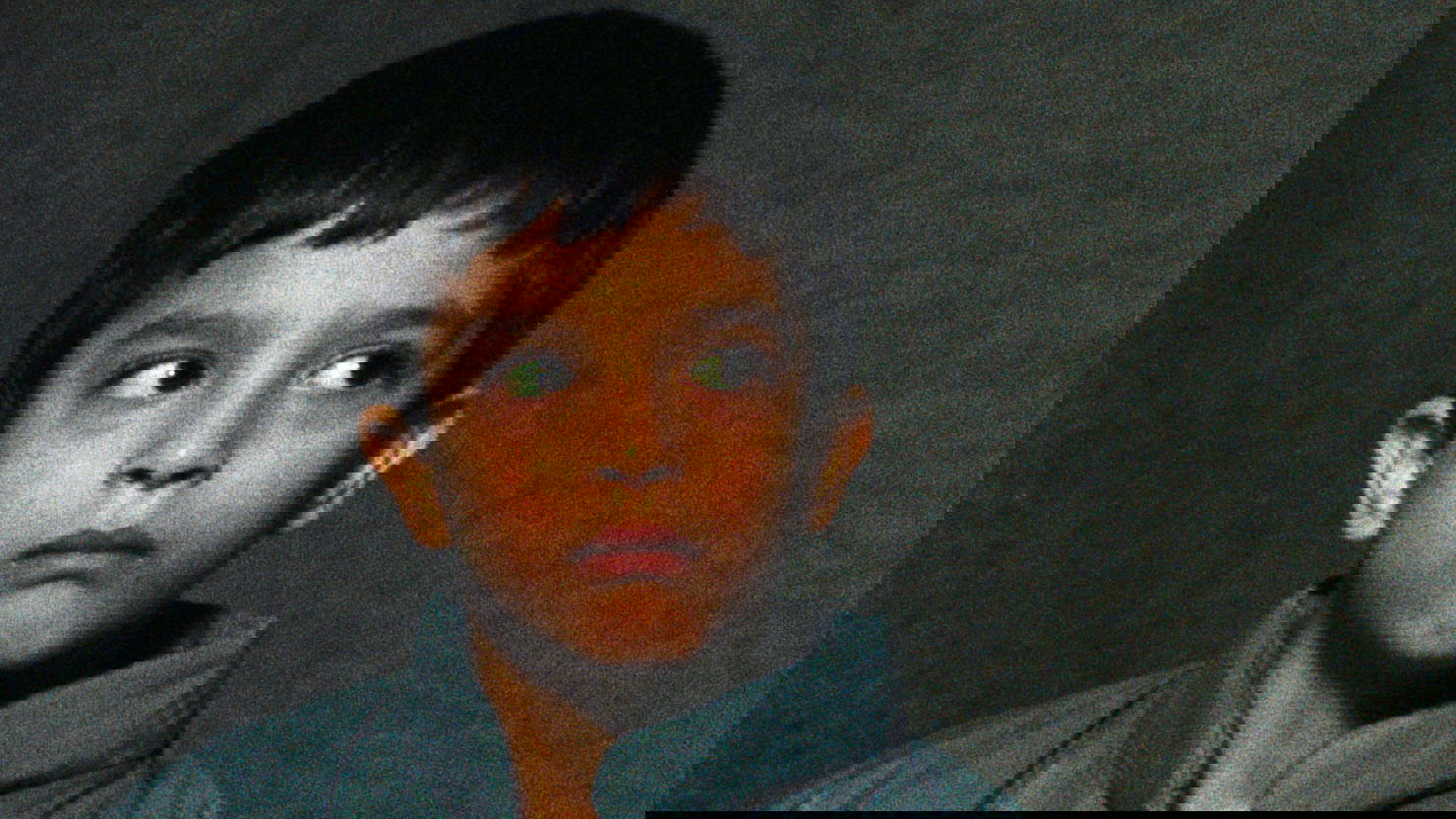
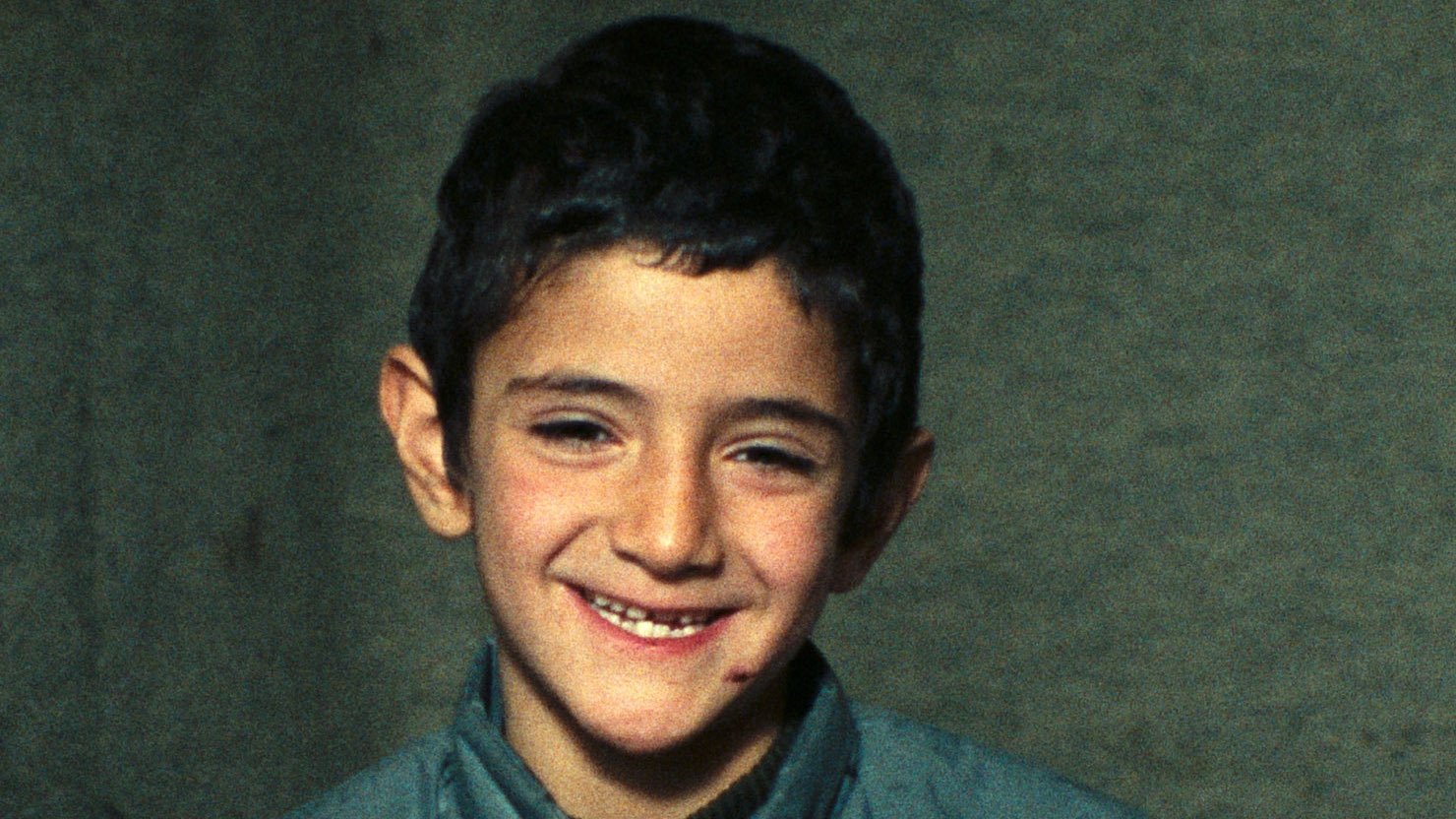
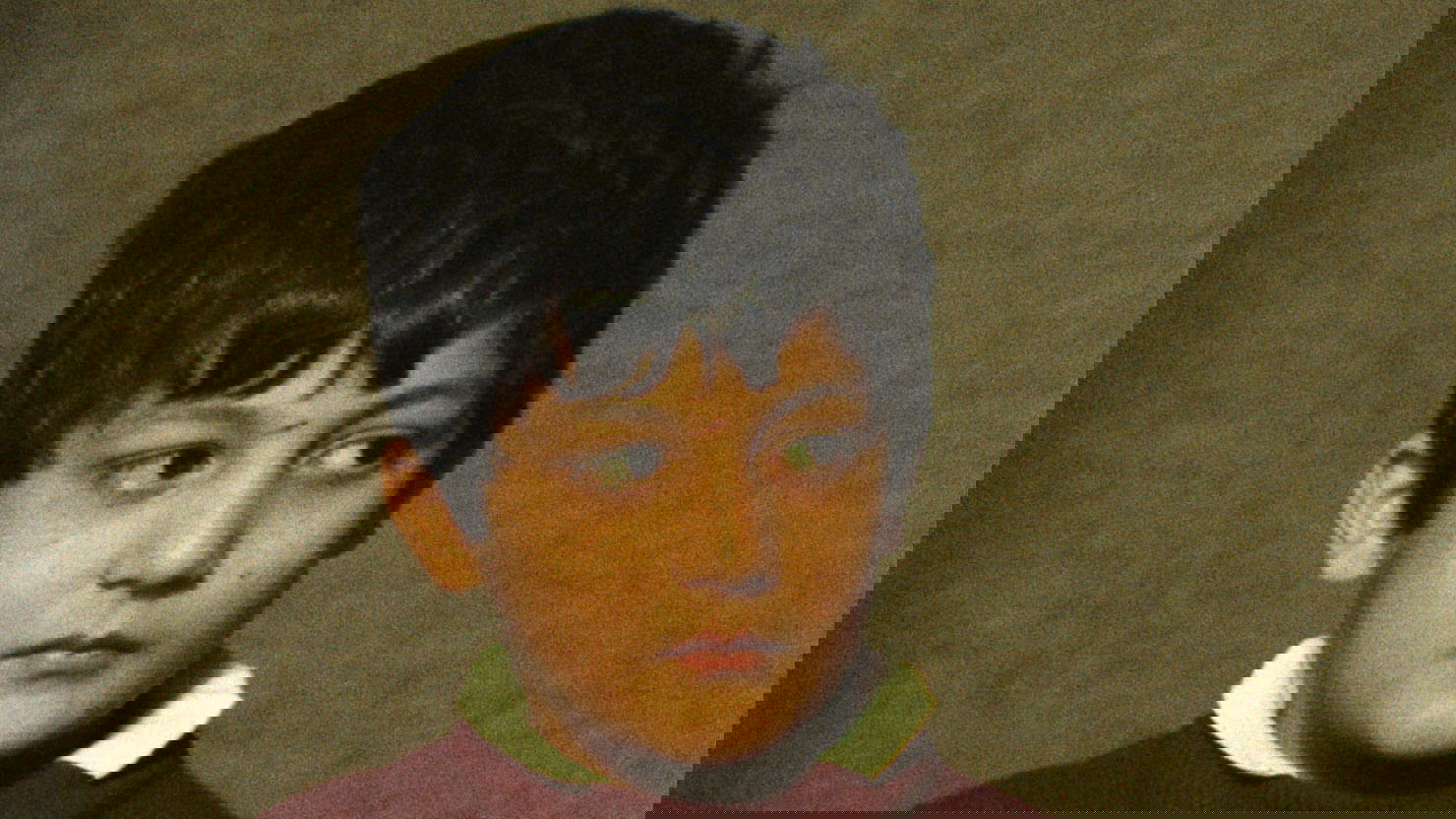
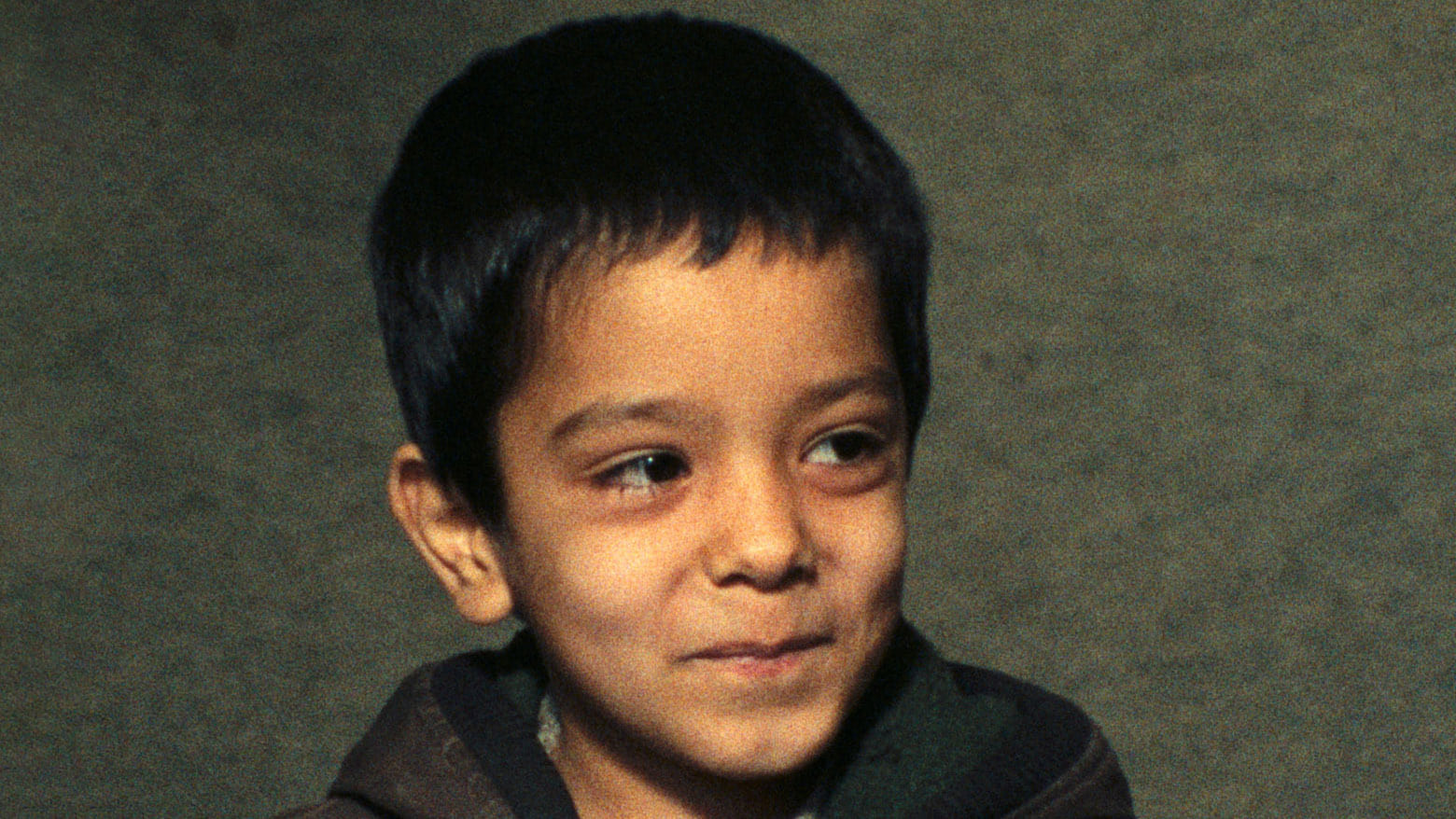
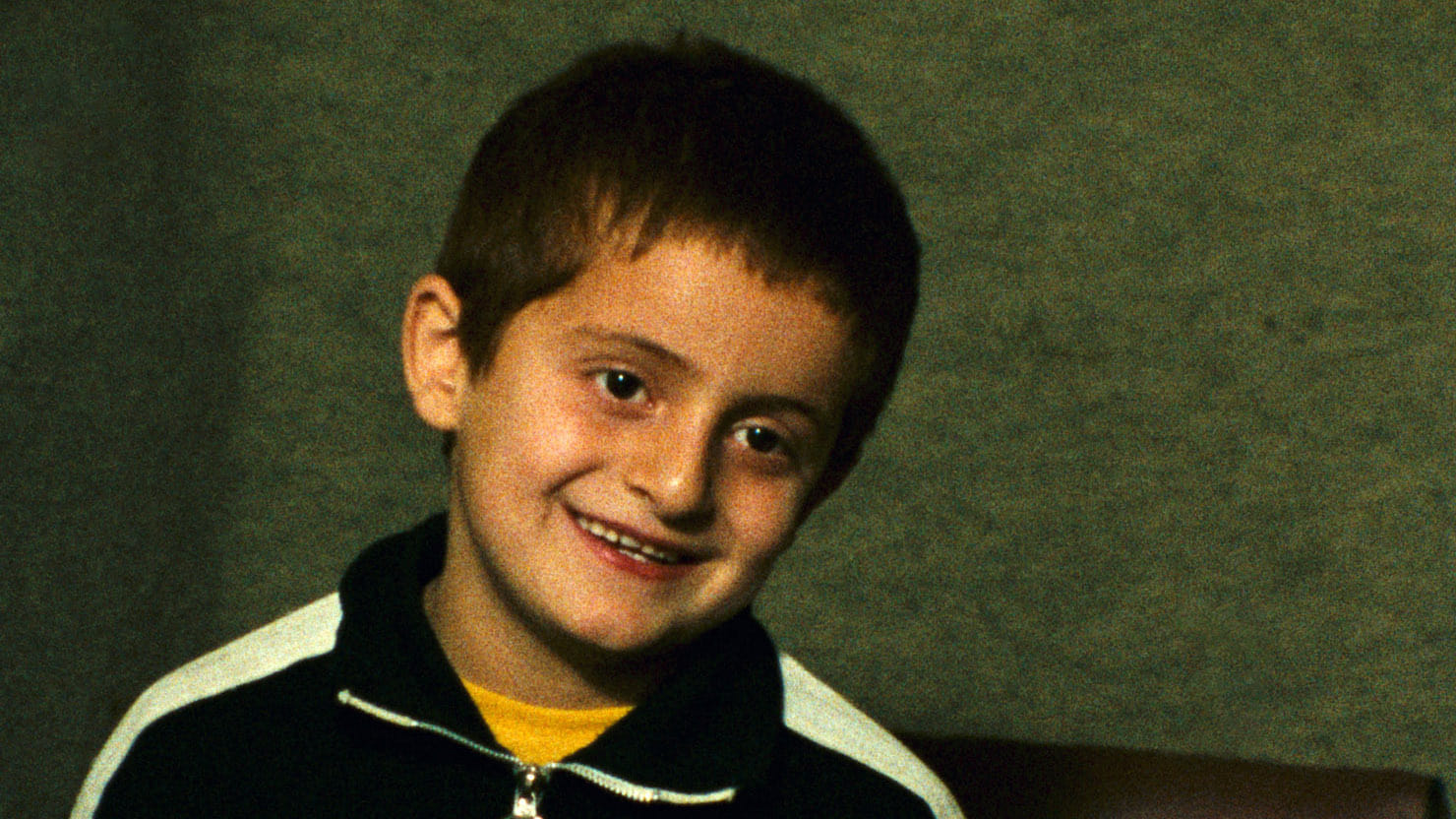
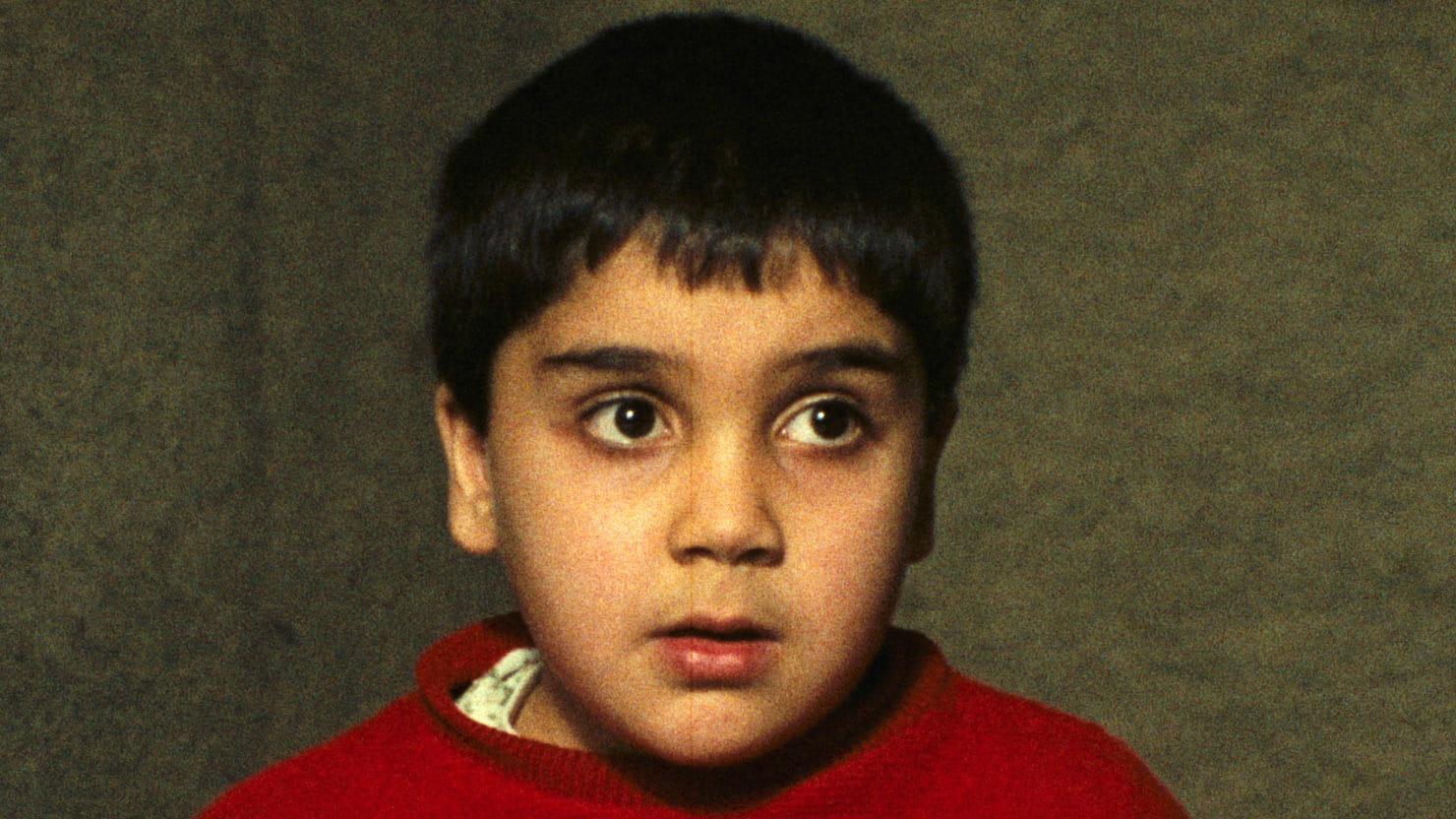
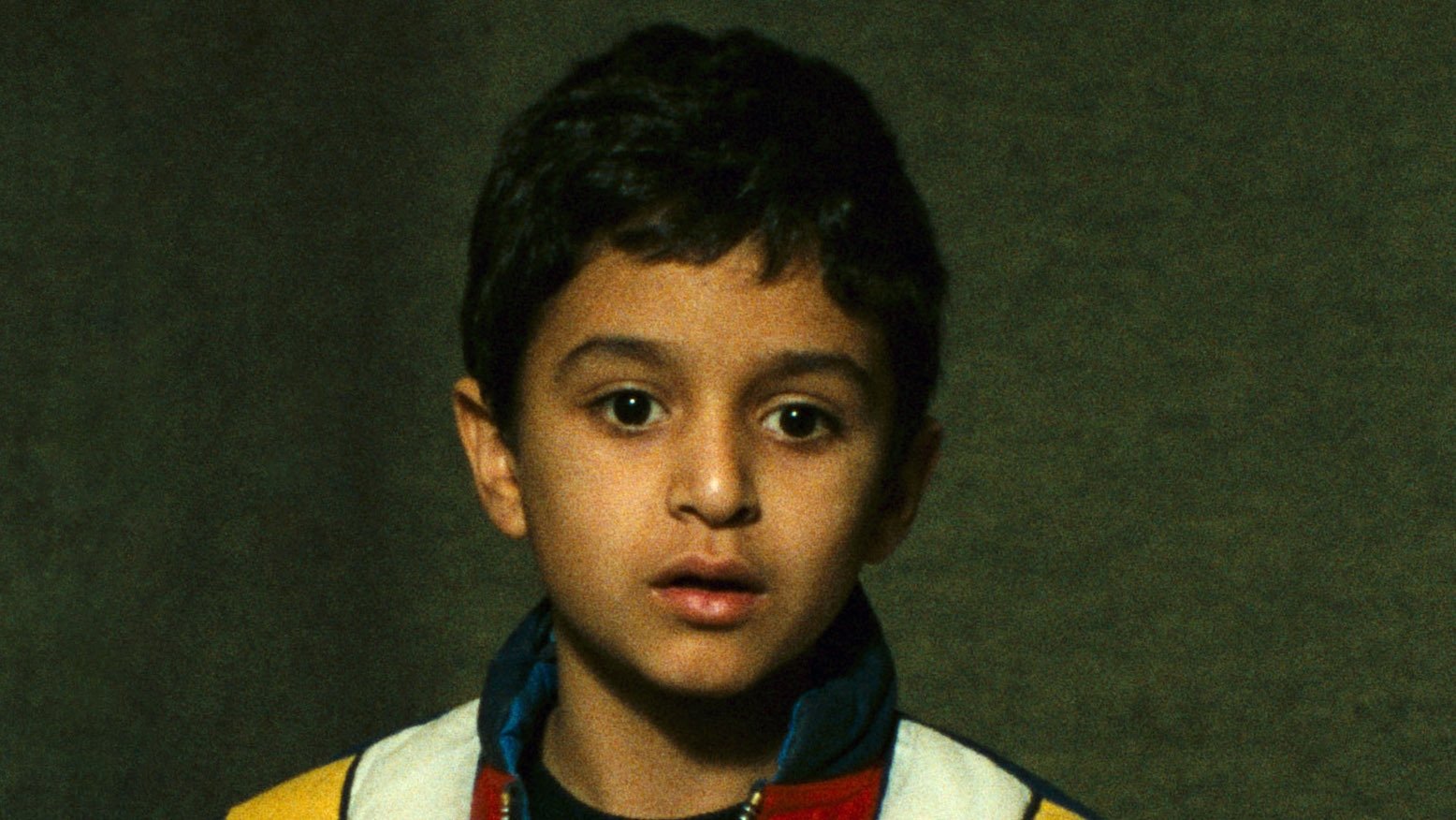
Not easy to get through. Could be called repetitive, which it is, but I like Kiarostami's method here: "It's not really a film, more a piece of research."
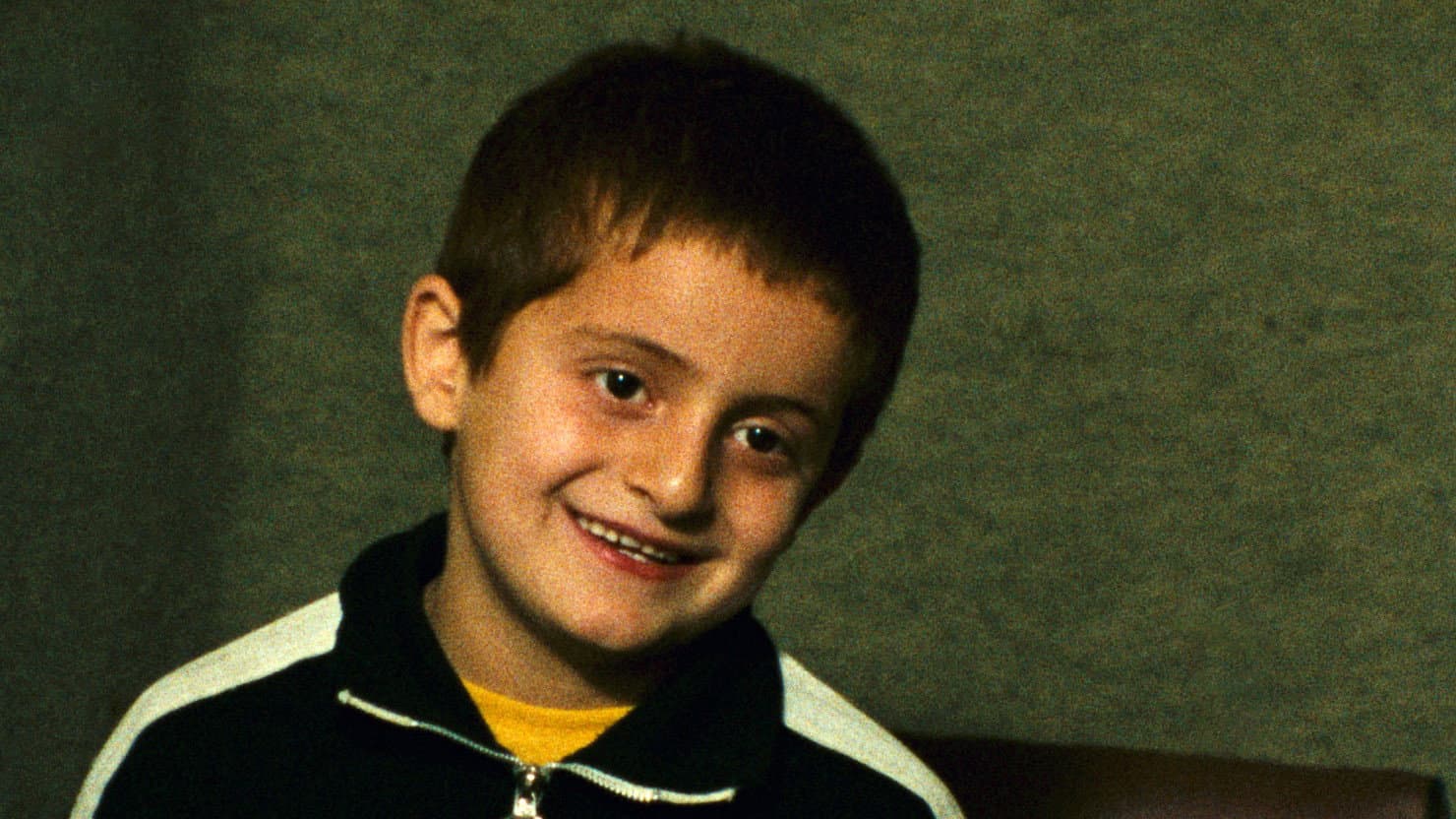
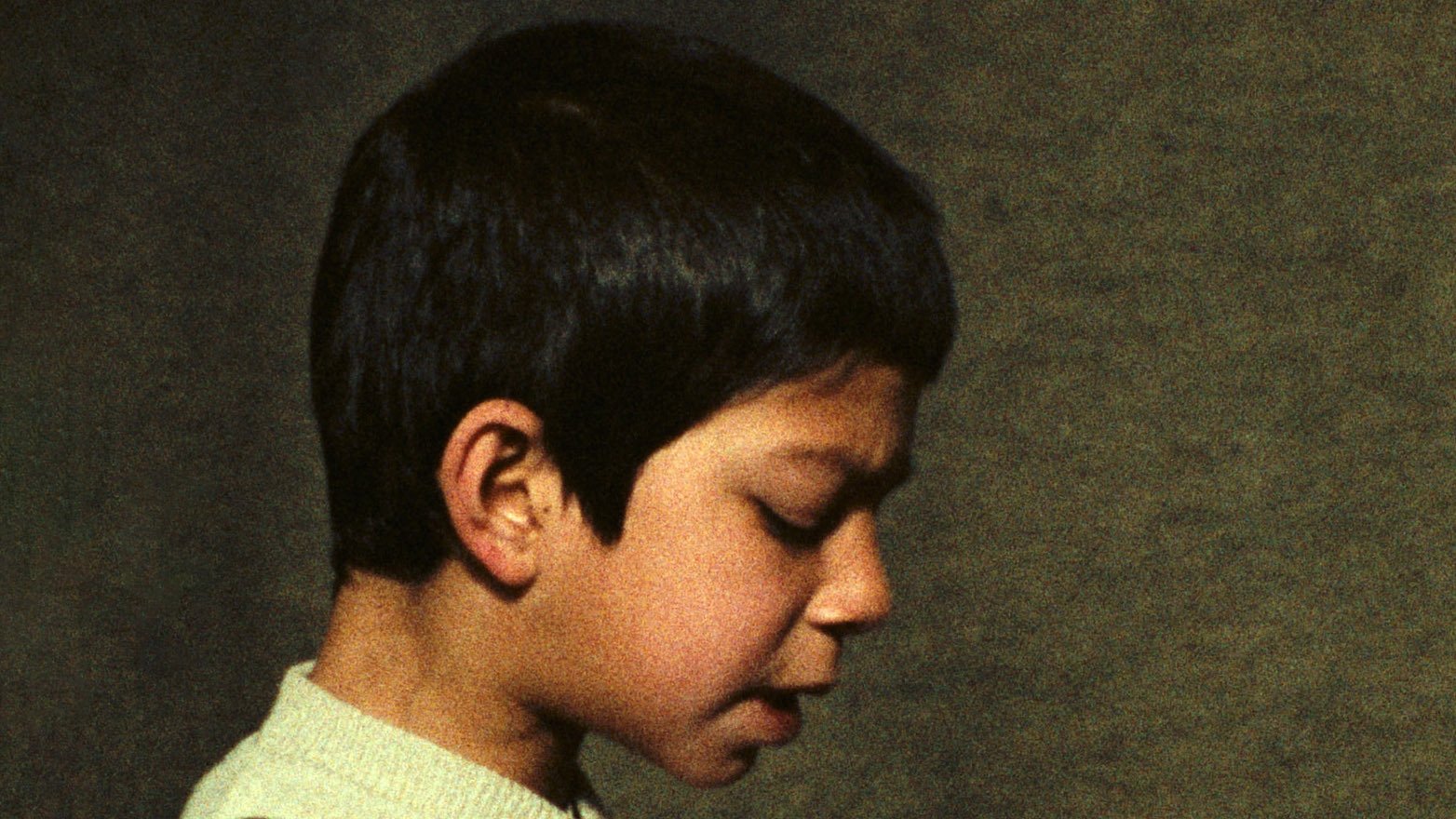
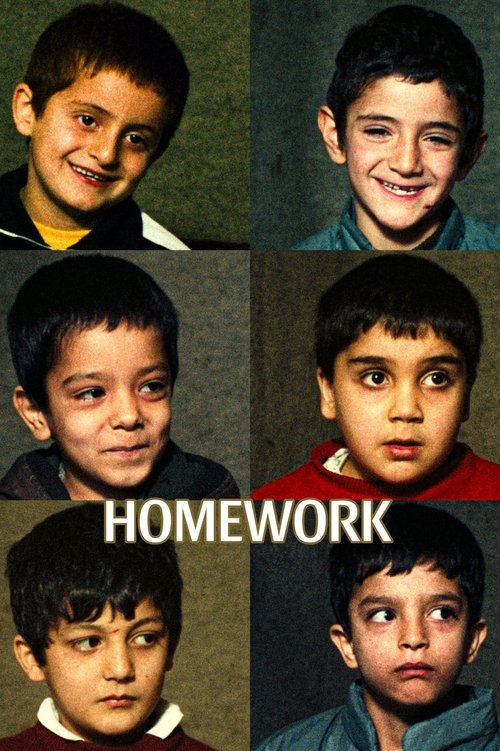
Lots of important stuff. Says a lot about education, parent's role in that, and a problematic national mentality. (Just to name the big ones) For such a simple concept and style, the editing really did wonders here. Kiarostami expertly weaves all of these interviews and is actually able to tell a deep tragedy just through simple yes/no questions.
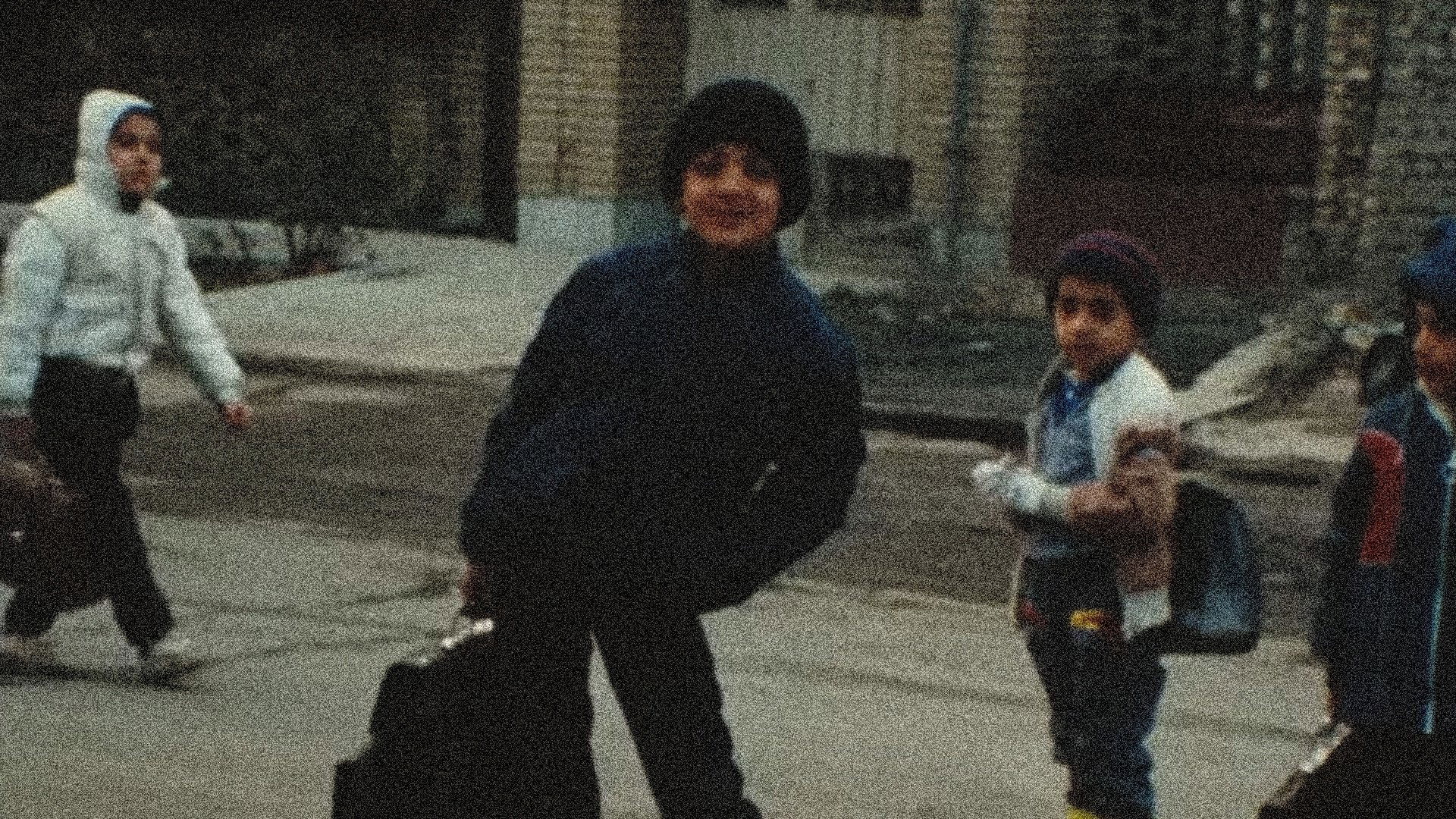
I can also see how Homework and (I'm assuming) his other documentary work informs his features as well. Especially the shot of the kids singing and the voice-over announcing that they're cutting the audio.
Not easy to get through. Could be called repetitive, which it is, but I like Kiarostami's method here: "It's not really a film, more a piece of research."
Lots of important stuff. Says a lot about education, parent's role in that, and a problematic national mentality. (Just to name the big ones) For such a simple concept and style, the editing really did wonders here. Kiarostami expertly weaves all of these interviews and is actually able to tell a deep tragedy just through simple yes/no questions.
I can also see how Homework and (I'm assuming) his other documentary work informs his features as well. Especially the shot of the kids singing and the voice-over announcing that they're cutting the audio.