
1959·Western·1h 38m
7.1
★
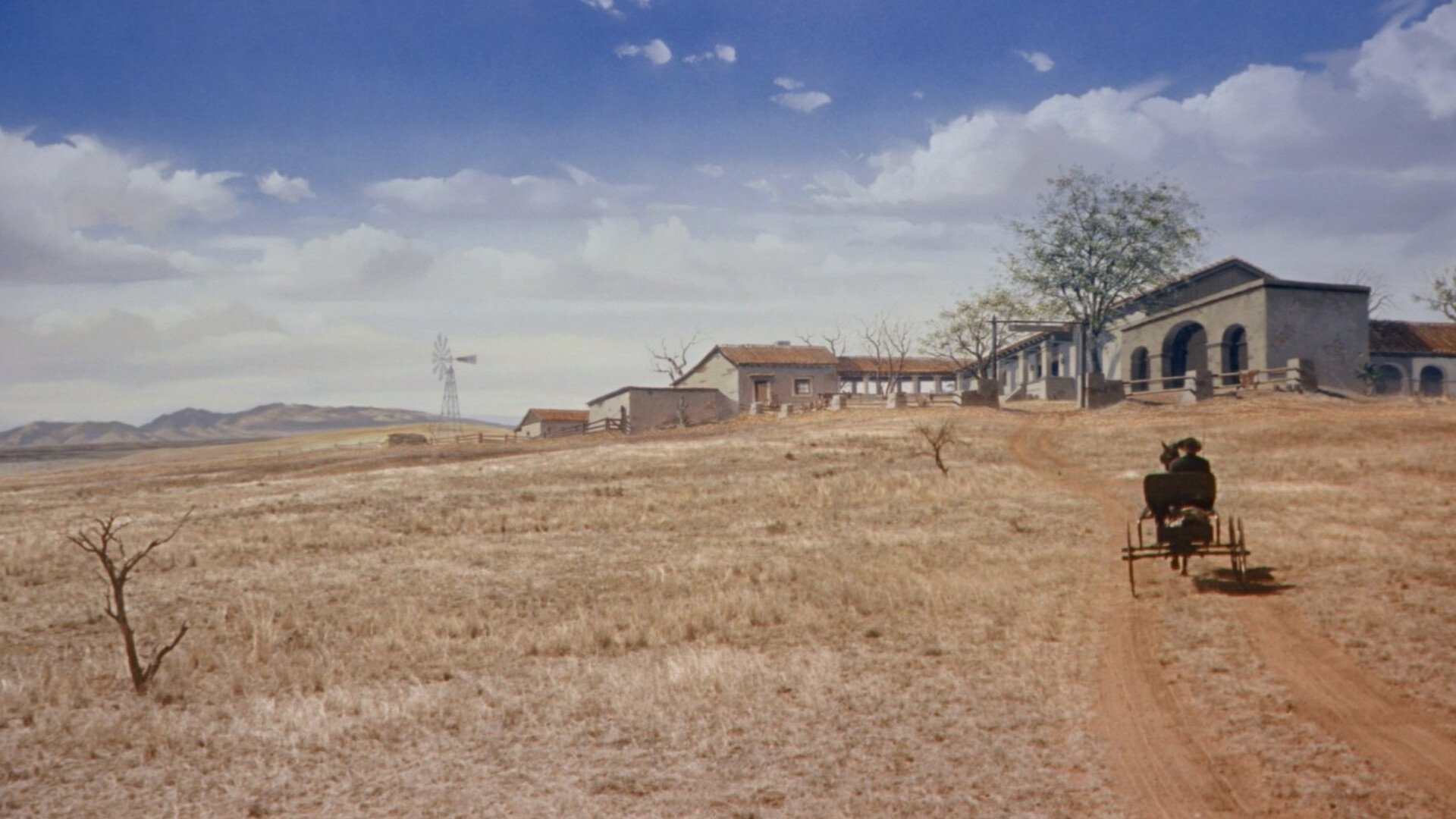
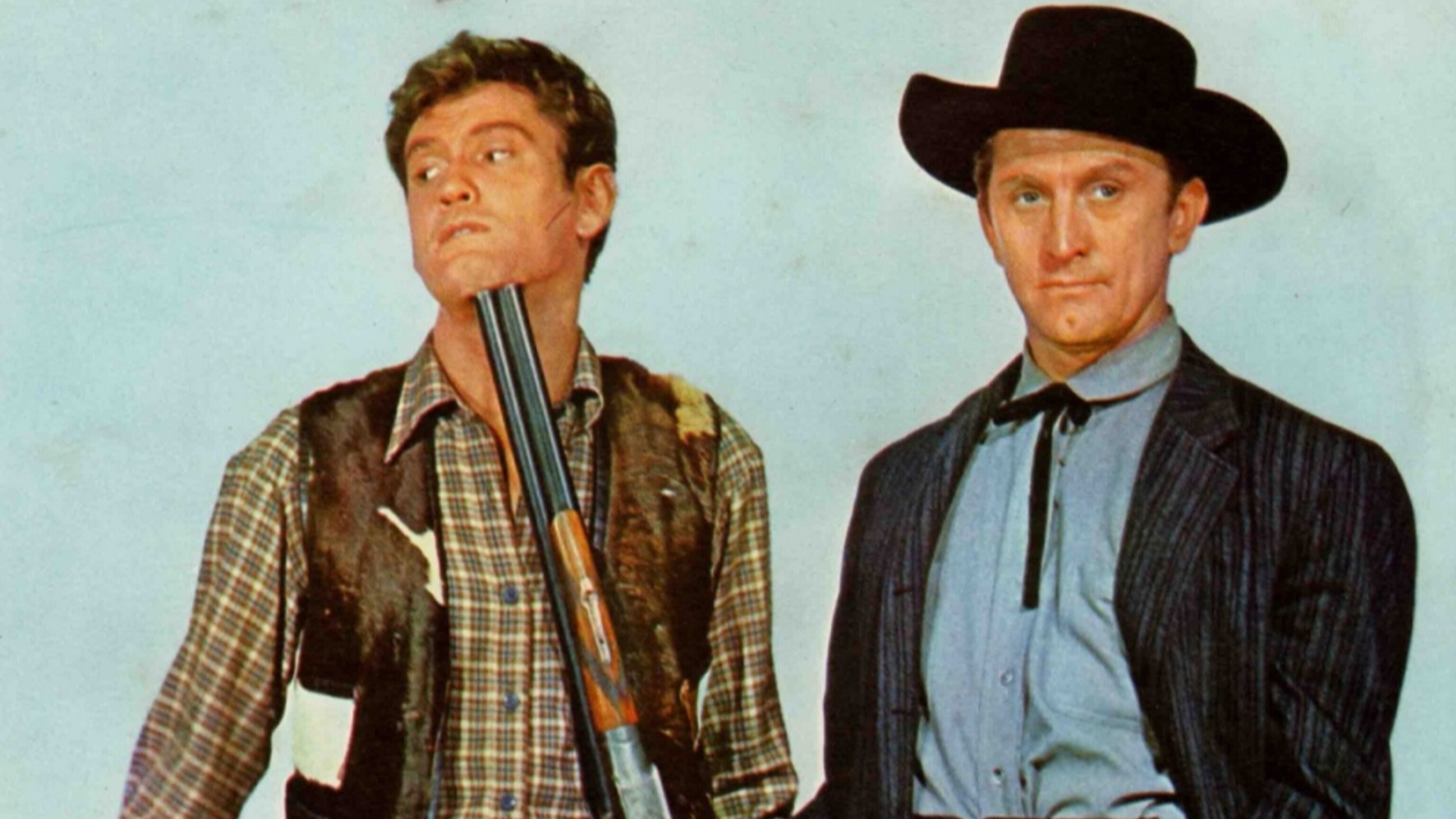
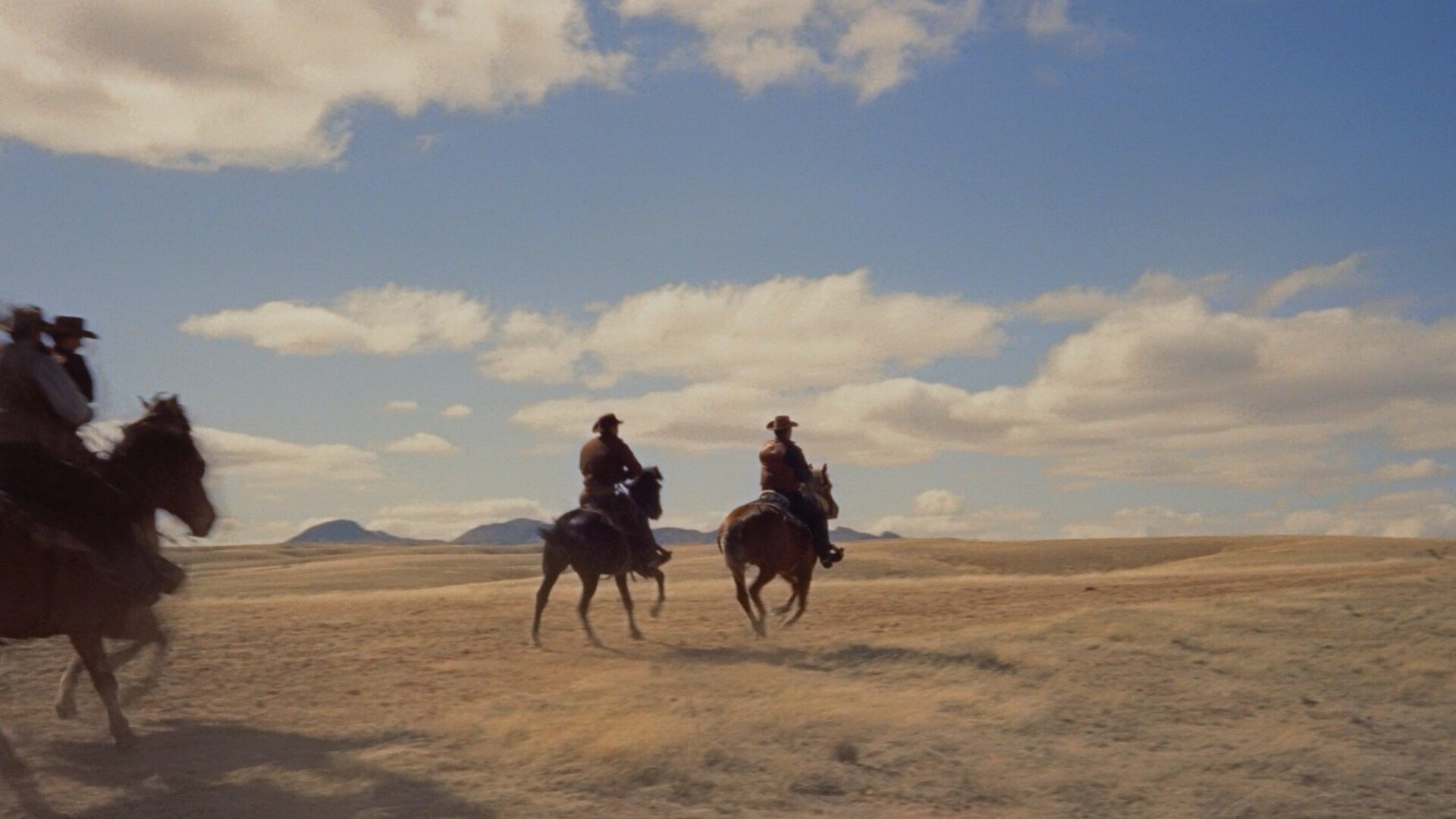
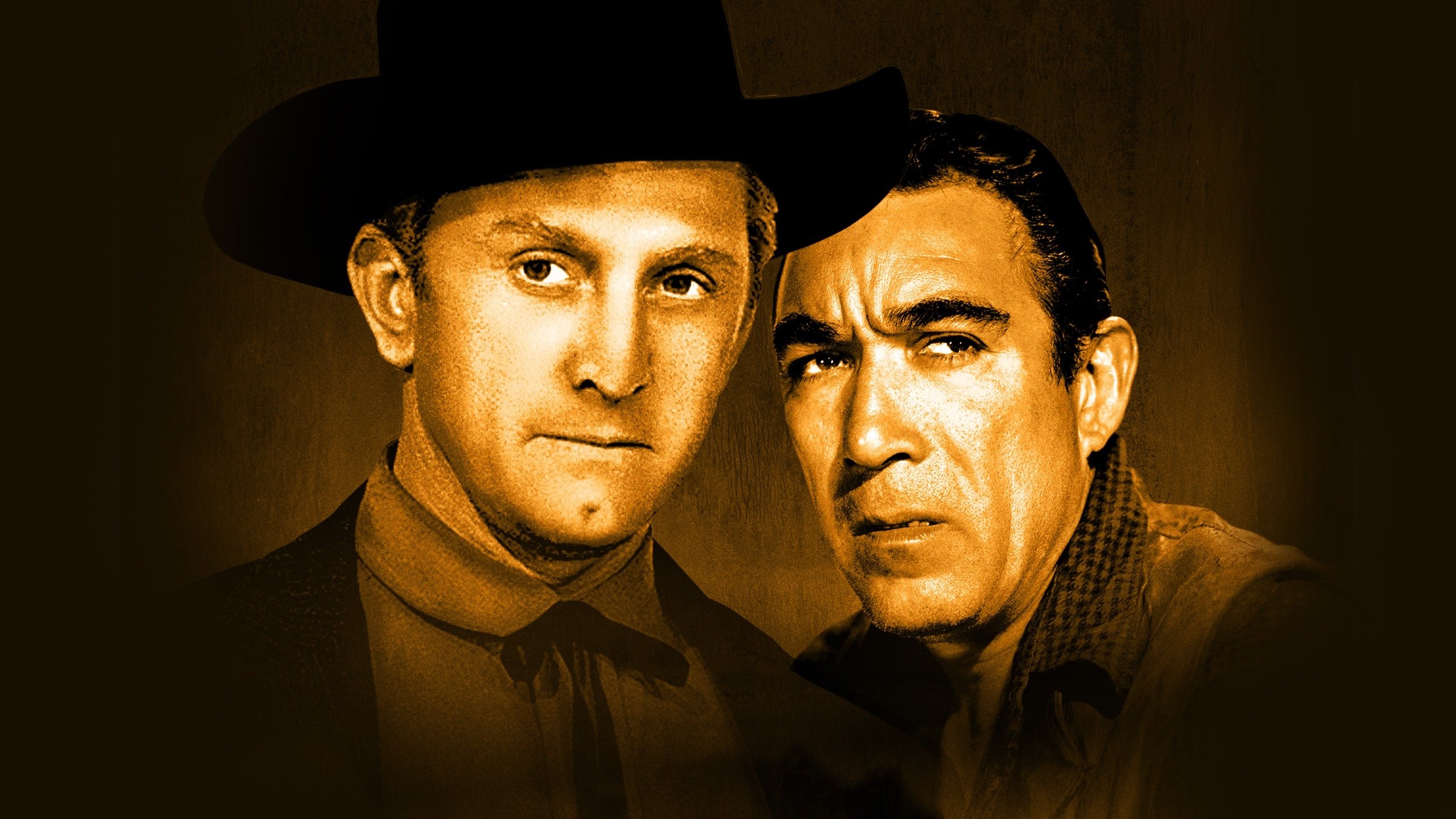
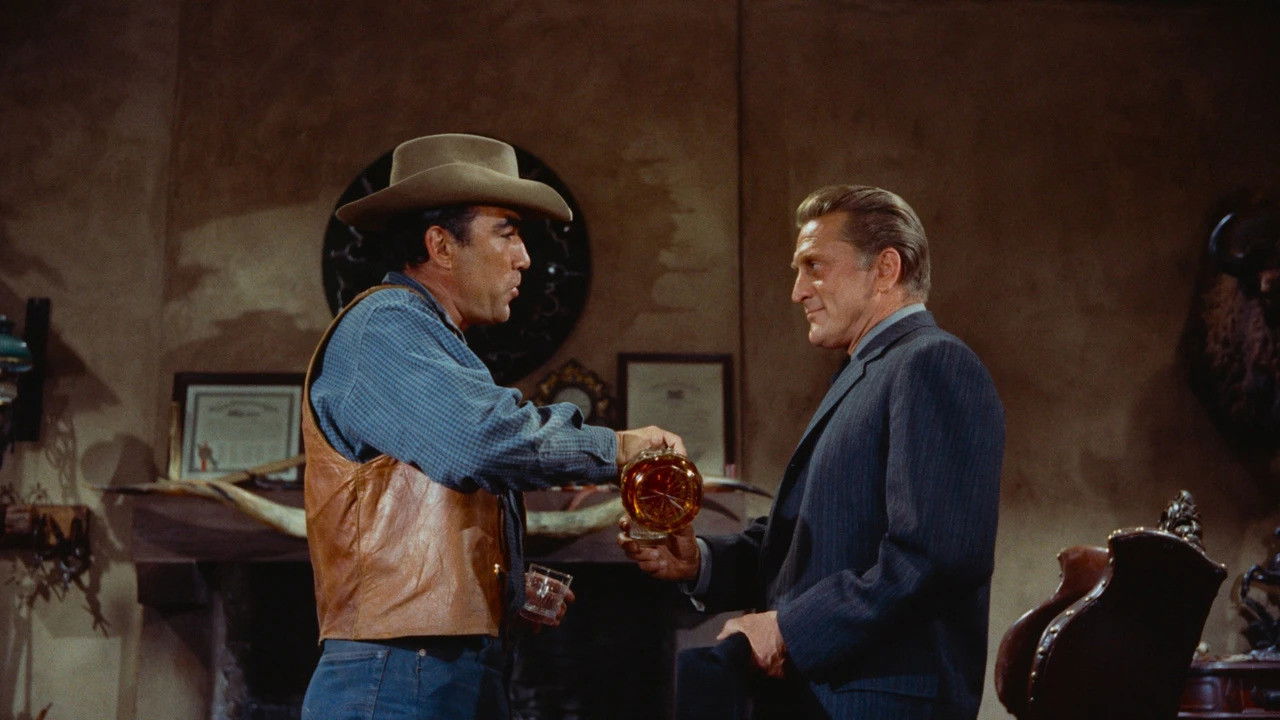
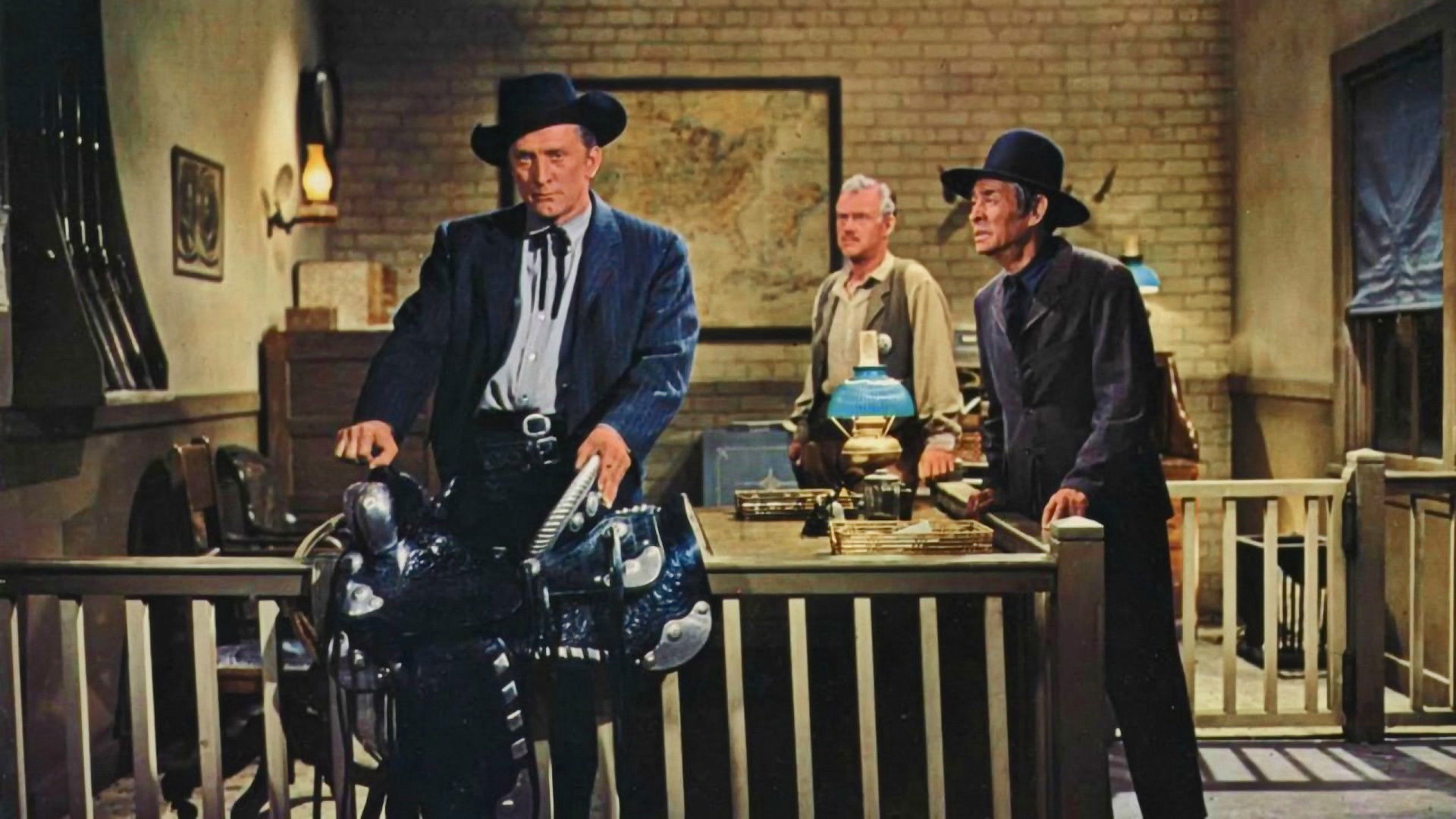
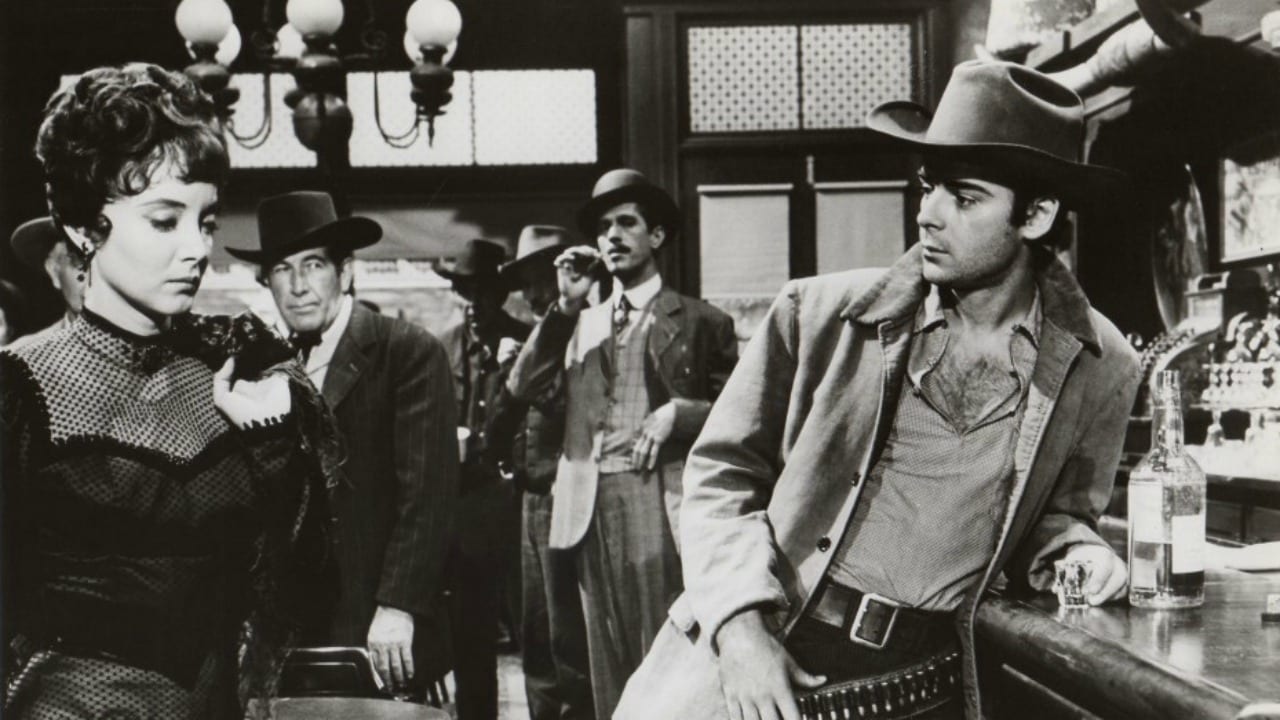
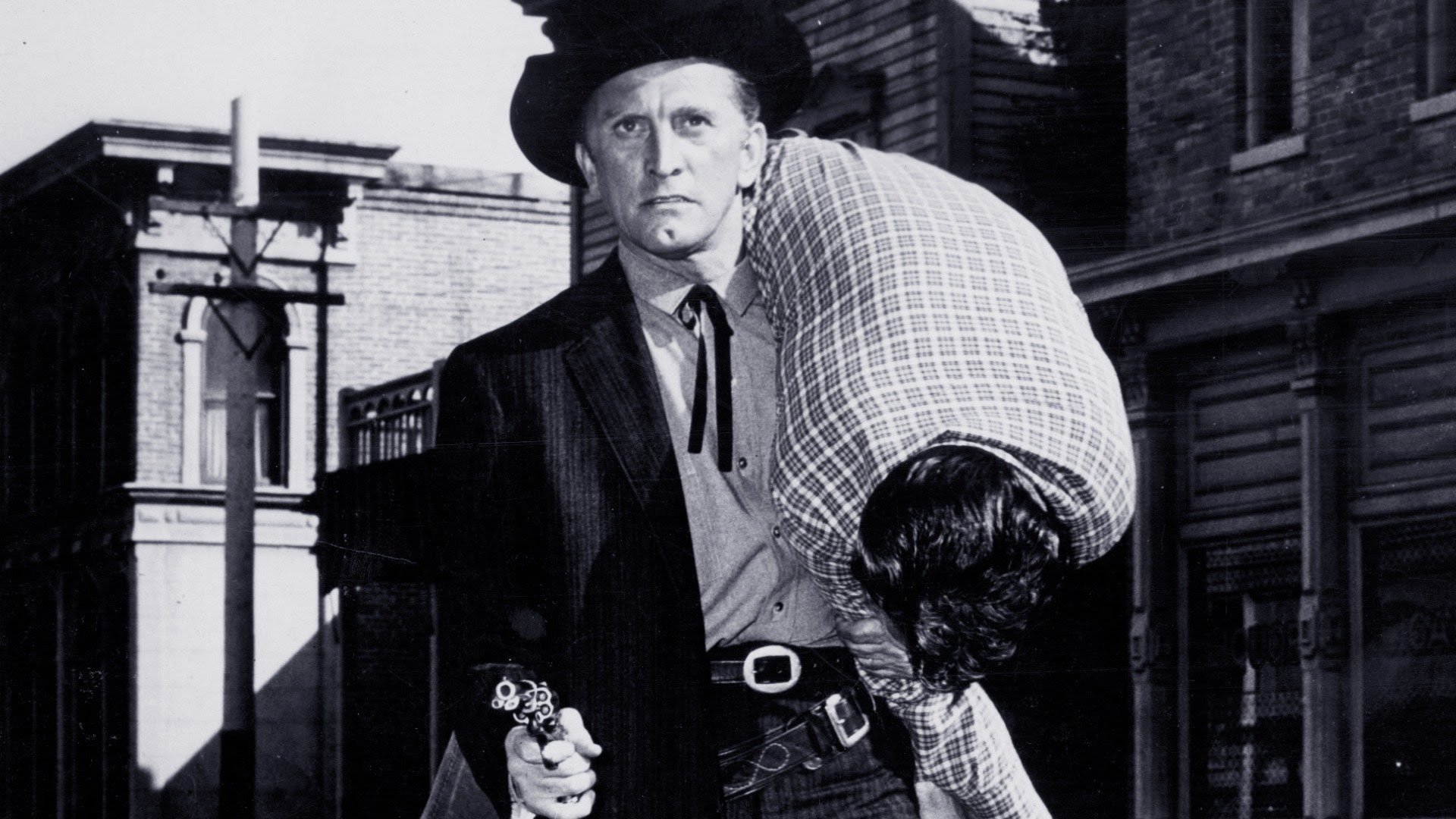
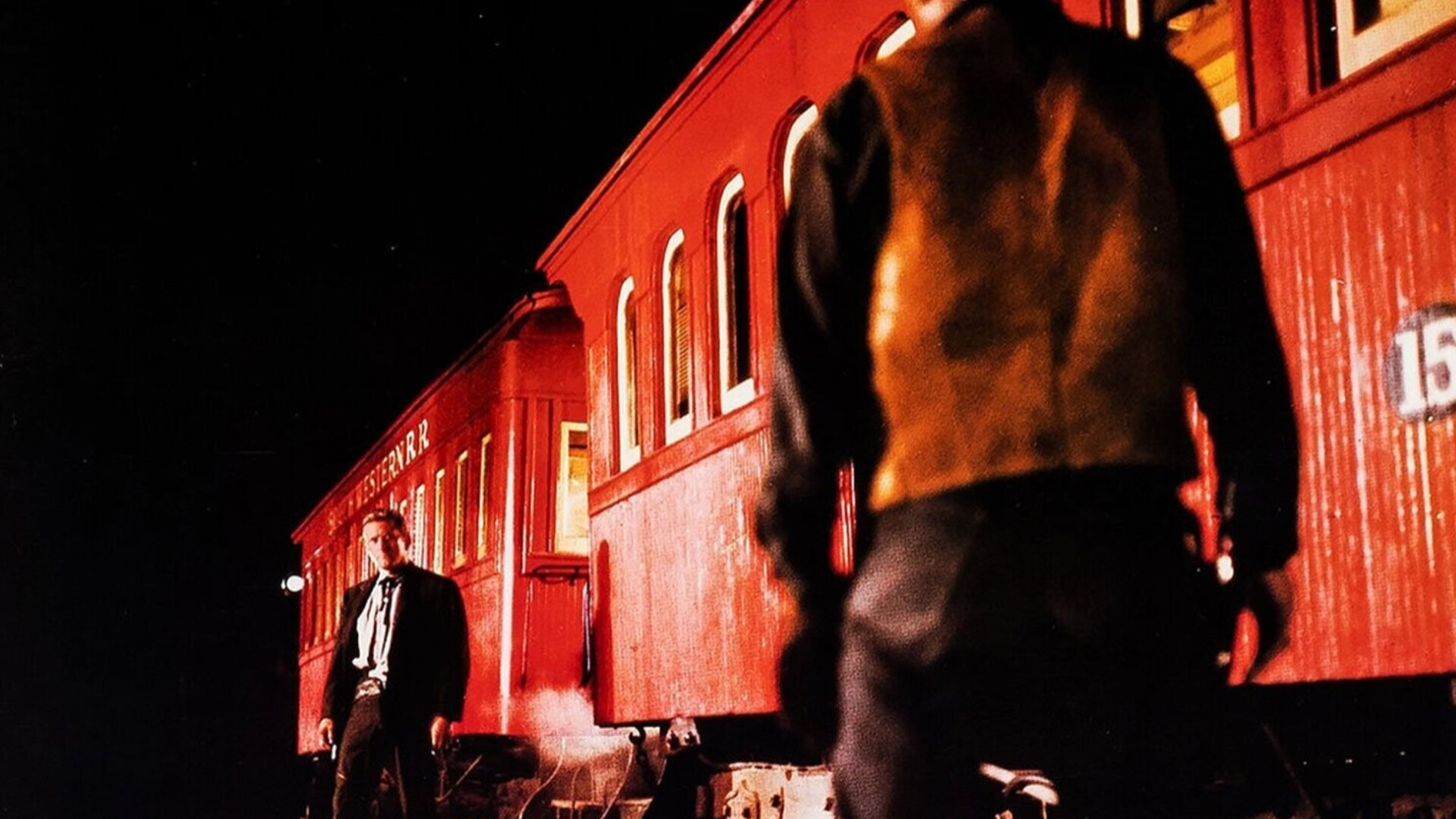
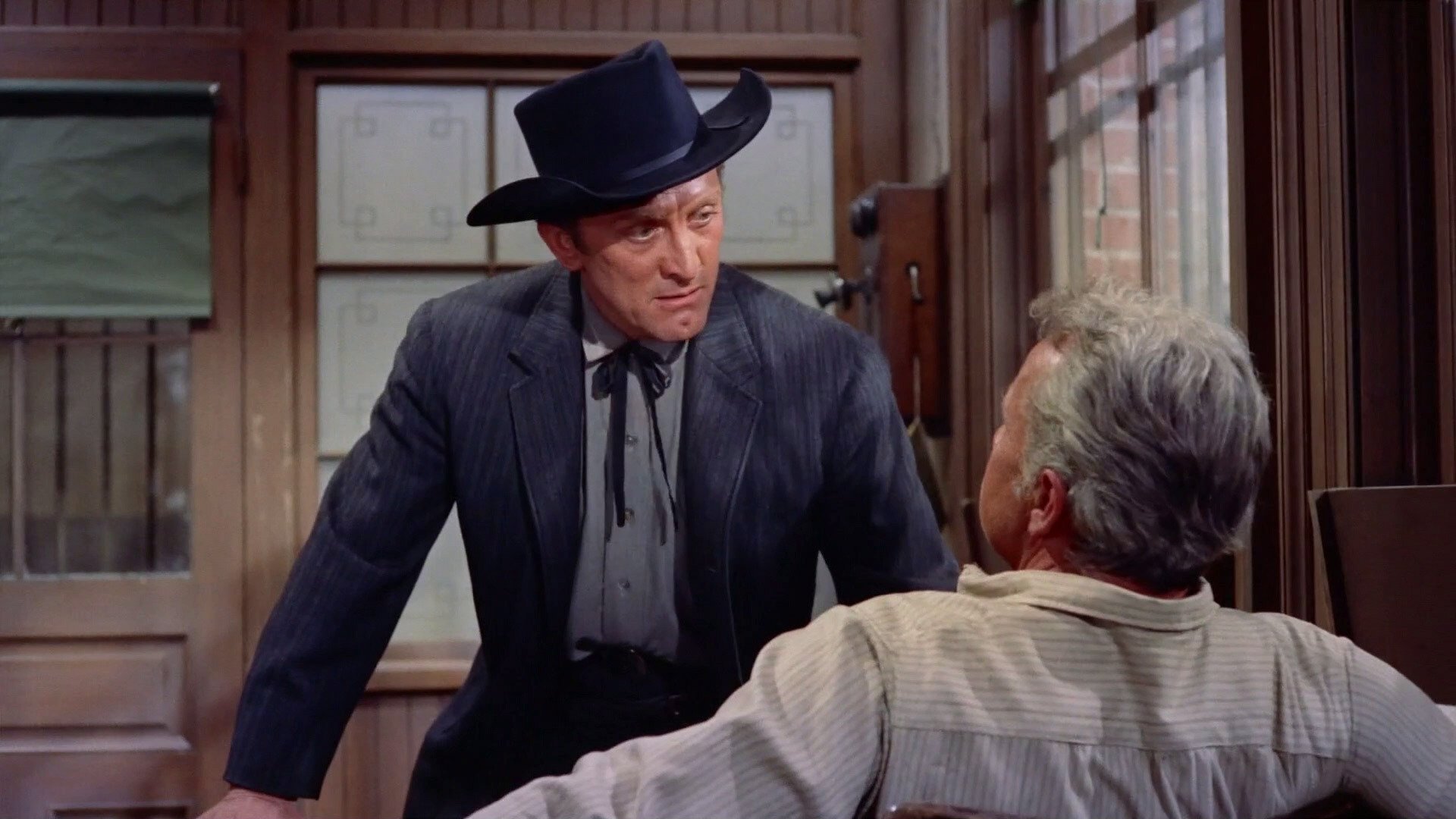
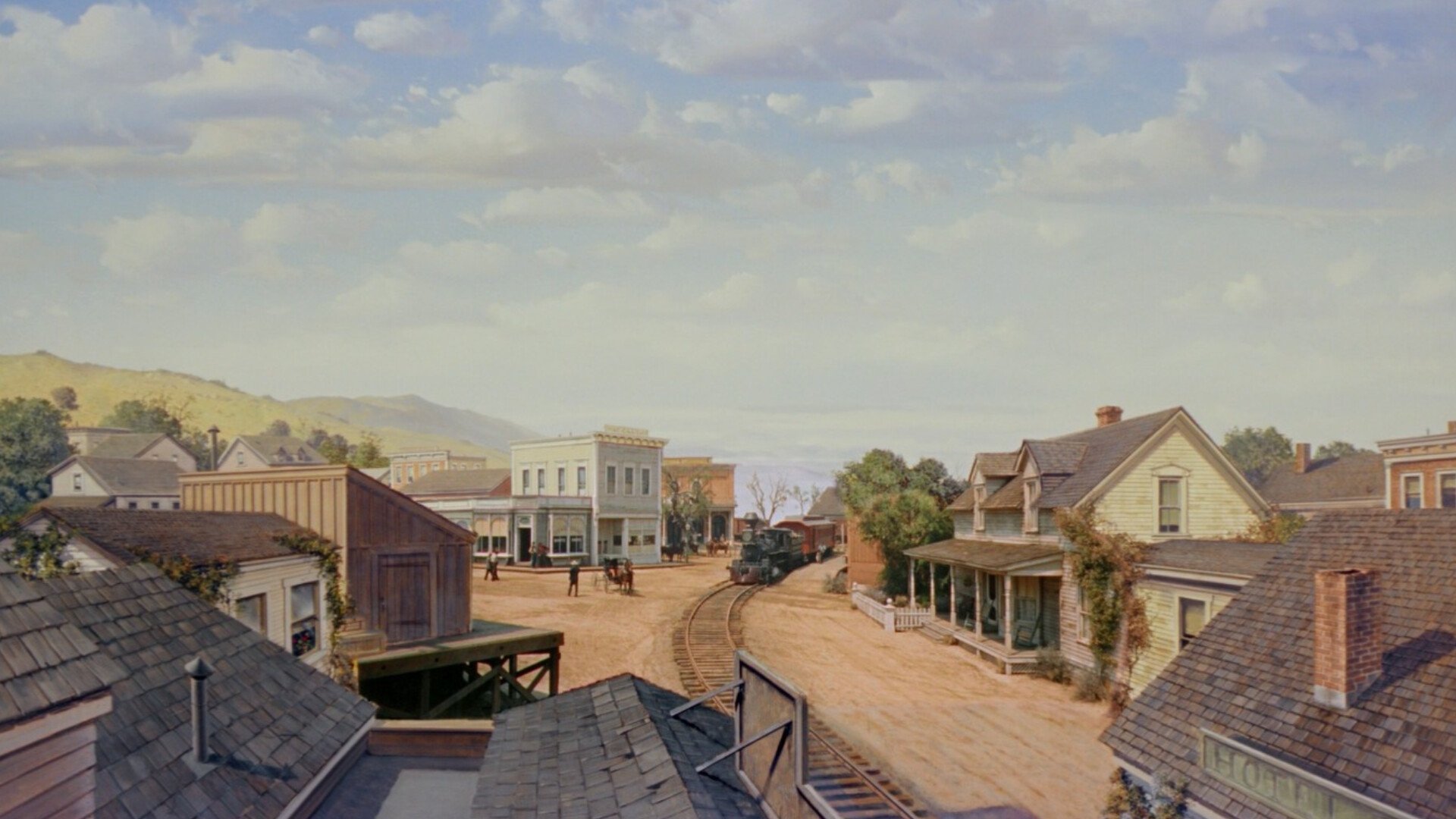
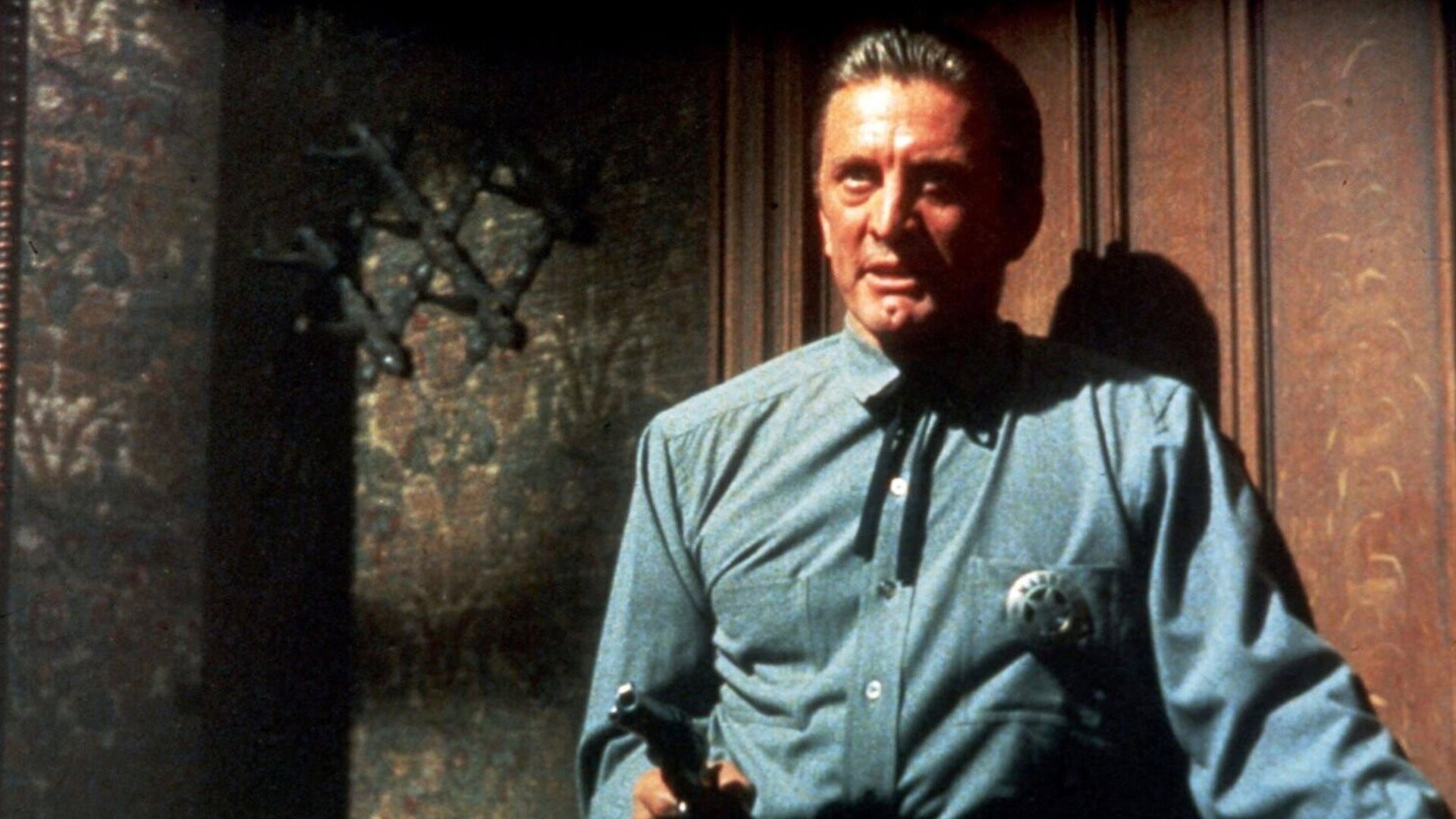
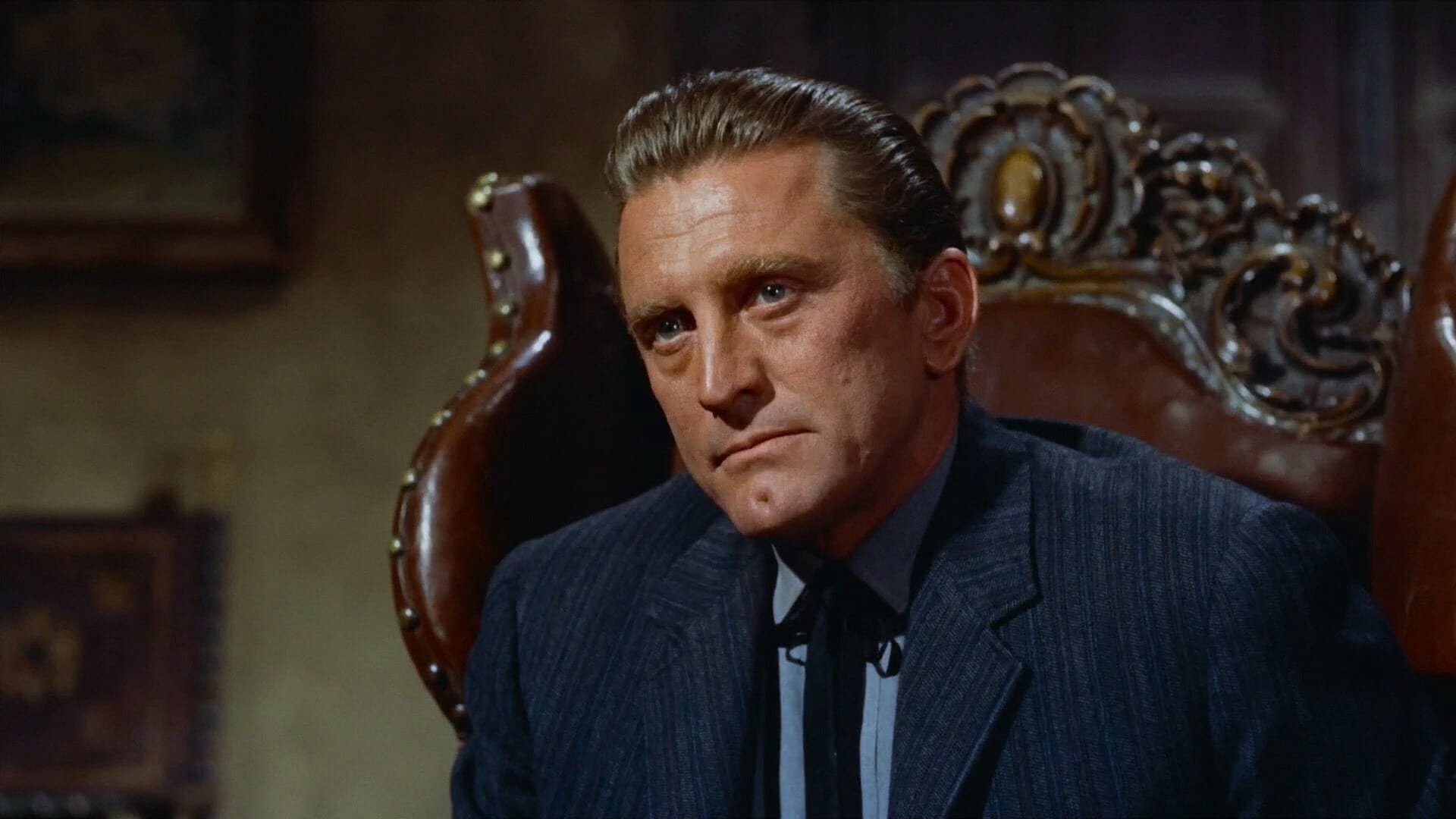
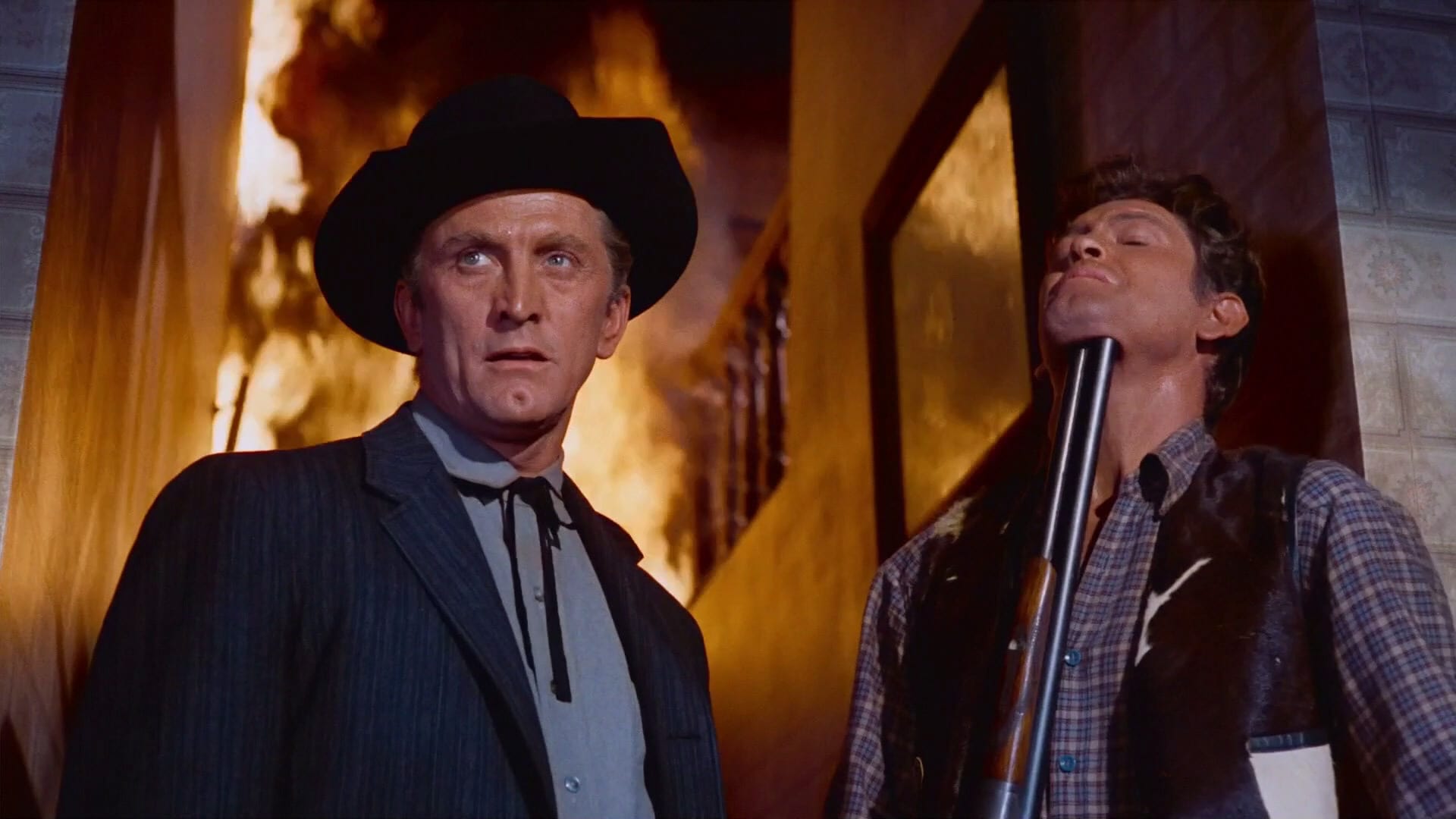
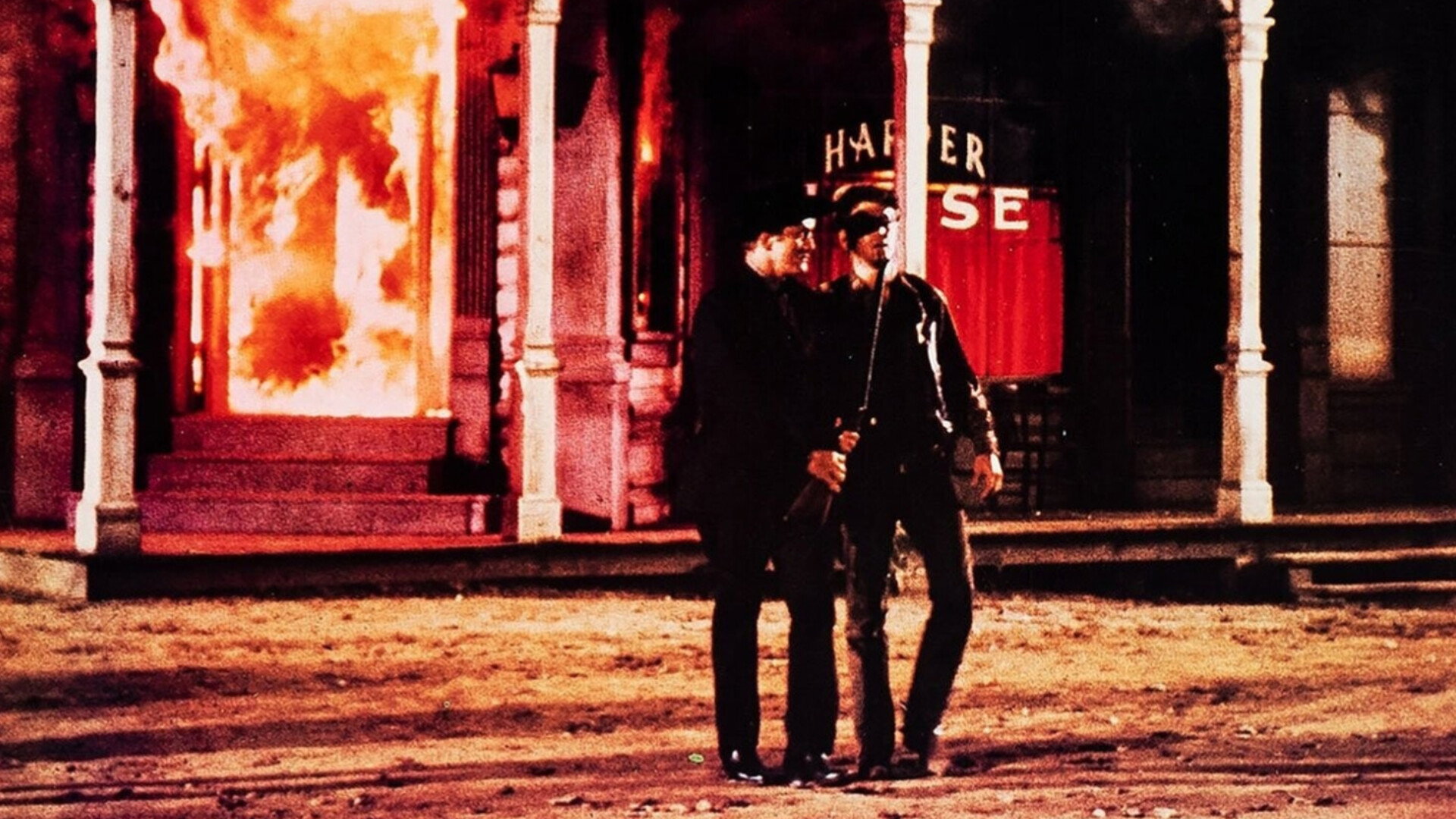
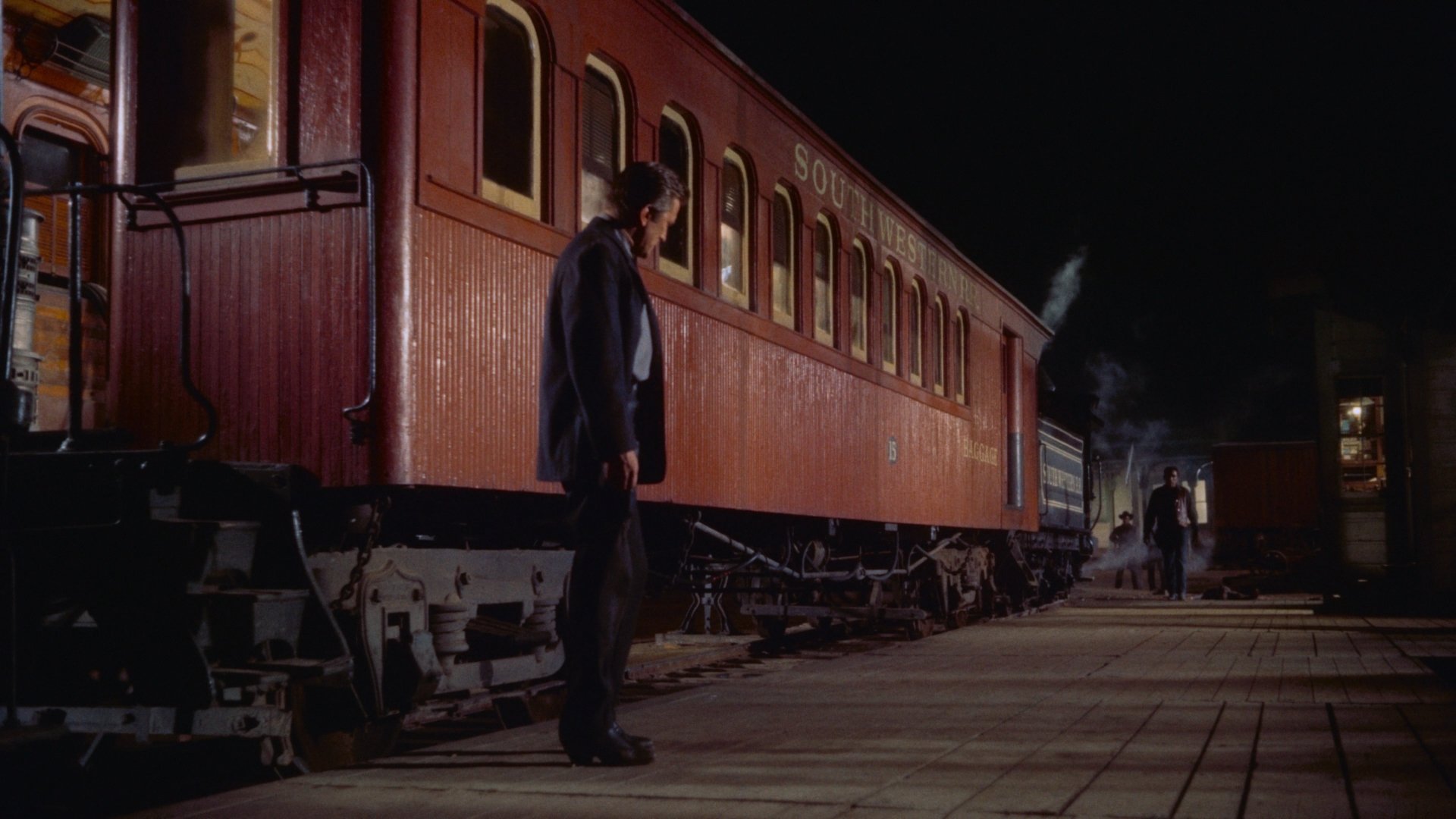
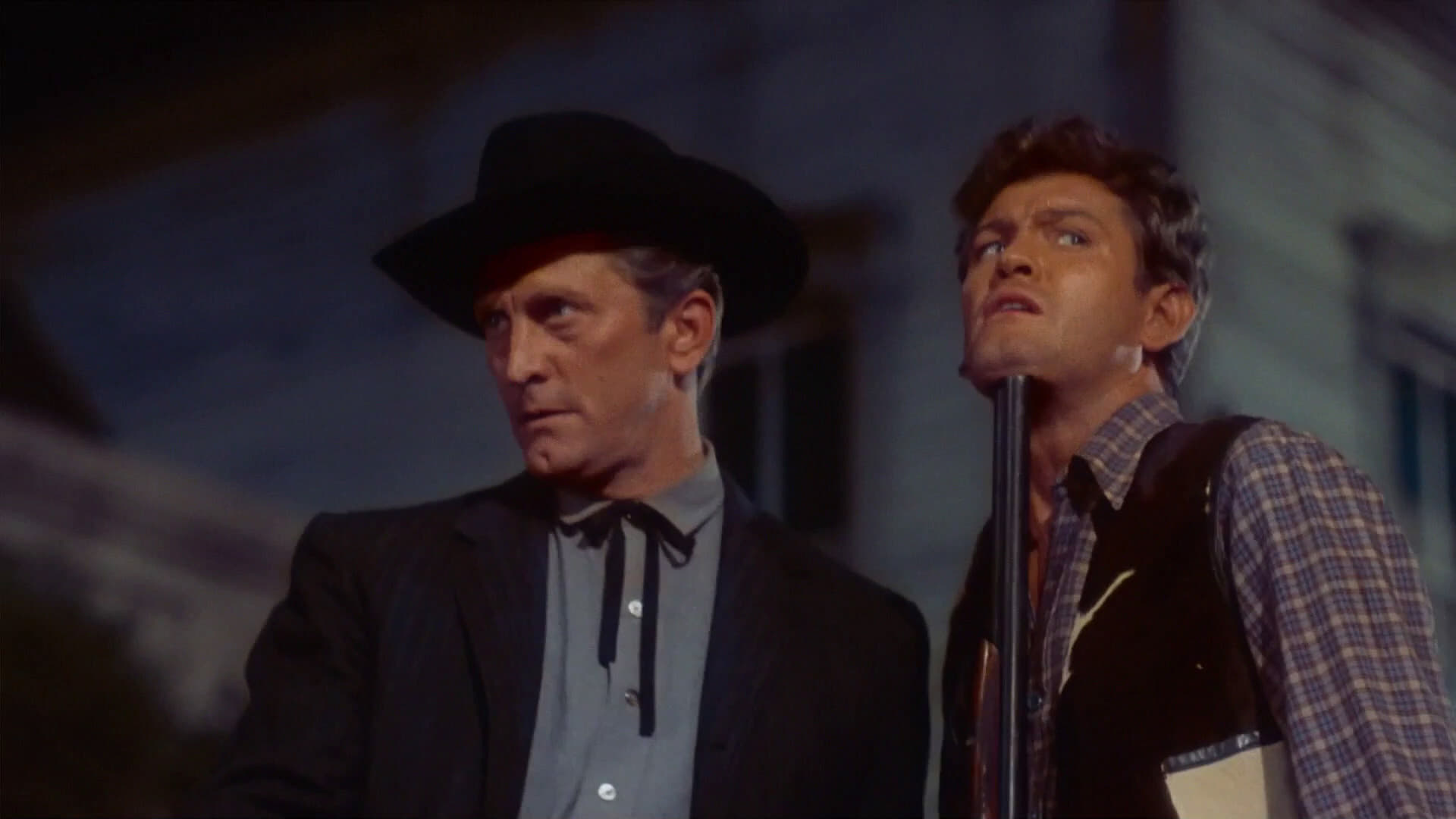
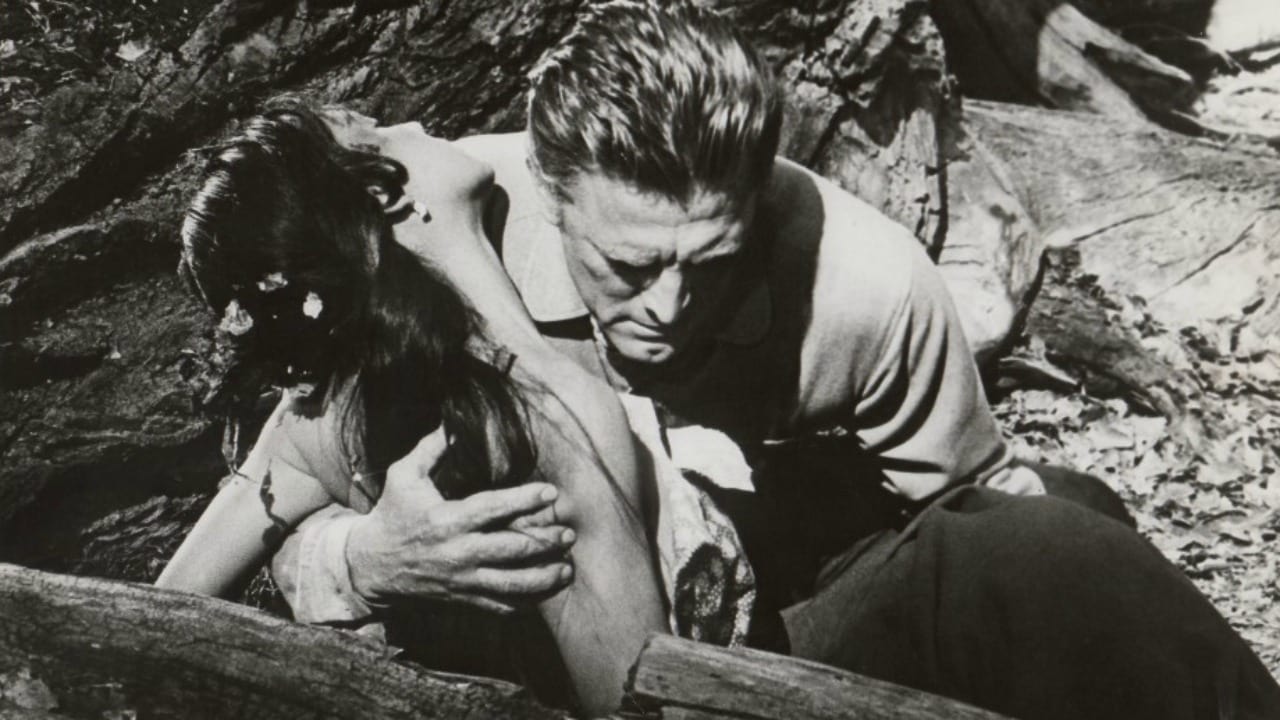
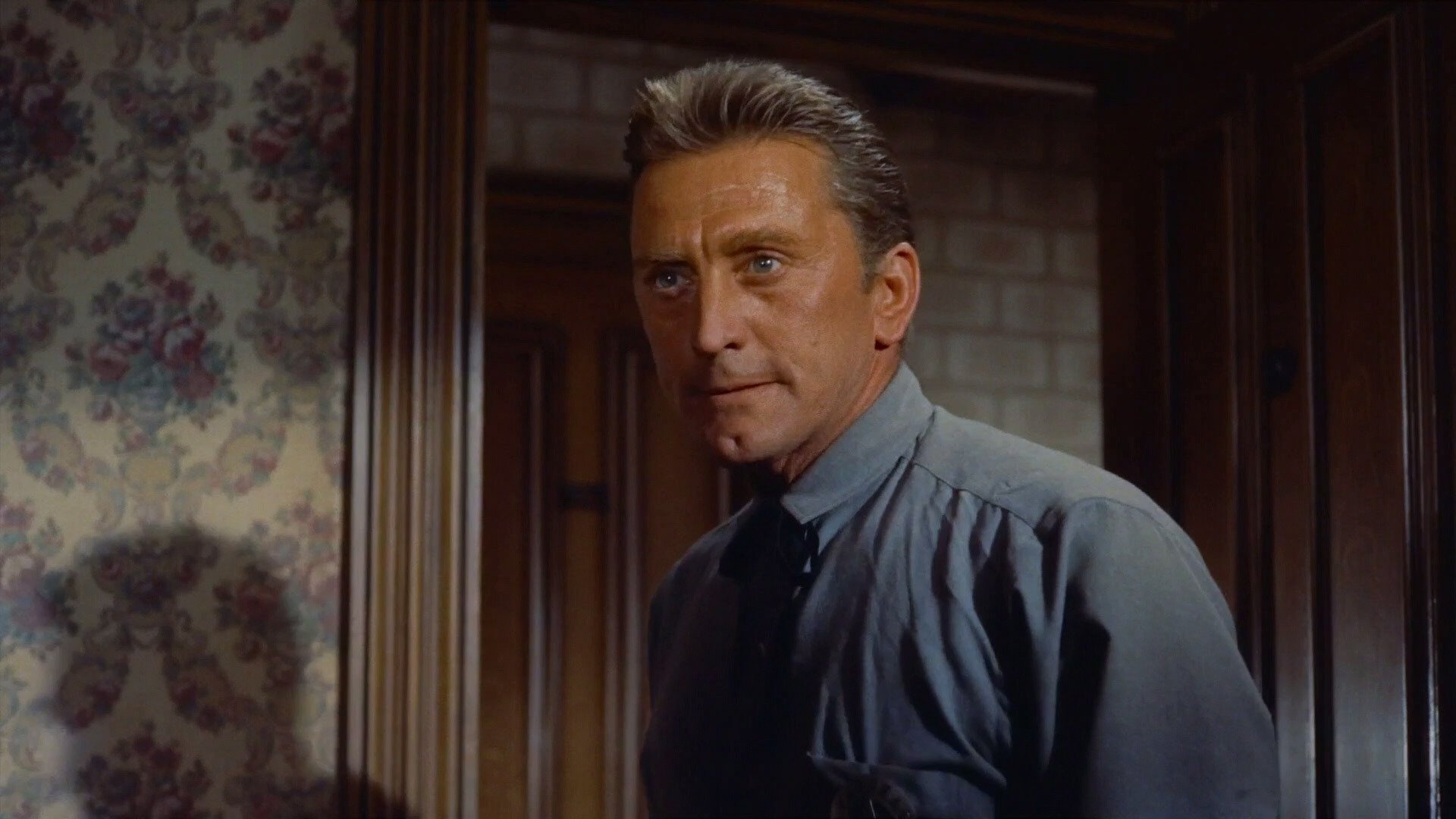
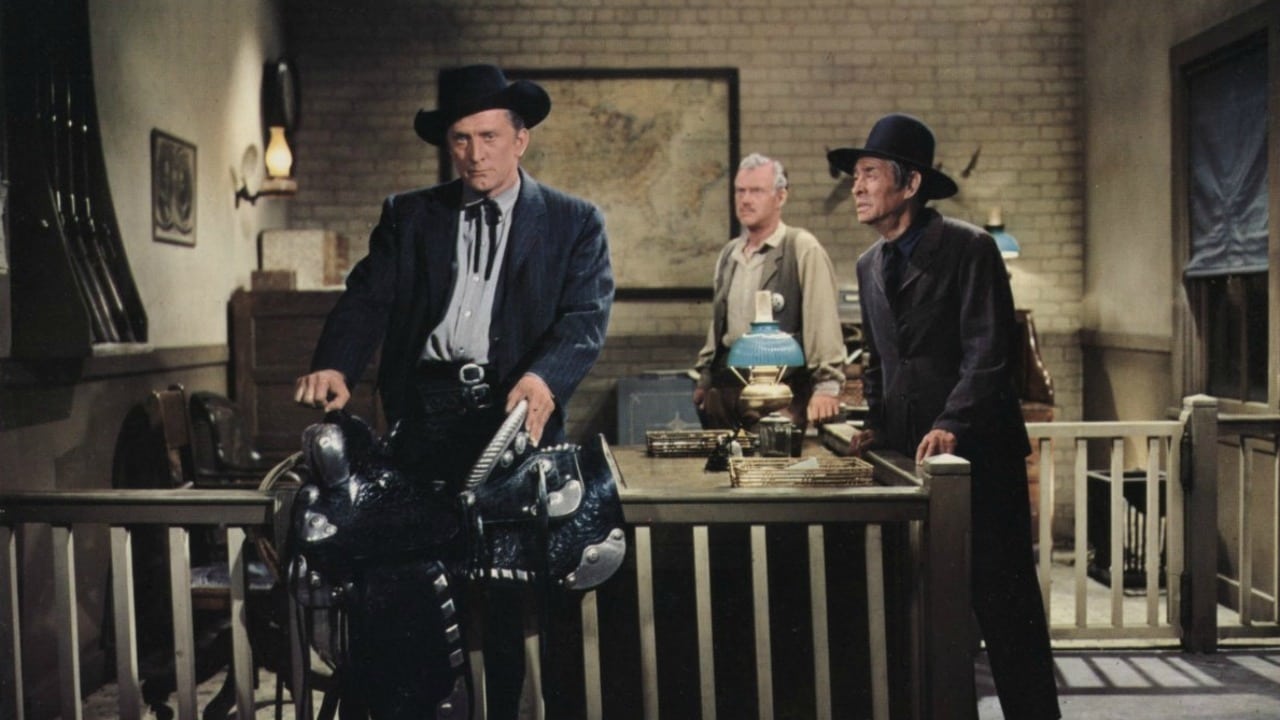
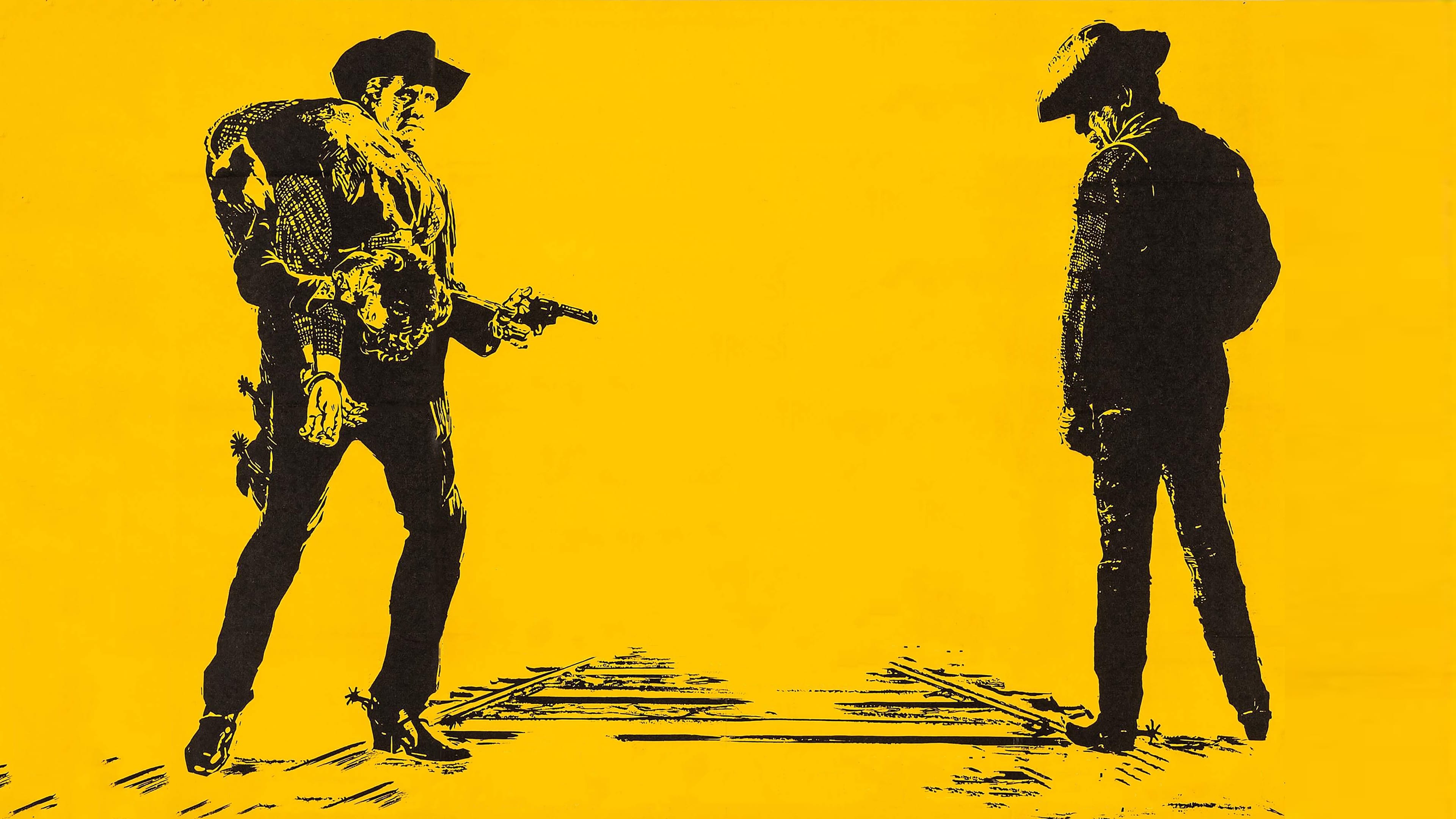
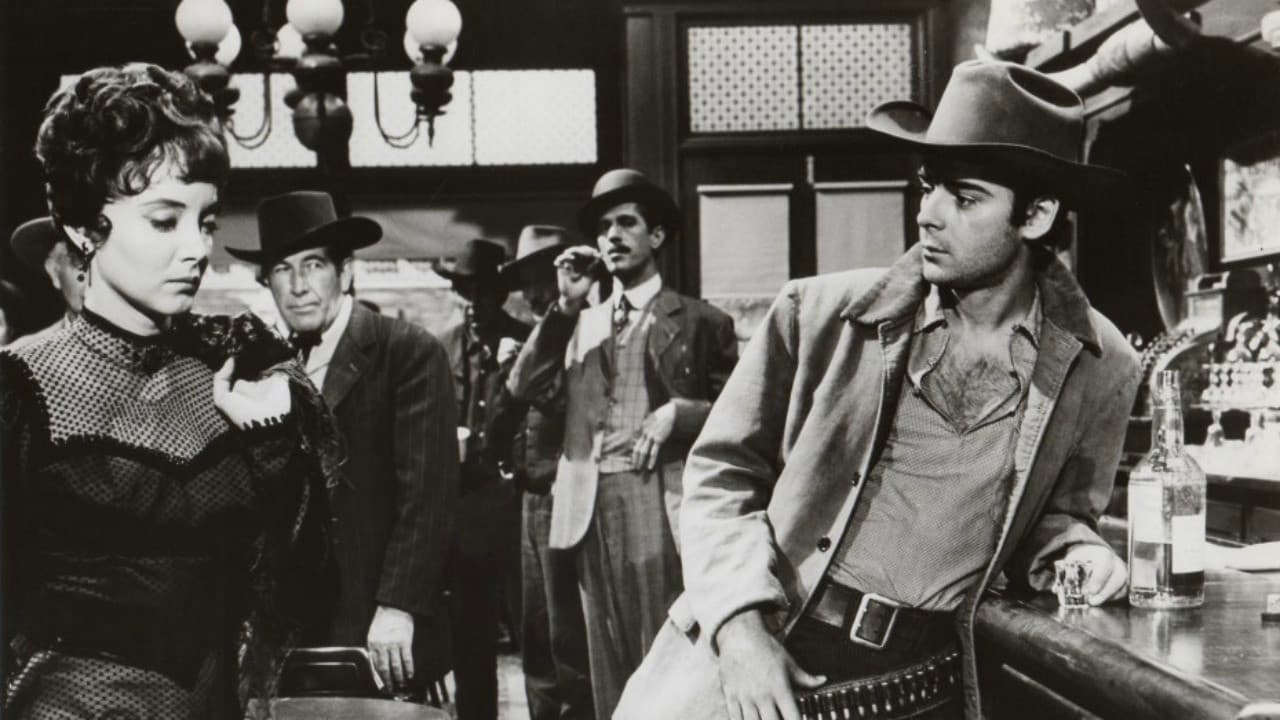
A marshal tries to bring the son of an old friend, an autocratic cattle baron, to justice for the rape and murder of his wife.
Directed by John Sturges
marshal
old friends
son of the boss
murdered wife
rich man protects guilty son
gun fights

Trailer

IMDB
N/A
Where to Watch


Cast
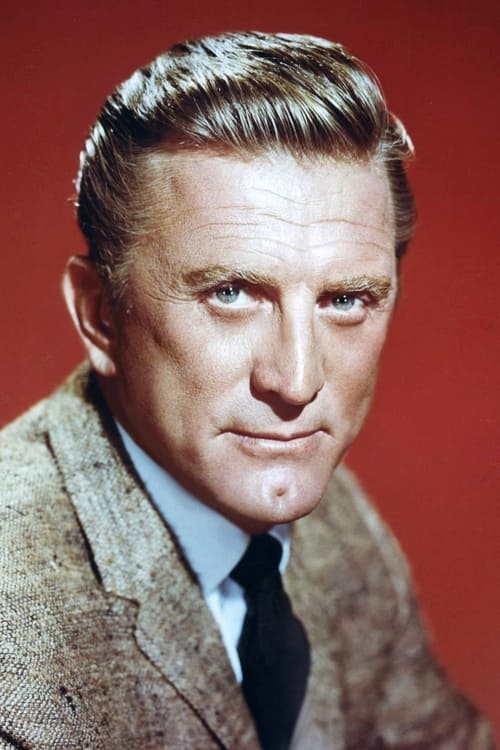
Kirk Douglas
Marshal Matt Morgan
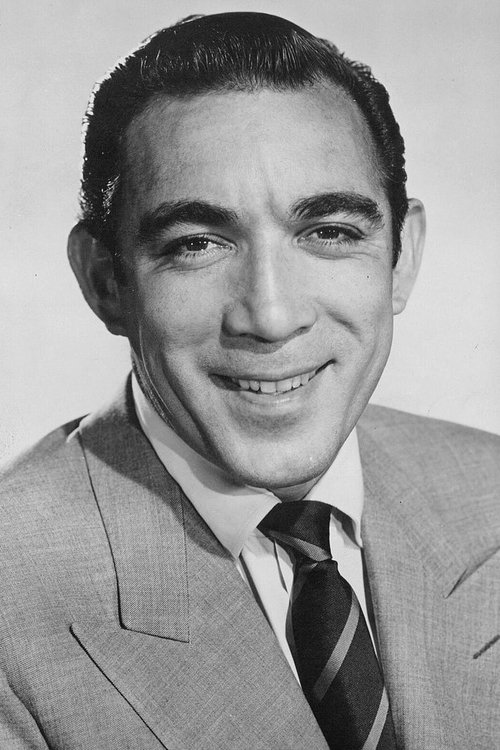
Anthony Quinn
Craig Belden
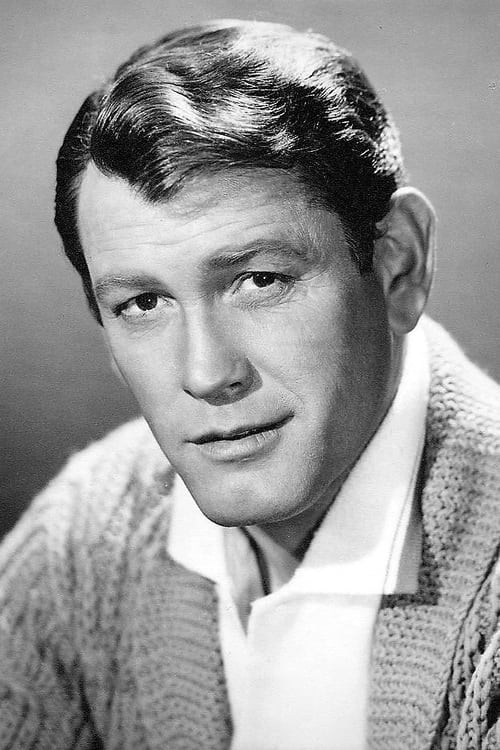
Earl Holliman
Rick Belden, Craig's Son

Carolyn Jones
Linda, Craig's Girl
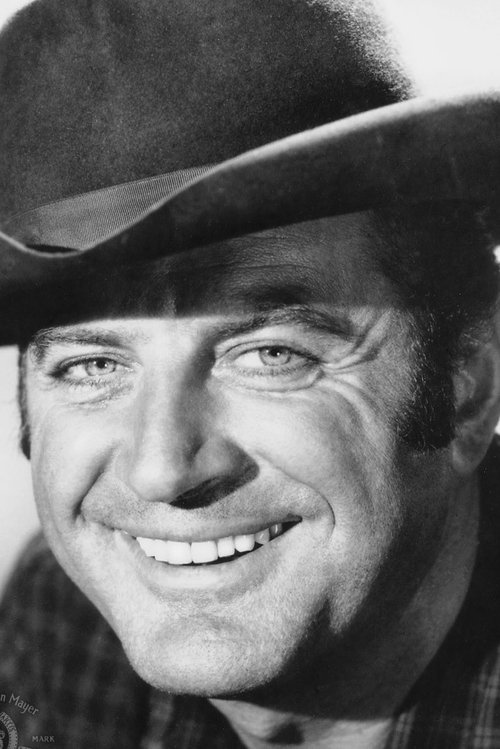
Brad Dexter
Beero, Belden Foreman
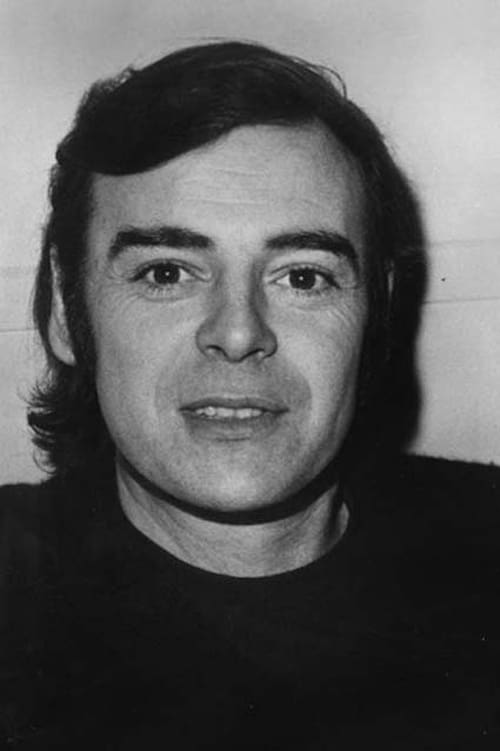
Brian G. Hutton
Lee Smithers, Rick's Sidekick

Ziva Rodann
Mrs. Catherine Morgan

Bing Russell
Skag, Belden Hand

Val Avery
Steve, Horseshoe Bartender'
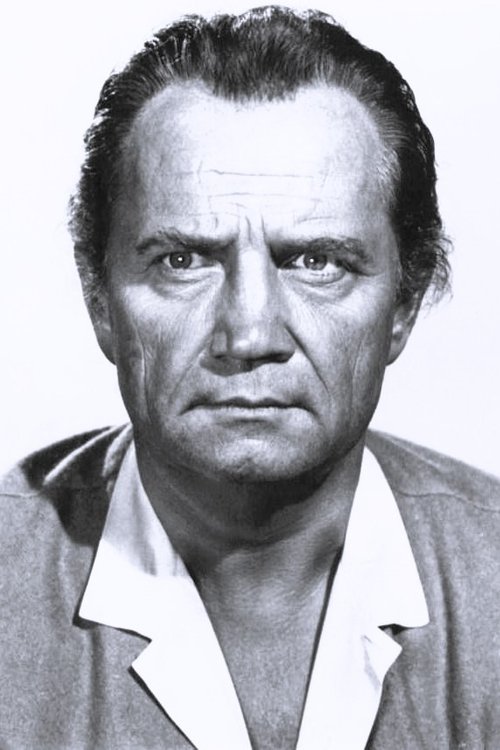
Walter Sande
Gun Hill Sheriff Bartlett

Ty Hardin
Cowboy Loafer
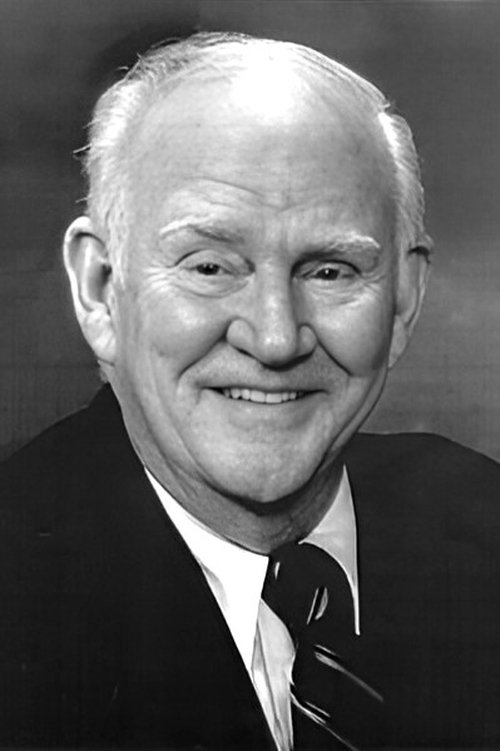
Dabbs Greer
Deputy Andy
Crew
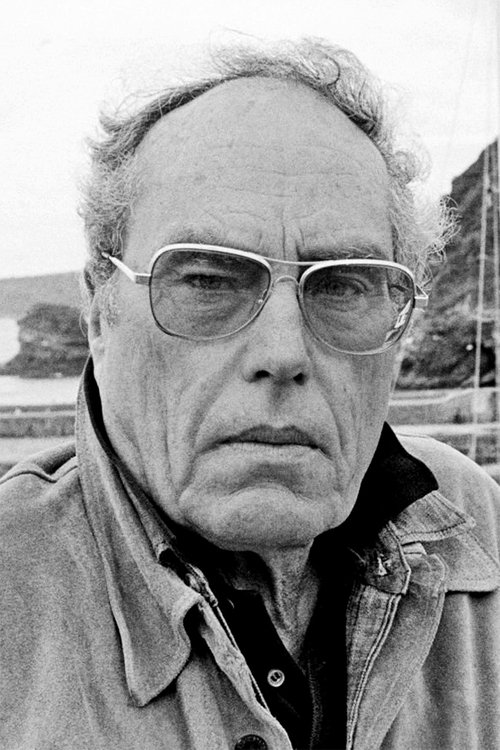
John Sturges
Director
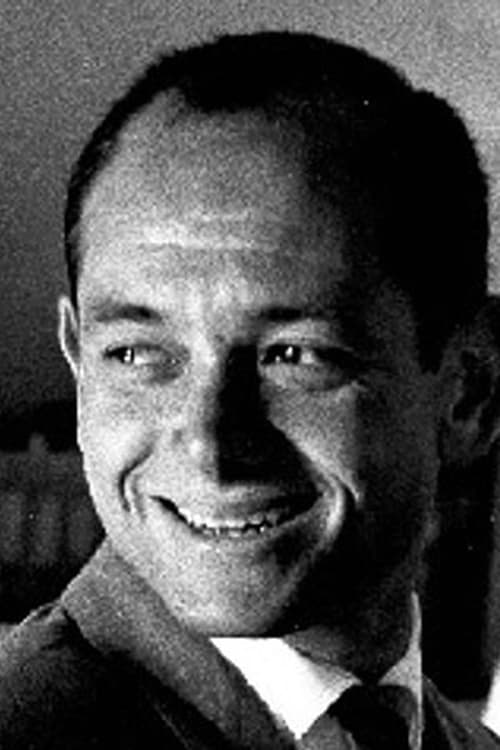
James Poe
Screenplay
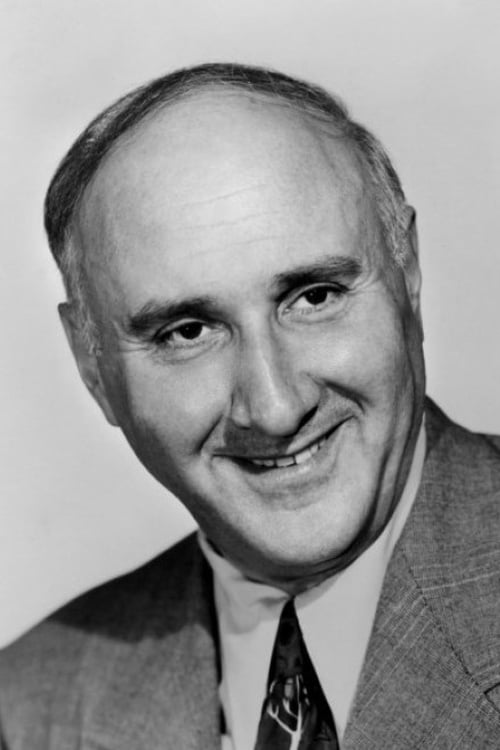
Dimitri Tiomkin
Original Music Composer
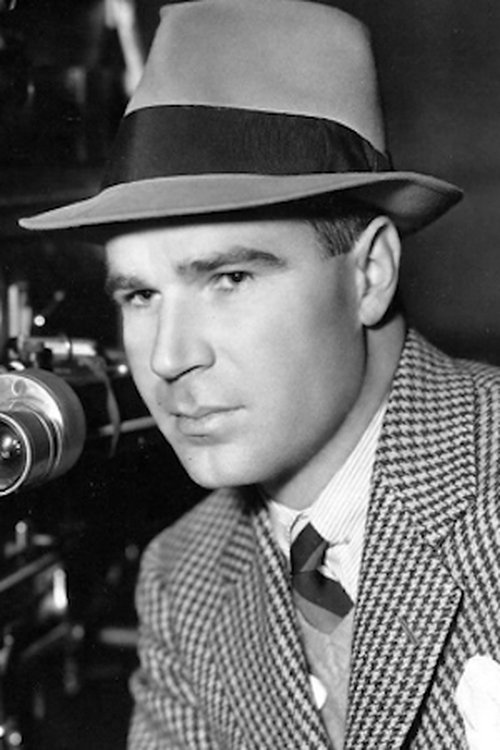
Charles Lang
Director of Photography
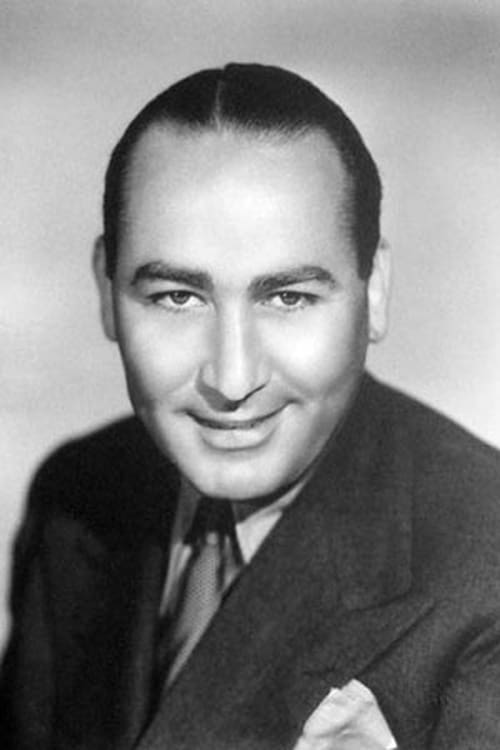
Hal B. Wallis
Producer
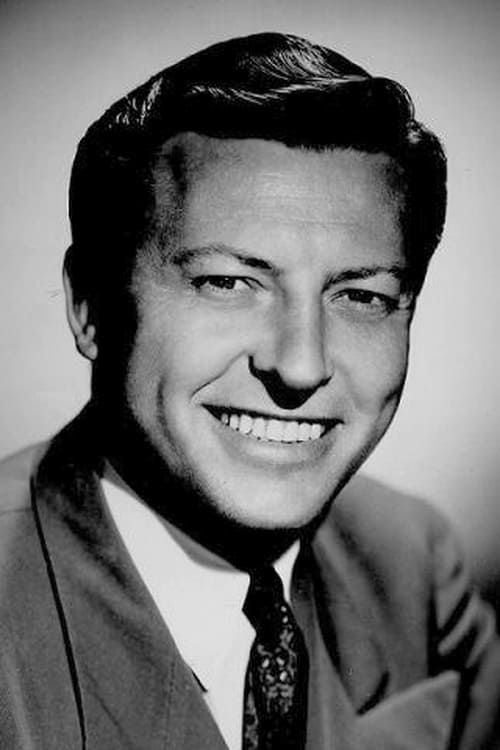
Wally Westmore
Makeup Artist
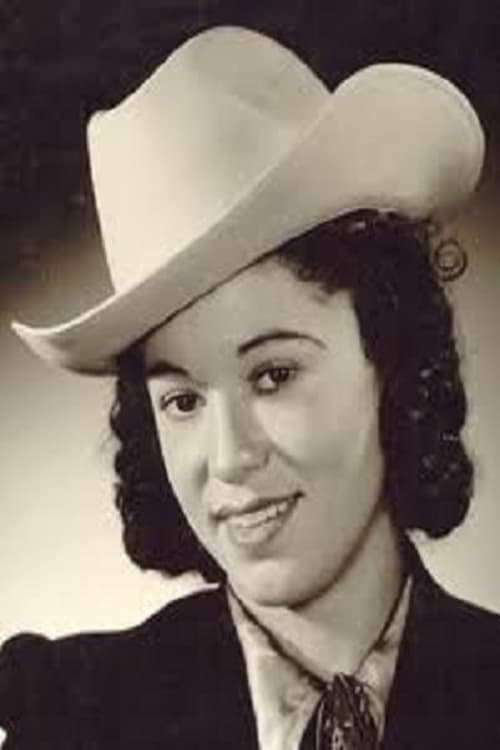
Polly Burson
Stunt Double
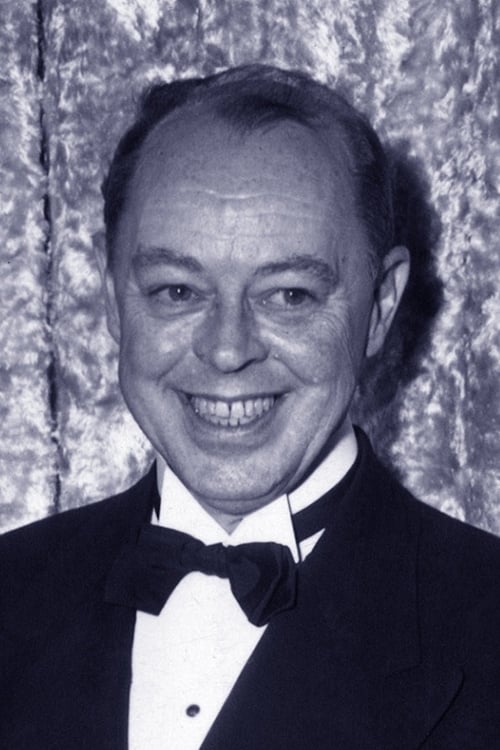
Sam Comer
Set Decoration

Edith Head
Costume Design
Popular Reviews
16 reviews
Lara

there is not a person on the planet except craig who didn’t want rick to get killed 😭😝
there is not a person on the planet except craig who didn’t want rick to get killed 😭😝


va24mar
8.0★ · 04/12/24
1959 | John Sturges | Kirk Douglas | Western
“Last Train from Gun Hill” tells the story of a deeply misogynistic society. Misogyny passed down from generation to generation in a patriarchal system in which men will have each other backs pretty much no matter what, with a disgusting ‘boys will be boys’ mentality. A society in which the utterly senseless rape and murder of a native woman is boiled down to ‘we didn’t know she was the wife of the marshall’ and ‘we thought she was only some native american girl’ (obviously not said in these words), as if that was the problem here or would even matter. None of the men even consider thinking or talking about the crime committed beyond those two statements, as if women were nothing but currency or property.
While the film is mostly centered around men, revenge and justice, these things and themes are deeply embedded in its story and messaging. The main conflict doesn’t arise cause the father believes his son and the friend didn’t commit the crime - the rape and murder of an innocent woman, mother and wife - or something in that vein, but because the father ‘doesn’t want to lose him’ and because ‘he didn’t known it was the marshalls wife’ and therefore will use his influence over an entire town and its people, fueled by the capitalist hell that ‘I own this place’ is, to shield them from any consequences for their calculated and deliberate crimes. For not a single second does anyone really doubt their guiltiness. It’s a society that protects male abusers, just like the one we live in today. They just don’t care and would rather have she marshall leave town. But he doesn’t.
What develops is a fairly atmospherical and tense film that’s cleverly written and finds great solutions and developments. The performances are great, Kirk Douglas in particular, and the direction is more than solid.
What’s best about this are the tension and its themes. It’s very much ends on a note that tells fathers, and parents in general, but particularly fathers for that matter, to raise their sons right. While it might not always go about perfectly with those themes, they come across pretty clearly and effectively. I liked this film so much more than I expected.
“Last Train from Gun Hill” tells the story of a deeply misogynistic society. Misogyny passed down from generation to generation in a patriarchal system in which men will have each other backs pretty much no matter what, with a disgusting ‘boys will be boys’ mentality. A society in which the utterly senseless rape and murder of a native woman is boiled down to ‘we didn’t know she was the wife of the marshall’ and ‘we thought she was only some native american girl’ (obviously not said in these words), as if that was the problem here or would even matter. None of the men even consider thinking or talking about the crime committed beyond those two statements, as if women were nothing but currency or property.
While the film is mostly centered around men, revenge and justice, these things and themes are deeply embedded in its story and messaging. The main conflict doesn’t arise cause the father believes his son and the friend didn’t commit the crime - the rape and murder of an innocent woman, mother and wife - or something in that vein, but because the father ‘doesn’t want to lose him’ and because ‘he didn’t known it was the marshalls wife’ and therefore will use his influence over an entire town and its people, fueled by the capitalist hell that ‘I own this place’ is, to shield them from any consequences for their calculated and deliberate crimes. For not a single second does anyone really doubt their guiltiness. It’s a society that protects male abusers, just like the one we live in today. They just don’t care and would rather have she marshall leave town. But he doesn’t.
What develops is a fairly atmospherical and tense film that’s cleverly written and finds great solutions and developments. The performances are great, Kirk Douglas in particular, and the direction is more than solid.
What’s best about this are the tension and its themes. It’s very much ends on a note that tells fathers, and parents in general, but particularly fathers for that matter, to raise their sons right. While it might not always go about perfectly with those themes, they come across pretty clearly and effectively. I liked this film so much more than I expected.
1959 | John Sturges | Kirk Douglas | Western
“Last Train from Gun Hill” tells the story of a deeply misogynistic society. Misogyny passed down from generation to generation in a patriarchal system in which men will have each other backs pretty much no matter what, with a disgusting ‘boys will be boys’ mentality. A society in which the utterly senseless rape and murder of a native woman is boiled down to ‘we didn’t know she was the wife of the marshall’ and ‘we thought she was only some native american girl’ (obviously not said in these words), as if that was the problem here or would even matter. None of the men even consider thinking or talking about the crime committed beyond those two statements, as if women were nothing but currency or property.
While the film is mostly centered around men, revenge and justice, these things and themes are deeply embedded in its story and messaging. The main conflict doesn’t arise cause the father believes his son and the friend didn’t commit the crime - the rape and murder of an innocent woman, mother and wife - or something in that vein, but because the father ‘doesn’t want to lose him’ and because ‘he didn’t known it was the marshalls wife’ and therefore will use his influence over an entire town and its people, fueled by the capitalist hell that ‘I own this place’ is, to shield them from any consequences for their calculated and deliberate crimes. For not a single second does anyone really doubt their guiltiness. It’s a society that protects male abusers, just like the one we live in today. They just don’t care and would rather have she marshall leave town. But he doesn’t.
What develops is a fairly atmospherical and tense film that’s cleverly written and finds great solutions and developments. The performances are great, Kirk Douglas in particular, and the direction is more than solid.
What’s best about this are the tension and its themes. It’s very much ends on a note that tells fathers, and parents in general, but particularly fathers for that matter, to raise their sons right. While it might not always go about perfectly with those themes, they come across pretty clearly and effectively. I liked this film so much more than I expected.
“Last Train from Gun Hill” tells the story of a deeply misogynistic society. Misogyny passed down from generation to generation in a patriarchal system in which men will have each other backs pretty much no matter what, with a disgusting ‘boys will be boys’ mentality. A society in which the utterly senseless rape and murder of a native woman is boiled down to ‘we didn’t know she was the wife of the marshall’ and ‘we thought she was only some native american girl’ (obviously not said in these words), as if that was the problem here or would even matter. None of the men even consider thinking or talking about the crime committed beyond those two statements, as if women were nothing but currency or property.
While the film is mostly centered around men, revenge and justice, these things and themes are deeply embedded in its story and messaging. The main conflict doesn’t arise cause the father believes his son and the friend didn’t commit the crime - the rape and murder of an innocent woman, mother and wife - or something in that vein, but because the father ‘doesn’t want to lose him’ and because ‘he didn’t known it was the marshalls wife’ and therefore will use his influence over an entire town and its people, fueled by the capitalist hell that ‘I own this place’ is, to shield them from any consequences for their calculated and deliberate crimes. For not a single second does anyone really doubt their guiltiness. It’s a society that protects male abusers, just like the one we live in today. They just don’t care and would rather have she marshall leave town. But he doesn’t.
What develops is a fairly atmospherical and tense film that’s cleverly written and finds great solutions and developments. The performances are great, Kirk Douglas in particular, and the direction is more than solid.
What’s best about this are the tension and its themes. It’s very much ends on a note that tells fathers, and parents in general, but particularly fathers for that matter, to raise their sons right. While it might not always go about perfectly with those themes, they come across pretty clearly and effectively. I liked this film so much more than I expected.
Giuliana
8.0★ · 06/19/26
Lathan McMichael
8.0★ · 02/19/26
David Poyas
7.0★ · 01/25/26