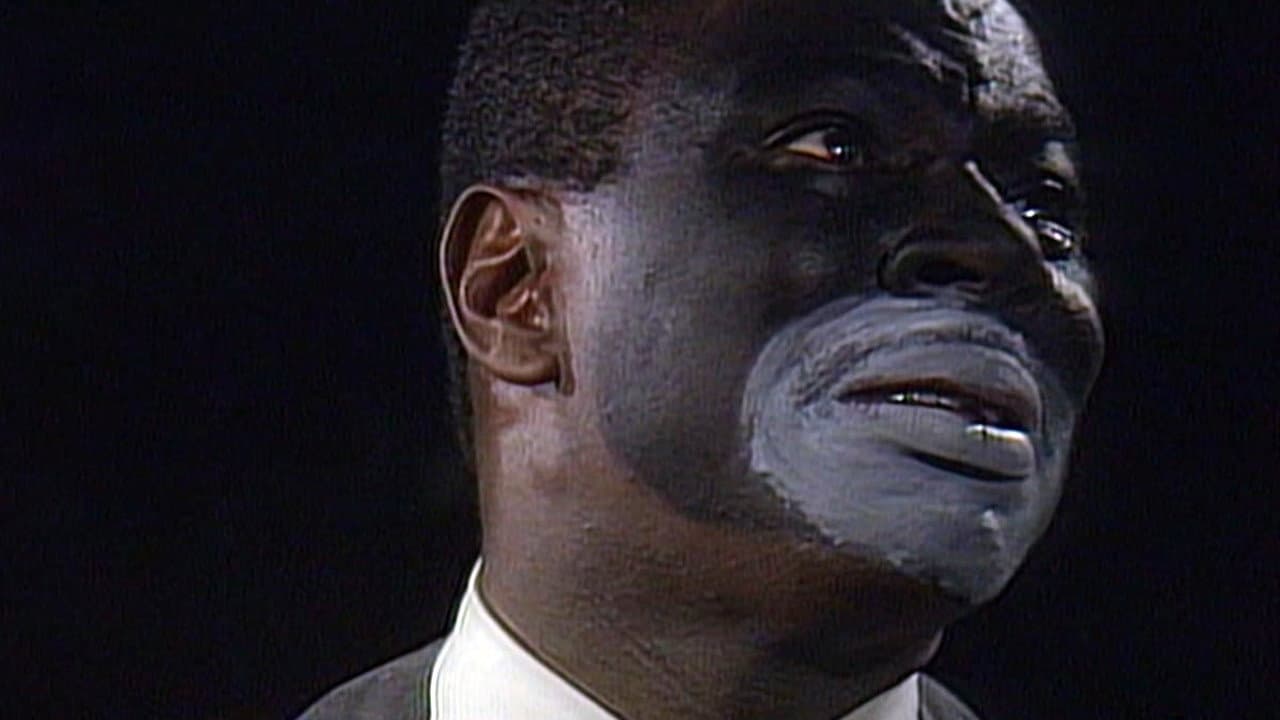
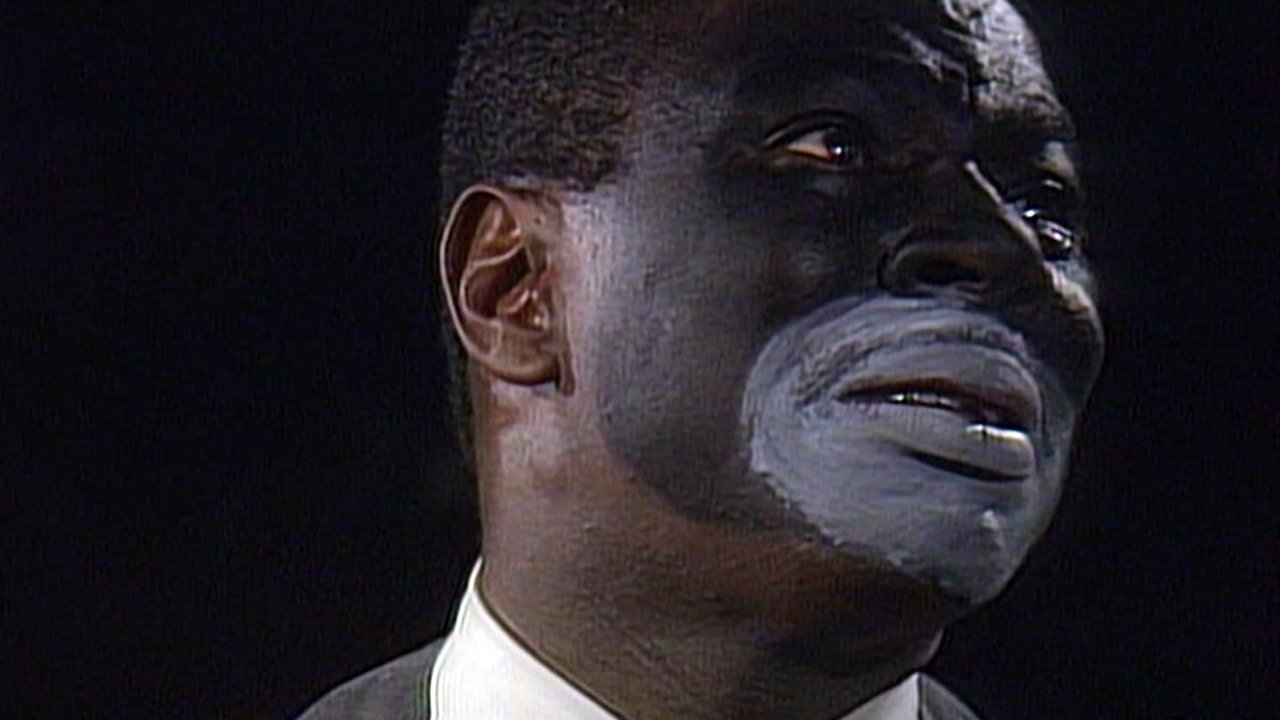
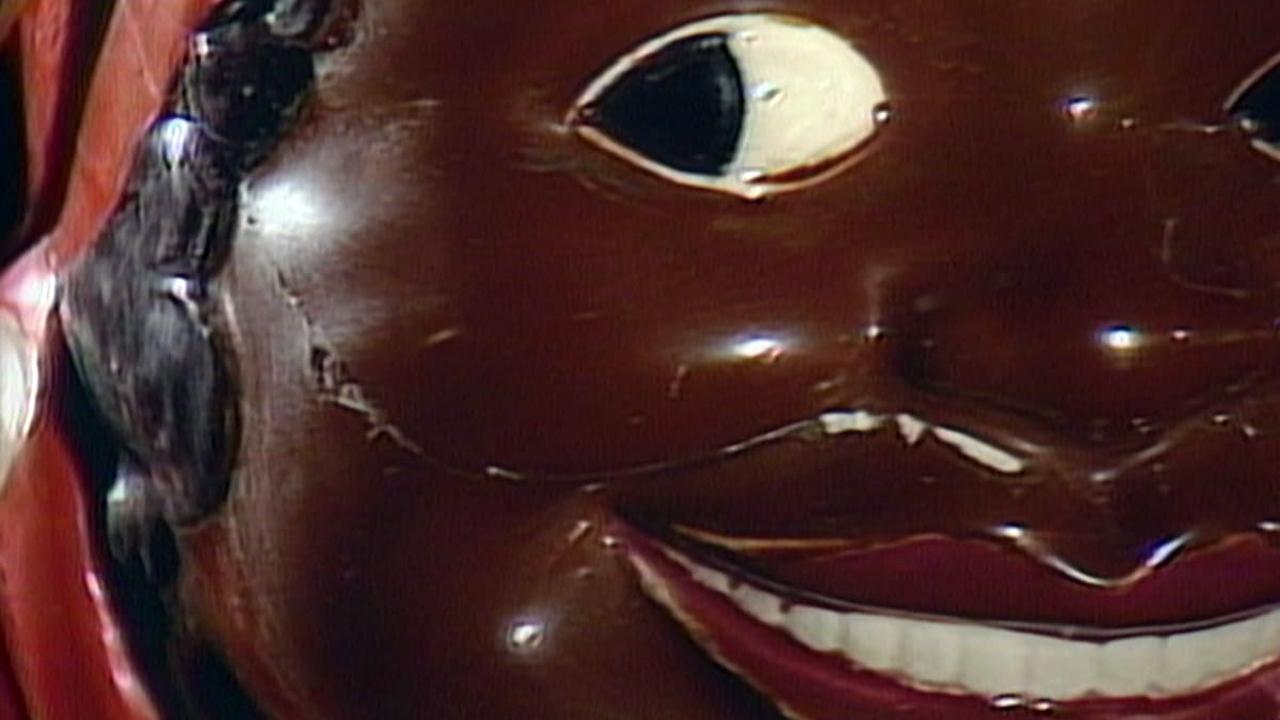
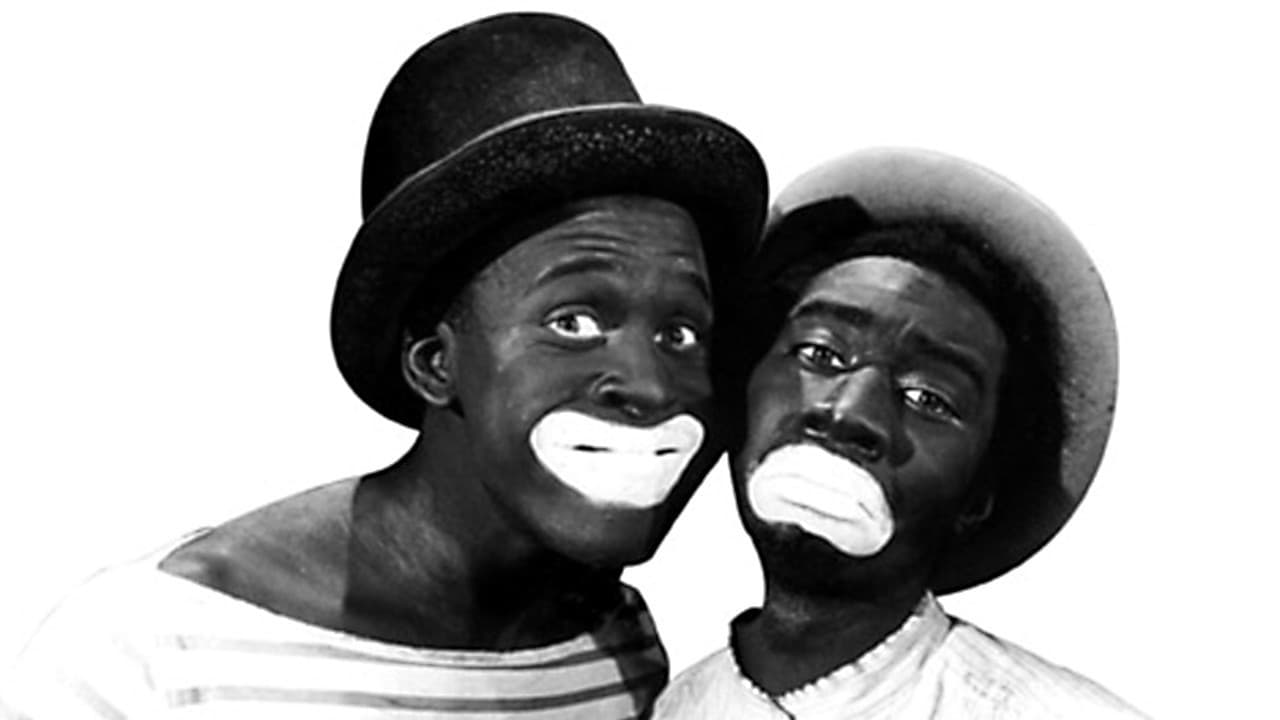
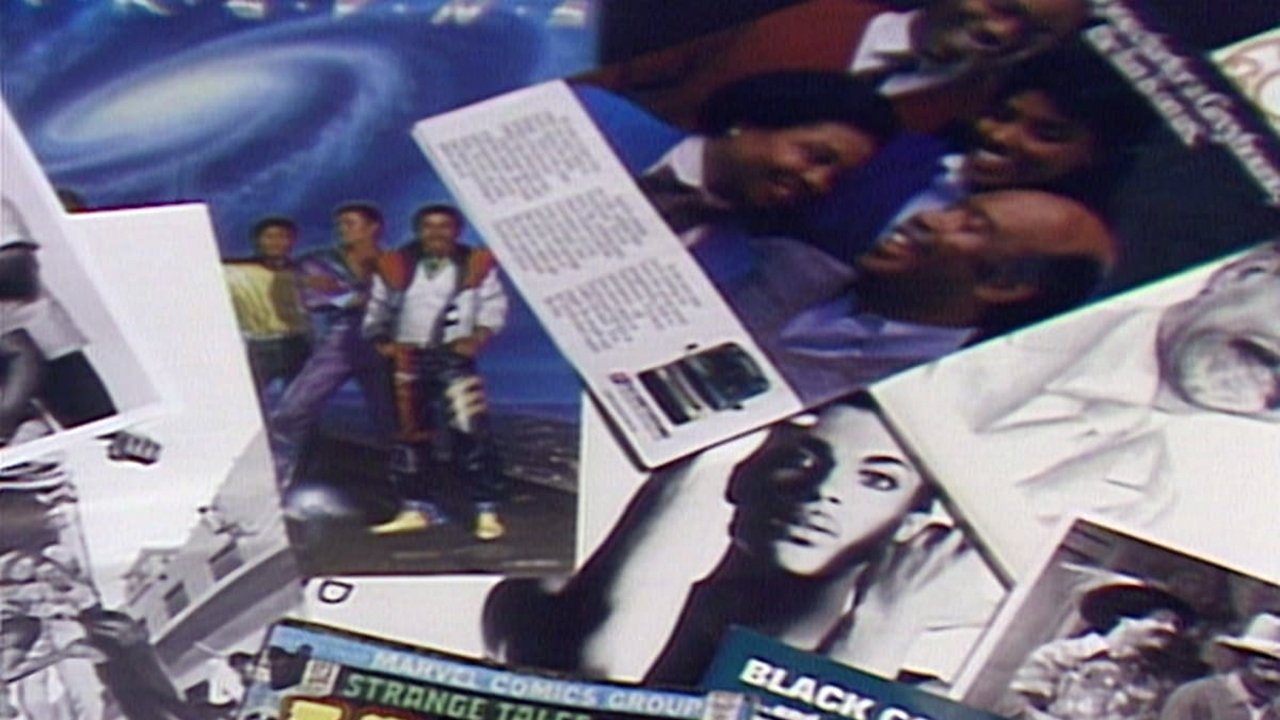
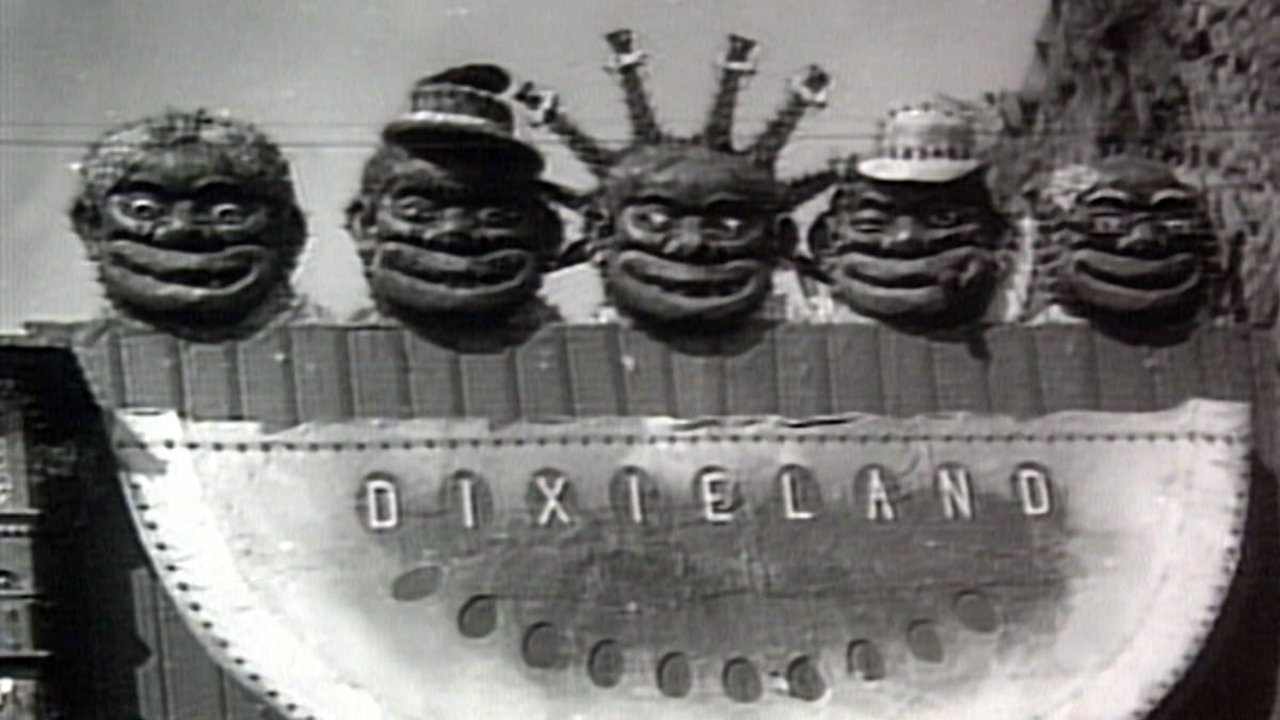
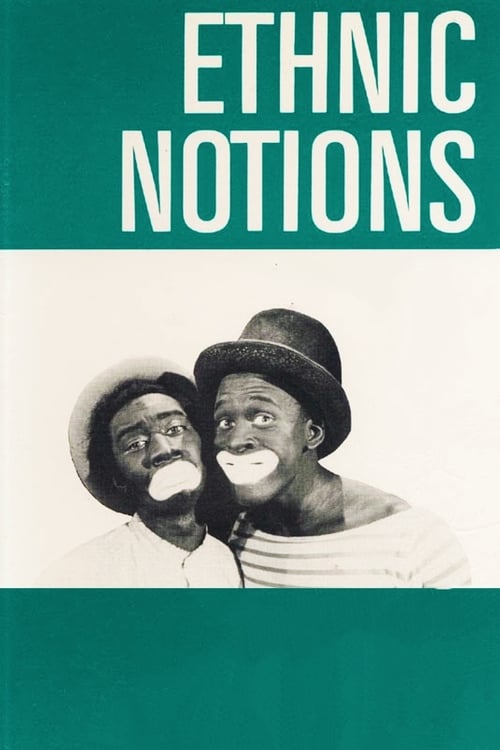
Popular culture, children’s books, mainstream entertainment, film, black stereotypes were portrayed everywhere and media. Despite its main use seemingly being to entertain an audience, they were harmful even more than some forms of racism. Putting these stereotypes in popular culture gives people the notion that these stereotypes are not only acceptable in modern and mainstream culture, but also a form of entertainment and casual life that’s teaching society a lesson of how bad blacks are.
True or not, the white world who already discriminated would buy into it since it was an attempt to confirm their already established beliefs. Children would believe blacks were wide lipped and ugly, and violent apes, because they see it through in impressionable kid mind in all the books they read that are seemingly giving them more general awareness about basic world standards. The only gateway for black people in entertainment at times was through reinforcing racial stereotypes about their own race through black face or portraying blacks as happy to serve the whites through entertainment while still in poverty and segregation.
Needless to say, the depicting of white stereotypes in general media isn’t just clouding to the minds of whites, it’s clouding to the minds of everyone. Black children and adults will become more insecure about their skin and personality because of how they’re portrayed as apes as well as grotesquely dark in the media, which eventually turns that insecurity into self loathing the further these stereotypes are engraved all around them in society. Trauma of slavery and segregation of blacks will be suppressed and sanitized through the white eyes who depict slaves and segregated blacks as “happy to serve” in film and media culture during these time of oppression that was advertising something of the opposite of what was actually happening.
Media is ultimately an escape from reality, take that how you will. It can be a good or bad escape. A good escape of an odyssey journey into imagination or creativity that inspires love and care for art. Or it can be a bad escape, inforcing false notions and stereotypes on race into the heads of many through popular culture and traditions made seem like casual entertainment and engagement for audiences rather than casual racial prejudice suppressing blacks voice and greater value in society. The goal was to enforce them, until we look past and are indifferent to explore the actual facts of the real world, and have our perception of black reality controlled by those racial stereotypes that were depicted as an everyday thing.
It’s cray to think that cartoons or film or mere media promotion can sway us that much, but when aspects of them have things that try to mirror our real life conditions and state of the world, we could start to believe them. Not only do they become entertainment, but something bigger. Something that tries to inform the people by attempting to imitate the reality of life around and twist the image of that reality into the vision whites of discrimination, wanting more supremacy, want it to be. But nobody has to know that. If the media spreads nationwide enough and becomes a trend many follow, who’s to say it won’t keep spreading? If majority of people buy into it in the general population of society, then why won’t the next? This hardly even does the film justice, go watch it. Essential viewing
More in depth review on Cinephile Circle