Oreo Gang
“They pit the lifers against the new boys, the young against the old, the black against the white. Everything they do is to keep us in our place.
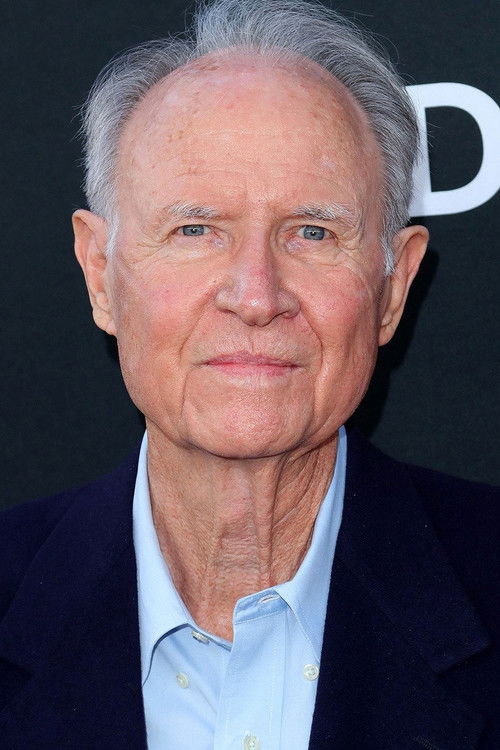
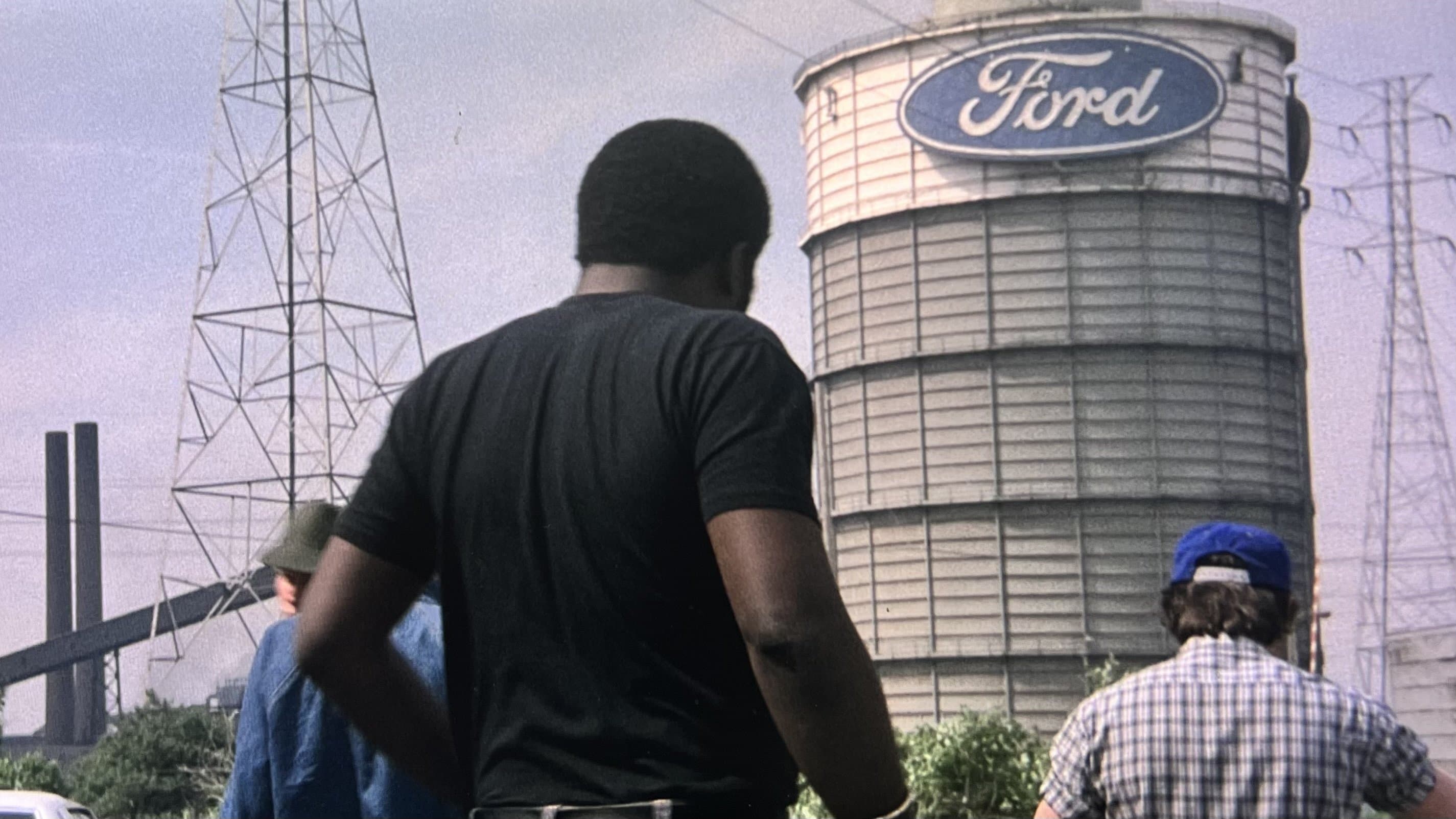
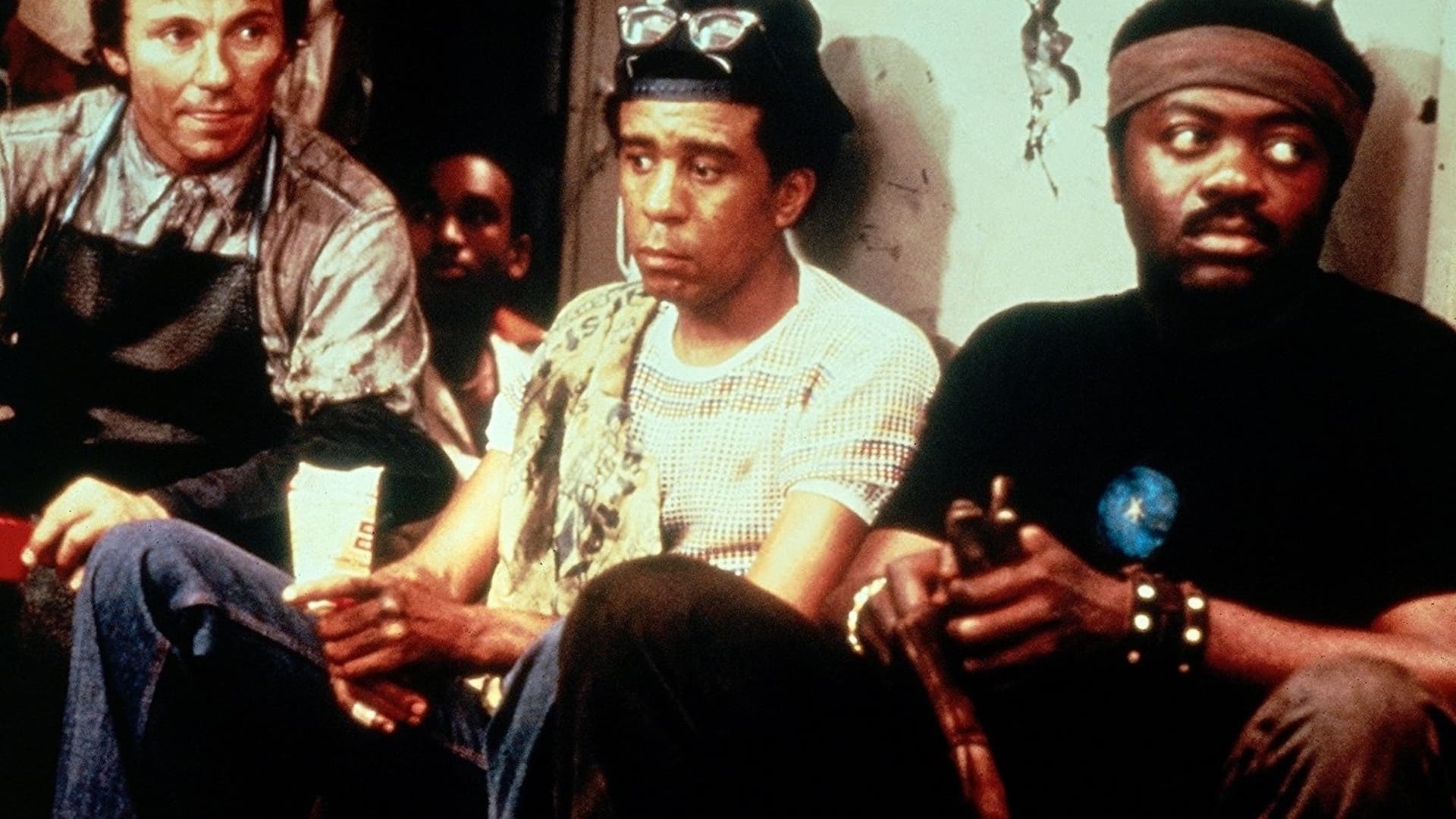
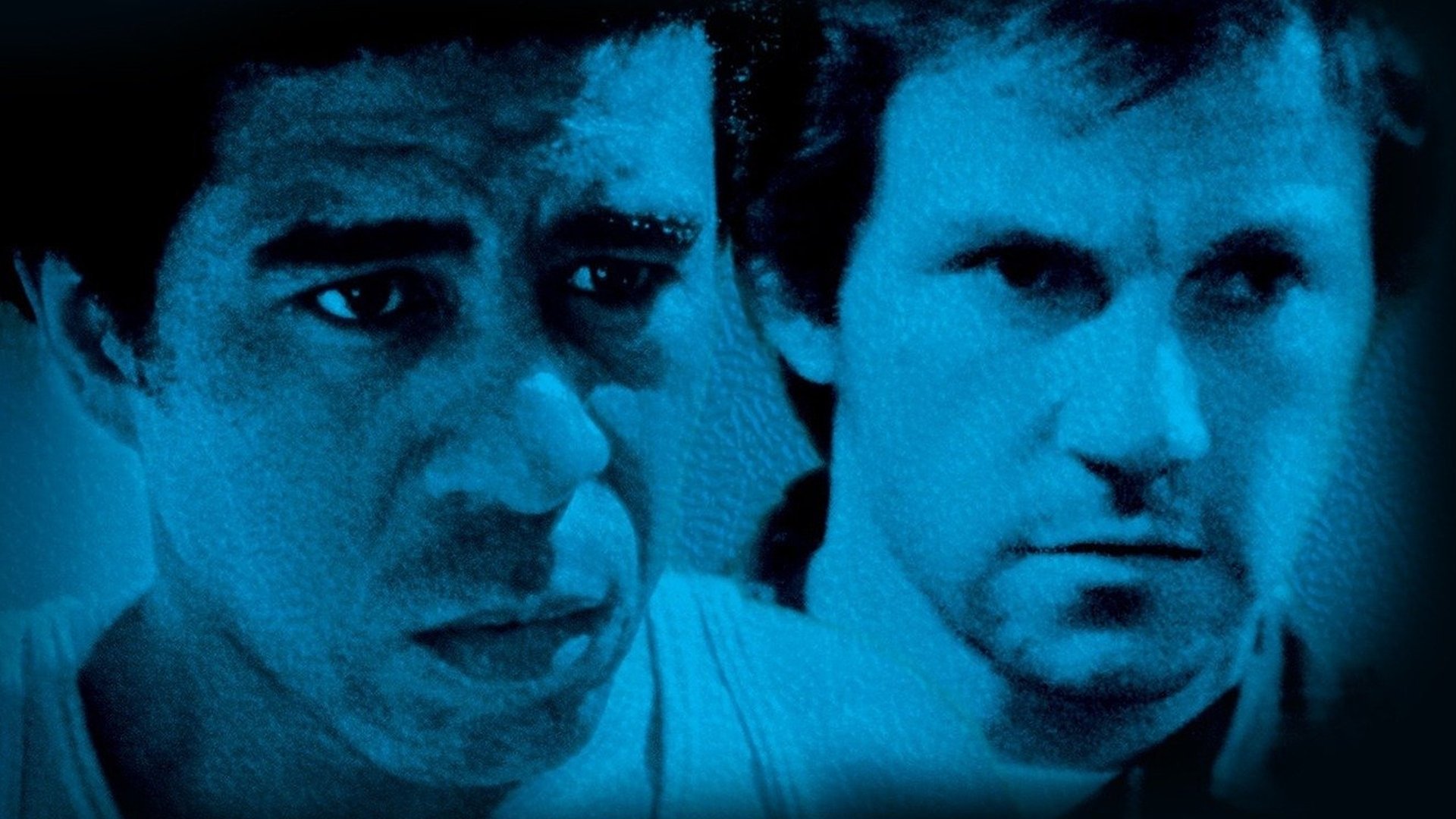
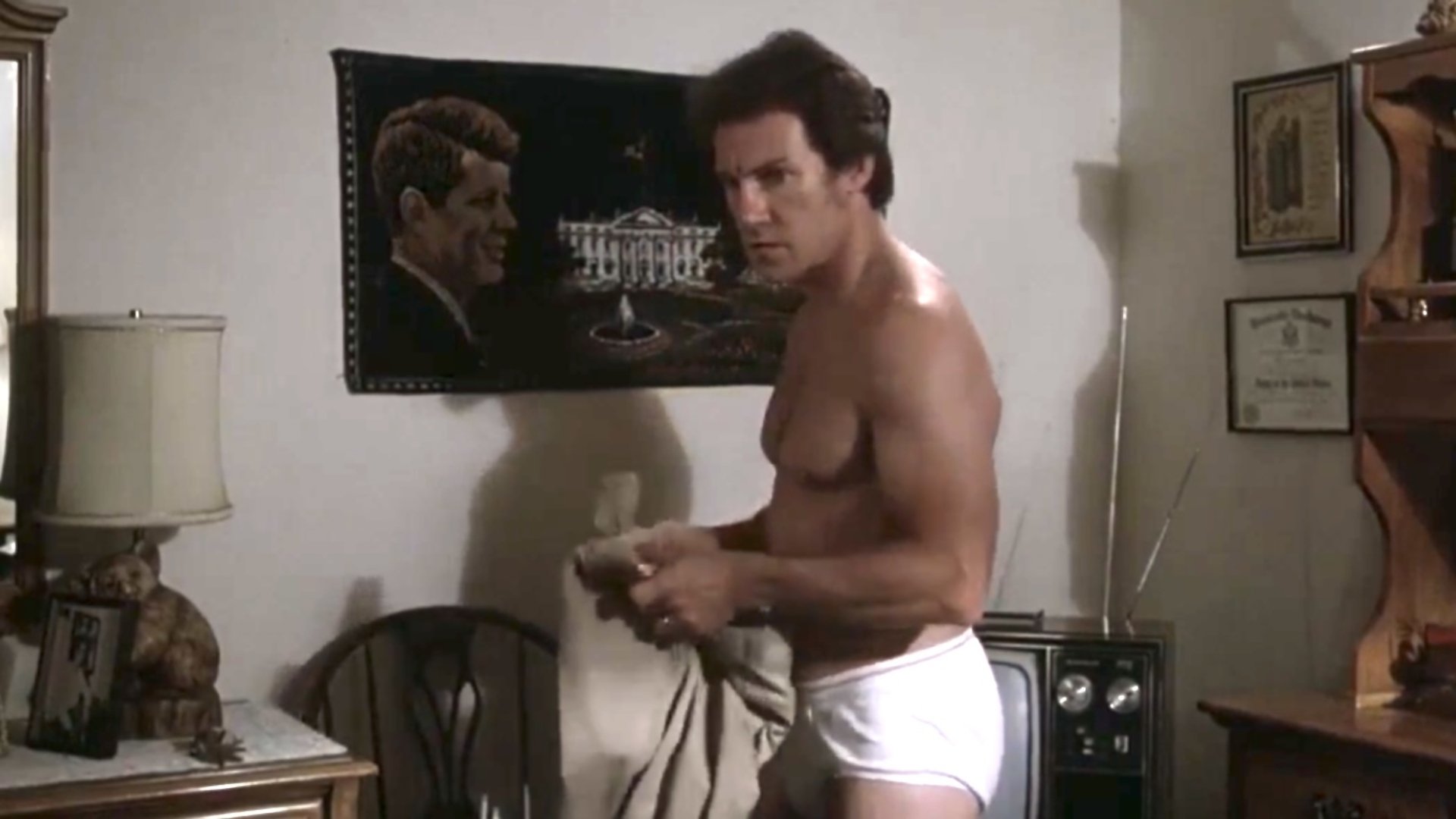
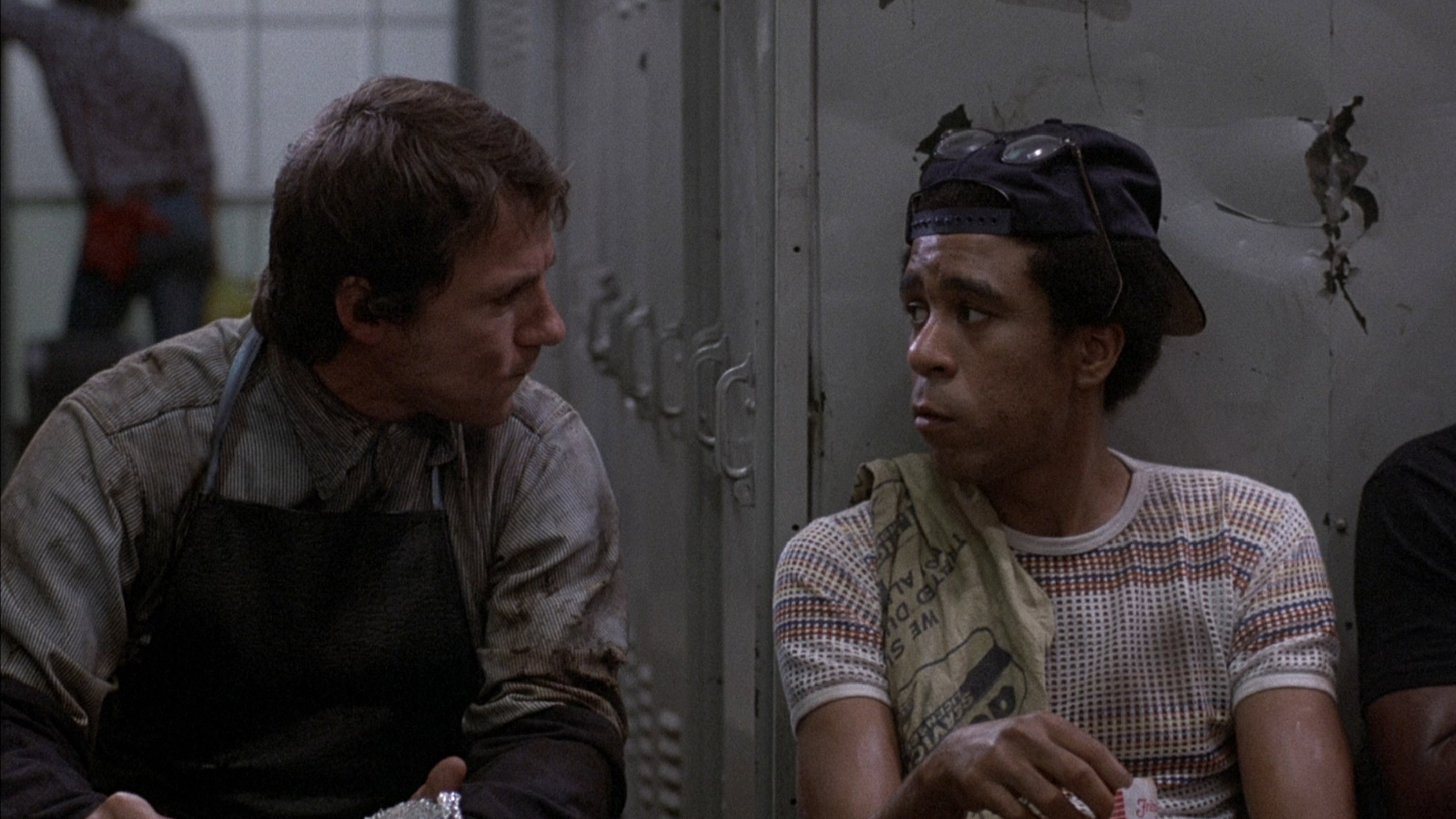
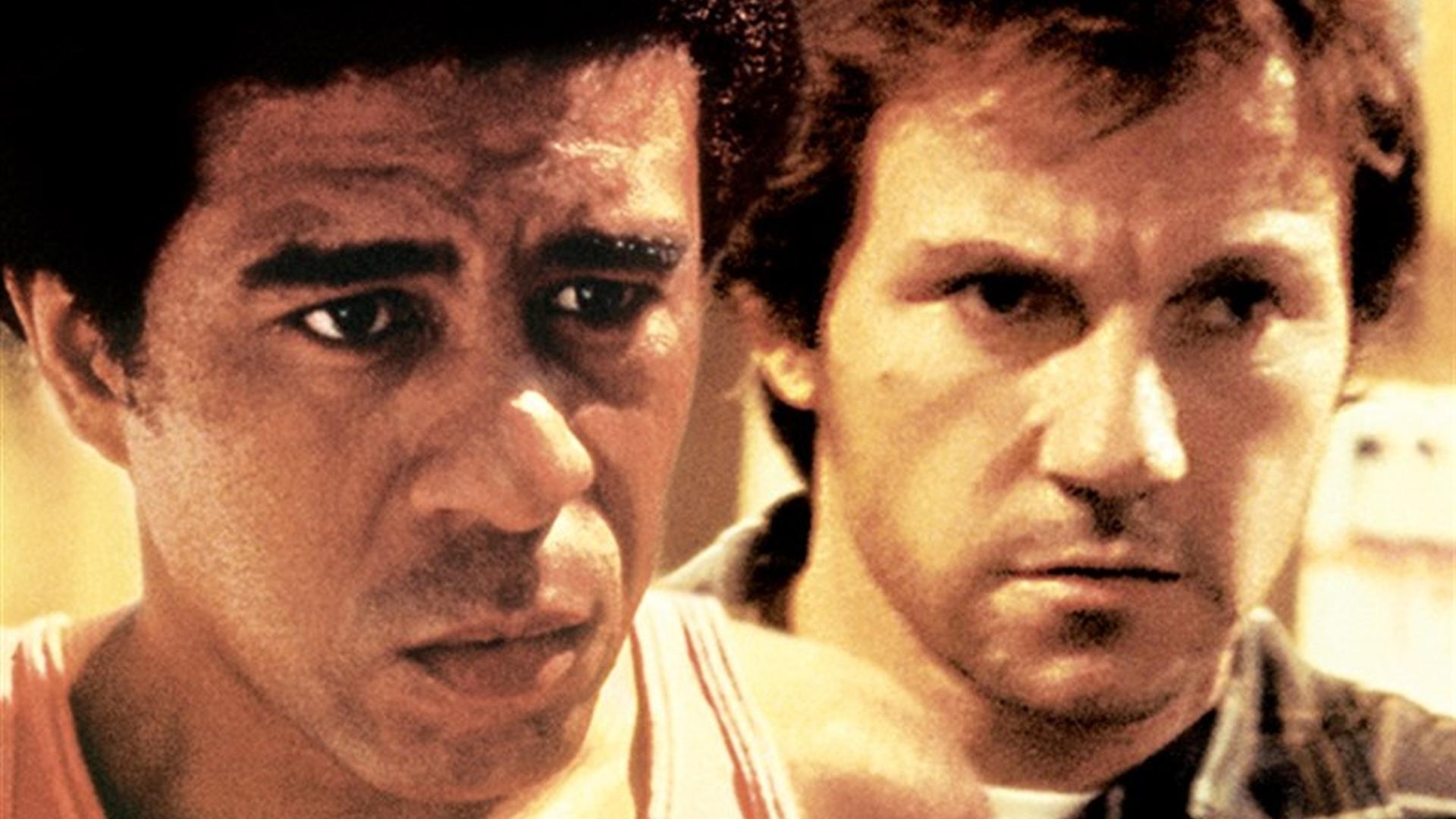
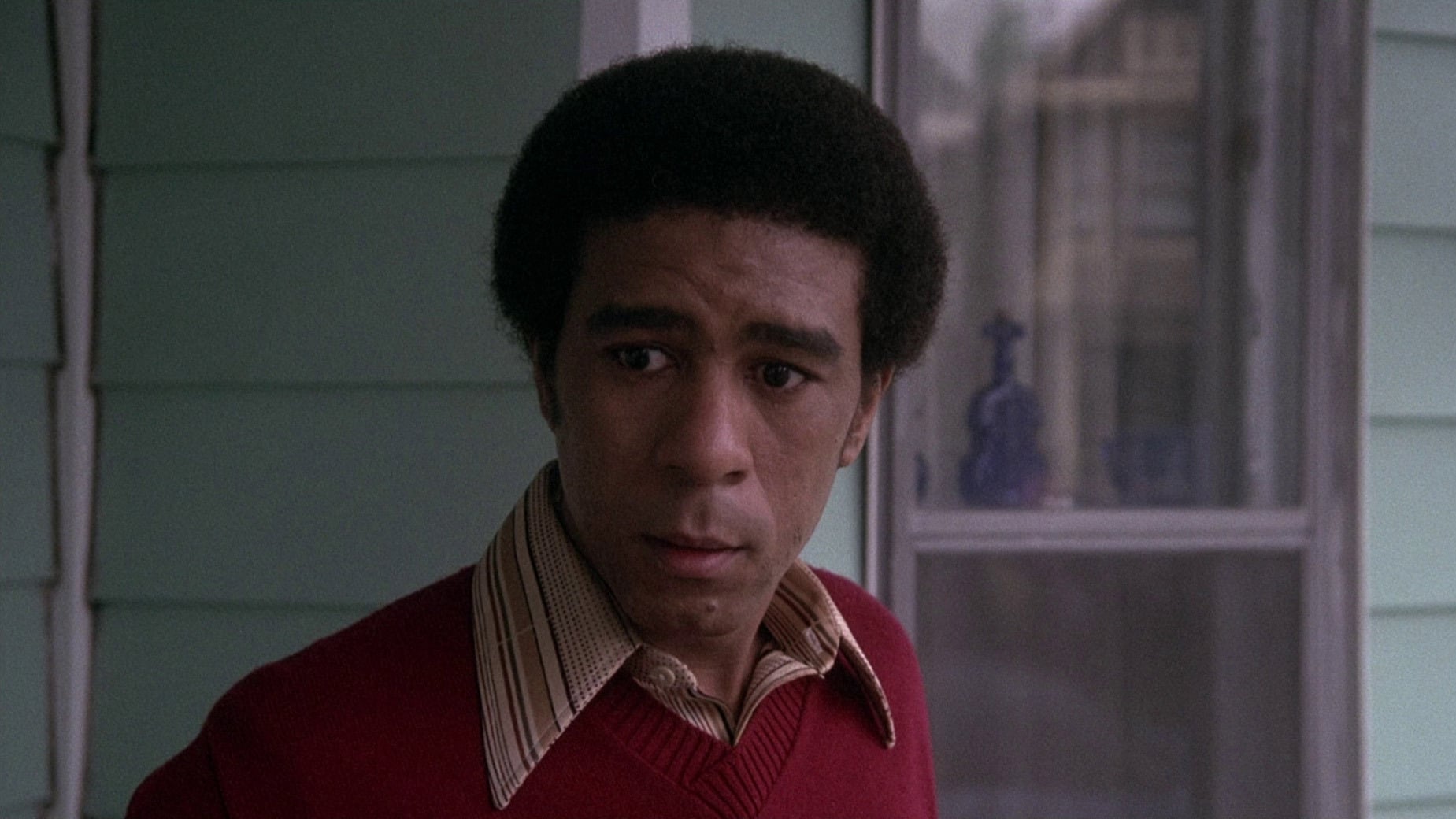
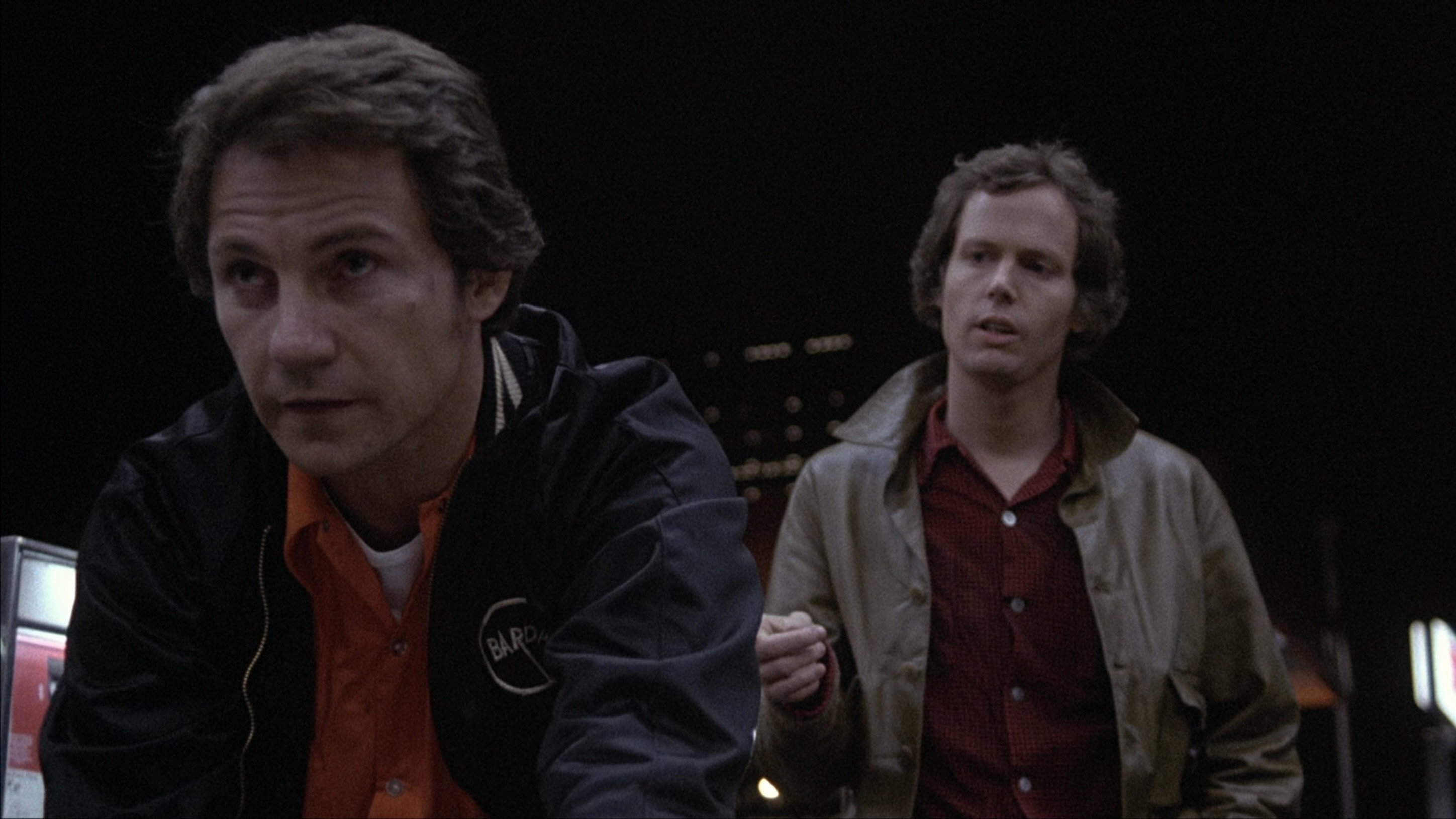
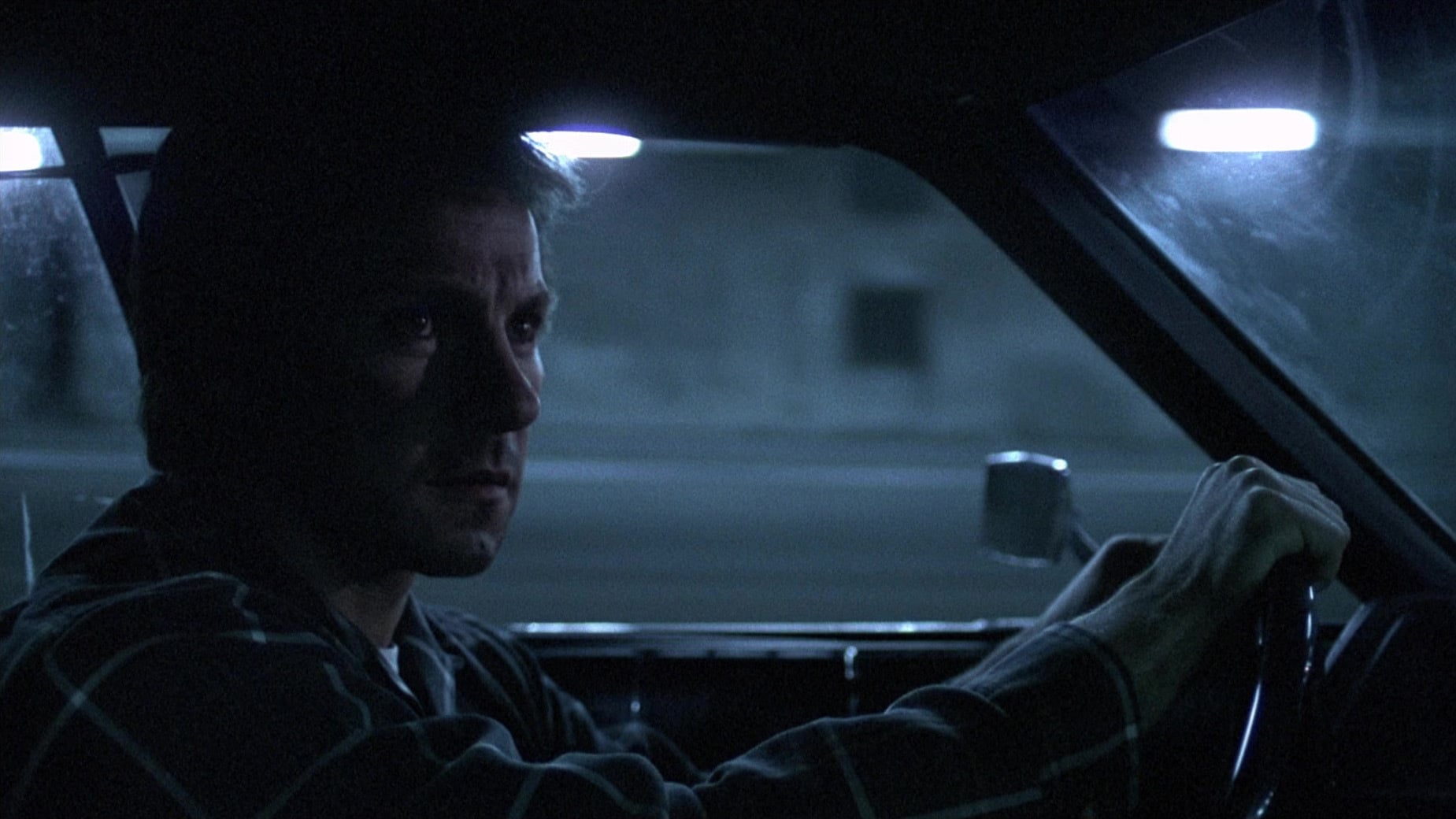
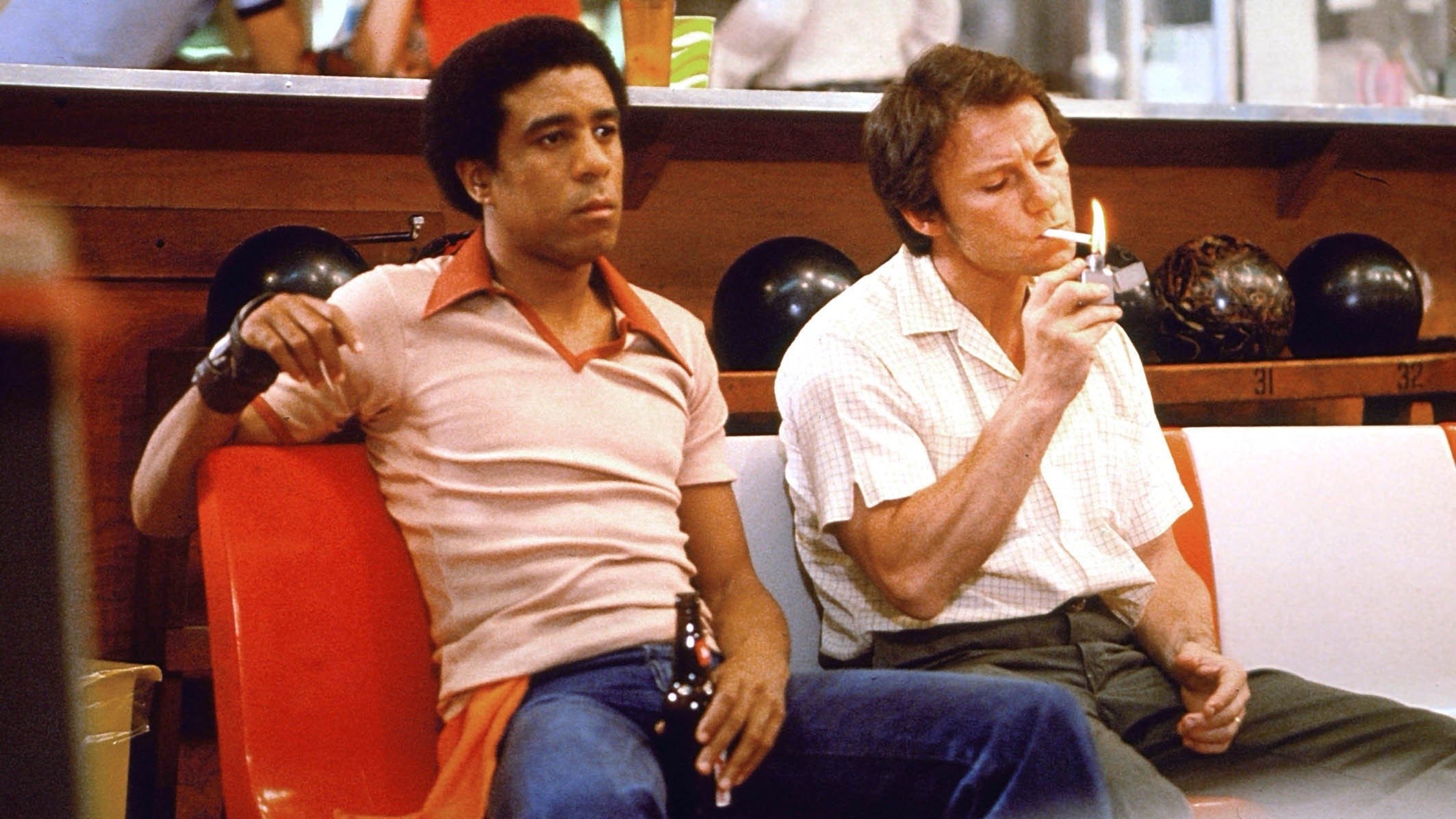
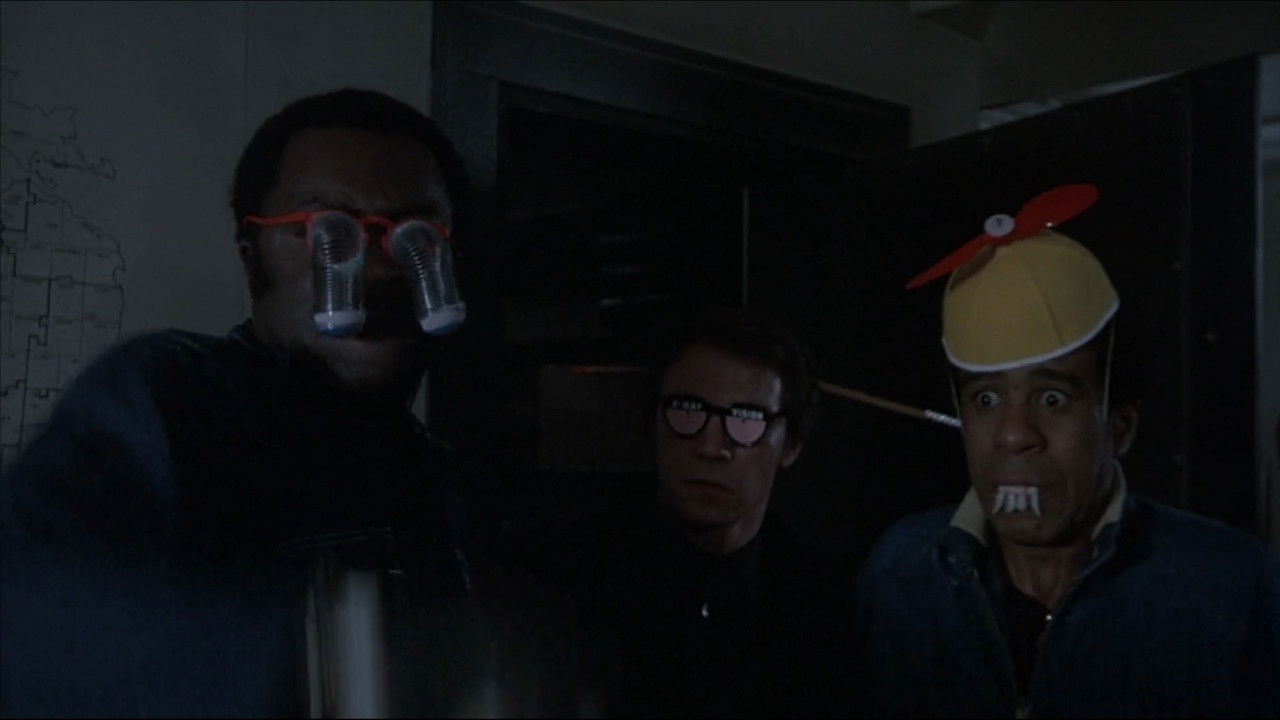
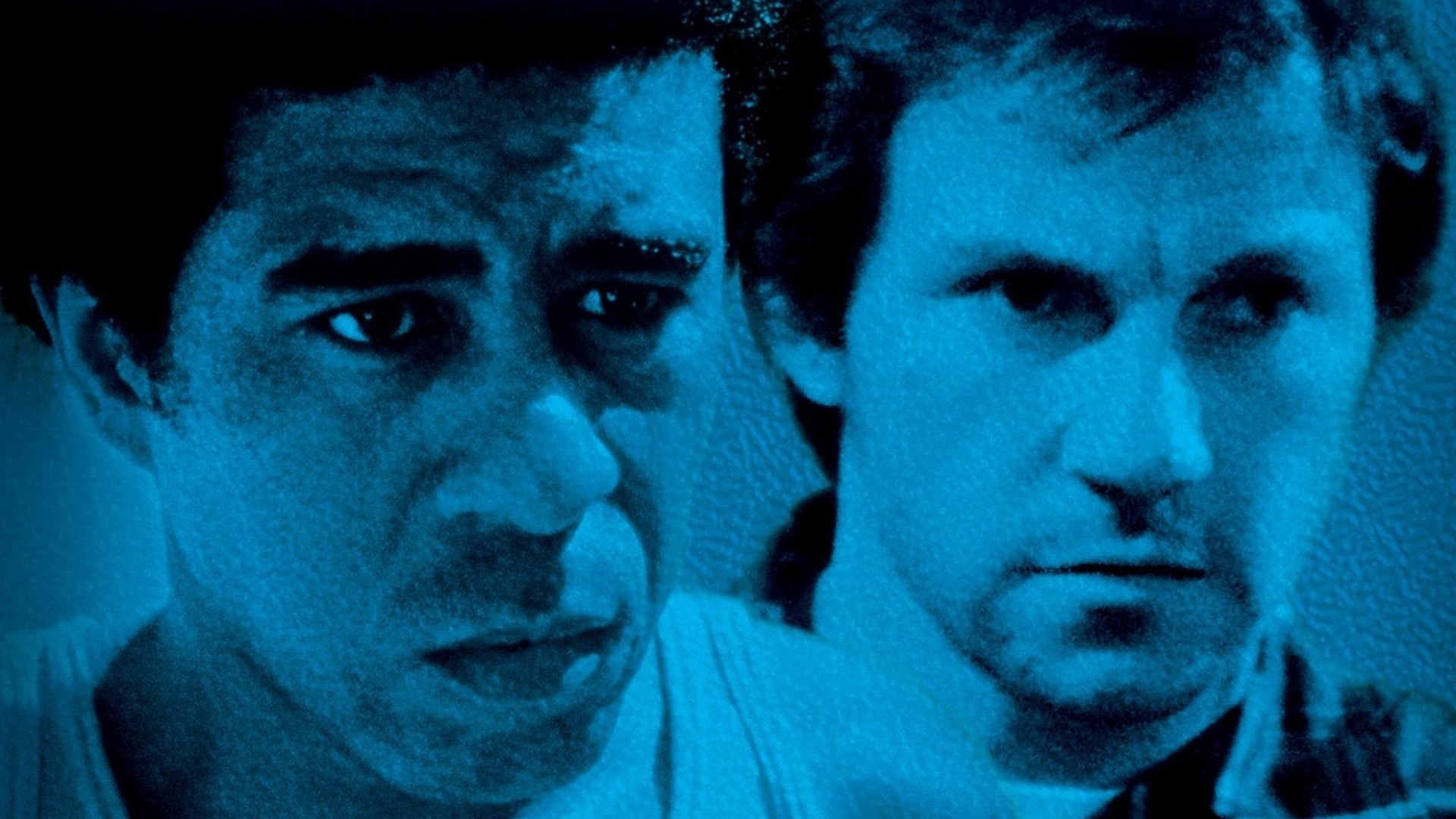
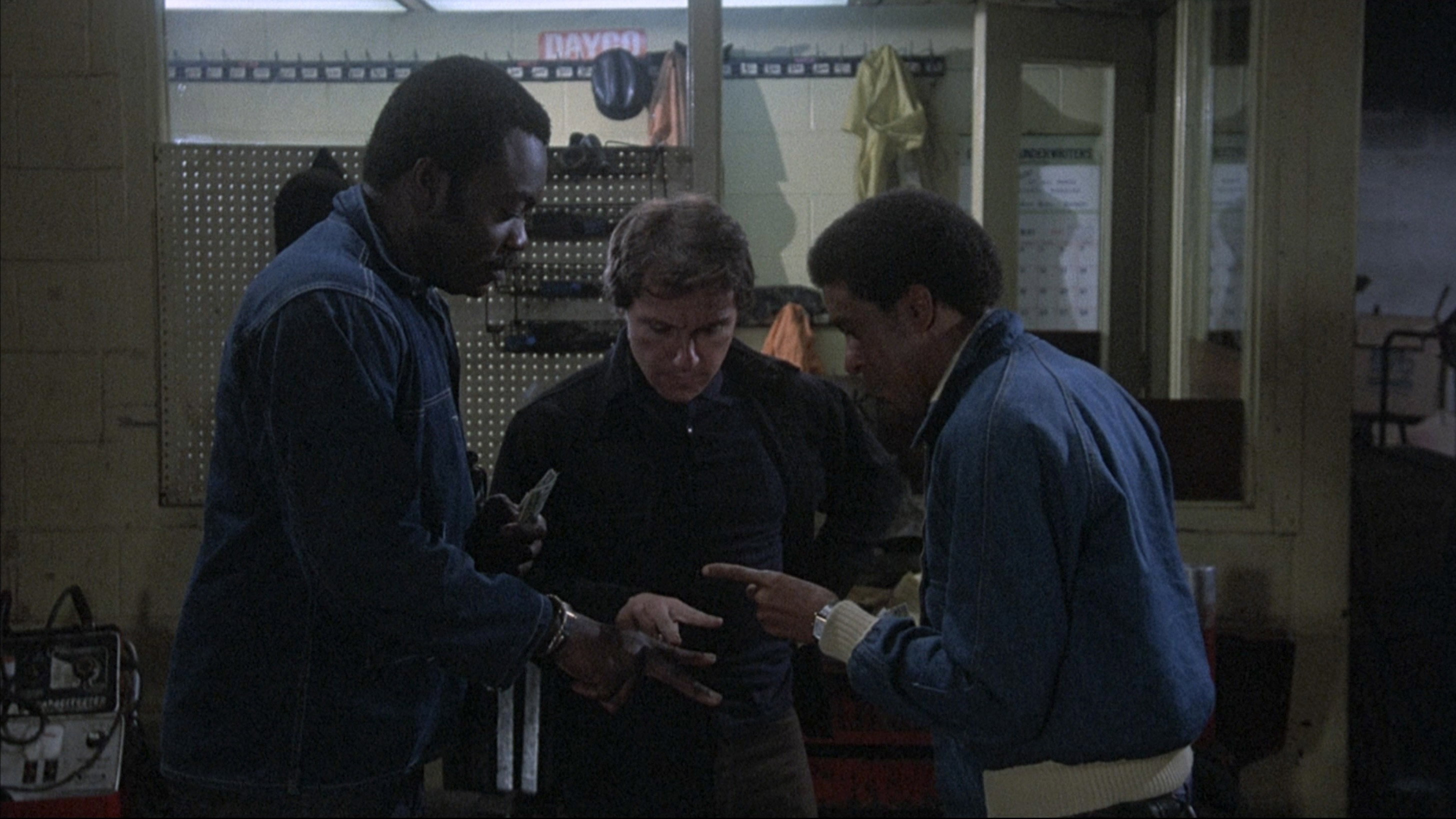
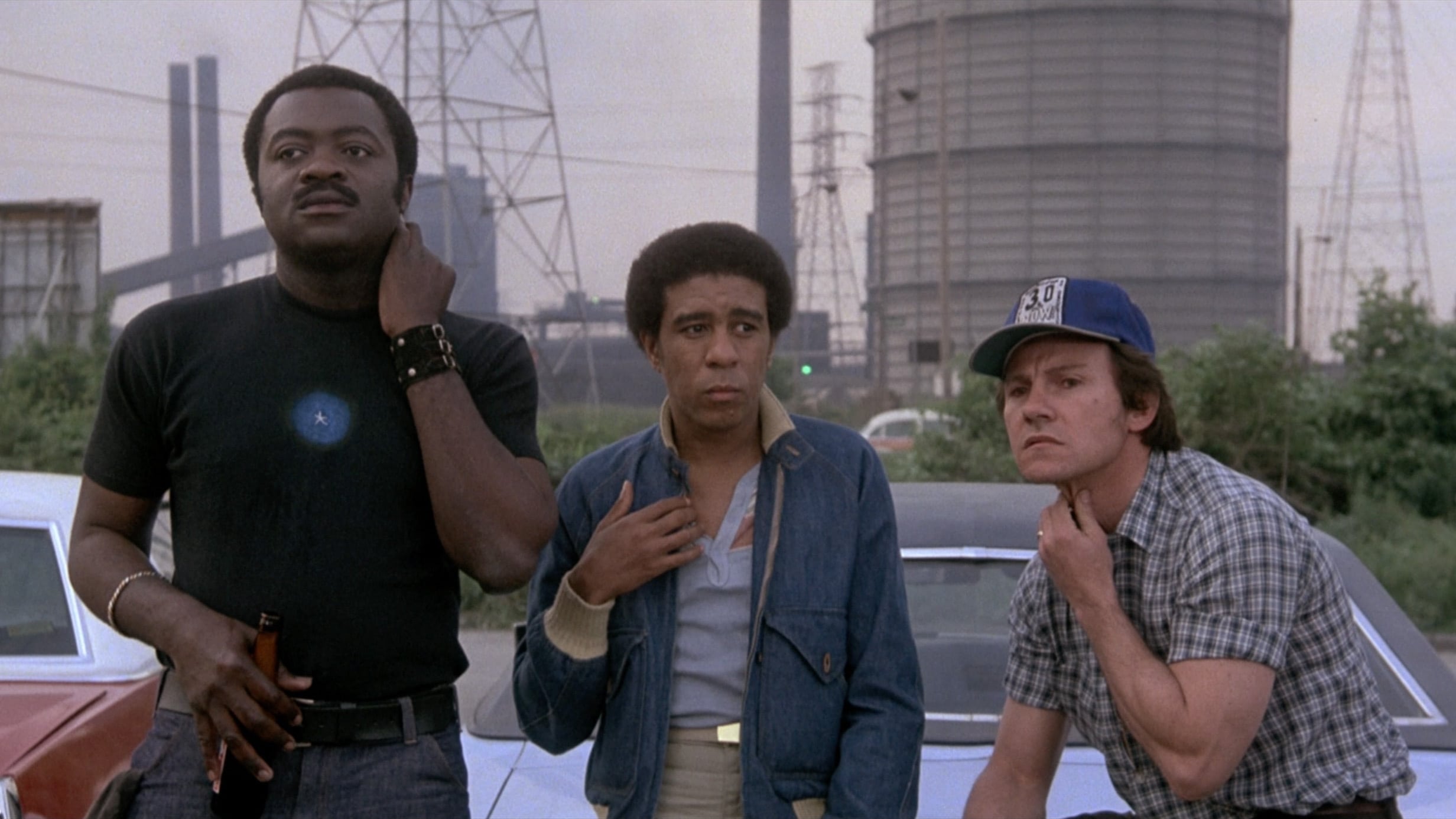
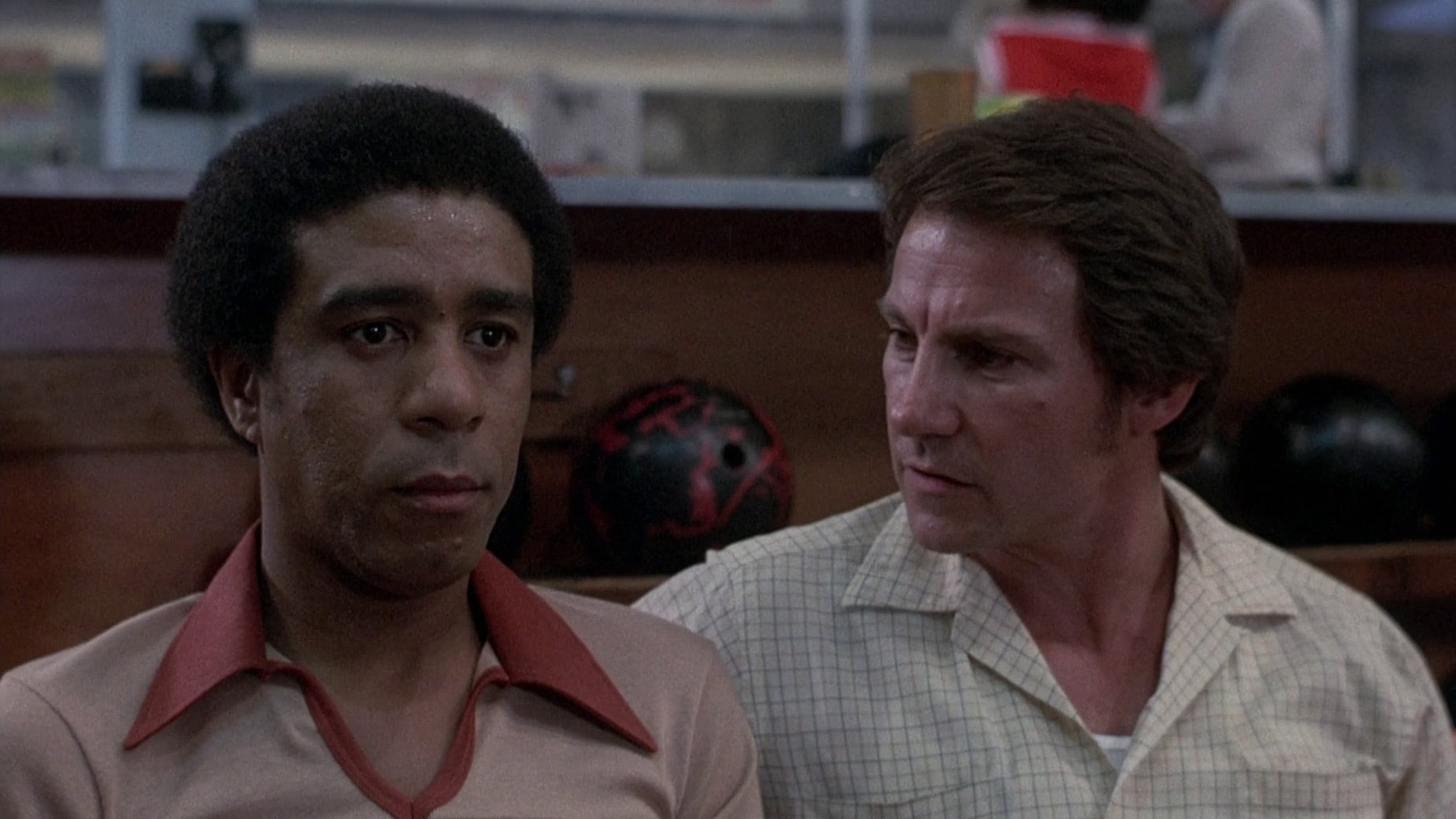
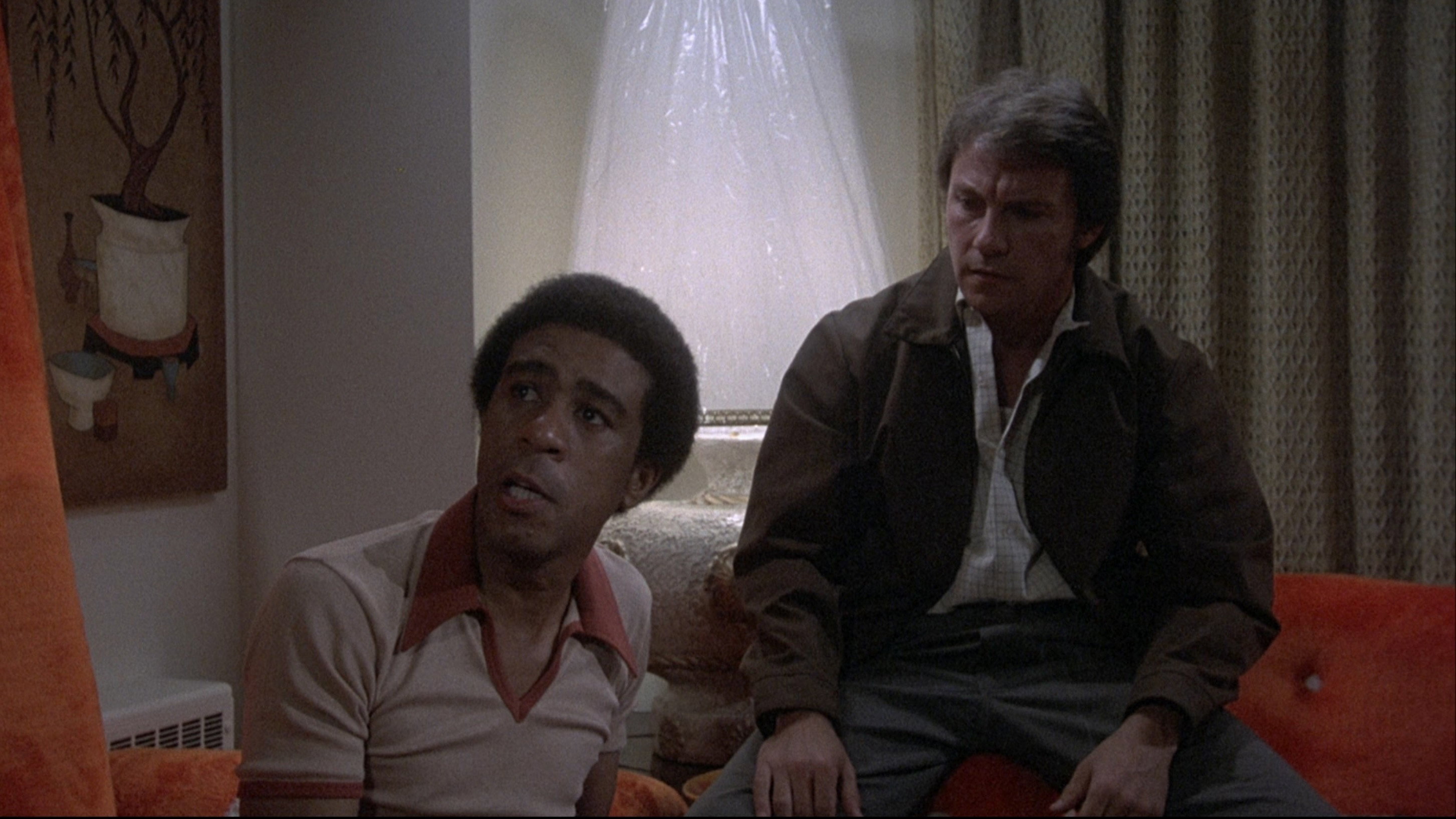
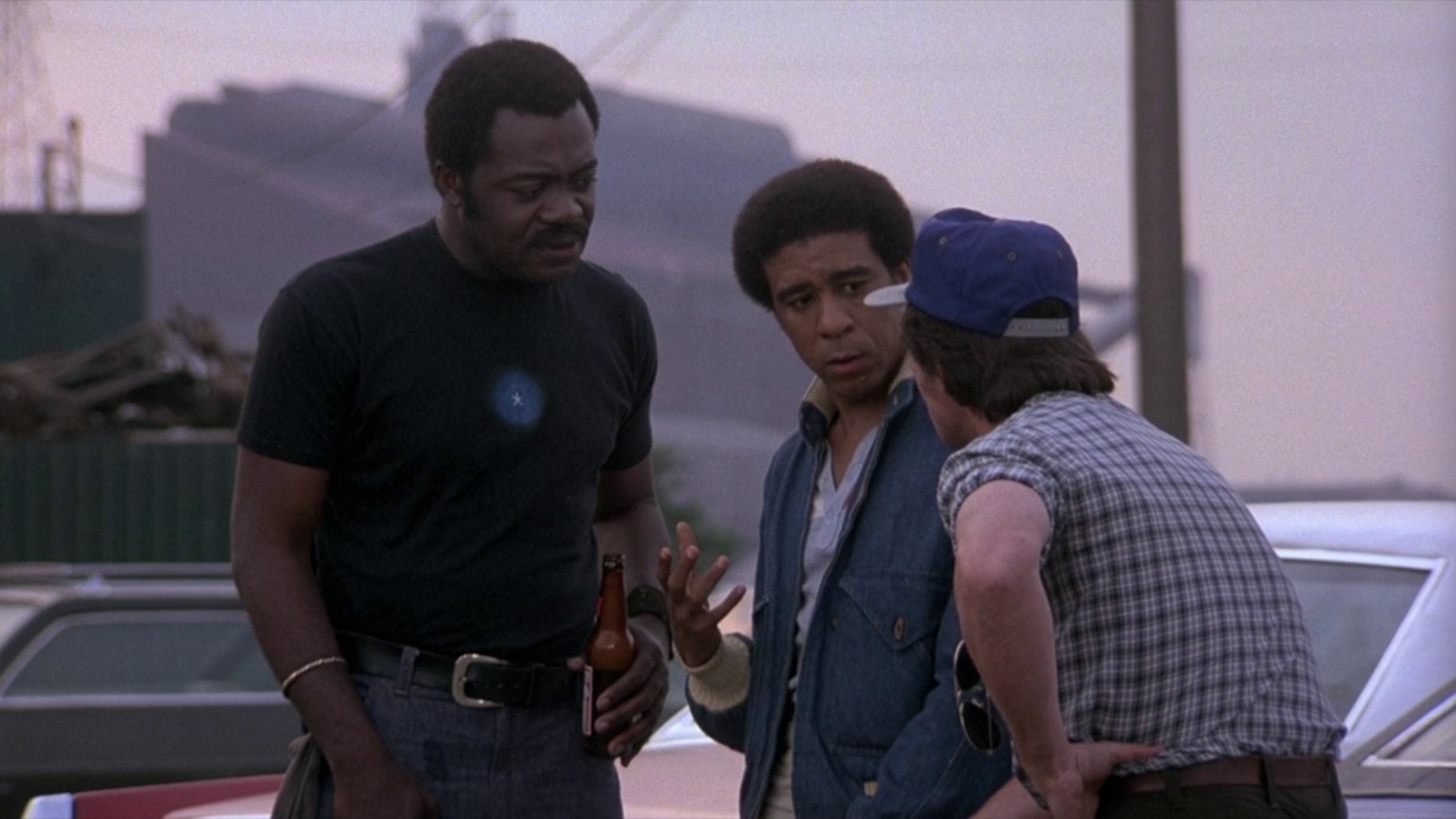
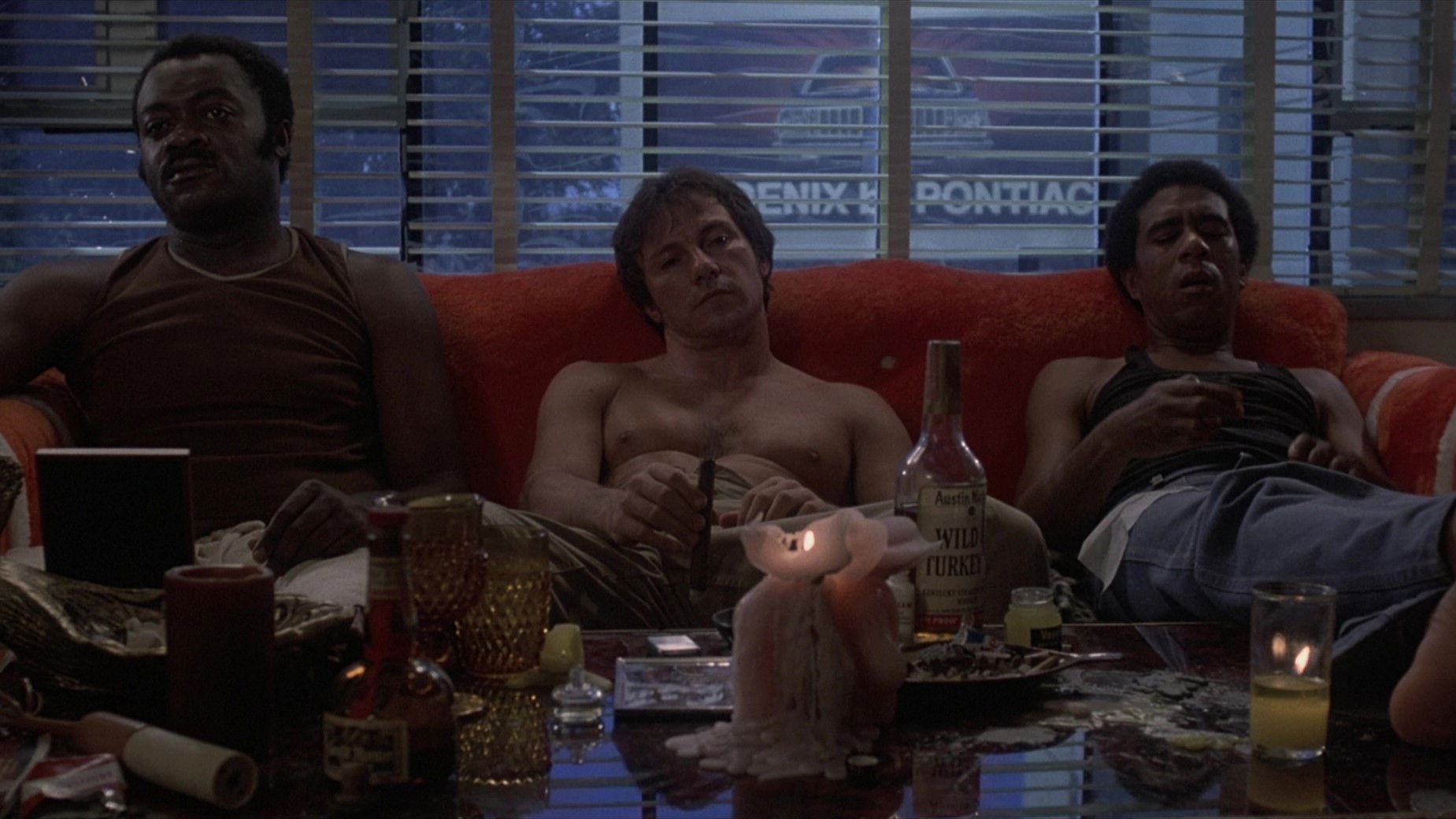
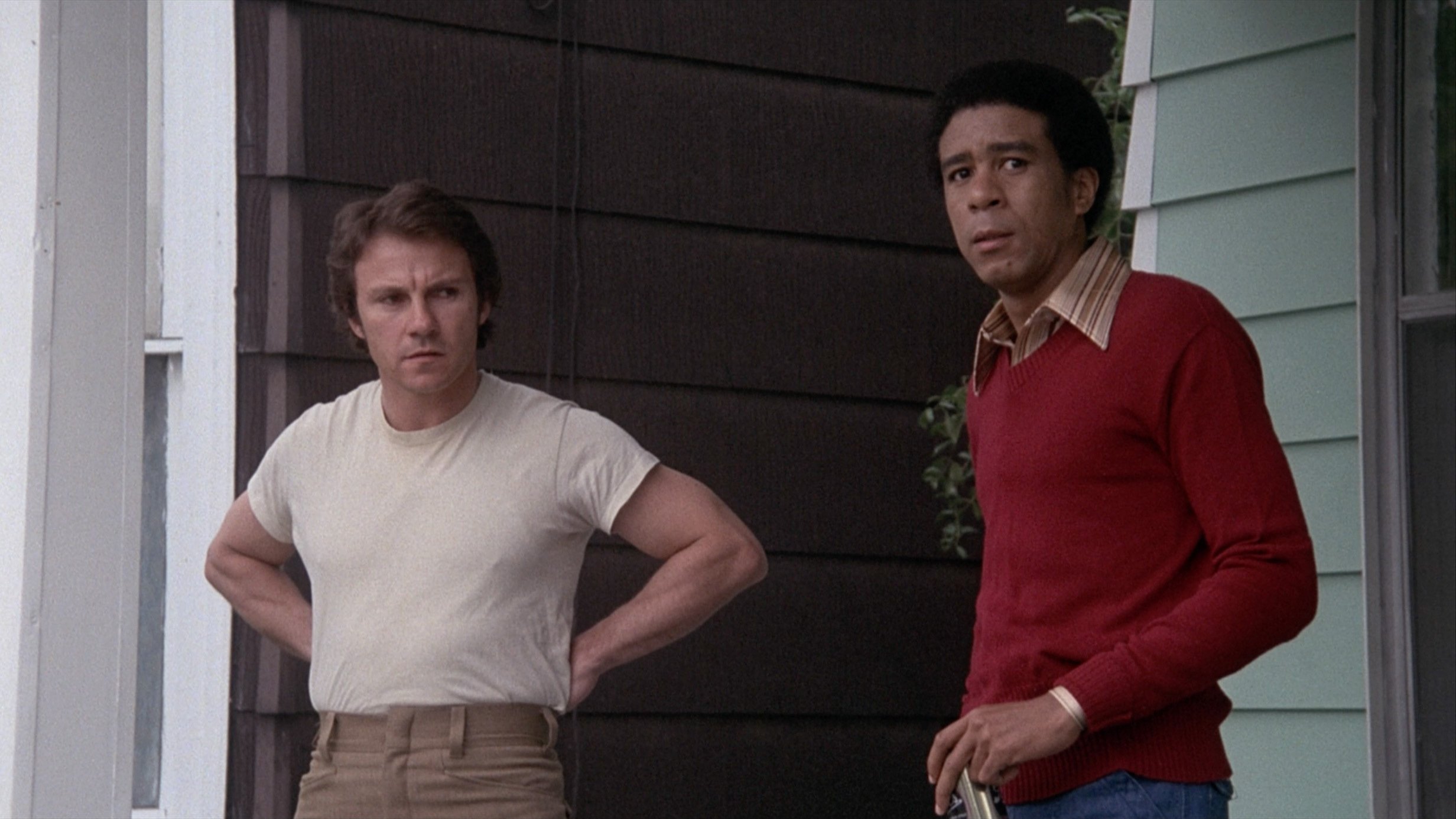
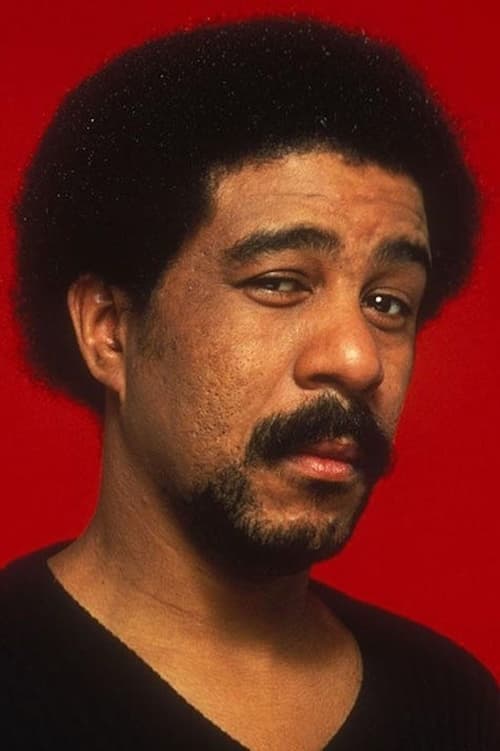
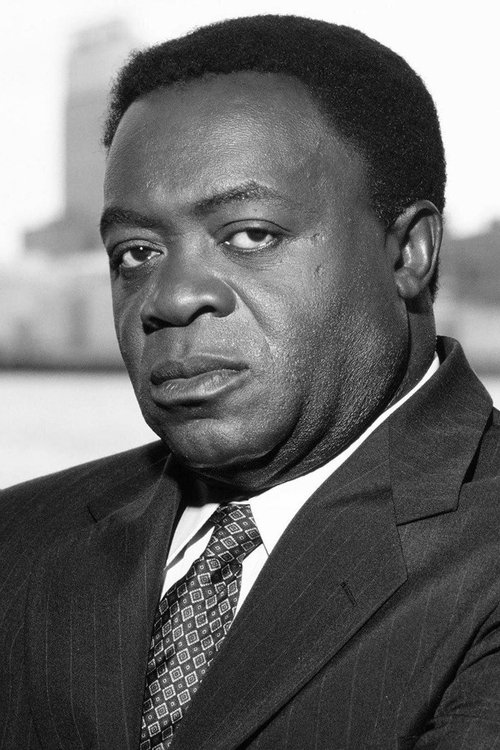
"Blue Collar," The film is notable for its raw and unflinching look at the lives of working-class Americans. Schrader avoids romanticizing the characters, presenting them as flawed, complex individuals struggling to make ends meet in a system that seems rigged against them. The performances are powerful, with Richard Pryor, Harvey Keitel, and Yaphet Kotto delivering memorable portrayals of men pushed to their limits.
One of the key elements of "Blue Collar" is its use of juxtaposition to highlight the contradictions and tensions within the characters' lives and the broader social context.
Union vs. Workers: The film juxtaposes the idealized image of the union as a protector of workers' rights with the reality of its corruption and self-serving bureaucracy. This contrast is evident in scenes where union leaders preach solidarity while simultaneously exploiting their members.
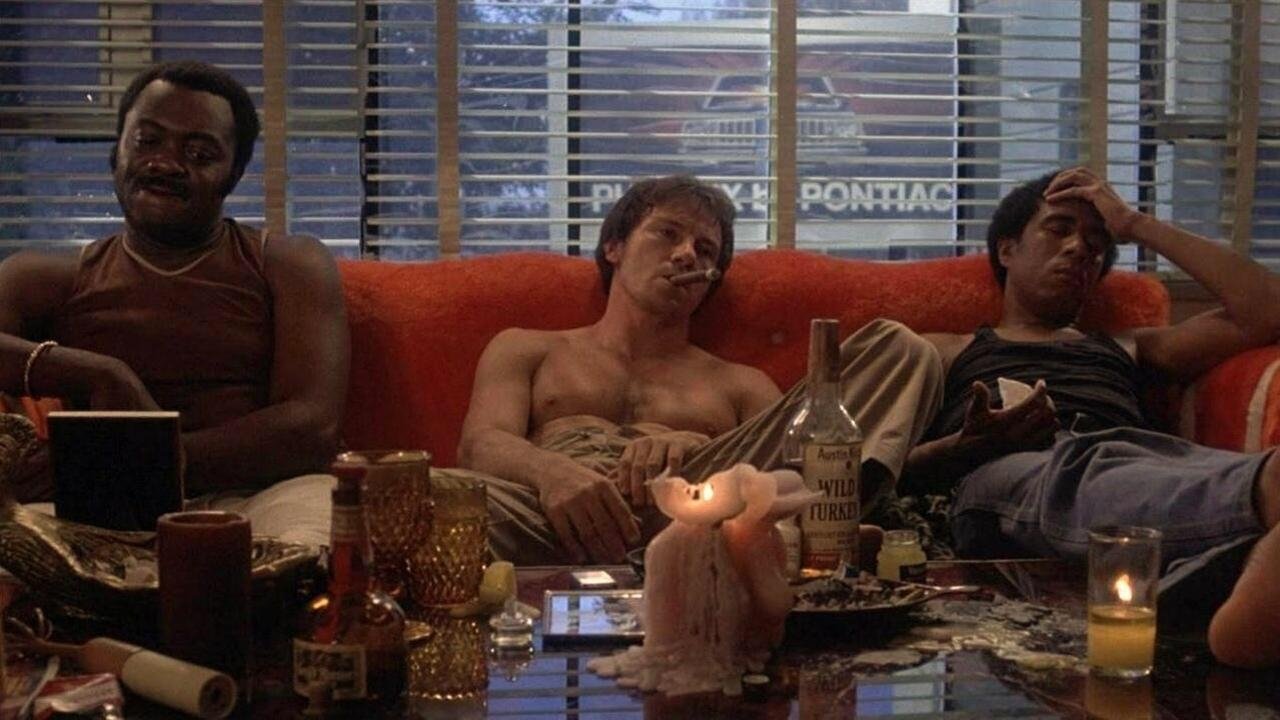
Friendship vs. Self-Interest: The bond between Zeke, Jerry, and Smokey is constantly juxtaposed with their individual desires and self-interests. As the film progresses, their friendship is tested by paranoia and greed, leading to betrayal and ultimately, tragedy.
Dreams vs. Reality: The characters' aspirations for a better life are juxtaposed with the harsh realities of their working-class existence. They dream of escaping their financial struggles, but their limited opportunities and systemic obstacles make these dreams seem unattainable.
Symbolism also plays a significant role in conveying the film's themes:
The Assembly Line: The repetitive, dehumanizing nature of the assembly line symbolizes the alienation and exploitation of the working class. It represents a system that values productivity over the well-being of the individual.
The Color Blue: The recurring use of the color blue, particularly in the factory setting, symbolizes the monotonous and oppressive environment in which the characters are trapped. It also represents the "blue-collar" identity, which carries both pride and stigma.
In conclusion, "Blue Collar" is a powerful and thought-provoking film that uses juxtaposition and symbolism to explore the challenges and contradictions of working-class life in America. It offers a critical perspective on the role of unions, the nature of friendship, and the elusive pursuit of the American dream.
Oreo Gang
“They pit the lifers against the new boys, the young against the old, the black against the white. Everything they do is to keep us in our place.
"Blue Collar," The film is notable for its raw and unflinching look at the lives of working-class Americans. Schrader avoids romanticizing the characters, presenting them as flawed, complex individuals struggling to make ends meet in a system that seems rigged against them. The performances are powerful, with Richard Pryor, Harvey Keitel, and Yaphet Kotto delivering memorable portrayals of men pushed to their limits.
One of the key elements of "Blue Collar" is its use of juxtaposition to highlight the contradictions and tensions within the characters' lives and the broader social context.
Union vs. Workers: The film juxtaposes the idealized image of the union as a protector of workers' rights with the reality of its corruption and self-serving bureaucracy. This contrast is evident in scenes where union leaders preach solidarity while simultaneously exploiting their members.
Friendship vs. Self-Interest: The bond between Zeke, Jerry, and Smokey is constantly juxtaposed with their individual desires and self-interests. As the film progresses, their friendship is tested by paranoia and greed, leading to betrayal and ultimately, tragedy.
Dreams vs. Reality: The characters' aspirations for a better life are juxtaposed with the harsh realities of their working-class existence. They dream of escaping their financial struggles, but their limited opportunities and systemic obstacles make these dreams seem unattainable.
Symbolism also plays a significant role in conveying the film's themes:
The Assembly Line: The repetitive, dehumanizing nature of the assembly line symbolizes the alienation and exploitation of the working class. It represents a system that values productivity over the well-being of the individual.
The Color Blue: The recurring use of the color blue, particularly in the factory setting, symbolizes the monotonous and oppressive environment in which the characters are trapped. It also represents the "blue-collar" identity, which carries both pride and stigma.
In conclusion, "Blue Collar" is a powerful and thought-provoking film that uses juxtaposition and symbolism to explore the challenges and contradictions of working-class life in America. It offers a critical perspective on the role of unions, the nature of friendship, and the elusive pursuit of the American dream.