
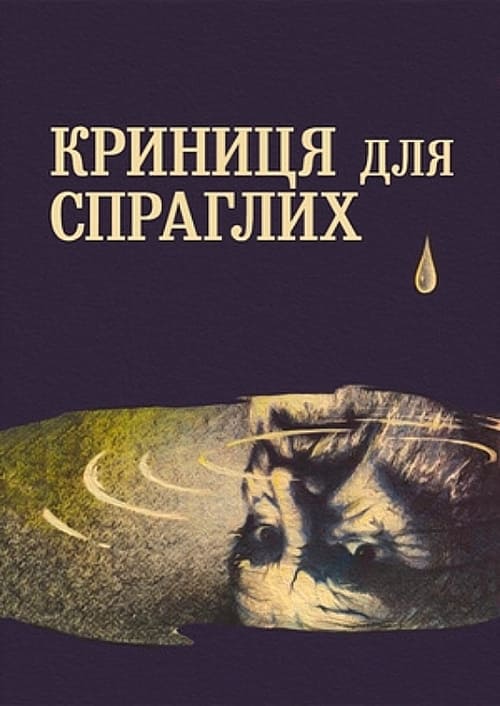
A Spring for the Thirsty
1965·Drama·1h 13m
7.1
★
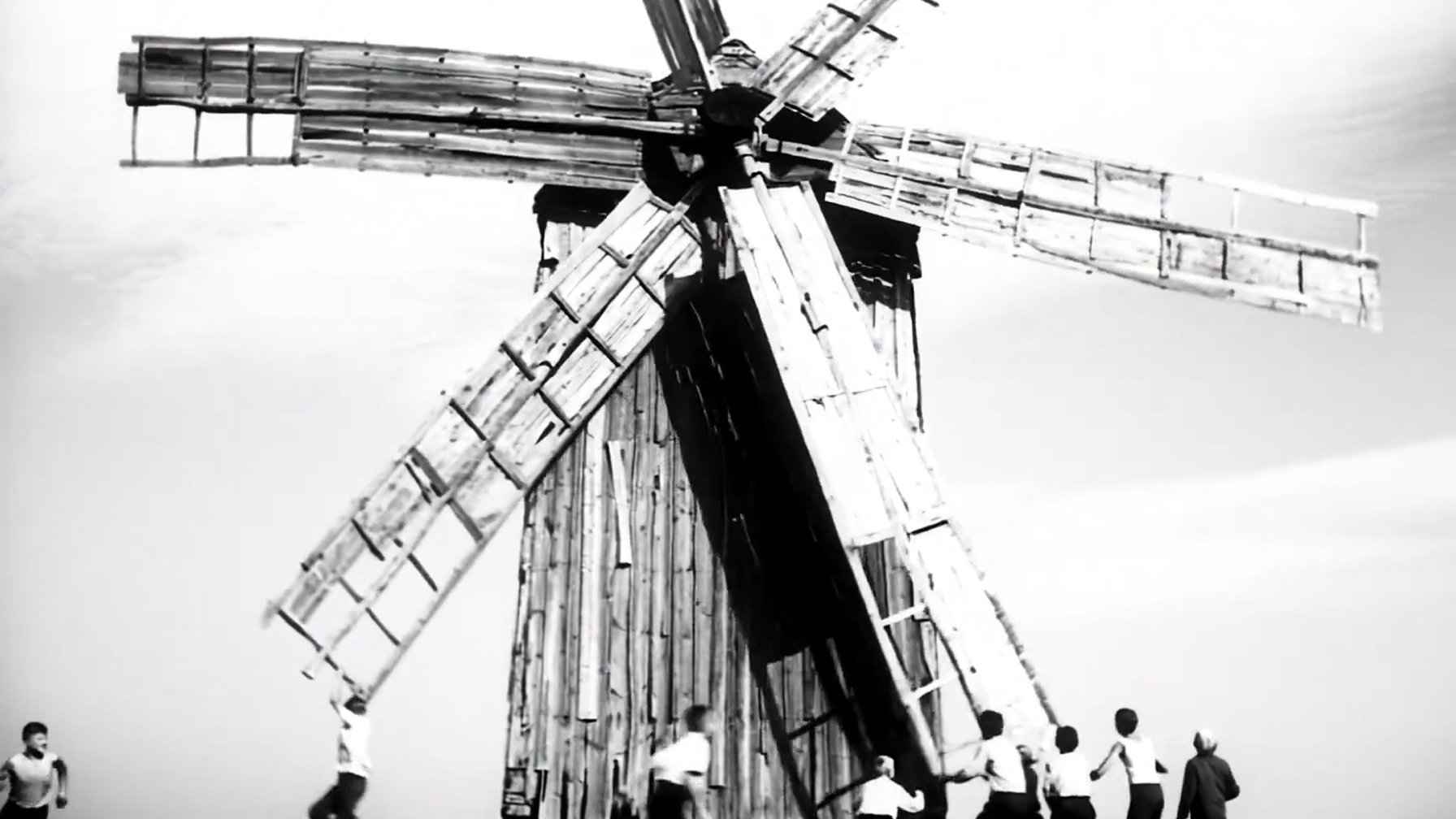
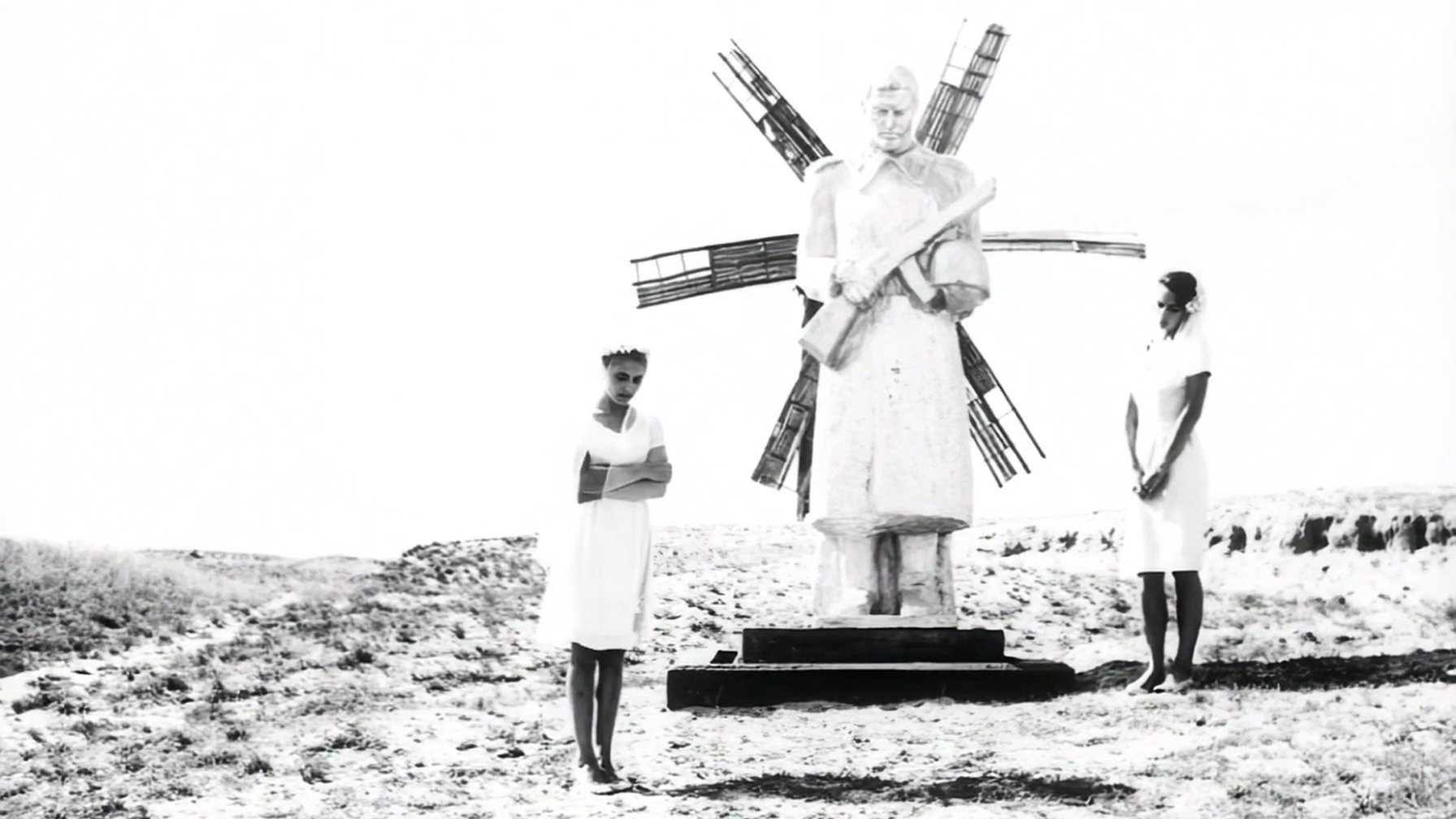
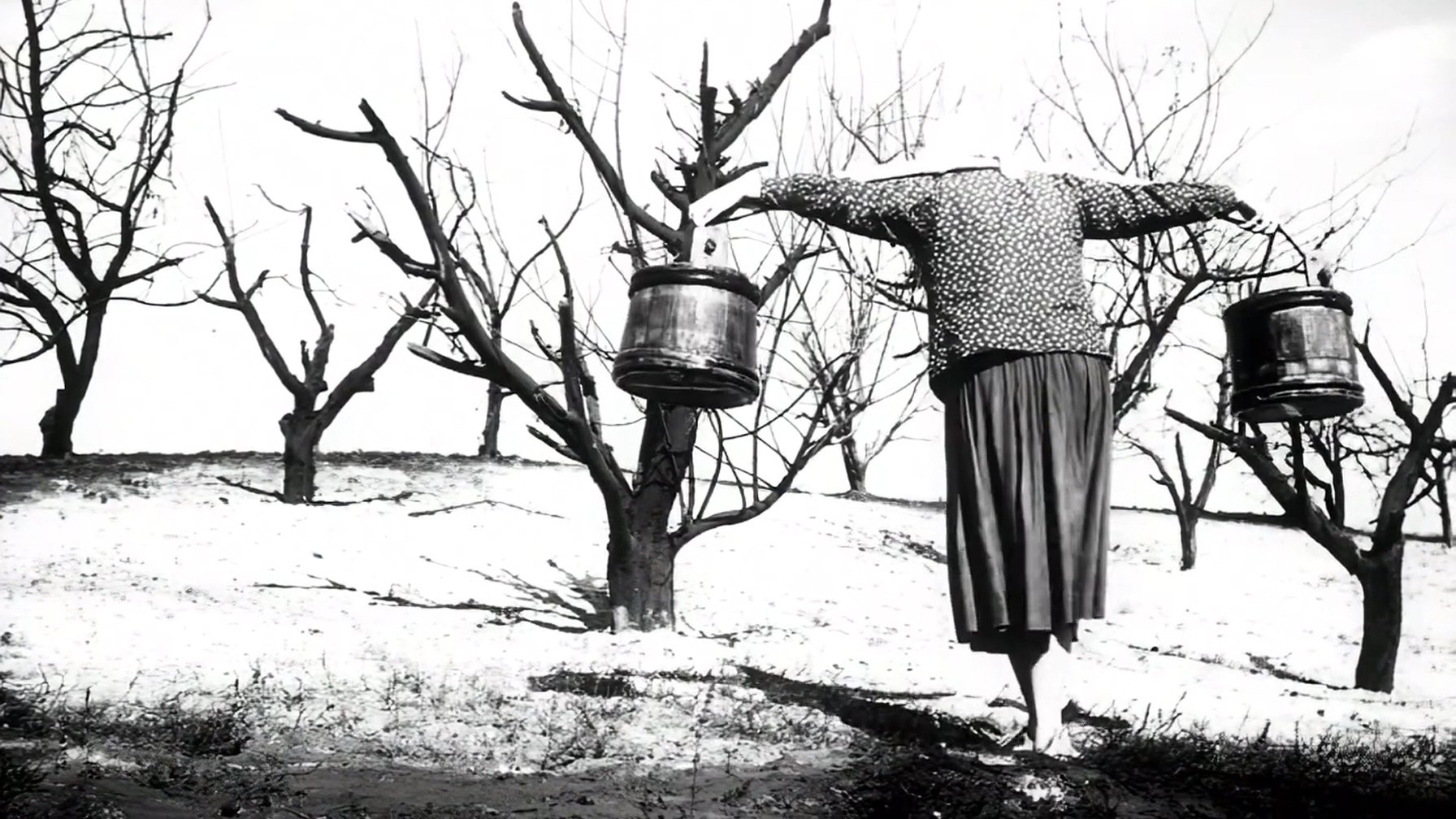
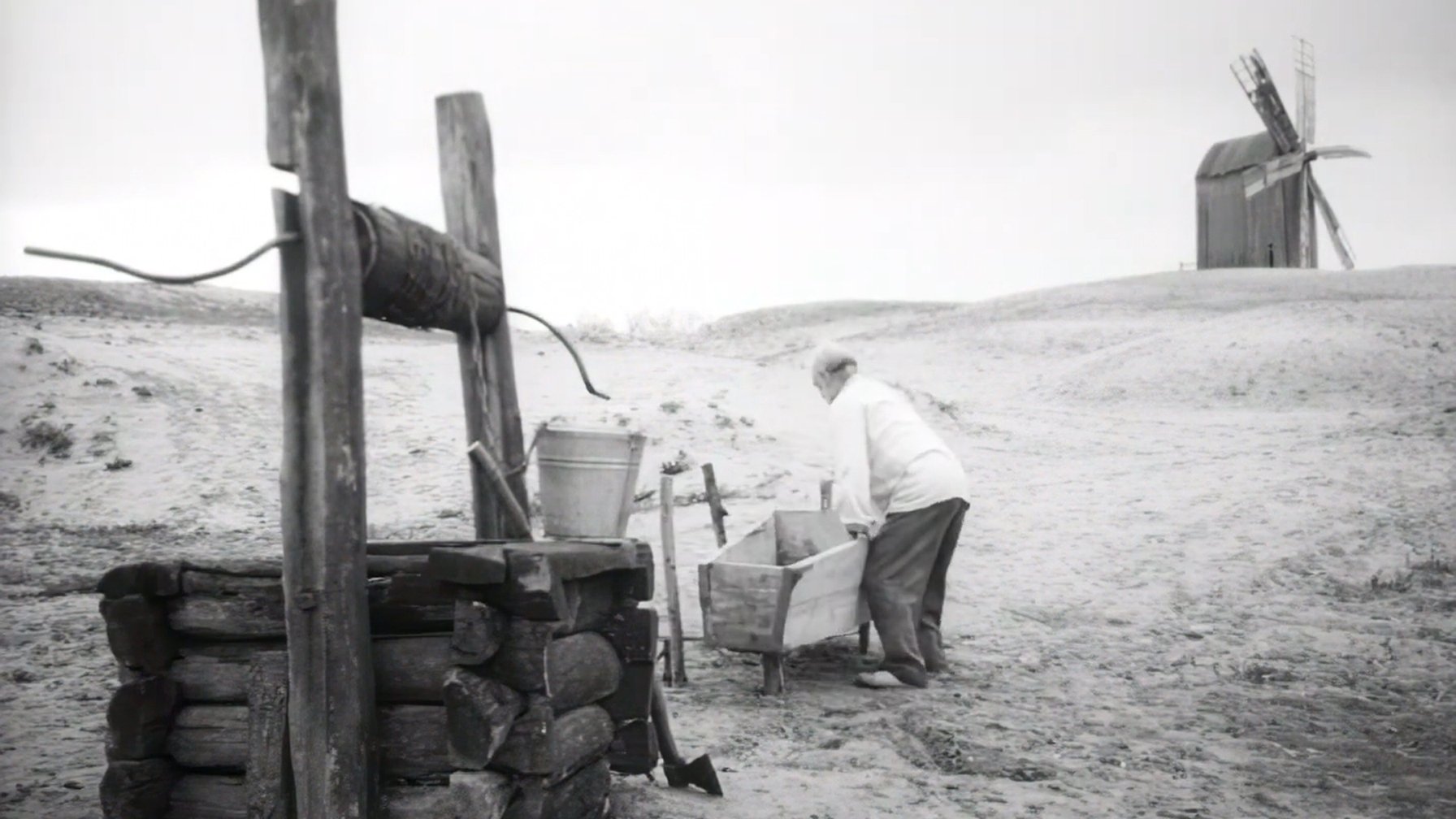
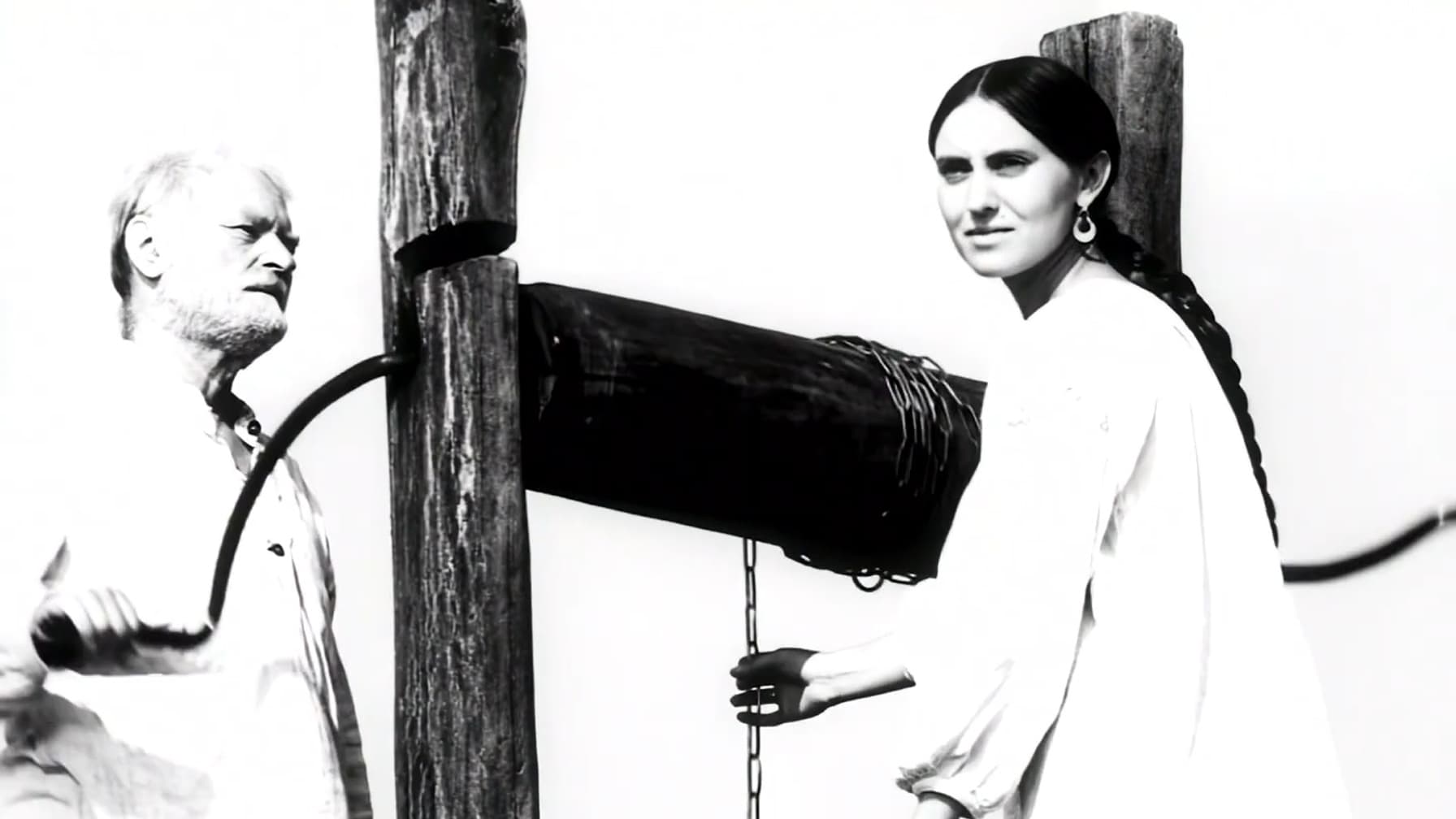
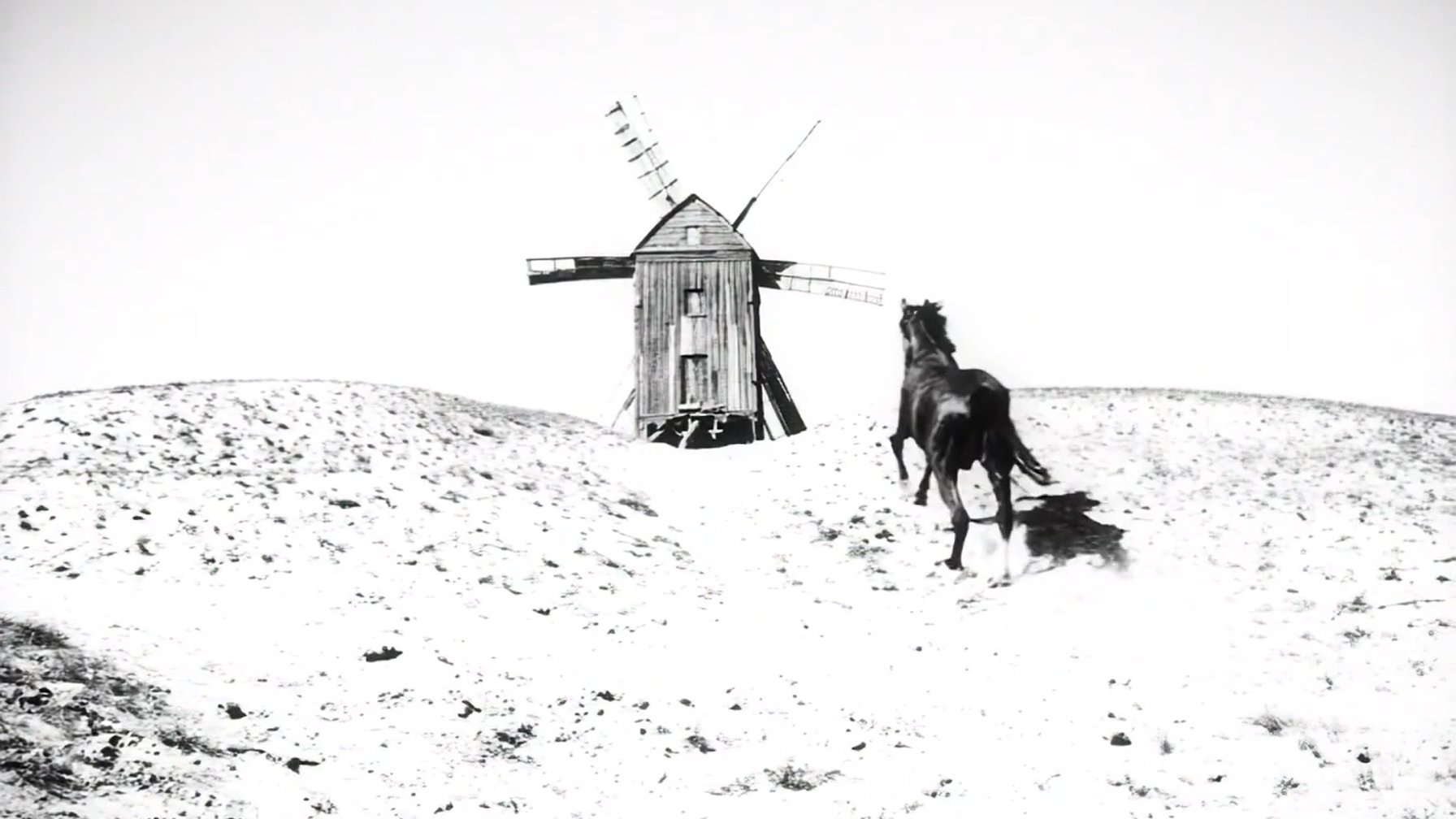
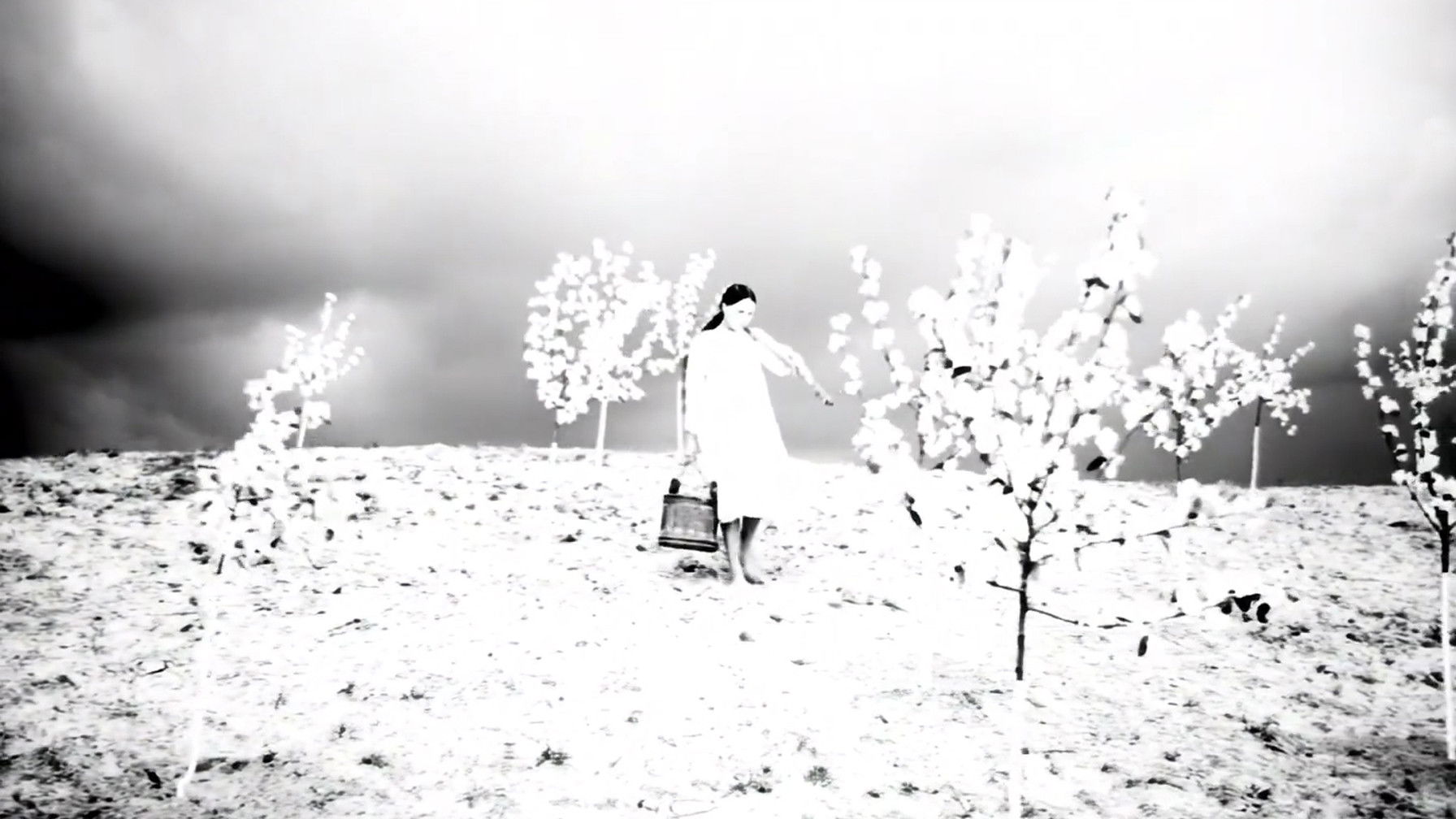
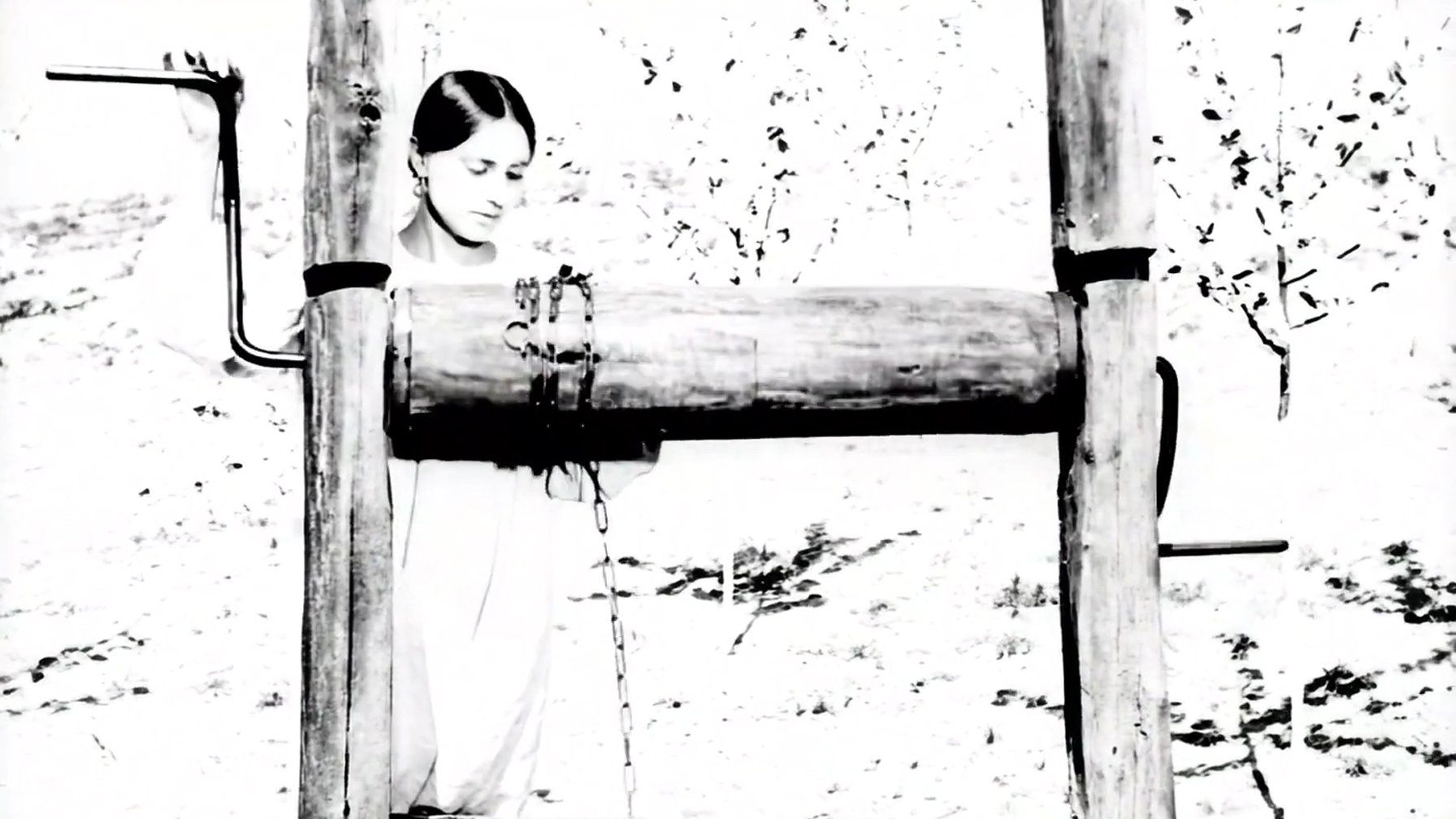
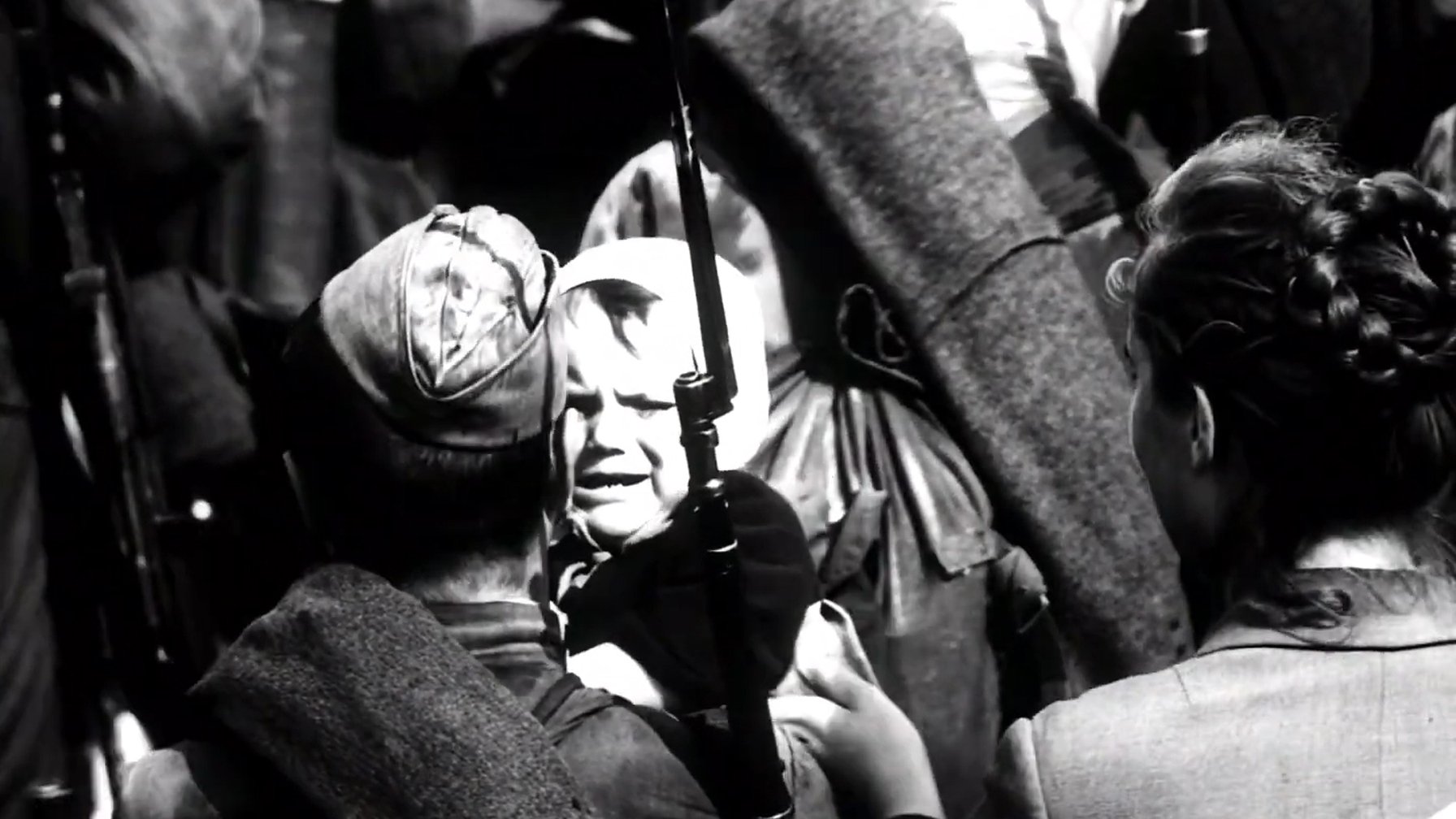
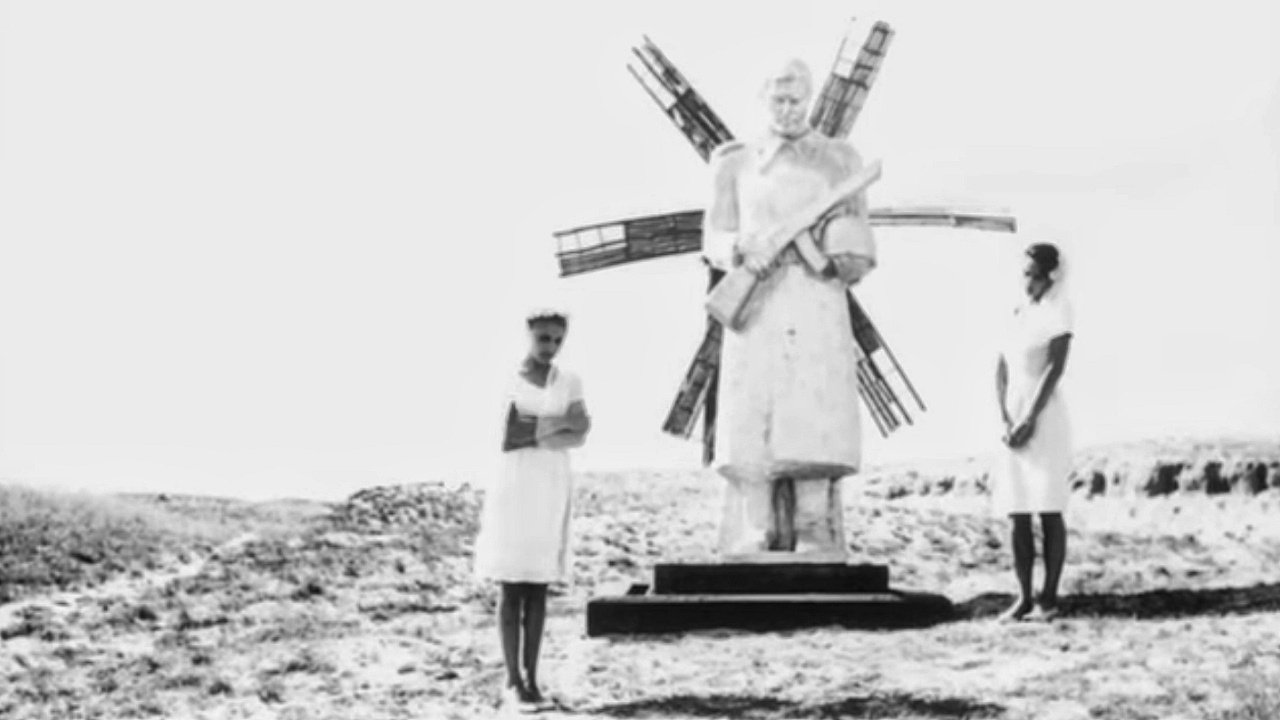

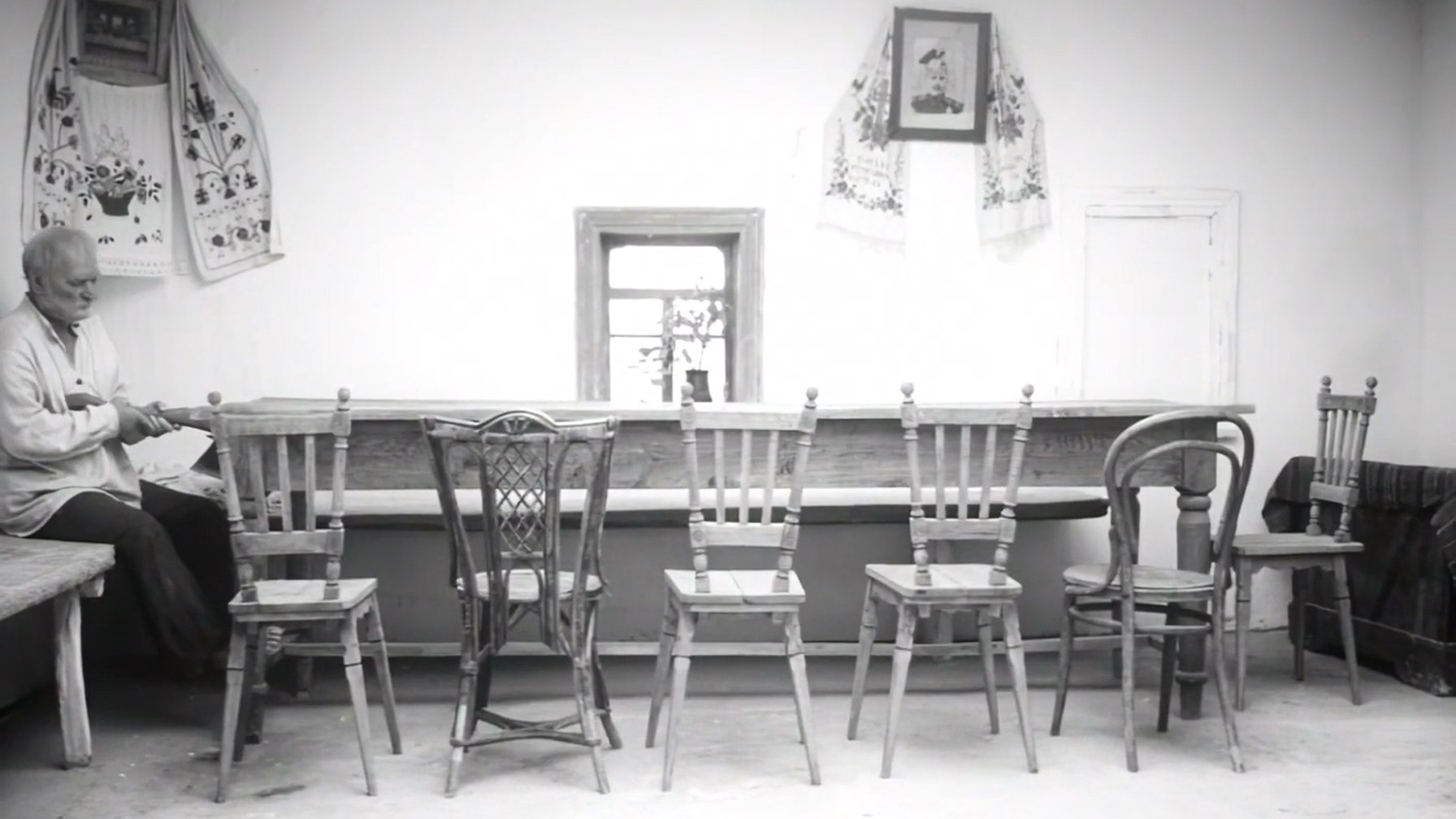
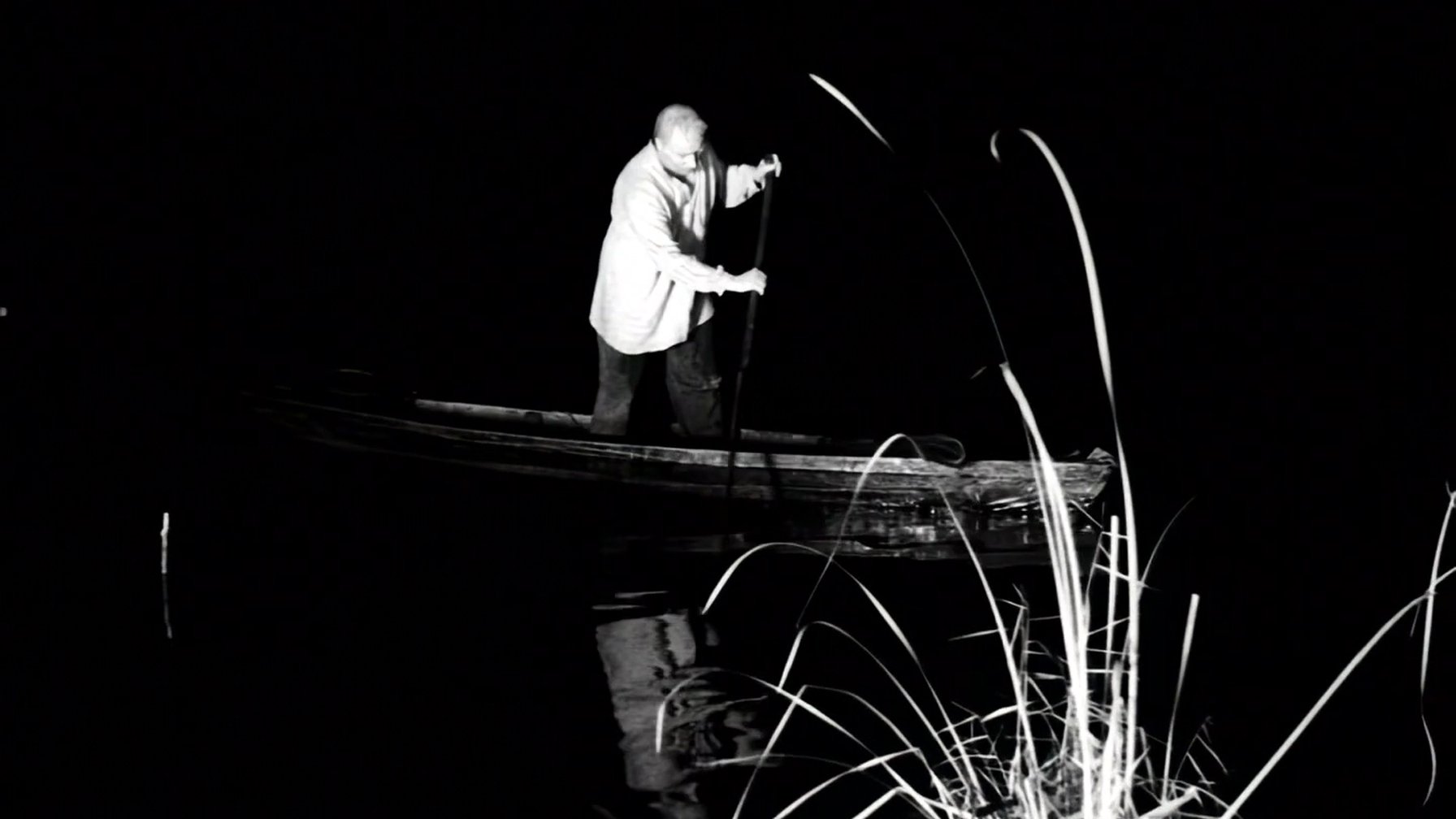

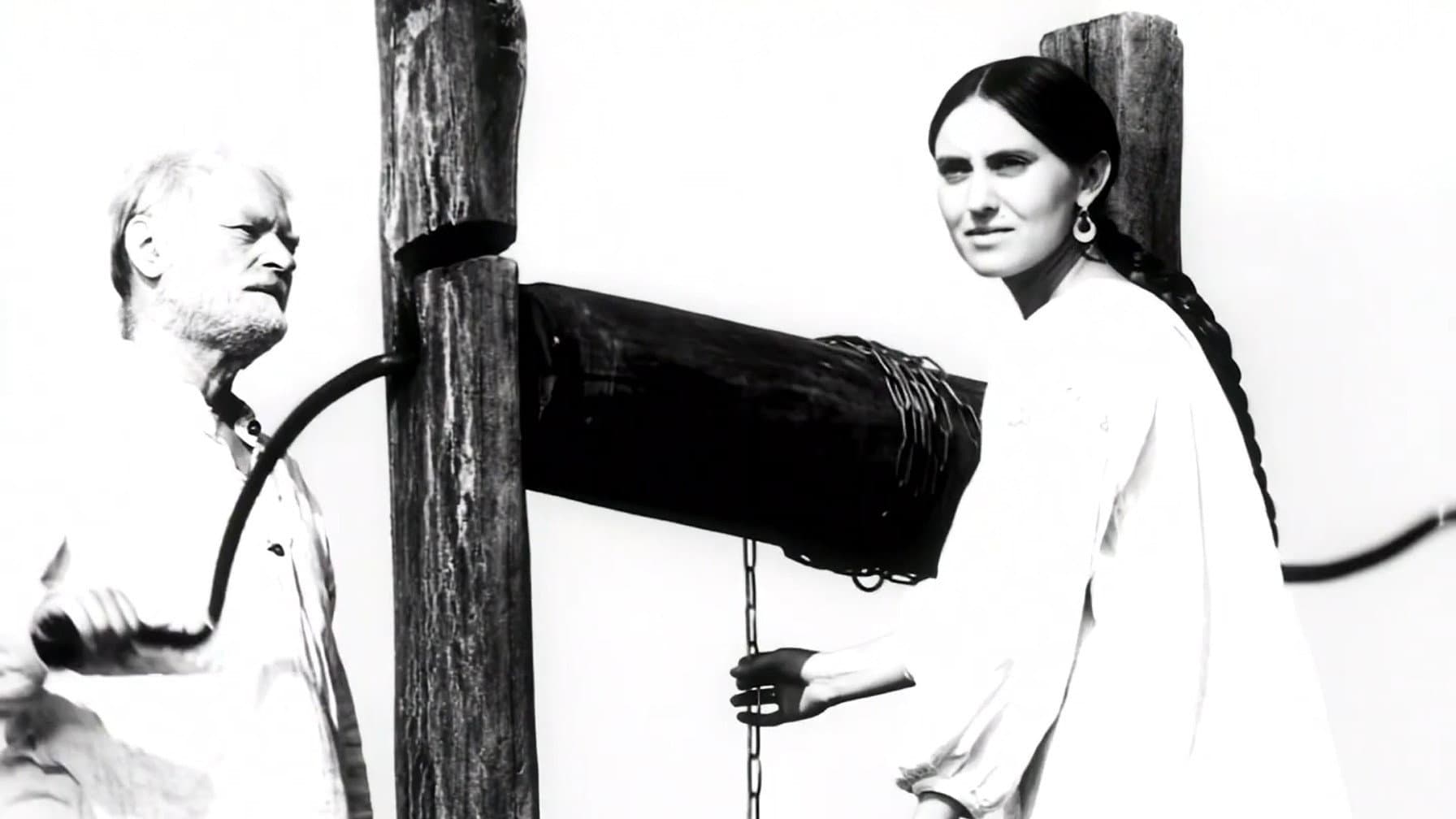
A parable centering on an old man who lives a secluded life in the desert, alone with only his memories and photographs. His wellspring, once a source of joy and hope for thirsty passersby, is now rarely used. No longer able to find comfort in his memories, he turns all his photographs to face the walls.
Directed by Yurii Illienko

IMDB
N/A
Cast
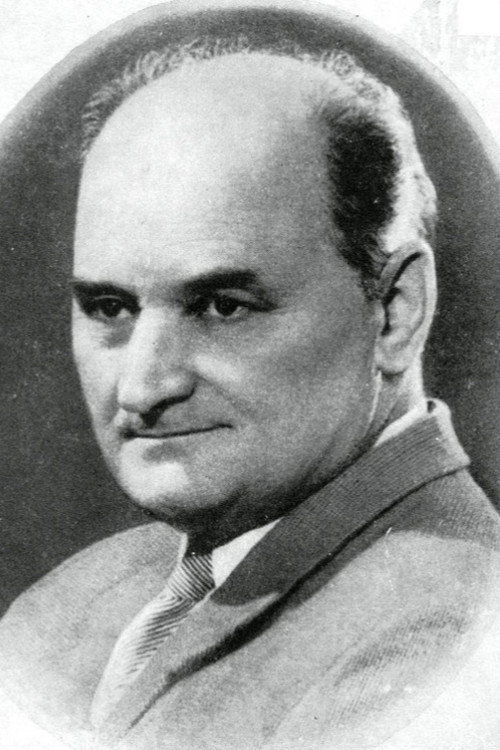
Dmytro Milyutenko
Levko Serdyuk

Larysa Kadochnykova
Solomiya

Gemma Firsova
Mariya

Nina Alisova
Paraska
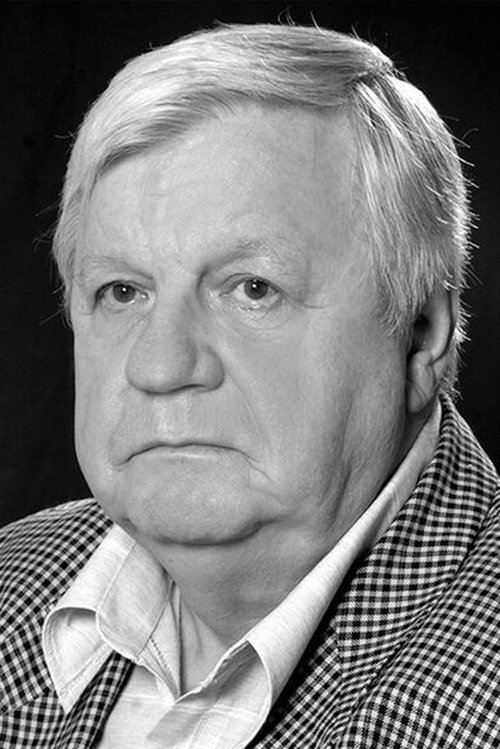
Yurii Mazhuha
Petro

Olena Kovalenko
Natalka
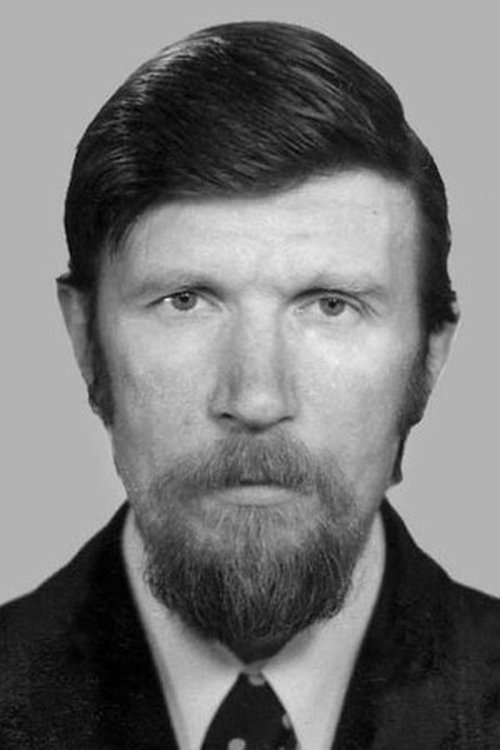
Konstantin Ershov
Artem
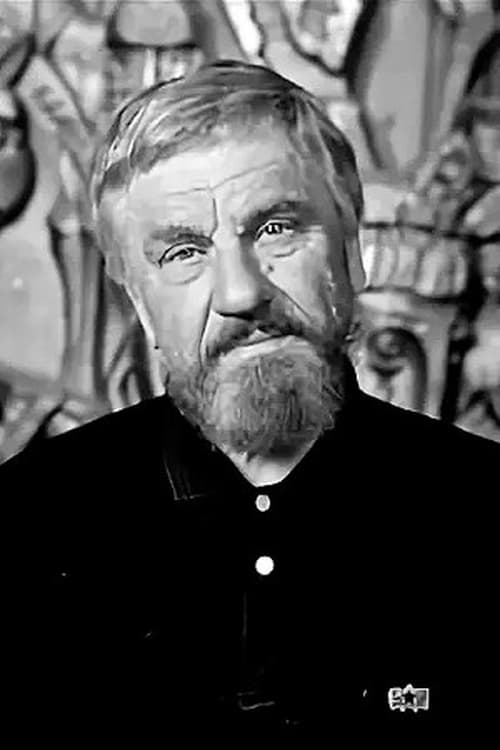
Vladimir Lemport
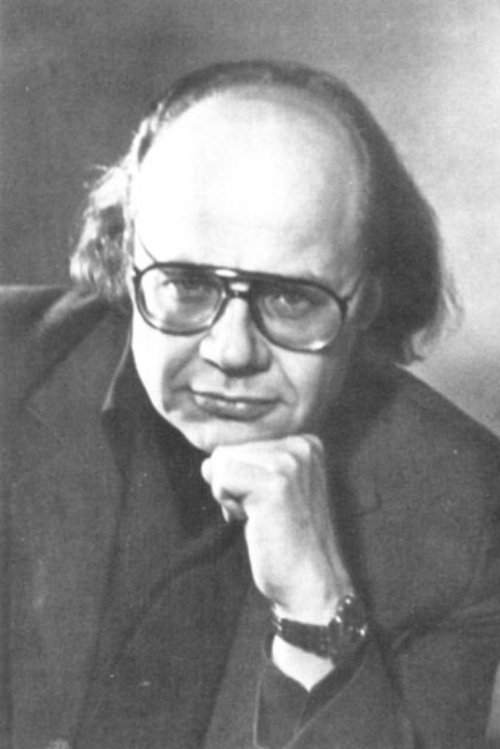
Ivan Drach
(voice)
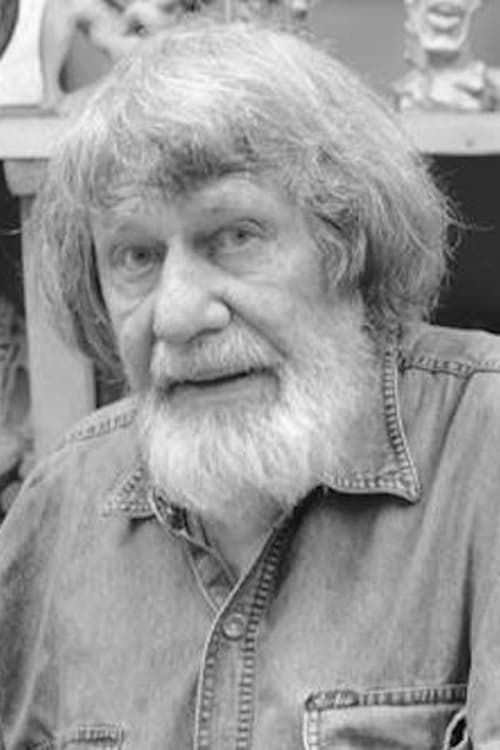
Nikolai Silis
Crew
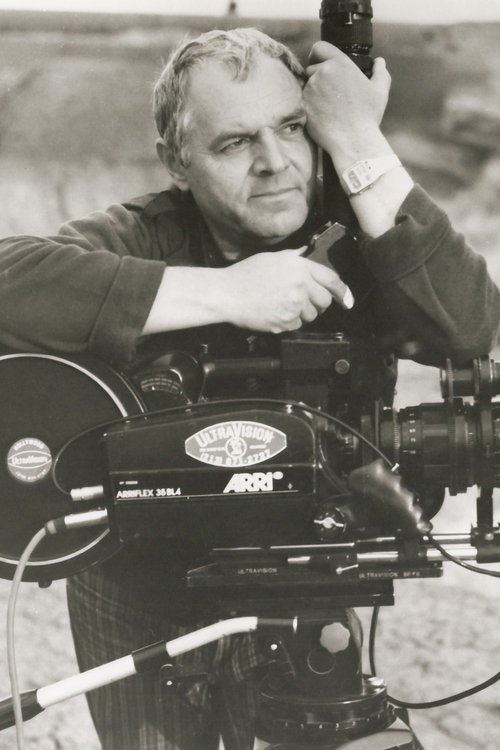
Yurii Illienko
Director
Ivan Drach
Screenplay

Leonid Hrabovskyi
Original Music Composer
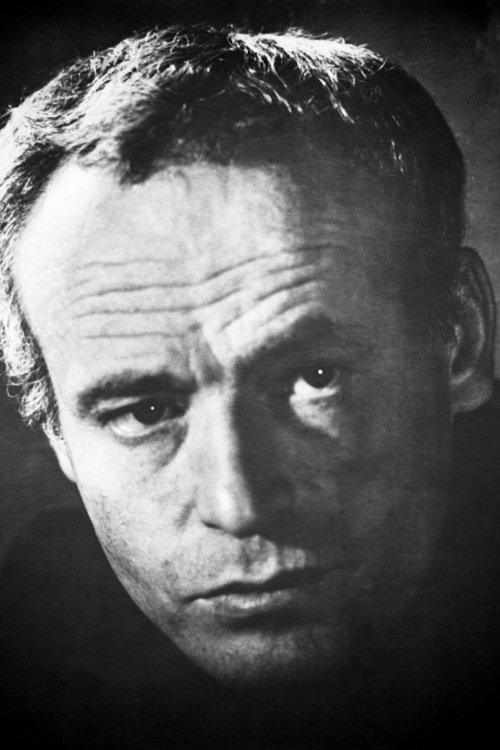
Volodymyr Davydov
Director of Photography
Yurii Illienko
Director of Photography

Anatoliy Mamontov
Art Direction
Popular Reviews
9 reviews
vlad dracula
10.0★ · 01/21/26
дуже красива, цікава, сумна і майже німа стрічка, яку було показано тільки через 20 років після зйомки.
комуністи довбойоби.
комуністи довбойоби.
дуже красива, цікава, сумна і майже німа стрічка, яку було показано тільки через 20 років після зйомки.
комуністи довбойоби.
комуністи довбойоби.


Mykola Wash
9.0★ · 06/16/25
Memory folds like dry leaves. Everything feels a little faded and water becomes a ghost – the land drained not only of its moisture, but of youth, its warmth, its voices. Not much happens, yet it all feels as if its slipping away – like being the last person left who remembers what such a place felt like.
A Spring for the Thirsty doesn't mourn with tears but with absence: it's less than a film, and more of a memory of one.
A Spring for the Thirsty doesn't mourn with tears but with absence: it's less than a film, and more of a memory of one.
Memory folds like dry leaves. Everything feels a little faded and water becomes a ghost – the land drained not only of its moisture, but of youth, its warmth, its voices. Not much happens, yet it all feels as if its slipping away – like being the last person left who remembers what such a place felt like.
A Spring for the Thirsty doesn't mourn with tears but with absence: it's less than a film, and more of a memory of one.
A Spring for the Thirsty doesn't mourn with tears but with absence: it's less than a film, and more of a memory of one.
Nick
9.0★ · 03/01/25
I recently started thinking of certain movies in terms of their transcendence. Obviously these would be movies I adore in a specific way, even beyond just simple “greatness.” By definition, to be transcendent, is to be beyond or above the normal human experience. In some senses, then, all worthwhile film should be transcendent in one way or another. But these movies I’ve dubbed “transcendent” scratch a very specific itch.
Movies like this one feel transcendent in part because the image, on its face, is entirely simple. Yet i am so emotionally moved and stirred. I’m also very critical of how movies manipulate, even by the very nature of cinematic construction. In movies like this, the extent of manipulation feels more formal (see the echoing sounds of the pots), and consequently, to me, more removed. I like that better. The austerity reveals truth.
Which is the ultimate reason I’d describe this movie as transcendent. It reveals truth. Granted, not an objective truth, but an internal truth. I believe the type of reflection cast by movies like this one are of an existential nature and less cosmetic.
We all have our own truths within. I believe, axiomatically, ceteris paribus, the closer to truth the better. And so, should a movie like this come along and push us, whether we like it or not, into a headspace that, at the very least!, inclines us to think in ways putting us closer to that “truth,” we should cry out in joy.
Unsurprisingly, this movie brought to mind a, now clear descendant of this movie, The Turin Horse. In fact, the snarky take is this movie is if Buñuel directed The Turin Horse lol
Honestly though, the role of planes in this movie is uncannily similar to the planes and modernity in Simon of the Desert. You know I did a double take when I confirmed they came out the same year. Simon isn’t the only Buñuelian comparison, either. The notable use of obviously dubbed sound created numerous instances of broken or surreal realities.
Another movie I thought this surprisingly predated was Parajanov’s The Colour of Pomegranates , specifically in its use of two dimensional space and pattern orientation. That’s one of the things I mean by formal manipulation.
You go see a marvel flick and the sad music lets you know it’s time to cry. But in a movie like this, the formal manipulation like the 2d space doesn’t exactly evoke an emotional response. But it does evoke a response. At least for me it did. And that kind of response is the type of mental catalyst I use to jumpstart existential quandaries.
This is the kind of movie I think gets processed most deeply in our sleep. The night after, after it’s been marinating in our subconscious. We know it hit us. We know it’s cooking. But at the same time, what it really means to us is a lingering phantom of insight. When we retreat into the deepest recesses of our mind, and our most honest selves come out, that’s when movies like this get truly felt. And that’s why we think about them after.
Movies like this one feel transcendent in part because the image, on its face, is entirely simple. Yet i am so emotionally moved and stirred. I’m also very critical of how movies manipulate, even by the very nature of cinematic construction. In movies like this, the extent of manipulation feels more formal (see the echoing sounds of the pots), and consequently, to me, more removed. I like that better. The austerity reveals truth.
Which is the ultimate reason I’d describe this movie as transcendent. It reveals truth. Granted, not an objective truth, but an internal truth. I believe the type of reflection cast by movies like this one are of an existential nature and less cosmetic.
We all have our own truths within. I believe, axiomatically, ceteris paribus, the closer to truth the better. And so, should a movie like this come along and push us, whether we like it or not, into a headspace that, at the very least!, inclines us to think in ways putting us closer to that “truth,” we should cry out in joy.
Unsurprisingly, this movie brought to mind a, now clear descendant of this movie, The Turin Horse. In fact, the snarky take is this movie is if Buñuel directed The Turin Horse lol
Honestly though, the role of planes in this movie is uncannily similar to the planes and modernity in Simon of the Desert. You know I did a double take when I confirmed they came out the same year. Simon isn’t the only Buñuelian comparison, either. The notable use of obviously dubbed sound created numerous instances of broken or surreal realities.
Another movie I thought this surprisingly predated was Parajanov’s The Colour of Pomegranates , specifically in its use of two dimensional space and pattern orientation. That’s one of the things I mean by formal manipulation.
You go see a marvel flick and the sad music lets you know it’s time to cry. But in a movie like this, the formal manipulation like the 2d space doesn’t exactly evoke an emotional response. But it does evoke a response. At least for me it did. And that kind of response is the type of mental catalyst I use to jumpstart existential quandaries.
This is the kind of movie I think gets processed most deeply in our sleep. The night after, after it’s been marinating in our subconscious. We know it hit us. We know it’s cooking. But at the same time, what it really means to us is a lingering phantom of insight. When we retreat into the deepest recesses of our mind, and our most honest selves come out, that’s when movies like this get truly felt. And that’s why we think about them after.
I recently started thinking of certain movies in terms of their transcendence. Obviously these would be movies I adore in a specific way, even beyond just simple “greatness.” By definition, to be transcendent, is to be beyond or above the normal human experience. In some senses, then, all worthwhile film should be transcendent in one way or another. But these movies I’ve dubbed “transcendent” scratch a very specific itch.
Movies like this one feel transcendent in part because the image, on its face, is entirely simple. Yet i am so emotionally moved and stirred. I’m also very critical of how movies manipulate, even by the very nature of cinematic construction. In movies like this, the extent of manipulation feels more formal (see the echoing sounds of the pots), and consequently, to me, more removed. I like that better. The austerity reveals truth.
Which is the ultimate reason I’d describe this movie as transcendent. It reveals truth. Granted, not an objective truth, but an internal truth. I believe the type of reflection cast by movies like this one are of an existential nature and less cosmetic.
We all have our own truths within. I believe, axiomatically, ceteris paribus, the closer to truth the better. And so, should a movie like this come along and push us, whether we like it or not, into a headspace that, at the very least!, inclines us to think in ways putting us closer to that “truth,” we should cry out in joy.
Unsurprisingly, this movie brought to mind a, now clear descendant of this movie, The Turin Horse. In fact, the snarky take is this movie is if Buñuel directed The Turin Horse lol
Honestly though, the role of planes in this movie is uncannily similar to the planes and modernity in Simon of the Desert. You know I did a double take when I confirmed they came out the same year. Simon isn’t the only Buñuelian comparison, either. The notable use of obviously dubbed sound created numerous instances of broken or surreal realities.
Another movie I thought this surprisingly predated was Parajanov’s The Colour of Pomegranates , specifically in its use of two dimensional space and pattern orientation. That’s one of the things I mean by formal manipulation.
You go see a marvel flick and the sad music lets you know it’s time to cry. But in a movie like this, the formal manipulation like the 2d space doesn’t exactly evoke an emotional response. But it does evoke a response. At least for me it did. And that kind of response is the type of mental catalyst I use to jumpstart existential quandaries.
This is the kind of movie I think gets processed most deeply in our sleep. The night after, after it’s been marinating in our subconscious. We know it hit us. We know it’s cooking. But at the same time, what it really means to us is a lingering phantom of insight. When we retreat into the deepest recesses of our mind, and our most honest selves come out, that’s when movies like this get truly felt. And that’s why we think about them after.
Movies like this one feel transcendent in part because the image, on its face, is entirely simple. Yet i am so emotionally moved and stirred. I’m also very critical of how movies manipulate, even by the very nature of cinematic construction. In movies like this, the extent of manipulation feels more formal (see the echoing sounds of the pots), and consequently, to me, more removed. I like that better. The austerity reveals truth.
Which is the ultimate reason I’d describe this movie as transcendent. It reveals truth. Granted, not an objective truth, but an internal truth. I believe the type of reflection cast by movies like this one are of an existential nature and less cosmetic.
We all have our own truths within. I believe, axiomatically, ceteris paribus, the closer to truth the better. And so, should a movie like this come along and push us, whether we like it or not, into a headspace that, at the very least!, inclines us to think in ways putting us closer to that “truth,” we should cry out in joy.
Unsurprisingly, this movie brought to mind a, now clear descendant of this movie, The Turin Horse. In fact, the snarky take is this movie is if Buñuel directed The Turin Horse lol
Honestly though, the role of planes in this movie is uncannily similar to the planes and modernity in Simon of the Desert. You know I did a double take when I confirmed they came out the same year. Simon isn’t the only Buñuelian comparison, either. The notable use of obviously dubbed sound created numerous instances of broken or surreal realities.
Another movie I thought this surprisingly predated was Parajanov’s The Colour of Pomegranates , specifically in its use of two dimensional space and pattern orientation. That’s one of the things I mean by formal manipulation.
You go see a marvel flick and the sad music lets you know it’s time to cry. But in a movie like this, the formal manipulation like the 2d space doesn’t exactly evoke an emotional response. But it does evoke a response. At least for me it did. And that kind of response is the type of mental catalyst I use to jumpstart existential quandaries.
This is the kind of movie I think gets processed most deeply in our sleep. The night after, after it’s been marinating in our subconscious. We know it hit us. We know it’s cooking. But at the same time, what it really means to us is a lingering phantom of insight. When we retreat into the deepest recesses of our mind, and our most honest selves come out, that’s when movies like this get truly felt. And that’s why we think about them after.
jo
9.0★ · 06/12/23
if we're being nationalist here.... I've gotta say it, Ukraine has some of the best cinema my two eyes have ever seen.
if we're being nationalist here.... I've gotta say it, Ukraine has some of the best cinema my two eyes have ever seen.
Tanditka
10.0★ · 05/03/26