✮ Lights, Camera, Action! ✮The difficulty of Brakhage's work from this point on lies in another paradigm shift. To appreciate his films, it is necessary to abandon our spontaneous conception of cinema as a record of reality, the attitude of Lumière's legendary early viewers who instinctively stepped aside upon seeing a train hurtling toward them, and in which André Bazin saw the essence of the medium.
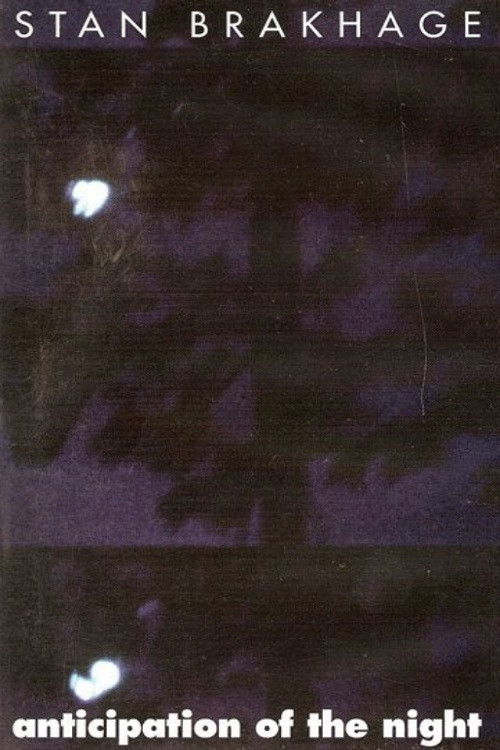
The first viewers of Anticipation of the Night also felt assaulted by "badly filmed" images, whose motifs are not easily discernible and which lack any apparent logical connection. Many years later, this reaction to Brakhage's films remains common, even among film lovers.
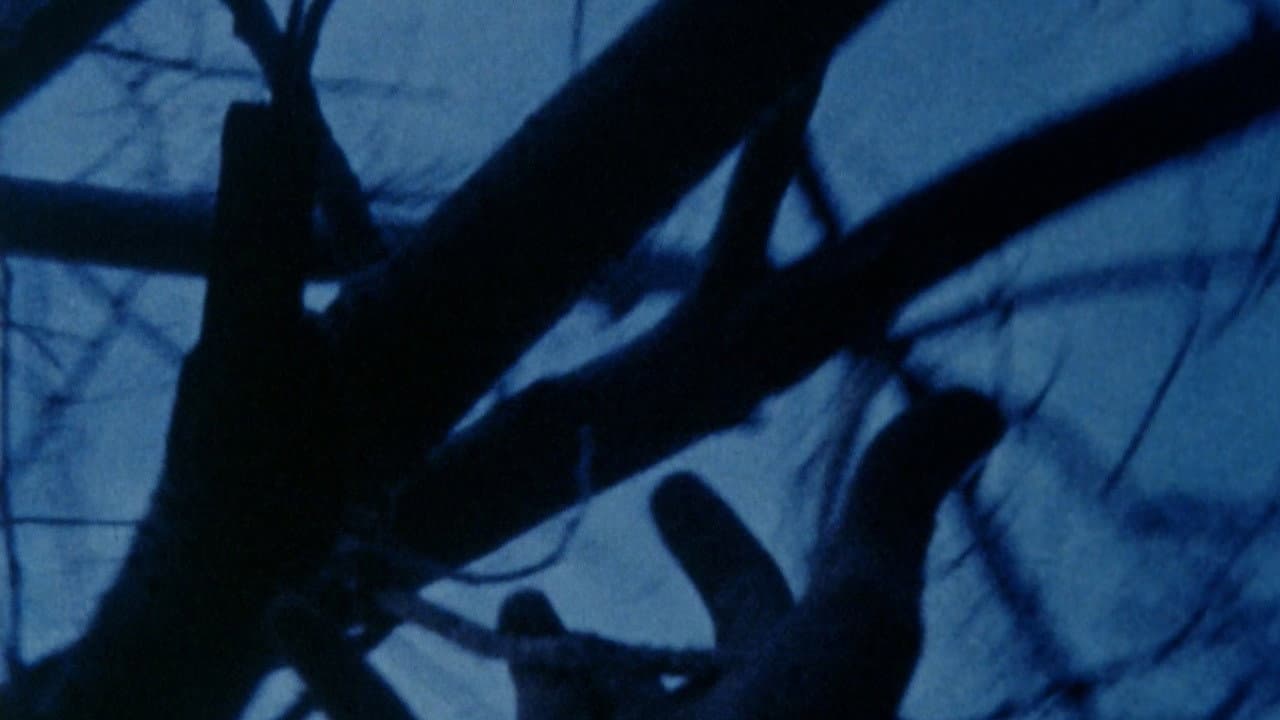
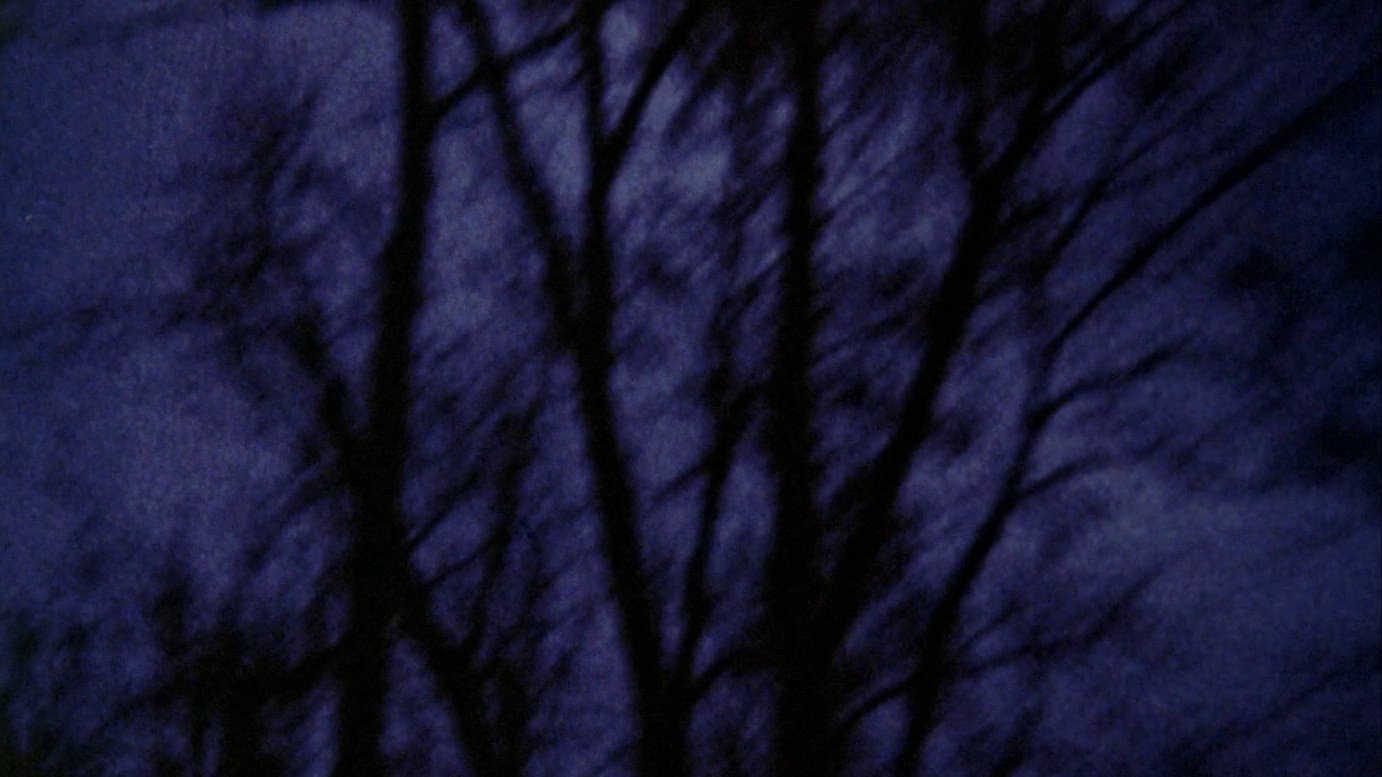
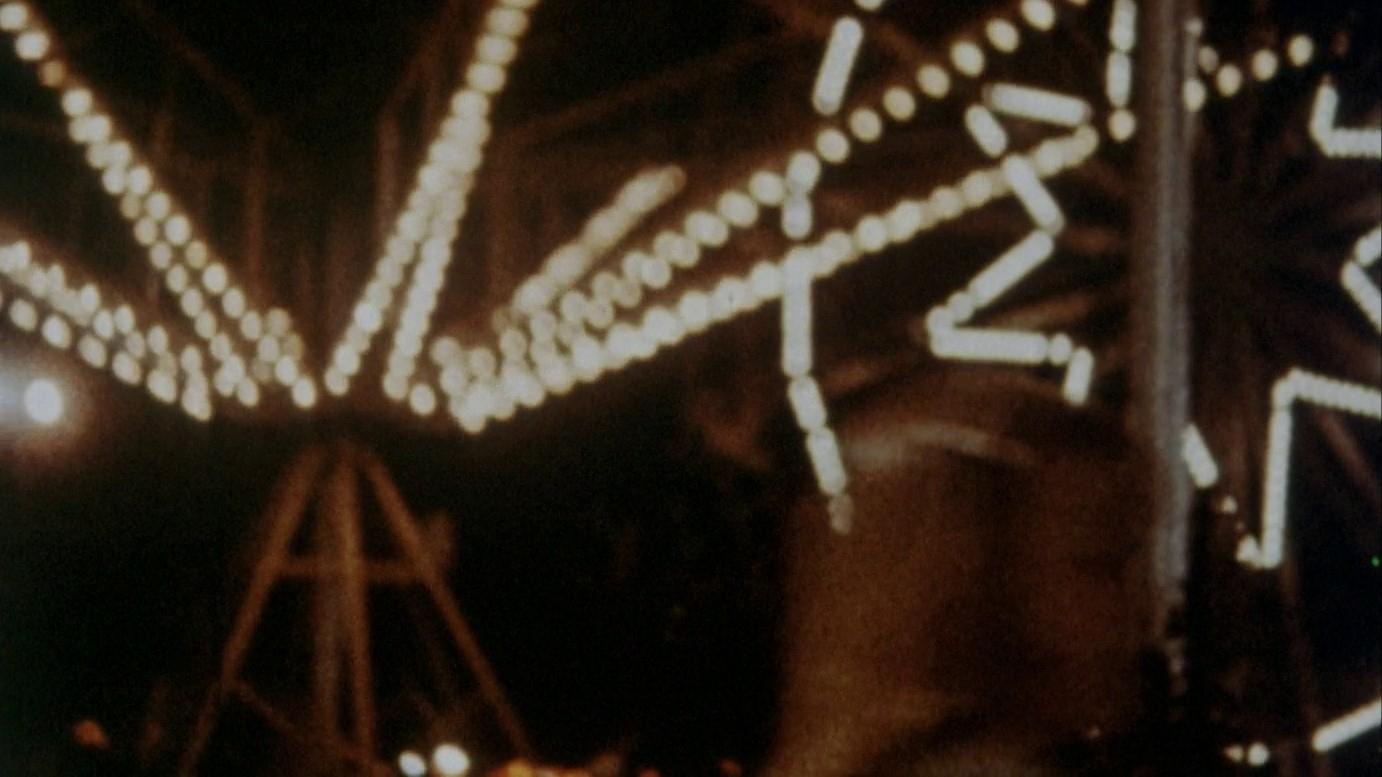
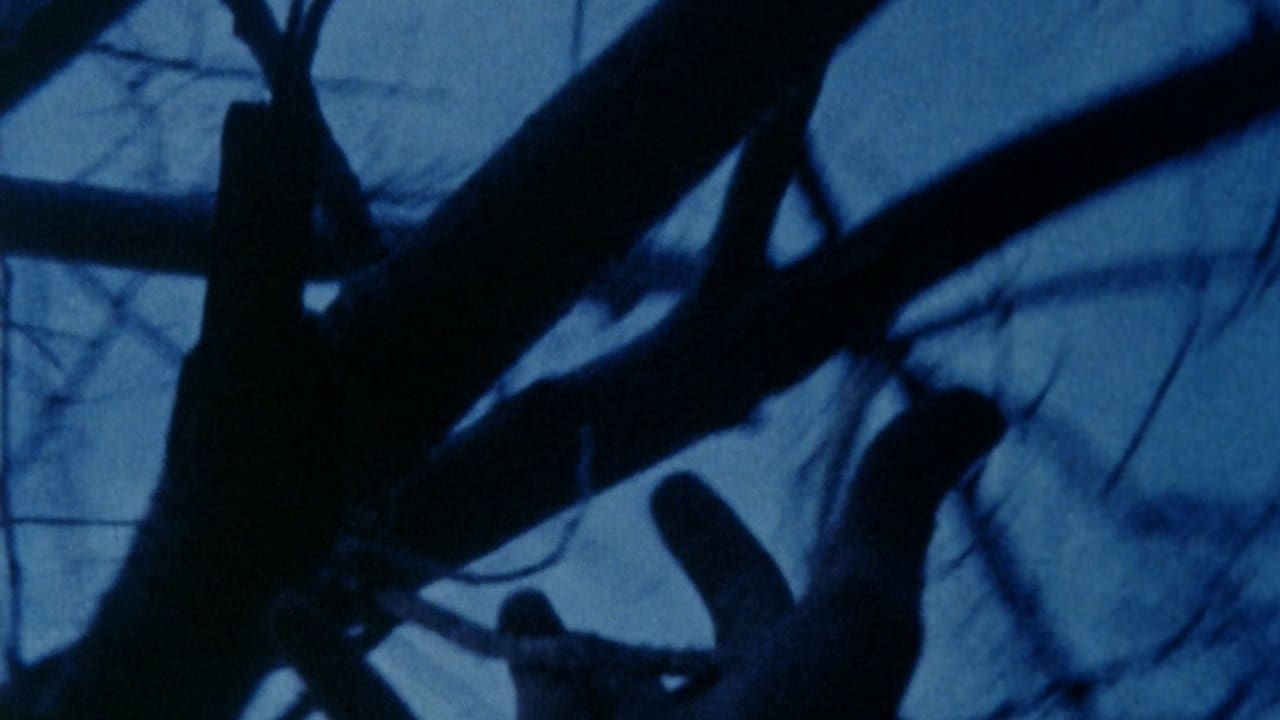
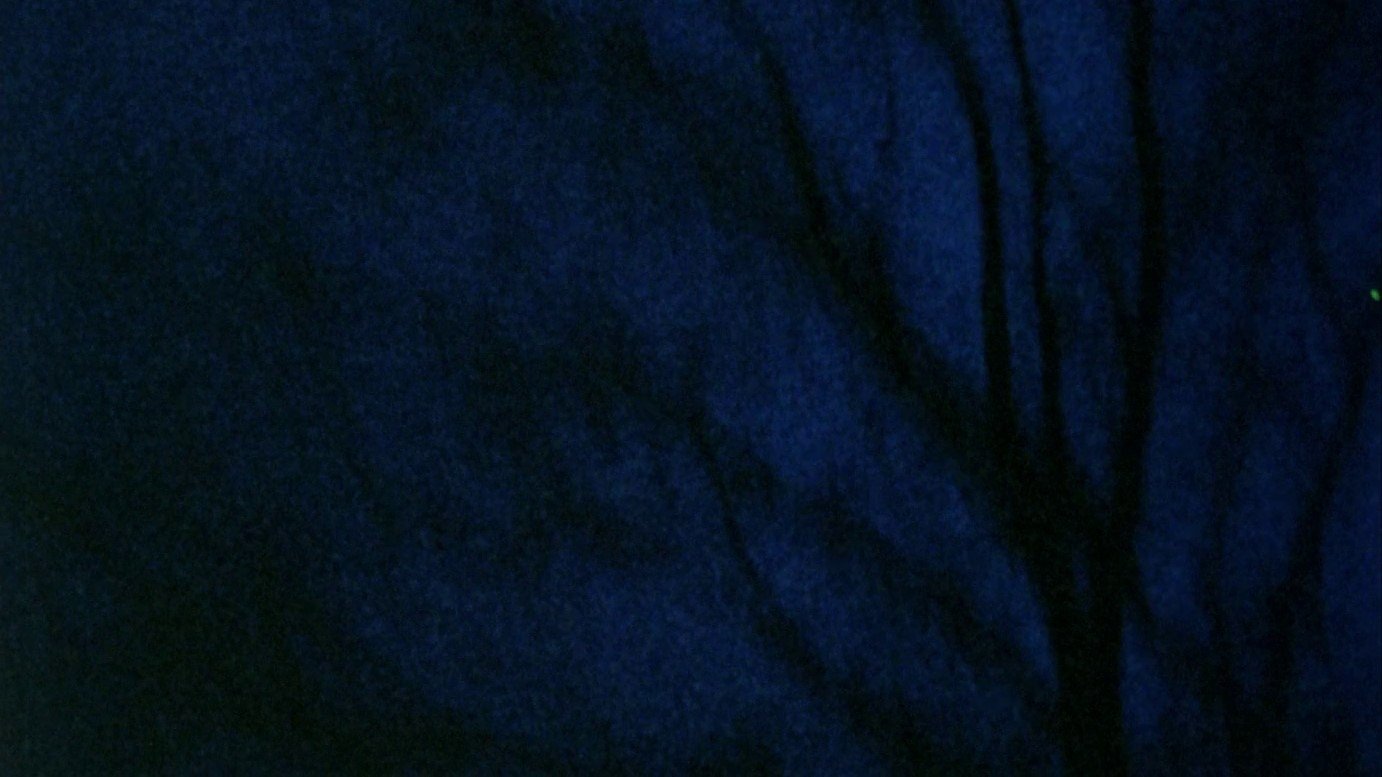
Brakhage sought to make a cinema of poetry. Beyond their referential quality, his images attempt to allusively reflect movements of the spirit, tracing a kind of disjointed dream, without a narrative. Instead of projecting himself toward things, the author turns inward. Thus, when Brakhage films the shadow of a man, his own shadow, on a threshold, tree branches, grass and bushes, light paths, circular movements at a fair, a flamingo, or a bear, he isn't trying to show only a shadow, branches, grass, lights, waterwheels, or animals in a zoo. Poetry, according to Valéry, is a prolonged oscillation between sound and meaning. Ultimately, Symbolist poetry is self-referential; poetry is the poem's subject matter.
It's impossible to see Anticipation of the Night as a mere formal play. There is a deeply visceral implication in his way of filming and editing, in his unique combination of abruptness, vehemence, and refinement. And, if one thinks about it, that primitive design is illuminating; everything fits into the work, which constitutes the last, irrevocable desire, when there is no more room for any other desire and consciousness struggles with its own extinction.
At that time, Brakhage was facing the only "truly serious philosophical problem", suicide. Although he had made other films before, this one marks a turning point in his life and work. In his initial conception, the film was to conclude with the filming of the filmmaker's actual suicide; ultimately, the hanging appears as a shadow, a ritual representation.
I'm not well, but I'm getting better. I stopped looking for ways to get to the night and started enjoying my days. Now I'm very afraid of the night.