❝When you put on the robe of the Moon, you lose all memory of this place. All grief and sadness are gone. But when she sang that song, tears would come to her eyes. And for some reason, that magic took my heart, too. And now I understand exactly how she felt. And why I yearned for here, and broke the rules... and maybe why I was sent down here.❞
· · ──────⊹⊱ ✦ ⊰⊹────── · ·
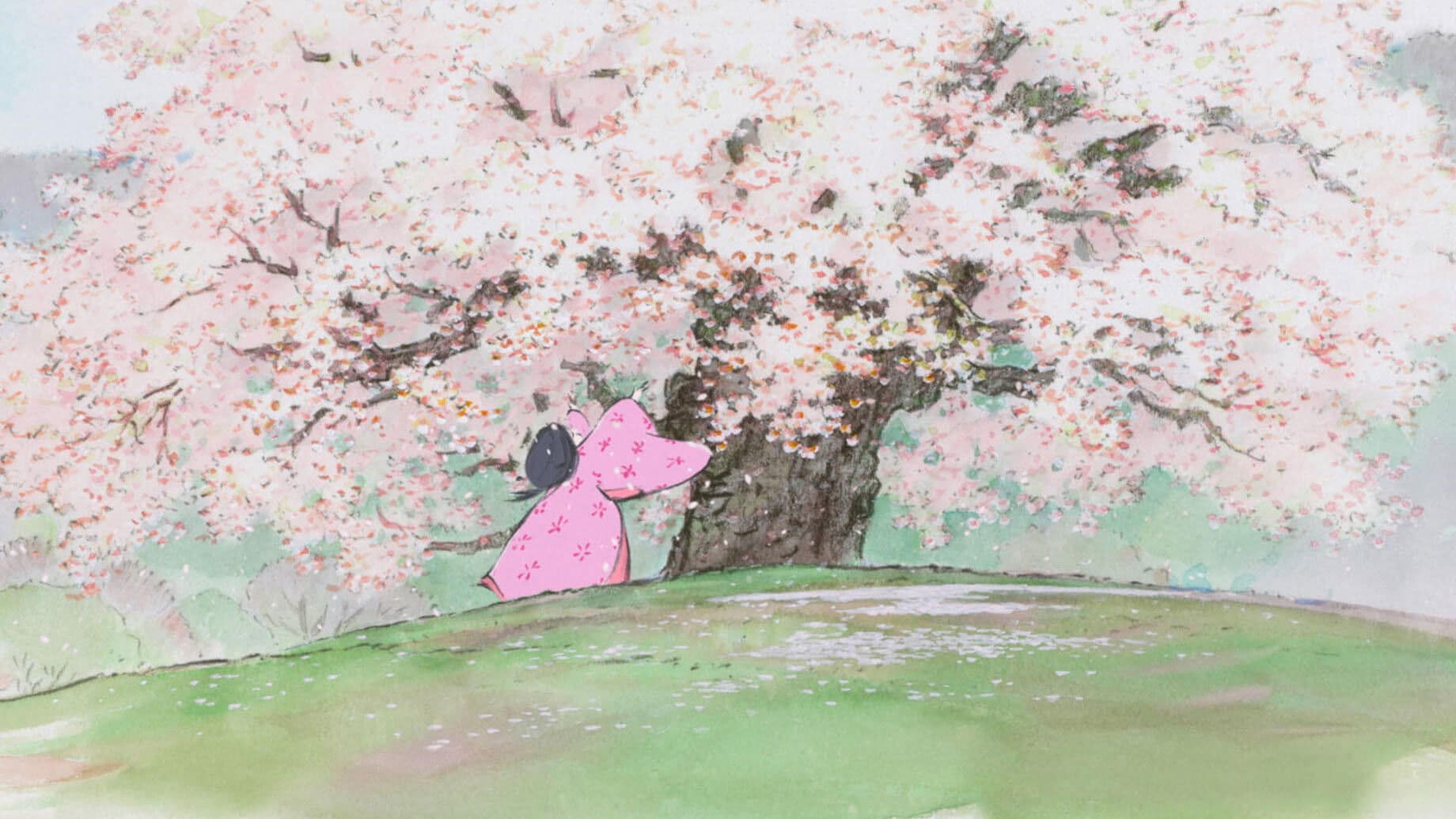
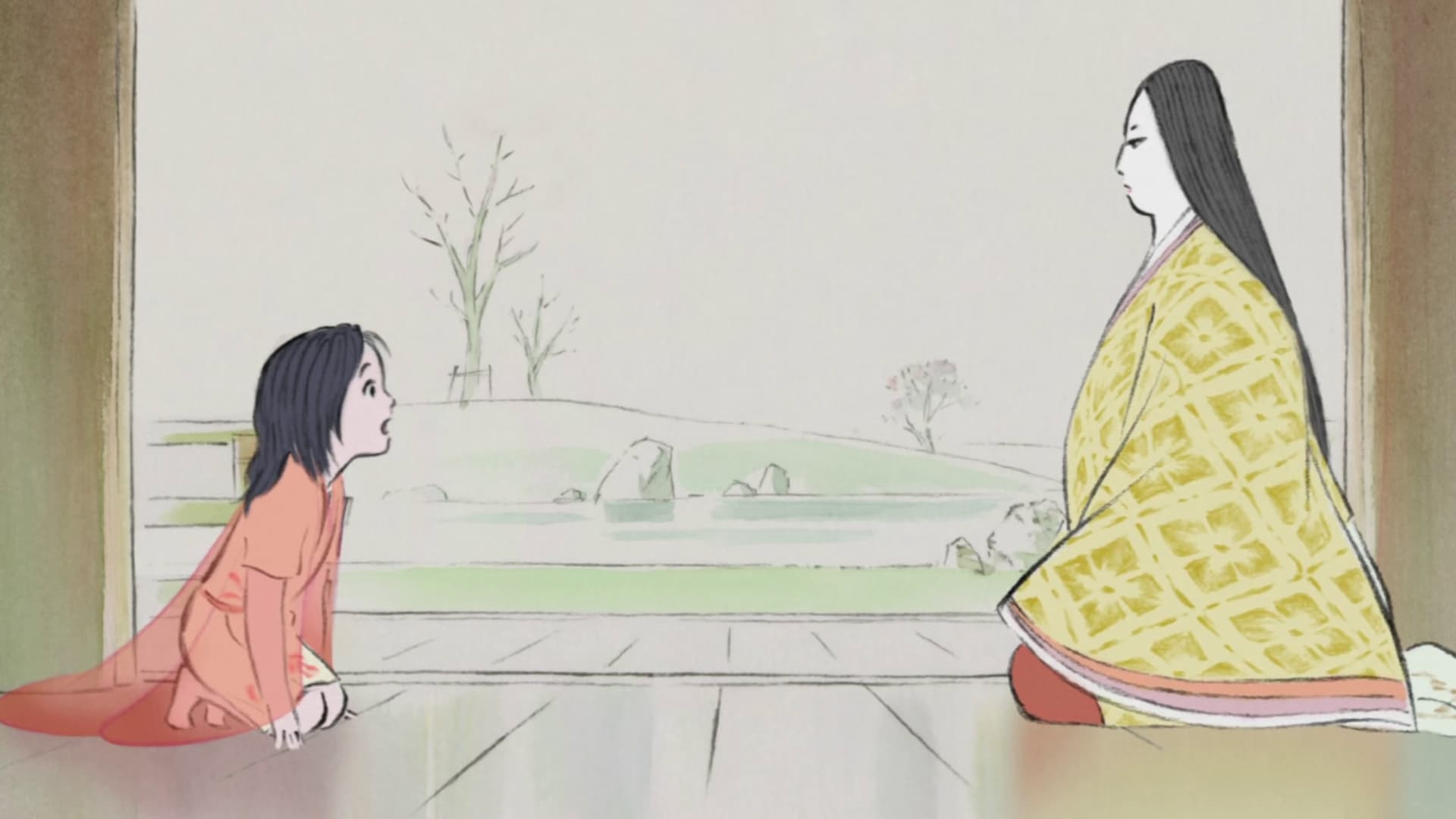
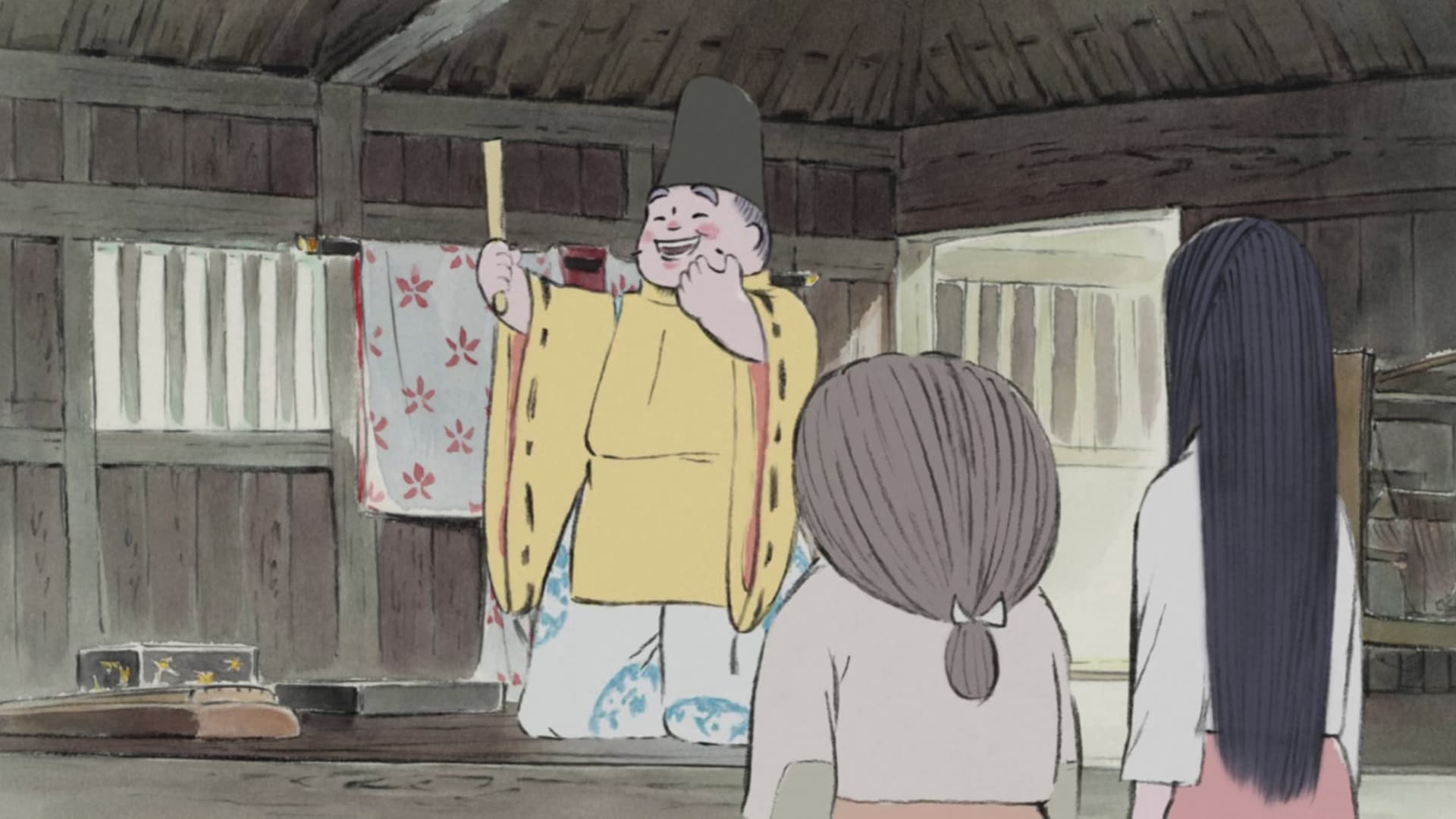
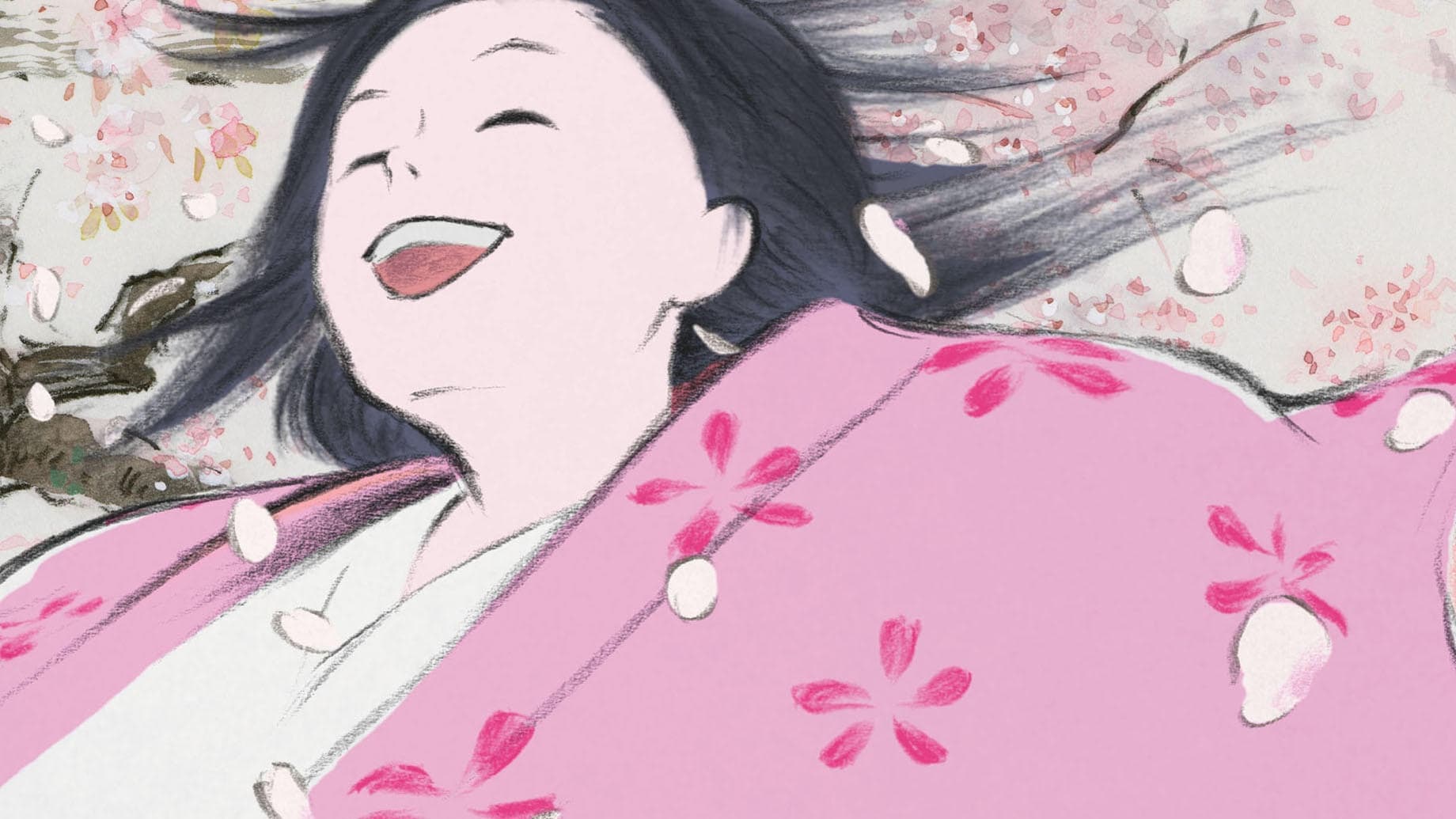
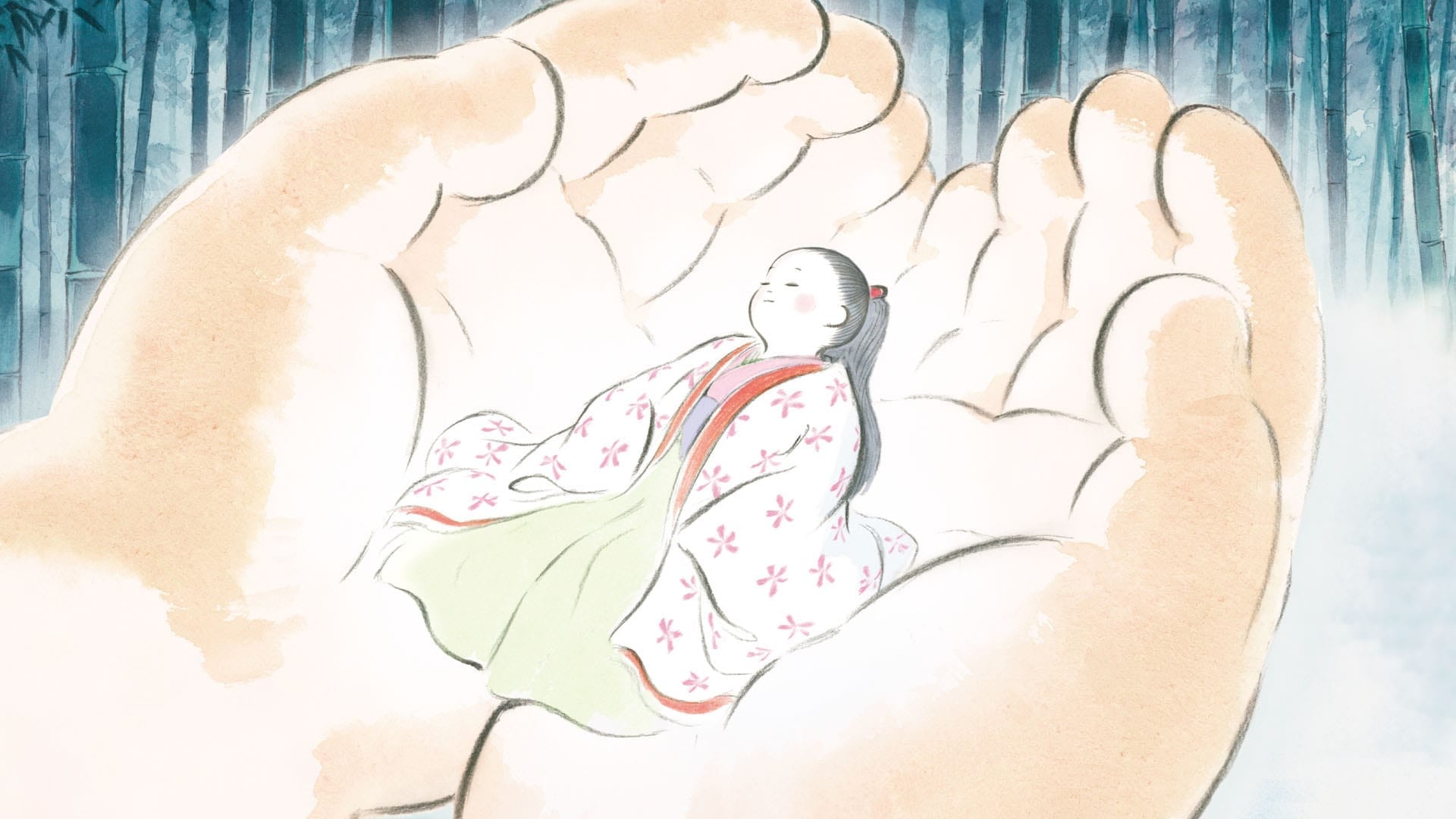
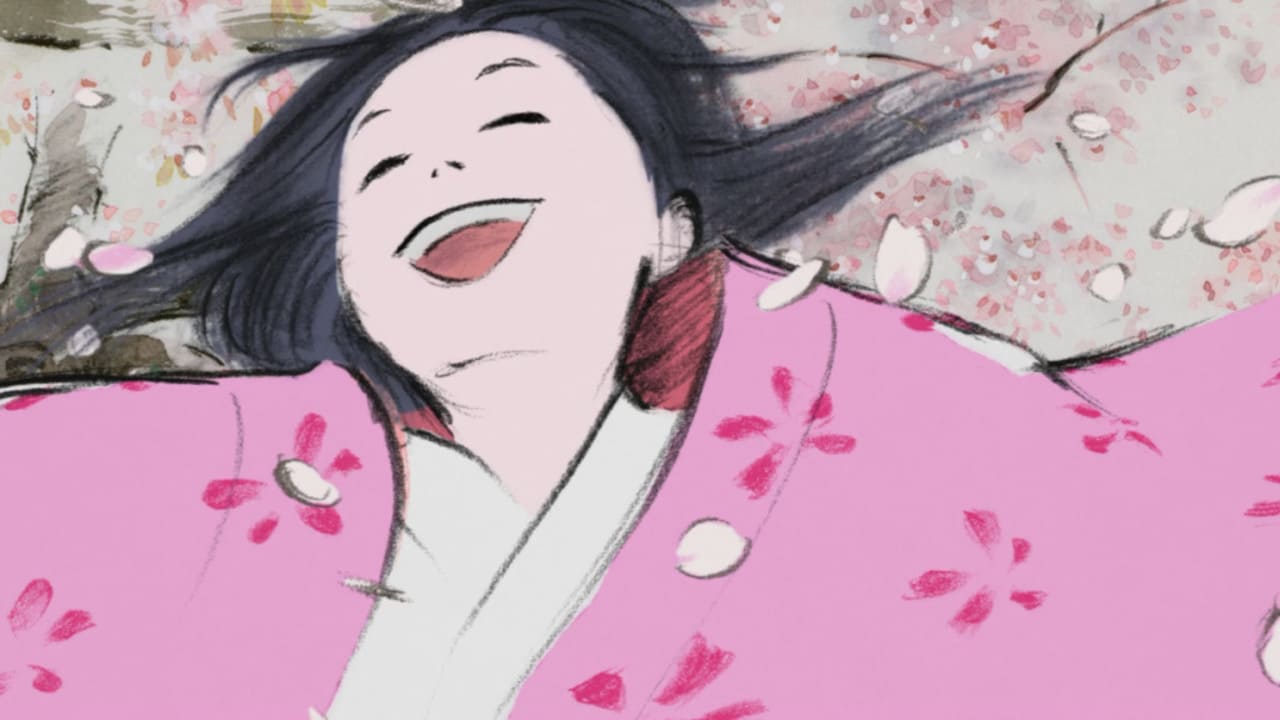
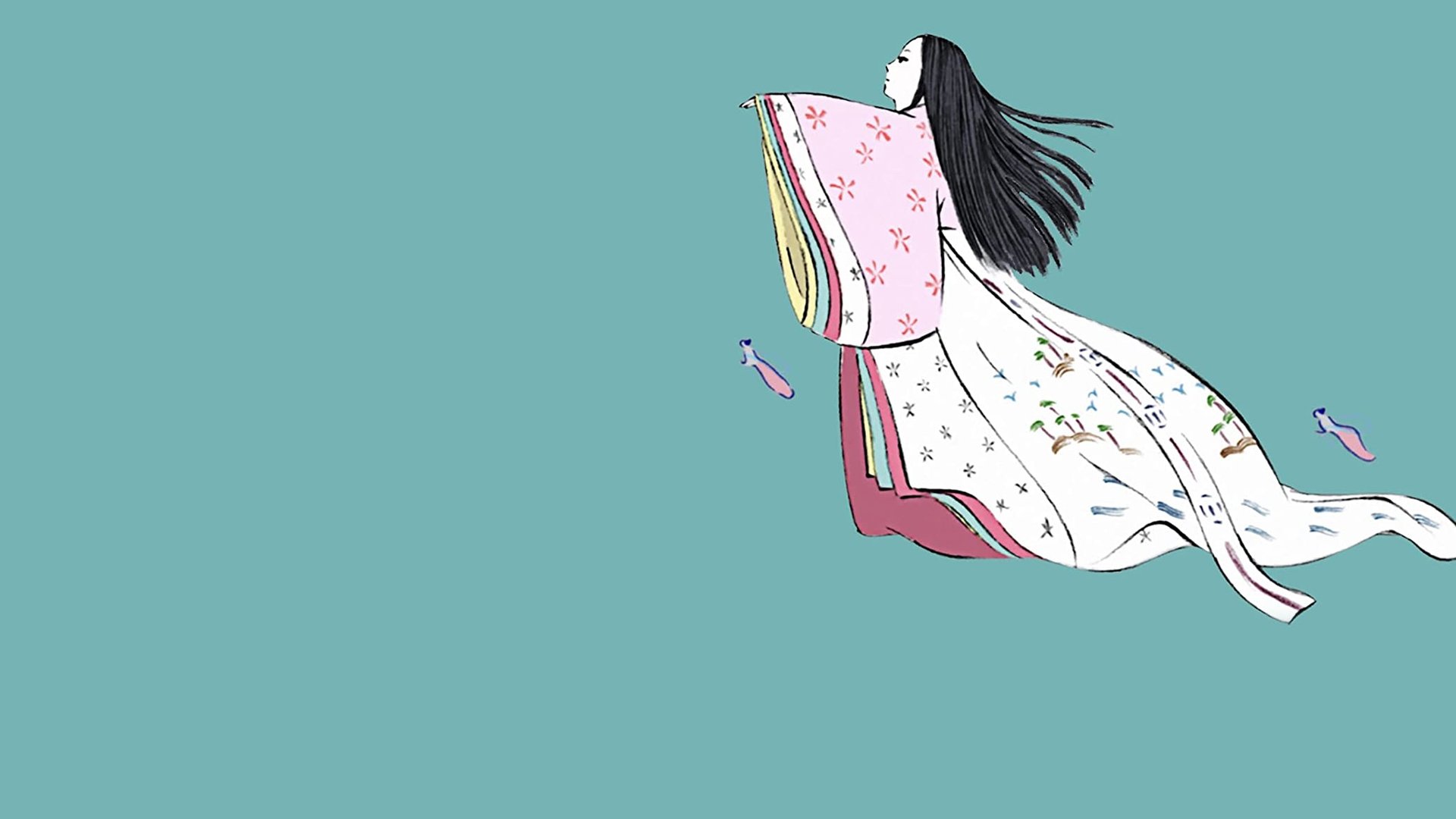
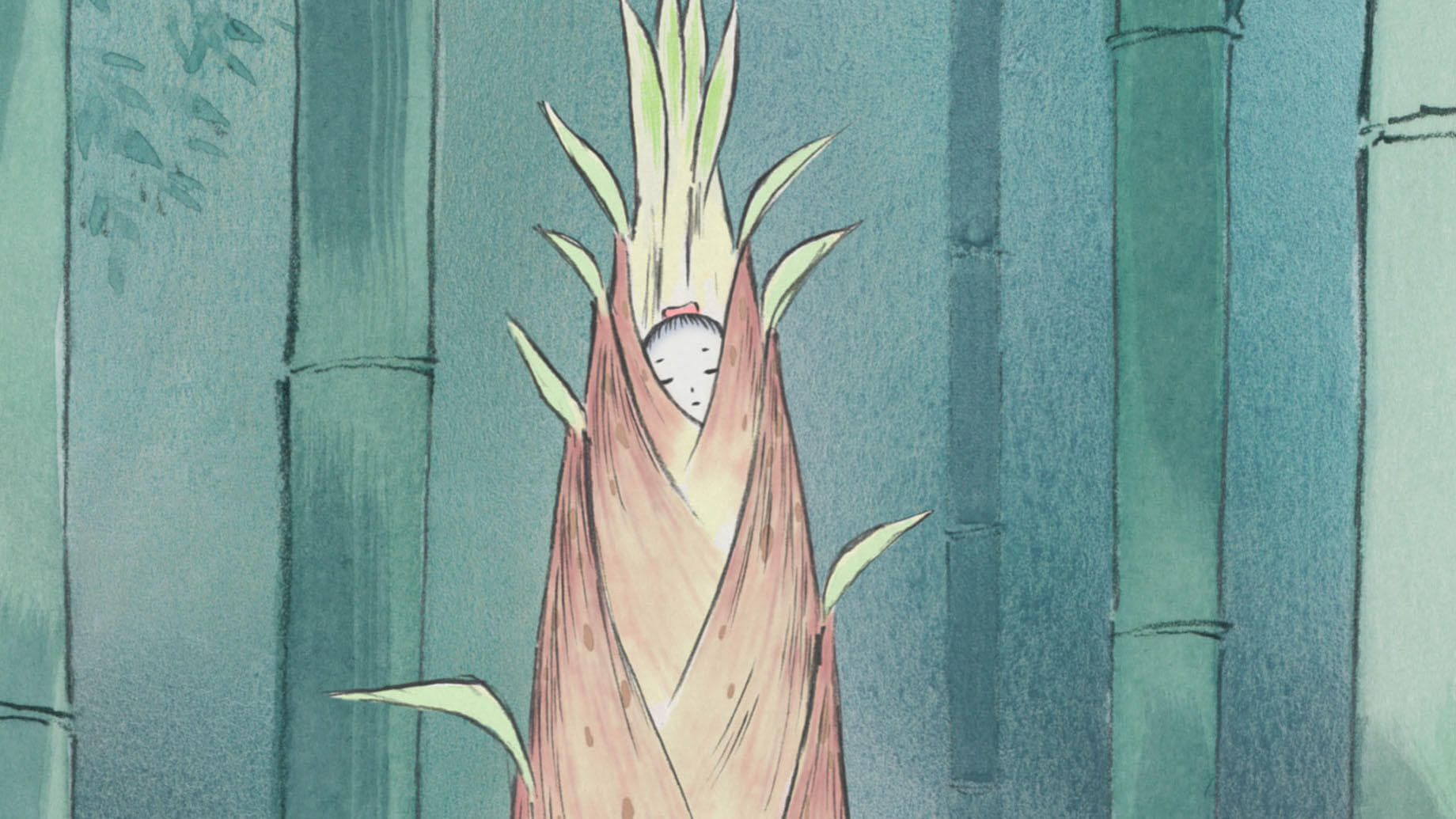
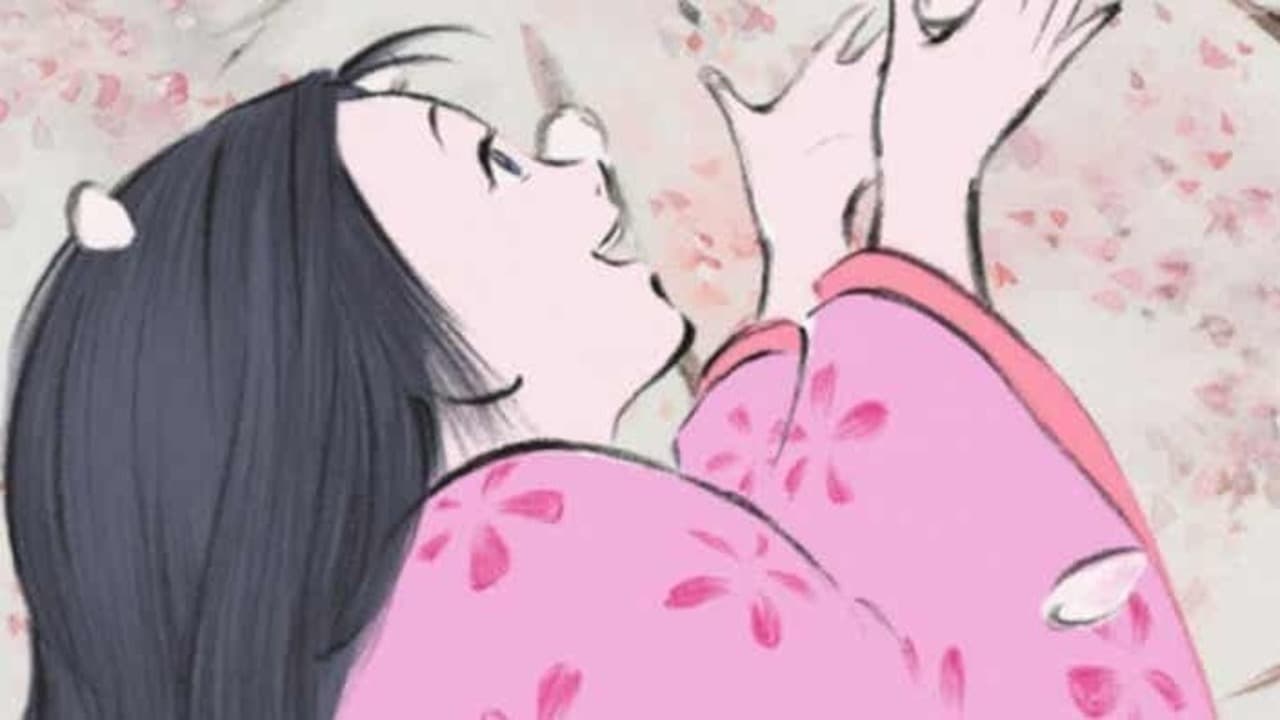
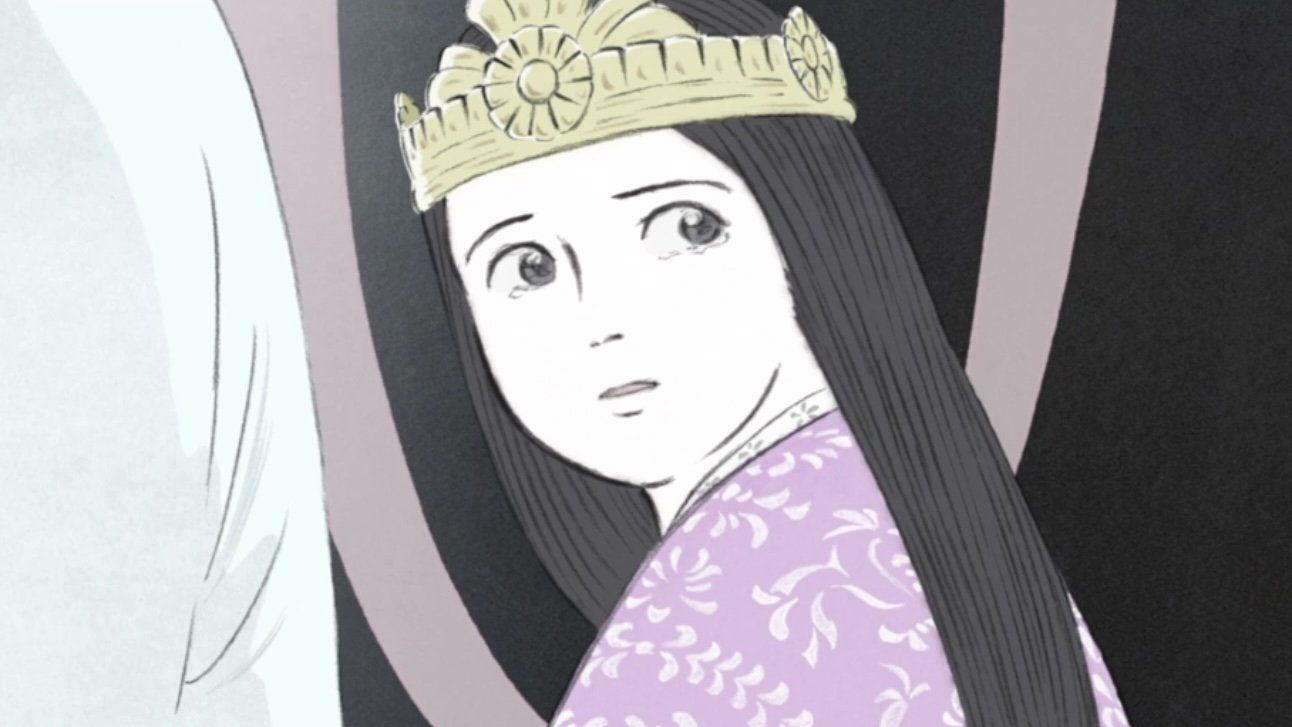
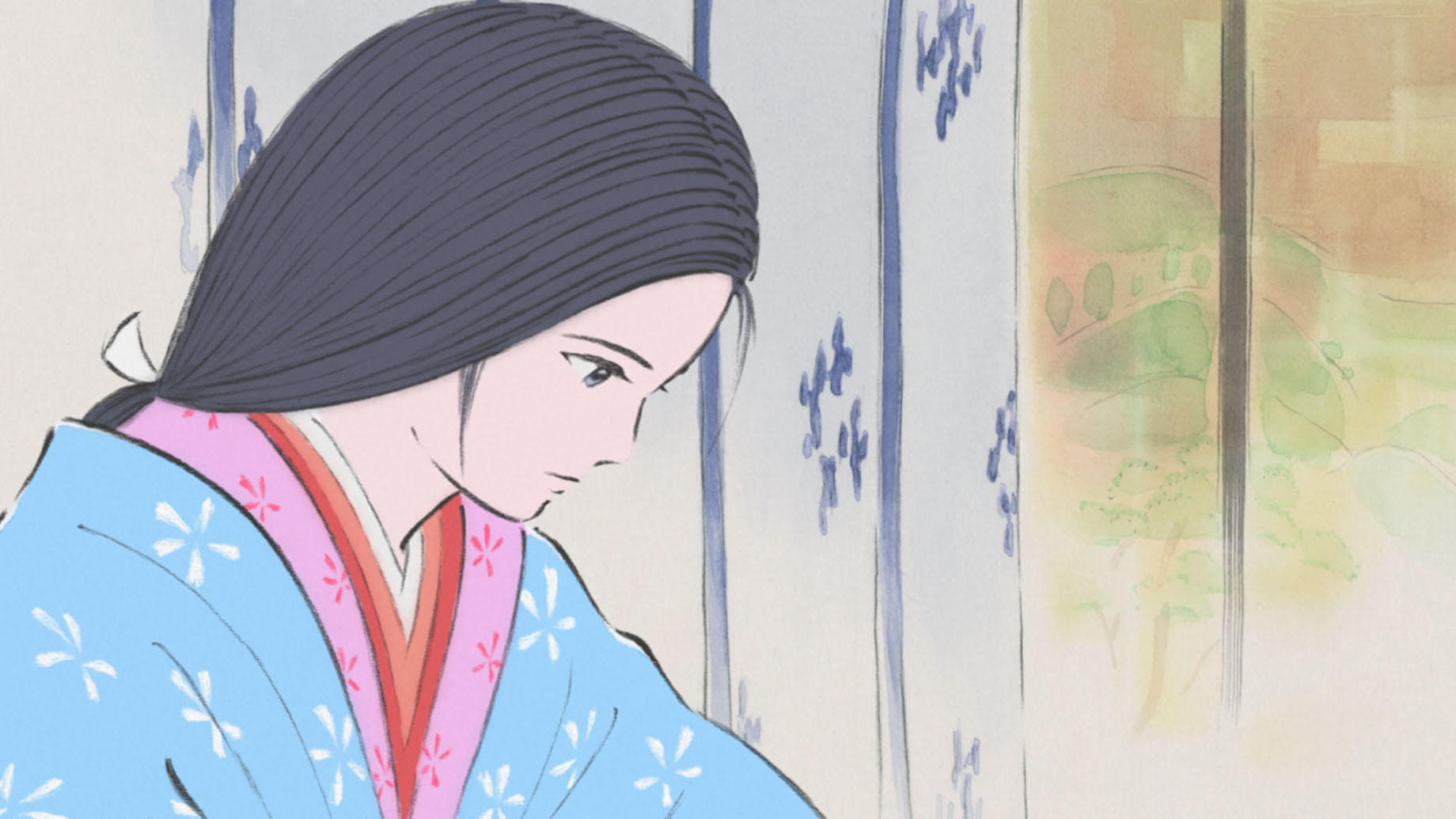
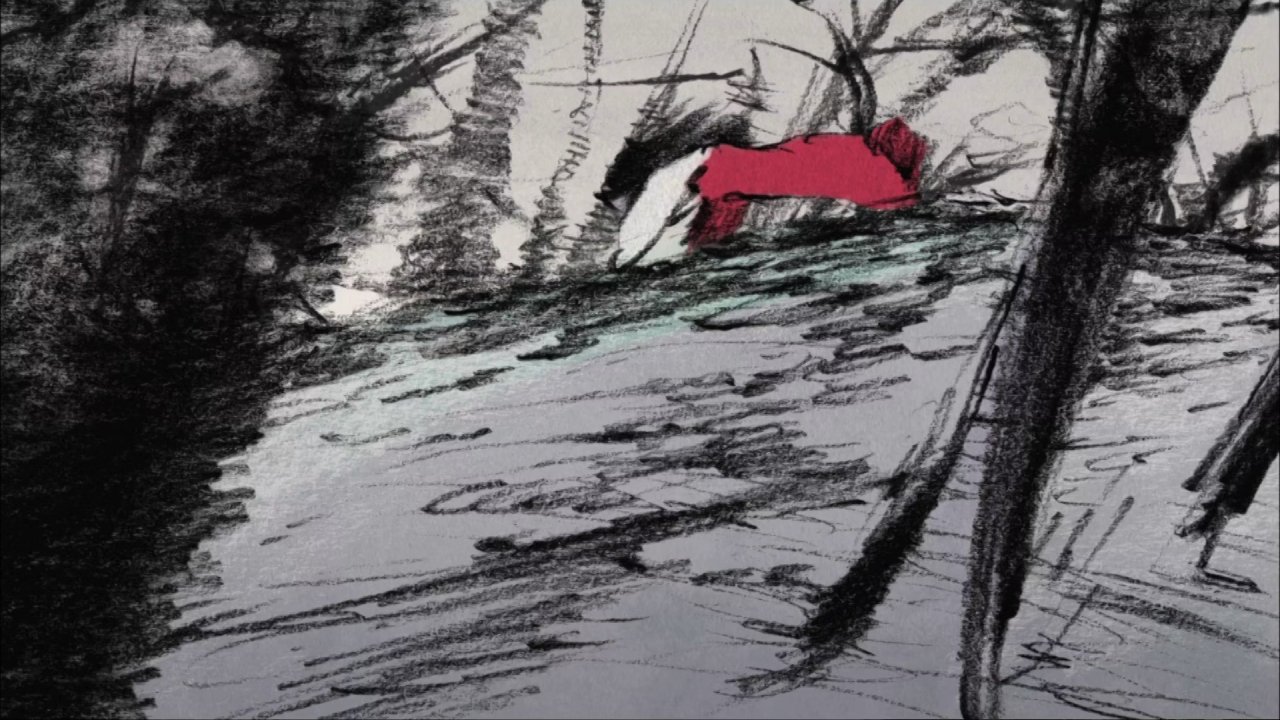
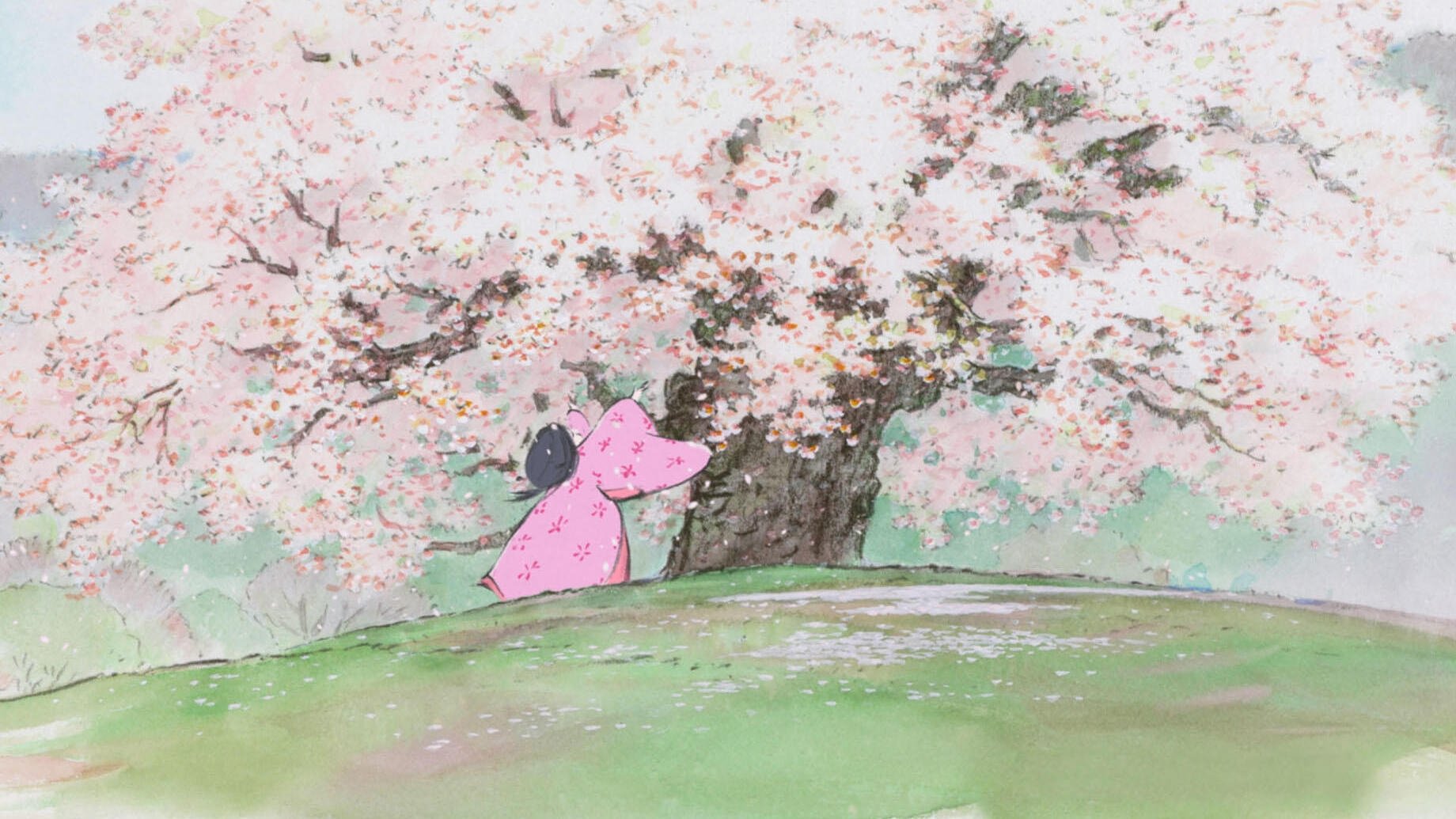
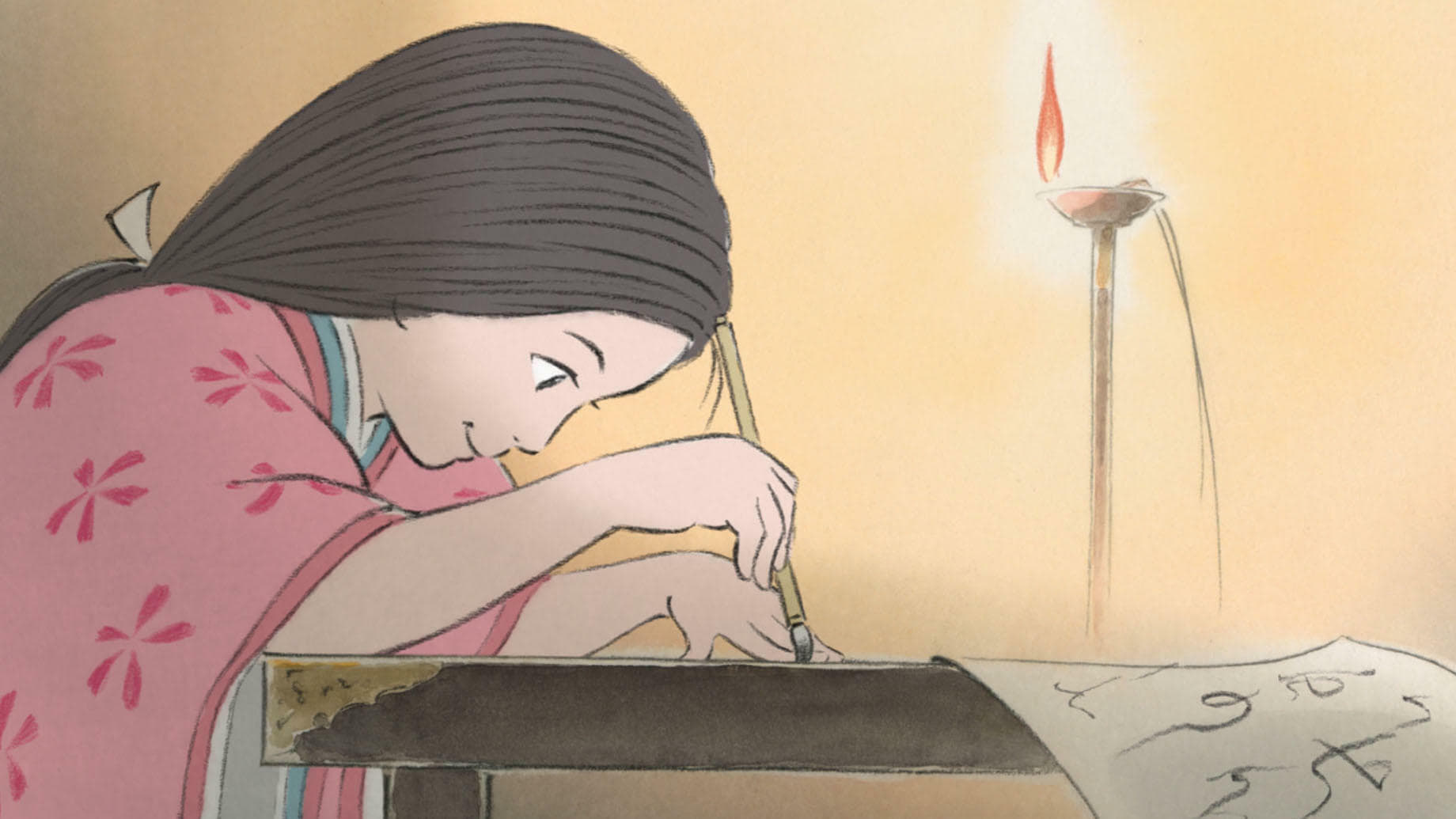
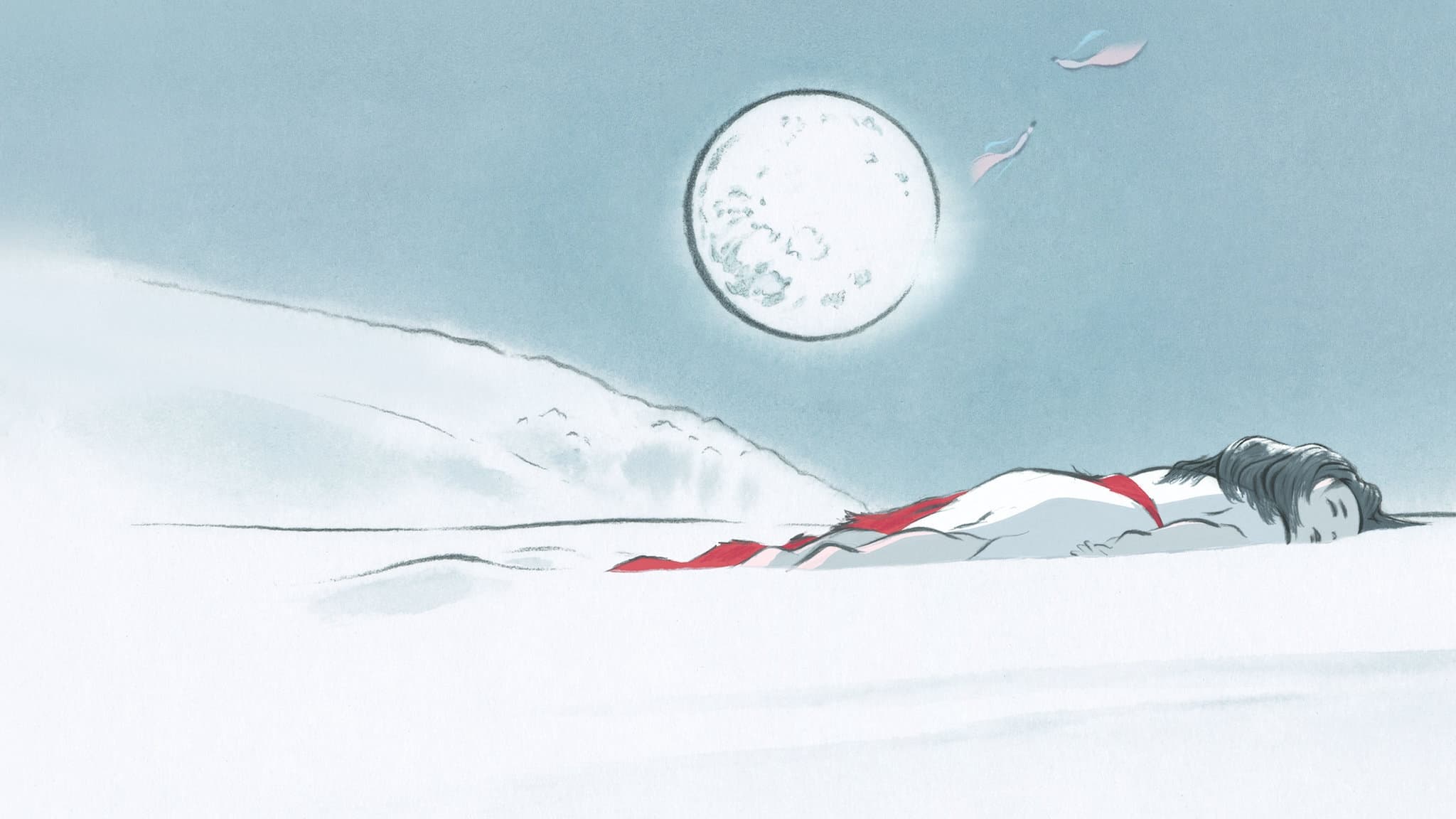
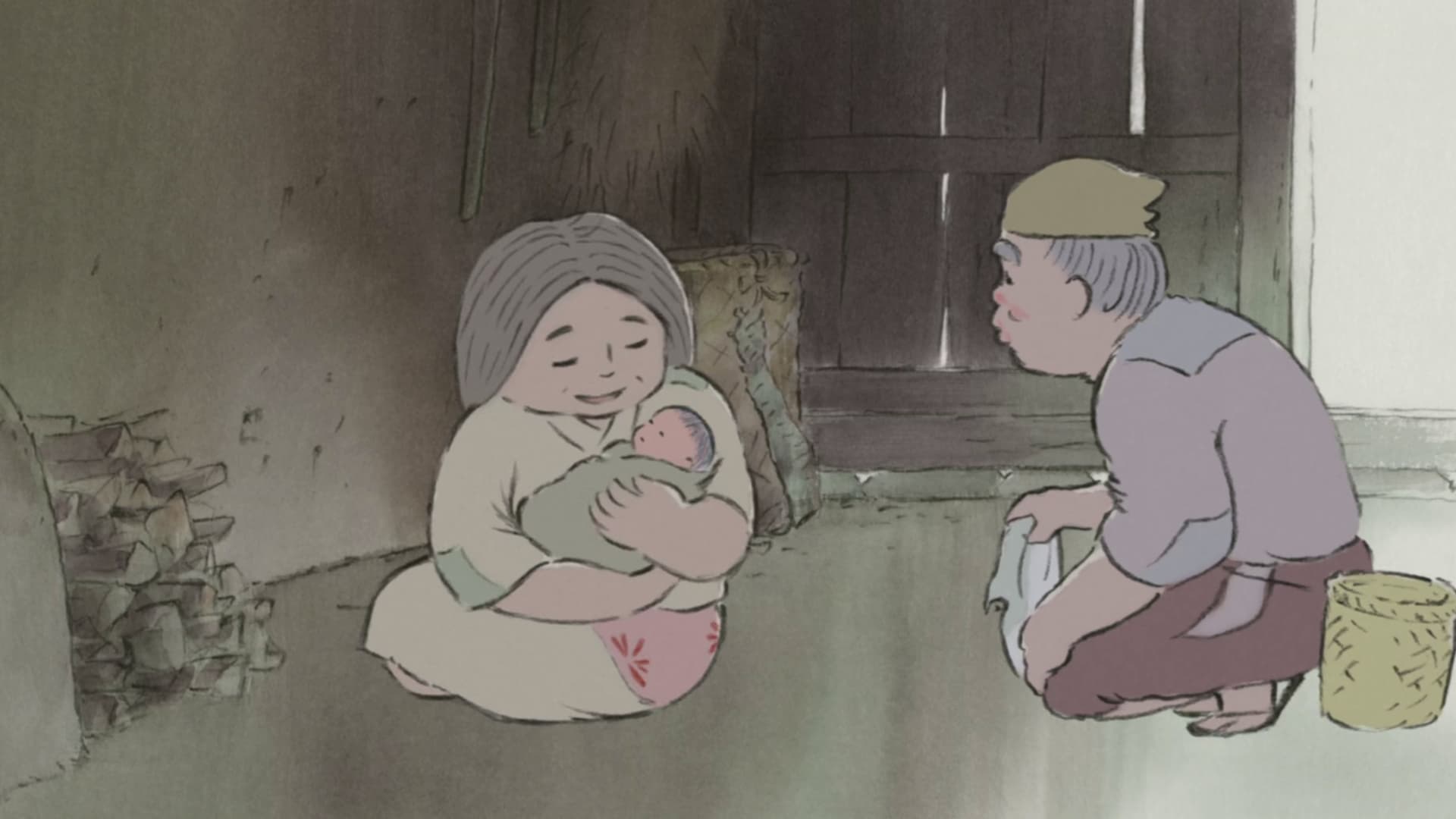
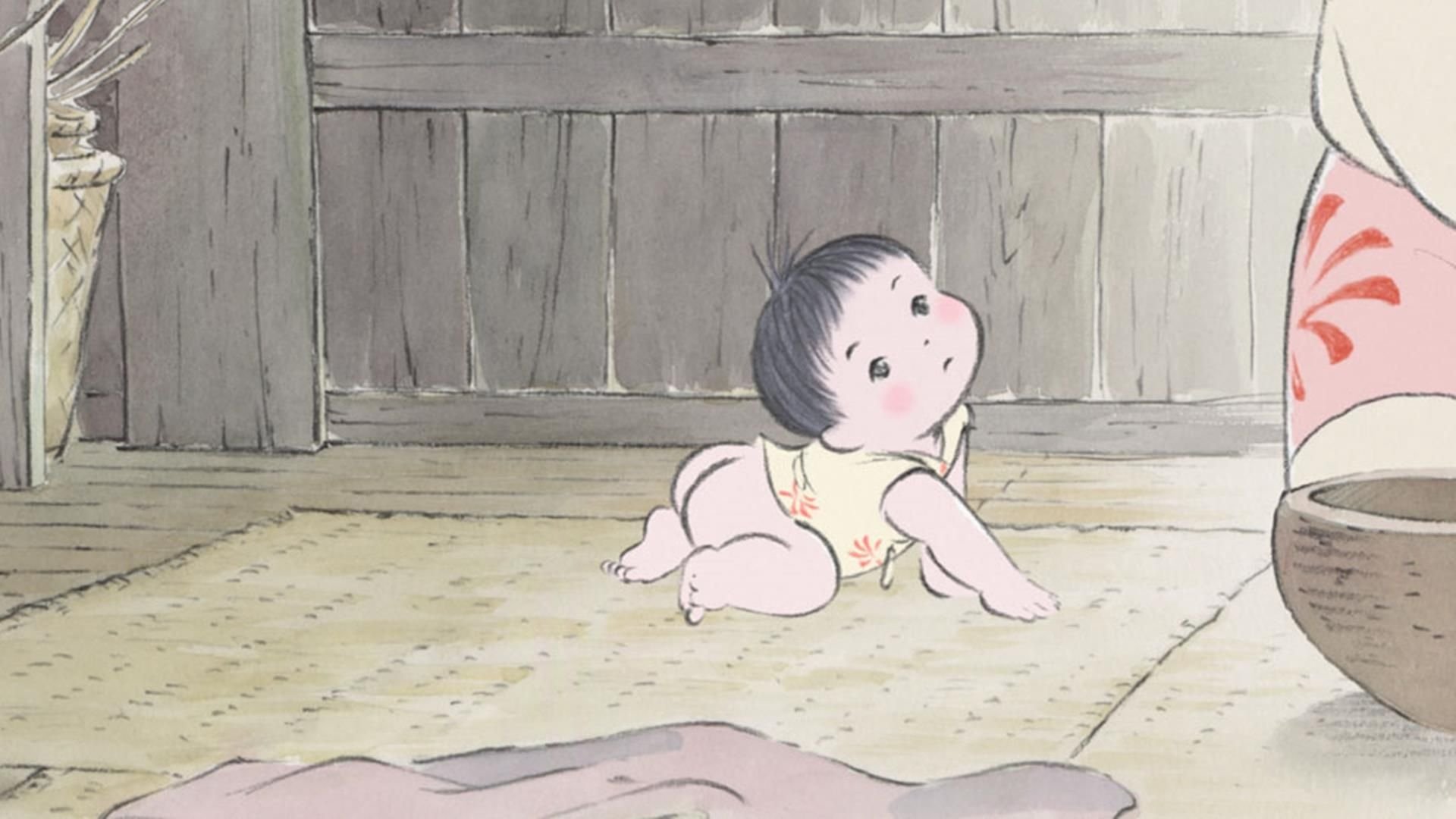
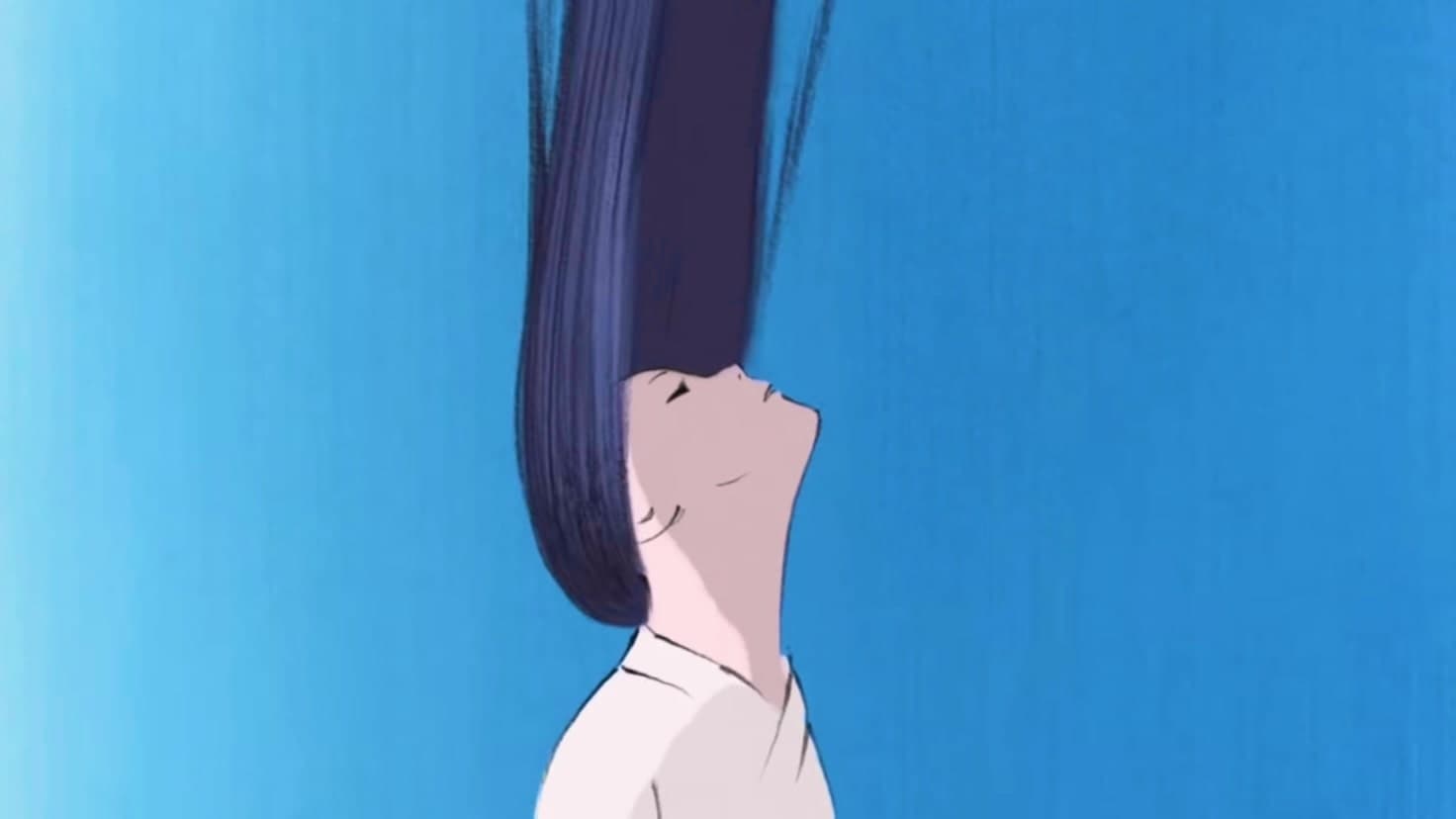
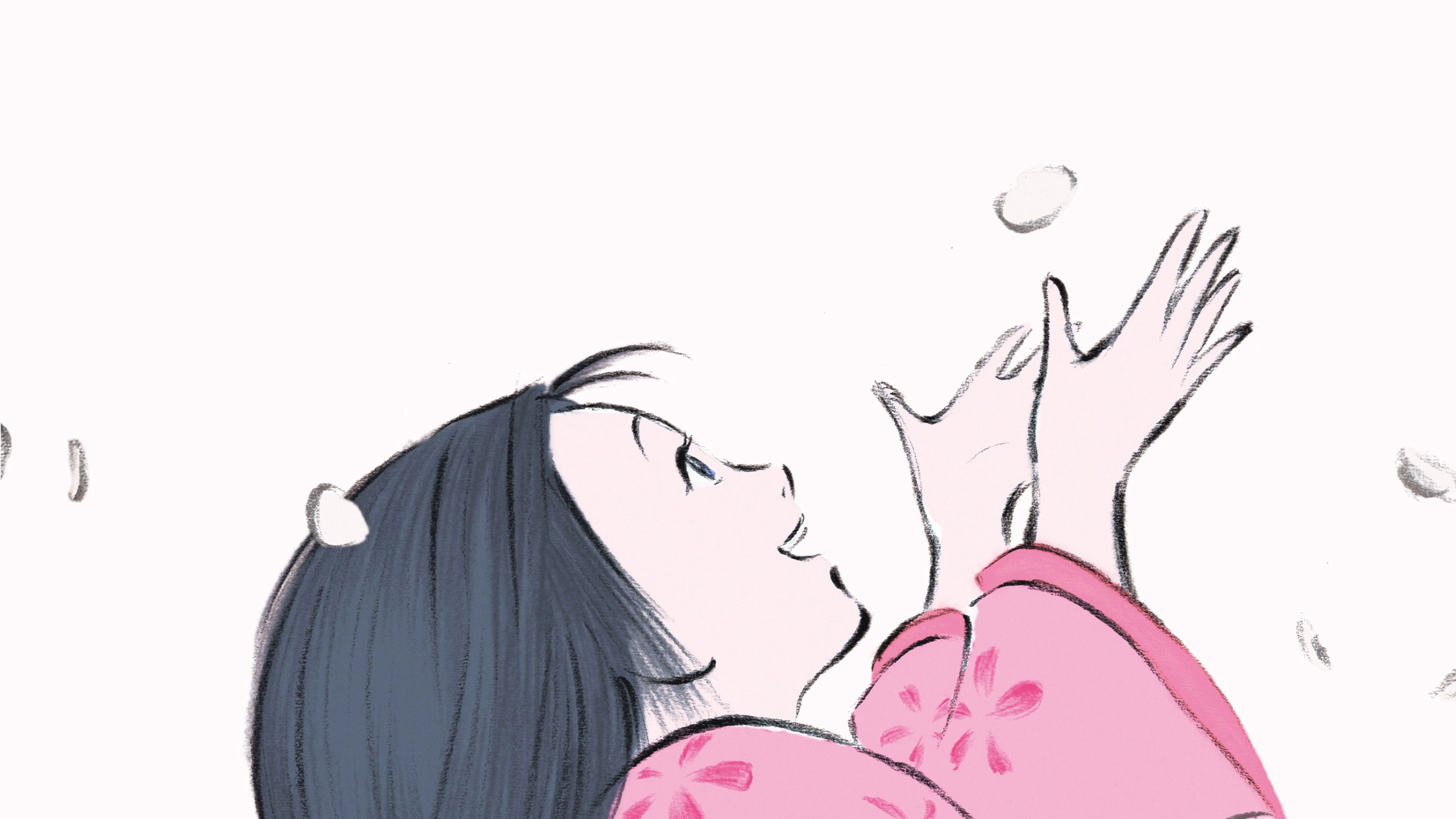
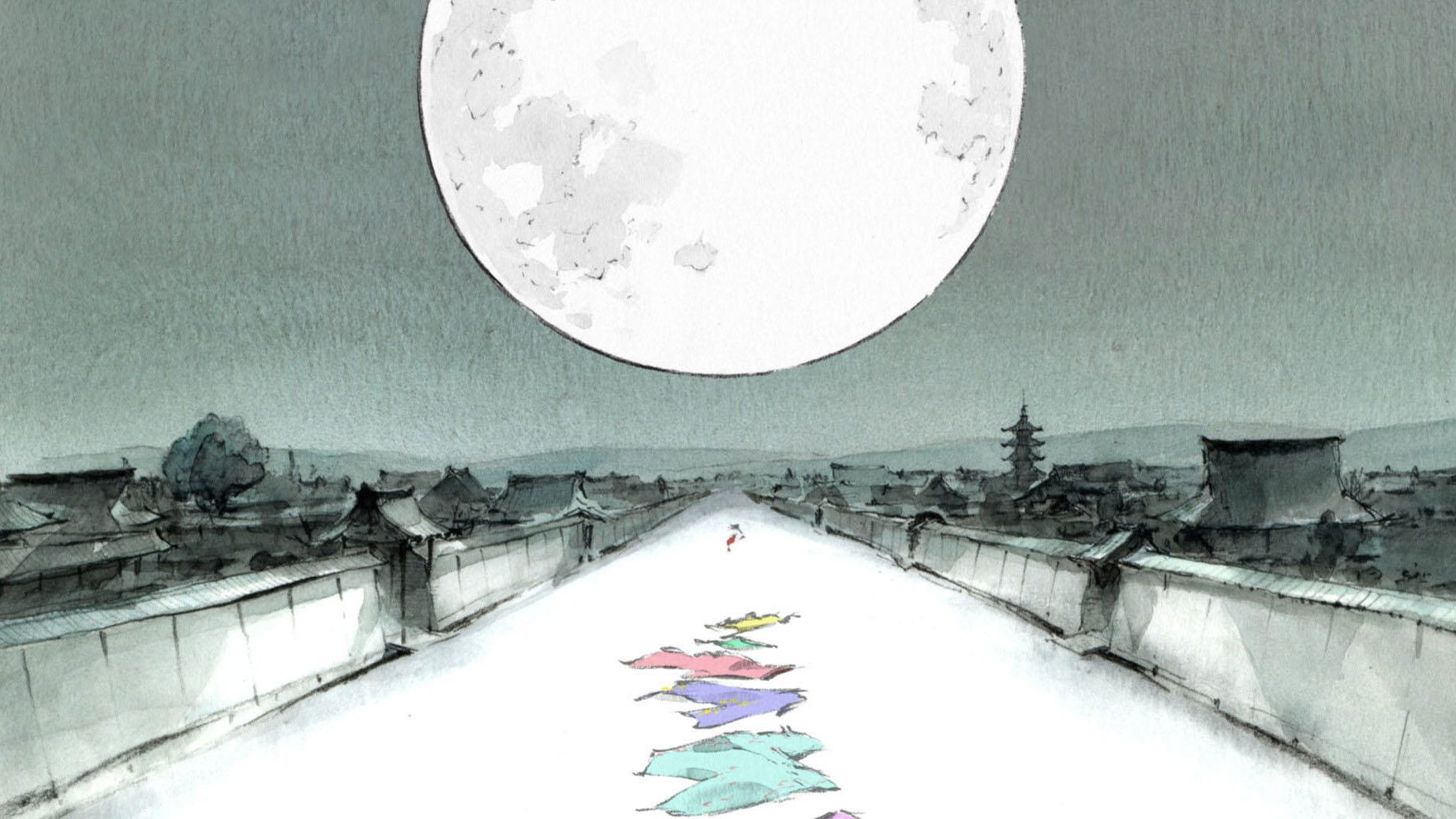
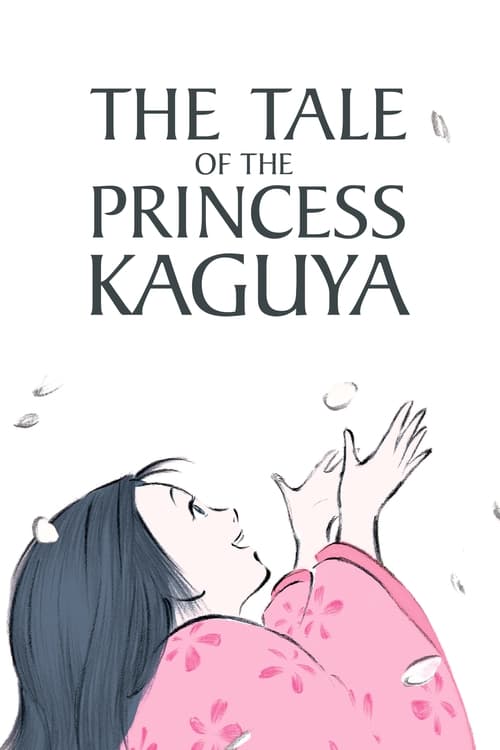
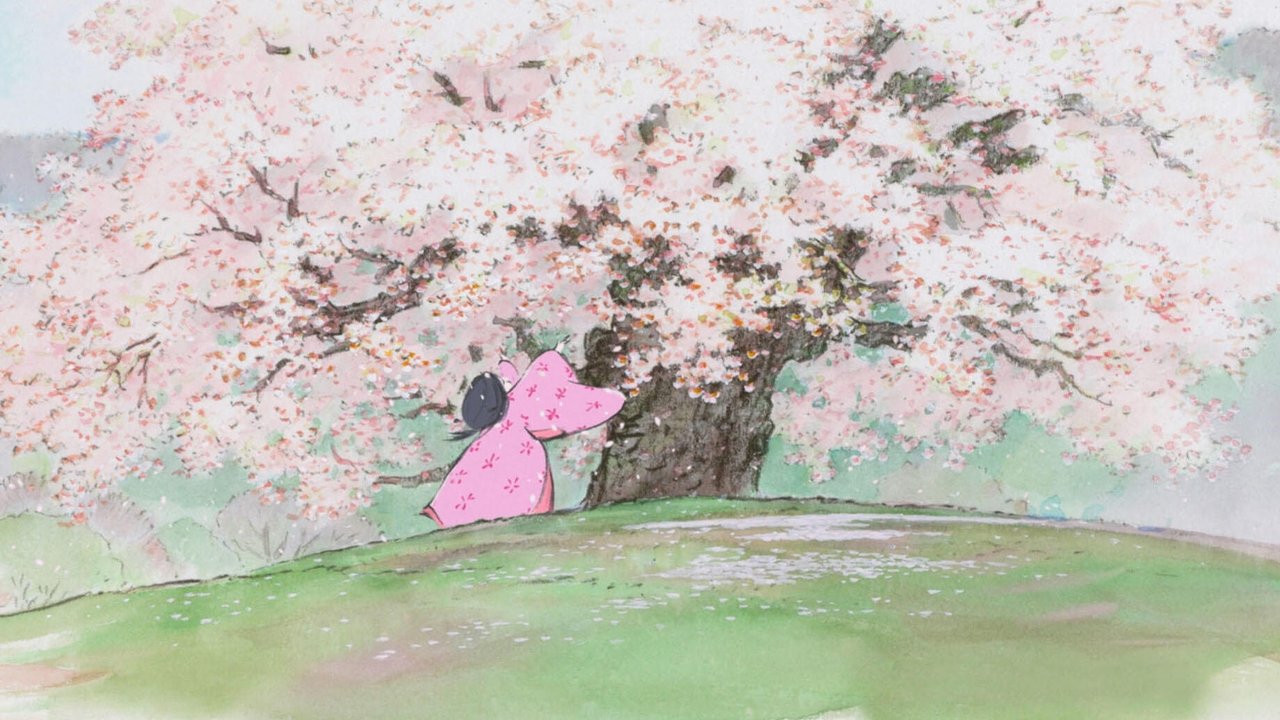
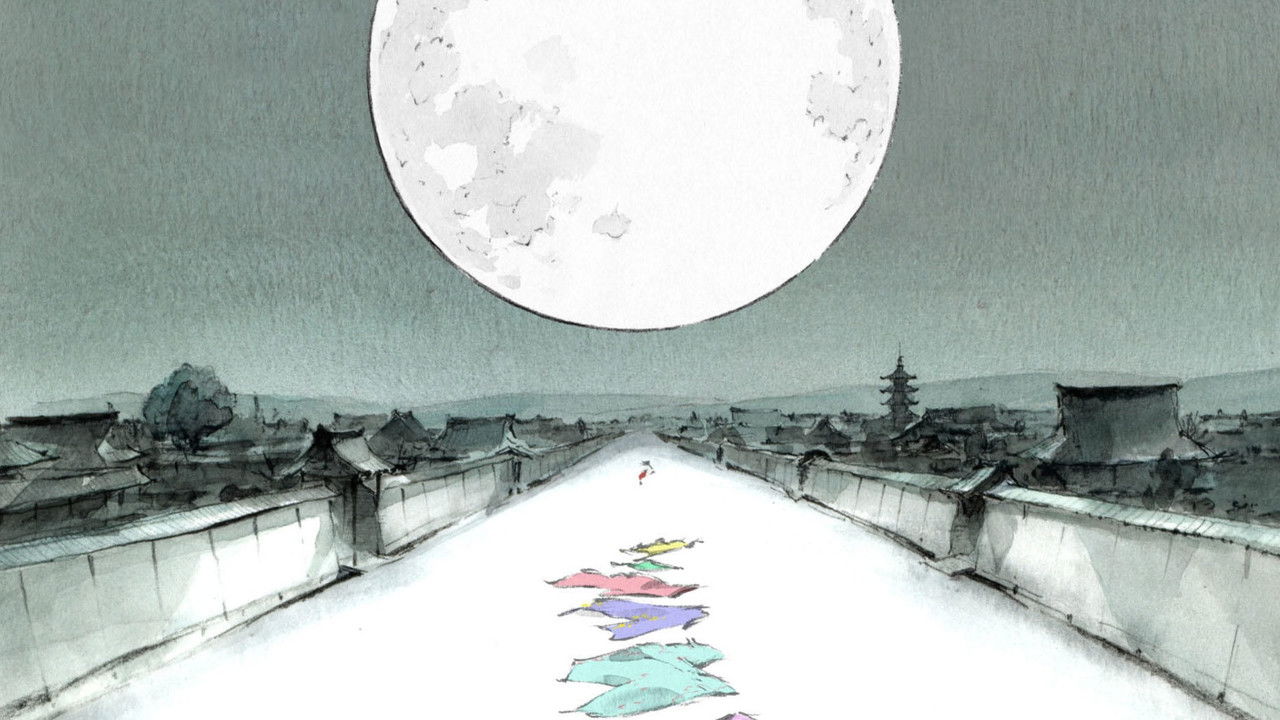
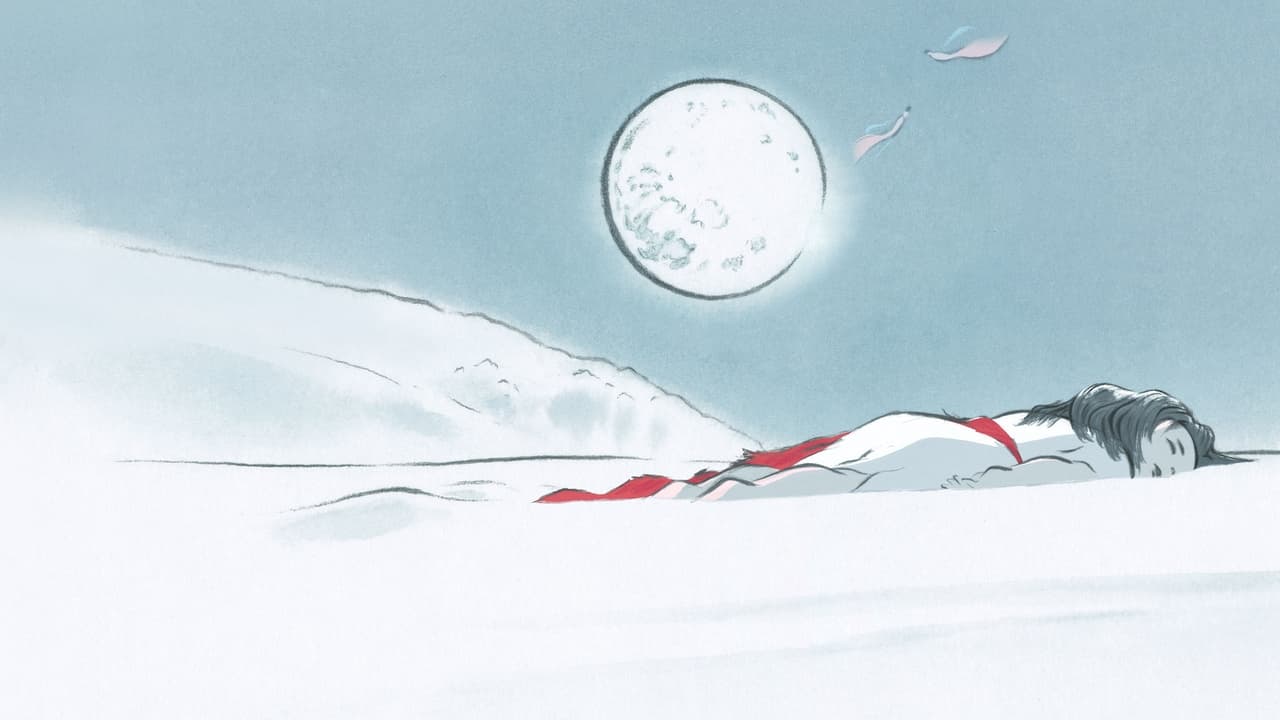
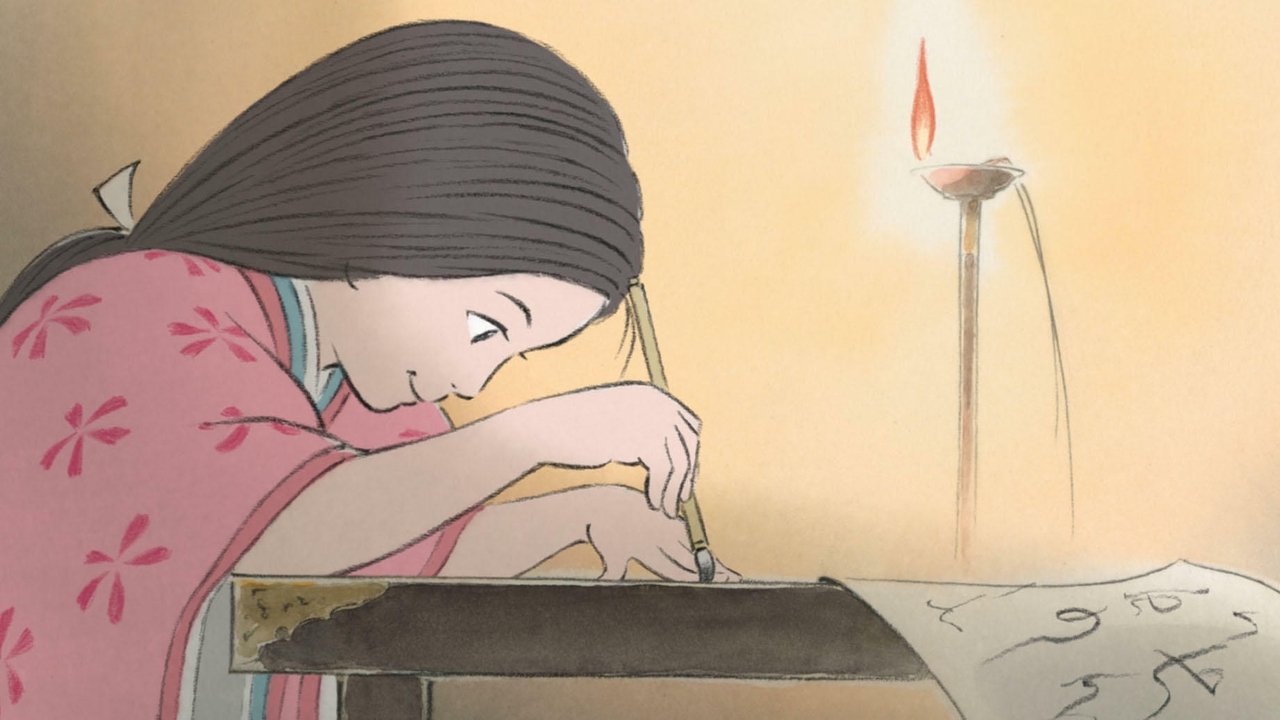
Beautiful and melancholy, The Tale of Princess Kaguya features a stunning animation style that works perfectly with the fantasy of the Japanese folktale. Though it's the longest Studio Ghibli film, the minutes positively fly by thanks to the solemn soundtrack and excellent voice-acting.
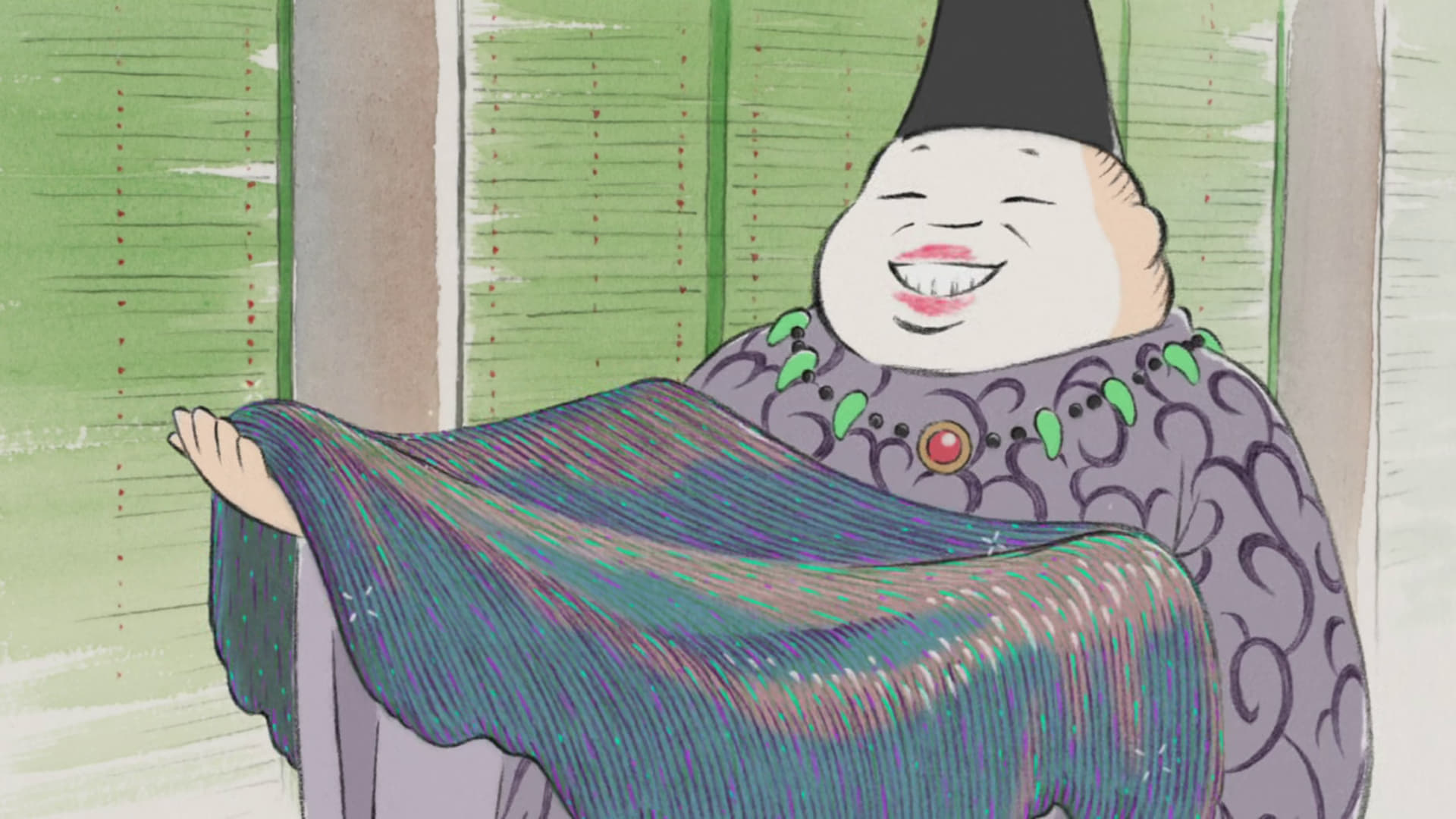
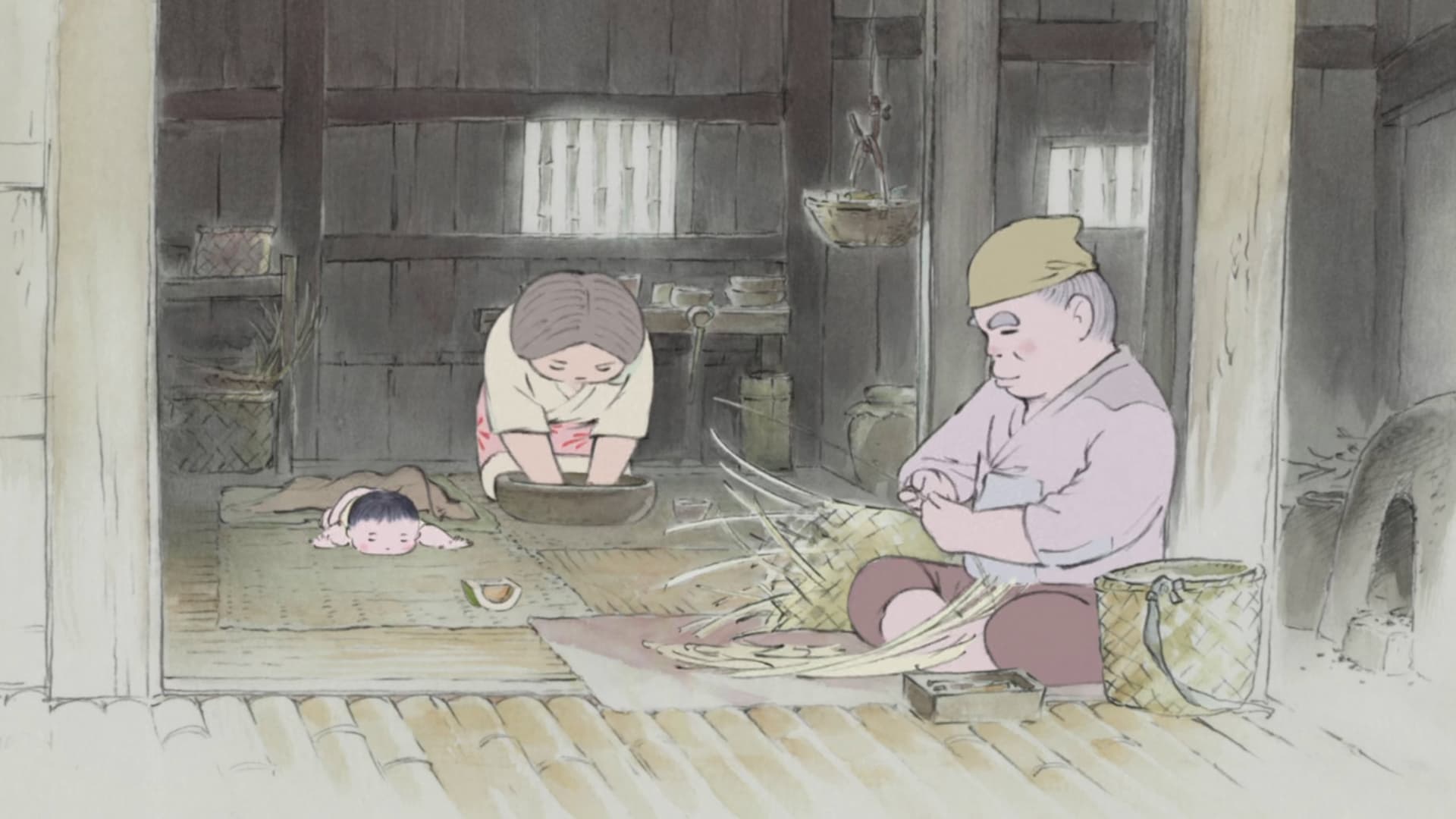
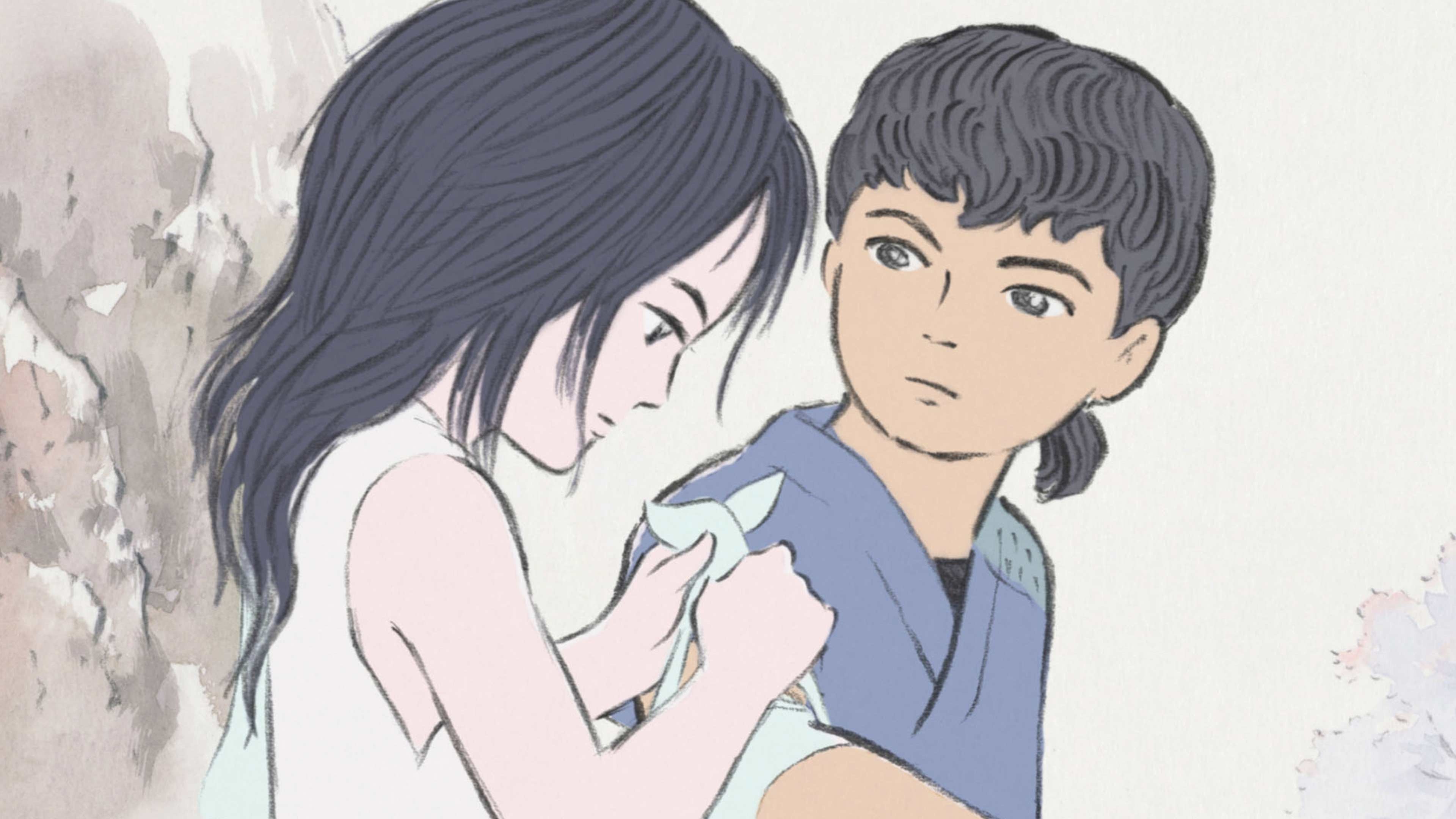
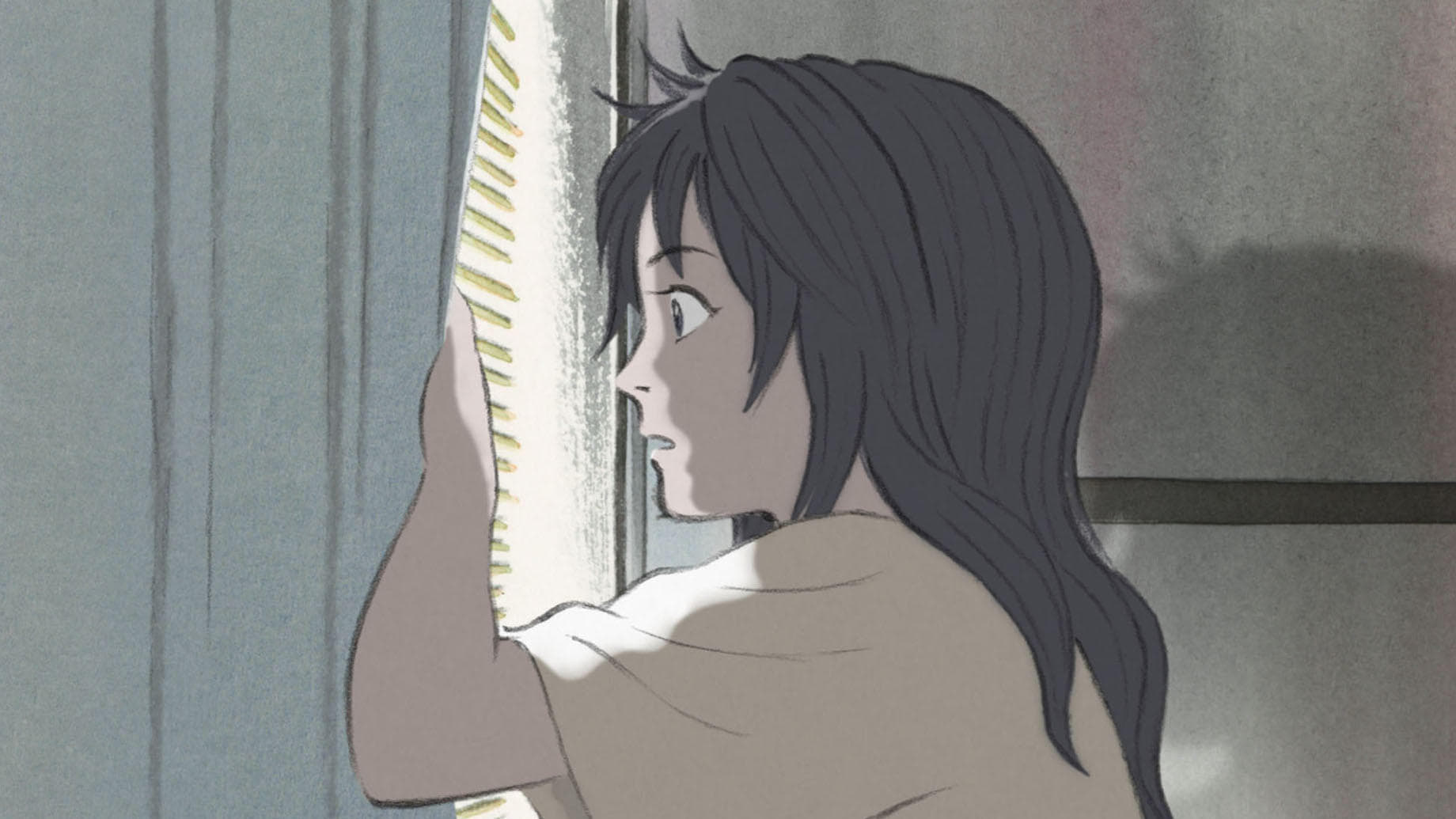
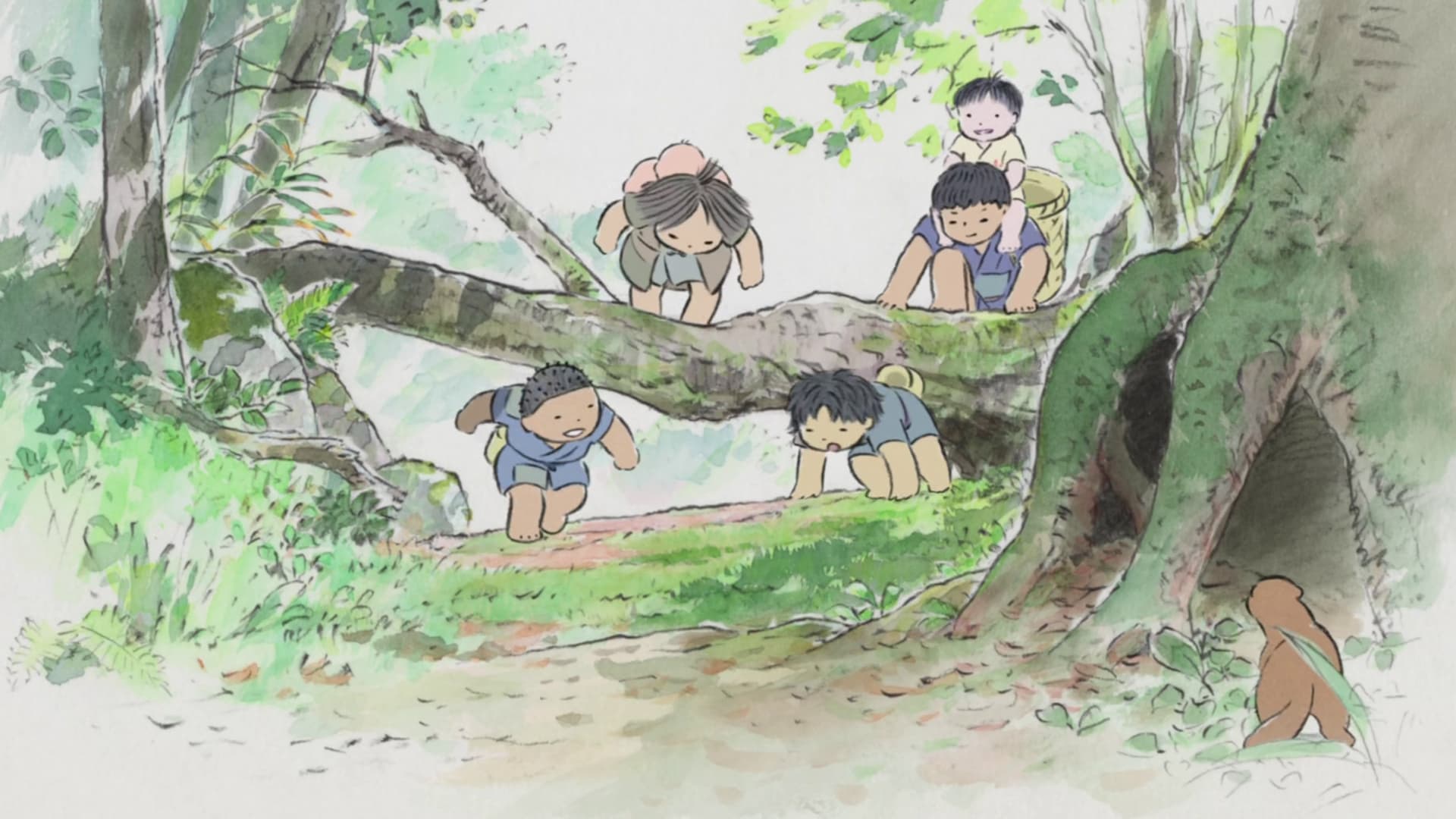
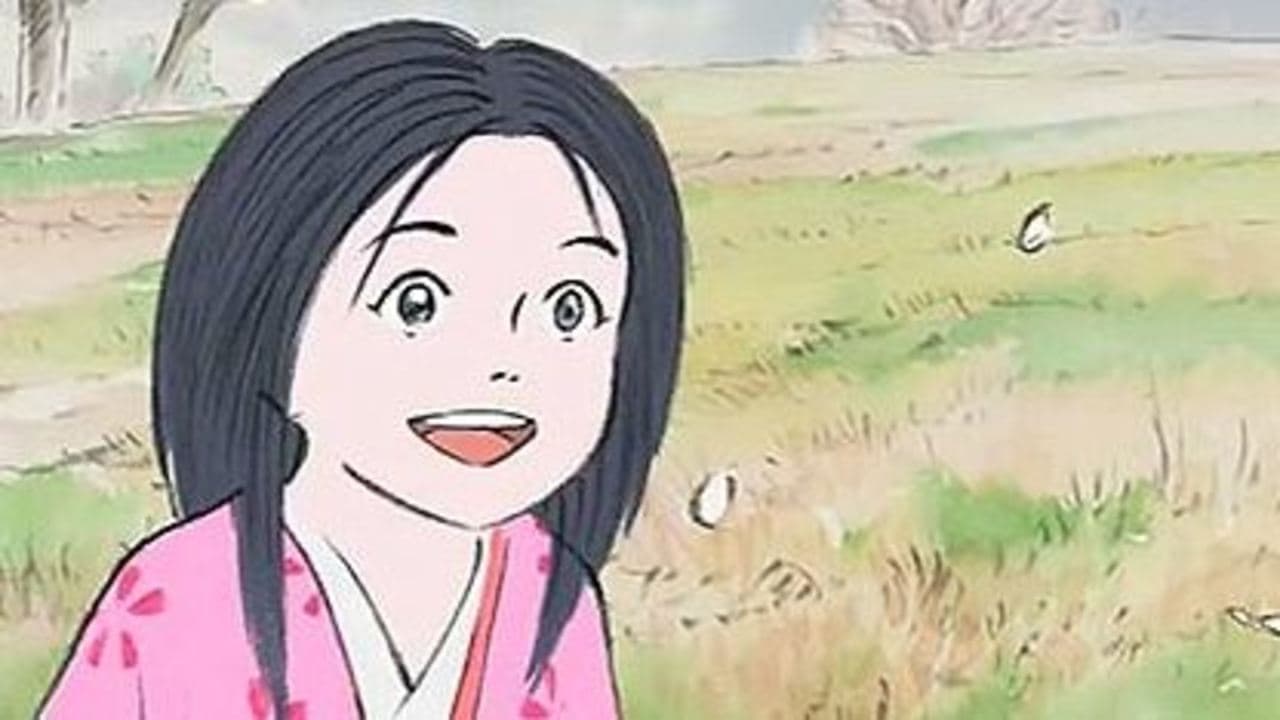
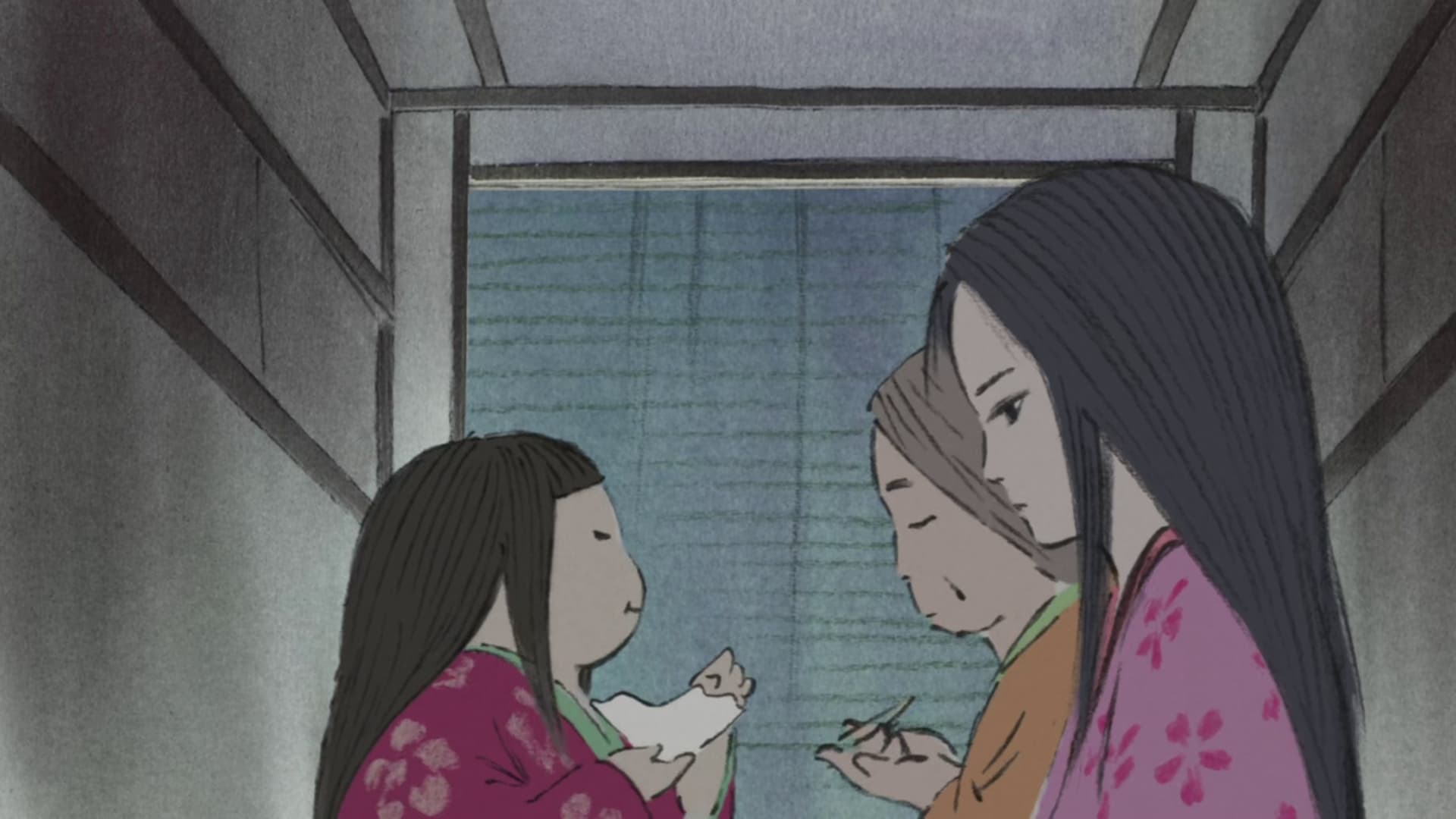
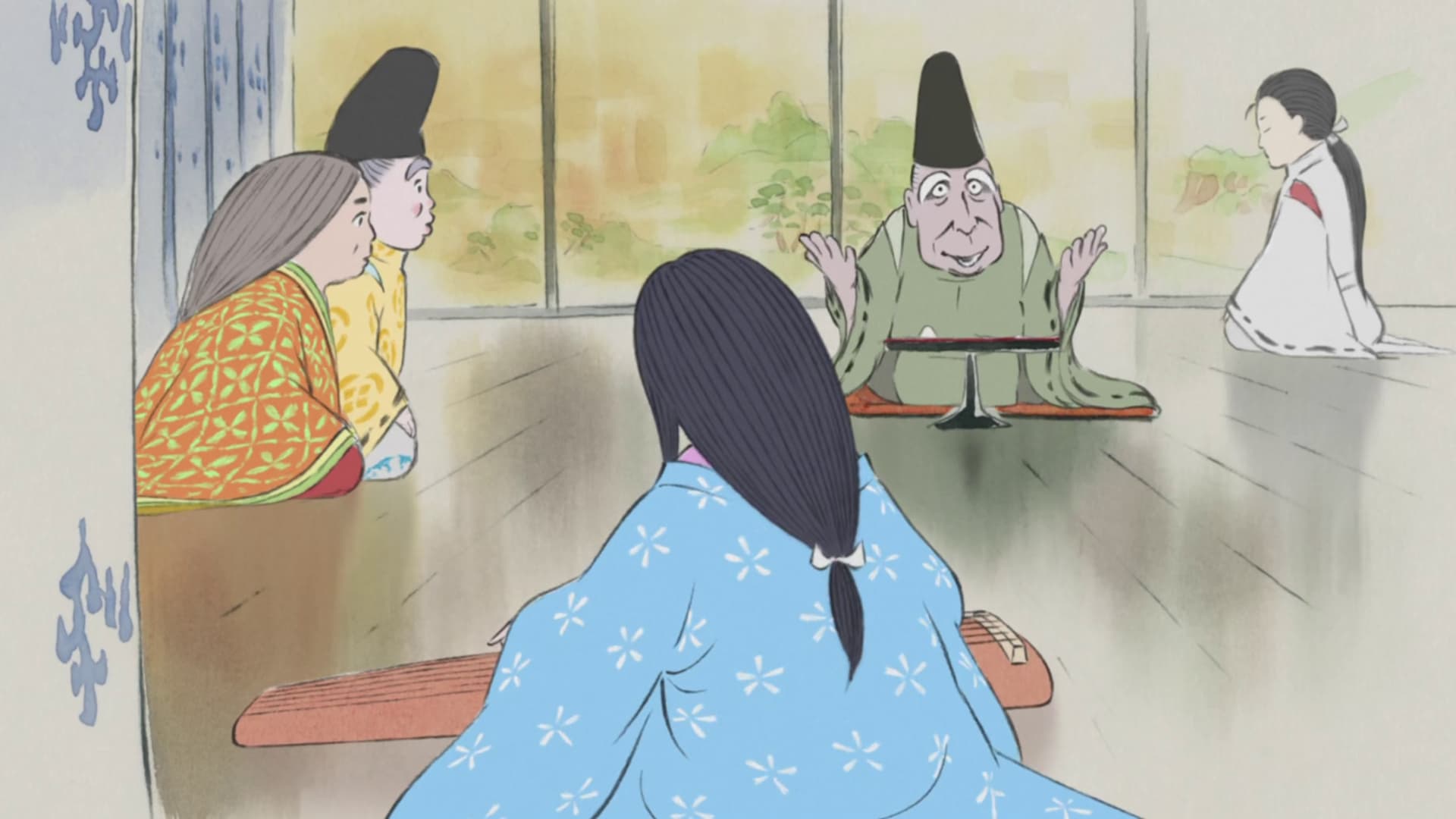
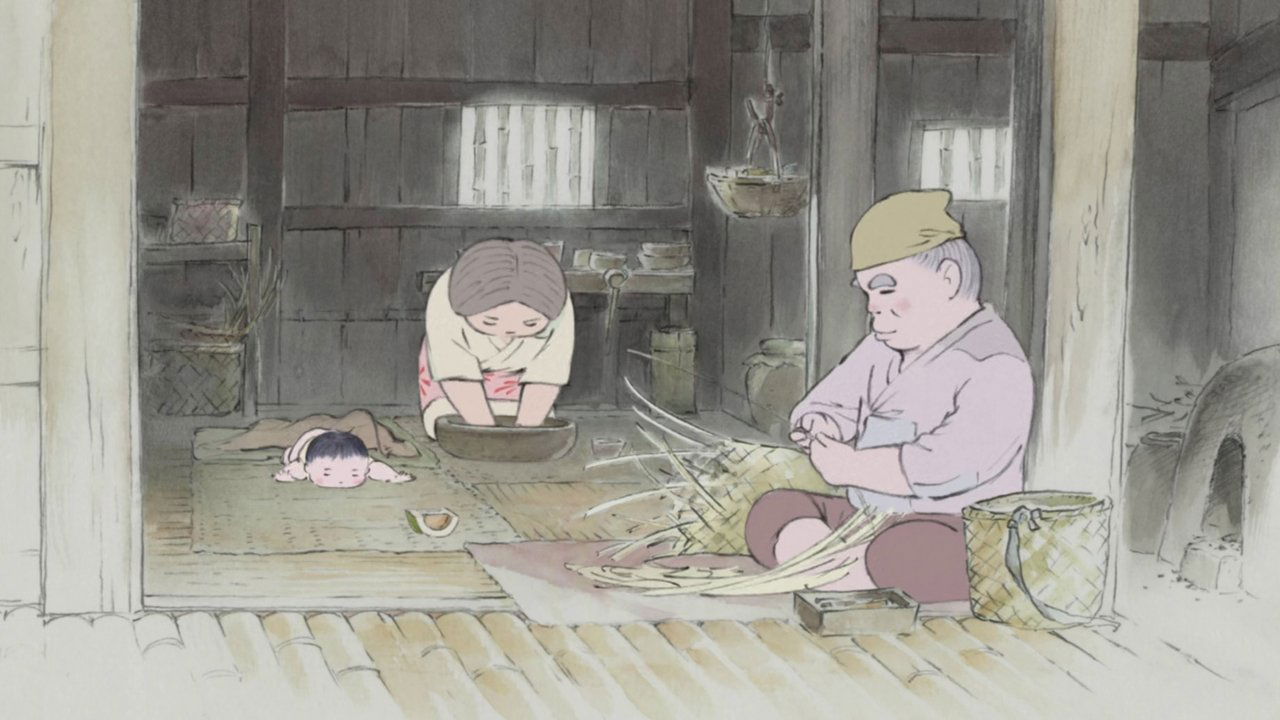
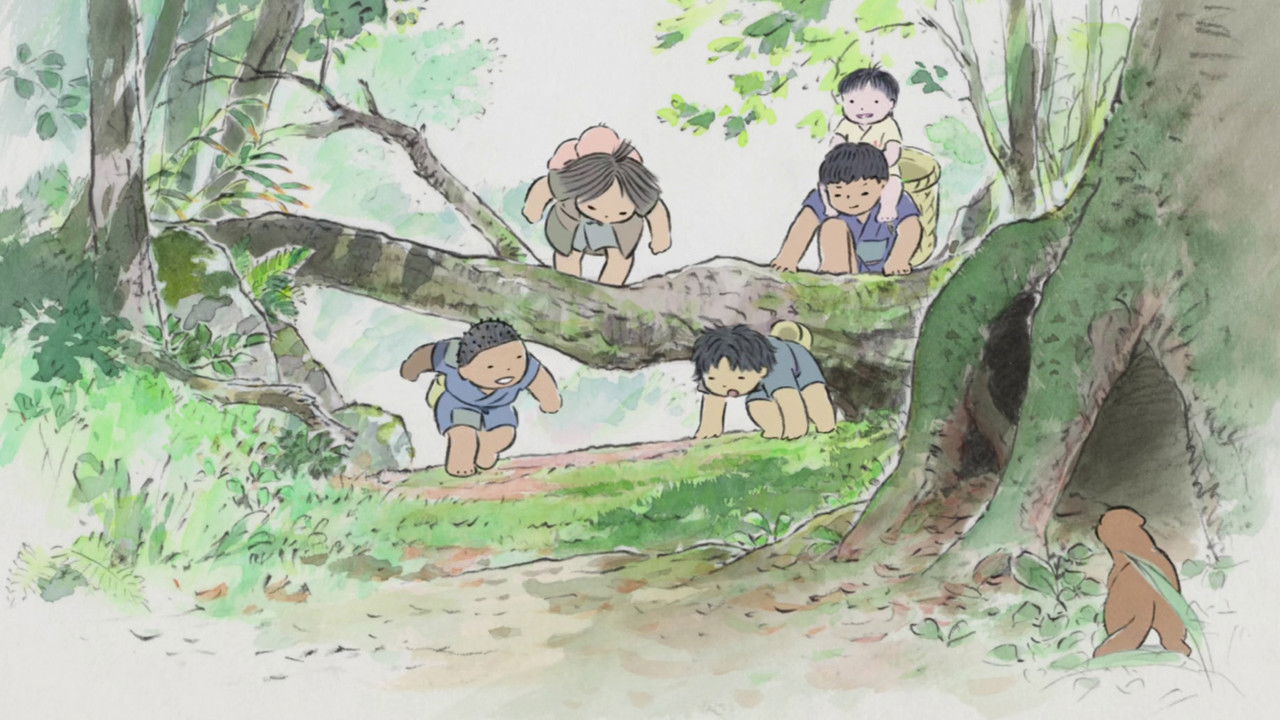
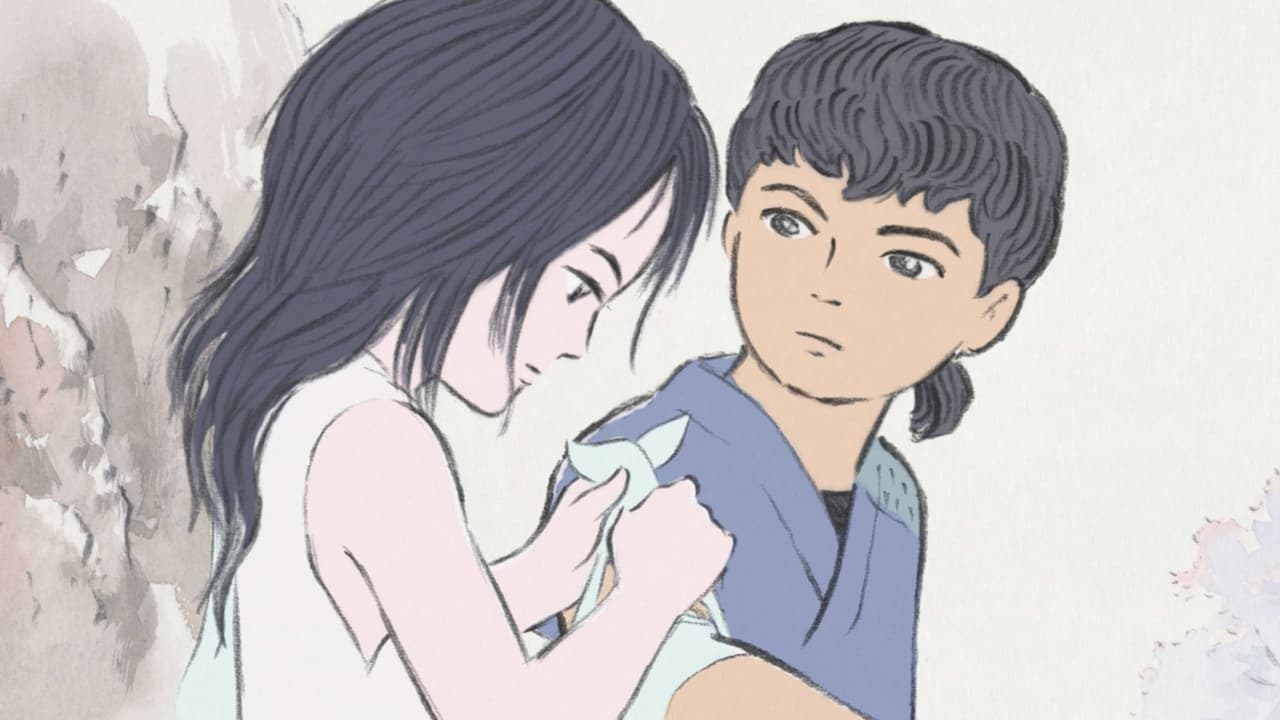
And throughout the experience, there were certain themes that kept popping out at me. For instance, the freedom found in nature versus the constriction in city life. During the early stages of Kaguya's life, her childhood in the countryside are conveyed through soft brushstroke-esque lines and muted colours, whereas the tones in the city are a little harsher, representing the wealth of the place, of course, but also reflecting Kaguya's confinement to the rules of the city and nobility.
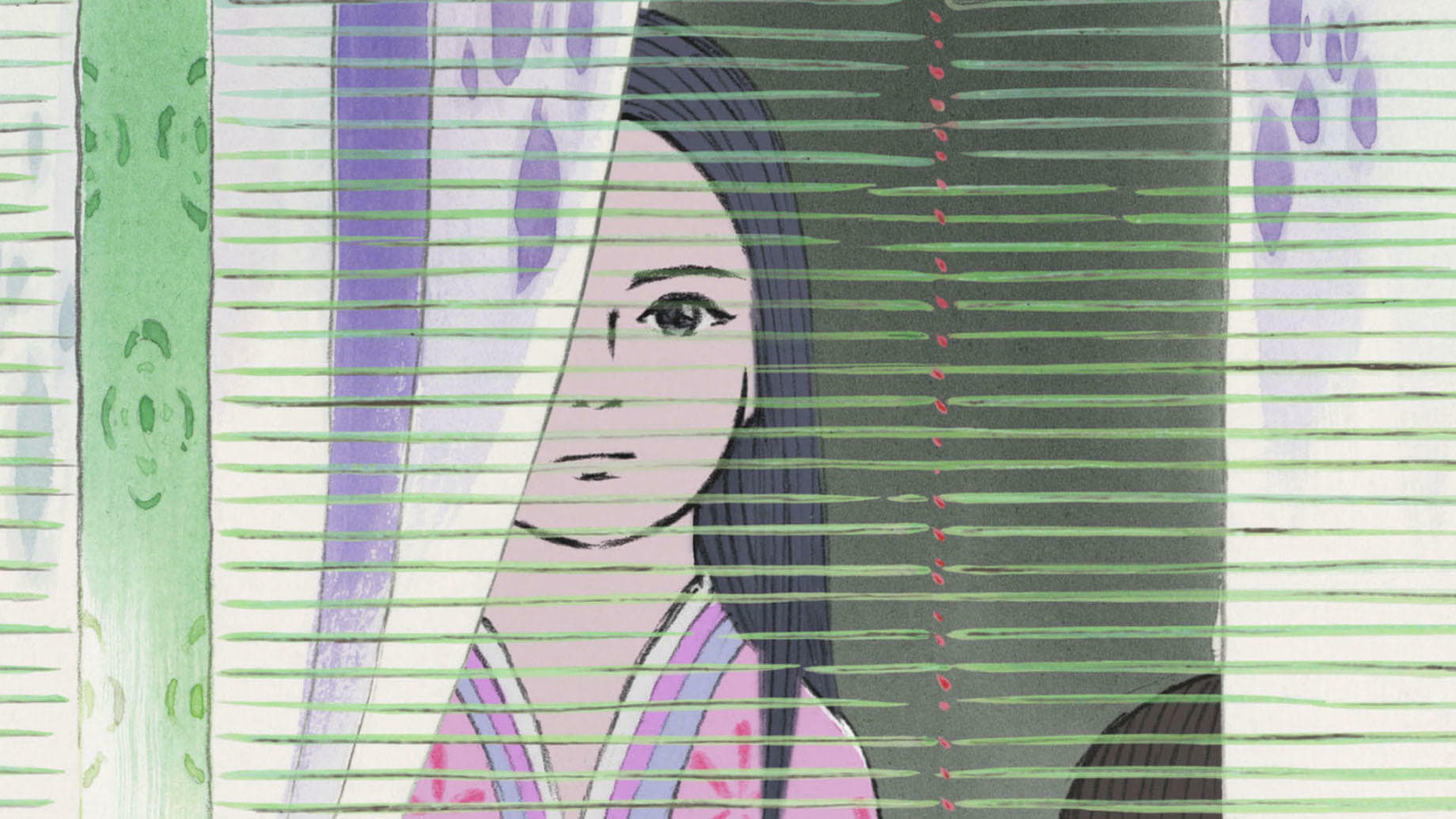
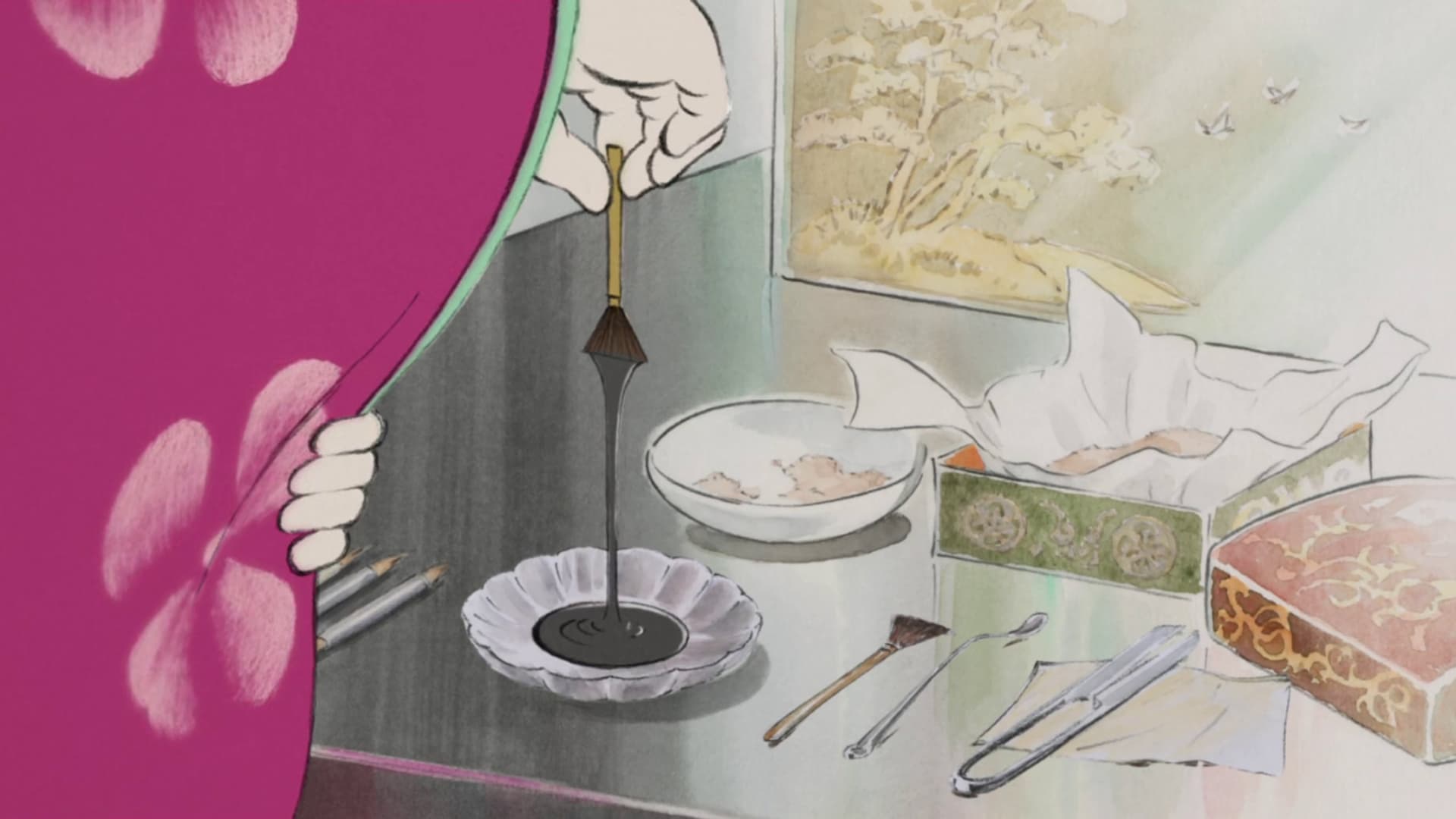
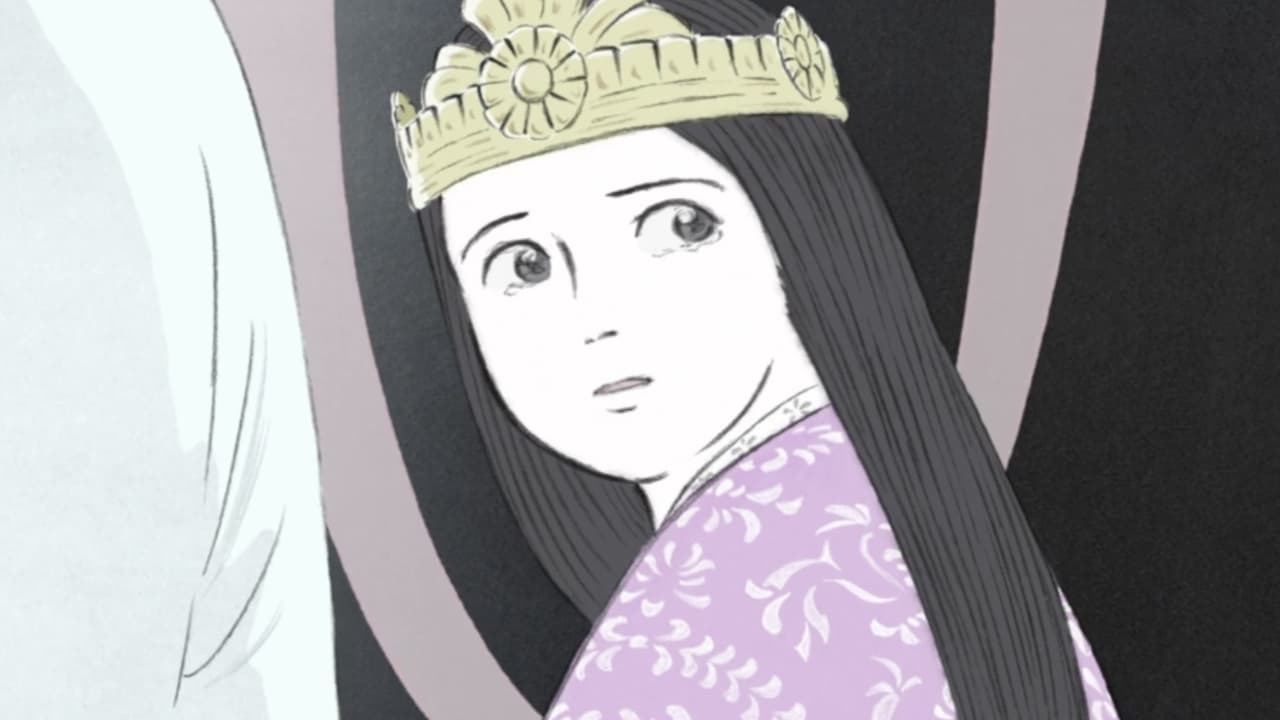
I'd also say that there was a feminist undercurrent running through the narrative and character portrayal; Kaguya's mother had little say in the decision to move to the city, and her father was the one who directed Kaguya's life for the remainder of her time on Earth. The forced suppression of her emotions, the blackening of her teeth, the shaving of her eyebrows, all of which she rebelled against, and her resistance towards marriage took courage in the patriarchal society of the Japanese setting.
The Tale of Princess Kaguya is absolutely gorgeous, and tear-inducing, and if you haven't seen it already, do so immediately; I promise you won't regret it.
❝When you put on the robe of the Moon, you lose all memory of this place. All grief and sadness are gone. But when she sang that song, tears would come to her eyes. And for some reason, that magic took my heart, too. And now I understand exactly how she felt. And why I yearned for here, and broke the rules... and maybe why I was sent down here.❞
· · ──────⊹⊱ ✦ ⊰⊹────── · ·
Beautiful and melancholy, The Tale of Princess Kaguya features a stunning animation style that works perfectly with the fantasy of the Japanese folktale. Though it's the longest Studio Ghibli film, the minutes positively fly by thanks to the solemn soundtrack and excellent voice-acting.
And throughout the experience, there were certain themes that kept popping out at me. For instance, the freedom found in nature versus the constriction in city life. During the early stages of Kaguya's life, her childhood in the countryside are conveyed through soft brushstroke-esque lines and muted colours, whereas the tones in the city are a little harsher, representing the wealth of the place, of course, but also reflecting Kaguya's confinement to the rules of the city and nobility.
I'd also say that there was a feminist undercurrent running through the narrative and character portrayal; Kaguya's mother had little say in the decision to move to the city, and her father was the one who directed Kaguya's life for the remainder of her time on Earth. The forced suppression of her emotions, the blackening of her teeth, the shaving of her eyebrows, all of which she rebelled against, and her resistance towards marriage took courage in the patriarchal society of the Japanese setting.
The Tale of Princess Kaguya is absolutely gorgeous, and tear-inducing, and if you haven't seen it already, do so immediately; I promise you won't regret it.