
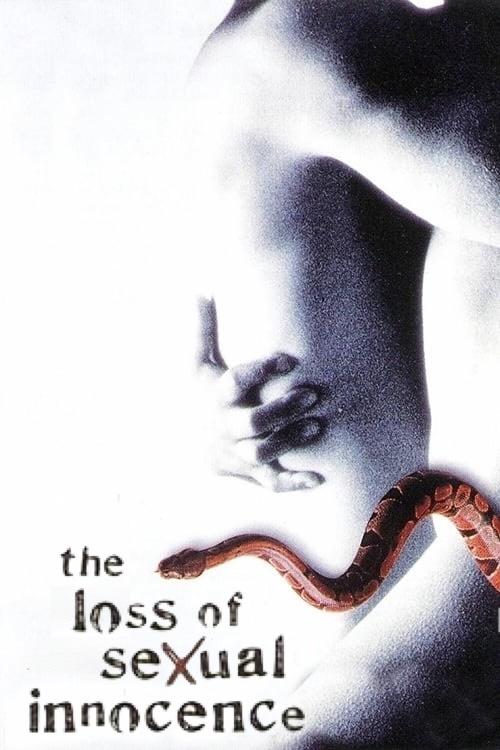
The Loss of Sexual Innocence
1999·Drama·1h 46m
7.1
★
The story of the sexual development of a filmmaker through three stages of his life.
Directed by Mike Figgis
nonlinear timeline
tunisia
1950s

IMDB
N/A
Cast
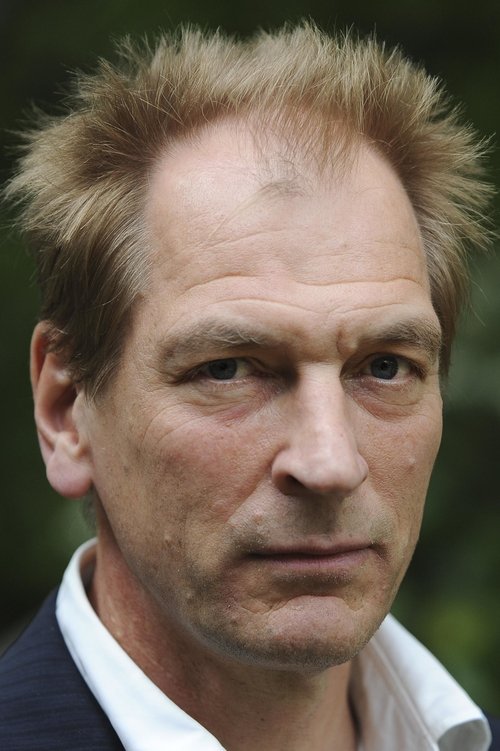
Julian Sands
Adult Nic

Saffron Burrows
English / Italian Twin
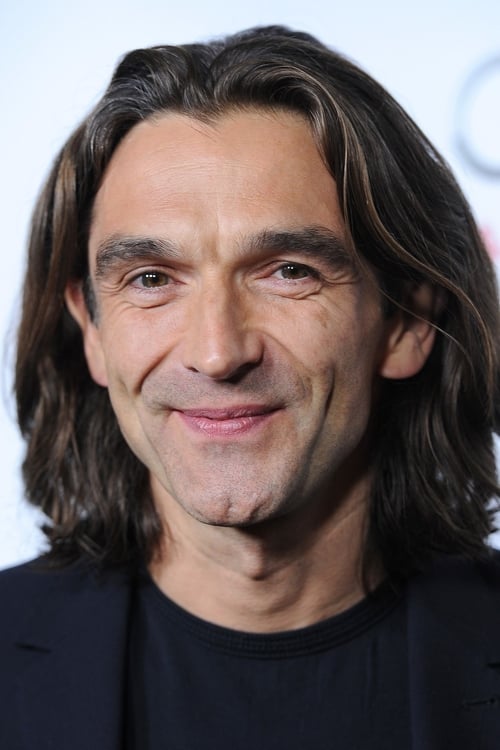
Justin Chadwick
Flash Man
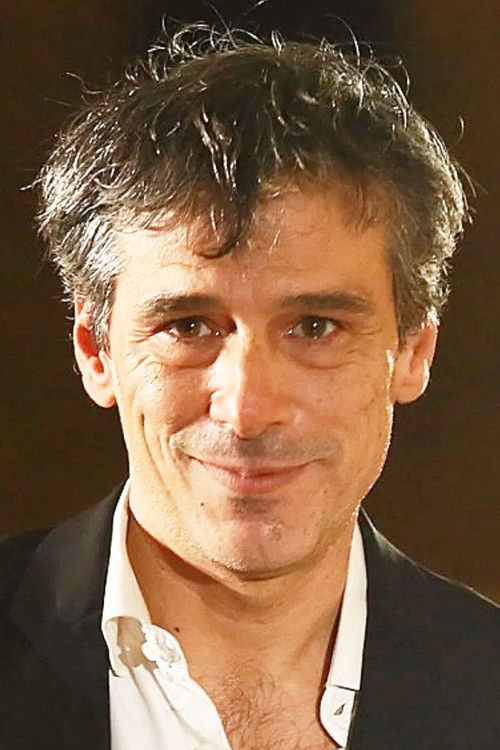
Stefano Dionisi
Luca

Kelly Macdonald
Susan
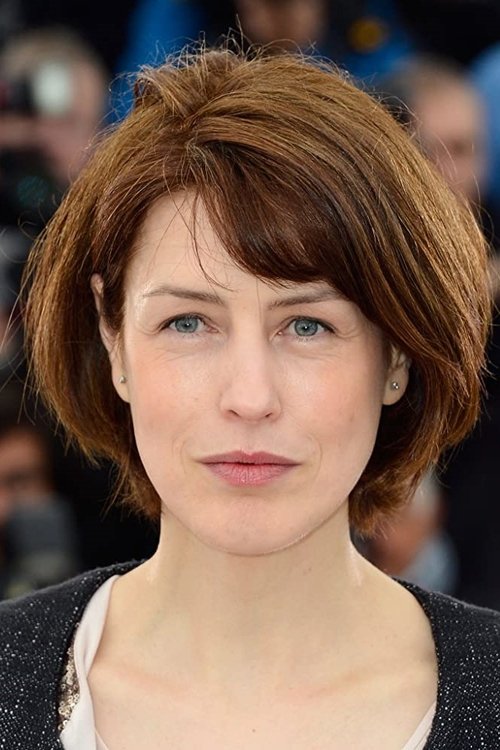
Gina McKee
Susan's Mother

Jonathan Rhys Meyers
Nic, aged 16
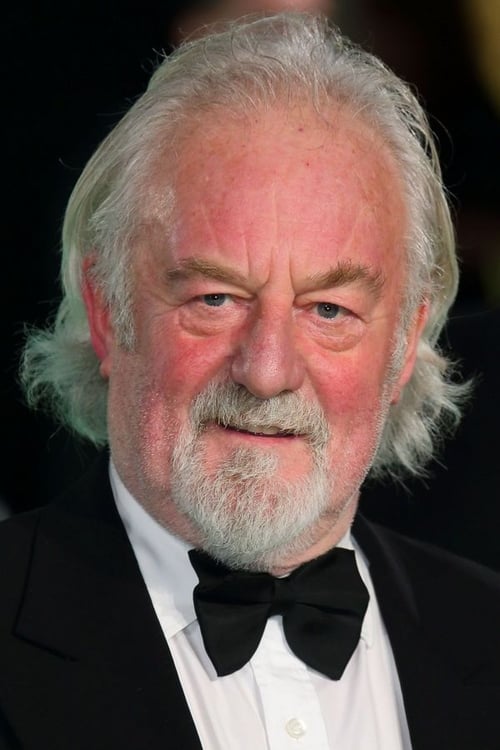
Bernard Hill
Susan's Father
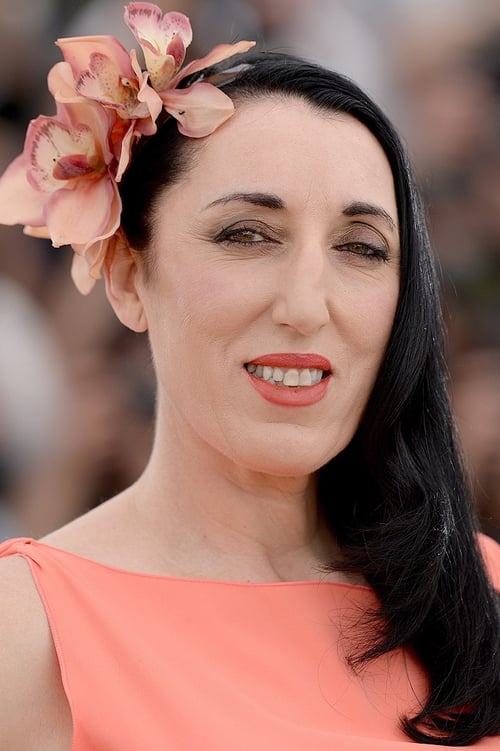
Rossy de Palma
Blind Woman

Femi Ogunbanjo
Adam
Crew

Benoît Delhomme
Director of Photography

Jina Jay
Casting

John Higgins
Gaffer
Popular Reviews
2 reviews
Ghoulie
10.0★ · 08/30/24
When in life does our innocence die? With the vanishing of virginity of all the kisses, stimulations or dreams along the way? Our first encounter with death or grief? THE LOSS OF SEXUAL INNOCENCE shows through a series of haunting, unforgettable vignettes that humans relate to original sin through memory, and that everything is connected back to our earliest incarnations. Director Mike Figgis made, with this film, a balls-out masterpiece of avant-garde, dreamy cinema exploring all the ways humans move through developmental stages of the spirit and inevitably destroy themselves.
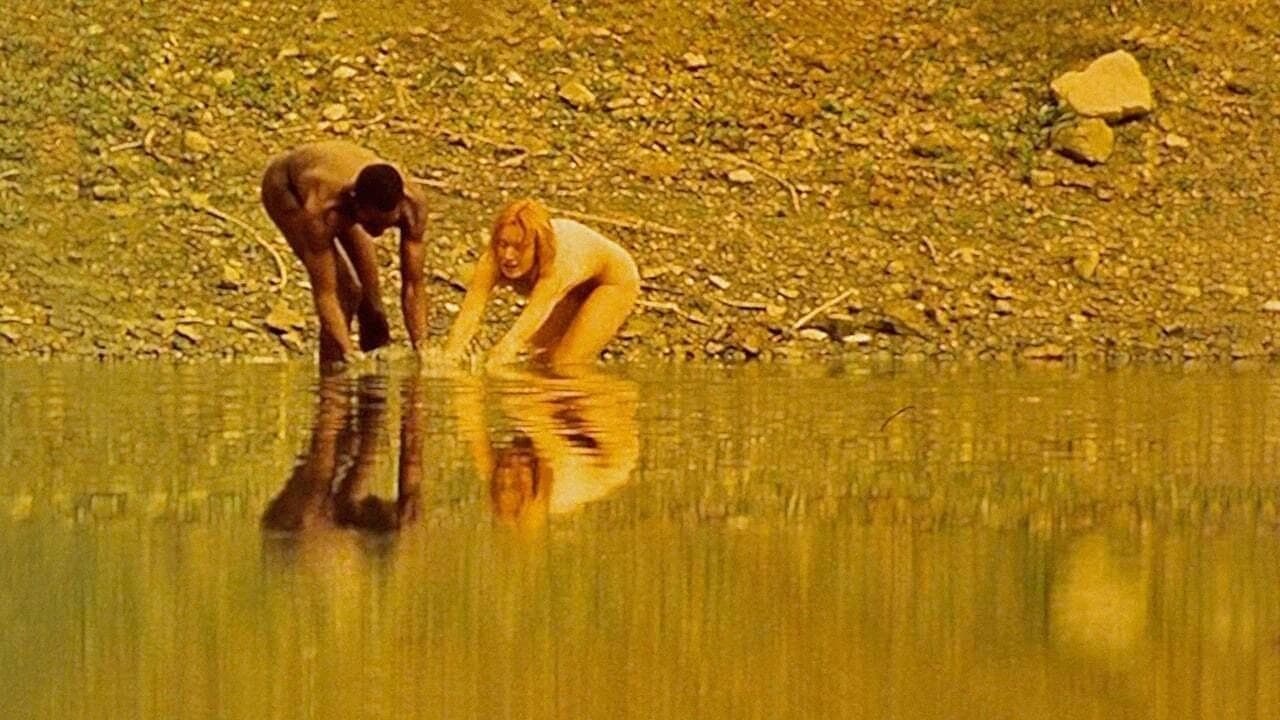
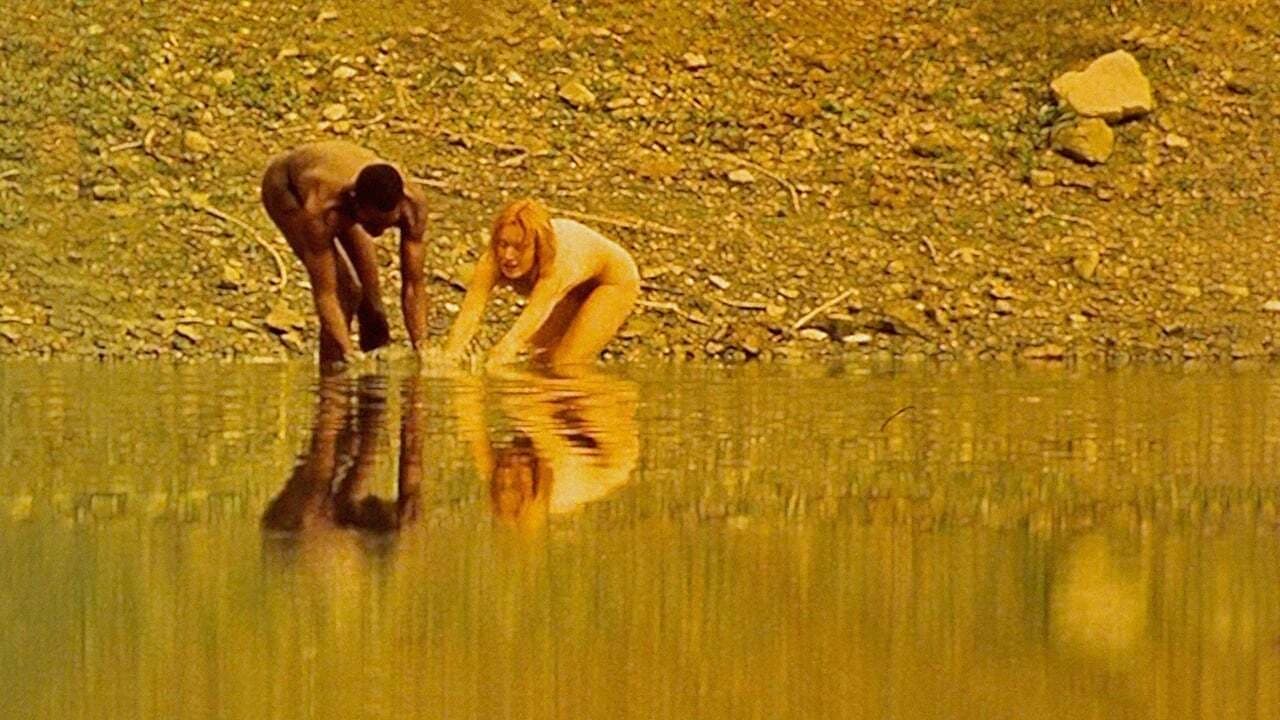
The question that opened this review is studied patiently by Figgis in this story. I should say outright, that the "story" of this film is rather impenetrable, more so a stream of dissonant ideas without much by way of plot or narrative. So for instance, we are shown a re-interpretation of the Garden of Eden (which ends in a glorious, intelligent manner) where the discovery of sex leads to the introduction of an adult world ready to predate you. Juxtaposed against this segment, we see flashes from a film director's life, little things that cut away at his soul until he winds up in the same desert he grew up in (both figuratively and literally). These two plots balance each other strikingly well and the etherial piano riffs that compose the film's magnificent score blend them together like colliding dreams.
I must call attention to the most sublime sequence in the picture, a middle portion involving two twins who meet for the first time in an airport. This scene left me in tears over its beauty, and I immediately sat and tried to come up with an interpretation of the depicted scenario. What I was able to surmise is that the seeing of someone sharing your image is another loss of innocence; how can you feel so alone in the world when there is another person who shares your features to the letter? Even your genetics are not as singular as you once suspected. But there are more questions to be derived from this scene; if you saw this mirror of yourself, but that person had lead a different life than you, would you feel regret? Envy? Joy? Sadness? What makes us who we are if another identical you has turned out completely different?
The final scene of this film, which I shan't spoil, is absolutely mind-blowing and calls into question everything we've seen up until this point. Are memories a filmed illusion? Creations of the soul to protect us from truth? Are they brilliant lights to obfuscate a dark world? Figgis ponders so many different ontological ideas here, it's a wonder he manages to make it all work so well. Even Julian Sands, an actor I frankly have found insufferable in the past (RIP though) pulls out a great performance full of pathos and aching sadness. I just think this film is real winner, a real wonder and a true work of art. I can't believe how much I loved it and frankly has the potential to be a new favorite of mine.
The question that opened this review is studied patiently by Figgis in this story. I should say outright, that the "story" of this film is rather impenetrable, more so a stream of dissonant ideas without much by way of plot or narrative. So for instance, we are shown a re-interpretation of the Garden of Eden (which ends in a glorious, intelligent manner) where the discovery of sex leads to the introduction of an adult world ready to predate you. Juxtaposed against this segment, we see flashes from a film director's life, little things that cut away at his soul until he winds up in the same desert he grew up in (both figuratively and literally). These two plots balance each other strikingly well and the etherial piano riffs that compose the film's magnificent score blend them together like colliding dreams.
I must call attention to the most sublime sequence in the picture, a middle portion involving two twins who meet for the first time in an airport. This scene left me in tears over its beauty, and I immediately sat and tried to come up with an interpretation of the depicted scenario. What I was able to surmise is that the seeing of someone sharing your image is another loss of innocence; how can you feel so alone in the world when there is another person who shares your features to the letter? Even your genetics are not as singular as you once suspected. But there are more questions to be derived from this scene; if you saw this mirror of yourself, but that person had lead a different life than you, would you feel regret? Envy? Joy? Sadness? What makes us who we are if another identical you has turned out completely different?
The final scene of this film, which I shan't spoil, is absolutely mind-blowing and calls into question everything we've seen up until this point. Are memories a filmed illusion? Creations of the soul to protect us from truth? Are they brilliant lights to obfuscate a dark world? Figgis ponders so many different ontological ideas here, it's a wonder he manages to make it all work so well. Even Julian Sands, an actor I frankly have found insufferable in the past (RIP though) pulls out a great performance full of pathos and aching sadness. I just think this film is real winner, a real wonder and a true work of art. I can't believe how much I loved it and frankly has the potential to be a new favorite of mine.
When in life does our innocence die? With the vanishing of virginity of all the kisses, stimulations or dreams along the way? Our first encounter with death or grief? THE LOSS OF SEXUAL INNOCENCE shows through a series of haunting, unforgettable vignettes that humans relate to original sin through memory, and that everything is connected back to our earliest incarnations. Director Mike Figgis made, with this film, a balls-out masterpiece of avant-garde, dreamy cinema exploring all the ways humans move through developmental stages of the spirit and inevitably destroy themselves.
The question that opened this review is studied patiently by Figgis in this story. I should say outright, that the "story" of this film is rather impenetrable, more so a stream of dissonant ideas without much by way of plot or narrative. So for instance, we are shown a re-interpretation of the Garden of Eden (which ends in a glorious, intelligent manner) where the discovery of sex leads to the introduction of an adult world ready to predate you. Juxtaposed against this segment, we see flashes from a film director's life, little things that cut away at his soul until he winds up in the same desert he grew up in (both figuratively and literally). These two plots balance each other strikingly well and the etherial piano riffs that compose the film's magnificent score blend them together like colliding dreams.
I must call attention to the most sublime sequence in the picture, a middle portion involving two twins who meet for the first time in an airport. This scene left me in tears over its beauty, and I immediately sat and tried to come up with an interpretation of the depicted scenario. What I was able to surmise is that the seeing of someone sharing your image is another loss of innocence; how can you feel so alone in the world when there is another person who shares your features to the letter? Even your genetics are not as singular as you once suspected. But there are more questions to be derived from this scene; if you saw this mirror of yourself, but that person had lead a different life than you, would you feel regret? Envy? Joy? Sadness? What makes us who we are if another identical you has turned out completely different?
The final scene of this film, which I shan't spoil, is absolutely mind-blowing and calls into question everything we've seen up until this point. Are memories a filmed illusion? Creations of the soul to protect us from truth? Are they brilliant lights to obfuscate a dark world? Figgis ponders so many different ontological ideas here, it's a wonder he manages to make it all work so well. Even Julian Sands, an actor I frankly have found insufferable in the past (RIP though) pulls out a great performance full of pathos and aching sadness. I just think this film is real winner, a real wonder and a true work of art. I can't believe how much I loved it and frankly has the potential to be a new favorite of mine.
The question that opened this review is studied patiently by Figgis in this story. I should say outright, that the "story" of this film is rather impenetrable, more so a stream of dissonant ideas without much by way of plot or narrative. So for instance, we are shown a re-interpretation of the Garden of Eden (which ends in a glorious, intelligent manner) where the discovery of sex leads to the introduction of an adult world ready to predate you. Juxtaposed against this segment, we see flashes from a film director's life, little things that cut away at his soul until he winds up in the same desert he grew up in (both figuratively and literally). These two plots balance each other strikingly well and the etherial piano riffs that compose the film's magnificent score blend them together like colliding dreams.
I must call attention to the most sublime sequence in the picture, a middle portion involving two twins who meet for the first time in an airport. This scene left me in tears over its beauty, and I immediately sat and tried to come up with an interpretation of the depicted scenario. What I was able to surmise is that the seeing of someone sharing your image is another loss of innocence; how can you feel so alone in the world when there is another person who shares your features to the letter? Even your genetics are not as singular as you once suspected. But there are more questions to be derived from this scene; if you saw this mirror of yourself, but that person had lead a different life than you, would you feel regret? Envy? Joy? Sadness? What makes us who we are if another identical you has turned out completely different?
The final scene of this film, which I shan't spoil, is absolutely mind-blowing and calls into question everything we've seen up until this point. Are memories a filmed illusion? Creations of the soul to protect us from truth? Are they brilliant lights to obfuscate a dark world? Figgis ponders so many different ontological ideas here, it's a wonder he manages to make it all work so well. Even Julian Sands, an actor I frankly have found insufferable in the past (RIP though) pulls out a great performance full of pathos and aching sadness. I just think this film is real winner, a real wonder and a true work of art. I can't believe how much I loved it and frankly has the potential to be a new favorite of mine.


aadesh
8.0★ · 07/09/24