This isn’t a film so much as an assault, on form, on vision, on the comfortable delusions cinema sells about the body, sex, and authorship. It’s not here to seduce or entertain you. It’s here to peel away everything you’ve been taught to expect when you see a naked body on screen, especially a woman’s, and replace it with something raw, real, and unflinching.
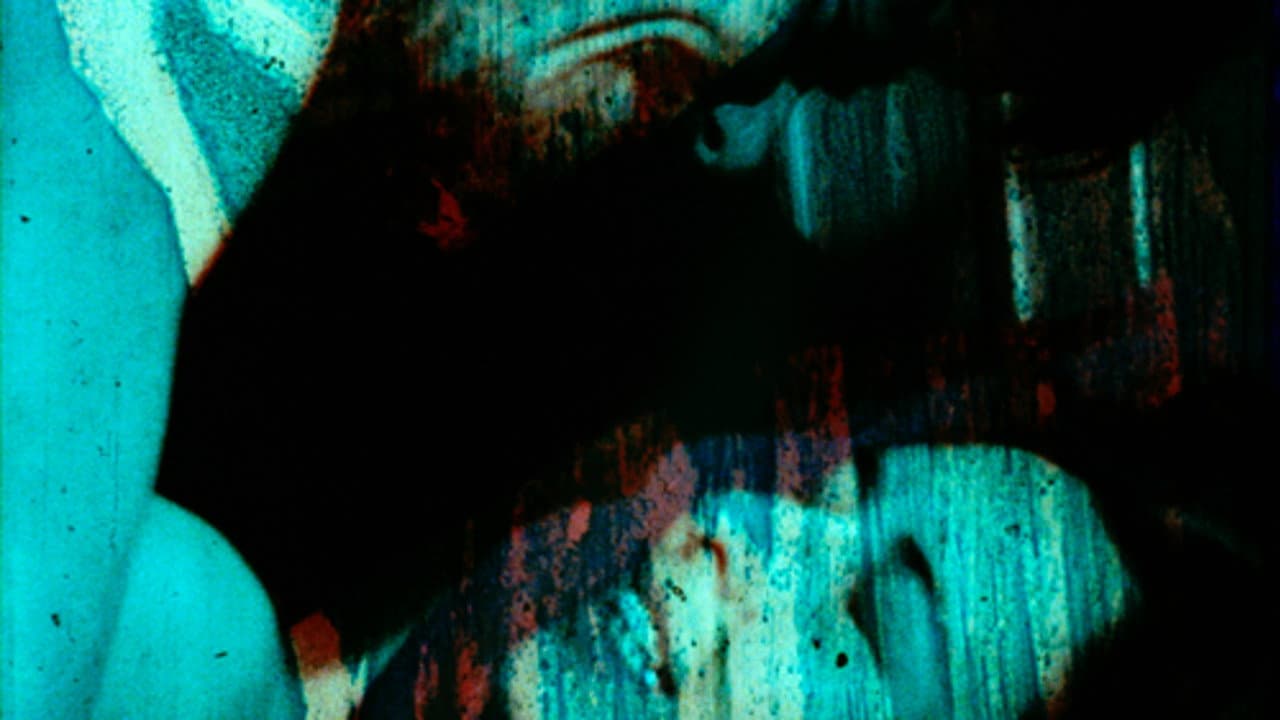
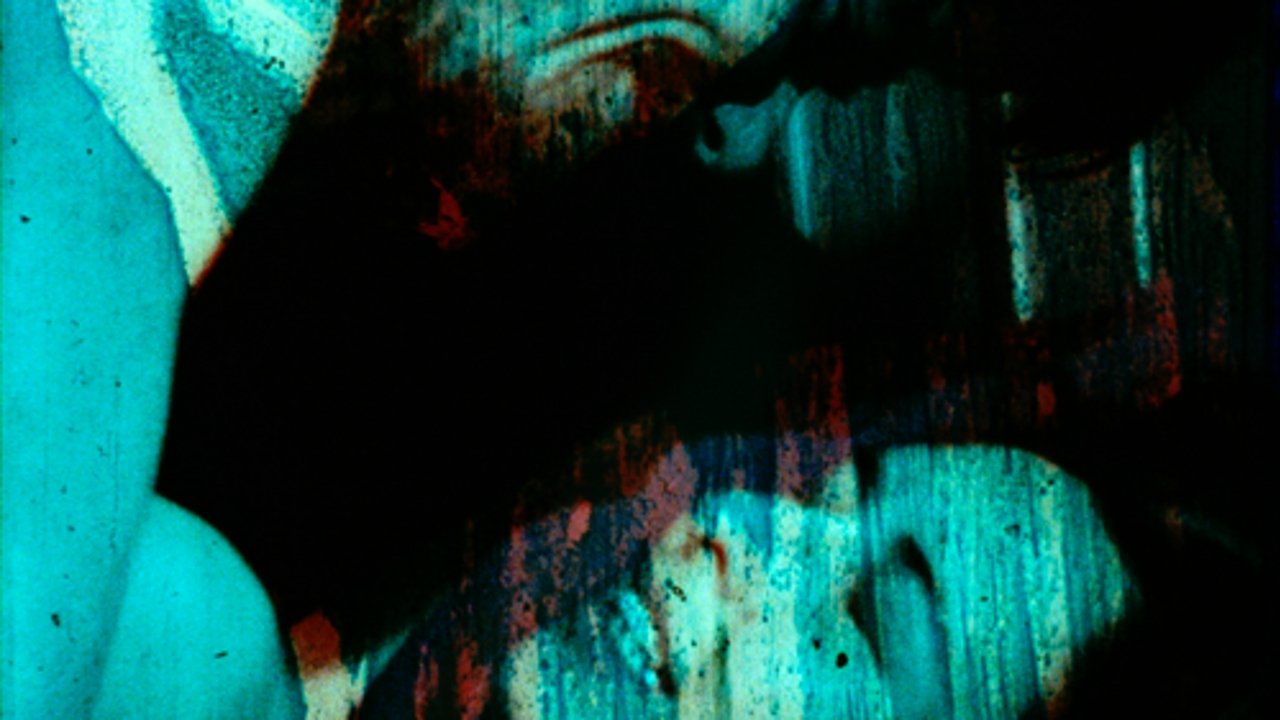
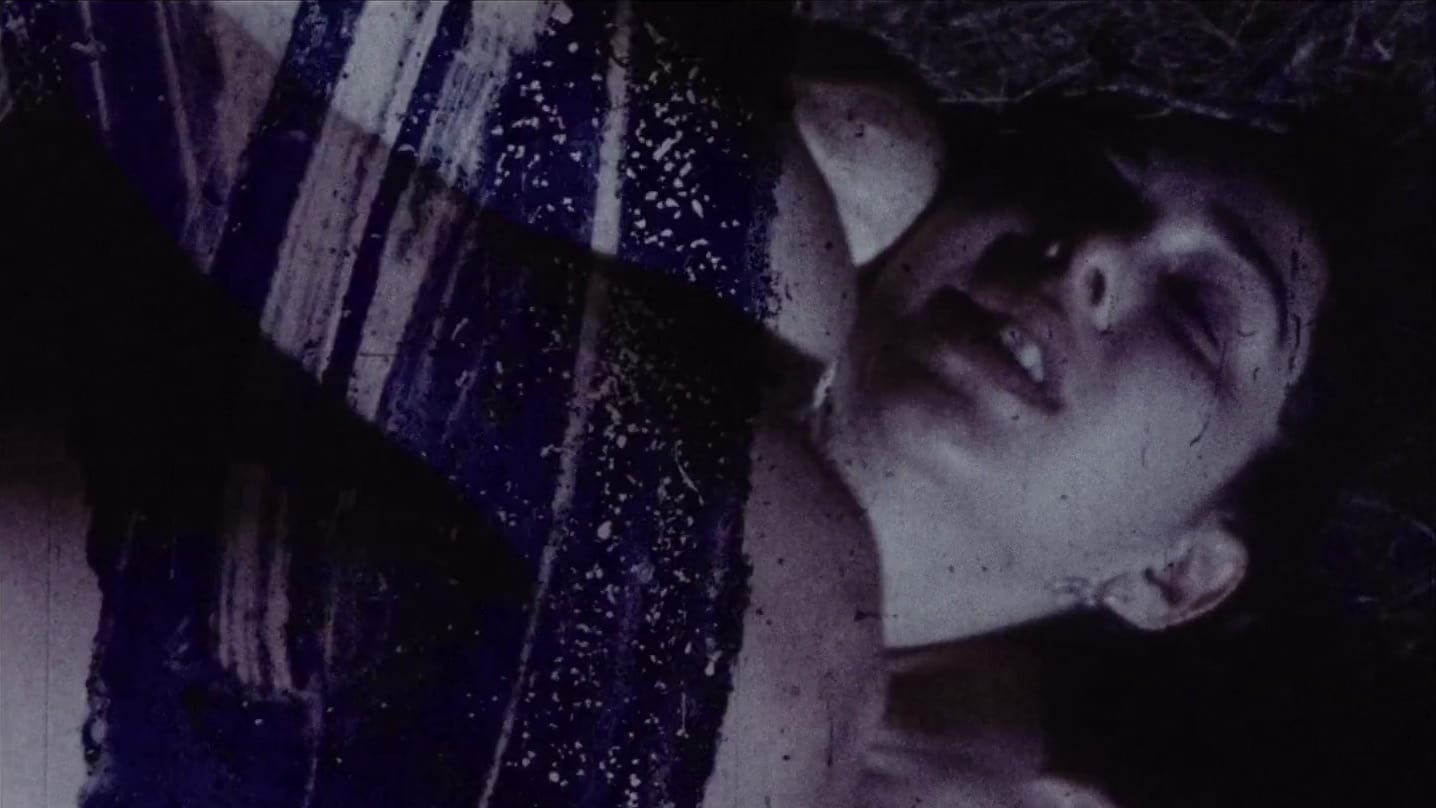
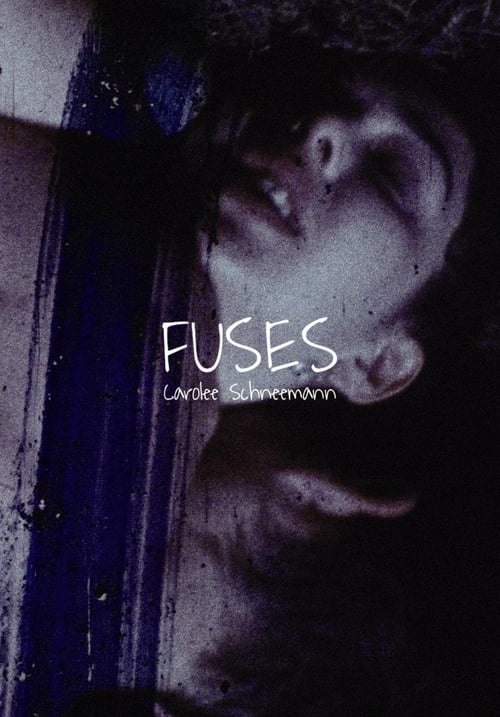
Shot over 3 years on 16mm and manipulated by hand, scratched, painted, burned, fragmented, Fuses collapses any distinction between art, sex, and protest. Schneemann documents herself having sex with her then-partner, but this is not pornography. There is no voyeurism here. She is not a subject for your gaze, she is the creator, the editor, the performer, and the destroyer of the image. The camera isn’t capturing sex to provoke lust or narrative function, it’s documenting the texture of the act: sweat, breath, shadow, fluid, tenderness, release. It doesn’t invite you to enjoy it. It demands you watch it.
What makes Fuses so radical, and still difficult today, is that it exposes how deeply we’ve been conditioned to only accept sex in cinema when it’s staged, clean, and filtered through the male gaze. When Schneemann shows it to us unfiltered, in all its primal, imperfect, bodily truth, our first instinct is to recoil. Not because it’s grotesque, but because it’s honest. And honesty, in a world of erotic performance, feels obscene. The discomfort Fuses creates isn’t a failure, it’s the film doing its job: holding up a mirror to your own gaze and asking, “Why does this disturb you?”
But it isn’t just about sex. Fuses is about reclaiming the act of seeing. Schneemann’s manipulation of the film itself, burning the celluloid, overlaying images, disrupting visual clarity, becomes a metaphor for destroying the cinematic language that has historically objectified women. She doesn’t just film herself; she reclaims her image from the apparatus that once stole it.
And then, there’s the ending, the moment of her running, naked, into nature. Not eroticized, not performed. Free. She’s broken the frame, the gaze, the structure. She’s no longer being watched. She is leaving. It’s a cinematic exorcism, of shame, of objecthood, of the lies we’ve told about the body.
Fuses is not an easy film. It’s not for casual consumption. But for those willing to meet it head-on, it’s a masterstroke of defiance, a landmark in feminist cinema, in avant-garde form, in the politics of vision. It’s the kind of film that doesn’t care if you like it. It only cares if you see what’s been hidden. And once you do, you don’t forget.
This isn’t a film so much as an assault, on form, on vision, on the comfortable delusions cinema sells about the body, sex, and authorship. It’s not here to seduce or entertain you. It’s here to peel away everything you’ve been taught to expect when you see a naked body on screen, especially a woman’s, and replace it with something raw, real, and unflinching.
Shot over 3 years on 16mm and manipulated by hand, scratched, painted, burned, fragmented, Fuses collapses any distinction between art, sex, and protest. Schneemann documents herself having sex with her then-partner, but this is not pornography. There is no voyeurism here. She is not a subject for your gaze, she is the creator, the editor, the performer, and the destroyer of the image. The camera isn’t capturing sex to provoke lust or narrative function, it’s documenting the texture of the act: sweat, breath, shadow, fluid, tenderness, release. It doesn’t invite you to enjoy it. It demands you watch it.
What makes Fuses so radical, and still difficult today, is that it exposes how deeply we’ve been conditioned to only accept sex in cinema when it’s staged, clean, and filtered through the male gaze. When Schneemann shows it to us unfiltered, in all its primal, imperfect, bodily truth, our first instinct is to recoil. Not because it’s grotesque, but because it’s honest. And honesty, in a world of erotic performance, feels obscene. The discomfort Fuses creates isn’t a failure, it’s the film doing its job: holding up a mirror to your own gaze and asking, “Why does this disturb you?”
But it isn’t just about sex. Fuses is about reclaiming the act of seeing. Schneemann’s manipulation of the film itself, burning the celluloid, overlaying images, disrupting visual clarity, becomes a metaphor for destroying the cinematic language that has historically objectified women. She doesn’t just film herself; she reclaims her image from the apparatus that once stole it.
And then, there’s the ending, the moment of her running, naked, into nature. Not eroticized, not performed. Free. She’s broken the frame, the gaze, the structure. She’s no longer being watched. She is leaving. It’s a cinematic exorcism, of shame, of objecthood, of the lies we’ve told about the body.
Fuses is not an easy film. It’s not for casual consumption. But for those willing to meet it head-on, it’s a masterstroke of defiance, a landmark in feminist cinema, in avant-garde form, in the politics of vision. It’s the kind of film that doesn’t care if you like it. It only cares if you see what’s been hidden. And once you do, you don’t forget.