Based on a 19th century play that was set in the 17th century, this twentieth century film is restaged in the 13th century. It was Walerian Borowczyk's second live-action feature and it is quite a doozy. And, for anyone only familiar with his more, um, 'soft-core' adjacent works, this one might be a bit of a surprise with only some comparatively minimal nudity.
The film is a full-on costume drama opening on a small, rural castle preparing for a visit by the king and introducing its titular character (played by the director's wife, Ligia Branice) as a vision of purity (in, basically, all senses) who is married, seemingly chastely, to the castle's lord. Once the visitors all arrive, it becomes clear that Blanche is seen as an object of obsession not only for the king and his reputedly womanizing page, but also her own step-son who has long been harboring designs on her. This rapidly spirals from quote run of the mill unquote sexual harassment through mistaken identities, a 'Cask of Amontillado' style entombing, duels, and far higher death count than you'd imagine, all the way up the brink of a civil war.
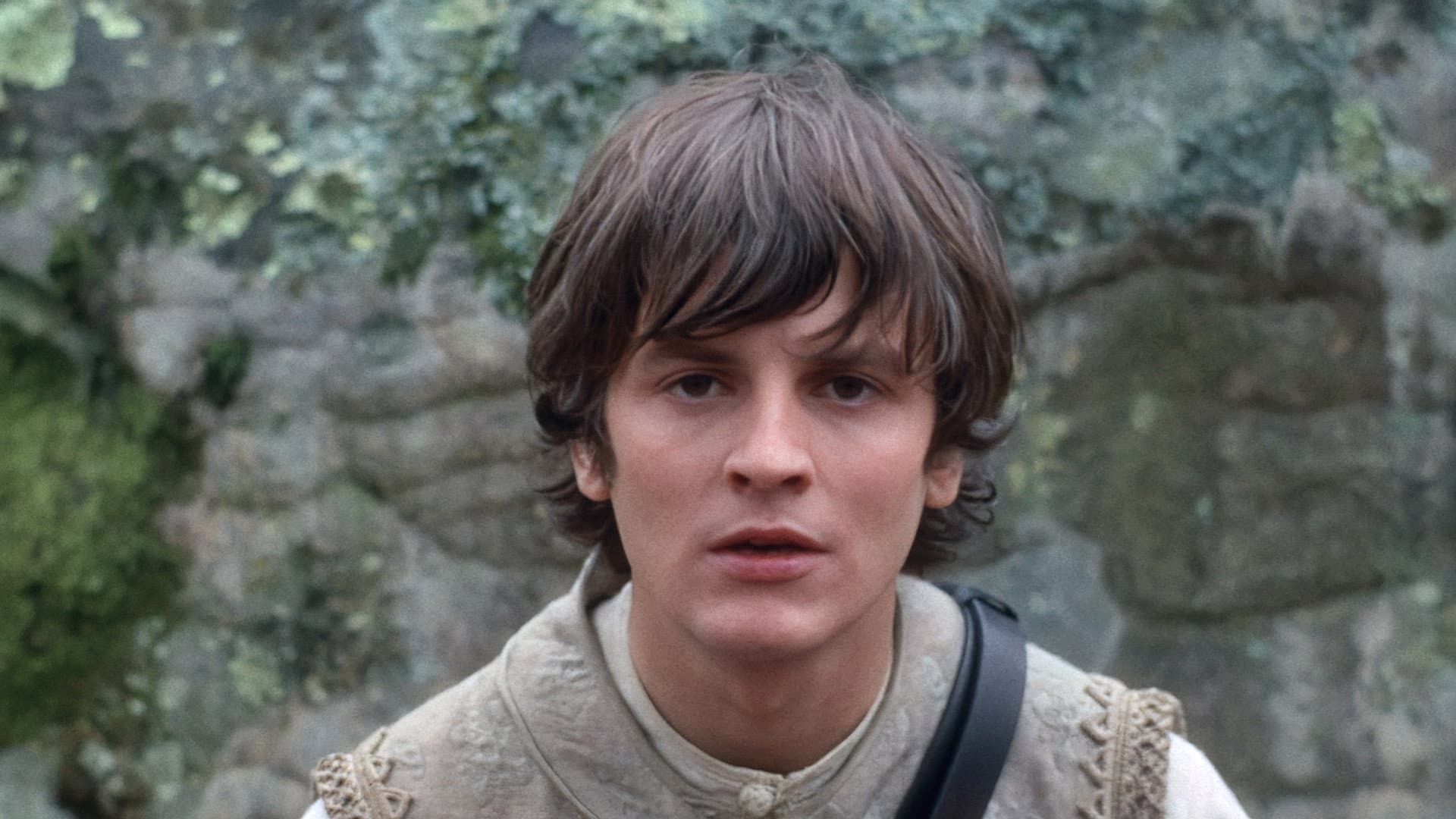
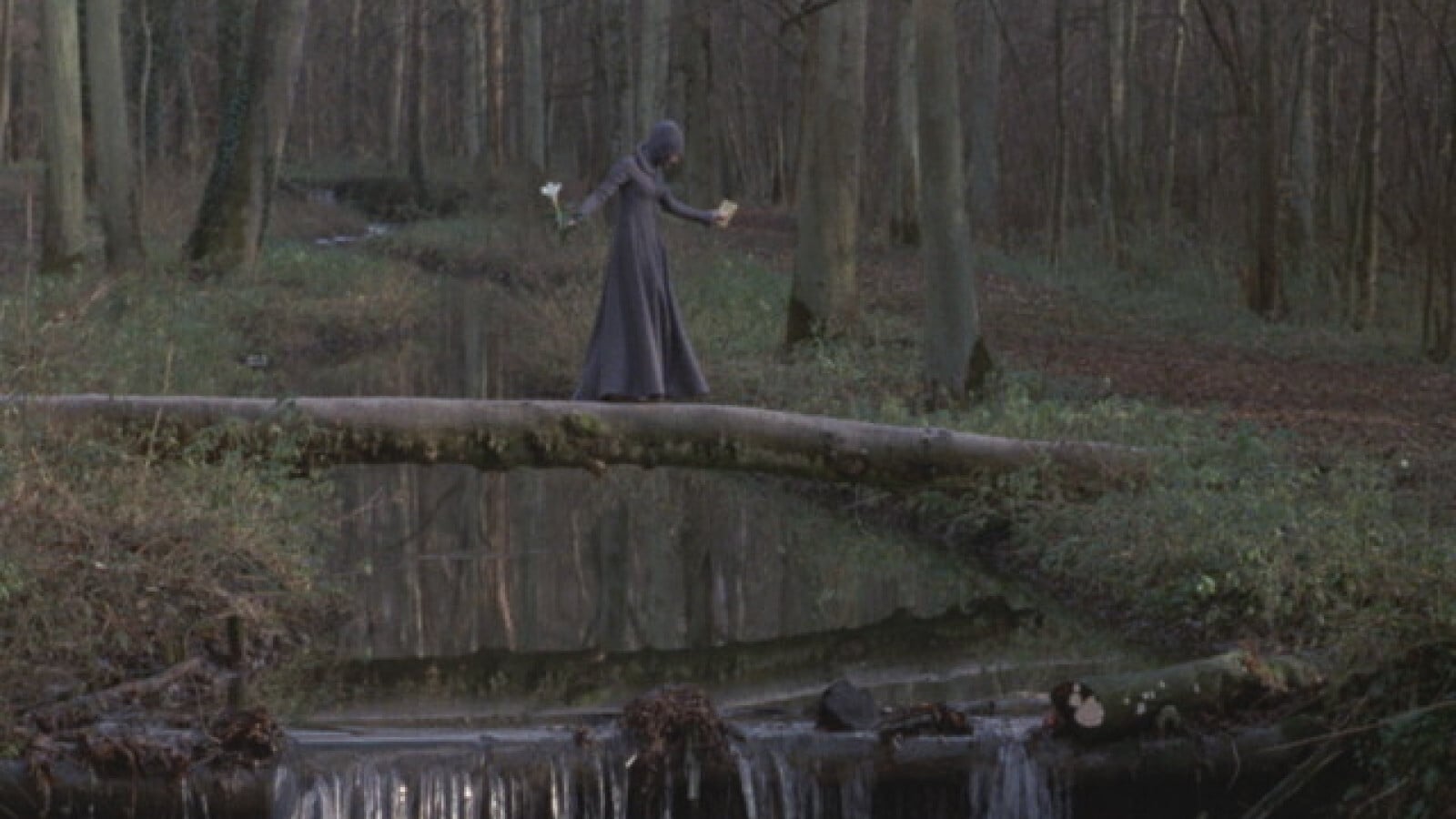
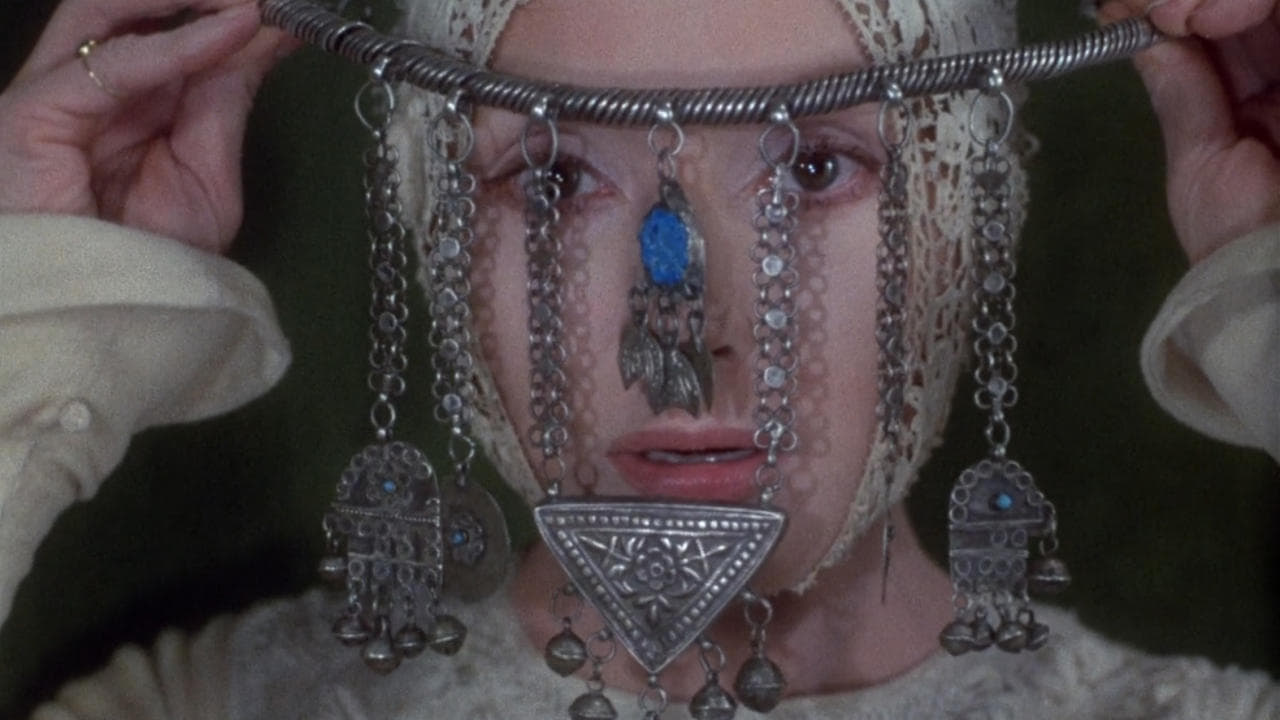
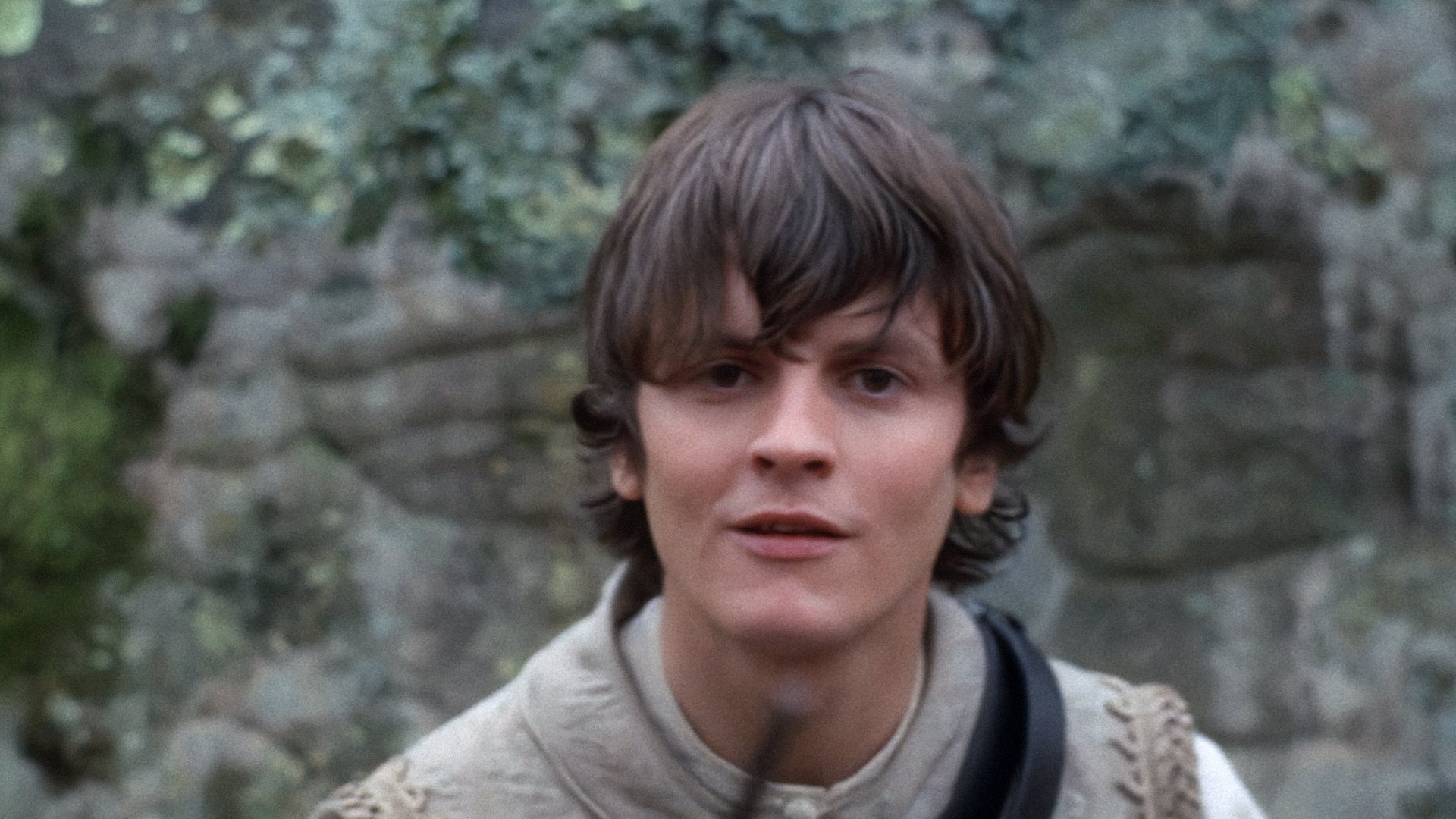
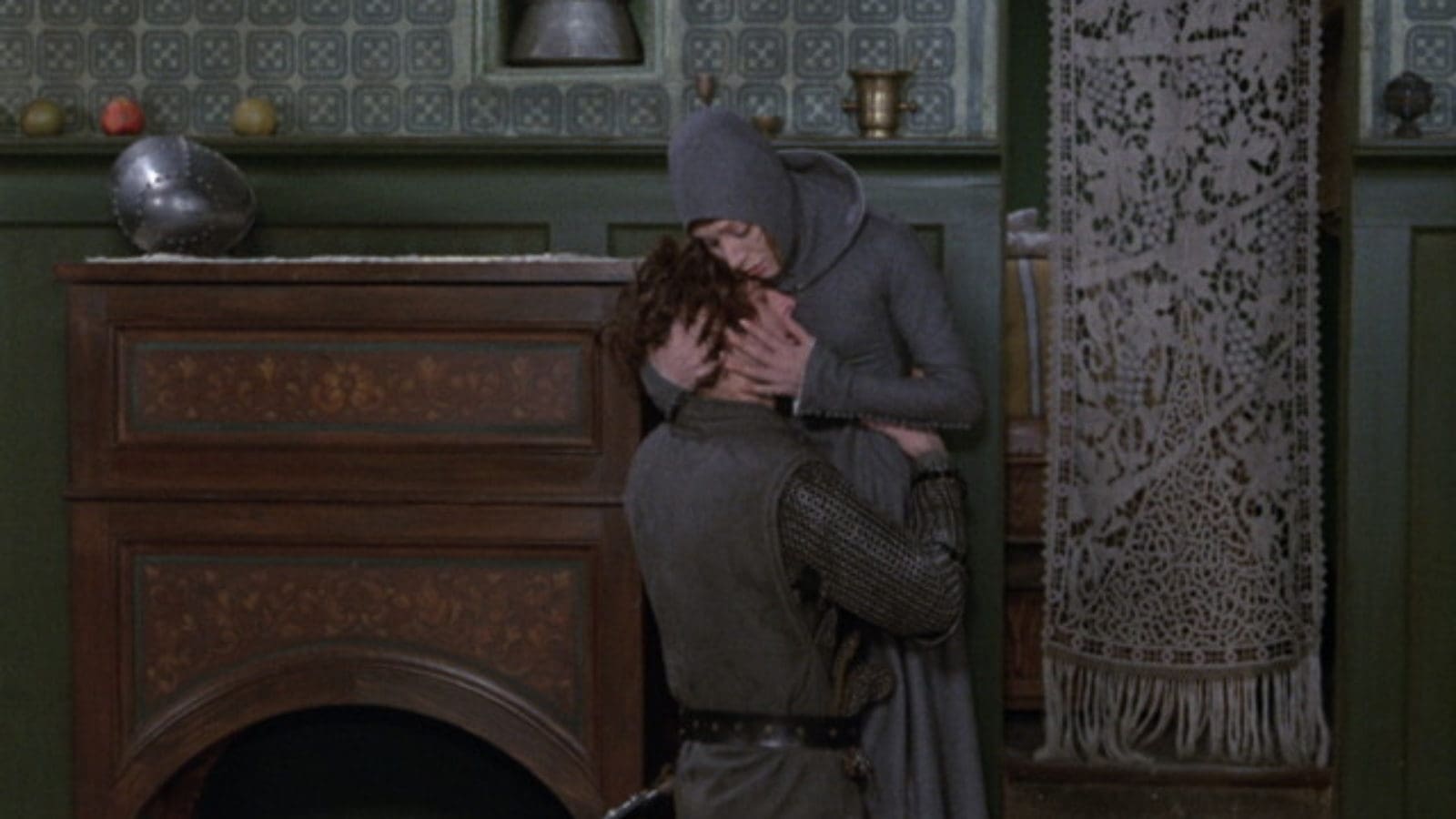
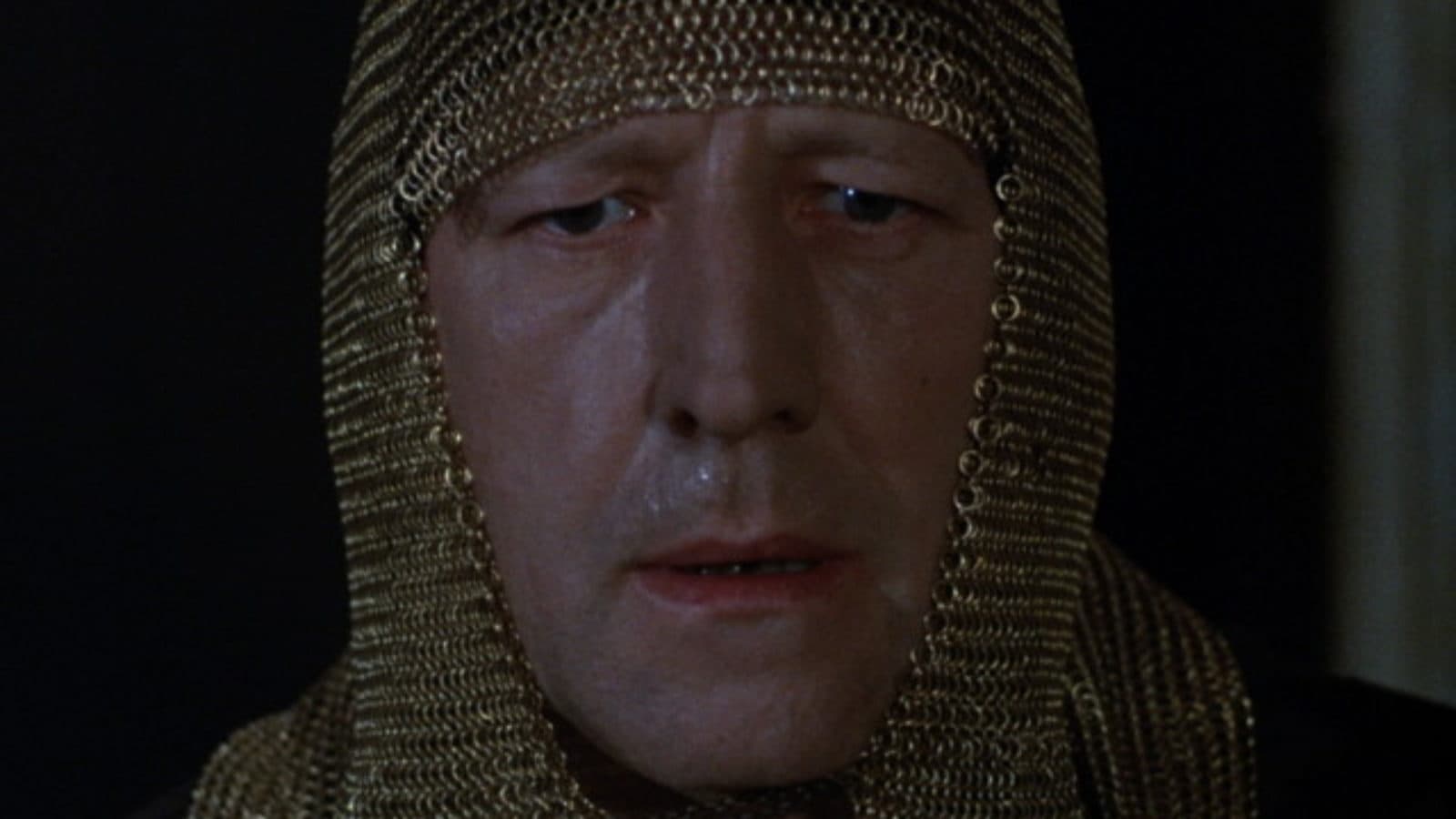
While stories of tragic escalation aren't that uncommon (see Webster, Ford, Shakespeare, for just a few theatrical forerunners) what is wild here is the way that looks -- for most of it's runtime, it appears to have been filmed as though a camera were roaming across a two-dimensional medieval tapestry. Borowczyk's sets are intentional shallow and flat, camera movement is left or right, but almost never anything else (in fact, I can only remember one shot that moved in), and sometimes people are framed almost arbitrarily (say, from the neck down) and other times very specifically (as through a window or hole in an otherwise blank wall). It's an incredibly startling thing to look at.
This is all (obviously) intentional, with some tableaus recreating particular paintings, and has the effect of adding a level of 'remove' for the audience that most cinema attempts of avoid -- this is echoed in the cool color palette of the film, all grays, greens, and blues.
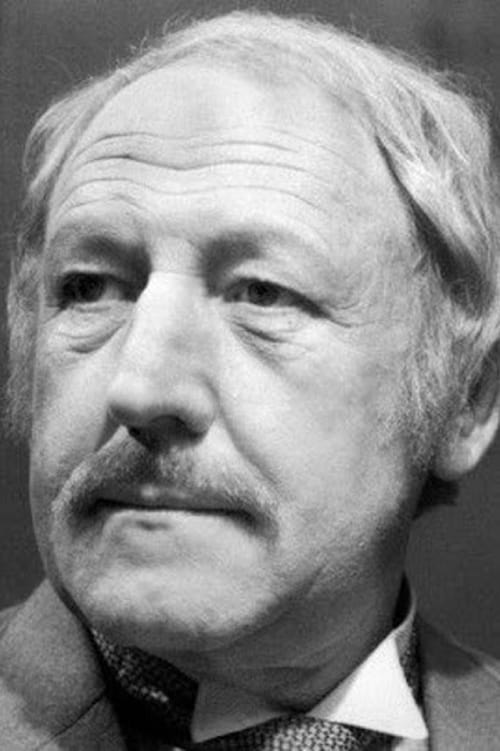
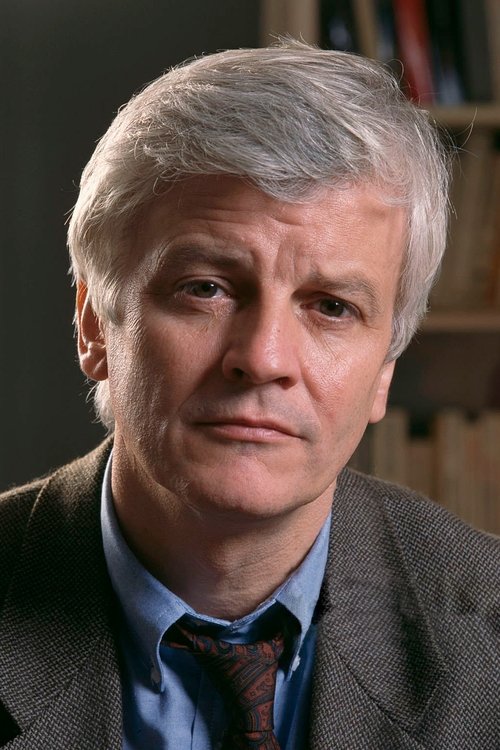
The performances vary a bit (Lawrence Trimble is fine but his acting style isn't really meshing with the rest of the cast, and some of the extras -- guards, monks, and so on -- are a bit too self consciously 'Actorly') but Wilson & Simon are all solid (but then I would expect nothing less), Perrin is convincing as the page, and Branice is, I'm not sure how to say this without the negative connotations, but she's very 'singular' -- its an odd performance, but one that totally works.
And then there's the music which is apparently played on period instruments and consists of pieces likely to have been performed in the 13th century, including excerpts from 'Carmina Burana.' And, due to its, well, unfamiliarity to modern ears furthers the film's distancing effect. Great stuff.
So far, this has to rank as my favorite Borowczyk film and, while it's early in the year, my favorite new watch of 2026.
Based on a 19th century play that was set in the 17th century, this twentieth century film is restaged in the 13th century. It was Walerian Borowczyk's second live-action feature and it is quite a doozy. And, for anyone only familiar with his more, um, 'soft-core' adjacent works, this one might be a bit of a surprise with only some comparatively minimal nudity.
The film is a full-on costume drama opening on a small, rural castle preparing for a visit by the king and introducing its titular character (played by the director's wife, Ligia Branice) as a vision of purity (in, basically, all senses) who is married, seemingly chastely, to the castle's lord. Once the visitors all arrive, it becomes clear that Blanche is seen as an object of obsession not only for the king and his reputedly womanizing page, but also her own step-son who has long been harboring designs on her. This rapidly spirals from quote run of the mill unquote sexual harassment through mistaken identities, a 'Cask of Amontillado' style entombing, duels, and far higher death count than you'd imagine, all the way up the brink of a civil war.
While stories of tragic escalation aren't that uncommon (see Webster, Ford, Shakespeare, for just a few theatrical forerunners) what is wild here is the way that looks -- for most of it's runtime, it appears to have been filmed as though a camera were roaming across a two-dimensional medieval tapestry. Borowczyk's sets are intentional shallow and flat, camera movement is left or right, but almost never anything else (in fact, I can only remember one shot that moved in), and sometimes people are framed almost arbitrarily (say, from the neck down) and other times very specifically (as through a window or hole in an otherwise blank wall). It's an incredibly startling thing to look at.
This is all (obviously) intentional, with some tableaus recreating particular paintings, and has the effect of adding a level of 'remove' for the audience that most cinema attempts of avoid -- this is echoed in the cool color palette of the film, all grays, greens, and blues.
The performances vary a bit (Lawrence Trimble is fine but his acting style isn't really meshing with the rest of the cast, and some of the extras -- guards, monks, and so on -- are a bit too self consciously 'Actorly') but Wilson & Simon are all solid (but then I would expect nothing less), Perrin is convincing as the page, and Branice is, I'm not sure how to say this without the negative connotations, but she's very 'singular' -- its an odd performance, but one that totally works.
And then there's the music which is apparently played on period instruments and consists of pieces likely to have been performed in the 13th century, including excerpts from 'Carmina Burana.' And, due to its, well, unfamiliarity to modern ears furthers the film's distancing effect. Great stuff.
So far, this has to rank as my favorite Borowczyk film and, while it's early in the year, my favorite new watch of 2026.