
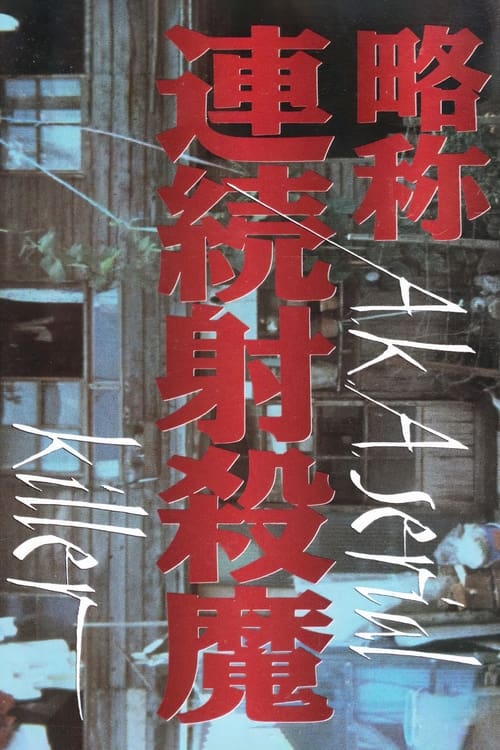
A.K.A. Serial Killer
1975·Crime·1h 26m
7.1
★
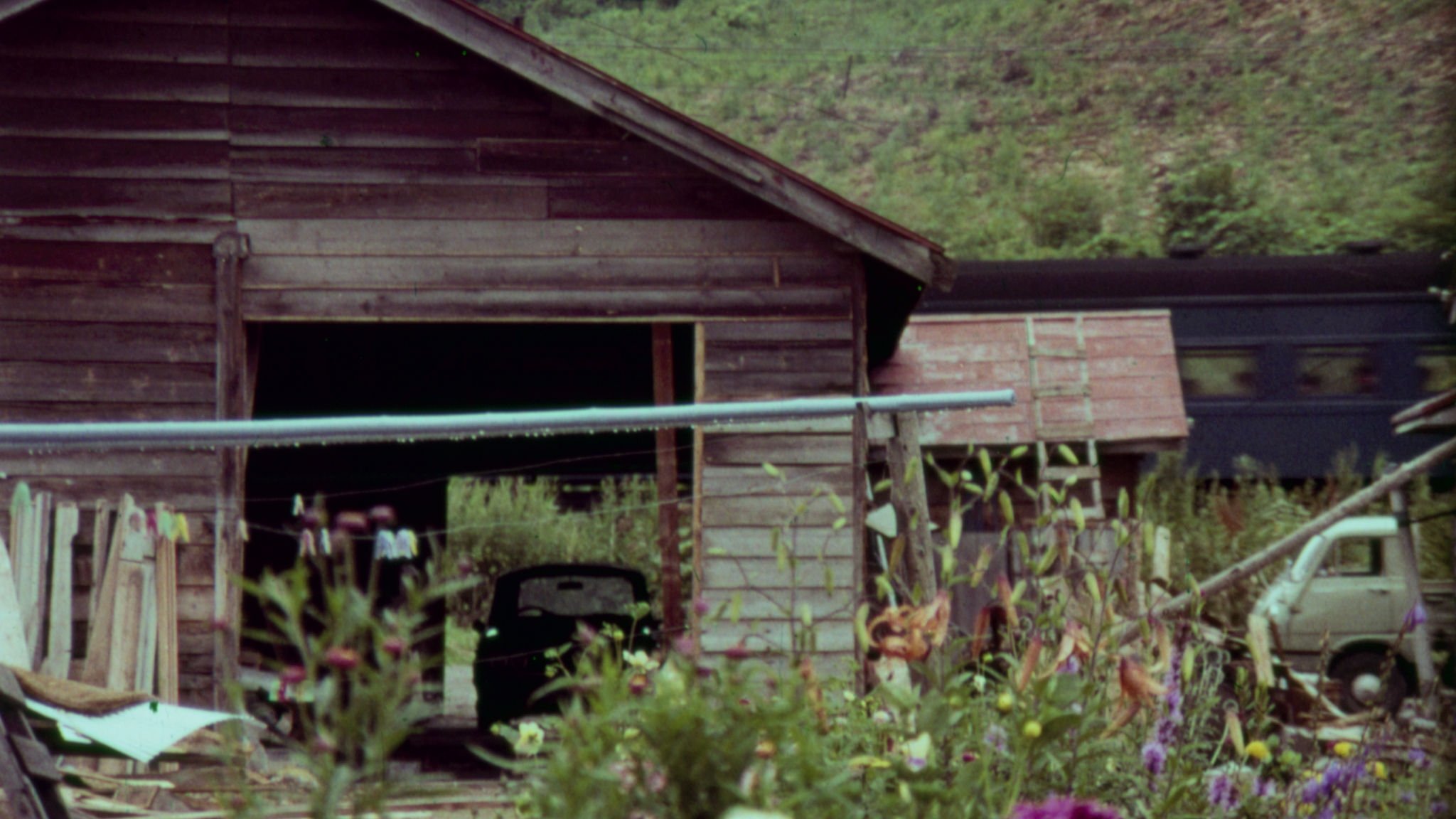
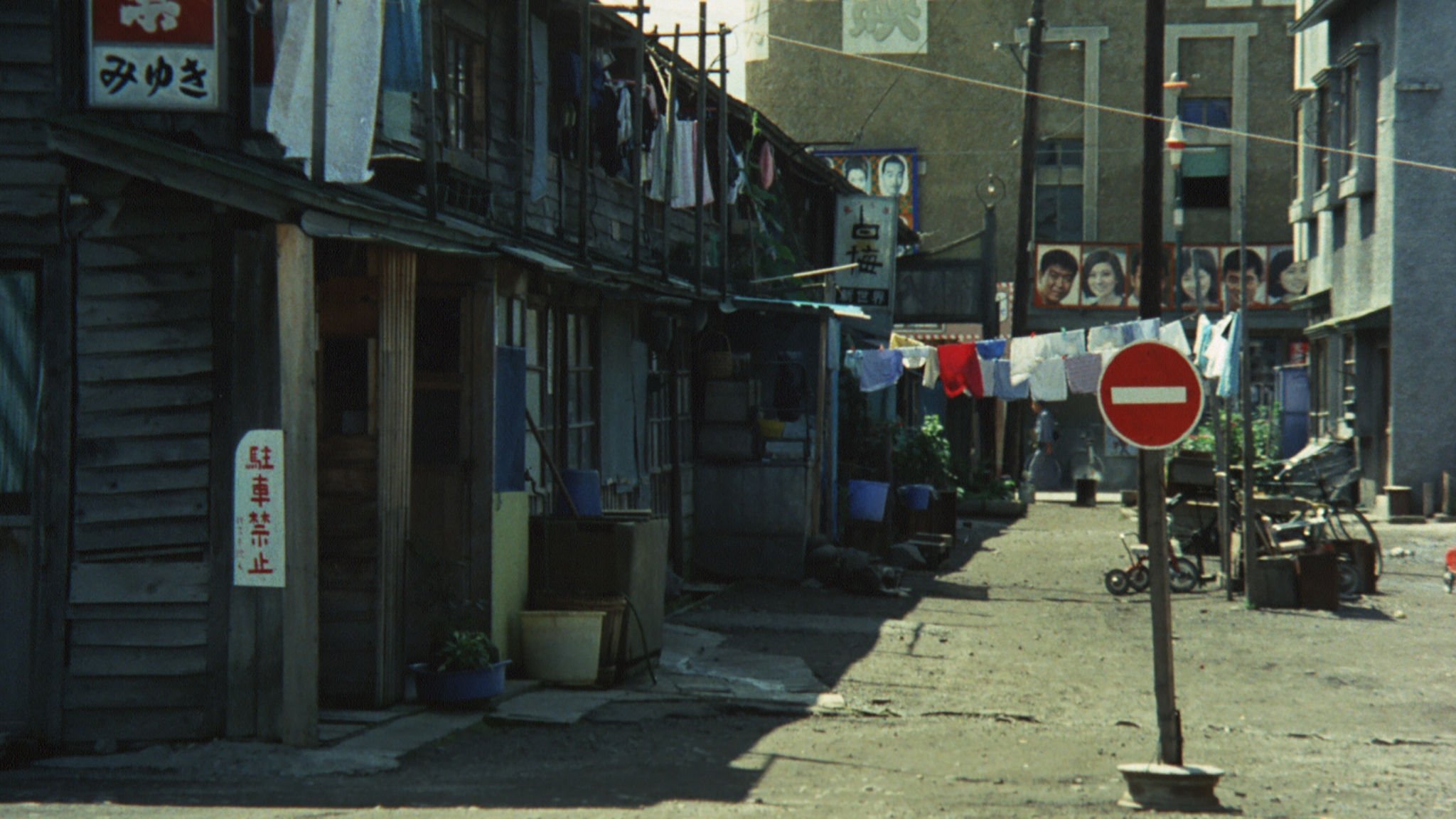
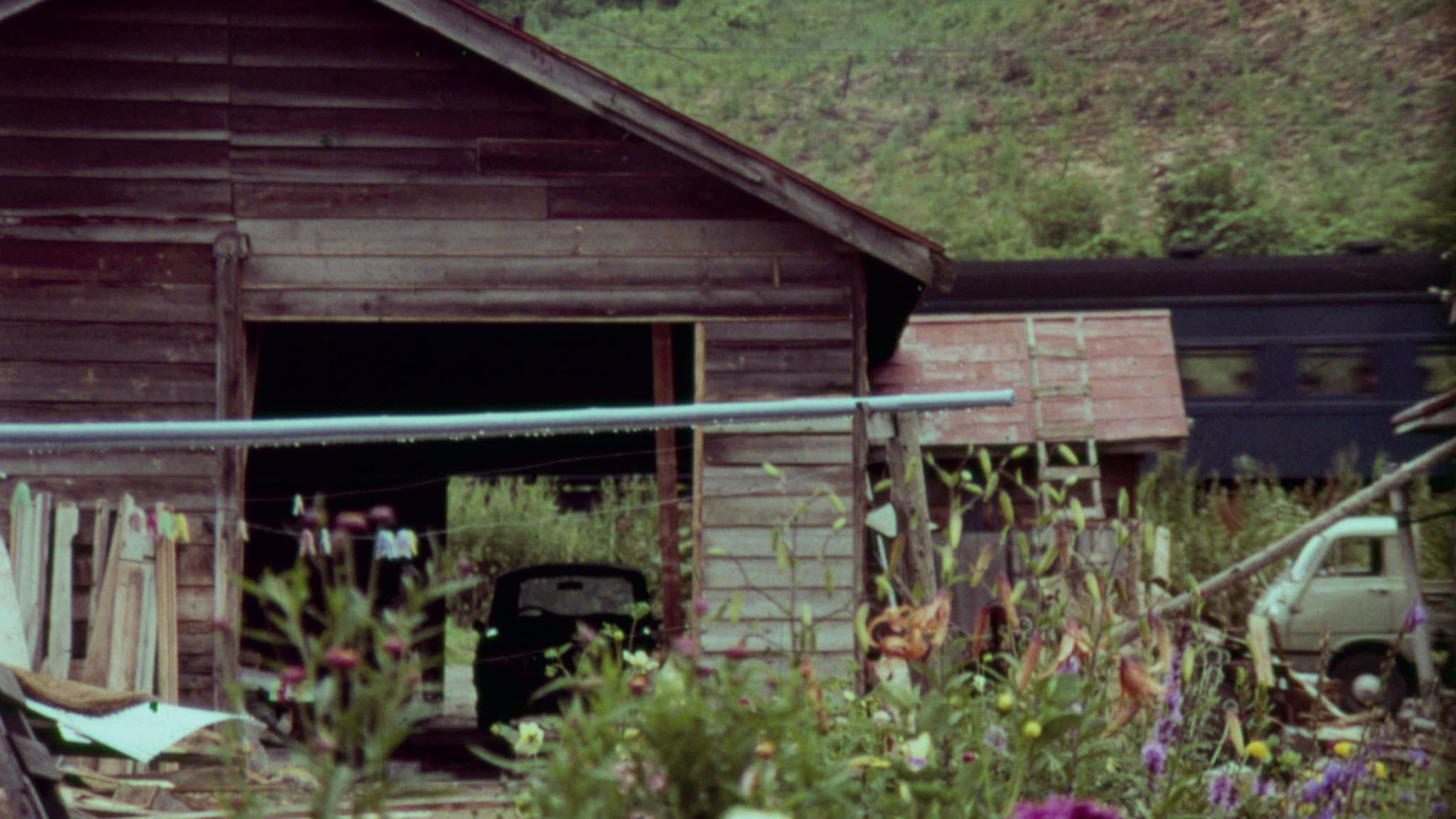
AKA Serial Killer documents the social upheaval and political oppression that roiled Japan in the 1960s, profiling a nineteen-year-old serial killer Norio Nagayama. An indictment of media sensationalism, the film humanizes the young man by situating his crimes in the larger context of his environment.
Directed by Masao Adachi
serial killer
landscape
fukeiron
landscape theory

IMDB
N/A
Cast
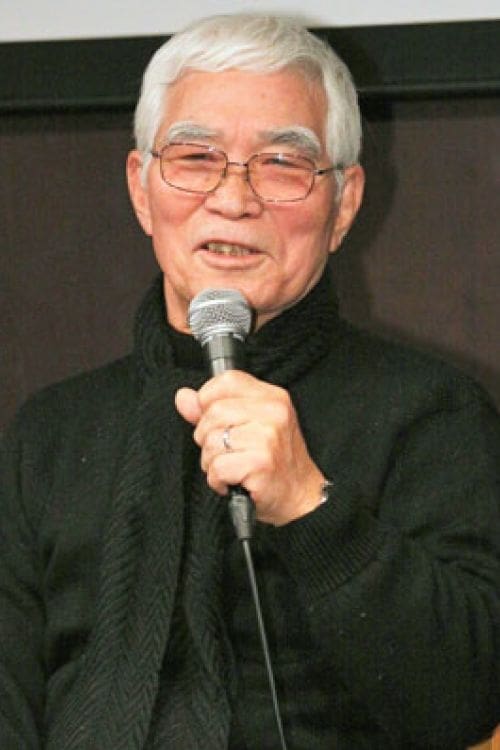
Masao Adachi
Narrator (voice)
Crew
Masao Adachi
Director
Masao Adachi
Writer
Masao Adachi
Producer
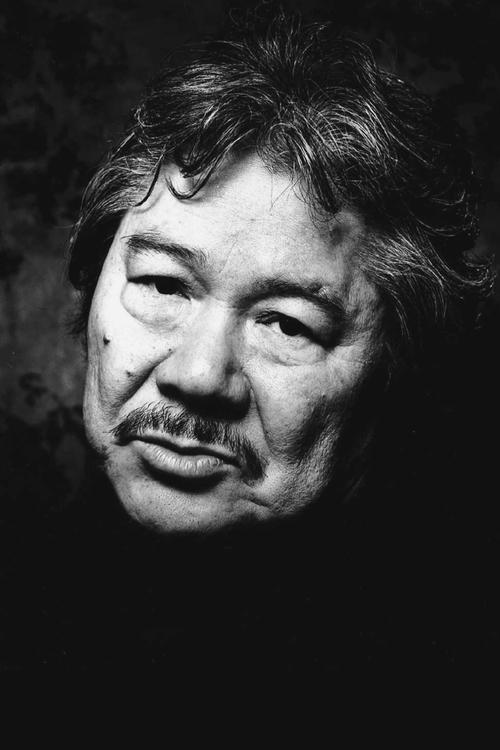
Kōji Wakamatsu
Producer
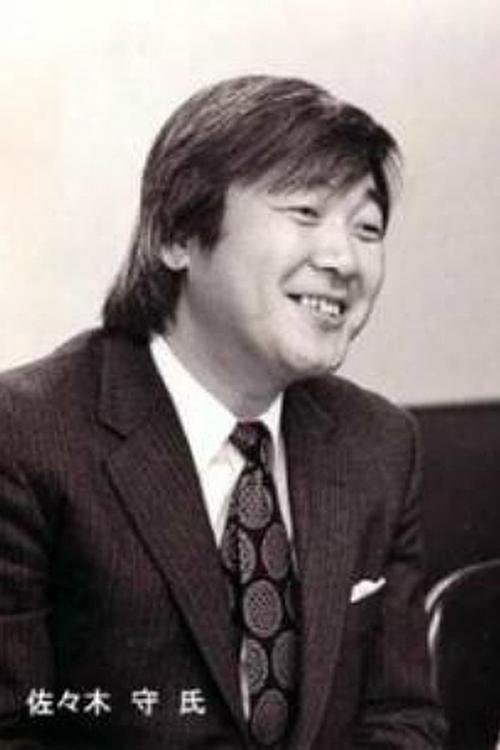
Mamoru Sasaki
Executive Producer
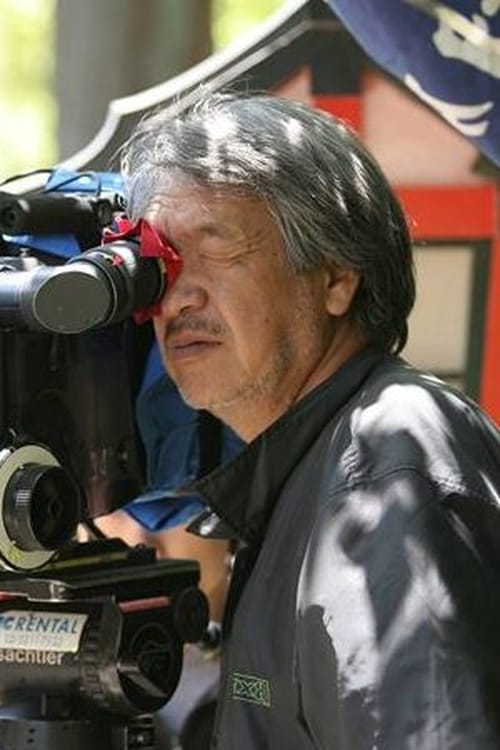
Yutaka Yamazaki
Cinematography
Popular Reviews
9 reviews
carlita
5.0★ · 06/24/26
interesante documental sobre los lugares que ha habitado un asesino en serie antes de cometerlos, me gusta mucho el estilo del director
igualmente, me ha parecido bastante ausente de narración para la longitud que tiene el largo, se me queda vacío de contexto, especialmente para quienes no conocemos el contexto social de la época ni el país, siento que sin la intro del director no conoceríamos las verdaderas razones detrás de los asesinatos y que, por tanto, la película no llega a cumplir del todo lo que se propone (aunque para ser la primera película experimental que veo, no ha estado mal)
igualmente, me ha parecido bastante ausente de narración para la longitud que tiene el largo, se me queda vacío de contexto, especialmente para quienes no conocemos el contexto social de la época ni el país, siento que sin la intro del director no conoceríamos las verdaderas razones detrás de los asesinatos y que, por tanto, la película no llega a cumplir del todo lo que se propone (aunque para ser la primera película experimental que veo, no ha estado mal)
interesante documental sobre los lugares que ha habitado un asesino en serie antes de cometerlos, me gusta mucho el estilo del director
igualmente, me ha parecido bastante ausente de narración para la longitud que tiene el largo, se me queda vacío de contexto, especialmente para quienes no conocemos el contexto social de la época ni el país, siento que sin la intro del director no conoceríamos las verdaderas razones detrás de los asesinatos y que, por tanto, la película no llega a cumplir del todo lo que se propone (aunque para ser la primera película experimental que veo, no ha estado mal)
igualmente, me ha parecido bastante ausente de narración para la longitud que tiene el largo, se me queda vacío de contexto, especialmente para quienes no conocemos el contexto social de la época ni el país, siento que sin la intro del director no conoceríamos las verdaderas razones detrás de los asesinatos y que, por tanto, la película no llega a cumplir del todo lo que se propone (aunque para ser la primera película experimental que veo, no ha estado mal)


Cal
7.0★ · 01/15/26
Where Violence Takes Root
A strange, unsettling little film. Rather than depicting the crimes themselves, the film makes a bold choice to focus on the environments and landscapes that shaped Norio Nagayama and ultimately led him toward becoming a serial killer. It’s deliberately minimal and cold, refusing to sensationalize violence, which makes the whole thing feel even more uncomfortable.
A strange, unsettling little film. Rather than depicting the crimes themselves, the film makes a bold choice to focus on the environments and landscapes that shaped Norio Nagayama and ultimately led him toward becoming a serial killer. It’s deliberately minimal and cold, refusing to sensationalize violence, which makes the whole thing feel even more uncomfortable.
Where Violence Takes Root
A strange, unsettling little film. Rather than depicting the crimes themselves, the film makes a bold choice to focus on the environments and landscapes that shaped Norio Nagayama and ultimately led him toward becoming a serial killer. It’s deliberately minimal and cold, refusing to sensationalize violence, which makes the whole thing feel even more uncomfortable.
A strange, unsettling little film. Rather than depicting the crimes themselves, the film makes a bold choice to focus on the environments and landscapes that shaped Norio Nagayama and ultimately led him toward becoming a serial killer. It’s deliberately minimal and cold, refusing to sensationalize violence, which makes the whole thing feel even more uncomfortable.
Medhansh
8.9★ · 10/25/25
Director- Adachi Masao.I decided to watch this film as I was intrigued by how he would tackle the subject of Nagayama Norio.His approach to the subject is from the side of objective facts, telling things as they are through a loose narration without sensationalising the events. The lack of voyeurism and forceful sensationalism takes it a long way ahead. In the current time of a rise in true crime podcasts driven solely through the pursuit of views, deliberately mushing up facts to make it more "spicier", this film is a breath of fresh air.The societal structures, unlike other New Wave works, don't deal with frustration and alienation. The film neither explores themes of his identity through external interactions nor internal introspection, but rather through the environment as a collective entity, through a rather impersonal view into what an individual could have been like. The film excellently avoids having any interviews about the people affected by the killer, as it allows us to be impartial observers.The imagery throughout the film gives it the vibe of a time capsule for a Japan of the past. The music and imagery have a calming effect while the narration speaks of the killer's deeds, which should have been an interesting duality, but in Adachi's pursuit to humanise Nagayama, he fails to express the gravity of his deeds.Adachi tries to give a theory about how his environment and past shaped him to be a killer, showing imagery about the places connected to him and his victims. He, though, does not try to whitewash him, instead presenting only the facts, which allows the audience to make their own decisions regarding their takeaway from the material.He doesn't show the audience Nagayama throughout the whole runtime, giving it a more unbiased feel. It also allows us to make our own interpretations of why he became who he is as we experience what he saw.As the film goes on, we learn that his life wasn't much different to ours through the imagery of desolate locales and urbanised bustling atmospheres. Thus, the film keeps what made him snap and shoot his victims, rather dubious. This not only humanises him further but also establishes that anyone can become the next Nagayama if enough attention is not paid to them.The film just gives us a vague idea about what the cause of it was, and through that, one can assess that the environment might be the cause of oppression, but at the same time, one can assume that the act was just driven by momentary impulse and further doubling down. The open-to-interpretation nature of it is quite an intriguing setup.One can even assess that this film, through showing his environment, is vehemently blaming it for allowing such a person to rise. This would make it a reactionary tale about how to deal with such cases in the future.Overall, this is quite an interesting film, transcendental in a way as it allows us or rather makes us, to introspect throughout the runtime. I will try to watch Double Suicide next.
Director- Adachi Masao.I decided to watch this film as I was intrigued by how he would tackle the subject of Nagayama Norio.His approach to the subject is from the side of objective facts, telling things as they are through a loose narration without sensationalising the events. The lack of voyeurism and forceful sensationalism takes it a long way ahead. In the current time of a rise in true crime podcasts driven solely through the pursuit of views, deliberately mushing up facts to make it more "spicier", this film is a breath of fresh air.The societal structures, unlike other New Wave works, don't deal with frustration and alienation. The film neither explores themes of his identity through external interactions nor internal introspection, but rather through the environment as a collective entity, through a rather impersonal view into what an individual could have been like. The film excellently avoids having any interviews about the people affected by the killer, as it allows us to be impartial observers.The imagery throughout the film gives it the vibe of a time capsule for a Japan of the past. The music and imagery have a calming effect while the narration speaks of the killer's deeds, which should have been an interesting duality, but in Adachi's pursuit to humanise Nagayama, he fails to express the gravity of his deeds.Adachi tries to give a theory about how his environment and past shaped him to be a killer, showing imagery about the places connected to him and his victims. He, though, does not try to whitewash him, instead presenting only the facts, which allows the audience to make their own decisions regarding their takeaway from the material.He doesn't show the audience Nagayama throughout the whole runtime, giving it a more unbiased feel. It also allows us to make our own interpretations of why he became who he is as we experience what he saw.As the film goes on, we learn that his life wasn't much different to ours through the imagery of desolate locales and urbanised bustling atmospheres. Thus, the film keeps what made him snap and shoot his victims, rather dubious. This not only humanises him further but also establishes that anyone can become the next Nagayama if enough attention is not paid to them.The film just gives us a vague idea about what the cause of it was, and through that, one can assess that the environment might be the cause of oppression, but at the same time, one can assume that the act was just driven by momentary impulse and further doubling down. The open-to-interpretation nature of it is quite an intriguing setup.One can even assess that this film, through showing his environment, is vehemently blaming it for allowing such a person to rise. This would make it a reactionary tale about how to deal with such cases in the future.Overall, this is quite an interesting film, transcendental in a way as it allows us or rather makes us, to introspect throughout the runtime. I will try to watch Double Suicide next.
DoryDory
8.0★ · 08/29/25
Masao Adachi a probablement réussi à proposer le portrait de serial killer le plus original et le plus intéressant de ceux que j'ai pu voir.
Le film se constitue d'une succession de plan dépeignant la société japonaise et l'environnement d'évolution d'un jeune serial killer, doublée d'une voix off narrant ses agissements. Adachi fait une description de la société japonaise des plus sombres en la montrant comme un environnement hostile, idée renforcé par une bande son oppressante aux sonorités déstructurées qui évoque l'instabilité mentale. En ne faisant jamais apparaitre directement à l'écran le serial killer ou ses crimes, l'objectif du réalisateur est clair, il dénonce ici le cadre d'évolution du sujet dans une société japonaise capitaliste qui serait une véritable fabrique à criminel.
On remarque également la répétition au début et à la fin d'un texte noir sur blanc qui résume les crimes du jeune homme, après 1h26 de film notre vision a changé et le texte change de sens, la première fois on voit le personnage comme un criminel, puis la seconde fois comme la victime d'une société et d'un système défaillant.
Le film se constitue d'une succession de plan dépeignant la société japonaise et l'environnement d'évolution d'un jeune serial killer, doublée d'une voix off narrant ses agissements. Adachi fait une description de la société japonaise des plus sombres en la montrant comme un environnement hostile, idée renforcé par une bande son oppressante aux sonorités déstructurées qui évoque l'instabilité mentale. En ne faisant jamais apparaitre directement à l'écran le serial killer ou ses crimes, l'objectif du réalisateur est clair, il dénonce ici le cadre d'évolution du sujet dans une société japonaise capitaliste qui serait une véritable fabrique à criminel.
On remarque également la répétition au début et à la fin d'un texte noir sur blanc qui résume les crimes du jeune homme, après 1h26 de film notre vision a changé et le texte change de sens, la première fois on voit le personnage comme un criminel, puis la seconde fois comme la victime d'une société et d'un système défaillant.
Masao Adachi a probablement réussi à proposer le portrait de serial killer le plus original et le plus intéressant de ceux que j'ai pu voir.
Le film se constitue d'une succession de plan dépeignant la société japonaise et l'environnement d'évolution d'un jeune serial killer, doublée d'une voix off narrant ses agissements. Adachi fait une description de la société japonaise des plus sombres en la montrant comme un environnement hostile, idée renforcé par une bande son oppressante aux sonorités déstructurées qui évoque l'instabilité mentale. En ne faisant jamais apparaitre directement à l'écran le serial killer ou ses crimes, l'objectif du réalisateur est clair, il dénonce ici le cadre d'évolution du sujet dans une société japonaise capitaliste qui serait une véritable fabrique à criminel.
On remarque également la répétition au début et à la fin d'un texte noir sur blanc qui résume les crimes du jeune homme, après 1h26 de film notre vision a changé et le texte change de sens, la première fois on voit le personnage comme un criminel, puis la seconde fois comme la victime d'une société et d'un système défaillant.
Le film se constitue d'une succession de plan dépeignant la société japonaise et l'environnement d'évolution d'un jeune serial killer, doublée d'une voix off narrant ses agissements. Adachi fait une description de la société japonaise des plus sombres en la montrant comme un environnement hostile, idée renforcé par une bande son oppressante aux sonorités déstructurées qui évoque l'instabilité mentale. En ne faisant jamais apparaitre directement à l'écran le serial killer ou ses crimes, l'objectif du réalisateur est clair, il dénonce ici le cadre d'évolution du sujet dans une société japonaise capitaliste qui serait une véritable fabrique à criminel.
On remarque également la répétition au début et à la fin d'un texte noir sur blanc qui résume les crimes du jeune homme, après 1h26 de film notre vision a changé et le texte change de sens, la première fois on voit le personnage comme un criminel, puis la seconde fois comme la victime d'une société et d'un système défaillant.
Kris
10.0★ · 04/17/21
Something really important for human behavior / development resides in our "milieu", so Adachi instead of analyzing the psychological state of the "killer", analyzes his environment and the "landscape" that can be crucial in his structures to alienate / dividing societies (urban planning is responsible), narratively spectacular, the committed crime becomes secondary without falling into media morbidity.
Something really important for human behavior / development resides in our "milieu", so Adachi instead of analyzing the psychological state of the "killer", analyzes his environment and the "landscape" that can be crucial in his structures to alienate / dividing societies (urban planning is responsible), narratively spectacular, the committed crime becomes secondary without falling into media morbidity.