

1975·Drama·2h 10m
7.1
★
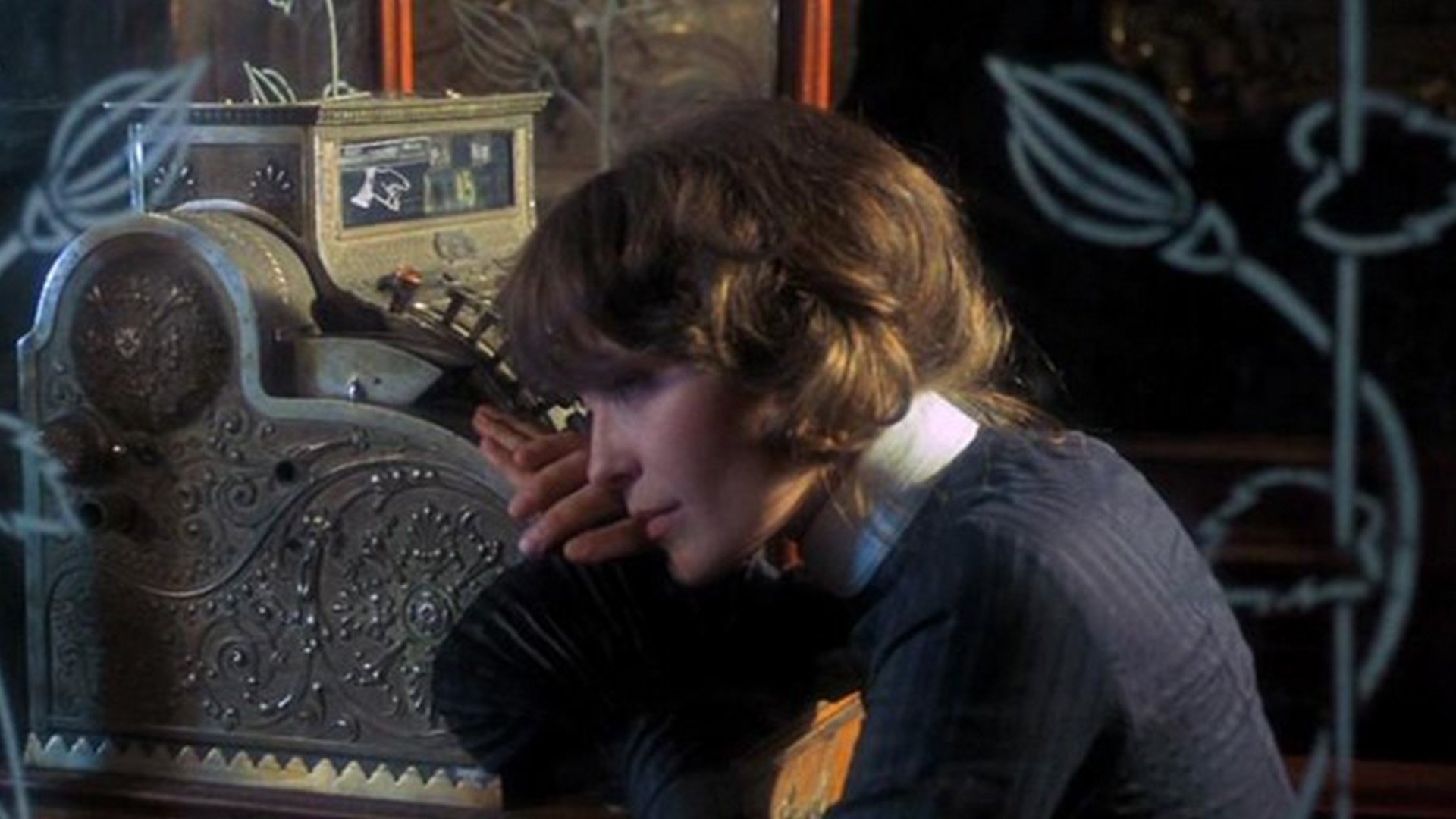
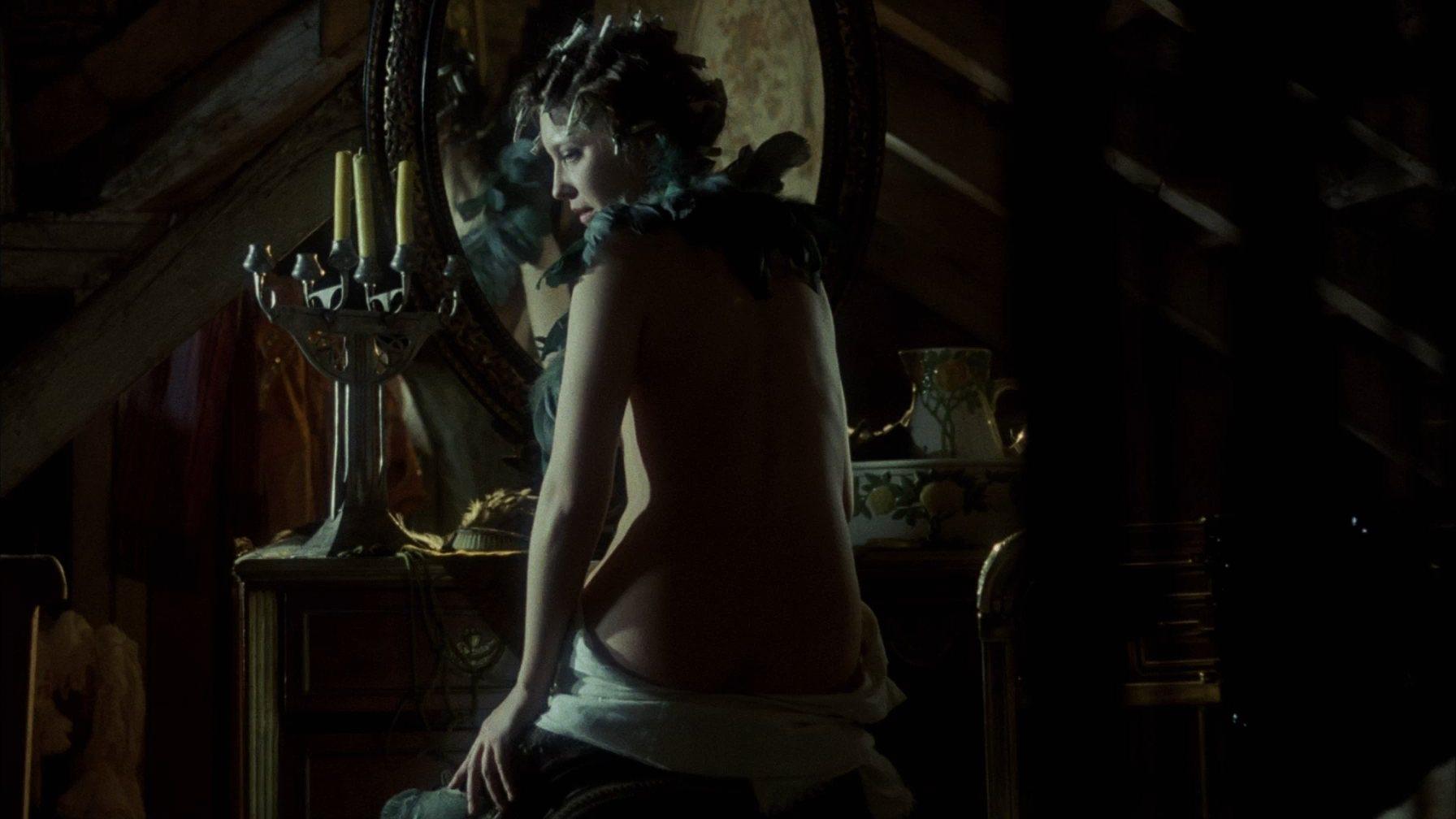
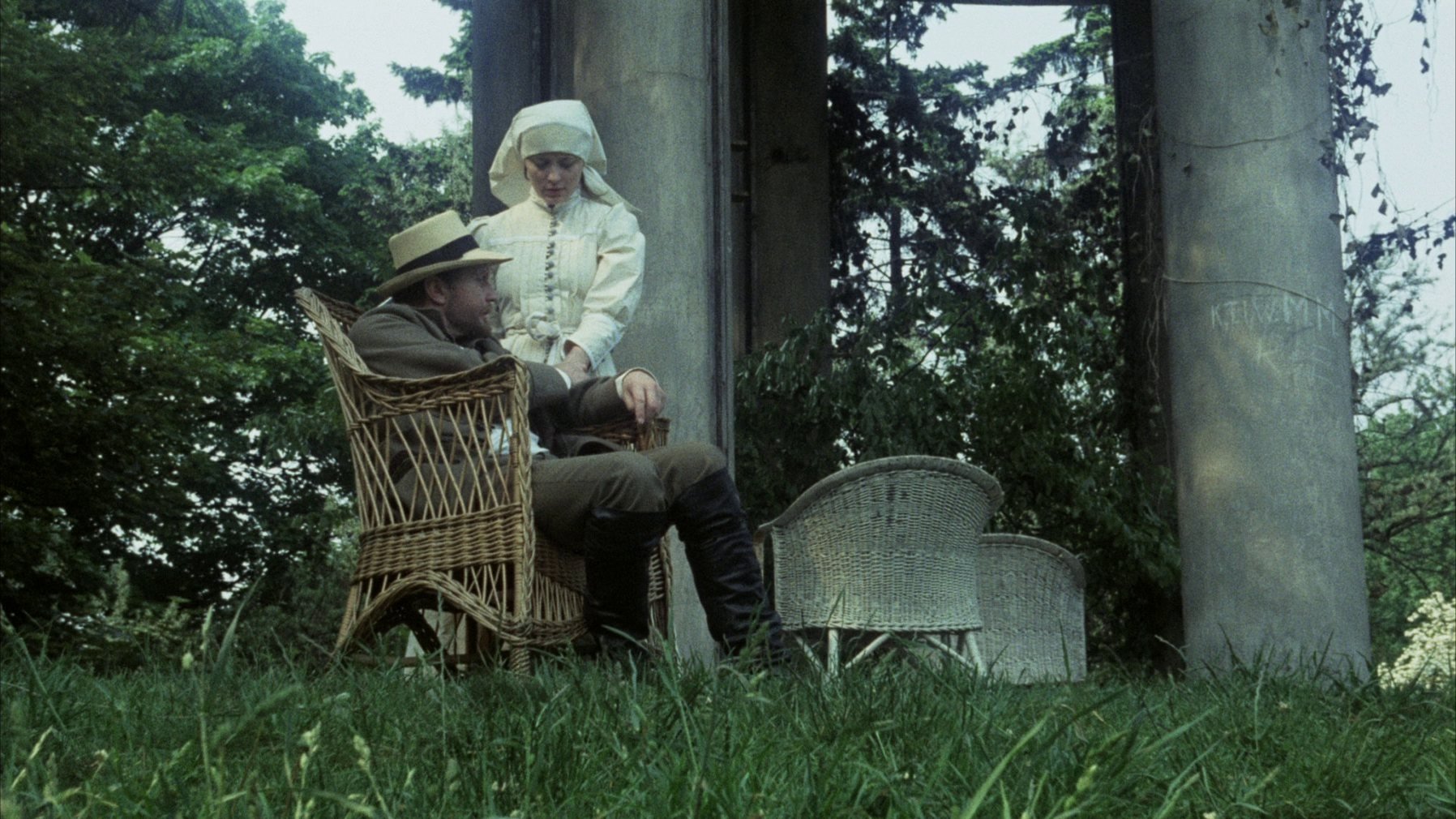
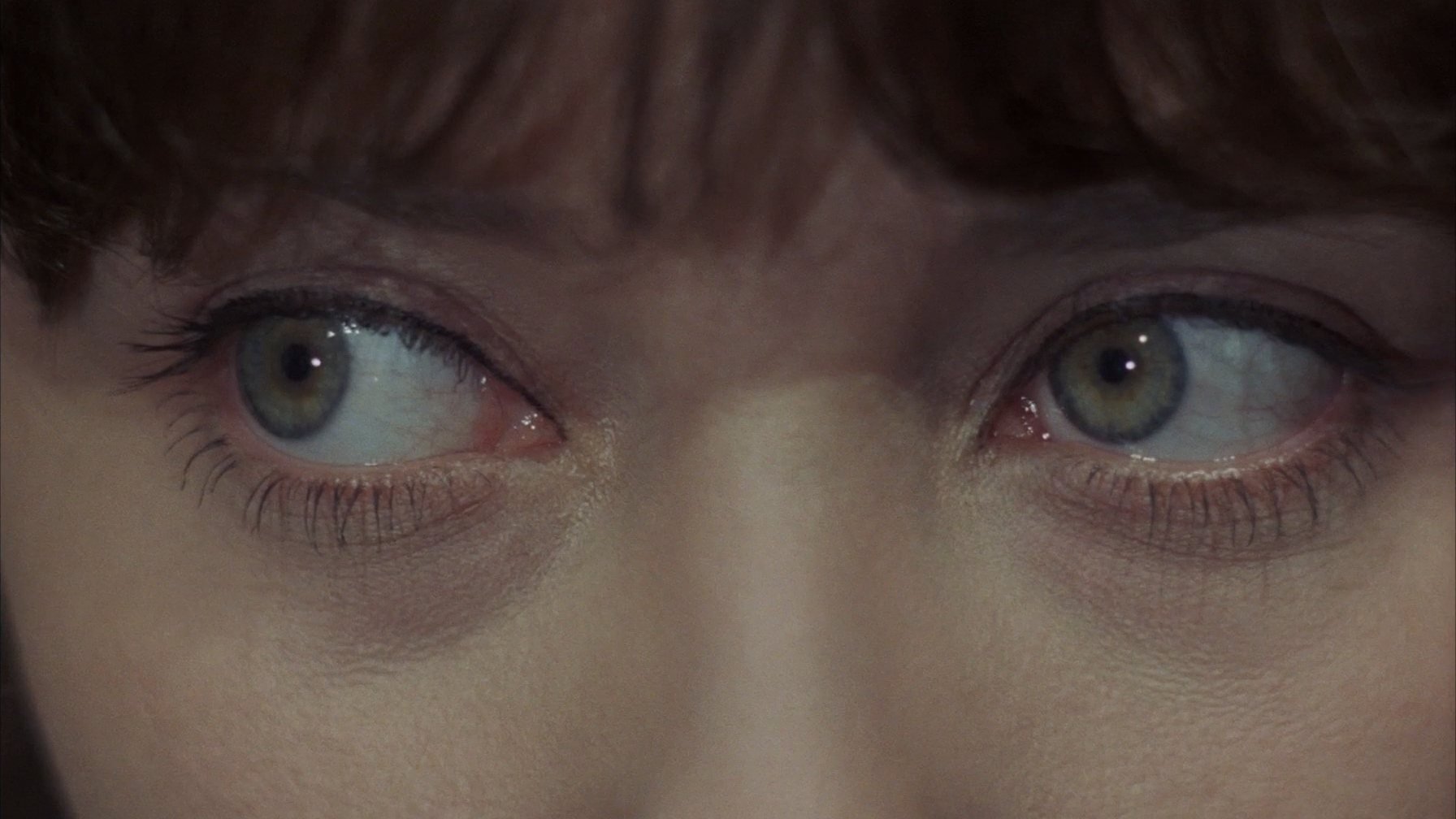
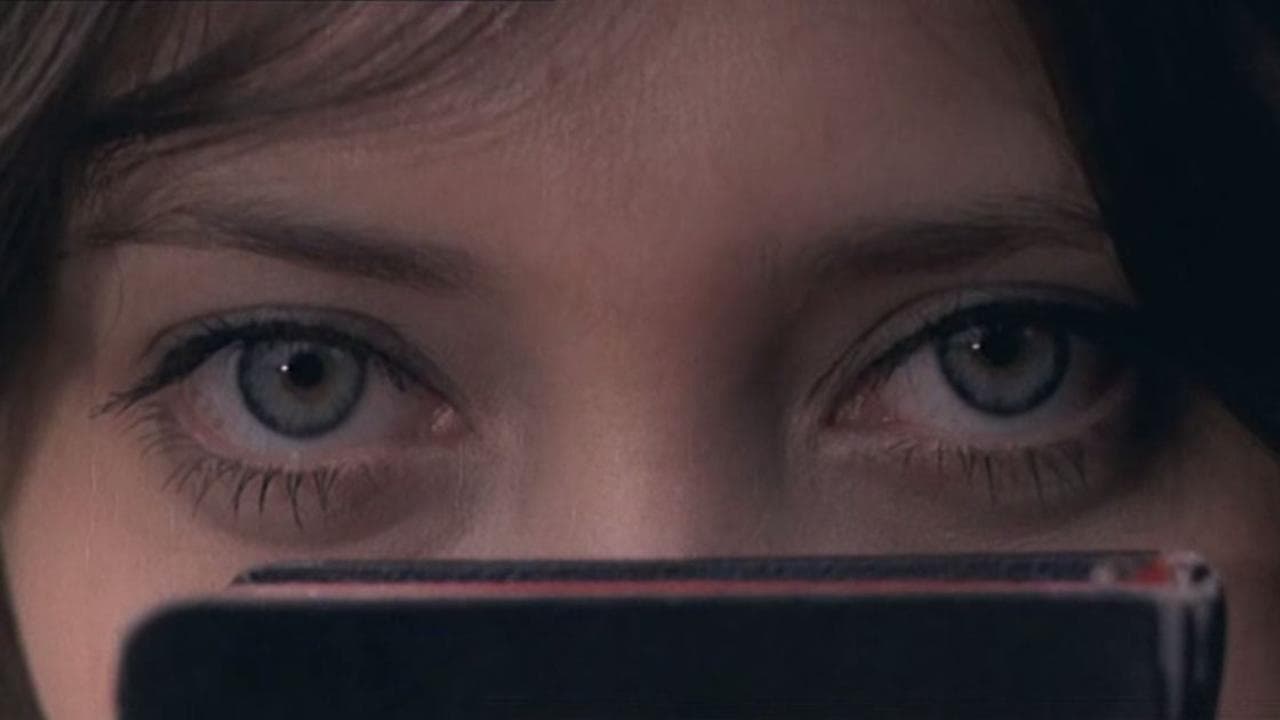
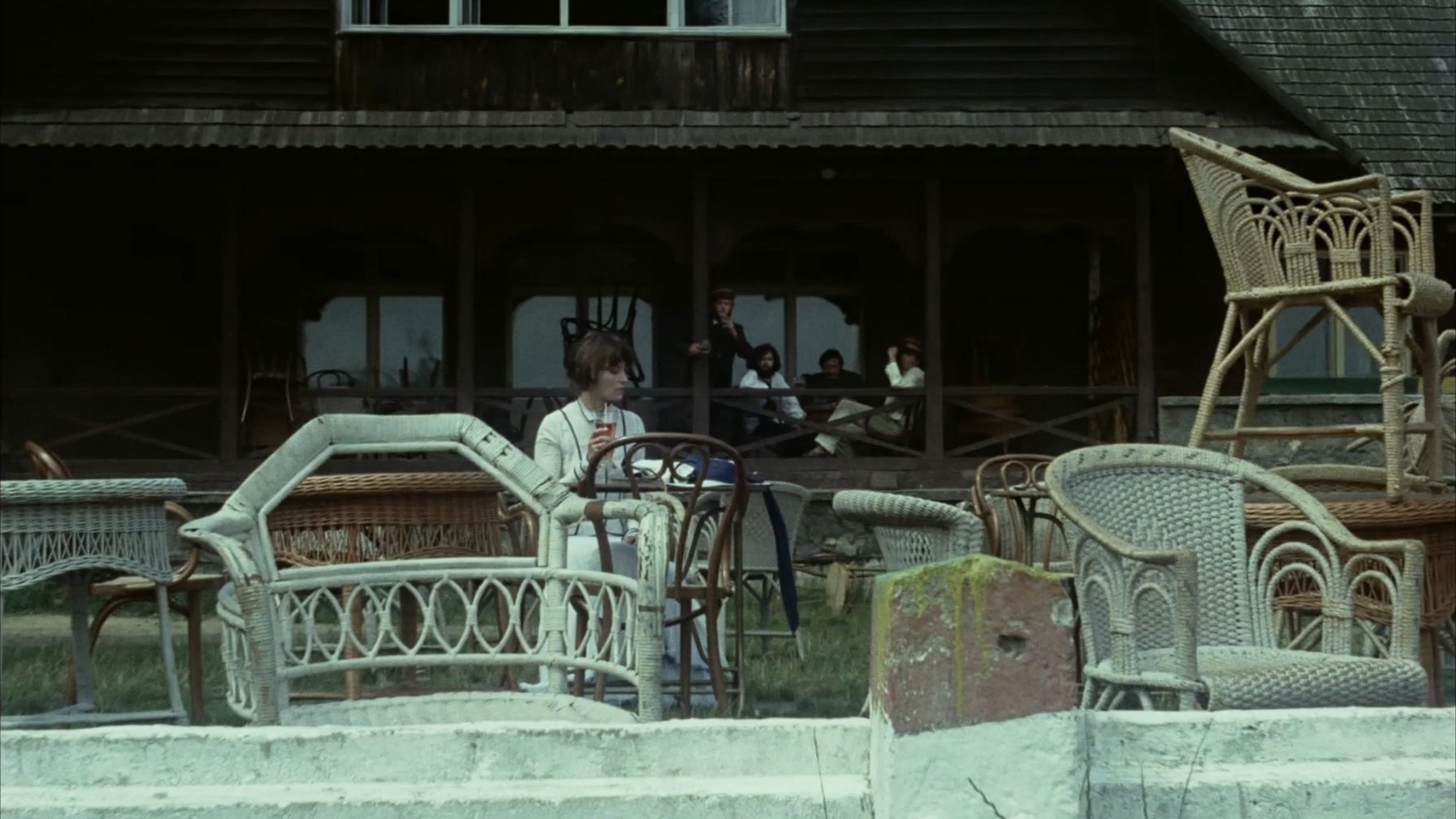
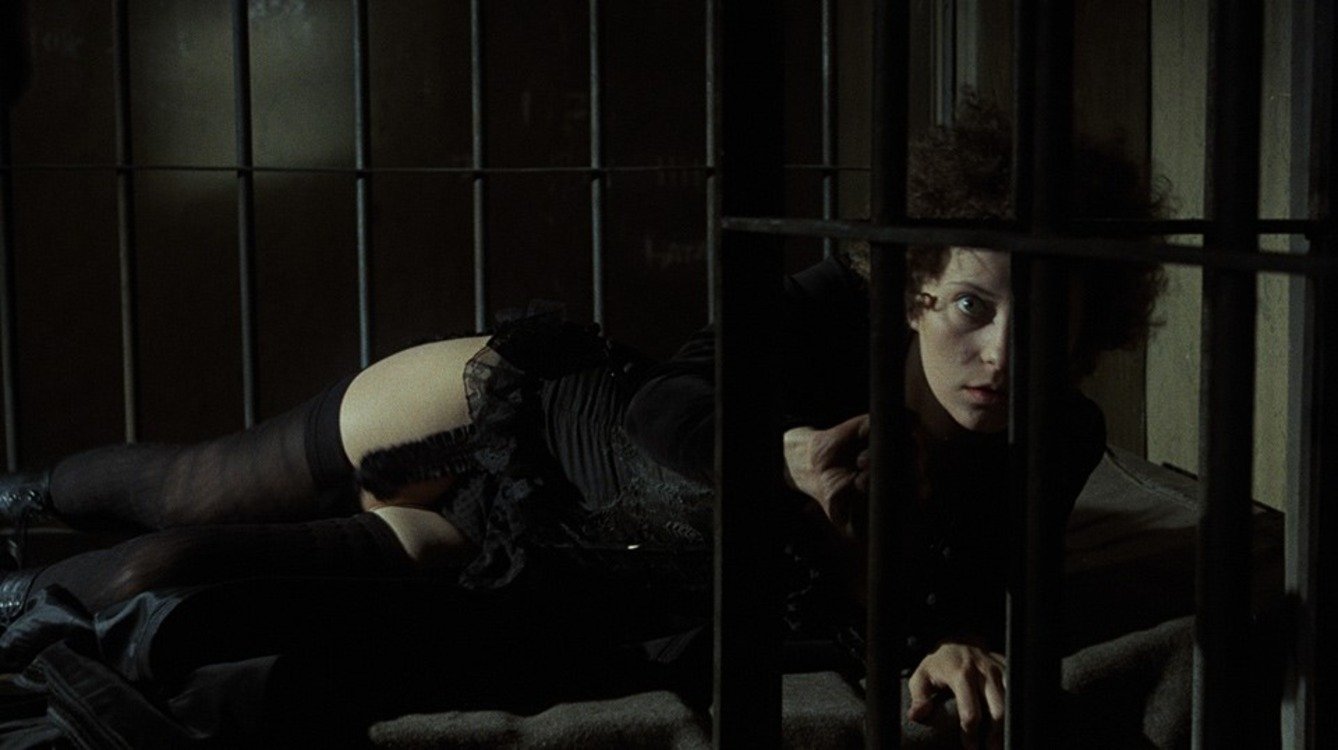
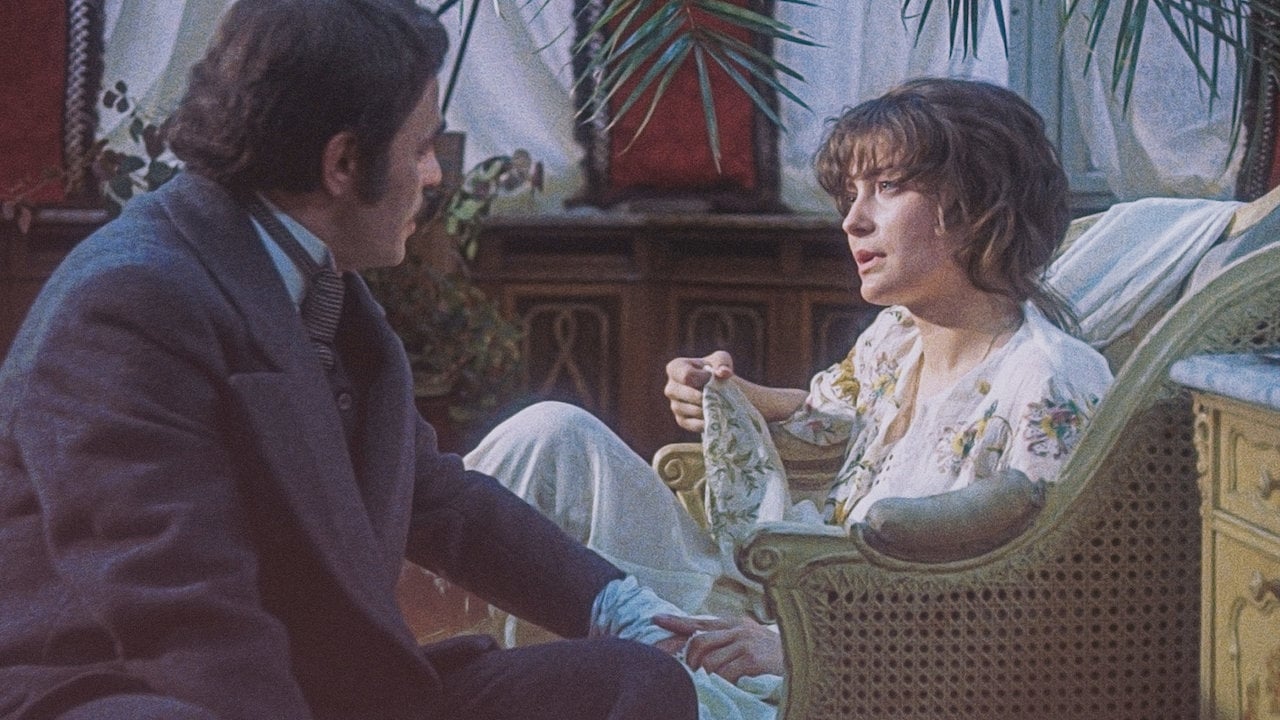
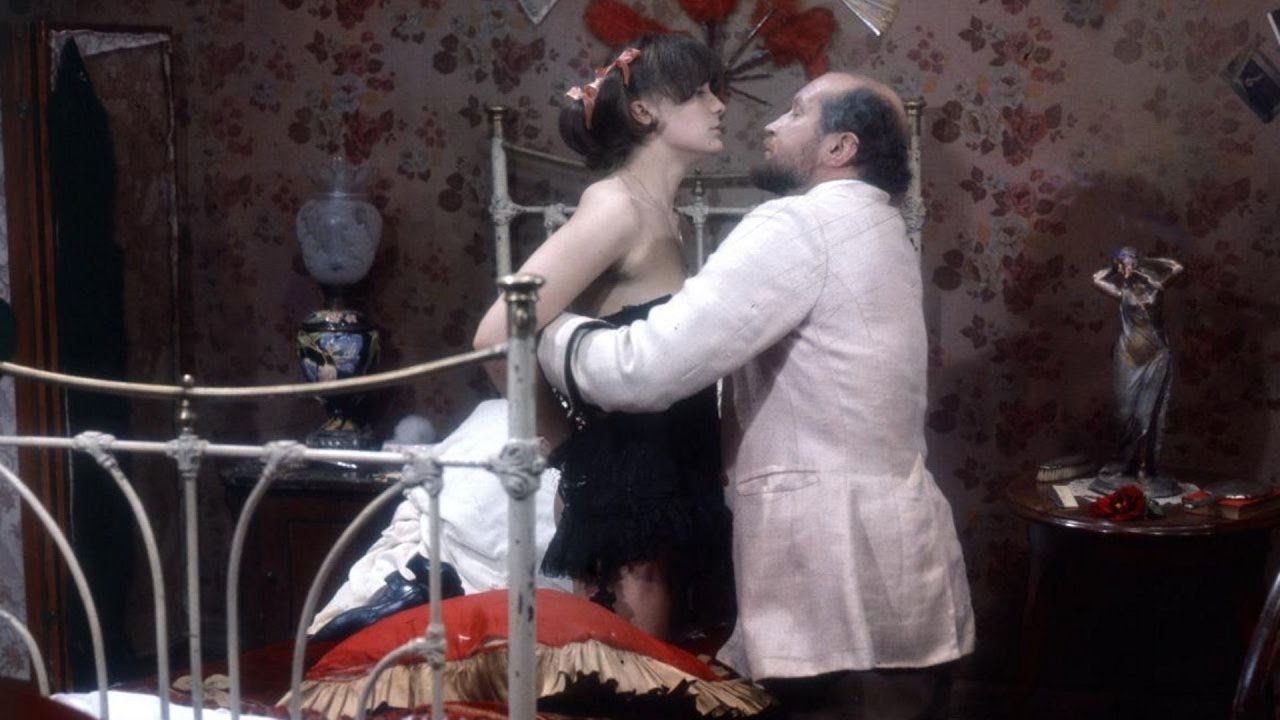
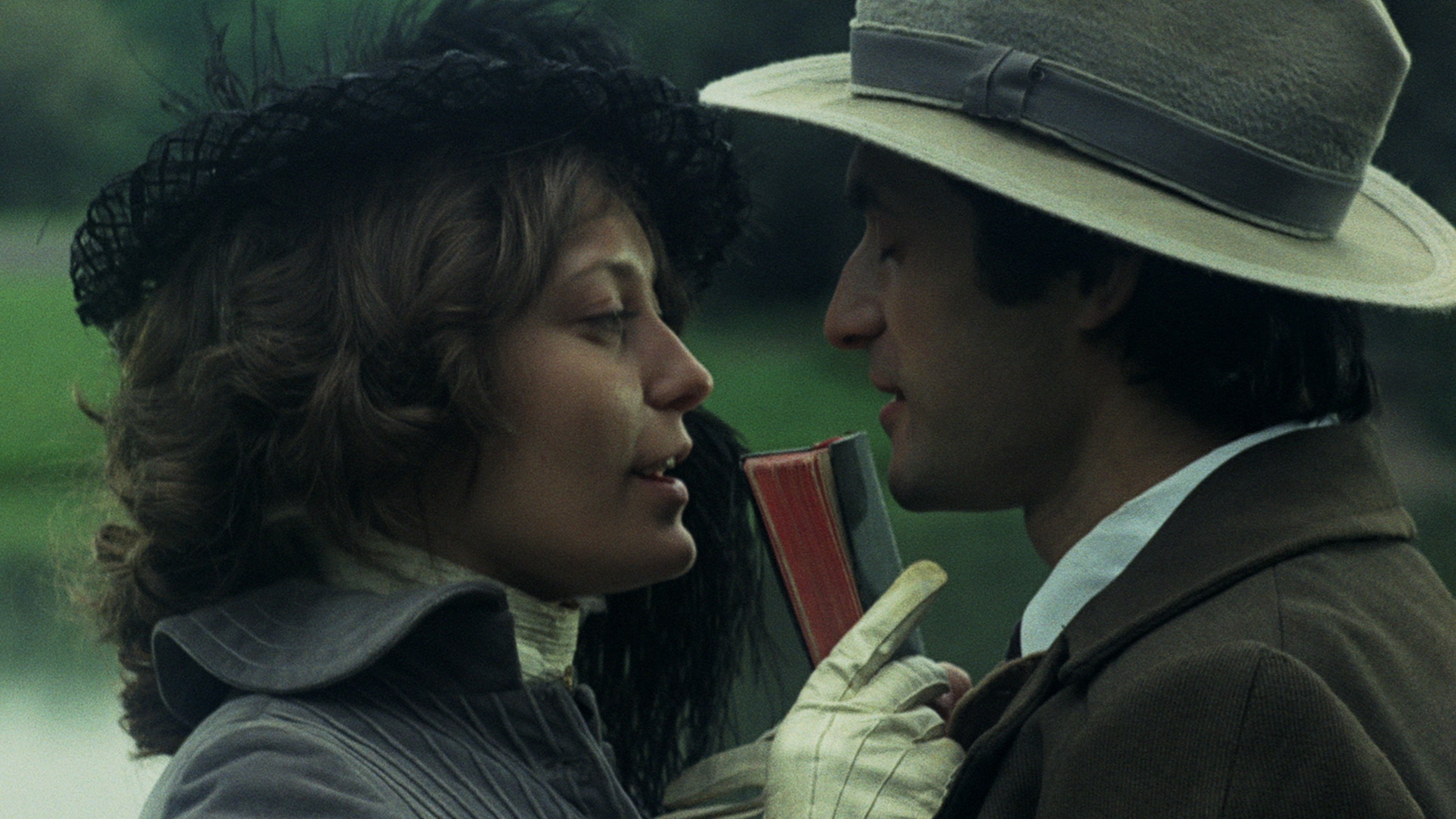
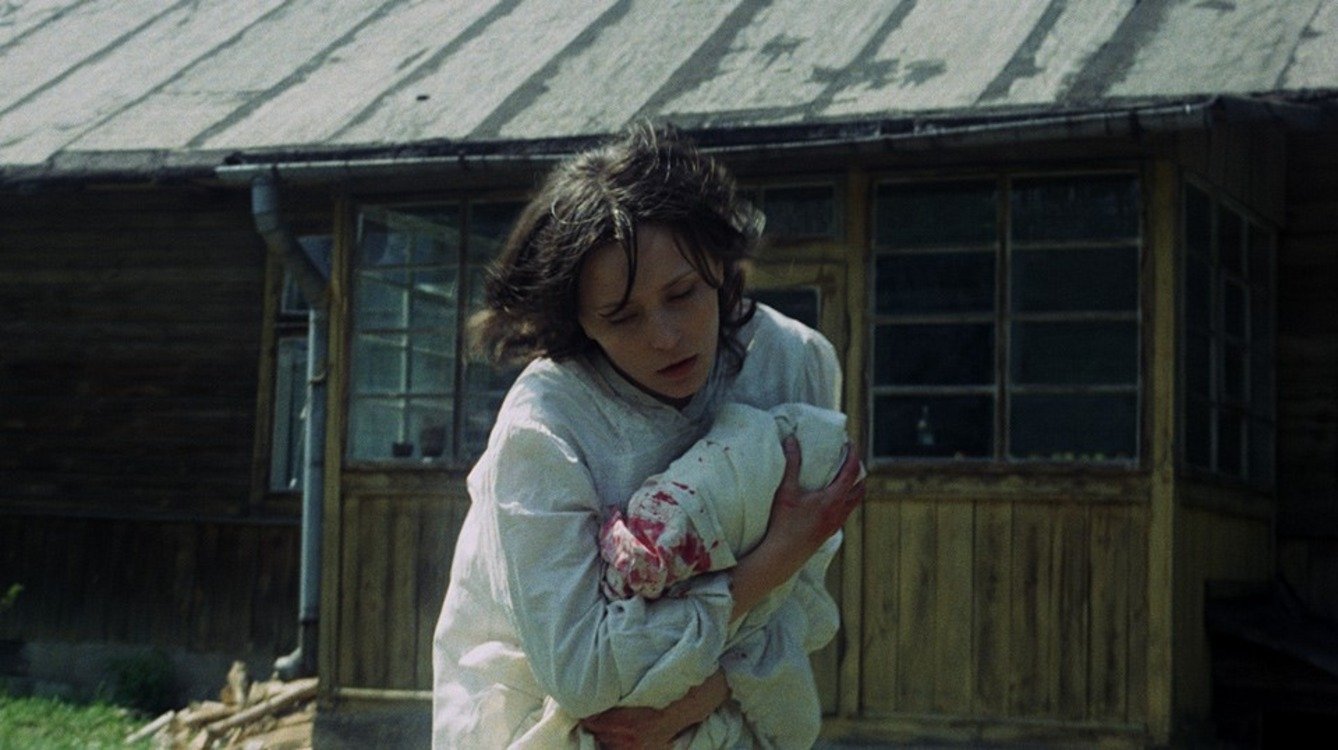
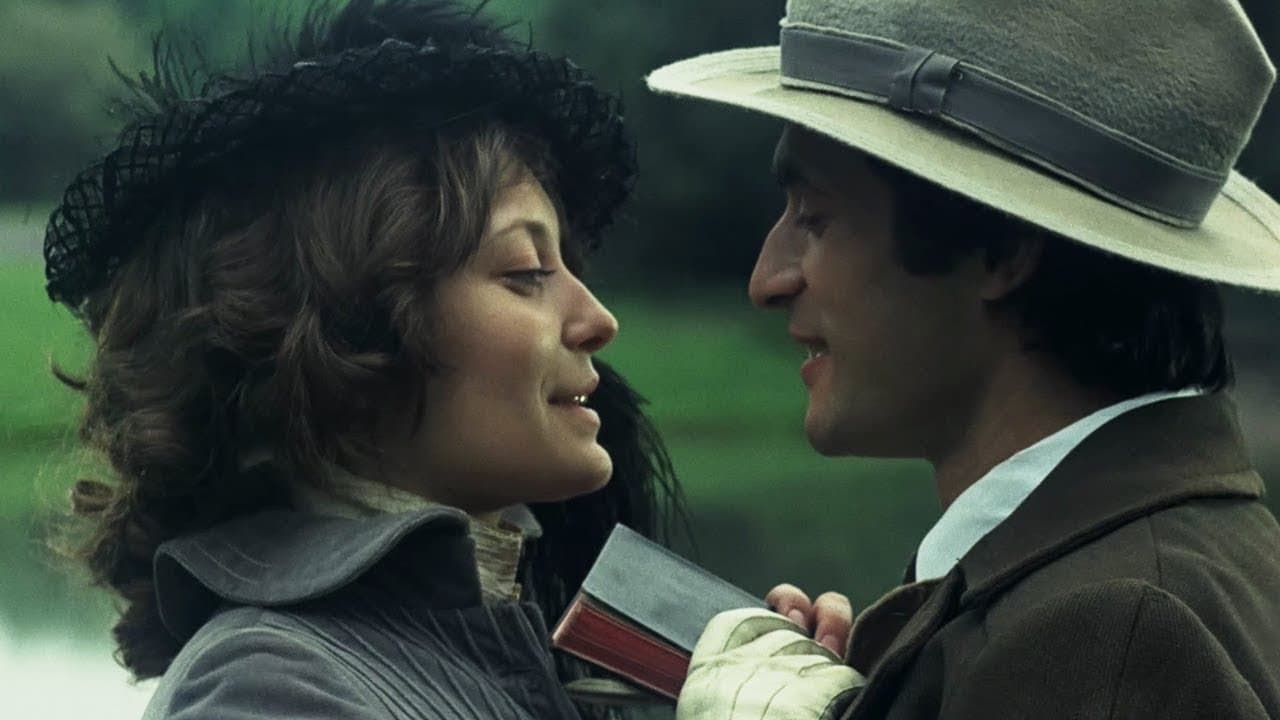
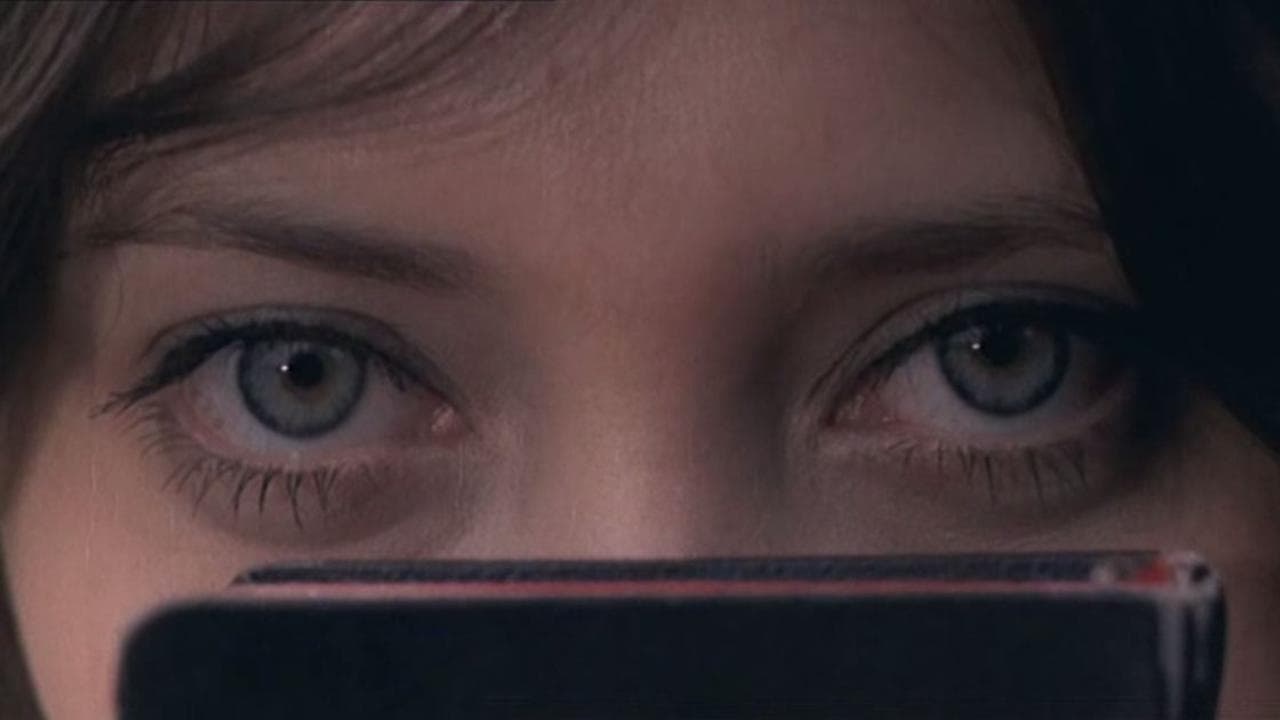
A beautiful Polish girl whose lover has gone to Rome to seek a divorce from his previous wife travels around Europe in search of him and suffers a variety of tragic adventures as the men around her try to fit her into their own selfish schemes.
Directed by Walerian Borowczyk
rape
casino
based on novel or book
love letter
prostitution
pregnant woman
sex

Trailer

IMDB
N/A
Cast
Mieczysław Voit
Count Cyprian Bodzanta

Marek Walczewski
Bandyta Płaza-Spławski, wspólnik Pochronia

Marek Bargiełowski
Adolf Horst, sublokator Pobratyńskich
Janusz Zakrzeński
Redaktor "Tygodnika Naukowego"

Zbigniew Zapasiewicz
Priest Jutkiewicz

Jerzy Zelnik
Łukasz Niepołomski, miłość Ewy
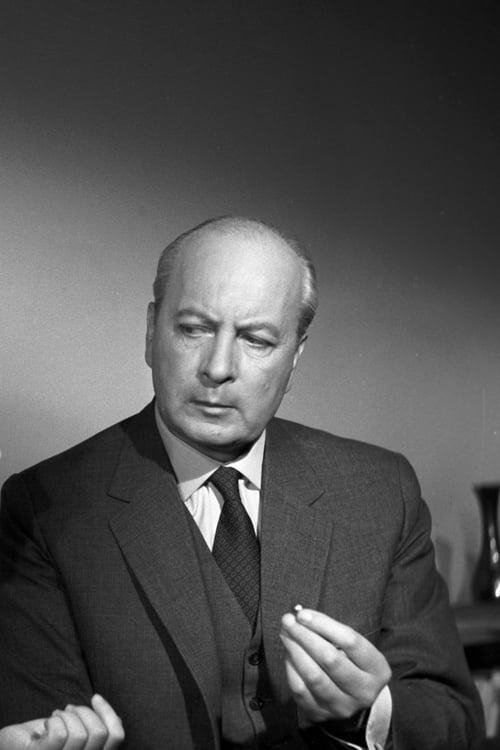
Zdzisław Mrożewski
Mr. Pobratynski, Ewa's father
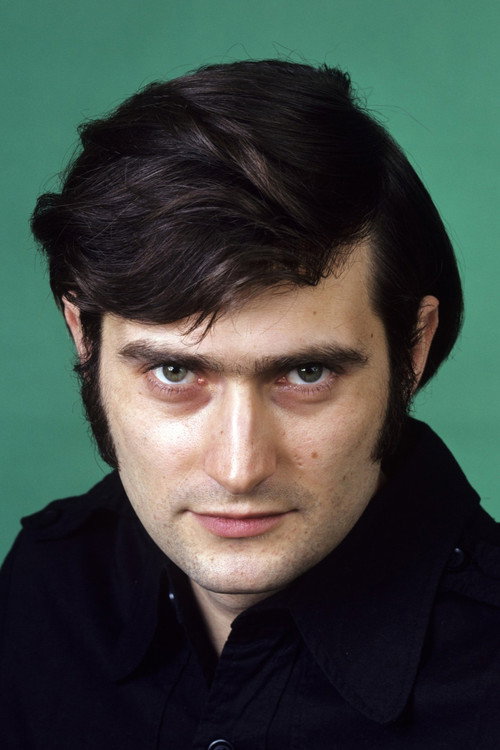
Olgierd Łukaszewicz
Count Zygmunt Szczerbic

Roman Wilhelmi
Antoni Pochron

Karolina Lubieńska
Mrs. Pobratynska, Ewa's mother

Władysław Hańcza
Dr. Wielgosinski
Crew
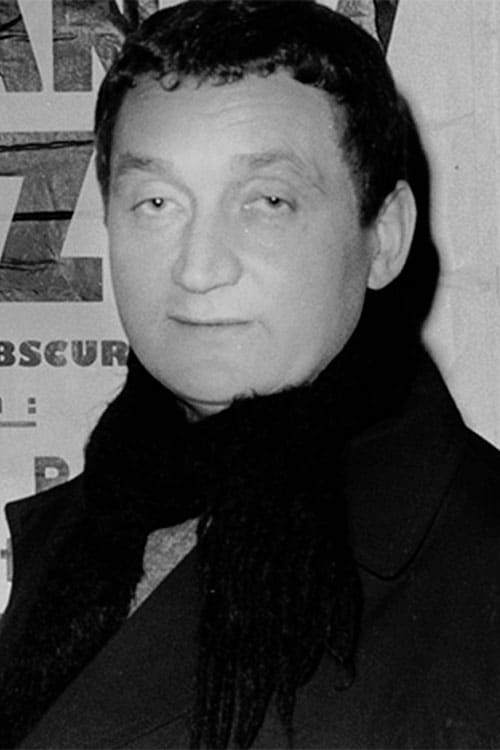
Walerian Borowczyk
Director
Walerian Borowczyk
Screenplay
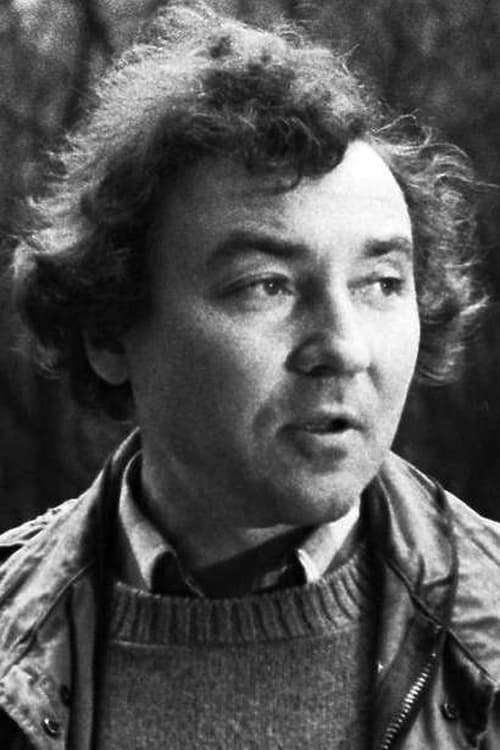
Zygmunt Samosiuk
Director of Photography
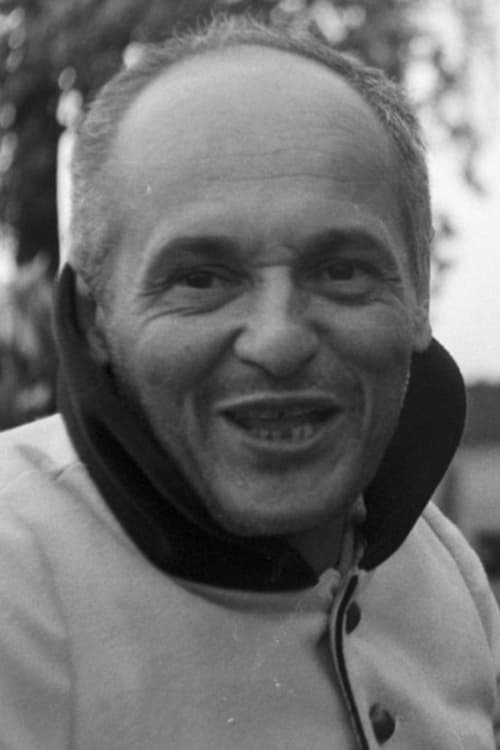
Jerzy Szeski
Costume Design
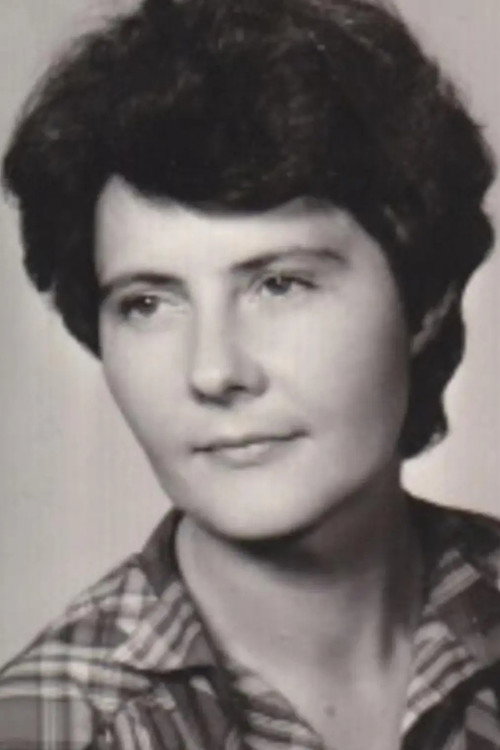
Ewa Smal
Assistant Director
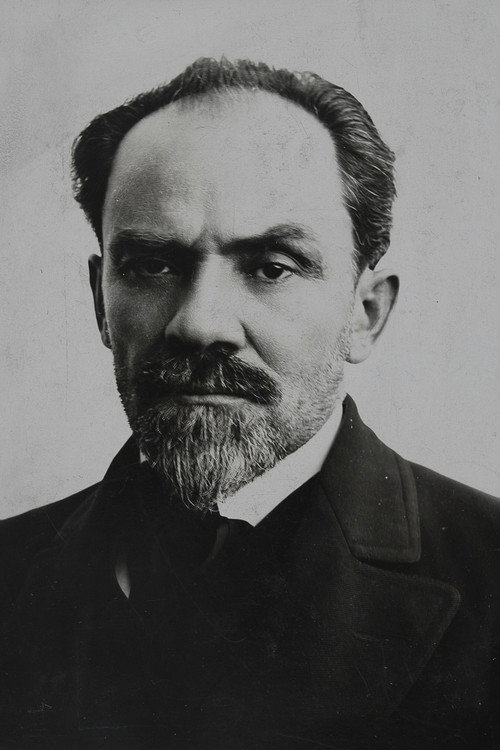
Stefan Żeromski
Novel

Teresa Barska
Art Direction
Popular Reviews
10 reviews
jamblo
6.0★ · 02/17/26

Another day, another Walerian Borowczyk period piece; this one set in the late 19th century.
Filmed in Poland, the opening scene shows Ewa (played by Grazyna Dlugolecka) during confession in a Warsaw Catholic church (hey, it's Poland, whatcha gonna do?) and being lectured on the nature of sin, and specifically her sin as a woman, before heading home and falling irrationally head over heels for a boarder in her parent's home. She then proceeds to follow him all over continental Europe as he sends her occasional letters and postcards from different locations -- ostensibly as he tries to obtain a divorce from his (unseen) wife so that he and Ewa can be together -- but always managing to disappear just before she arrives. Along the way, all manner of sins are explored (though perhaps not as prominently (due to Polish censorship sensibilities) as in some of Boro's more outre works), as various men attempt (often successfully) to use her for their own ends, which naturally results in her social decline and eventual tragic end. It is worth mentioning, though, that her end is largely brought about by her own choosing, a sort of final grasping at control of her own destiny.
As a film, I'm not going to be able to count this as along my favorites -- there may be religious, political, and/or historical allegories of which I am unaware at play here (and I've not read the source novel), but the film is rather long and is constructed of stacked, but disjointed, vignettes depicting the various degradations Ewa endures in pursuit of a guy who, while he may 'like' her, clearly doesn't want to be with her when he doesn't have to be (like when she's nursing him back to health). Outside of her clearly non-reciprocal infatuation, Ewa doesn't really have much going on and, while the individual scenes are fine in and of themselves, there's little connective tissue to explain why she is so willing to put up with this much unhappiness.
This obsessive love story has obviously been done elsewhere ('Jules et Jim,' 'Betty Blue,' even the Drew Barrymore vehicle 'Mad Love') but what is different here is also why I don't think it works as well -- namely, the object of Ewa's obsession is just not on screen all that much; he's off having duels, getting audiences with clergy, going to prison, none of which the audience gets to see, and this furthers the notion that Ewa is just plain deluded and, if you take on the sermon she receives at the start, the cause of her own downfall. Those other films all share at least some of an 'us against the world' perspective, this one is just sort of perplexing. If Ewa sees herself as damaged (or 'sinful,' if you prefer) her actions don't make sense, but neither do they if she feels she is trying to pursue a pure love (or whatever she thinks that is).
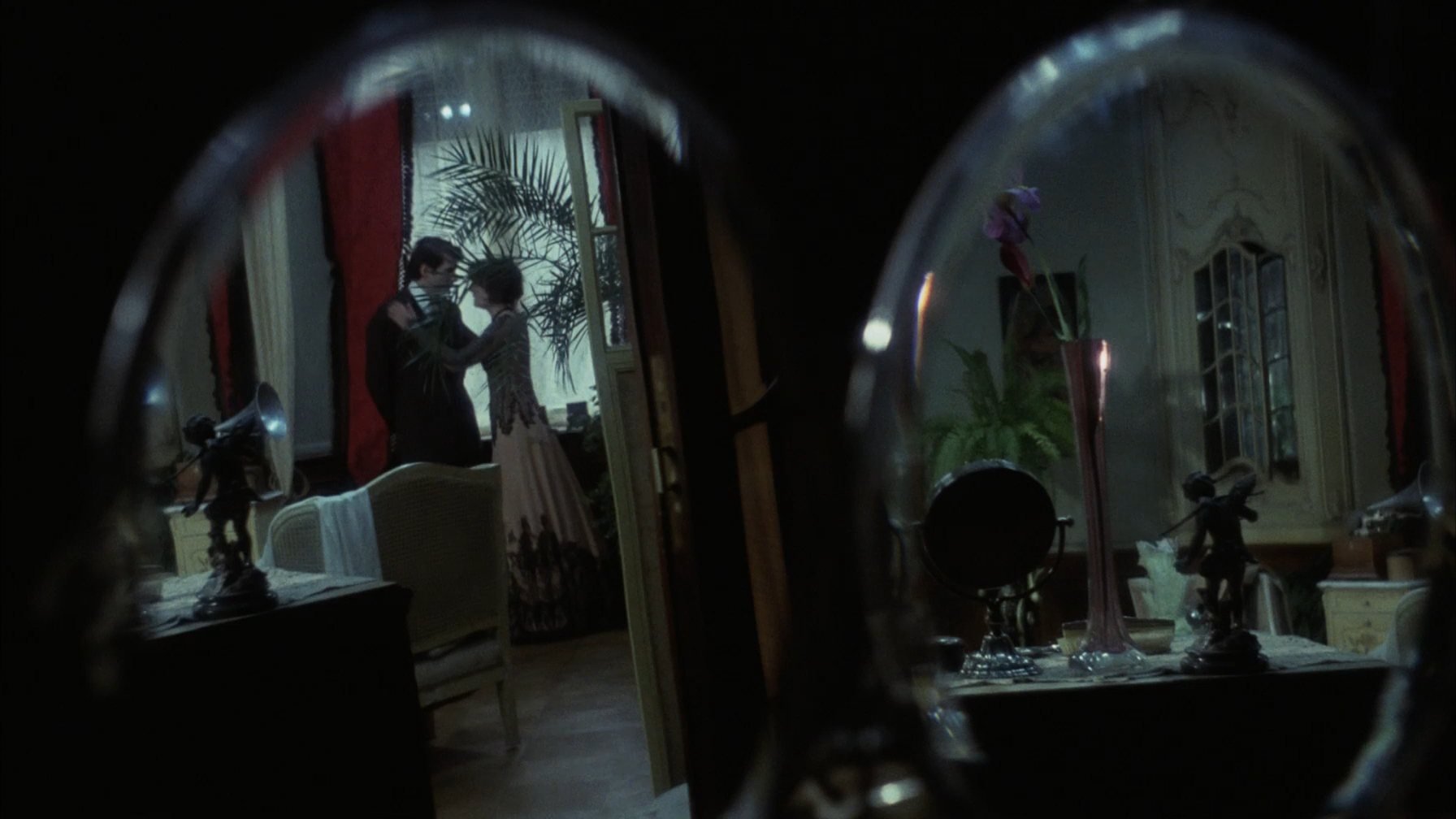
On the plus side, it does have a number of Borowczyk 'staples,' if you will, that keep it visually engaging: it features fantastic framing throughout (see the confessional booth scene right out of the gate, but also views from inside a chest of drawers (well, though, but who's counting) and lots verticals and horizontals (windows, bed frames, doors, alleys, etc); there is an incredible scene shot entirely in a tri-fold mirror; and like many of his films, it features mechanical devices that I suspect he made himself (a gold fan, the aforementioned drawer contraption).
It is probably a noteworthy film in Polish modernist cinema (though mostly an endorsement in the sense that Borowczyk had already had success outside of Poland and returned to make this film), but for me wasn't really up to par with his earlier films.
Finally, a word to the wise, if you ever get a love letter that ends with 'P.S. A sudden idea: if you sold everything and took a big loan, we could go away forever and begin a new life...maybe in America?' maybe consider that that might be a red flag....
Filmed in Poland, the opening scene shows Ewa (played by Grazyna Dlugolecka) during confession in a Warsaw Catholic church (hey, it's Poland, whatcha gonna do?) and being lectured on the nature of sin, and specifically her sin as a woman, before heading home and falling irrationally head over heels for a boarder in her parent's home. She then proceeds to follow him all over continental Europe as he sends her occasional letters and postcards from different locations -- ostensibly as he tries to obtain a divorce from his (unseen) wife so that he and Ewa can be together -- but always managing to disappear just before she arrives. Along the way, all manner of sins are explored (though perhaps not as prominently (due to Polish censorship sensibilities) as in some of Boro's more outre works), as various men attempt (often successfully) to use her for their own ends, which naturally results in her social decline and eventual tragic end. It is worth mentioning, though, that her end is largely brought about by her own choosing, a sort of final grasping at control of her own destiny.
As a film, I'm not going to be able to count this as along my favorites -- there may be religious, political, and/or historical allegories of which I am unaware at play here (and I've not read the source novel), but the film is rather long and is constructed of stacked, but disjointed, vignettes depicting the various degradations Ewa endures in pursuit of a guy who, while he may 'like' her, clearly doesn't want to be with her when he doesn't have to be (like when she's nursing him back to health). Outside of her clearly non-reciprocal infatuation, Ewa doesn't really have much going on and, while the individual scenes are fine in and of themselves, there's little connective tissue to explain why she is so willing to put up with this much unhappiness.
This obsessive love story has obviously been done elsewhere ('Jules et Jim,' 'Betty Blue,' even the Drew Barrymore vehicle 'Mad Love') but what is different here is also why I don't think it works as well -- namely, the object of Ewa's obsession is just not on screen all that much; he's off having duels, getting audiences with clergy, going to prison, none of which the audience gets to see, and this furthers the notion that Ewa is just plain deluded and, if you take on the sermon she receives at the start, the cause of her own downfall. Those other films all share at least some of an 'us against the world' perspective, this one is just sort of perplexing. If Ewa sees herself as damaged (or 'sinful,' if you prefer) her actions don't make sense, but neither do they if she feels she is trying to pursue a pure love (or whatever she thinks that is).
On the plus side, it does have a number of Borowczyk 'staples,' if you will, that keep it visually engaging: it features fantastic framing throughout (see the confessional booth scene right out of the gate, but also views from inside a chest of drawers (well, though, but who's counting) and lots verticals and horizontals (windows, bed frames, doors, alleys, etc); there is an incredible scene shot entirely in a tri-fold mirror; and like many of his films, it features mechanical devices that I suspect he made himself (a gold fan, the aforementioned drawer contraption).
It is probably a noteworthy film in Polish modernist cinema (though mostly an endorsement in the sense that Borowczyk had already had success outside of Poland and returned to make this film), but for me wasn't really up to par with his earlier films.
Finally, a word to the wise, if you ever get a love letter that ends with 'P.S. A sudden idea: if you sold everything and took a big loan, we could go away forever and begin a new life...maybe in America?' maybe consider that that might be a red flag....
Another day, another Walerian Borowczyk period piece; this one set in the late 19th century.
Filmed in Poland, the opening scene shows Ewa (played by Grazyna Dlugolecka) during confession in a Warsaw Catholic church (hey, it's Poland, whatcha gonna do?) and being lectured on the nature of sin, and specifically her sin as a woman, before heading home and falling irrationally head over heels for a boarder in her parent's home. She then proceeds to follow him all over continental Europe as he sends her occasional letters and postcards from different locations -- ostensibly as he tries to obtain a divorce from his (unseen) wife so that he and Ewa can be together -- but always managing to disappear just before she arrives. Along the way, all manner of sins are explored (though perhaps not as prominently (due to Polish censorship sensibilities) as in some of Boro's more outre works), as various men attempt (often successfully) to use her for their own ends, which naturally results in her social decline and eventual tragic end. It is worth mentioning, though, that her end is largely brought about by her own choosing, a sort of final grasping at control of her own destiny.
As a film, I'm not going to be able to count this as along my favorites -- there may be religious, political, and/or historical allegories of which I am unaware at play here (and I've not read the source novel), but the film is rather long and is constructed of stacked, but disjointed, vignettes depicting the various degradations Ewa endures in pursuit of a guy who, while he may 'like' her, clearly doesn't want to be with her when he doesn't have to be (like when she's nursing him back to health). Outside of her clearly non-reciprocal infatuation, Ewa doesn't really have much going on and, while the individual scenes are fine in and of themselves, there's little connective tissue to explain why she is so willing to put up with this much unhappiness.
This obsessive love story has obviously been done elsewhere ('Jules et Jim,' 'Betty Blue,' even the Drew Barrymore vehicle 'Mad Love') but what is different here is also why I don't think it works as well -- namely, the object of Ewa's obsession is just not on screen all that much; he's off having duels, getting audiences with clergy, going to prison, none of which the audience gets to see, and this furthers the notion that Ewa is just plain deluded and, if you take on the sermon she receives at the start, the cause of her own downfall. Those other films all share at least some of an 'us against the world' perspective, this one is just sort of perplexing. If Ewa sees herself as damaged (or 'sinful,' if you prefer) her actions don't make sense, but neither do they if she feels she is trying to pursue a pure love (or whatever she thinks that is).
On the plus side, it does have a number of Borowczyk 'staples,' if you will, that keep it visually engaging: it features fantastic framing throughout (see the confessional booth scene right out of the gate, but also views from inside a chest of drawers (well, though, but who's counting) and lots verticals and horizontals (windows, bed frames, doors, alleys, etc); there is an incredible scene shot entirely in a tri-fold mirror; and like many of his films, it features mechanical devices that I suspect he made himself (a gold fan, the aforementioned drawer contraption).
It is probably a noteworthy film in Polish modernist cinema (though mostly an endorsement in the sense that Borowczyk had already had success outside of Poland and returned to make this film), but for me wasn't really up to par with his earlier films.
Finally, a word to the wise, if you ever get a love letter that ends with 'P.S. A sudden idea: if you sold everything and took a big loan, we could go away forever and begin a new life...maybe in America?' maybe consider that that might be a red flag....
Filmed in Poland, the opening scene shows Ewa (played by Grazyna Dlugolecka) during confession in a Warsaw Catholic church (hey, it's Poland, whatcha gonna do?) and being lectured on the nature of sin, and specifically her sin as a woman, before heading home and falling irrationally head over heels for a boarder in her parent's home. She then proceeds to follow him all over continental Europe as he sends her occasional letters and postcards from different locations -- ostensibly as he tries to obtain a divorce from his (unseen) wife so that he and Ewa can be together -- but always managing to disappear just before she arrives. Along the way, all manner of sins are explored (though perhaps not as prominently (due to Polish censorship sensibilities) as in some of Boro's more outre works), as various men attempt (often successfully) to use her for their own ends, which naturally results in her social decline and eventual tragic end. It is worth mentioning, though, that her end is largely brought about by her own choosing, a sort of final grasping at control of her own destiny.
As a film, I'm not going to be able to count this as along my favorites -- there may be religious, political, and/or historical allegories of which I am unaware at play here (and I've not read the source novel), but the film is rather long and is constructed of stacked, but disjointed, vignettes depicting the various degradations Ewa endures in pursuit of a guy who, while he may 'like' her, clearly doesn't want to be with her when he doesn't have to be (like when she's nursing him back to health). Outside of her clearly non-reciprocal infatuation, Ewa doesn't really have much going on and, while the individual scenes are fine in and of themselves, there's little connective tissue to explain why she is so willing to put up with this much unhappiness.
This obsessive love story has obviously been done elsewhere ('Jules et Jim,' 'Betty Blue,' even the Drew Barrymore vehicle 'Mad Love') but what is different here is also why I don't think it works as well -- namely, the object of Ewa's obsession is just not on screen all that much; he's off having duels, getting audiences with clergy, going to prison, none of which the audience gets to see, and this furthers the notion that Ewa is just plain deluded and, if you take on the sermon she receives at the start, the cause of her own downfall. Those other films all share at least some of an 'us against the world' perspective, this one is just sort of perplexing. If Ewa sees herself as damaged (or 'sinful,' if you prefer) her actions don't make sense, but neither do they if she feels she is trying to pursue a pure love (or whatever she thinks that is).
On the plus side, it does have a number of Borowczyk 'staples,' if you will, that keep it visually engaging: it features fantastic framing throughout (see the confessional booth scene right out of the gate, but also views from inside a chest of drawers (well, though, but who's counting) and lots verticals and horizontals (windows, bed frames, doors, alleys, etc); there is an incredible scene shot entirely in a tri-fold mirror; and like many of his films, it features mechanical devices that I suspect he made himself (a gold fan, the aforementioned drawer contraption).
It is probably a noteworthy film in Polish modernist cinema (though mostly an endorsement in the sense that Borowczyk had already had success outside of Poland and returned to make this film), but for me wasn't really up to par with his earlier films.
Finally, a word to the wise, if you ever get a love letter that ends with 'P.S. A sudden idea: if you sold everything and took a big loan, we could go away forever and begin a new life...maybe in America?' maybe consider that that might be a red flag....


Dakota Wortman
3.7★ · 06/27/24
This was quite the interesting film. She deserved it at the end.
This was quite the interesting film. She deserved it at the end.
Leo
10.0★ · 02/25/26
Leo
10.0★ · 02/22/26
Lra
5.0★ · 02/01/26