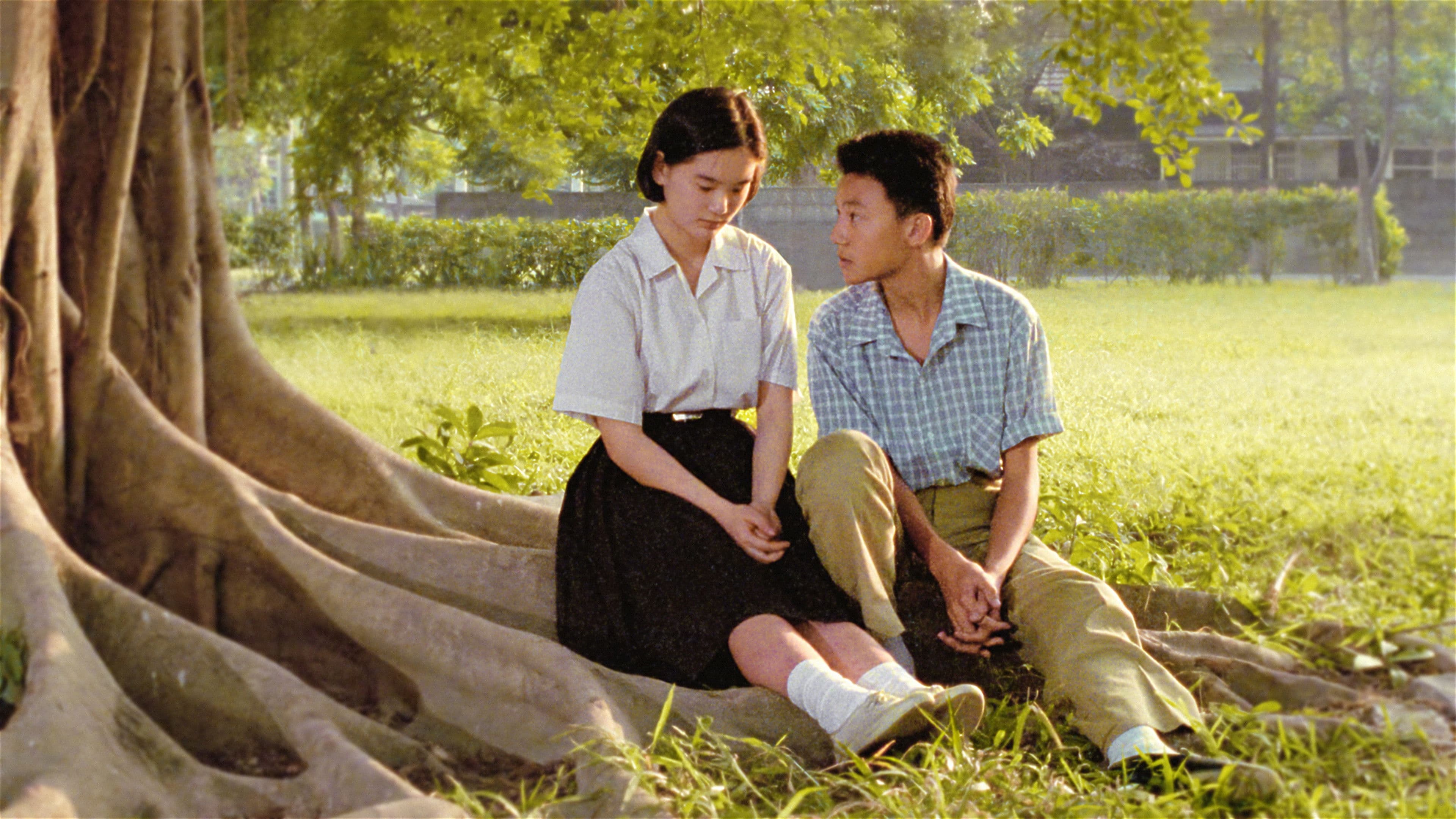
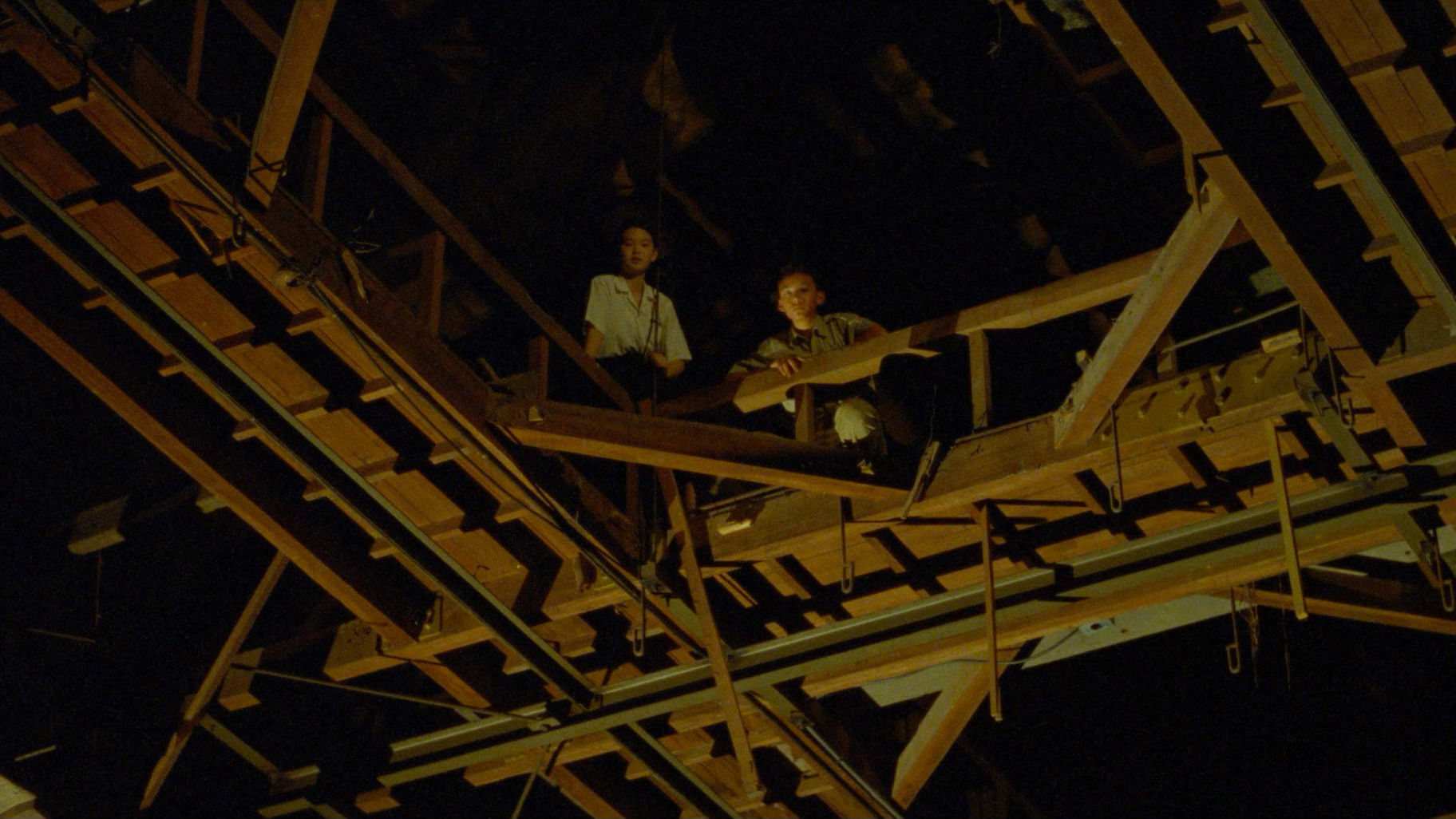
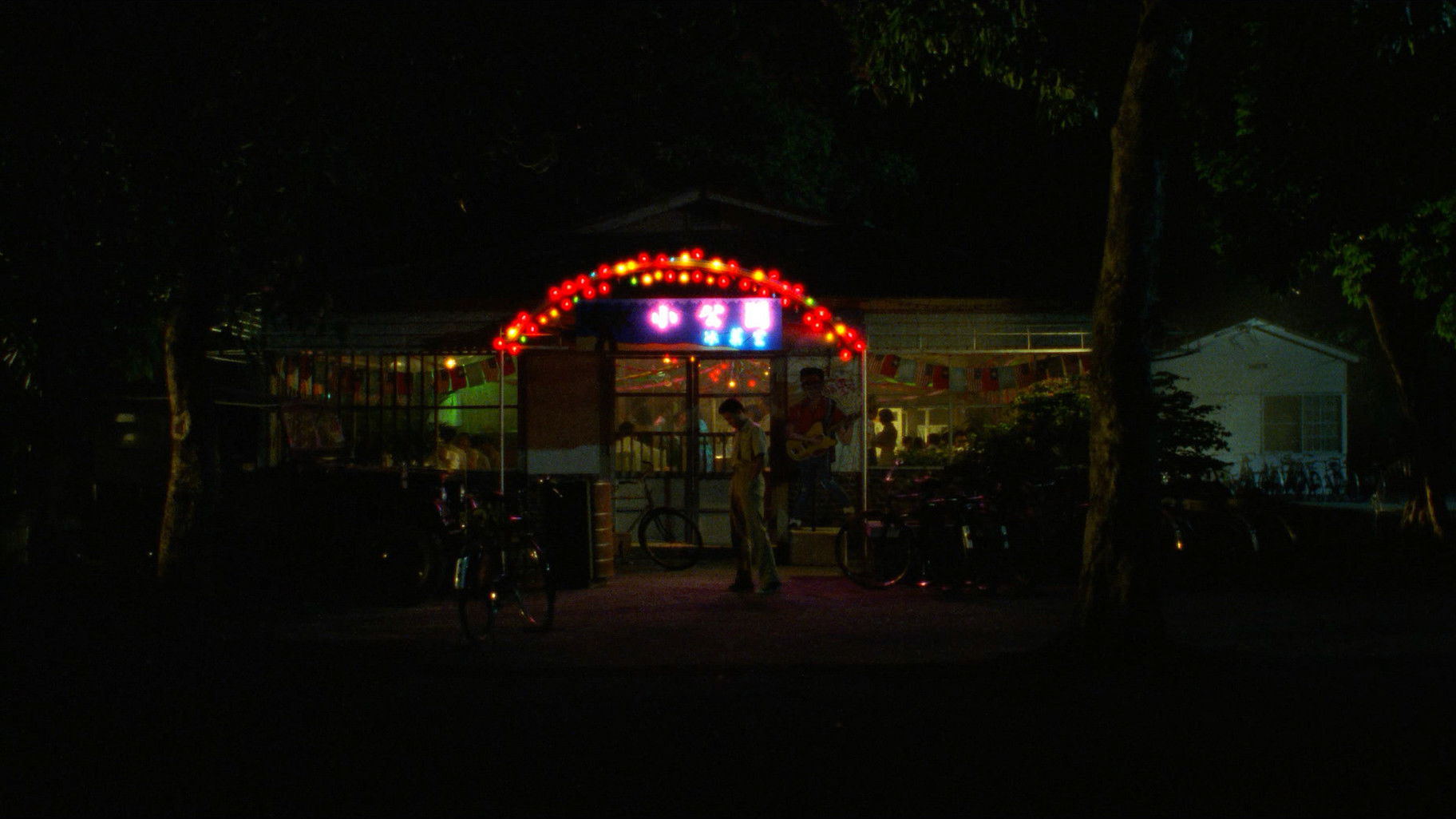
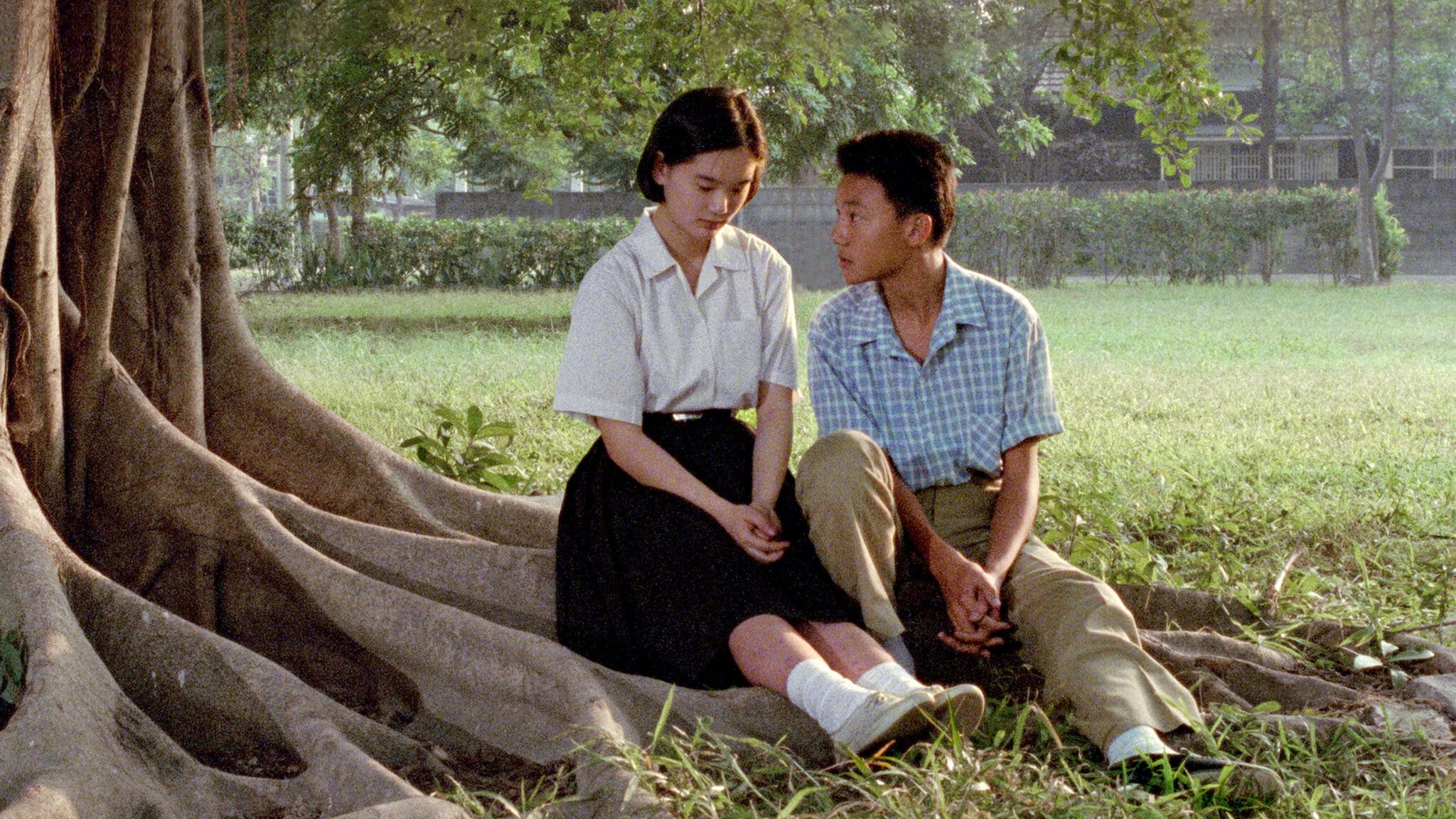
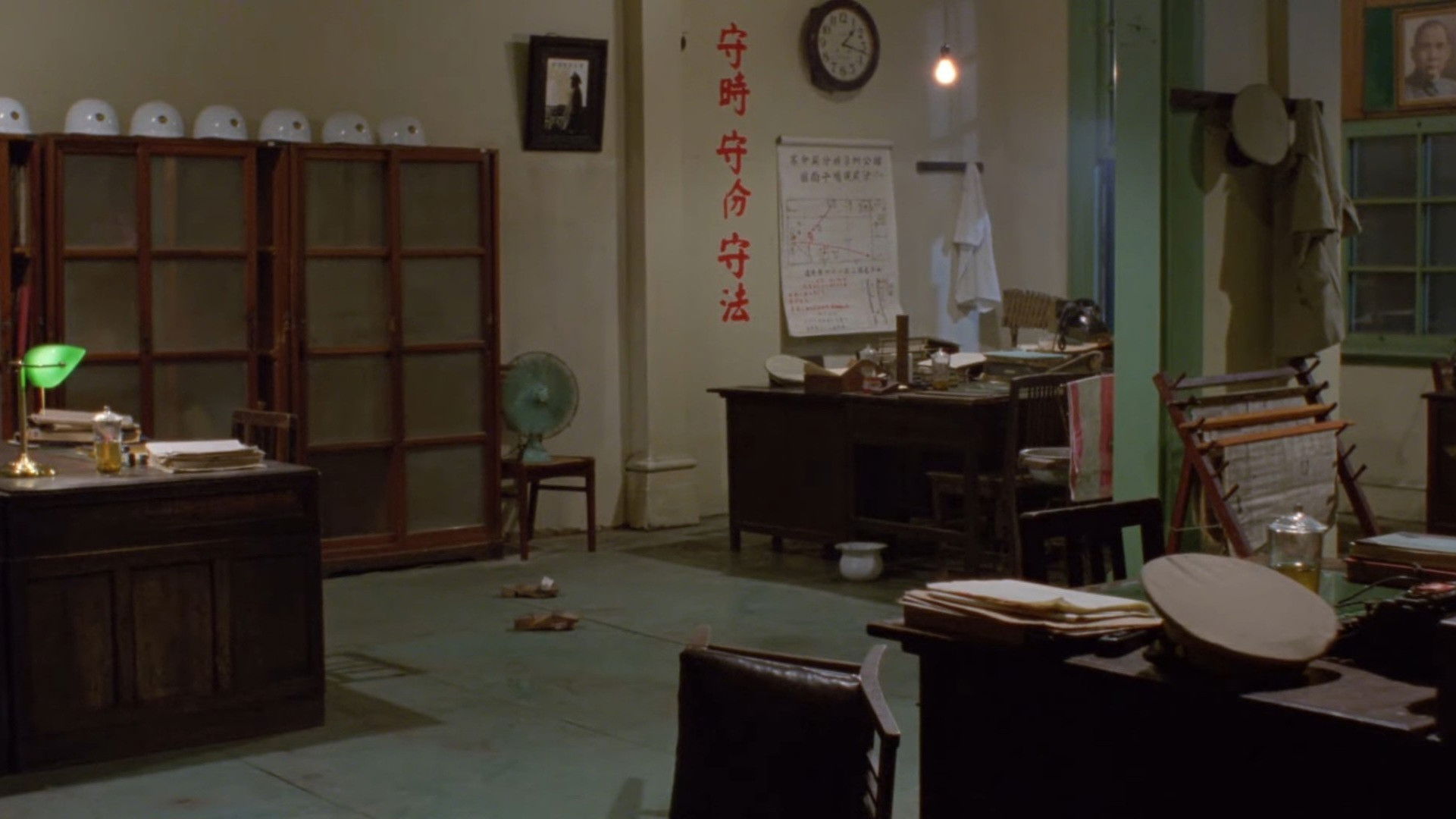
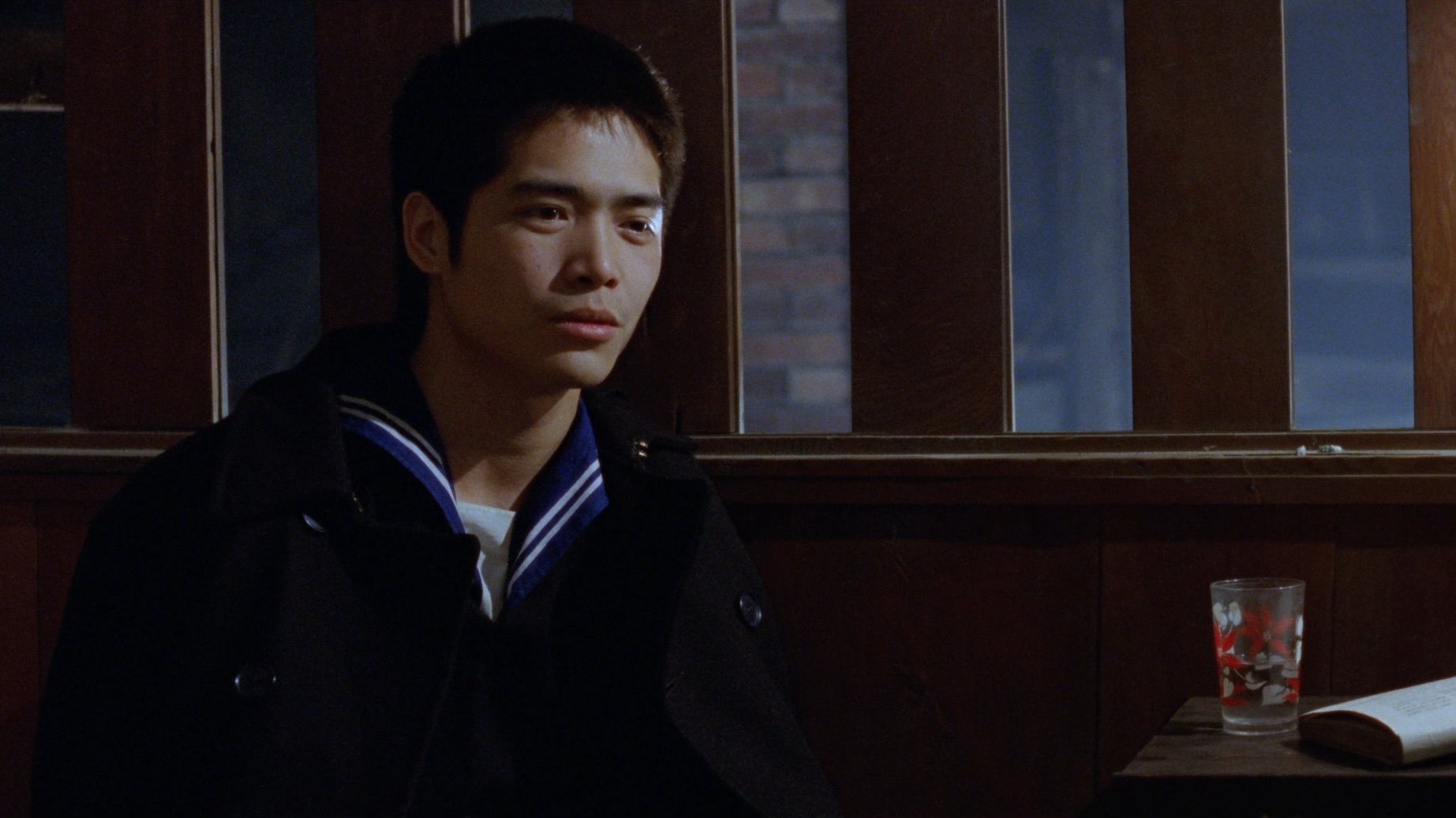
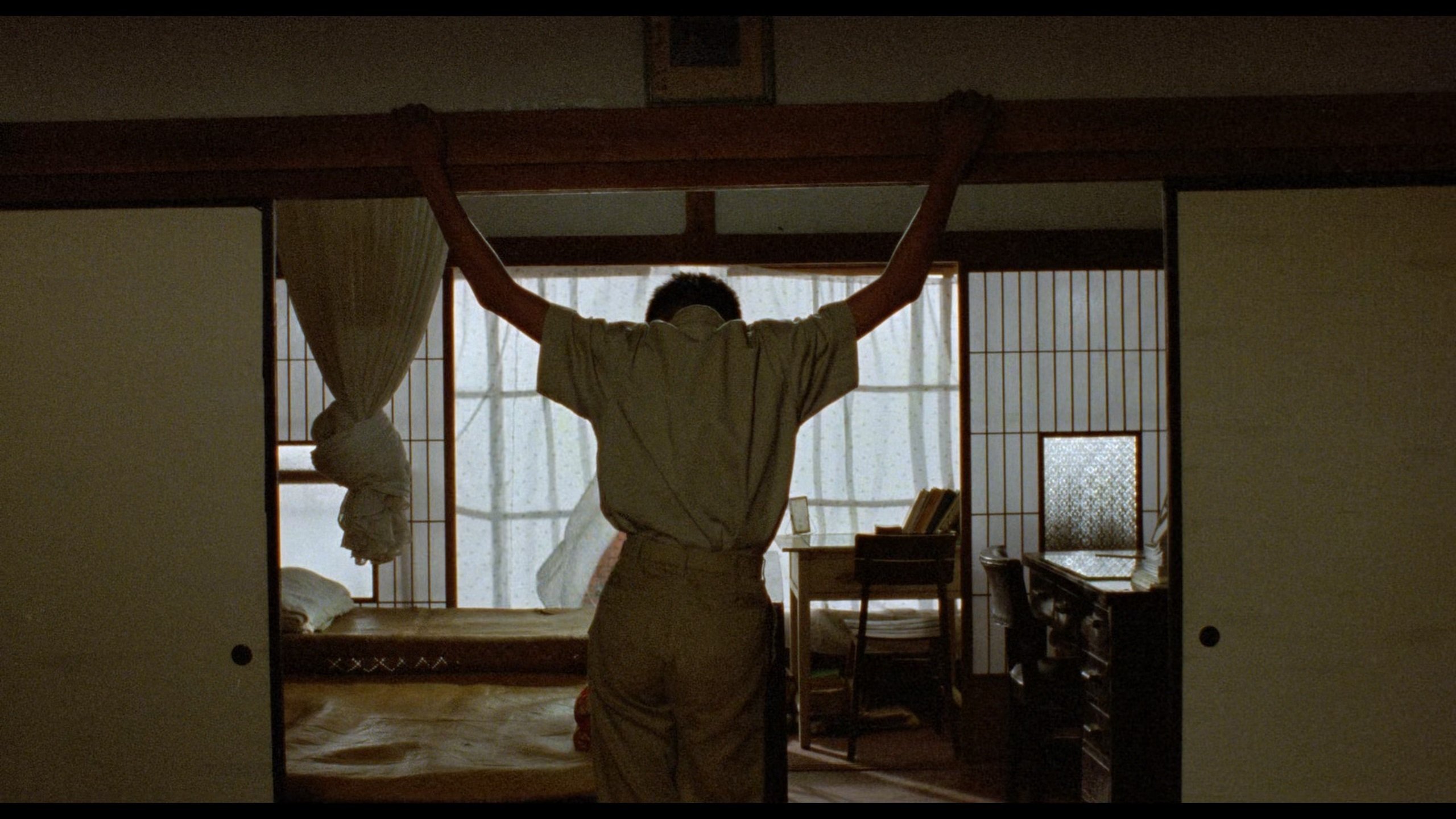
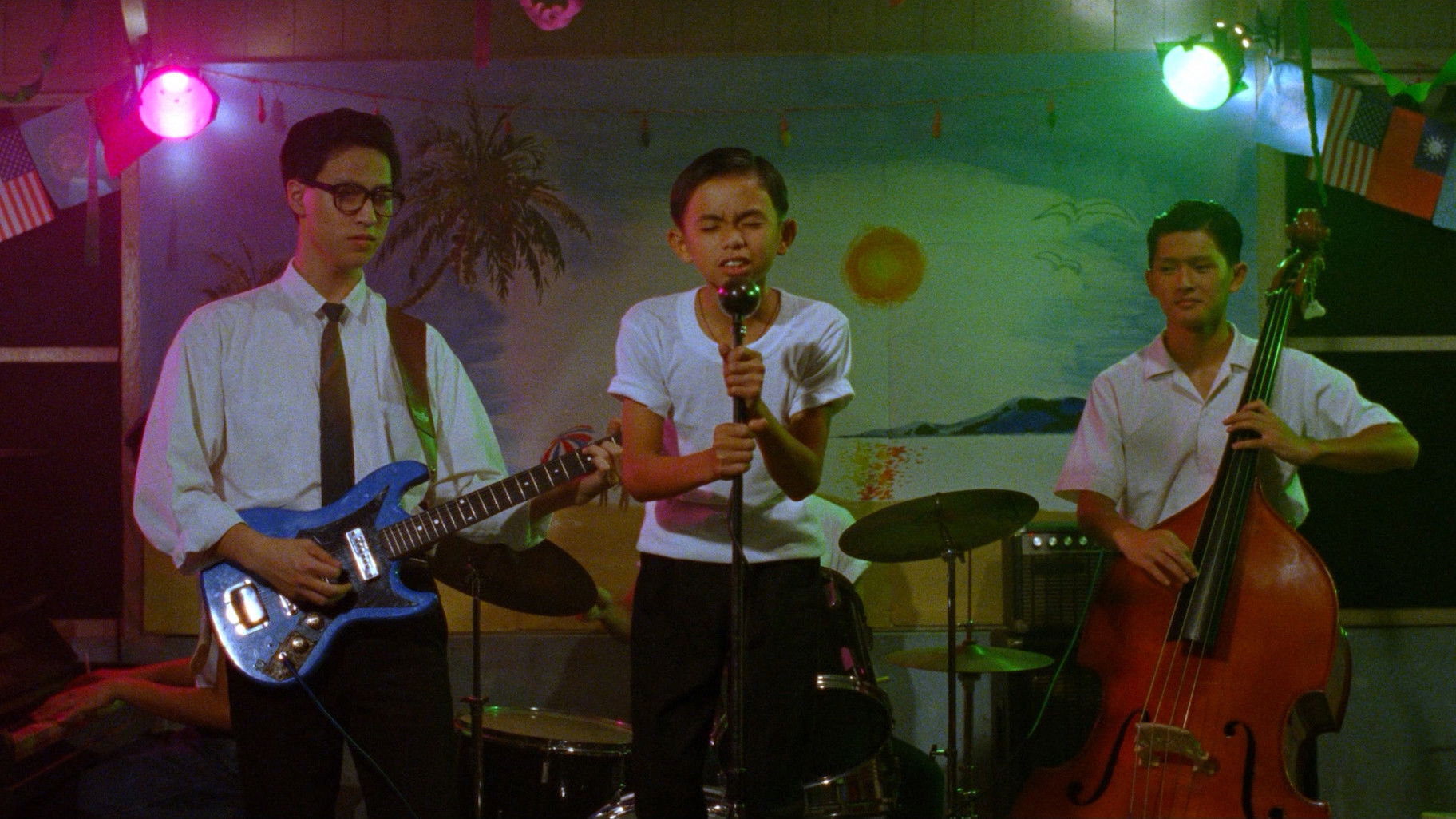
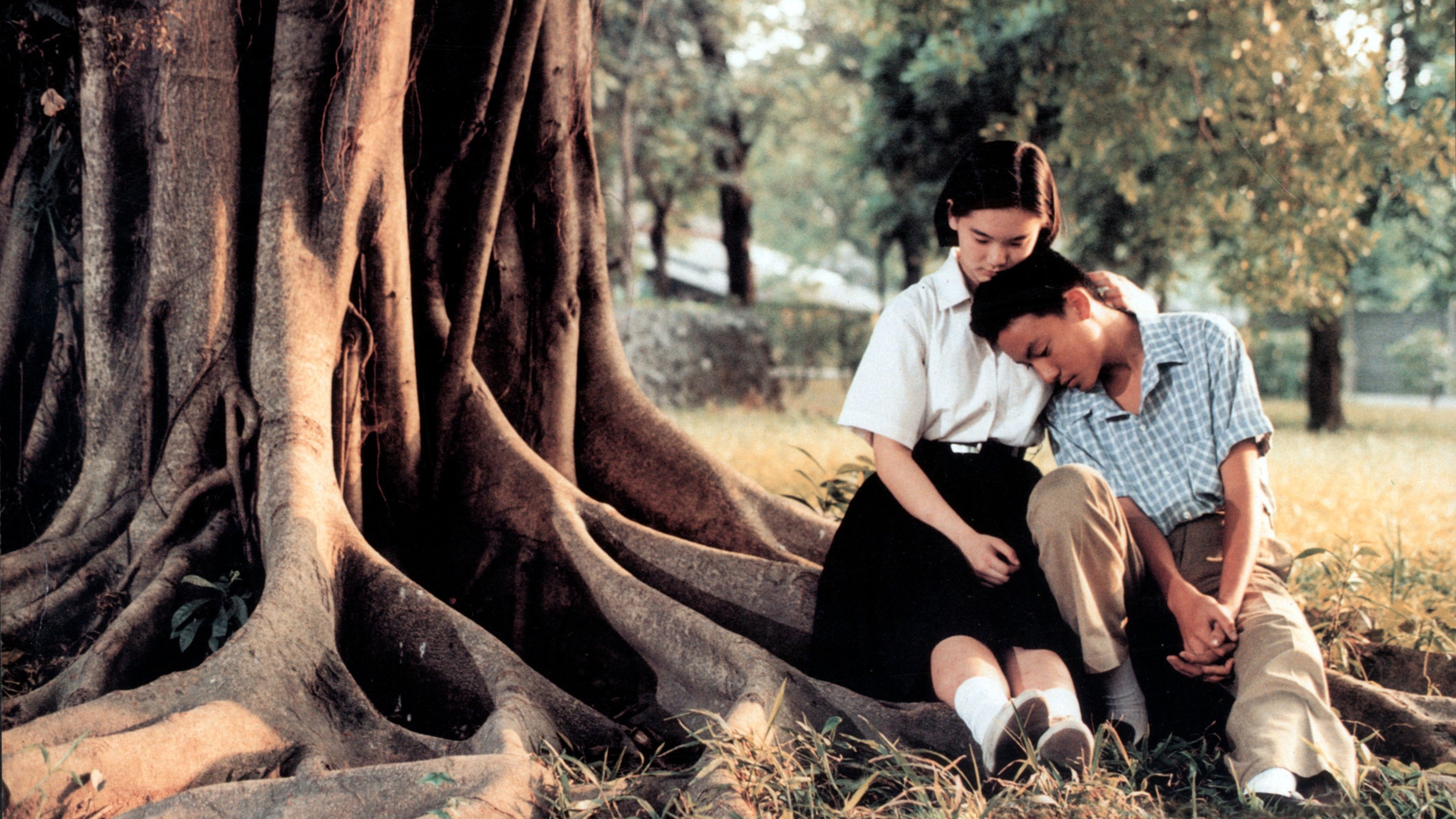
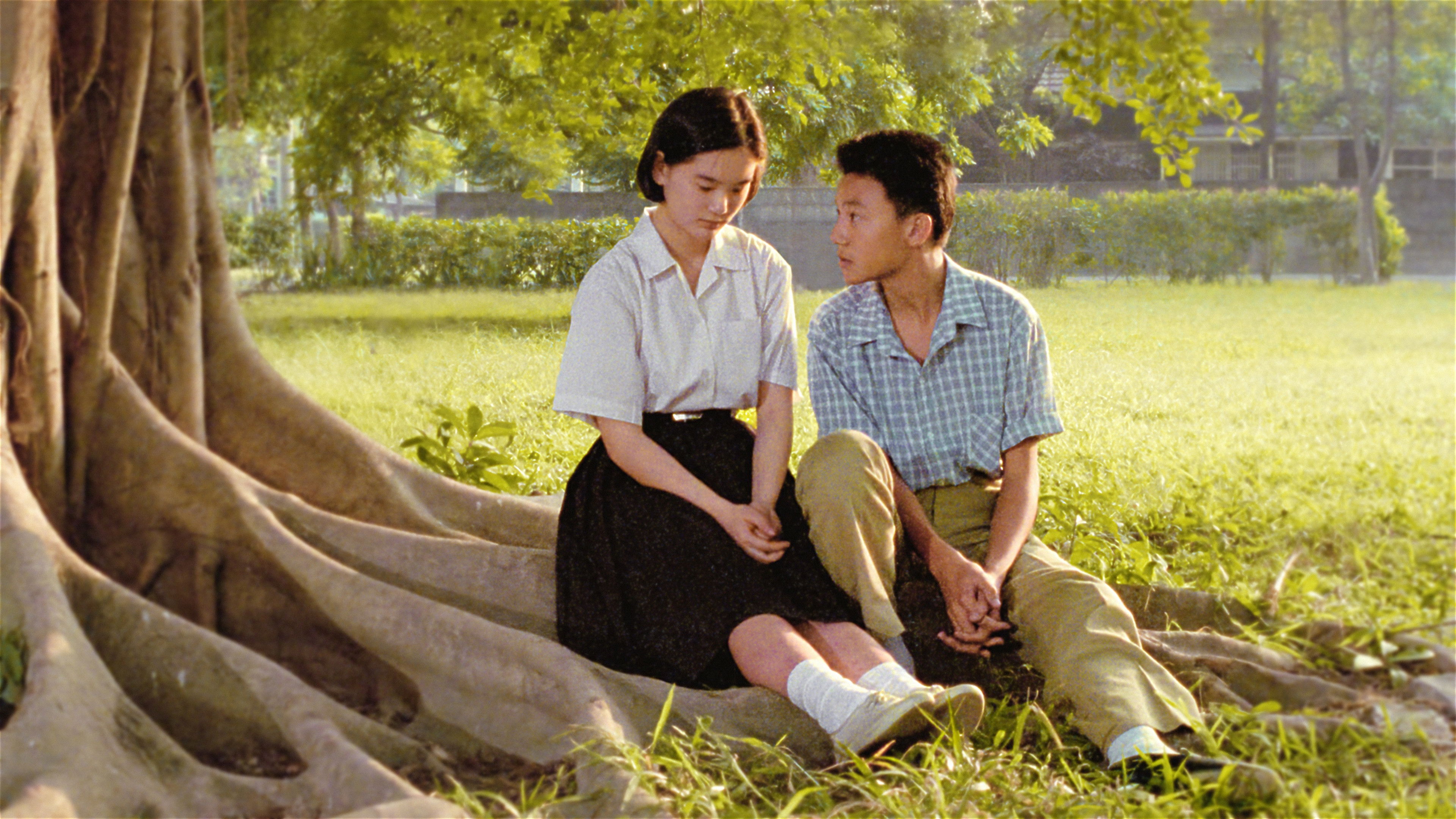
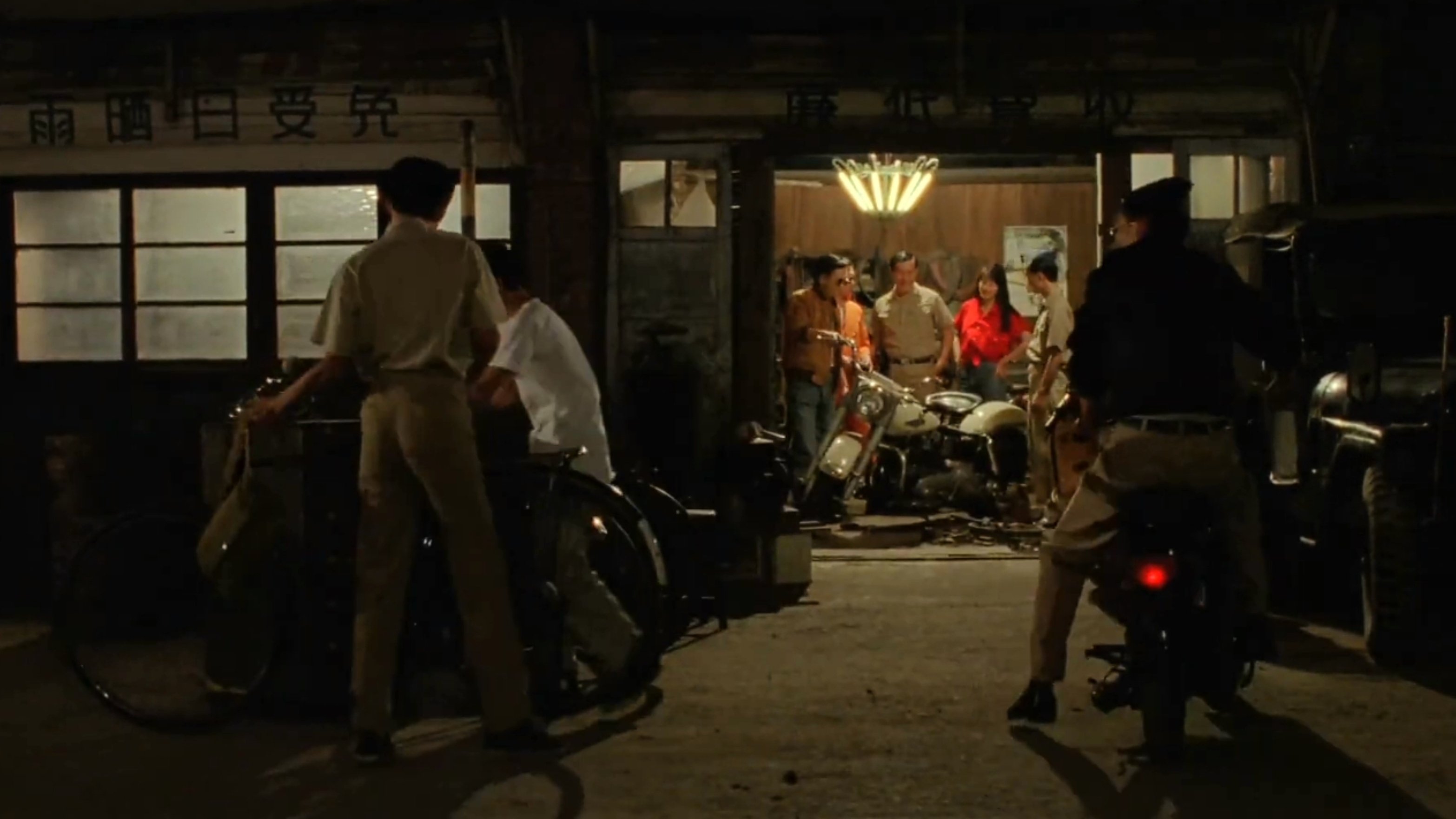
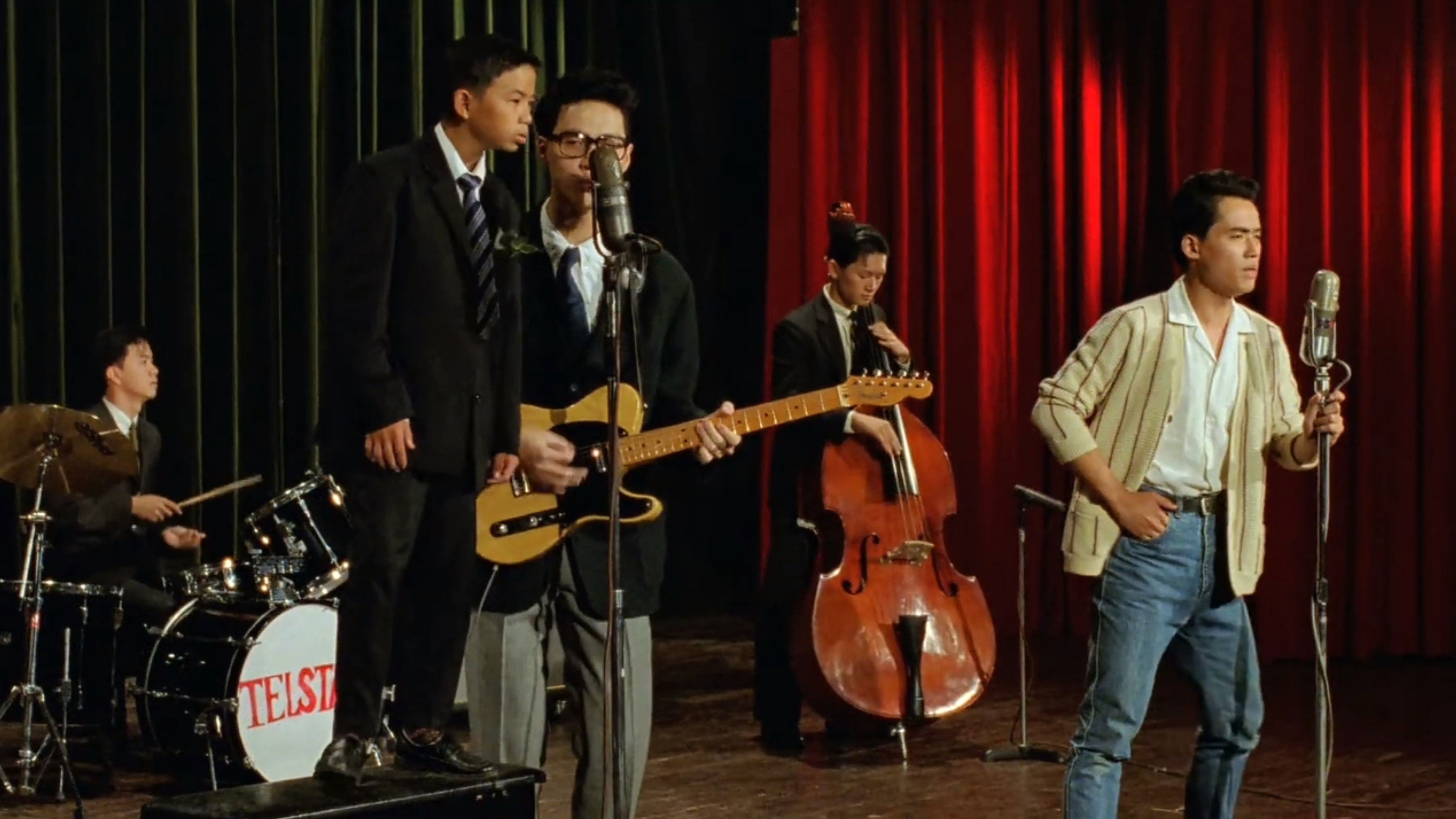
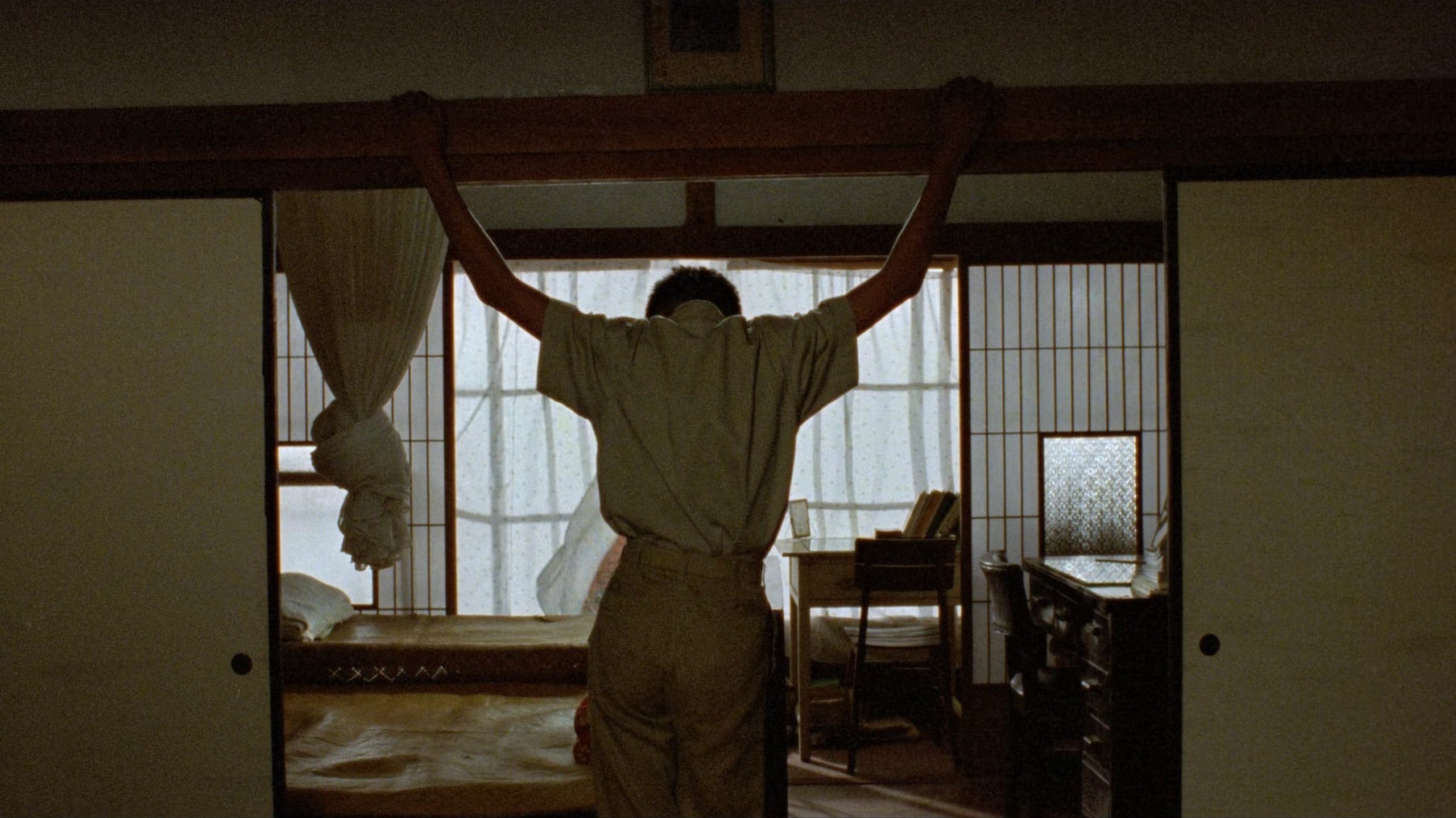
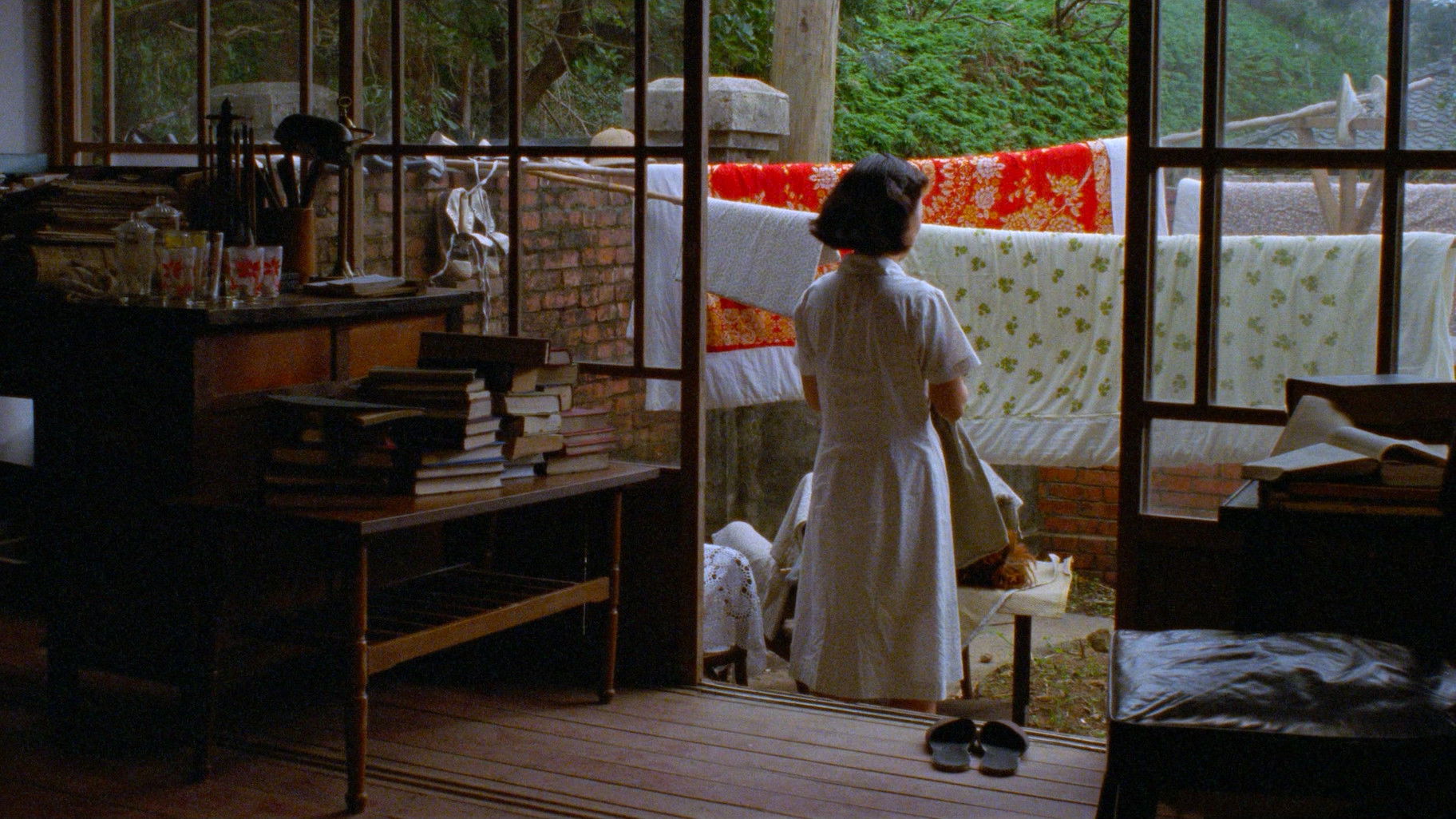
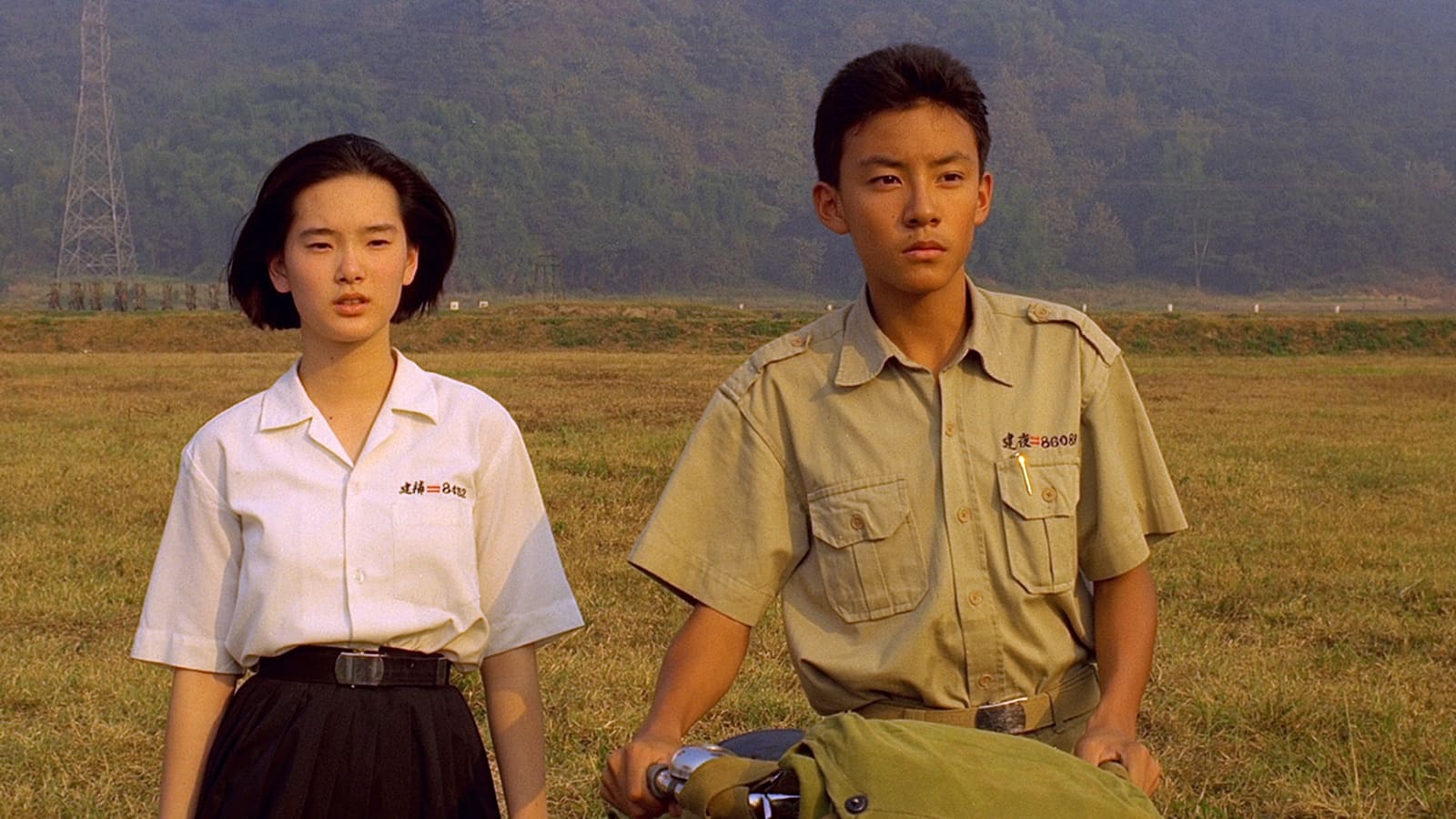
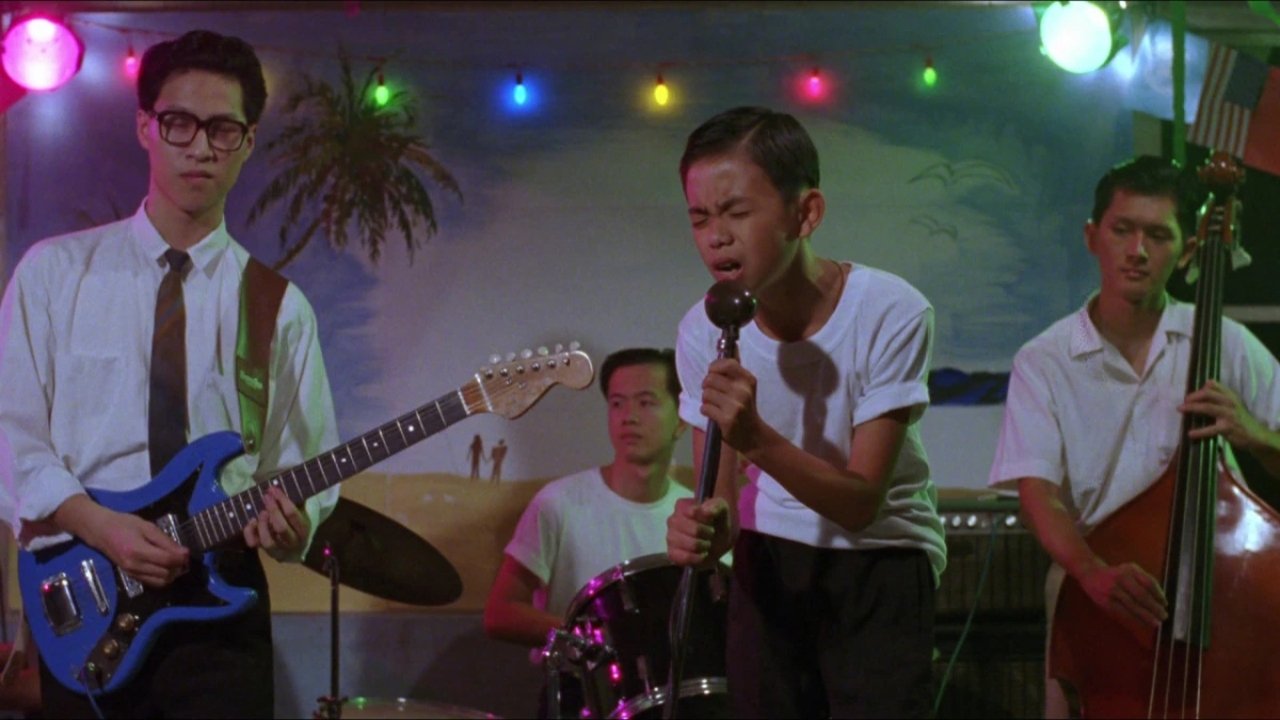
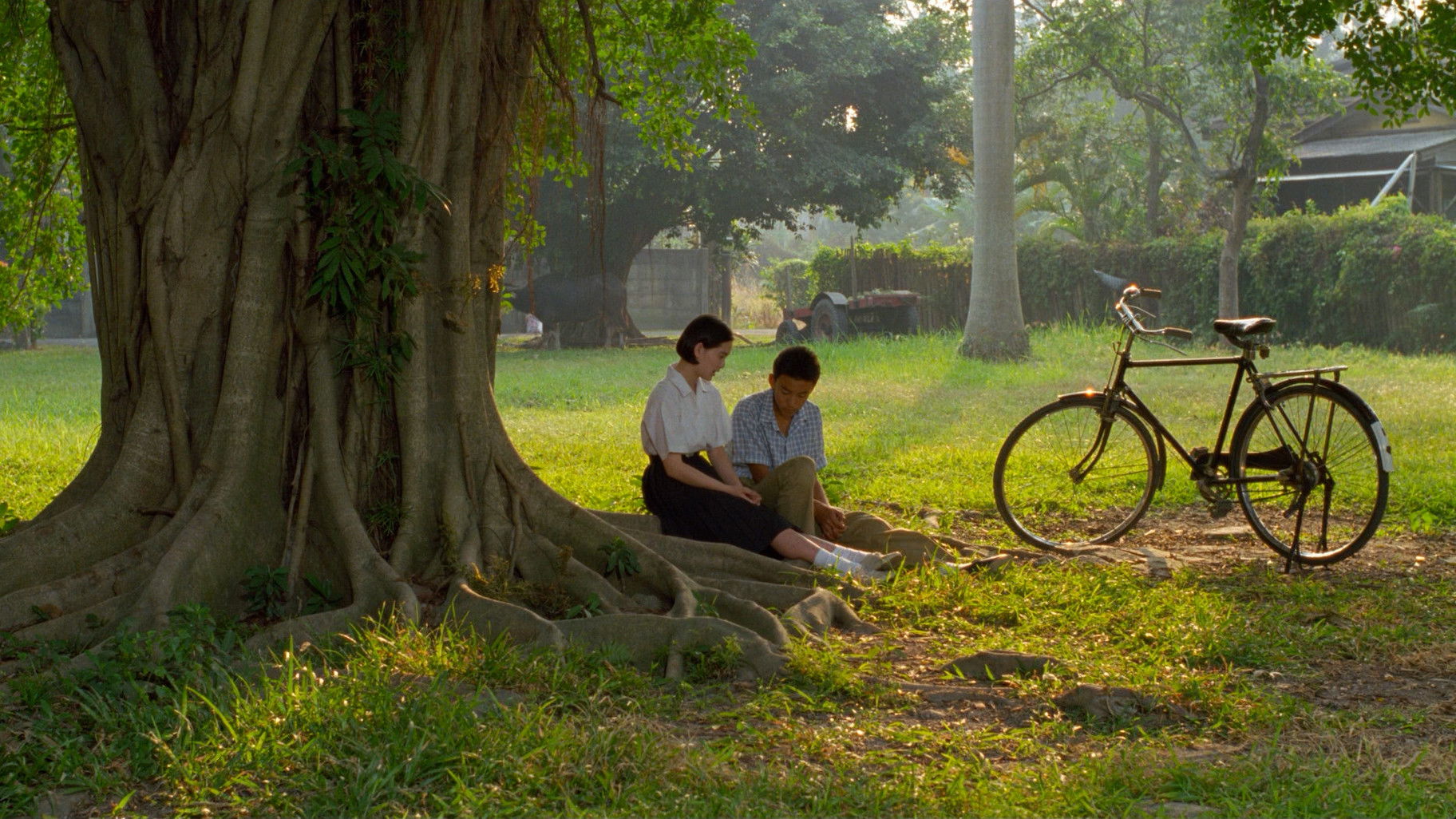
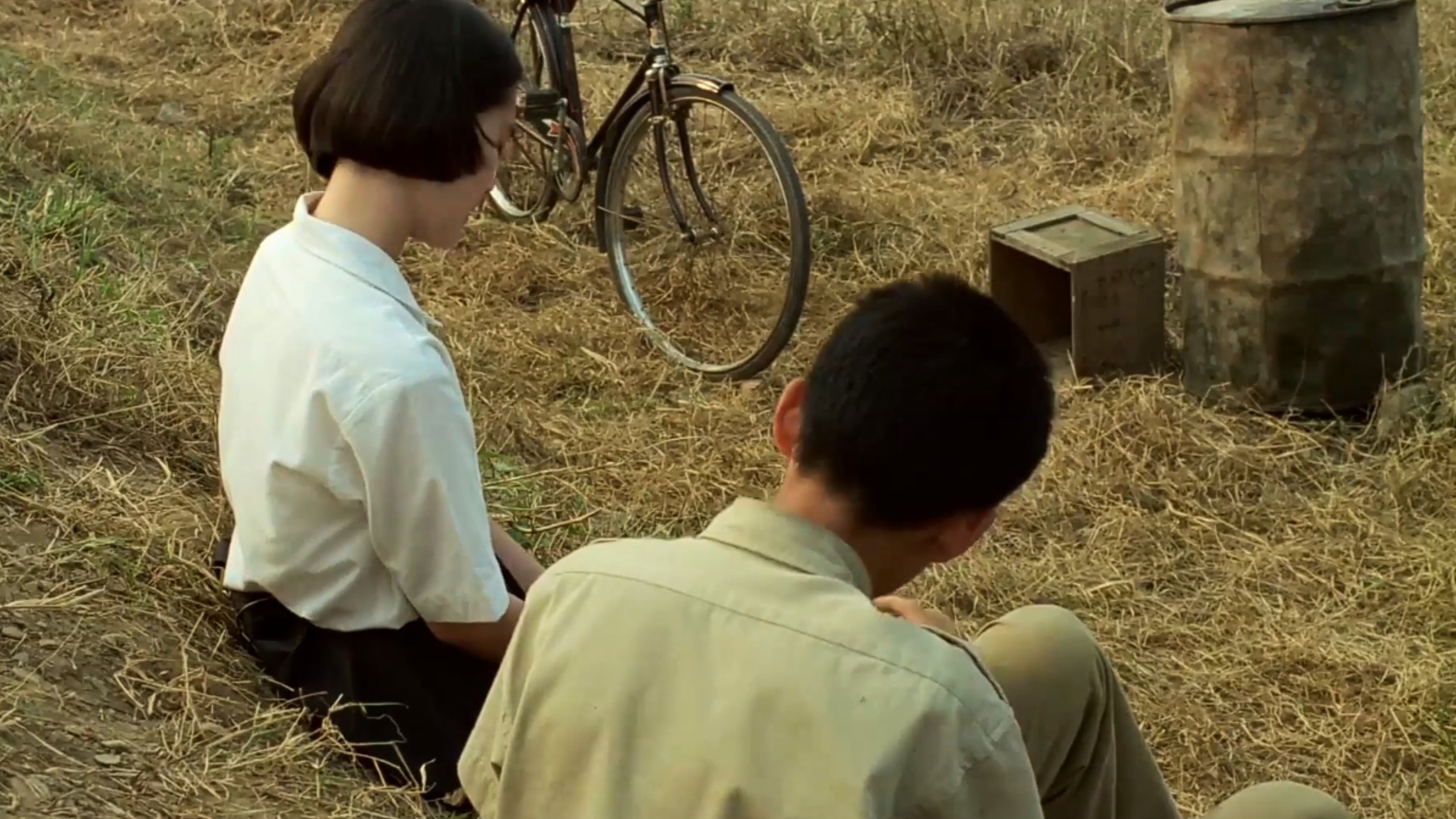
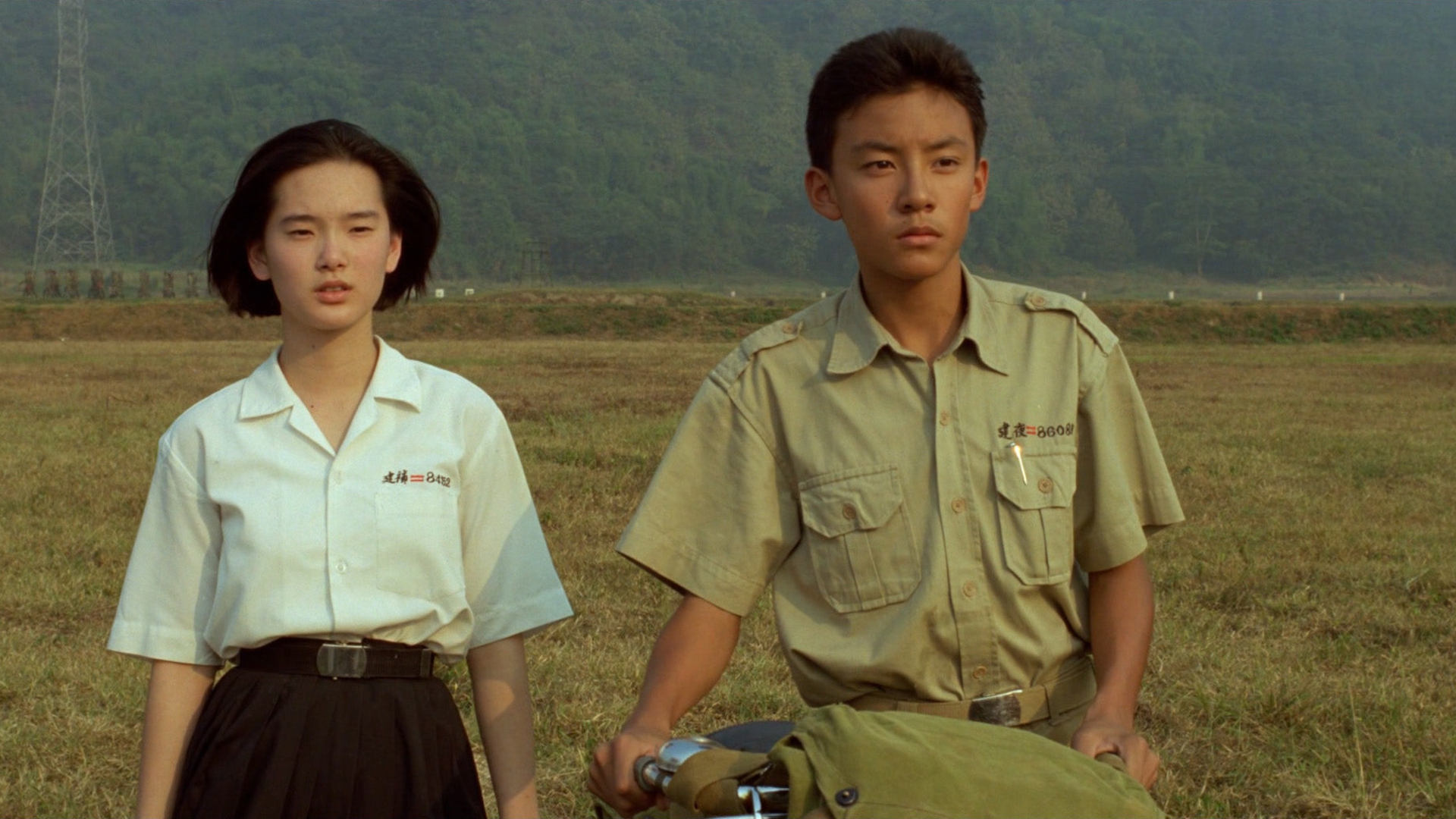
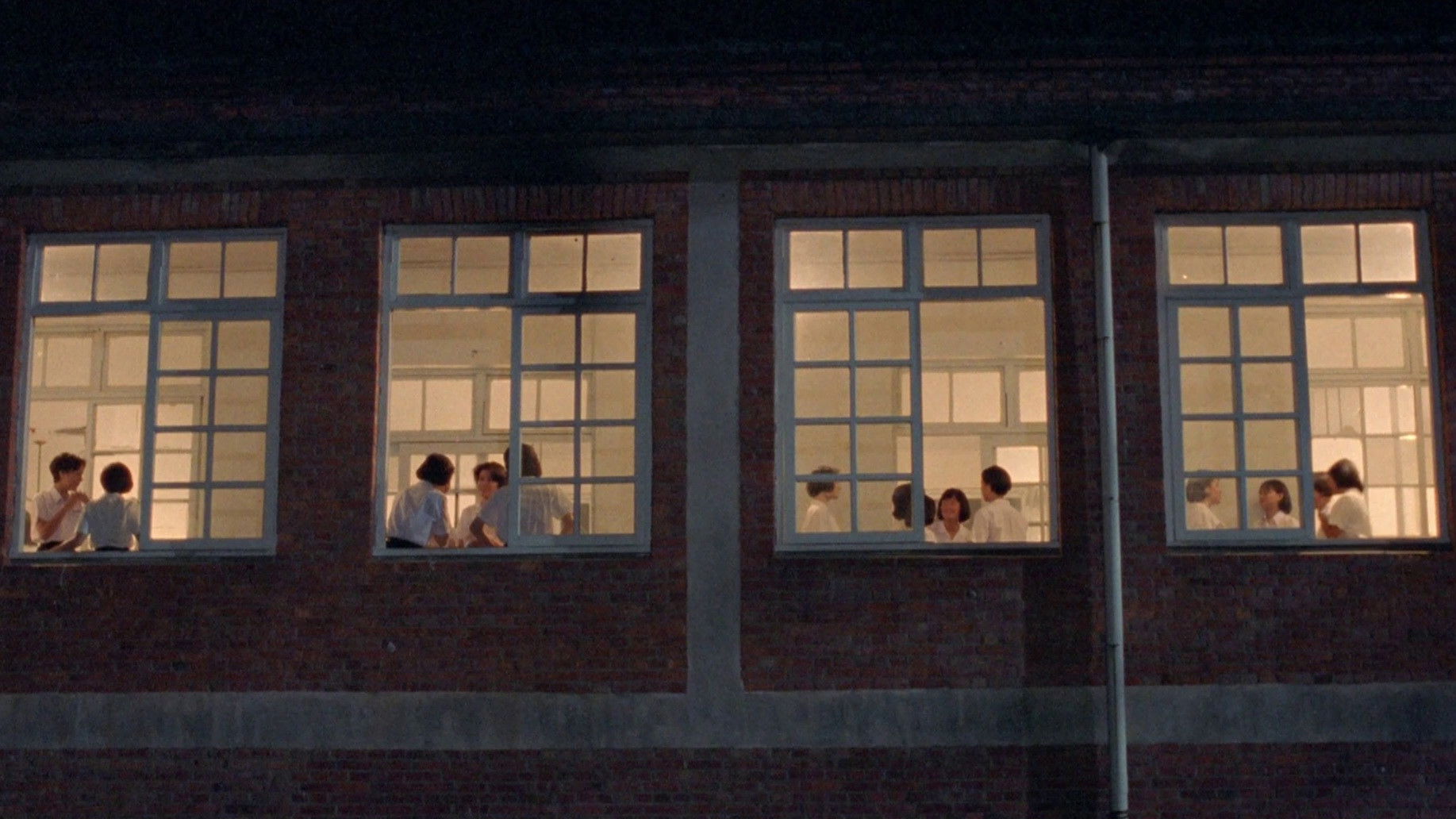
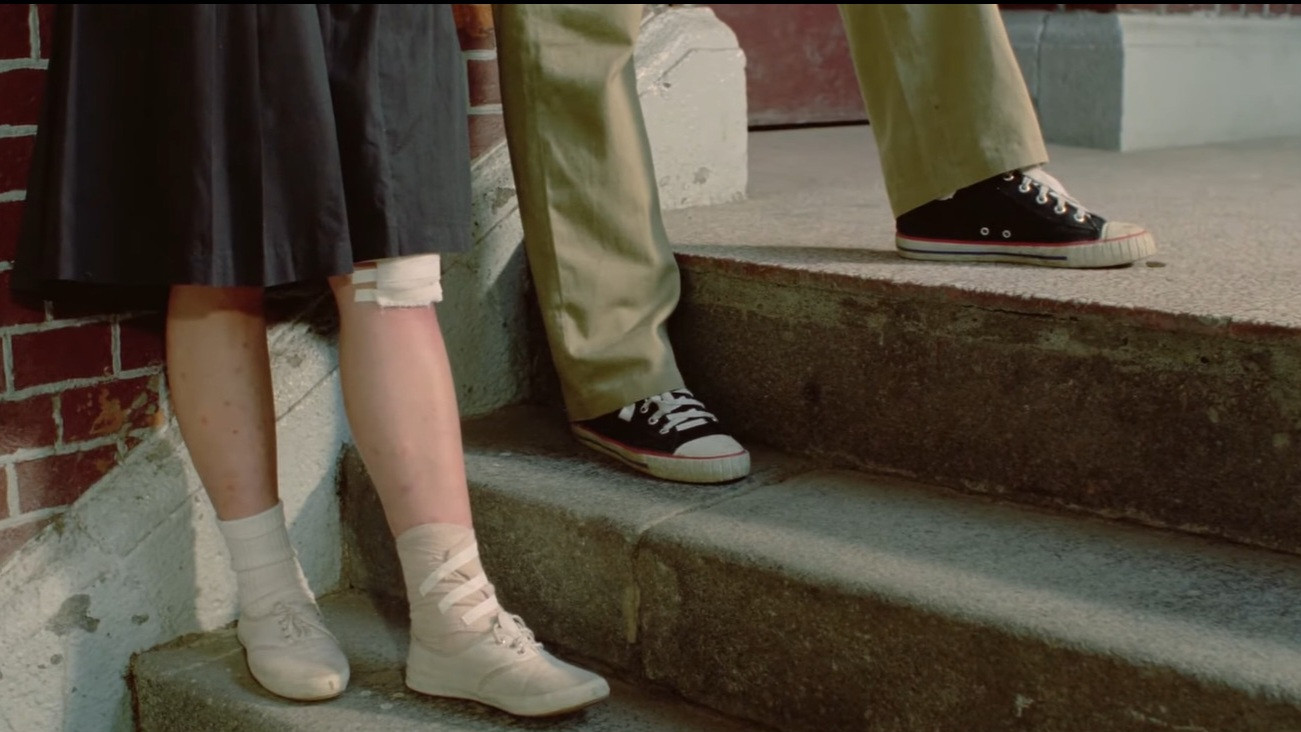
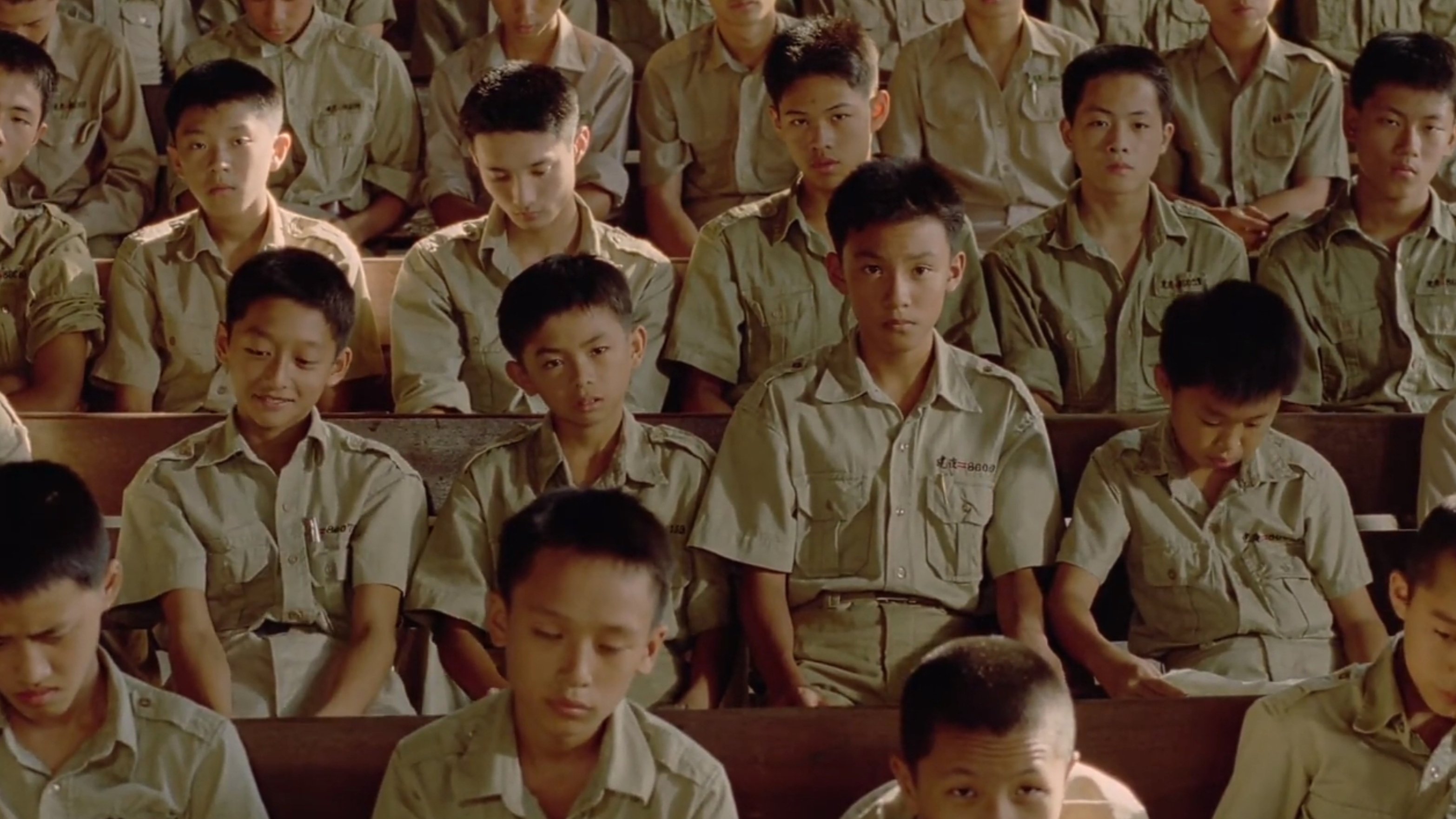
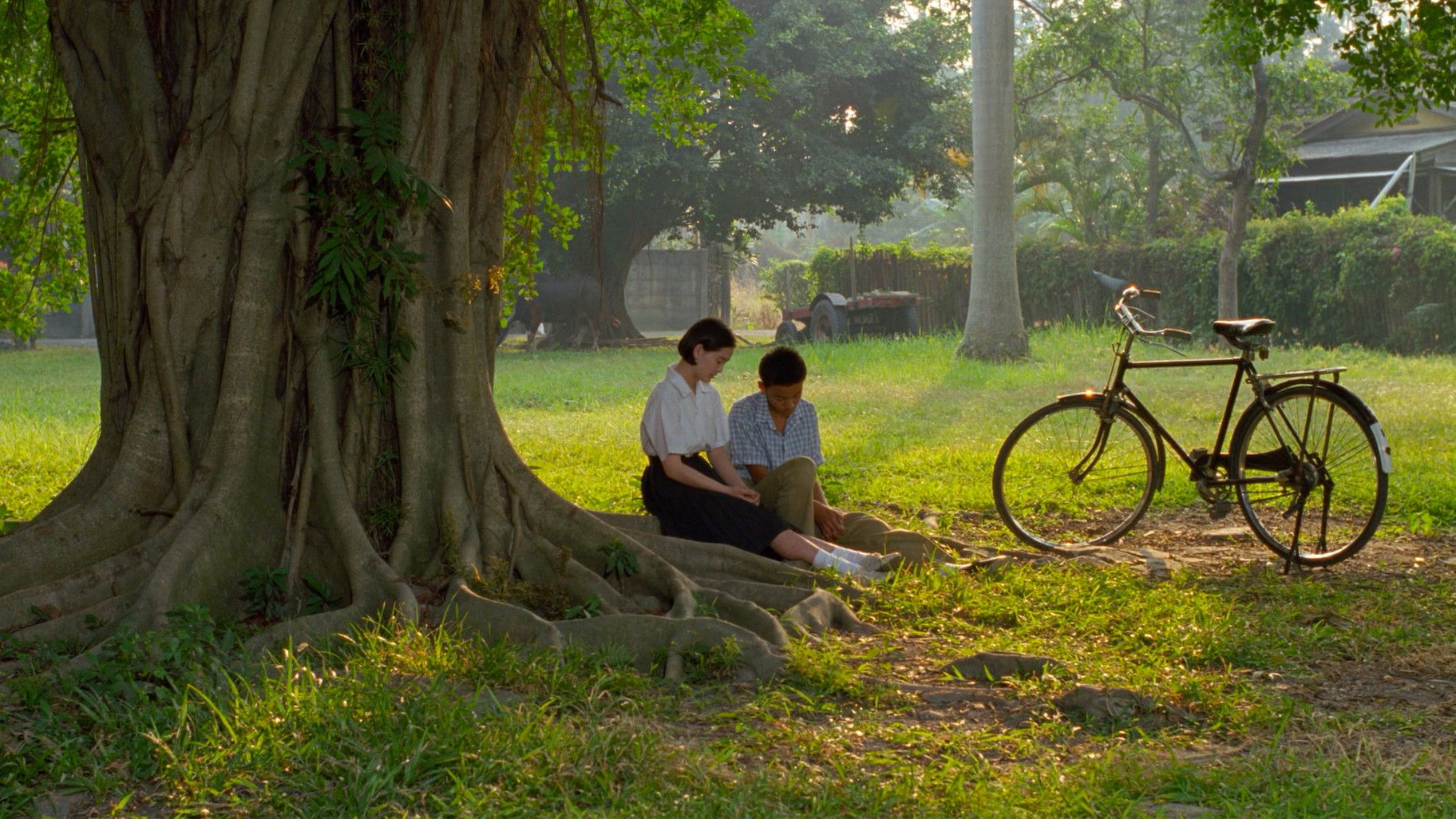
Here's the thing about A Brighter Summer Day: it doesn't rush. Not for one second. Edward Yang is a director who seems to have an infinite amount of time on his hands, and in some way, this apparent lack of time produces its own form of suspense. You are not observing the progression of a story; rather, you are falling into a rhythm. The manner in which teenagers loiter after school. When a family eats dinner together, they tend to keep half of their feelings to themselves. At night, the way a neighborhood breathes is described. It has a hypnotic effect.
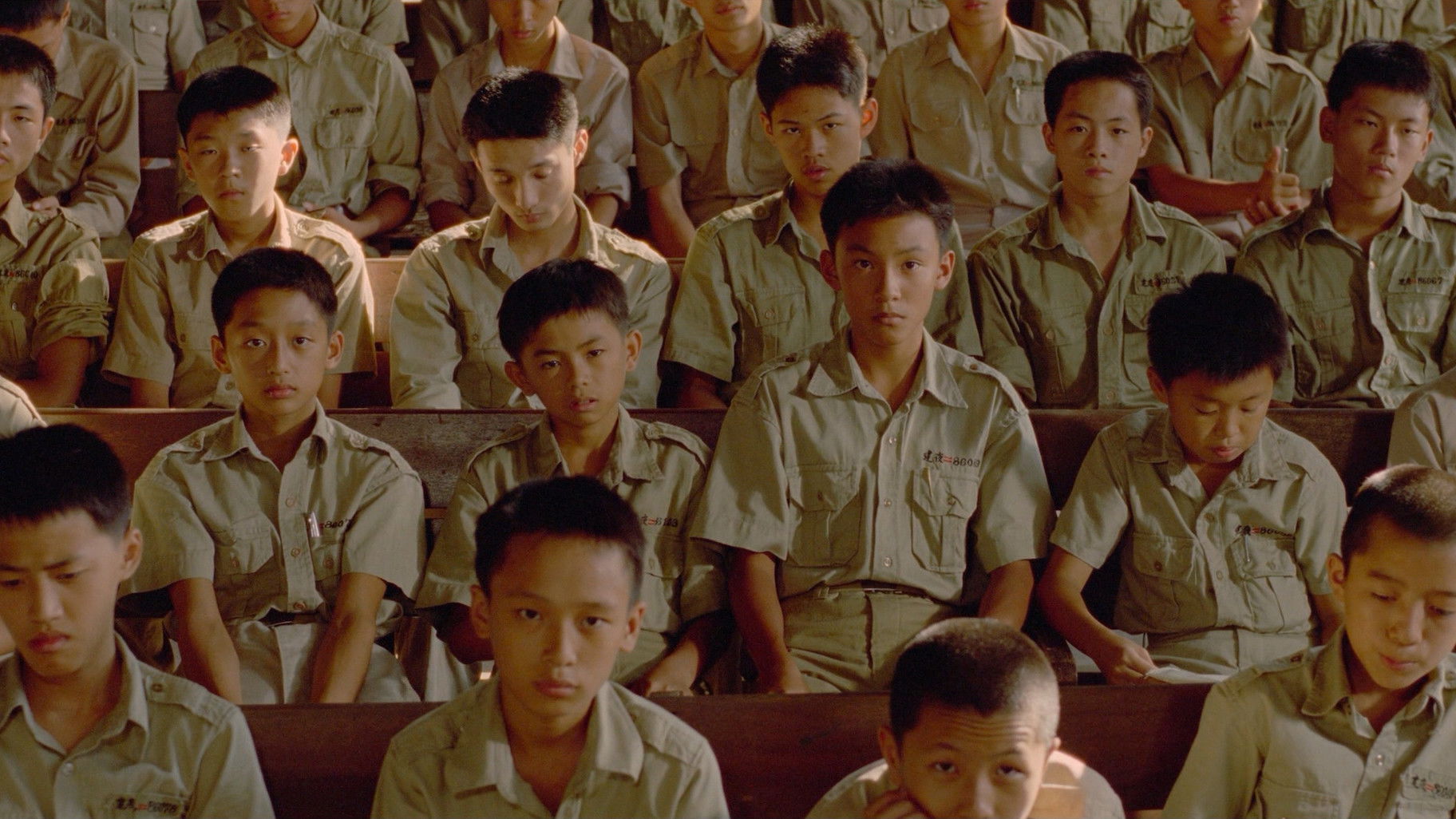
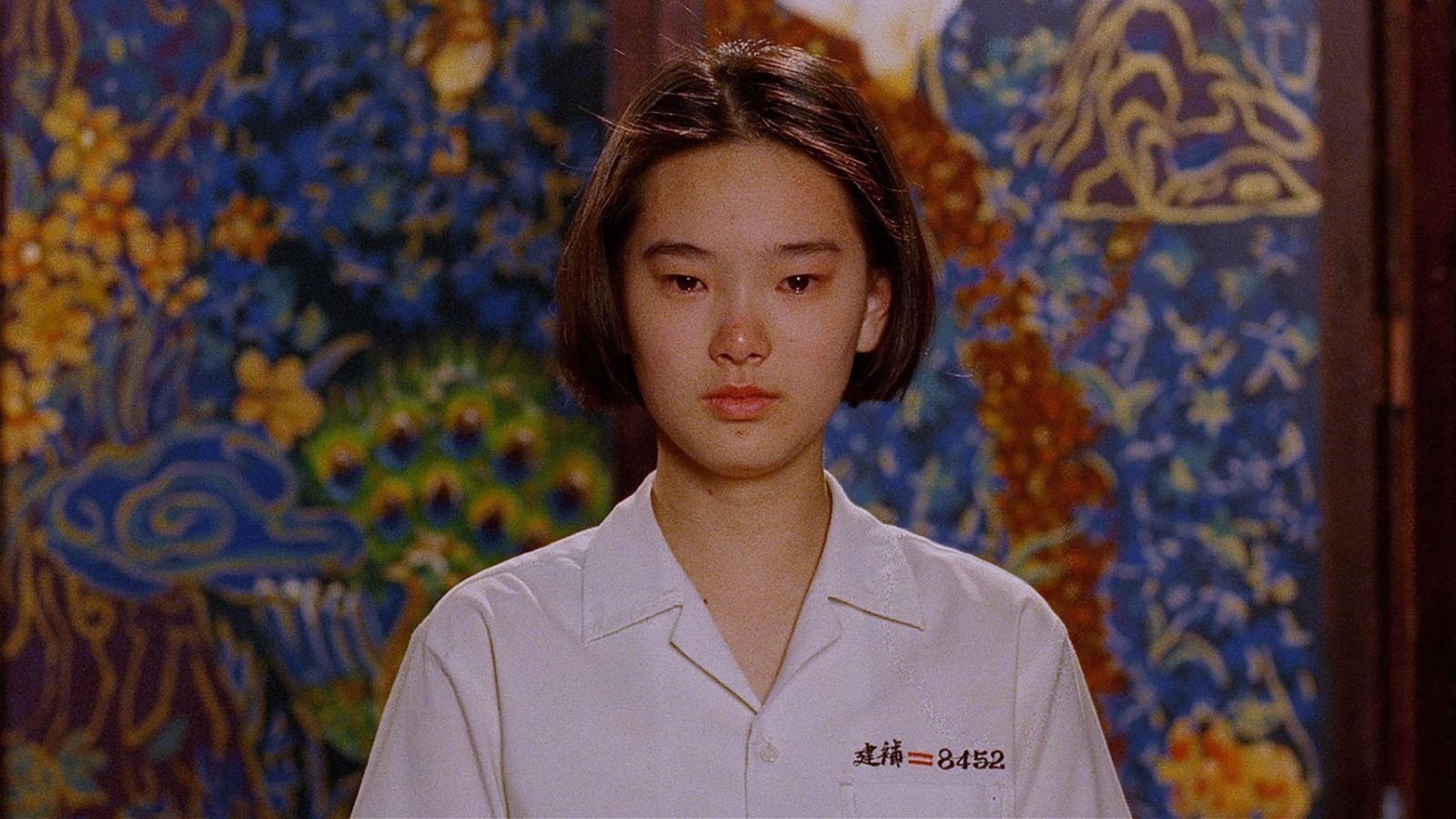
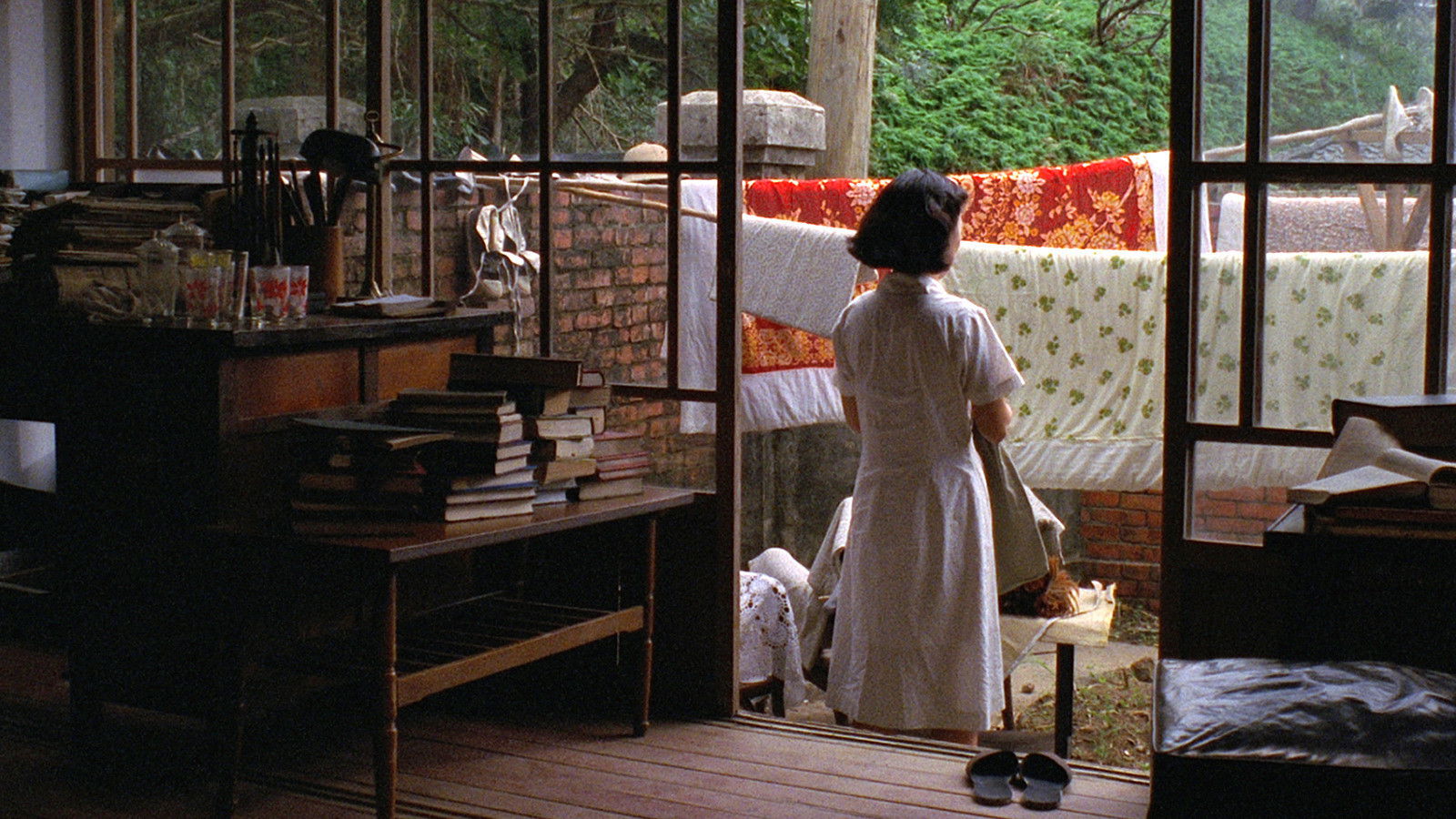
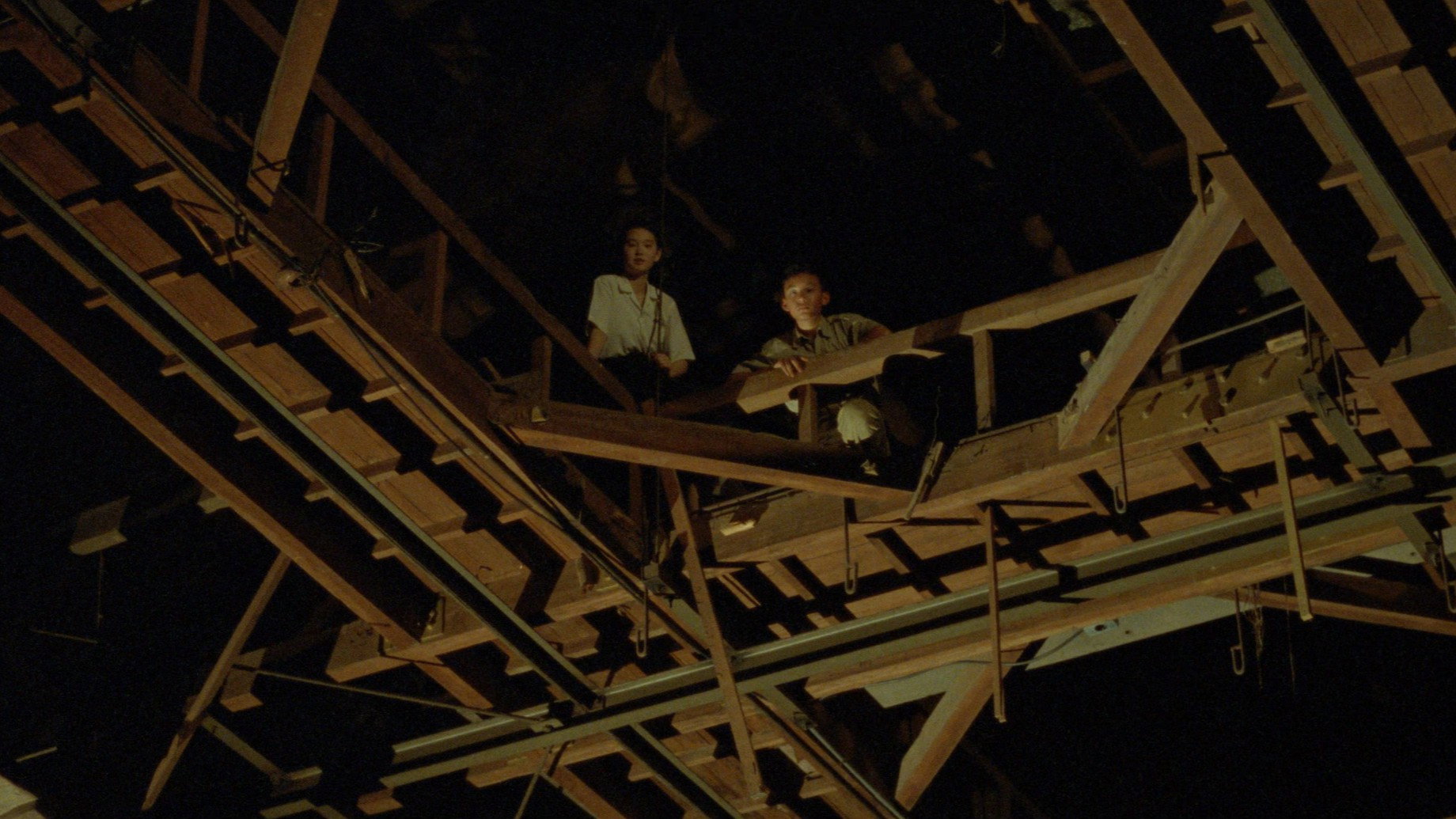
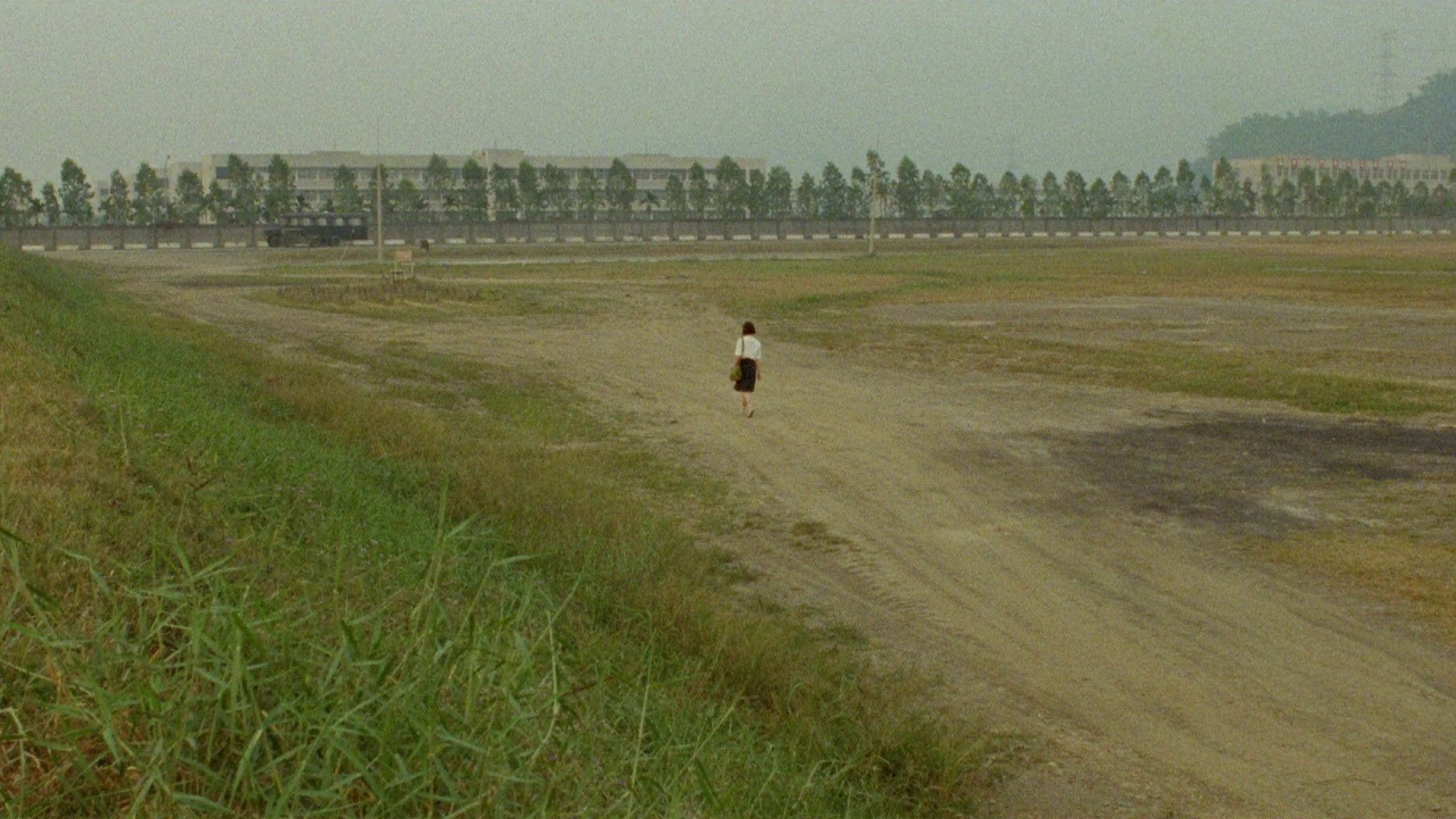
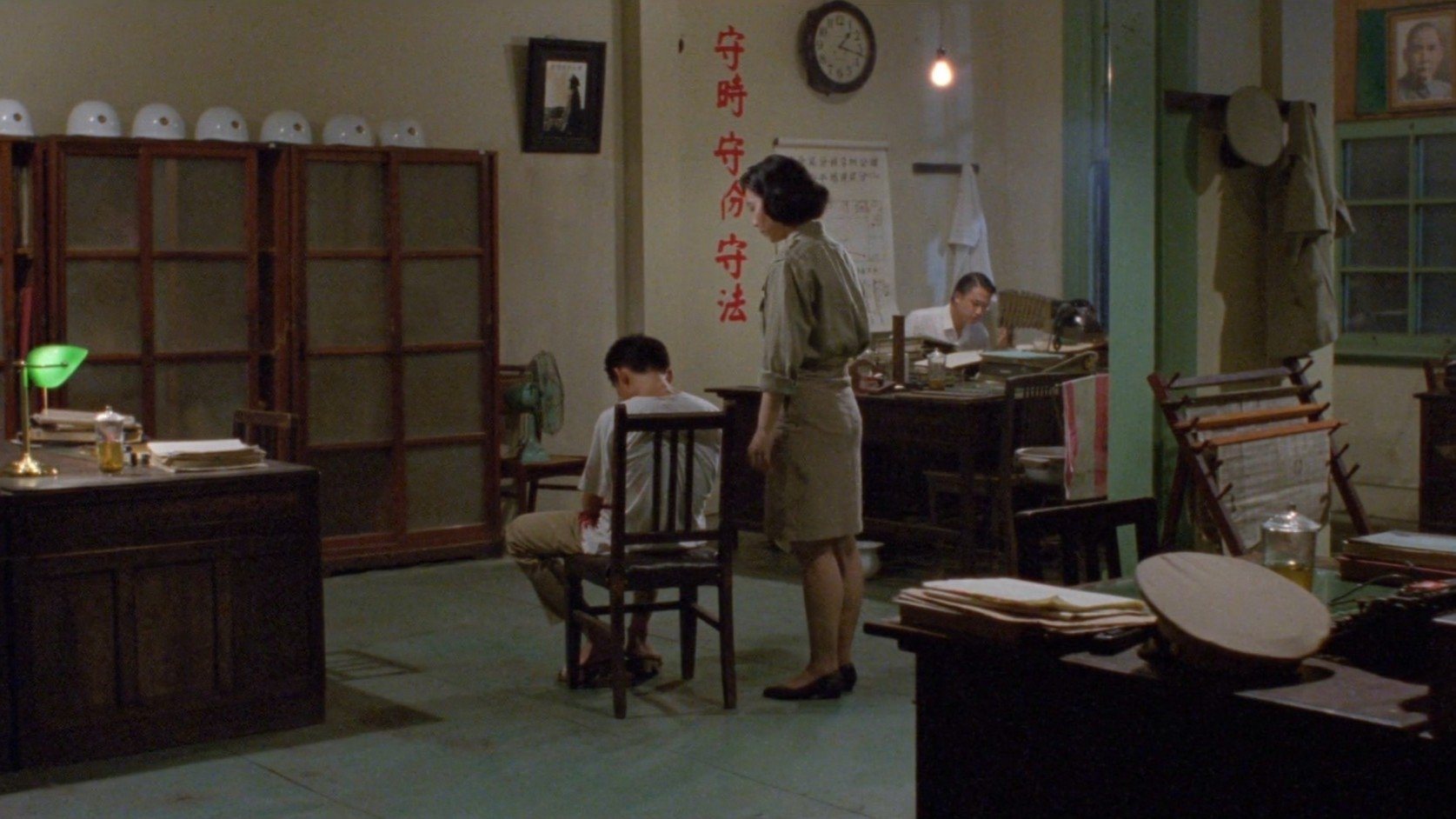
What really gets me is how Yang treats every single person on screen like a main character. There is no such thing as a disposable face here. All of these situations hold a lot of weight: a child repairing a radio, a girl traveling home by herself, and a teacher losing his temper. It begins to feel as though you are familiar with the entire town.
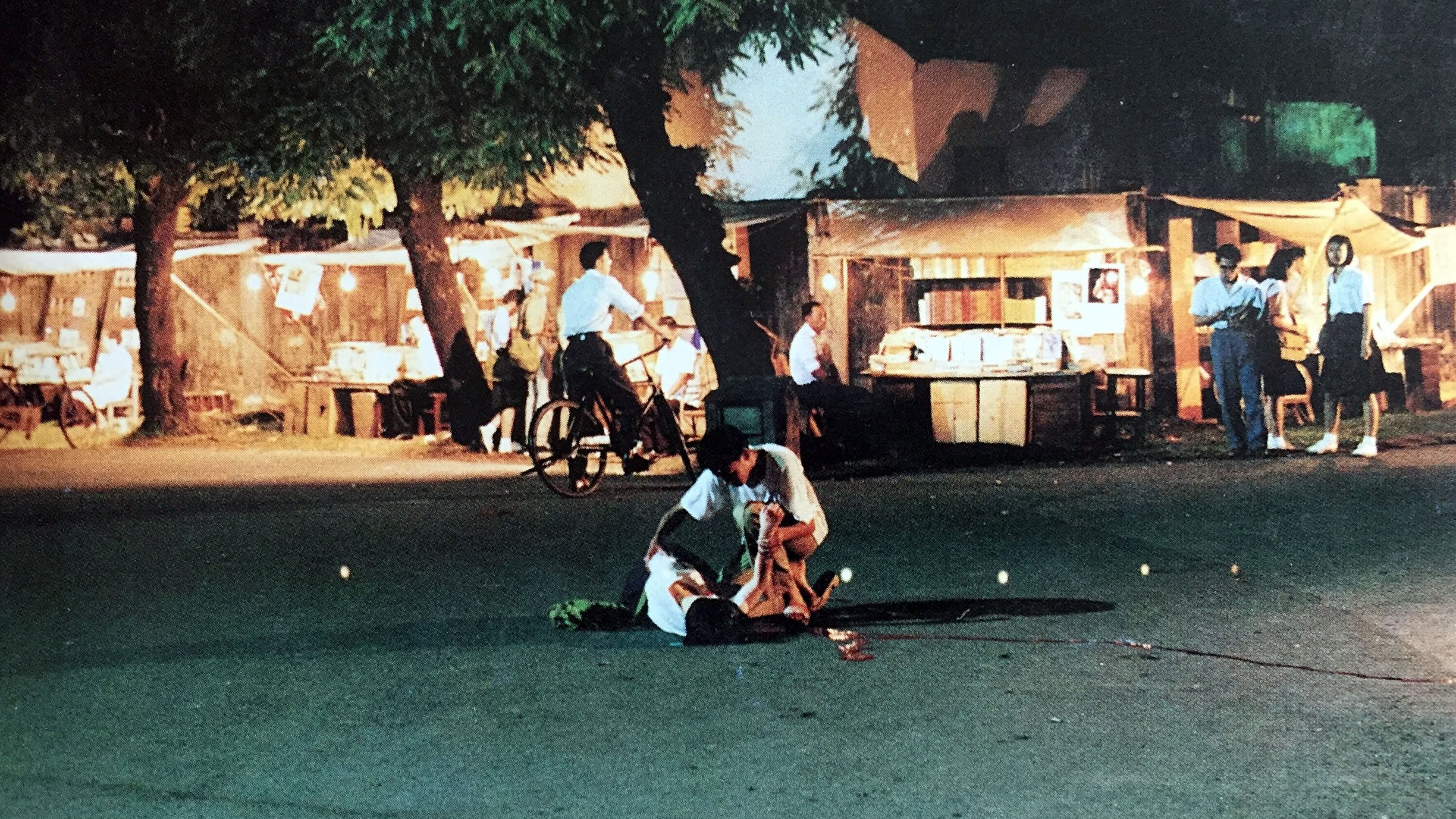
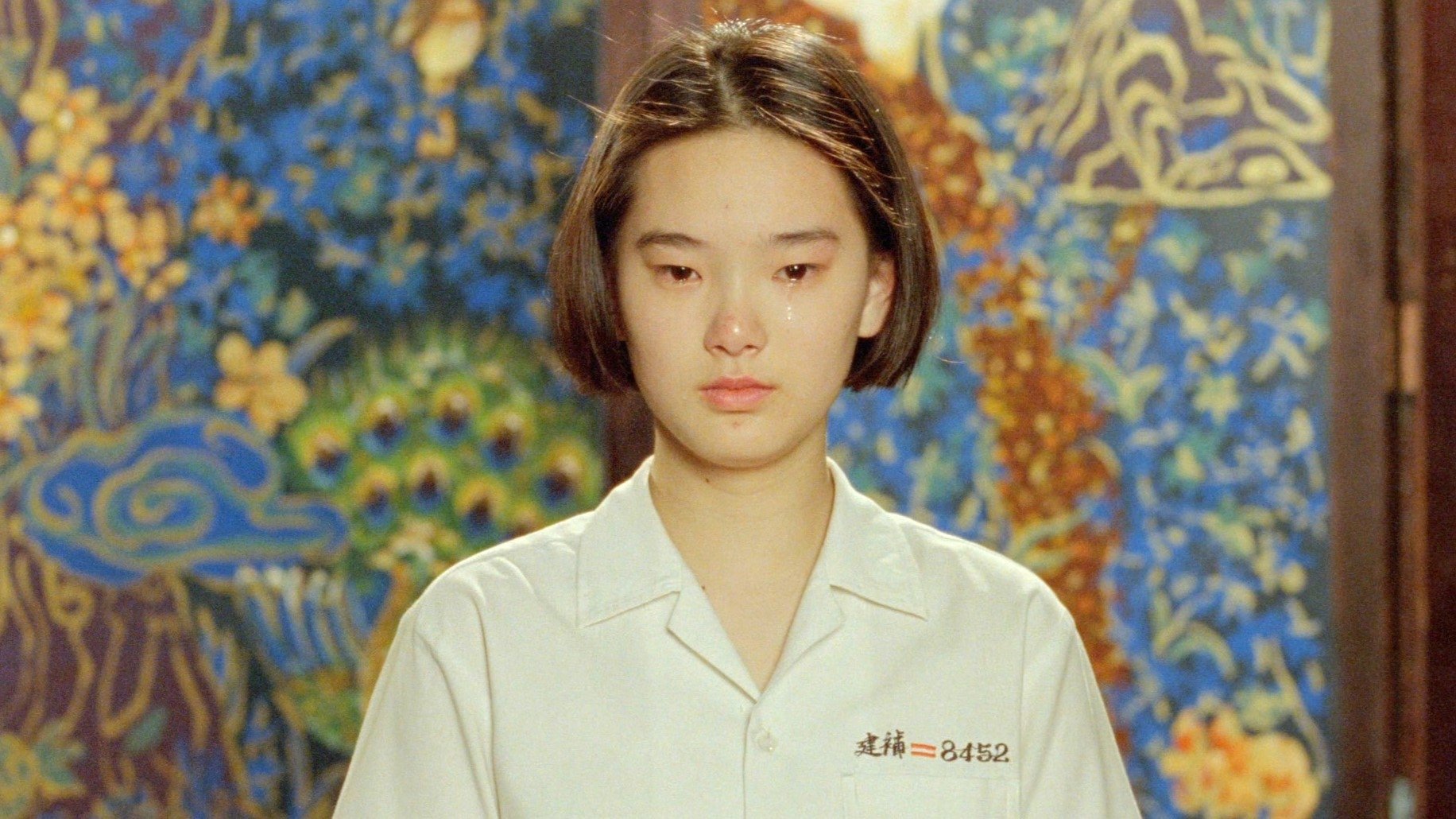
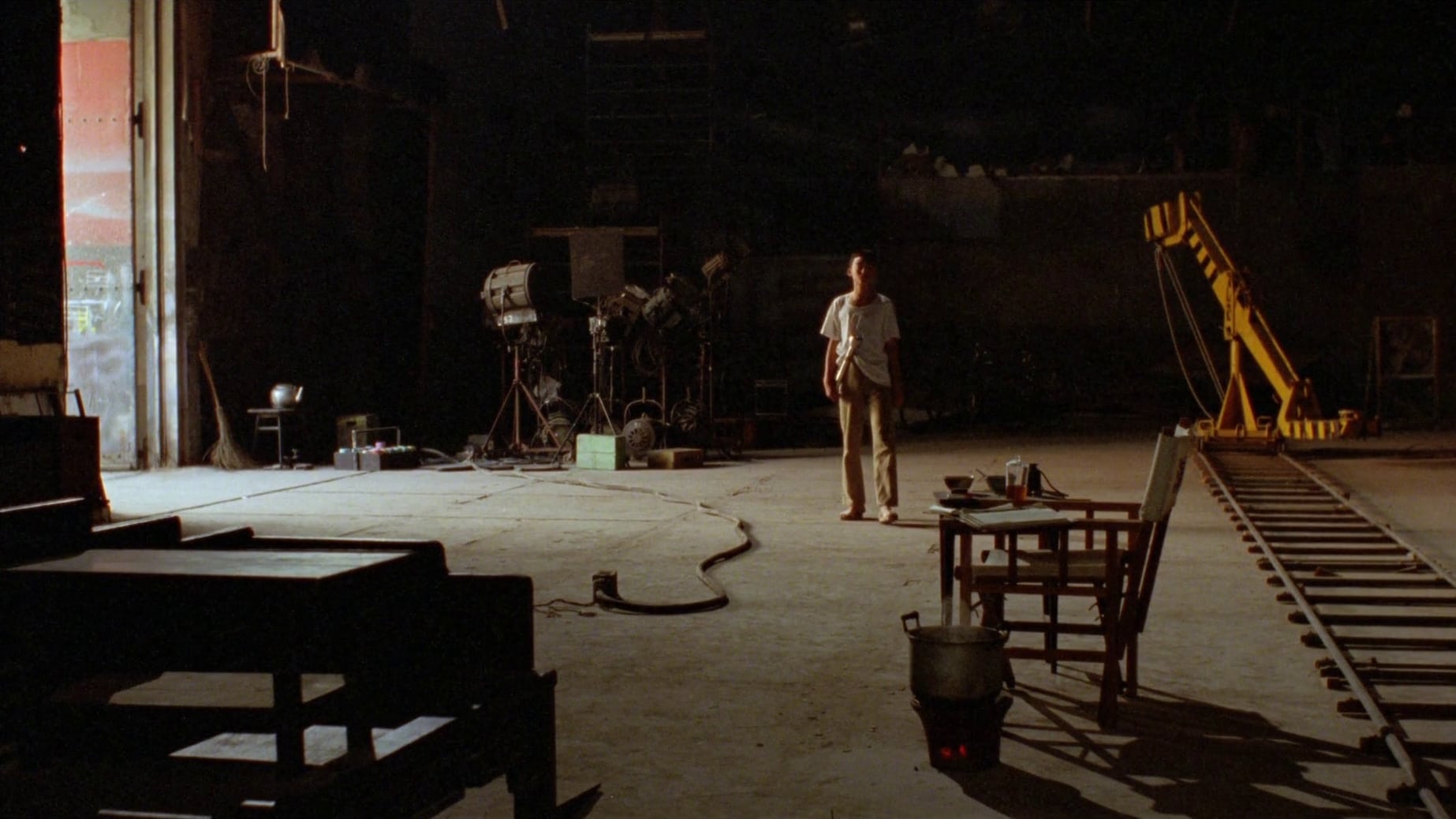
And that's why the last hour absolutely wrecks you. Not because of some crazy twist or explosion, but because you've been paying attention to small stuff for so long that the small stuff becomes everything. A look. A song on the radio. A knife wrapped in newspaper. You don't even notice the threads being pulled until suddenly the whole thing tightens around your chest.
A towering, heartbreaking masterpiece about the collision of innocence and history. Clear your afternoon, turn off your phone, and let it wash over you. One of the greatest films I ever had the pleasure to sit through.
Here's the thing about A Brighter Summer Day: it doesn't rush. Not for one second. Edward Yang is a director who seems to have an infinite amount of time on his hands, and in some way, this apparent lack of time produces its own form of suspense. You are not observing the progression of a story; rather, you are falling into a rhythm. The manner in which teenagers loiter after school. When a family eats dinner together, they tend to keep half of their feelings to themselves. At night, the way a neighborhood breathes is described. It has a hypnotic effect.
What really gets me is how Yang treats every single person on screen like a main character. There is no such thing as a disposable face here. All of these situations hold a lot of weight: a child repairing a radio, a girl traveling home by herself, and a teacher losing his temper. It begins to feel as though you are familiar with the entire town.
And that's why the last hour absolutely wrecks you. Not because of some crazy twist or explosion, but because you've been paying attention to small stuff for so long that the small stuff becomes everything. A look. A song on the radio. A knife wrapped in newspaper. You don't even notice the threads being pulled until suddenly the whole thing tightens around your chest.
A towering, heartbreaking masterpiece about the collision of innocence and history. Clear your afternoon, turn off your phone, and let it wash over you. One of the greatest films I ever had the pleasure to sit through.