
The Way It Was
2025·Documentary·42m
7.1
★
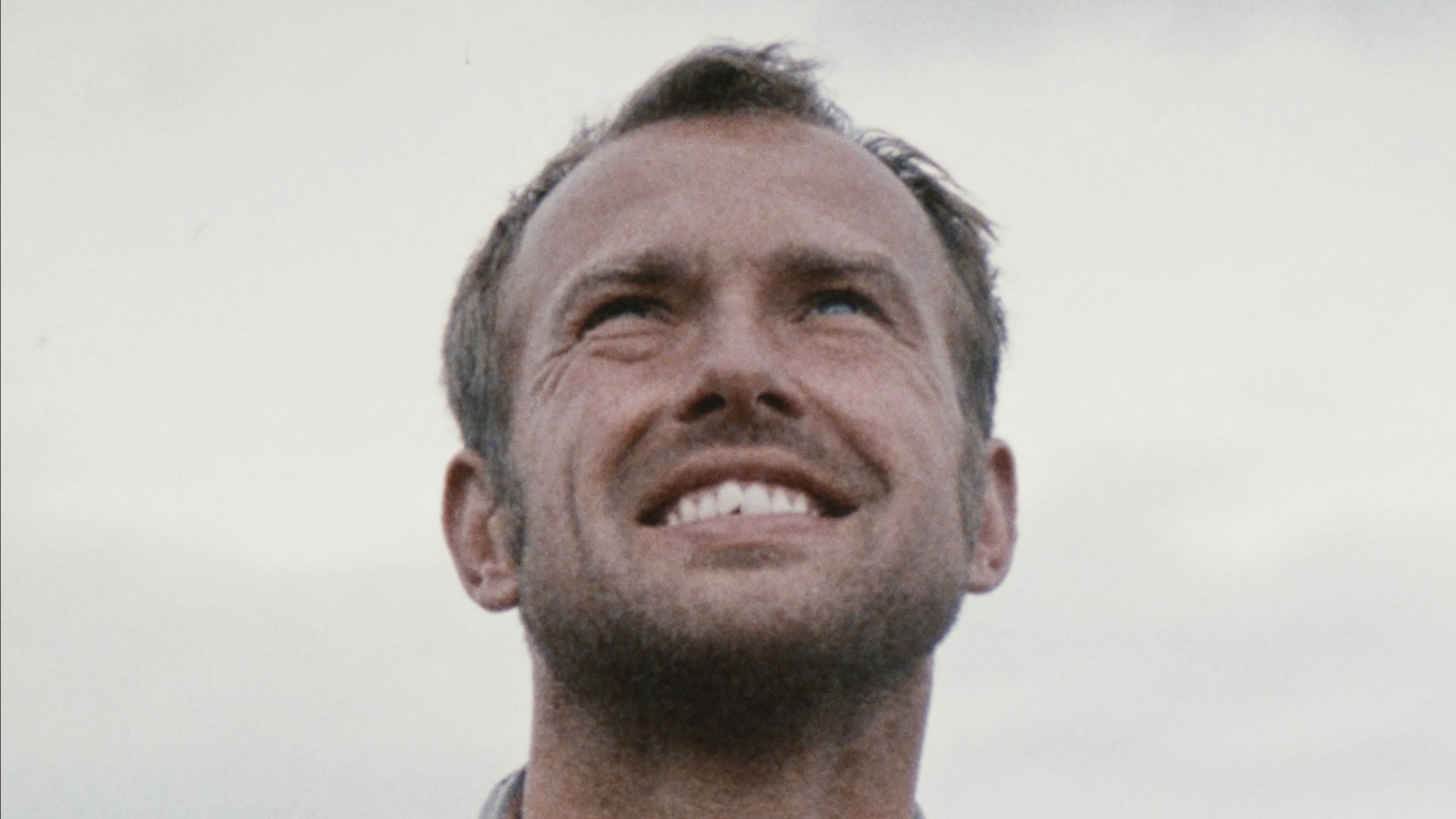
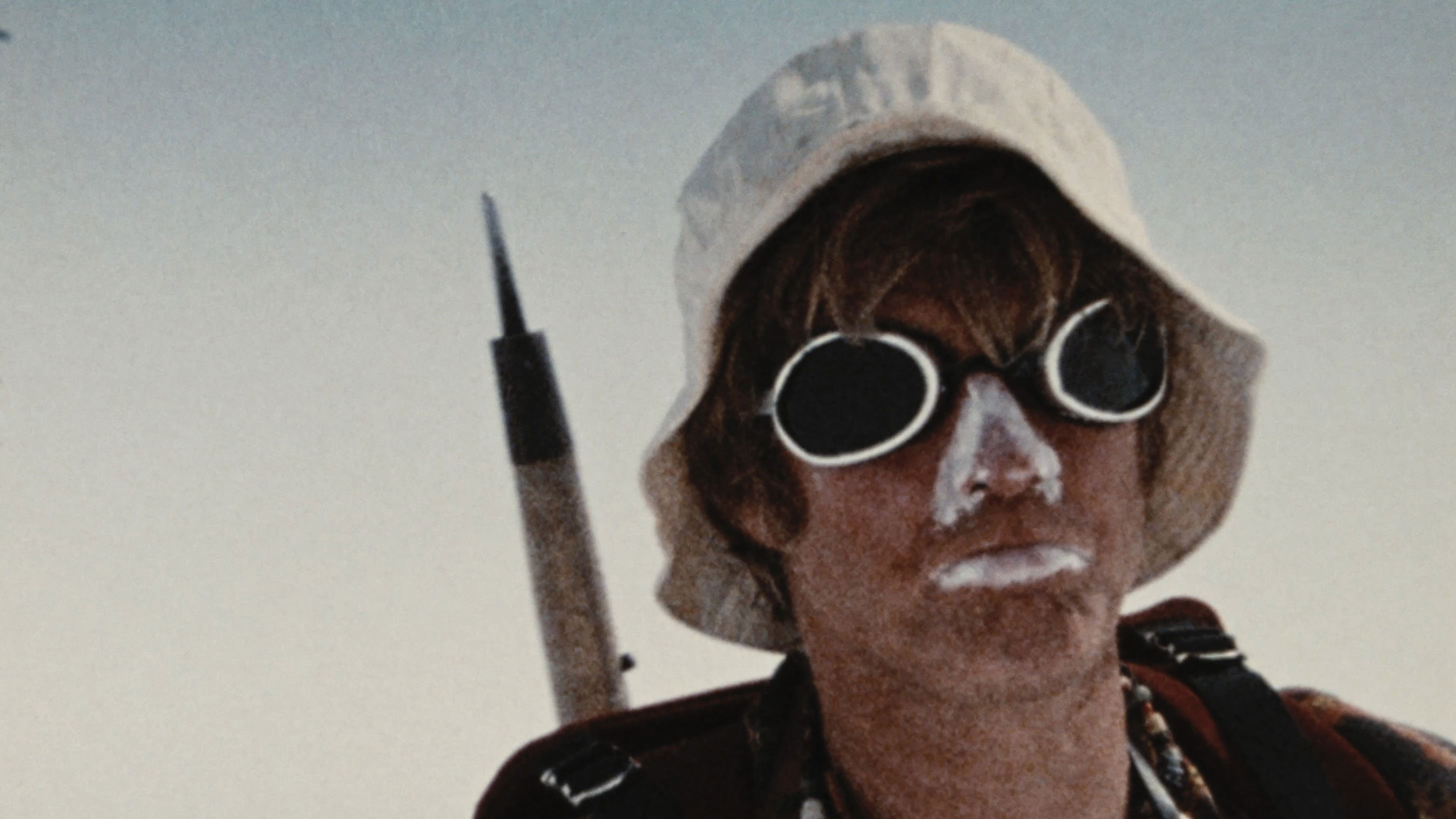
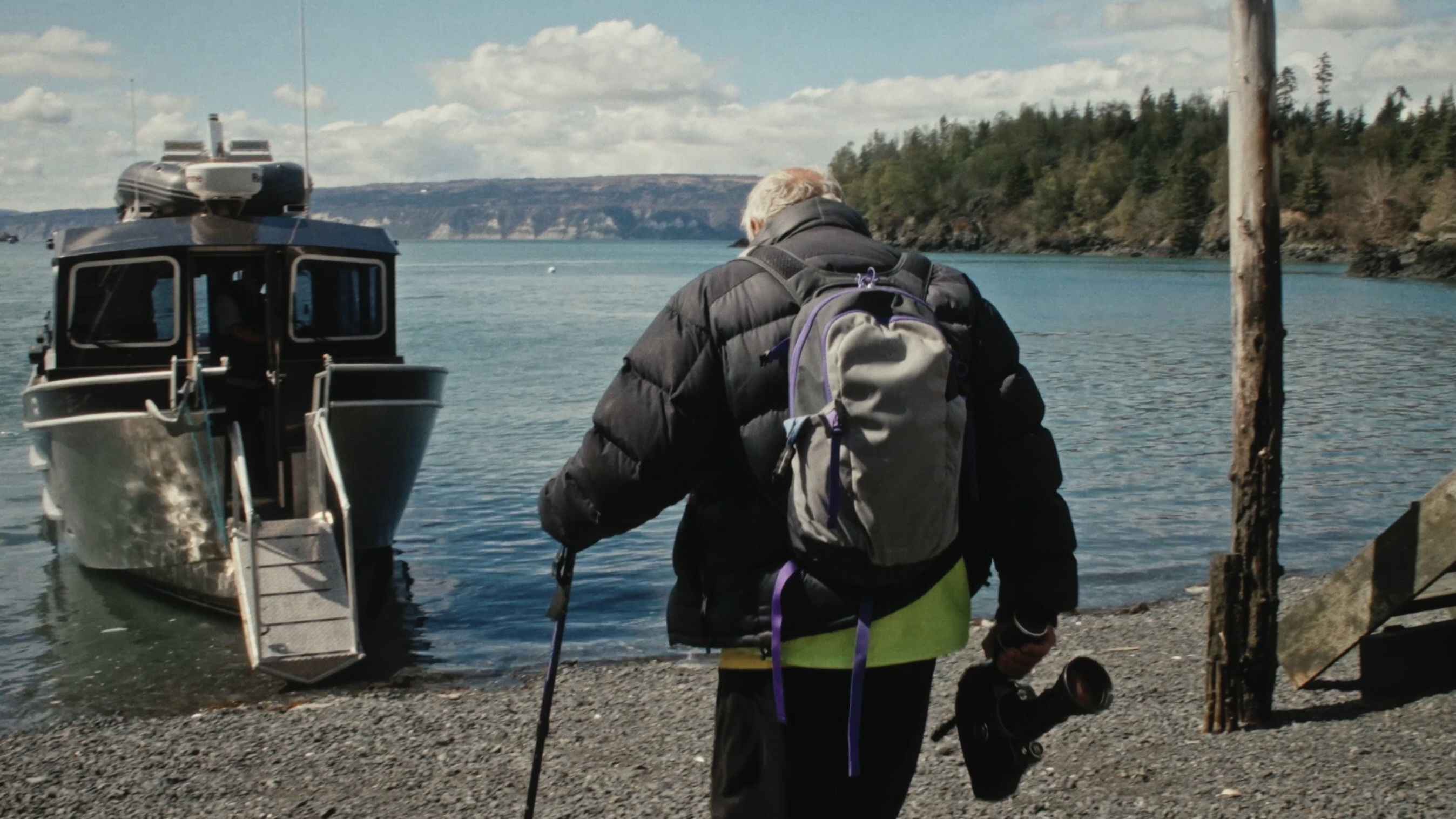
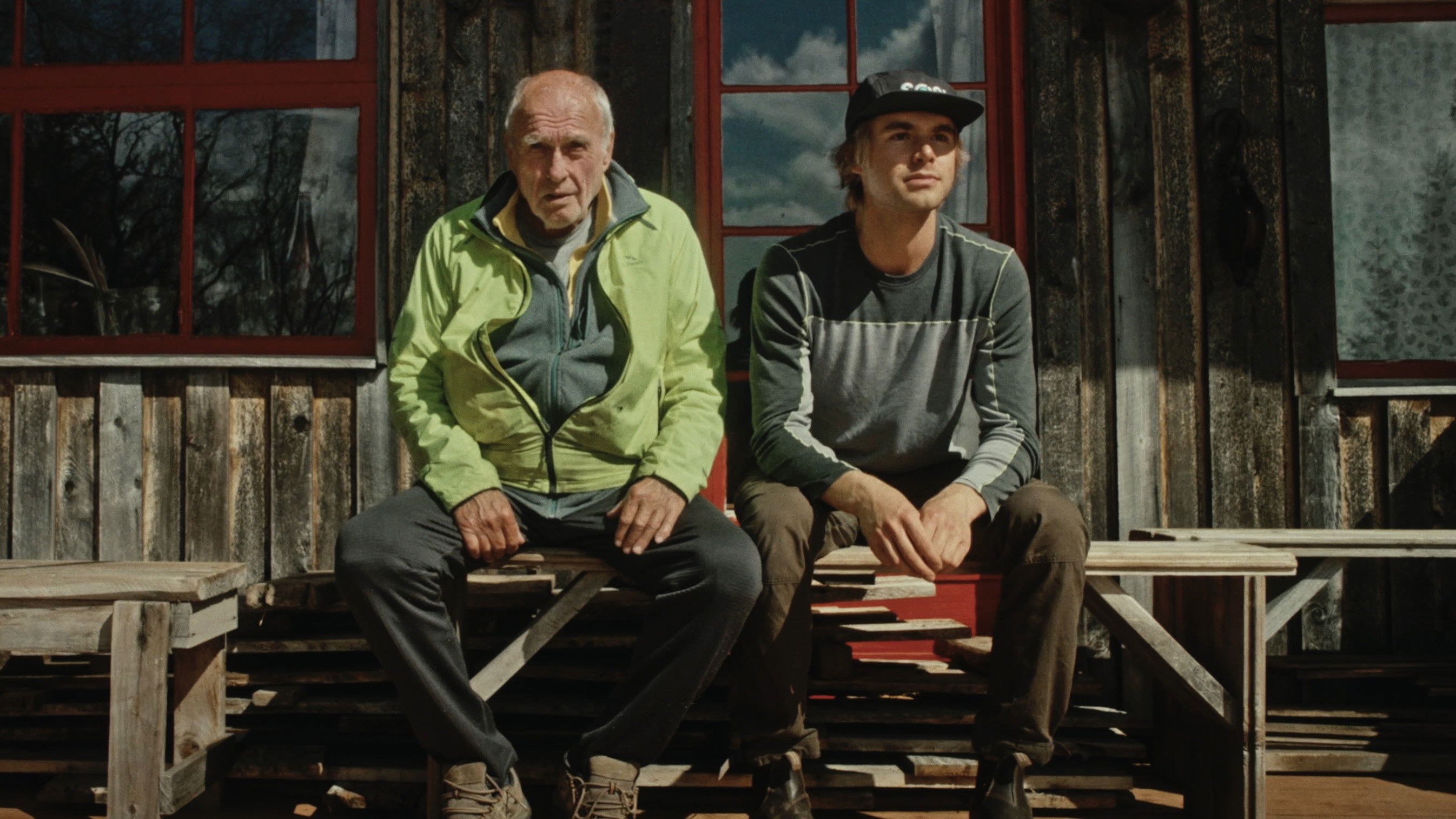
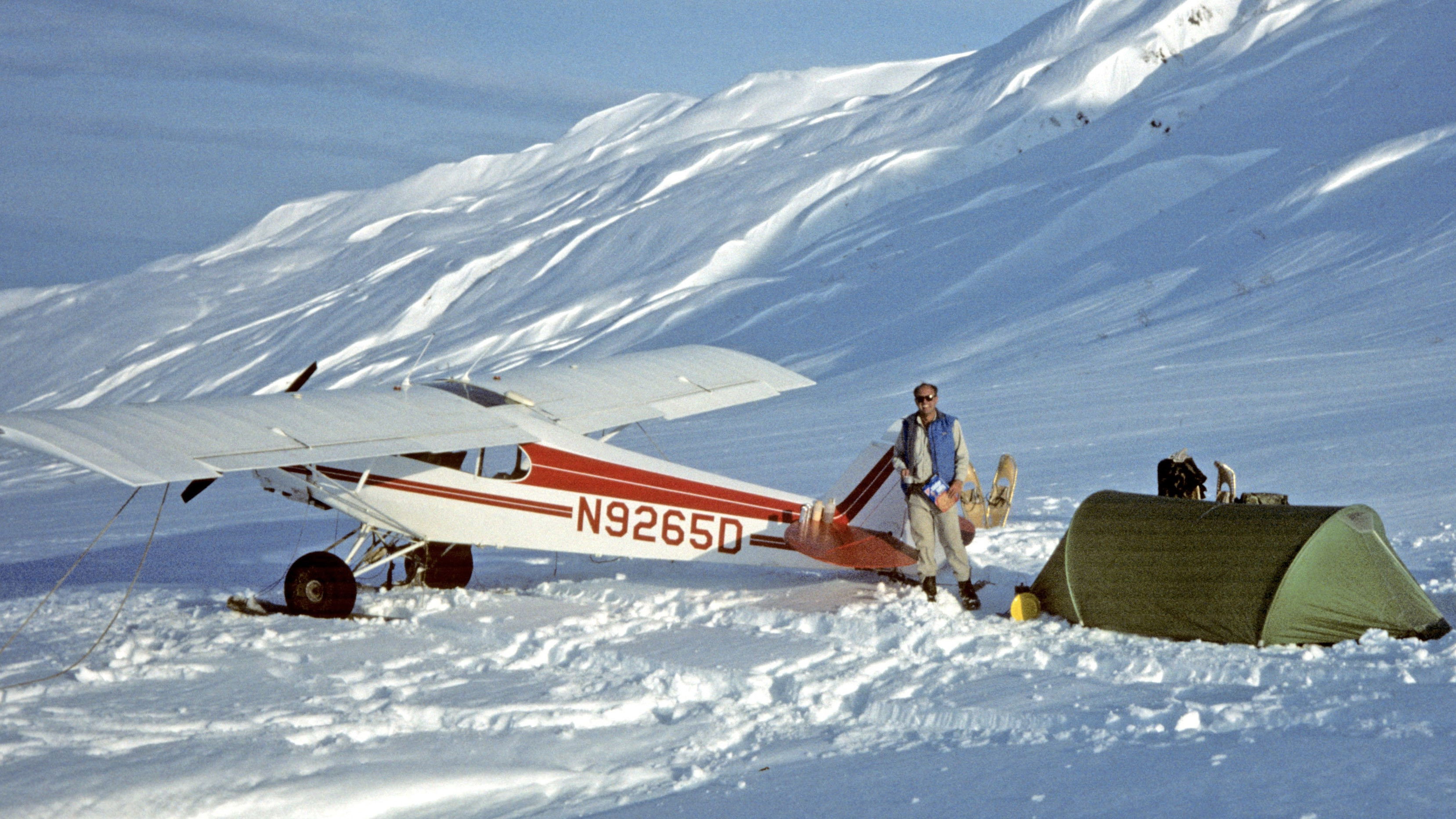
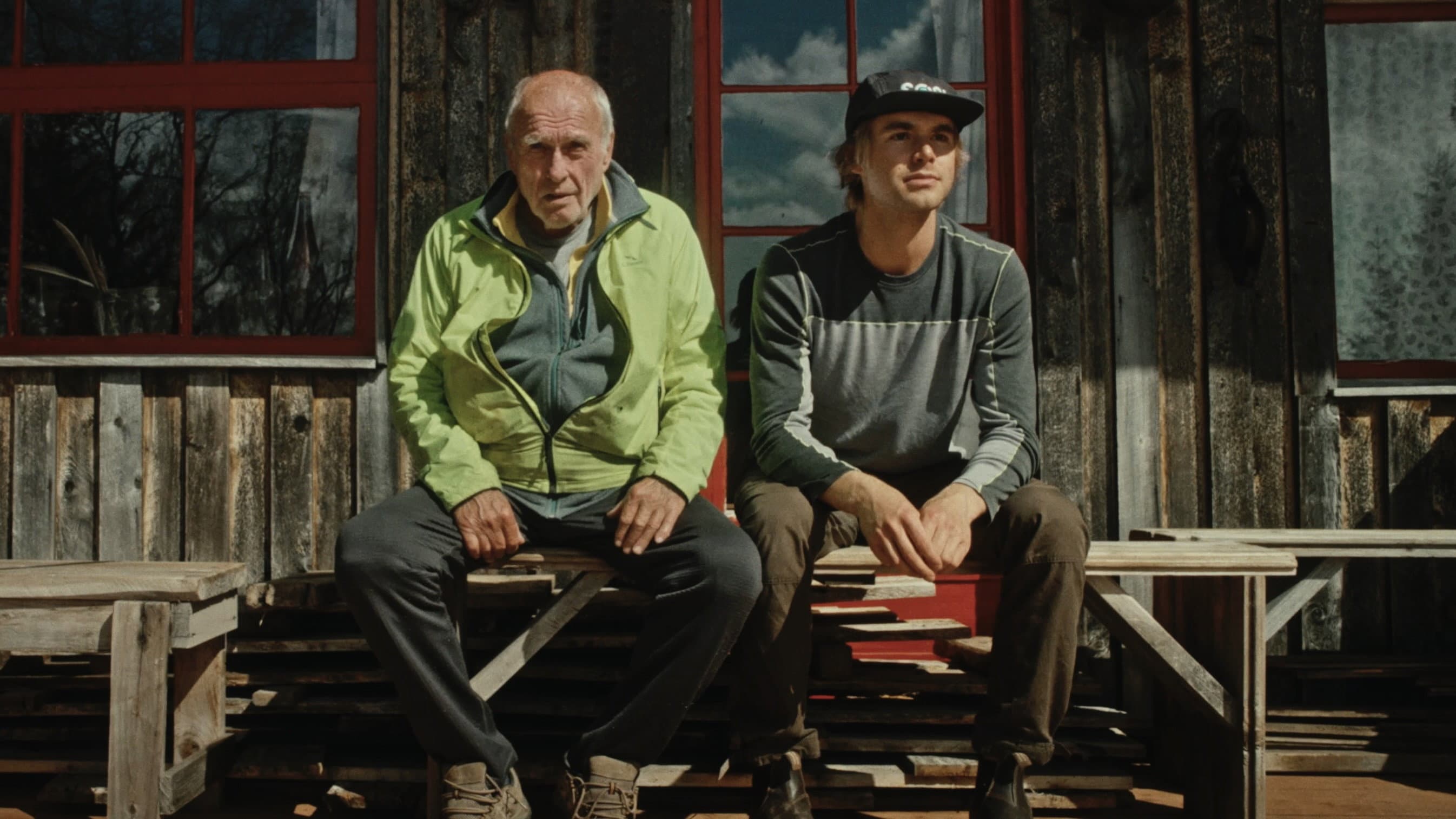
An Alaskan adventurer and his grandson set out to finish a 16mm film he shot 50 years ago, confronting whether it's better to remember the past—or relive it.
Directed by Max Sauerbrey and Juliette Benedetto
Popular Reviews
8 reviews
Markus
8.0★ · 02/13/26
GERMAN VERSION (english below)
The Way It Was ist eine ruhige, harmonische Dokumentation, ein Gedicht zur Natur der Wildnis. Es geht um einen alten Abenteurer und seine Filmaufnahmen in 16mm, die er vor rund 50 auf Band brachte. Ein Film sollte gemacht werden, der jedoch niemals beendet wurde. Nun da sein Enkel ein junger Filmemacher geworden ist, sollte dieses alte Werk beendet werden. So ist The Way It Was neben allgegenwärtiger natureller Schönheit auch ein Film über Vergänglichkeit, über den Lauf der Zeit, da er eben aus Szenen besteht, die einerseits aus den 70ern stammen und von heute.
Mit endlosen Schnee-bedeckten Bergen, blauen Wellen mit weißer Gicht, die auf graue Felsen branden, reißenden Flüssen und grünen Wäldern, alles vor Leben sprießend, alles mit Schönheit betraut, ist der Film eine wahrhaftige Blüte dessen, was wir hier auf Erden doch finden können. Die Wildnis Alaskas gleicht einem Ort grenzenloser und ungezügelter Freiheit. Es ist eine große Flucht vor allem, was uns aufgezwungen wird, ein erlösendes Aufatmen, da man genau das zu spüren scheint, wozu man doch geschaffen ist.
Gleichzeitig erzählt der Film vom Alter, erzählt von einem Verlangen, dass aufgrund dieses hohen Alters eben nicht mehr gestillt werden kann. Das Alter lässt nicht mehr erleben, nur noch träumen, wie es einst war. Auch wenn man ein solch erfülltes Leben voll Freiheit und Freude, voll Grenzenlosigkeit und innerem Frieden hatte, so erscheint das Alter genauso schmerzvoll und wehleidig, als wenn man sein Leben im Gegenteil gelebt hat. Die guten Zeiten sind nun vorbei, die Zeit, große Taten zu vollbringen ist vorüber. Nun lebt man in einem sterbenden Körper. Doch zumindest hat man gut daran getan, sein Leben so zu verbringen, wie es sein eignes Herz verlangte. Im Alter sind wir alle gleich, doch wir können in unserem Leben entscheiden, wie wir im Alter darauf zurückblicken möchten. Ob wir alles aufschieben, niemals große Dinge erleben und im Alter wehmütig auf diese Entscheidungen blicken, oder eben unserem Herzen folgen und das tun, für was wir geschaffen scheinen, woraufhin der einzige Wehmut darin besteht, dass wir alles großartige, was uns einst zuteil wurde, nun nicht mehr in vollem Umfang erleben können.
Beenden will ich diese Bewertung jedoch nicht mit solchen Gedanken, sondern mehr mit solchen, die der Film direkt vermittelt: die Schönheit des unberührten, die Schönheit des Abenteuers. Denn genau das zeichnet The Way It Was aus, es zeigt die alten Abenteuer, die Ästhetik vergangener Tage, es zeigt unangetastete Natur und wie einzelne sie erleben und genießen können, es zeigt die Welt, wie sie einst war, und as ist so unglaublich wunderschön.
***
ENGLISH VERSION *
The Way It Was is a peaceful, harmonious documentary, an ode to the nature of the wilderness. It is about an old adventurer and his 16mm film footage, which he recorded around 50 years ago. A film was to be made, but was never finished. Now that his grandson has become a young filmmaker, this old work is to be completed. So, in addition to its ubiquitous natural beauty, The Way It Was is also a film about transience, about the course of time, as it consists of scenes from the 1970s on the one hand and scenes from present day on the other.
With endless snow-capped mountains, blue waves with white foam crashing onto gray rocks, rushing rivers, and green forests, all bursting with life and imbued with beauty, the film is a true celebration of what we can find here on earth. The wilderness of Alaska resembles a place of boundless and unbounded freedom. It is a great escape from everything that is enforced upon us, a liberating sigh of relief, as it seems to allow us to feel exactly what we were created for.
At the same time, the film deals with aging, with a desire that can no longer be fulfilled due to old age. Aging prevents one from experiencing new things, leaving only dreams of how things once were. Even if one has had such a fulfilling life full of freedom and joy, full of boundlessness and inner peace, aging seems just as painful and mournful as if one had lived one's life in the opposite manner. The good times are now over, the time for great deeds has passed. Now you live in a dying body. But at least you did well to spend your life as your heart desired. In old age, we are all the same, but we can decide in our lives how we want to look back on it. Whether we put everything off, never experience great things, and look back regretfully on these decisions in old age, or whether we follow our hearts and do what we seem to be made for, in which case the only regret is that we can no longer fully experience all the great things that once came our way.
However, I don't want to end this review with such thoughts, but rather with those that the film directly conveys: the beauty of the untouched, the beauty of adventure. Because that's exactly what characterizes The Way It Was. It shows the old adventures, the aesthetics of days gone by, it shows untouched nature and how individuals can experience and enjoy it, it shows the world as it once was, and that is so incredibly beautiful.
The Way It Was ist eine ruhige, harmonische Dokumentation, ein Gedicht zur Natur der Wildnis. Es geht um einen alten Abenteurer und seine Filmaufnahmen in 16mm, die er vor rund 50 auf Band brachte. Ein Film sollte gemacht werden, der jedoch niemals beendet wurde. Nun da sein Enkel ein junger Filmemacher geworden ist, sollte dieses alte Werk beendet werden. So ist The Way It Was neben allgegenwärtiger natureller Schönheit auch ein Film über Vergänglichkeit, über den Lauf der Zeit, da er eben aus Szenen besteht, die einerseits aus den 70ern stammen und von heute.
Mit endlosen Schnee-bedeckten Bergen, blauen Wellen mit weißer Gicht, die auf graue Felsen branden, reißenden Flüssen und grünen Wäldern, alles vor Leben sprießend, alles mit Schönheit betraut, ist der Film eine wahrhaftige Blüte dessen, was wir hier auf Erden doch finden können. Die Wildnis Alaskas gleicht einem Ort grenzenloser und ungezügelter Freiheit. Es ist eine große Flucht vor allem, was uns aufgezwungen wird, ein erlösendes Aufatmen, da man genau das zu spüren scheint, wozu man doch geschaffen ist.
Gleichzeitig erzählt der Film vom Alter, erzählt von einem Verlangen, dass aufgrund dieses hohen Alters eben nicht mehr gestillt werden kann. Das Alter lässt nicht mehr erleben, nur noch träumen, wie es einst war. Auch wenn man ein solch erfülltes Leben voll Freiheit und Freude, voll Grenzenlosigkeit und innerem Frieden hatte, so erscheint das Alter genauso schmerzvoll und wehleidig, als wenn man sein Leben im Gegenteil gelebt hat. Die guten Zeiten sind nun vorbei, die Zeit, große Taten zu vollbringen ist vorüber. Nun lebt man in einem sterbenden Körper. Doch zumindest hat man gut daran getan, sein Leben so zu verbringen, wie es sein eignes Herz verlangte. Im Alter sind wir alle gleich, doch wir können in unserem Leben entscheiden, wie wir im Alter darauf zurückblicken möchten. Ob wir alles aufschieben, niemals große Dinge erleben und im Alter wehmütig auf diese Entscheidungen blicken, oder eben unserem Herzen folgen und das tun, für was wir geschaffen scheinen, woraufhin der einzige Wehmut darin besteht, dass wir alles großartige, was uns einst zuteil wurde, nun nicht mehr in vollem Umfang erleben können.
Beenden will ich diese Bewertung jedoch nicht mit solchen Gedanken, sondern mehr mit solchen, die der Film direkt vermittelt: die Schönheit des unberührten, die Schönheit des Abenteuers. Denn genau das zeichnet The Way It Was aus, es zeigt die alten Abenteuer, die Ästhetik vergangener Tage, es zeigt unangetastete Natur und wie einzelne sie erleben und genießen können, es zeigt die Welt, wie sie einst war, und as ist so unglaublich wunderschön.
„It is really neat when you backpack way back into an area after an airplane has dropped you off from an hour or two hours of flying and you know that in some cases the nearest human being to you is over a hundred miles away. There‘s no roads, there‘s no help, there‘s no radio, there‘s no nothing! But you, God, and the Wilderness for many, many miles and there‘s a certain excitement about that.“
***
ENGLISH VERSION *
The Way It Was is a peaceful, harmonious documentary, an ode to the nature of the wilderness. It is about an old adventurer and his 16mm film footage, which he recorded around 50 years ago. A film was to be made, but was never finished. Now that his grandson has become a young filmmaker, this old work is to be completed. So, in addition to its ubiquitous natural beauty, The Way It Was is also a film about transience, about the course of time, as it consists of scenes from the 1970s on the one hand and scenes from present day on the other.
With endless snow-capped mountains, blue waves with white foam crashing onto gray rocks, rushing rivers, and green forests, all bursting with life and imbued with beauty, the film is a true celebration of what we can find here on earth. The wilderness of Alaska resembles a place of boundless and unbounded freedom. It is a great escape from everything that is enforced upon us, a liberating sigh of relief, as it seems to allow us to feel exactly what we were created for.
At the same time, the film deals with aging, with a desire that can no longer be fulfilled due to old age. Aging prevents one from experiencing new things, leaving only dreams of how things once were. Even if one has had such a fulfilling life full of freedom and joy, full of boundlessness and inner peace, aging seems just as painful and mournful as if one had lived one's life in the opposite manner. The good times are now over, the time for great deeds has passed. Now you live in a dying body. But at least you did well to spend your life as your heart desired. In old age, we are all the same, but we can decide in our lives how we want to look back on it. Whether we put everything off, never experience great things, and look back regretfully on these decisions in old age, or whether we follow our hearts and do what we seem to be made for, in which case the only regret is that we can no longer fully experience all the great things that once came our way.
However, I don't want to end this review with such thoughts, but rather with those that the film directly conveys: the beauty of the untouched, the beauty of adventure. Because that's exactly what characterizes The Way It Was. It shows the old adventures, the aesthetics of days gone by, it shows untouched nature and how individuals can experience and enjoy it, it shows the world as it once was, and that is so incredibly beautiful.
„It is really neat when you backpack way back into an area after an airplane has dropped you off from an hour or two hours of flying and you know that in some cases the nearest human being to you is over a hundred miles away. There‘s no roads, there‘s no help, there‘s no radio, there‘s nothing! But you, God, and the wilderness for many, many miles, and there‘s a certain excitement about that.“
GERMAN VERSION (english below)
The Way It Was ist eine ruhige, harmonische Dokumentation, ein Gedicht zur Natur der Wildnis. Es geht um einen alten Abenteurer und seine Filmaufnahmen in 16mm, die er vor rund 50 auf Band brachte. Ein Film sollte gemacht werden, der jedoch niemals beendet wurde. Nun da sein Enkel ein junger Filmemacher geworden ist, sollte dieses alte Werk beendet werden. So ist The Way It Was neben allgegenwärtiger natureller Schönheit auch ein Film über Vergänglichkeit, über den Lauf der Zeit, da er eben aus Szenen besteht, die einerseits aus den 70ern stammen und von heute.
Mit endlosen Schnee-bedeckten Bergen, blauen Wellen mit weißer Gicht, die auf graue Felsen branden, reißenden Flüssen und grünen Wäldern, alles vor Leben sprießend, alles mit Schönheit betraut, ist der Film eine wahrhaftige Blüte dessen, was wir hier auf Erden doch finden können. Die Wildnis Alaskas gleicht einem Ort grenzenloser und ungezügelter Freiheit. Es ist eine große Flucht vor allem, was uns aufgezwungen wird, ein erlösendes Aufatmen, da man genau das zu spüren scheint, wozu man doch geschaffen ist.
Gleichzeitig erzählt der Film vom Alter, erzählt von einem Verlangen, dass aufgrund dieses hohen Alters eben nicht mehr gestillt werden kann. Das Alter lässt nicht mehr erleben, nur noch träumen, wie es einst war. Auch wenn man ein solch erfülltes Leben voll Freiheit und Freude, voll Grenzenlosigkeit und innerem Frieden hatte, so erscheint das Alter genauso schmerzvoll und wehleidig, als wenn man sein Leben im Gegenteil gelebt hat. Die guten Zeiten sind nun vorbei, die Zeit, große Taten zu vollbringen ist vorüber. Nun lebt man in einem sterbenden Körper. Doch zumindest hat man gut daran getan, sein Leben so zu verbringen, wie es sein eignes Herz verlangte. Im Alter sind wir alle gleich, doch wir können in unserem Leben entscheiden, wie wir im Alter darauf zurückblicken möchten. Ob wir alles aufschieben, niemals große Dinge erleben und im Alter wehmütig auf diese Entscheidungen blicken, oder eben unserem Herzen folgen und das tun, für was wir geschaffen scheinen, woraufhin der einzige Wehmut darin besteht, dass wir alles großartige, was uns einst zuteil wurde, nun nicht mehr in vollem Umfang erleben können.
Beenden will ich diese Bewertung jedoch nicht mit solchen Gedanken, sondern mehr mit solchen, die der Film direkt vermittelt: die Schönheit des unberührten, die Schönheit des Abenteuers. Denn genau das zeichnet The Way It Was aus, es zeigt die alten Abenteuer, die Ästhetik vergangener Tage, es zeigt unangetastete Natur und wie einzelne sie erleben und genießen können, es zeigt die Welt, wie sie einst war, und as ist so unglaublich wunderschön.
***
ENGLISH VERSION *
The Way It Was is a peaceful, harmonious documentary, an ode to the nature of the wilderness. It is about an old adventurer and his 16mm film footage, which he recorded around 50 years ago. A film was to be made, but was never finished. Now that his grandson has become a young filmmaker, this old work is to be completed. So, in addition to its ubiquitous natural beauty, The Way It Was is also a film about transience, about the course of time, as it consists of scenes from the 1970s on the one hand and scenes from present day on the other.
With endless snow-capped mountains, blue waves with white foam crashing onto gray rocks, rushing rivers, and green forests, all bursting with life and imbued with beauty, the film is a true celebration of what we can find here on earth. The wilderness of Alaska resembles a place of boundless and unbounded freedom. It is a great escape from everything that is enforced upon us, a liberating sigh of relief, as it seems to allow us to feel exactly what we were created for.
At the same time, the film deals with aging, with a desire that can no longer be fulfilled due to old age. Aging prevents one from experiencing new things, leaving only dreams of how things once were. Even if one has had such a fulfilling life full of freedom and joy, full of boundlessness and inner peace, aging seems just as painful and mournful as if one had lived one's life in the opposite manner. The good times are now over, the time for great deeds has passed. Now you live in a dying body. But at least you did well to spend your life as your heart desired. In old age, we are all the same, but we can decide in our lives how we want to look back on it. Whether we put everything off, never experience great things, and look back regretfully on these decisions in old age, or whether we follow our hearts and do what we seem to be made for, in which case the only regret is that we can no longer fully experience all the great things that once came our way.
However, I don't want to end this review with such thoughts, but rather with those that the film directly conveys: the beauty of the untouched, the beauty of adventure. Because that's exactly what characterizes The Way It Was. It shows the old adventures, the aesthetics of days gone by, it shows untouched nature and how individuals can experience and enjoy it, it shows the world as it once was, and that is so incredibly beautiful.
The Way It Was ist eine ruhige, harmonische Dokumentation, ein Gedicht zur Natur der Wildnis. Es geht um einen alten Abenteurer und seine Filmaufnahmen in 16mm, die er vor rund 50 auf Band brachte. Ein Film sollte gemacht werden, der jedoch niemals beendet wurde. Nun da sein Enkel ein junger Filmemacher geworden ist, sollte dieses alte Werk beendet werden. So ist The Way It Was neben allgegenwärtiger natureller Schönheit auch ein Film über Vergänglichkeit, über den Lauf der Zeit, da er eben aus Szenen besteht, die einerseits aus den 70ern stammen und von heute.
Mit endlosen Schnee-bedeckten Bergen, blauen Wellen mit weißer Gicht, die auf graue Felsen branden, reißenden Flüssen und grünen Wäldern, alles vor Leben sprießend, alles mit Schönheit betraut, ist der Film eine wahrhaftige Blüte dessen, was wir hier auf Erden doch finden können. Die Wildnis Alaskas gleicht einem Ort grenzenloser und ungezügelter Freiheit. Es ist eine große Flucht vor allem, was uns aufgezwungen wird, ein erlösendes Aufatmen, da man genau das zu spüren scheint, wozu man doch geschaffen ist.
Gleichzeitig erzählt der Film vom Alter, erzählt von einem Verlangen, dass aufgrund dieses hohen Alters eben nicht mehr gestillt werden kann. Das Alter lässt nicht mehr erleben, nur noch träumen, wie es einst war. Auch wenn man ein solch erfülltes Leben voll Freiheit und Freude, voll Grenzenlosigkeit und innerem Frieden hatte, so erscheint das Alter genauso schmerzvoll und wehleidig, als wenn man sein Leben im Gegenteil gelebt hat. Die guten Zeiten sind nun vorbei, die Zeit, große Taten zu vollbringen ist vorüber. Nun lebt man in einem sterbenden Körper. Doch zumindest hat man gut daran getan, sein Leben so zu verbringen, wie es sein eignes Herz verlangte. Im Alter sind wir alle gleich, doch wir können in unserem Leben entscheiden, wie wir im Alter darauf zurückblicken möchten. Ob wir alles aufschieben, niemals große Dinge erleben und im Alter wehmütig auf diese Entscheidungen blicken, oder eben unserem Herzen folgen und das tun, für was wir geschaffen scheinen, woraufhin der einzige Wehmut darin besteht, dass wir alles großartige, was uns einst zuteil wurde, nun nicht mehr in vollem Umfang erleben können.
Beenden will ich diese Bewertung jedoch nicht mit solchen Gedanken, sondern mehr mit solchen, die der Film direkt vermittelt: die Schönheit des unberührten, die Schönheit des Abenteuers. Denn genau das zeichnet The Way It Was aus, es zeigt die alten Abenteuer, die Ästhetik vergangener Tage, es zeigt unangetastete Natur und wie einzelne sie erleben und genießen können, es zeigt die Welt, wie sie einst war, und as ist so unglaublich wunderschön.
„It is really neat when you backpack way back into an area after an airplane has dropped you off from an hour or two hours of flying and you know that in some cases the nearest human being to you is over a hundred miles away. There‘s no roads, there‘s no help, there‘s no radio, there‘s no nothing! But you, God, and the Wilderness for many, many miles and there‘s a certain excitement about that.“
***
ENGLISH VERSION *
The Way It Was is a peaceful, harmonious documentary, an ode to the nature of the wilderness. It is about an old adventurer and his 16mm film footage, which he recorded around 50 years ago. A film was to be made, but was never finished. Now that his grandson has become a young filmmaker, this old work is to be completed. So, in addition to its ubiquitous natural beauty, The Way It Was is also a film about transience, about the course of time, as it consists of scenes from the 1970s on the one hand and scenes from present day on the other.
With endless snow-capped mountains, blue waves with white foam crashing onto gray rocks, rushing rivers, and green forests, all bursting with life and imbued with beauty, the film is a true celebration of what we can find here on earth. The wilderness of Alaska resembles a place of boundless and unbounded freedom. It is a great escape from everything that is enforced upon us, a liberating sigh of relief, as it seems to allow us to feel exactly what we were created for.
At the same time, the film deals with aging, with a desire that can no longer be fulfilled due to old age. Aging prevents one from experiencing new things, leaving only dreams of how things once were. Even if one has had such a fulfilling life full of freedom and joy, full of boundlessness and inner peace, aging seems just as painful and mournful as if one had lived one's life in the opposite manner. The good times are now over, the time for great deeds has passed. Now you live in a dying body. But at least you did well to spend your life as your heart desired. In old age, we are all the same, but we can decide in our lives how we want to look back on it. Whether we put everything off, never experience great things, and look back regretfully on these decisions in old age, or whether we follow our hearts and do what we seem to be made for, in which case the only regret is that we can no longer fully experience all the great things that once came our way.
However, I don't want to end this review with such thoughts, but rather with those that the film directly conveys: the beauty of the untouched, the beauty of adventure. Because that's exactly what characterizes The Way It Was. It shows the old adventures, the aesthetics of days gone by, it shows untouched nature and how individuals can experience and enjoy it, it shows the world as it once was, and that is so incredibly beautiful.
„It is really neat when you backpack way back into an area after an airplane has dropped you off from an hour or two hours of flying and you know that in some cases the nearest human being to you is over a hundred miles away. There‘s no roads, there‘s no help, there‘s no radio, there‘s nothing! But you, God, and the wilderness for many, many miles, and there‘s a certain excitement about that.“


Jack Summers
9.0★ · 02/05/26
Film is a beautiful thing. Preserved this well over 50 years. The scene where he’s helping his friend remember their time throwing a frisbee is a killer.
Film is a beautiful thing. Preserved this well over 50 years. The scene where he’s helping his friend remember their time throwing a frisbee is a killer.
Hattie Noyes
10.0★ · 01/04/26
What a life man
What a life man
Porter
8.0★ · 06/29/26
Moira
8.0★ · 05/03/26