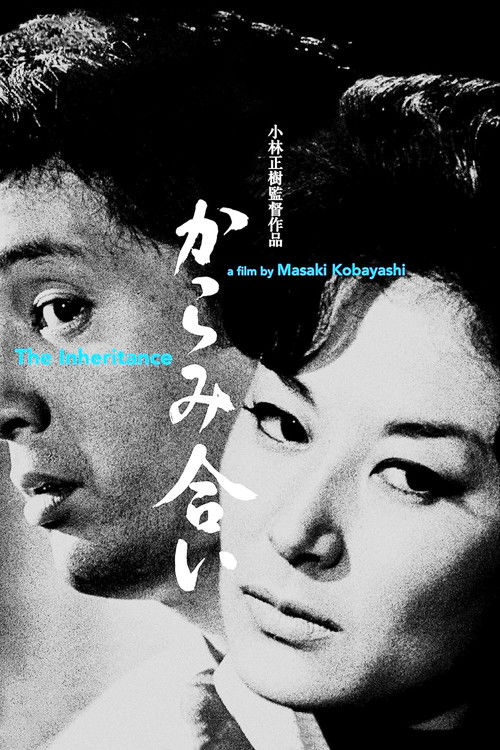
There’s a clear through line in Masaki Kobayashi’s films relating to systems and the genuine or disingenuous actors within, and in this film it’s perhaps at its most crystallized at the same time as being its most obscure.
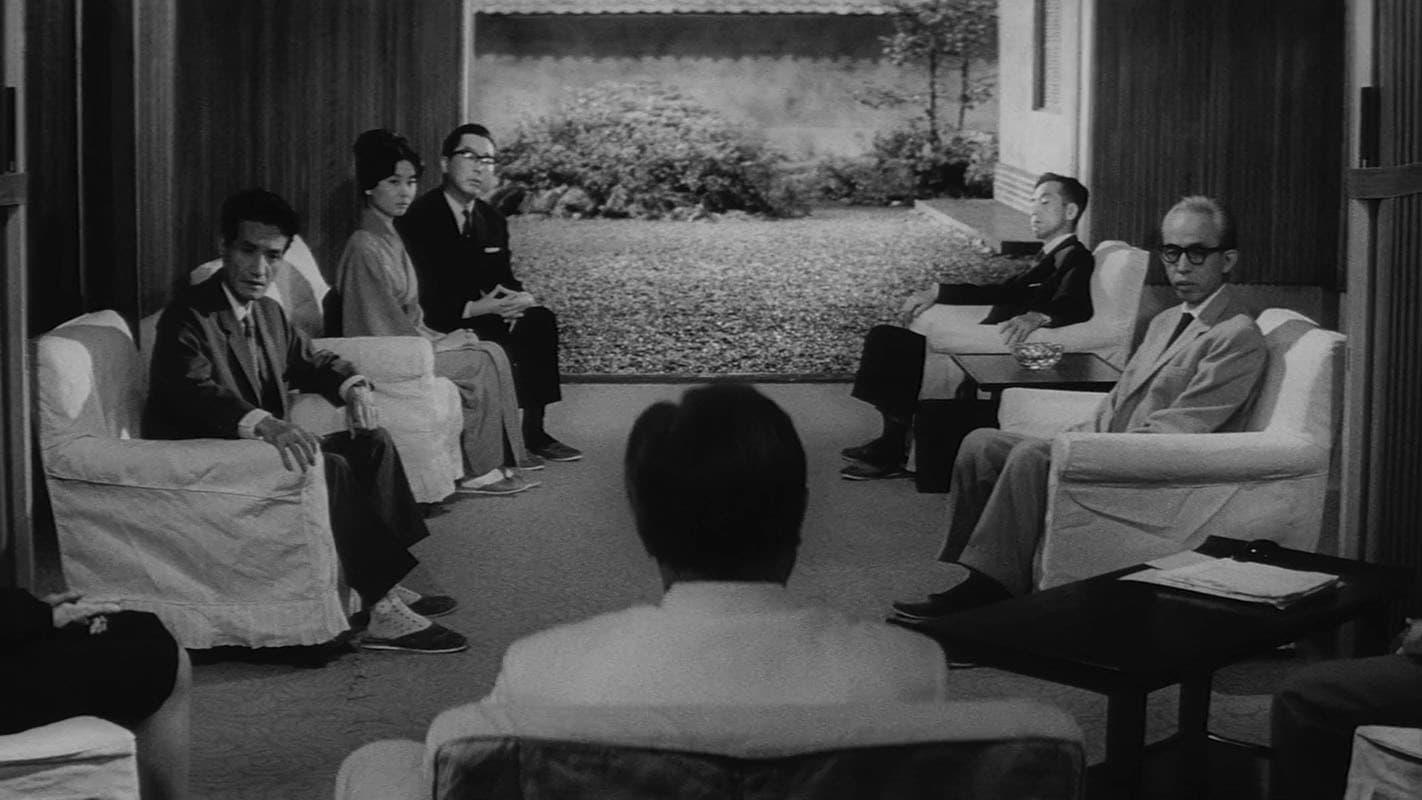
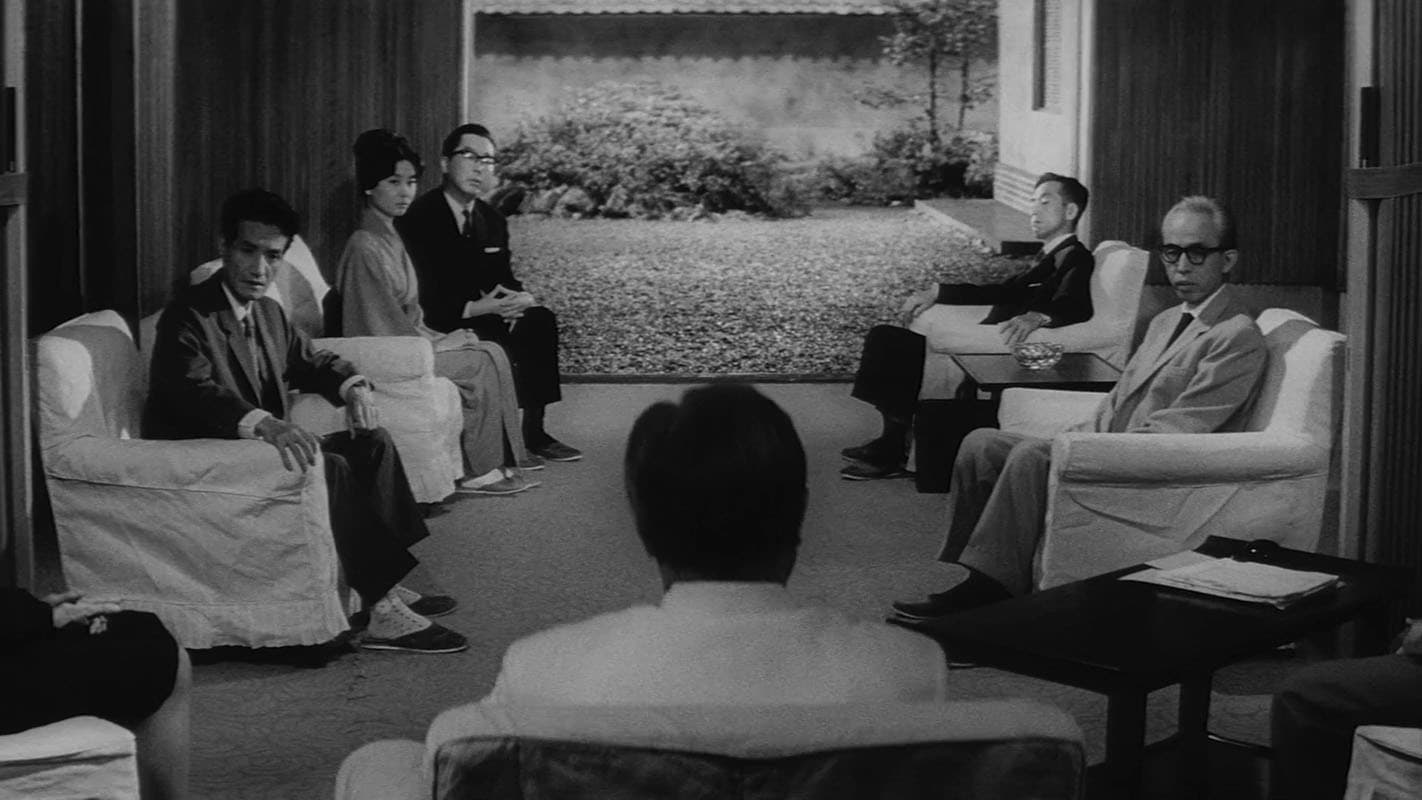
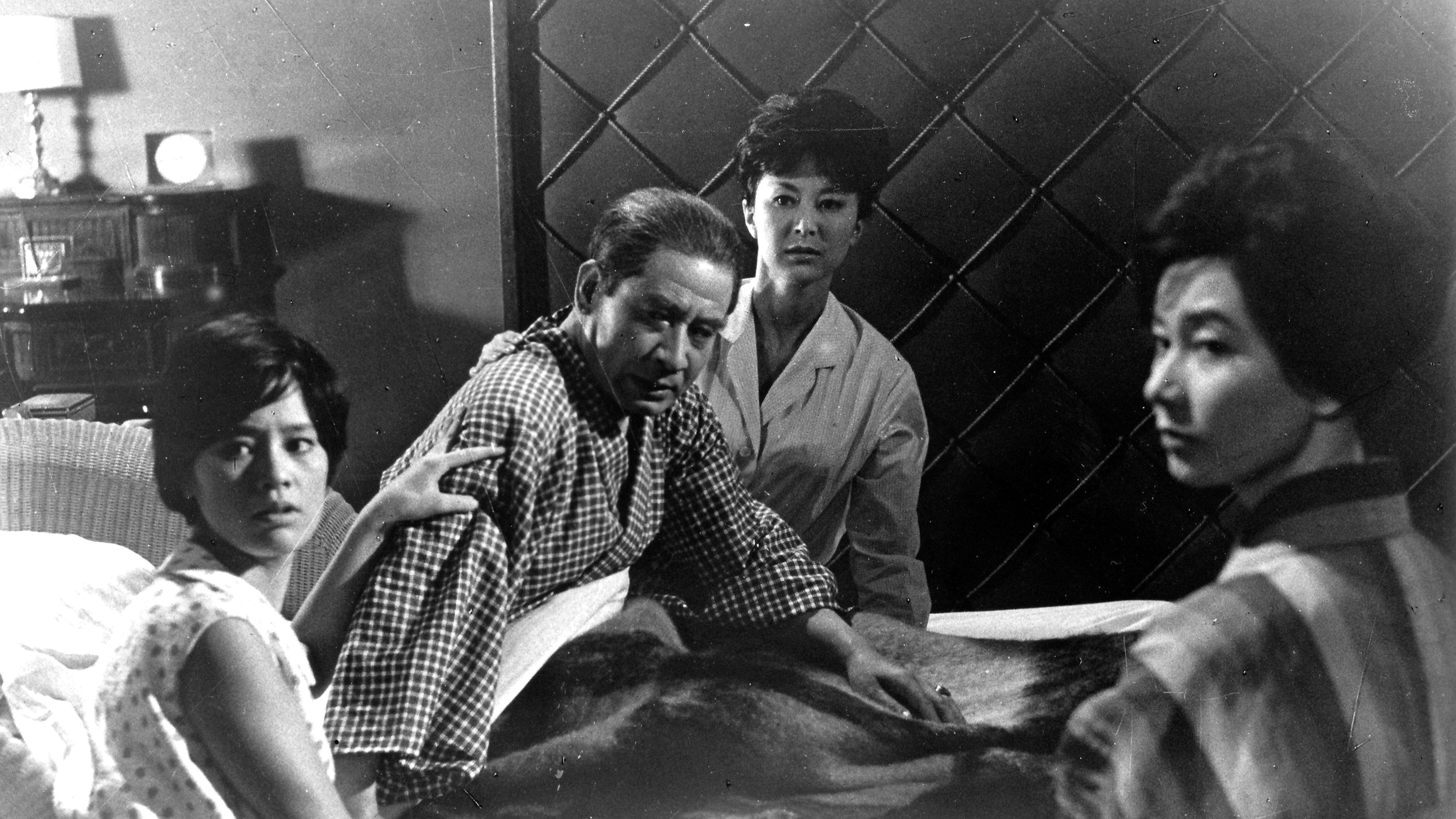
The central thrust of the film narratively is of course the politics revolving around who will receive the somewhat honorable and pitiable but ultimately revoltingly sexist Mr. Kawara’s massive inheritance (omg like the title of the movie), but the thematic angle of it is really much more about how the characters interact with that issue.
And this is perfectly fitting and telegraphed by the narrative itself, making it an incredibly smartly written and conveyed story (credit of course must go to the novel that the film is based on, but it certainly feels like a solid adaptation even if it’s a book I’ve admittedly not read). The characters all dutifully accept their errands to help inform Mr. Kawara’s decision, doing their best to act in ways that can only be reported to him as according to his wishes, but much of it is an act with the hope of getting him to design his will this way or that which is in their favor.
That’s what the film truly is about, and where it really shines narratively: toeing the line between genuine action and duplicitous scheming. It’s all politics, all the way down, even in ways that aren’t made clear to the audience until later, even in ways that couldn’t have been anticipated. Not at a breakneck pace either, which is a great thing in a story so grounded and human, as I found myself really falling into the drama of it and allowing myself to let my guard down to Kobayashi’s hand.
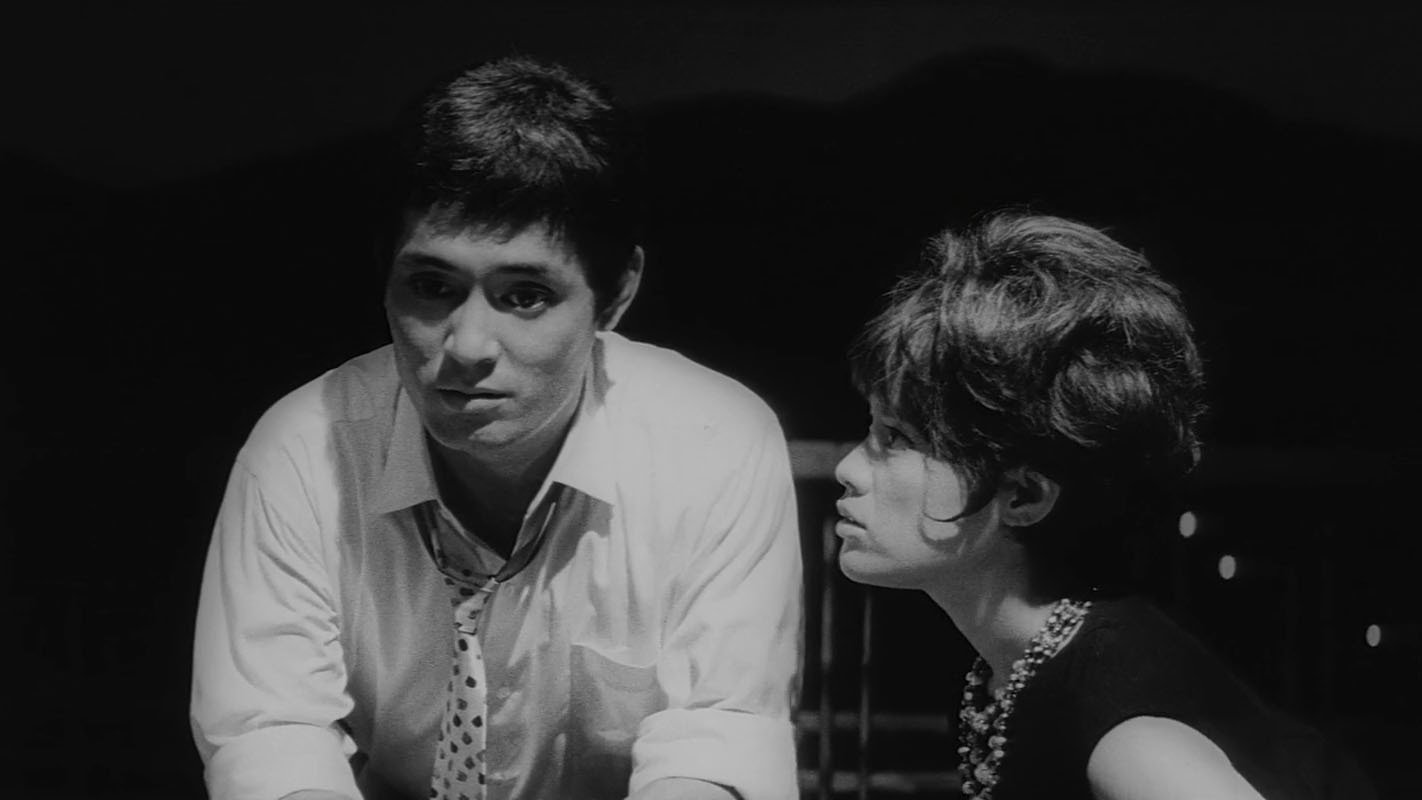
By the end, what really had me perplexed was how I felt about our protagonist, and it felt like the film really allowed you to fall anywhere along the spectrum. Is she justified? Is she a gross person? Is she somewhere in the middle? It’s really up to the audience and where you started the film, but I think that focusing too hard on this question is actually missing the point.
What it feels like the statement is that’s being made is that systems of power, and really any situation susceptible to this level of politicking, attract duplicitous behavior to such a degree that no supposed genuine actor can be said to be beyond the allure of power. The deceptive part of it is really the way it draws you in to the world these characters inhabit and makes you a participant in this process, getting you to root for the money to be manipulated in different ways at different times in the film.
By getting you to focus so hard on the character drama, Kobayashi is engaging in an incredible sleight of hand where you’re fully enveloped, quite against your will, in the corruption. In doing so, it makes the (admittedly somewhat trite by today’s standards) thematic concept of power corrupting feel fresh and engaging. Hell, it had me fooled for a hot second and I’m typically the first to roll my eyes when I see that trope applied just because it feels like such a tired cliche at this point.
But tired cliche or truism, this film manages to make it such an engaging central theme, and frankly I just shouldn’t be surprised anymore to see such great work from Masaki Kobayashi.
Masaki Kobayashi Ranked