
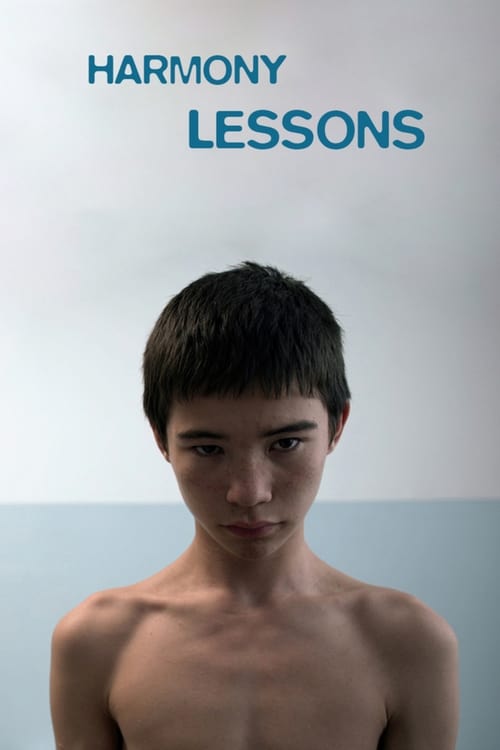
Harmony Lessons
2013·Drama·1h 55m
7.1
★
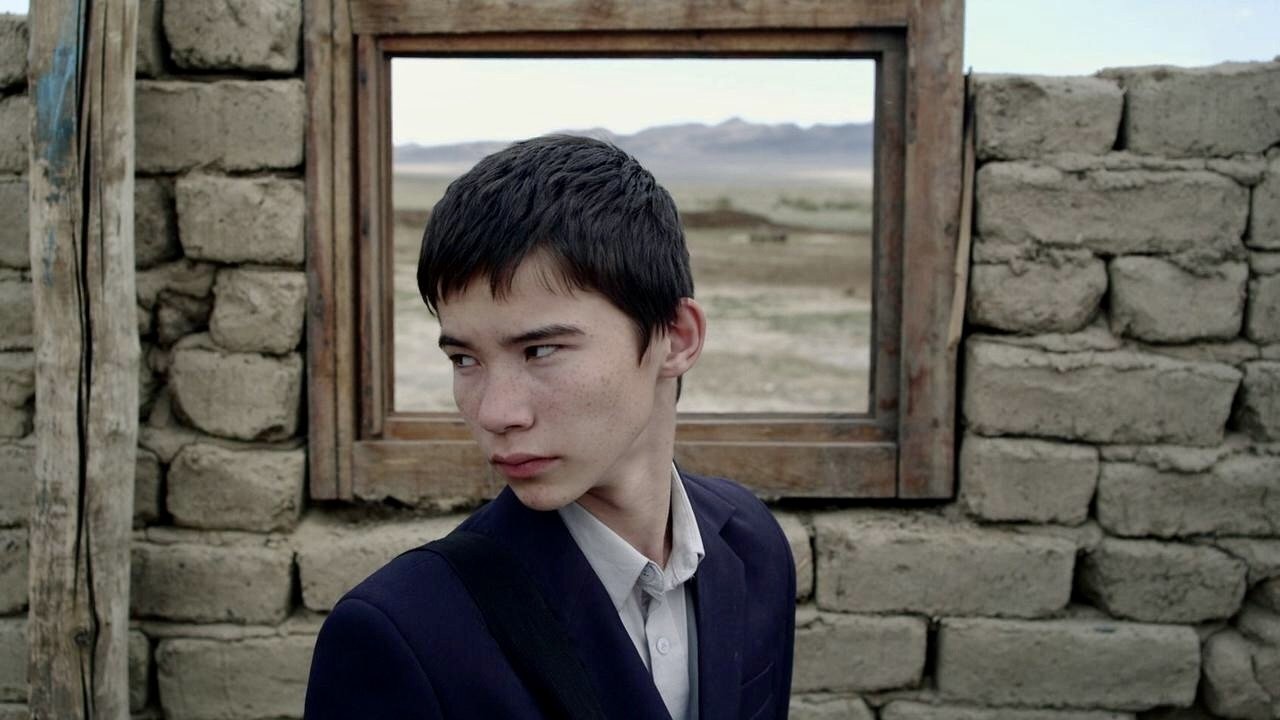
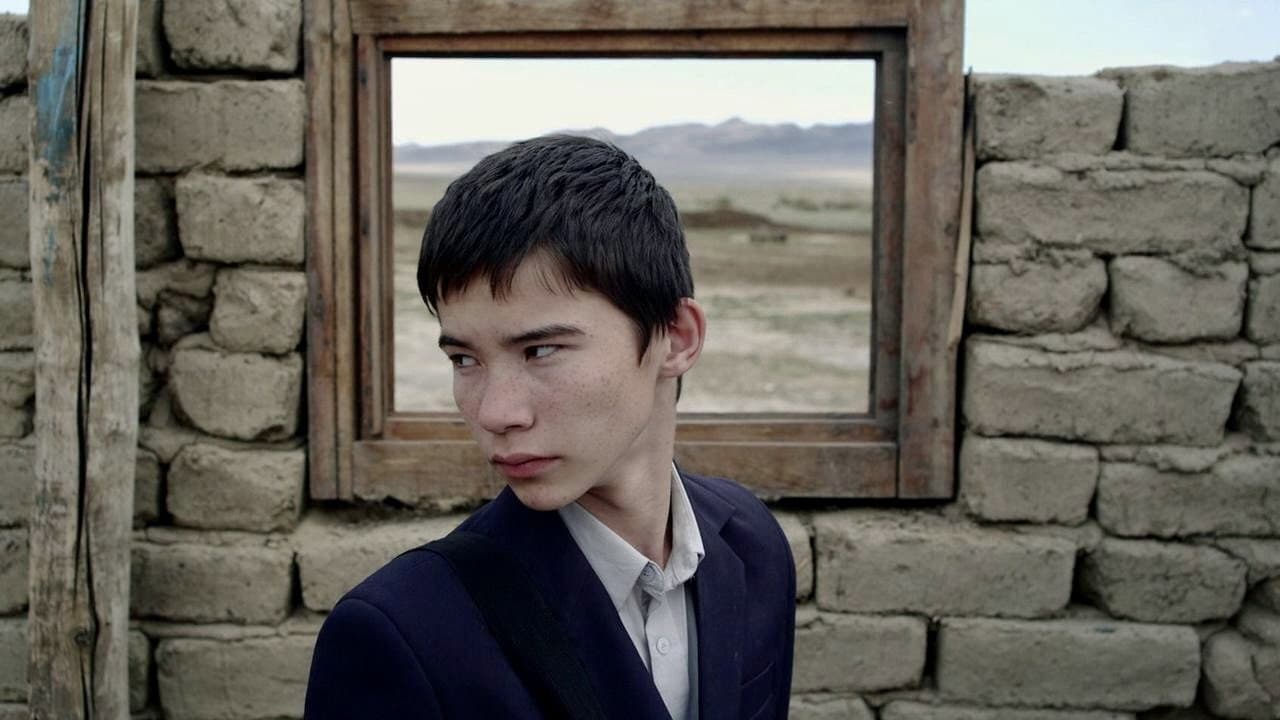
During a medical examination, 13-year-old Aslan is humiliated in front of a load of his fellow pupils. The incident unleashes his latent personality disorder. Plagued by self-doubt, he strives for cleanliness and perfection and is obsessed with trying to control everything around him. His compulsion draws Aslan, who lives with his grandmother in a village in Kazakhstan, into increasingly difficult situations. He abhors the way most of his fellow pupils are held in the sway of a criminal scheme, in which Bolat, one of Aslan’s tormentors, is also involved. Bolat blackmails the younger children into paying him protection money; he has nothing but contempt for ostracised Aslan.
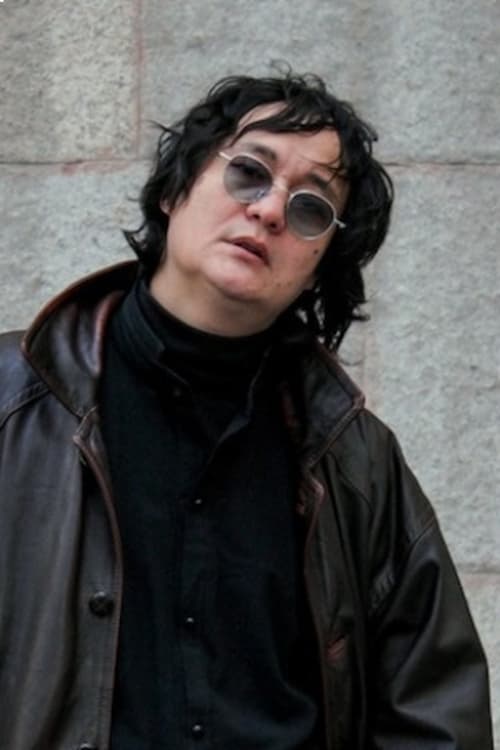
Directed by Emir Baigazin

IMDB
N/A
Cast

Timur Aidarbekov
Aslan

Anelya Adilbekova
Akzhan

Aslan Anarbayev
Bolat

Asan Mazhit
Shokan
Crew
Emir Baigazin
Director
Emir Baigazin
Writer
Emir Baigazin
Editor
Aziz Zhambakiev
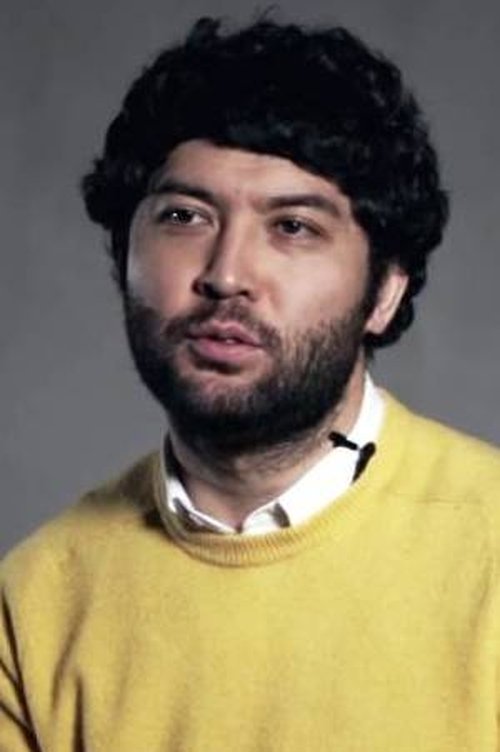
Director of Photography

Anna Katchko
Producer

Aliya Mendygozhina
Line Producer
Popular Reviews
45 reviews
eu.
9.0★ · 07/01/25
A RITUALISTIC DISSECTION OF POWER, FILMED IN ICE AND FORMALDEHYDE, WHERE CLEANLINESS MASKS ROT AND CONTROL DEVOURS COMPASSION.
this film unfolds like a precise incision in time measured, bloodless, and eerily antiseptic, as though each frame were chilled in moral frost, designed not to move but to expose. this film doesn’t relay a narrative in the conventional sense; instead, it sculpts an environment of ambient dread, a rigorously controlled space where discipline metastasizes into cruelty. it speaks not in plot, but in mood and mise-en-scène. through extended static shots that imprison its characters within bleak, geometric compositions, each corridor and corner echoing with institutional sterility. the absence of score becomes its own form of suffocation, letting silence pool like cold breath against a windowpane, while the monochrome palette, drained of all sensual warmth, suggests not detachment but a studied kind of emotional extinction. every movement is deliberate, almost ceremonial, as if the boys were already absorbed into a ritual of social violence masked as order. stillness dominates the film’s rhythm, and that stillness becomes punishing as if time itself were collapsing under surveillance. the film resists catharsis; it denies us empathy’s comforts. instead, it operates in the register of phenomenology, asking us not to witness but to inhabit its world, to feel the weight of authority on the body, the corrosion of innocence through repetition, the ghostly residue of systems left unnamed but deeply felt. this is cinema as pathology or as philosophical dissection, where aesthetics are wielded like surgical tools, and meaning lies not in what is said but in how the frame isolates, how it refuses intimacy, how it choreographs power into architecture. the coldness is not decorative it is ontological. it is how the film understands being: fractured, controlled, and quietly annihilated under the guise of order.
animals recur not just as background but as loaded visual metaphors, spectral presences that echo the film’s meditation on control, innocence, and moral disintegration. the sheep, in particular, is not simply slaughtered, it is sacrificed. the scene is shot with a ritualistic stillness, devoid of sentiment, turning death into ceremony. the sheep becomes a cipher. it mirrors aslan’s own condition, an organism shaped by silence and submission, offered up to a system that devours difference. its death marks more than a narrative shift; it fractures the emotional rhythm of the film. before the sheep, aslan moves like prey, his gestures tentative, his fear internalized. after, he begins to emulate the very violence he once shrank from, moving with a cold, observational detachment. the dissection of insects, the clinical gaze he casts upon nature, these become not just behavioral changes but philosophical ruptures an acts of quiet domination over smaller, weaker bodies, as if mastering them might restore some sense of order or moral symmetry. in this shift, the film traces the erosion of empathy with almost forensic detail, revealing how innocence doesn’t vanish all at once, it hardens, it calcifies, it becomes a habit of disconnection, until even acts of care are laced with cruelty. there’s a tragic clarity to it: the moment when a boy, once soft and porous, begins to see life not as something to protect, but something to dissect, control, and eventually extinguish.
the silence in this film isn’t passive, it metastasizes. it becomes an architecture of unspoken laws, a soft tyranny that governs not through force but through omission. it’s the kind of silence that rots slowly, infecting everything it touches. in this atmosphere, where nothing is named and everything is felt, language loses its power and gaze becomes law. aslan internalizes this void until it mutates his understanding of order, of control, of self. his obsession with cleanliness such as scraping his skin, sterilizing space, cutting into insects with clinical care isn’t just about ritual or compulsion. it’s an existential purge, a metaphysical protest against chaos. these actions aren’t explained, because they are not meant to be read as narrative, they’re cinematic expressions of psychological unraveling. his routines become a quiet theology of control, a form of sacred resistance against a world that has made him feel contaminated. he doesn’t speak it, but the camera shows it: trauma rendered through geometry, through texture, through repetition. stillness becomes a scream turned inward. what looks like discipline is actually desperation, an attempt to make sense of a life stripped of meaning, where violence has become banal and the body is the last frontier he can try to purify.
aslan, the boy entombed in the film’s hush, carries within him a soft, inward dread, a terror so still it almost resembles grace. set in the austere margins of rural kazakhstan, he exists not in a school, but within a simulation of control masquerading as education, where the architecture of authority is rehearsed through violence and the language of childhood is overwritten by the grammar of fear. this isn’t just institutional decay it’s a slow, deliberate reproduction of authoritarianism, where cruelty is passed down like folklore, disguised as order. the hierarchy among the students mirrors a militarized regime, not built by chance but inherited, rehearsed, and performed with chilling precision. in this microcosm, the school becomes less a space of becoming and more a training ground for submission, its corridors echoing with the quiet complicity of adults who have long surrendered to the machinery of indifference. aslan doesn’t just navigate this world he absorbs it, metabolizes its cruelty, until obedience becomes ritual and silence becomes a form of survival. his fear is not merely fear of violence it is fear shaped by systems, a philosophical kind of fear, the kind that arises when one realizes that power no longer needs to shout to be heard.
and when aslan finally enacts violence, it doesn’t arrive as an outburst of rage or a cry for justice, it unfolds with ritualistic calm, as if every gesture were preordained, an act of spiritual correction rather than vengeance. it is surgical, measured, disturbingly pure. there is no catharsis, only a quiet unraveling of moral clarity. the film refuses to frame him as either martyr or monster; instead, it lets the moment sit in a liminal, disquieting space, where intention dissolves and consequence speaks louder than motive. his act is not born from impulse but from a logic so deeply rooted in the architecture of abuse that it feels inevitable. he doesn’t break the system, he replicates it with chilling precision, becoming its perfect reflection, its final product. the horror lies not in the violence itself, but in how coherent it feels, how the structure that failed to protect him has instead instructed him, rehearsed him, shaped him to respond in kind. the real wound isn’t the act, it’s the understanding that this was the only language the world ever taught him to speak.
the school in this film isn’t an institution of growth but a quiet machine of dehumanization, where the architecture itself feels sterile and spiritless, echoing the emotional absence of the adults inside it. teachers drift like shadows, indifferent and unreachable, their presence more haunting than helpful, their power either hollow or weaponized. the classrooms feel less like spaces of inquiry and more like holding cells, where routine replaces curiosity and students are reduced to ranks and roles. yhere’s a suffocating stillness to it all long, symmetrical shots, subdued lighting, wide frames that dwarf the students inside them, visually reinforcing how small and unseen they are within a system designed to flatten them. authority functions as surveillance, not guidance, and the supposed structure of education becomes a quiet war on individuality, rewarding the most obedient and silencing those who fracture. the violence isn’t loud; it seeps in through repetition, in how no one speaks when someone’s hurt, in how every gesture of care is withheld. what’s so devastating is how the film understands that a child doesn’t need to be screamed at to be broken, they only need to be ignored long enough. aslan’s arc isn’t shaped by a single moment but by the accumulation of everyday cruelties, so mundane they almost go unnoticed. his collapse isn’t cinematic in the traditional sense; it’s internal, atmospheric, and made visible through visual stillness, behavioral restraint, and the haunted texture of silence.
what this film captures with such haunting precision is how systemic violence, when left to rot in silence, seeps into the skin like cold air, unnoticed until it numbs something essential. the film doesn’t just depict brutality; it observes how cruelty becomes mundane, how boys learn to mimic the power structures that quietly deform them. aslan isn’t simply a victim, he becomes the aftermath, a fragile soul reshaped by a world that teaches control through fear and moral detachment. his stillness, his obsession with order, his descent into ritualistic behavior are not just character traits but symptoms, each framed with clinical cinematography and long, detached takes that let the atmosphere speak louder than dialogue. you begin to feel the weight of the empty space around him, a silence that isn’t peaceful, but punishing. in this way, the film becomes less about one boy and more about the machinery that produces him, a stark allegory of how institutions fail the sensitive, and how emotional erosion begins not with loud trauma, but with the quiet normalization of harm disguised as discipline.
rated 4.5 stars. i love this kind of coming of age films. i love how his obsession with hygiene becomes a metaphor for internal corruption. it’s as if he’s trying to scrub away something the world already buried inside him. the film turns these small gestures into symbolic acts: cleaning not to become clean, but to escape contamination by a moral decay that surrounds him.
: auteur-coded *:・
A RITUALISTIC DISSECTION OF POWER, FILMED IN ICE AND FORMALDEHYDE, WHERE CLEANLINESS MASKS ROT AND CONTROL DEVOURS COMPASSION.
this film unfolds like a precise incision in time measured, bloodless, and eerily antiseptic, as though each frame were chilled in moral frost, designed not to move but to expose. this film doesn’t relay a narrative in the conventional sense; instead, it sculpts an environment of ambient dread, a rigorously controlled space where discipline metastasizes into cruelty. it speaks not in plot, but in mood and mise-en-scène. through extended static shots that imprison its characters within bleak, geometric compositions, each corridor and corner echoing with institutional sterility. the absence of score becomes its own form of suffocation, letting silence pool like cold breath against a windowpane, while the monochrome palette, drained of all sensual warmth, suggests not detachment but a studied kind of emotional extinction. every movement is deliberate, almost ceremonial, as if the boys were already absorbed into a ritual of social violence masked as order. stillness dominates the film’s rhythm, and that stillness becomes punishing as if time itself were collapsing under surveillance. the film resists catharsis; it denies us empathy’s comforts. instead, it operates in the register of phenomenology, asking us not to witness but to inhabit its world, to feel the weight of authority on the body, the corrosion of innocence through repetition, the ghostly residue of systems left unnamed but deeply felt. this is cinema as pathology or as philosophical dissection, where aesthetics are wielded like surgical tools, and meaning lies not in what is said but in how the frame isolates, how it refuses intimacy, how it choreographs power into architecture. the coldness is not decorative it is ontological. it is how the film understands being: fractured, controlled, and quietly annihilated under the guise of order.
animals recur not just as background but as loaded visual metaphors, spectral presences that echo the film’s meditation on control, innocence, and moral disintegration. the sheep, in particular, is not simply slaughtered, it is sacrificed. the scene is shot with a ritualistic stillness, devoid of sentiment, turning death into ceremony. the sheep becomes a cipher. it mirrors aslan’s own condition, an organism shaped by silence and submission, offered up to a system that devours difference. its death marks more than a narrative shift; it fractures the emotional rhythm of the film. before the sheep, aslan moves like prey, his gestures tentative, his fear internalized. after, he begins to emulate the very violence he once shrank from, moving with a cold, observational detachment. the dissection of insects, the clinical gaze he casts upon nature, these become not just behavioral changes but philosophical ruptures an acts of quiet domination over smaller, weaker bodies, as if mastering them might restore some sense of order or moral symmetry. in this shift, the film traces the erosion of empathy with almost forensic detail, revealing how innocence doesn’t vanish all at once, it hardens, it calcifies, it becomes a habit of disconnection, until even acts of care are laced with cruelty. there’s a tragic clarity to it: the moment when a boy, once soft and porous, begins to see life not as something to protect, but something to dissect, control, and eventually extinguish.
the silence in this film isn’t passive, it metastasizes. it becomes an architecture of unspoken laws, a soft tyranny that governs not through force but through omission. it’s the kind of silence that rots slowly, infecting everything it touches. in this atmosphere, where nothing is named and everything is felt, language loses its power and gaze becomes law. aslan internalizes this void until it mutates his understanding of order, of control, of self. his obsession with cleanliness such as scraping his skin, sterilizing space, cutting into insects with clinical care isn’t just about ritual or compulsion. it’s an existential purge, a metaphysical protest against chaos. these actions aren’t explained, because they are not meant to be read as narrative, they’re cinematic expressions of psychological unraveling. his routines become a quiet theology of control, a form of sacred resistance against a world that has made him feel contaminated. he doesn’t speak it, but the camera shows it: trauma rendered through geometry, through texture, through repetition. stillness becomes a scream turned inward. what looks like discipline is actually desperation, an attempt to make sense of a life stripped of meaning, where violence has become banal and the body is the last frontier he can try to purify.
aslan, the boy entombed in the film’s hush, carries within him a soft, inward dread, a terror so still it almost resembles grace. set in the austere margins of rural kazakhstan, he exists not in a school, but within a simulation of control masquerading as education, where the architecture of authority is rehearsed through violence and the language of childhood is overwritten by the grammar of fear. this isn’t just institutional decay it’s a slow, deliberate reproduction of authoritarianism, where cruelty is passed down like folklore, disguised as order. the hierarchy among the students mirrors a militarized regime, not built by chance but inherited, rehearsed, and performed with chilling precision. in this microcosm, the school becomes less a space of becoming and more a training ground for submission, its corridors echoing with the quiet complicity of adults who have long surrendered to the machinery of indifference. aslan doesn’t just navigate this world he absorbs it, metabolizes its cruelty, until obedience becomes ritual and silence becomes a form of survival. his fear is not merely fear of violence it is fear shaped by systems, a philosophical kind of fear, the kind that arises when one realizes that power no longer needs to shout to be heard.
and when aslan finally enacts violence, it doesn’t arrive as an outburst of rage or a cry for justice, it unfolds with ritualistic calm, as if every gesture were preordained, an act of spiritual correction rather than vengeance. it is surgical, measured, disturbingly pure. there is no catharsis, only a quiet unraveling of moral clarity. the film refuses to frame him as either martyr or monster; instead, it lets the moment sit in a liminal, disquieting space, where intention dissolves and consequence speaks louder than motive. his act is not born from impulse but from a logic so deeply rooted in the architecture of abuse that it feels inevitable. he doesn’t break the system, he replicates it with chilling precision, becoming its perfect reflection, its final product. the horror lies not in the violence itself, but in how coherent it feels, how the structure that failed to protect him has instead instructed him, rehearsed him, shaped him to respond in kind. the real wound isn’t the act, it’s the understanding that this was the only language the world ever taught him to speak.
the school in this film isn’t an institution of growth but a quiet machine of dehumanization, where the architecture itself feels sterile and spiritless, echoing the emotional absence of the adults inside it. teachers drift like shadows, indifferent and unreachable, their presence more haunting than helpful, their power either hollow or weaponized. the classrooms feel less like spaces of inquiry and more like holding cells, where routine replaces curiosity and students are reduced to ranks and roles. yhere’s a suffocating stillness to it all long, symmetrical shots, subdued lighting, wide frames that dwarf the students inside them, visually reinforcing how small and unseen they are within a system designed to flatten them. authority functions as surveillance, not guidance, and the supposed structure of education becomes a quiet war on individuality, rewarding the most obedient and silencing those who fracture. the violence isn’t loud; it seeps in through repetition, in how no one speaks when someone’s hurt, in how every gesture of care is withheld. what’s so devastating is how the film understands that a child doesn’t need to be screamed at to be broken, they only need to be ignored long enough. aslan’s arc isn’t shaped by a single moment but by the accumulation of everyday cruelties, so mundane they almost go unnoticed. his collapse isn’t cinematic in the traditional sense; it’s internal, atmospheric, and made visible through visual stillness, behavioral restraint, and the haunted texture of silence.
what this film captures with such haunting precision is how systemic violence, when left to rot in silence, seeps into the skin like cold air, unnoticed until it numbs something essential. the film doesn’t just depict brutality; it observes how cruelty becomes mundane, how boys learn to mimic the power structures that quietly deform them. aslan isn’t simply a victim, he becomes the aftermath, a fragile soul reshaped by a world that teaches control through fear and moral detachment. his stillness, his obsession with order, his descent into ritualistic behavior are not just character traits but symptoms, each framed with clinical cinematography and long, detached takes that let the atmosphere speak louder than dialogue. you begin to feel the weight of the empty space around him, a silence that isn’t peaceful, but punishing. in this way, the film becomes less about one boy and more about the machinery that produces him, a stark allegory of how institutions fail the sensitive, and how emotional erosion begins not with loud trauma, but with the quiet normalization of harm disguised as discipline.
rated 4.5 stars. i love this kind of coming of age films. i love how his obsession with hygiene becomes a metaphor for internal corruption. it’s as if he’s trying to scrub away something the world already buried inside him. the film turns these small gestures into symbolic acts: cleaning not to become clean, but to escape contamination by a moral decay that surrounds him.
: auteur-coded *:・

2

starskennw
7.0★ · 02/11/26
это был полный пиздец, самый странный фильм в моей жизни
это был полный пиздец, самый странный фильм в моей жизни
amilwi
9.0★ · 12/22/25
наш трушный+казахский+андерграундный лузеркор бой🦾🦾
наш трушный+казахский+андерграундный лузеркор бой🦾🦾
Ari
9.0★ · 12/21/25
один из тех фильмов, которые нужно пересматривать, чтобы насладиться всем визуалом и метафорами. Очень отстраненный, холодный, и чуждый герой. с одной стороны сразу понимаешь, что он сделает чтото плохое, с другой стороны надеешься на то, что он не позволит себе этого сделать.
безумно интересно наблюдать было за расскрытием персонажей; и финальной сценой. Мирсаин как образ друга, хранителя. И Аслан пытается понять его место в этом мире; пытаясь изменить систему и пищевую цепочку. рисунок треугольника в квардрате и круге, тоже прикол.
И школа (соглы соглы) это такой же механизм, который нельзя поменять. Она не развивает, не делает из тебя человека, она делает конформиста, человека-функцию. И такие люди как Аслан не вписываются туда, и в попытке осознать. разламываются. И та обыденность пугает.
Очень люблю фильмы, которые играют на контрастах. Тихое, мирное и грязное, мокрое. И всегда они для меня становятся цикличными и в форме круга. Хотя мир фильма наоборот достаточно геометричный и прямой, с углами. Постоянное желание Аслана отмыться от чего-то, в конце фильма тоже вода - чистилище, но оно уже ему неподвластно.
SIDENOTE: Если вам залез этот фильм в душу, прочитайте Heaven by Mieko Kawakami, похожое разбирания.
безумно интересно наблюдать было за расскрытием персонажей; и финальной сценой. Мирсаин как образ друга, хранителя. И Аслан пытается понять его место в этом мире; пытаясь изменить систему и пищевую цепочку. рисунок треугольника в квардрате и круге, тоже прикол.
И школа (соглы соглы) это такой же механизм, который нельзя поменять. Она не развивает, не делает из тебя человека, она делает конформиста, человека-функцию. И такие люди как Аслан не вписываются туда, и в попытке осознать. разламываются. И та обыденность пугает.
Очень люблю фильмы, которые играют на контрастах. Тихое, мирное и грязное, мокрое. И всегда они для меня становятся цикличными и в форме круга. Хотя мир фильма наоборот достаточно геометричный и прямой, с углами. Постоянное желание Аслана отмыться от чего-то, в конце фильма тоже вода - чистилище, но оно уже ему неподвластно.
SIDENOTE: Если вам залез этот фильм в душу, прочитайте Heaven by Mieko Kawakami, похожое разбирания.
один из тех фильмов, которые нужно пересматривать, чтобы насладиться всем визуалом и метафорами. Очень отстраненный, холодный, и чуждый герой. с одной стороны сразу понимаешь, что он сделает чтото плохое, с другой стороны надеешься на то, что он не позволит себе этого сделать.
безумно интересно наблюдать было за расскрытием персонажей; и финальной сценой. Мирсаин как образ друга, хранителя. И Аслан пытается понять его место в этом мире; пытаясь изменить систему и пищевую цепочку. рисунок треугольника в квардрате и круге, тоже прикол.
И школа (соглы соглы) это такой же механизм, который нельзя поменять. Она не развивает, не делает из тебя человека, она делает конформиста, человека-функцию. И такие люди как Аслан не вписываются туда, и в попытке осознать. разламываются. И та обыденность пугает.
Очень люблю фильмы, которые играют на контрастах. Тихое, мирное и грязное, мокрое. И всегда они для меня становятся цикличными и в форме круга. Хотя мир фильма наоборот достаточно геометричный и прямой, с углами. Постоянное желание Аслана отмыться от чего-то, в конце фильма тоже вода - чистилище, но оно уже ему неподвластно.
SIDENOTE: Если вам залез этот фильм в душу, прочитайте Heaven by Mieko Kawakami, похожое разбирания.
безумно интересно наблюдать было за расскрытием персонажей; и финальной сценой. Мирсаин как образ друга, хранителя. И Аслан пытается понять его место в этом мире; пытаясь изменить систему и пищевую цепочку. рисунок треугольника в квардрате и круге, тоже прикол.
И школа (соглы соглы) это такой же механизм, который нельзя поменять. Она не развивает, не делает из тебя человека, она делает конформиста, человека-функцию. И такие люди как Аслан не вписываются туда, и в попытке осознать. разламываются. И та обыденность пугает.
Очень люблю фильмы, которые играют на контрастах. Тихое, мирное и грязное, мокрое. И всегда они для меня становятся цикличными и в форме круга. Хотя мир фильма наоборот достаточно геометричный и прямой, с углами. Постоянное желание Аслана отмыться от чего-то, в конце фильма тоже вода - чистилище, но оно уже ему неподвластно.
SIDENOTE: Если вам залез этот фильм в душу, прочитайте Heaven by Mieko Kawakami, похожое разбирания.
kamila
9.0★ · 07/29/25
film fest fodder artsy thing very much needed and exciting purely because it came from a kazakh point of view (even the most whitewashed citydwelling kz cunt and by that logic any pretentious arthouse freak will be able to go ooh this is so real). a very beautiful and brutal depiction of the countryside, personality disorders and coming of age.
obligatory aslan is soooo me.
obligatory aslan is soooo me.
film fest fodder artsy thing very much needed and exciting purely because it came from a kazakh point of view (even the most whitewashed citydwelling kz cunt and by that logic any pretentious arthouse freak will be able to go ooh this is so real). a very beautiful and brutal depiction of the countryside, personality disorders and coming of age.
obligatory aslan is soooo me.
obligatory aslan is soooo me.