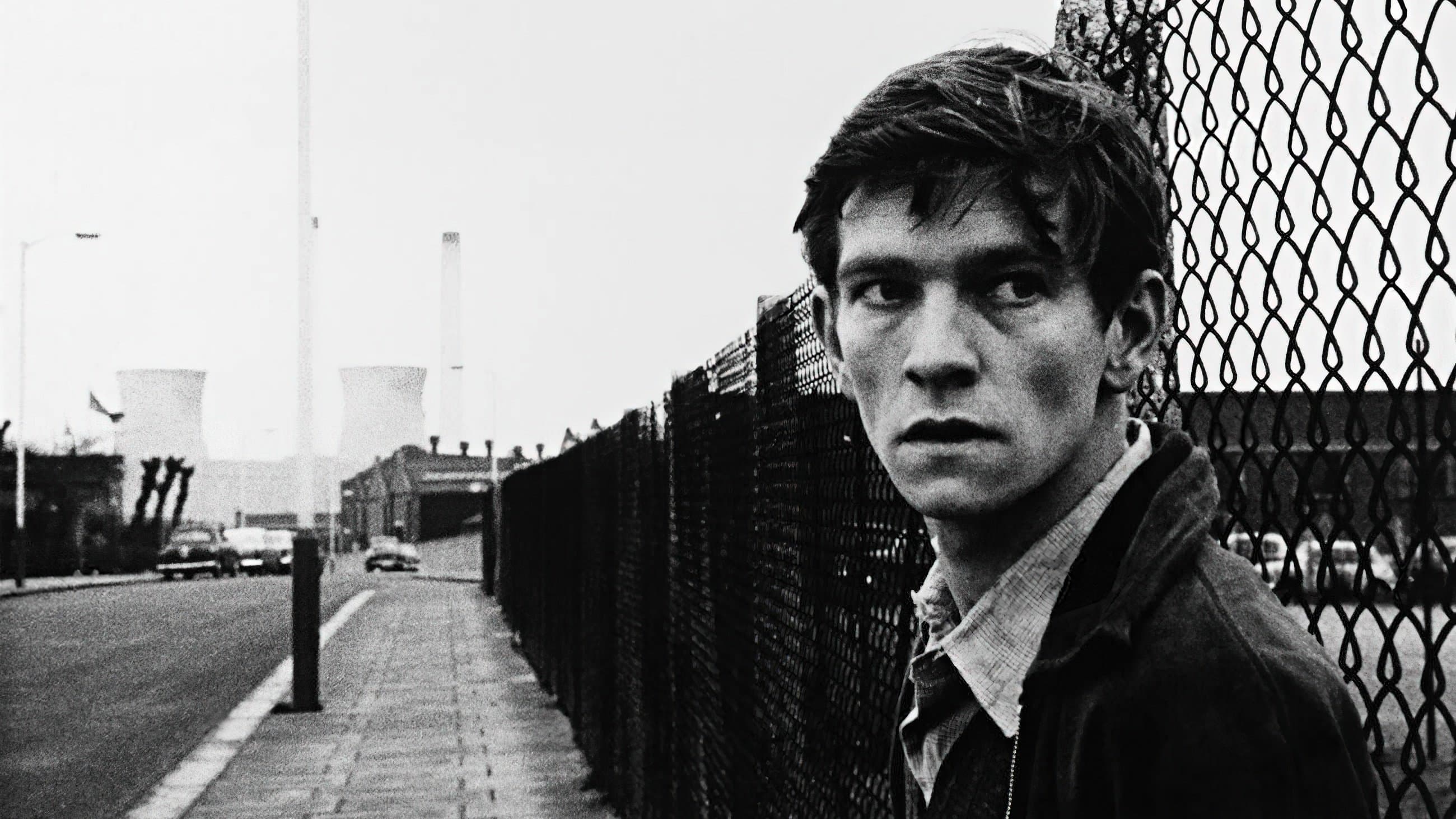
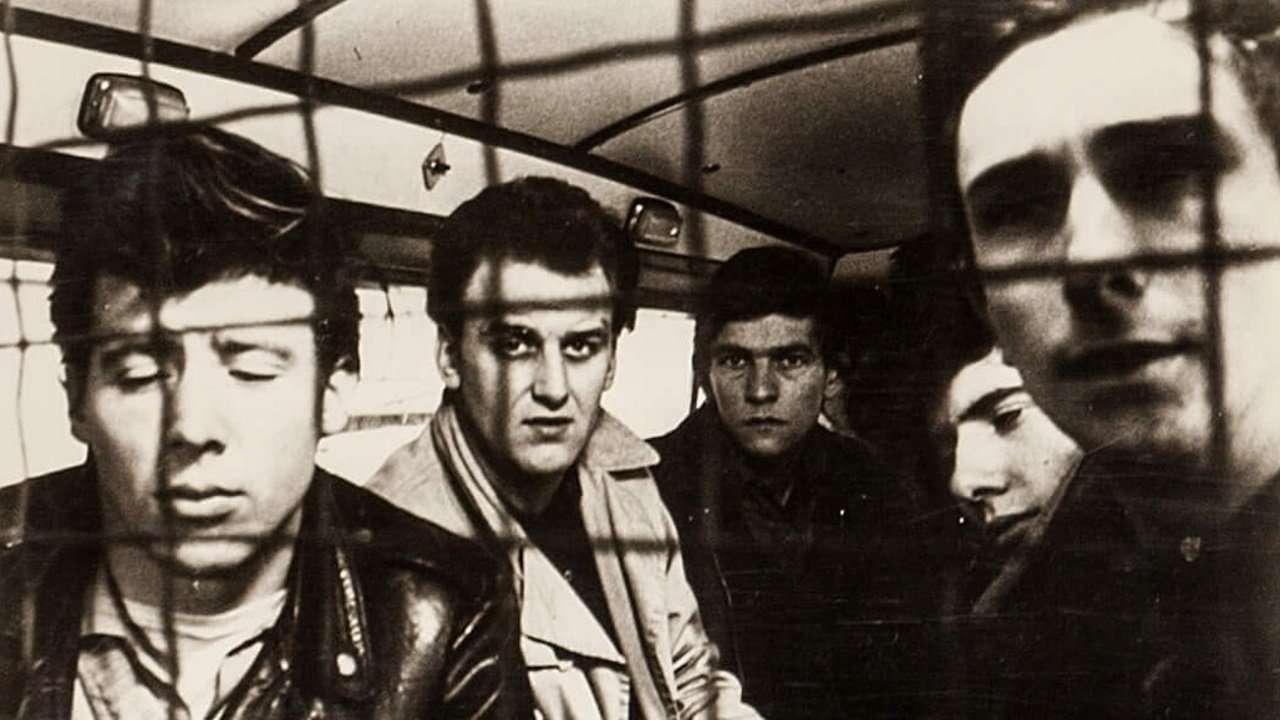
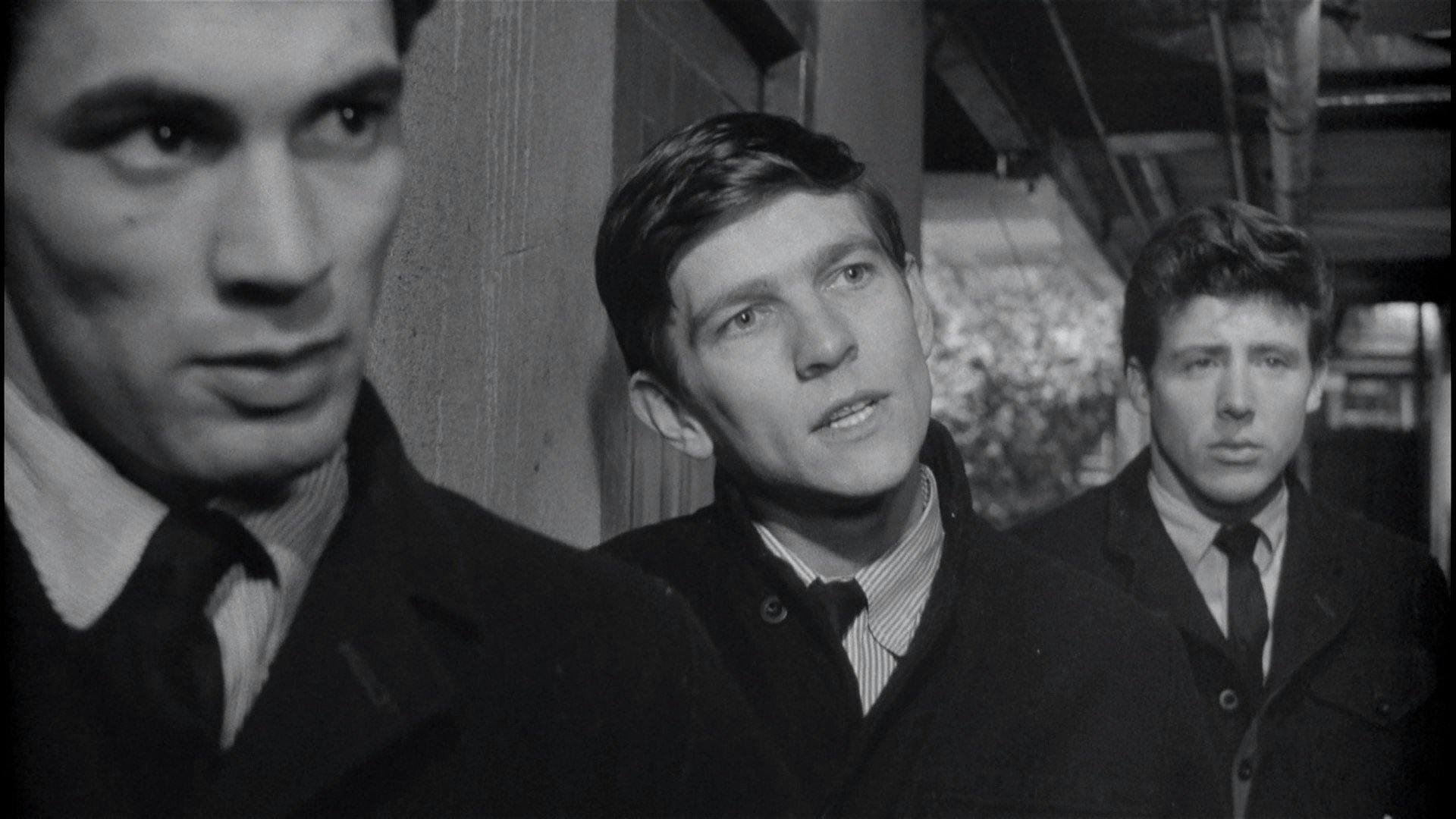
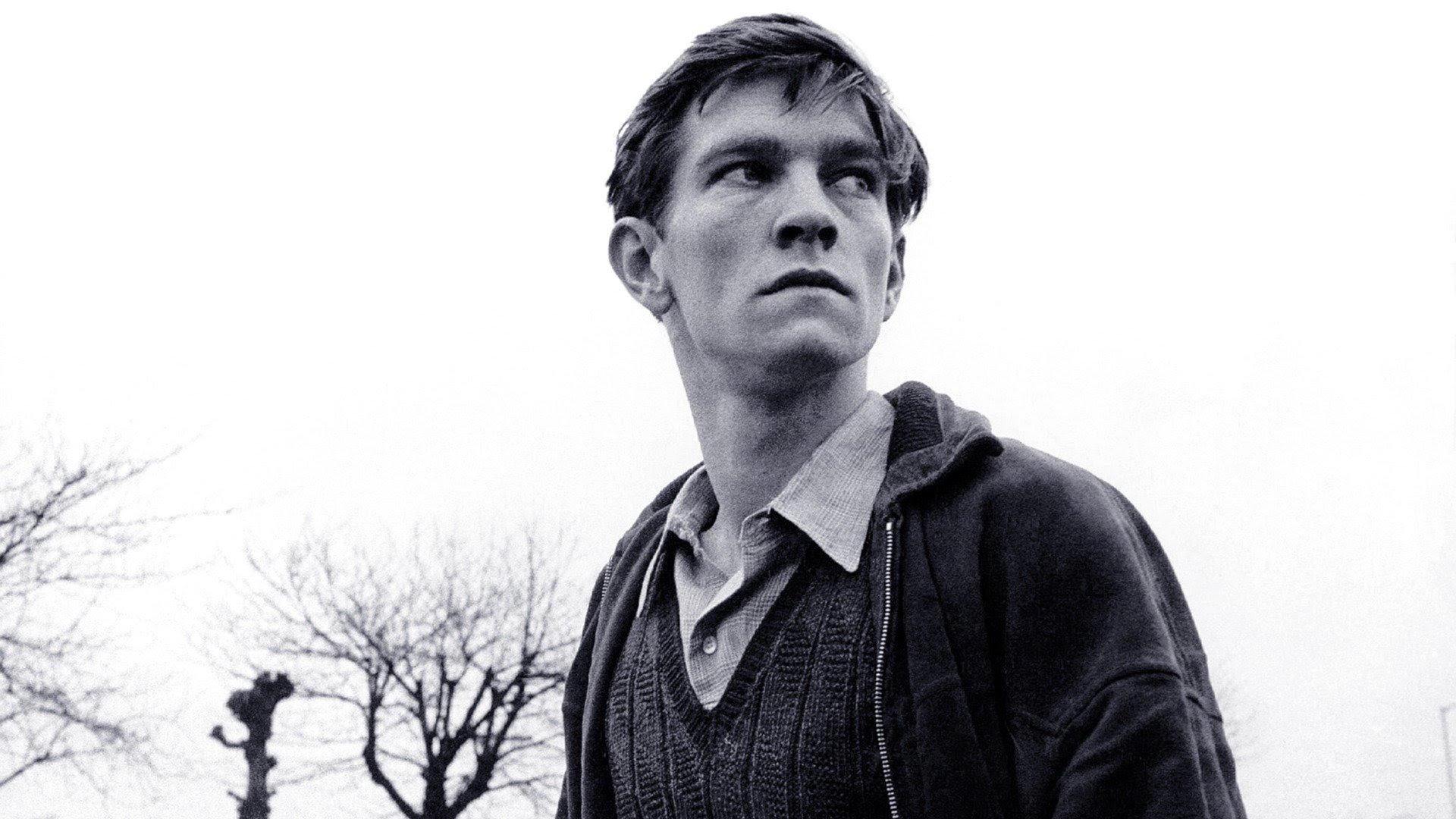
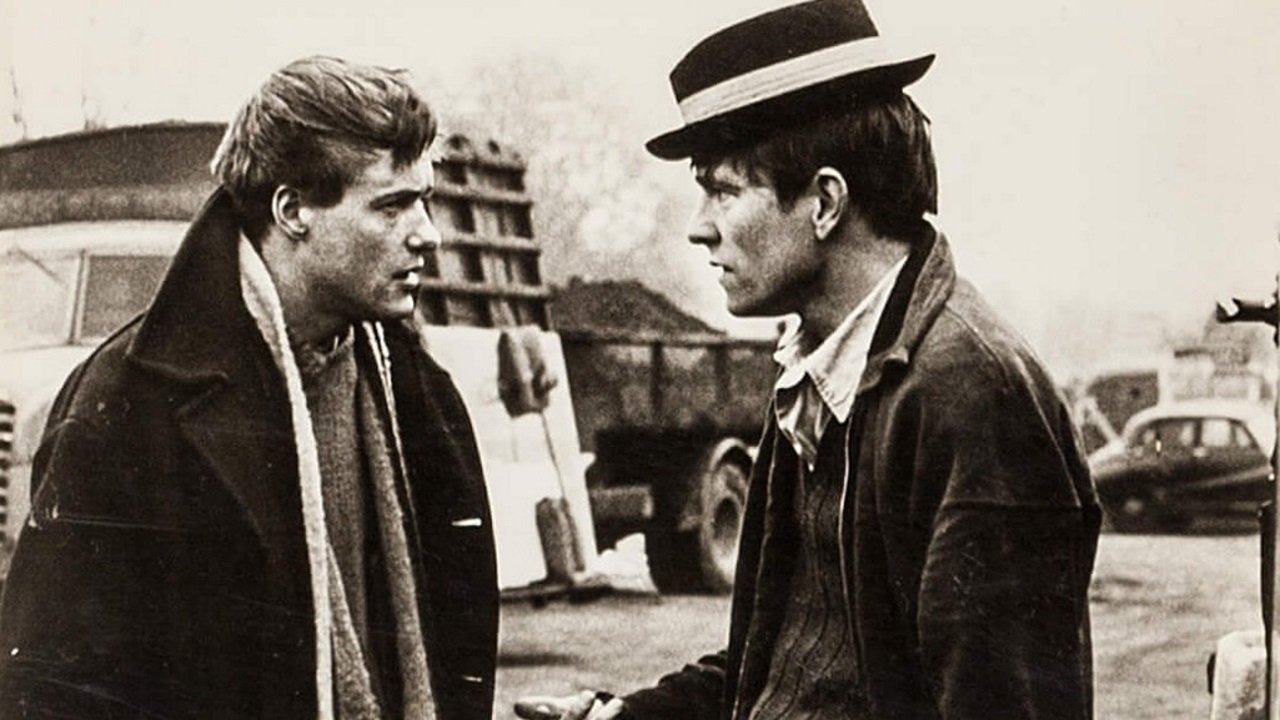
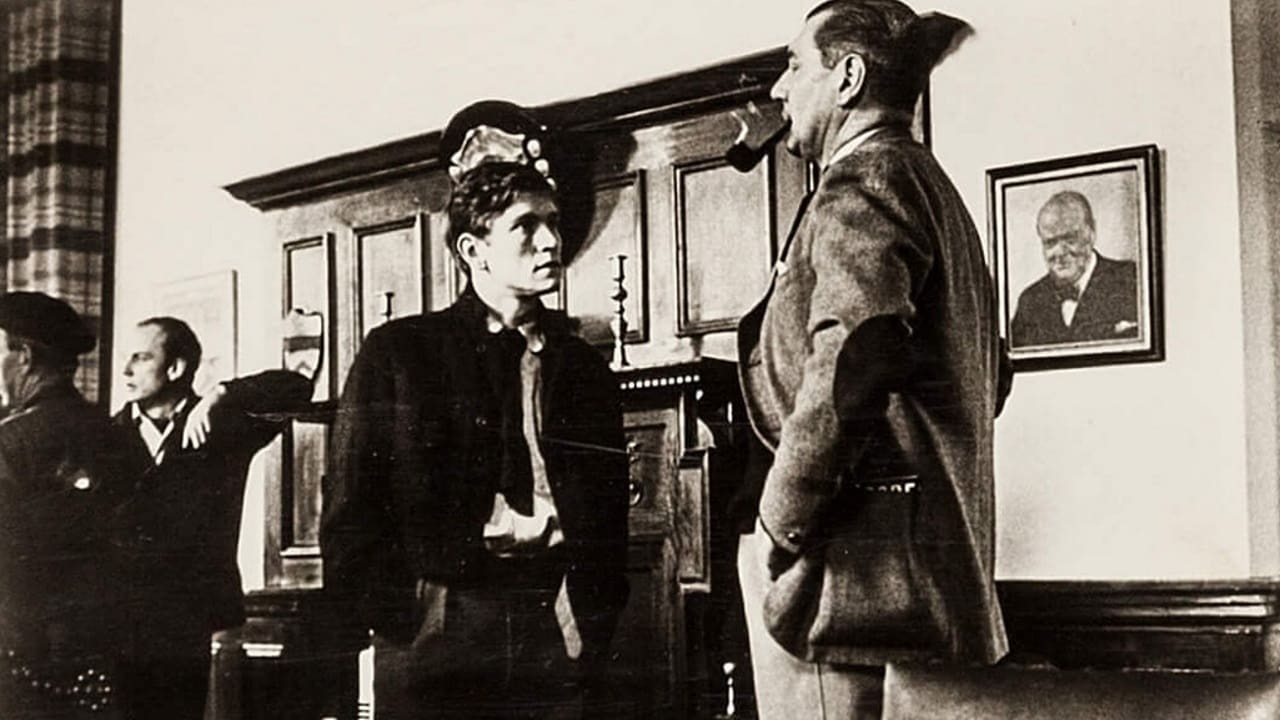
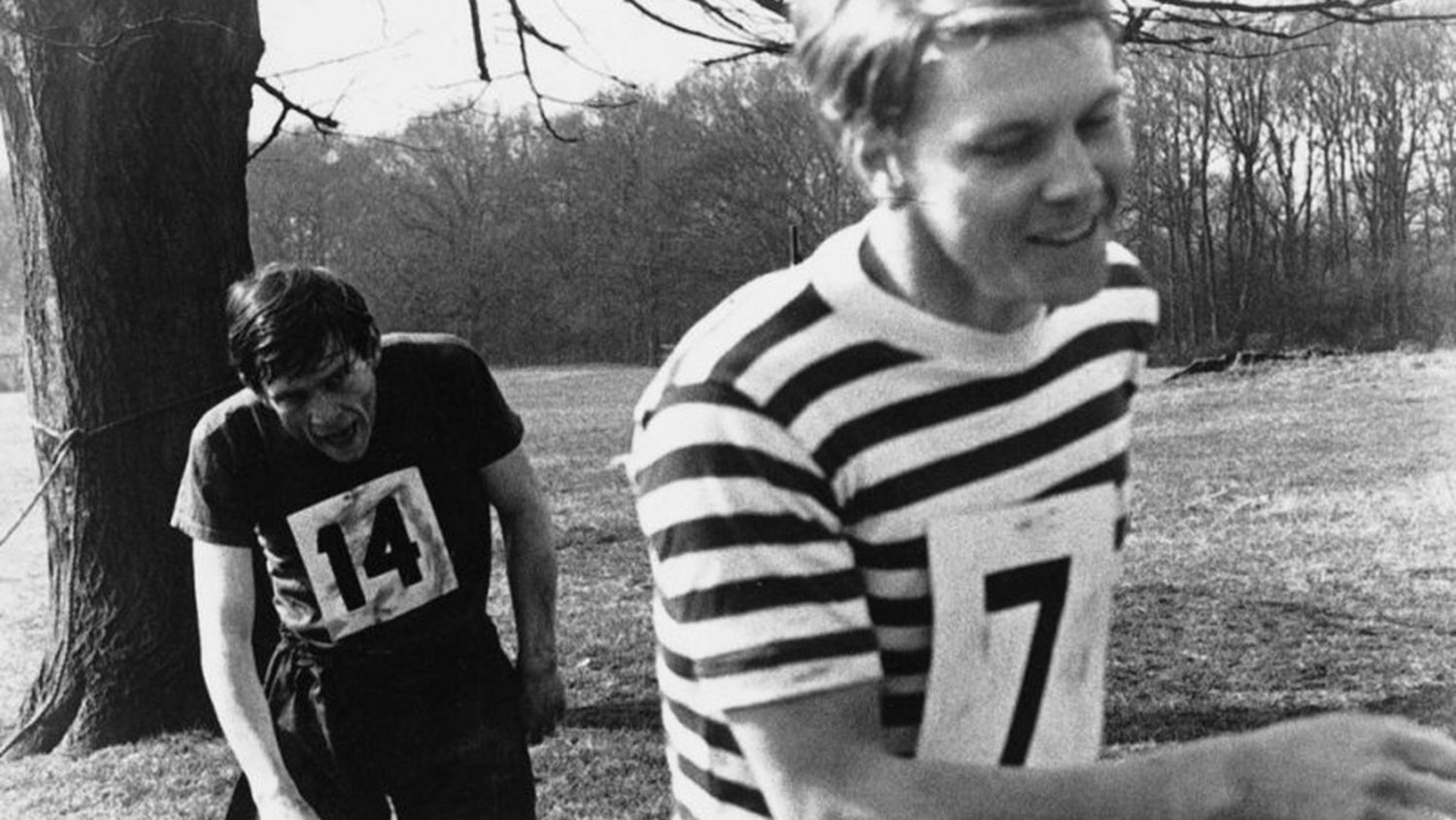
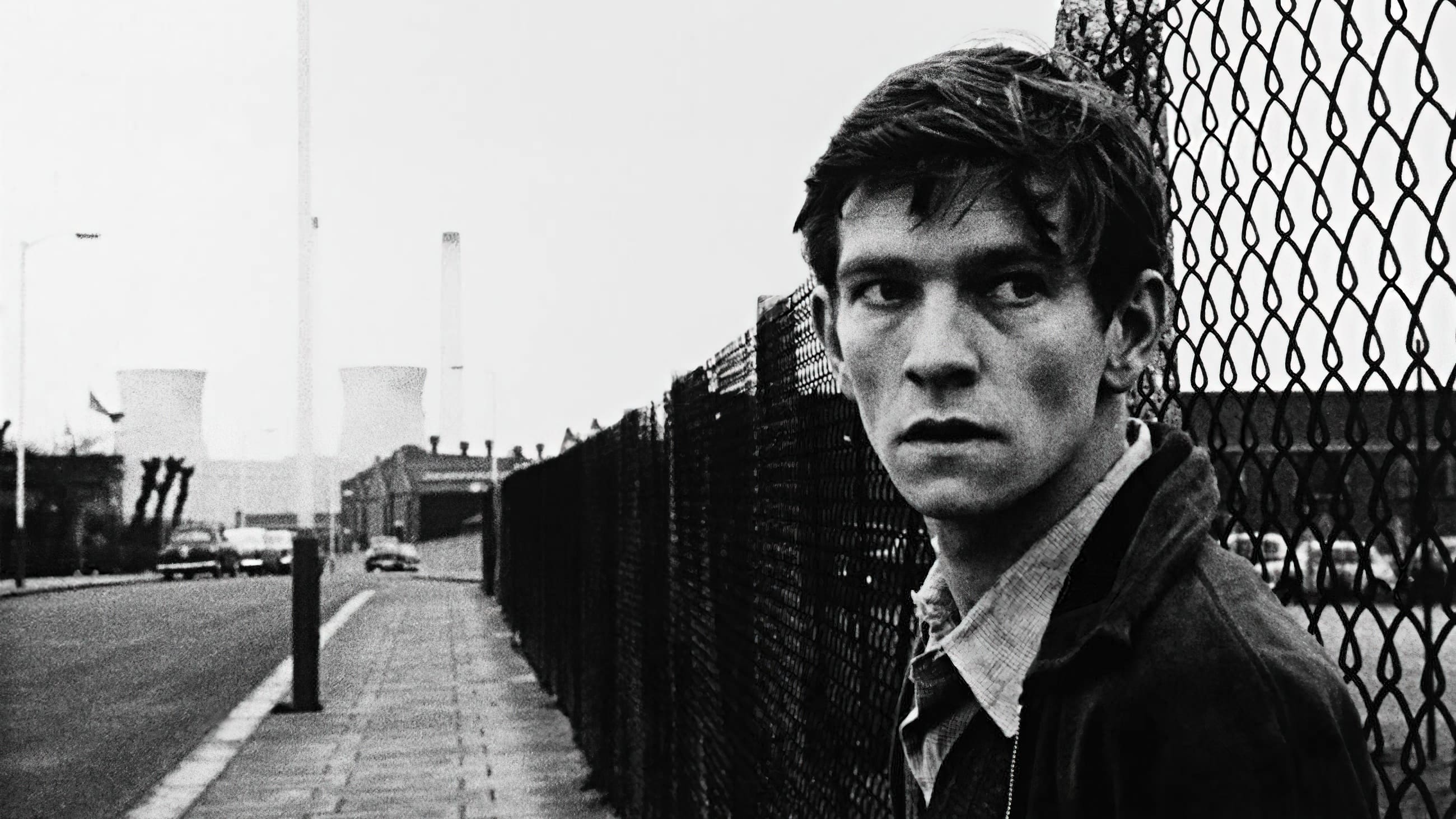
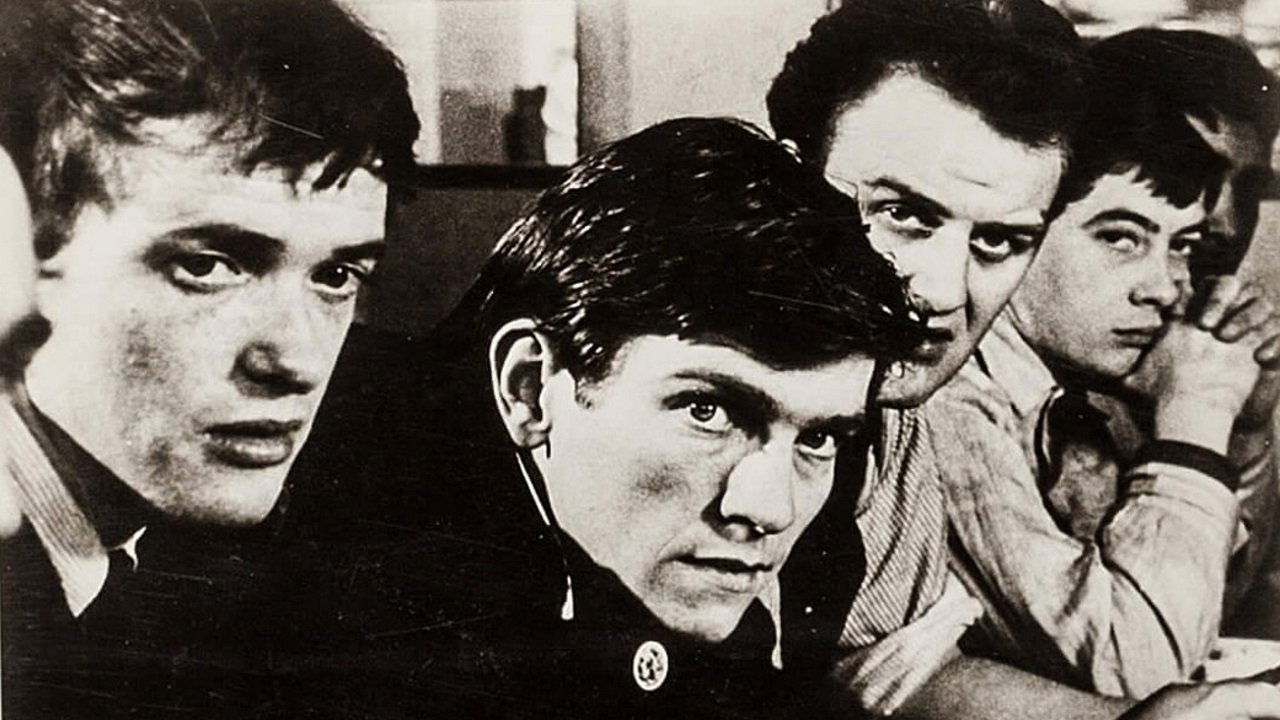
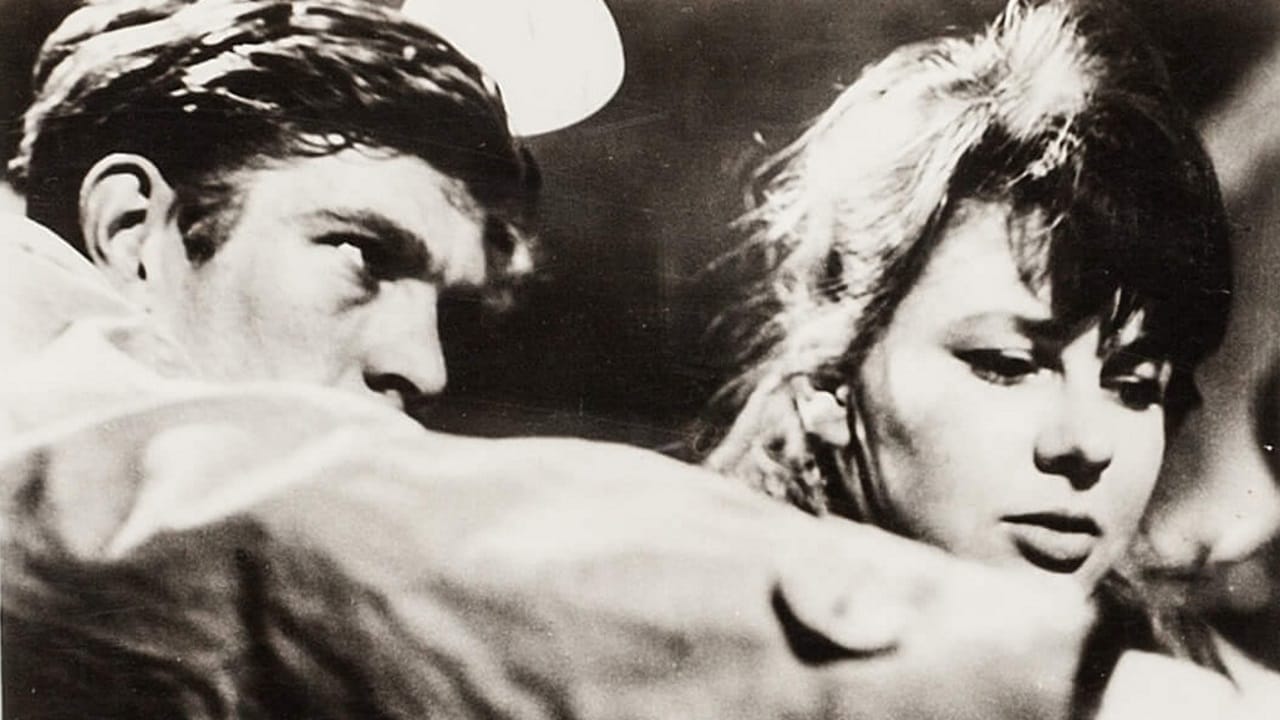
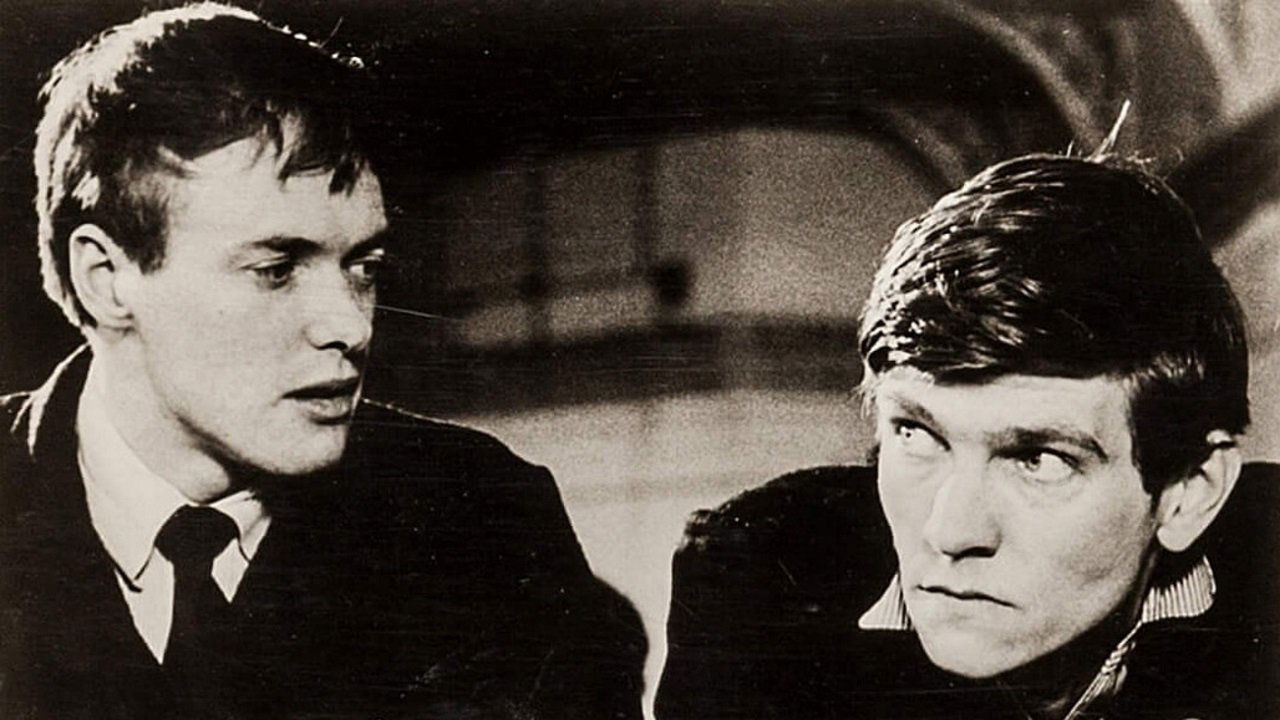
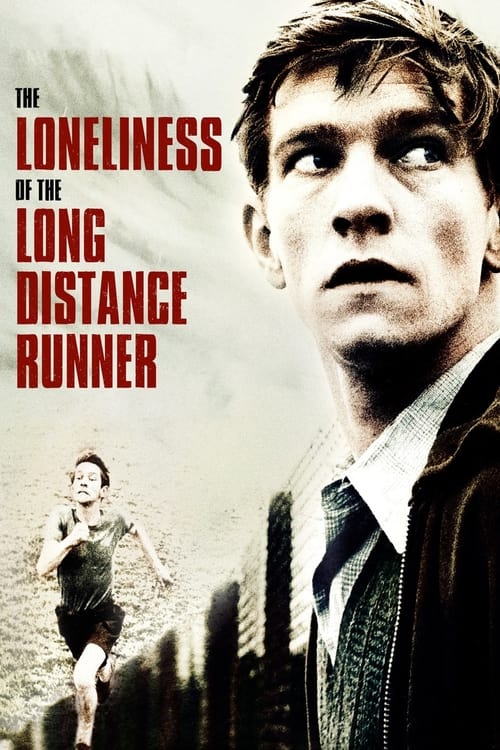
A rebellious youth, sentenced to a boy’s reformatory for robbing a bakery, rises through the ranks of the institution by impressing its Governor through his prowess as a long distance runner. He is encouraged to compete in an upcoming race, but faces ridicule from his peers.
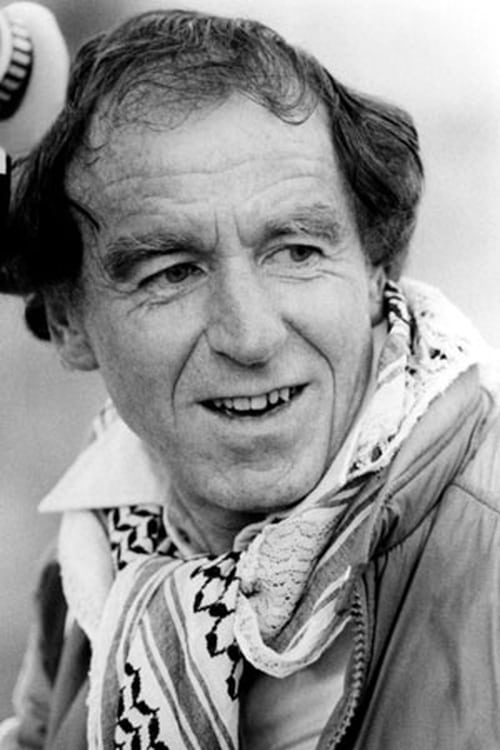
Directed by Tony Richardson
prison
sports
rebel
based on short story
kitchen sink realism
borstal
Trailer
IMDB
N/A
Where to Watch
Cast
Michael Redgrave
Ruxton Towers Reformatory Governor
Tom Courtenay
Colin Smith
Avis Bunnage
Mrs. Smith
Alec McCowen
Brown, House Master
James Bolam
Mike
Joe Robinson
Roach
Julia Foster
Gladys
James Fox
Willy Gunthorpe - Ranley School Runner (uncredited)
John Thaw
Bosworth (uncredited)
Arthur Mullard
Chief Borstal Officer (uncredited)
Philip Martin
Stacy (uncredited)
Peter Madden
Mr. Smith (uncredited)
Crew
Tony Richardson
Director
Walter Lassally
Director of Photography
Tony Richardson
Producer
Desmond Davis
Camera Operator
John Addison
Music
Popular Reviews
43 reviews
alicia
7.0★ · 10/08/25
vamos chaval corre por tu libertad
vamos chaval corre por tu libertad
1
alika
8.0★ · 05/11/26
i was alway trying to get lost when i was a kid
i was alway trying to get lost when i was a kid
hungerstone
10.0★ · 02/14/26
run boy, run
run boy, run
Tommy Giacomini
8.0★ · 11/02/25
I really liked this, my eyes have been opened to British New Wave cinema 🤤🤤
I really liked this, my eyes have been opened to British New Wave cinema 🤤🤤
polina
9.0★ · 05/06/25
It has one of the most captivating uses of b/w photography that I've seen; I'm in love with the way this film looks, as well as the growth of notions like independence, self-discovery, and rejection of conformist norms here. the orchestral Nino Rota-like music, which becomes clearer as the main character progresses, is excellent. and I really appreciate how it plays with the contrasts between a minimalist, bleak visual and a highly inspiring, hopeful plot. there are a lot of scenes centered around social interaction and teamwork, which makes sense given that Colin's character is apparently the voice of the whole of Britain in the early 60s> the ending demonstrates the most mature position any of us can serve: a deliberate rejection of the importance of public approbation. If he is already a winner for himself, why would he formally demonstrate his success for others? I appreciate the variety of interpretations that might be made of the running scenes' metaphorical nature. running is like escapism, as the main character attempts to escape from reality. running is like gaining freedom and fleeing a terrible environment and situations. running is like opportunity to boost his social position and monetize it, but also to lose the sensations of freedom and independence that he previously afforded him, which Colin purposefully denies
It has one of the most captivating uses of b/w photography that I've seen; I'm in love with the way this film looks, as well as the growth of notions like independence, self-discovery, and rejection of conformist norms here. the orchestral Nino Rota-like music, which becomes clearer as the main character progresses, is excellent. and I really appreciate how it plays with the contrasts between a minimalist, bleak visual and a highly inspiring, hopeful plot. there are a lot of scenes centered around social interaction and teamwork, which makes sense given that Colin's character is apparently the voice of the whole of Britain in the early 60s> the ending demonstrates the most mature position any of us can serve: a deliberate rejection of the importance of public approbation. If he is already a winner for himself, why would he formally demonstrate his success for others? I appreciate the variety of interpretations that might be made of the running scenes' metaphorical nature. running is like escapism, as the main character attempts to escape from reality. running is like gaining freedom and fleeing a terrible environment and situations. running is like opportunity to boost his social position and monetize it, but also to lose the sensations of freedom and independence that he previously afforded him, which Colin purposefully denies