

1981·Adventure·1h 45m
7.1
★
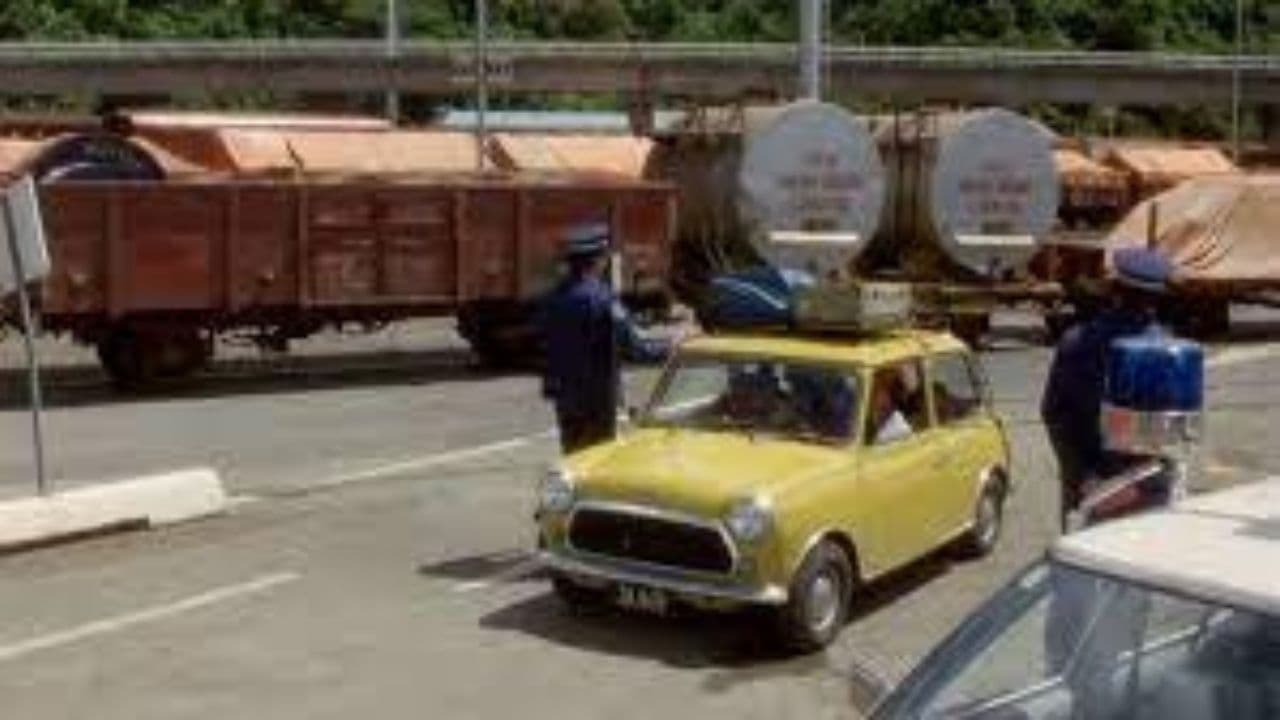
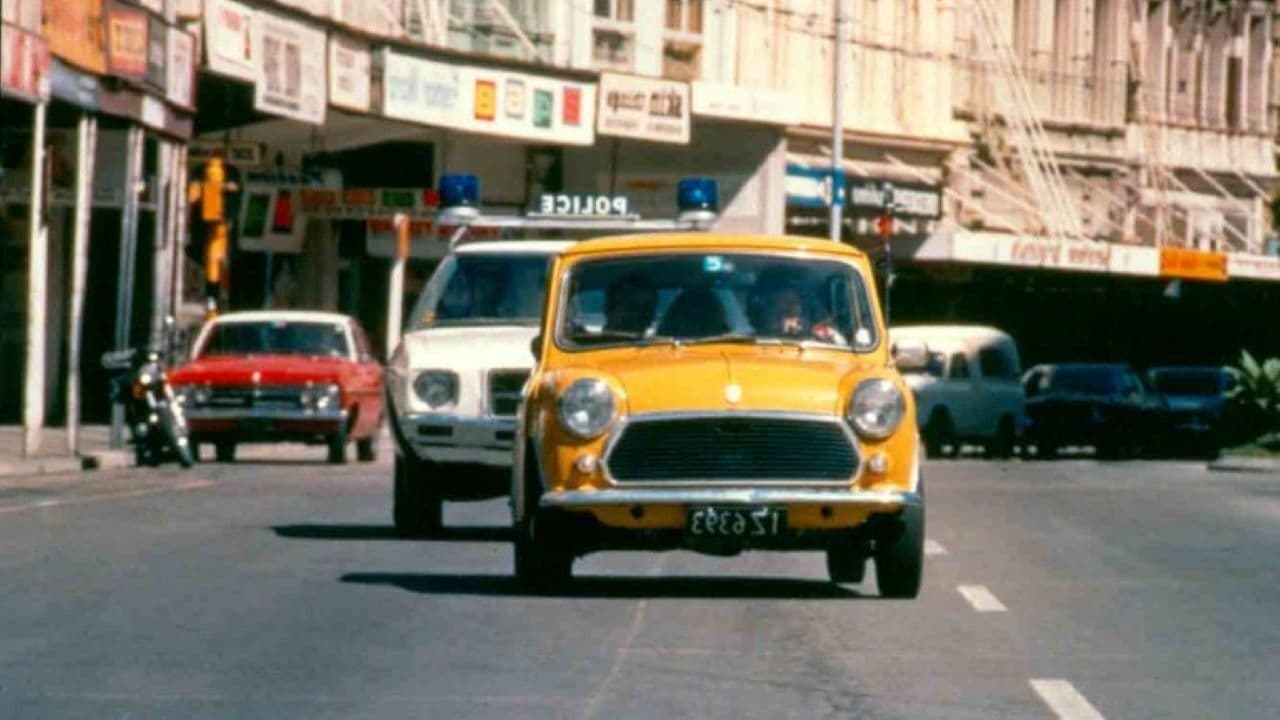
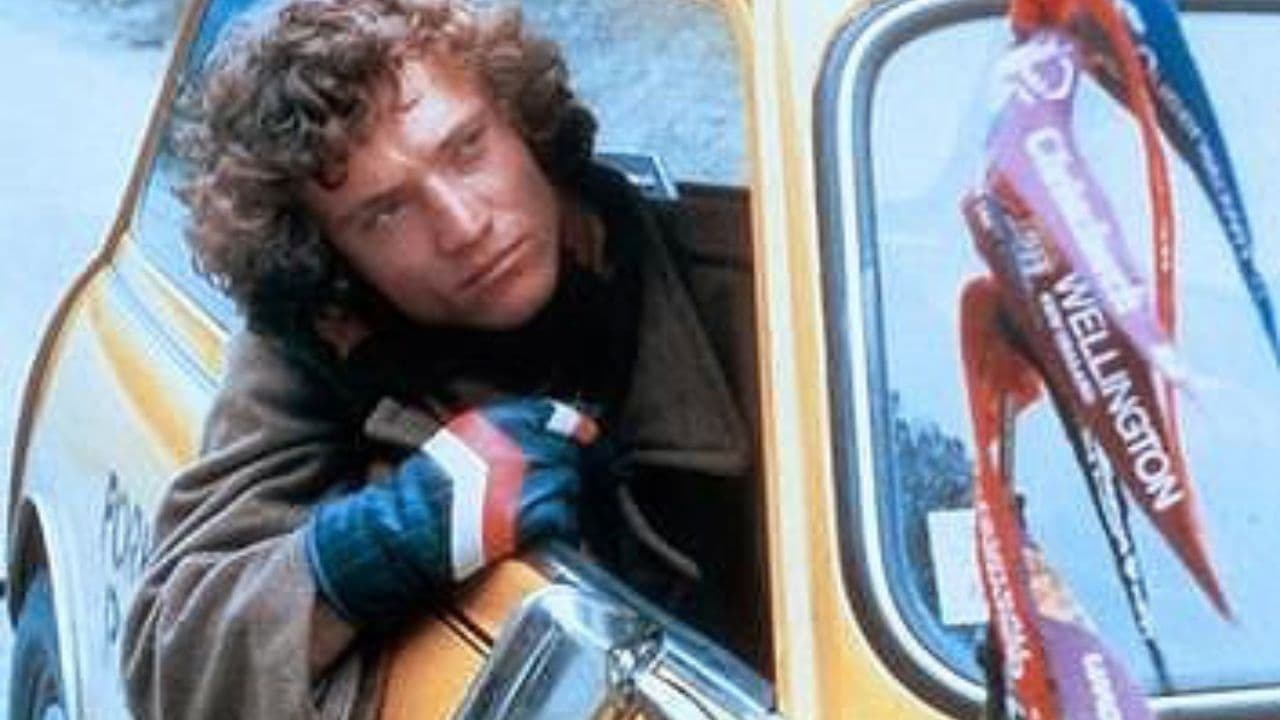
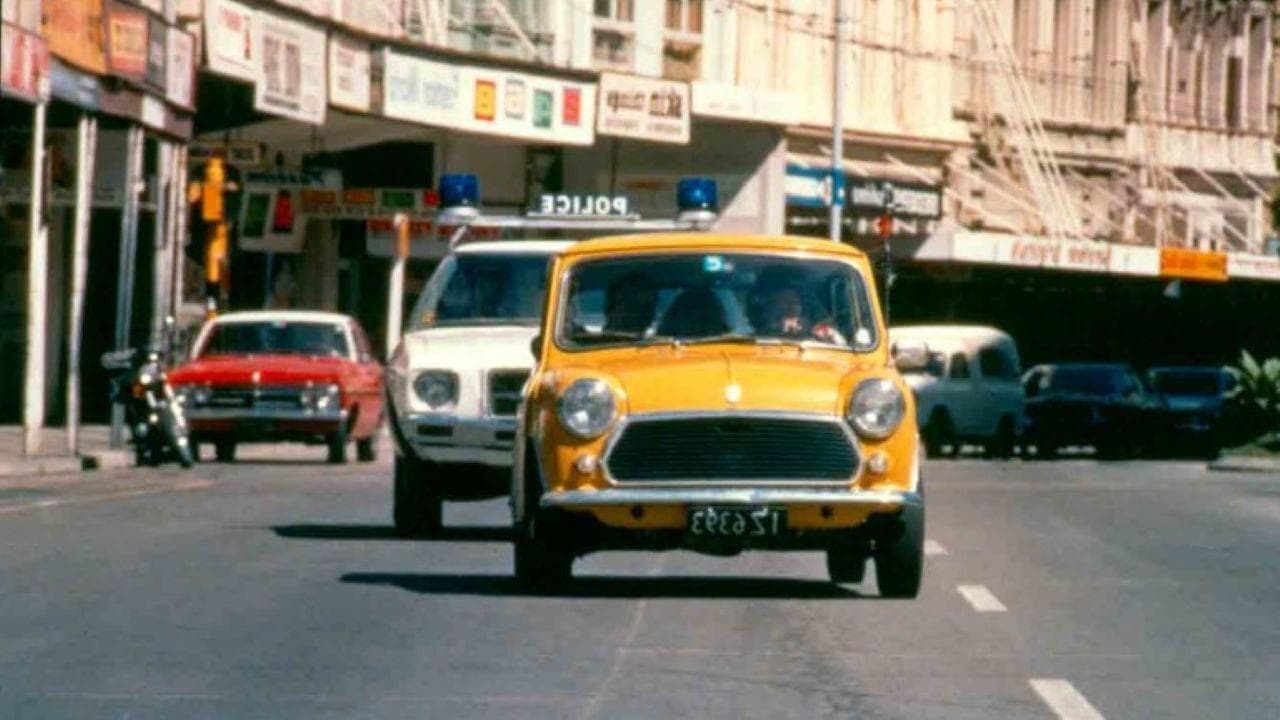
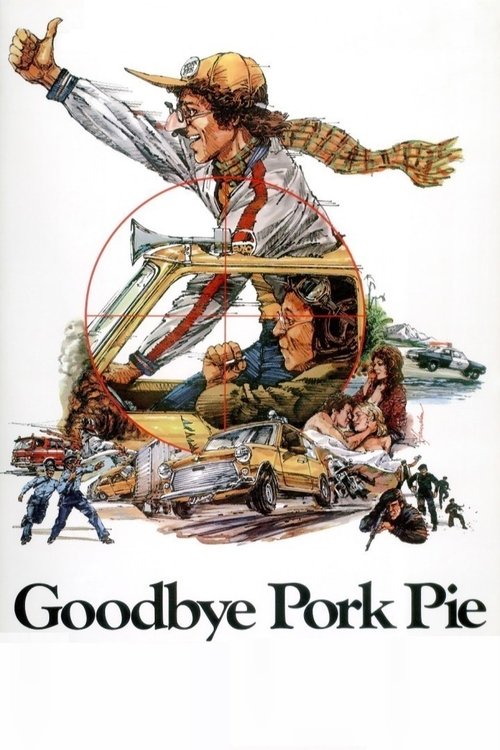
Gerry hires a car in Kaitaia with a stolen licence and travels to Invercargill with John, whose wife has just left him. The ultimate New Zealand road trip adventure.
Directed by Geoff Murphy
new zealand
road trip

Trailer

IMDB
N/A
Cast
Tony Barry
John
Claire Oberman
Shirl
Bruno Lawrence
Mulvaney
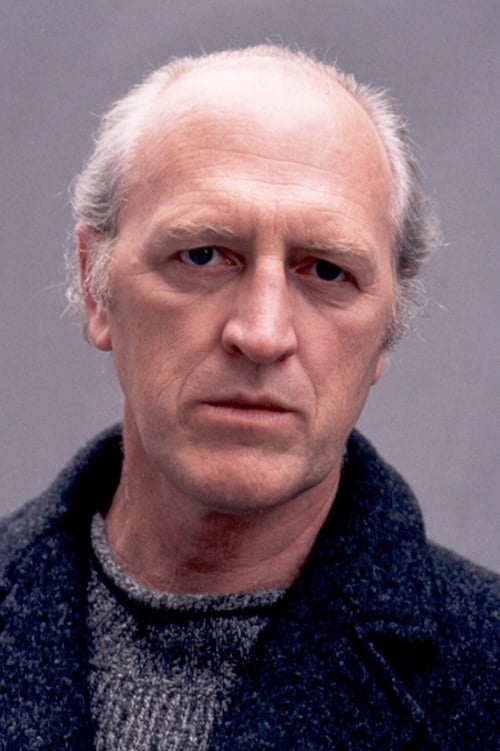
John Bach
Snout
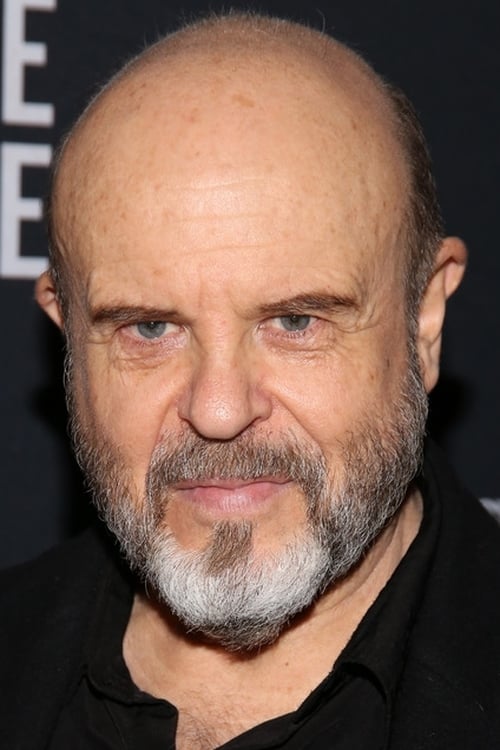
Marshall Napier
Police Driver
Crew
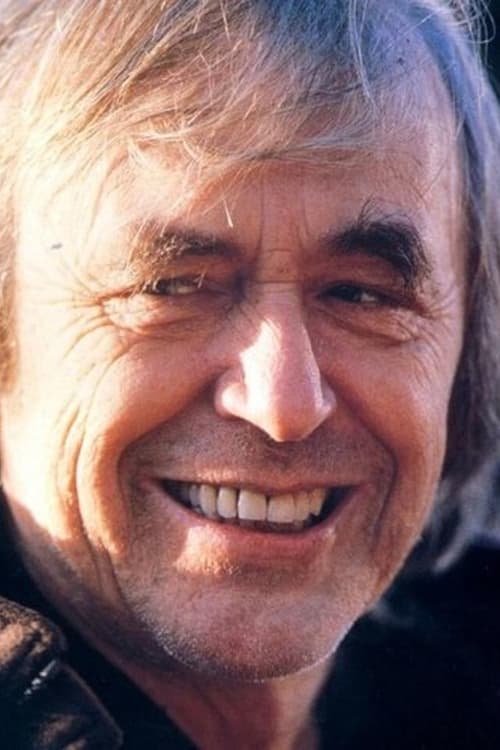
Geoff Murphy
Director
Geoff Murphy
Producer
Geoff Murphy
Author

Ian Mune
Author
Popular Reviews
5 reviews
Danny
8.0★ · 05/13/26
"I'M TAKING THIS BLOODY CAR TO INVERCARGILL!"
"I'M TAKING THIS BLOODY CAR TO INVERCARGILL!"


Dec Ramsay
4.0★ · 03/09/26
Regular review potshot of it being unrealistic because nobody has ever wanted to go Waihōpai this badly (as someone who’s hapu is from Motupōhue).
It’s certainly an interesting piece of history as a film that helped kickstart Aotearoa cinema. It’s let down by being a film to not feature a single Māori person despite travelling the length of Aotearoa and its stereotypical depiction of women.
I definitely get the appeal it had for Pakeha and how important it is to see yourself on film; I found myself really enjoying the Pōneke section not only to see what it was like in the 80s but also how geographically accurate the chase is - from Willis street down to the quays, to the beehive and then onto the station is all correctly laid out to reality.
But this film also came out 6 years after the Treaty of Waitangi Act and the land hikoi, and the same year of the Springbok tour and the anti-racism protests occurring in Aotearoa. You couldn’t find one local Māori person to appear in this film?
It’s certainly an interesting piece of history as a film that helped kickstart Aotearoa cinema. It’s let down by being a film to not feature a single Māori person despite travelling the length of Aotearoa and its stereotypical depiction of women.
I definitely get the appeal it had for Pakeha and how important it is to see yourself on film; I found myself really enjoying the Pōneke section not only to see what it was like in the 80s but also how geographically accurate the chase is - from Willis street down to the quays, to the beehive and then onto the station is all correctly laid out to reality.
But this film also came out 6 years after the Treaty of Waitangi Act and the land hikoi, and the same year of the Springbok tour and the anti-racism protests occurring in Aotearoa. You couldn’t find one local Māori person to appear in this film?
Regular review potshot of it being unrealistic because nobody has ever wanted to go Waihōpai this badly (as someone who’s hapu is from Motupōhue).
It’s certainly an interesting piece of history as a film that helped kickstart Aotearoa cinema. It’s let down by being a film to not feature a single Māori person despite travelling the length of Aotearoa and its stereotypical depiction of women.
I definitely get the appeal it had for Pakeha and how important it is to see yourself on film; I found myself really enjoying the Pōneke section not only to see what it was like in the 80s but also how geographically accurate the chase is - from Willis street down to the quays, to the beehive and then onto the station is all correctly laid out to reality.
But this film also came out 6 years after the Treaty of Waitangi Act and the land hikoi, and the same year of the Springbok tour and the anti-racism protests occurring in Aotearoa. You couldn’t find one local Māori person to appear in this film?
It’s certainly an interesting piece of history as a film that helped kickstart Aotearoa cinema. It’s let down by being a film to not feature a single Māori person despite travelling the length of Aotearoa and its stereotypical depiction of women.
I definitely get the appeal it had for Pakeha and how important it is to see yourself on film; I found myself really enjoying the Pōneke section not only to see what it was like in the 80s but also how geographically accurate the chase is - from Willis street down to the quays, to the beehive and then onto the station is all correctly laid out to reality.
But this film also came out 6 years after the Treaty of Waitangi Act and the land hikoi, and the same year of the Springbok tour and the anti-racism protests occurring in Aotearoa. You couldn’t find one local Māori person to appear in this film?
Zach Penny
6.0★ · 02/23/25
Dash
7.4★ · 08/17/24
Liam
4.0★ · 08/30/13