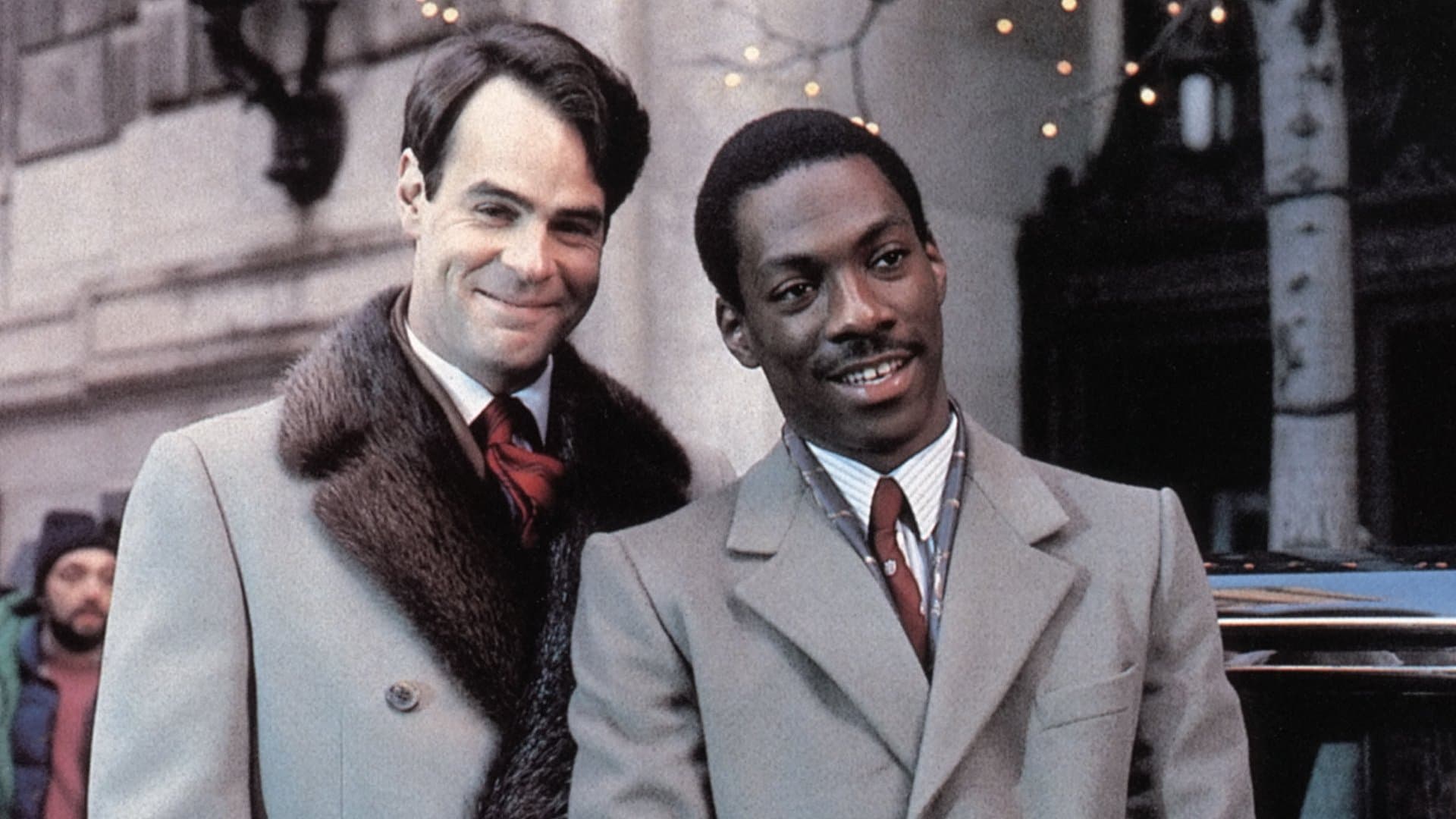
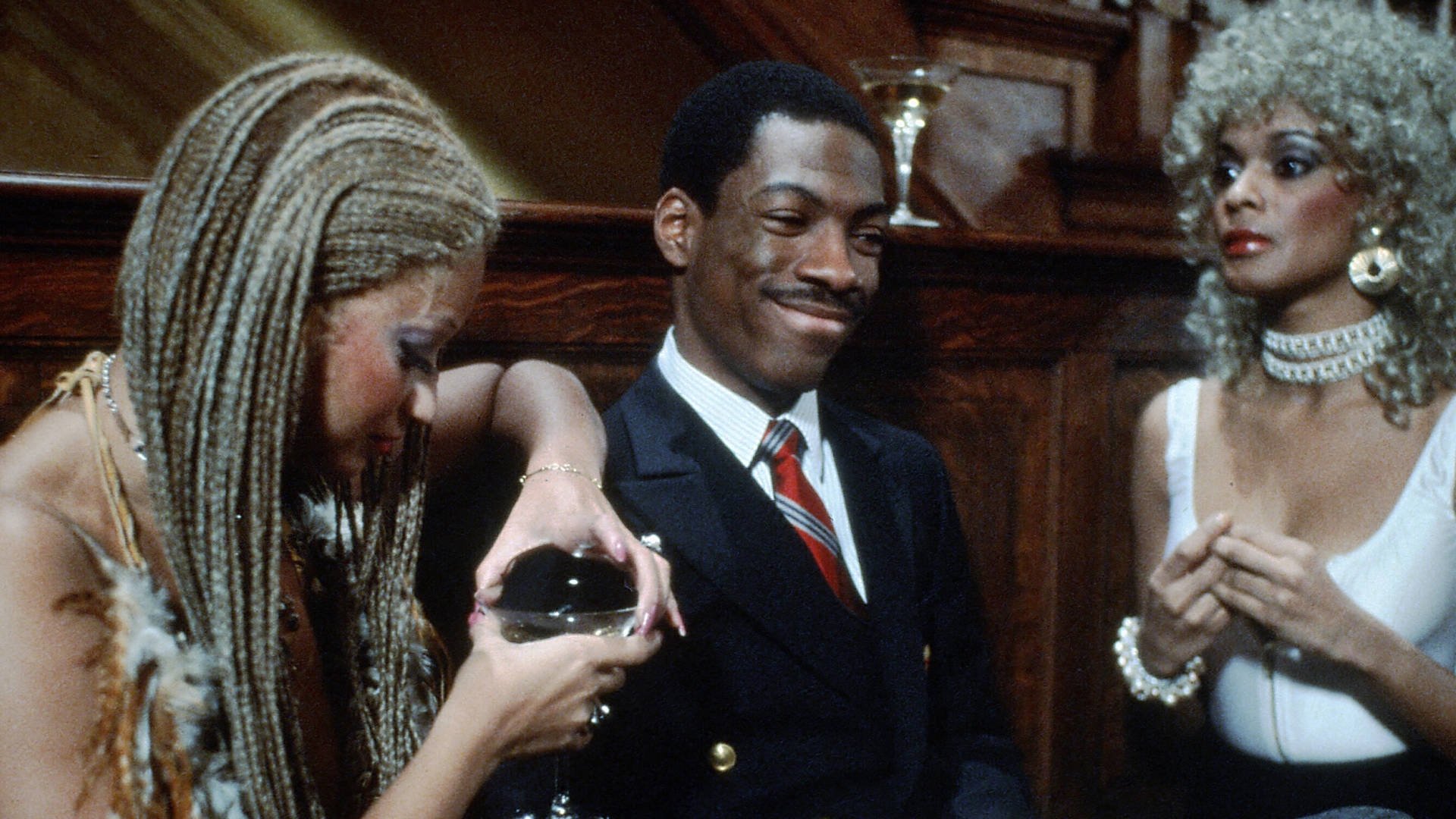
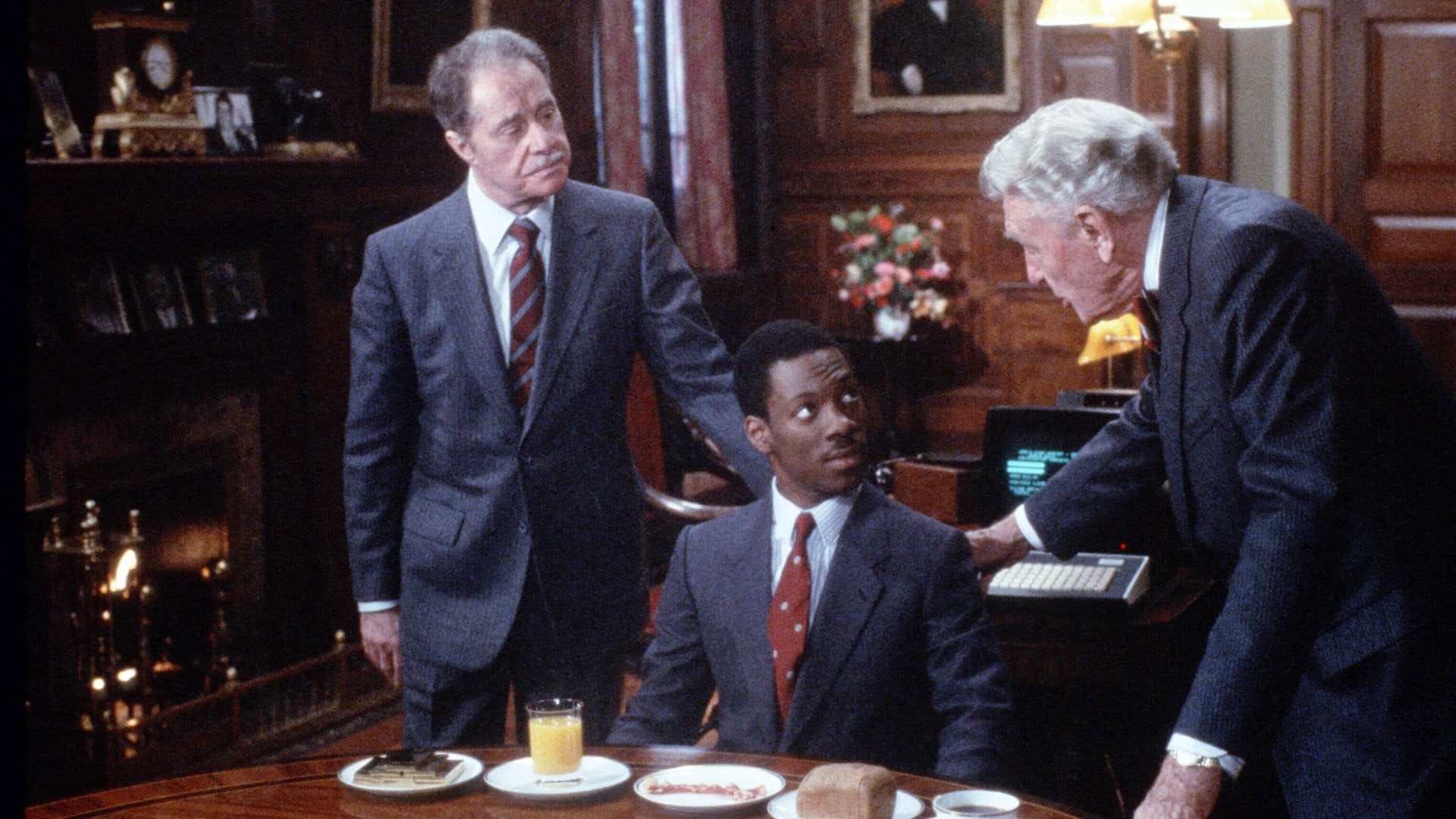
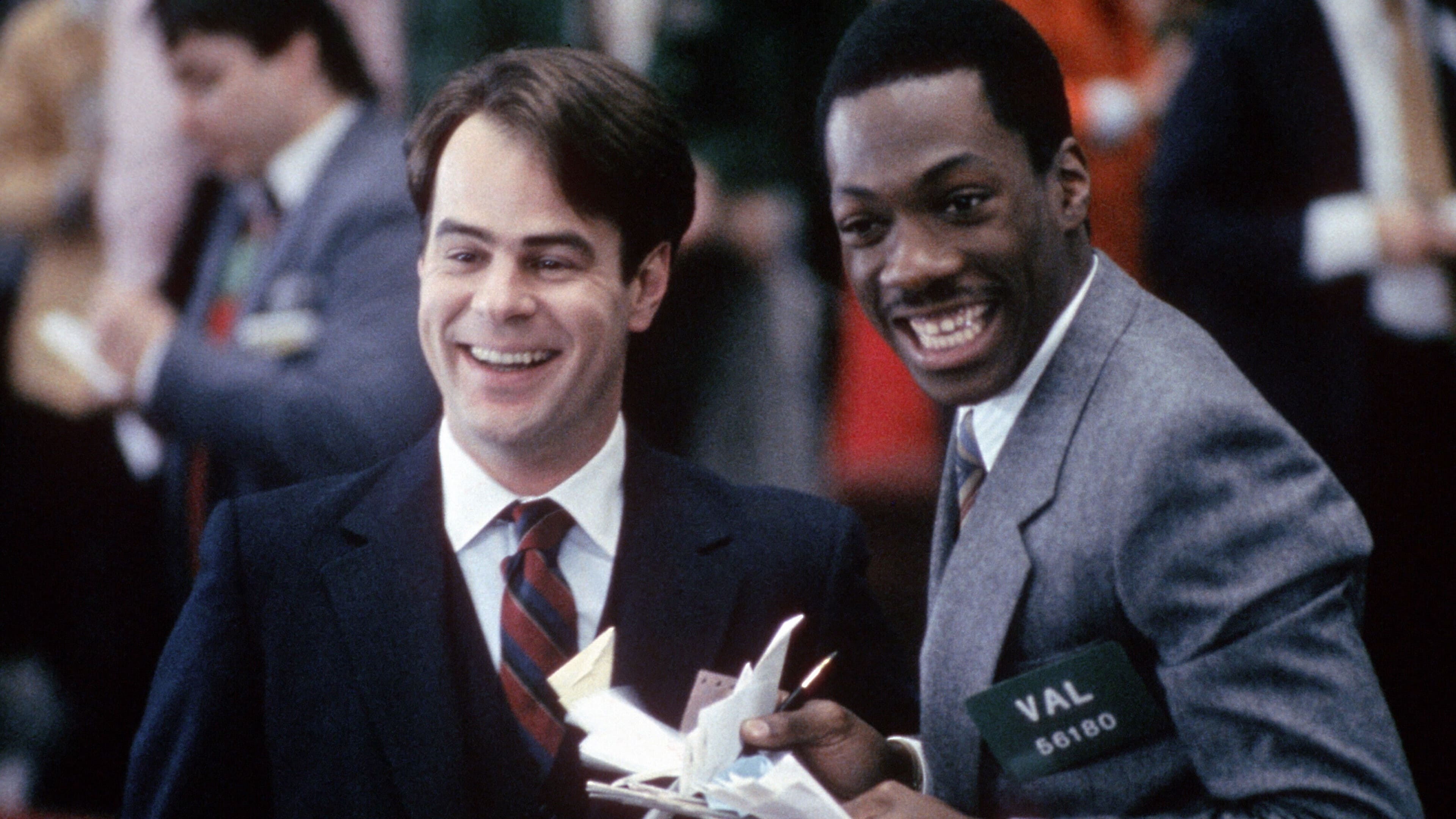
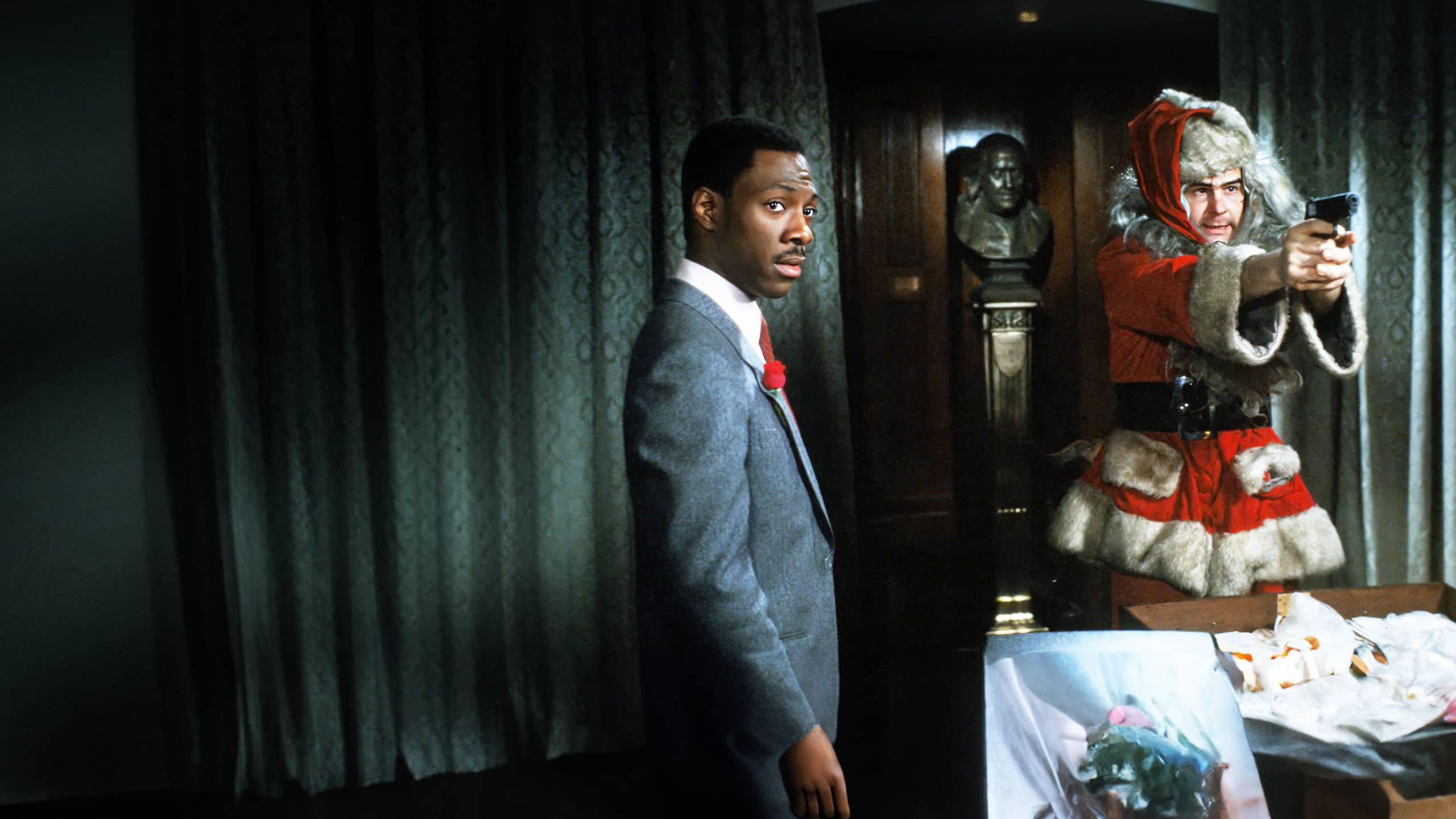
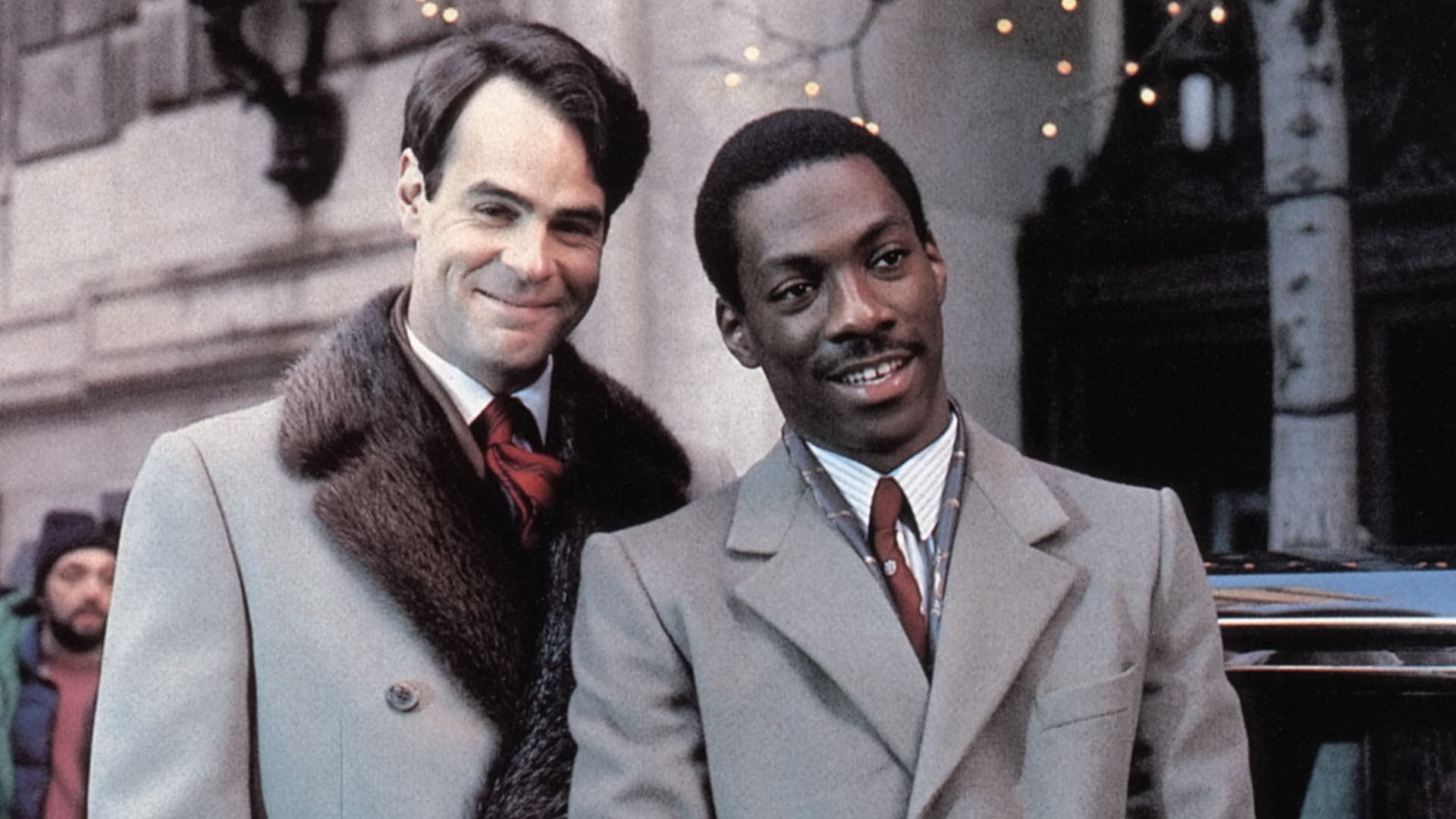
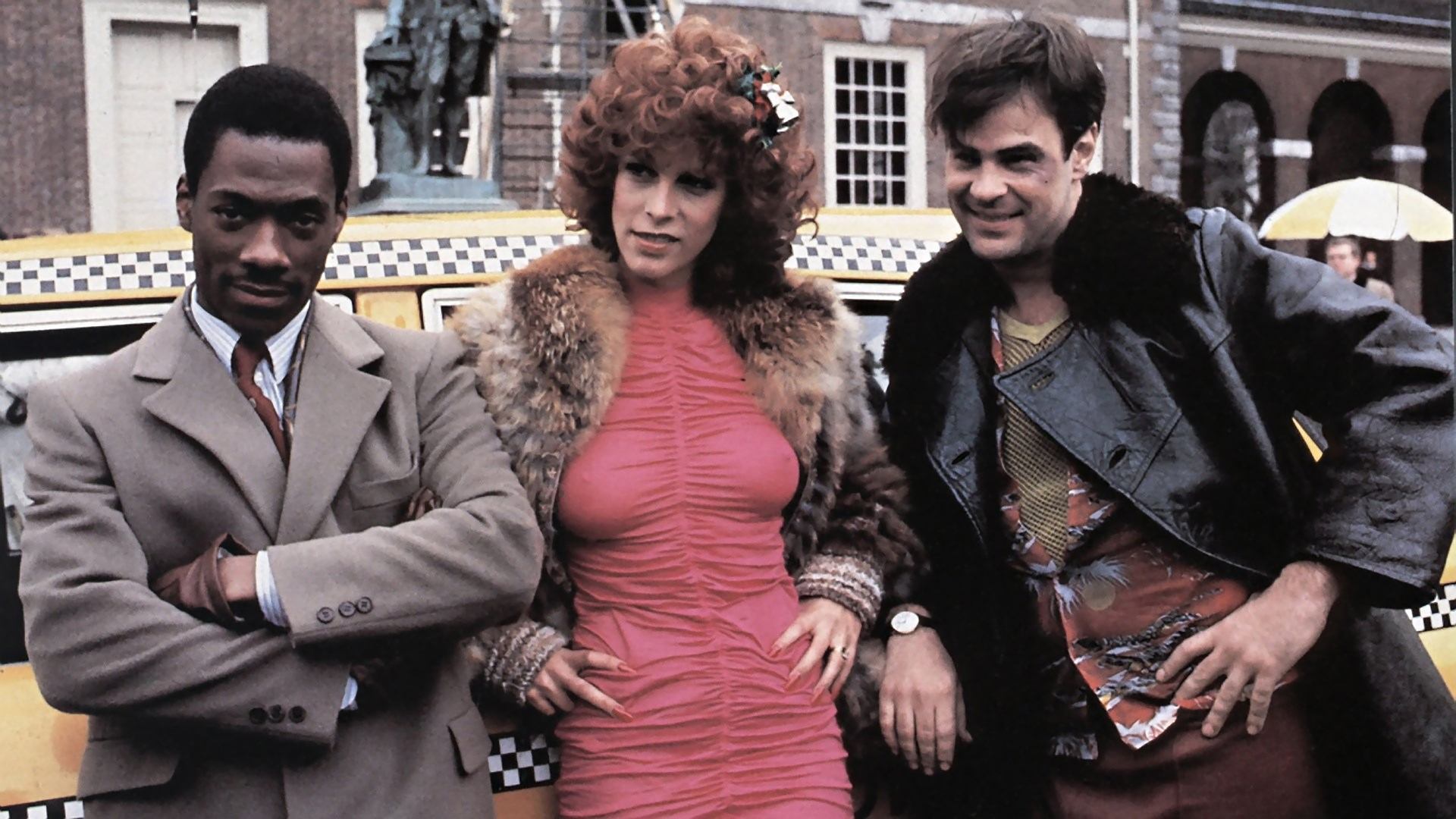
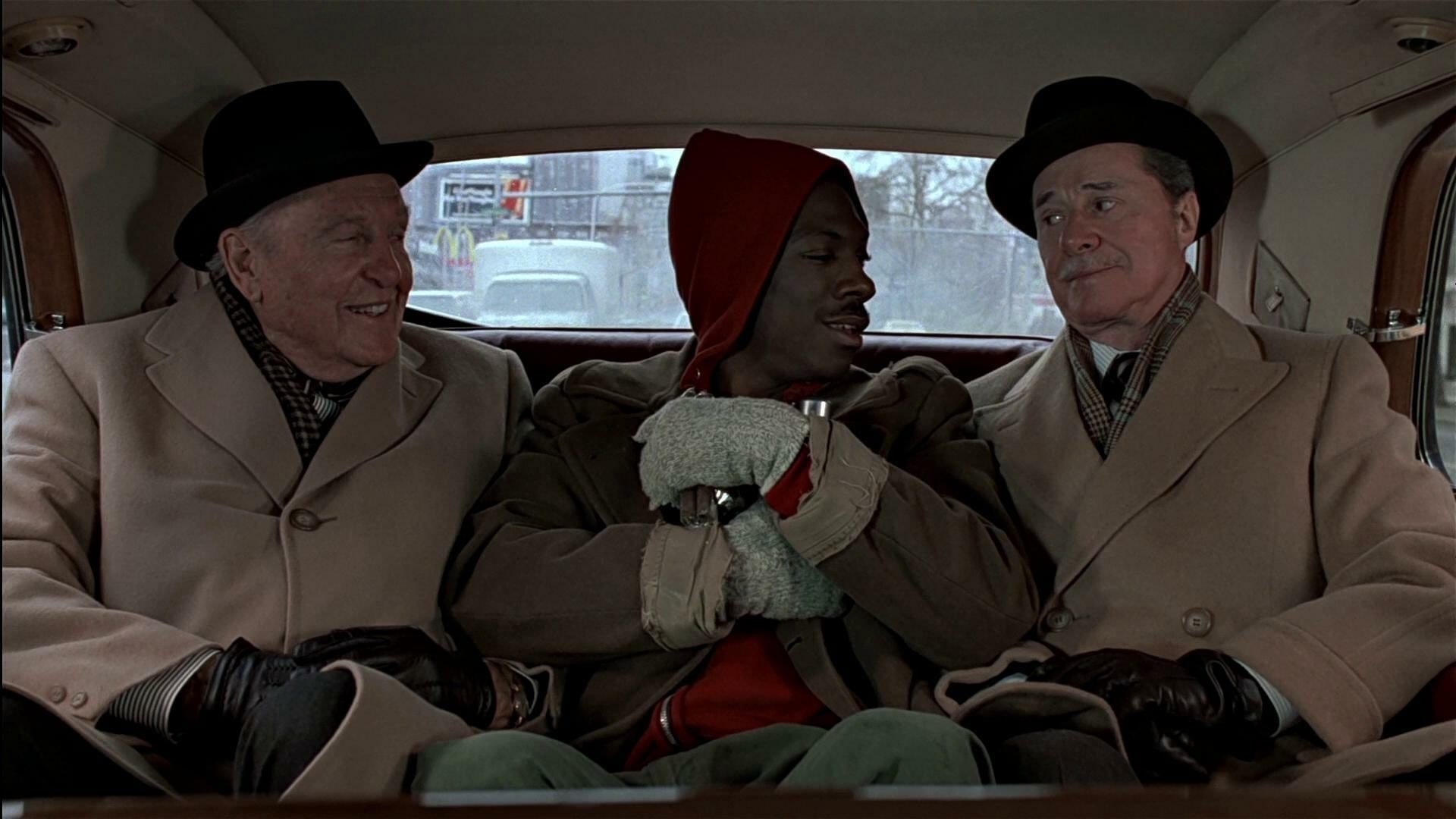
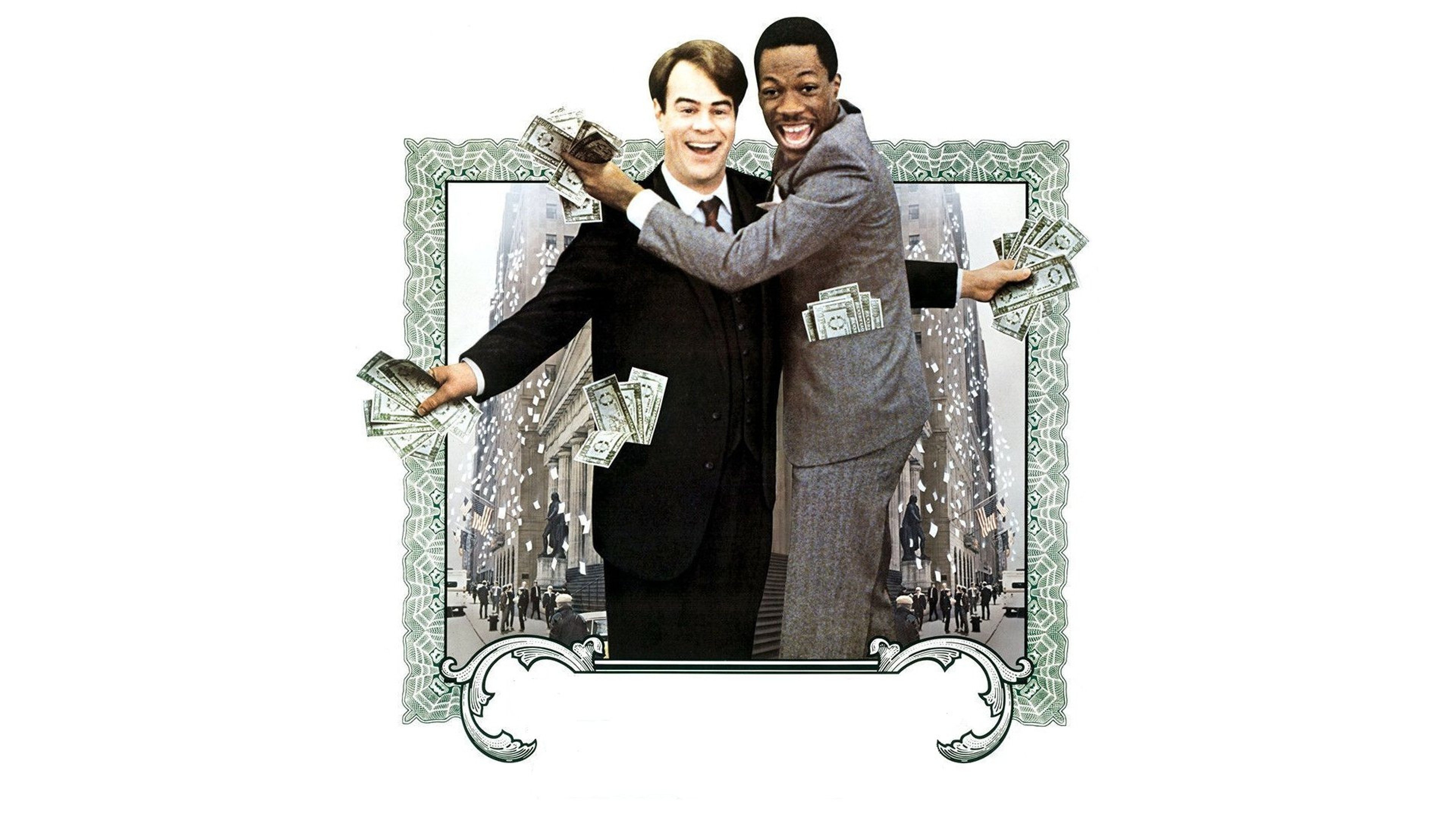
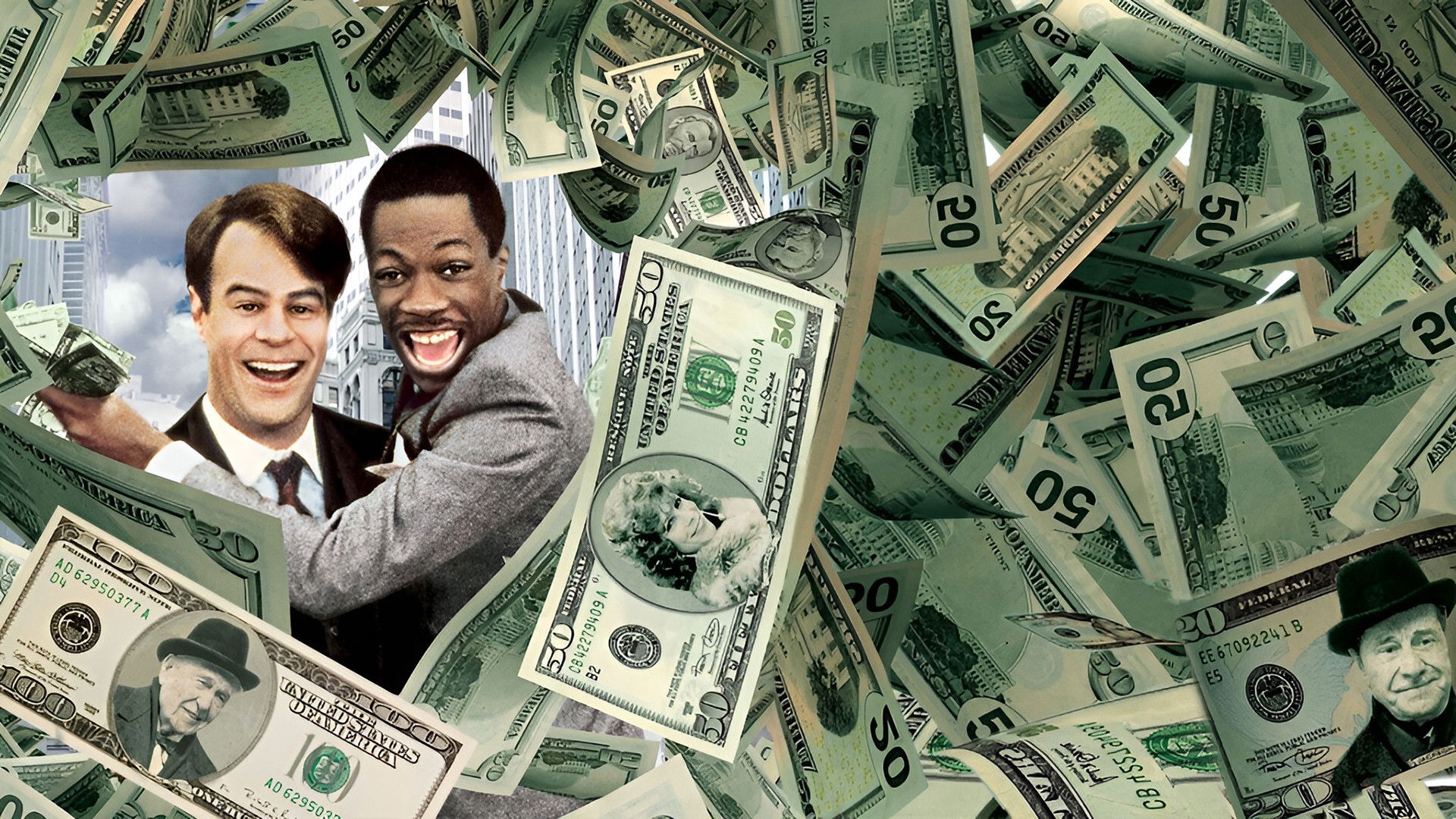
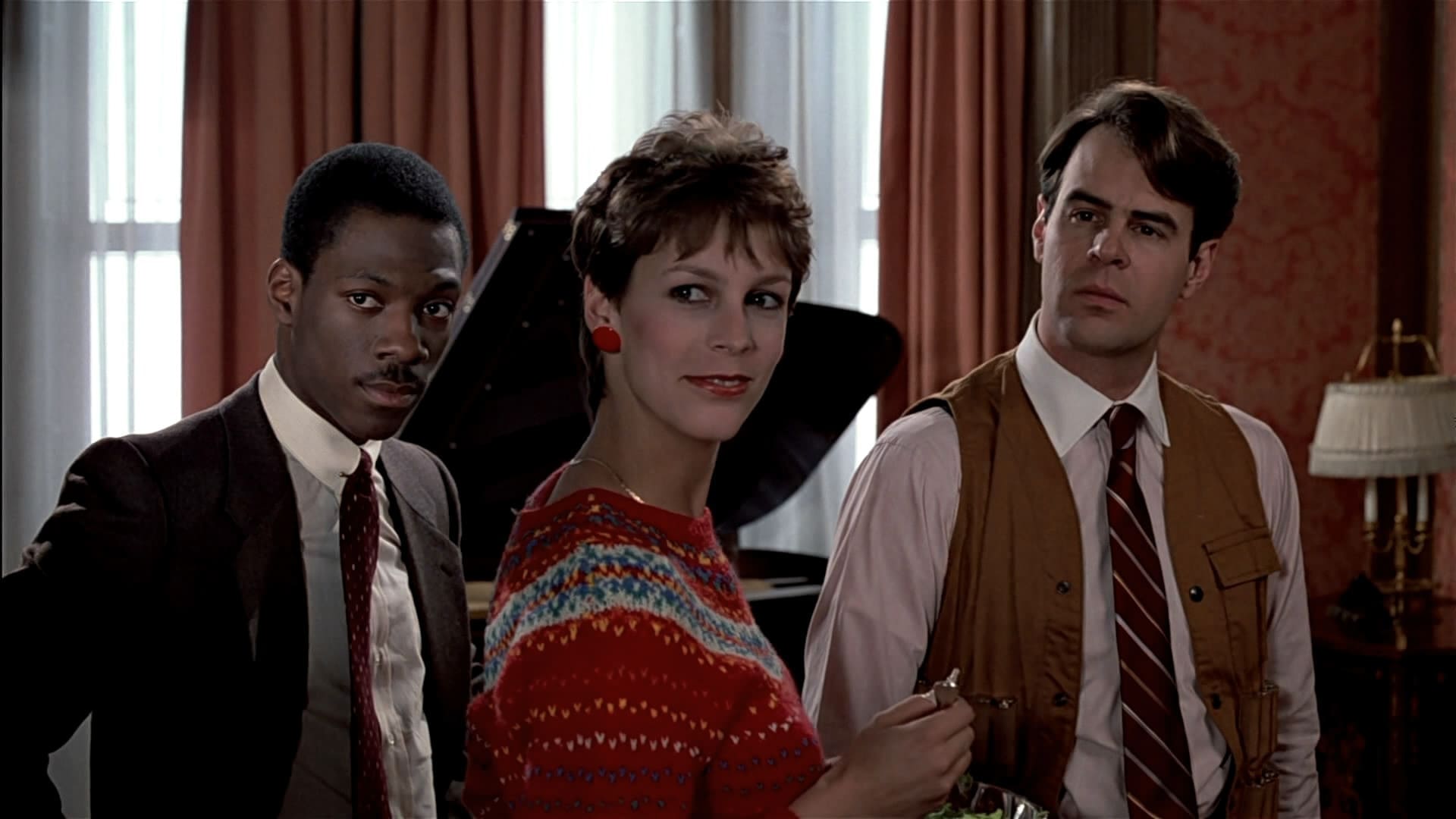
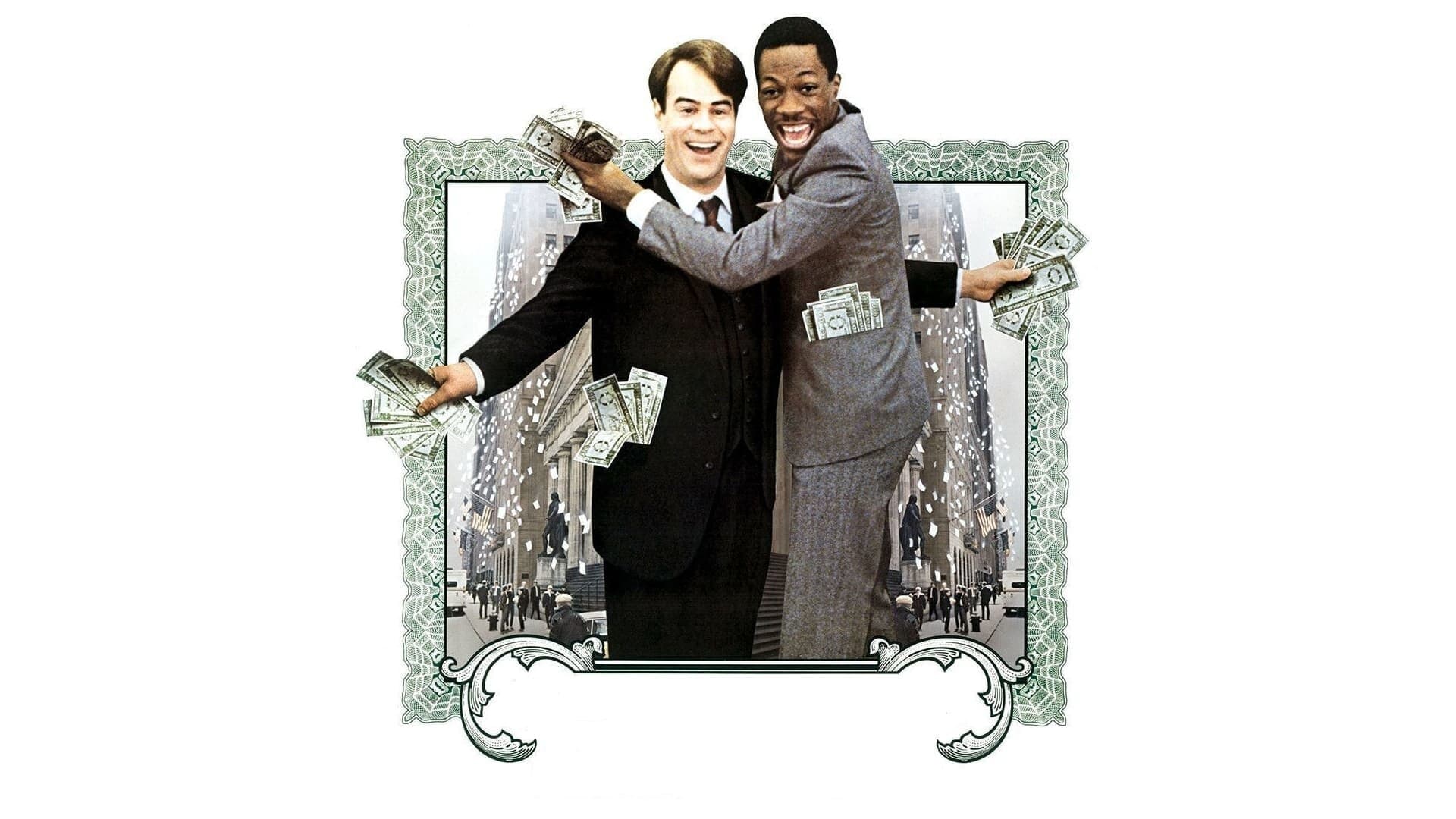
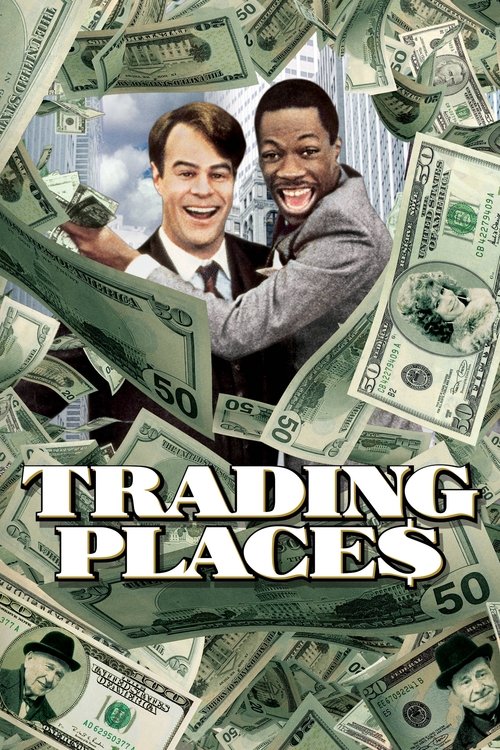
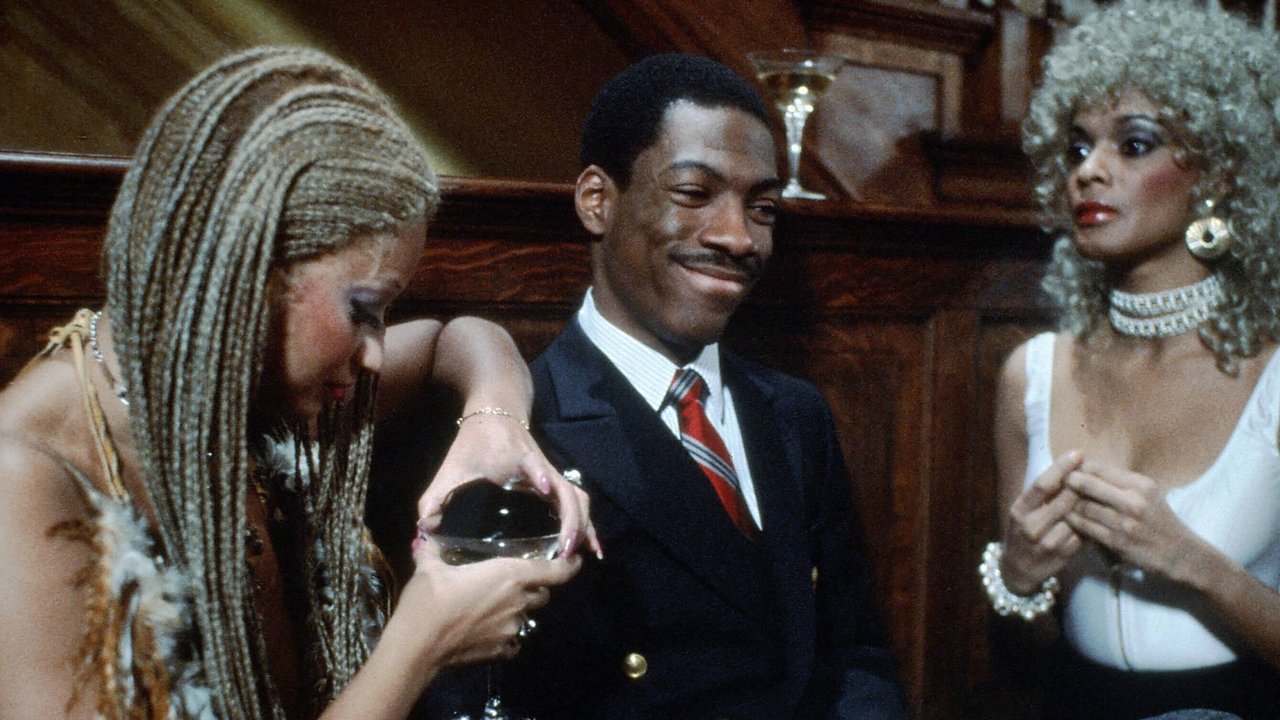
A snobbish investor and a wily street con-artist find their positions reversed as part of a bet by two callous millionaires.
Directed by John Landis
new year's eve
prostitute
philadelphia, pennsylvania
butler
christmas party
satire
rags to riches
broker
beggar
wager
stockbroker
fish out of water
millionaire
commodities
investor
hoodlum
wrongful arrest
rich snob
christmas
riches to rags
new year
mischievous
christmas eve
irreverent
absurd
dramatic
hilarious
amused
disrespectful
exhilarated
Rank
#21 in 1983·#3049 overall
Trailer
IMDB
N/A
Where to Watch
Cast
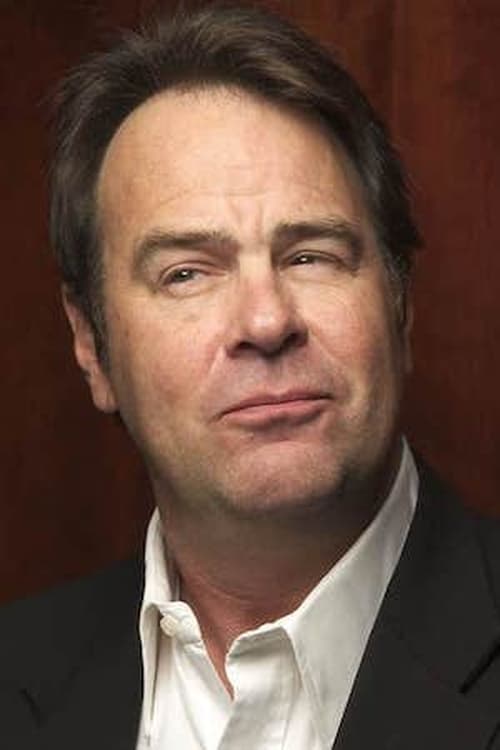
Dan Aykroyd
Louis Winthorpe III
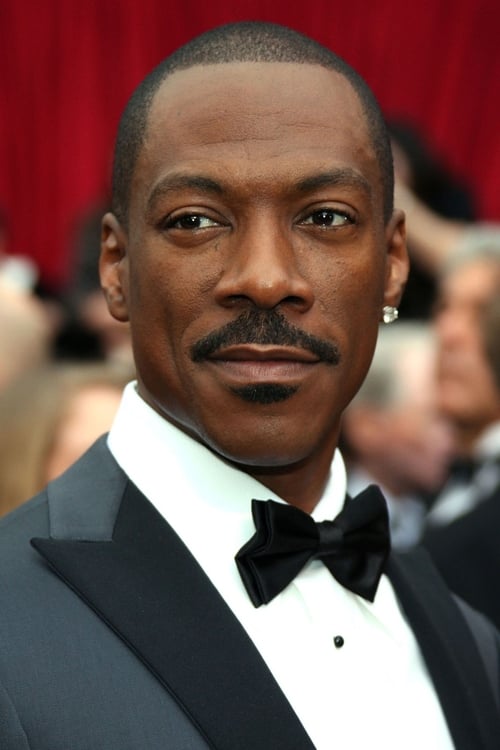
Eddie Murphy
Billy Ray Valentine
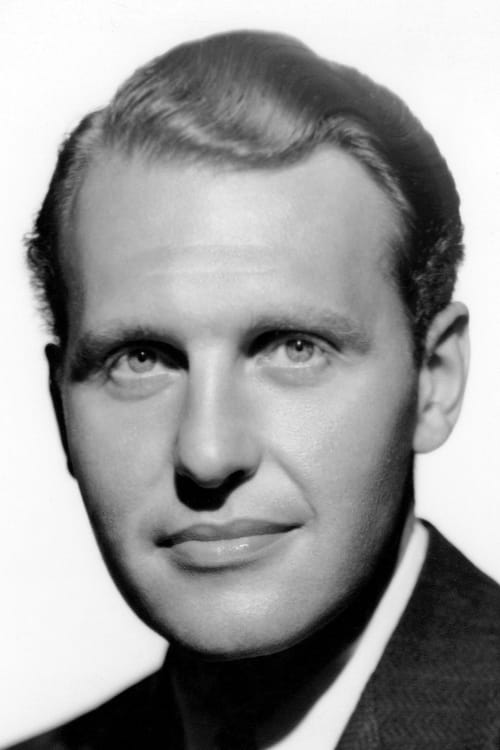
Ralph Bellamy
Randolph Duke
Don Ameche
Mortimer Duke
Denholm Elliott
Coleman
Jamie Lee Curtis
Ophelia
Paul Gleason
Clarence Beeks
Frank Oz
Corrupt Cop
Jim Belushi
Harvey
Kristin Holby
Penelope Witherspoon
Alfred Drake
President of Exchange
Bo Diddley
Pawnbroker
Crew
John Landis
Director
Elmer Bernstein
Original Music Composer
George Folsey Jr.
Executive Producer
Deborah Nadoolman Landis
Costume Design
Bonnie Timmermann
Casting
Wolfgang Amadeus Mozart
Music
Charles L. Campbell
Supervising Sound Editor
Popular Reviews
881 reviews
Stevie Mallia
8.0★ · 06/28/26
Sometimes it just feels good to watch an absolute resounding win
Sometimes it just feels good to watch an absolute resounding win
Srecko Vuletic
8.0★ · 06/05/26
Average polymarket bet
Average polymarket bet
Jess Downham
8.0★ · 05/21/26
Who doesnt like eddie murphy
Who doesnt like eddie murphy
Mal Yahr
7.0★ · 04/28/26
Eddie Murphy is so good in this and the story is entertaining as well. Very funny and although this move probably can never be made in today’s world it still is very enjoyable. “I’ve been waiting for you Billy Ray” is the best line ever lmaooo
Eddie Murphy is so good in this and the story is entertaining as well. Very funny and although this move probably can never be made in today’s world it still is very enjoyable. “I’ve been waiting for you Billy Ray” is the best line ever lmaooo
Beerki burritos
7.0★ · 04/27/26
The climax of the movie is when the two main characters make lots of money at wall street. Shortly beforehand one of the main villains gets raped by a gorilla. Peak
The climax of the movie is when the two main characters make lots of money at wall street. Shortly beforehand one of the main villains gets raped by a gorilla. Peak