Had to write about it today and I liked it so much last time that I watched it again:
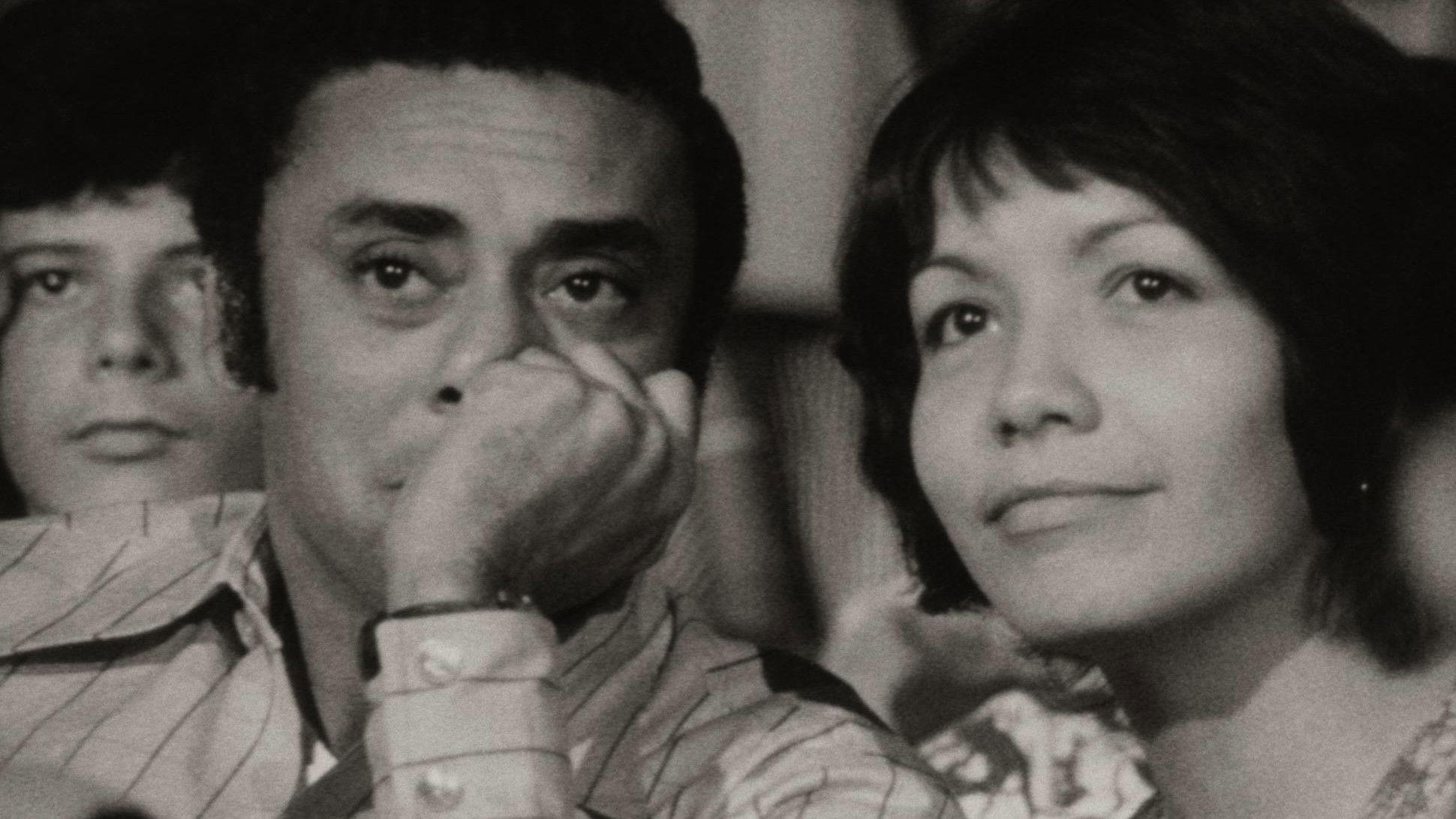
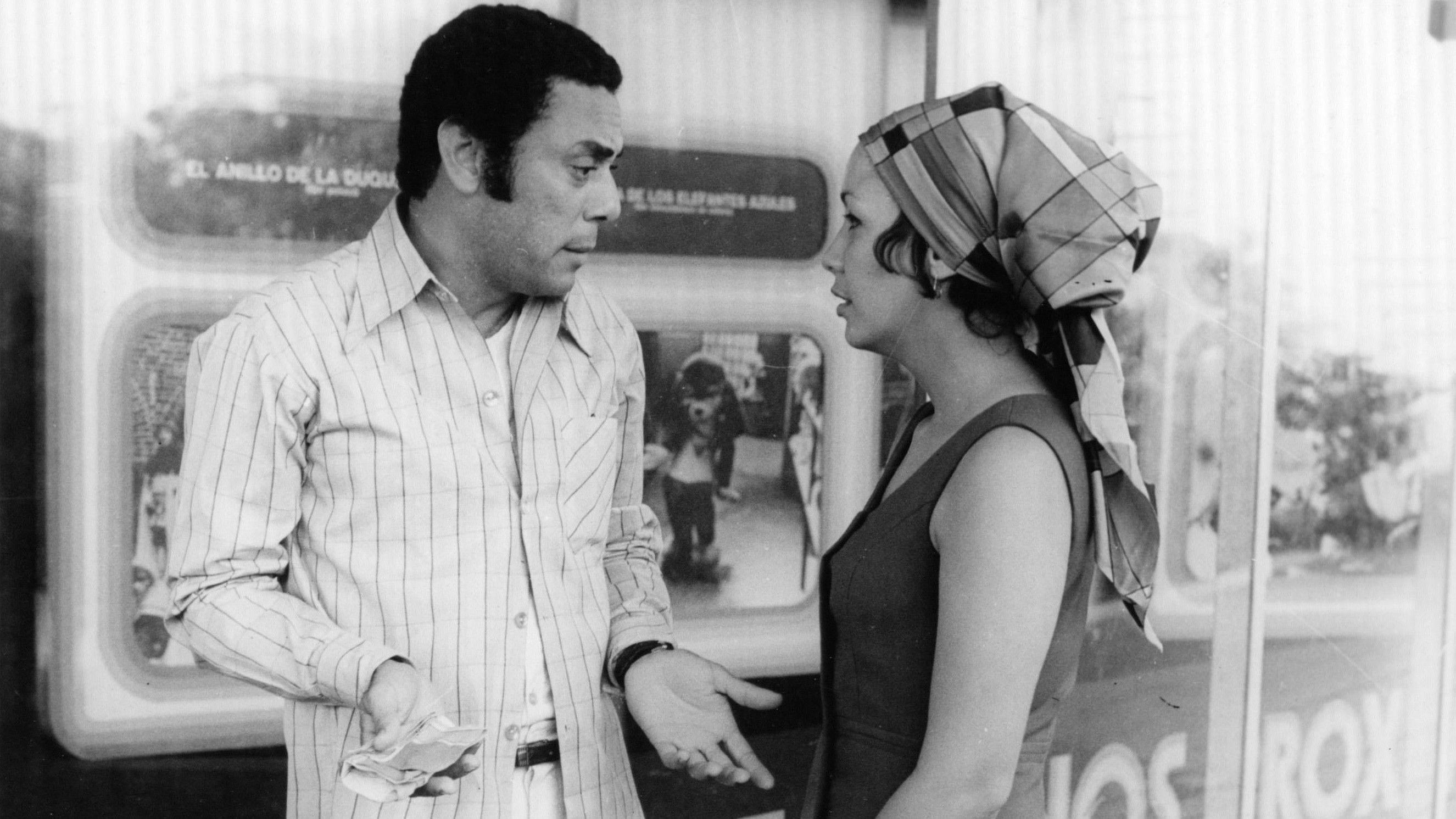
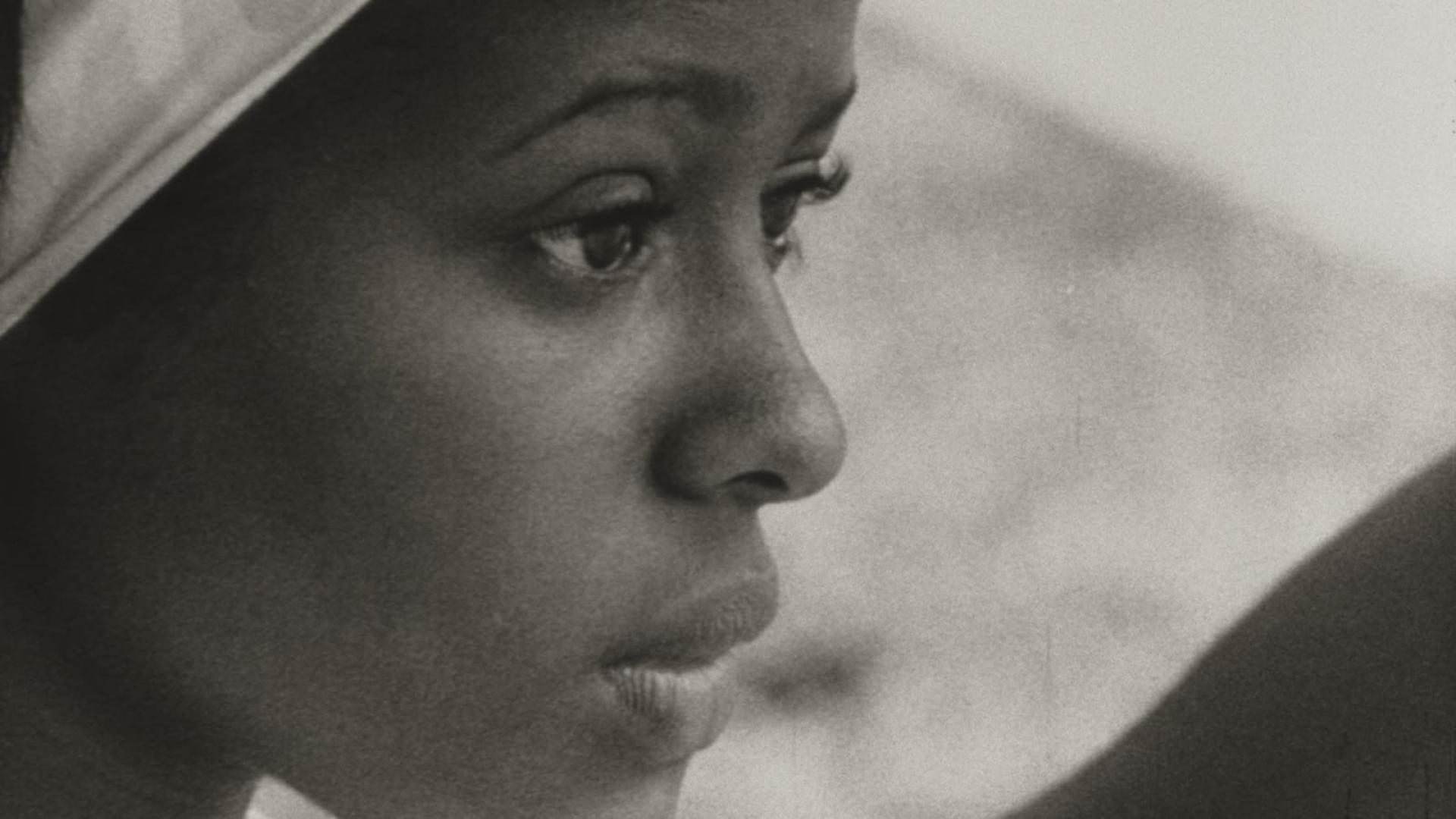
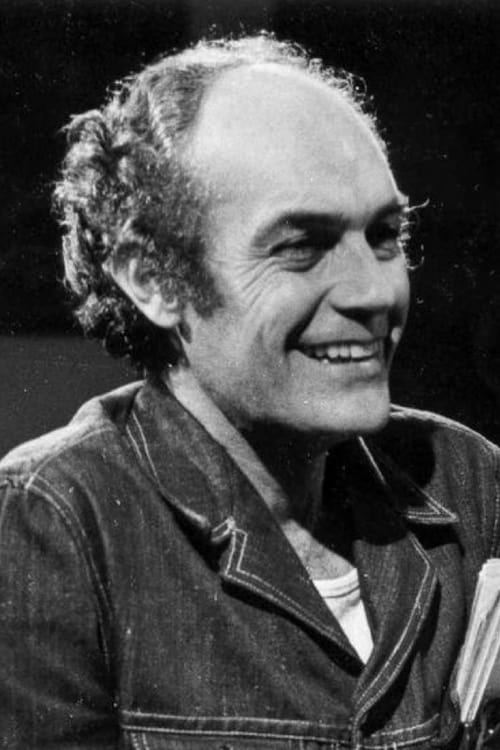
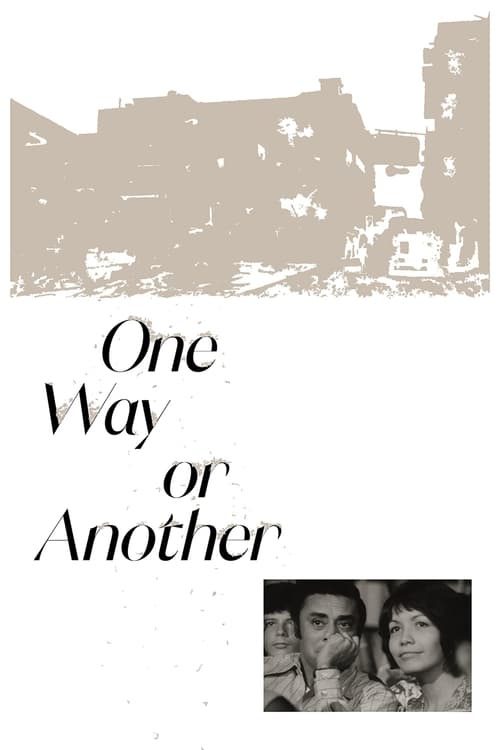
Sara Gomez's De Cierta Manera (1977) was released a few years after the Cuban Revolution. The film is remarkable because of its unique form, production process, and questioning of what we consider the revolution to be. De Cierta Manera proposes that the revolution is not merely a singular event we can pinpoint in history but rather a continuous process that requires conscious engagement and manifests itself in every aspect of ordinary life. The film displays how painful the process can be but how breaking with the past is the only way to build a new life.
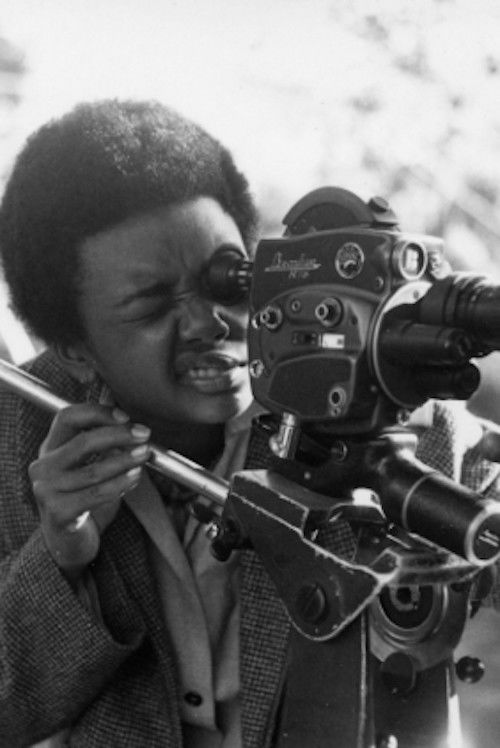
I was very awed by Gomez's visionary filmmaking and the way she made documentary and narrative dance side by side, highlighting the power and limitations of each, while drawing attention to the medium and the role of the artist. Gomez refused to be a filmmaker who safely distanced herself from her subjects and environment in order to create. Rather, she fully immersed herself in her time and brought her environment into her filmmaking. Like the Italian Neorealists, she uses on-location shooting and hires non-professional actors while also using real subjects to further show the viewer what it means to live in transforming Cuba. She even starts the film by stating that some of the film is real while some of it isn't fully.
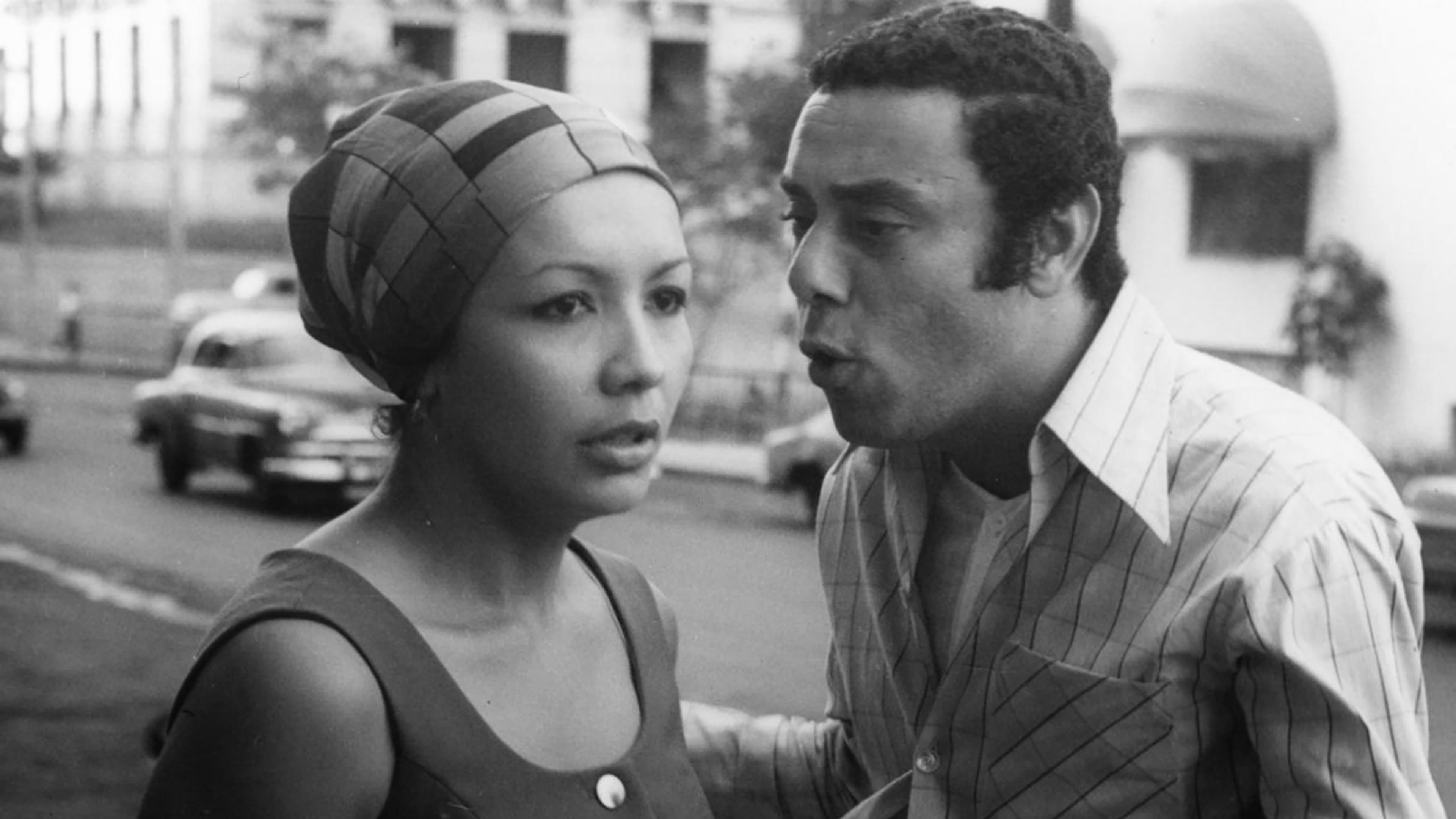
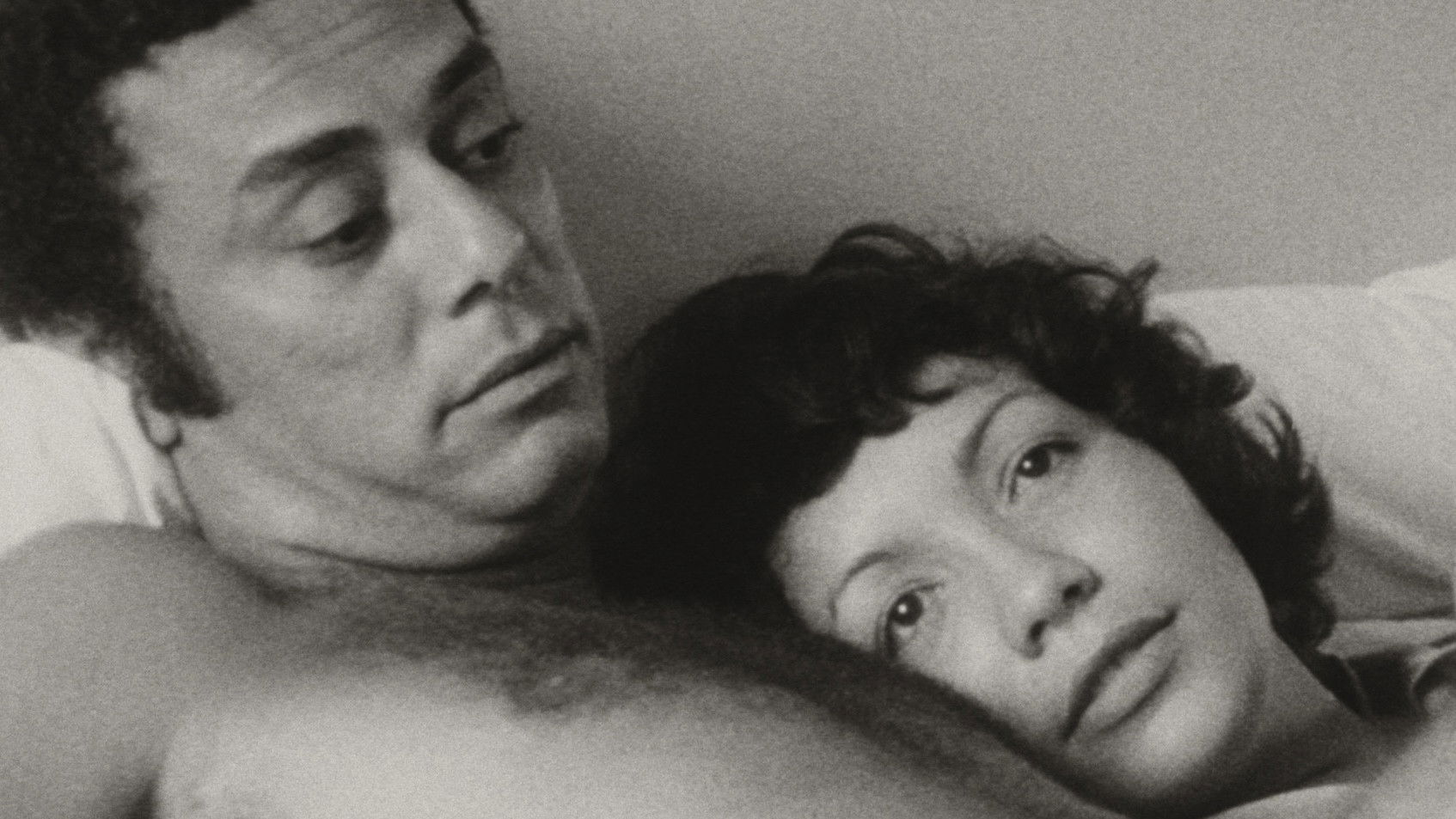
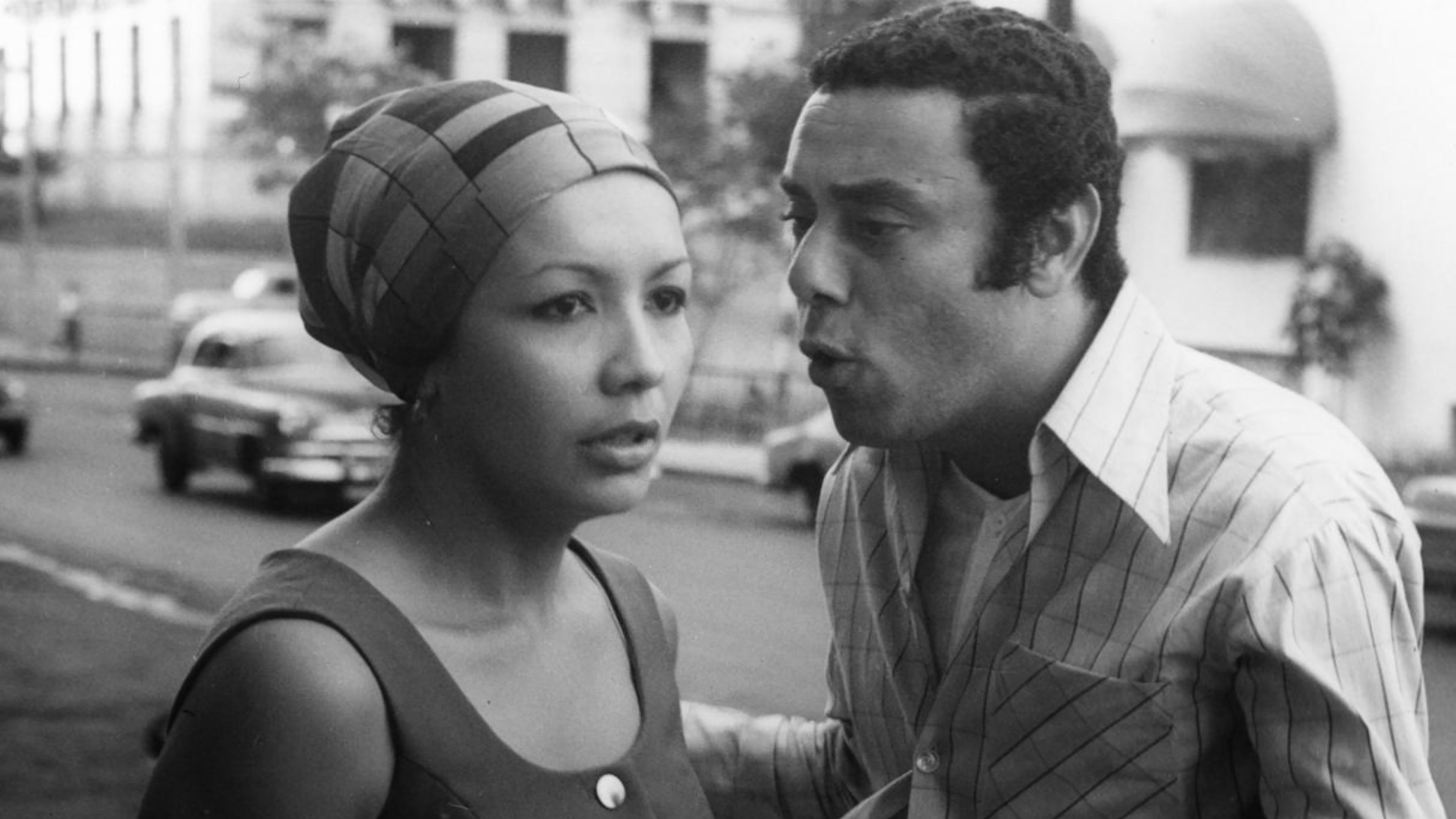
The film is not only revolutionary in the sense that it touches on the political transformations in government but also in that it tackles the post-colonial struggle with machismo and, by doing so, establishes itself as a feminist film. Mario, one of our main characters, can't quite place himself as a revolutionary, and we see him struggle with the way that machismo has become a part of his identity. Now that the revolution looks to establish more progressive views of men and women in society, he struggles with what that demands of him in the workplace, in his male friendships, and in his romantic relationship with Yolanda. Because Yolanda, constantly trying to engage with the egalitarian values of the revolution, refuses to conform to a traditional role, Mario confronts his own assumptions of gender and power.
Mario's struggle in different aspects of his life, along with the recurring images of buildings being torn down, mirrors the reality of Cuba's struggle post-revolution. These things suggest that to acquire a more egalitarian life that aligns with what the country fought for, there can be no assumption that the work is done. Rather, there must be a constant breaking with the past, a painful rupture of the social foundations that had engrained themselves into Cuban identities. By displaying and questioning machismo constantly, the film suggests that the revolution is not complete without liberation from patriarchal structures. And because of its use of both documentary and narrative, it asks that the artist, as well as the audience, that calls themselves a revolutionary, brings these values into their work and life as well.
Had to write about it today and I liked it so much last time that I watched it again:
Sara Gomez's De Cierta Manera (1977) was released a few years after the Cuban Revolution. The film is remarkable because of its unique form, production process, and questioning of what we consider the revolution to be. De Cierta Manera proposes that the revolution is not merely a singular event we can pinpoint in history but rather a continuous process that requires conscious engagement and manifests itself in every aspect of ordinary life. The film displays how painful the process can be but how breaking with the past is the only way to build a new life.
I was very awed by Gomez's visionary filmmaking and the way she made documentary and narrative dance side by side, highlighting the power and limitations of each, while drawing attention to the medium and the role of the artist. Gomez refused to be a filmmaker who safely distanced herself from her subjects and environment in order to create. Rather, she fully immersed herself in her time and brought her environment into her filmmaking. Like the Italian Neorealists, she uses on-location shooting and hires non-professional actors while also using real subjects to further show the viewer what it means to live in transforming Cuba. She even starts the film by stating that some of the film is real while some of it isn't fully.
The film is not only revolutionary in the sense that it touches on the political transformations in government but also in that it tackles the post-colonial struggle with machismo and, by doing so, establishes itself as a feminist film. Mario, one of our main characters, can't quite place himself as a revolutionary, and we see him struggle with the way that machismo has become a part of his identity. Now that the revolution looks to establish more progressive views of men and women in society, he struggles with what that demands of him in the workplace, in his male friendships, and in his romantic relationship with Yolanda. Because Yolanda, constantly trying to engage with the egalitarian values of the revolution, refuses to conform to a traditional role, Mario confronts his own assumptions of gender and power.
Mario's struggle in different aspects of his life, along with the recurring images of buildings being torn down, mirrors the reality of Cuba's struggle post-revolution. These things suggest that to acquire a more egalitarian life that aligns with what the country fought for, there can be no assumption that the work is done. Rather, there must be a constant breaking with the past, a painful rupture of the social foundations that had engrained themselves into Cuban identities. By displaying and questioning machismo constantly, the film suggests that the revolution is not complete without liberation from patriarchal structures. And because of its use of both documentary and narrative, it asks that the artist, as well as the audience, that calls themselves a revolutionary, brings these values into their work and life as well.