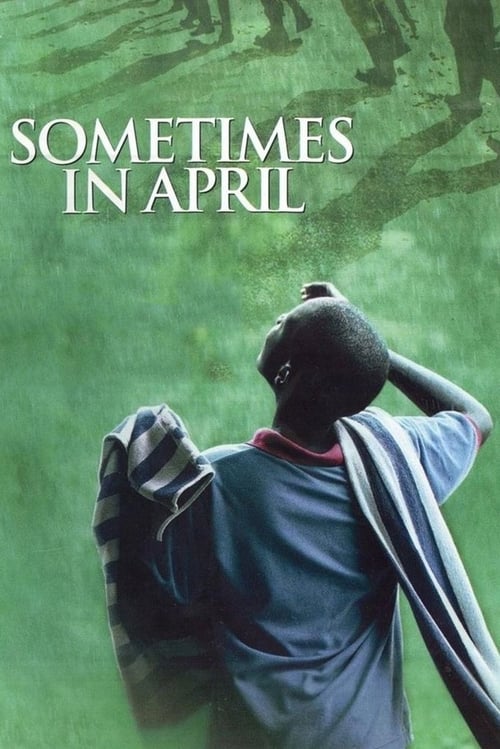
“when did it all begin?”
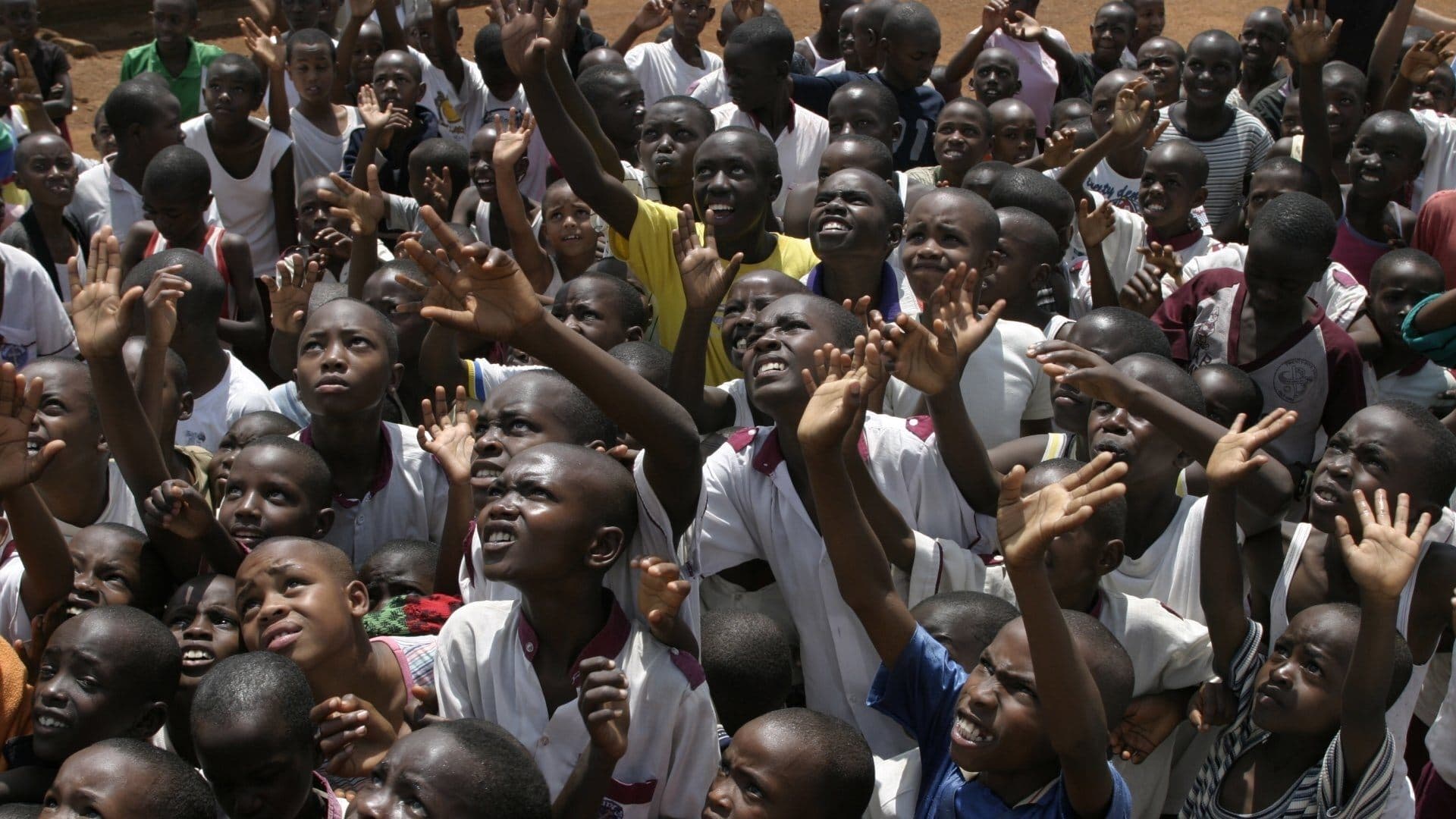
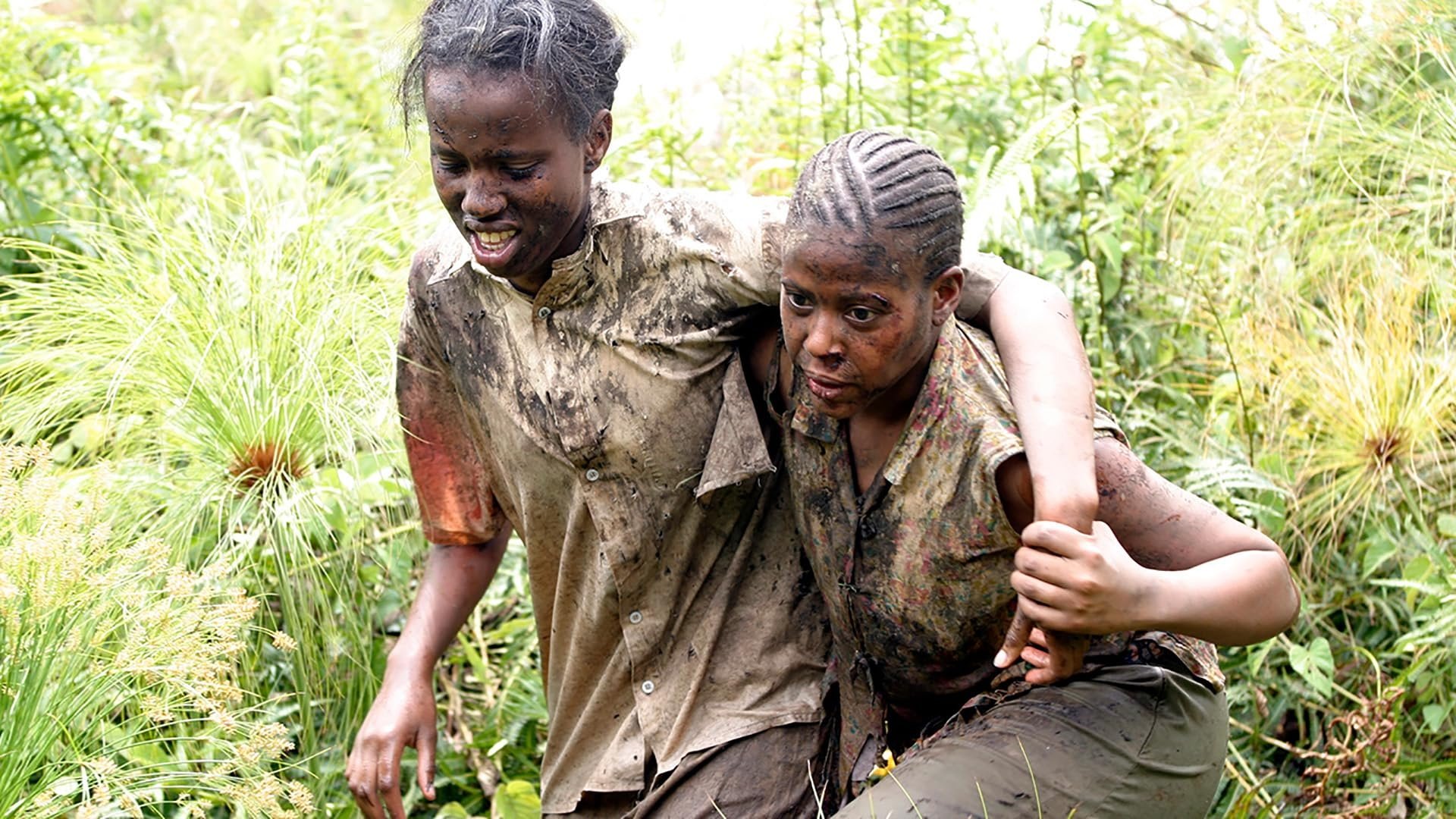
over a span of roughly 100 days in 1994, as many as 1,000,000 rwandans (predominantly members if the tutsi ethnic group) were murdered in a massacre that would come to be known as ‘the rwandan genocide’. this case is entirely unique though. unlike the holocaust which used industrial means of ethnic cleansing, or the genocide currently taking place in gaza under imperialist apartheid, the rwandan genocide was carried out in a straight forward, and extraordinarily brutal fashion. hutu men simply went from door to door, house to house, village to village, machete or rifle in hand, slaughtering any and all known/suspected tutsi’s they could find. no one was spared, not children, not elderly, not even pregnant women. but what could’ve caused such a calamitous tragedy? animosity between long rivaled ethnic groups? difference in religious/cultural beliefs? sure those couldve played a part or added fuel to the fire, but the answer is much simpler, and much more obvious. colonialism. it was colonialism that laid the foundation of hatred and division between the hutu and the tutsi, it was colonialism that bred the environment that would eventually give birth to such a horrific event, and to this day, it is not the echoes of the genocide that solely ring throughout rwanda, it is the deafening roar of colonialism that does, the memory of the genocide is but a grim reminder.
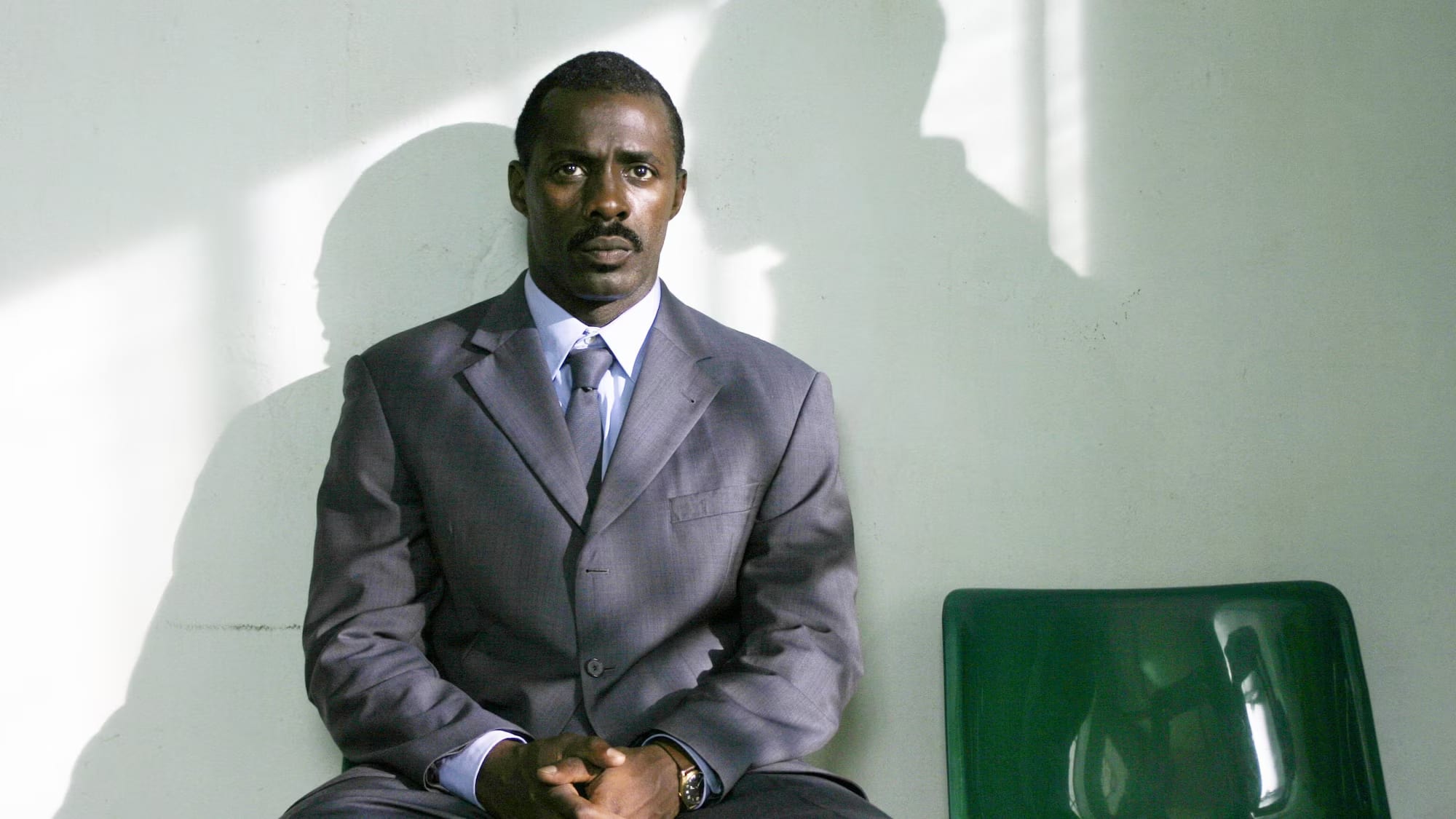
even though this film may not have the best cinematography, acting, or writing, but the honesty and the message compensates for all other shortcomings a hundred fold.
“when did it all begin?”
over a span of roughly 100 days in 1994, as many as 1,000,000 rwandans (predominantly members if the tutsi ethnic group) were murdered in a massacre that would come to be known as ‘the rwandan genocide’. this case is entirely unique though. unlike the holocaust which used industrial means of ethnic cleansing, or the genocide currently taking place in gaza under imperialist apartheid, the rwandan genocide was carried out in a straight forward, and extraordinarily brutal fashion. hutu men simply went from door to door, house to house, village to village, machete or rifle in hand, slaughtering any and all known/suspected tutsi’s they could find. no one was spared, not children, not elderly, not even pregnant women. but what could’ve caused such a calamitous tragedy? animosity between long rivaled ethnic groups? difference in religious/cultural beliefs? sure those couldve played a part or added fuel to the fire, but the answer is much simpler, and much more obvious. colonialism. it was colonialism that laid the foundation of hatred and division between the hutu and the tutsi, it was colonialism that bred the environment that would eventually give birth to such a horrific event, and to this day, it is not the echoes of the genocide that solely ring throughout rwanda, it is the deafening roar of colonialism that does, the memory of the genocide is but a grim reminder.
even though this film may not have the best cinematography, acting, or writing, but the honesty and the message compensates for all other shortcomings a hundred fold.