
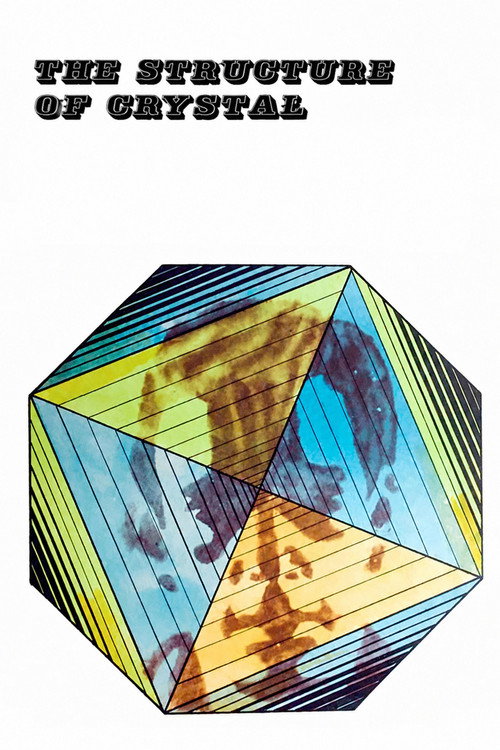
The Structure of Crystal
1969·Drama·1h 14m
7.1
★
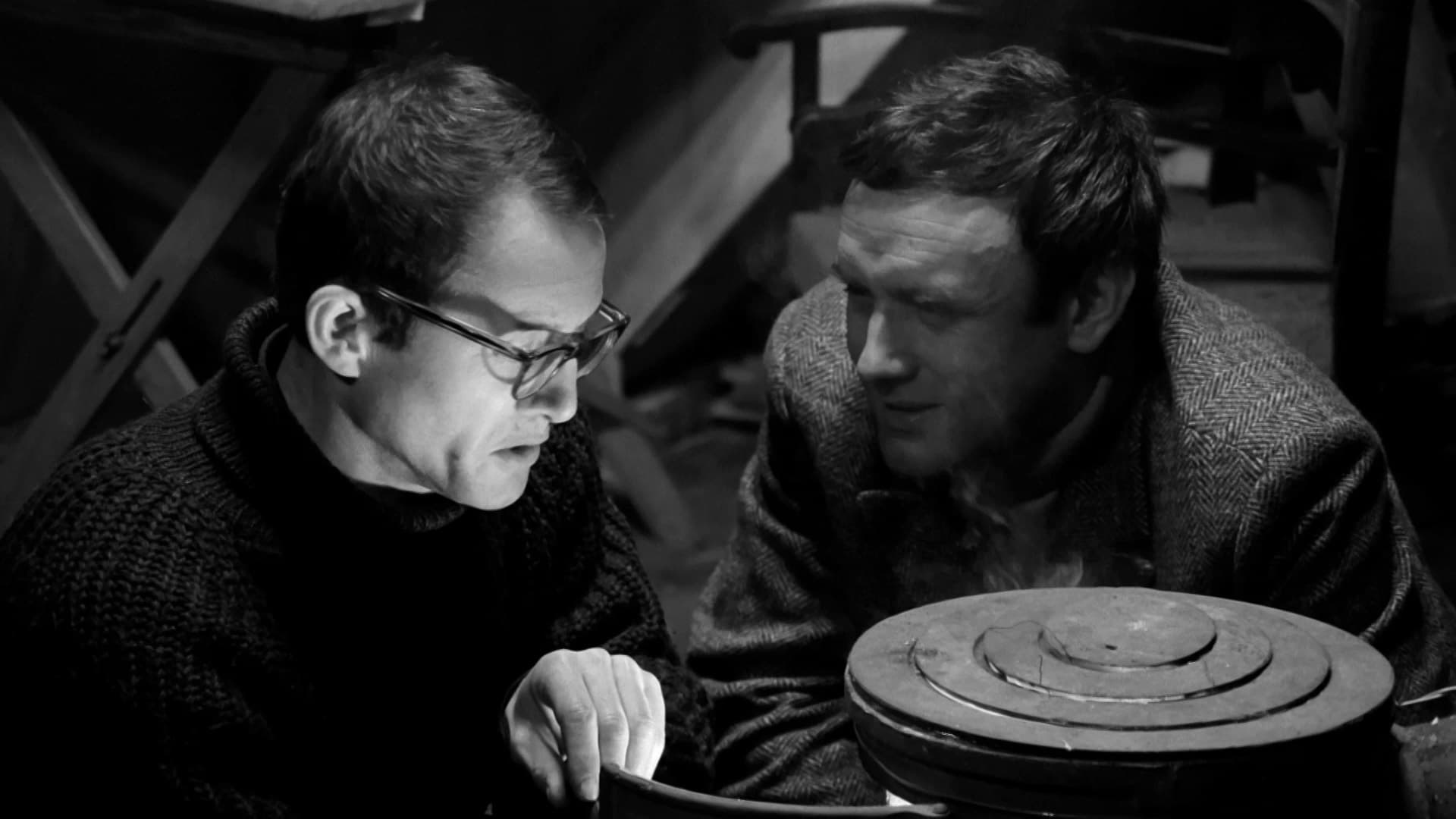
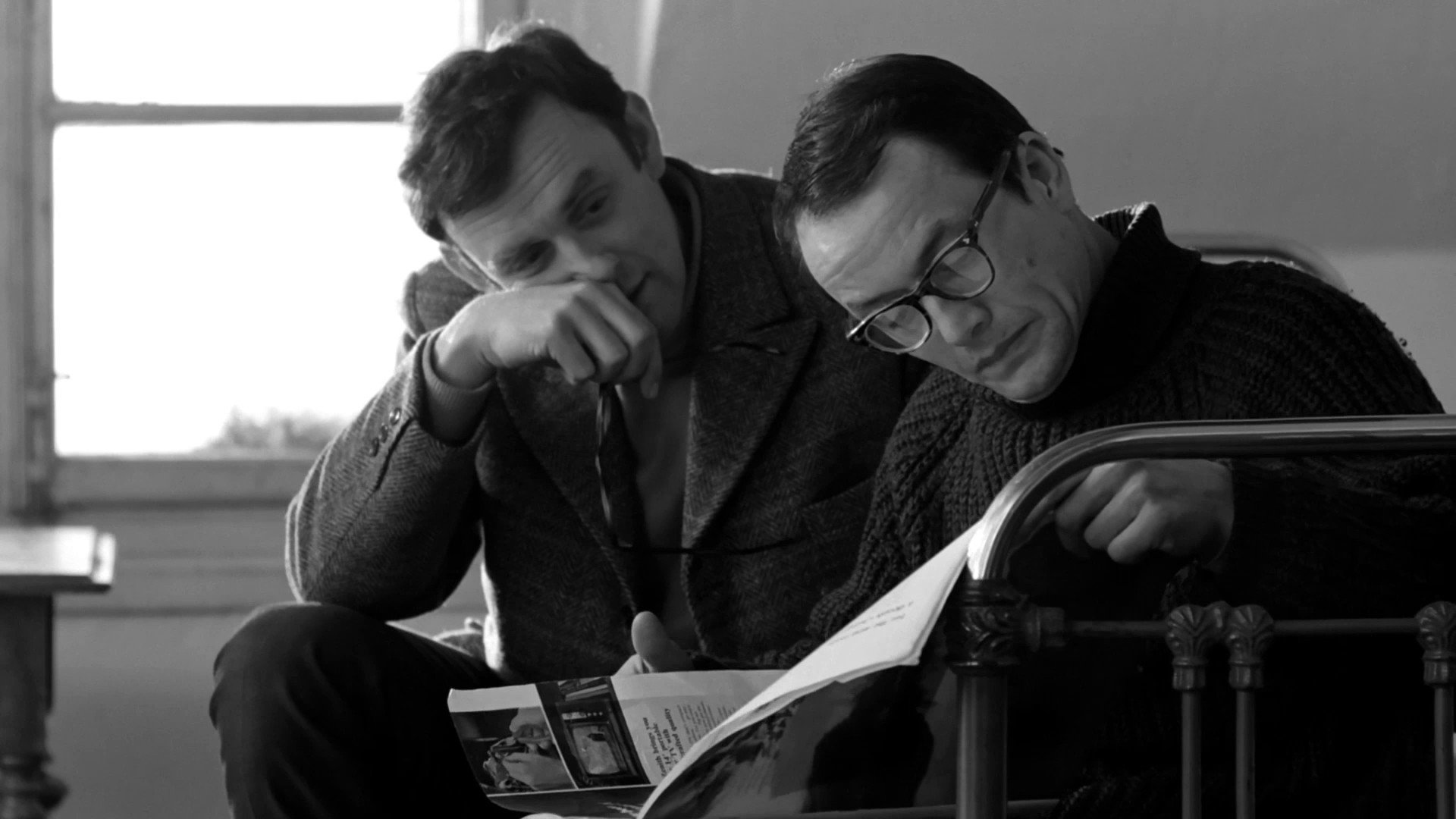


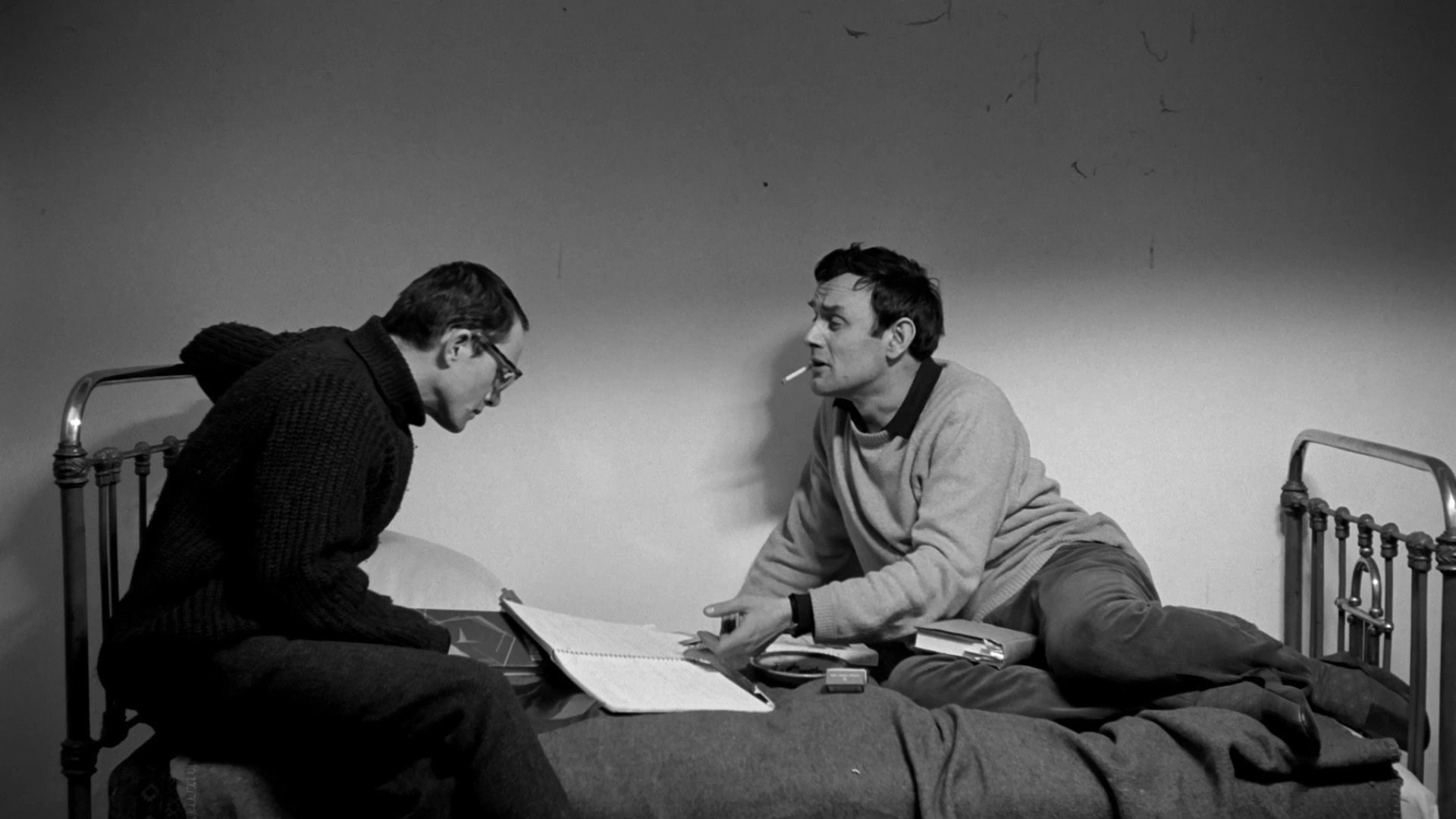
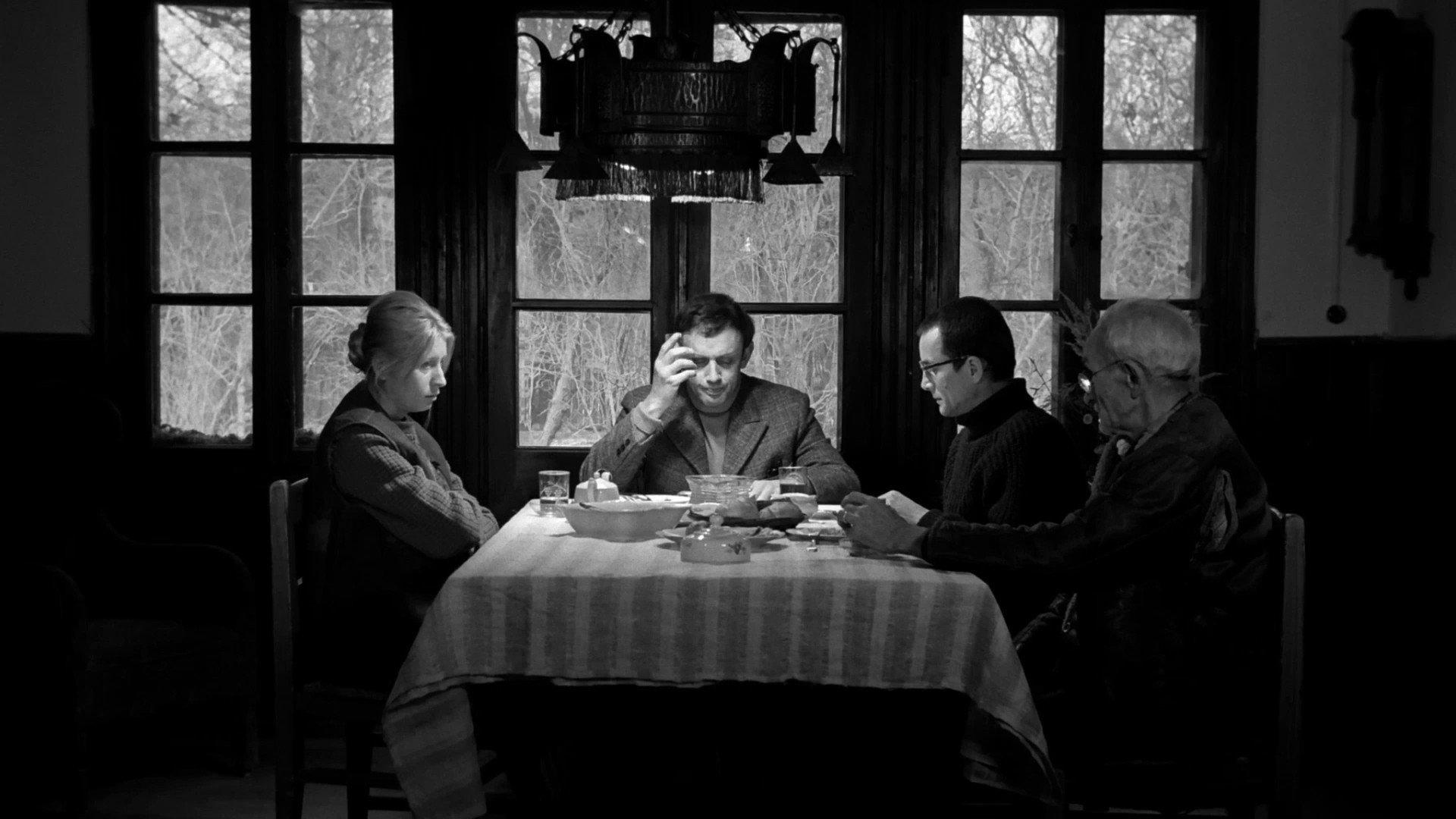


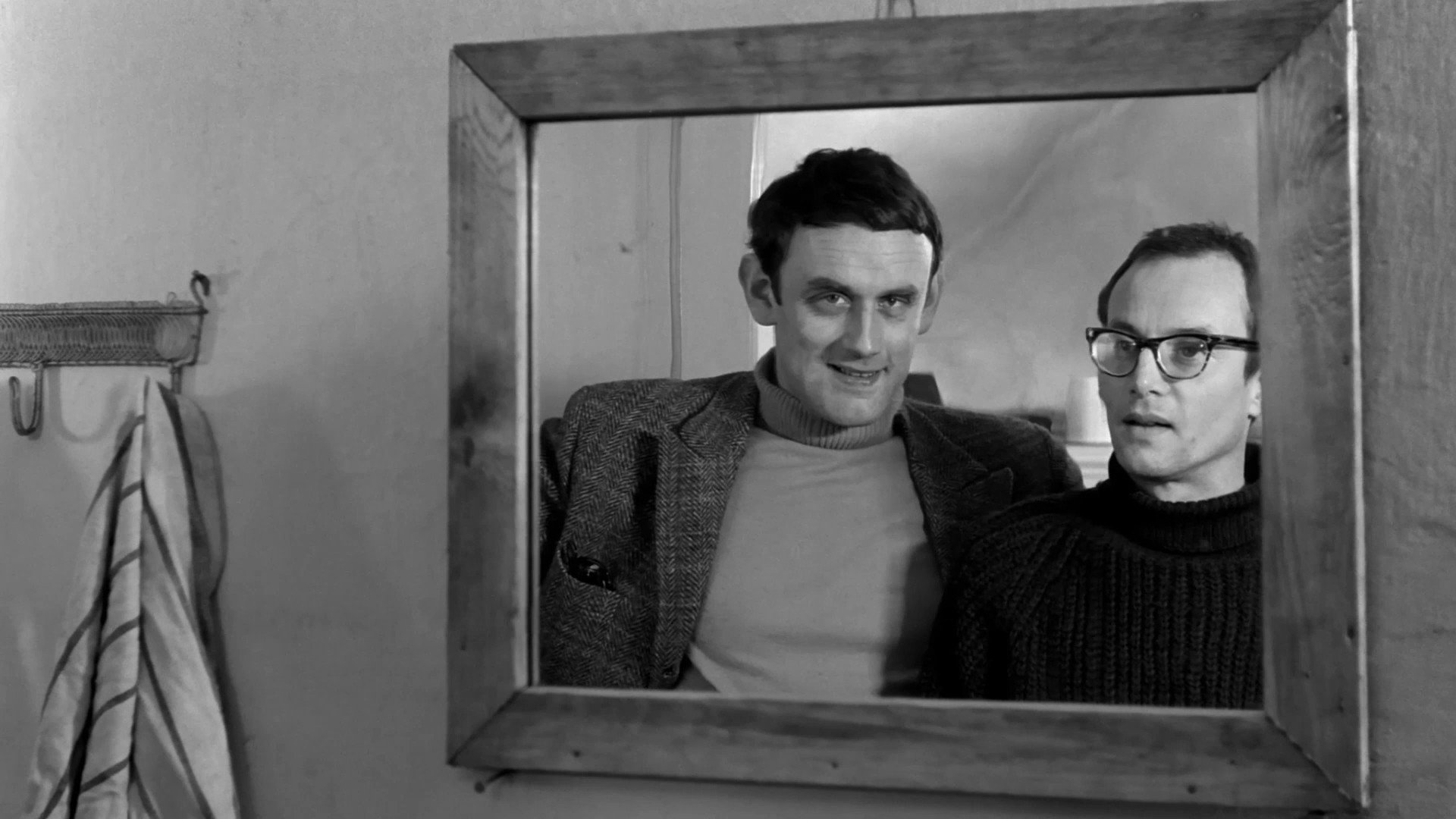


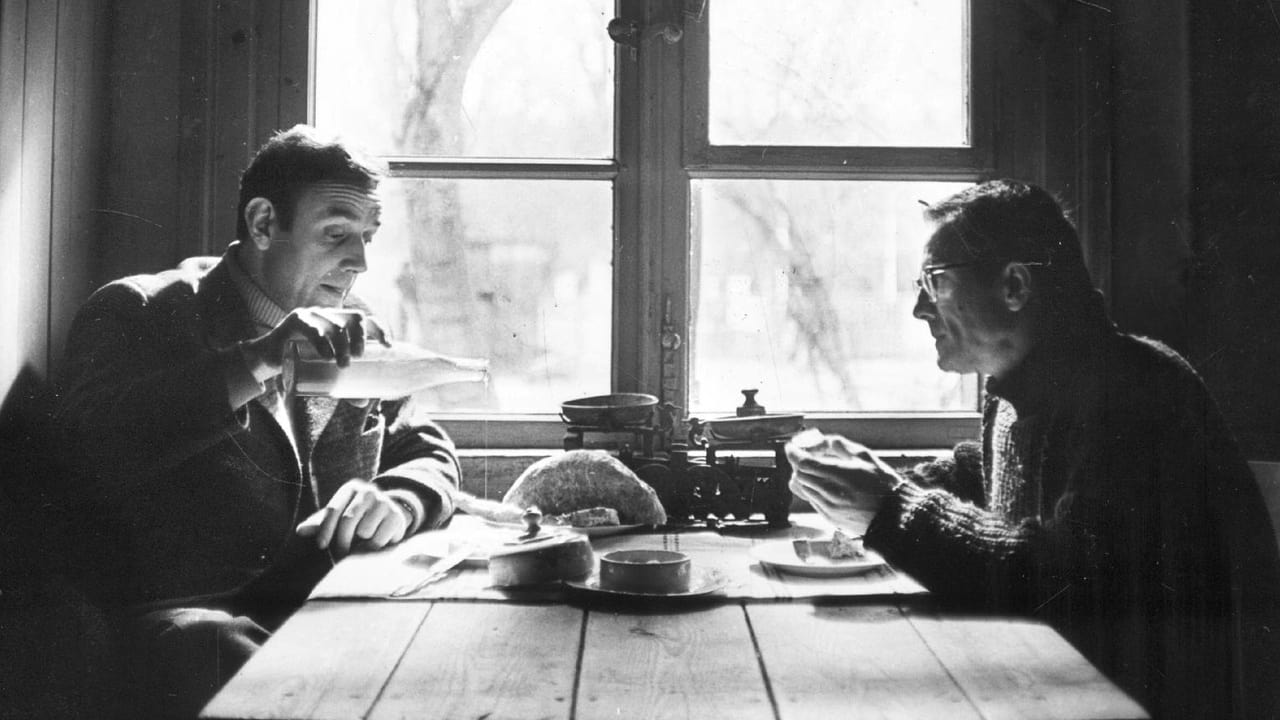
Two friends who used to study physics together are forced to make tough decisions as their lives take different paths.
Directed by Krzysztof Zanussi
university
old friends
moral dilemma
provincial life

IMDB
N/A
Cast
Barbara Wrzesińska
Anna
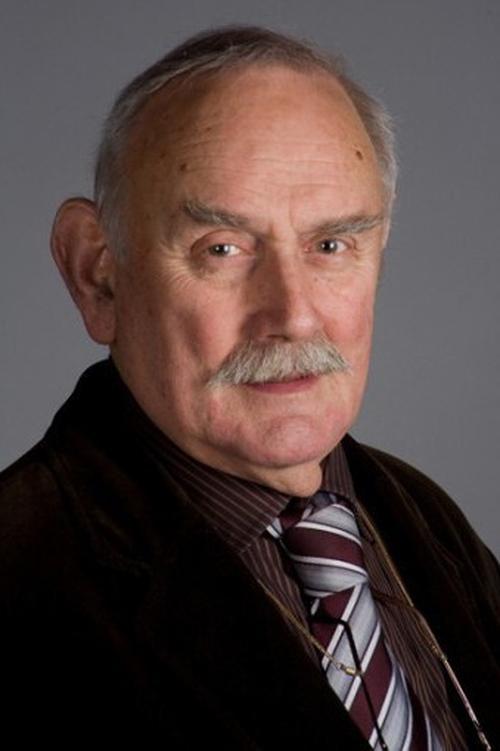
Andrzej Żarnecki
Marek Kawecki
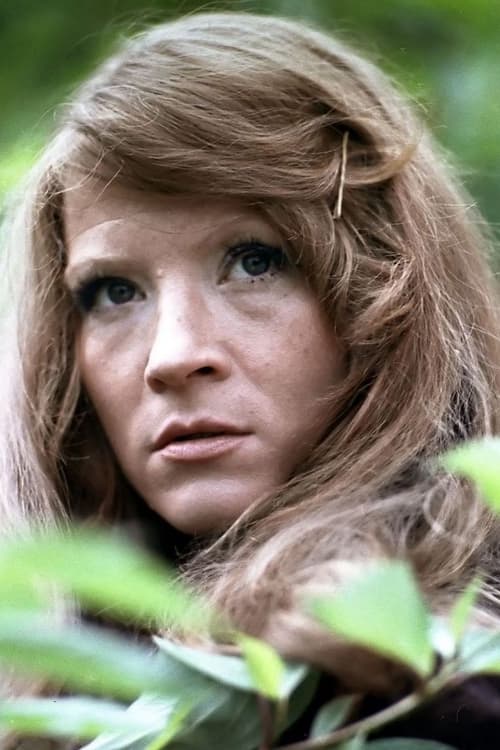
Monika Dzienisiewicz-Olbrychska
Monika Dzienisiewicz-Olbrychska (uncredited)
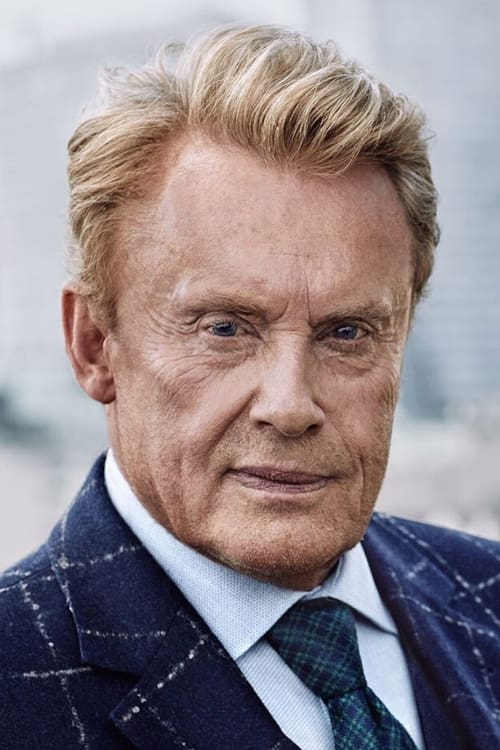
Daniel Olbrychski
Daniel Olbrychski (uncredited)
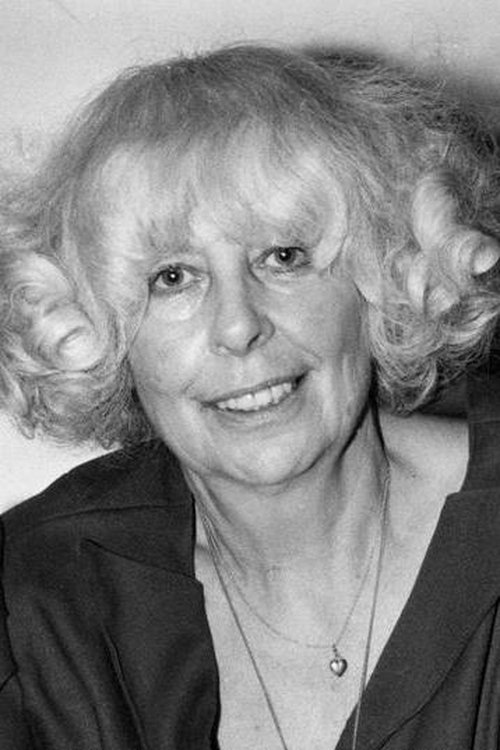
Barbara Wachowicz
Barbara Wachowicz (uncredited)
Crew
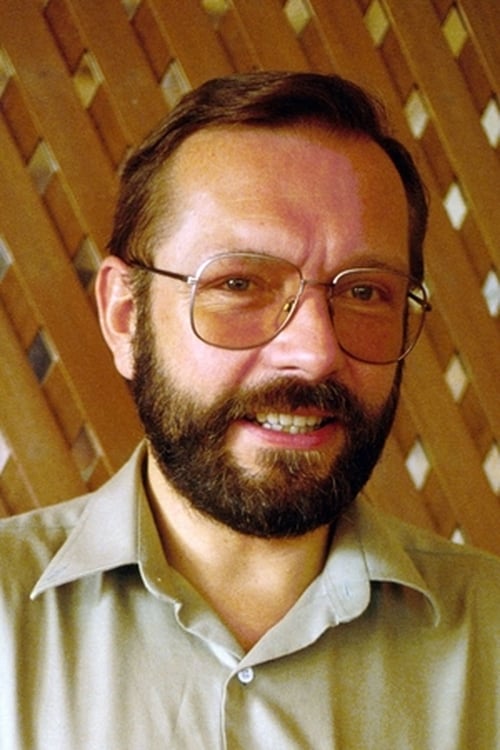
Krzysztof Zanussi
Director
Krzysztof Zanussi
Screenplay
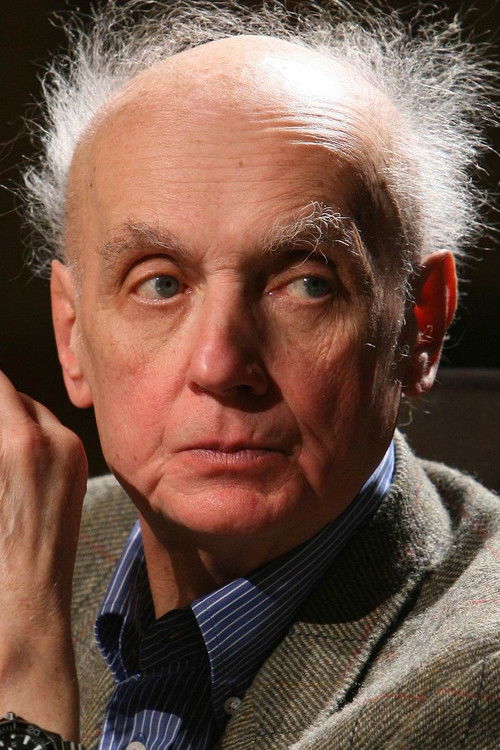
Wojciech Kilar
Original Music Composer
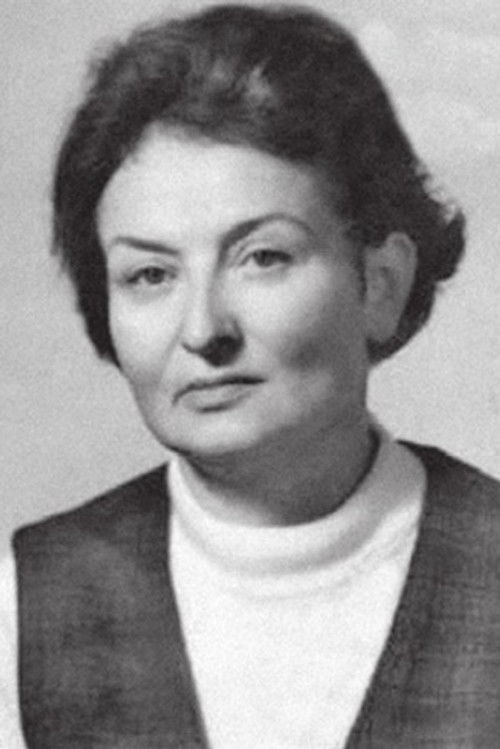
Zofia Dwornik
Editor
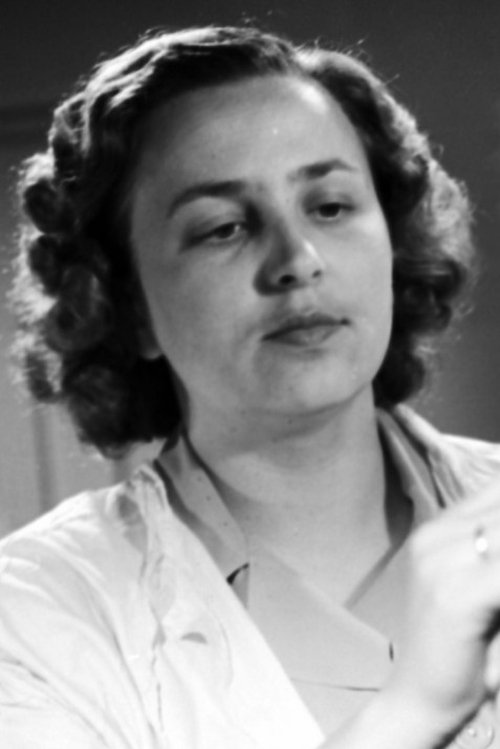
Irena Kosecka
Makeup Artist
Edward Żebrowski
Co-Writer
Stanisław Różewicz
Supervising Art Director
Popular Reviews
22 reviews
Vinayak
10.0★ · 02/03/25
Finding art that resonates with my life's ideology brings true bliss, and this movie gives me that feeling.
The cuts in the film were so modern for something from 1969. Loved the subtle soundtrack, and a few great jazz pieces, also the talks about literature and science were so damn interesting. From the very first frame, I was so damn intrigued by the cinematography.
***
I think there is something about Polish cinema that is so humanitarian and universal, it easily becomes something so personal. Kieślowski in his TV series called Dekalog opens our eyes not I to a society which is so foreign (as it is for me) but to something that is happening next door in our hometown. Here Zanussi also does the same thing, he makes me open my eyes to my consciousness and beliefs and that's truly alluring.
***
The cuts in the film were so modern for something from 1969. Loved the subtle soundtrack, and a few great jazz pieces, also the talks about literature and science were so damn interesting. From the very first frame, I was so damn intrigued by the cinematography.
***
I think there is something about Polish cinema that is so humanitarian and universal, it easily becomes something so personal. Kieślowski in his TV series called Dekalog opens our eyes not I to a society which is so foreign (as it is for me) but to something that is happening next door in our hometown. Here Zanussi also does the same thing, he makes me open my eyes to my consciousness and beliefs and that's truly alluring.
***
Finding art that resonates with my life's ideology brings true bliss, and this movie gives me that feeling.
The cuts in the film were so modern for something from 1969. Loved the subtle soundtrack, and a few great jazz pieces, also the talks about literature and science were so damn interesting. From the very first frame, I was so damn intrigued by the cinematography.
***
I think there is something about Polish cinema that is so humanitarian and universal, it easily becomes something so personal. Kieślowski in his TV series called Dekalog opens our eyes not I to a society which is so foreign (as it is for me) but to something that is happening next door in our hometown. Here Zanussi also does the same thing, he makes me open my eyes to my consciousness and beliefs and that's truly alluring.
***
The cuts in the film were so modern for something from 1969. Loved the subtle soundtrack, and a few great jazz pieces, also the talks about literature and science were so damn interesting. From the very first frame, I was so damn intrigued by the cinematography.
***
I think there is something about Polish cinema that is so humanitarian and universal, it easily becomes something so personal. Kieślowski in his TV series called Dekalog opens our eyes not I to a society which is so foreign (as it is for me) but to something that is happening next door in our hometown. Here Zanussi also does the same thing, he makes me open my eyes to my consciousness and beliefs and that's truly alluring.
***

1

Leib
10.0★ · 03/15/26
Hay películas que parecen construidas para impresionar inmediatamente. Otras funcionan como enigmas que uno intenta descifrar. Y luego existen obras mucho más silenciosas, más pacientes, que poco a poco van revelando su profundidad sin nunca levantar la voz. The Structure of Crystal pertenece a ese último tipo de cine. Es una película que avanza con calma, con una modestia casi engañosa, pero que termina dejando una impresión enorme. Para mí es una de esas obras que se sienten completamente perfectas.
Dirigida por Krzysztof Zanussi, la película parte de una premisa extremadamente simple. Dos antiguos compañeros de universidad, ambos físicos, se reencuentran después de años. Uno de ellos ha seguido una carrera académica prestigiosa en la ciudad; el otro decidió abandonar ese mundo y vivir una vida tranquila en el campo junto a su esposa. A partir de ese encuentro aparentemente cotidiano, la película empieza a desplegar algo mucho más profundo: una reflexión muy delicada sobre las elecciones que hacemos en la vida.
Lo extraordinario es que Zanussi nunca convierte ese conflicto en algo dramático o exagerado. No hay grandes confrontaciones ni revelaciones espectaculares. En cambio, la película se construye a través de conversaciones tranquilas, paseos, momentos domésticos y pequeños silencios que poco a poco van revelando las diferencias entre los personajes.
Uno empieza a entender que la película no trata realmente sobre ciencia o sobre carreras profesionales. Trata sobre algo mucho más esencial: cómo cada persona decide vivir su vida, qué significa el éxito, qué significa la tranquilidad, y hasta qué punto nuestras decisiones nos acercan o nos alejan de una forma de felicidad.
Lo que hace que todo esto funcione tan bien es el ritmo extremadamente preciso de la película. Zanussi dirige con una paciencia admirable. Nunca apresura las escenas. Permite que los personajes existan dentro de los espacios, que las conversaciones respiren y que el espectador tenga tiempo para observar.
Ese ritmo contemplativo le da a la película una textura muy particular. No se siente como una narrativa convencional con principio, desarrollo y clímax. Se siente más bien como un momento detenido en el tiempo, un período breve en el que dos vidas vuelven a cruzarse.
La cinematografía juega un papel enorme en esa sensación. El trabajo del director de fotografía Stefan Matyjaszkiewicz es increíblemente sutil y elegante. No intenta llamar la atención sobre sí mismo, pero cada encuadre está construido con un equilibrio visual impresionante.
Los paisajes rurales donde vive uno de los protagonistas están filmados con una serenidad muy especial. La cámara observa el campo, los árboles, la nieve, las casas sencillas, y todo parece transmitir una sensación de calma profunda. Esa tranquilidad visual contrasta con la energía más inquieta del visitante que viene de la ciudad.
Los interiores también están filmados con mucho cuidado. Las habitaciones simples, la mesa donde se comparten las comidas, los pequeños objetos cotidianos… todo contribuye a crear un espacio íntimo y muy humano.
Lo impresionante es que la cinematografía nunca se siente decorativa. Cada imagen parece pensada para reflejar el estado interior de los personajes. Cuando los personajes caminan por el paisaje abierto, la amplitud del entorno parece sugerir una forma de libertad. Cuando las conversaciones se vuelven más incómodas, los encuadres se vuelven más cerrados y concentrados.
Esa relación entre espacio y emoción es una de las grandes virtudes de la película.
Pero lo que realmente hace que The Structure of Crystal alcance un nivel tan alto es su dimensión filosófica. La película plantea preguntas muy profundas sin nunca imponer respuestas. ¿Vale la pena dedicar la vida a la ambición intelectual? ¿O hay algo más valioso en una existencia simple y tranquila? ¿Es posible medir el valor de una vida en términos de éxito profesional?
Estas preguntas nunca se convierten en discursos explícitos. Surgen naturalmente a través de las conversaciones y de las diferencias entre los personajes.
Uno representa la curiosidad científica, la búsqueda constante, la necesidad de avanzar. El otro parece haber encontrado una forma distinta de sabiduría: aceptar la vida tal como es, sin la presión de demostrar nada.
Lo fascinante es que la película no juzga a ninguno de los dos. En lugar de presentar una respuesta definitiva, Zanussi simplemente observa.
Y en esa observación encuentra algo profundamente humano.
La película también tiene una cualidad muy particular que comparten algunas de las grandes obras del cine europeo de los años sesenta y setenta: una confianza absoluta en la inteligencia del espectador. No intenta explicar todo. No subraya sus ideas. Simplemente presenta situaciones y deja que el público reflexione.
Esa confianza hace que la experiencia sea mucho más rica.
Mientras la película avanza, uno empieza a sentir que está viendo algo muy raro: una obra donde cada elemento —dirección, actuación, fotografía, ritmo— está perfectamente equilibrado.
Nada sobra. Nada falta.
Cada escena parece exactamente como debe ser.
Y cuando una película logra ese tipo de equilibrio, empieza a acercarse a algo muy difícil de alcanzar.
Por eso The Structure of Crystal se siente tan especial. No necesita grandes gestos para ser poderosa. Su fuerza está en su simplicidad, en su precisión, en su capacidad para observar la vida con una calma extraordinaria.
Es una obra profundamente reflexiva, visualmente elegante y emocionalmente honesta.
Una de esas películas que parecen pequeñas al principio pero que se quedan en la mente durante mucho tiempo.
Y cuando uno piensa en todo lo que logra con recursos tan mínimos, la conclusión aparece de manera muy natural.
Es cine en su forma más pura.
Una película absolutamente perfecta.
Dirigida por Krzysztof Zanussi, la película parte de una premisa extremadamente simple. Dos antiguos compañeros de universidad, ambos físicos, se reencuentran después de años. Uno de ellos ha seguido una carrera académica prestigiosa en la ciudad; el otro decidió abandonar ese mundo y vivir una vida tranquila en el campo junto a su esposa. A partir de ese encuentro aparentemente cotidiano, la película empieza a desplegar algo mucho más profundo: una reflexión muy delicada sobre las elecciones que hacemos en la vida.
Lo extraordinario es que Zanussi nunca convierte ese conflicto en algo dramático o exagerado. No hay grandes confrontaciones ni revelaciones espectaculares. En cambio, la película se construye a través de conversaciones tranquilas, paseos, momentos domésticos y pequeños silencios que poco a poco van revelando las diferencias entre los personajes.
Uno empieza a entender que la película no trata realmente sobre ciencia o sobre carreras profesionales. Trata sobre algo mucho más esencial: cómo cada persona decide vivir su vida, qué significa el éxito, qué significa la tranquilidad, y hasta qué punto nuestras decisiones nos acercan o nos alejan de una forma de felicidad.
Lo que hace que todo esto funcione tan bien es el ritmo extremadamente preciso de la película. Zanussi dirige con una paciencia admirable. Nunca apresura las escenas. Permite que los personajes existan dentro de los espacios, que las conversaciones respiren y que el espectador tenga tiempo para observar.
Ese ritmo contemplativo le da a la película una textura muy particular. No se siente como una narrativa convencional con principio, desarrollo y clímax. Se siente más bien como un momento detenido en el tiempo, un período breve en el que dos vidas vuelven a cruzarse.
La cinematografía juega un papel enorme en esa sensación. El trabajo del director de fotografía Stefan Matyjaszkiewicz es increíblemente sutil y elegante. No intenta llamar la atención sobre sí mismo, pero cada encuadre está construido con un equilibrio visual impresionante.
Los paisajes rurales donde vive uno de los protagonistas están filmados con una serenidad muy especial. La cámara observa el campo, los árboles, la nieve, las casas sencillas, y todo parece transmitir una sensación de calma profunda. Esa tranquilidad visual contrasta con la energía más inquieta del visitante que viene de la ciudad.
Los interiores también están filmados con mucho cuidado. Las habitaciones simples, la mesa donde se comparten las comidas, los pequeños objetos cotidianos… todo contribuye a crear un espacio íntimo y muy humano.
Lo impresionante es que la cinematografía nunca se siente decorativa. Cada imagen parece pensada para reflejar el estado interior de los personajes. Cuando los personajes caminan por el paisaje abierto, la amplitud del entorno parece sugerir una forma de libertad. Cuando las conversaciones se vuelven más incómodas, los encuadres se vuelven más cerrados y concentrados.
Esa relación entre espacio y emoción es una de las grandes virtudes de la película.
Pero lo que realmente hace que The Structure of Crystal alcance un nivel tan alto es su dimensión filosófica. La película plantea preguntas muy profundas sin nunca imponer respuestas. ¿Vale la pena dedicar la vida a la ambición intelectual? ¿O hay algo más valioso en una existencia simple y tranquila? ¿Es posible medir el valor de una vida en términos de éxito profesional?
Estas preguntas nunca se convierten en discursos explícitos. Surgen naturalmente a través de las conversaciones y de las diferencias entre los personajes.
Uno representa la curiosidad científica, la búsqueda constante, la necesidad de avanzar. El otro parece haber encontrado una forma distinta de sabiduría: aceptar la vida tal como es, sin la presión de demostrar nada.
Lo fascinante es que la película no juzga a ninguno de los dos. En lugar de presentar una respuesta definitiva, Zanussi simplemente observa.
Y en esa observación encuentra algo profundamente humano.
La película también tiene una cualidad muy particular que comparten algunas de las grandes obras del cine europeo de los años sesenta y setenta: una confianza absoluta en la inteligencia del espectador. No intenta explicar todo. No subraya sus ideas. Simplemente presenta situaciones y deja que el público reflexione.
Esa confianza hace que la experiencia sea mucho más rica.
Mientras la película avanza, uno empieza a sentir que está viendo algo muy raro: una obra donde cada elemento —dirección, actuación, fotografía, ritmo— está perfectamente equilibrado.
Nada sobra. Nada falta.
Cada escena parece exactamente como debe ser.
Y cuando una película logra ese tipo de equilibrio, empieza a acercarse a algo muy difícil de alcanzar.
Por eso The Structure of Crystal se siente tan especial. No necesita grandes gestos para ser poderosa. Su fuerza está en su simplicidad, en su precisión, en su capacidad para observar la vida con una calma extraordinaria.
Es una obra profundamente reflexiva, visualmente elegante y emocionalmente honesta.
Una de esas películas que parecen pequeñas al principio pero que se quedan en la mente durante mucho tiempo.
Y cuando uno piensa en todo lo que logra con recursos tan mínimos, la conclusión aparece de manera muy natural.
Es cine en su forma más pura.
Una película absolutamente perfecta.
Hay películas que parecen construidas para impresionar inmediatamente. Otras funcionan como enigmas que uno intenta descifrar. Y luego existen obras mucho más silenciosas, más pacientes, que poco a poco van revelando su profundidad sin nunca levantar la voz. The Structure of Crystal pertenece a ese último tipo de cine. Es una película que avanza con calma, con una modestia casi engañosa, pero que termina dejando una impresión enorme. Para mí es una de esas obras que se sienten completamente perfectas.
Dirigida por Krzysztof Zanussi, la película parte de una premisa extremadamente simple. Dos antiguos compañeros de universidad, ambos físicos, se reencuentran después de años. Uno de ellos ha seguido una carrera académica prestigiosa en la ciudad; el otro decidió abandonar ese mundo y vivir una vida tranquila en el campo junto a su esposa. A partir de ese encuentro aparentemente cotidiano, la película empieza a desplegar algo mucho más profundo: una reflexión muy delicada sobre las elecciones que hacemos en la vida.
Lo extraordinario es que Zanussi nunca convierte ese conflicto en algo dramático o exagerado. No hay grandes confrontaciones ni revelaciones espectaculares. En cambio, la película se construye a través de conversaciones tranquilas, paseos, momentos domésticos y pequeños silencios que poco a poco van revelando las diferencias entre los personajes.
Uno empieza a entender que la película no trata realmente sobre ciencia o sobre carreras profesionales. Trata sobre algo mucho más esencial: cómo cada persona decide vivir su vida, qué significa el éxito, qué significa la tranquilidad, y hasta qué punto nuestras decisiones nos acercan o nos alejan de una forma de felicidad.
Lo que hace que todo esto funcione tan bien es el ritmo extremadamente preciso de la película. Zanussi dirige con una paciencia admirable. Nunca apresura las escenas. Permite que los personajes existan dentro de los espacios, que las conversaciones respiren y que el espectador tenga tiempo para observar.
Ese ritmo contemplativo le da a la película una textura muy particular. No se siente como una narrativa convencional con principio, desarrollo y clímax. Se siente más bien como un momento detenido en el tiempo, un período breve en el que dos vidas vuelven a cruzarse.
La cinematografía juega un papel enorme en esa sensación. El trabajo del director de fotografía Stefan Matyjaszkiewicz es increíblemente sutil y elegante. No intenta llamar la atención sobre sí mismo, pero cada encuadre está construido con un equilibrio visual impresionante.
Los paisajes rurales donde vive uno de los protagonistas están filmados con una serenidad muy especial. La cámara observa el campo, los árboles, la nieve, las casas sencillas, y todo parece transmitir una sensación de calma profunda. Esa tranquilidad visual contrasta con la energía más inquieta del visitante que viene de la ciudad.
Los interiores también están filmados con mucho cuidado. Las habitaciones simples, la mesa donde se comparten las comidas, los pequeños objetos cotidianos… todo contribuye a crear un espacio íntimo y muy humano.
Lo impresionante es que la cinematografía nunca se siente decorativa. Cada imagen parece pensada para reflejar el estado interior de los personajes. Cuando los personajes caminan por el paisaje abierto, la amplitud del entorno parece sugerir una forma de libertad. Cuando las conversaciones se vuelven más incómodas, los encuadres se vuelven más cerrados y concentrados.
Esa relación entre espacio y emoción es una de las grandes virtudes de la película.
Pero lo que realmente hace que The Structure of Crystal alcance un nivel tan alto es su dimensión filosófica. La película plantea preguntas muy profundas sin nunca imponer respuestas. ¿Vale la pena dedicar la vida a la ambición intelectual? ¿O hay algo más valioso en una existencia simple y tranquila? ¿Es posible medir el valor de una vida en términos de éxito profesional?
Estas preguntas nunca se convierten en discursos explícitos. Surgen naturalmente a través de las conversaciones y de las diferencias entre los personajes.
Uno representa la curiosidad científica, la búsqueda constante, la necesidad de avanzar. El otro parece haber encontrado una forma distinta de sabiduría: aceptar la vida tal como es, sin la presión de demostrar nada.
Lo fascinante es que la película no juzga a ninguno de los dos. En lugar de presentar una respuesta definitiva, Zanussi simplemente observa.
Y en esa observación encuentra algo profundamente humano.
La película también tiene una cualidad muy particular que comparten algunas de las grandes obras del cine europeo de los años sesenta y setenta: una confianza absoluta en la inteligencia del espectador. No intenta explicar todo. No subraya sus ideas. Simplemente presenta situaciones y deja que el público reflexione.
Esa confianza hace que la experiencia sea mucho más rica.
Mientras la película avanza, uno empieza a sentir que está viendo algo muy raro: una obra donde cada elemento —dirección, actuación, fotografía, ritmo— está perfectamente equilibrado.
Nada sobra. Nada falta.
Cada escena parece exactamente como debe ser.
Y cuando una película logra ese tipo de equilibrio, empieza a acercarse a algo muy difícil de alcanzar.
Por eso The Structure of Crystal se siente tan especial. No necesita grandes gestos para ser poderosa. Su fuerza está en su simplicidad, en su precisión, en su capacidad para observar la vida con una calma extraordinaria.
Es una obra profundamente reflexiva, visualmente elegante y emocionalmente honesta.
Una de esas películas que parecen pequeñas al principio pero que se quedan en la mente durante mucho tiempo.
Y cuando uno piensa en todo lo que logra con recursos tan mínimos, la conclusión aparece de manera muy natural.
Es cine en su forma más pura.
Una película absolutamente perfecta.
Dirigida por Krzysztof Zanussi, la película parte de una premisa extremadamente simple. Dos antiguos compañeros de universidad, ambos físicos, se reencuentran después de años. Uno de ellos ha seguido una carrera académica prestigiosa en la ciudad; el otro decidió abandonar ese mundo y vivir una vida tranquila en el campo junto a su esposa. A partir de ese encuentro aparentemente cotidiano, la película empieza a desplegar algo mucho más profundo: una reflexión muy delicada sobre las elecciones que hacemos en la vida.
Lo extraordinario es que Zanussi nunca convierte ese conflicto en algo dramático o exagerado. No hay grandes confrontaciones ni revelaciones espectaculares. En cambio, la película se construye a través de conversaciones tranquilas, paseos, momentos domésticos y pequeños silencios que poco a poco van revelando las diferencias entre los personajes.
Uno empieza a entender que la película no trata realmente sobre ciencia o sobre carreras profesionales. Trata sobre algo mucho más esencial: cómo cada persona decide vivir su vida, qué significa el éxito, qué significa la tranquilidad, y hasta qué punto nuestras decisiones nos acercan o nos alejan de una forma de felicidad.
Lo que hace que todo esto funcione tan bien es el ritmo extremadamente preciso de la película. Zanussi dirige con una paciencia admirable. Nunca apresura las escenas. Permite que los personajes existan dentro de los espacios, que las conversaciones respiren y que el espectador tenga tiempo para observar.
Ese ritmo contemplativo le da a la película una textura muy particular. No se siente como una narrativa convencional con principio, desarrollo y clímax. Se siente más bien como un momento detenido en el tiempo, un período breve en el que dos vidas vuelven a cruzarse.
La cinematografía juega un papel enorme en esa sensación. El trabajo del director de fotografía Stefan Matyjaszkiewicz es increíblemente sutil y elegante. No intenta llamar la atención sobre sí mismo, pero cada encuadre está construido con un equilibrio visual impresionante.
Los paisajes rurales donde vive uno de los protagonistas están filmados con una serenidad muy especial. La cámara observa el campo, los árboles, la nieve, las casas sencillas, y todo parece transmitir una sensación de calma profunda. Esa tranquilidad visual contrasta con la energía más inquieta del visitante que viene de la ciudad.
Los interiores también están filmados con mucho cuidado. Las habitaciones simples, la mesa donde se comparten las comidas, los pequeños objetos cotidianos… todo contribuye a crear un espacio íntimo y muy humano.
Lo impresionante es que la cinematografía nunca se siente decorativa. Cada imagen parece pensada para reflejar el estado interior de los personajes. Cuando los personajes caminan por el paisaje abierto, la amplitud del entorno parece sugerir una forma de libertad. Cuando las conversaciones se vuelven más incómodas, los encuadres se vuelven más cerrados y concentrados.
Esa relación entre espacio y emoción es una de las grandes virtudes de la película.
Pero lo que realmente hace que The Structure of Crystal alcance un nivel tan alto es su dimensión filosófica. La película plantea preguntas muy profundas sin nunca imponer respuestas. ¿Vale la pena dedicar la vida a la ambición intelectual? ¿O hay algo más valioso en una existencia simple y tranquila? ¿Es posible medir el valor de una vida en términos de éxito profesional?
Estas preguntas nunca se convierten en discursos explícitos. Surgen naturalmente a través de las conversaciones y de las diferencias entre los personajes.
Uno representa la curiosidad científica, la búsqueda constante, la necesidad de avanzar. El otro parece haber encontrado una forma distinta de sabiduría: aceptar la vida tal como es, sin la presión de demostrar nada.
Lo fascinante es que la película no juzga a ninguno de los dos. En lugar de presentar una respuesta definitiva, Zanussi simplemente observa.
Y en esa observación encuentra algo profundamente humano.
La película también tiene una cualidad muy particular que comparten algunas de las grandes obras del cine europeo de los años sesenta y setenta: una confianza absoluta en la inteligencia del espectador. No intenta explicar todo. No subraya sus ideas. Simplemente presenta situaciones y deja que el público reflexione.
Esa confianza hace que la experiencia sea mucho más rica.
Mientras la película avanza, uno empieza a sentir que está viendo algo muy raro: una obra donde cada elemento —dirección, actuación, fotografía, ritmo— está perfectamente equilibrado.
Nada sobra. Nada falta.
Cada escena parece exactamente como debe ser.
Y cuando una película logra ese tipo de equilibrio, empieza a acercarse a algo muy difícil de alcanzar.
Por eso The Structure of Crystal se siente tan especial. No necesita grandes gestos para ser poderosa. Su fuerza está en su simplicidad, en su precisión, en su capacidad para observar la vida con una calma extraordinaria.
Es una obra profundamente reflexiva, visualmente elegante y emocionalmente honesta.
Una de esas películas que parecen pequeñas al principio pero que se quedan en la mente durante mucho tiempo.
Y cuando uno piensa en todo lo que logra con recursos tan mínimos, la conclusión aparece de manera muy natural.
Es cine en su forma más pura.
Una película absolutamente perfecta.
Vinayak
10.0★ · 06/01/25
I love CINEMA.
I love CINEMA.
Nick
8.0★ · 06/18/24
I adored the juxtaposition of Jan and Marek. Each layer and lens offer insight into the dynamics between East and West. Jan resides as a small-town meteorologist living a simple life. Marek walks with an air of superiority embodying more Western ideas: he’s travelled to the States, taught at Harvard, and even exemplifies competitive attitudes with his strategy of research achievements. He strategically chose the location to pursue his research so that he could be the first. Marek makes several comments about Jan and the people of this small town, going as far as to say the faces of these folks don’t inspire optimism. The following shots of the townspeople induce a tremendous feeling of humanism.
But Jan’s life isn’t upheld protectively by the film, to its credit. We see Jan hint by own admission that in some way he has fallen: he reminisces nostalgically about his pursuit of imaginary numbers in his younger years. A kind of pursuit he no longer embodies. He seems to plainly own the unglamourous lifestyle he currently lives. We also see his wife encounter hardship through her argument with a neighbour about the allocation of wood decreed by the collectivist government.
I loved the parallels drawn between Jan and Marek. One notable example is the rush of Jan driving Marek’s Western car, an exciting venture of speed and daring. But we also see the pleasure of Jan’s method of exciting transportation: a horse-drawn carriage. Both incarnations of rushing speed elicit excitement for the passengers in their own way despite being totally different, literally and symbolically.
There is a respectable commentary provided on the differences between these two and the economic schools of thought they represent. The film doesn’t make efforts to sweepingly claim either of the individuals or their ideals is better or worse. That’s not to say the film is without its own slant, though. I think Marek comes across as somewhat of an asshole, especially when there is a moment we believe he may try to come on to Anna, Jan’s wife. But thematically, I think the worst fate Marek experiences is the unenthused response to his lecture, with Anna saying the townsfolk aren’t interested in his technicalities. The film further leaves room after the lecture for the audience to choose for itself how to view Marek. Marek posits man has surpassed nature which sounds like an audacious claim.
By the end of the film, I thought critically about its title: the structure of crystals. Each crystal has a mathematical equation behind it and each one is unique. Marek, early in the film, references both a positive and negative magnetic field. I think the film takes a less normative stance. Instead, it opts for a positive stance in the sense of providing a world where both schools reside as factual as opposed to a war of superiority. This kind of nuanced discussion is so much more interesting to me than a film filled with rehearsed platitudes.
But Jan’s life isn’t upheld protectively by the film, to its credit. We see Jan hint by own admission that in some way he has fallen: he reminisces nostalgically about his pursuit of imaginary numbers in his younger years. A kind of pursuit he no longer embodies. He seems to plainly own the unglamourous lifestyle he currently lives. We also see his wife encounter hardship through her argument with a neighbour about the allocation of wood decreed by the collectivist government.
I loved the parallels drawn between Jan and Marek. One notable example is the rush of Jan driving Marek’s Western car, an exciting venture of speed and daring. But we also see the pleasure of Jan’s method of exciting transportation: a horse-drawn carriage. Both incarnations of rushing speed elicit excitement for the passengers in their own way despite being totally different, literally and symbolically.
There is a respectable commentary provided on the differences between these two and the economic schools of thought they represent. The film doesn’t make efforts to sweepingly claim either of the individuals or their ideals is better or worse. That’s not to say the film is without its own slant, though. I think Marek comes across as somewhat of an asshole, especially when there is a moment we believe he may try to come on to Anna, Jan’s wife. But thematically, I think the worst fate Marek experiences is the unenthused response to his lecture, with Anna saying the townsfolk aren’t interested in his technicalities. The film further leaves room after the lecture for the audience to choose for itself how to view Marek. Marek posits man has surpassed nature which sounds like an audacious claim.
By the end of the film, I thought critically about its title: the structure of crystals. Each crystal has a mathematical equation behind it and each one is unique. Marek, early in the film, references both a positive and negative magnetic field. I think the film takes a less normative stance. Instead, it opts for a positive stance in the sense of providing a world where both schools reside as factual as opposed to a war of superiority. This kind of nuanced discussion is so much more interesting to me than a film filled with rehearsed platitudes.
I adored the juxtaposition of Jan and Marek. Each layer and lens offer insight into the dynamics between East and West. Jan resides as a small-town meteorologist living a simple life. Marek walks with an air of superiority embodying more Western ideas: he’s travelled to the States, taught at Harvard, and even exemplifies competitive attitudes with his strategy of research achievements. He strategically chose the location to pursue his research so that he could be the first. Marek makes several comments about Jan and the people of this small town, going as far as to say the faces of these folks don’t inspire optimism. The following shots of the townspeople induce a tremendous feeling of humanism.
But Jan’s life isn’t upheld protectively by the film, to its credit. We see Jan hint by own admission that in some way he has fallen: he reminisces nostalgically about his pursuit of imaginary numbers in his younger years. A kind of pursuit he no longer embodies. He seems to plainly own the unglamourous lifestyle he currently lives. We also see his wife encounter hardship through her argument with a neighbour about the allocation of wood decreed by the collectivist government.
I loved the parallels drawn between Jan and Marek. One notable example is the rush of Jan driving Marek’s Western car, an exciting venture of speed and daring. But we also see the pleasure of Jan’s method of exciting transportation: a horse-drawn carriage. Both incarnations of rushing speed elicit excitement for the passengers in their own way despite being totally different, literally and symbolically.
There is a respectable commentary provided on the differences between these two and the economic schools of thought they represent. The film doesn’t make efforts to sweepingly claim either of the individuals or their ideals is better or worse. That’s not to say the film is without its own slant, though. I think Marek comes across as somewhat of an asshole, especially when there is a moment we believe he may try to come on to Anna, Jan’s wife. But thematically, I think the worst fate Marek experiences is the unenthused response to his lecture, with Anna saying the townsfolk aren’t interested in his technicalities. The film further leaves room after the lecture for the audience to choose for itself how to view Marek. Marek posits man has surpassed nature which sounds like an audacious claim.
By the end of the film, I thought critically about its title: the structure of crystals. Each crystal has a mathematical equation behind it and each one is unique. Marek, early in the film, references both a positive and negative magnetic field. I think the film takes a less normative stance. Instead, it opts for a positive stance in the sense of providing a world where both schools reside as factual as opposed to a war of superiority. This kind of nuanced discussion is so much more interesting to me than a film filled with rehearsed platitudes.
But Jan’s life isn’t upheld protectively by the film, to its credit. We see Jan hint by own admission that in some way he has fallen: he reminisces nostalgically about his pursuit of imaginary numbers in his younger years. A kind of pursuit he no longer embodies. He seems to plainly own the unglamourous lifestyle he currently lives. We also see his wife encounter hardship through her argument with a neighbour about the allocation of wood decreed by the collectivist government.
I loved the parallels drawn between Jan and Marek. One notable example is the rush of Jan driving Marek’s Western car, an exciting venture of speed and daring. But we also see the pleasure of Jan’s method of exciting transportation: a horse-drawn carriage. Both incarnations of rushing speed elicit excitement for the passengers in their own way despite being totally different, literally and symbolically.
There is a respectable commentary provided on the differences between these two and the economic schools of thought they represent. The film doesn’t make efforts to sweepingly claim either of the individuals or their ideals is better or worse. That’s not to say the film is without its own slant, though. I think Marek comes across as somewhat of an asshole, especially when there is a moment we believe he may try to come on to Anna, Jan’s wife. But thematically, I think the worst fate Marek experiences is the unenthused response to his lecture, with Anna saying the townsfolk aren’t interested in his technicalities. The film further leaves room after the lecture for the audience to choose for itself how to view Marek. Marek posits man has surpassed nature which sounds like an audacious claim.
By the end of the film, I thought critically about its title: the structure of crystals. Each crystal has a mathematical equation behind it and each one is unique. Marek, early in the film, references both a positive and negative magnetic field. I think the film takes a less normative stance. Instead, it opts for a positive stance in the sense of providing a world where both schools reside as factual as opposed to a war of superiority. This kind of nuanced discussion is so much more interesting to me than a film filled with rehearsed platitudes.
lik
7.1★ · 04/06/23
they are awfully physical for 40-year-old scientists
they are awfully physical for 40-year-old scientists