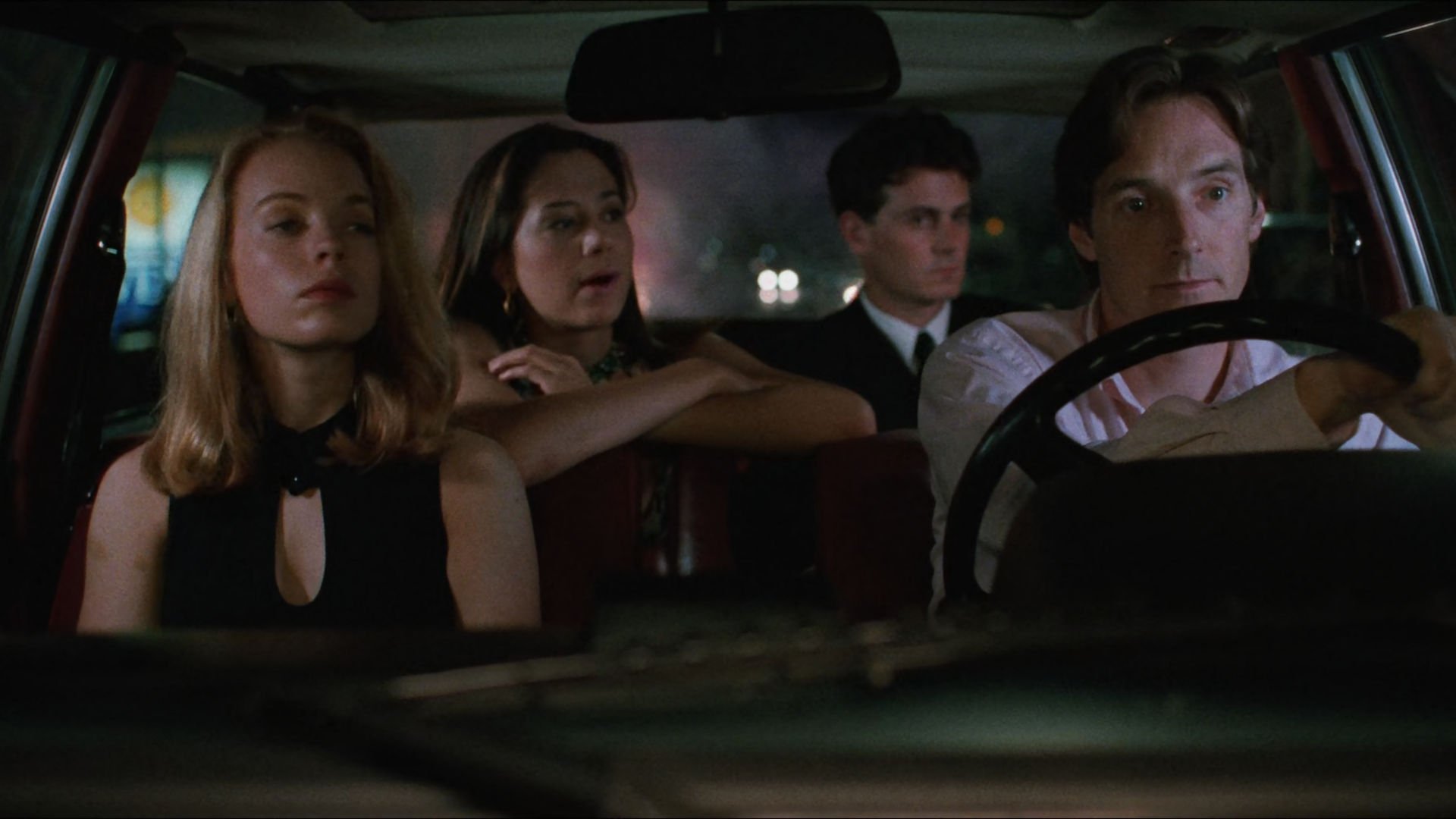
Barcelona succeeds where the rest of Stillman's Doomed Bourgeois in Love Trilogy succeeds: in being about the pains of growing up.
Admittedly, I liked this one the least of the three, but that hardly suggests that it's unworthy of praise. I think Whit Stillman really excels in ensemble work, and so limiting much of this film to two personalities (great as they are) sort of makes the film feel repetitive in a way that Metropolitan and the Last Days of Disco do not.
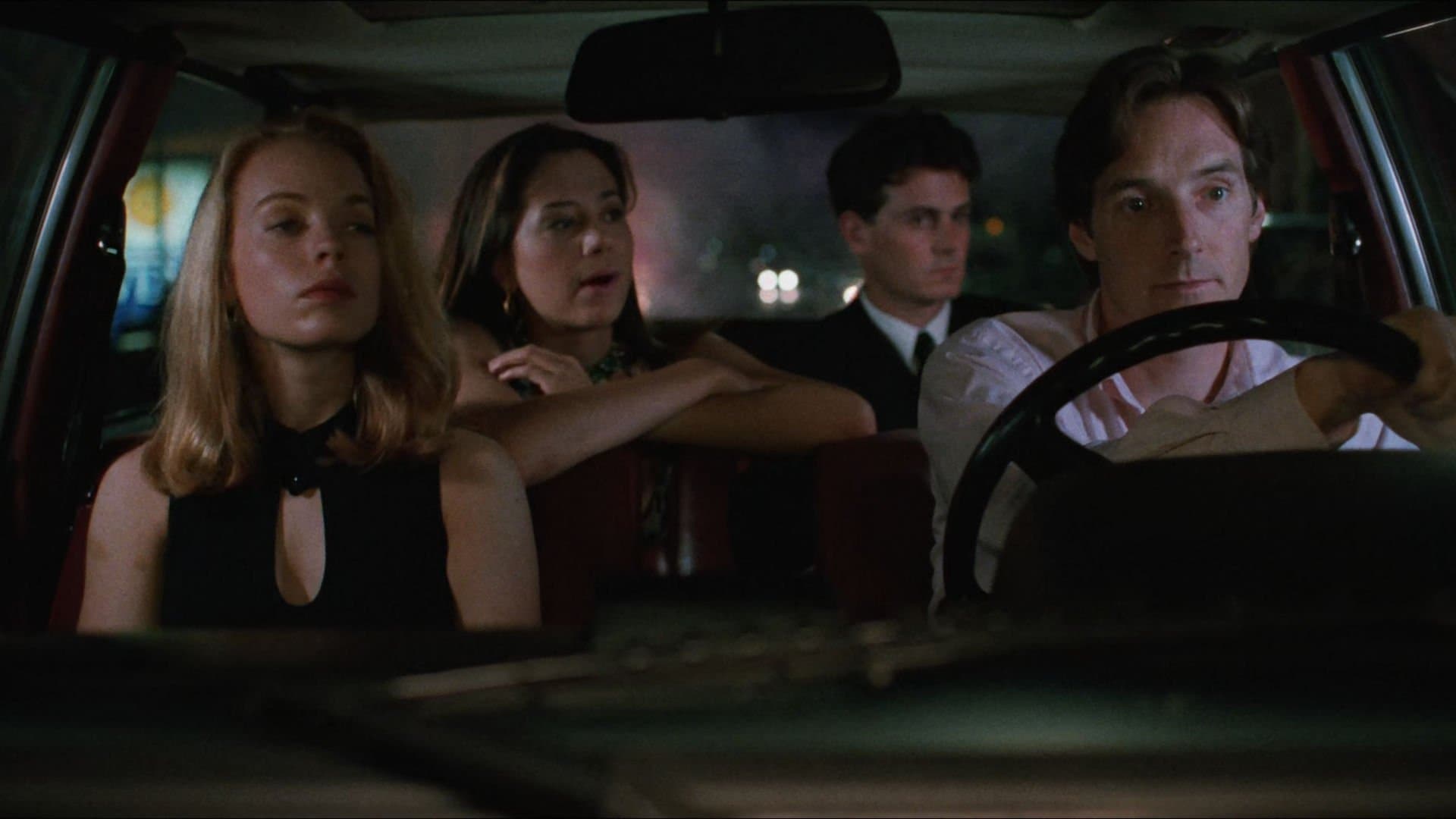
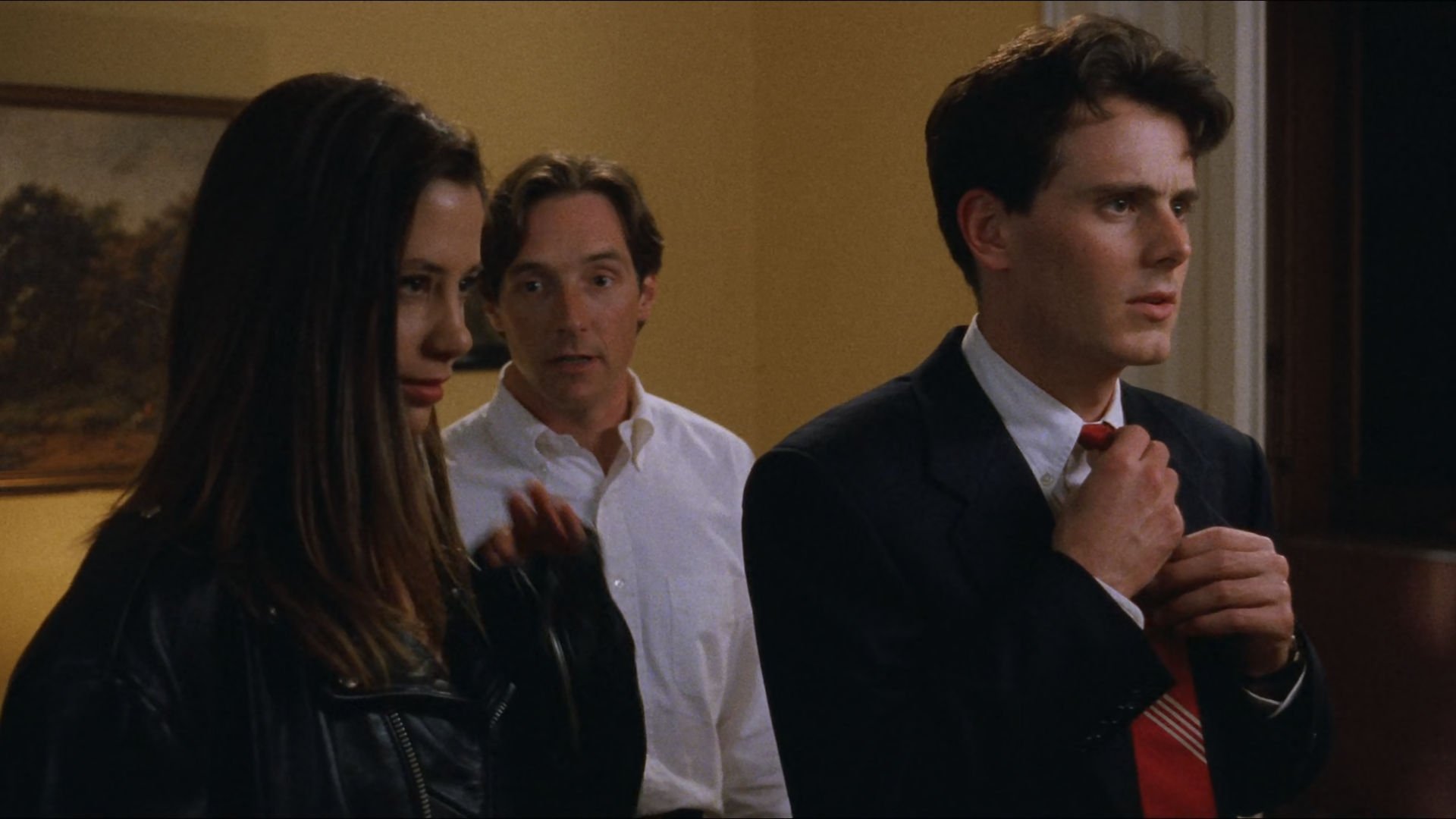
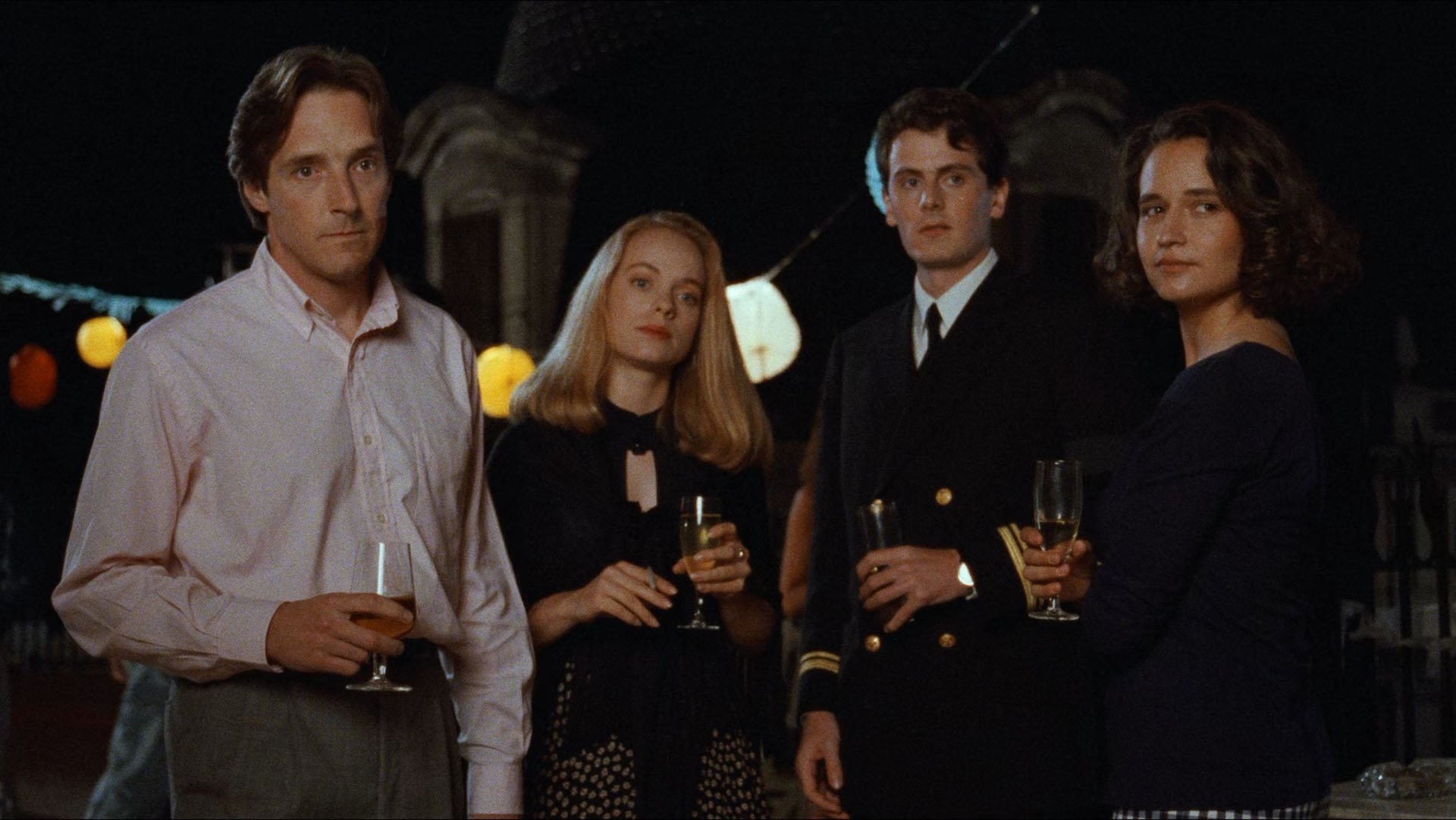
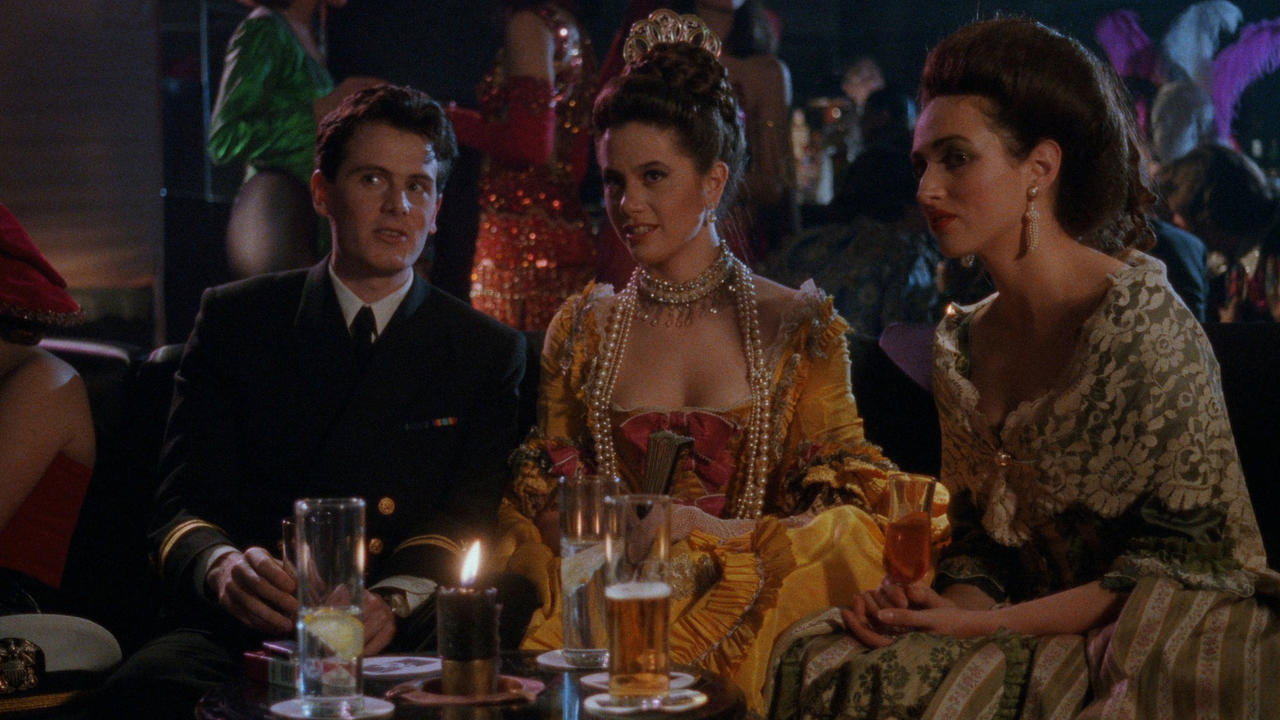
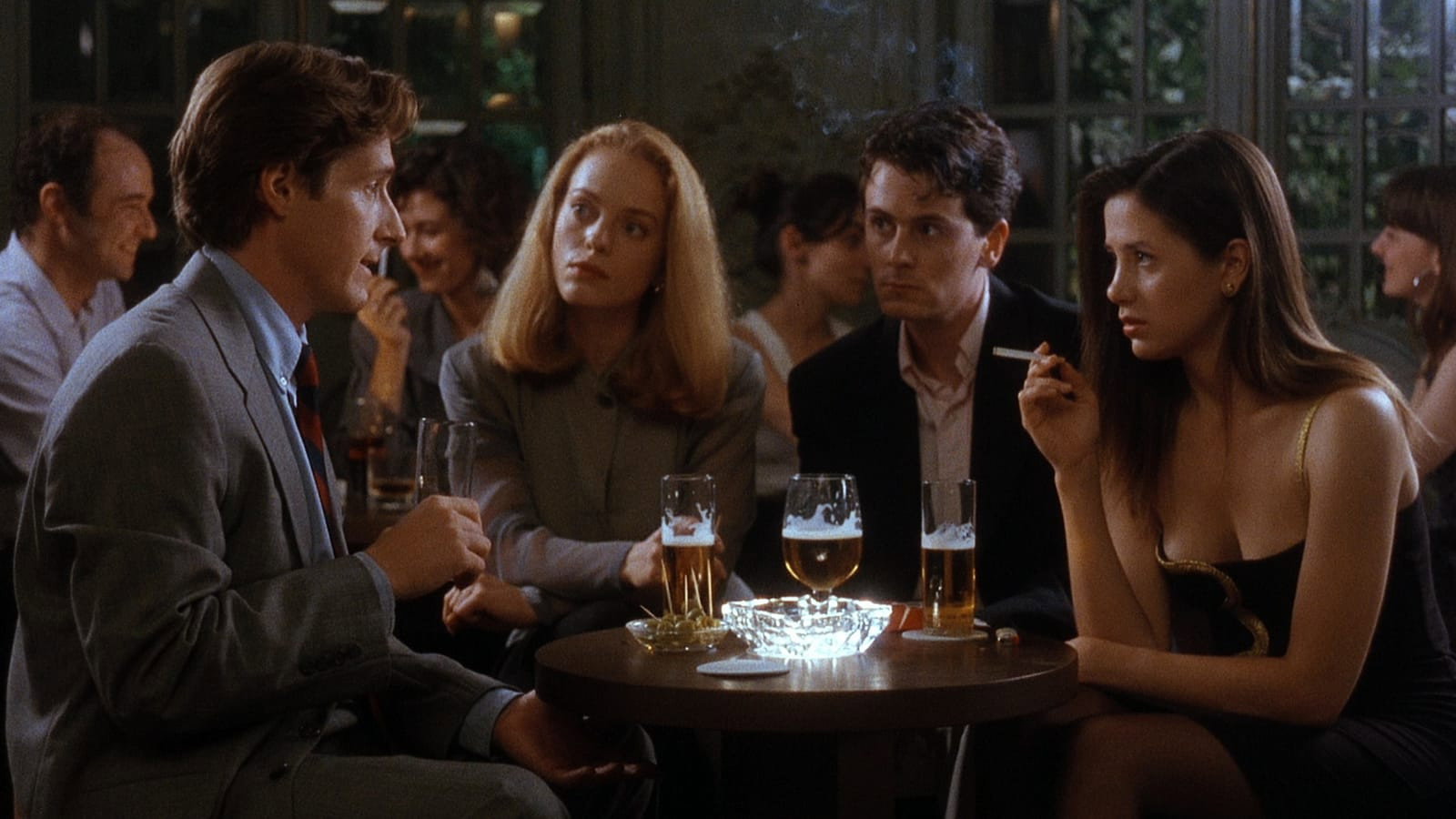
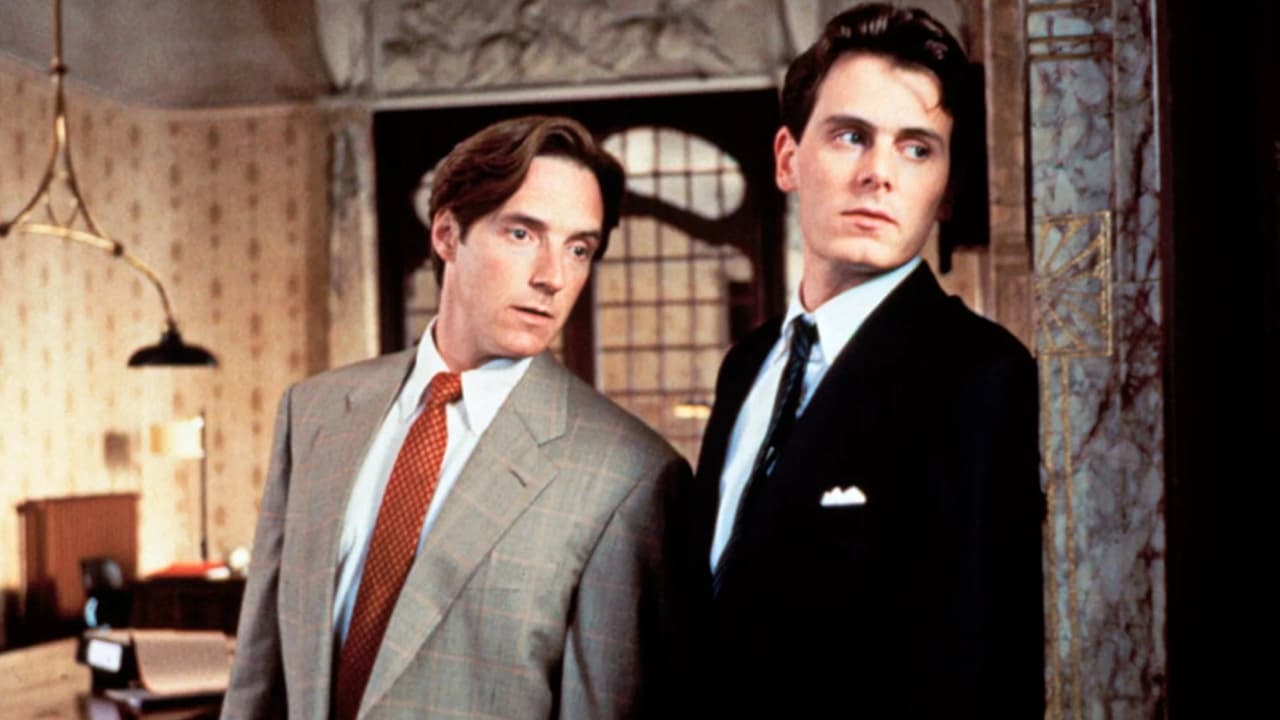
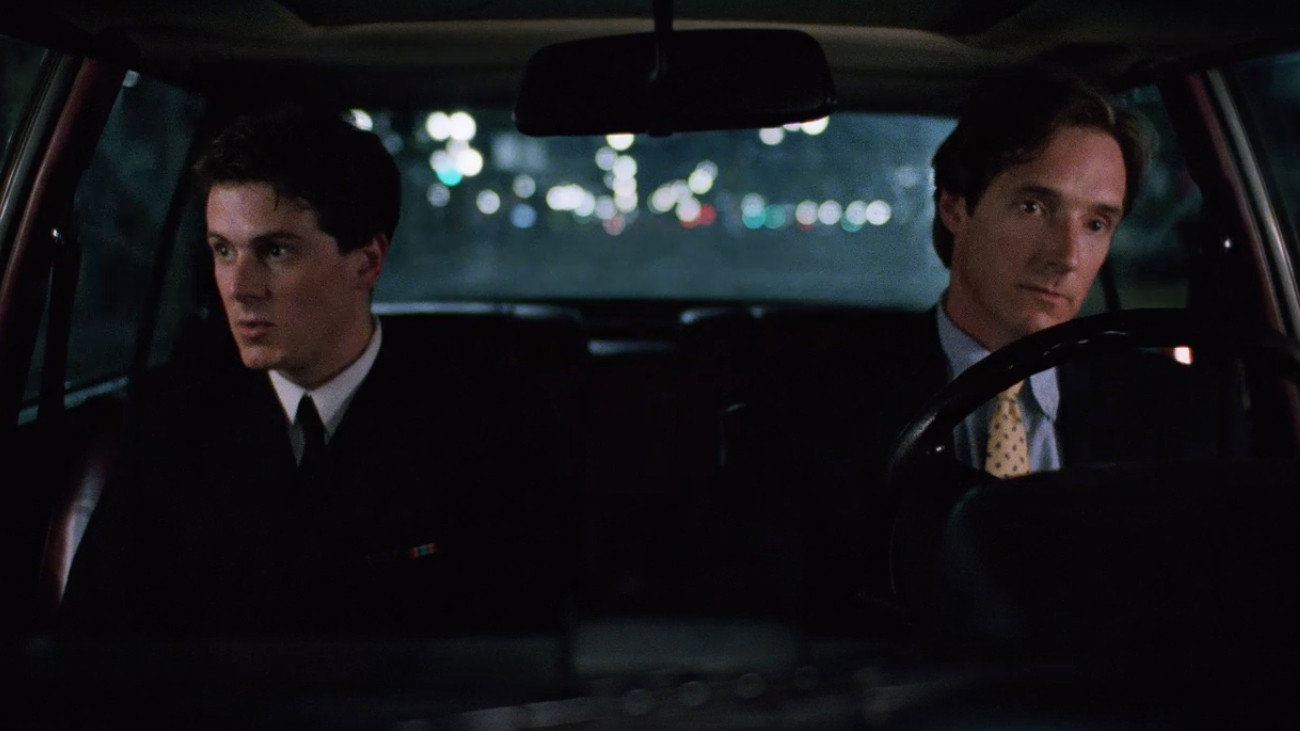
Stillman seems to be all about subverting expectations here. What starts out as two cousins (one rambunctious, the other meek) roaming around Barcelona, falling in love and getting in trouble with the locals pretty quickly turns into a meandering (complimentary) hangout film with some loose plot interwoven. Sure, you've got Fred's relationship with Marta, Ted's relationship with Montserrat and her open relationship with Ramon, a journalist printing rumors about Fred being a CIA agent. In nearly every scene, the plot seems secondary to the musings on politics, beautiful women, jazz music, etc.
Of course, just as Fred and Ted discuss (probably for good reason), there surely is plenty of subtext beneath the text. It may be warbled and messy, but isn't that what life is anyway?
Taking Whit Stillman's Stillmanisms and transplanting them into a foreign country seemed like the perfect move to make. I've heard people say that this should be the third in the "trilogy" since it depicts these same "urban haute bourgeoisie" types later in life. First, you've got undergraduates in Metropolitan, then post-Ivy League graduates clubbing it up to disco in NYC, and then you've got them bringing their sense of American idealism overseas to the warm and culturally rich city of Barcelona.
As mentioned in my reviews of the other films in this series, it always strikes me how innocent these characters are, even when being insufferable elites, flaunting their intellects. Here, we might have the most sympathetic of the bunch, as both Fred and Ted are noble and at least trying to be good people. They match the political energy of the locals. Sure, it often goes poorly--like the backyard scene with the ants analogy--but at least they're trying. Even though these are twenty-somethings, there is still an innocence to them that contrasts with their self-assuredness. It's like Stillman is making the claim that to be American is to be naive, and it's also in the American nature to combat that naivete, or at the very least, vehemently disagree with the notion altogether.
Nonetheless, we have, yet again, a set of characters that are obsessed with old-fashioned rules because they are terrified of the "postmodern" world where nothing has a fixed meaning. Every character in a Stillman movie has some "theory" about this or that. And it's funny, I relate to this because sometimes all you have in life is theory. When there's very little structure to ground you, having a theory is at least something. Even in this film there's a somewhat offhand comment/joke that Fred makes to Ted: "You are far weirder than someone merely into S&M. At least they have a tradition. We have some idea what S&M is about. There's movies and books about it. But so far as I know, there is nothing to explain the way you are."
Even in that one quote, you get the sense of someone yearning for understanding of not only the world or the self, but of envy for those who have "got it all figured out."
And I get that. And once again, it's damn entertaining to watch their high-level theories almost always fail when they hit the "messy reality" of actual human emotions and sex.
As always, Stillman has a unique grasp of human language that is worthy of dissecting with a microscope. The thing that gets me is how seamless it is. You get acquainted with this world and the language, and then you don't even realize the ways in which he's using it to put emphasis on... something. For instance, Ted uses phrases like "shacking up" or "sacking out" as some Americanisms that potentially hint at his not belonging in Spain. Shoving these guys into a New Wave era of Europe just makes sense.
Even when the film does get dark (with the USO bombing and the attempted murder of Fred), Stillman ensures that the playfulness and humor are still front and center. The fact that Fred gets shot while repeating the mantra he learned from Ted earlier in the movie was hilarious. Going through the quotes page on IMDB of any of the Whit Stillman films is a delightful gift. There are so many great moments:
"Positive thinking is fine in theory. But whenever I try it on a systematic basis... I end up really depressed."
"I think it's well-known that anti-Americanism has its roots in sexual impotence, at least in Europe."
"When we were kids I borrowed some things. It was never ever theft! In each case I either told you... or was about to."
Ted Boynton: I don't believe you! Just once I'd like to go out with a girl not convinced I'm encased in black leather underwear.
Fred: That bothers you?
Ted Boynton: The exact same story over and over again?
Fred: Well, it's not exactly the same. I always vary it a little.
You could go on and on. The density and word-count in his films are insane and make his films part of the oddly rewatchable genre. Glad I finally took the time to watch these after avoiding them for so long. If you haven't done so already, give the Doomed Bourgois In Love Trilogy a chance. You may just fall in love the way I did.
7.6/10
Barcelona succeeds where the rest of Stillman's Doomed Bourgeois in Love Trilogy succeeds: in being about the pains of growing up.
Admittedly, I liked this one the least of the three, but that hardly suggests that it's unworthy of praise. I think Whit Stillman really excels in ensemble work, and so limiting much of this film to two personalities (great as they are) sort of makes the film feel repetitive in a way that Metropolitan and the Last Days of Disco do not.
Stillman seems to be all about subverting expectations here. What starts out as two cousins (one rambunctious, the other meek) roaming around Barcelona, falling in love and getting in trouble with the locals pretty quickly turns into a meandering (complimentary) hangout film with some loose plot interwoven. Sure, you've got Fred's relationship with Marta, Ted's relationship with Montserrat and her open relationship with Ramon, a journalist printing rumors about Fred being a CIA agent. In nearly every scene, the plot seems secondary to the musings on politics, beautiful women, jazz music, etc.
Of course, just as Fred and Ted discuss (probably for good reason), there surely is plenty of subtext beneath the text. It may be warbled and messy, but isn't that what life is anyway?
Taking Whit Stillman's Stillmanisms and transplanting them into a foreign country seemed like the perfect move to make. I've heard people say that this should be the third in the "trilogy" since it depicts these same "urban haute bourgeoisie" types later in life. First, you've got undergraduates in Metropolitan, then post-Ivy League graduates clubbing it up to disco in NYC, and then you've got them bringing their sense of American idealism overseas to the warm and culturally rich city of Barcelona.
As mentioned in my reviews of the other films in this series, it always strikes me how innocent these characters are, even when being insufferable elites, flaunting their intellects. Here, we might have the most sympathetic of the bunch, as both Fred and Ted are noble and at least trying to be good people. They match the political energy of the locals. Sure, it often goes poorly--like the backyard scene with the ants analogy--but at least they're trying. Even though these are twenty-somethings, there is still an innocence to them that contrasts with their self-assuredness. It's like Stillman is making the claim that to be American is to be naive, and it's also in the American nature to combat that naivete, or at the very least, vehemently disagree with the notion altogether.
Nonetheless, we have, yet again, a set of characters that are obsessed with old-fashioned rules because they are terrified of the "postmodern" world where nothing has a fixed meaning. Every character in a Stillman movie has some "theory" about this or that. And it's funny, I relate to this because sometimes all you have in life is theory. When there's very little structure to ground you, having a theory is at least something. Even in this film there's a somewhat offhand comment/joke that Fred makes to Ted: "You are far weirder than someone merely into S&M. At least they have a tradition. We have some idea what S&M is about. There's movies and books about it. But so far as I know, there is nothing to explain the way you are."
Even in that one quote, you get the sense of someone yearning for understanding of not only the world or the self, but of envy for those who have "got it all figured out."
And I get that. And once again, it's damn entertaining to watch their high-level theories almost always fail when they hit the "messy reality" of actual human emotions and sex.
As always, Stillman has a unique grasp of human language that is worthy of dissecting with a microscope. The thing that gets me is how seamless it is. You get acquainted with this world and the language, and then you don't even realize the ways in which he's using it to put emphasis on... something. For instance, Ted uses phrases like "shacking up" or "sacking out" as some Americanisms that potentially hint at his not belonging in Spain. Shoving these guys into a New Wave era of Europe just makes sense.
Even when the film does get dark (with the USO bombing and the attempted murder of Fred), Stillman ensures that the playfulness and humor are still front and center. The fact that Fred gets shot while repeating the mantra he learned from Ted earlier in the movie was hilarious. Going through the quotes page on IMDB of any of the Whit Stillman films is a delightful gift. There are so many great moments:
"Positive thinking is fine in theory. But whenever I try it on a systematic basis... I end up really depressed."
"I think it's well-known that anti-Americanism has its roots in sexual impotence, at least in Europe."
"When we were kids I borrowed some things. It was never ever theft! In each case I either told you... or was about to."
Ted Boynton: I don't believe you! Just once I'd like to go out with a girl not convinced I'm encased in black leather underwear.
Fred: That bothers you?
Ted Boynton: The exact same story over and over again?
Fred: Well, it's not exactly the same. I always vary it a little.
You could go on and on. The density and word-count in his films are insane and make his films part of the oddly rewatchable genre. Glad I finally took the time to watch these after avoiding them for so long. If you haven't done so already, give the Doomed Bourgois In Love Trilogy a chance. You may just fall in love the way I did.
7.6/10