
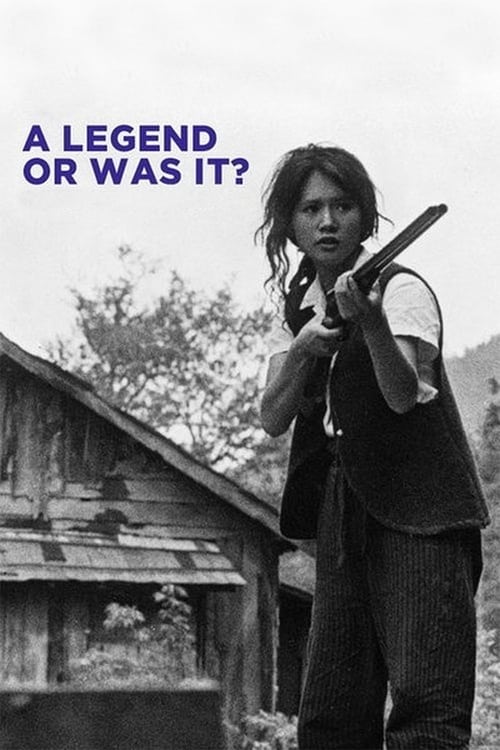
A Legend or Was It?
1963·Drama·1h 23m
7.1
★
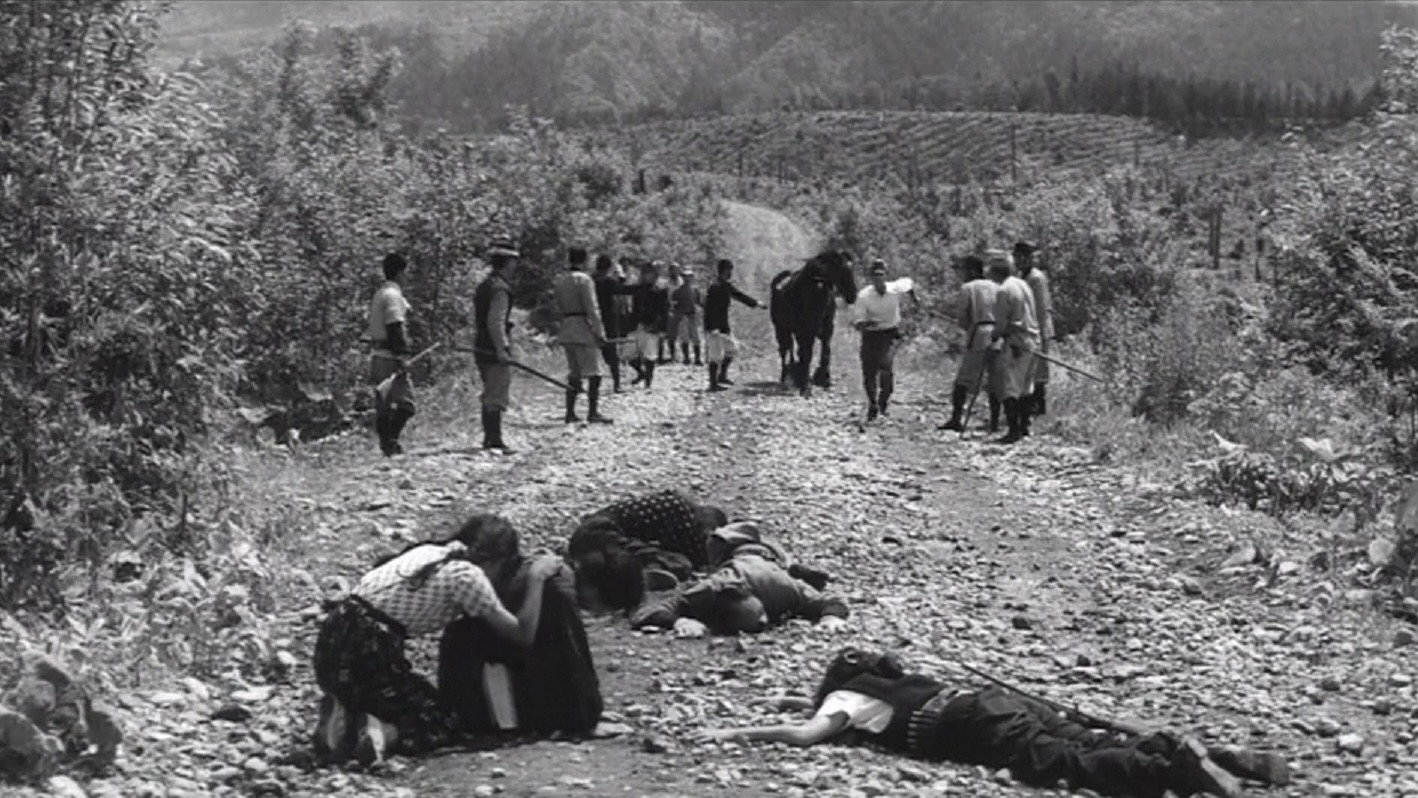
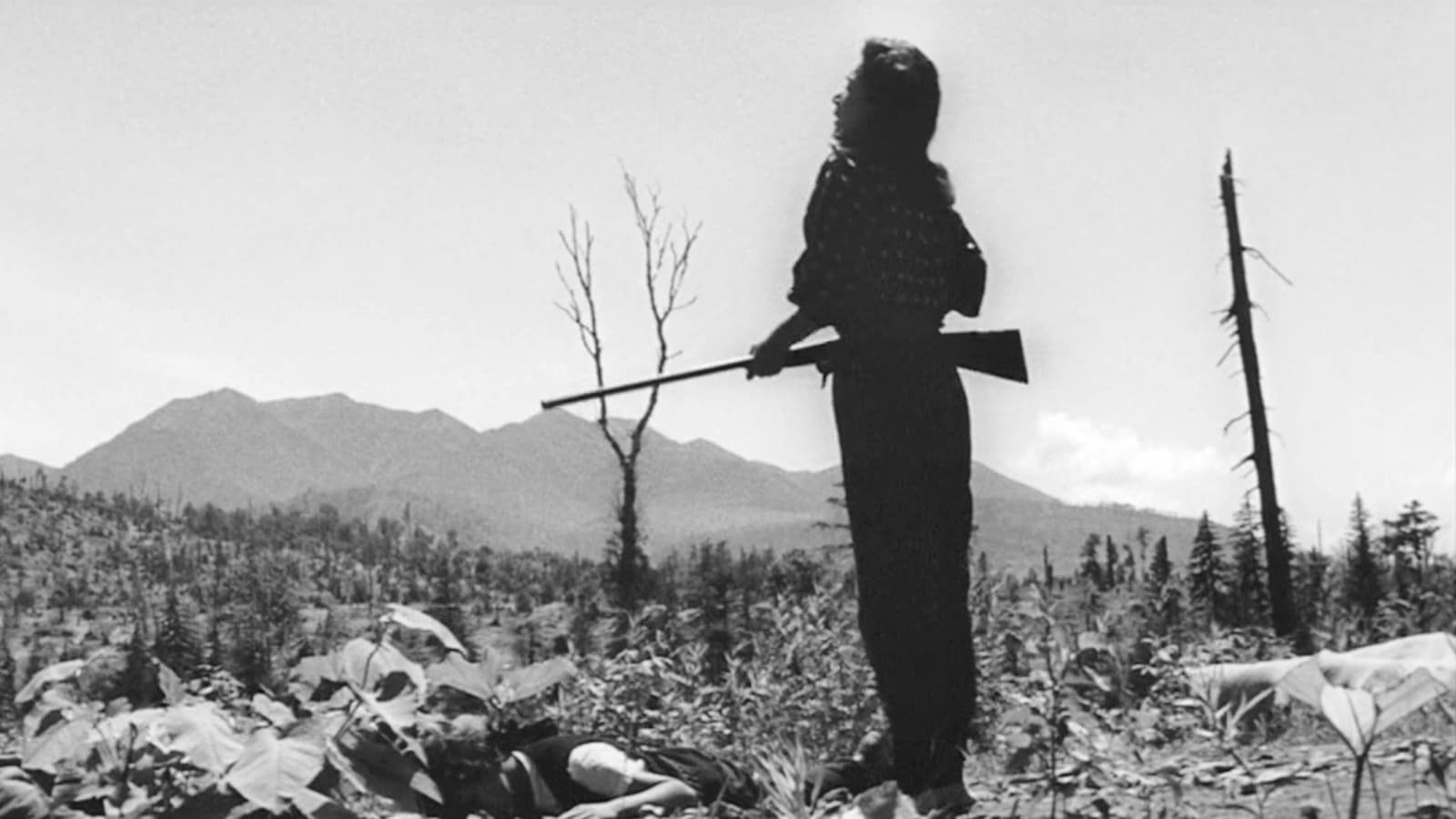
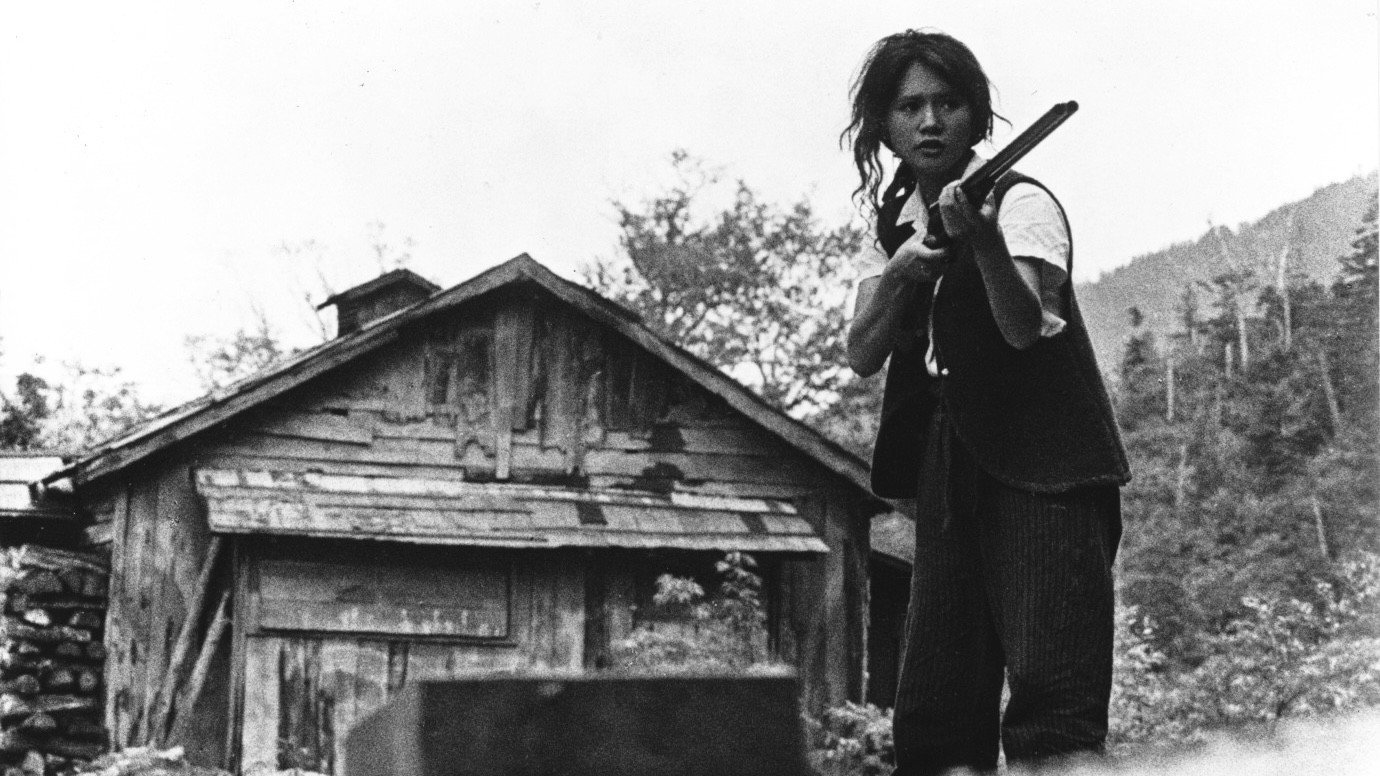
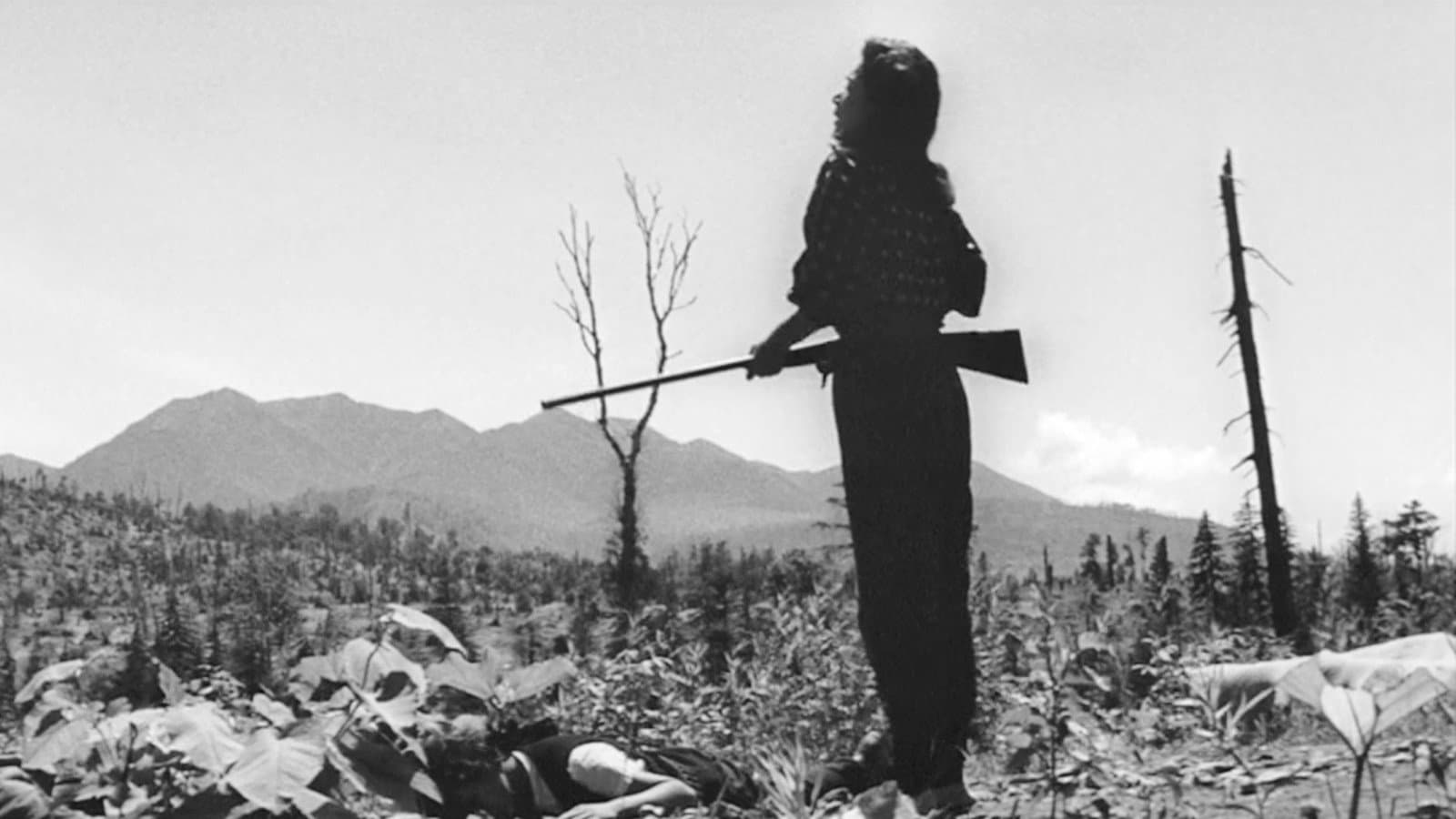
A Tokyo family escaping the war relocates to a Hokkaido village; their daughter is set to marry the local leader's son, but her siblings disapprove.
Directed by Keisuke Kinoshita

Trailer

IMDB
N/A
Cast

Shima Iwashita
Kieko Sonobe

Mariko Kaga
Yuri Shimizu
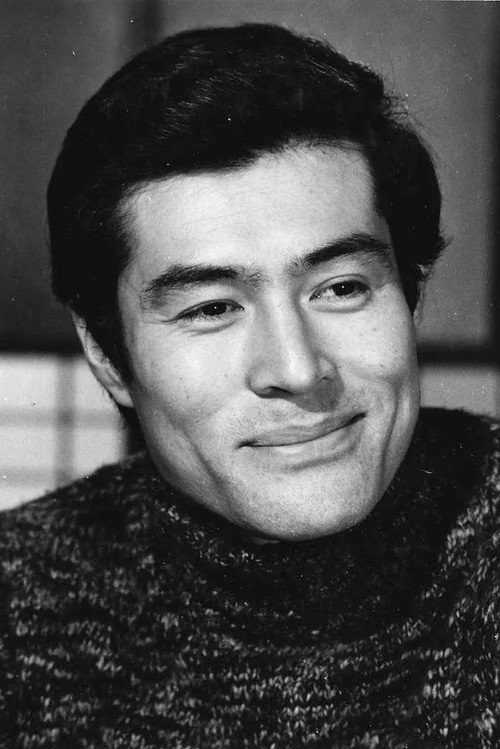
Gō Katō
Hideyuki Sonobe

Kinuyo Tanaka
Shizuko Sonobe
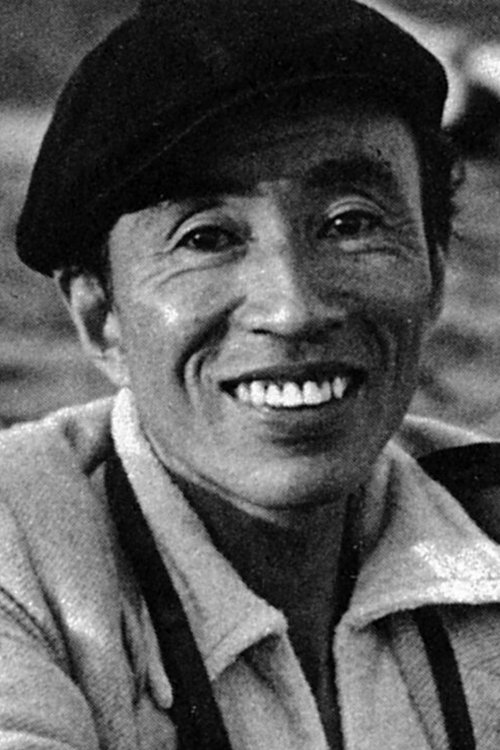
Yoshi Katō
Shintaro Shimizu
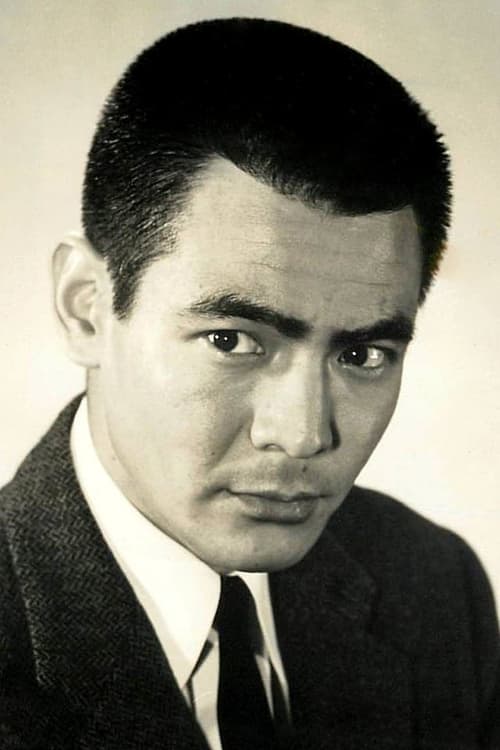
Bunta Sugawara
Goichi Takamori
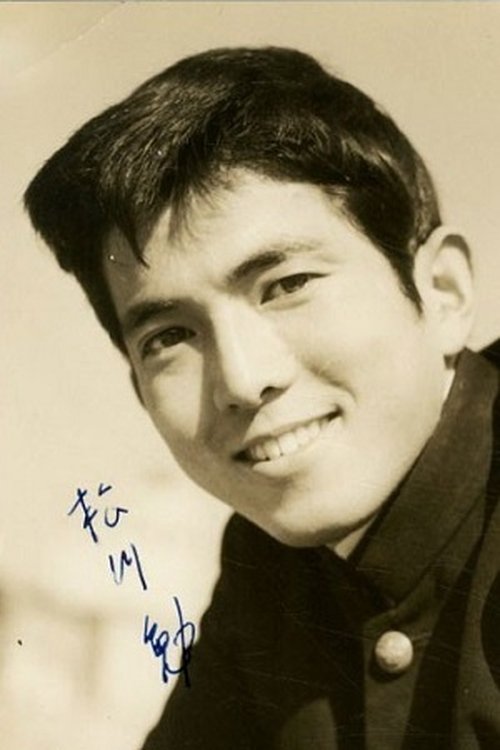
Tsutomu Matsukawa
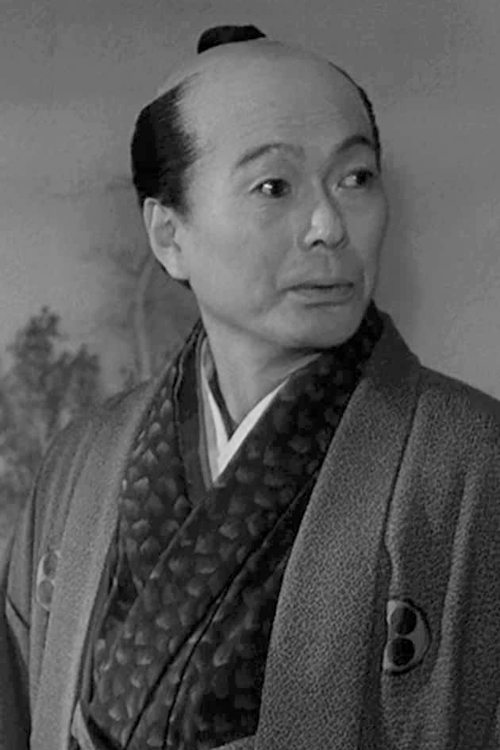
Tatsuya Ishiguro
Kinbei Kanamori

Jun Hamamura
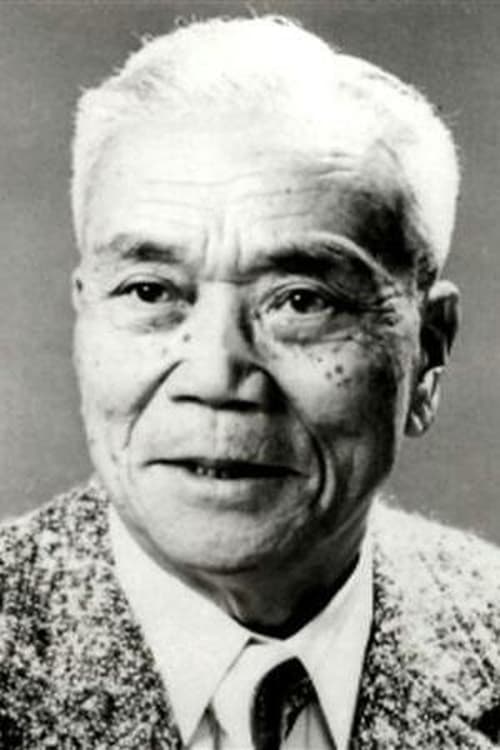
Tokue Hanazawa

Takeshi Sakamoto
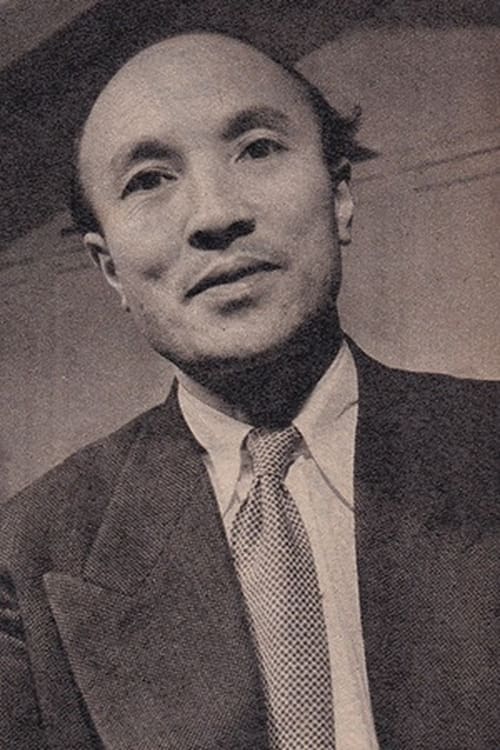
Osamu Takizawa
Crew
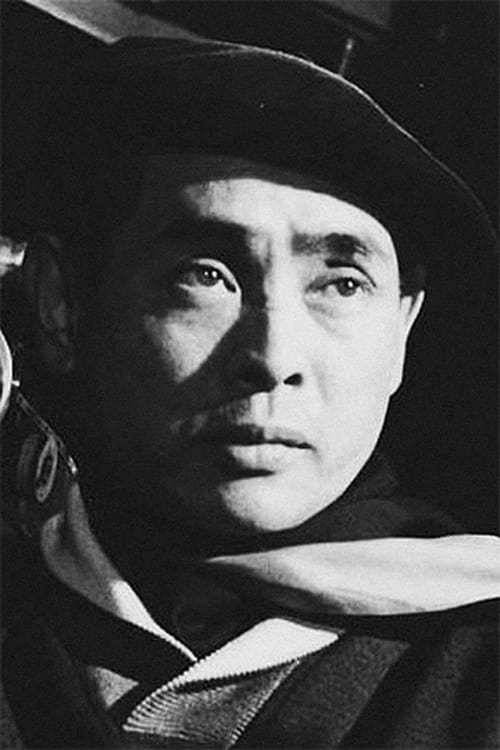
Keisuke Kinoshita
Director
Keisuke Kinoshita
Screenplay
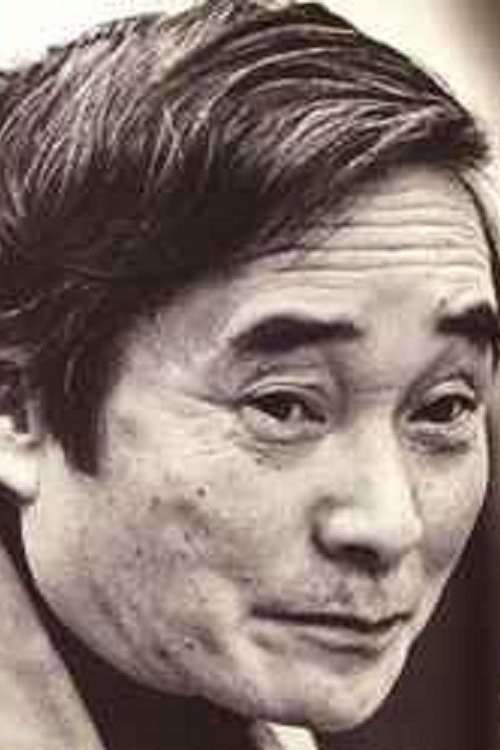
Chūji Kinoshita
Original Music Composer
Keisuke Kinoshita
Producer
Popular Reviews
7 reviews
Nick
8.0★ · 02/24/26
Few films confront a country’s own crimes the way this does. It’s radical in spirit and form. Kinoshita employs several impressive formal techniques. He’s got some amazing close-ups, audio motifs, and breathtakingly effective wide shots. The story is immensely tragic. Its dramatic unfolding never seems to let up.
It follows a family relocated to the countryside due to the war. A soldier of the war, now home, identifies the man to marry his sister as a war criminal. Critically, this isn’t a documented war crime, but one the soldier observed among his comrades. It is a clear representation of the unstated crimes of war, especially among countrymen. The identified war criminal is a son to a high ranking official in the village. Upon declining the wedding invitation, the village is slowly turned against the refugee family.
The parallels of the village to Japanese society at large translates well. The consequences of fear, mob mentality, neighborhood insidiousness, and corruption are explored. The critical point of the tale’s effectiveness is the autonomy with which the victim family acts. At each point, while often at the disadvantage, they operate in a sensible way to make the best of their situation.
It follows a family relocated to the countryside due to the war. A soldier of the war, now home, identifies the man to marry his sister as a war criminal. Critically, this isn’t a documented war crime, but one the soldier observed among his comrades. It is a clear representation of the unstated crimes of war, especially among countrymen. The identified war criminal is a son to a high ranking official in the village. Upon declining the wedding invitation, the village is slowly turned against the refugee family.
The parallels of the village to Japanese society at large translates well. The consequences of fear, mob mentality, neighborhood insidiousness, and corruption are explored. The critical point of the tale’s effectiveness is the autonomy with which the victim family acts. At each point, while often at the disadvantage, they operate in a sensible way to make the best of their situation.
Few films confront a country’s own crimes the way this does. It’s radical in spirit and form. Kinoshita employs several impressive formal techniques. He’s got some amazing close-ups, audio motifs, and breathtakingly effective wide shots. The story is immensely tragic. Its dramatic unfolding never seems to let up.
It follows a family relocated to the countryside due to the war. A soldier of the war, now home, identifies the man to marry his sister as a war criminal. Critically, this isn’t a documented war crime, but one the soldier observed among his comrades. It is a clear representation of the unstated crimes of war, especially among countrymen. The identified war criminal is a son to a high ranking official in the village. Upon declining the wedding invitation, the village is slowly turned against the refugee family.
The parallels of the village to Japanese society at large translates well. The consequences of fear, mob mentality, neighborhood insidiousness, and corruption are explored. The critical point of the tale’s effectiveness is the autonomy with which the victim family acts. At each point, while often at the disadvantage, they operate in a sensible way to make the best of their situation.
It follows a family relocated to the countryside due to the war. A soldier of the war, now home, identifies the man to marry his sister as a war criminal. Critically, this isn’t a documented war crime, but one the soldier observed among his comrades. It is a clear representation of the unstated crimes of war, especially among countrymen. The identified war criminal is a son to a high ranking official in the village. Upon declining the wedding invitation, the village is slowly turned against the refugee family.
The parallels of the village to Japanese society at large translates well. The consequences of fear, mob mentality, neighborhood insidiousness, and corruption are explored. The critical point of the tale’s effectiveness is the autonomy with which the victim family acts. At each point, while often at the disadvantage, they operate in a sensible way to make the best of their situation.


AiBets
9.0★ · 11/17/25
I hadn’t even heard of Kinoshita before this morning, and the first thing I watch from his just happens to be one of the greatest things I’ve ever seen. Truly transcendent images and cinematography mixed with a thrilling story of WW2’s effect on Japan at the time
If you are what Japanese are, then we have already lost the war
If you are what Japanese are, then we have already lost the war
I hadn’t even heard of Kinoshita before this morning, and the first thing I watch from his just happens to be one of the greatest things I’ve ever seen. Truly transcendent images and cinematography mixed with a thrilling story of WW2’s effect on Japan at the time
If you are what Japanese are, then we have already lost the war
If you are what Japanese are, then we have already lost the war
AiBets
9.0★ · 11/17/25
I hadn’t even heard of Kinoshita before this morning, and the first thing I watch from his just happens to be one of the greatest things I’ve ever seen. Truly transcendent images and cinematography mixed with a thrilling story of WW2’s effect on Japan at the time
If you are what Japanese are, then we have already lost the war
If you are what Japanese are, then we have already lost the war
I hadn’t even heard of Kinoshita before this morning, and the first thing I watch from his just happens to be one of the greatest things I’ve ever seen. Truly transcendent images and cinematography mixed with a thrilling story of WW2’s effect on Japan at the time
If you are what Japanese are, then we have already lost the war
If you are what Japanese are, then we have already lost the war
Hannah
8.6★ · 06/24/25
"don't worry. i'll protect them with my life."
absolutely incredible. so so good. oh my god. amazing. those repetitive fleeing-tracking shots were so great. bunta sugawara as a very convincing villian. super cool music. basically everything i could ask for.
also first watch with kitty, i think he enjoyed <3
absolutely incredible. so so good. oh my god. amazing. those repetitive fleeing-tracking shots were so great. bunta sugawara as a very convincing villian. super cool music. basically everything i could ask for.
also first watch with kitty, i think he enjoyed <3
"don't worry. i'll protect them with my life."
absolutely incredible. so so good. oh my god. amazing. those repetitive fleeing-tracking shots were so great. bunta sugawara as a very convincing villian. super cool music. basically everything i could ask for.
also first watch with kitty, i think he enjoyed <3
absolutely incredible. so so good. oh my god. amazing. those repetitive fleeing-tracking shots were so great. bunta sugawara as a very convincing villian. super cool music. basically everything i could ask for.
also first watch with kitty, i think he enjoyed <3
rpoetra
8.0★ · 02/27/26