
Being Two Isn't Easy
1962·Drama·1h 28m
7.1
★
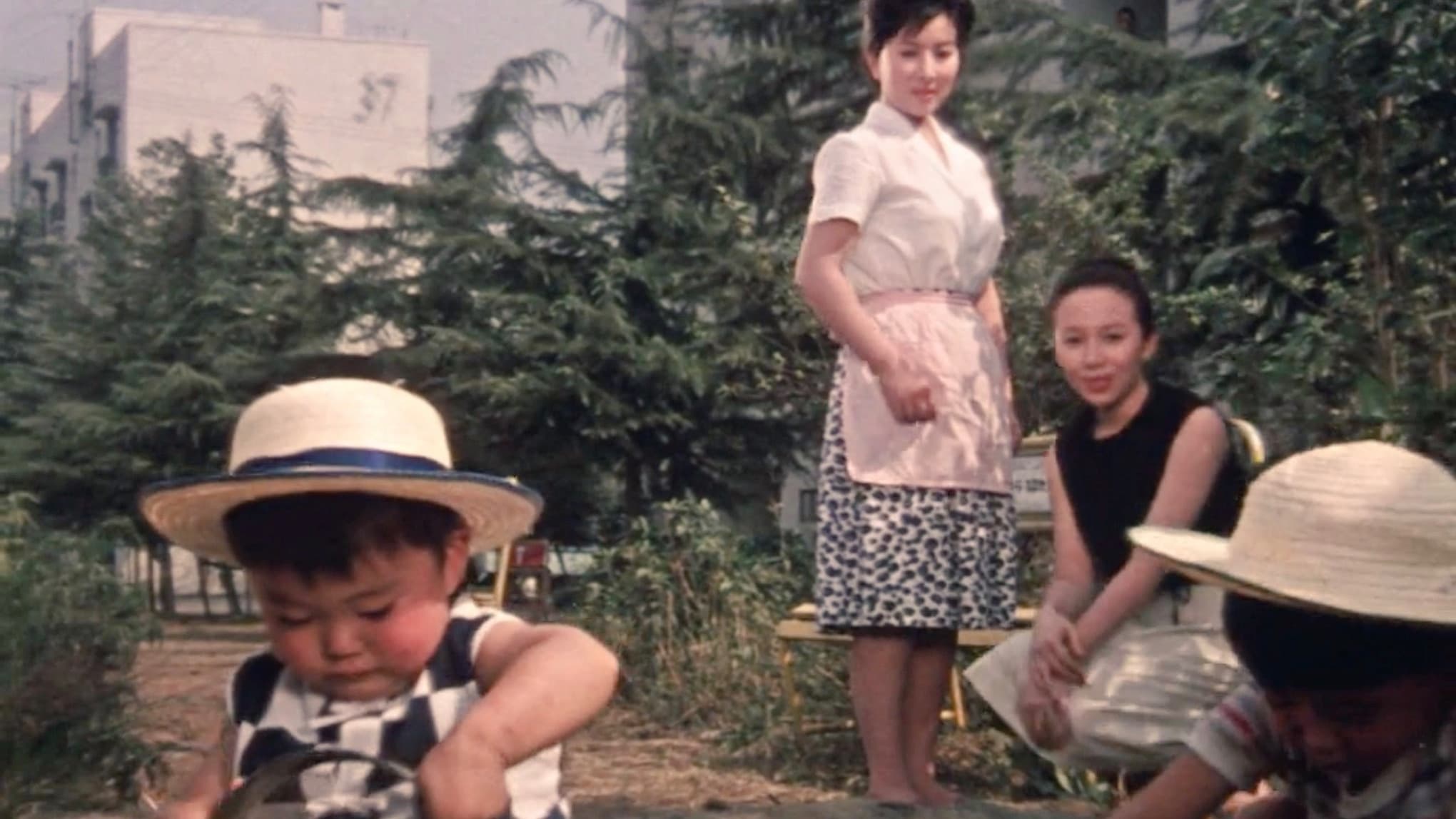
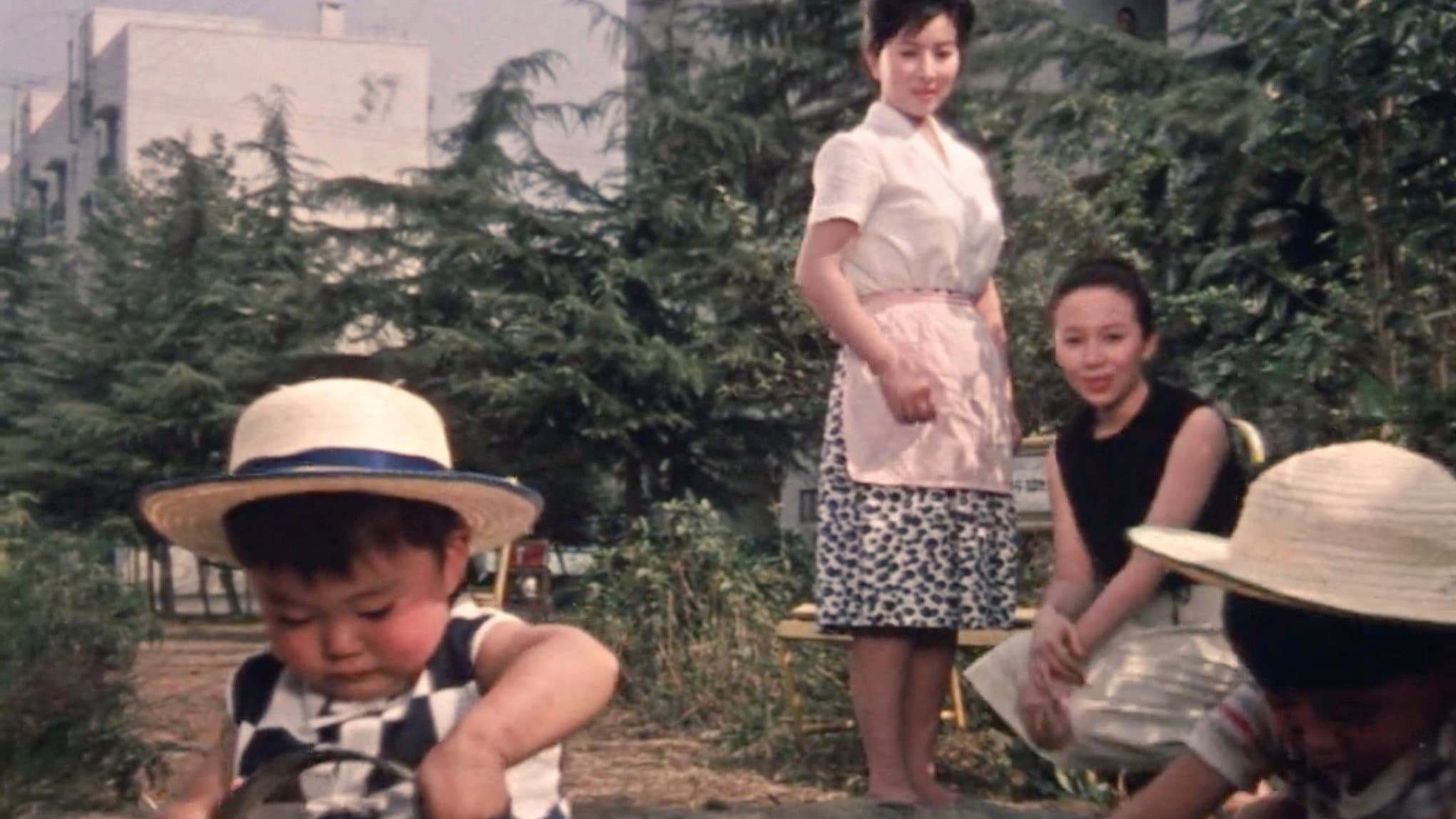
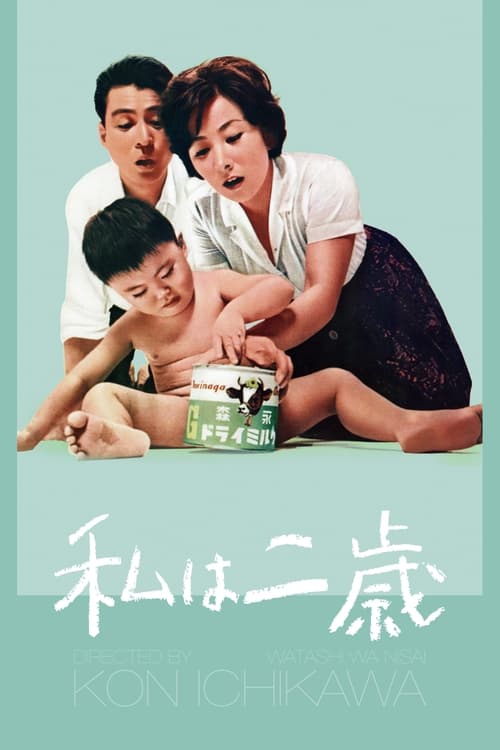
The days leading up to a toddler's second birthday are seen alternately from the child's point of view as well as that of his parents.
Directed by Kon Ichikawa
japan
infant
parenthood
parenting
pov (point of view)
kids
newborn baby
parents and child

IMDB
N/A
Cast
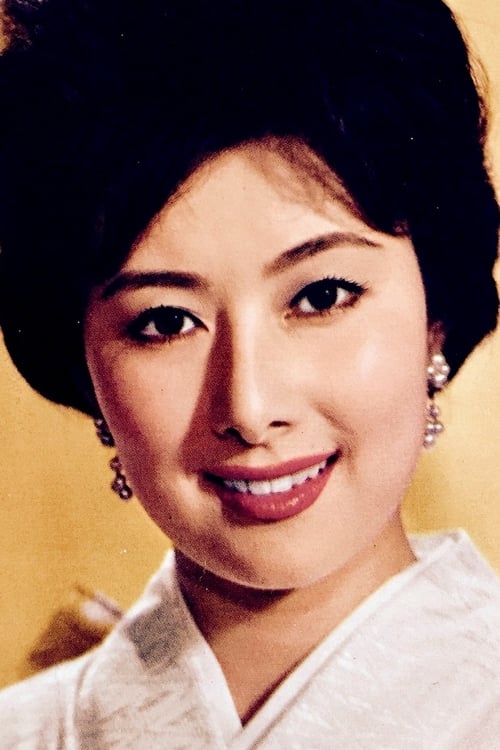
Fujiko Yamamoto
Chiyo

Eiji Funakoshi
Goro
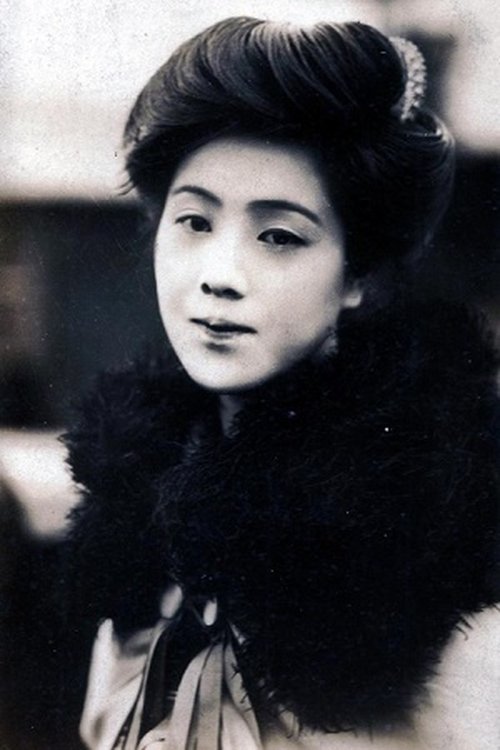
Kumeko Urabe
Ino
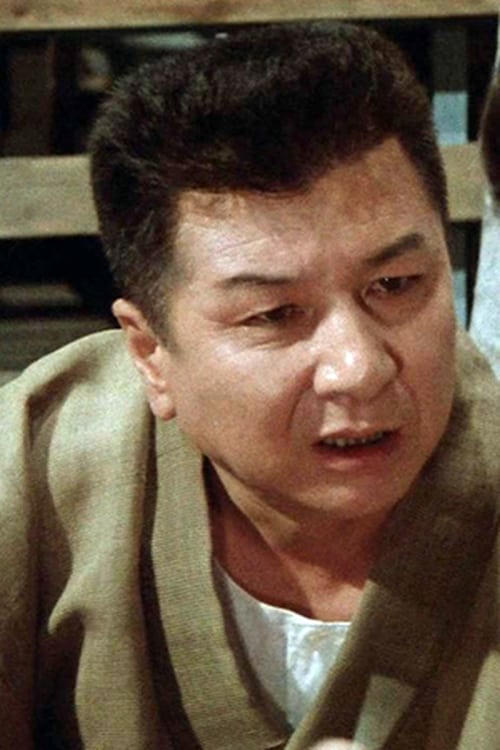
Mantarō Ushio
Laundry Man
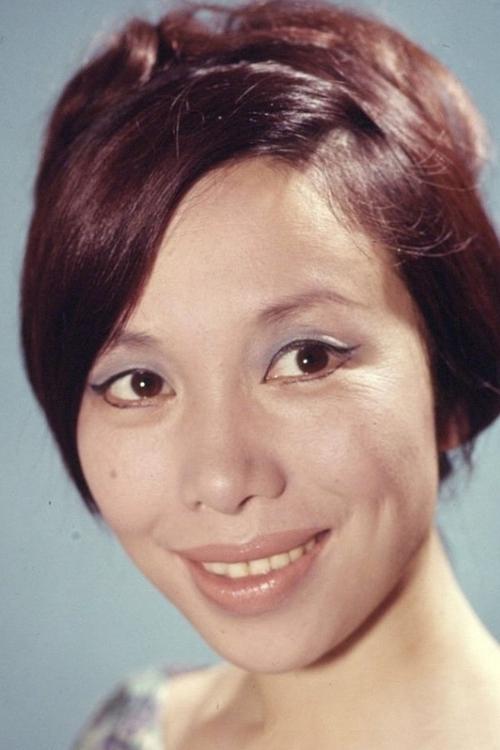
Kyôko Kishida
Chiyo's Friend
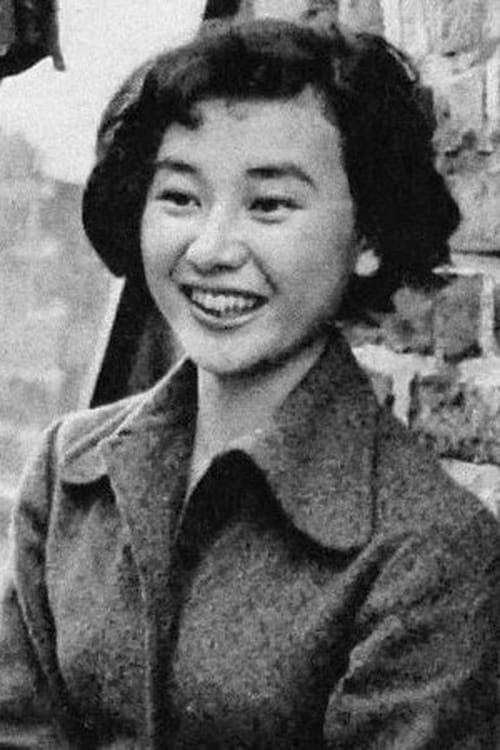
Misako Watanabe
Setsuko
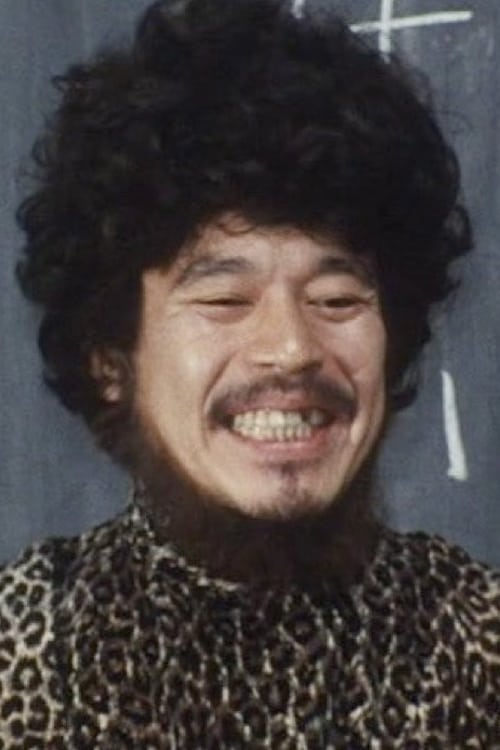
Shirō Ōtsuji
Doctor

Mayumi Kurata
Neighbor wife
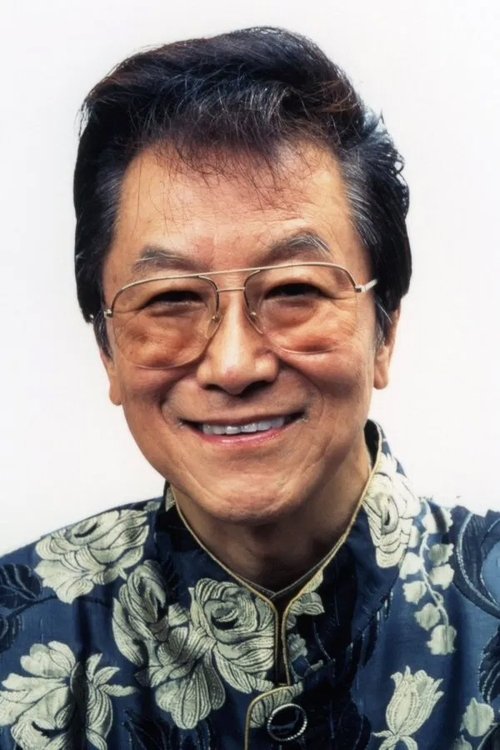
Jun Hamamura
Older Doctor
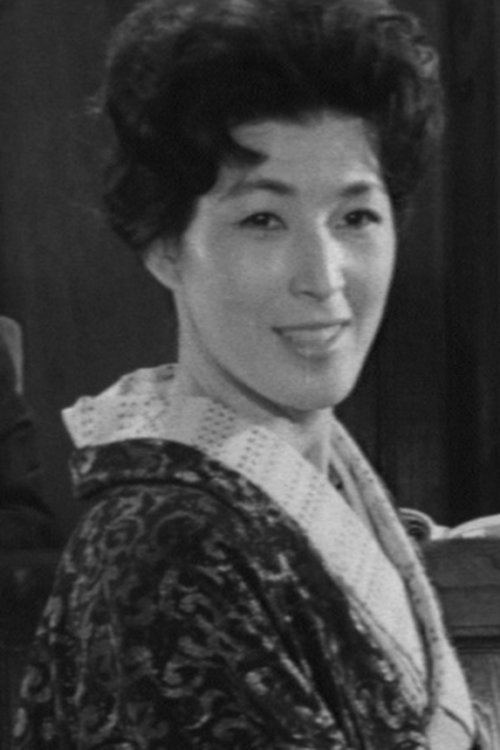
Yoko Hizakura
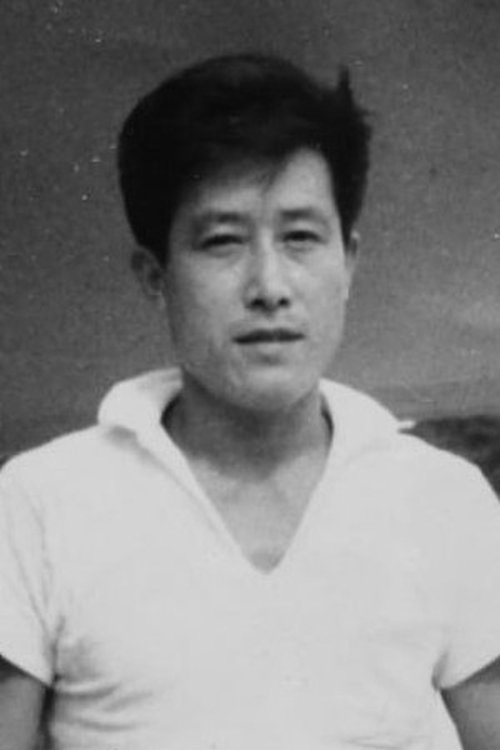
Shō Natsuki
Doctor at Hospital
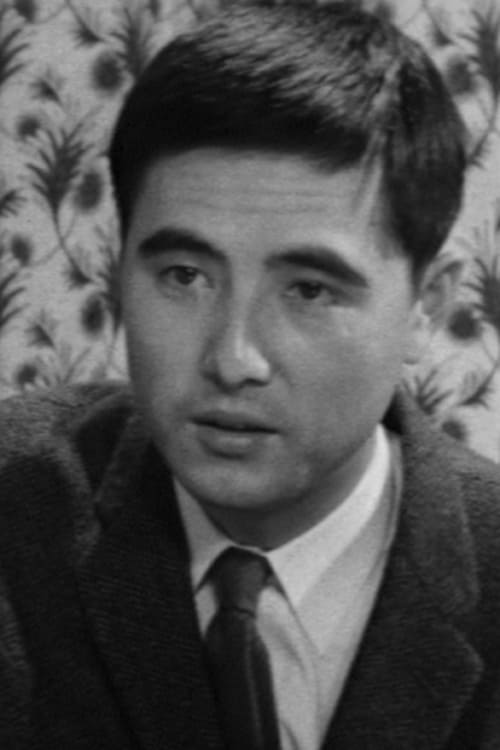
Takashi Nakamura
Crew
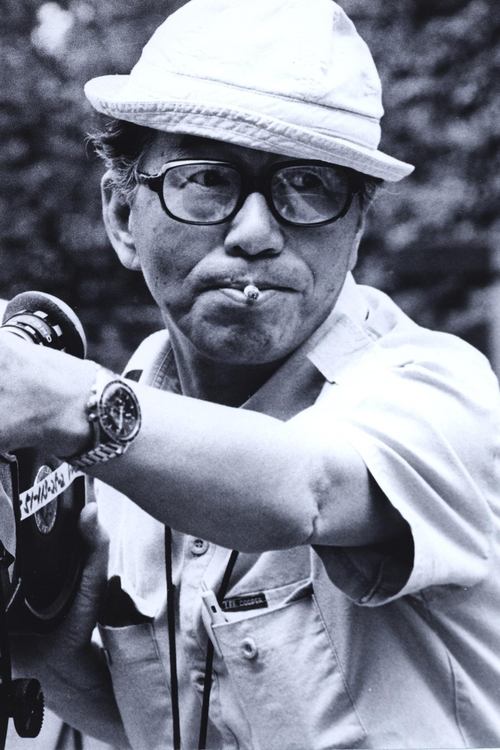
Kon Ichikawa
Director
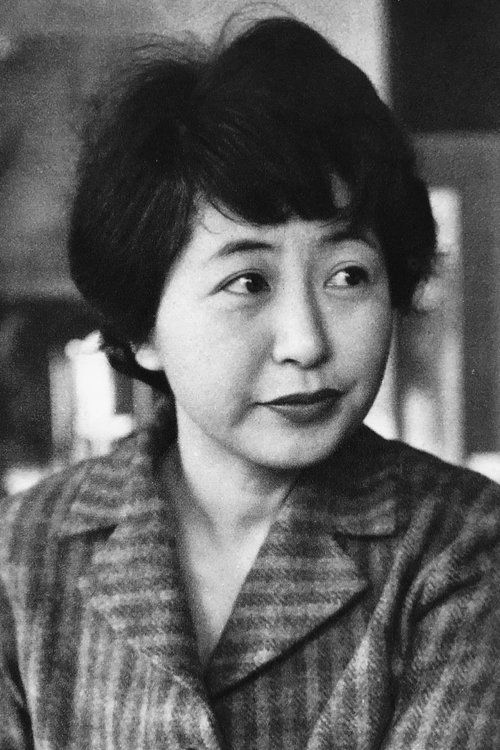
Natto Wada
Screenplay
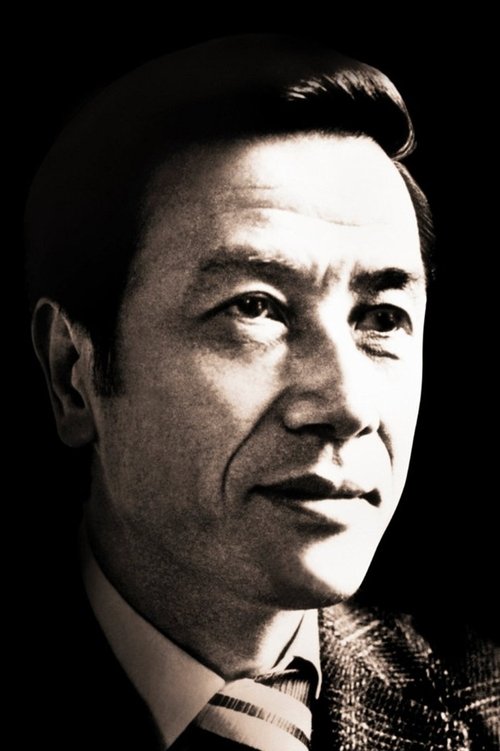
Yasushi Akutagawa
Original Music Composer
Kon Ichikawa
Producer
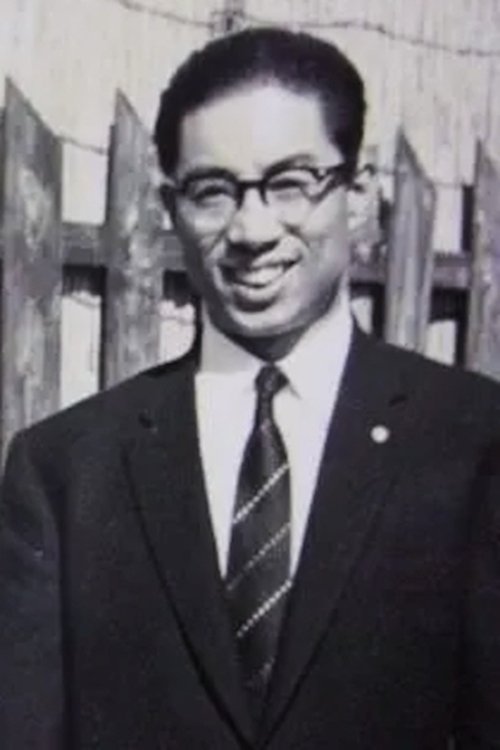
Hidemasa Nagata
Producer
Natto Wada
Costume Consultant
Popular Reviews
5 reviews
re
8.0★ · 07/05/25
bocilnya lucu bgt taro chan kayak cilokk. enjoyed ittt mana kocak bgt tahun segitu udah ngegambarin suami as the loser in the household wkwkw the scene where chiyo and obachan were onto his ass was so funny. also sangat sering terjadi di kota kota besar nyuruh nyuruh punya anak banyak tapi ujung2nya "pinjam 500 dulu, bleh?". more than 50 years stretched from this movie to now and everything is still relatable.
bocilnya lucu bgt taro chan kayak cilokk. enjoyed ittt mana kocak bgt tahun segitu udah ngegambarin suami as the loser in the household wkwkw the scene where chiyo and obachan were onto his ass was so funny. also sangat sering terjadi di kota kota besar nyuruh nyuruh punya anak banyak tapi ujung2nya "pinjam 500 dulu, bleh?". more than 50 years stretched from this movie to now and everything is still relatable.


Club Skunk
8.2★ · 04/21/25
oh my GOD, what an adorable baby. darling little child. the banana moon moment got me. and the rice cracker moon. so sweet and charming and profound. I'm gonna keep it real tho and say that the part of this movie where you think that teeny tiny darling angel boy might be dead from asphyxiation was incredibly stressful and agonizing. he's not dead. he's fine. but it's pretty rough lol.
oh my GOD, what an adorable baby. darling little child. the banana moon moment got me. and the rice cracker moon. so sweet and charming and profound. I'm gonna keep it real tho and say that the part of this movie where you think that teeny tiny darling angel boy might be dead from asphyxiation was incredibly stressful and agonizing. he's not dead. he's fine. but it's pretty rough lol.
Gabriel Silva
9.6★ · 05/13/24
Absolutely lovely film about the struggles of a young family. Goro and Chiyo are raising their young child, Taro, alone in an apartment. Taro occasionally narrates over these moments, but for the most part the focus is split between young Taro playing and exploring and his parents talking about their various challenges in raising him. How much of Japanese cinema have I missed out on by primarily being focused on Kurosawa and Ozu and whatever schlocky kaiju film I can get my grubby little fingers on? Apparently a lot, as this is my first Kon Ichikawa film. The way Ichikawa subtly blends in Taro’s imagination into scenes is breathtaking. The moon and candle scene comes to mind, but also the banana moon animation as well. I also just adore how the more “grown up” scenes are shot. It’s not structured and geometric like Ozu or blocked out meticulously like Kurosawa, but it feels incredibly natural and vibrant in its own right. The camera feels invisible in a way, a rather nice way.
Absolutely lovely film about the struggles of a young family. Goro and Chiyo are raising their young child, Taro, alone in an apartment. Taro occasionally narrates over these moments, but for the most part the focus is split between young Taro playing and exploring and his parents talking about their various challenges in raising him. How much of Japanese cinema have I missed out on by primarily being focused on Kurosawa and Ozu and whatever schlocky kaiju film I can get my grubby little fingers on? Apparently a lot, as this is my first Kon Ichikawa film. The way Ichikawa subtly blends in Taro’s imagination into scenes is breathtaking. The moon and candle scene comes to mind, but also the banana moon animation as well. I also just adore how the more “grown up” scenes are shot. It’s not structured and geometric like Ozu or blocked out meticulously like Kurosawa, but it feels incredibly natural and vibrant in its own right. The camera feels invisible in a way, a rather nice way.
James Michael SmithPRO
6.0★ · 03/04/26
Madison
6.0★ · 02/18/25