
1988·Drama·1h 56m
7.1
★
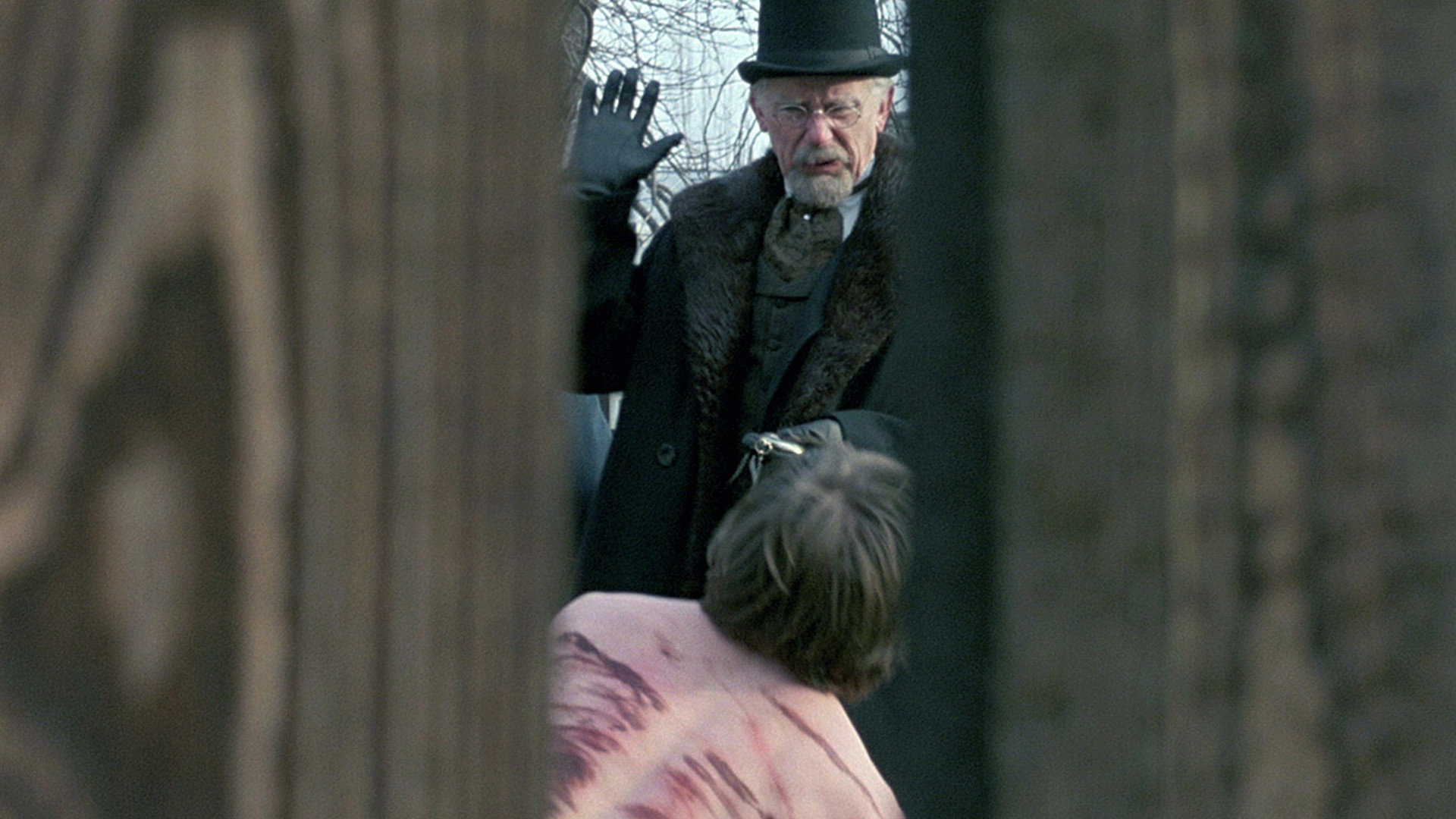
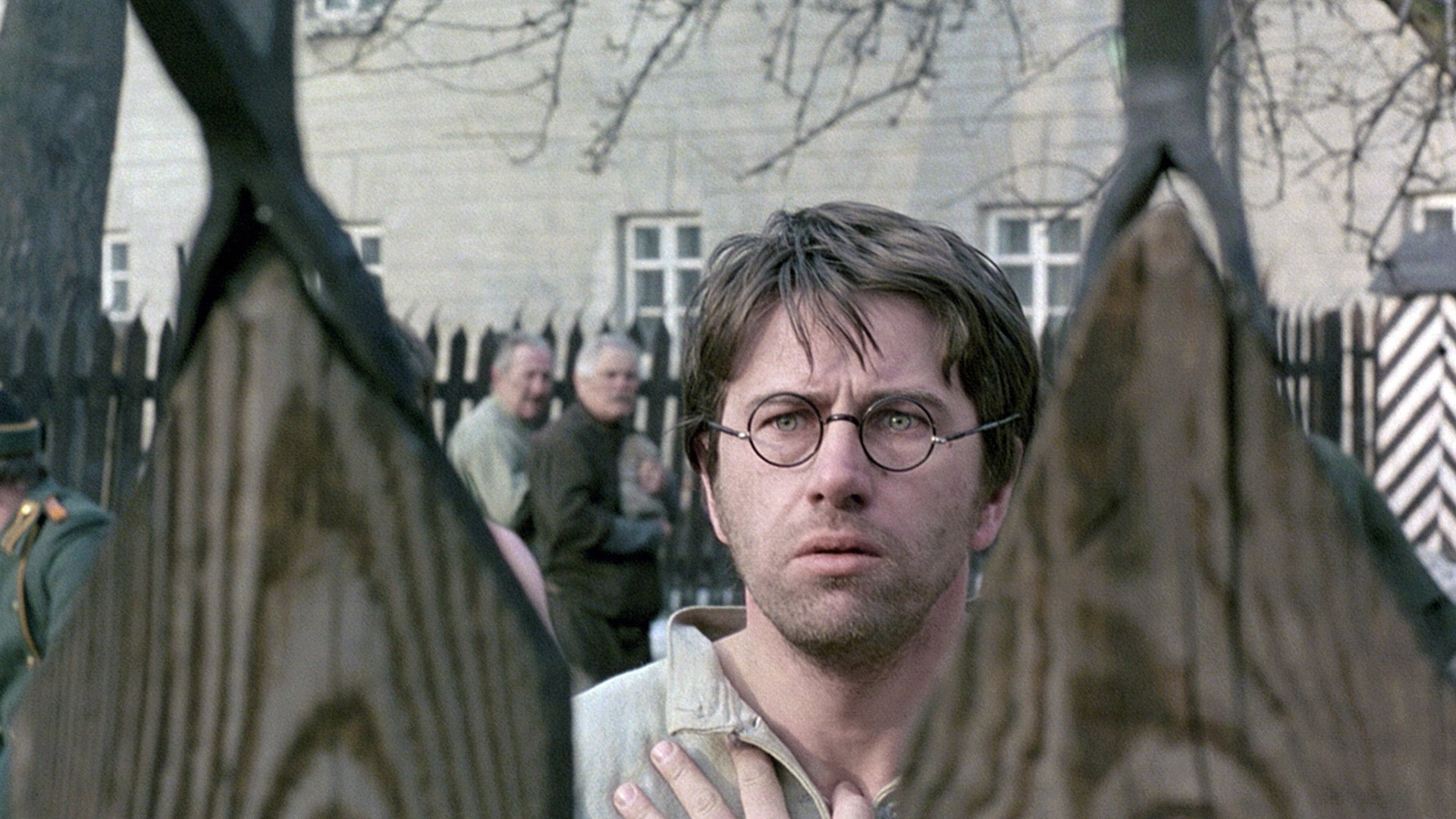
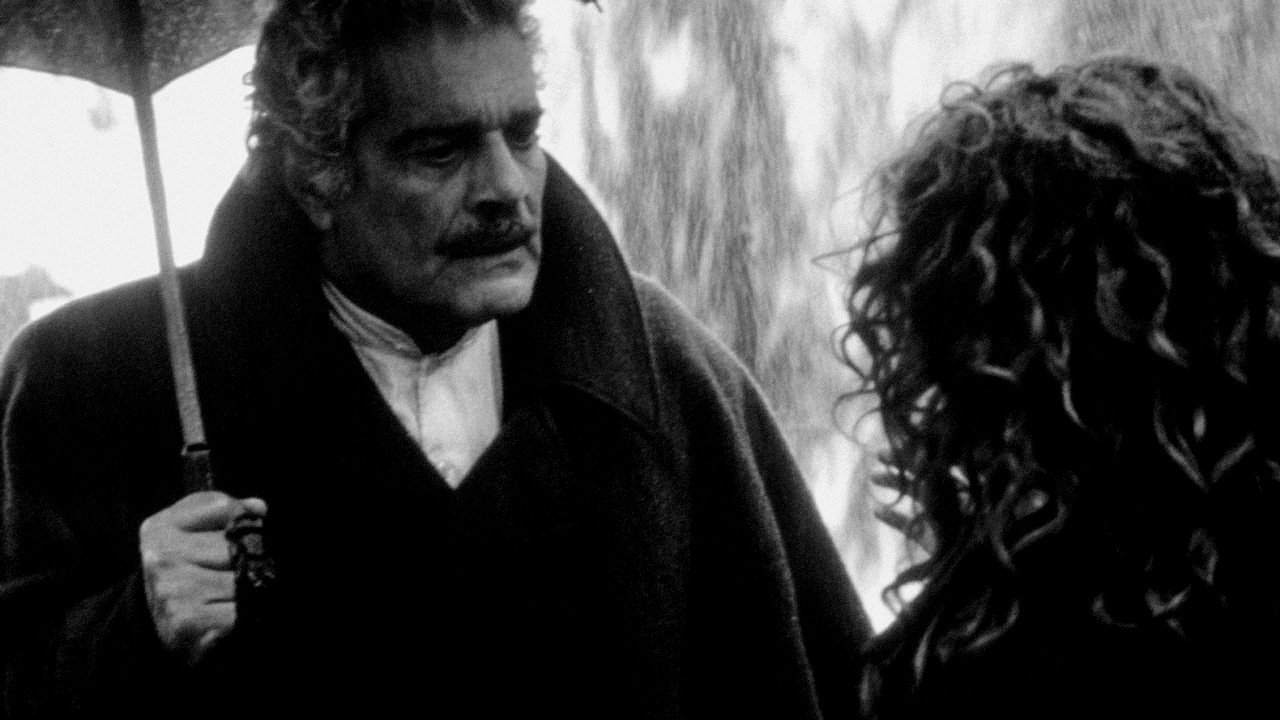
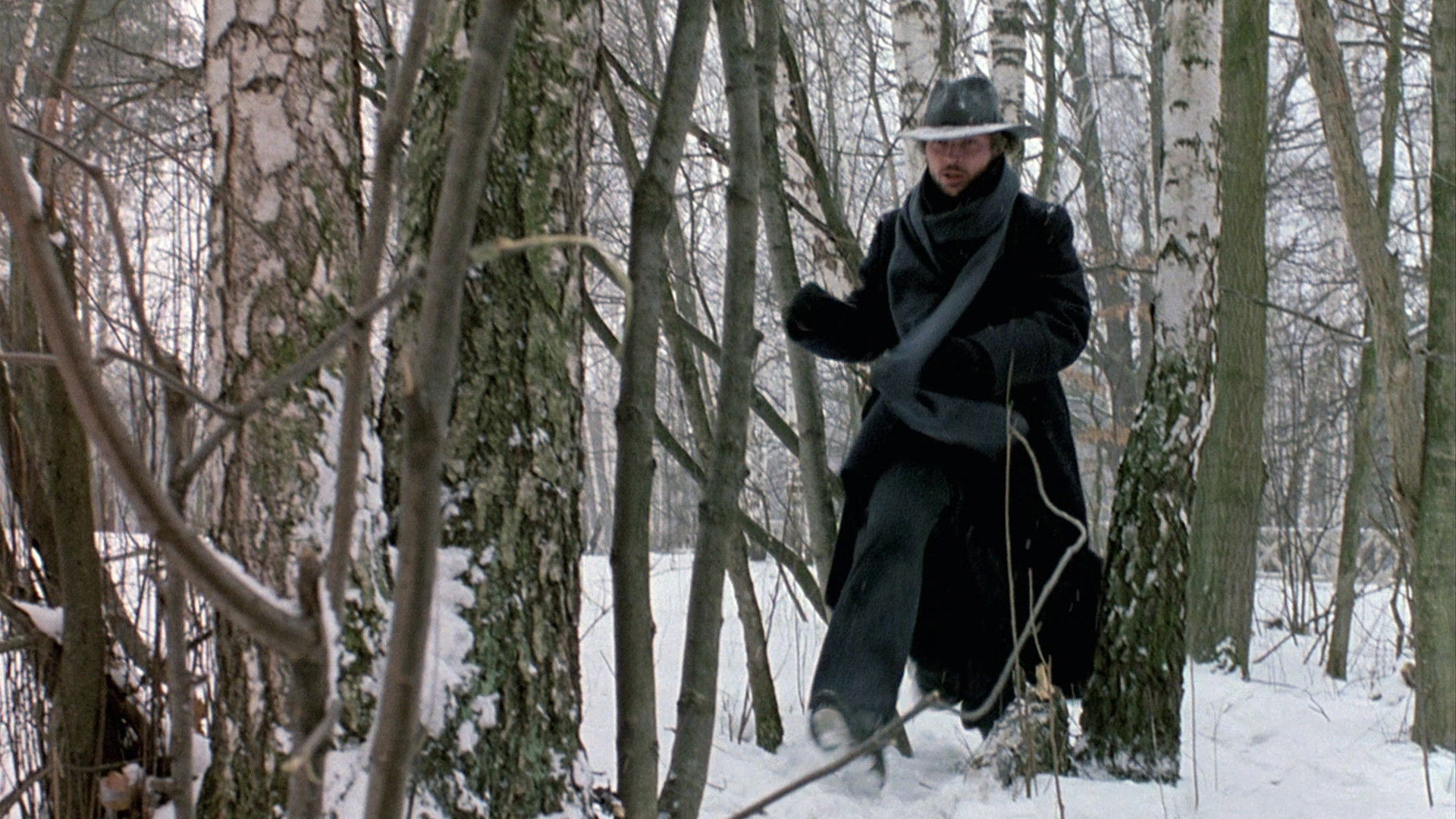
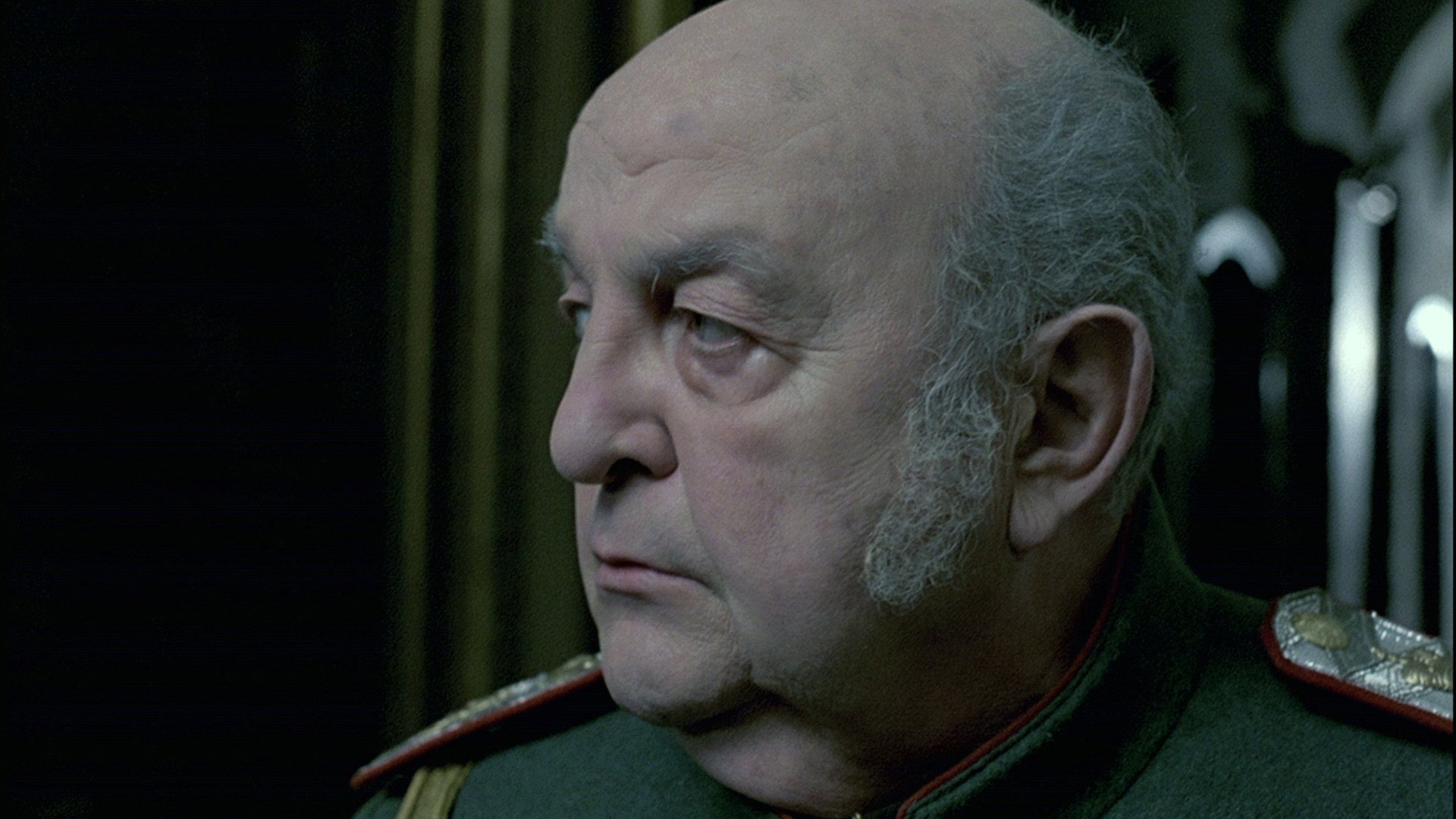
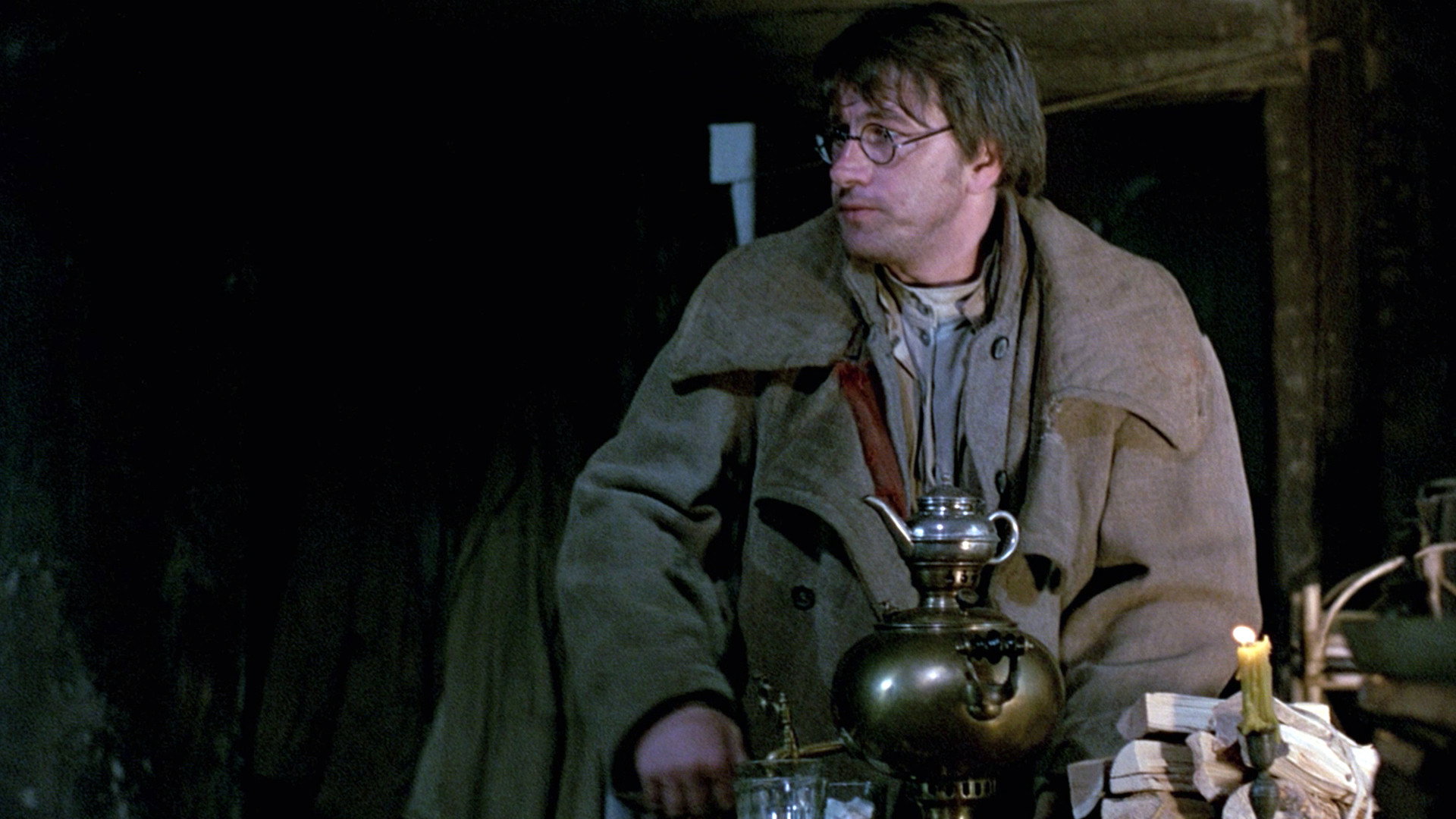
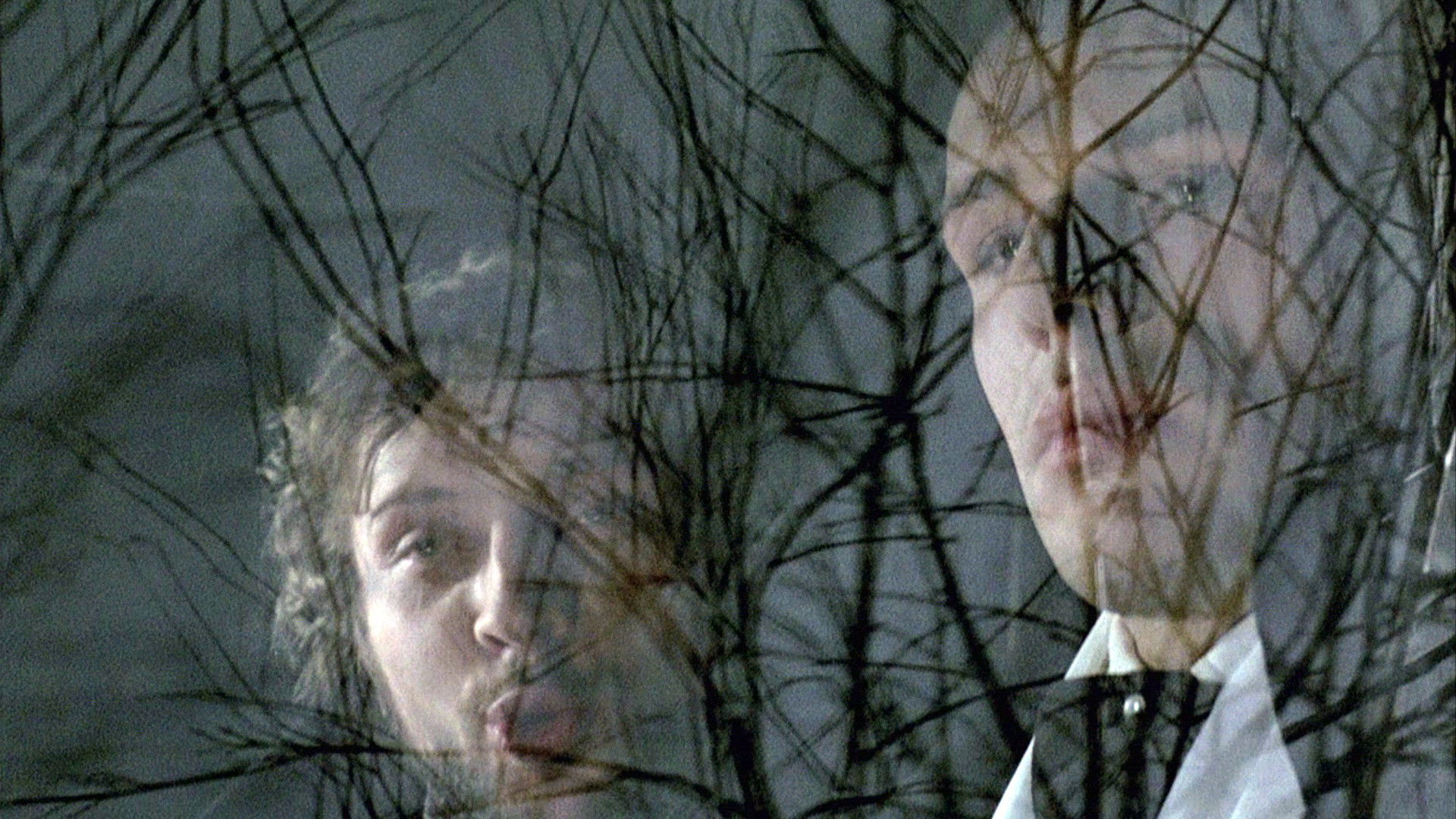
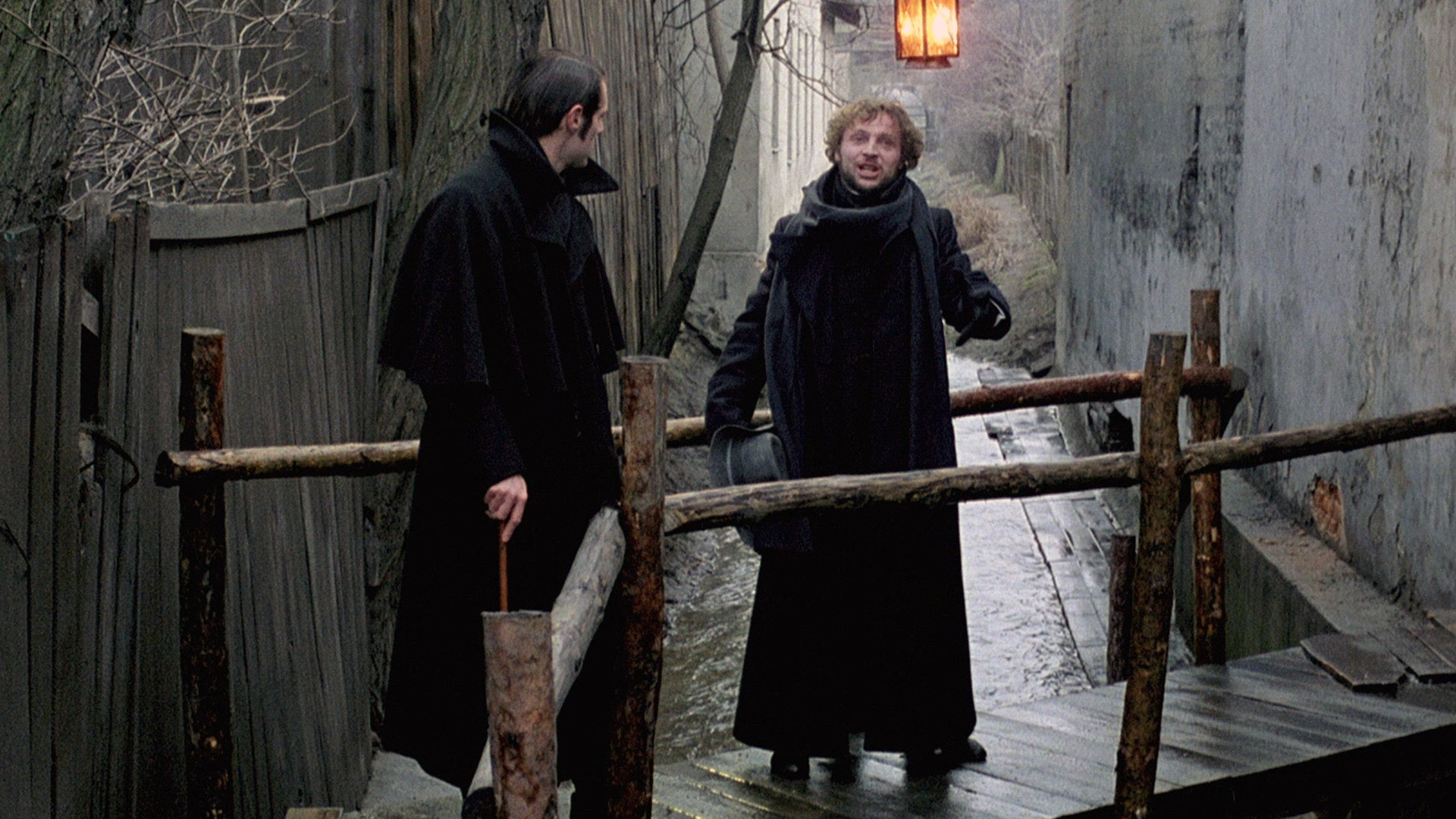
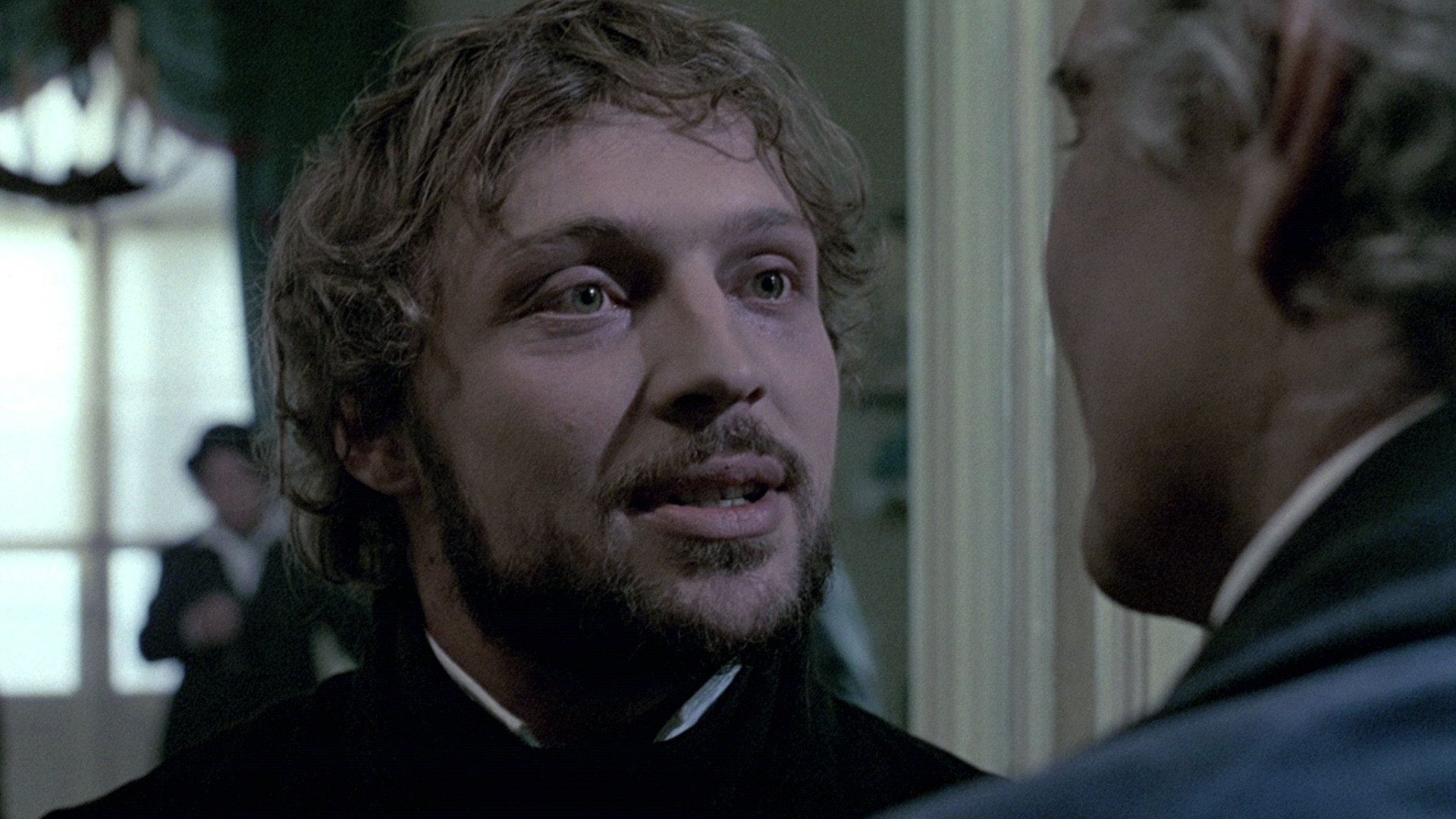
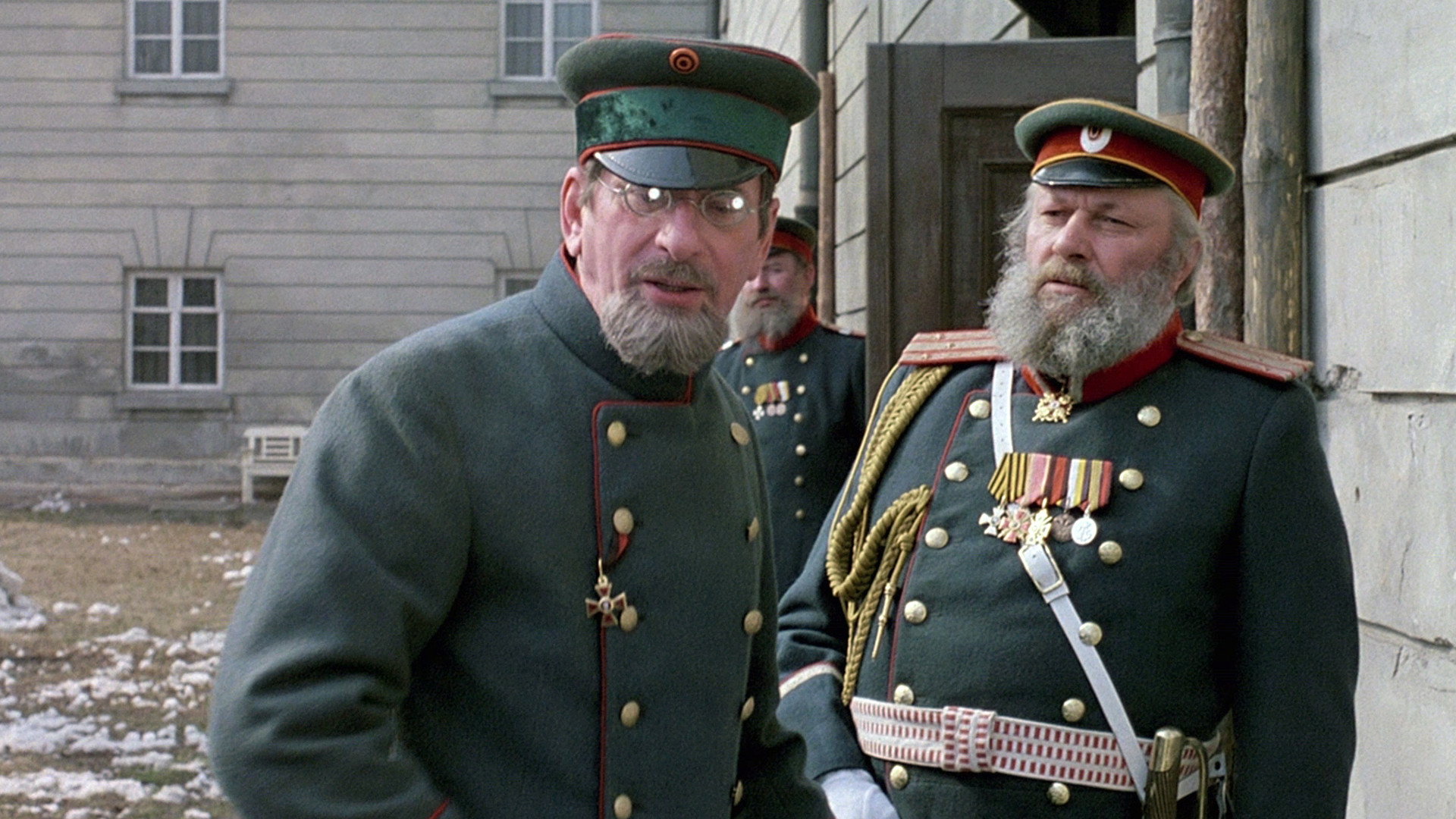
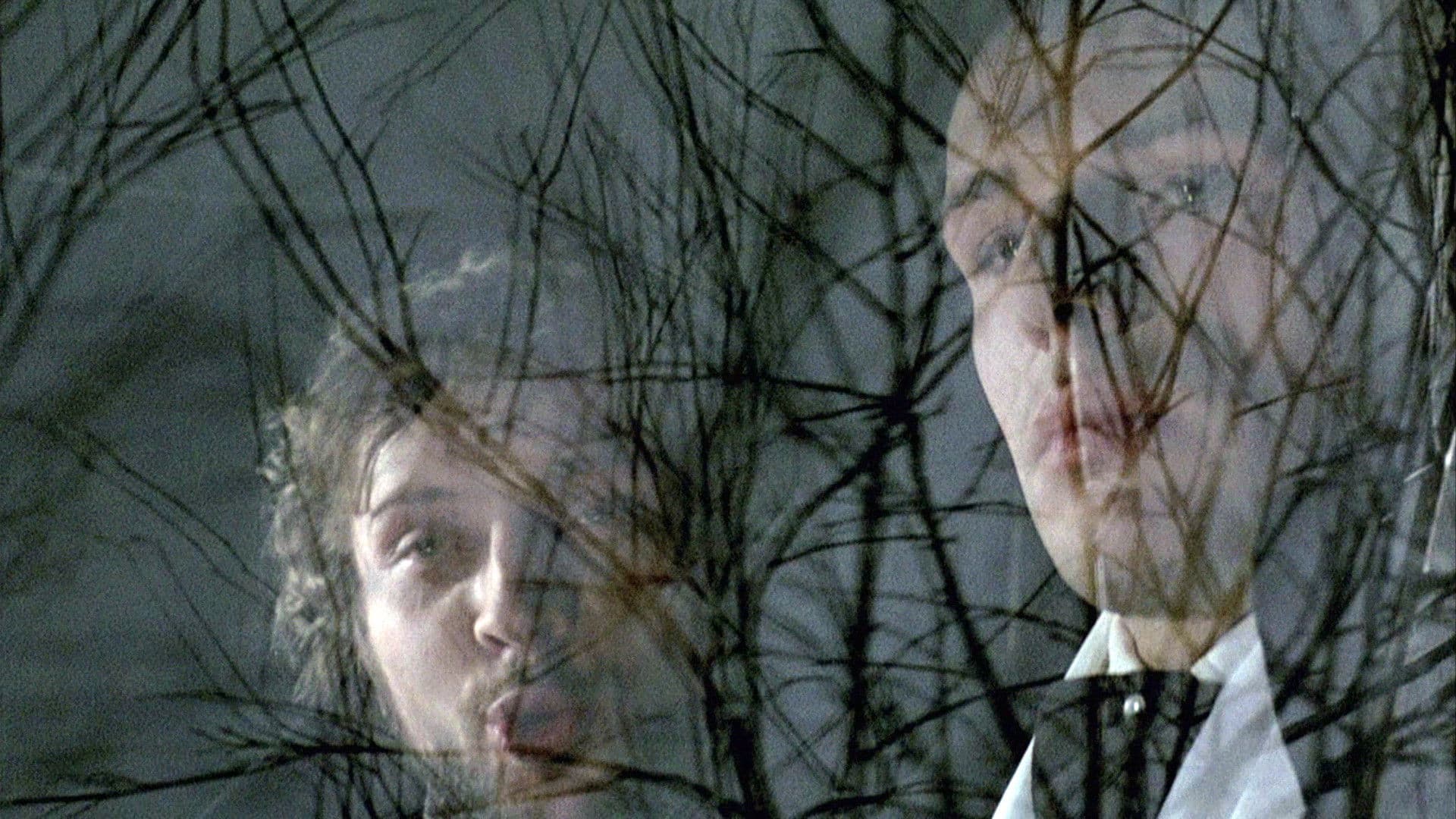
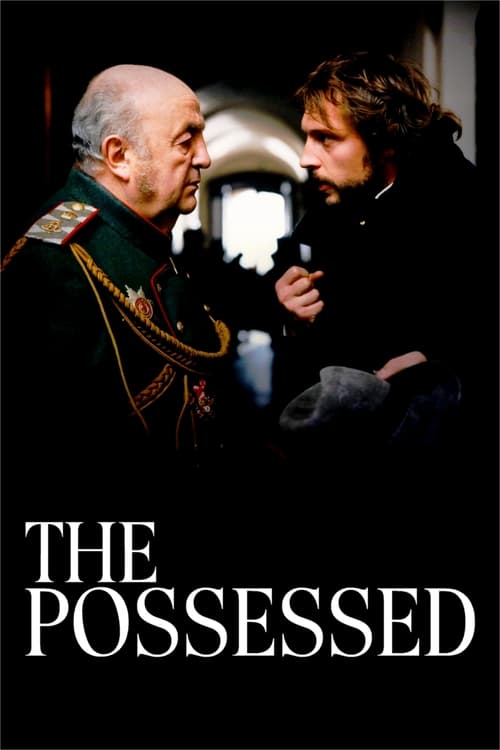
Russia, 1870. A group of young anarchist revolutionaries set out to overthrow the Czarist regime through violence. Their attacks create a climate of psychosis and mutual distrust among the population, but in reality, both revolutionaries and repressors are being manipulated by a diabolical individual.
Directed by Andrzej Wajda

IMDB
N/A
Cast
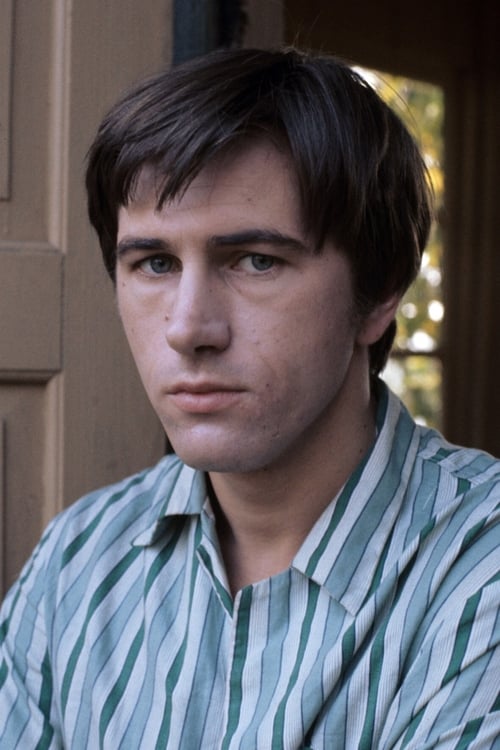
Jerzy Radziwiłowicz
Shatov
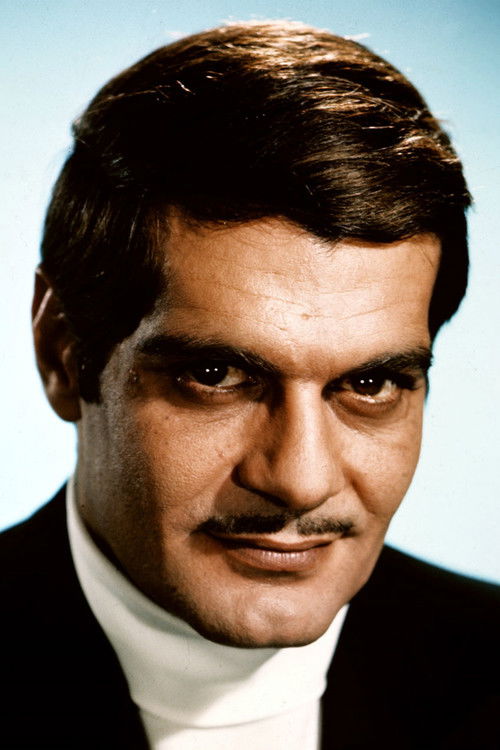
Omar Sharif
Stepan Trofimovich Verkhovensky
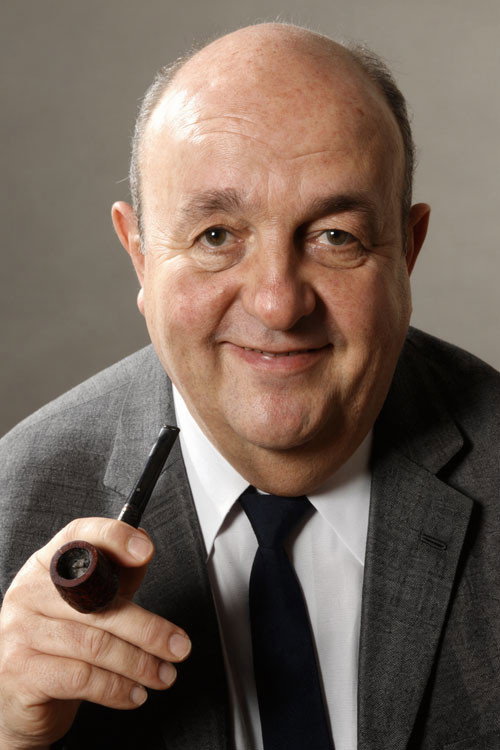
Bernard Blier
Governor
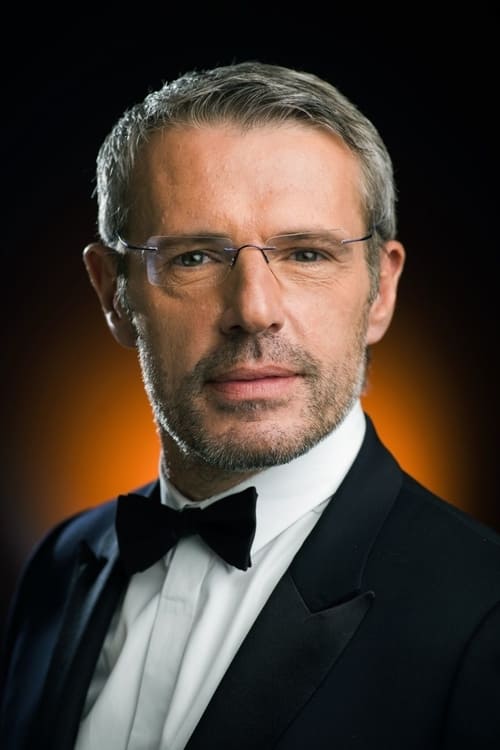
Lambert Wilson
Nikolai Vsevolodovich Stavrogin
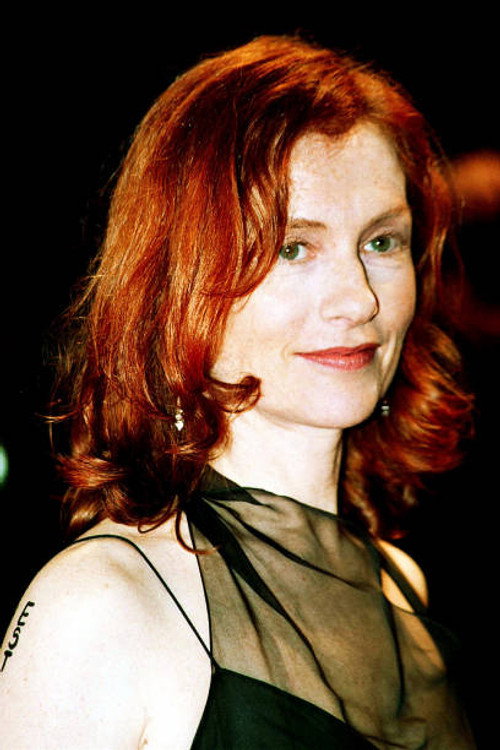
Isabelle Huppert
Maria Shatov
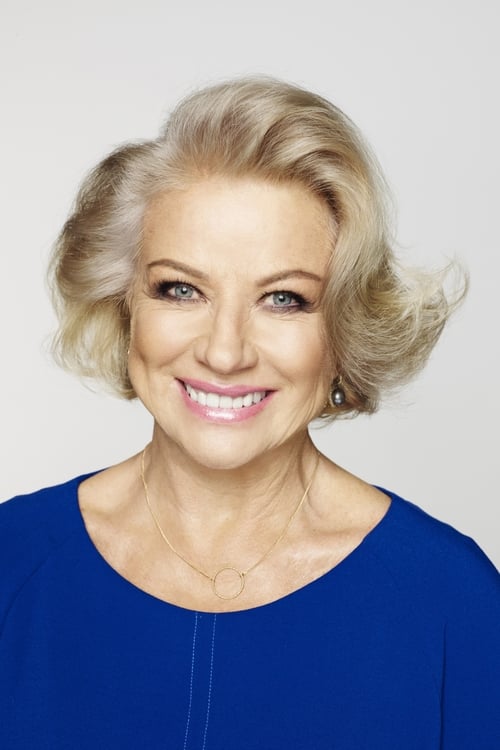
Bożena Dykiel
Virginska
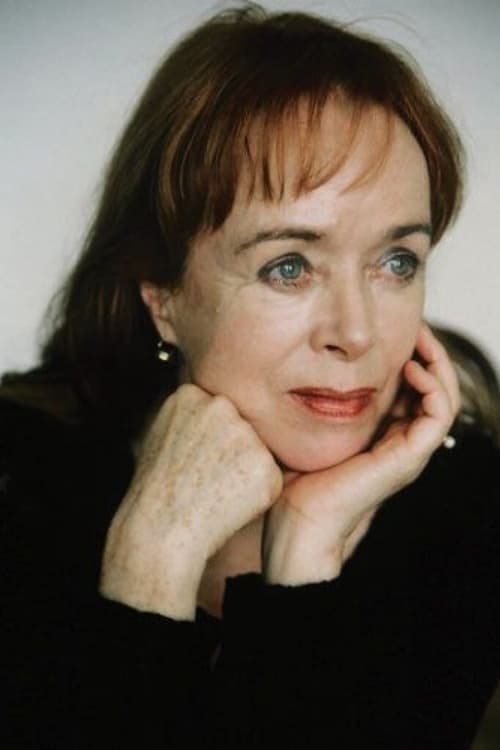
Jutta Lampe
Maria Lebjadkin
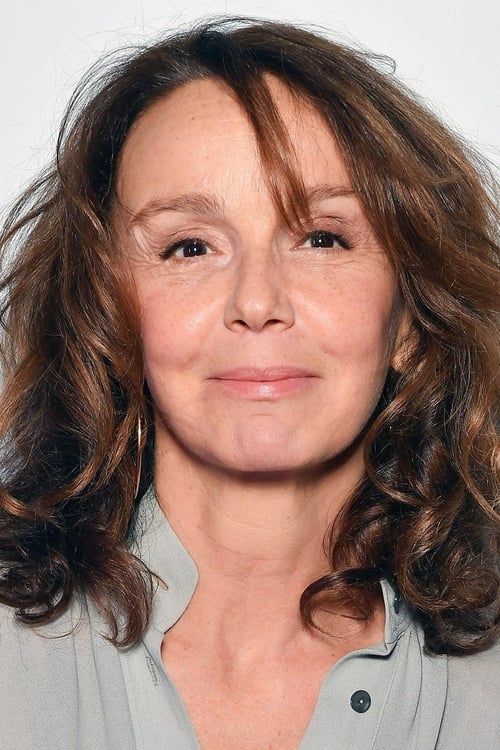
Philippine Leroy-Beaulieu
Lisa
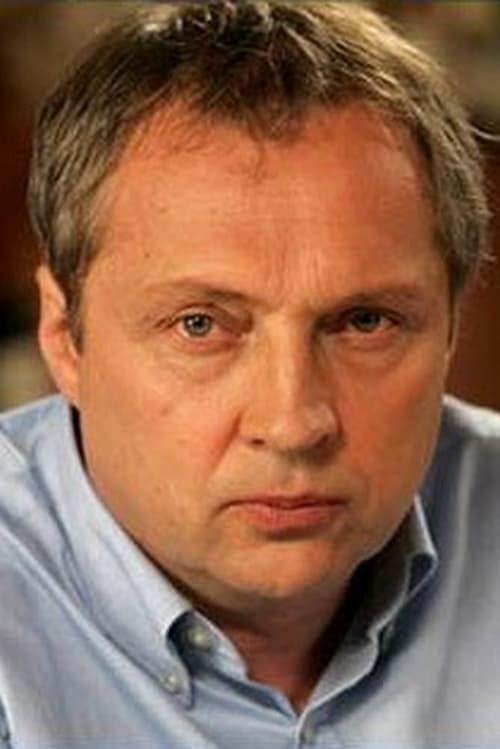
Jean-Philippe Écoffey
Peter Verchovenskij
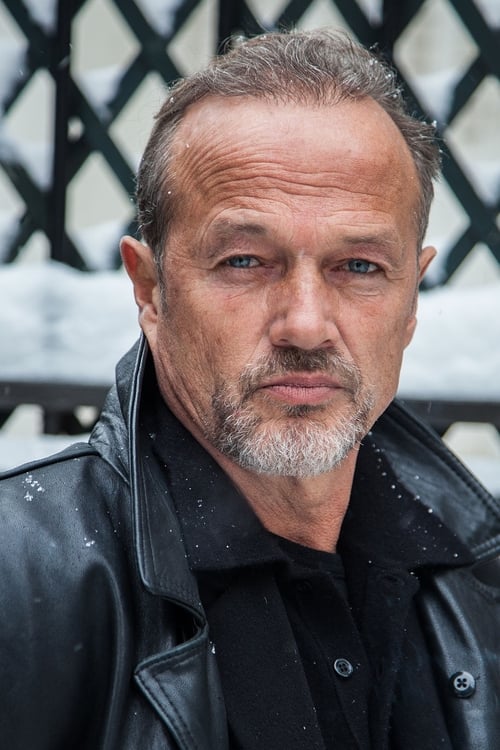
Laurent Malet
Kirillov
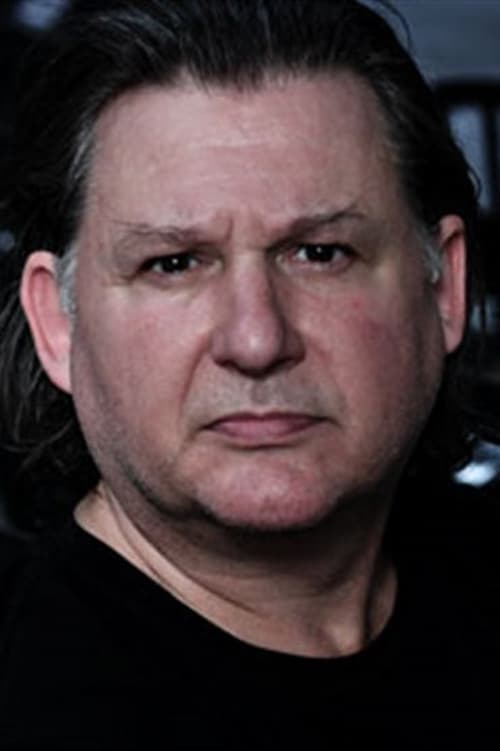
Jean-Quentin Châtelain
Virguinski
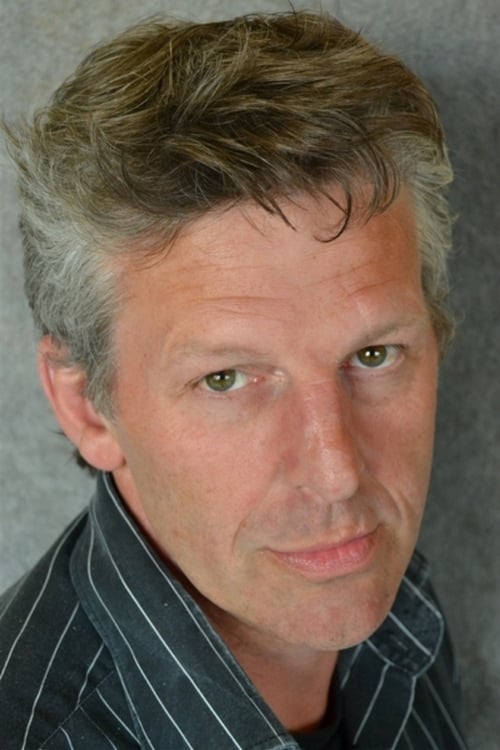
Rémi Martin
Erkel
Crew
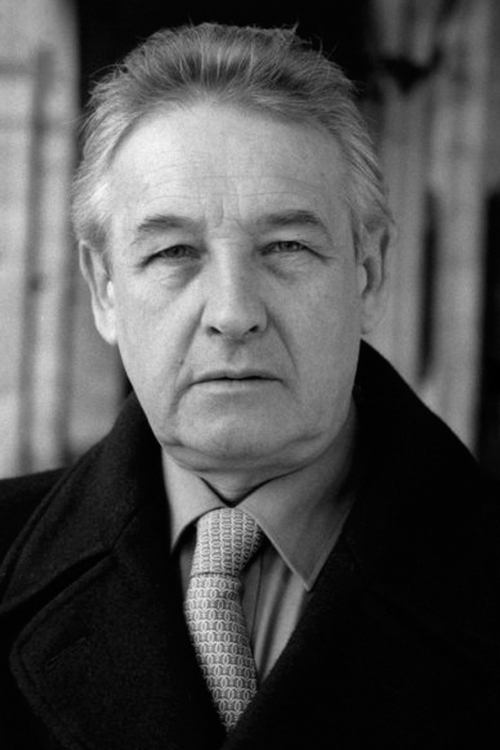
Andrzej Wajda
Director
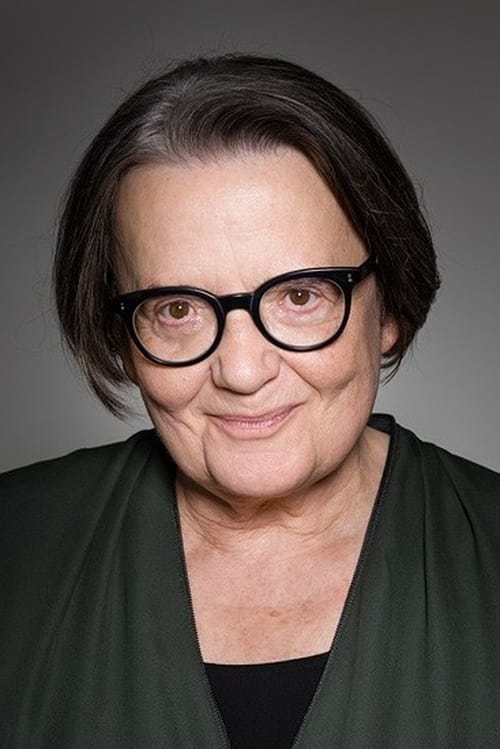
Agnieszka Holland
Screenplay
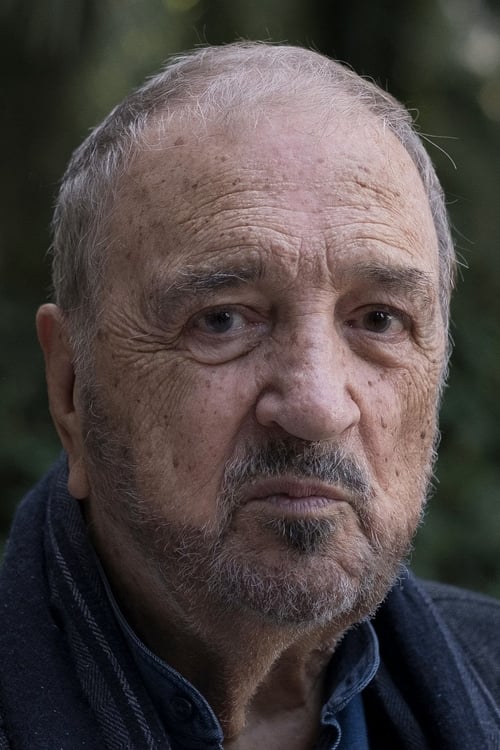
Jean-Claude Carrière
Screenplay
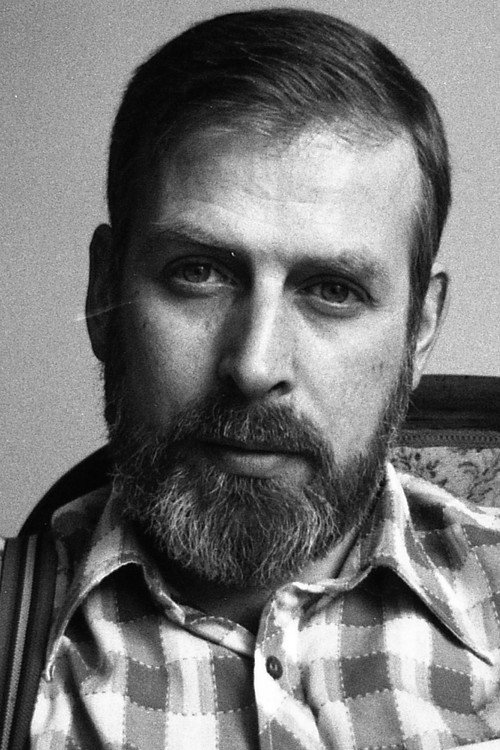
Edward Żebrowski
Screenplay
Andrzej Wajda
Screenplay
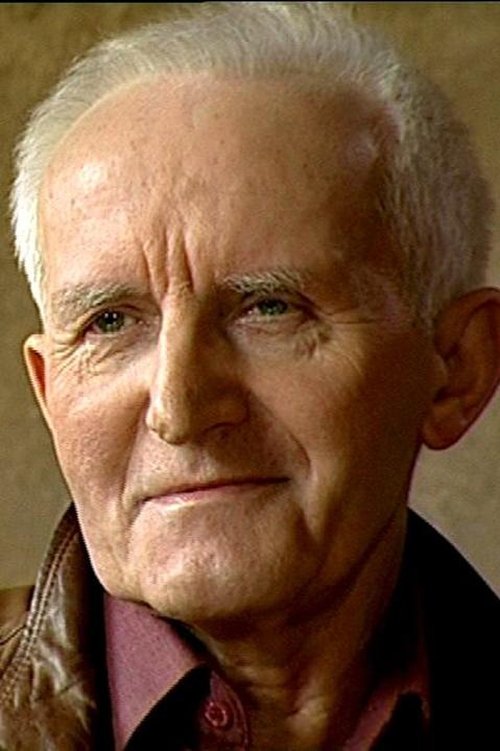
Zygmunt Konieczny
Original Music Composer
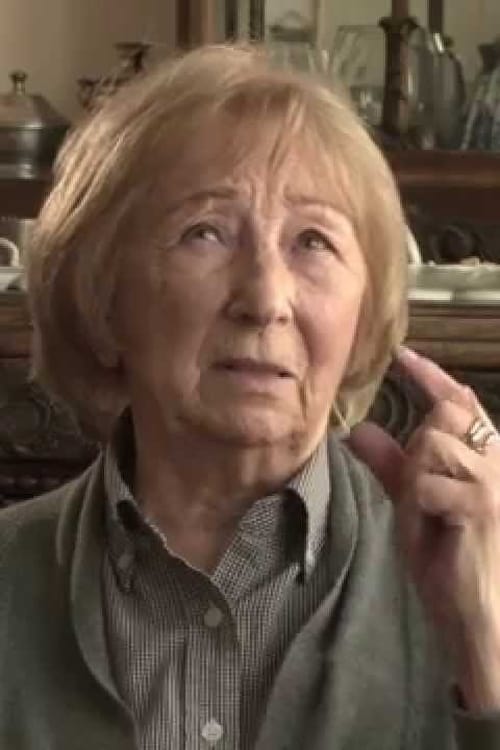
Halina Prugar-Ketling
Editor

Witold Adamek
Director of Photography
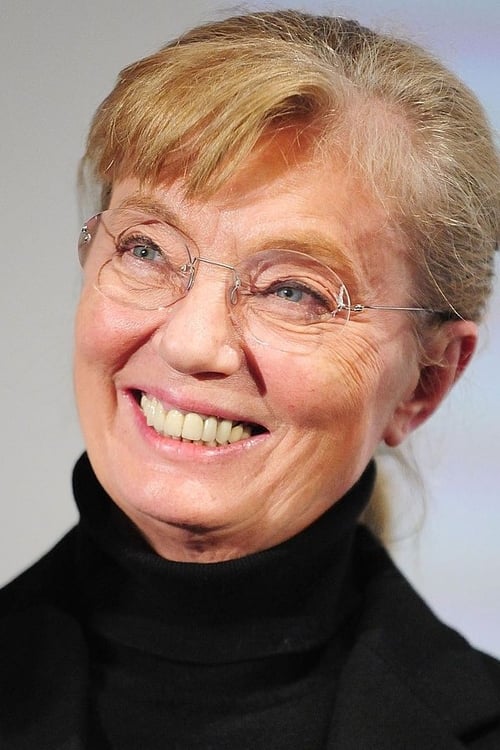
Margaret Ménégoz
Producer
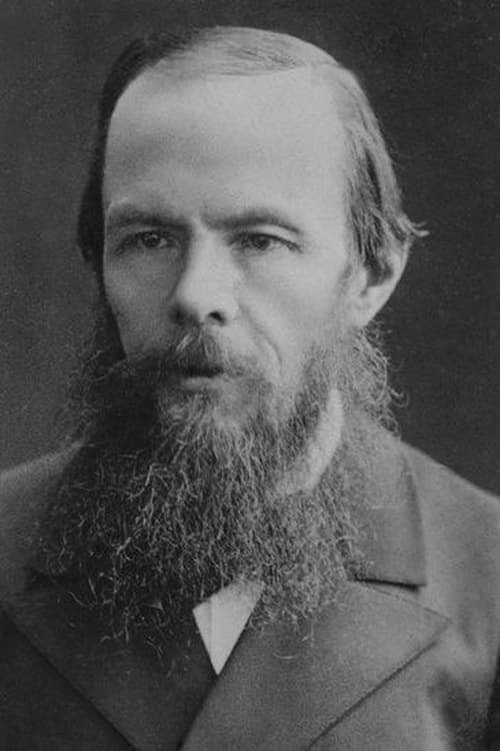
Fyodor Dostoevsky
Novel
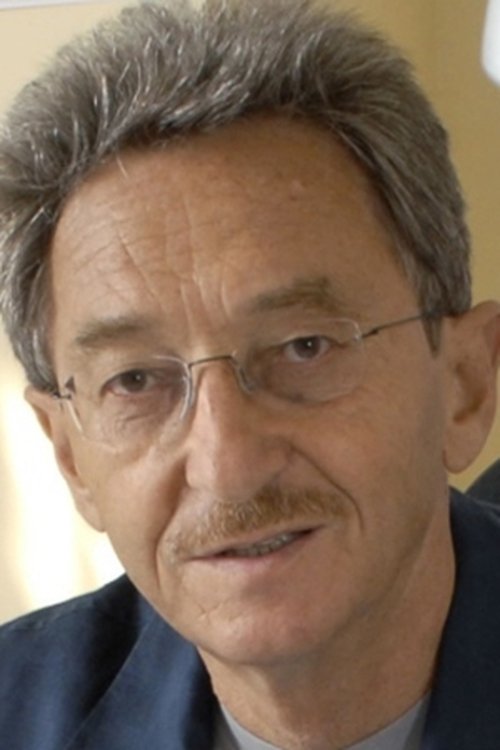
Allan Starski
Production Design
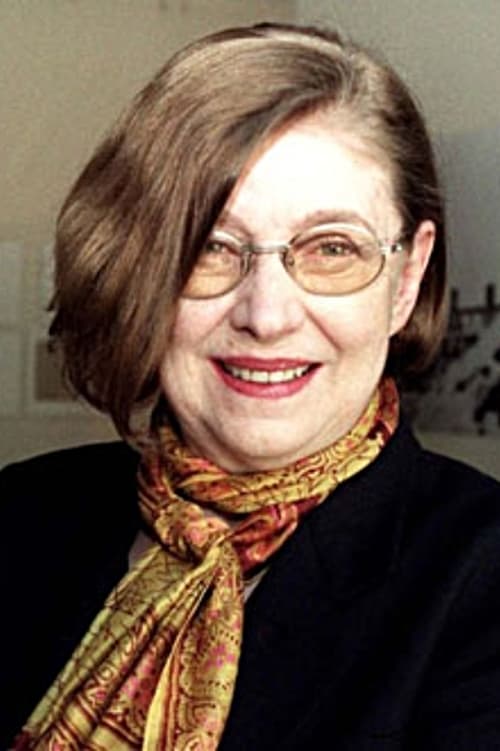
Krystyna Zachwatowicz
Costume Design
Popular Reviews
1 review
Nick
6.0★ · 05/11/26
Demons, the film’s source material, is arguably one of the most challenging and difficult Dostoevsky novels. It’s long, sprawling, convoluted, with a million characters (with a million different names), and it is largely uneventful (relatively). The single thing that cements this film in its success is the almost-omnipresent background music. I would normally oppose such heavy-handed manipulation, but the novel necessitates it. The ominous music affirms the creeping dread and doom growing beneath the topsoil of this anxious town. Everyone is on edge, the world is inches away from bursting in flames.
Ever since I read the novel, I often wondered if László Krasznahorkai took influence for his Irimiás in Sátántangó from Verkhovensky here. To my delight and recollection, sure enough, he shows up in this novel in the same fashion. This type of character, double-dealing both sides of the revolution, and spreading his fingers like a spider web across the whole town is a crystalized actualization of the anti-messiah. The interpersonal conflicts between Stavrogin and he emphasize the drama within ideologically-inclined groups. You see the contrast between a hollowed reactionary and the emotional turmoil of an anguished intellectual who doesn’t belong.
It is important to recognize the inherent nonsense in the radical group’s ideology. This group is the conceptualized ethos of the proliferating nihilism in 19th-century Russia. Dostoevsky portrays them all as emphatic imbeciles more obsessed with rebellion than holding onto any substantive philosophy. Even the most robust of revolutionaries preaches a philosophy that collapses upon itself, or ends at its contradiction, by his own admission. The confusion of the story is, in ways, the point.
The book hovers around 800 pages; naturally a two-hour film is not going to cover everything. Despite this, it does a solid job capturing the spirit of the book. It certainly makes multiple unfortunate cuts or compromises. My biggest lament is the end of the book, Stavrogin’s conclusion, is absent. I also wish we would have spent more time with Kirillov: my personal favourite character. His character stands out, even in the book, as the one with the most deeply held and authentic philosophy: he wants to become god by killing himself. Thankfully, we do get the conclusion between Kirillov and Verkhovensky. If there was one reason for anyone to watch this, it is the moment of Kirillov in the closet. Wow. I did not expect the abrasiveness of that scene.
Considering the nature of the book, I would go as far as positing this is a good primer and introduction. If you were to venture into Demons, this would be good to watch before. It’s among the most challenging fiction books I’ve read; I read and reread the synopsis of the book while reading many times. I think the truncation of certain things and the physical representation of characters helps the understanding of the novel. For example, Jerzy Radziwiłowicz brings a welcome realism to the character of Shatov. His tragedy is profound. While the film’s portratyal of Shatov ends up severely compromised, it nonetheless serves its sentimental purpose.
As a film, this is kinda boring. But then again, by a certain light, so is the book. Many of the complaints you might read in the few reviews here would be equally applicable to the source material. Considering the length and breadth of the novel, a tv miniseries would likely be more appropriate. It seems there are a couple, even a newer one, which I’d be interested in seeing. Should a more complete iteration of this story ever be actualized, we’d be lucky. Since reading the book, I’ve drawn an implicit line from Dostoevsky’s Demons to Zamyatin’s We and Huxley’s Brave New World. I think this is the medieval origin story for dystopian futures.
Ever since I read the novel, I often wondered if László Krasznahorkai took influence for his Irimiás in Sátántangó from Verkhovensky here. To my delight and recollection, sure enough, he shows up in this novel in the same fashion. This type of character, double-dealing both sides of the revolution, and spreading his fingers like a spider web across the whole town is a crystalized actualization of the anti-messiah. The interpersonal conflicts between Stavrogin and he emphasize the drama within ideologically-inclined groups. You see the contrast between a hollowed reactionary and the emotional turmoil of an anguished intellectual who doesn’t belong.
It is important to recognize the inherent nonsense in the radical group’s ideology. This group is the conceptualized ethos of the proliferating nihilism in 19th-century Russia. Dostoevsky portrays them all as emphatic imbeciles more obsessed with rebellion than holding onto any substantive philosophy. Even the most robust of revolutionaries preaches a philosophy that collapses upon itself, or ends at its contradiction, by his own admission. The confusion of the story is, in ways, the point.
The book hovers around 800 pages; naturally a two-hour film is not going to cover everything. Despite this, it does a solid job capturing the spirit of the book. It certainly makes multiple unfortunate cuts or compromises. My biggest lament is the end of the book, Stavrogin’s conclusion, is absent. I also wish we would have spent more time with Kirillov: my personal favourite character. His character stands out, even in the book, as the one with the most deeply held and authentic philosophy: he wants to become god by killing himself. Thankfully, we do get the conclusion between Kirillov and Verkhovensky. If there was one reason for anyone to watch this, it is the moment of Kirillov in the closet. Wow. I did not expect the abrasiveness of that scene.
Considering the nature of the book, I would go as far as positing this is a good primer and introduction. If you were to venture into Demons, this would be good to watch before. It’s among the most challenging fiction books I’ve read; I read and reread the synopsis of the book while reading many times. I think the truncation of certain things and the physical representation of characters helps the understanding of the novel. For example, Jerzy Radziwiłowicz brings a welcome realism to the character of Shatov. His tragedy is profound. While the film’s portratyal of Shatov ends up severely compromised, it nonetheless serves its sentimental purpose.
As a film, this is kinda boring. But then again, by a certain light, so is the book. Many of the complaints you might read in the few reviews here would be equally applicable to the source material. Considering the length and breadth of the novel, a tv miniseries would likely be more appropriate. It seems there are a couple, even a newer one, which I’d be interested in seeing. Should a more complete iteration of this story ever be actualized, we’d be lucky. Since reading the book, I’ve drawn an implicit line from Dostoevsky’s Demons to Zamyatin’s We and Huxley’s Brave New World. I think this is the medieval origin story for dystopian futures.
Demons, the film’s source material, is arguably one of the most challenging and difficult Dostoevsky novels. It’s long, sprawling, convoluted, with a million characters (with a million different names), and it is largely uneventful (relatively). The single thing that cements this film in its success is the almost-omnipresent background music. I would normally oppose such heavy-handed manipulation, but the novel necessitates it. The ominous music affirms the creeping dread and doom growing beneath the topsoil of this anxious town. Everyone is on edge, the world is inches away from bursting in flames.
Ever since I read the novel, I often wondered if László Krasznahorkai took influence for his Irimiás in Sátántangó from Verkhovensky here. To my delight and recollection, sure enough, he shows up in this novel in the same fashion. This type of character, double-dealing both sides of the revolution, and spreading his fingers like a spider web across the whole town is a crystalized actualization of the anti-messiah. The interpersonal conflicts between Stavrogin and he emphasize the drama within ideologically-inclined groups. You see the contrast between a hollowed reactionary and the emotional turmoil of an anguished intellectual who doesn’t belong.
It is important to recognize the inherent nonsense in the radical group’s ideology. This group is the conceptualized ethos of the proliferating nihilism in 19th-century Russia. Dostoevsky portrays them all as emphatic imbeciles more obsessed with rebellion than holding onto any substantive philosophy. Even the most robust of revolutionaries preaches a philosophy that collapses upon itself, or ends at its contradiction, by his own admission. The confusion of the story is, in ways, the point.
The book hovers around 800 pages; naturally a two-hour film is not going to cover everything. Despite this, it does a solid job capturing the spirit of the book. It certainly makes multiple unfortunate cuts or compromises. My biggest lament is the end of the book, Stavrogin’s conclusion, is absent. I also wish we would have spent more time with Kirillov: my personal favourite character. His character stands out, even in the book, as the one with the most deeply held and authentic philosophy: he wants to become god by killing himself. Thankfully, we do get the conclusion between Kirillov and Verkhovensky. If there was one reason for anyone to watch this, it is the moment of Kirillov in the closet. Wow. I did not expect the abrasiveness of that scene.
Considering the nature of the book, I would go as far as positing this is a good primer and introduction. If you were to venture into Demons, this would be good to watch before. It’s among the most challenging fiction books I’ve read; I read and reread the synopsis of the book while reading many times. I think the truncation of certain things and the physical representation of characters helps the understanding of the novel. For example, Jerzy Radziwiłowicz brings a welcome realism to the character of Shatov. His tragedy is profound. While the film’s portratyal of Shatov ends up severely compromised, it nonetheless serves its sentimental purpose.
As a film, this is kinda boring. But then again, by a certain light, so is the book. Many of the complaints you might read in the few reviews here would be equally applicable to the source material. Considering the length and breadth of the novel, a tv miniseries would likely be more appropriate. It seems there are a couple, even a newer one, which I’d be interested in seeing. Should a more complete iteration of this story ever be actualized, we’d be lucky. Since reading the book, I’ve drawn an implicit line from Dostoevsky’s Demons to Zamyatin’s We and Huxley’s Brave New World. I think this is the medieval origin story for dystopian futures.
Ever since I read the novel, I often wondered if László Krasznahorkai took influence for his Irimiás in Sátántangó from Verkhovensky here. To my delight and recollection, sure enough, he shows up in this novel in the same fashion. This type of character, double-dealing both sides of the revolution, and spreading his fingers like a spider web across the whole town is a crystalized actualization of the anti-messiah. The interpersonal conflicts between Stavrogin and he emphasize the drama within ideologically-inclined groups. You see the contrast between a hollowed reactionary and the emotional turmoil of an anguished intellectual who doesn’t belong.
It is important to recognize the inherent nonsense in the radical group’s ideology. This group is the conceptualized ethos of the proliferating nihilism in 19th-century Russia. Dostoevsky portrays them all as emphatic imbeciles more obsessed with rebellion than holding onto any substantive philosophy. Even the most robust of revolutionaries preaches a philosophy that collapses upon itself, or ends at its contradiction, by his own admission. The confusion of the story is, in ways, the point.
The book hovers around 800 pages; naturally a two-hour film is not going to cover everything. Despite this, it does a solid job capturing the spirit of the book. It certainly makes multiple unfortunate cuts or compromises. My biggest lament is the end of the book, Stavrogin’s conclusion, is absent. I also wish we would have spent more time with Kirillov: my personal favourite character. His character stands out, even in the book, as the one with the most deeply held and authentic philosophy: he wants to become god by killing himself. Thankfully, we do get the conclusion between Kirillov and Verkhovensky. If there was one reason for anyone to watch this, it is the moment of Kirillov in the closet. Wow. I did not expect the abrasiveness of that scene.
Considering the nature of the book, I would go as far as positing this is a good primer and introduction. If you were to venture into Demons, this would be good to watch before. It’s among the most challenging fiction books I’ve read; I read and reread the synopsis of the book while reading many times. I think the truncation of certain things and the physical representation of characters helps the understanding of the novel. For example, Jerzy Radziwiłowicz brings a welcome realism to the character of Shatov. His tragedy is profound. While the film’s portratyal of Shatov ends up severely compromised, it nonetheless serves its sentimental purpose.
As a film, this is kinda boring. But then again, by a certain light, so is the book. Many of the complaints you might read in the few reviews here would be equally applicable to the source material. Considering the length and breadth of the novel, a tv miniseries would likely be more appropriate. It seems there are a couple, even a newer one, which I’d be interested in seeing. Should a more complete iteration of this story ever be actualized, we’d be lucky. Since reading the book, I’ve drawn an implicit line from Dostoevsky’s Demons to Zamyatin’s We and Huxley’s Brave New World. I think this is the medieval origin story for dystopian futures.

