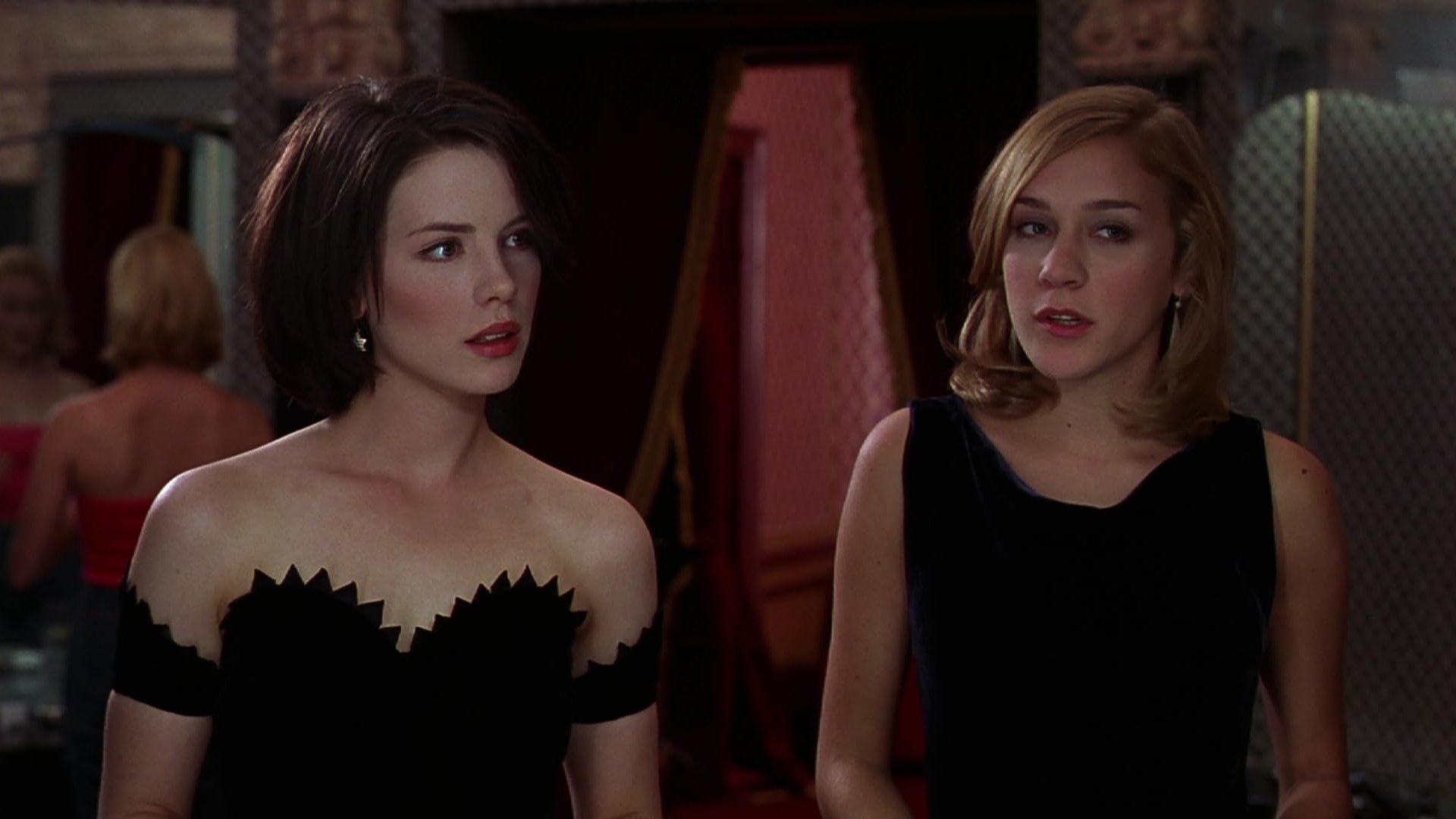
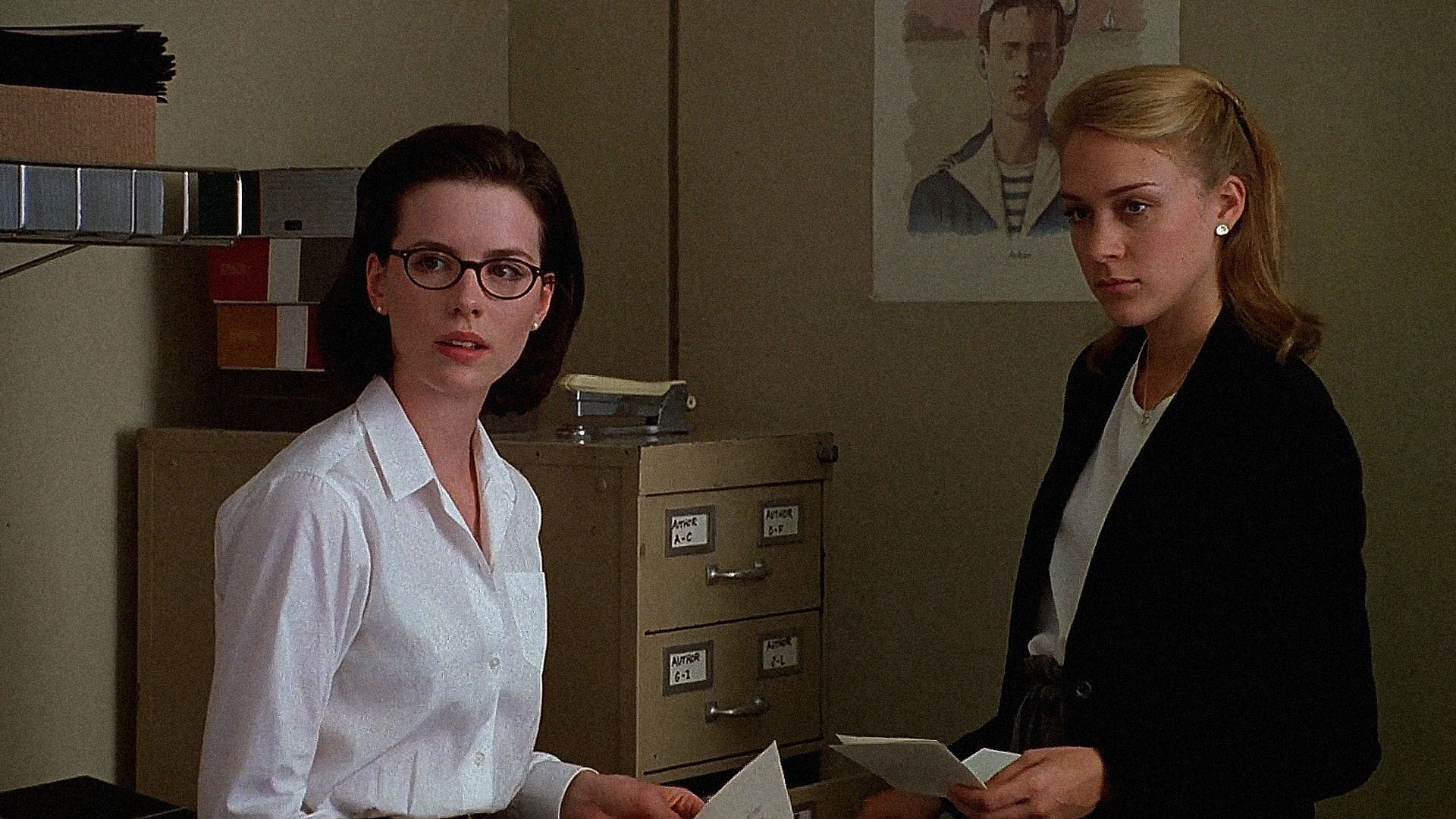
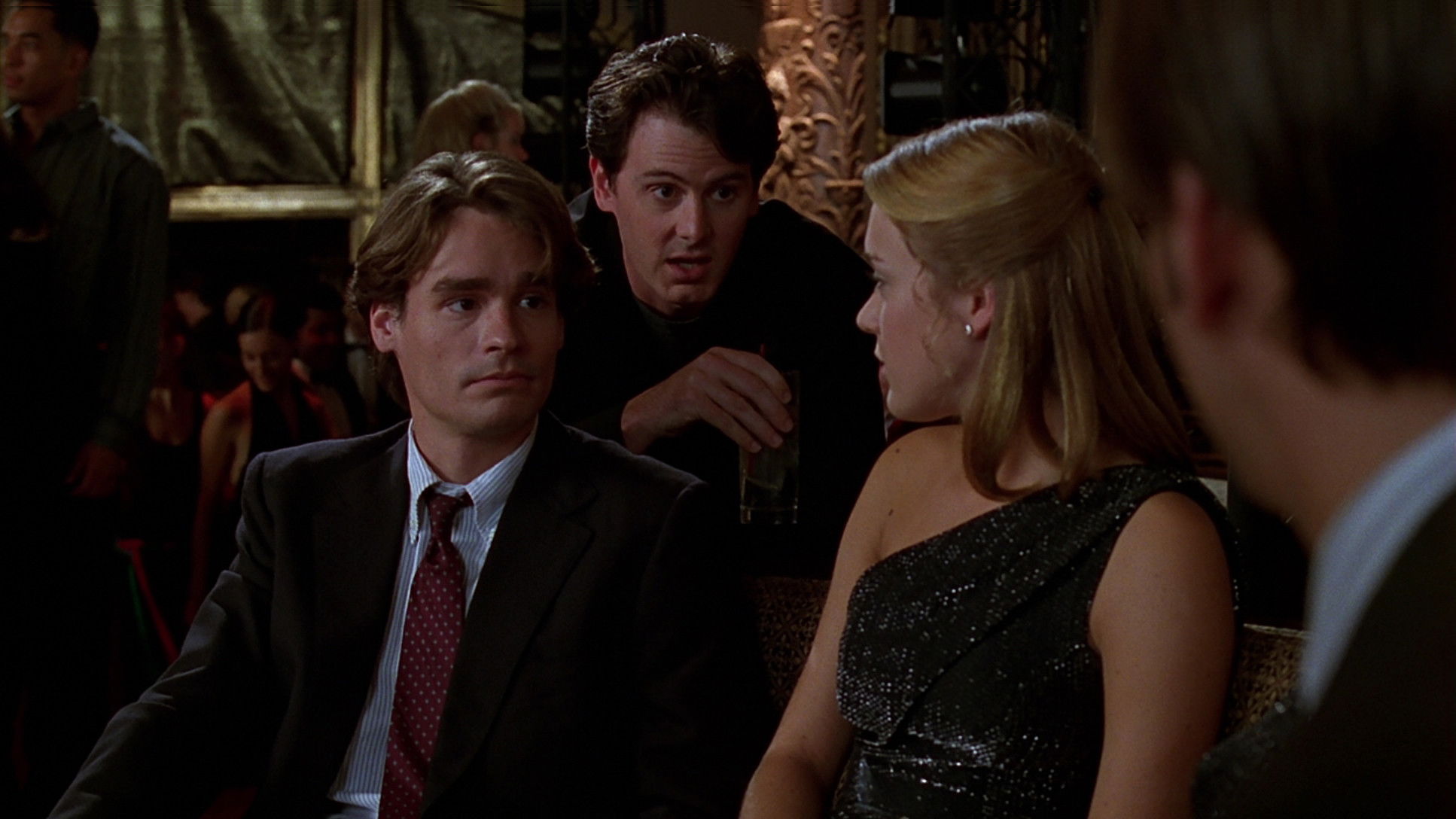
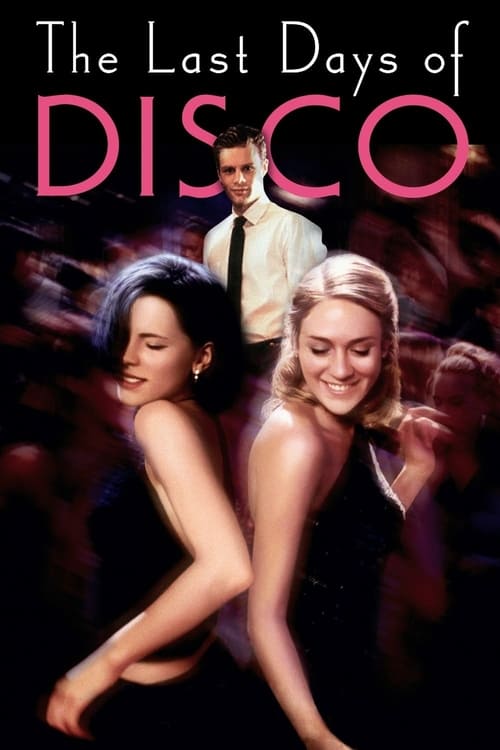
Watching The Last Days of Disco is an very puzzling experience to say the least.Evidently a lot of the characters are very self centred, opinionated and pretentious, yet they’re weirdly fascinating I genuinely feel like I could listen to them for hours. They just speak their mind on social and political issues, whether it’s objective truth or purely performative, and either way it creates such an engaging dynamic(which can be slightly insufferable at times may I add.)
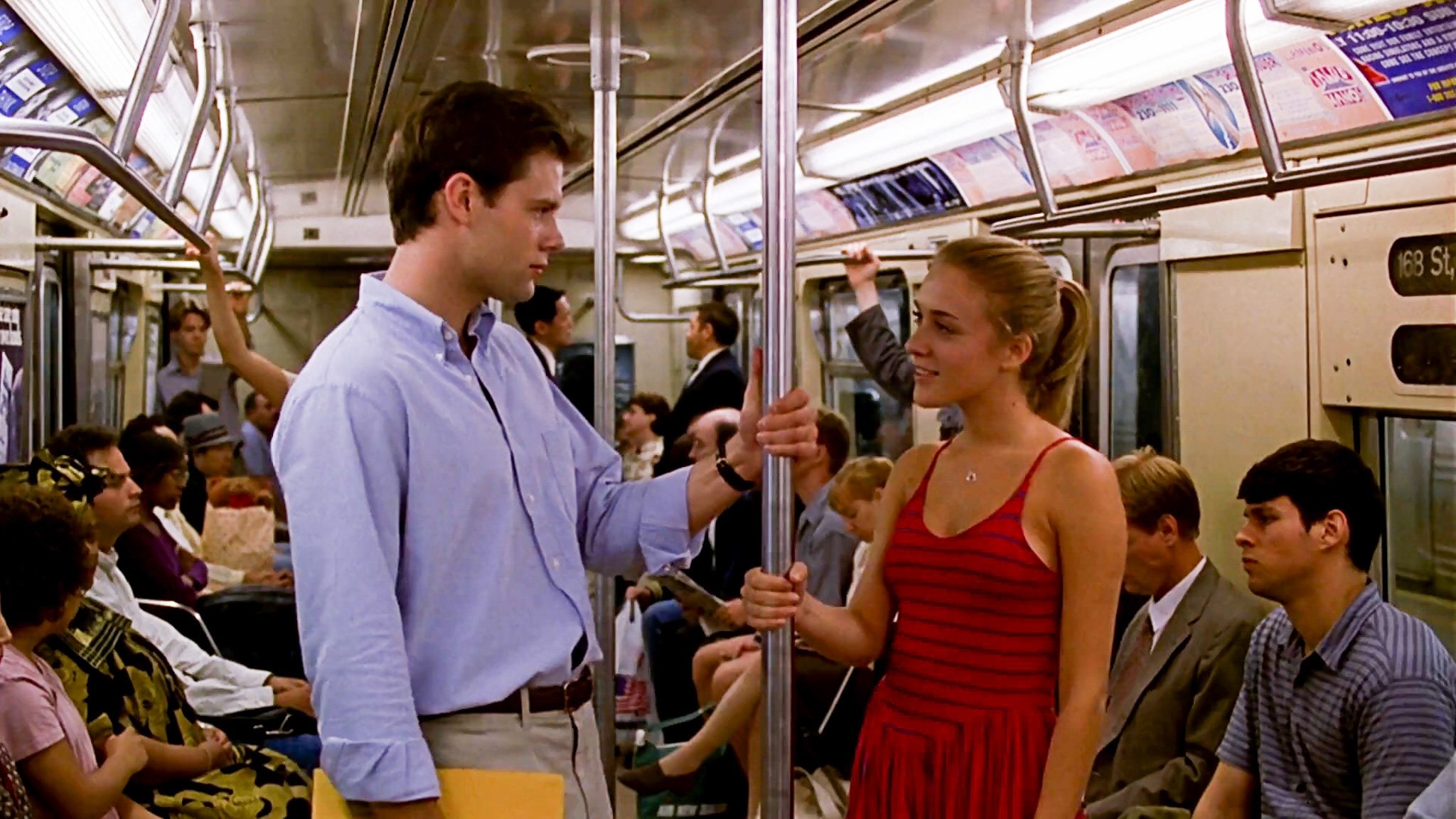
The whole film has that ‘jam’ quality to it, more in its feel than its actual dynamics.It really throws you into that strange phase of life that’s not quite adulthood yet it’s early adulthood in its most uncertain form. It’s just kids being kids really, but in the most vulnerably honest state possible. It feels like a phase everyone has stored somewhere in the back of their mind, even if they never fully lived it out.
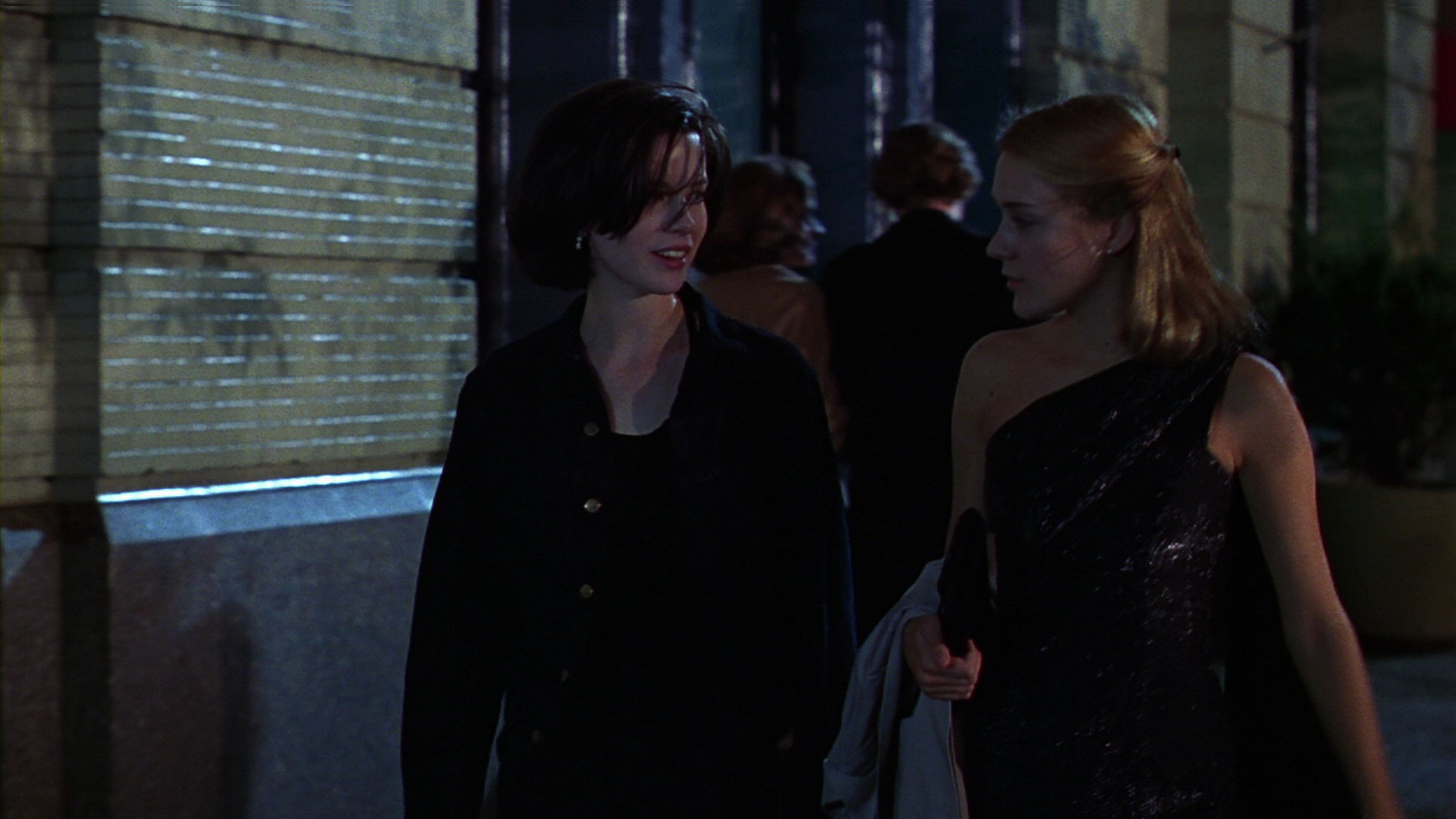
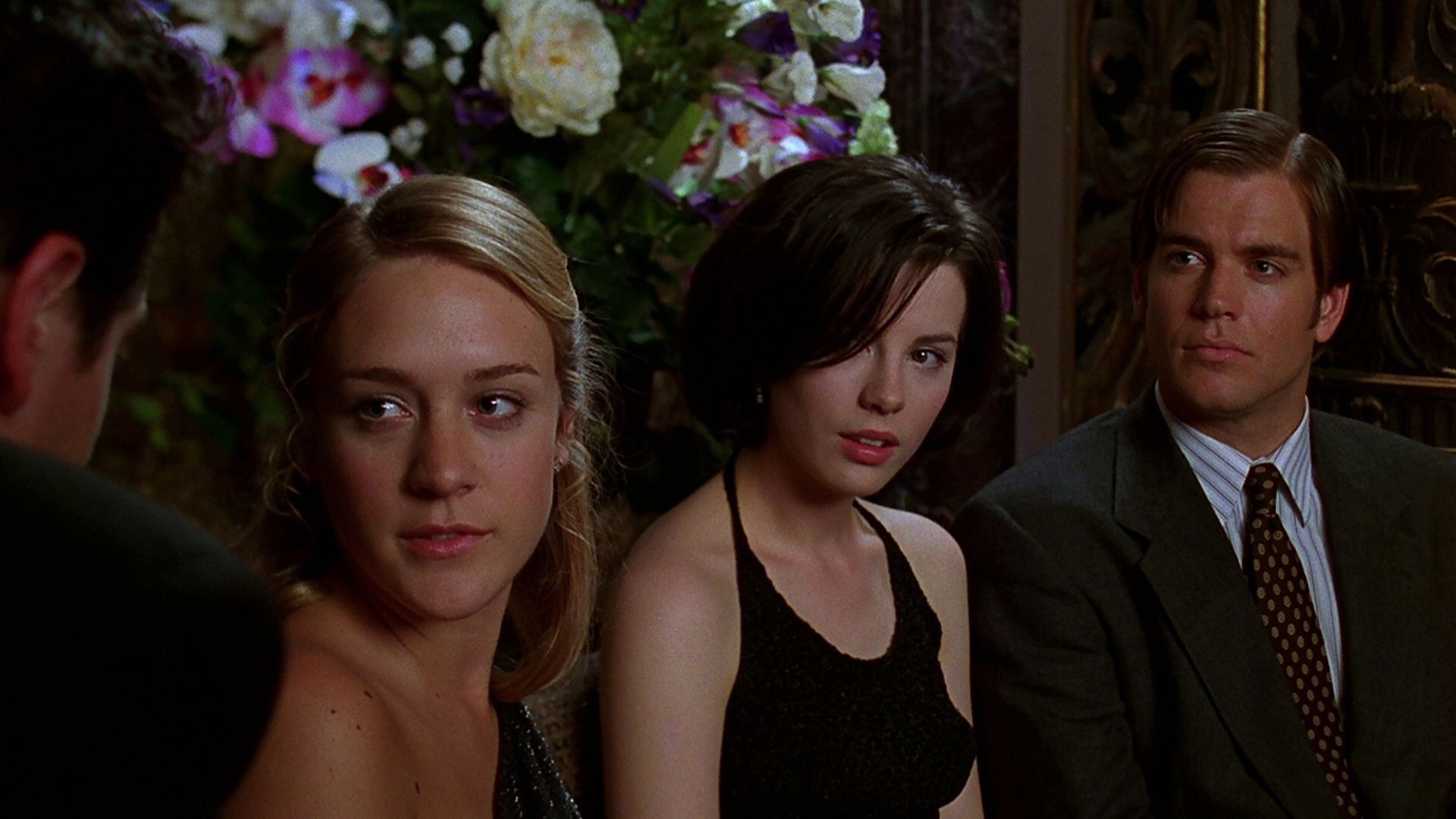
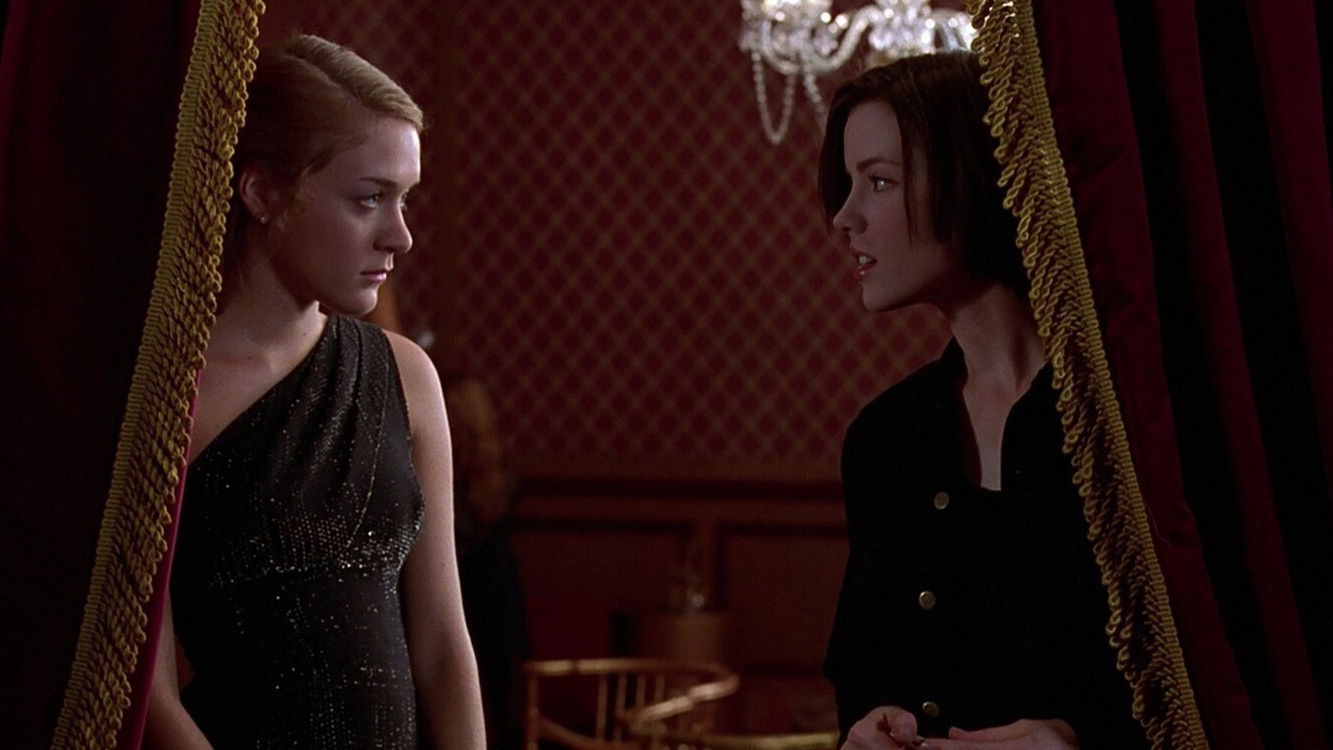
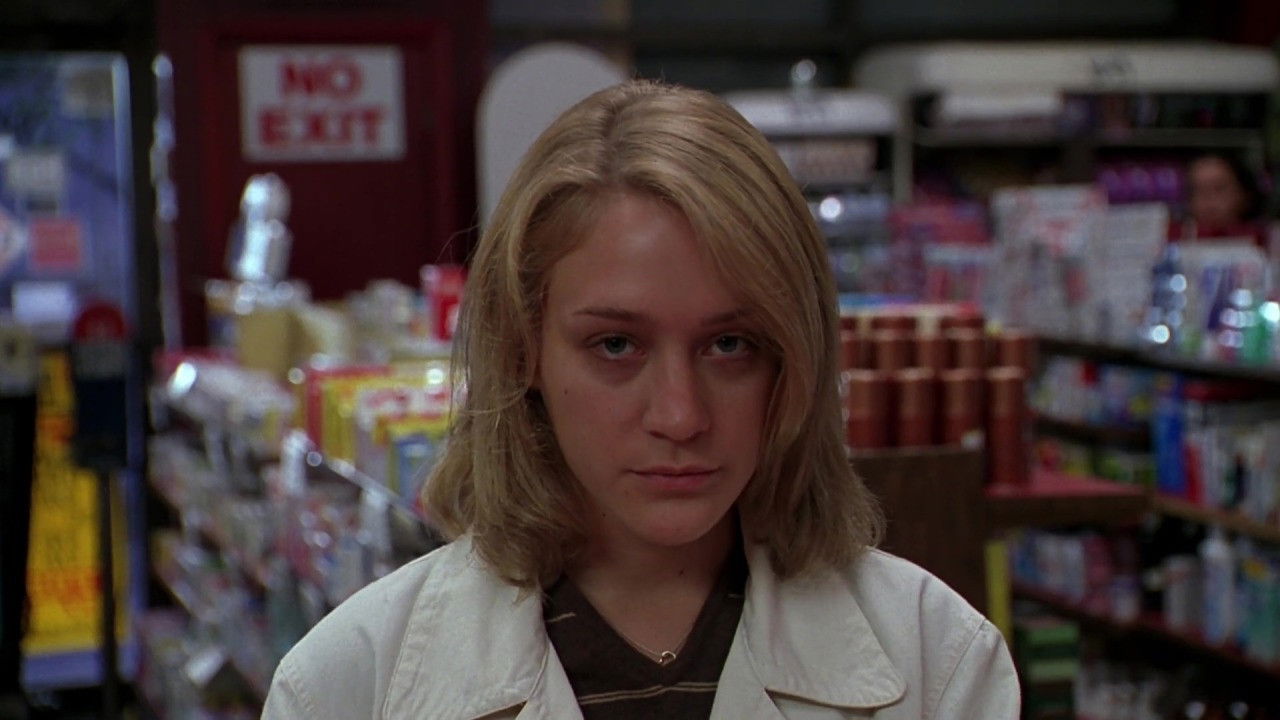
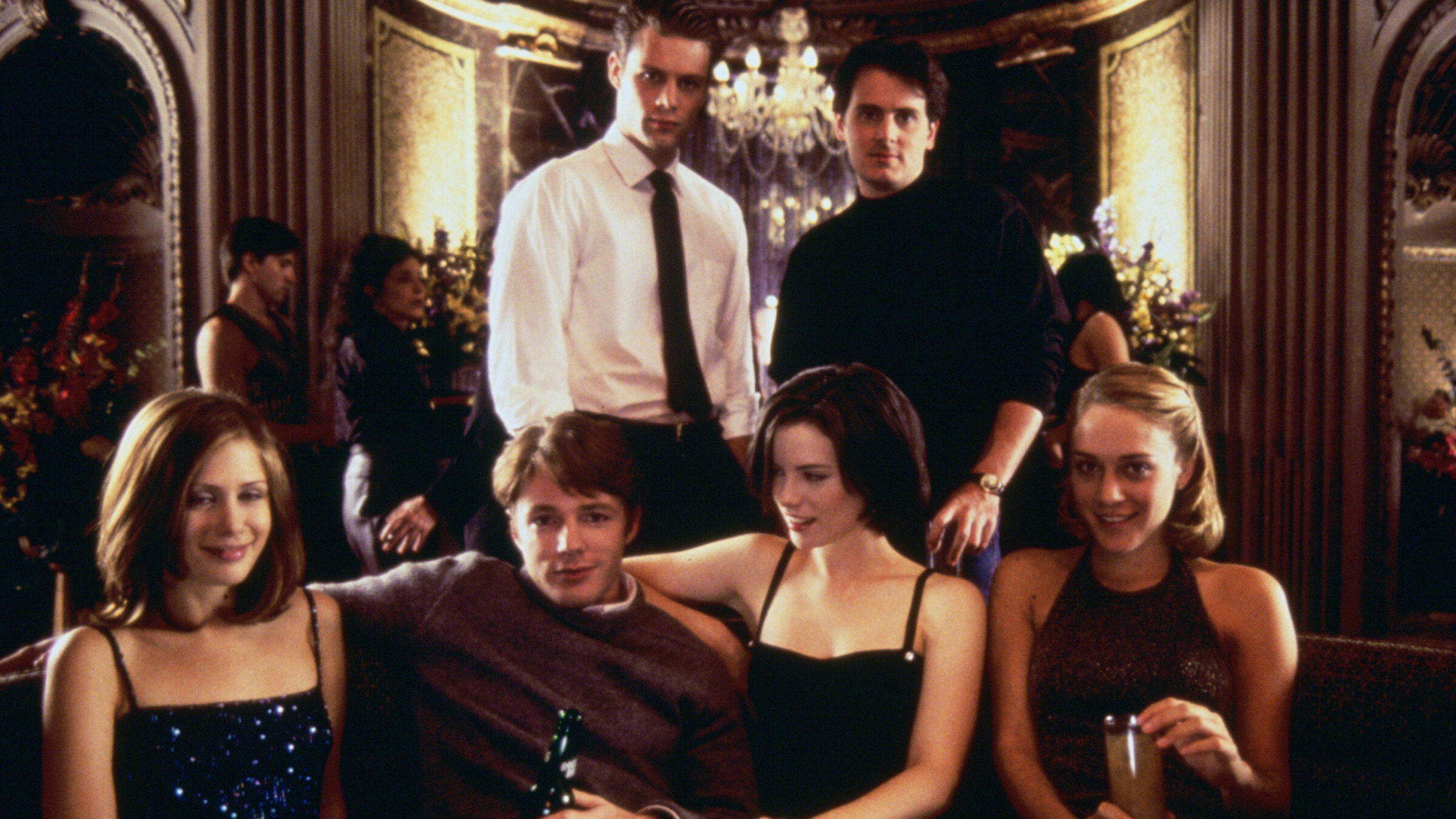
The characters themselves aren’t likeable in any traditional sense. When they’re wrong, they’re clearly wrong but there’s this middle ground where you still understand why they think the way they do. It feels like everything we’ve ever thought as humans is just spilling out of them, filtered through desire, insecurity and social performance. They search for purpose and hold certain morals, yet constantly go against them, which somehow makes them feel more real rather than less.
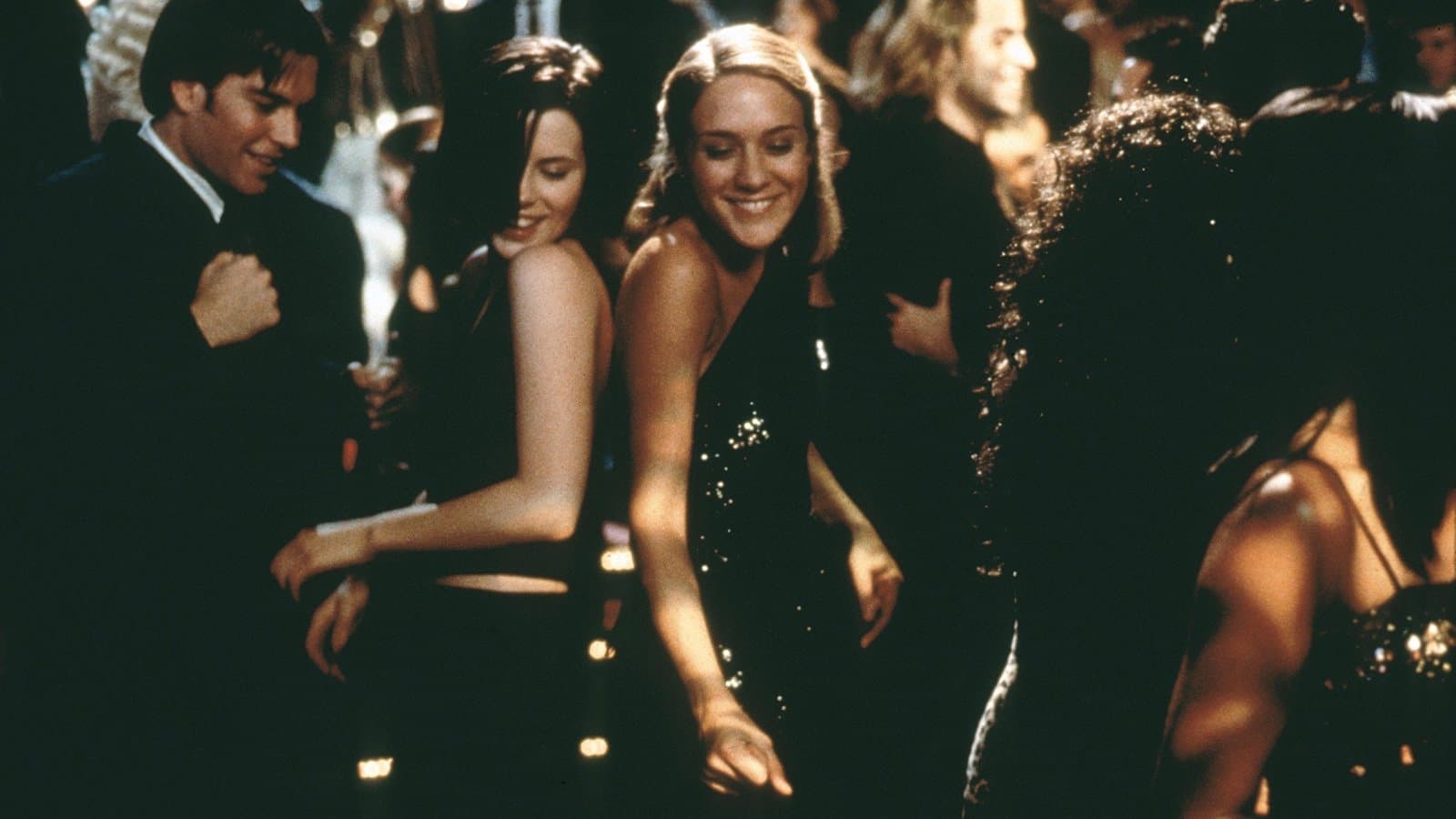
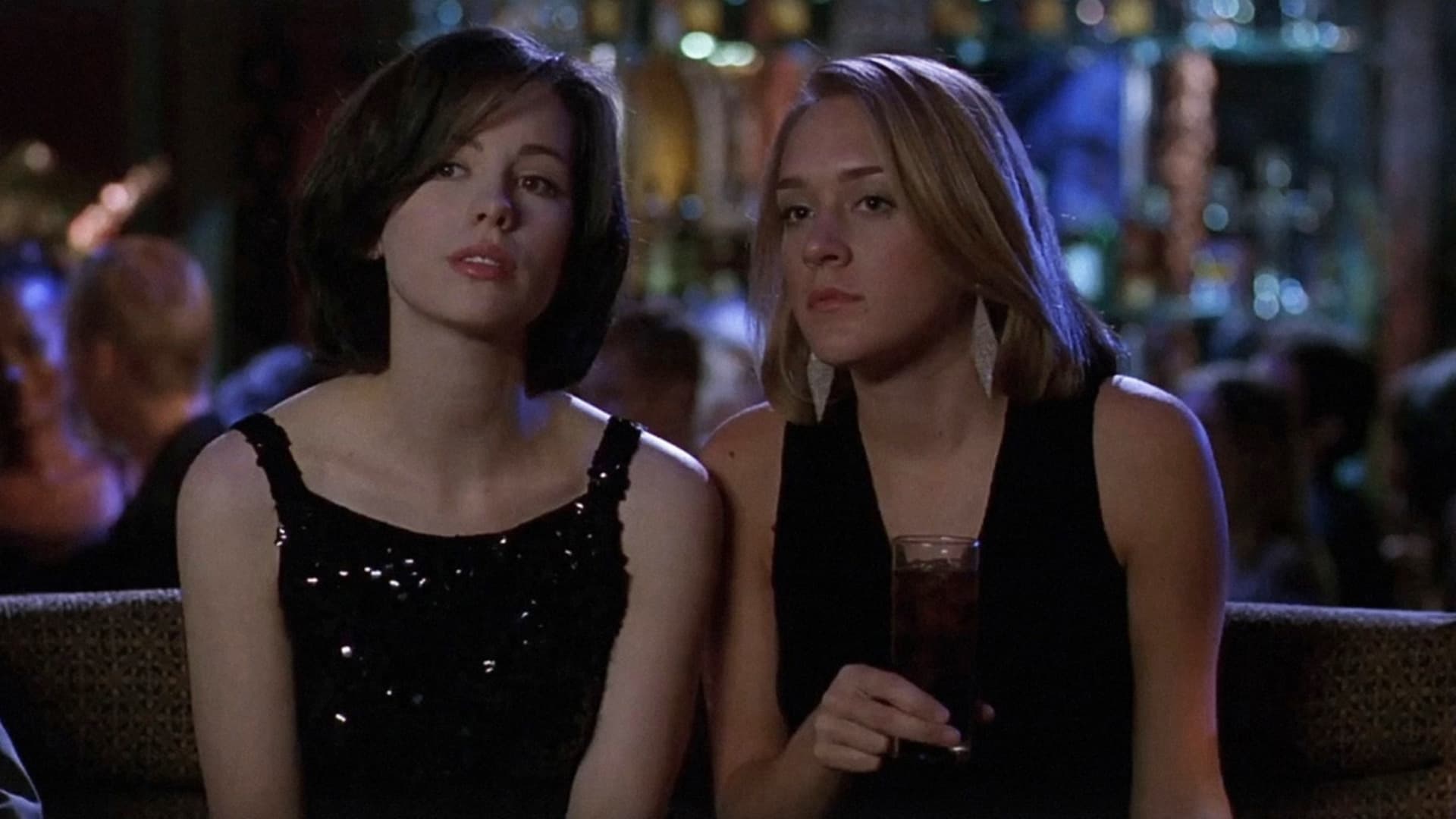
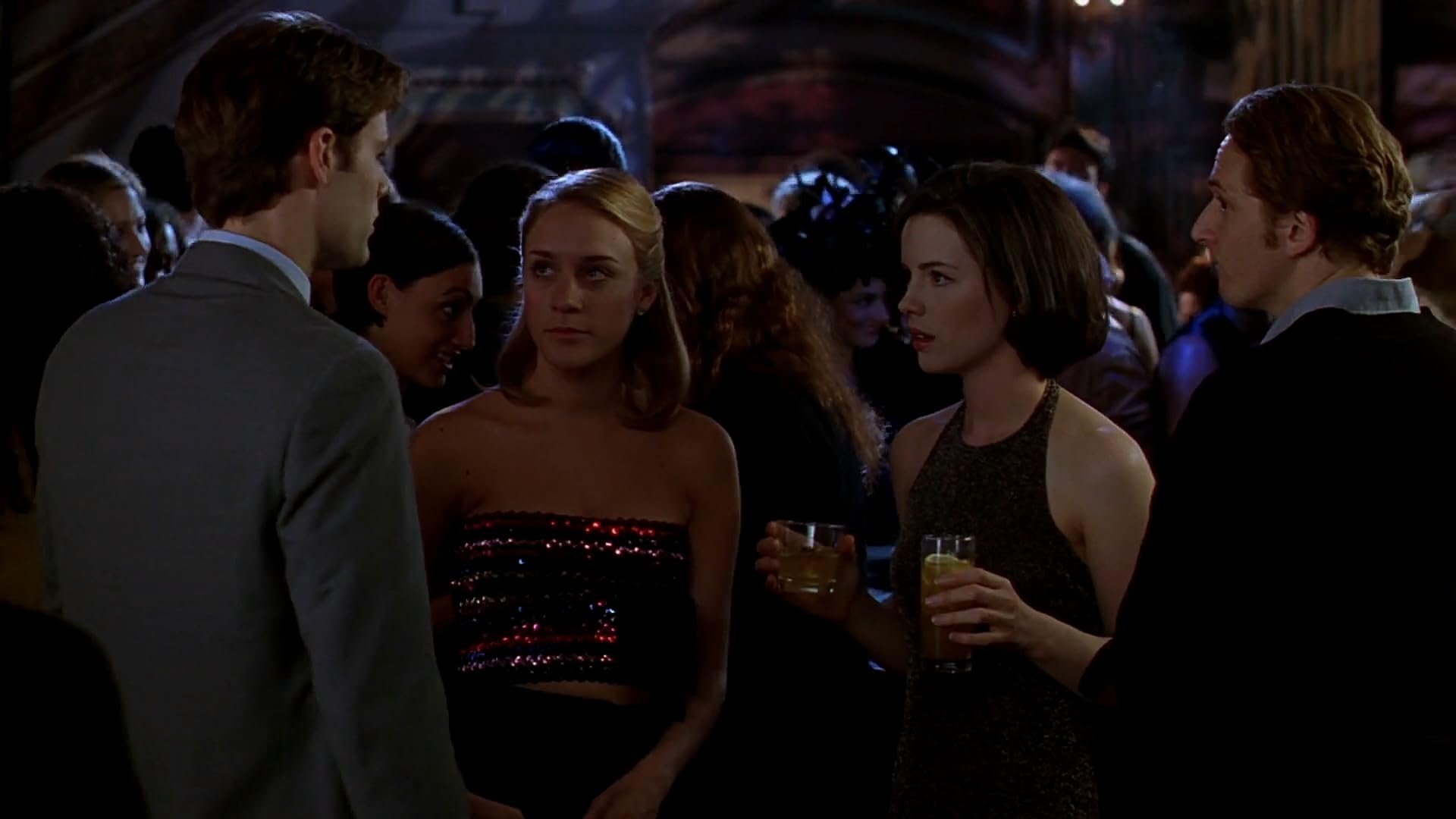
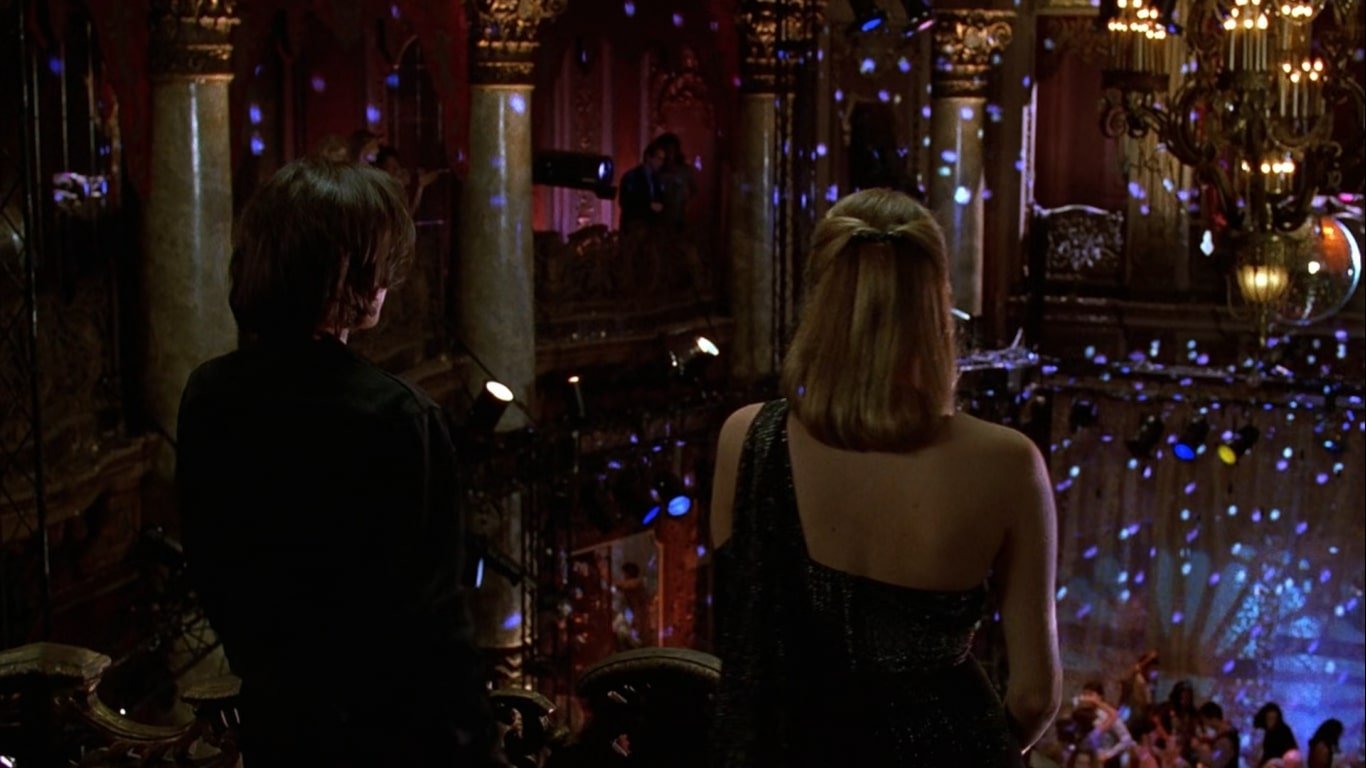
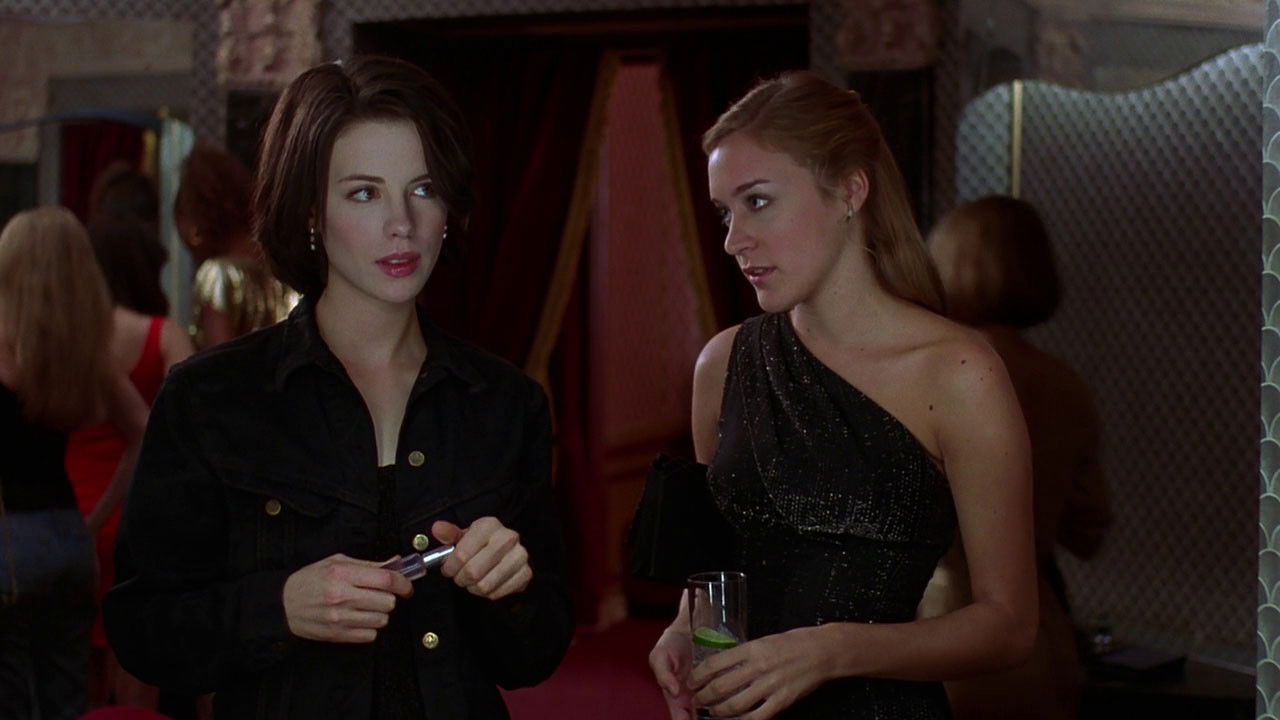
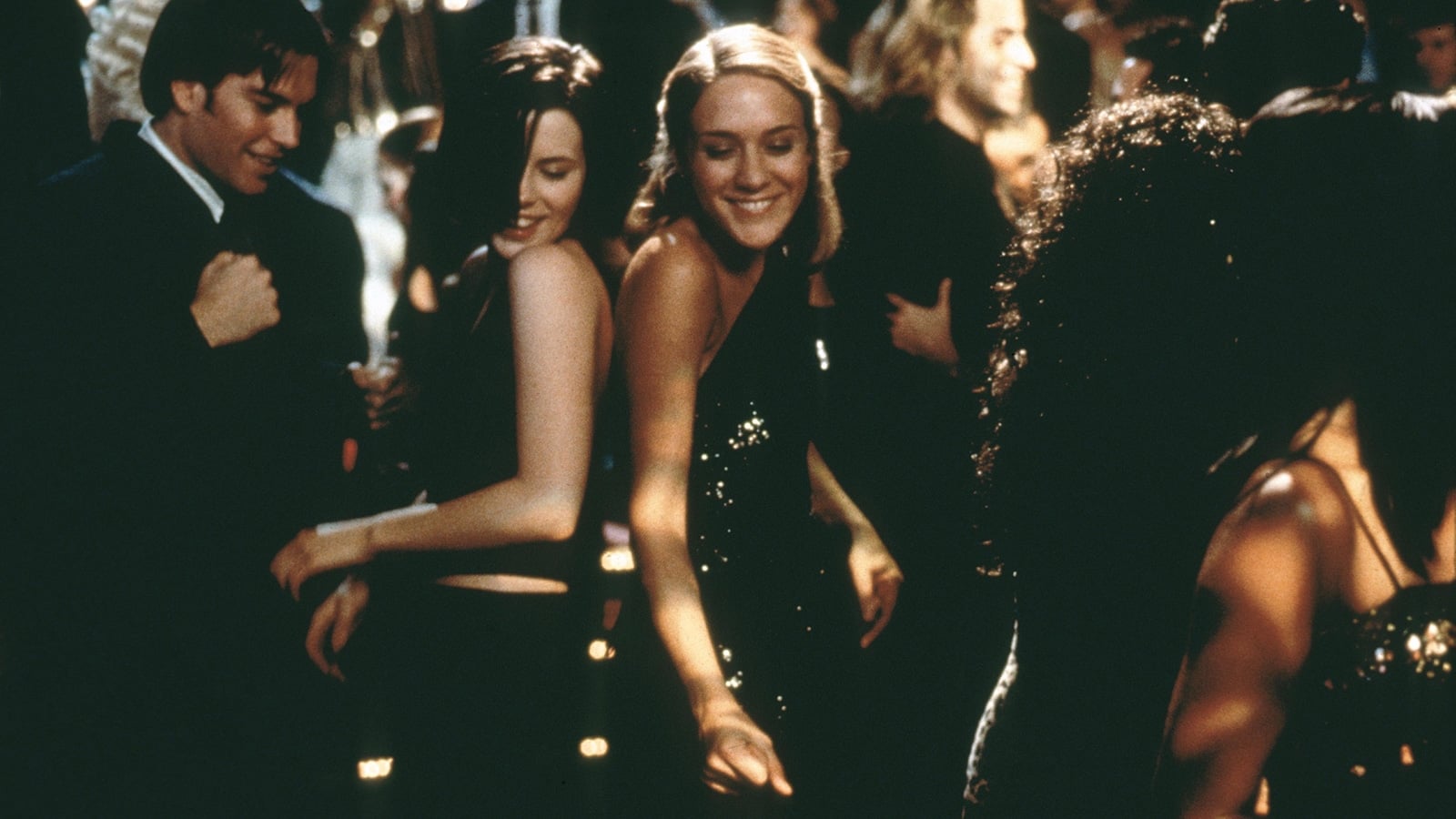
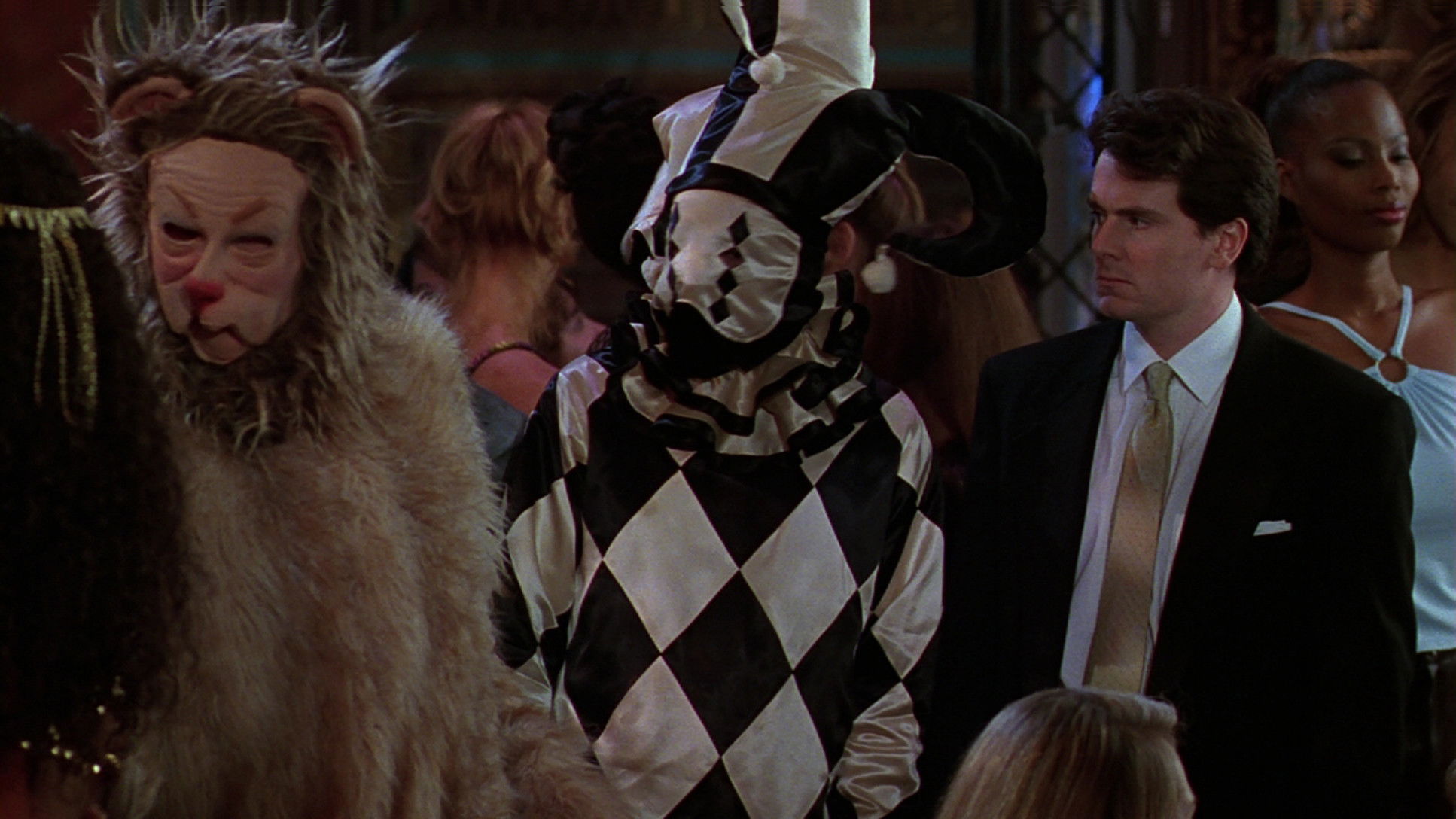
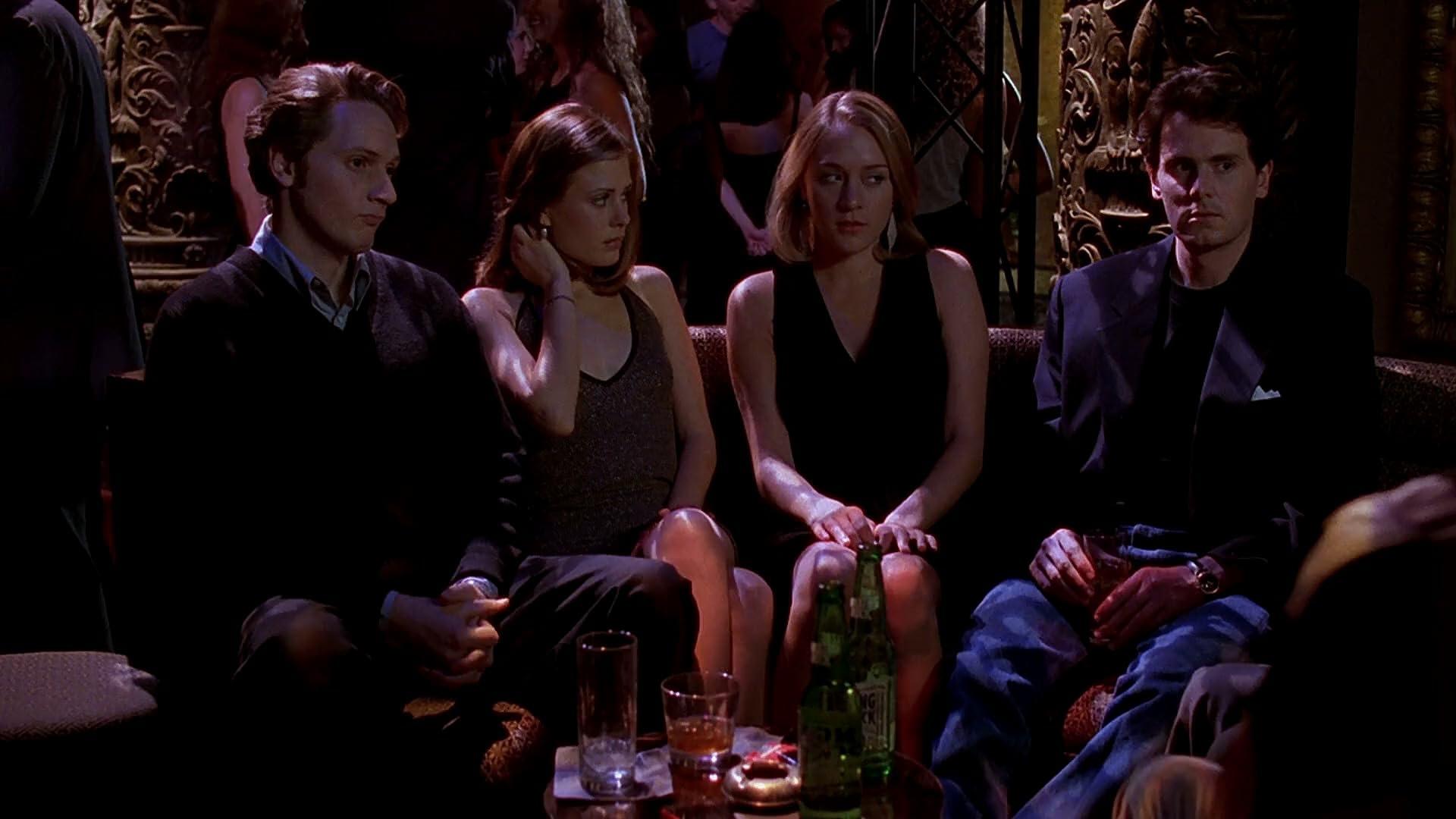
There’s also something interesting in how the film presents what seems like a sleazy or shallow environment. On the surface, it feels like people trying to fit into societal norms socially, sexually, culturally but when you peel that back, there’s this underlying realisation of “did I ever actually want this to begin with?” The disco itself becomes more than just a setting; it’s where relationships form, where realizations happen, where growth takes place mentally and sexually. It’s messy and questionable in direction, but it’s undeniably where something is happening.
What stands out is that the film doesn’t rely on drastic change for that growth. You’d expect transformation to come from leaving that environment behind, but instead it all unfolds within it. That same space that feels artificial or performative becomes the place where people start to understand themselves, even if only slightly.
There’s also a divide in how you deal with it all ,some try to hold onto the experience, reconcile with it and keep it as part of their lives, while others are more than happy to forget everything and everyone and just move on. That contrast adds to the realism, because neither approach feels entirely right or wrong.
The humour is another thing ,it’s uncomfortably witty. It’s not warm or overly sentimental, but it works because it feels natural to how people actually speak and deflect. Underneath that, there’s a coming-of-age narrative, but not in the way you’d expect. It isn’t heartfelt or clean it’s subtle, inconsistent, and unresolved.
The political stance and the era it takes place in really help hold everything together. Without that context, it could easily come off as a pretentious slog, like being stuck in a college dorm room for a weekend listening to people overanalyse everything. But instead, it feels grounded in something real like people trying to figure themselves out within a specific cultural moment as everything suddenly shifts right beneath you.

It’s the kind of film you can’t really hate. Not because it’s trying to be likeable, but because the characters feel too real to dismiss. It just captures that strange, in-between stage of life with an honesty that’s uncomfortable, messy and completely engaging.
Watching The Last Days of Disco is an very puzzling experience to say the least.Evidently a lot of the characters are very self centred, opinionated and pretentious, yet they’re weirdly fascinating I genuinely feel like I could listen to them for hours. They just speak their mind on social and political issues, whether it’s objective truth or purely performative, and either way it creates such an engaging dynamic(which can be slightly insufferable at times may I add.)
The whole film has that ‘jam’ quality to it, more in its feel than its actual dynamics.It really throws you into that strange phase of life that’s not quite adulthood yet it’s early adulthood in its most uncertain form. It’s just kids being kids really, but in the most vulnerably honest state possible. It feels like a phase everyone has stored somewhere in the back of their mind, even if they never fully lived it out.
The characters themselves aren’t likeable in any traditional sense. When they’re wrong, they’re clearly wrong but there’s this middle ground where you still understand why they think the way they do. It feels like everything we’ve ever thought as humans is just spilling out of them, filtered through desire, insecurity and social performance. They search for purpose and hold certain morals, yet constantly go against them, which somehow makes them feel more real rather than less.
There’s also something interesting in how the film presents what seems like a sleazy or shallow environment. On the surface, it feels like people trying to fit into societal norms socially, sexually, culturally but when you peel that back, there’s this underlying realisation of “did I ever actually want this to begin with?” The disco itself becomes more than just a setting; it’s where relationships form, where realizations happen, where growth takes place mentally and sexually. It’s messy and questionable in direction, but it’s undeniably where something is happening.
What stands out is that the film doesn’t rely on drastic change for that growth. You’d expect transformation to come from leaving that environment behind, but instead it all unfolds within it. That same space that feels artificial or performative becomes the place where people start to understand themselves, even if only slightly.
There’s also a divide in how you deal with it all ,some try to hold onto the experience, reconcile with it and keep it as part of their lives, while others are more than happy to forget everything and everyone and just move on. That contrast adds to the realism, because neither approach feels entirely right or wrong.
The humour is another thing ,it’s uncomfortably witty. It’s not warm or overly sentimental, but it works because it feels natural to how people actually speak and deflect. Underneath that, there’s a coming-of-age narrative, but not in the way you’d expect. It isn’t heartfelt or clean it’s subtle, inconsistent, and unresolved.
The political stance and the era it takes place in really help hold everything together. Without that context, it could easily come off as a pretentious slog, like being stuck in a college dorm room for a weekend listening to people overanalyse everything. But instead, it feels grounded in something real like people trying to figure themselves out within a specific cultural moment as everything suddenly shifts right beneath you.
It’s the kind of film you can’t really hate. Not because it’s trying to be likeable, but because the characters feel too real to dismiss. It just captures that strange, in-between stage of life with an honesty that’s uncomfortable, messy and completely engaging.