
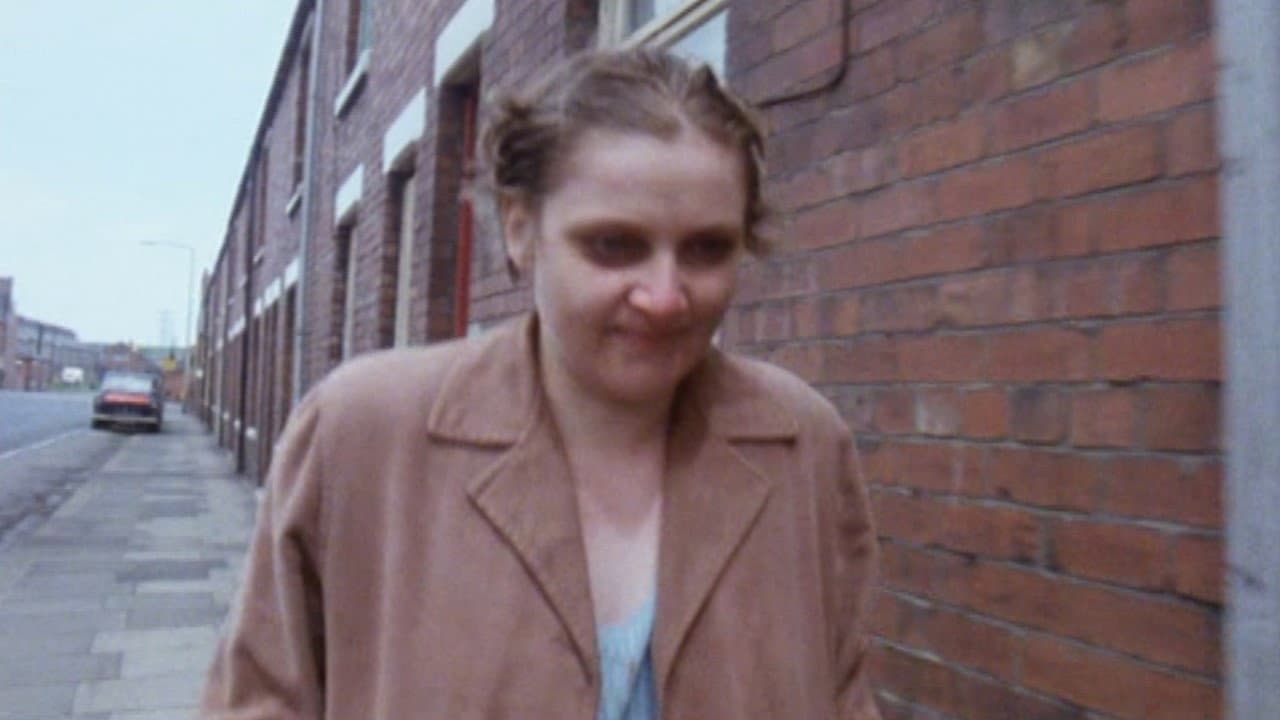
Road
1987·TV Movie·1h 3m
7.1
★
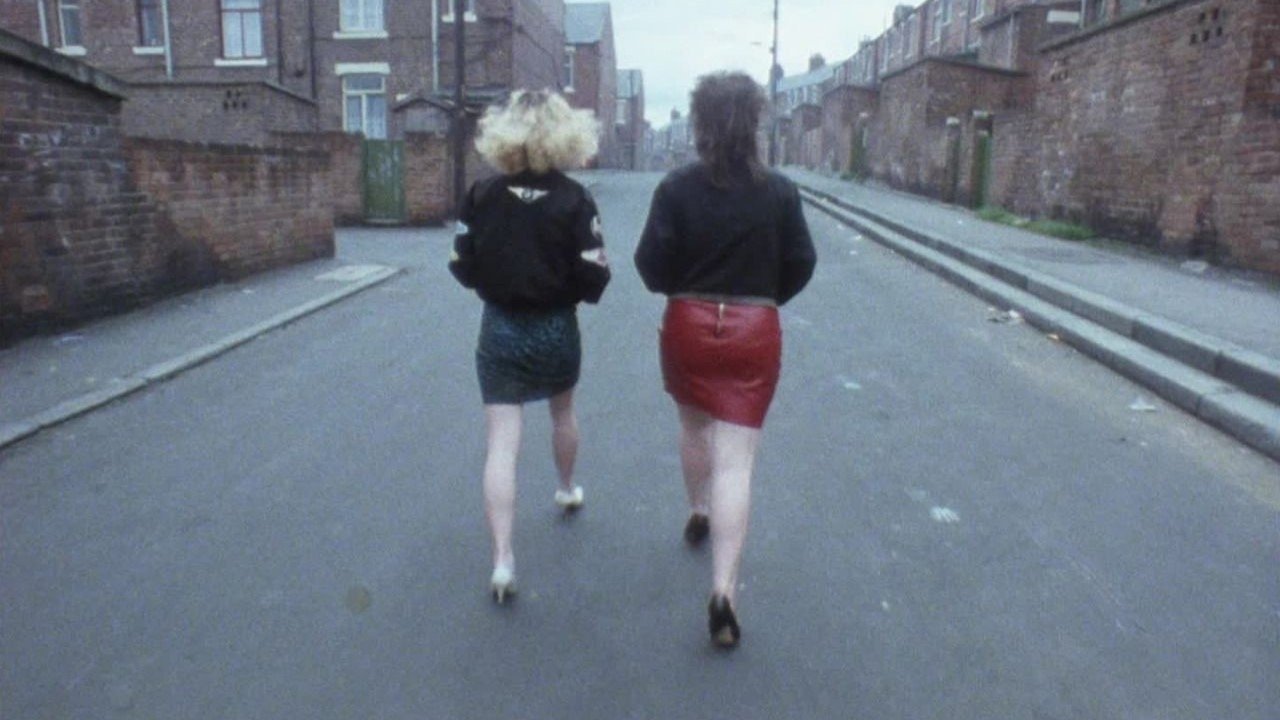
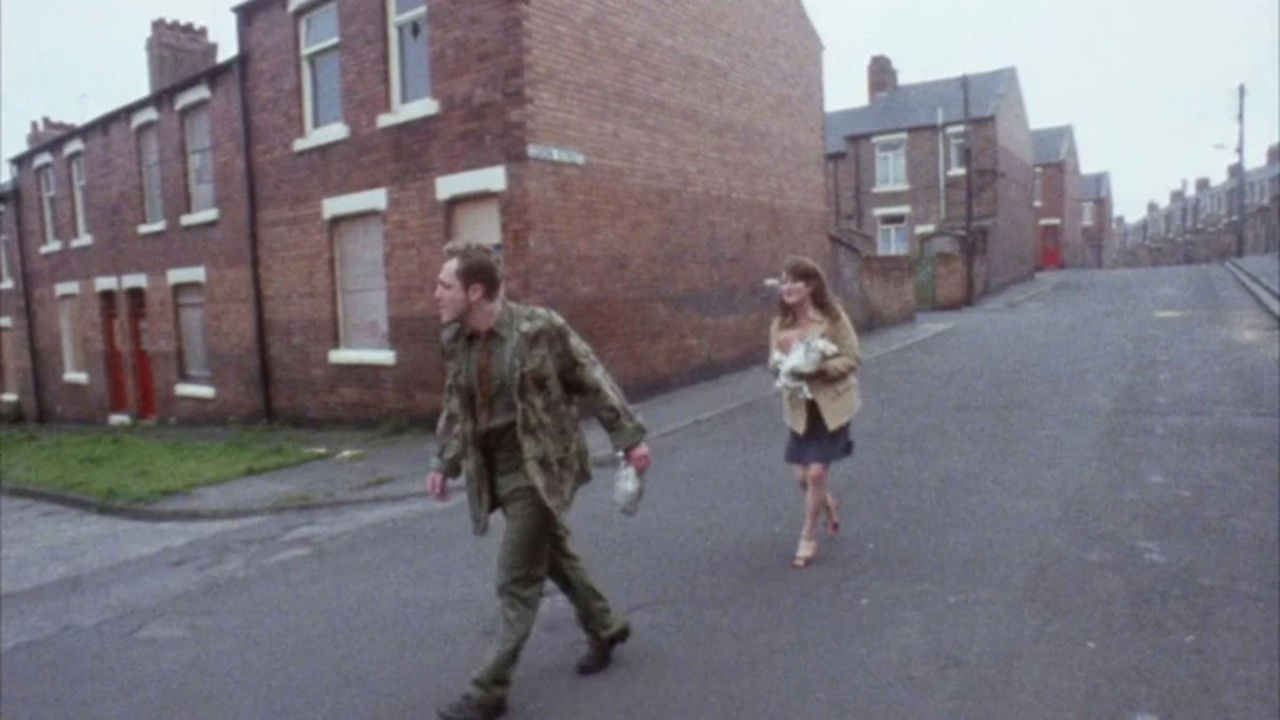
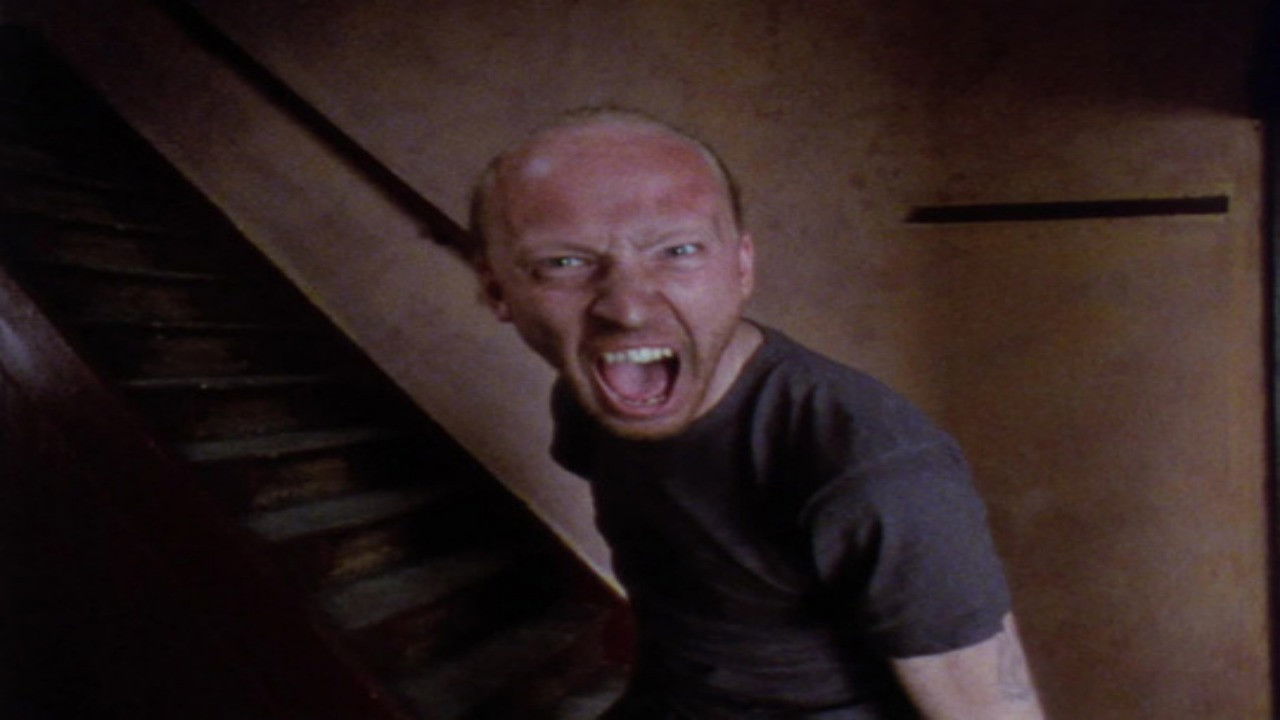
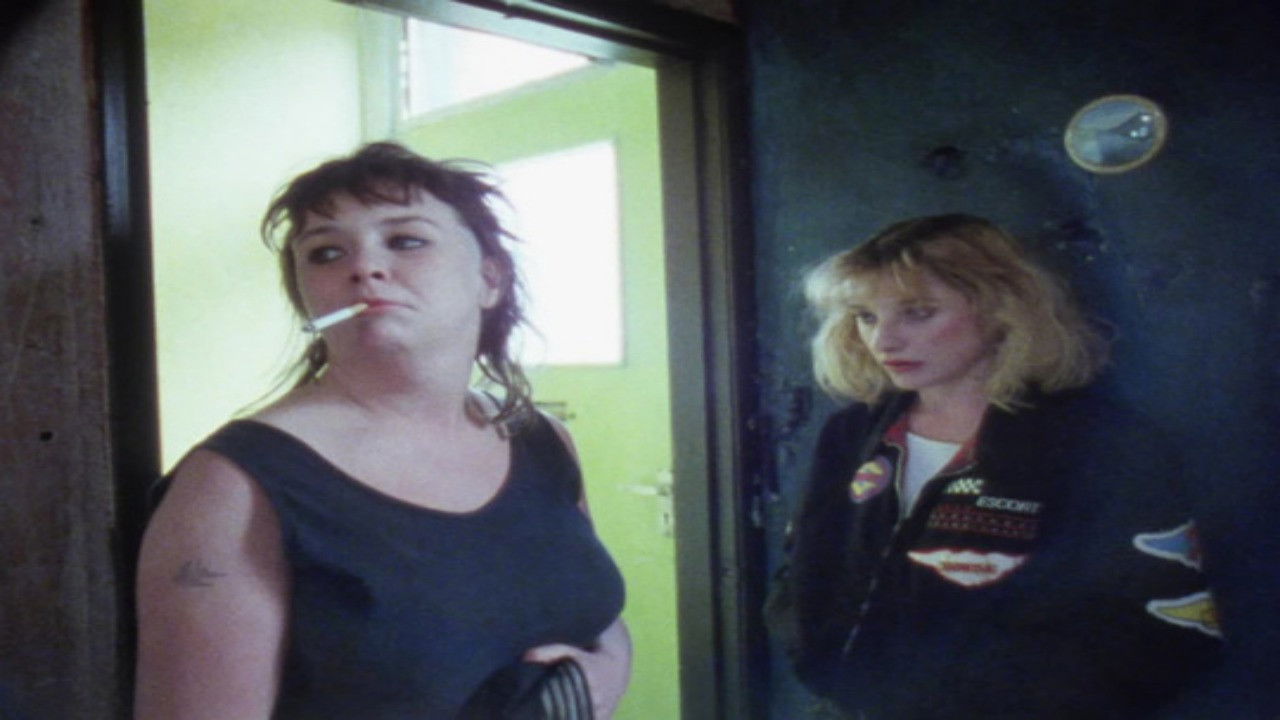
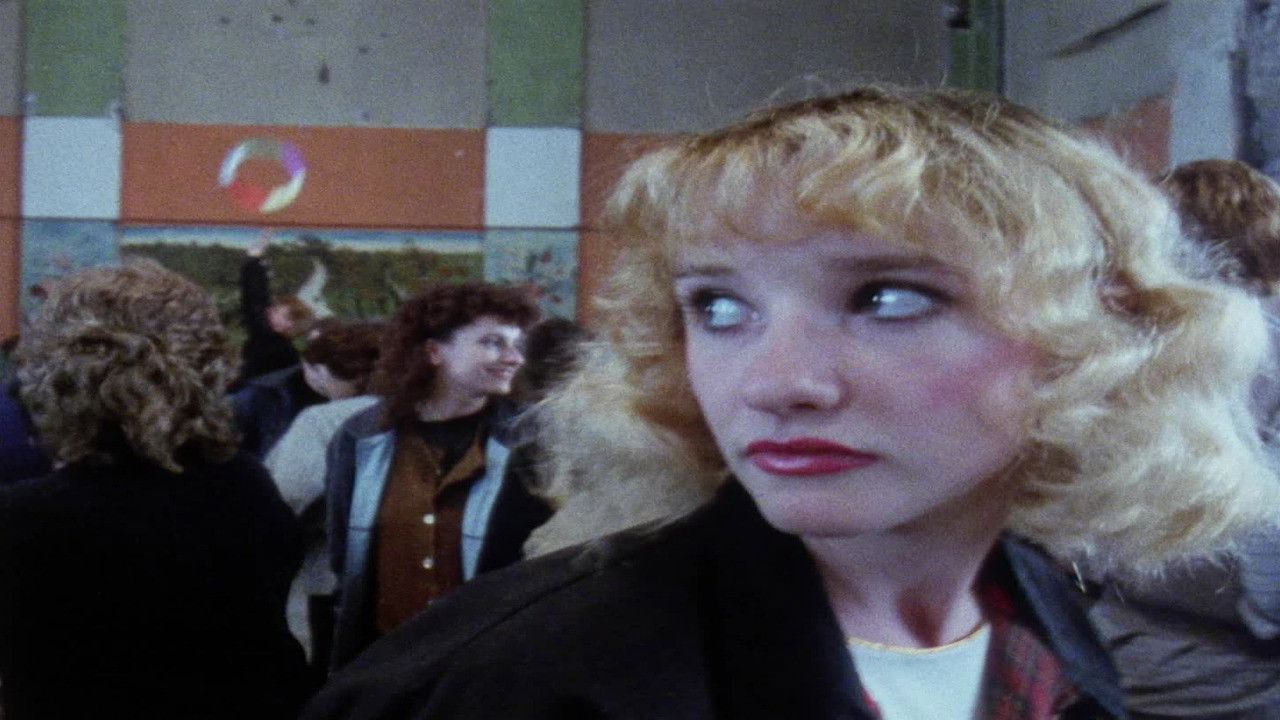
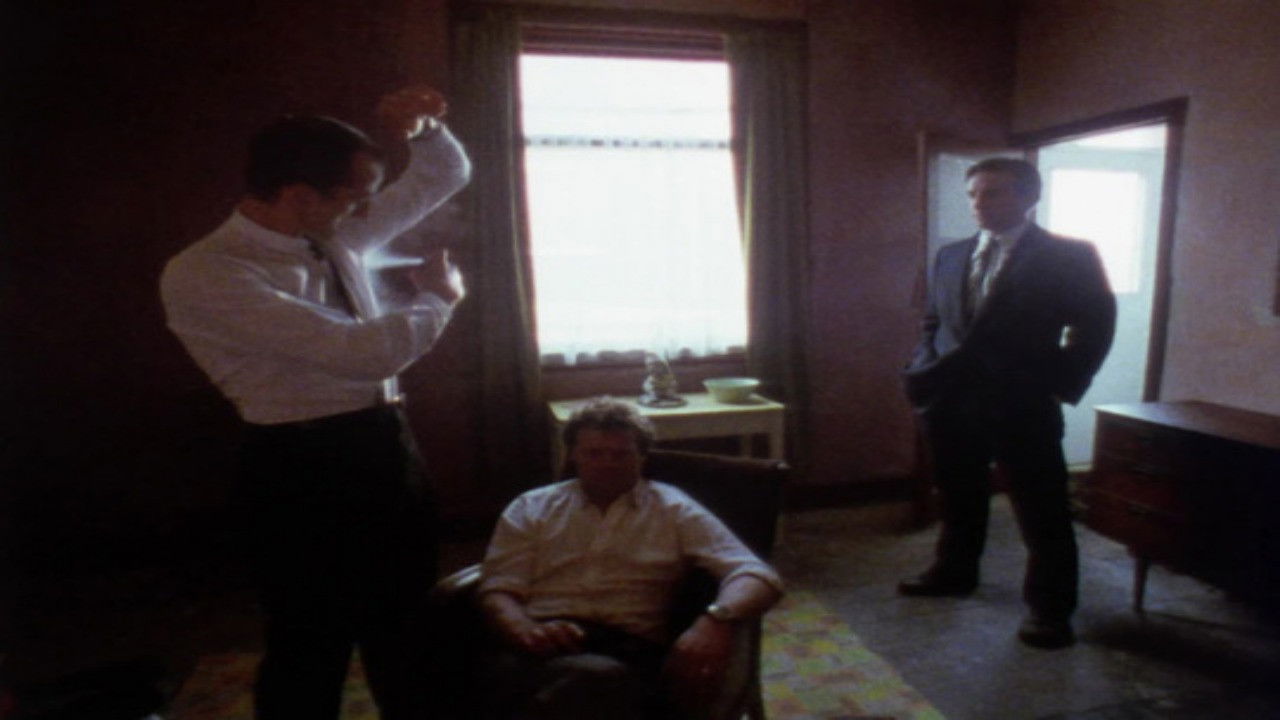
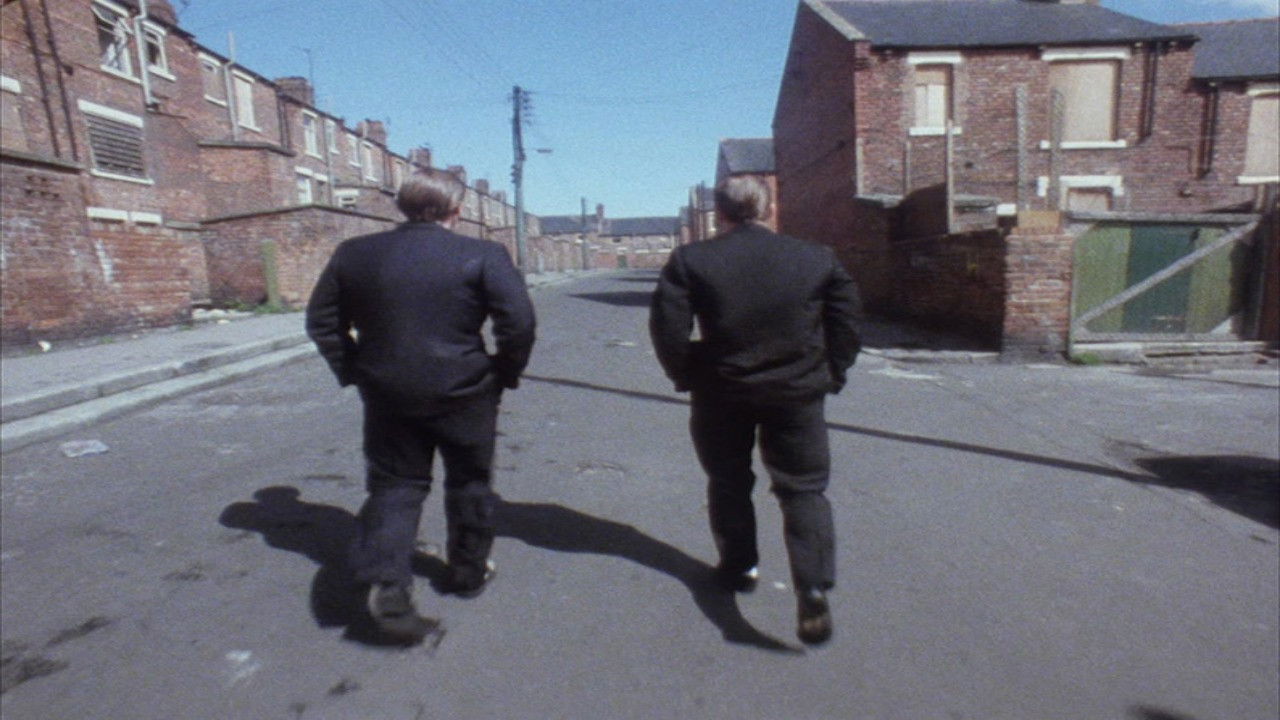
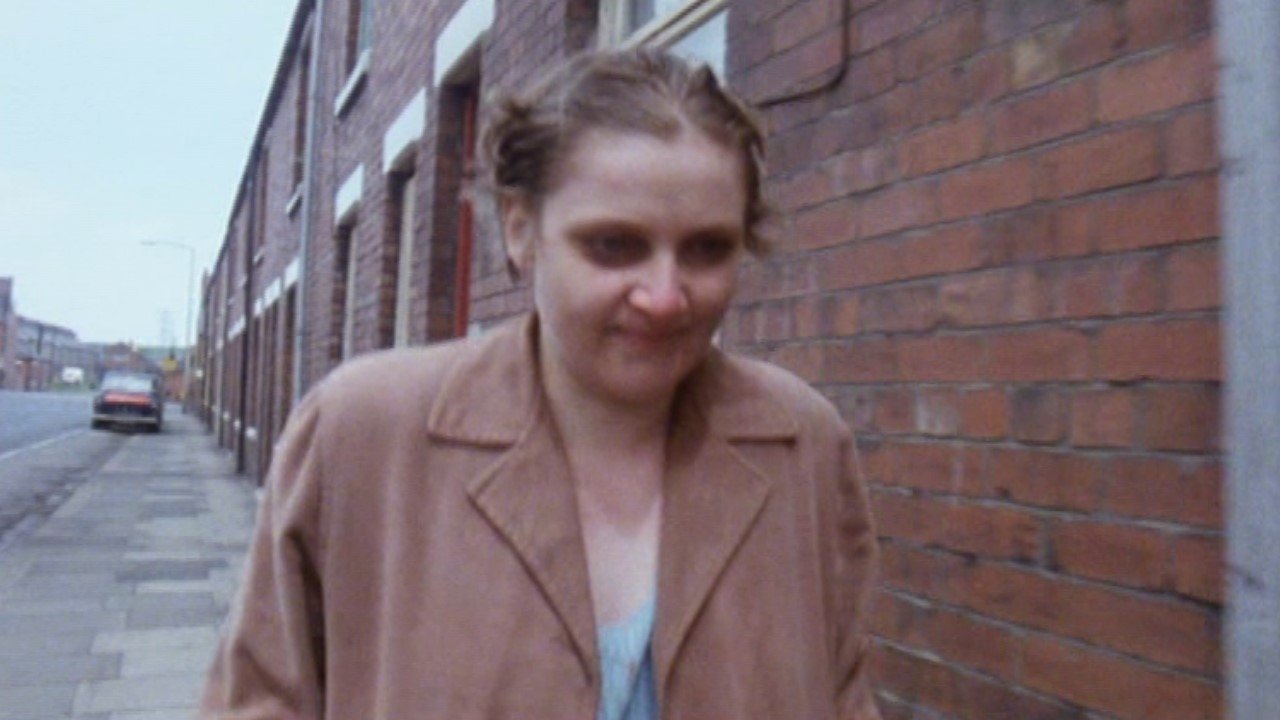
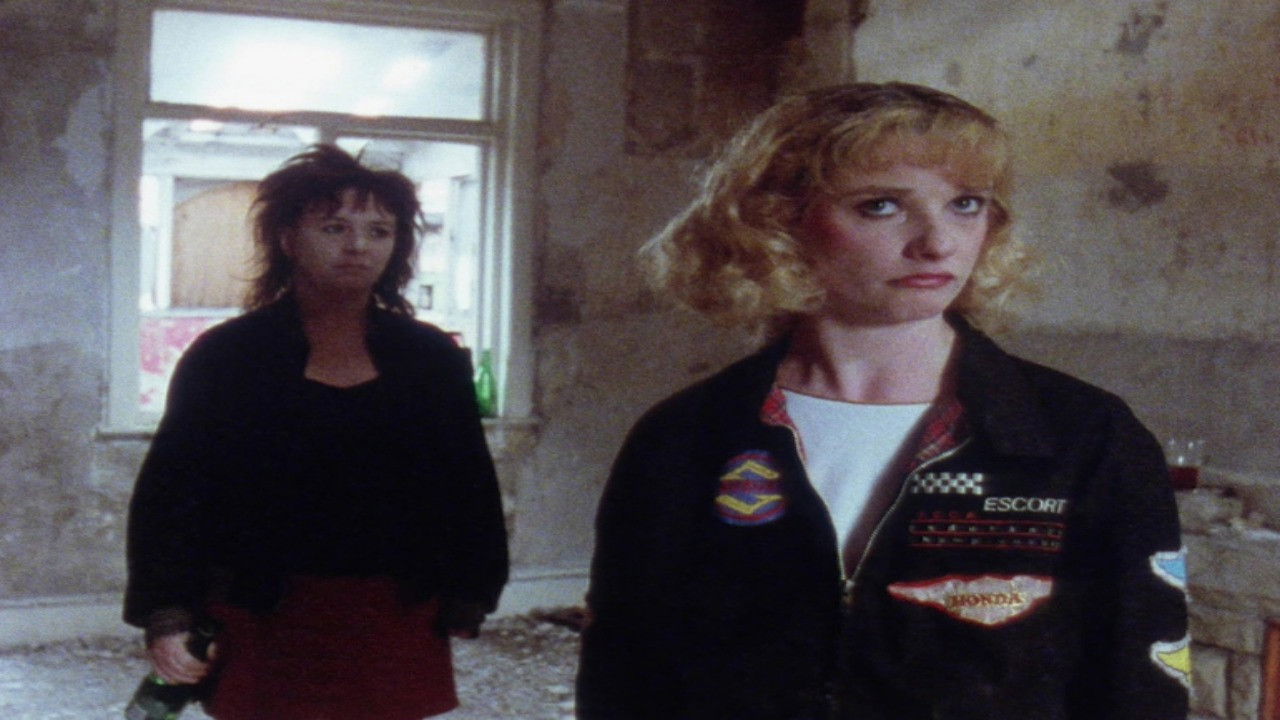
A view of the inhabitants of a derelict road in Manchester, unsatisfied with their lives and routines. A young man locks himself away from the world. An older woman flirts with a soldier on leave. Two men invite two girls into an empty house.
Directed by Alan Clarke

IMDB
N/A
Cast

Neil Dudgeon
Brink

Jane Horrocks
Louise
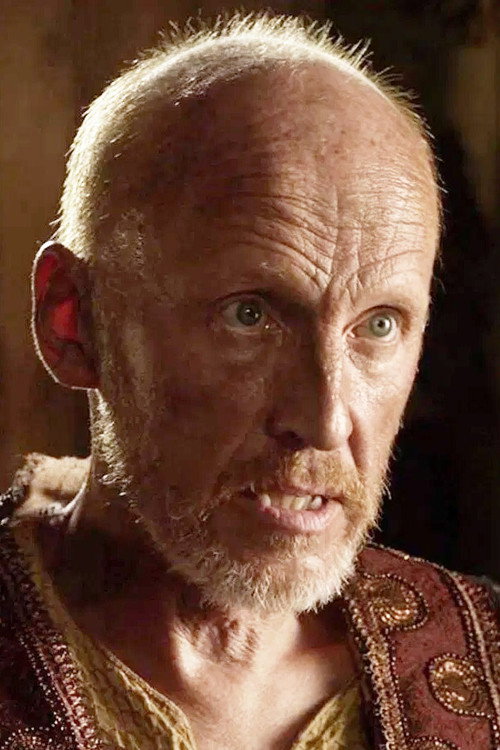
Andrew Wilde
Brother

William Armstrong
Eddie
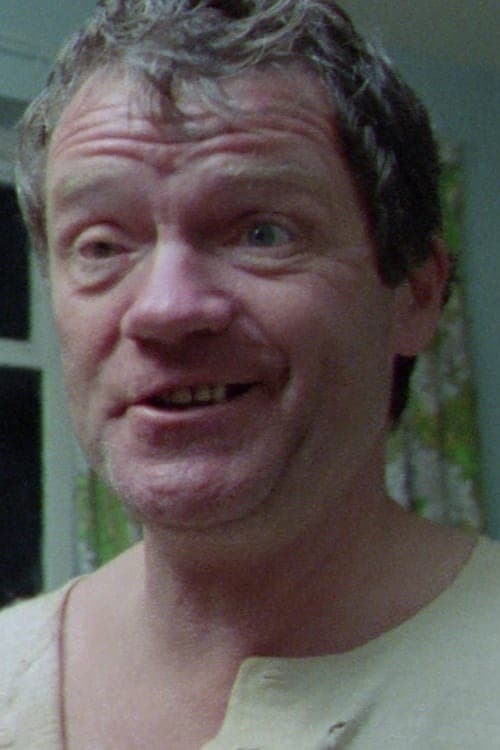
Willie Ross
Dad
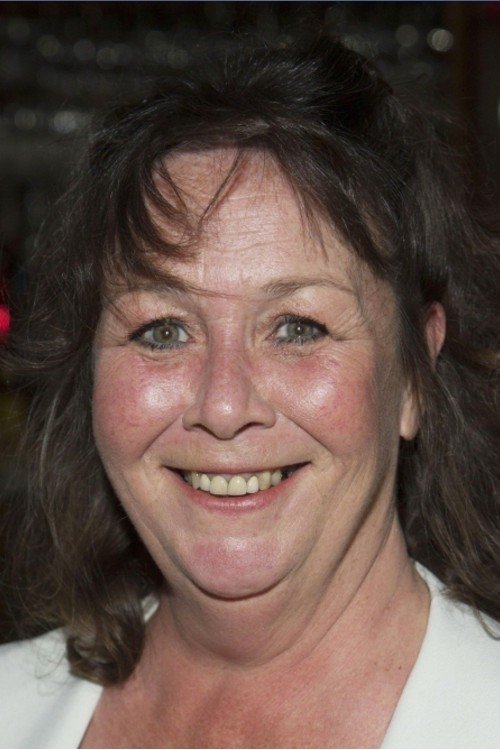
Mossie Smith
Carole

Barbara Keogh
Brenda

Moya Brady
Clare

David Thewlis
Joey
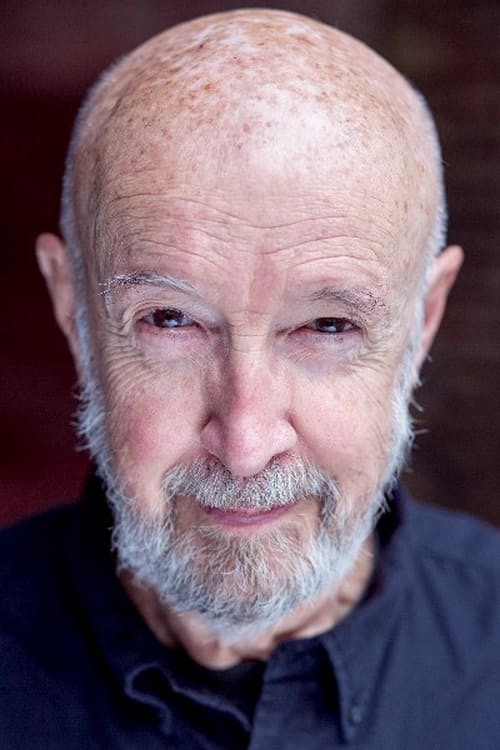
Alan David
Jerry
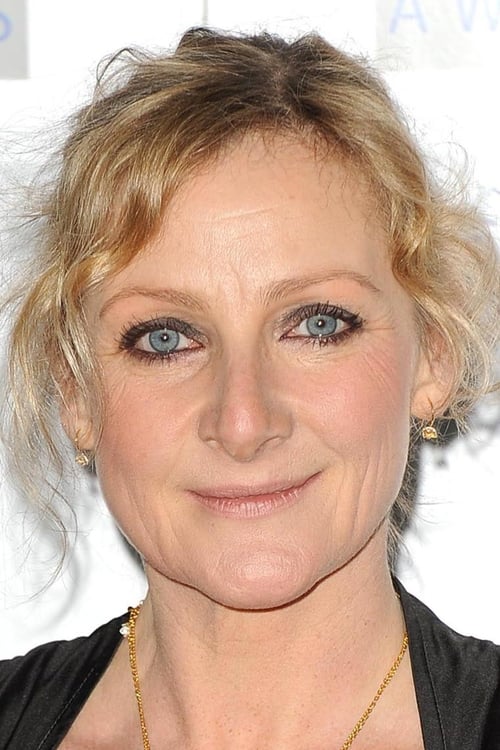
Lesley Sharp
Valerie
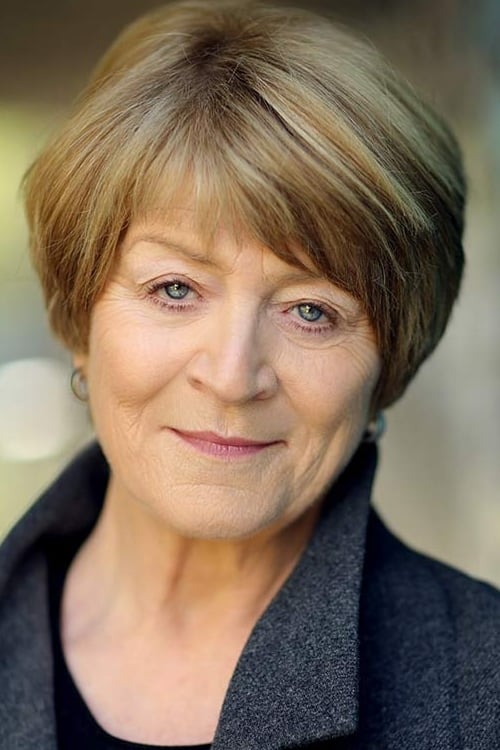
Susan Brown
Helen
Crew
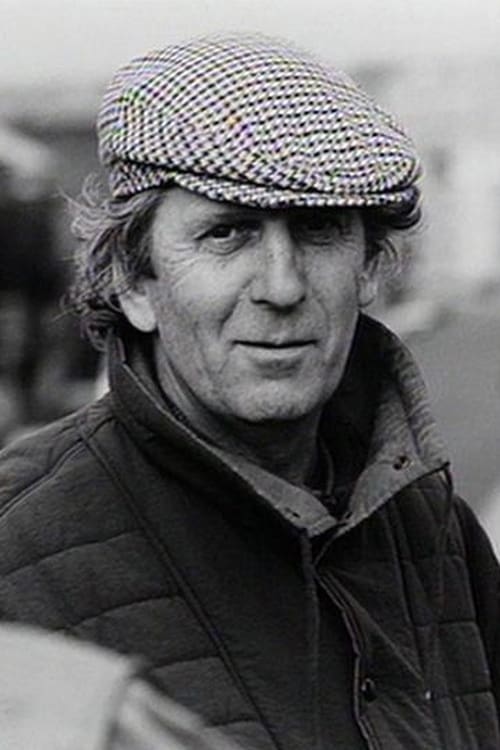
Alan Clarke
Director

John Ward
Director of Photography
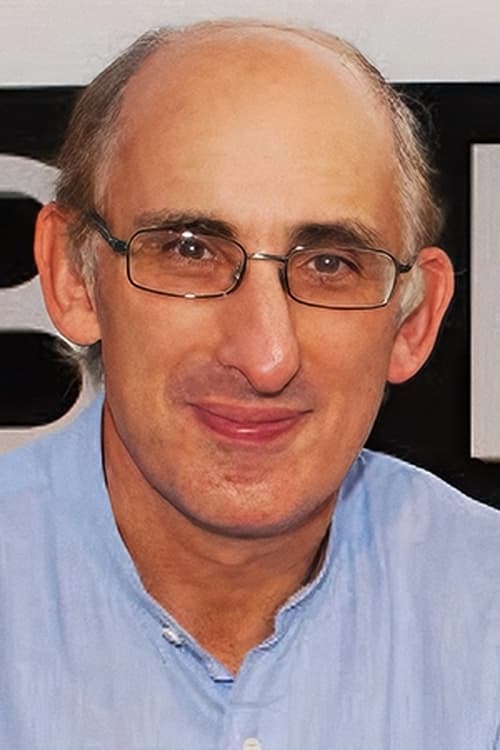
David M. Thompson
Producer
Popular Reviews
14 reviews
Conor Larkin
10.0★ · 05/05/26

Bumping it up to a 5, He is the goat. multiple monologues in here that might be my favourite delivery's in history. specifically the woman talking about her husband in the middle portion, holy fuck, chills. Despite it's bleakness I'd say it has a relatively hopeful ending, one that also represents Clarke's philosophy. Better to shout into the void than simply get used to the motions.
Bumping it up to a 5, He is the goat. multiple monologues in here that might be my favourite delivery's in history. specifically the woman talking about her husband in the middle portion, holy fuck, chills. Despite it's bleakness I'd say it has a relatively hopeful ending, one that also represents Clarke's philosophy. Better to shout into the void than simply get used to the motions.


Rich Rushton
Theatre
Theatre
Conor Larkin
9.0★ · 12/10/25
Back when I lived at kangaroo point, it became very clear to me that it was a suburb that had only recently been gentrified. I often recall a 'funny' story about the time that I was woken up at 3:00 am by two crack heads yelling at each other outside my window over a stolen phone charger. It was absurd to me, as a privileged student (who's rent was still paid by my parents), Why would a phone charger warrant a full blown domestic dispute on a residential street?
Road Is a perfect reflection of this absurdity. There are many moments that mirror that nonsensical inner world of people in abject poverty.
From the safety of my airconditioned townhouse bedroom, the altercation was comic, if not a tad jarring. There are many moments in this film that give that same feeling. It's easy to laugh at these strange and off beat characters yelling obscenities, and being awfully blunt to each other. But much like my bedroom on Llewellyn street, the audience is also protected (and coddled)by the fourth wall.
There's a certain safety and privilege in being able to observe these people from behind the screen. What Alan Clarke Expertly does is take scenes that start out with an Eerie, Absurd and Othering atmosphere and slowly draw you closer to see the humanity of these characters. When a character finally breaks the fourth wall you very quickly realise their desperation is not a performance.
This film was based on a play of the same name from the previous year and both were produced in the midst of Margaret Thatcher's government. The play was often performed on the promenades where the actors would be able to walk directly in and out of social housing projects that had been abandoned under Thatcher's Administration.
What I find most fascinating about the film specifically is Clarke's fluid camera movement. A lot of Britain's social story telling had been firmly based in realism. Kitchen Sink theatre and film used this to validate and bring verisimilitude to the story's of poor and underprivileged citizens.
Clarkes adaptation of road eschews a lot of the realism that I'd seen in his previous films. His camera has always taken the role of floating ghostlike spectator, vacantly following the characters like a disembodied Spector. But in Road we see it being addressed directly, in monologues, or immediately after intense scenes. Those theatrics breaks the reality this genre was known for. Why? I think because reality was no longer something that had to be proved for poor British citizens.
With the Thatcher era it no longer became a debate about weather or not lower class citizens existed. Instead, the prevailing Tory narrative was that 'poverty was a choice'; that of course, there ARE poor people in Britain, but they put themselves in that position so why would we give them any of our hard earned money.
Clarke was no longer begging the viewer to empathise with the desperate and down trodden. He knew the average television viewer had stopped doing that years ago. Instead he wants to put you in their obscene Hellscape; the headspace of someone who cannot see the purpose of living their country.
A country that would rather pretend their problems don't exist.
Road Is a perfect reflection of this absurdity. There are many moments that mirror that nonsensical inner world of people in abject poverty.
From the safety of my airconditioned townhouse bedroom, the altercation was comic, if not a tad jarring. There are many moments in this film that give that same feeling. It's easy to laugh at these strange and off beat characters yelling obscenities, and being awfully blunt to each other. But much like my bedroom on Llewellyn street, the audience is also protected (and coddled)by the fourth wall.
There's a certain safety and privilege in being able to observe these people from behind the screen. What Alan Clarke Expertly does is take scenes that start out with an Eerie, Absurd and Othering atmosphere and slowly draw you closer to see the humanity of these characters. When a character finally breaks the fourth wall you very quickly realise their desperation is not a performance.
This film was based on a play of the same name from the previous year and both were produced in the midst of Margaret Thatcher's government. The play was often performed on the promenades where the actors would be able to walk directly in and out of social housing projects that had been abandoned under Thatcher's Administration.
What I find most fascinating about the film specifically is Clarke's fluid camera movement. A lot of Britain's social story telling had been firmly based in realism. Kitchen Sink theatre and film used this to validate and bring verisimilitude to the story's of poor and underprivileged citizens.
Clarkes adaptation of road eschews a lot of the realism that I'd seen in his previous films. His camera has always taken the role of floating ghostlike spectator, vacantly following the characters like a disembodied Spector. But in Road we see it being addressed directly, in monologues, or immediately after intense scenes. Those theatrics breaks the reality this genre was known for. Why? I think because reality was no longer something that had to be proved for poor British citizens.
With the Thatcher era it no longer became a debate about weather or not lower class citizens existed. Instead, the prevailing Tory narrative was that 'poverty was a choice'; that of course, there ARE poor people in Britain, but they put themselves in that position so why would we give them any of our hard earned money.
Clarke was no longer begging the viewer to empathise with the desperate and down trodden. He knew the average television viewer had stopped doing that years ago. Instead he wants to put you in their obscene Hellscape; the headspace of someone who cannot see the purpose of living their country.
A country that would rather pretend their problems don't exist.
Back when I lived at kangaroo point, it became very clear to me that it was a suburb that had only recently been gentrified. I often recall a 'funny' story about the time that I was woken up at 3:00 am by two crack heads yelling at each other outside my window over a stolen phone charger. It was absurd to me, as a privileged student (who's rent was still paid by my parents), Why would a phone charger warrant a full blown domestic dispute on a residential street?
Road Is a perfect reflection of this absurdity. There are many moments that mirror that nonsensical inner world of people in abject poverty.
From the safety of my airconditioned townhouse bedroom, the altercation was comic, if not a tad jarring. There are many moments in this film that give that same feeling. It's easy to laugh at these strange and off beat characters yelling obscenities, and being awfully blunt to each other. But much like my bedroom on Llewellyn street, the audience is also protected (and coddled)by the fourth wall.
There's a certain safety and privilege in being able to observe these people from behind the screen. What Alan Clarke Expertly does is take scenes that start out with an Eerie, Absurd and Othering atmosphere and slowly draw you closer to see the humanity of these characters. When a character finally breaks the fourth wall you very quickly realise their desperation is not a performance.
This film was based on a play of the same name from the previous year and both were produced in the midst of Margaret Thatcher's government. The play was often performed on the promenades where the actors would be able to walk directly in and out of social housing projects that had been abandoned under Thatcher's Administration.
What I find most fascinating about the film specifically is Clarke's fluid camera movement. A lot of Britain's social story telling had been firmly based in realism. Kitchen Sink theatre and film used this to validate and bring verisimilitude to the story's of poor and underprivileged citizens.
Clarkes adaptation of road eschews a lot of the realism that I'd seen in his previous films. His camera has always taken the role of floating ghostlike spectator, vacantly following the characters like a disembodied Spector. But in Road we see it being addressed directly, in monologues, or immediately after intense scenes. Those theatrics breaks the reality this genre was known for. Why? I think because reality was no longer something that had to be proved for poor British citizens.
With the Thatcher era it no longer became a debate about weather or not lower class citizens existed. Instead, the prevailing Tory narrative was that 'poverty was a choice'; that of course, there ARE poor people in Britain, but they put themselves in that position so why would we give them any of our hard earned money.
Clarke was no longer begging the viewer to empathise with the desperate and down trodden. He knew the average television viewer had stopped doing that years ago. Instead he wants to put you in their obscene Hellscape; the headspace of someone who cannot see the purpose of living their country.
A country that would rather pretend their problems don't exist.
Road Is a perfect reflection of this absurdity. There are many moments that mirror that nonsensical inner world of people in abject poverty.
From the safety of my airconditioned townhouse bedroom, the altercation was comic, if not a tad jarring. There are many moments in this film that give that same feeling. It's easy to laugh at these strange and off beat characters yelling obscenities, and being awfully blunt to each other. But much like my bedroom on Llewellyn street, the audience is also protected (and coddled)by the fourth wall.
There's a certain safety and privilege in being able to observe these people from behind the screen. What Alan Clarke Expertly does is take scenes that start out with an Eerie, Absurd and Othering atmosphere and slowly draw you closer to see the humanity of these characters. When a character finally breaks the fourth wall you very quickly realise their desperation is not a performance.
This film was based on a play of the same name from the previous year and both were produced in the midst of Margaret Thatcher's government. The play was often performed on the promenades where the actors would be able to walk directly in and out of social housing projects that had been abandoned under Thatcher's Administration.
What I find most fascinating about the film specifically is Clarke's fluid camera movement. A lot of Britain's social story telling had been firmly based in realism. Kitchen Sink theatre and film used this to validate and bring verisimilitude to the story's of poor and underprivileged citizens.
Clarkes adaptation of road eschews a lot of the realism that I'd seen in his previous films. His camera has always taken the role of floating ghostlike spectator, vacantly following the characters like a disembodied Spector. But in Road we see it being addressed directly, in monologues, or immediately after intense scenes. Those theatrics breaks the reality this genre was known for. Why? I think because reality was no longer something that had to be proved for poor British citizens.
With the Thatcher era it no longer became a debate about weather or not lower class citizens existed. Instead, the prevailing Tory narrative was that 'poverty was a choice'; that of course, there ARE poor people in Britain, but they put themselves in that position so why would we give them any of our hard earned money.
Clarke was no longer begging the viewer to empathise with the desperate and down trodden. He knew the average television viewer had stopped doing that years ago. Instead he wants to put you in their obscene Hellscape; the headspace of someone who cannot see the purpose of living their country.
A country that would rather pretend their problems don't exist.
Francisco
8.1★ · 08/13/25
Deleted this so I dont get banned. Was the lyrics to Otis.
67/100 Summer Films Challenge
67/100
67/100 Summer Films Challenge
67/100
Deleted this so I dont get banned. Was the lyrics to Otis.
67/100 Summer Films Challenge
67/100
67/100 Summer Films Challenge
67/100
jrrrdan
9.0★ · 07/21/25
*No Rain. And No Rain Sentence In Banjo’s Review To Copy Paste.
*
Banjo Donkey-Boy-Athon Film #7
Was crewing on a documentary and then am now at my girlfriend’s place so the great Banjo Donkey-Boy-Athon might become a bit inconsistent. However, I did watch Alan Clarke’s Road today while she was at uni. British People am I right. They’re so British. Love the dialogue. Love the way we float through these people’s lives. Reads like angry British poetry. Which discovering it was a play adaptation afterwards makes so much sense. Surrealism blended perfectly with the realism. That end scene? Great stuff.
My introduction to Alan Clarke and eagerly await to watch more, can easily see him becoming a future favourite.
Somehow. We might escape.
*
Banjo Donkey-Boy-Athon Film #7
Was crewing on a documentary and then am now at my girlfriend’s place so the great Banjo Donkey-Boy-Athon might become a bit inconsistent. However, I did watch Alan Clarke’s Road today while she was at uni. British People am I right. They’re so British. Love the dialogue. Love the way we float through these people’s lives. Reads like angry British poetry. Which discovering it was a play adaptation afterwards makes so much sense. Surrealism blended perfectly with the realism. That end scene? Great stuff.
My introduction to Alan Clarke and eagerly await to watch more, can easily see him becoming a future favourite.
Somehow. We might escape.
*No Rain. And No Rain Sentence In Banjo’s Review To Copy Paste.
*
Banjo Donkey-Boy-Athon Film #7
Was crewing on a documentary and then am now at my girlfriend’s place so the great Banjo Donkey-Boy-Athon might become a bit inconsistent. However, I did watch Alan Clarke’s Road today while she was at uni. British People am I right. They’re so British. Love the dialogue. Love the way we float through these people’s lives. Reads like angry British poetry. Which discovering it was a play adaptation afterwards makes so much sense. Surrealism blended perfectly with the realism. That end scene? Great stuff.
My introduction to Alan Clarke and eagerly await to watch more, can easily see him becoming a future favourite.
Somehow. We might escape.
*
Banjo Donkey-Boy-Athon Film #7
Was crewing on a documentary and then am now at my girlfriend’s place so the great Banjo Donkey-Boy-Athon might become a bit inconsistent. However, I did watch Alan Clarke’s Road today while she was at uni. British People am I right. They’re so British. Love the dialogue. Love the way we float through these people’s lives. Reads like angry British poetry. Which discovering it was a play adaptation afterwards makes so much sense. Surrealism blended perfectly with the realism. That end scene? Great stuff.
My introduction to Alan Clarke and eagerly await to watch more, can easily see him becoming a future favourite.
Somehow. We might escape.