

The Devious Path
1928·Drama·1h 37m
7.1
★
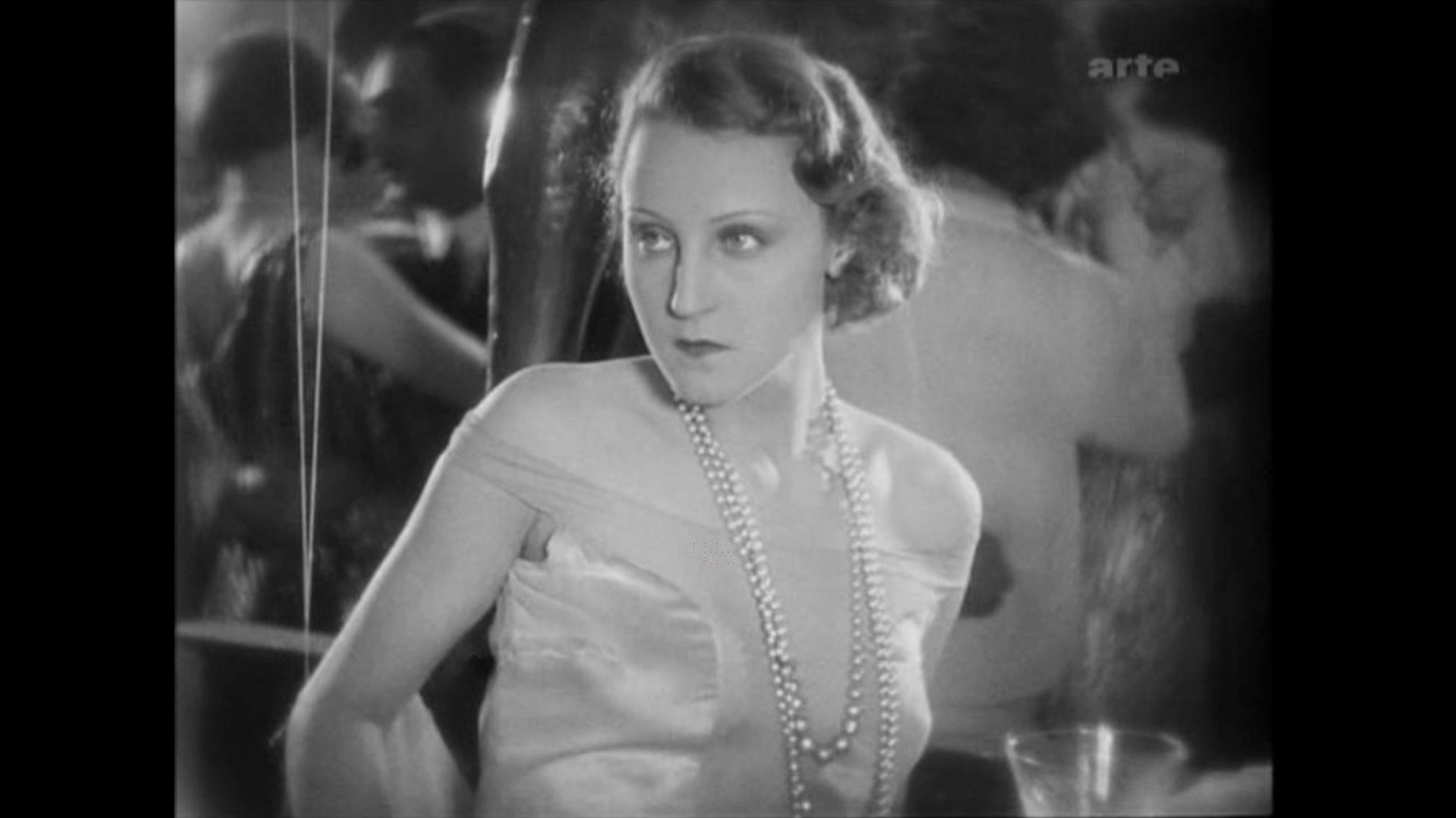
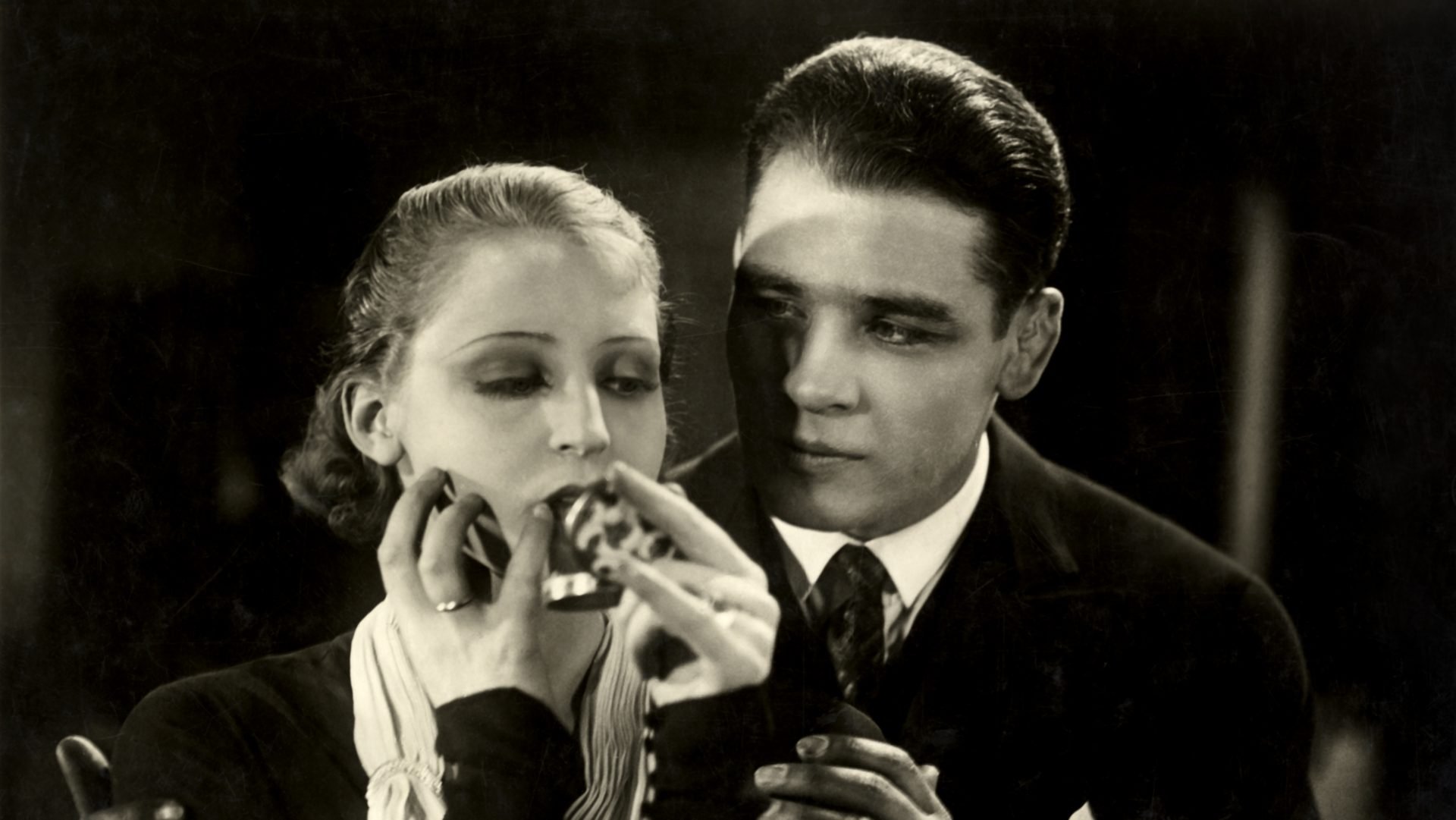
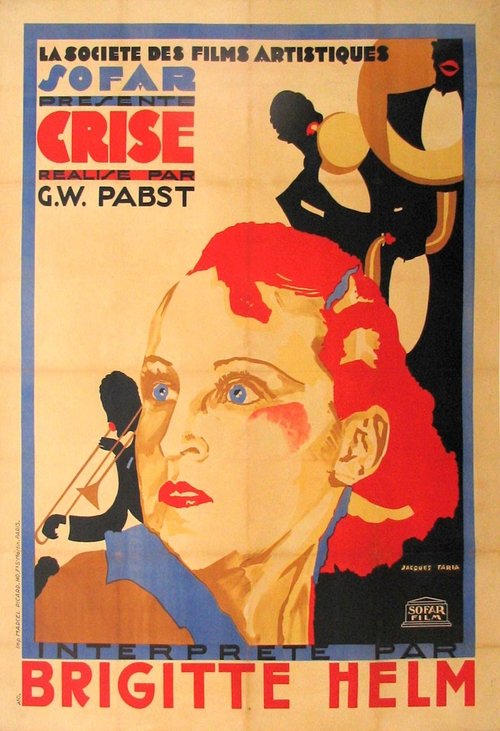
Neglected by her husband, an ambitious lawyer, Irene seeks variety in Berlin's nightlife-- An evening of dancing, dolls, cocaine and immoral passion. Irene takes the "devious path" as she seeks to make her husband jealous.
Directed by G.W. Pabst
dancing
drug use
wild party
neglected wife
partially lost film

IMDB
N/A
Cast

Gustav Diessl
Thomas Beck
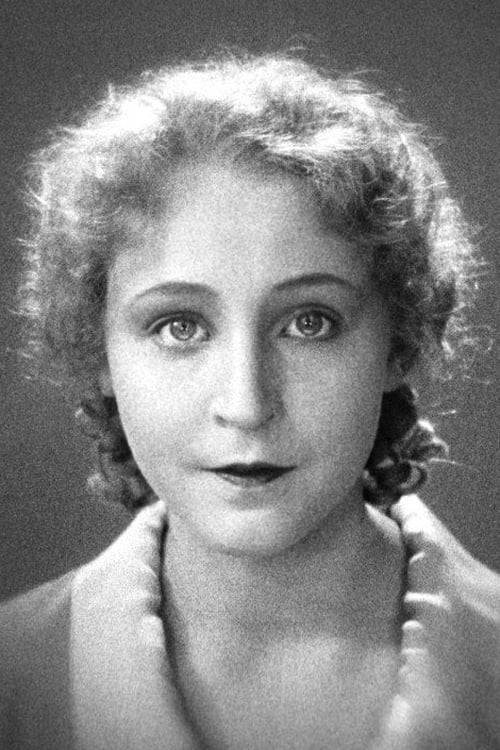
Brigitte Helm
Irene Beck

Hertha von Walther
Liane
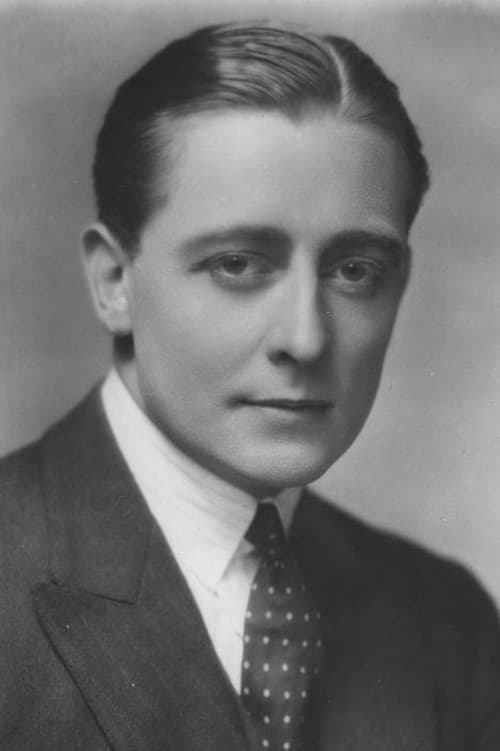
Jack Trevor
Walter Frank
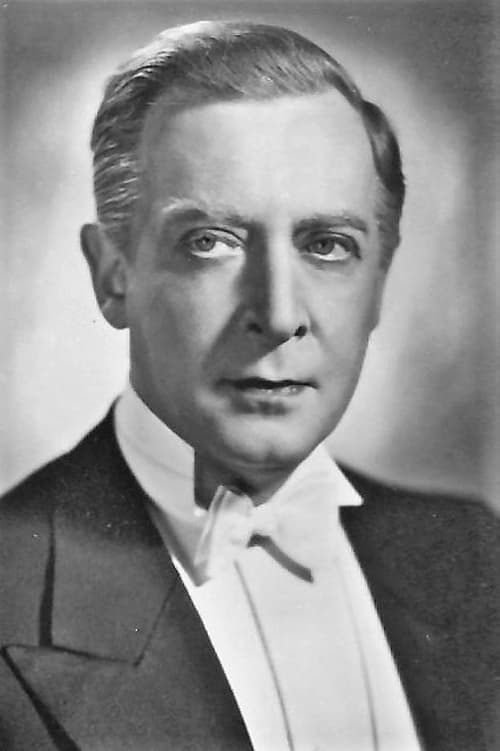
Fritz Odemar
Möller
Nico Turoff
Sam Taylor
Crew
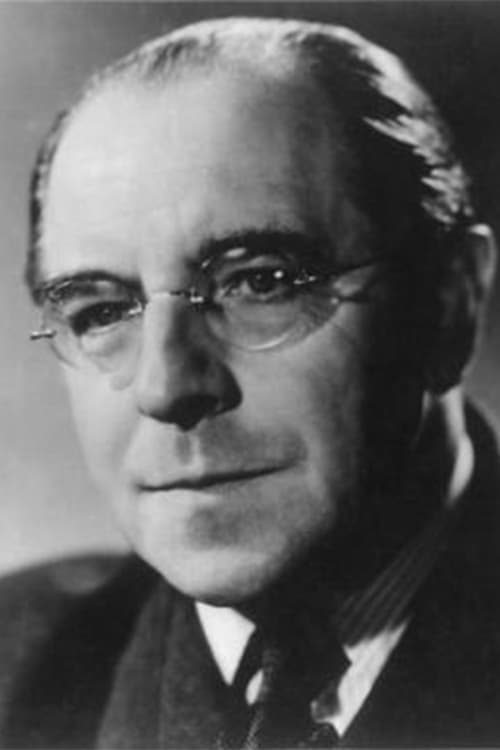
G.W. Pabst
Director
G.W. Pabst
Editor
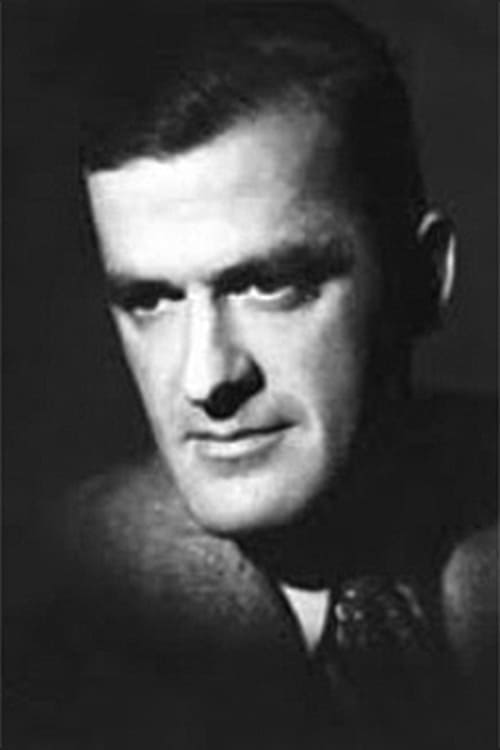
Theodor Sparkuhl
Director of Photography
Popular Reviews
2 reviews
Tony Hightower
8.0★ · 01/25/26
There never was anyone who could shoot a wild extended party scene the way GW Pabst could. It's such a rare skill to be able to communicate the energy and joyful chaos of a packed, kinetic room, without losing track of the narrative or drawing attention away from what matters in the scene.
Of course, it does help when you have S-tier goddesses like Louise Brooks (in Pandora's Box) or, here, Brigitte Helm, their eyes a whirlpool of churning emotions, her charisma drawing the entire party along behind her like a whirlpool.
It might be stating the obvious, but: when she comes out of the back room after (seriously) doing coke with a lesbian Clara Bow lookalike, you can see the revelation in her whole body, and the combination of euphoria and terror she carries through the rest of the film is just astonishing.
It's notable that there's no real villain in this story. Everyone is doing their best, whether it's enjoying their life, or scraping by at the club, or workmaxxing 24/7, or just trying to be the best artist-slash-boyfriend they can be. That's not something you see in films from this era very often, and I really appreciate the humanity Pabst gives everyone.
But seriously, Brigitte Helm. At her absolute peak. I mean.
Also: I do not understand the deal with the kewpie dolls.
Of course, it does help when you have S-tier goddesses like Louise Brooks (in Pandora's Box) or, here, Brigitte Helm, their eyes a whirlpool of churning emotions, her charisma drawing the entire party along behind her like a whirlpool.
It might be stating the obvious, but: when she comes out of the back room after (seriously) doing coke with a lesbian Clara Bow lookalike, you can see the revelation in her whole body, and the combination of euphoria and terror she carries through the rest of the film is just astonishing.
It's notable that there's no real villain in this story. Everyone is doing their best, whether it's enjoying their life, or scraping by at the club, or workmaxxing 24/7, or just trying to be the best artist-slash-boyfriend they can be. That's not something you see in films from this era very often, and I really appreciate the humanity Pabst gives everyone.
But seriously, Brigitte Helm. At her absolute peak. I mean.
Also: I do not understand the deal with the kewpie dolls.
There never was anyone who could shoot a wild extended party scene the way GW Pabst could. It's such a rare skill to be able to communicate the energy and joyful chaos of a packed, kinetic room, without losing track of the narrative or drawing attention away from what matters in the scene.
Of course, it does help when you have S-tier goddesses like Louise Brooks (in Pandora's Box) or, here, Brigitte Helm, their eyes a whirlpool of churning emotions, her charisma drawing the entire party along behind her like a whirlpool.
It might be stating the obvious, but: when she comes out of the back room after (seriously) doing coke with a lesbian Clara Bow lookalike, you can see the revelation in her whole body, and the combination of euphoria and terror she carries through the rest of the film is just astonishing.
It's notable that there's no real villain in this story. Everyone is doing their best, whether it's enjoying their life, or scraping by at the club, or workmaxxing 24/7, or just trying to be the best artist-slash-boyfriend they can be. That's not something you see in films from this era very often, and I really appreciate the humanity Pabst gives everyone.
But seriously, Brigitte Helm. At her absolute peak. I mean.
Also: I do not understand the deal with the kewpie dolls.
Of course, it does help when you have S-tier goddesses like Louise Brooks (in Pandora's Box) or, here, Brigitte Helm, their eyes a whirlpool of churning emotions, her charisma drawing the entire party along behind her like a whirlpool.
It might be stating the obvious, but: when she comes out of the back room after (seriously) doing coke with a lesbian Clara Bow lookalike, you can see the revelation in her whole body, and the combination of euphoria and terror she carries through the rest of the film is just astonishing.
It's notable that there's no real villain in this story. Everyone is doing their best, whether it's enjoying their life, or scraping by at the club, or workmaxxing 24/7, or just trying to be the best artist-slash-boyfriend they can be. That's not something you see in films from this era very often, and I really appreciate the humanity Pabst gives everyone.
But seriously, Brigitte Helm. At her absolute peak. I mean.
Also: I do not understand the deal with the kewpie dolls.


Anika Brenner
7.0★ · 04/14/24