
Something Different
1963·Drama·1h 25m
7.1
★
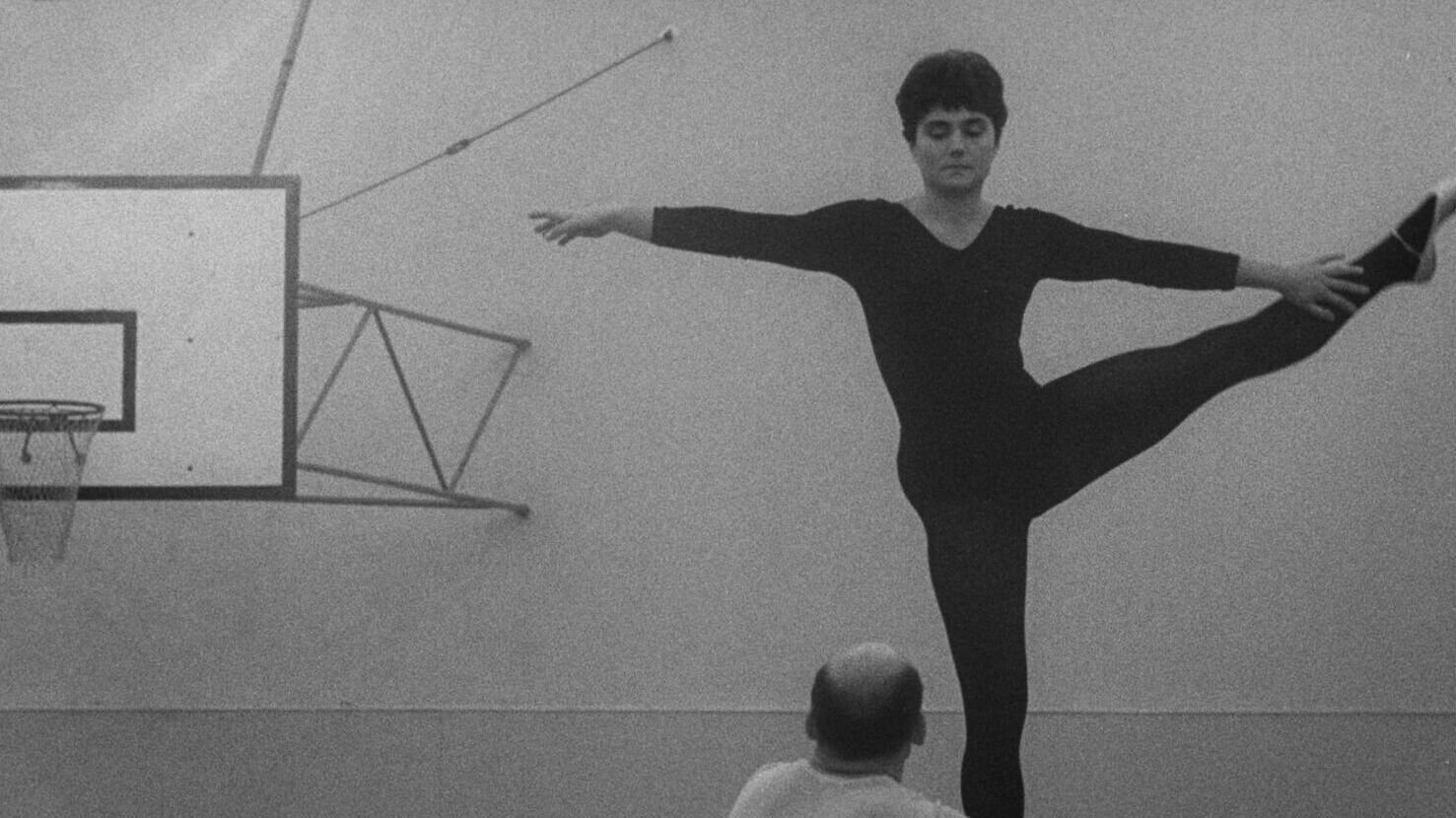
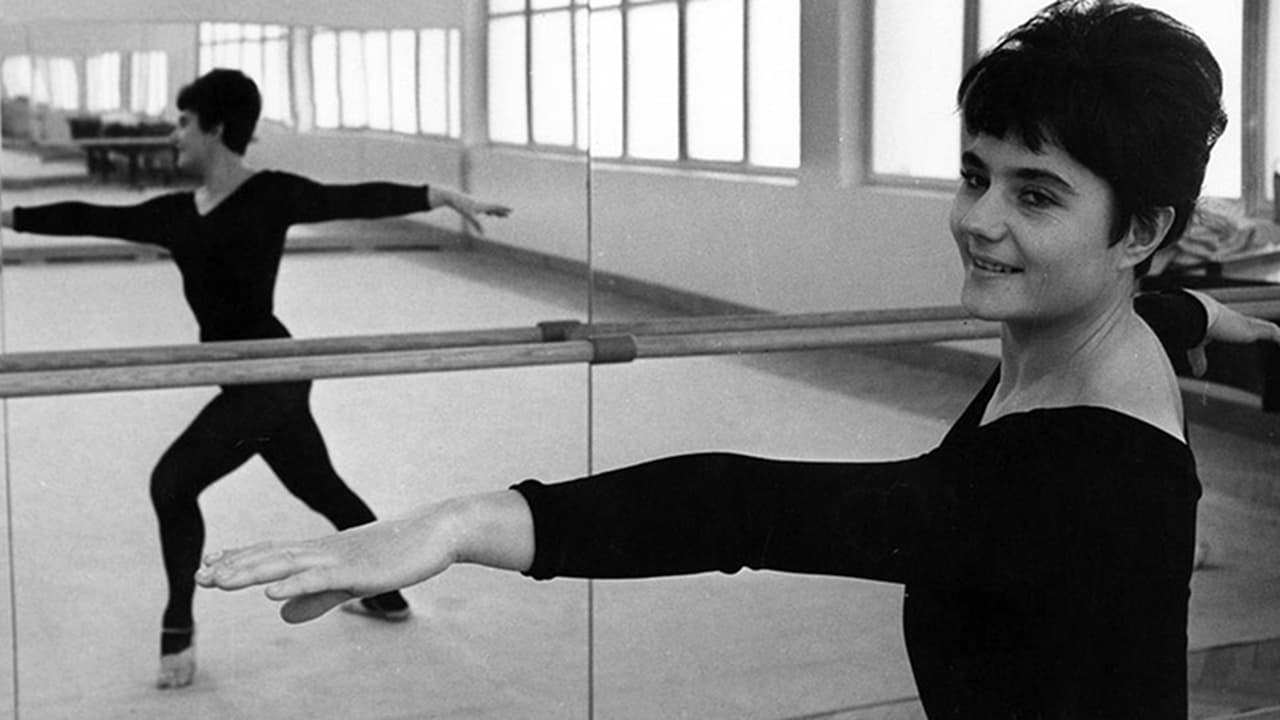

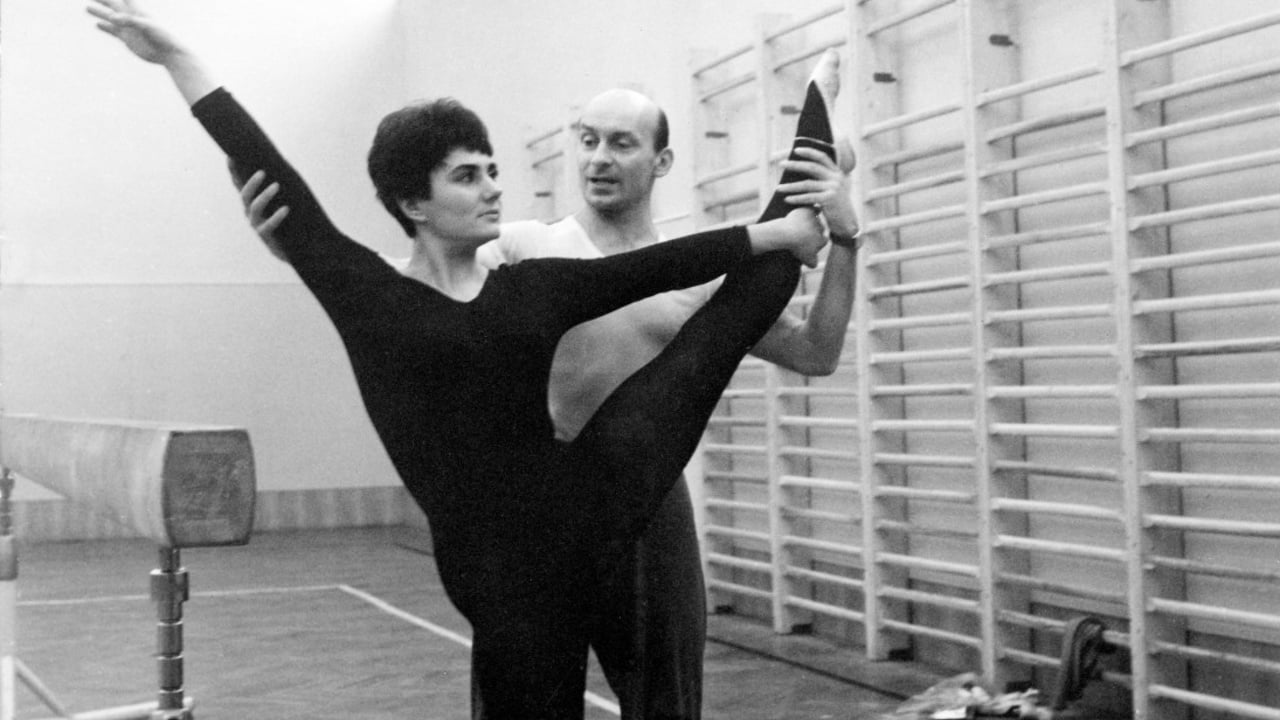
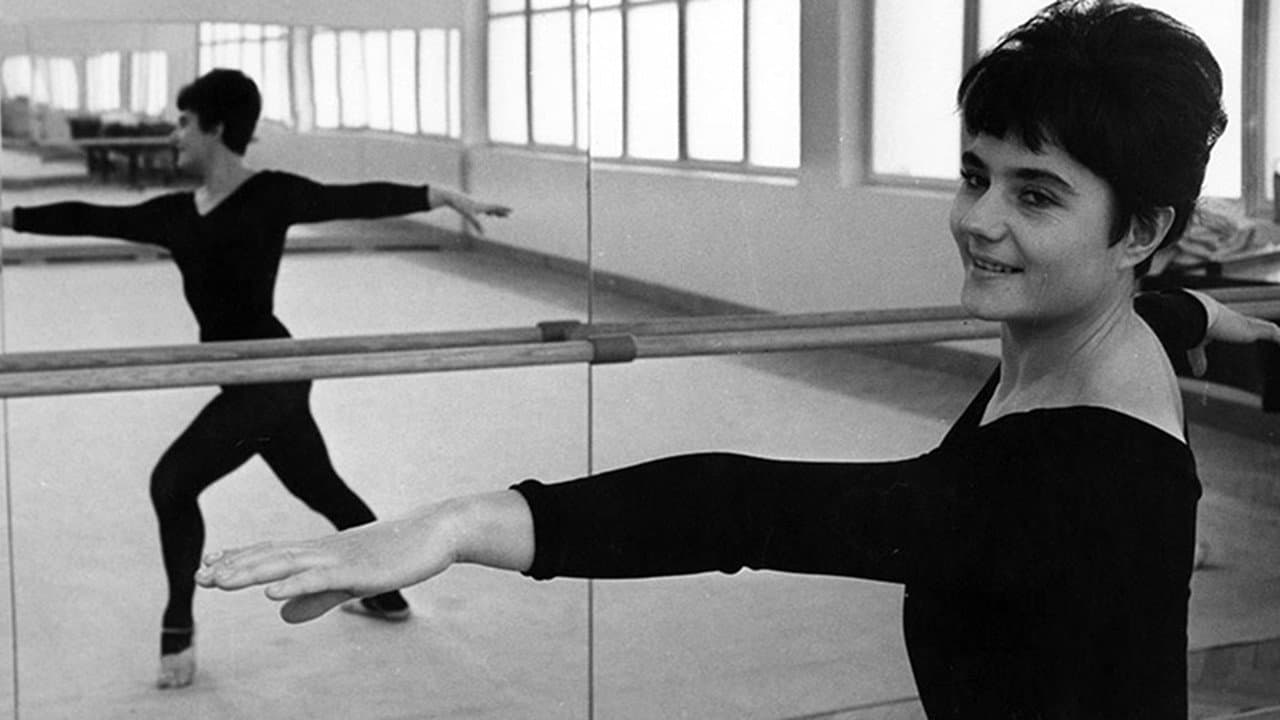
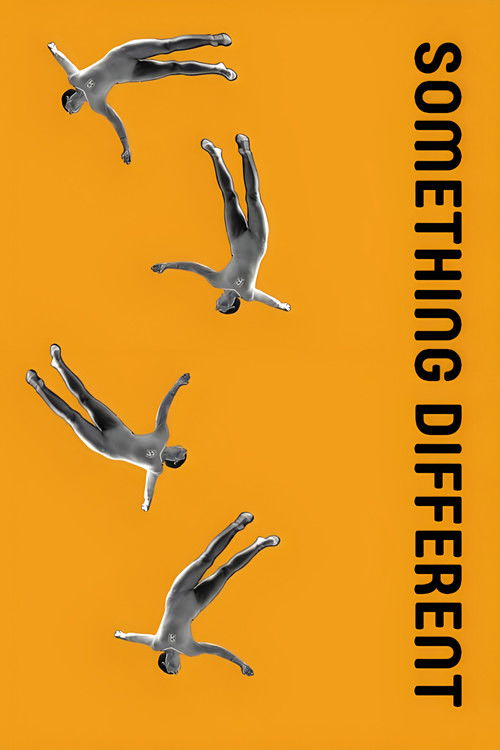
In her first feature, Věra Chytilová uses a combination of documentary and fiction film techniques to tell two stories in counterpoint. The first follows Olympic champion gymnast Eva Bosáková, who contemplates retirement as she undergoes a gruelling training schedule; the second, a housewife who is unappreciated and ignored by her husband.
Directed by Věra Chytilová
woman director
czech new wave

IMDB
N/A
Cast
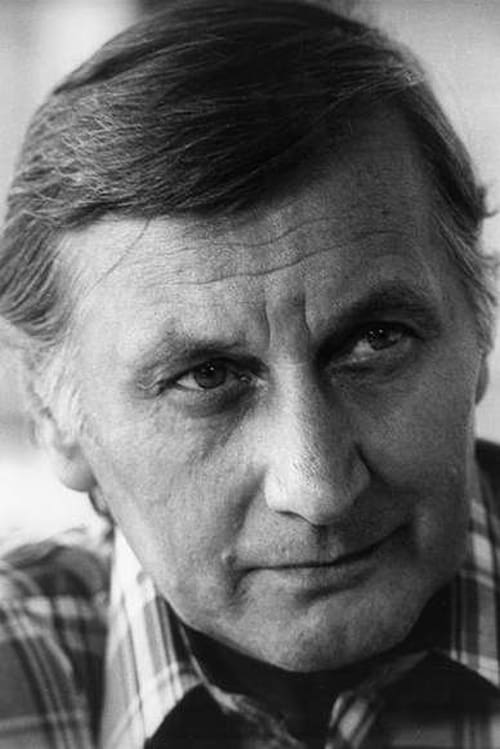
Josef Langmiler
Josef

Jiří Kodet
Jirka
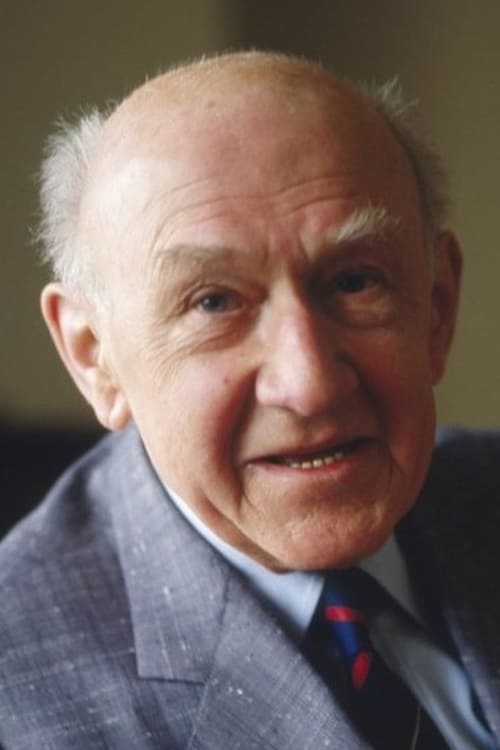
František Filipovský
František Filipovský (uncredited)
Crew
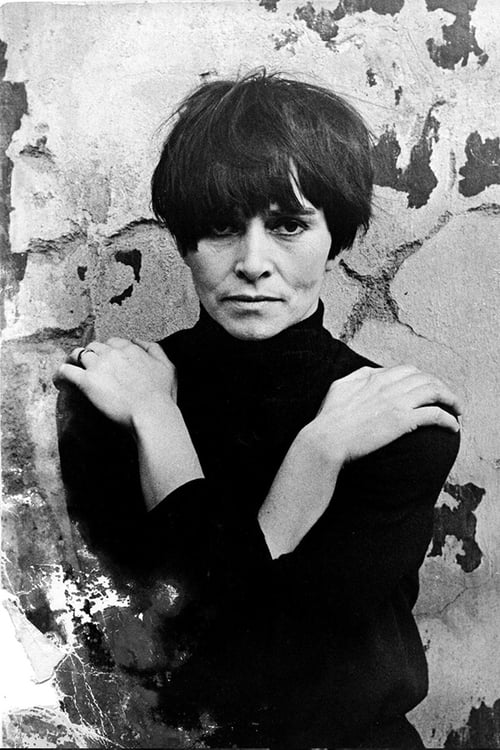
Věra Chytilová
Director
Věra Chytilová
Screenplay
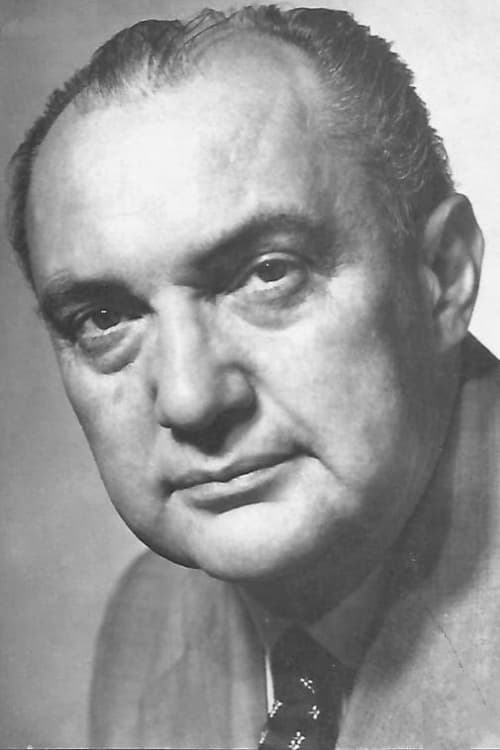
Bohumil Šmída
Executive Producer
Věra Chytilová
Story

Jiří Menzel
First Assistant Director
Popular Reviews
19 reviews
Weronika Zaród
8.0★ · 07/23/26
Something Different is Chytilová's first feature film, in which she explores the meaning of life and daily struggles, through two different, yet parallel stories of Eva and Věra.
Eva is an Olympic champion near retirement, who devotes her whole life to sport. This commitment helps her get through particularly humiliating and challenging sessions with her trainer. Every time we see the character, she’s in the gym, pushing her body to the limit to please the coach. Eva is not only constrained by him, but also feels the pressure from fans, while the whole world of sport is watching.
Věra is a typical housewife who doesn’t have a job and spends whole days cooking, cleaning, and taking care of the child. Her son, Milda, is constantly disobeying, driving his mother to the verge of tears. Her relationship with Josef isn’t much better. When he’s not at work, he stays home, reading the papers and avoiding conversations with his wife. That naturally confuses and angers her, leading Věra to engage in an affair with Jirka – a young man she encounters during a walk.
You can effortlessly observe the differences between the two women's lifestyles. One is imprisoned by the community, strictly guided by her trainer, and lacks the space to make independent decisions, while the other one is imprisoned by a marriage with an ungrateful husband, and a lack of guidance. Despite all these contradictions, both of their prisons are built of the exact same thing – dedication. This perfectly shows us the thin line between the two. Because you can love and cherish something/someone, but if your life revolves entirely around them, it’s not a life anymore, it’s a cage.
Something Different explores themes of female frustration in a patriarchal society, in which women seem to never win, but it is also inherently political. The movie is considered one of the first of the Czech New Wave, and the only one directed fully by a woman. That alone sums up its importance. Thanks to casting a real-life Olympic champion with genuine experiences, the film has even more of a personal touch.
This was the fourth movie I have watched by Věra Chytilová, and it made me love her even more.
Eva is an Olympic champion near retirement, who devotes her whole life to sport. This commitment helps her get through particularly humiliating and challenging sessions with her trainer. Every time we see the character, she’s in the gym, pushing her body to the limit to please the coach. Eva is not only constrained by him, but also feels the pressure from fans, while the whole world of sport is watching.
Věra is a typical housewife who doesn’t have a job and spends whole days cooking, cleaning, and taking care of the child. Her son, Milda, is constantly disobeying, driving his mother to the verge of tears. Her relationship with Josef isn’t much better. When he’s not at work, he stays home, reading the papers and avoiding conversations with his wife. That naturally confuses and angers her, leading Věra to engage in an affair with Jirka – a young man she encounters during a walk.
You can effortlessly observe the differences between the two women's lifestyles. One is imprisoned by the community, strictly guided by her trainer, and lacks the space to make independent decisions, while the other one is imprisoned by a marriage with an ungrateful husband, and a lack of guidance. Despite all these contradictions, both of their prisons are built of the exact same thing – dedication. This perfectly shows us the thin line between the two. Because you can love and cherish something/someone, but if your life revolves entirely around them, it’s not a life anymore, it’s a cage.
Something Different explores themes of female frustration in a patriarchal society, in which women seem to never win, but it is also inherently political. The movie is considered one of the first of the Czech New Wave, and the only one directed fully by a woman. That alone sums up its importance. Thanks to casting a real-life Olympic champion with genuine experiences, the film has even more of a personal touch.
This was the fourth movie I have watched by Věra Chytilová, and it made me love her even more.
Something Different is Chytilová's first feature film, in which she explores the meaning of life and daily struggles, through two different, yet parallel stories of Eva and Věra.
Eva is an Olympic champion near retirement, who devotes her whole life to sport. This commitment helps her get through particularly humiliating and challenging sessions with her trainer. Every time we see the character, she’s in the gym, pushing her body to the limit to please the coach. Eva is not only constrained by him, but also feels the pressure from fans, while the whole world of sport is watching.
Věra is a typical housewife who doesn’t have a job and spends whole days cooking, cleaning, and taking care of the child. Her son, Milda, is constantly disobeying, driving his mother to the verge of tears. Her relationship with Josef isn’t much better. When he’s not at work, he stays home, reading the papers and avoiding conversations with his wife. That naturally confuses and angers her, leading Věra to engage in an affair with Jirka – a young man she encounters during a walk.
You can effortlessly observe the differences between the two women's lifestyles. One is imprisoned by the community, strictly guided by her trainer, and lacks the space to make independent decisions, while the other one is imprisoned by a marriage with an ungrateful husband, and a lack of guidance. Despite all these contradictions, both of their prisons are built of the exact same thing – dedication. This perfectly shows us the thin line between the two. Because you can love and cherish something/someone, but if your life revolves entirely around them, it’s not a life anymore, it’s a cage.
Something Different explores themes of female frustration in a patriarchal society, in which women seem to never win, but it is also inherently political. The movie is considered one of the first of the Czech New Wave, and the only one directed fully by a woman. That alone sums up its importance. Thanks to casting a real-life Olympic champion with genuine experiences, the film has even more of a personal touch.
This was the fourth movie I have watched by Věra Chytilová, and it made me love her even more.
Eva is an Olympic champion near retirement, who devotes her whole life to sport. This commitment helps her get through particularly humiliating and challenging sessions with her trainer. Every time we see the character, she’s in the gym, pushing her body to the limit to please the coach. Eva is not only constrained by him, but also feels the pressure from fans, while the whole world of sport is watching.
Věra is a typical housewife who doesn’t have a job and spends whole days cooking, cleaning, and taking care of the child. Her son, Milda, is constantly disobeying, driving his mother to the verge of tears. Her relationship with Josef isn’t much better. When he’s not at work, he stays home, reading the papers and avoiding conversations with his wife. That naturally confuses and angers her, leading Věra to engage in an affair with Jirka – a young man she encounters during a walk.
You can effortlessly observe the differences between the two women's lifestyles. One is imprisoned by the community, strictly guided by her trainer, and lacks the space to make independent decisions, while the other one is imprisoned by a marriage with an ungrateful husband, and a lack of guidance. Despite all these contradictions, both of their prisons are built of the exact same thing – dedication. This perfectly shows us the thin line between the two. Because you can love and cherish something/someone, but if your life revolves entirely around them, it’s not a life anymore, it’s a cage.
Something Different explores themes of female frustration in a patriarchal society, in which women seem to never win, but it is also inherently political. The movie is considered one of the first of the Czech New Wave, and the only one directed fully by a woman. That alone sums up its importance. Thanks to casting a real-life Olympic champion with genuine experiences, the film has even more of a personal touch.
This was the fourth movie I have watched by Věra Chytilová, and it made me love her even more.


Kay DeePRO
8.0★ · 03/06/26
I really liked this and I don’t know what that says about me - I guess I love feminism and Czech New Wave! I liked seeing the differences and similarities between the two main characters. Even though they both struggled in male dominated environments, it does seem like Eva is actually unambiguously happy in the end, but that could also be me reading it through my own eyes.
One thing about this that you wouldn’t expect from the synopsis is the neat filming technique, especially in scenes focusing on the movement of the gymnast. One scene literally made me mutter “damn, that’s so impressive” to myself. Věra Chytilová you will always be famous in my eyes!
“Name A Woman!” Challenge 2026 - 18. Directed by Věra Chytilová
One thing about this that you wouldn’t expect from the synopsis is the neat filming technique, especially in scenes focusing on the movement of the gymnast. One scene literally made me mutter “damn, that’s so impressive” to myself. Věra Chytilová you will always be famous in my eyes!
“Name A Woman!” Challenge 2026 - 18. Directed by Věra Chytilová
I really liked this and I don’t know what that says about me - I guess I love feminism and Czech New Wave! I liked seeing the differences and similarities between the two main characters. Even though they both struggled in male dominated environments, it does seem like Eva is actually unambiguously happy in the end, but that could also be me reading it through my own eyes.
One thing about this that you wouldn’t expect from the synopsis is the neat filming technique, especially in scenes focusing on the movement of the gymnast. One scene literally made me mutter “damn, that’s so impressive” to myself. Věra Chytilová you will always be famous in my eyes!
“Name A Woman!” Challenge 2026 - 18. Directed by Věra Chytilová
One thing about this that you wouldn’t expect from the synopsis is the neat filming technique, especially in scenes focusing on the movement of the gymnast. One scene literally made me mutter “damn, that’s so impressive” to myself. Věra Chytilová you will always be famous in my eyes!
“Name A Woman!” Challenge 2026 - 18. Directed by Věra Chytilová
lucas
8.0★ · 10/17/25
mostra Mulheres do Cinema Tchecoslovaco
mostra Mulheres do Cinema Tchecoslovaco
Dani
9.0★ · 07/02/25
He romantizado tanto la Checoslovaquia de los 60
He romantizado tanto la Checoslovaquia de los 60
Sepia GorePRO
9.0★ · 08/01/21
Czech New Wave pioneer, Věra Chytilová, director of the 1966 playful satire Daisies kicks off her career with this fiction documentary blend debut feature which immediately highlights her as one of the boldest yet loudest voices of the New Wave, Czech New Wave's own Godard you could say. This is 1963's Something Different.
The film follows two stories, one follows Věra, a bored housewife with a defiant son and an unappreciative husband who seeks an escape from her frustration in a extramarital affair meanwhile the second story follows headstrong gymnast, the Olympic Gold Medal Winner Eva Bosákovà here playing herself as she trains for the 1962 World Championship but her lack of motivation and doubts prompts her coach to put more pressure on her.
Capturing movements and reality through a stylishly simple yet raw lens, Something Different certainly own its title with its modernist melodrama and radical yet simplistic ways of filmmaking. Although the film lacks a conventional or a well define plot, this adds to the film's benefits as the lines between what's real and fiction blends and melt together slowly until you have no idea what could be staged or not. The beautiful black and white cinematography has this grainy and raw look to it yet there is something dream like and artificial about the color and the shadows further punctuated by Chytilová's stunning and playful direction. Despite its lack of plot it's clear the film does have a lot to say about women and their roles in the modern world as well as the domination of men and its rules. The way Chytilová uses editing and structure to bridge and compare these two seemingly disconnected stories is the bulk of what makes Something Different great. I particularly love one sequence where we compare the energised yet methodically elegant dance of Gymnast with the mundane yet detailed and hands on dance of a mother cleaning and working around the house. How their movements collided and work together in this montage and the statement and emotions that also comes from it. There is something so mature yet playful about that sequence and the entire film as a whole. Running at 81 minutes its surpisingly pretty fast moving, obviously due to the lack of action for some newer moviegoers they probably would find it quite boring but for anybody who already has some experience with slower pace films this should be a easy watch thanks to Chytilová's experimentation, statement and atmosphere she brings to this picture. The performances are fine but the real highlight is definitely Eva Bosákovà who surpisingly give a very realistic and vulnerable, egoless performance probably thanks to her playing herself but still she really engages with the audience well and whenever she gets to show off her gymnastic skills it's always eye catching and impressive. Thats really the best way to describe Something Different, it is a very impressive and fascinating picture. Expressive as it is Definite. It's not going to be for everybody for sure but I would be lying if I didn't say I find a lot to love and appreciate about it. The experimentation and social commentary is playful yet inspiring, worth studying for any inspiring filmmaker and the story is a both a tribute to women's mundanity and passion as it is a critique of the modern tradition. Deliciously and powerfully executed and charged.
The film follows two stories, one follows Věra, a bored housewife with a defiant son and an unappreciative husband who seeks an escape from her frustration in a extramarital affair meanwhile the second story follows headstrong gymnast, the Olympic Gold Medal Winner Eva Bosákovà here playing herself as she trains for the 1962 World Championship but her lack of motivation and doubts prompts her coach to put more pressure on her.
Capturing movements and reality through a stylishly simple yet raw lens, Something Different certainly own its title with its modernist melodrama and radical yet simplistic ways of filmmaking. Although the film lacks a conventional or a well define plot, this adds to the film's benefits as the lines between what's real and fiction blends and melt together slowly until you have no idea what could be staged or not. The beautiful black and white cinematography has this grainy and raw look to it yet there is something dream like and artificial about the color and the shadows further punctuated by Chytilová's stunning and playful direction. Despite its lack of plot it's clear the film does have a lot to say about women and their roles in the modern world as well as the domination of men and its rules. The way Chytilová uses editing and structure to bridge and compare these two seemingly disconnected stories is the bulk of what makes Something Different great. I particularly love one sequence where we compare the energised yet methodically elegant dance of Gymnast with the mundane yet detailed and hands on dance of a mother cleaning and working around the house. How their movements collided and work together in this montage and the statement and emotions that also comes from it. There is something so mature yet playful about that sequence and the entire film as a whole. Running at 81 minutes its surpisingly pretty fast moving, obviously due to the lack of action for some newer moviegoers they probably would find it quite boring but for anybody who already has some experience with slower pace films this should be a easy watch thanks to Chytilová's experimentation, statement and atmosphere she brings to this picture. The performances are fine but the real highlight is definitely Eva Bosákovà who surpisingly give a very realistic and vulnerable, egoless performance probably thanks to her playing herself but still she really engages with the audience well and whenever she gets to show off her gymnastic skills it's always eye catching and impressive. Thats really the best way to describe Something Different, it is a very impressive and fascinating picture. Expressive as it is Definite. It's not going to be for everybody for sure but I would be lying if I didn't say I find a lot to love and appreciate about it. The experimentation and social commentary is playful yet inspiring, worth studying for any inspiring filmmaker and the story is a both a tribute to women's mundanity and passion as it is a critique of the modern tradition. Deliciously and powerfully executed and charged.
Czech New Wave pioneer, Věra Chytilová, director of the 1966 playful satire Daisies kicks off her career with this fiction documentary blend debut feature which immediately highlights her as one of the boldest yet loudest voices of the New Wave, Czech New Wave's own Godard you could say. This is 1963's Something Different.
The film follows two stories, one follows Věra, a bored housewife with a defiant son and an unappreciative husband who seeks an escape from her frustration in a extramarital affair meanwhile the second story follows headstrong gymnast, the Olympic Gold Medal Winner Eva Bosákovà here playing herself as she trains for the 1962 World Championship but her lack of motivation and doubts prompts her coach to put more pressure on her.
Capturing movements and reality through a stylishly simple yet raw lens, Something Different certainly own its title with its modernist melodrama and radical yet simplistic ways of filmmaking. Although the film lacks a conventional or a well define plot, this adds to the film's benefits as the lines between what's real and fiction blends and melt together slowly until you have no idea what could be staged or not. The beautiful black and white cinematography has this grainy and raw look to it yet there is something dream like and artificial about the color and the shadows further punctuated by Chytilová's stunning and playful direction. Despite its lack of plot it's clear the film does have a lot to say about women and their roles in the modern world as well as the domination of men and its rules. The way Chytilová uses editing and structure to bridge and compare these two seemingly disconnected stories is the bulk of what makes Something Different great. I particularly love one sequence where we compare the energised yet methodically elegant dance of Gymnast with the mundane yet detailed and hands on dance of a mother cleaning and working around the house. How their movements collided and work together in this montage and the statement and emotions that also comes from it. There is something so mature yet playful about that sequence and the entire film as a whole. Running at 81 minutes its surpisingly pretty fast moving, obviously due to the lack of action for some newer moviegoers they probably would find it quite boring but for anybody who already has some experience with slower pace films this should be a easy watch thanks to Chytilová's experimentation, statement and atmosphere she brings to this picture. The performances are fine but the real highlight is definitely Eva Bosákovà who surpisingly give a very realistic and vulnerable, egoless performance probably thanks to her playing herself but still she really engages with the audience well and whenever she gets to show off her gymnastic skills it's always eye catching and impressive. Thats really the best way to describe Something Different, it is a very impressive and fascinating picture. Expressive as it is Definite. It's not going to be for everybody for sure but I would be lying if I didn't say I find a lot to love and appreciate about it. The experimentation and social commentary is playful yet inspiring, worth studying for any inspiring filmmaker and the story is a both a tribute to women's mundanity and passion as it is a critique of the modern tradition. Deliciously and powerfully executed and charged.
The film follows two stories, one follows Věra, a bored housewife with a defiant son and an unappreciative husband who seeks an escape from her frustration in a extramarital affair meanwhile the second story follows headstrong gymnast, the Olympic Gold Medal Winner Eva Bosákovà here playing herself as she trains for the 1962 World Championship but her lack of motivation and doubts prompts her coach to put more pressure on her.
Capturing movements and reality through a stylishly simple yet raw lens, Something Different certainly own its title with its modernist melodrama and radical yet simplistic ways of filmmaking. Although the film lacks a conventional or a well define plot, this adds to the film's benefits as the lines between what's real and fiction blends and melt together slowly until you have no idea what could be staged or not. The beautiful black and white cinematography has this grainy and raw look to it yet there is something dream like and artificial about the color and the shadows further punctuated by Chytilová's stunning and playful direction. Despite its lack of plot it's clear the film does have a lot to say about women and their roles in the modern world as well as the domination of men and its rules. The way Chytilová uses editing and structure to bridge and compare these two seemingly disconnected stories is the bulk of what makes Something Different great. I particularly love one sequence where we compare the energised yet methodically elegant dance of Gymnast with the mundane yet detailed and hands on dance of a mother cleaning and working around the house. How their movements collided and work together in this montage and the statement and emotions that also comes from it. There is something so mature yet playful about that sequence and the entire film as a whole. Running at 81 minutes its surpisingly pretty fast moving, obviously due to the lack of action for some newer moviegoers they probably would find it quite boring but for anybody who already has some experience with slower pace films this should be a easy watch thanks to Chytilová's experimentation, statement and atmosphere she brings to this picture. The performances are fine but the real highlight is definitely Eva Bosákovà who surpisingly give a very realistic and vulnerable, egoless performance probably thanks to her playing herself but still she really engages with the audience well and whenever she gets to show off her gymnastic skills it's always eye catching and impressive. Thats really the best way to describe Something Different, it is a very impressive and fascinating picture. Expressive as it is Definite. It's not going to be for everybody for sure but I would be lying if I didn't say I find a lot to love and appreciate about it. The experimentation and social commentary is playful yet inspiring, worth studying for any inspiring filmmaker and the story is a both a tribute to women's mundanity and passion as it is a critique of the modern tradition. Deliciously and powerfully executed and charged.