The Cider House Rules: a contradicting compassion
“Sometimes I wanna meet them, just so I can kill them.”
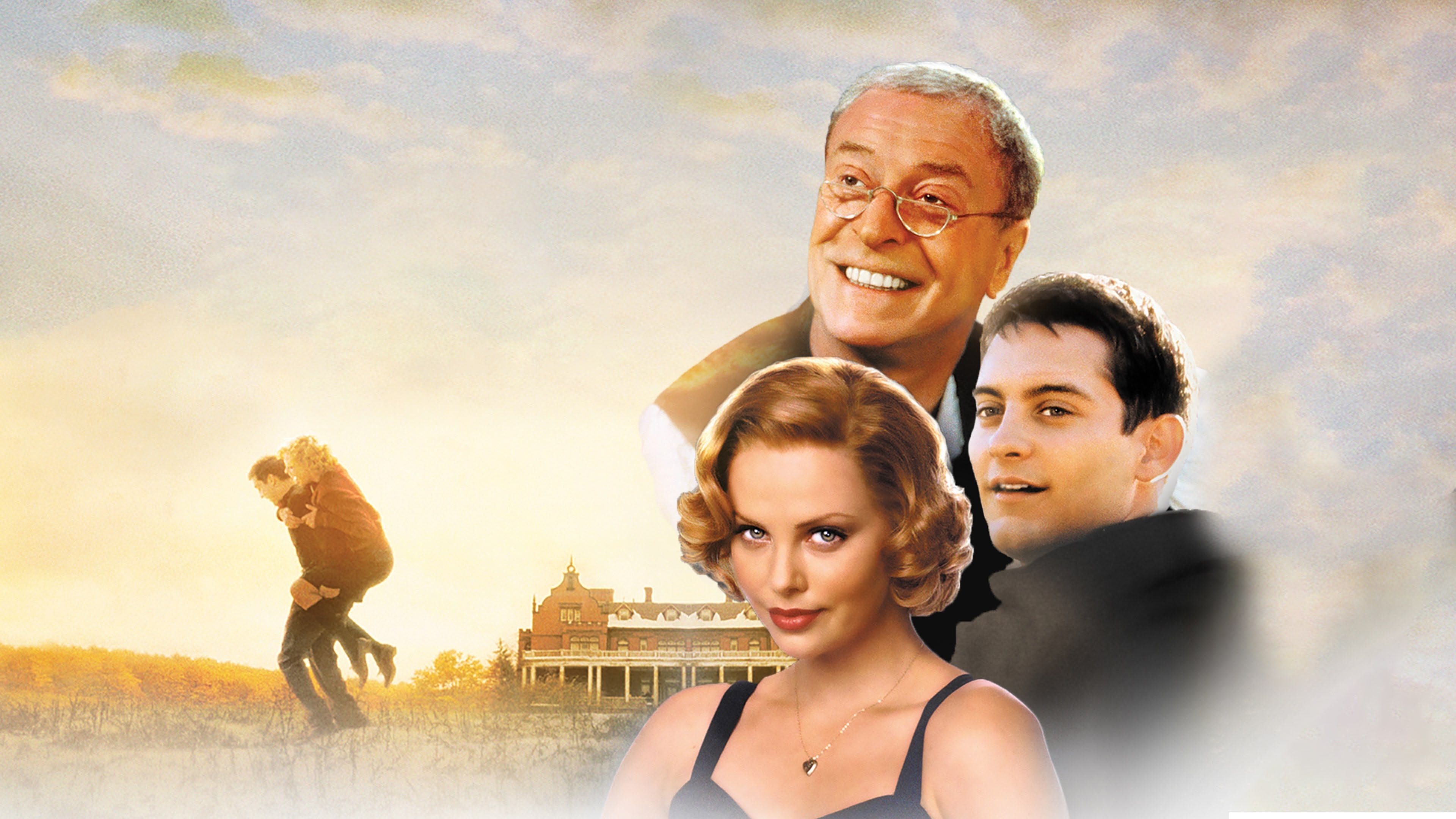
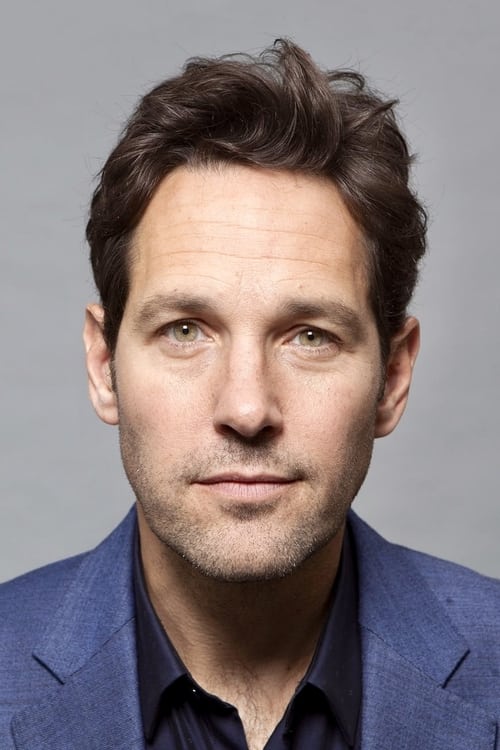
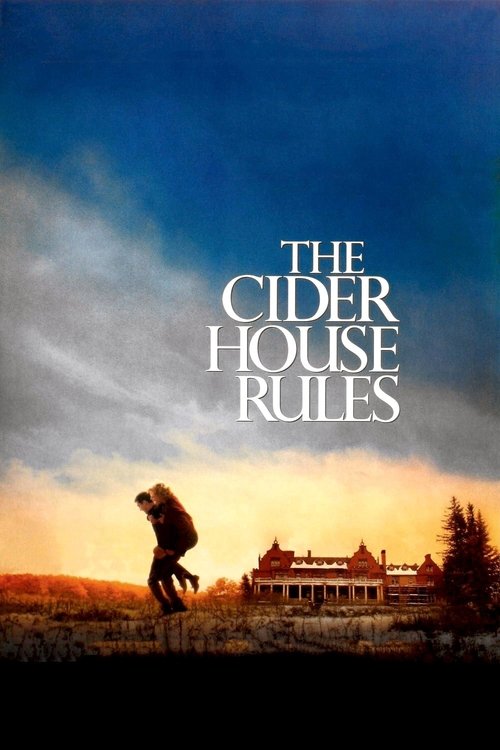
There is something disarmingly gentle and yet disturbingly confused about The Cider House Rules, directed by Lasse Hallström and released in 1999. With its stellar cast (Tobey Maguire, Charlize Theron, Paul Rudd, Michel Caine…), it seems at first glance like one of these comforting moral tales that Hollywood used to love. Yet, its core is much more complicated, and even, if I may say so, contradictory. I feel like the movie tries to say something profound about love, loss, and moral duty. But what it ends up saying is far less clear, and that ambiguity, even though it can be a beautiful movie, makes it frustrating.
The movie takes place in a Maine orphanage, in the 1940s, and tells the story of Homer Wells (Tobey Maguire), a young man raised by the orphanage’s director, Dr. Wilbur Larch (Michael Caine). This character in particular is interesting. He is both a saint and a sinner: a man who delivers babies for desperate women, but also performs abortions, which were still illegal at that time. His character alone embodies one of the main questions the movie asks: Is helping always the same as doing good?
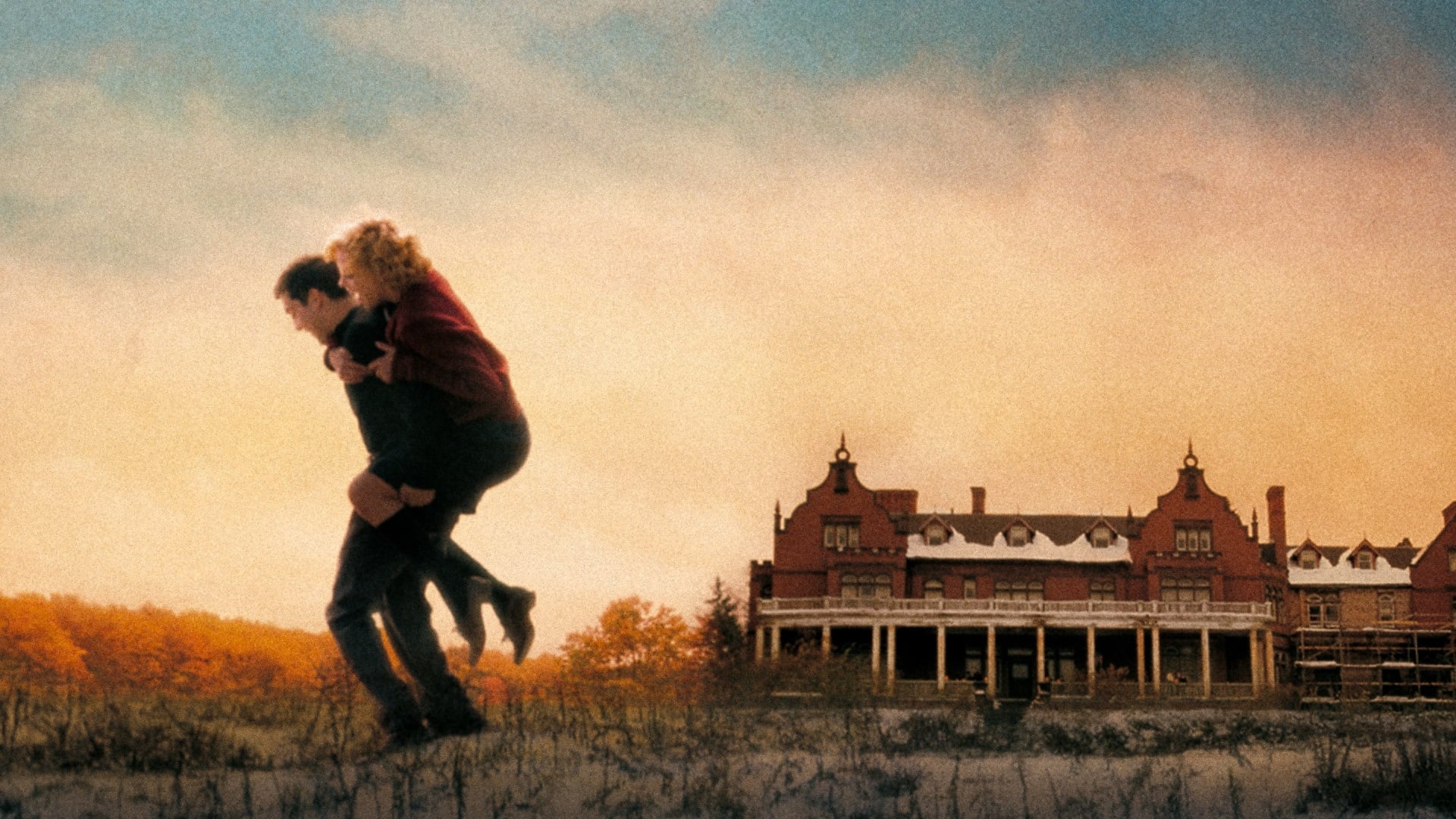
One of the most striking parts of The Cider House Rules, and one of the most disturbing for me, is how it dresses moral discomfort in beauty. First of all, Hallström films New England beautifully, almost like a postcard: misty mornings, warm golden sunlight, soft snow. On top of that, we have Rachel Portman’s piano scores that smoothes out the rough edges, the sensitive topics. But that is exactly the problem: it is too smooth. The film talks about abortion, incest, and social determinism, yet it does so with a tone so weirdly gentle, almost detached, that the weight of these issues nearly evaporates. There is this strange contradiction about what we see and what we feel. It is a movie about moral pain that does not want to hurt.
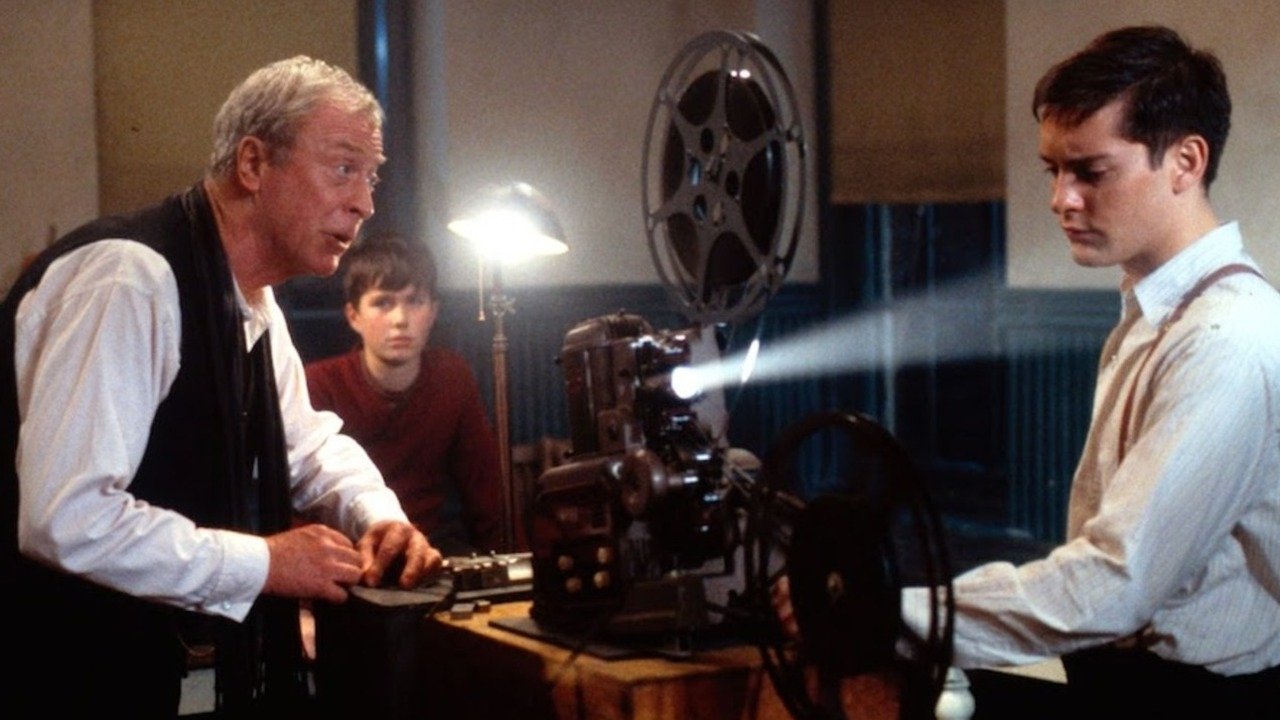
Michael Caine’s performance could almost save this imbalance. With his weary compassion and that slow, warm, and slightly broken voice, he gives Dr. Larch a tragic tenderness that is hard not to love. But here is the “almost” part: the movie wants us to see him as purely noble, a loving and suffering father figure to the children. That is where it lost me. How can we see this man as saintly when he is forging documents, manipulating his protégé, and quietly steering others’ lives? It is as if the movie wants to excuse moral compromise by wrapping it in affection. With Michael Caine’s character, compassion becomes control, and yet the movie barely tackles this subject, or even worse, asks us to accept and forgive it.
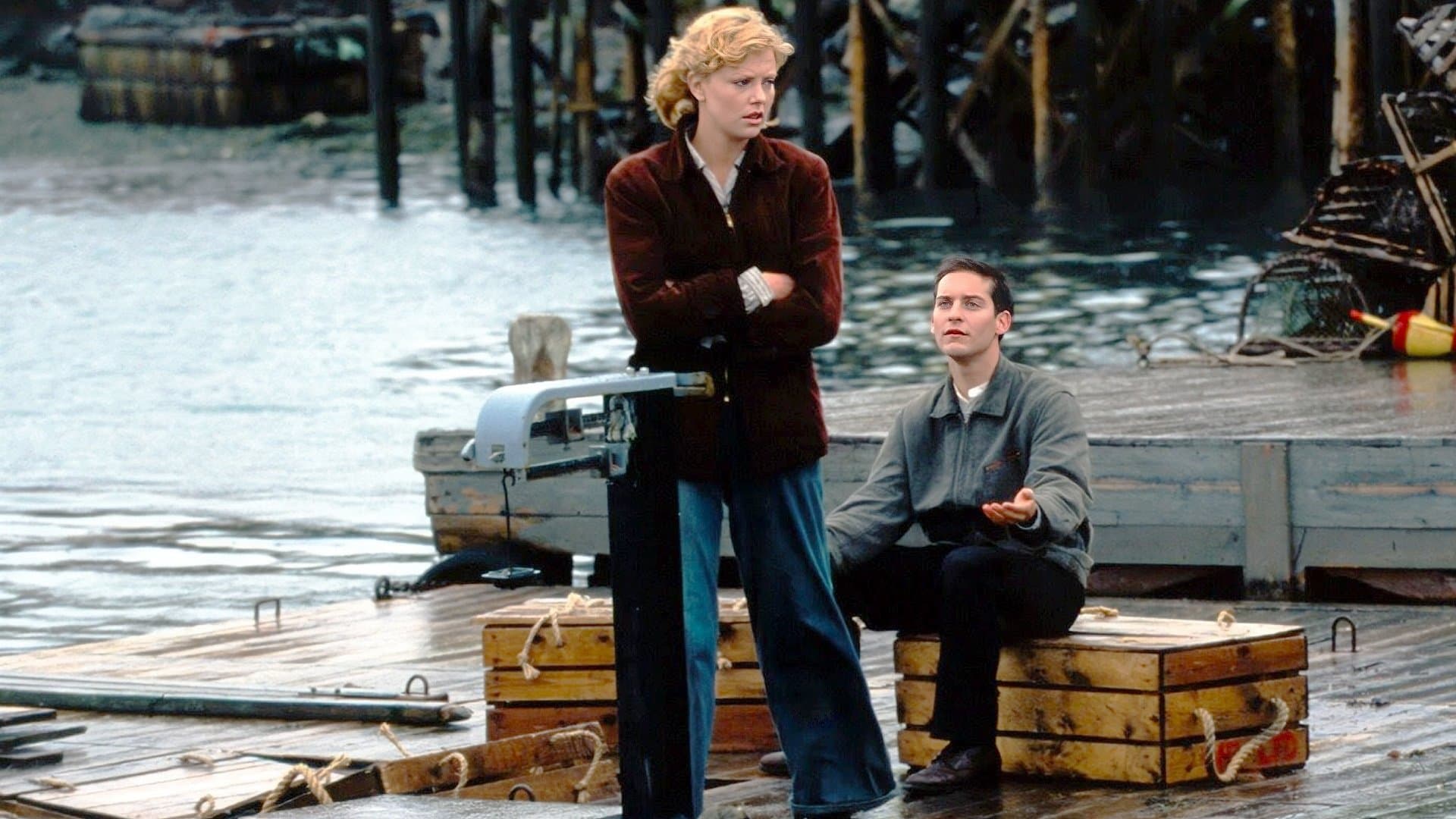
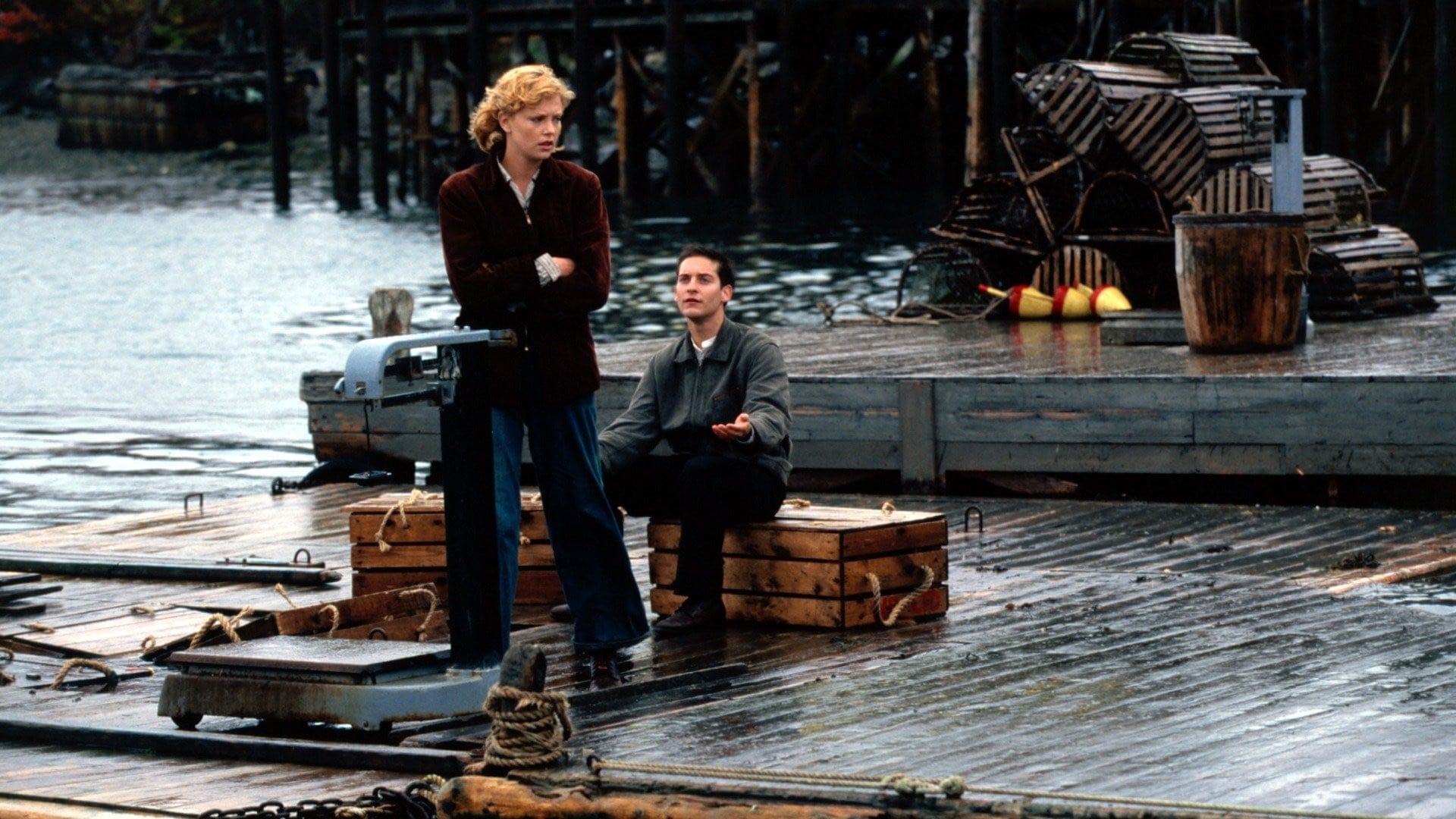
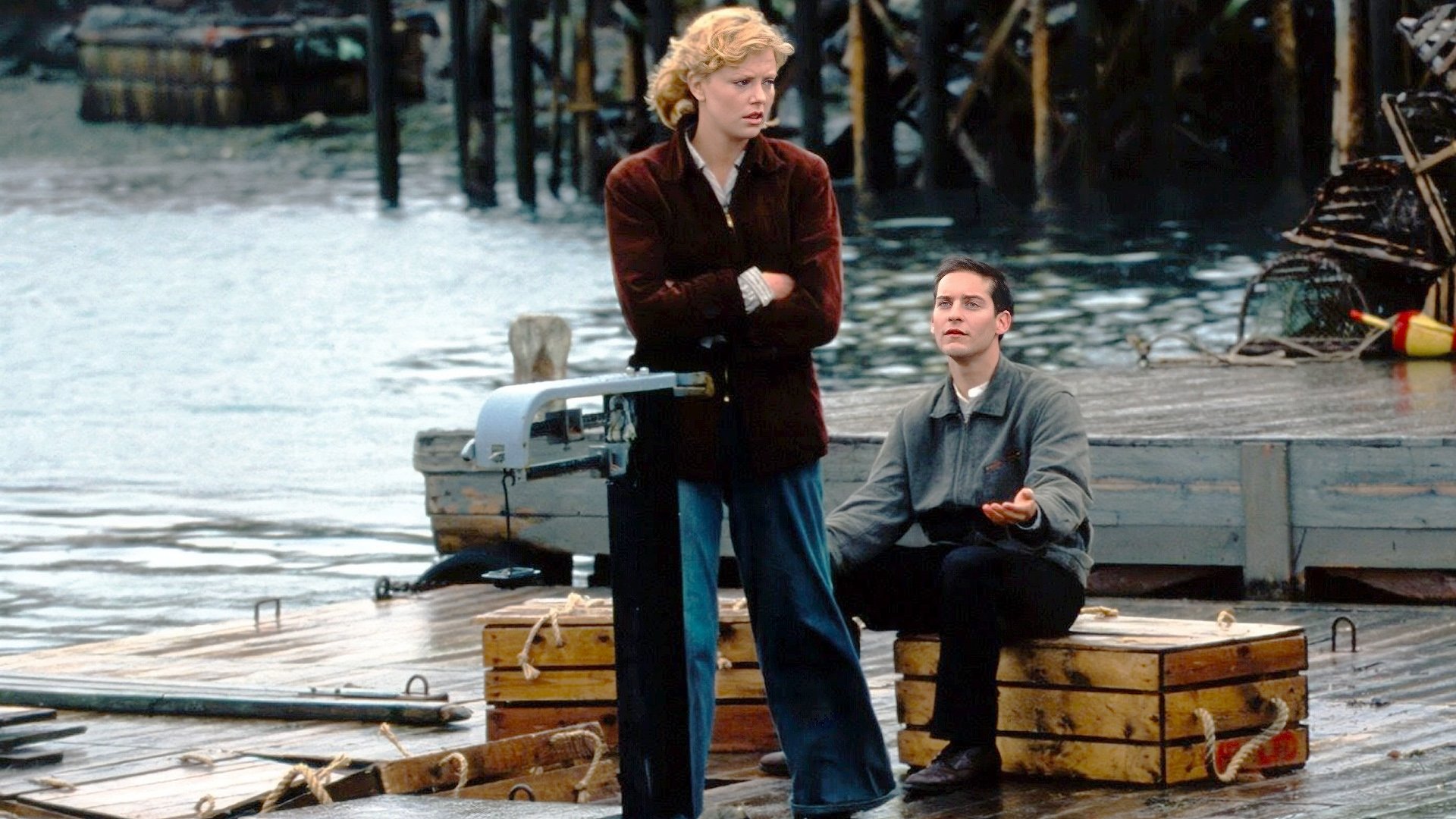
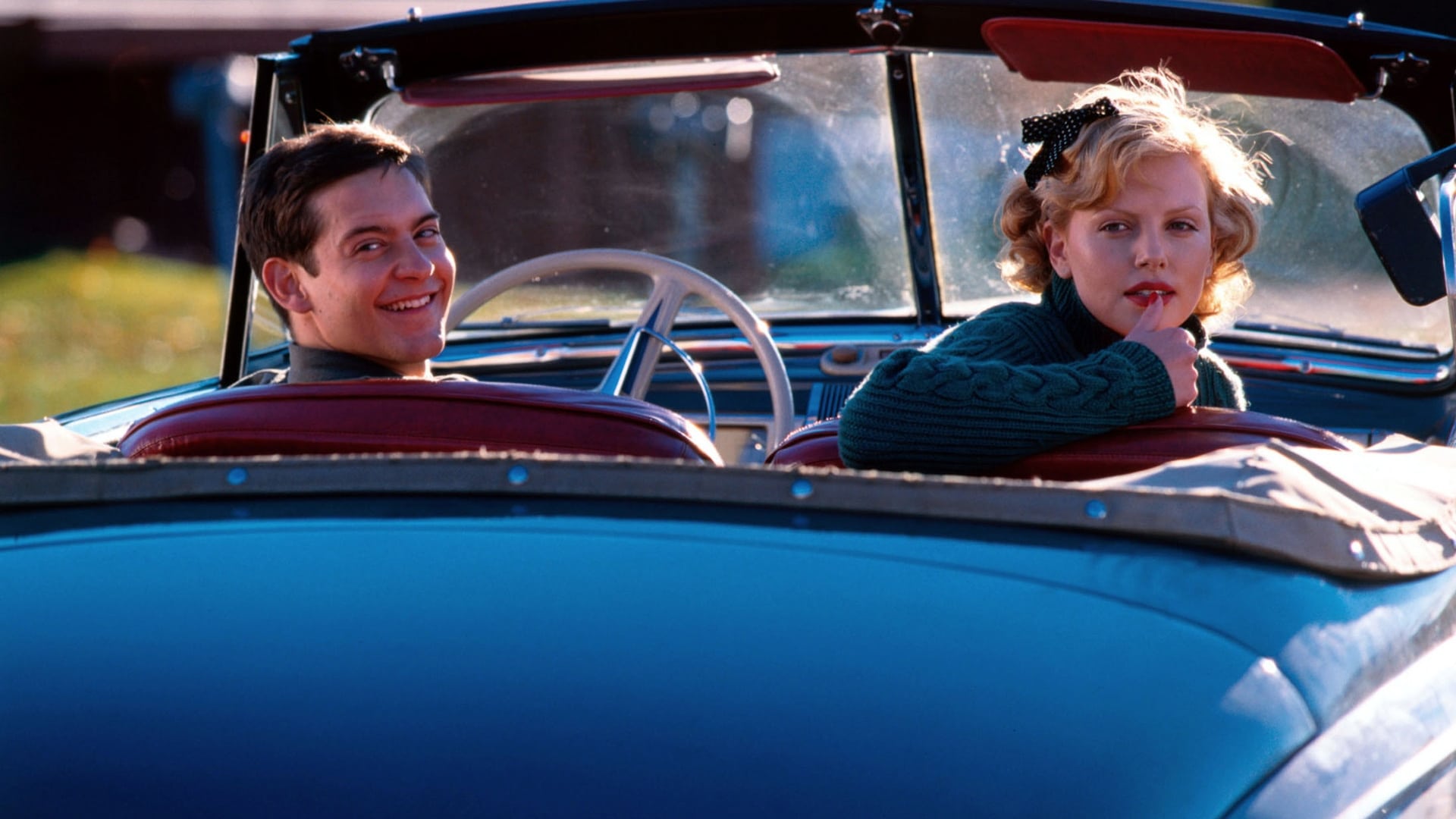
Moving on to the core of the movie: Homer’s journey. When he decides to leave the orphanage to see the “real world”, it is supposed to mirror a moral awakening, him discovering the world, achieving emancipation but instead it feels like moral confusion. The movie gives us apple orchards, a useless love triangle, and an oddly sentimental vision of life’s hardships. Homer’s naïve kindness makes him incredibly passive. When he falls into a love affair with Candy (Charlize Theron), whose boyfriend is away at war, it feels less like a growth than the world taking advantages of his softness and fundamentally naïve nature. It is as if the film itself punishes him for being good. And when he eventually returns to the orphanage, the story presents it like it was his choice. But actually, it feels more like fate, or guilt, or narrative necessity. Did he really choose, or did the film simply decide he should? I will go even further and say that it is really hard to call Homer’s return a choice at all, because even if the film frames it as destiny, it resembles something closer to social determinism: years of being shaped, trained, and quietly pressured into a role he never asked for. The ending seems to suggest that moral order has been restored, but it is an order built on denial.
But nothing is always all good, or all bad. Despite its flaws, The Cider House Rules is deeply affecting in some places. There is a line that stays with me: “I think we may have lost him to the world”. It’s about letting go of the pain of seeing someone inevitably grow up and leave. That part is perhaps where the film’s compassion feels genuine. Not in its moral preaching, but in its portrayal of love as a form of loss. Always. The scenes with the children, the tender routine of the orphanage, the quiet ache of saying goodbye. All of these moments ring true, even as the film’s ethical framework wobbles.
In the end, despite its themes, The Cider House Rules is a movie that wants to comfort more than confront. It takes painful realities (abortion, abandonment, moral choice) and wraps them in warmth, as if beauty could erase discomfort. Maybe that is why it feels so off and confusing. It is not a story about right and wrong, but rather about how we soften the edges of morality until everything feels safe (perhaps running away from reality). The film’s compassion is real, but it is also confused.
The Cider House Rules: a contradicting compassion
“Sometimes I wanna meet them, just so I can kill them.”
There is something disarmingly gentle and yet disturbingly confused about The Cider House Rules, directed by Lasse Hallström and released in 1999. With its stellar cast (Tobey Maguire, Charlize Theron, Paul Rudd, Michel Caine…), it seems at first glance like one of these comforting moral tales that Hollywood used to love. Yet, its core is much more complicated, and even, if I may say so, contradictory. I feel like the movie tries to say something profound about love, loss, and moral duty. But what it ends up saying is far less clear, and that ambiguity, even though it can be a beautiful movie, makes it frustrating.
The movie takes place in a Maine orphanage, in the 1940s, and tells the story of Homer Wells (Tobey Maguire), a young man raised by the orphanage’s director, Dr. Wilbur Larch (Michael Caine). This character in particular is interesting. He is both a saint and a sinner: a man who delivers babies for desperate women, but also performs abortions, which were still illegal at that time. His character alone embodies one of the main questions the movie asks: Is helping always the same as doing good?
One of the most striking parts of The Cider House Rules, and one of the most disturbing for me, is how it dresses moral discomfort in beauty. First of all, Hallström films New England beautifully, almost like a postcard: misty mornings, warm golden sunlight, soft snow. On top of that, we have Rachel Portman’s piano scores that smoothes out the rough edges, the sensitive topics. But that is exactly the problem: it is too smooth. The film talks about abortion, incest, and social determinism, yet it does so with a tone so weirdly gentle, almost detached, that the weight of these issues nearly evaporates. There is this strange contradiction about what we see and what we feel. It is a movie about moral pain that does not want to hurt.
Michael Caine’s performance could almost save this imbalance. With his weary compassion and that slow, warm, and slightly broken voice, he gives Dr. Larch a tragic tenderness that is hard not to love. But here is the “almost” part: the movie wants us to see him as purely noble, a loving and suffering father figure to the children. That is where it lost me. How can we see this man as saintly when he is forging documents, manipulating his protégé, and quietly steering others’ lives? It is as if the movie wants to excuse moral compromise by wrapping it in affection. With Michael Caine’s character, compassion becomes control, and yet the movie barely tackles this subject, or even worse, asks us to accept and forgive it.
Moving on to the core of the movie: Homer’s journey. When he decides to leave the orphanage to see the “real world”, it is supposed to mirror a moral awakening, him discovering the world, achieving emancipation but instead it feels like moral confusion. The movie gives us apple orchards, a useless love triangle, and an oddly sentimental vision of life’s hardships. Homer’s naïve kindness makes him incredibly passive. When he falls into a love affair with Candy (Charlize Theron), whose boyfriend is away at war, it feels less like a growth than the world taking advantages of his softness and fundamentally naïve nature. It is as if the film itself punishes him for being good. And when he eventually returns to the orphanage, the story presents it like it was his choice. But actually, it feels more like fate, or guilt, or narrative necessity. Did he really choose, or did the film simply decide he should? I will go even further and say that it is really hard to call Homer’s return a choice at all, because even if the film frames it as destiny, it resembles something closer to social determinism: years of being shaped, trained, and quietly pressured into a role he never asked for. The ending seems to suggest that moral order has been restored, but it is an order built on denial.
But nothing is always all good, or all bad. Despite its flaws, The Cider House Rules is deeply affecting in some places. There is a line that stays with me: “I think we may have lost him to the world”. It’s about letting go of the pain of seeing someone inevitably grow up and leave. That part is perhaps where the film’s compassion feels genuine. Not in its moral preaching, but in its portrayal of love as a form of loss. Always. The scenes with the children, the tender routine of the orphanage, the quiet ache of saying goodbye. All of these moments ring true, even as the film’s ethical framework wobbles.
In the end, despite its themes, The Cider House Rules is a movie that wants to comfort more than confront. It takes painful realities (abortion, abandonment, moral choice) and wraps them in warmth, as if beauty could erase discomfort. Maybe that is why it feels so off and confusing. It is not a story about right and wrong, but rather about how we soften the edges of morality until everything feels safe (perhaps running away from reality). The film’s compassion is real, but it is also confused.