
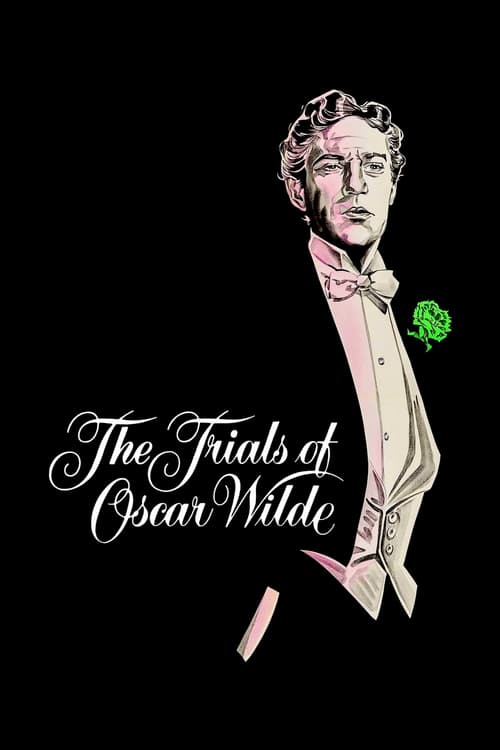
The Trials of Oscar Wilde
1960·Drama·2h 5m
7.1
★
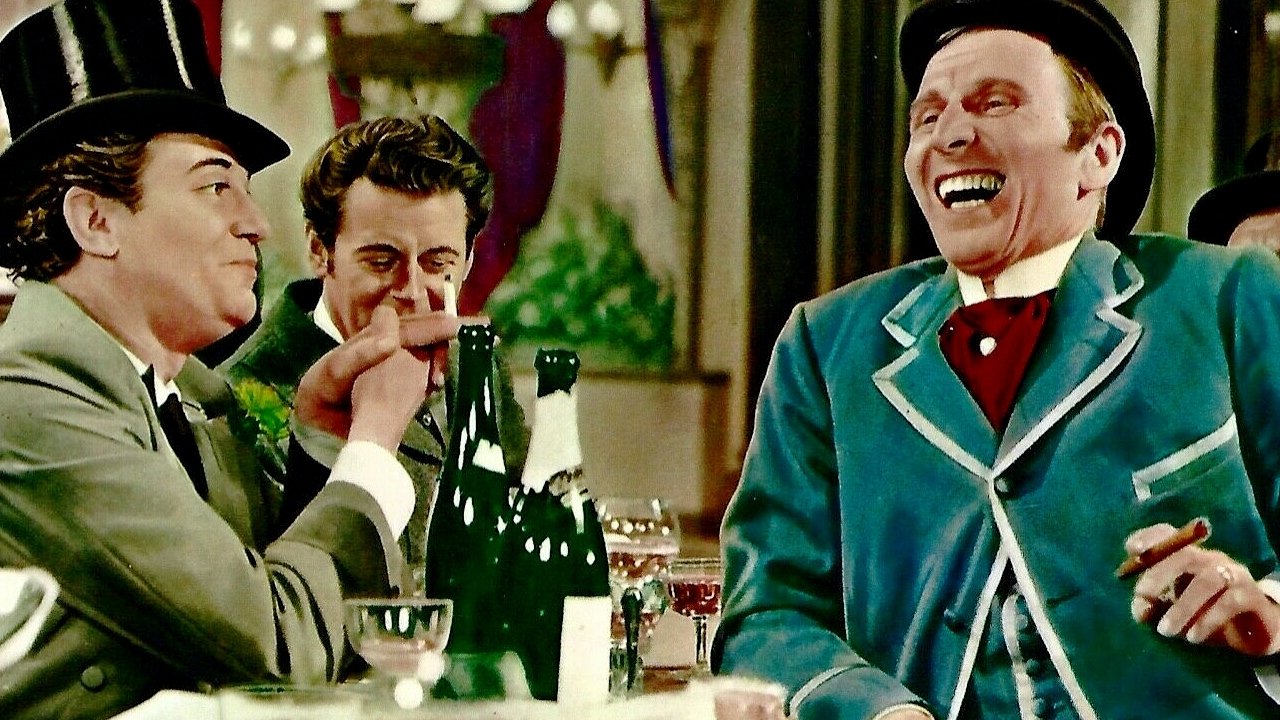
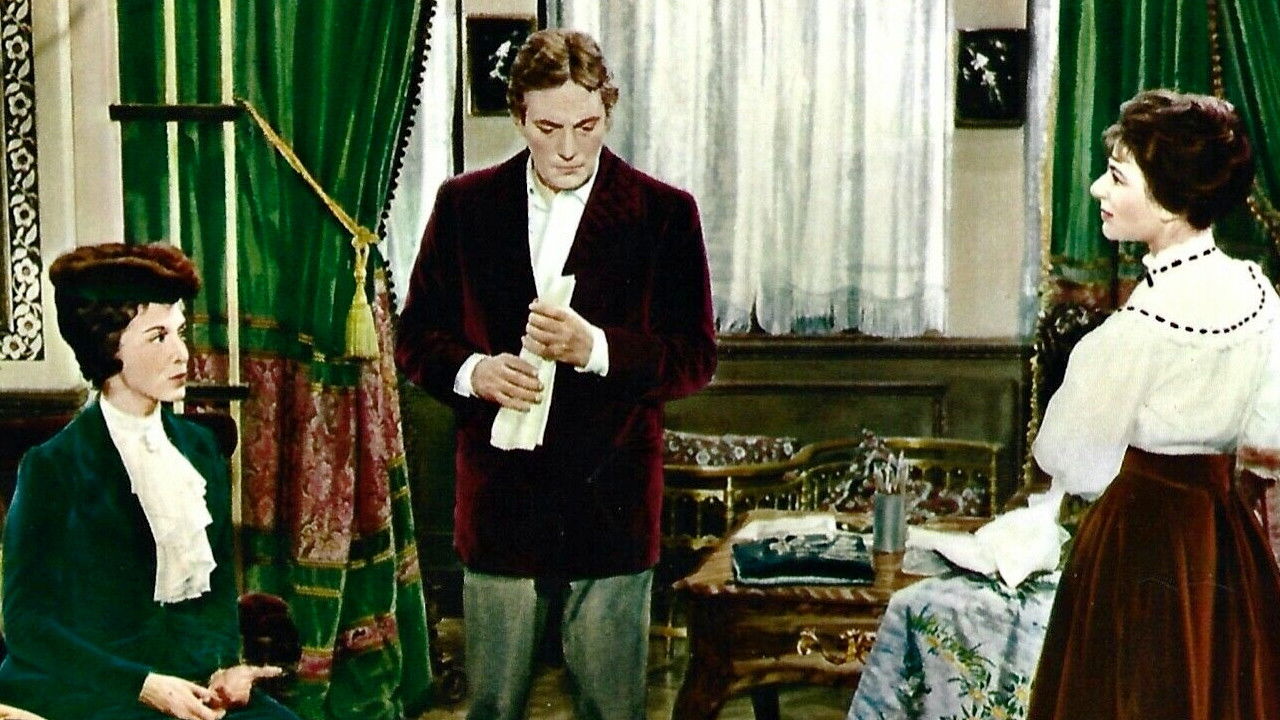
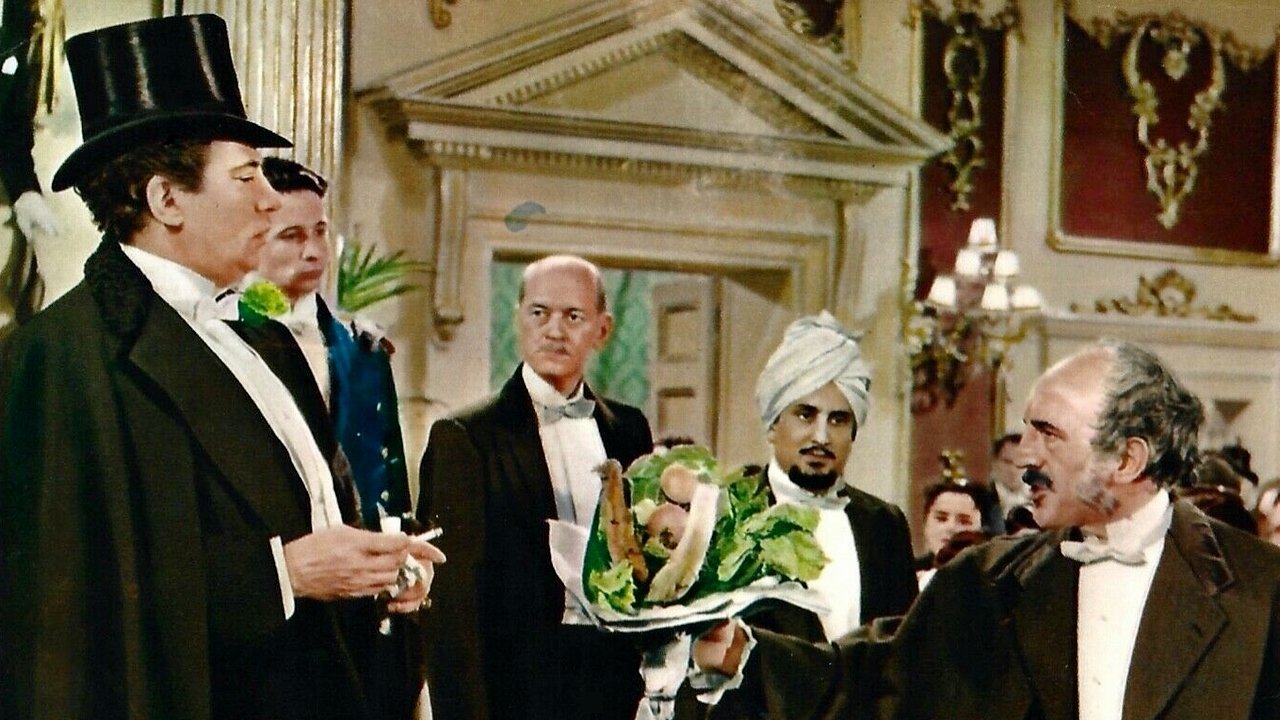
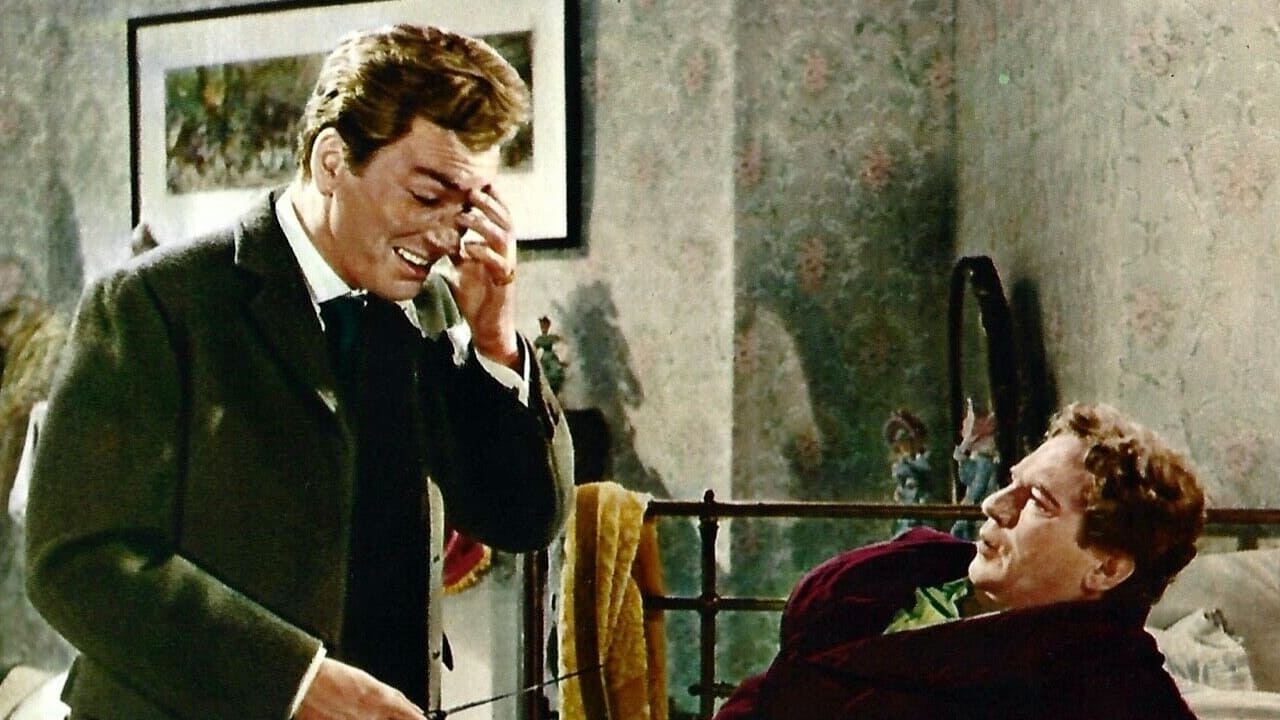
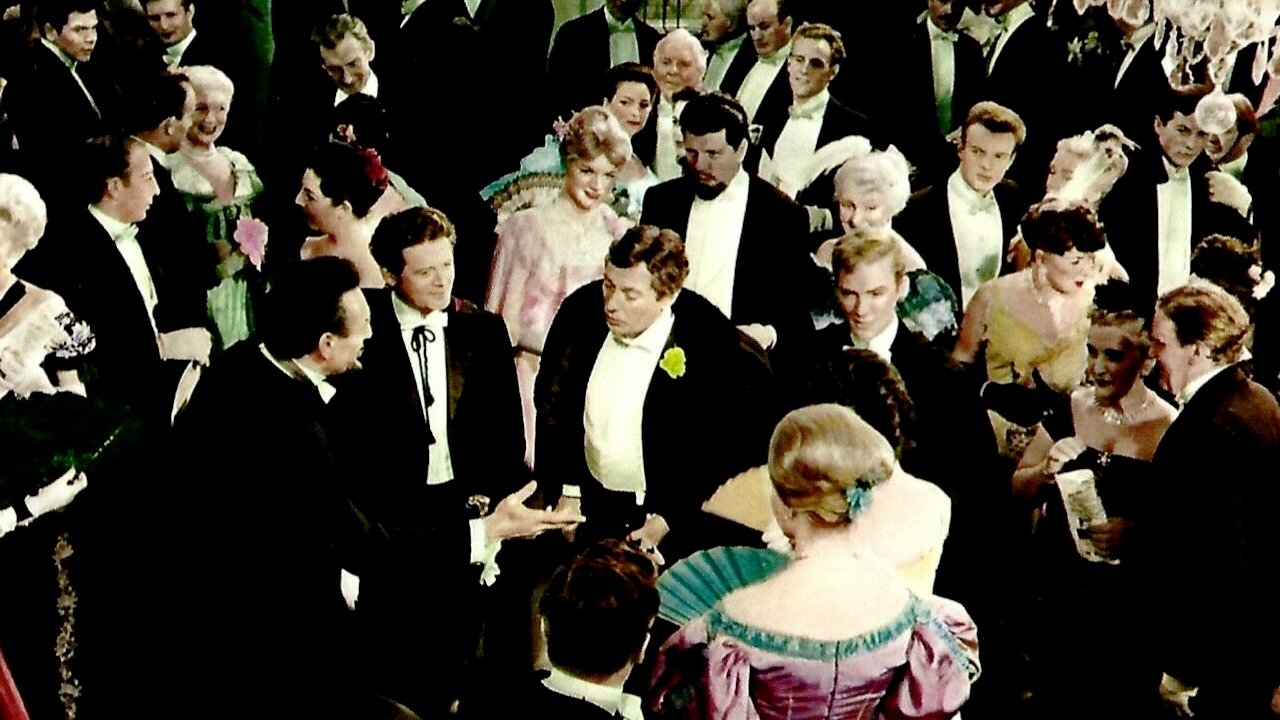
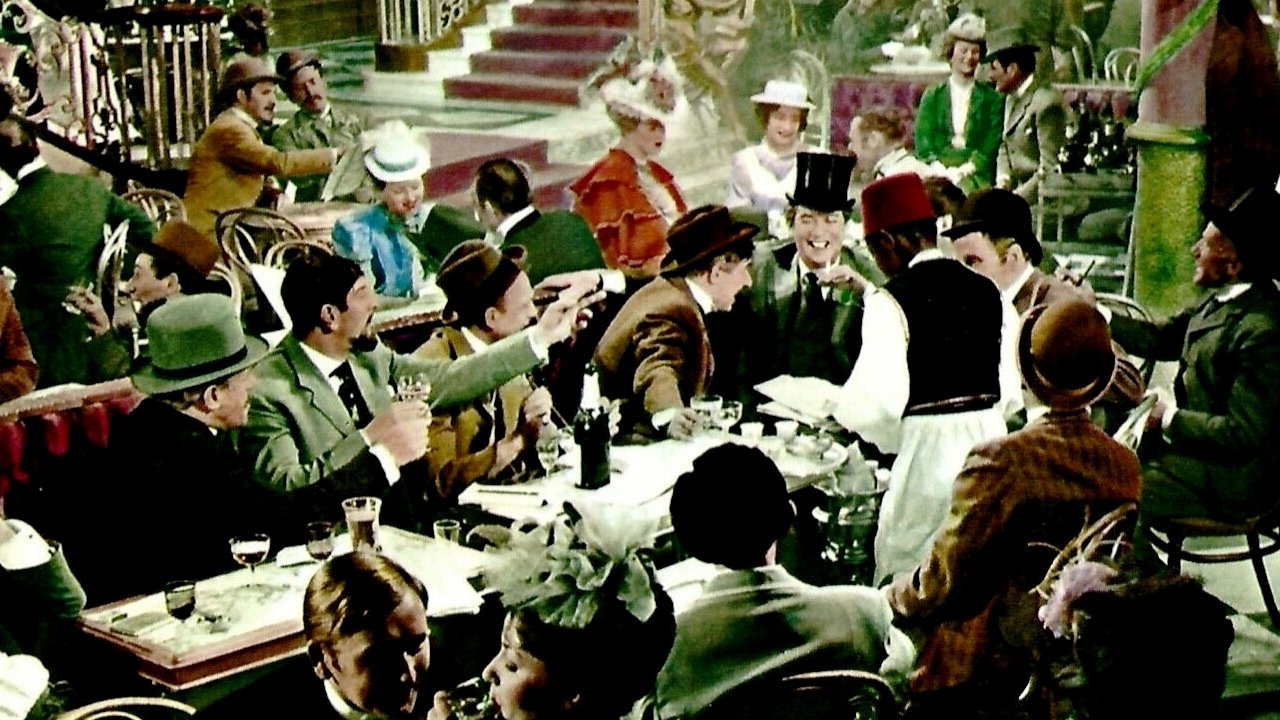
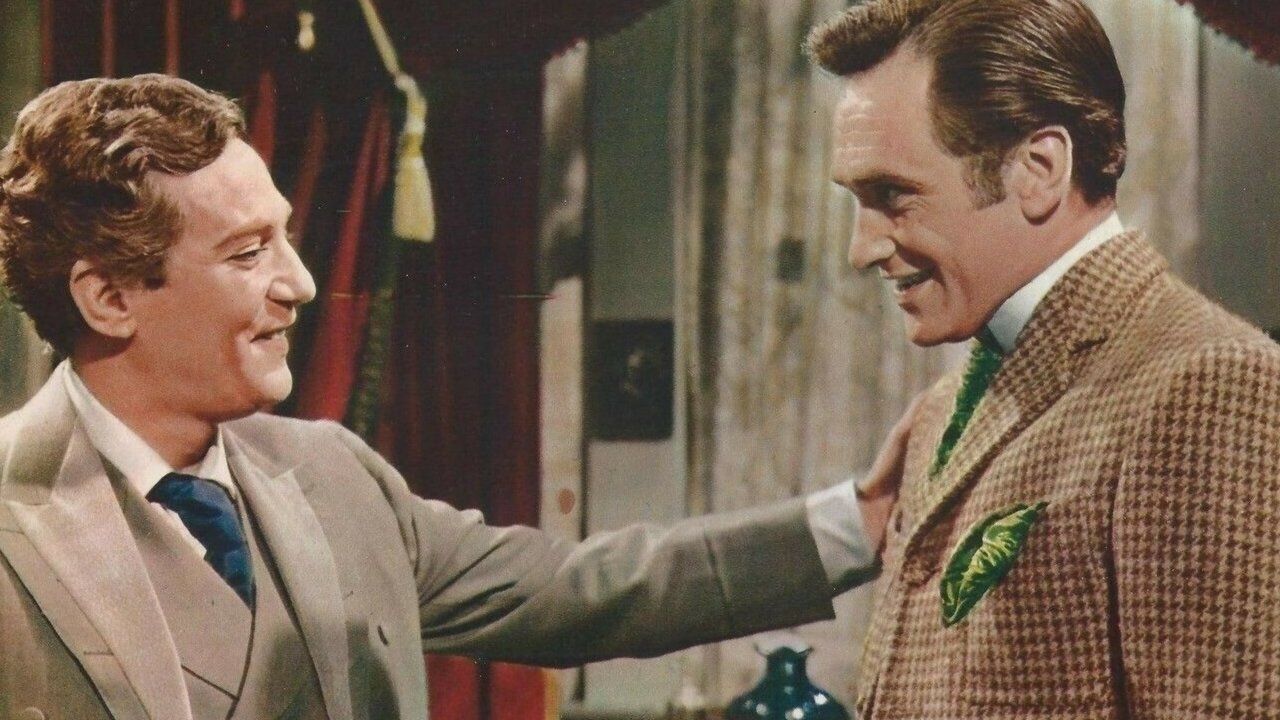
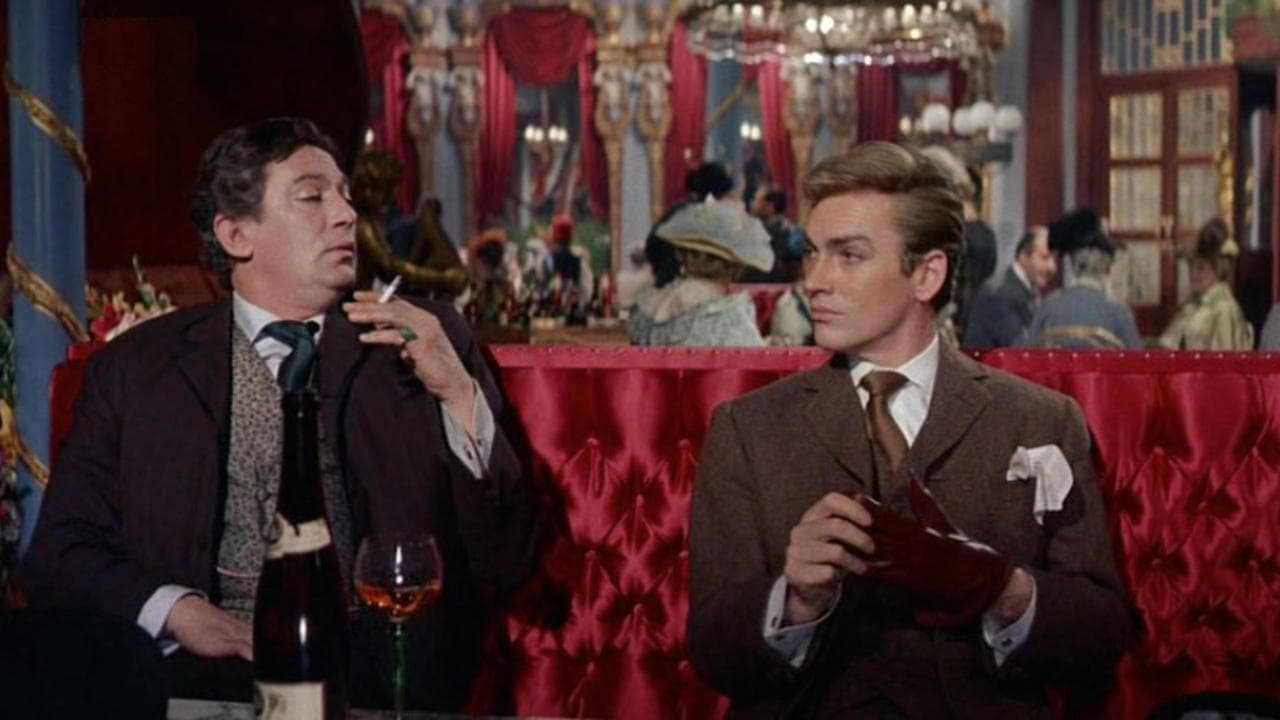
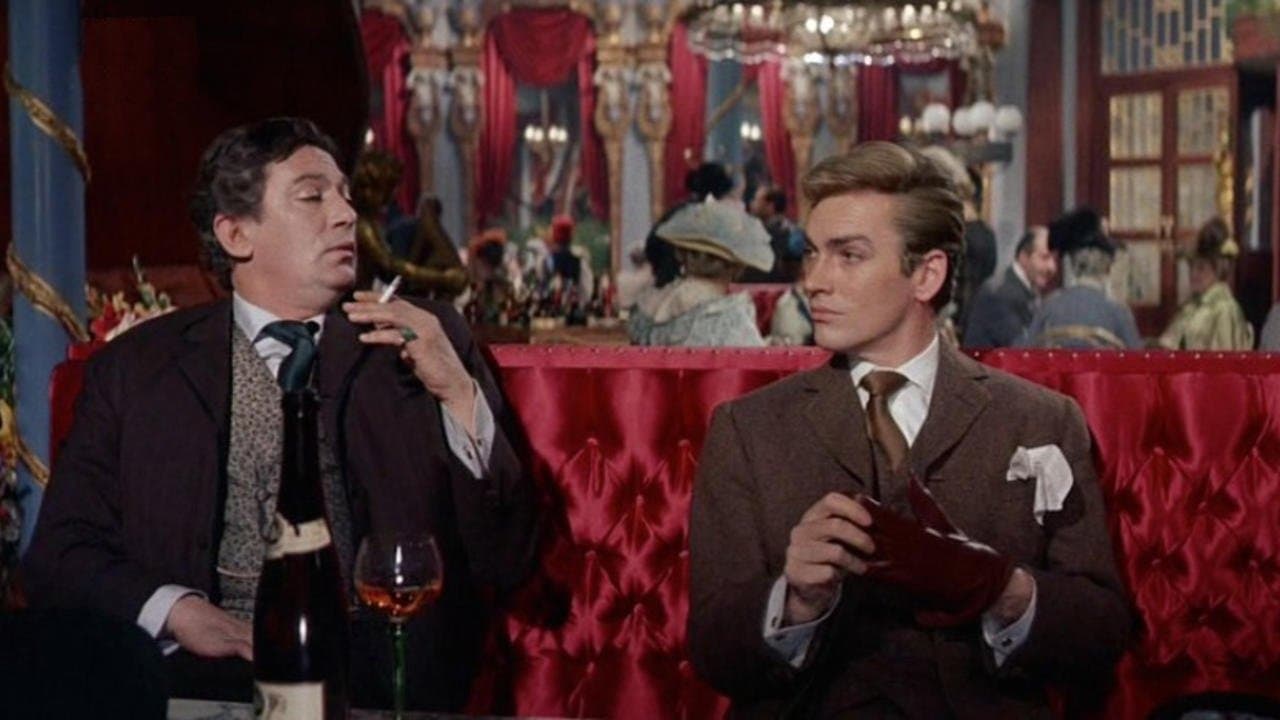
England, 1890s. The brutal and embittered Marquis of Queensberry, who believes that his youngest son, Bosie, has an inappropriate relationship with the famous Irish writer Oscar Wilde, maintains an ongoing feud with the latter in order to ruin his reputation and cause his fall from grace.
Directed by Ken Hughes
london, england
husband wife relationship
based on novel or book
court case
sex scandal
male friendship
biography
based on true story
sodomy
based on play or musical
rise and fall
victorian england
male homosexuality
playwright
male prostitution
brighton, england
sexual repression
cynical
husband wife estrangement
jury trial
fall from grace
19th century
father son relationship
mother son relationship
theatre history
gay history
social prejudice
persecuted writer
british literature
gay theme
gay artist
legal scandal
literature history
gay couple
apologetic
irish writer
difamation

Trailer

IMDB
N/A
Cast
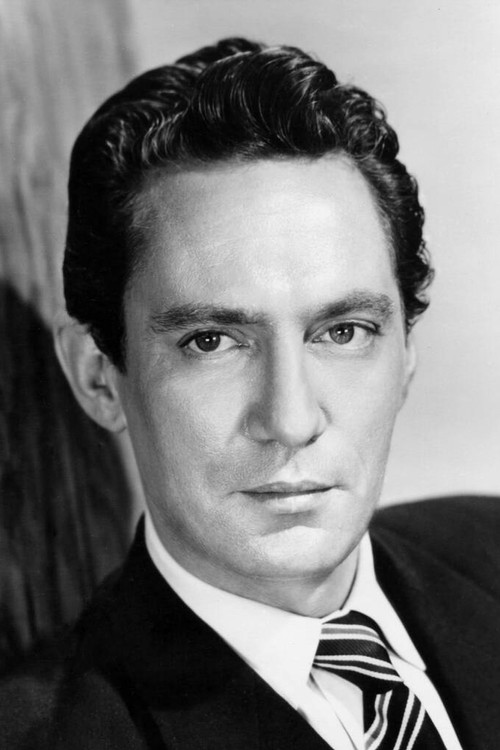
Peter Finch
Oscar
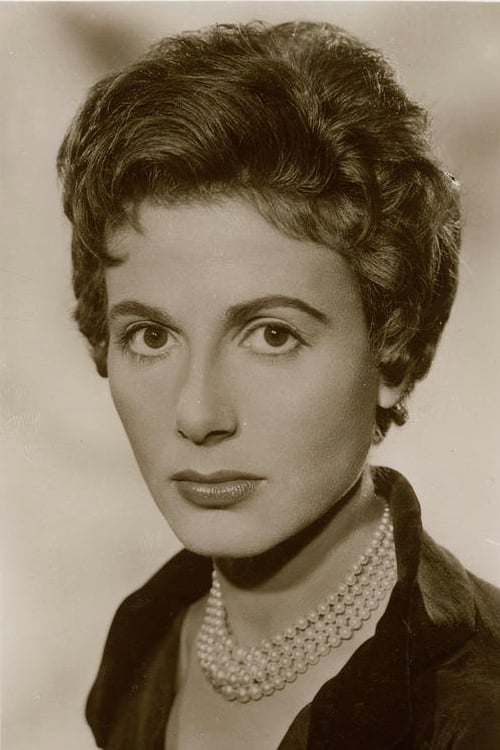
Yvonne Mitchell
Constance
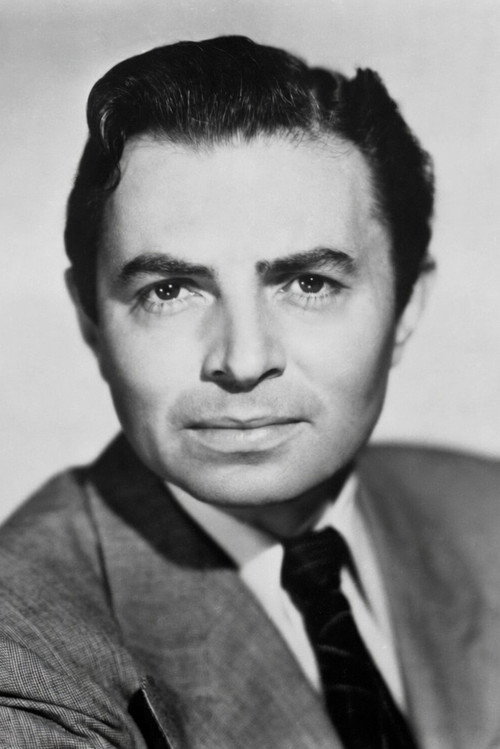
James Mason
Edward Carson
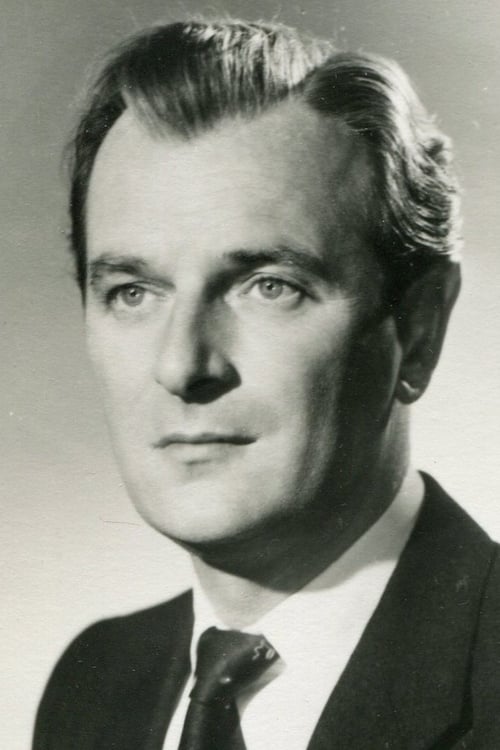
Nigel Patrick
Sir Edward Clarke
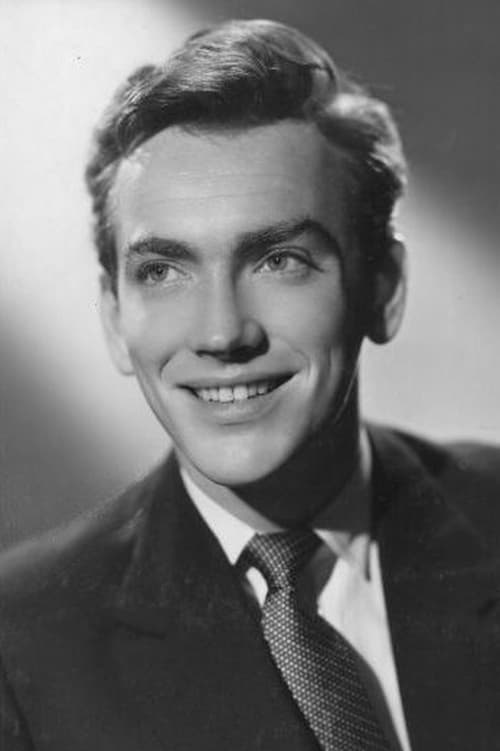
John Fraser
Lord Alfred Douglas
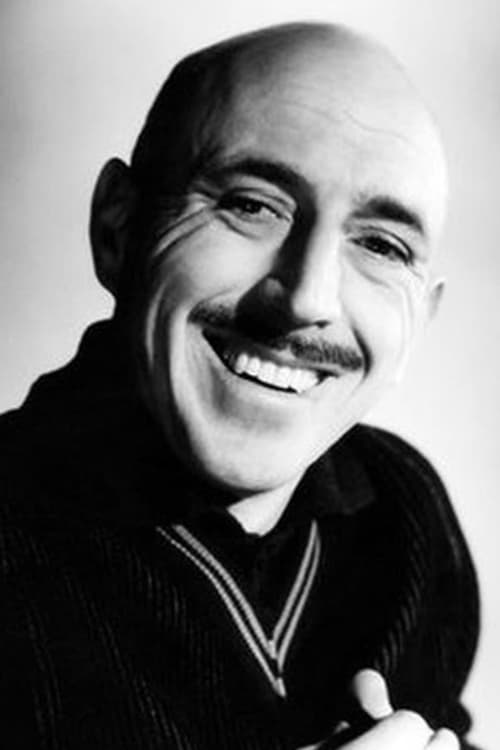
Lionel Jeffries
Marquis of Queensberry
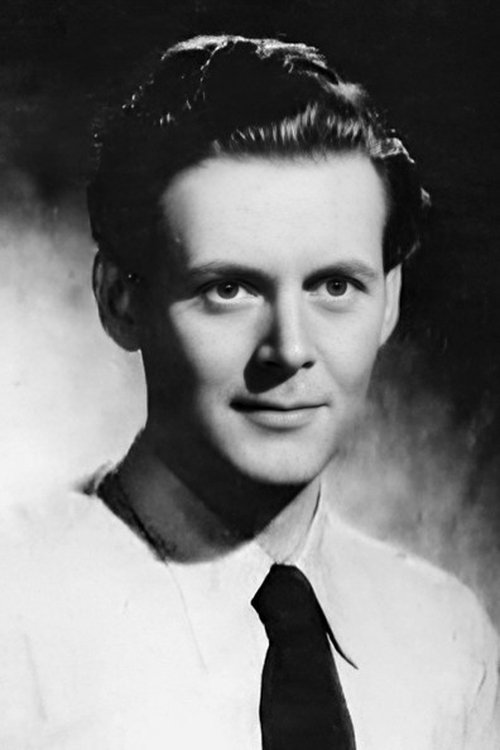
Emrys Jones
Robbie Ross
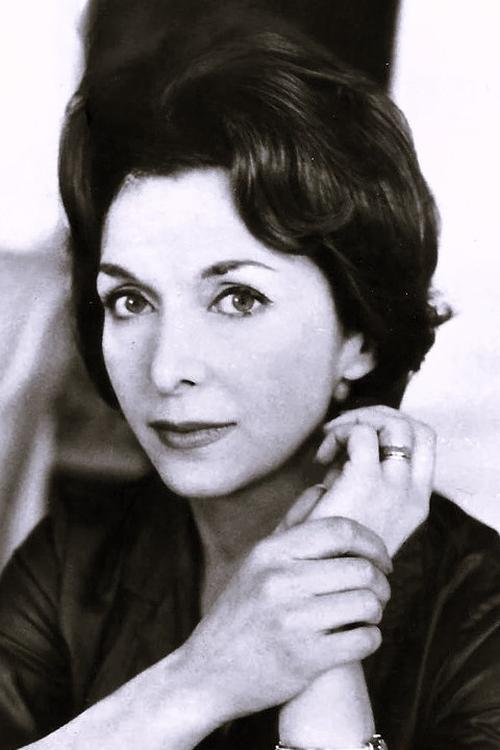
Maxine Audley
Ada Leverson
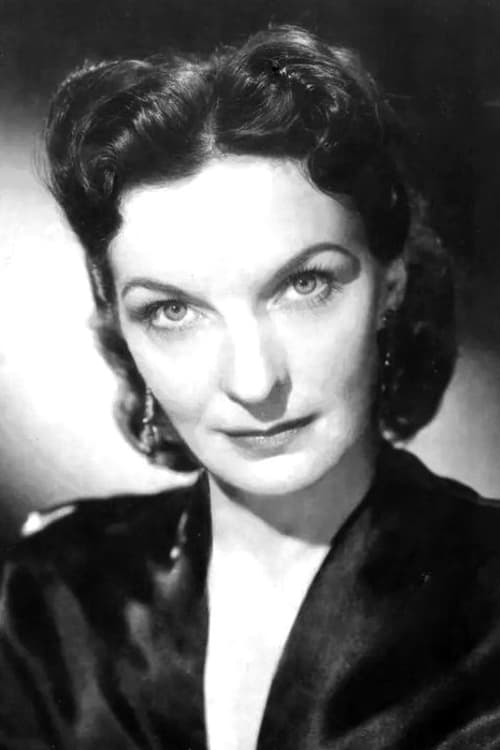
Sonia Dresdel
Lady Wilde

Meredith Edwards
Auctioneer
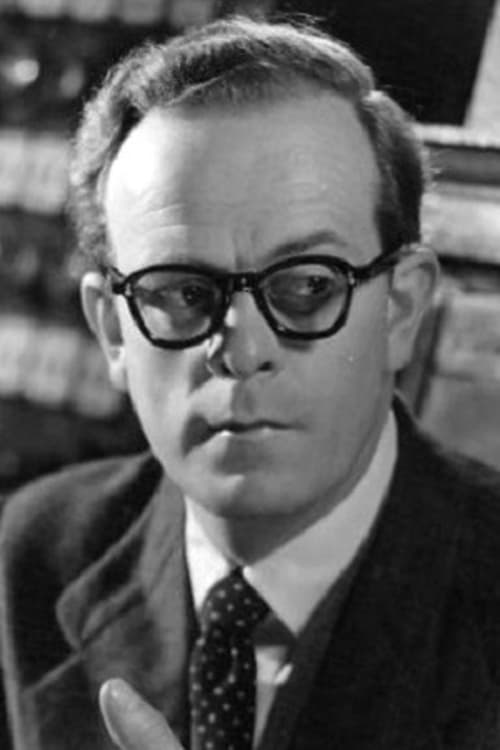
Lloyd Lamble
Charles Humphries
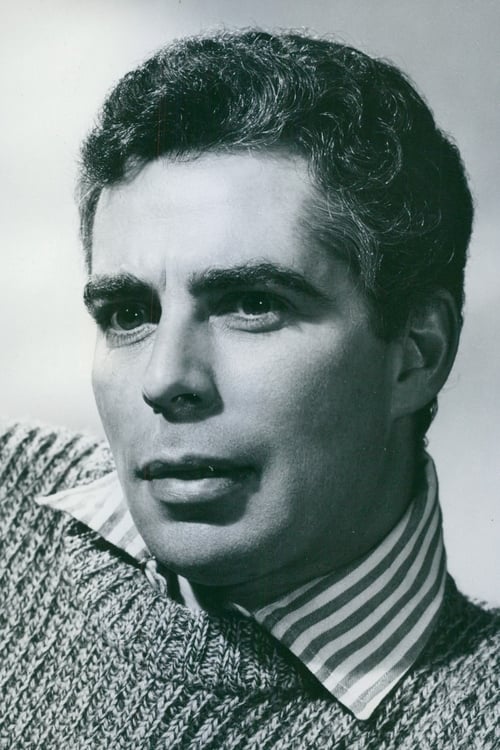
Anthony Newlands
First Clerk of Arraigns
Crew
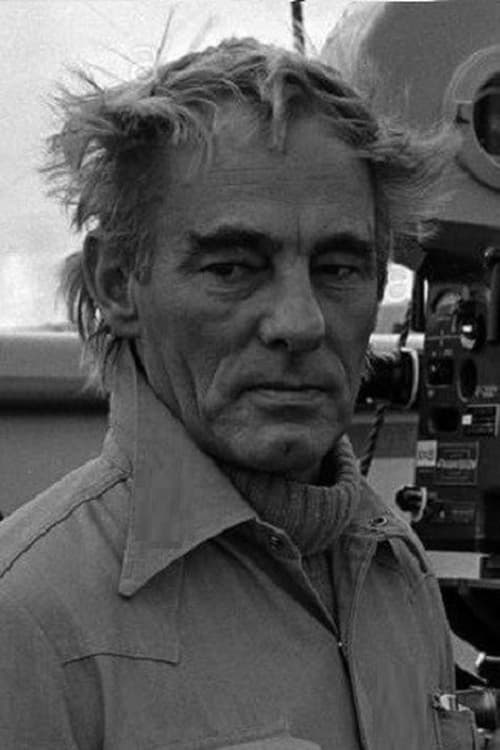
Ken Hughes
Director
Ken Hughes
Screenplay

Ted Moore
Director of Photography

Harold Huth
Producer

Albert R. Broccoli
Executive Producer
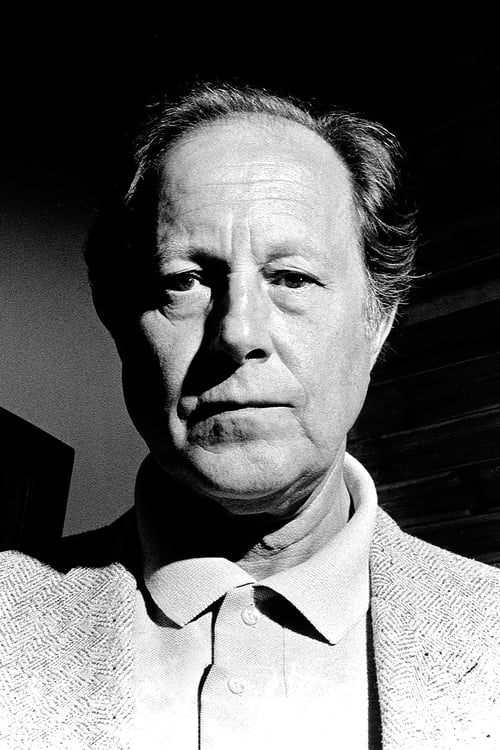
Nicolas Roeg
Camera Operator
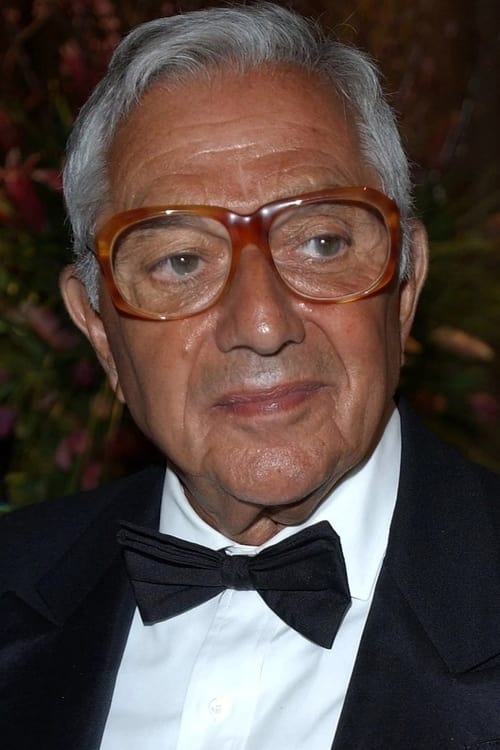
Ken Adam
Production Design
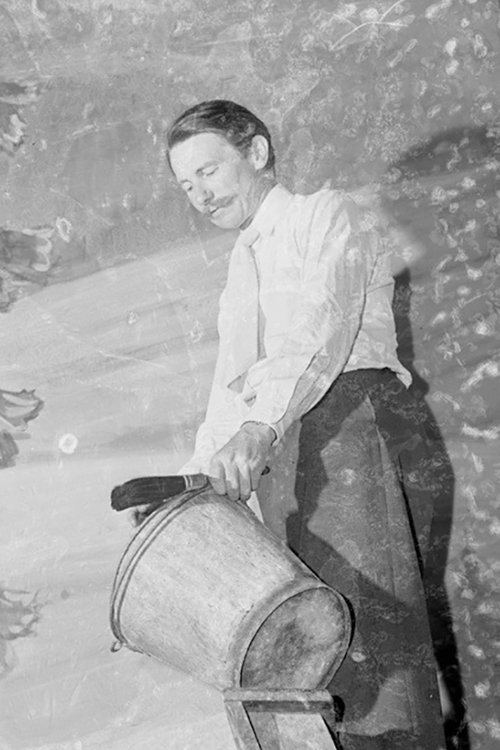
William Constable
Assistant Production Design
Popular Reviews
3 reviews
Jacob Dickens
6.5★ · 07/22/24
Handsomely crafted and adorned with a fittingly witty screenplay, The Trials of Oscar Wilde bears all the markings of a prestige picture for its era. Hughes tracks Wilde's fall from grace and legal torture in the late nineteenth century as he was tried and sentenced for sodomy at the height of his fame. The legacy of Wilde's work at this point is almost completely inextricable from his homosexuality yet censorship laws and general social unease leads this film to pull a lot of its punches, never once referring to "homosexuality" or "queer" or "gay" in its script and instead adopting somewhat vague allusions. There's also a reassurance that Wilde does in fact love his wife as a man should and that much of this hullabaloo is the work of a vindictive, crazed father. More so, the engine putters out almost completely before the end as we get further involved in the trials, which is confusing as that would seemingly be the most exciting part of the story or at least one that would lead to more passionate moments than a singular strong cross-examination between Finch's Wilde and a scene-stealing Mason's Carson. Still, there's plenty to at least admire in this film even if it doesn't leap off the screen. For one, the production and costume design are well-crafted, lending an upper-class Victorian elegance to the visuals. Arguably the biggest selling point of the film is Peter Finch's performance as Oscar Wilde where he is equally captivating while casually tossing out sharp witticisms as he is crushed by an unforgiving justice system and social judgment. A perfect film to catch if it's on TCM one afternoon but I don't think there's much else to make me say you need to seek it out.
Handsomely crafted and adorned with a fittingly witty screenplay, The Trials of Oscar Wilde bears all the markings of a prestige picture for its era. Hughes tracks Wilde's fall from grace and legal torture in the late nineteenth century as he was tried and sentenced for sodomy at the height of his fame. The legacy of Wilde's work at this point is almost completely inextricable from his homosexuality yet censorship laws and general social unease leads this film to pull a lot of its punches, never once referring to "homosexuality" or "queer" or "gay" in its script and instead adopting somewhat vague allusions. There's also a reassurance that Wilde does in fact love his wife as a man should and that much of this hullabaloo is the work of a vindictive, crazed father. More so, the engine putters out almost completely before the end as we get further involved in the trials, which is confusing as that would seemingly be the most exciting part of the story or at least one that would lead to more passionate moments than a singular strong cross-examination between Finch's Wilde and a scene-stealing Mason's Carson. Still, there's plenty to at least admire in this film even if it doesn't leap off the screen. For one, the production and costume design are well-crafted, lending an upper-class Victorian elegance to the visuals. Arguably the biggest selling point of the film is Peter Finch's performance as Oscar Wilde where he is equally captivating while casually tossing out sharp witticisms as he is crushed by an unforgiving justice system and social judgment. A perfect film to catch if it's on TCM one afternoon but I don't think there's much else to make me say you need to seek it out.


Eula
9.3★ · 06/26/21
I vaguely remember first stumbling into Oscar Wilde. I was astounded by the wit, the honesty, the power. I keep a dusty book of his plays in my room, maybe it’s time I reread it.
It’s moments like this that I am proud to have majored in English. There’s the pompous and pretentious side of it all — knowing, reading, dissecting, and rereading the classics (a never ending process, much like a trial-and-error of sorts).
But, really, what I adore most about it is this longing for and this observance of life and love shown throughout the years. It’s beautiful and humbling. It’s learning that there are so many ways to read the world; there are so many ways to spread a message. Nothing is real, and I keep my peace knowing this.
It’s moments like this that I am proud to have majored in English. There’s the pompous and pretentious side of it all — knowing, reading, dissecting, and rereading the classics (a never ending process, much like a trial-and-error of sorts).
But, really, what I adore most about it is this longing for and this observance of life and love shown throughout the years. It’s beautiful and humbling. It’s learning that there are so many ways to read the world; there are so many ways to spread a message. Nothing is real, and I keep my peace knowing this.
I vaguely remember first stumbling into Oscar Wilde. I was astounded by the wit, the honesty, the power. I keep a dusty book of his plays in my room, maybe it’s time I reread it.
It’s moments like this that I am proud to have majored in English. There’s the pompous and pretentious side of it all — knowing, reading, dissecting, and rereading the classics (a never ending process, much like a trial-and-error of sorts).
But, really, what I adore most about it is this longing for and this observance of life and love shown throughout the years. It’s beautiful and humbling. It’s learning that there are so many ways to read the world; there are so many ways to spread a message. Nothing is real, and I keep my peace knowing this.
It’s moments like this that I am proud to have majored in English. There’s the pompous and pretentious side of it all — knowing, reading, dissecting, and rereading the classics (a never ending process, much like a trial-and-error of sorts).
But, really, what I adore most about it is this longing for and this observance of life and love shown throughout the years. It’s beautiful and humbling. It’s learning that there are so many ways to read the world; there are so many ways to spread a message. Nothing is real, and I keep my peace knowing this.
dinabebrik
6.0★ · 01/11/25