Criterion Challenge 20248. Martin Scorsese’s World Cinema ProjectKalpana, directed by Uday Shankar, 1946
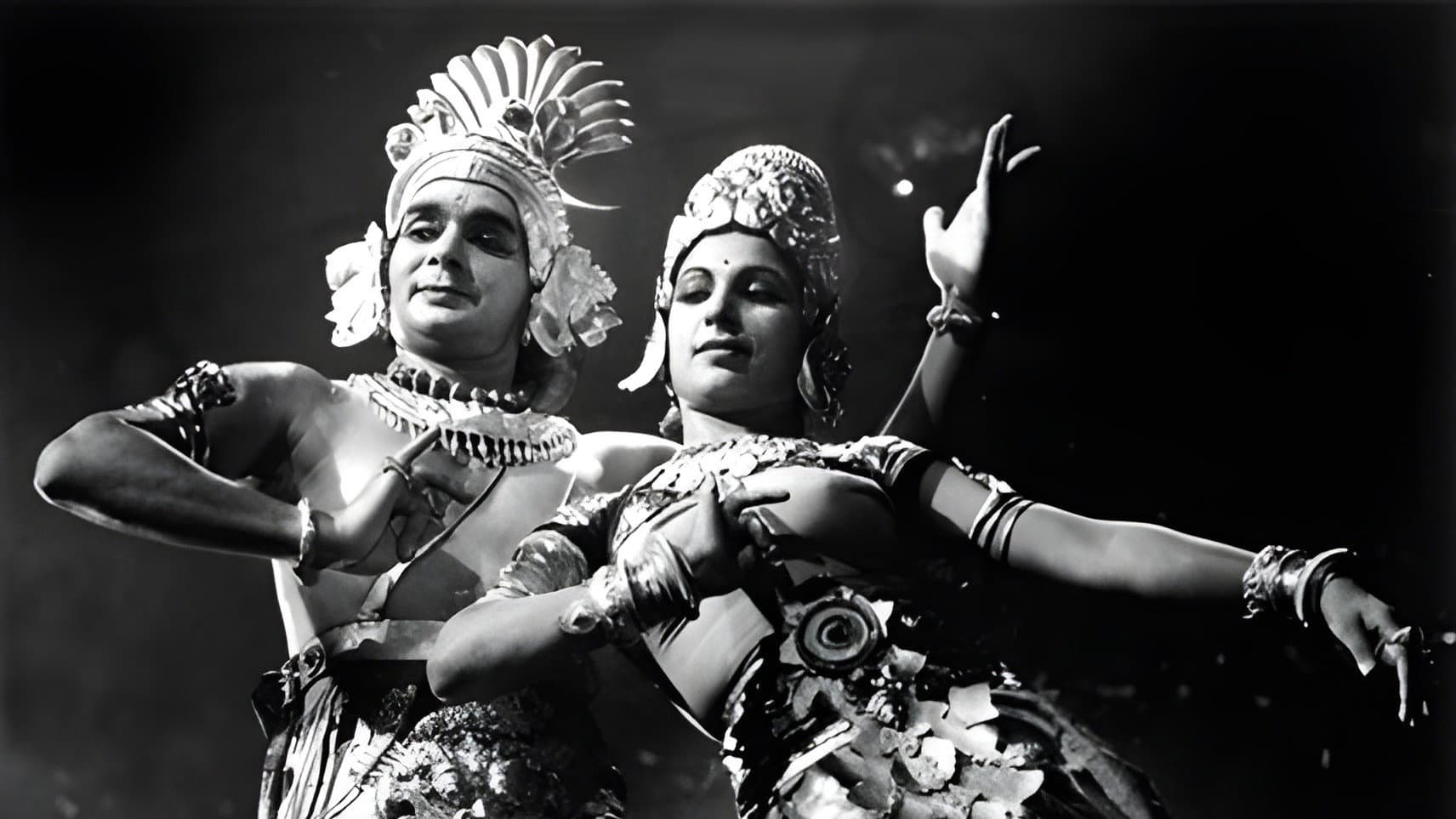
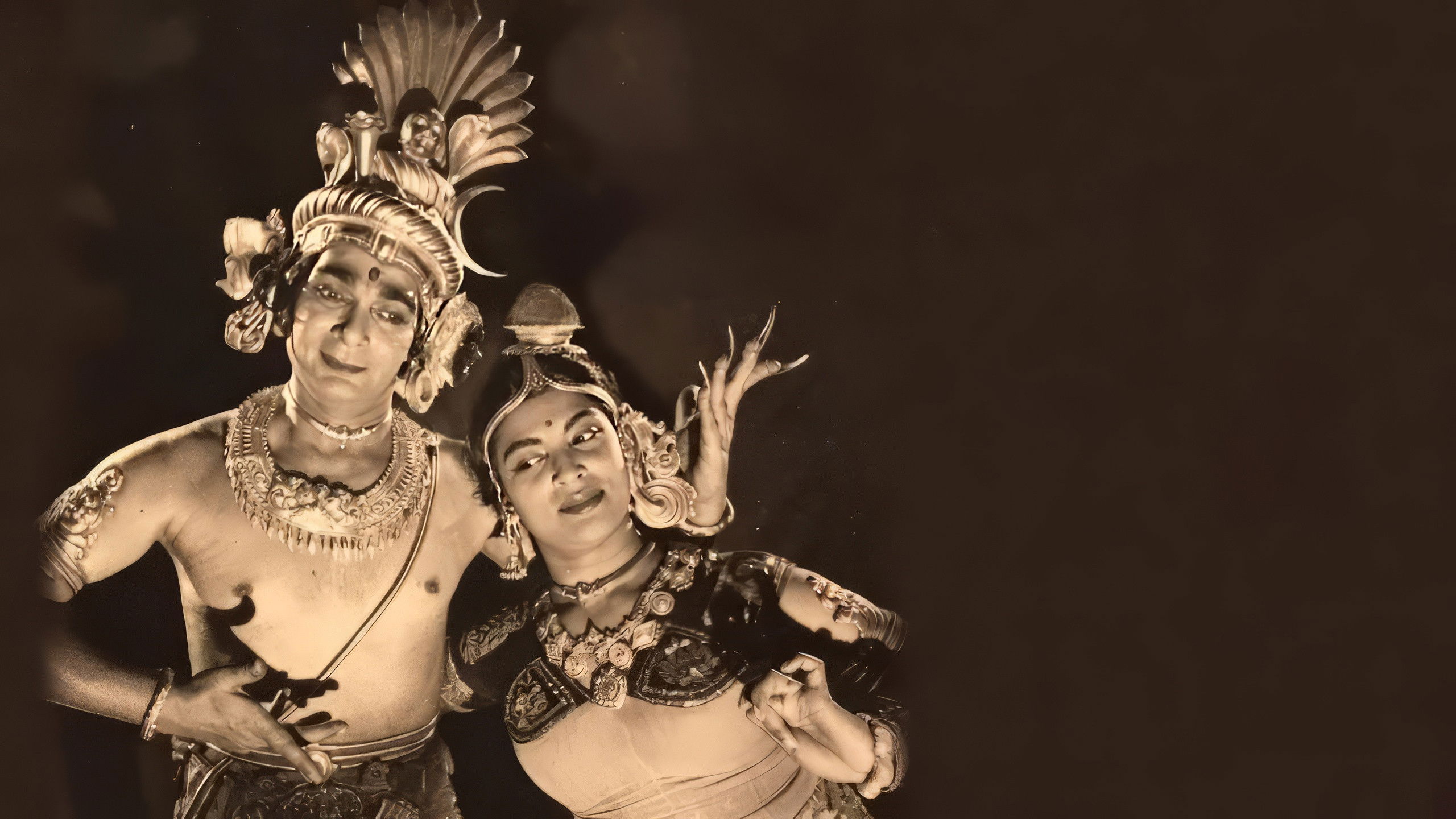
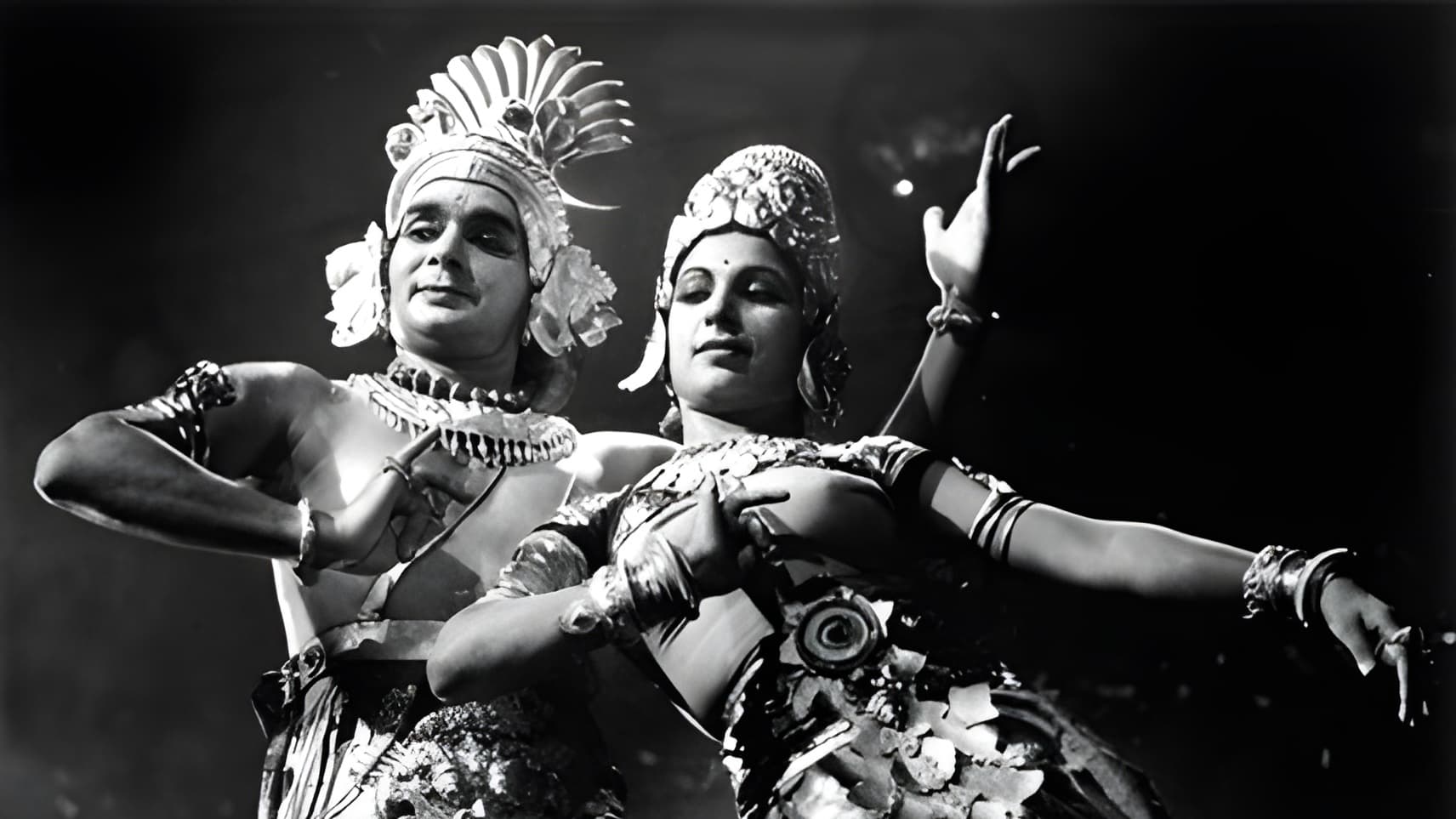
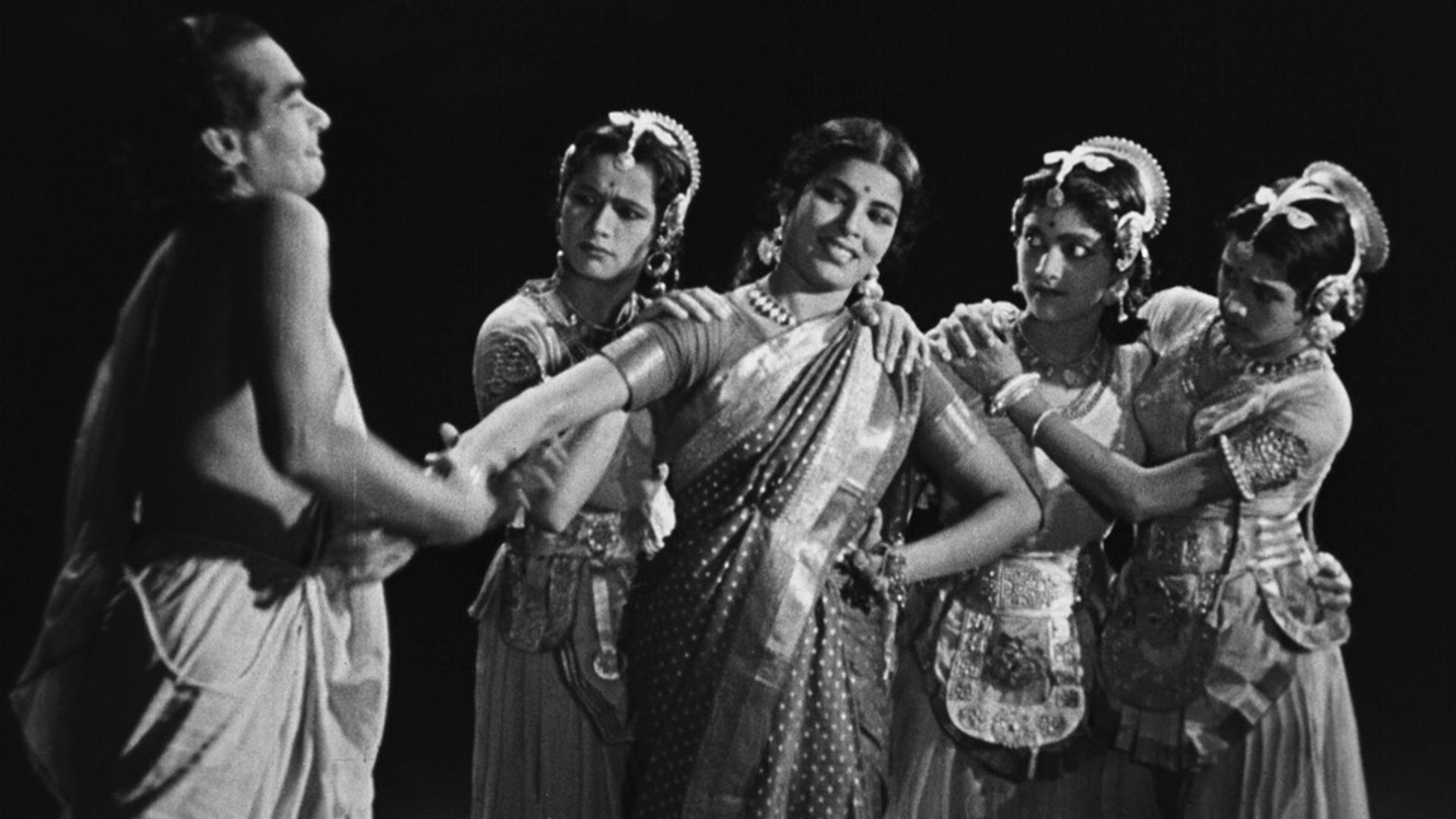
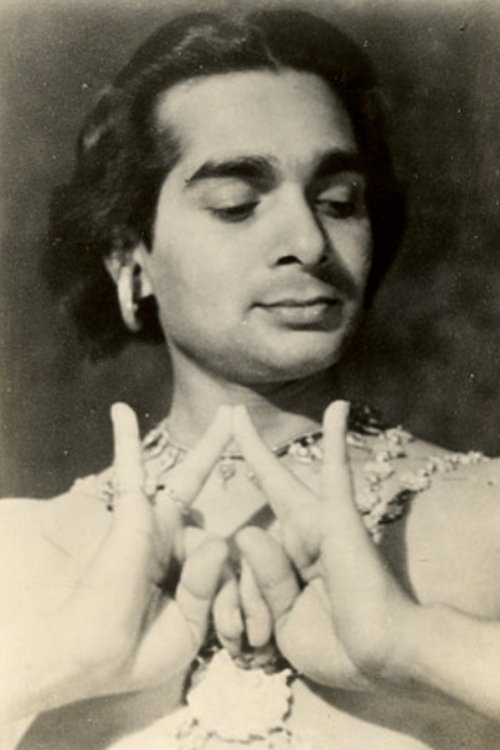
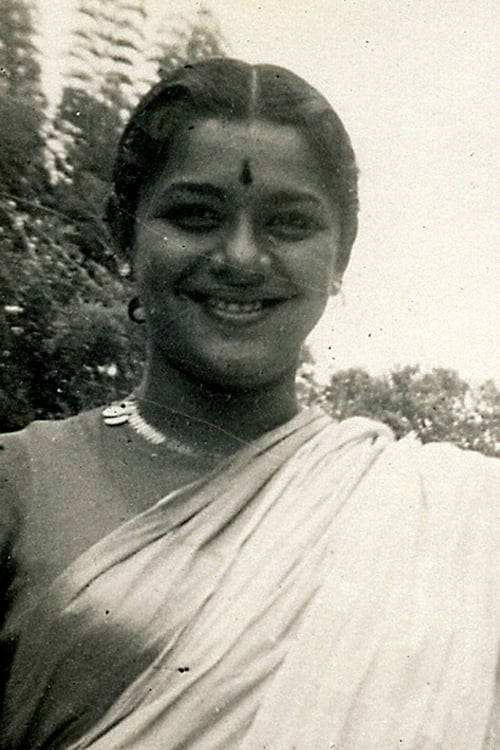
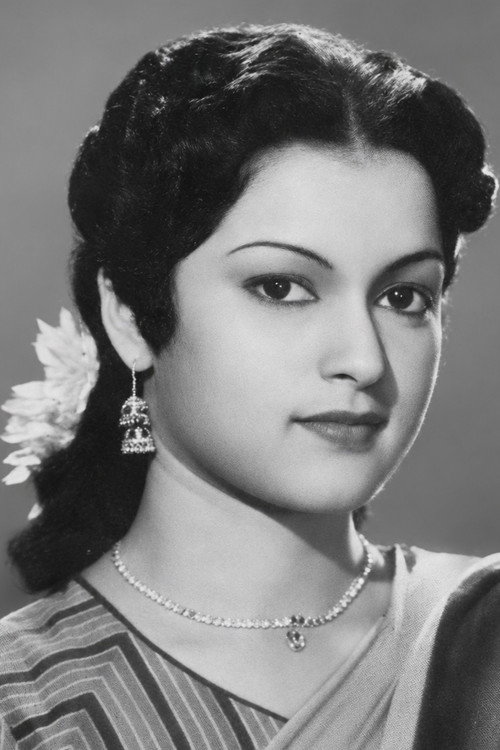
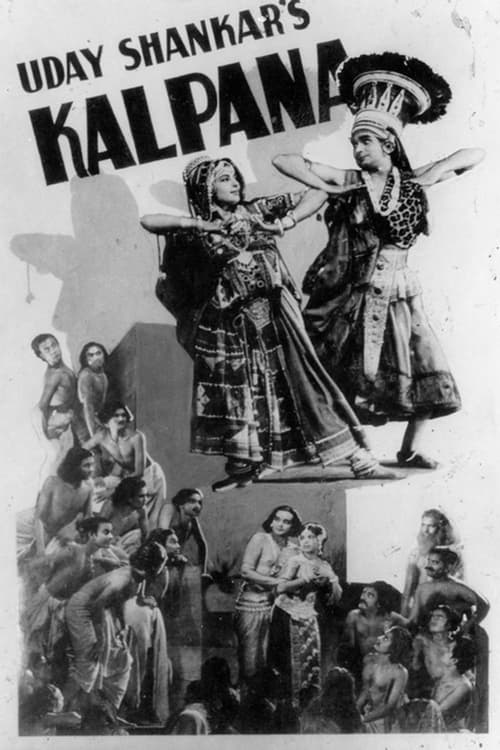
In his only film ever made, Uday Shankar and his wife, Amala Shankar, star in a film about a young dancer who dreams of setting up his own dance academy. A dancer himself, Uday put a lot of his own experiences in setting up his own real-world academy into the film, along with his own frustrations with westernization and colonialism on India. Throughout the film Uday’s character laments how Indian culture is changing and that people are losing their traditions in favor of cheap, sleazy entertainment from or inspired by the west. At one point in the film, another character suggests that Uday’s character make a film, a form of media that they dislike and attribute to part of India’s loss of identity.
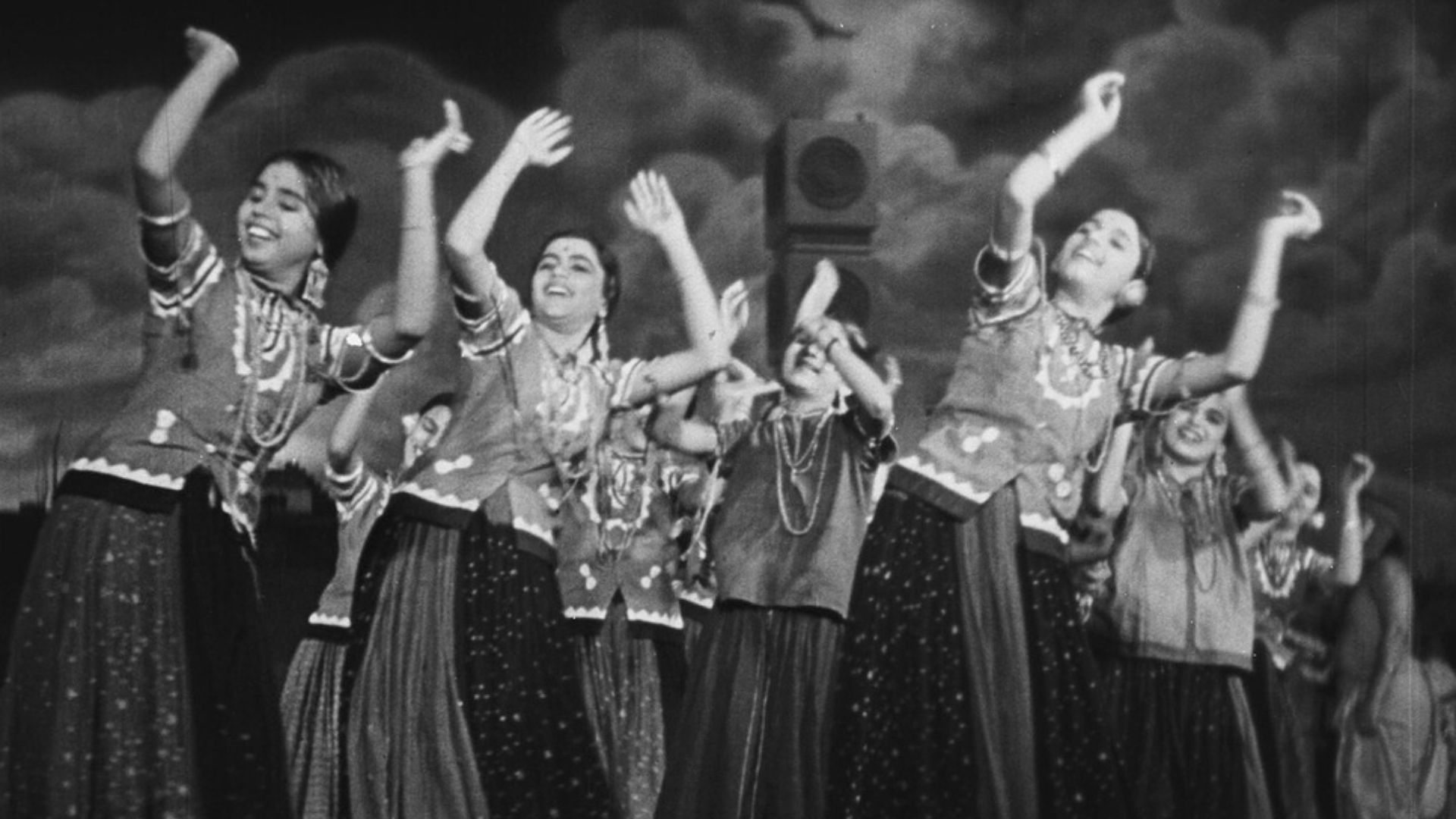
Ironic, then, that Uday’s film is so influential on Indian cinema. It is already rather common for a lot of early cinema to reflect the theatre culture of the countries they spring up from. Early American film drew from vaudeville, French and Japanese film drew from their various less bombastic forms of traditional theatre. India was already doing a lot with music and dance prior to Kalpana, but Uday Shankar’s film went above and beyond in presenting movement and dance thanks to his expertise as a dancer prior to making the film. In a rather epic fashion that would be mimicked and perfected by Guru Dutt, a student of Shankar who would go on to make films of his own, Shankar produces large, lavish sets and massive empty stages to showcase the dancing. Blending reality and fantasy with simple visual effects and overlays of the time, Shankar’s film keeps a forward momentum and a pessimism, although not without a sense of humor. There are moments of clear satire and parody, such as the childish studio producer who Uday’s character is trying to pitch a film to or a sign that simply reads “Box Office, Our God”.
Criterion Challenge 20248. Martin Scorsese’s World Cinema ProjectKalpana, directed by Uday Shankar, 1946
In his only film ever made, Uday Shankar and his wife, Amala Shankar, star in a film about a young dancer who dreams of setting up his own dance academy. A dancer himself, Uday put a lot of his own experiences in setting up his own real-world academy into the film, along with his own frustrations with westernization and colonialism on India. Throughout the film Uday’s character laments how Indian culture is changing and that people are losing their traditions in favor of cheap, sleazy entertainment from or inspired by the west. At one point in the film, another character suggests that Uday’s character make a film, a form of media that they dislike and attribute to part of India’s loss of identity.
Ironic, then, that Uday’s film is so influential on Indian cinema. It is already rather common for a lot of early cinema to reflect the theatre culture of the countries they spring up from. Early American film drew from vaudeville, French and Japanese film drew from their various less bombastic forms of traditional theatre. India was already doing a lot with music and dance prior to Kalpana, but Uday Shankar’s film went above and beyond in presenting movement and dance thanks to his expertise as a dancer prior to making the film. In a rather epic fashion that would be mimicked and perfected by Guru Dutt, a student of Shankar who would go on to make films of his own, Shankar produces large, lavish sets and massive empty stages to showcase the dancing. Blending reality and fantasy with simple visual effects and overlays of the time, Shankar’s film keeps a forward momentum and a pessimism, although not without a sense of humor. There are moments of clear satire and parody, such as the childish studio producer who Uday’s character is trying to pitch a film to or a sign that simply reads “Box Office, Our God”.