
The Lonely Voice of Man
1987·Drama·1h 27m
7.1
★
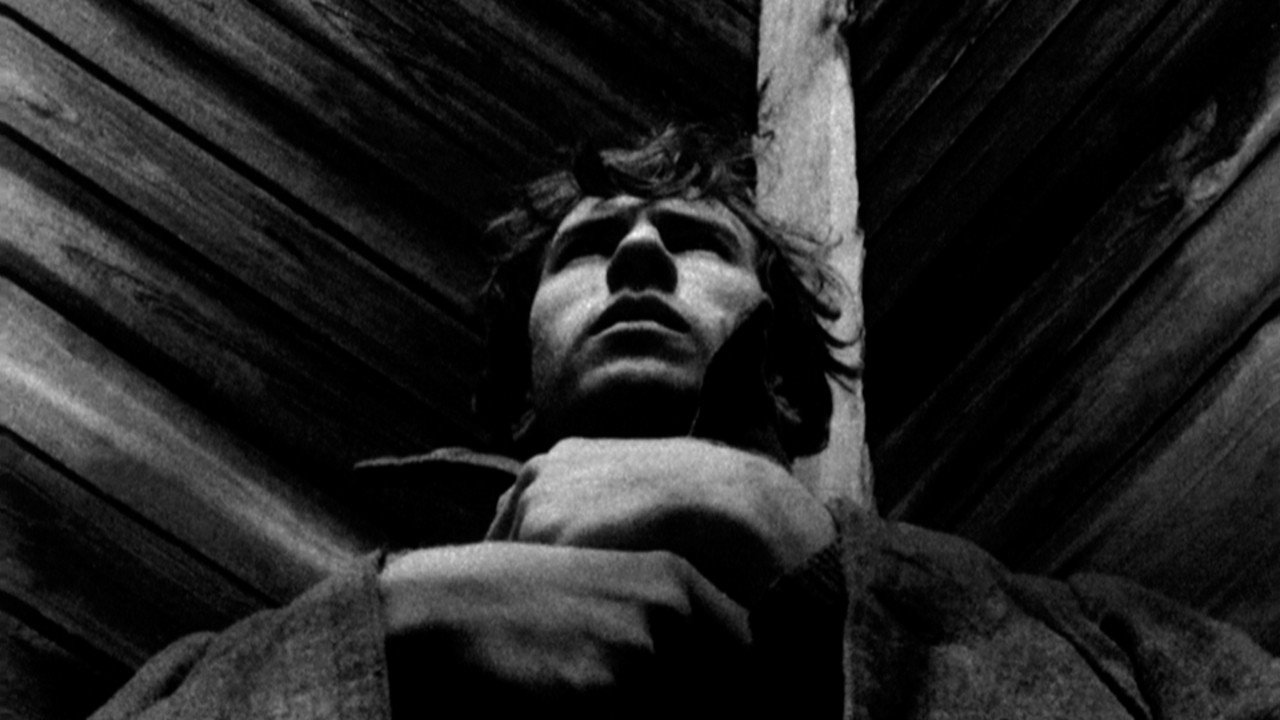

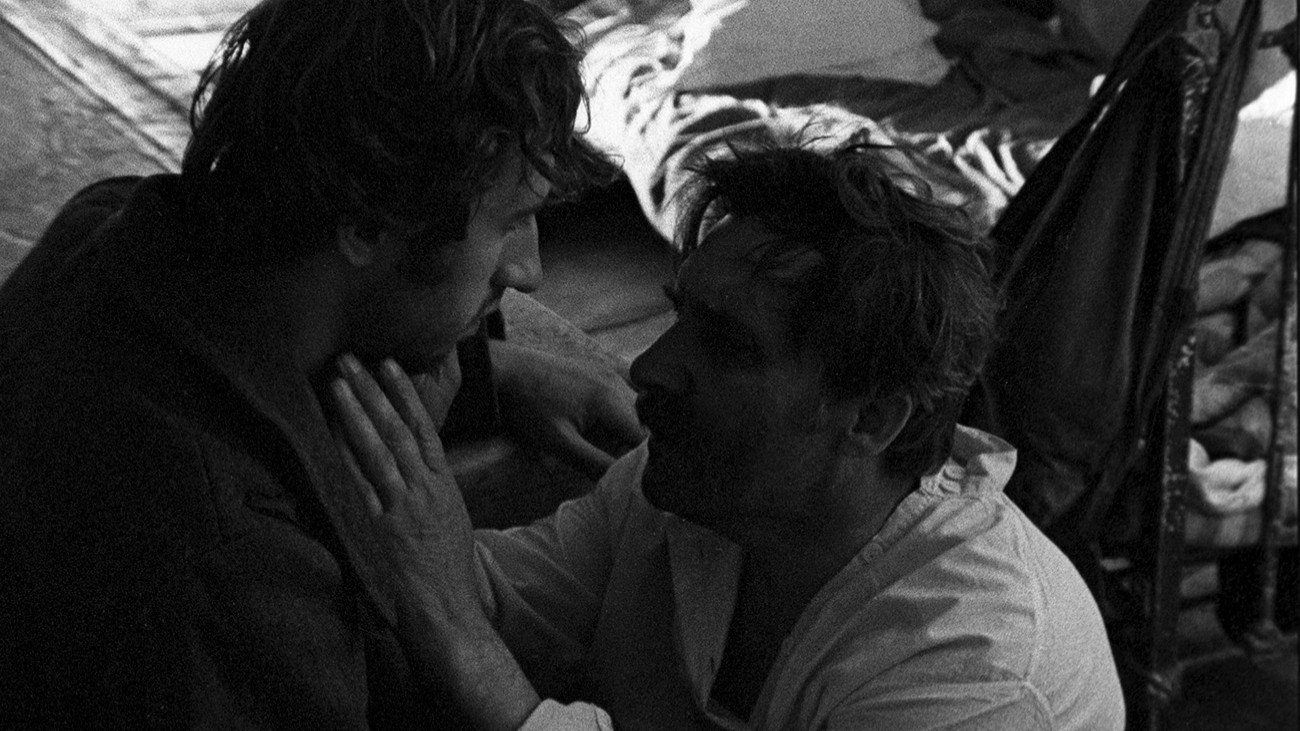
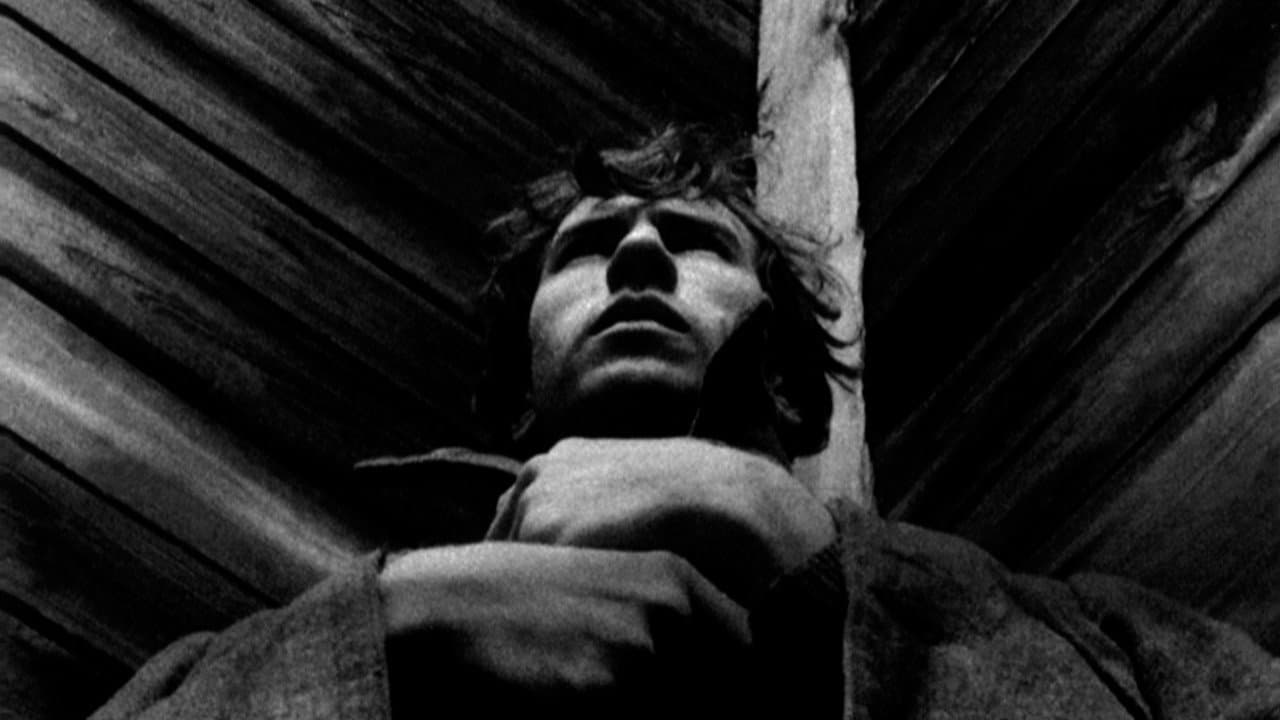
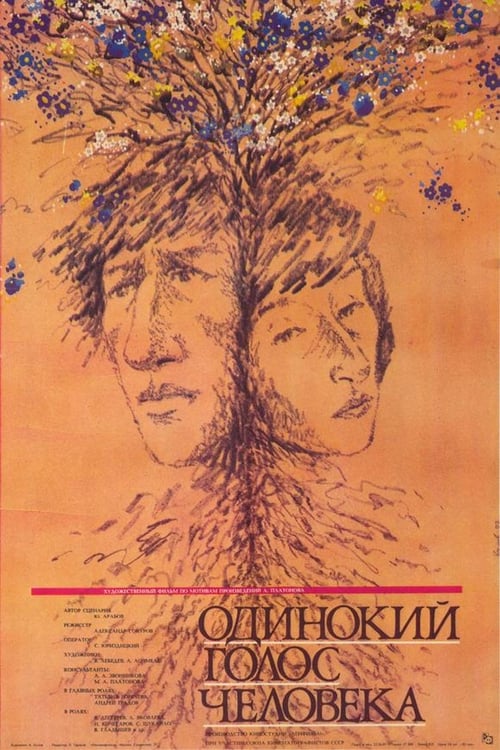
Set in the early 1920s after the end of the Russian Civil War, Red Army soldier Nikita returns to his hometown to see his partner Lyuba, both of whom are scarred by the trauma of the Russian Empire of yesteryear.
Directed by Aleksandr Sokurov
husband wife relationship
civil war
based on novel or book

IMDB
N/A
Cast
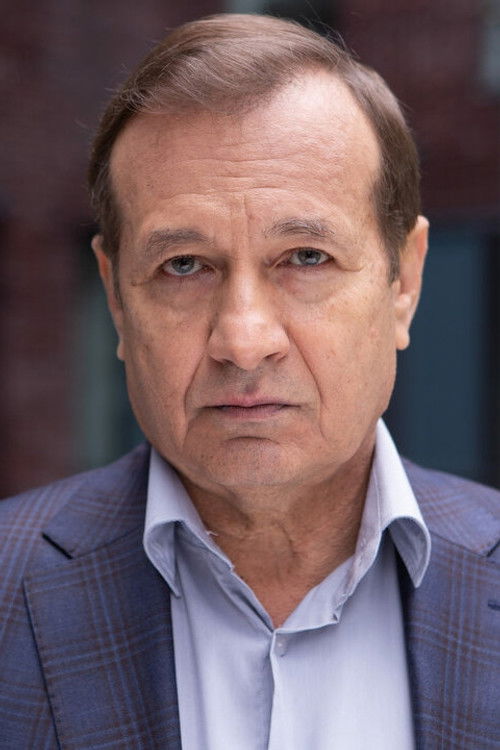
Andrey Gradov
Nikita
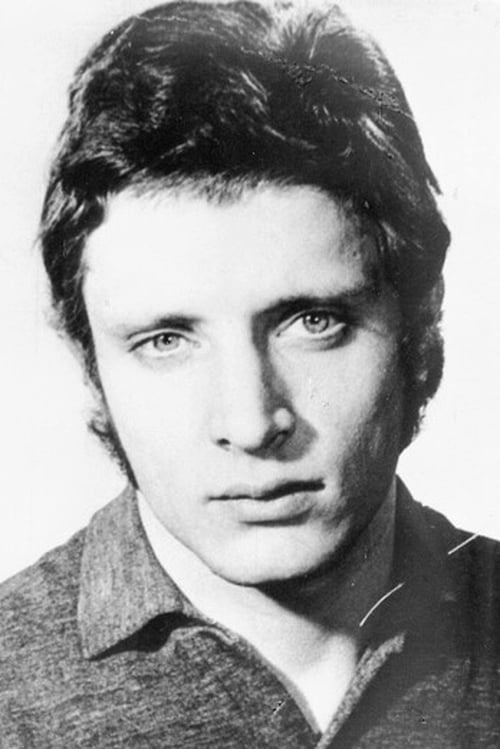
Nikolay Kochegarov
Employee at Registry Office
Yevgeniya Volkova
Female Watchman
Crew
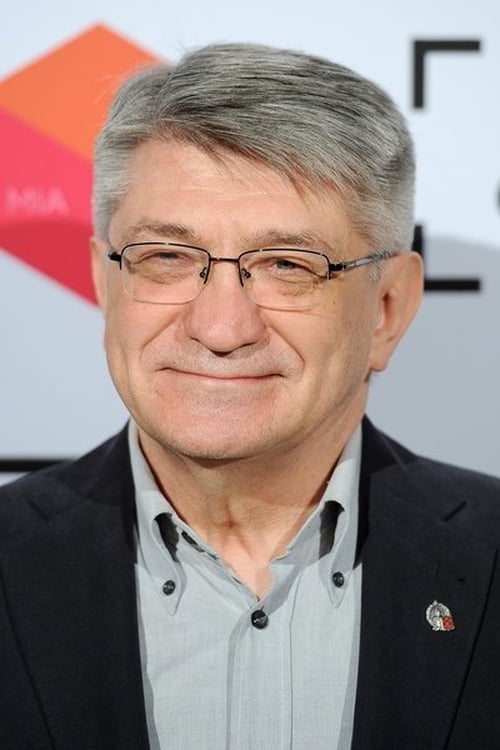
Aleksandr Sokurov
Director
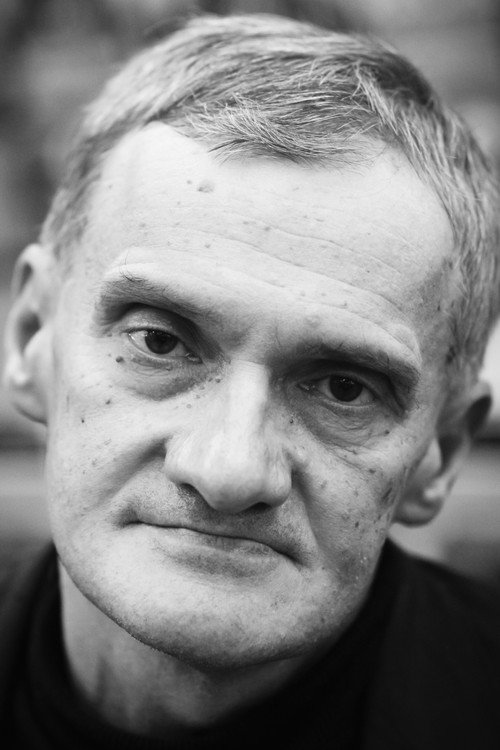
Yuriy Arabov
Screenplay
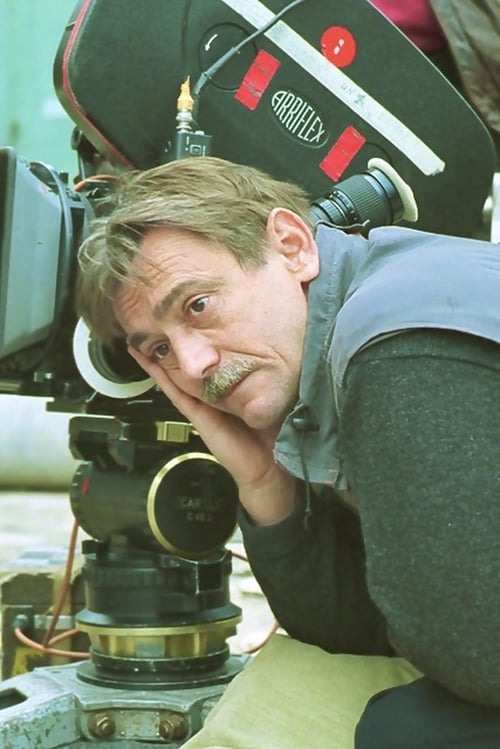
Sergey Yurizditskiy
Director of Photography
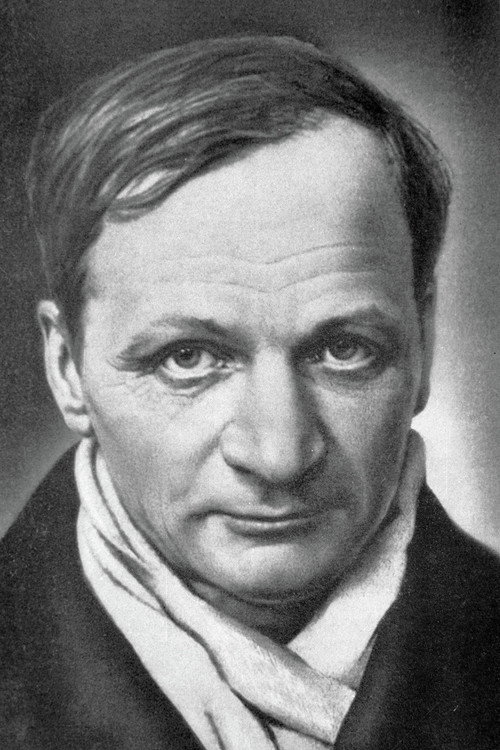
Andrei Platonov
Novel
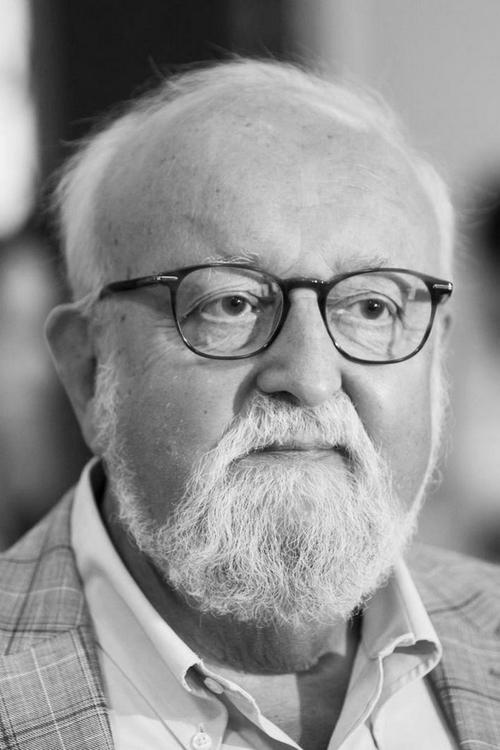
Krzysztof Penderecki
Music
Popular Reviews
5 reviews
Nick
6.0★ · 07/31/25
I doubt I’ll ever know if Sokurov meant this to be as sardonic as I took it. Thrice was the number of times I laughed. As a descendant of Tarkovsky, humour isn’t necessarily the first thing you’d expect. But with a line like
I can’t help but feel (or hope) Sokurov’s having a self-aware laugh at himself. And like I said, this wasn’t the only example. When Nikita and Lyuba are to first become intimate, Nikita has to stop because his heart’s beating too fast. And then finally, we get a sequence of a woman dancing to lighthearted music. Despite the movie’s predominantly bleaker tone, I gleaned these moments of levity.
Overall, I found this a bit of a mess, despite many obviously genius scenes. The construction is a little too loose and lacking enough implicitly meaningful connection between each thread. The film doesn’t exactly succeed in holding my uninterrupted attention at each narrative break.
I very much respect Sokurov’s efforts though. The first great thing I loved about the film was its insertion of factory workers through (maybe?) real footage. It immediately injected an Eisensteinian ethos to the film. I also loved the skilled use of fading, especially between Lyuba and Nikita, as it established the oneness and intimacy they shared. Sokurov further employs different monochromatic colour schemes intermittently with exacting success.
Another huge caveat to be said about this, and the other Sokurov I’ve seen, the youtube copies I watched are criminally compressed. I wouldn’t be surprised in the least if my rating didn’t rise should I be able to see any of these in proper presentation.
*You won’t forget me?
No. I’ve got nobody else to remember.*
I can’t help but feel (or hope) Sokurov’s having a self-aware laugh at himself. And like I said, this wasn’t the only example. When Nikita and Lyuba are to first become intimate, Nikita has to stop because his heart’s beating too fast. And then finally, we get a sequence of a woman dancing to lighthearted music. Despite the movie’s predominantly bleaker tone, I gleaned these moments of levity.
Overall, I found this a bit of a mess, despite many obviously genius scenes. The construction is a little too loose and lacking enough implicitly meaningful connection between each thread. The film doesn’t exactly succeed in holding my uninterrupted attention at each narrative break.
I very much respect Sokurov’s efforts though. The first great thing I loved about the film was its insertion of factory workers through (maybe?) real footage. It immediately injected an Eisensteinian ethos to the film. I also loved the skilled use of fading, especially between Lyuba and Nikita, as it established the oneness and intimacy they shared. Sokurov further employs different monochromatic colour schemes intermittently with exacting success.
Another huge caveat to be said about this, and the other Sokurov I’ve seen, the youtube copies I watched are criminally compressed. I wouldn’t be surprised in the least if my rating didn’t rise should I be able to see any of these in proper presentation.
I doubt I’ll ever know if Sokurov meant this to be as sardonic as I took it. Thrice was the number of times I laughed. As a descendant of Tarkovsky, humour isn’t necessarily the first thing you’d expect. But with a line like
I can’t help but feel (or hope) Sokurov’s having a self-aware laugh at himself. And like I said, this wasn’t the only example. When Nikita and Lyuba are to first become intimate, Nikita has to stop because his heart’s beating too fast. And then finally, we get a sequence of a woman dancing to lighthearted music. Despite the movie’s predominantly bleaker tone, I gleaned these moments of levity.
Overall, I found this a bit of a mess, despite many obviously genius scenes. The construction is a little too loose and lacking enough implicitly meaningful connection between each thread. The film doesn’t exactly succeed in holding my uninterrupted attention at each narrative break.
I very much respect Sokurov’s efforts though. The first great thing I loved about the film was its insertion of factory workers through (maybe?) real footage. It immediately injected an Eisensteinian ethos to the film. I also loved the skilled use of fading, especially between Lyuba and Nikita, as it established the oneness and intimacy they shared. Sokurov further employs different monochromatic colour schemes intermittently with exacting success.
Another huge caveat to be said about this, and the other Sokurov I’ve seen, the youtube copies I watched are criminally compressed. I wouldn’t be surprised in the least if my rating didn’t rise should I be able to see any of these in proper presentation.
*You won’t forget me?
No. I’ve got nobody else to remember.*
I can’t help but feel (or hope) Sokurov’s having a self-aware laugh at himself. And like I said, this wasn’t the only example. When Nikita and Lyuba are to first become intimate, Nikita has to stop because his heart’s beating too fast. And then finally, we get a sequence of a woman dancing to lighthearted music. Despite the movie’s predominantly bleaker tone, I gleaned these moments of levity.
Overall, I found this a bit of a mess, despite many obviously genius scenes. The construction is a little too loose and lacking enough implicitly meaningful connection between each thread. The film doesn’t exactly succeed in holding my uninterrupted attention at each narrative break.
I very much respect Sokurov’s efforts though. The first great thing I loved about the film was its insertion of factory workers through (maybe?) real footage. It immediately injected an Eisensteinian ethos to the film. I also loved the skilled use of fading, especially between Lyuba and Nikita, as it established the oneness and intimacy they shared. Sokurov further employs different monochromatic colour schemes intermittently with exacting success.
Another huge caveat to be said about this, and the other Sokurov I’ve seen, the youtube copies I watched are criminally compressed. I wouldn’t be surprised in the least if my rating didn’t rise should I be able to see any of these in proper presentation.


eva
5.0★ · 08/20/23
что может быть лучше чем прийти в иллюзион в 10 утра на сокурова после жесточайшего ночного разъеба под тейлор свифт в ровестнике и трех часов сна
что может быть лучше чем прийти в иллюзион в 10 утра на сокурова после жесточайшего ночного разъеба под тейлор свифт в ровестнике и трех часов сна
Ukupnik
8.0★ · 08/09/24
Nan NATHAN
10.0★ · 12/11/22
Kris
8.0★ · 12/11/21