Flicker
Watching
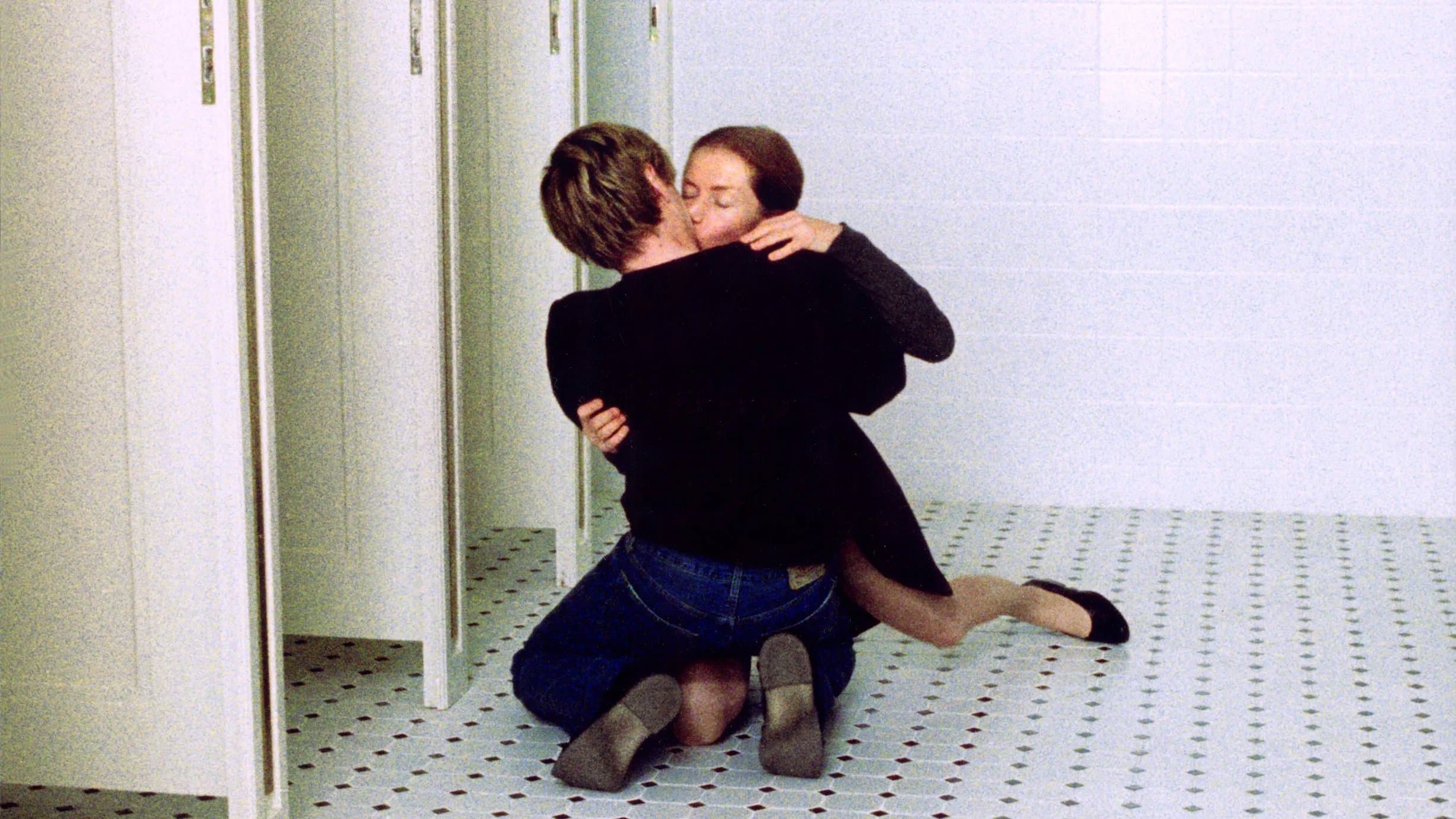
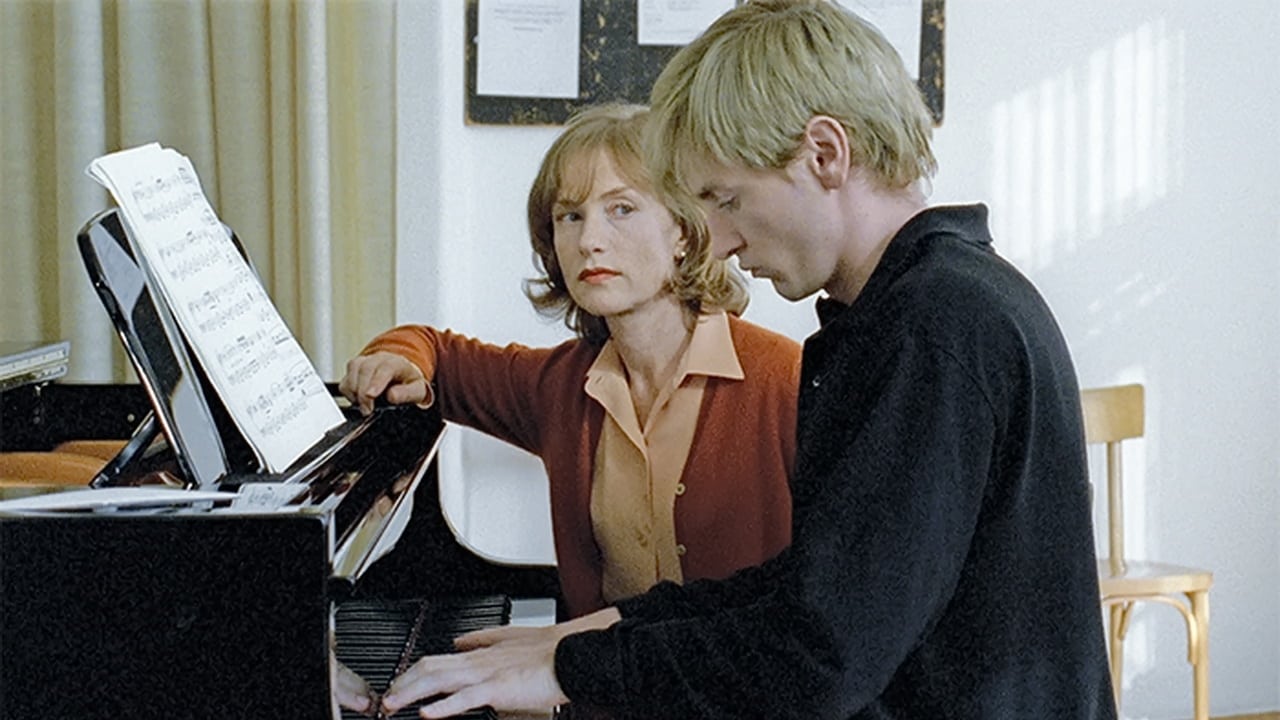
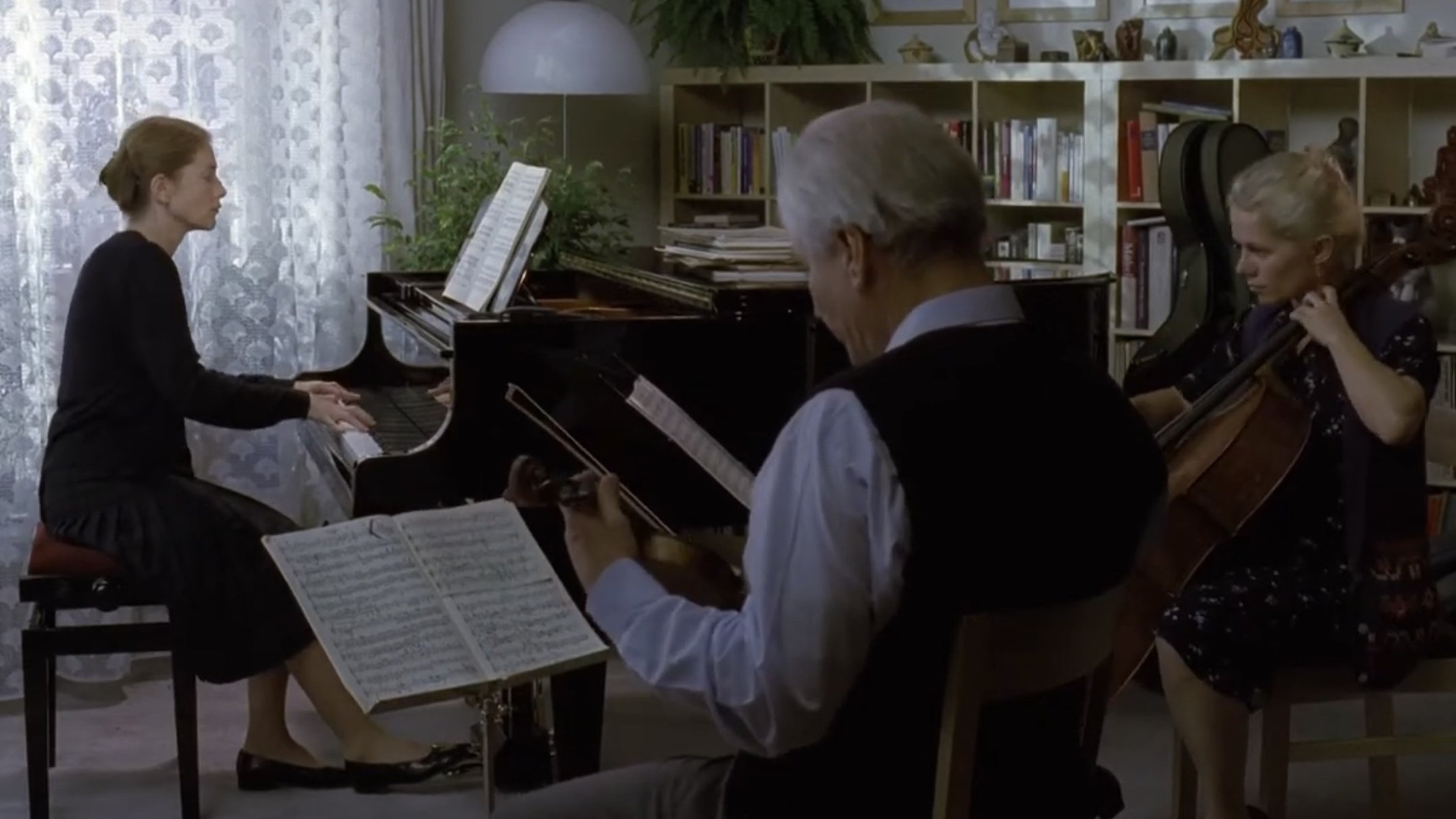
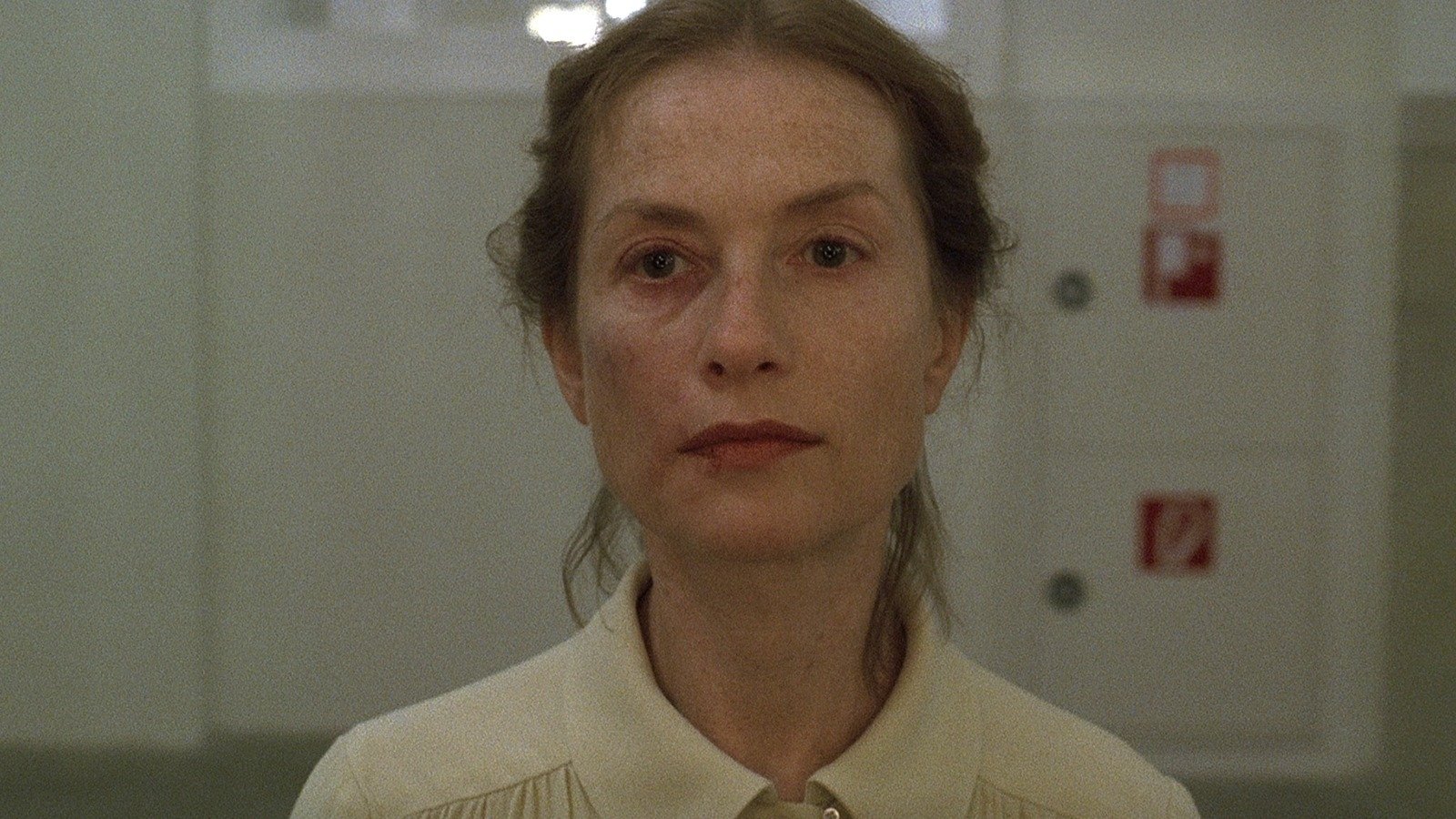
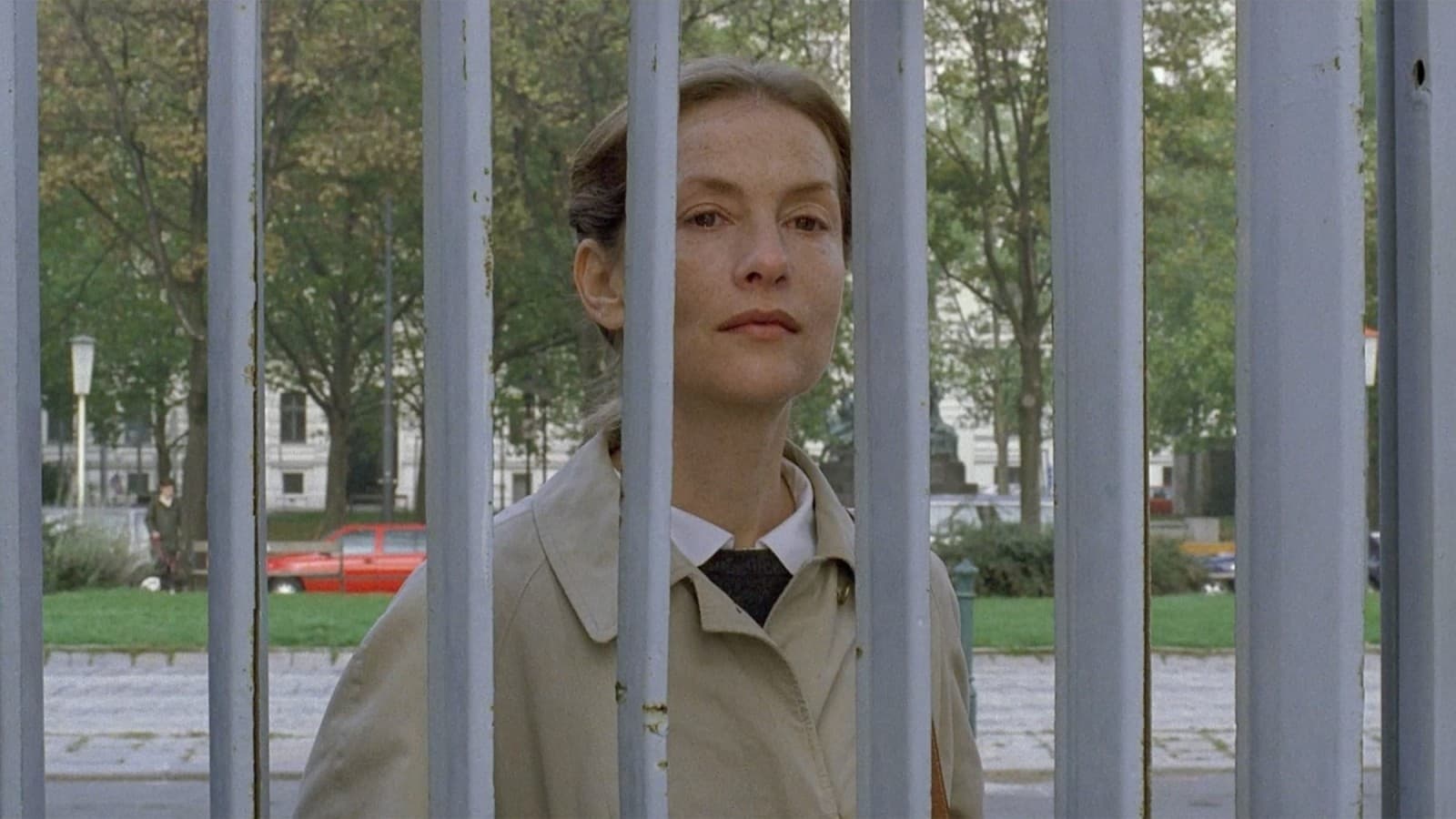
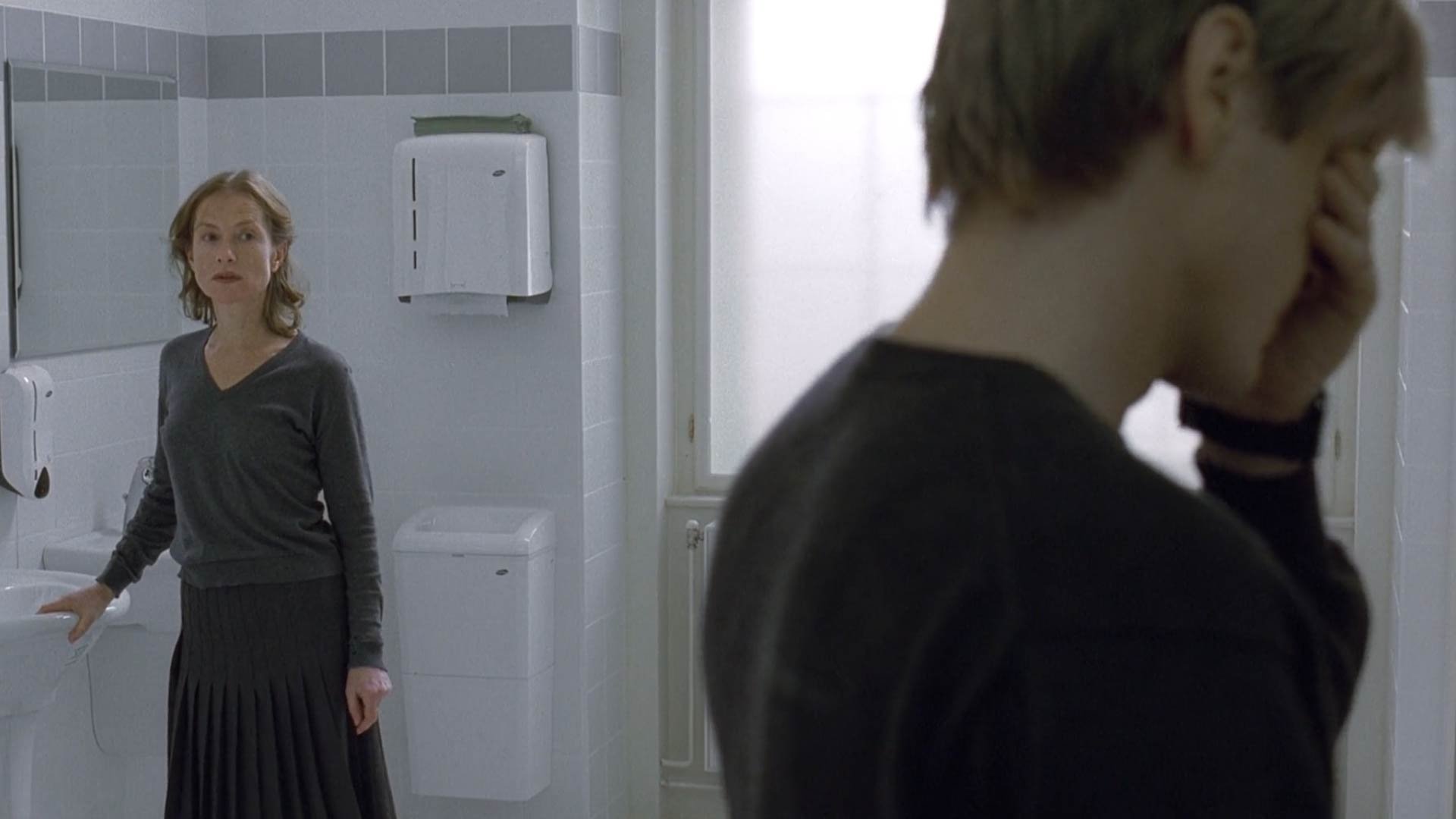
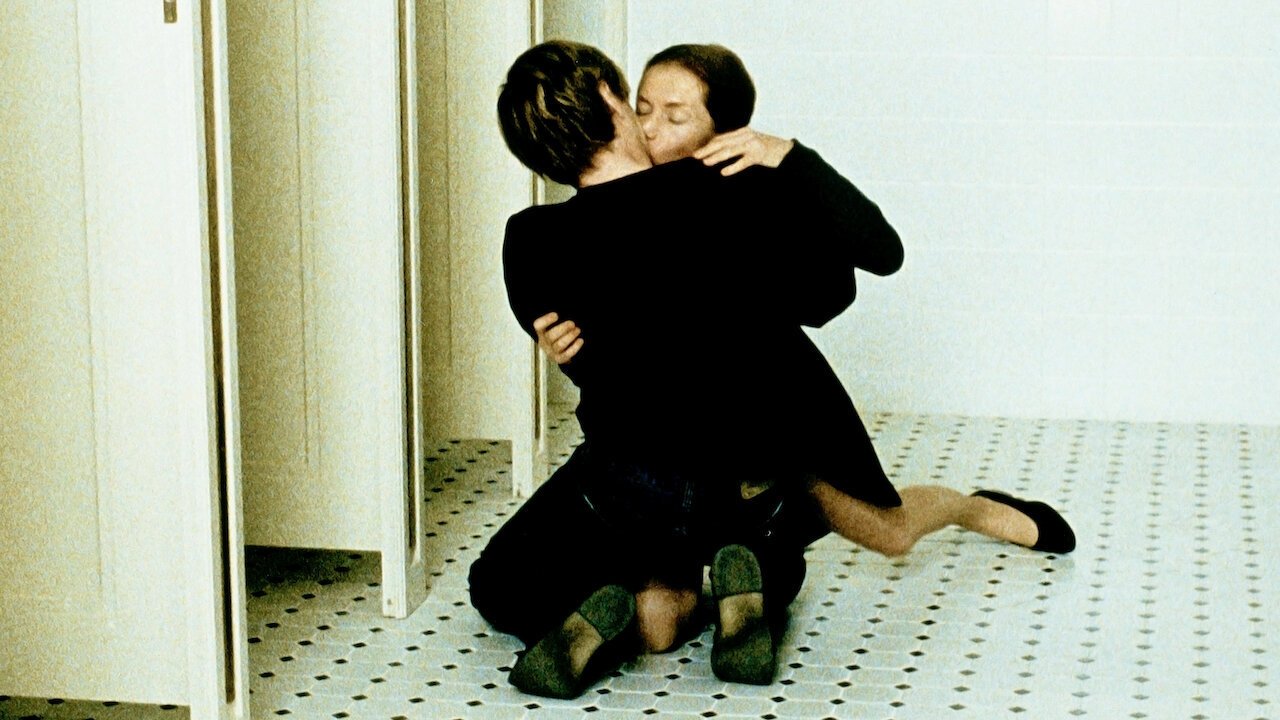
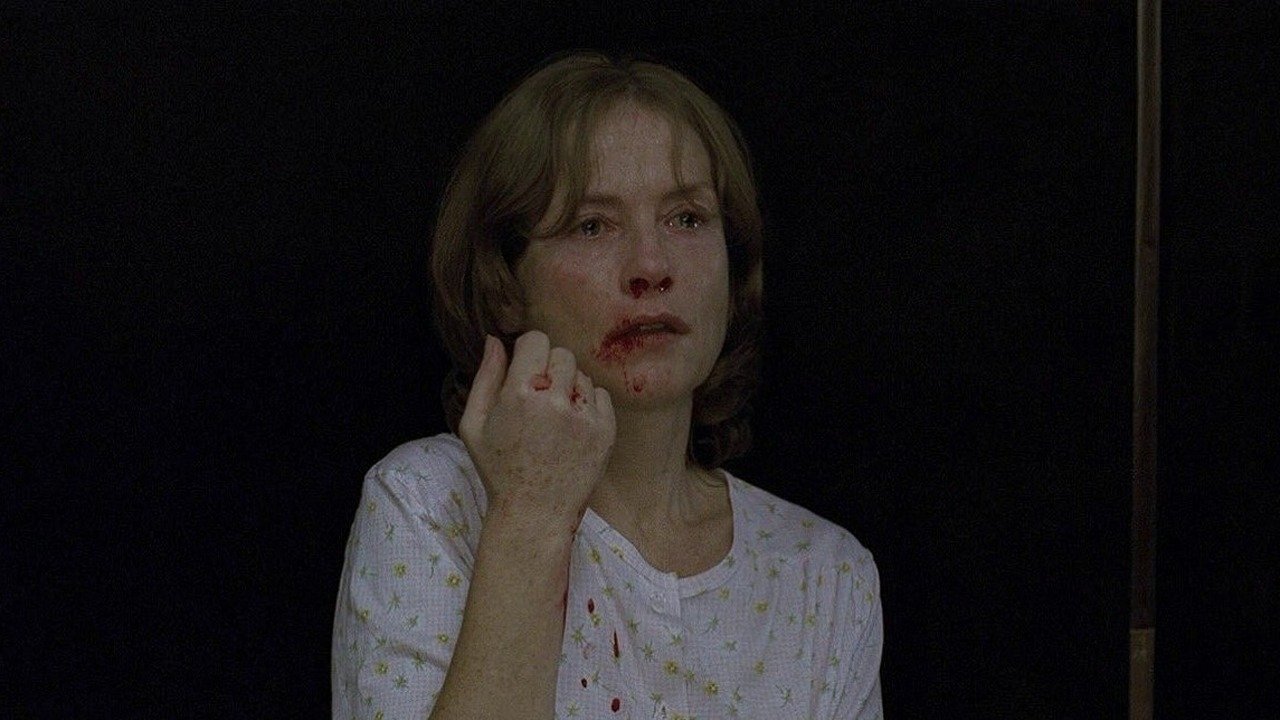
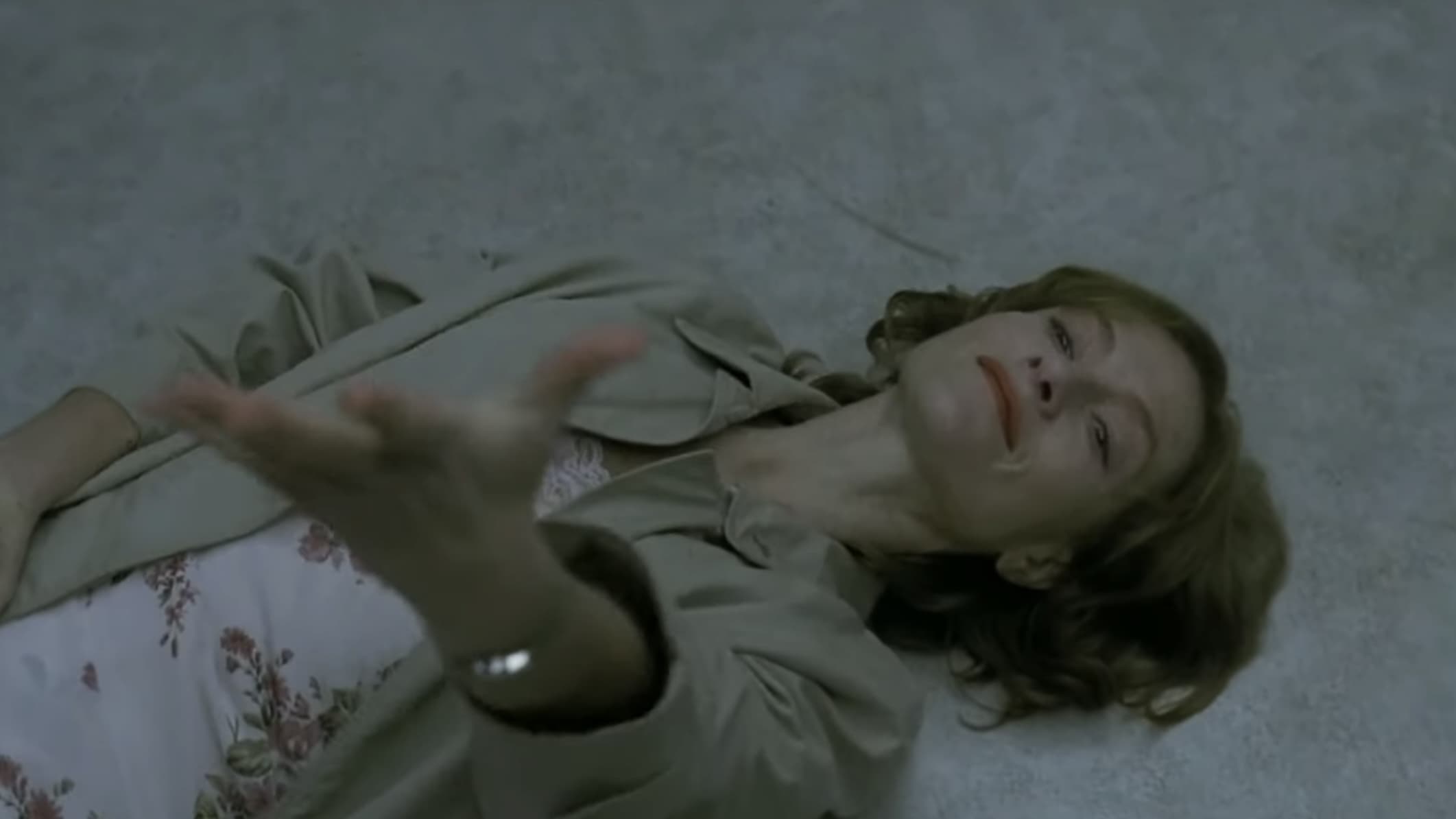
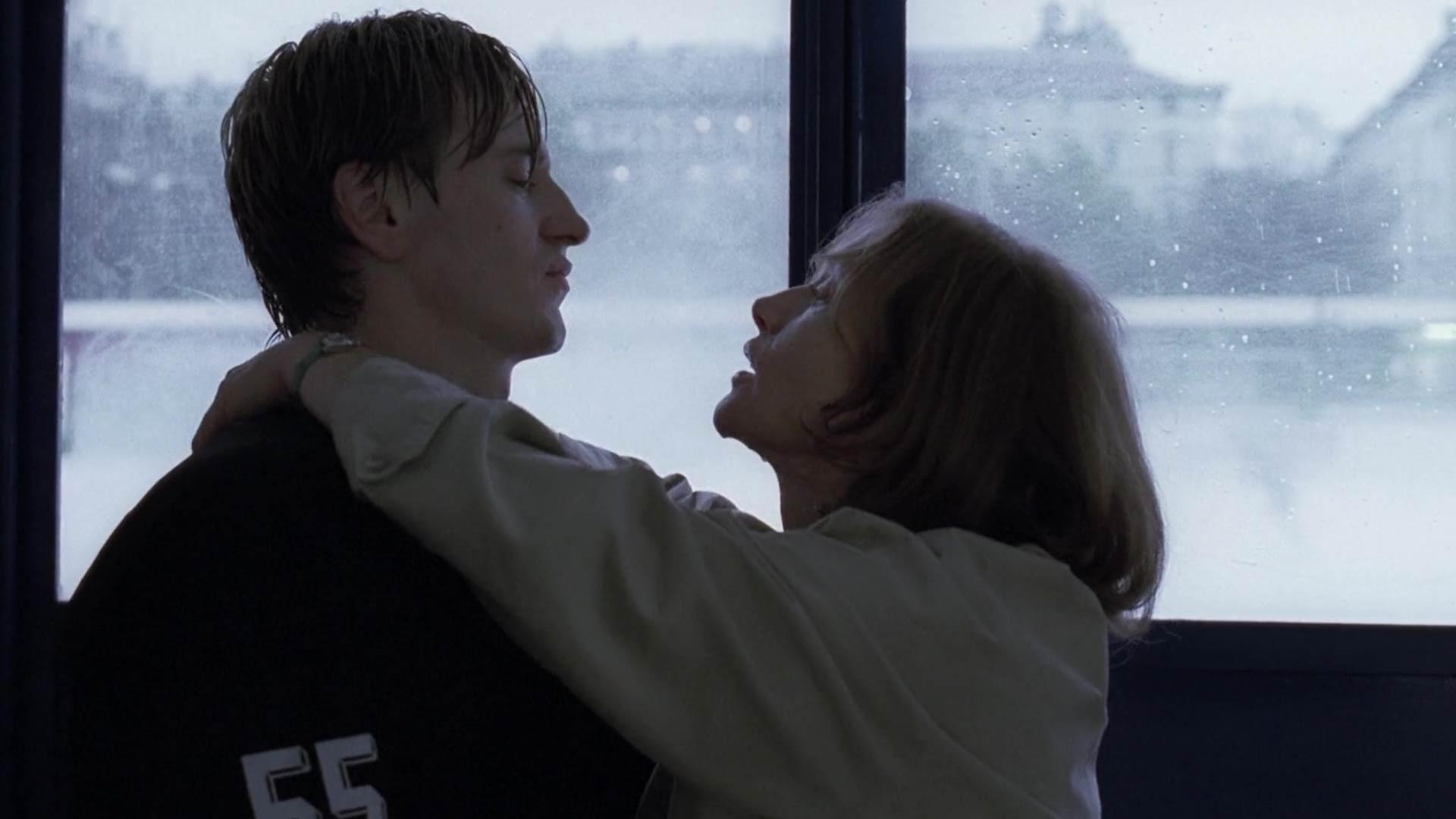
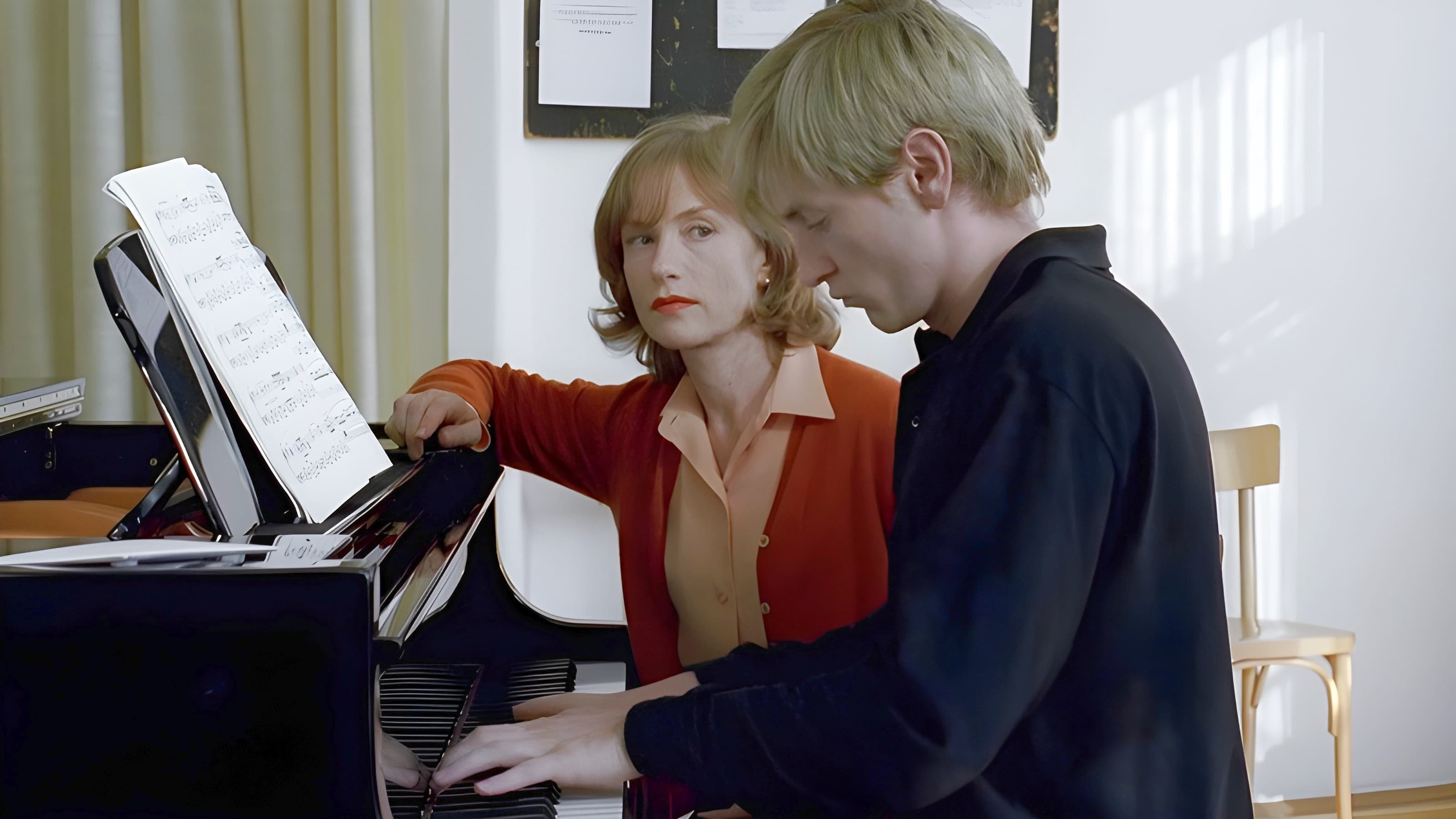
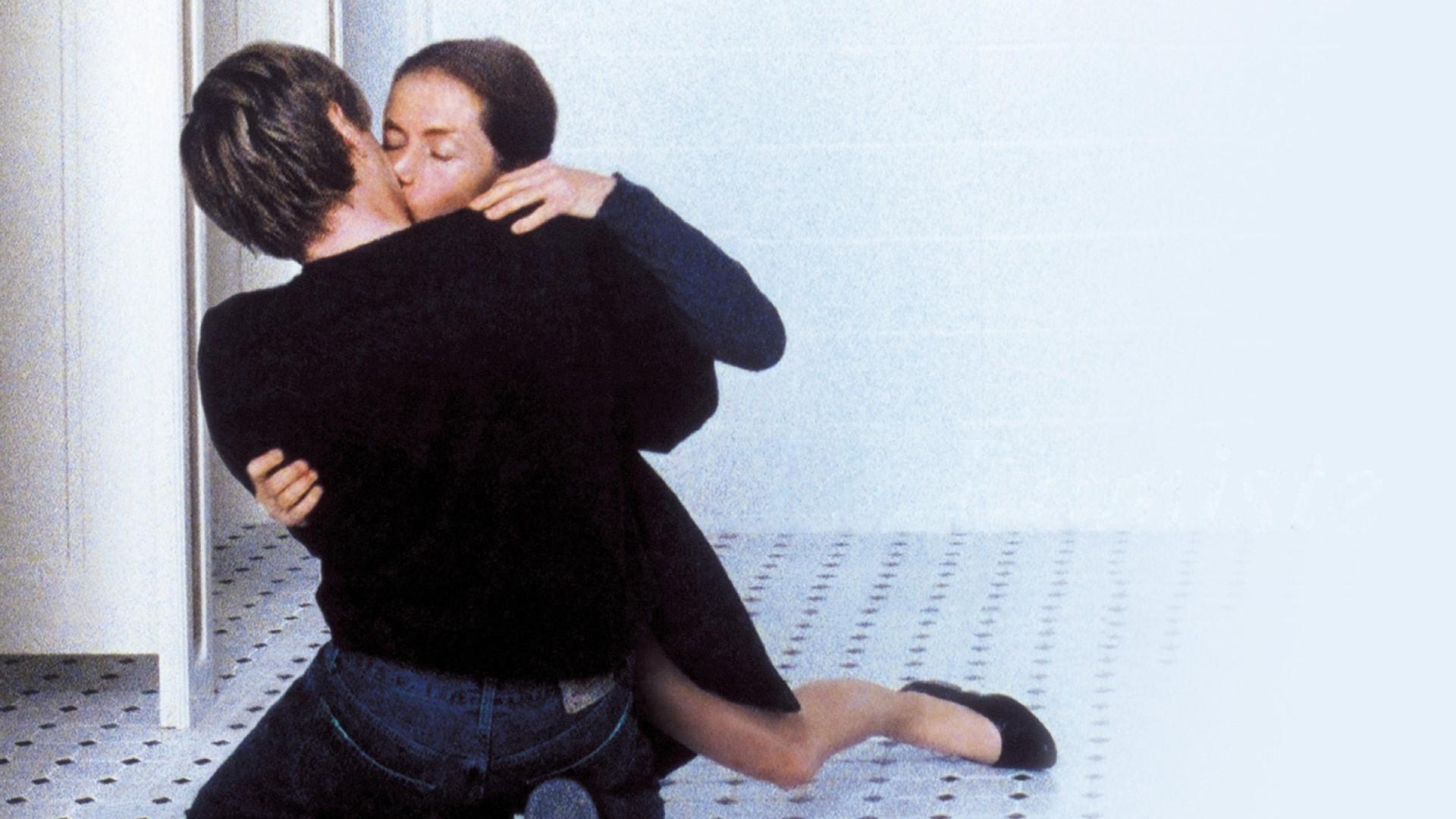
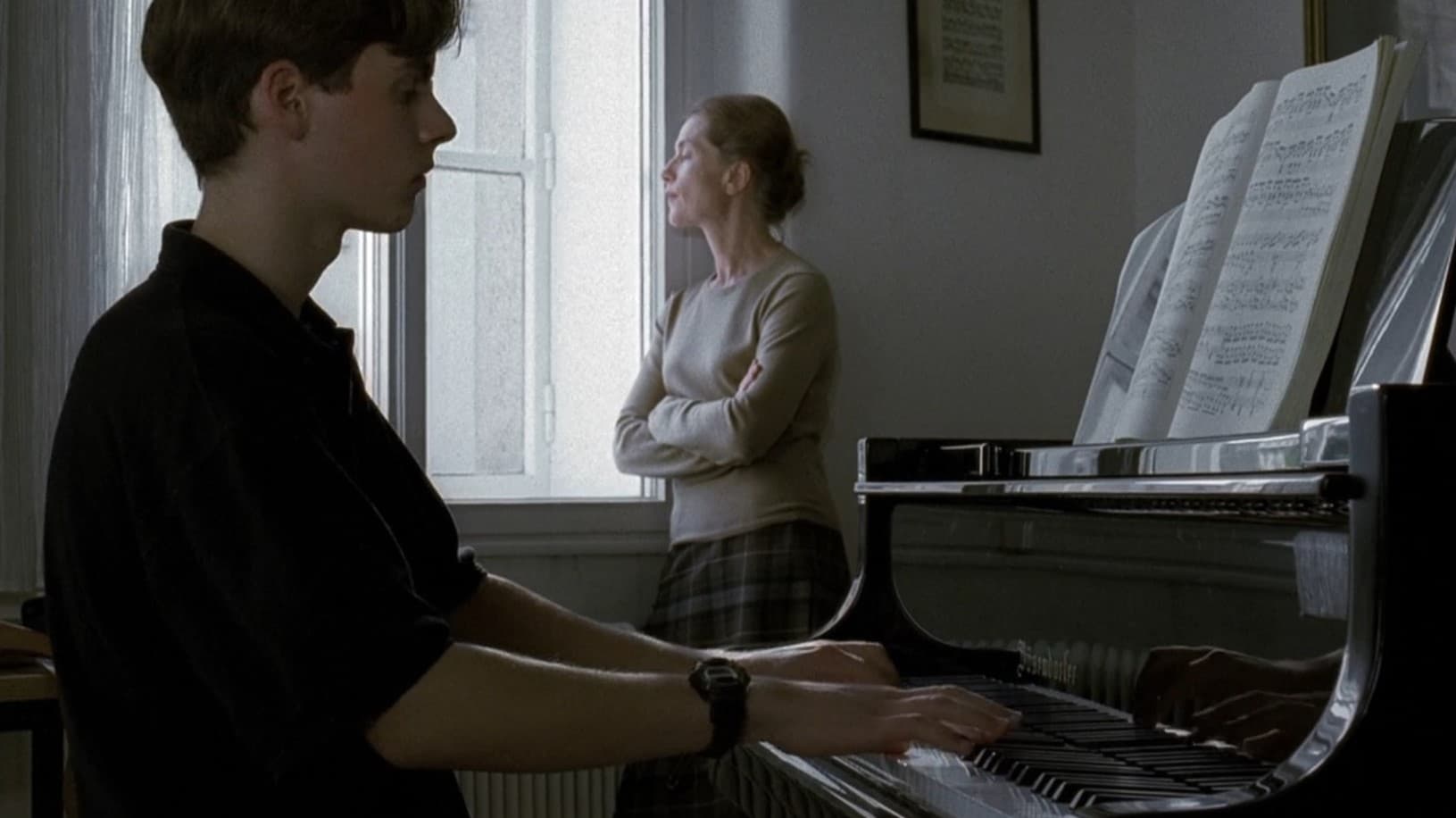
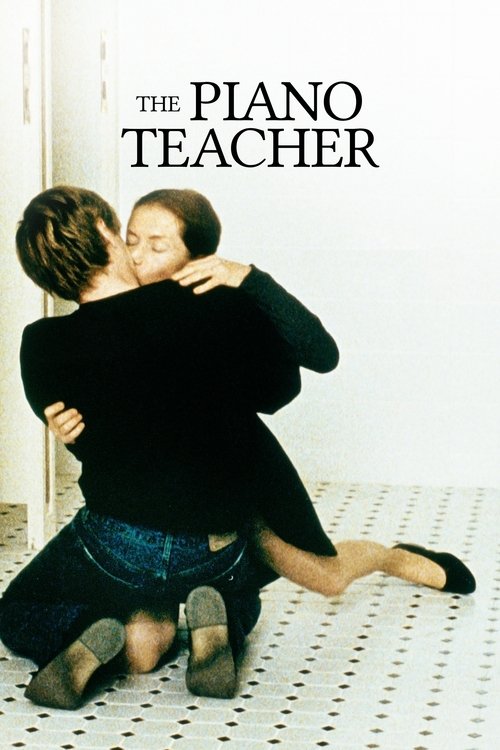
The Piano Teacher again this afternoon left me in a state I can barely describe — a strange, frozen recognition. **
Erika and I are the same person, truly
. I want this film injected into my veins**, flowing through me like cold fire. There’s a chill to it that freezes my blood, something impossible to explain. It evokes a part of my life I thought I’d forgotten, or maybe one I never dared to name.
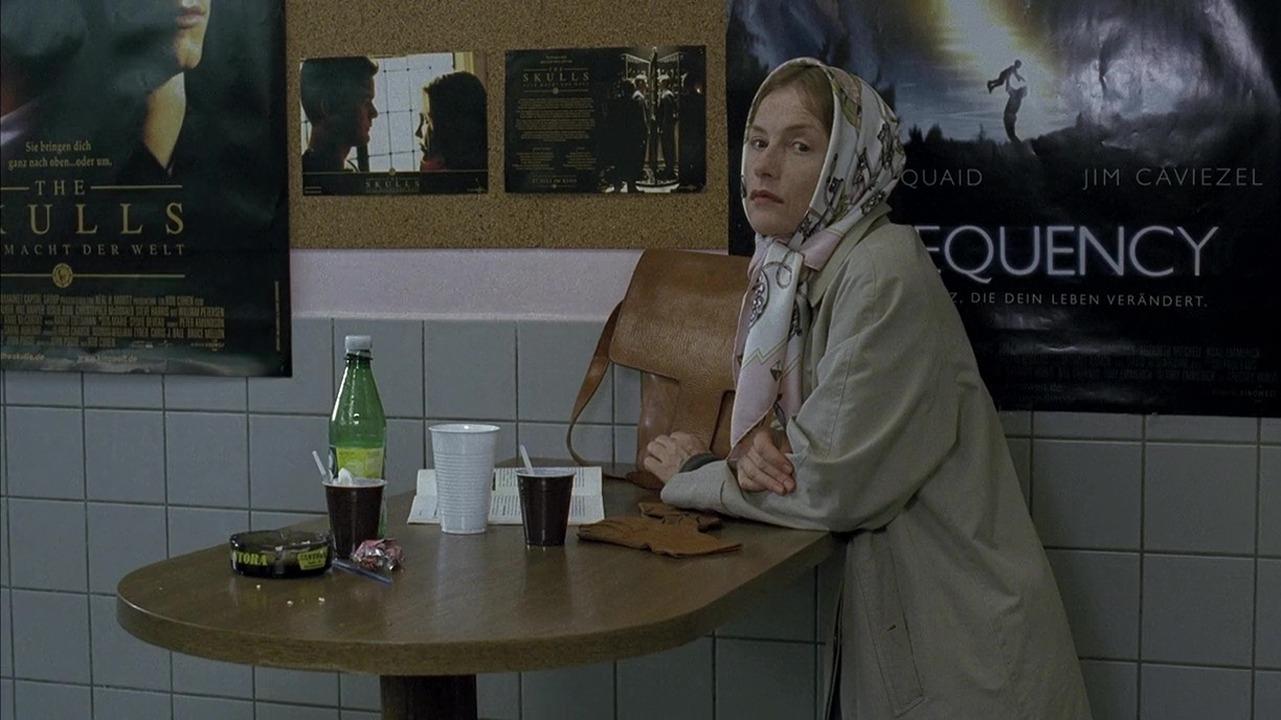
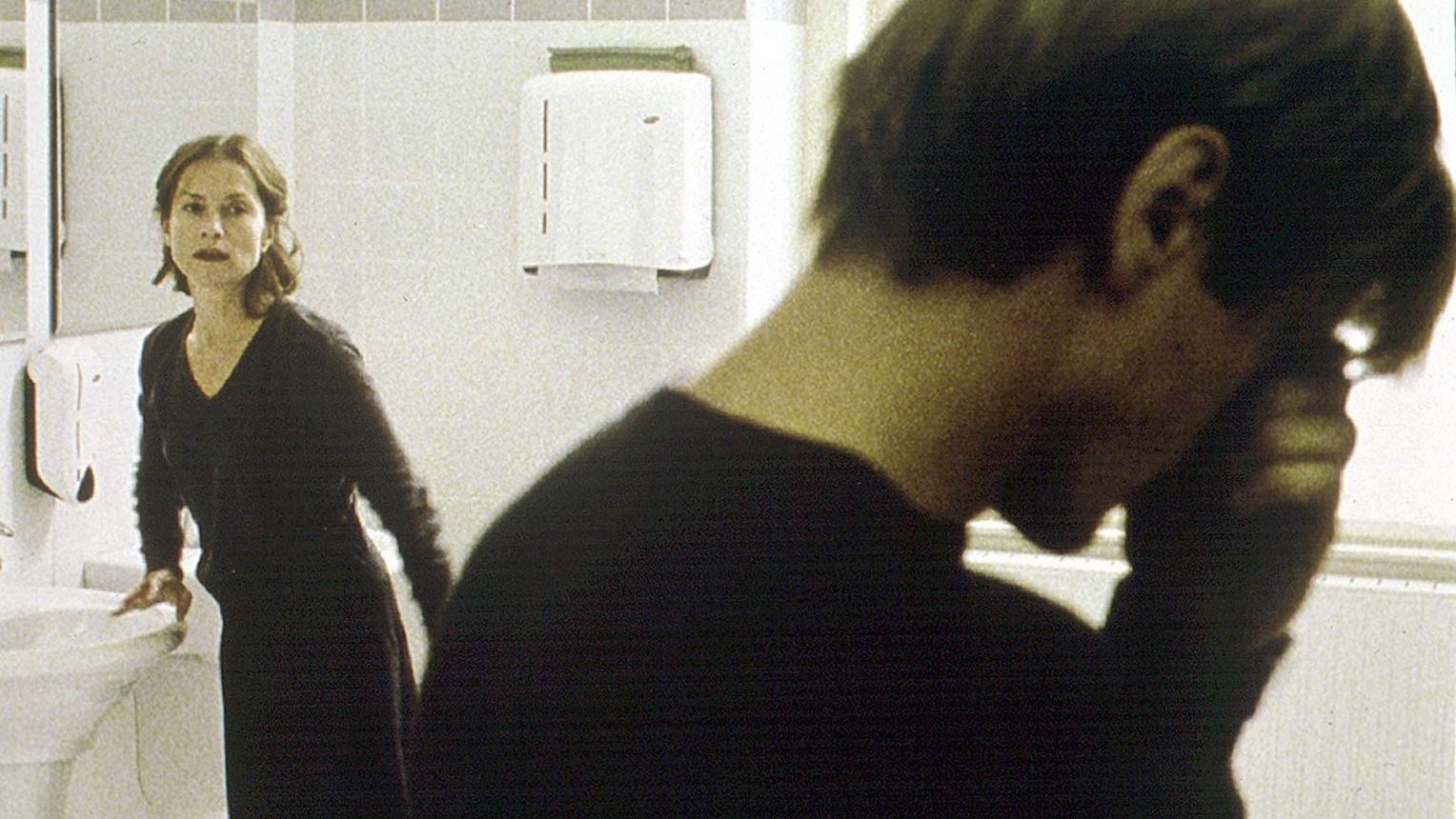
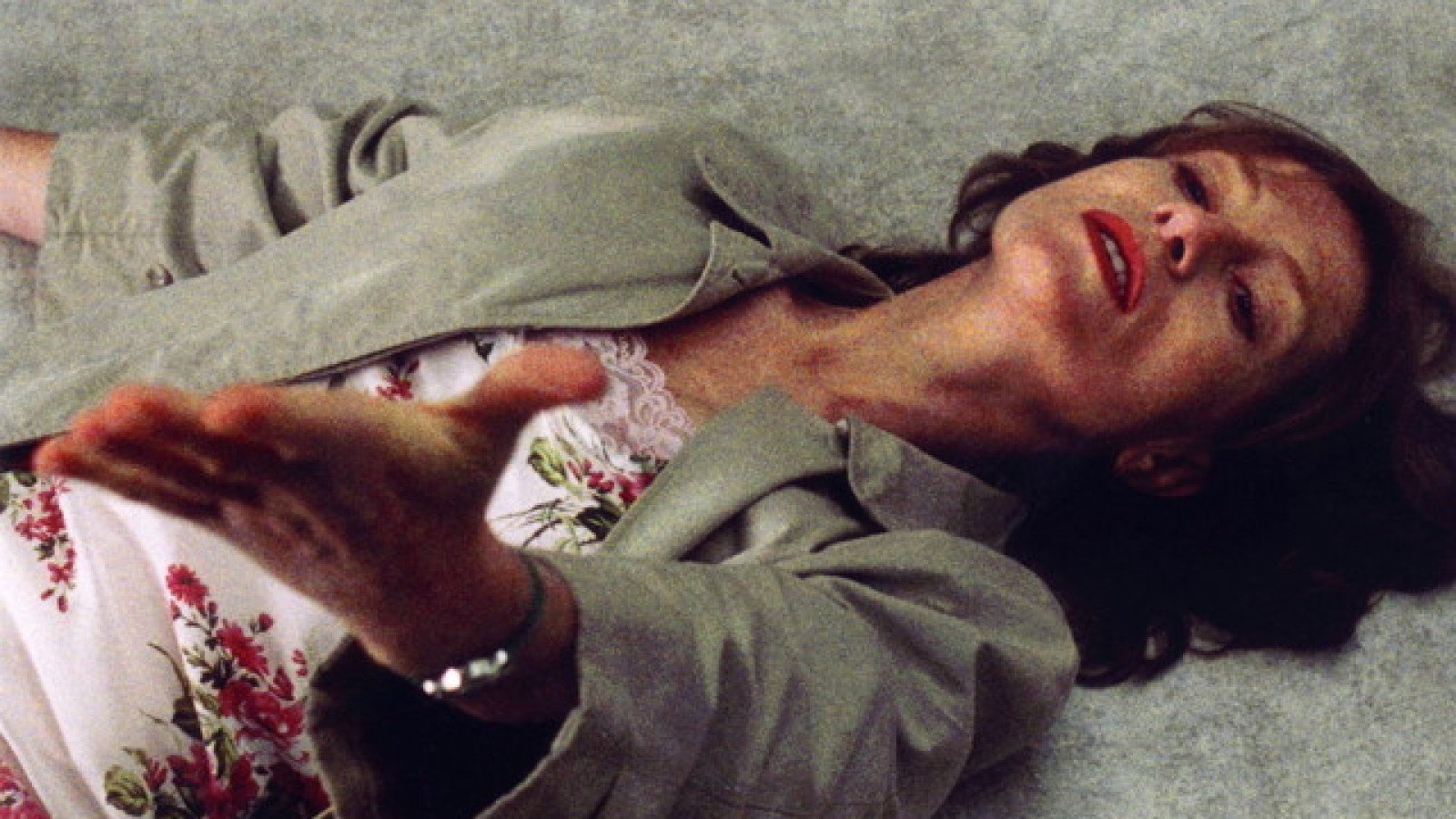
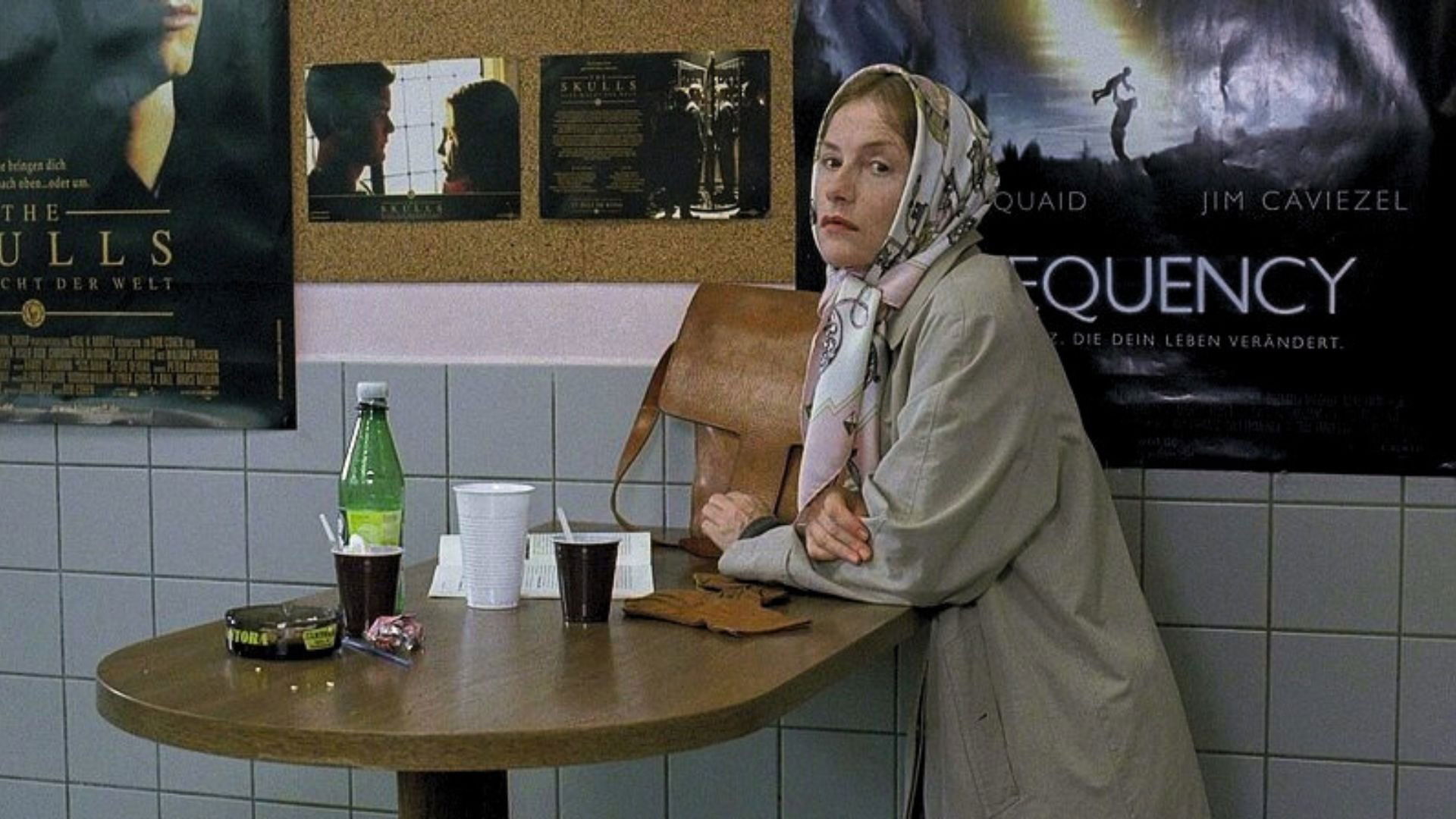
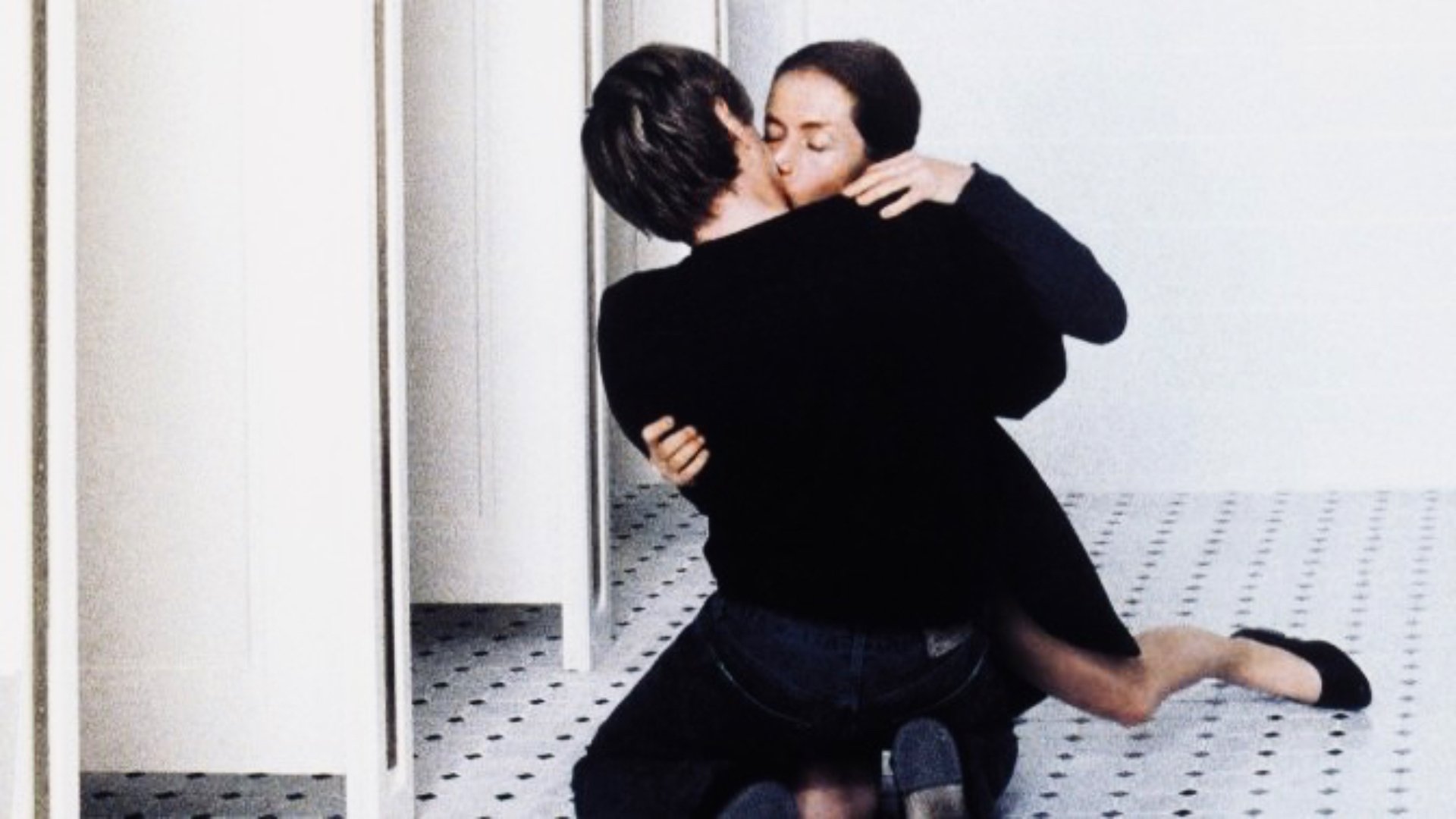
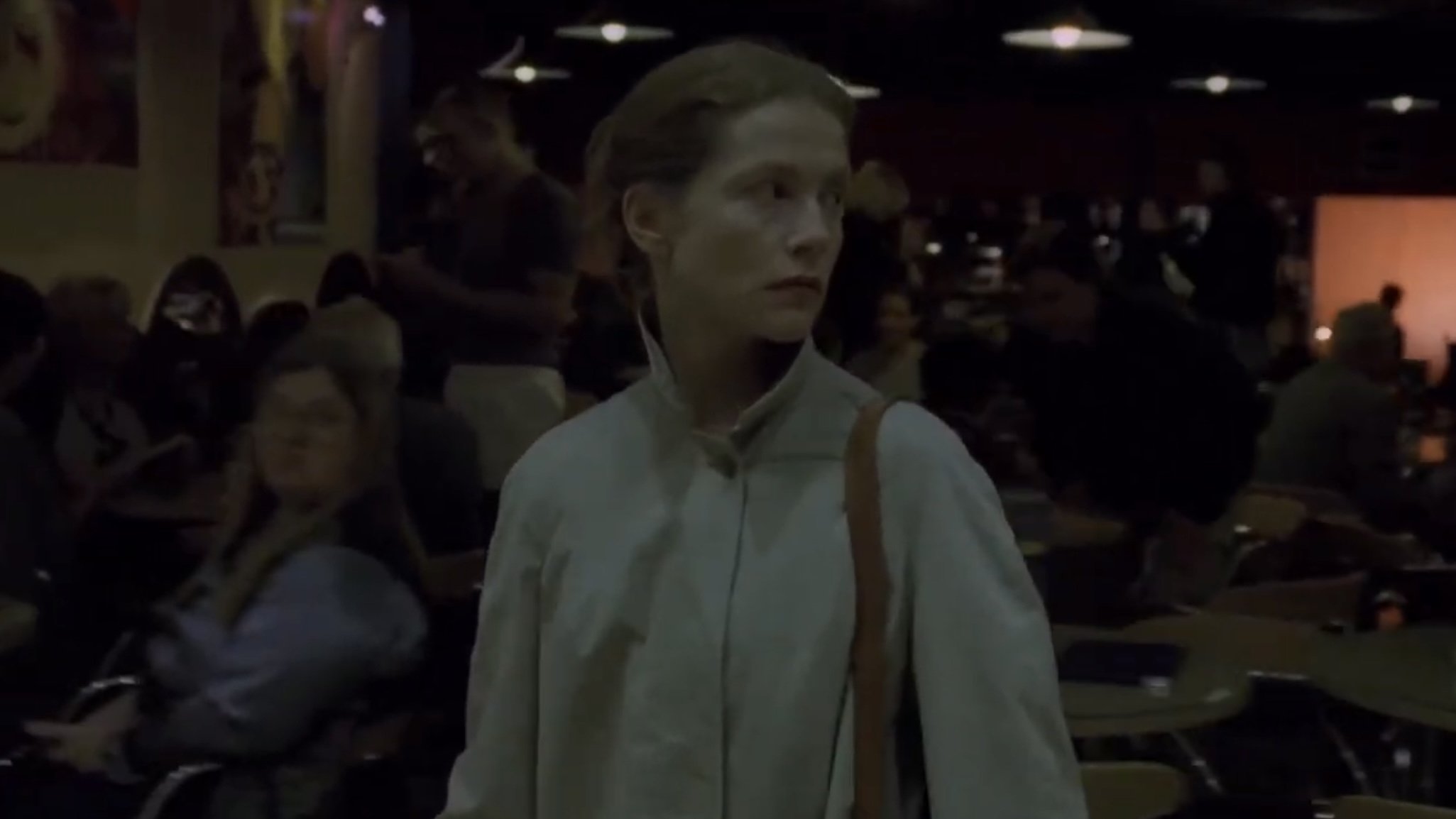
The violence in this film isn’t loud, it’s silent — buried deep beneath control, shame, and desire. But it hits like an earthquake under the surface. That scene in the adult shop alone is enough to haunt me:
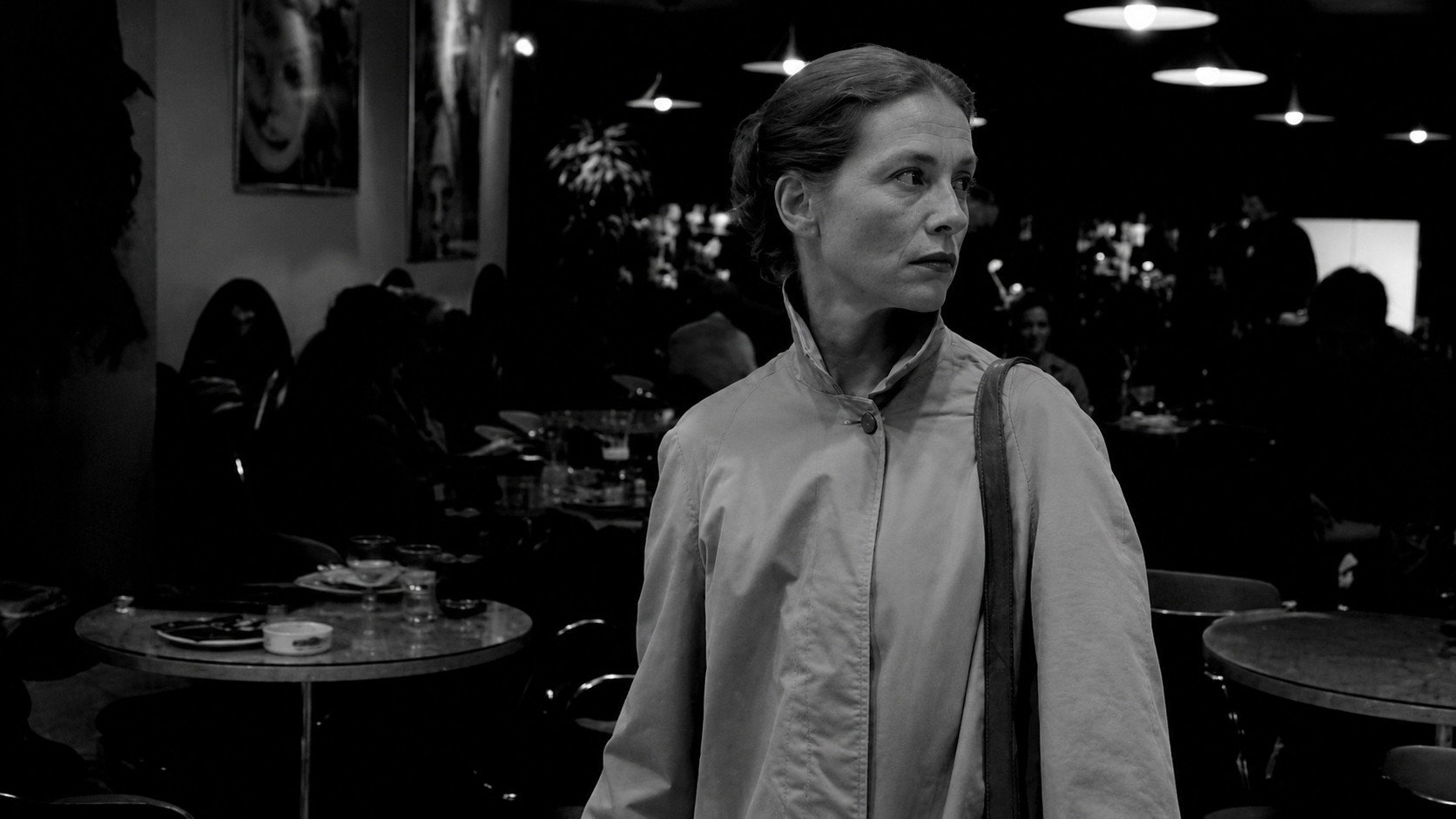
Erika, invisible, out of place, facing a world that isn’t hers and never will be. It’s terrifying in its stillness.
She feels hollow, like she’s been eaten alive by something you can’t see — a kind of slow possession, a dehumanization so subtle it becomes unbearable.
No other film does this to me. None. When I say none, I mean none.
Haneke created something impossible to categorize — a mirror held up to human pain so pure it feels inhuman.
**
Erika also mirrors what I fear in myself *
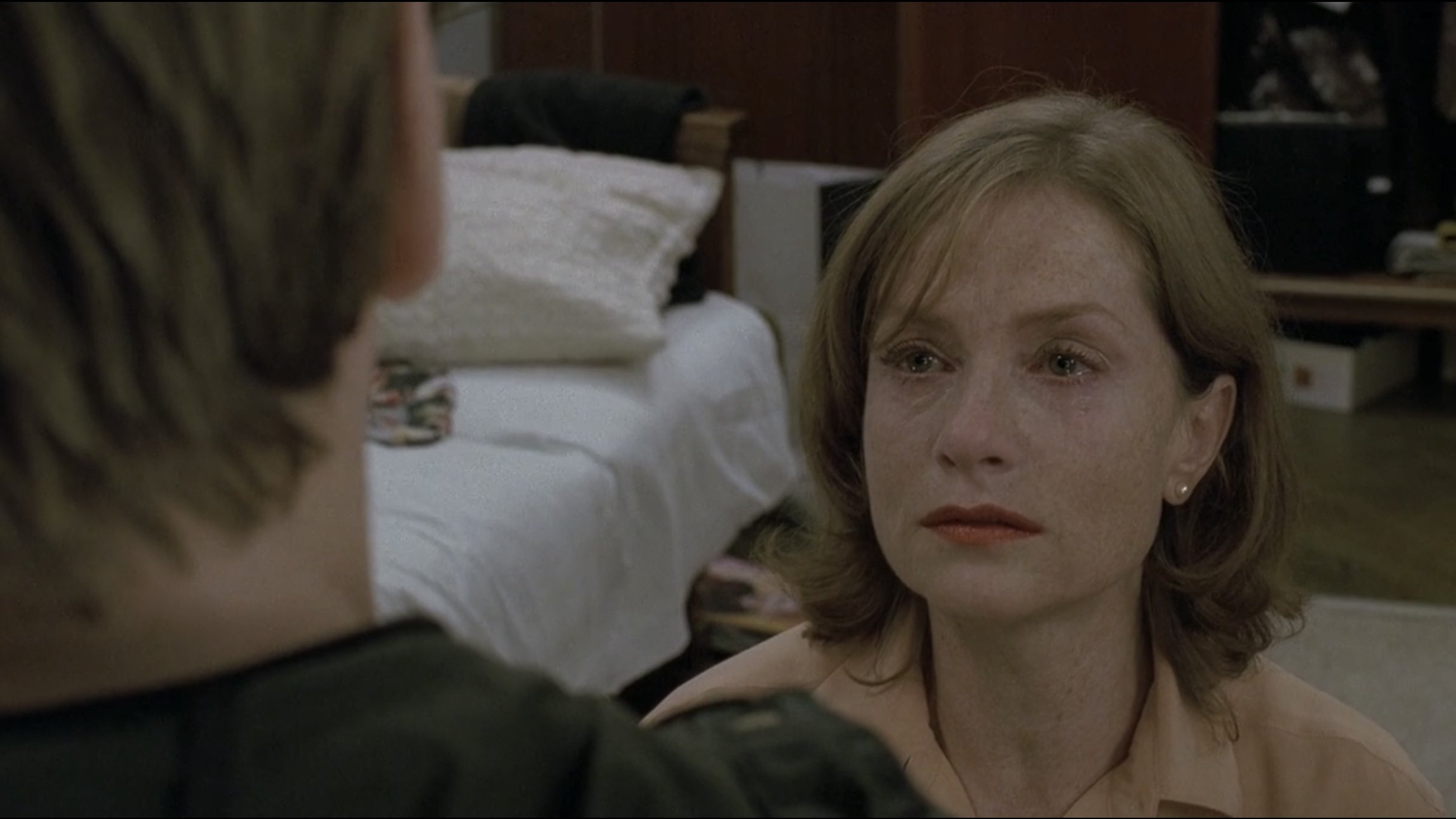
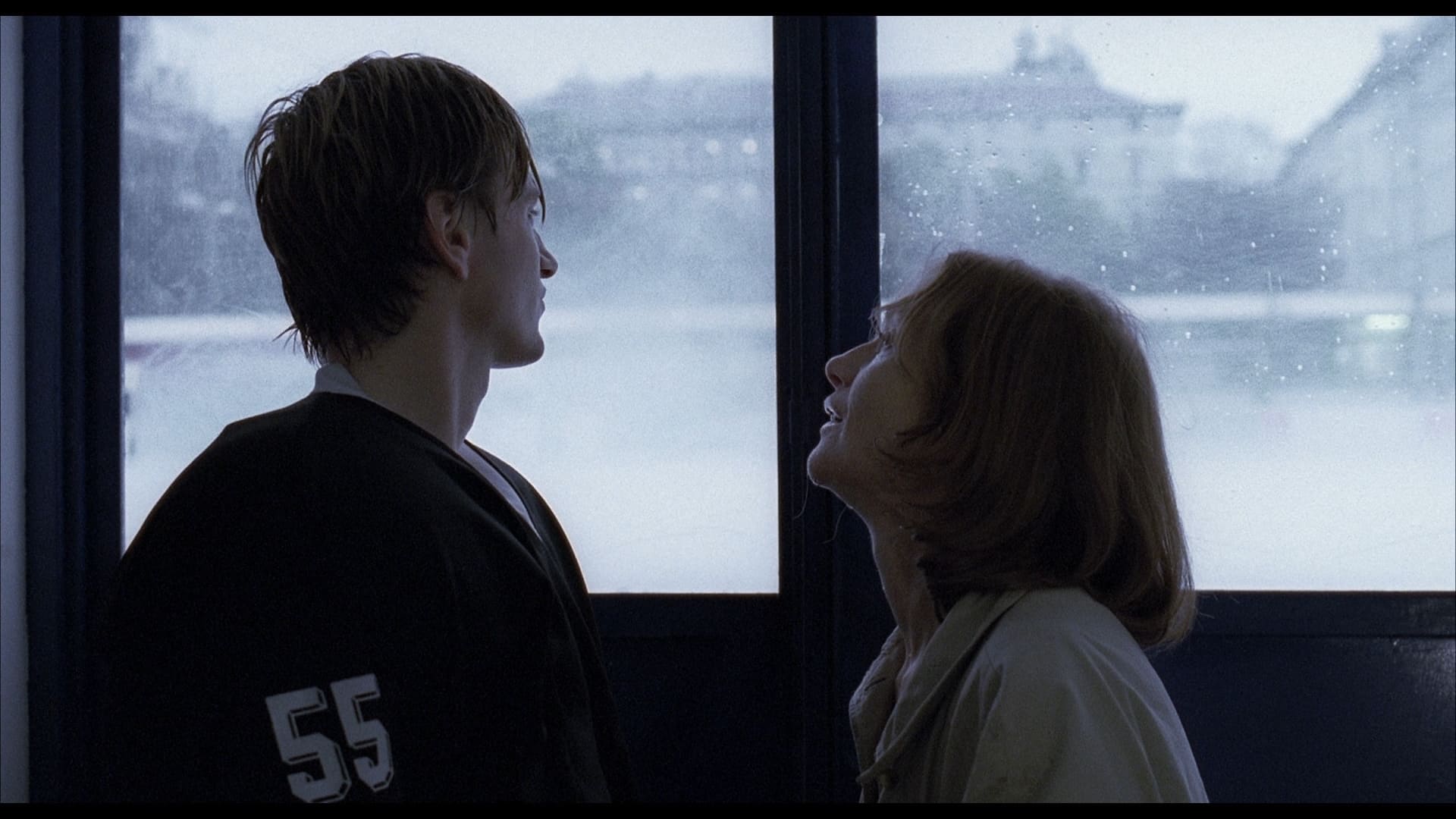
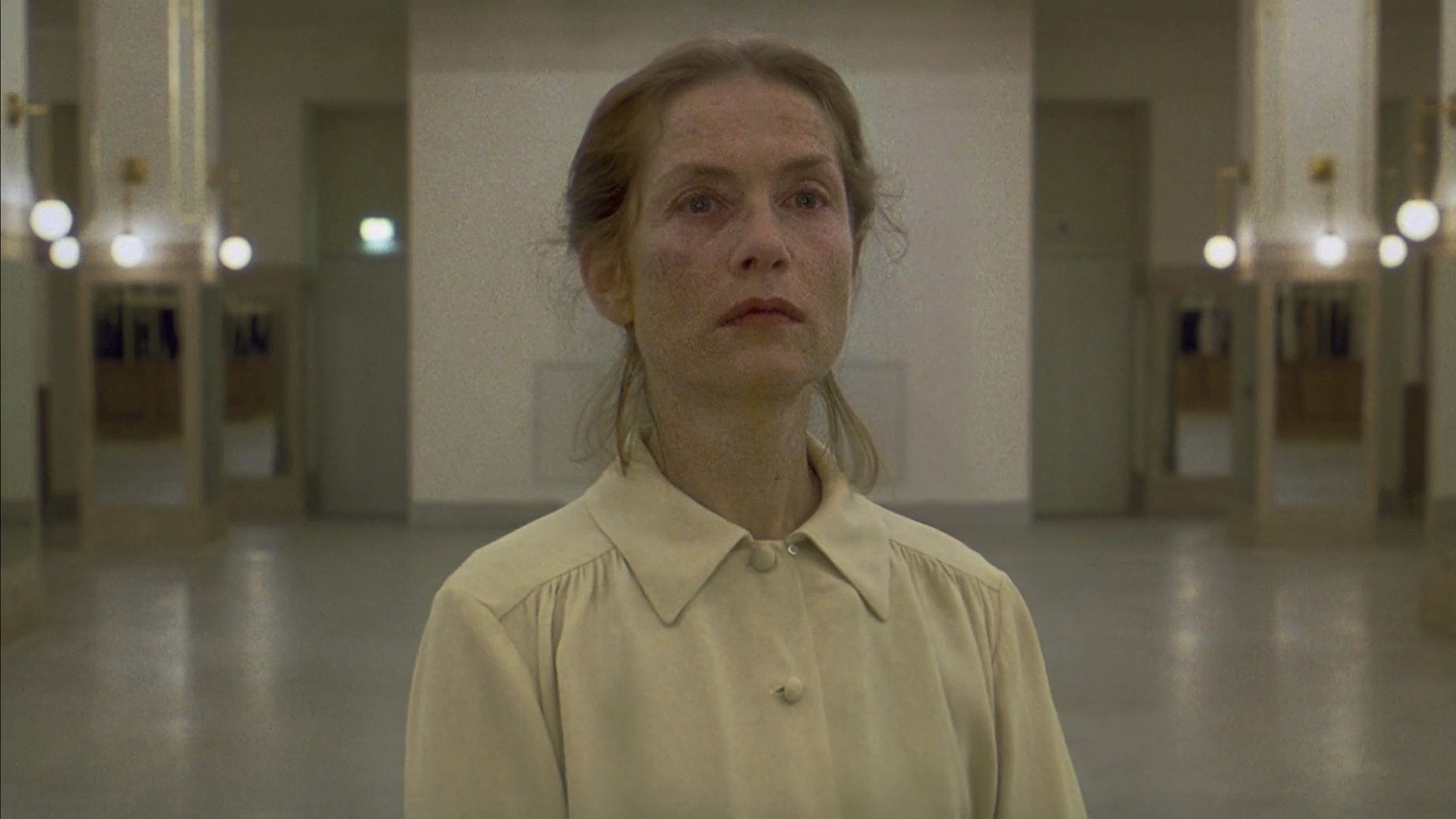
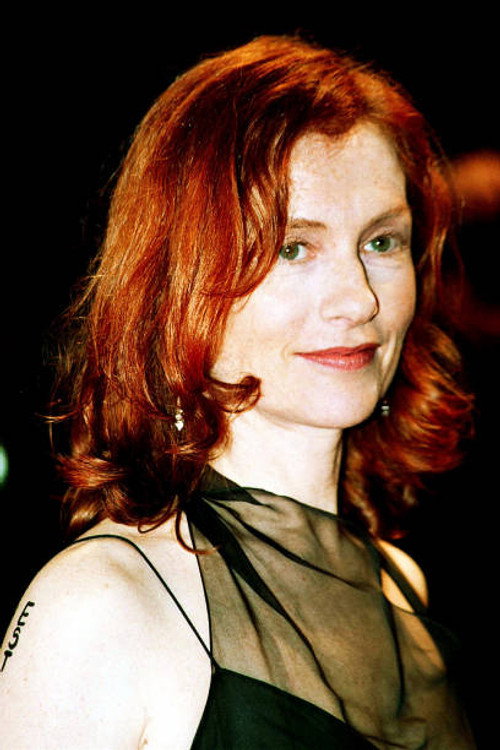
— that terrifying possibility of becoming cold, detached, emptied out by everything I’ve lived through. And yet she’s so full of intensity, of suppressed emotion, it’s almost too much to look at. Her jealousy, for instance, destroys me. Isabelle Huppert*’s eyes carry the entire film — they’re always glistening, on the verge of breaking. But she isn’t jealous of a person; she’s jealous of a life she doesn’t have and will
never have. It’s not even jealousy anymore — it’s the brutal awareness of what will never be hers.
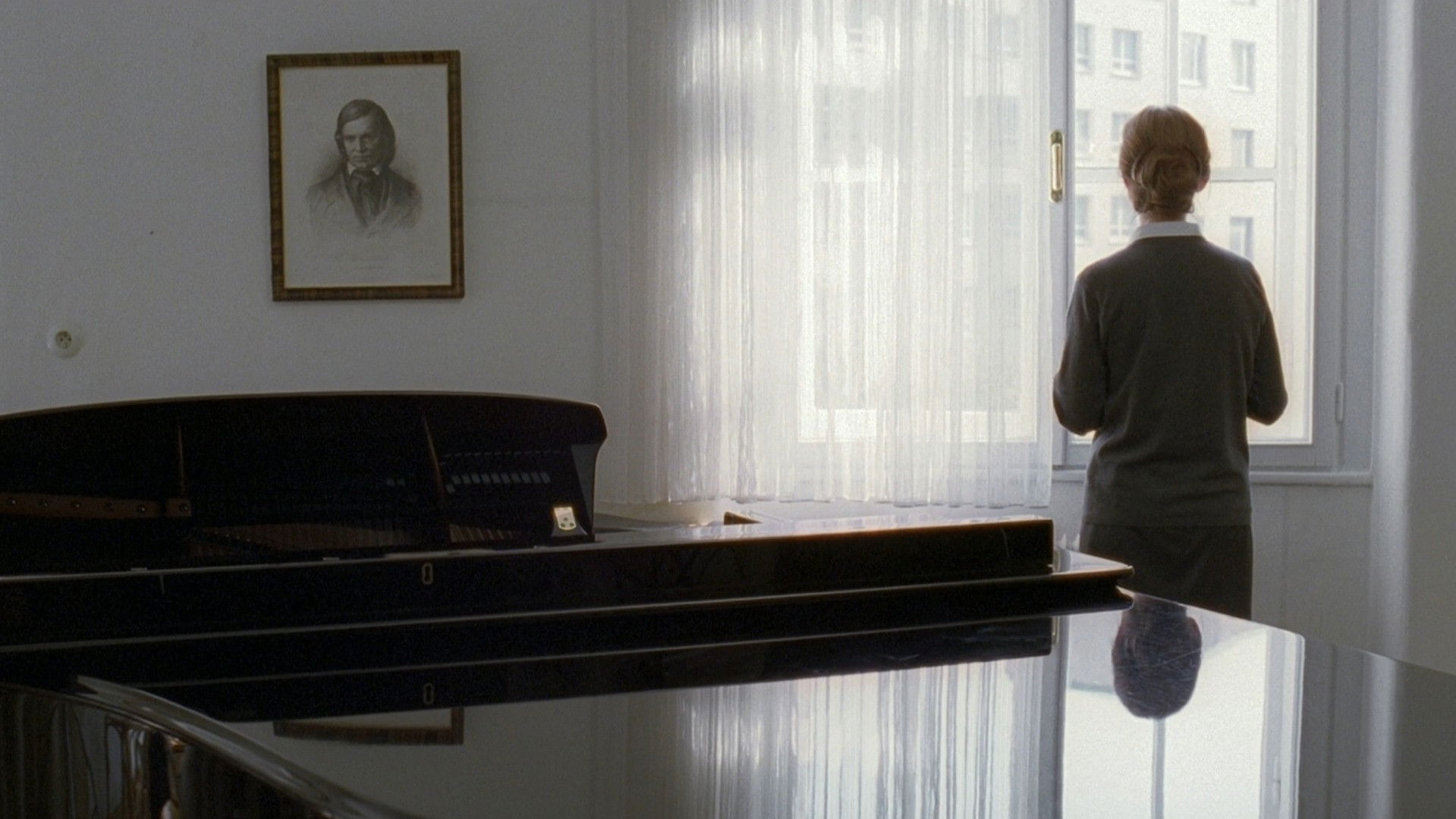
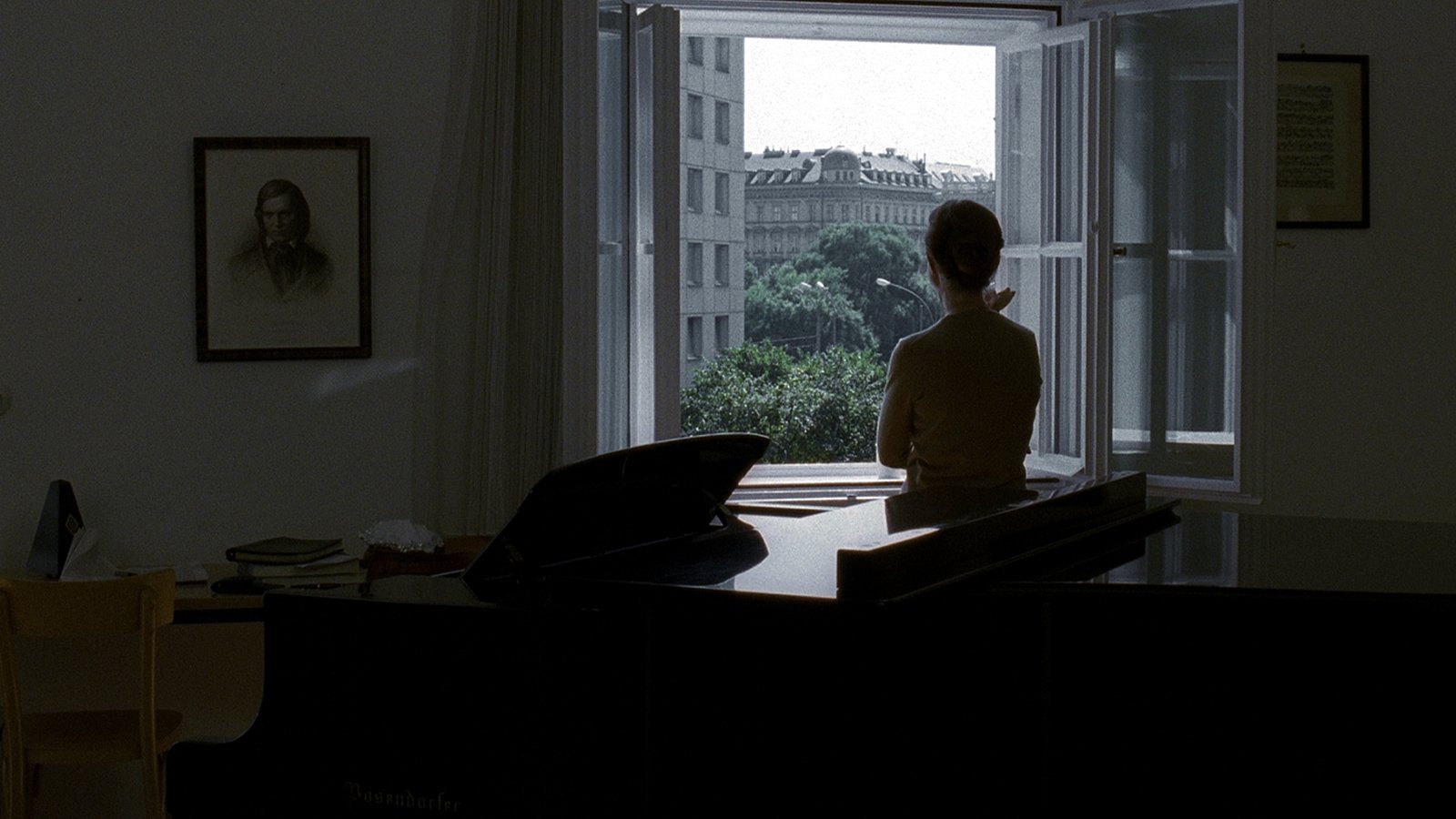
And those silences. Those magnificent, unbearable silences where the world seems to hold its breath. Everything is crafted with such precision, such emotional violence under control.
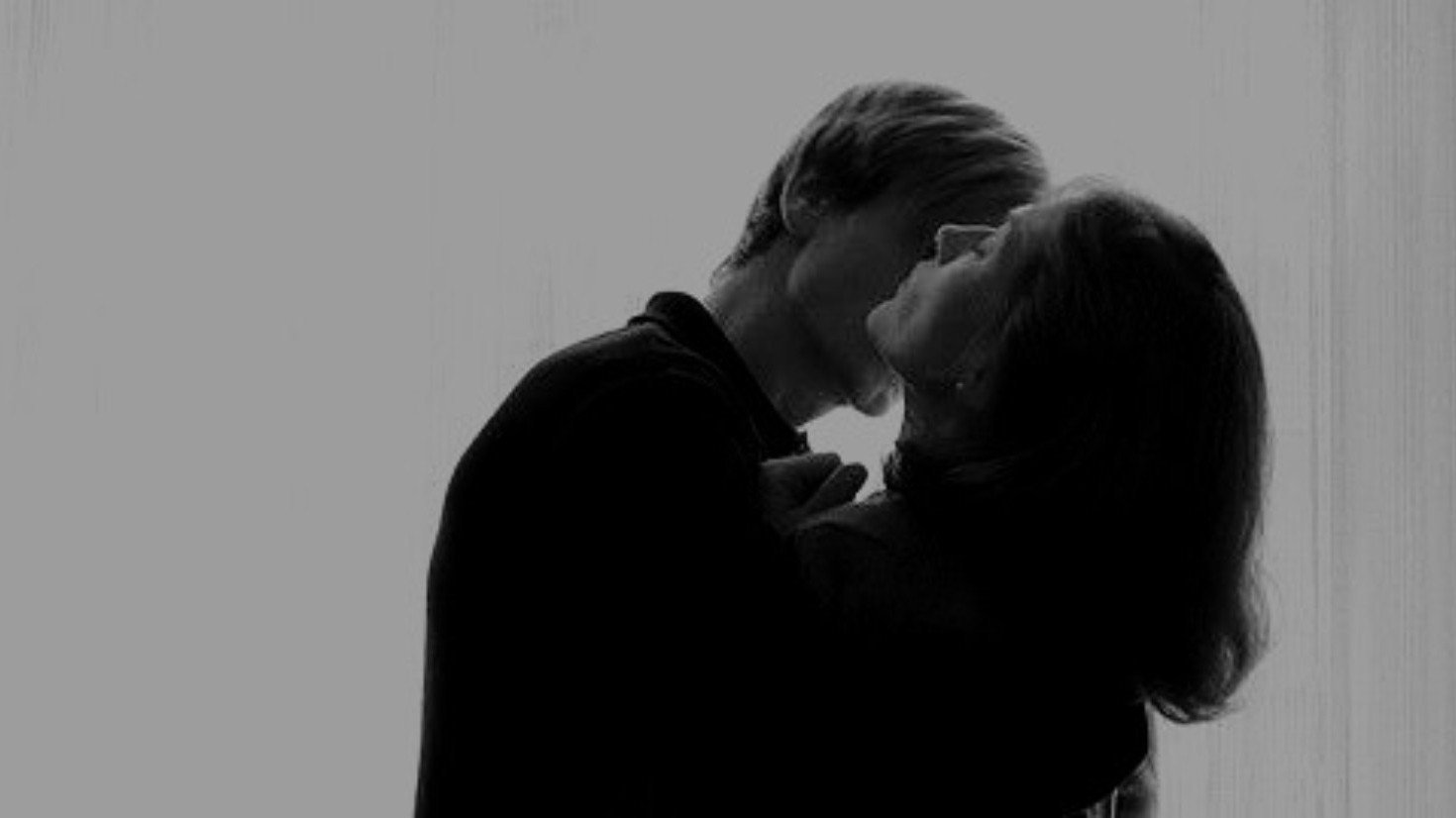
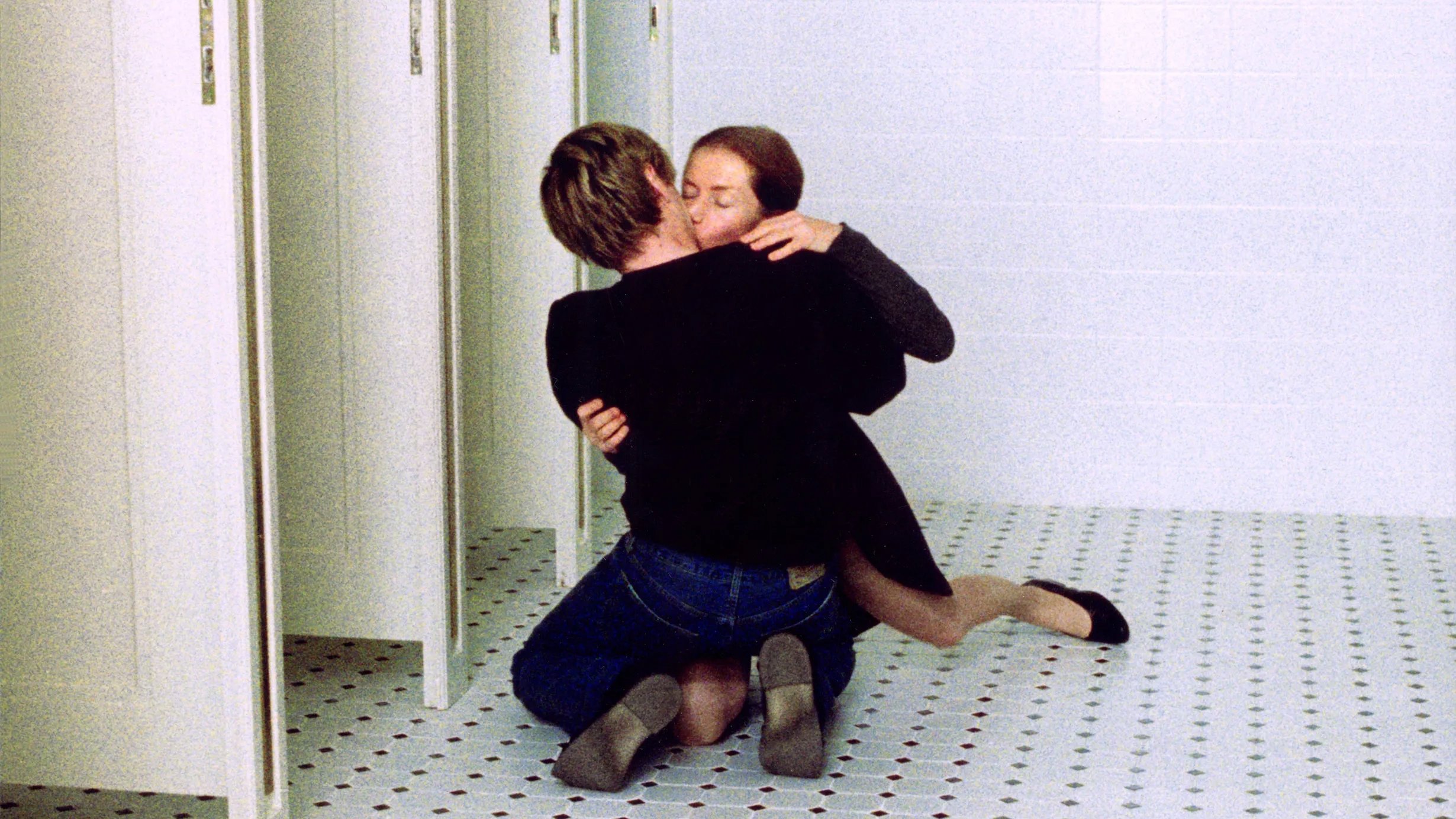
Erika’s coldness seeps into every frame, every choice she makes, especially her sexuality. Controlling her sexual life is the only form of power she has left. It’s devastating, but it makes perfect sense.
There’s also the emotional blockage — maybe the most
painful part. She doesn’t know what love is. She tries, she imitates it, she performs it, but she doesn’t feel it. And that, for me, is what hits the hardest.
I’ve felt that same paralysis, that same wall inside me — the inability to be with someone, to let go, to really feel without breaking. This film captures that exact emotional deadlock with frightening precision.
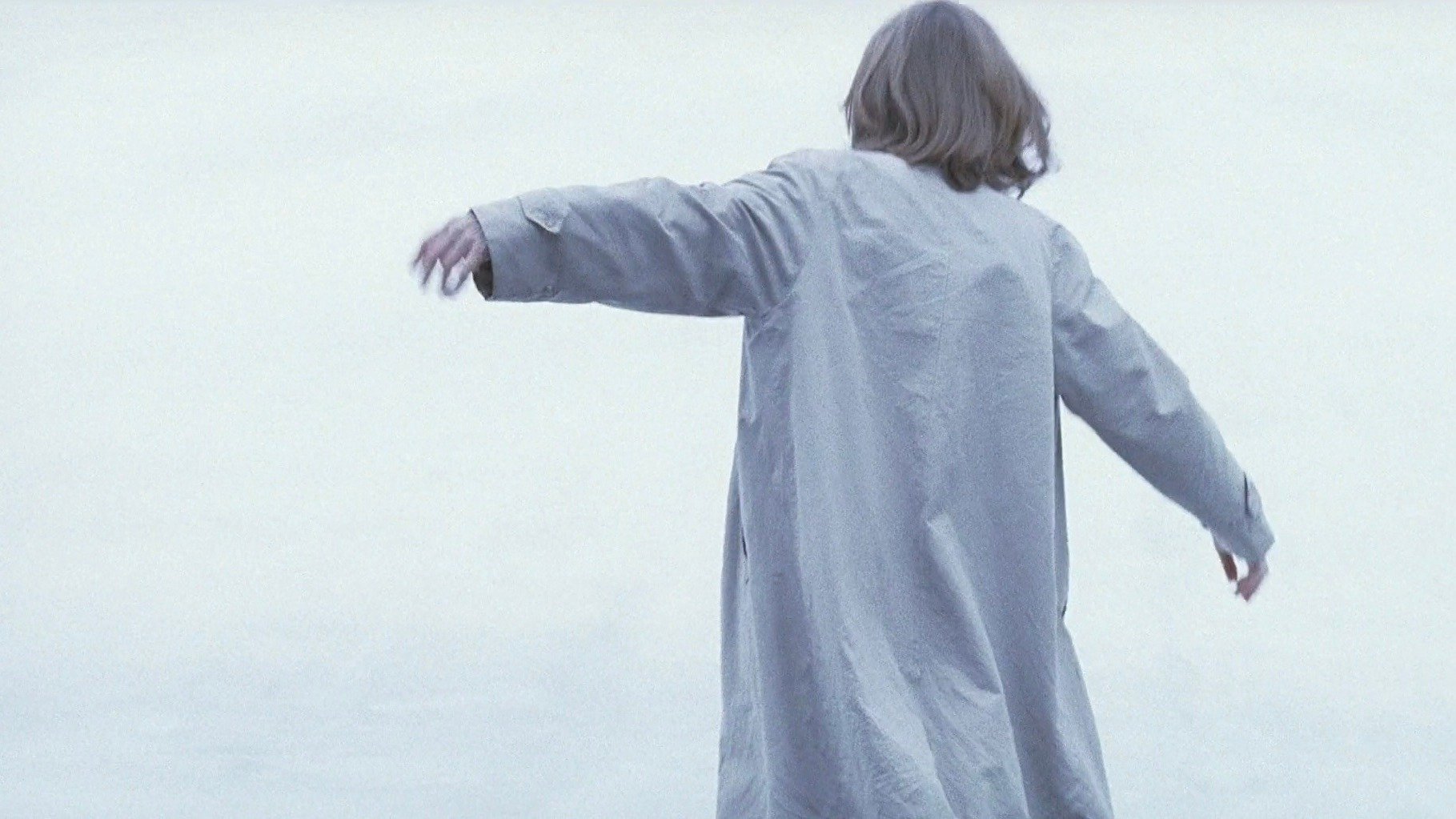
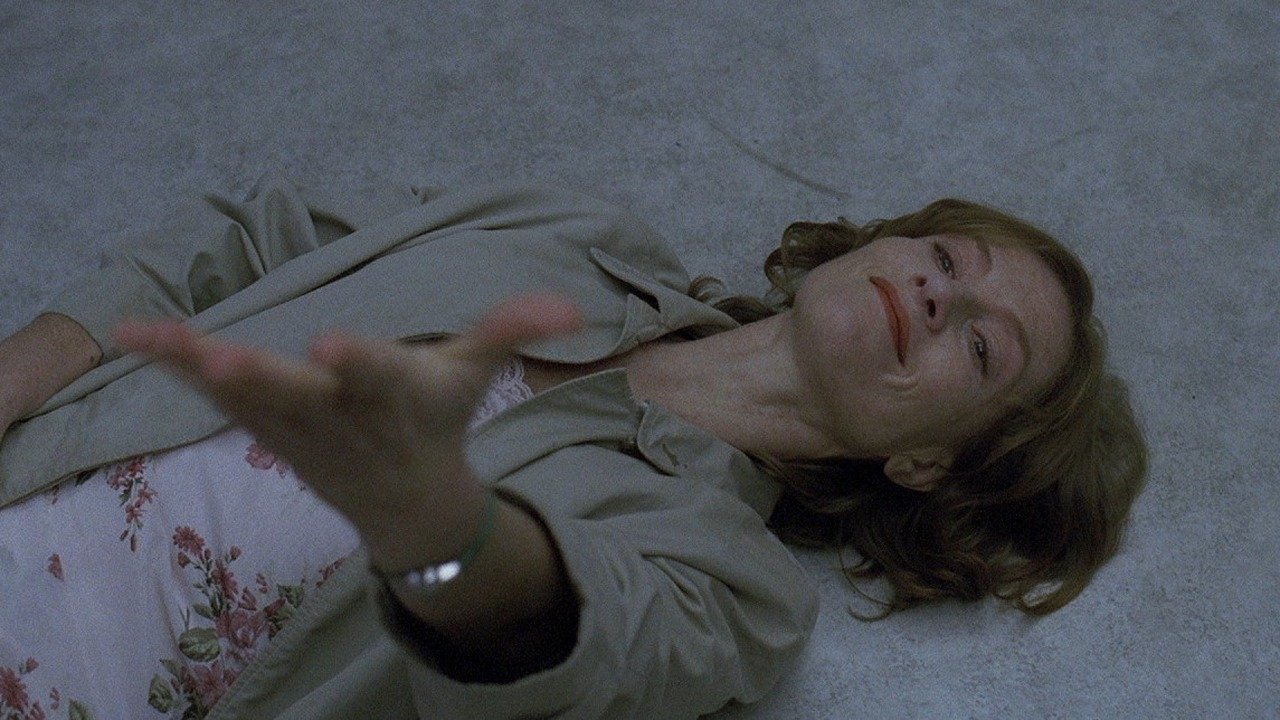
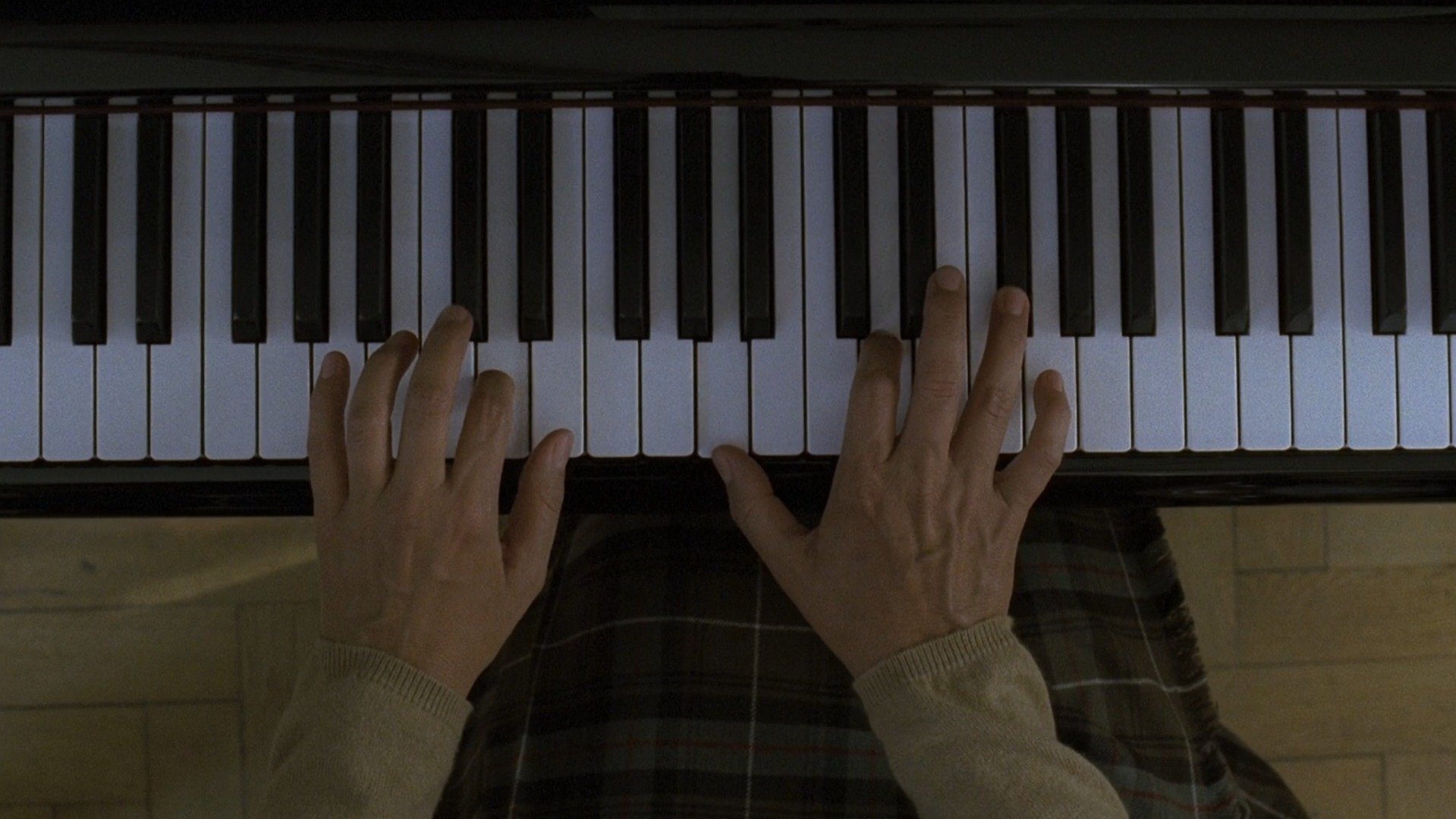
The Piano Teacher isn’t something you just watch. It’s something you live through. Every frame, every silence, every look cuts like a blade — cold, elegant, merciless. It freezes me and revives me at the same time.
Haneke doesn’t just show pain; he translates it into a kind of truth you can’t turn away from. And when it ends, I’m left shaken, emptied out, trembling — and somehow, painfully,
alive.