

1970·Drama·1h 43m
7.1
★
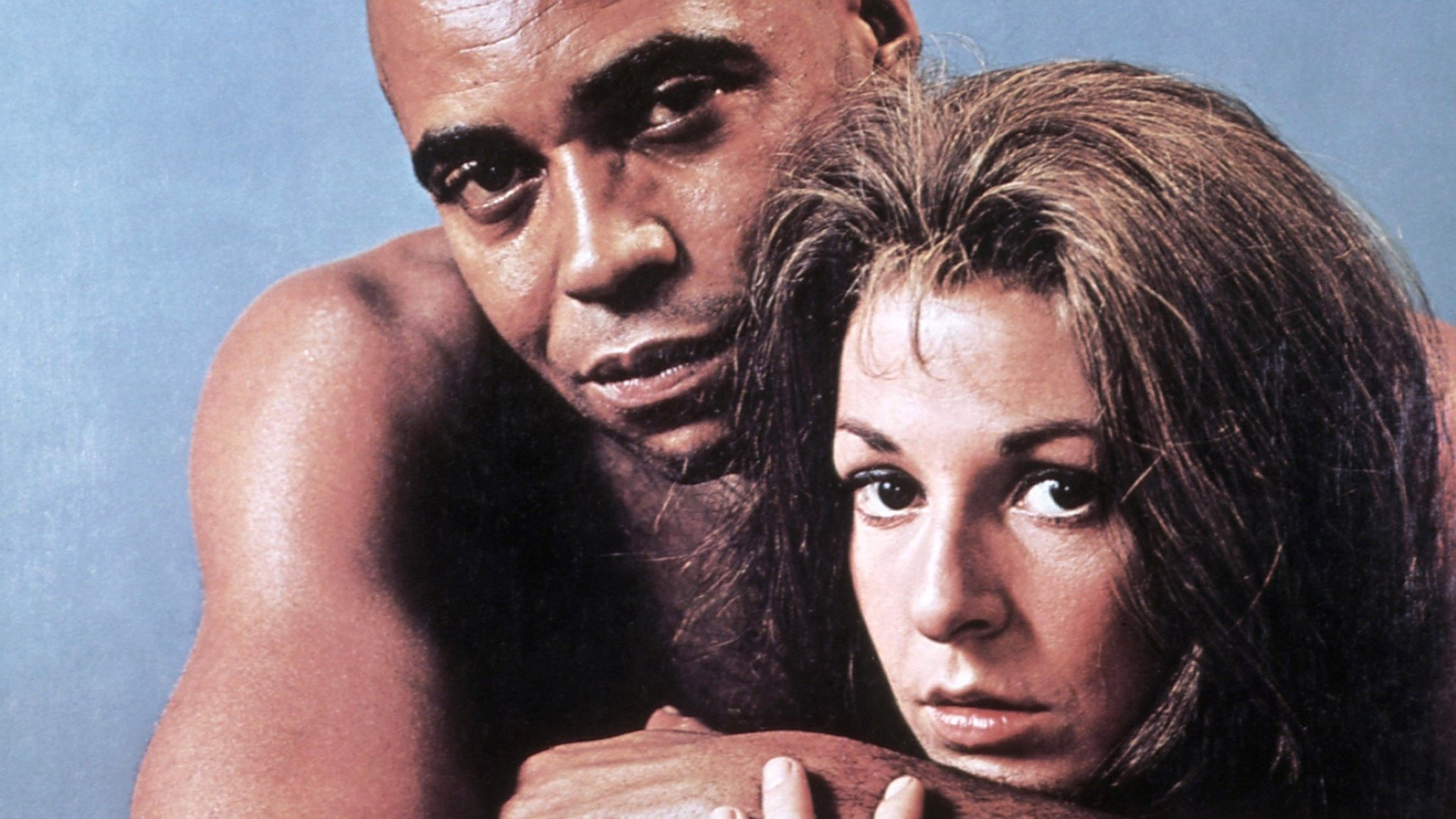
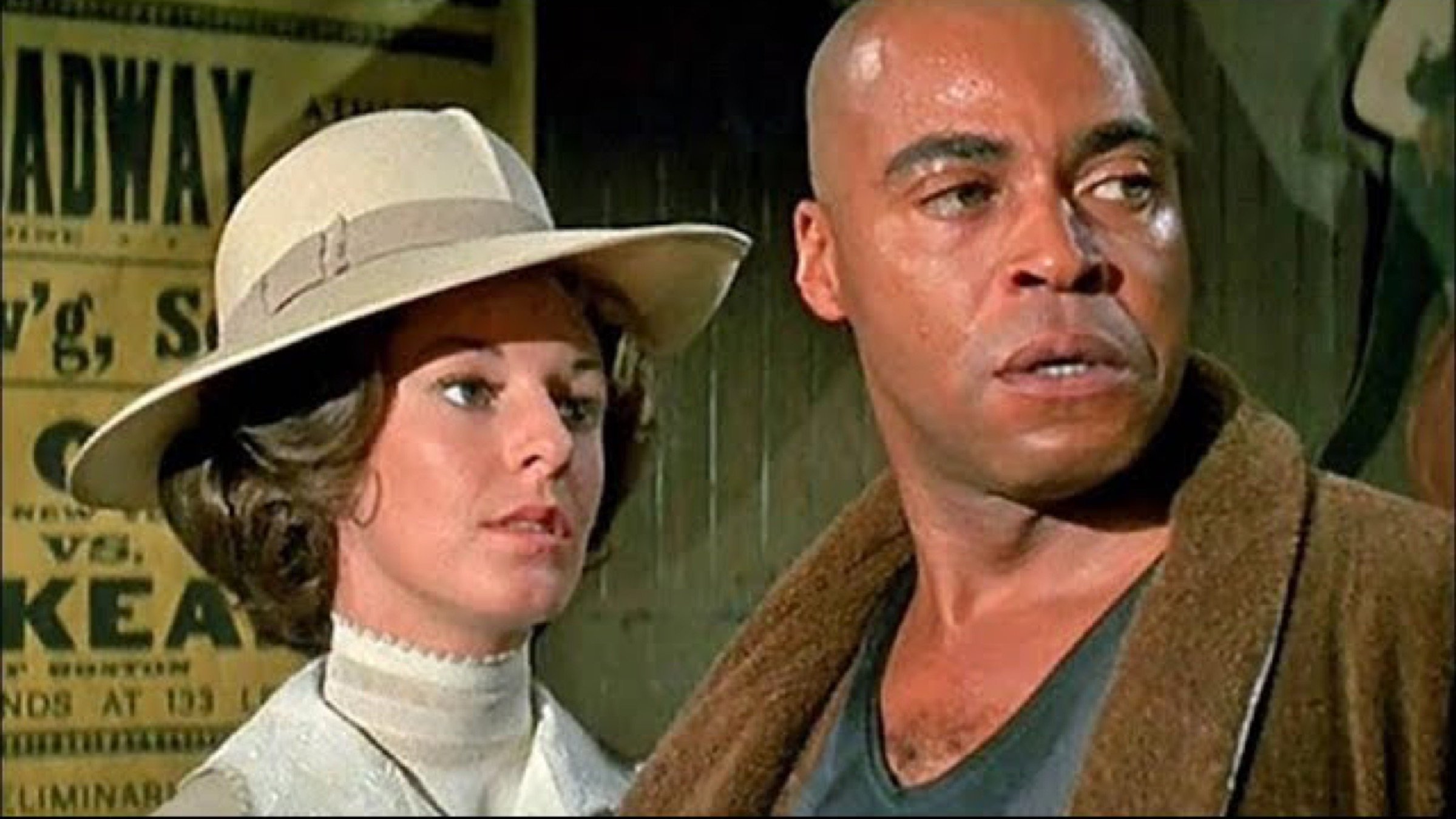
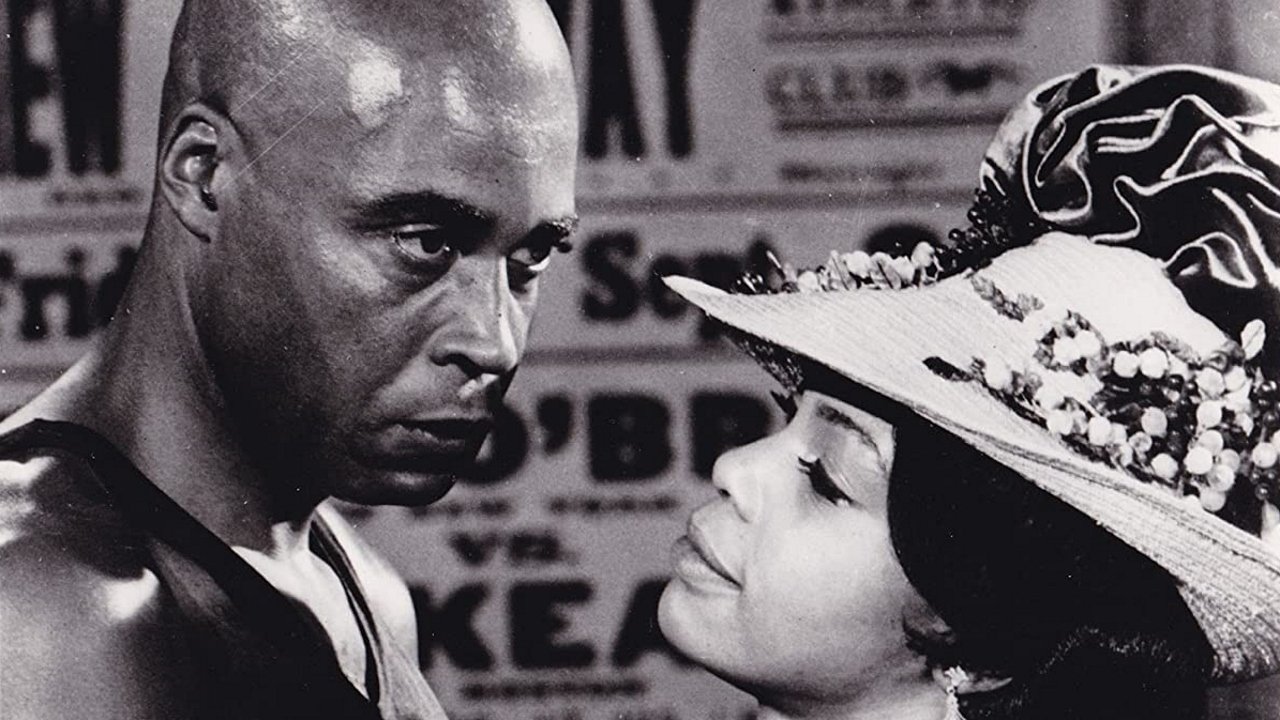
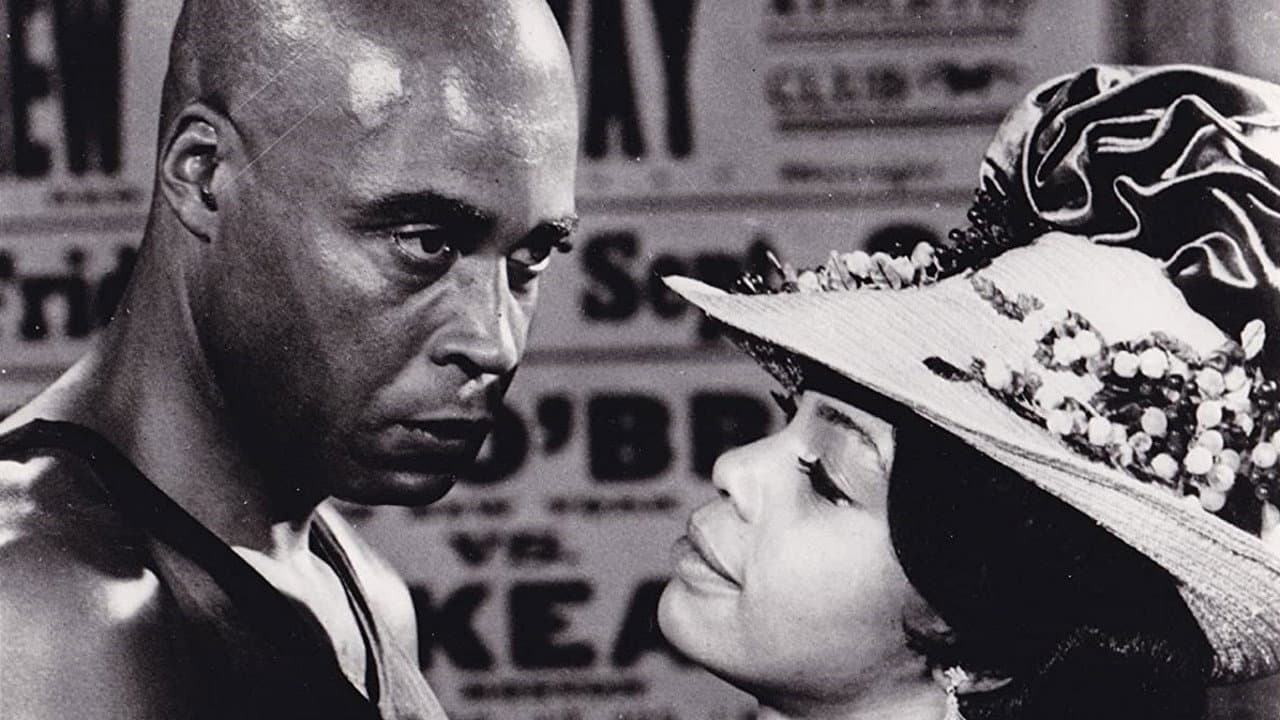
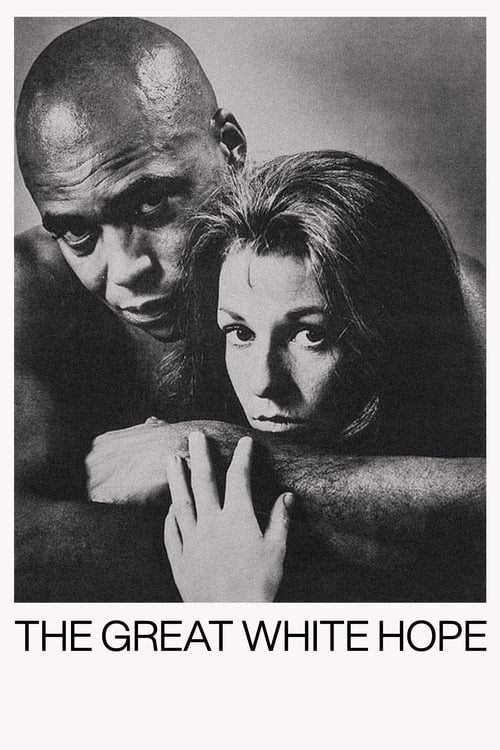
A black champion boxer and his white female companion struggle to survive while the white boxing establishment looks for ways to knock him down.
Directed by Martin Ritt
sports
based on play or musical
boxing

Trailer

IMDB
N/A
Cast

James Earl Jones
Jack Jefferson
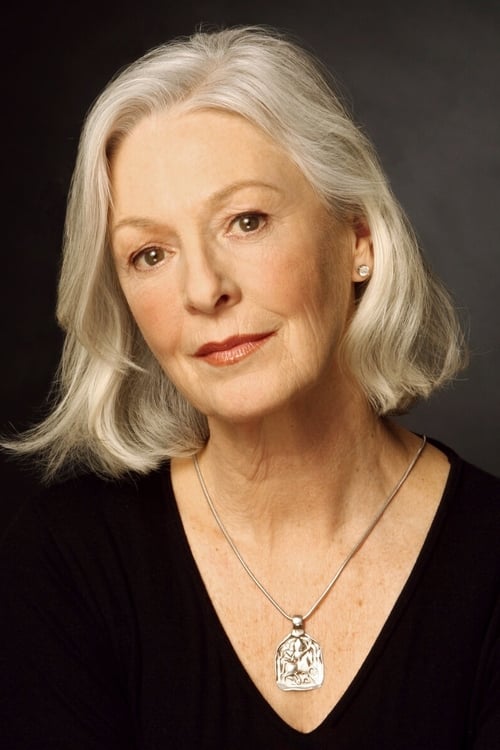
Jane Alexander
Eleanor
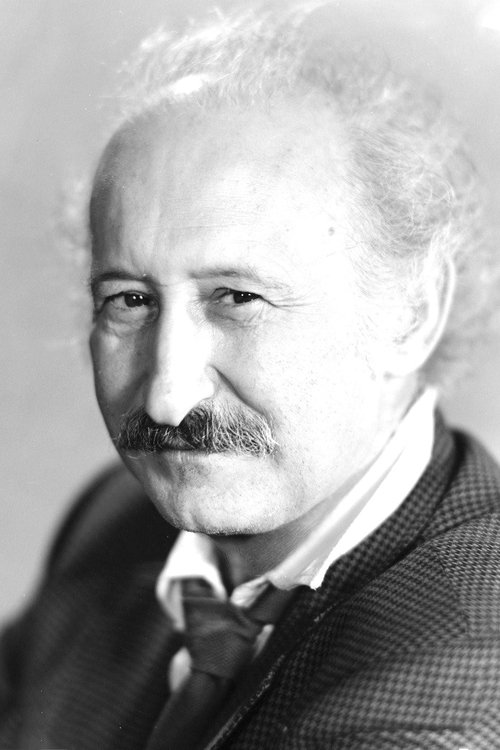
Lou Gilbert
Goldie
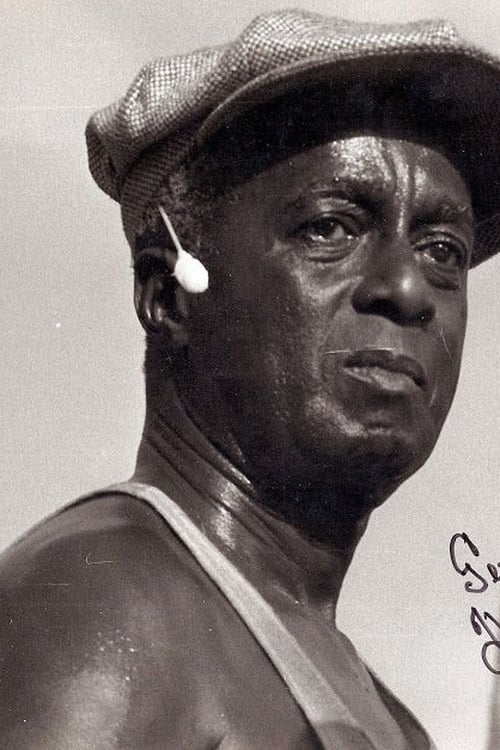
Joel Fluellen
Tick
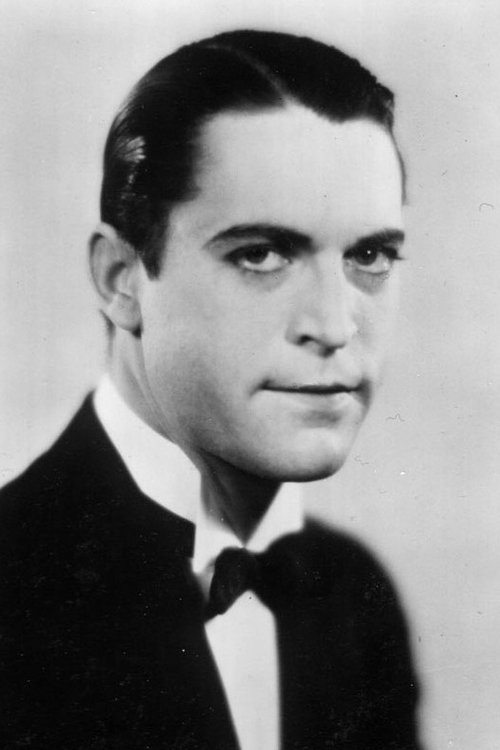
Chester Morris
Pop Weaver
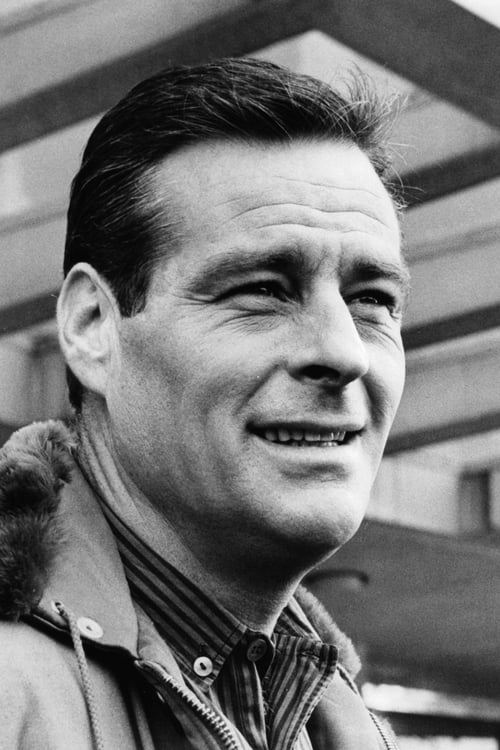
Robert Webber
Dixon
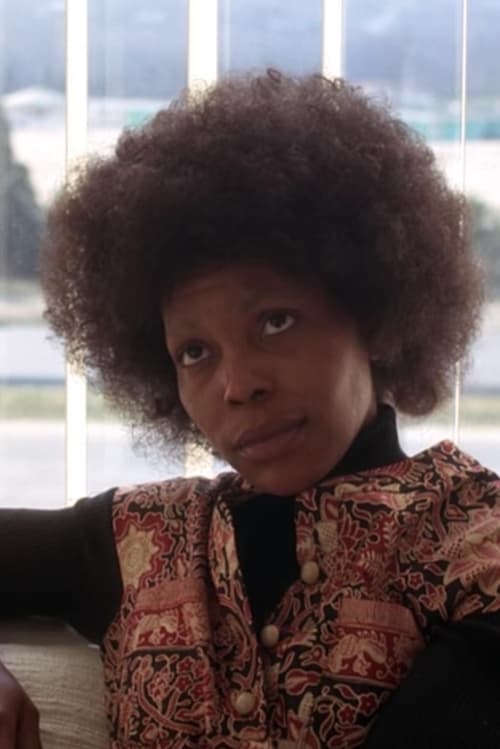
Marlene Warfield
Clara
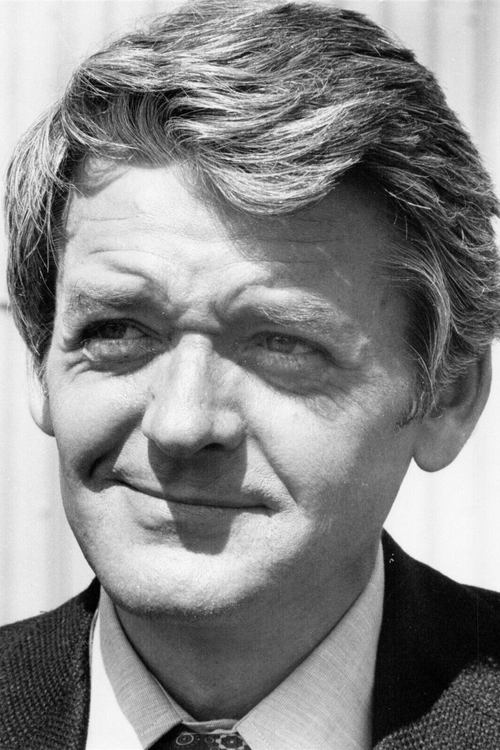
Hal Holbrook
Cameron
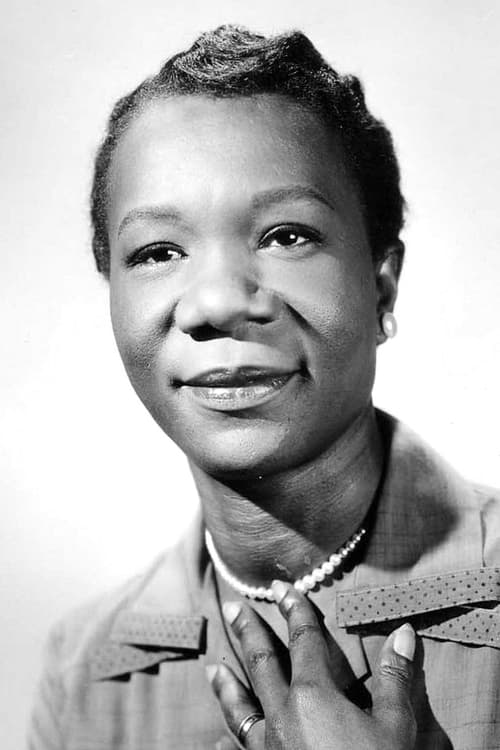
Beah Richards
Mama Tiny
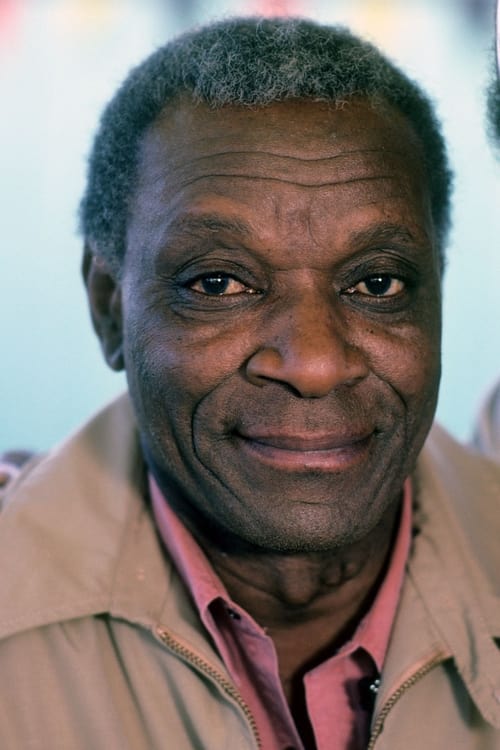
Moses Gunn
Scipio
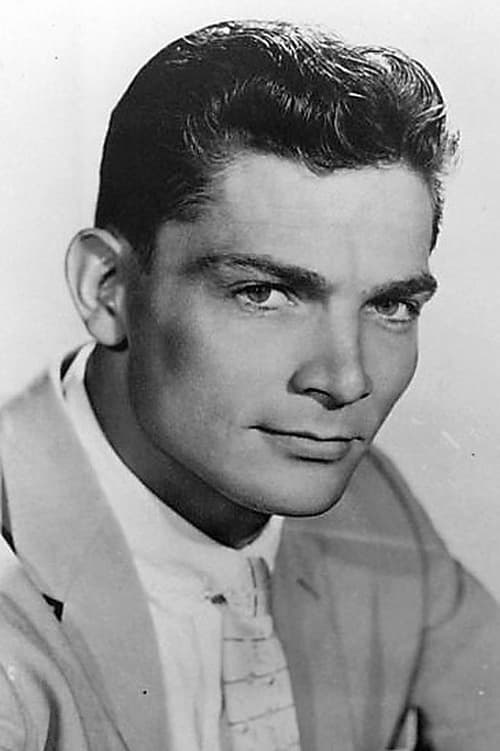
Larry Pennell
Brady
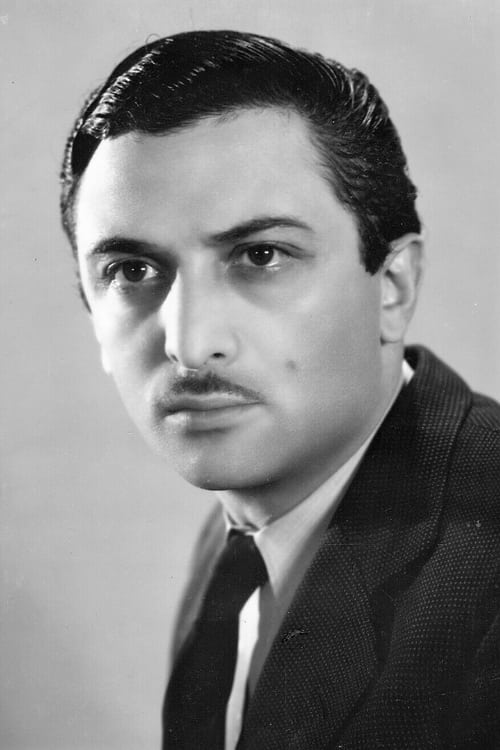
Marcel Dalio
French Promoter
Crew
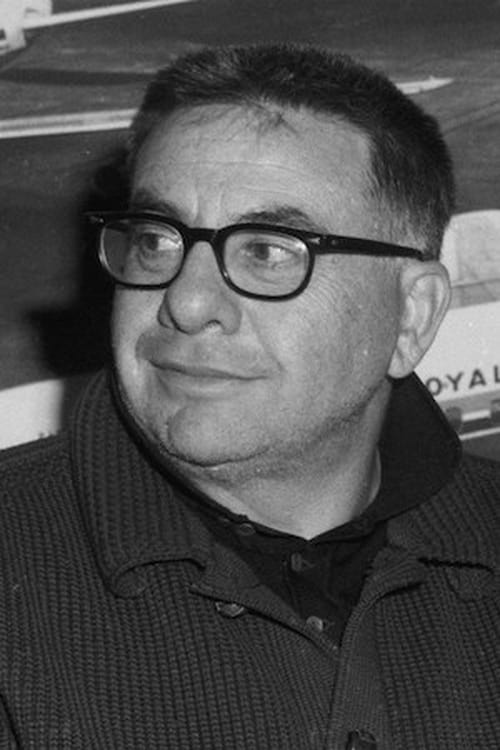
Martin Ritt
Director
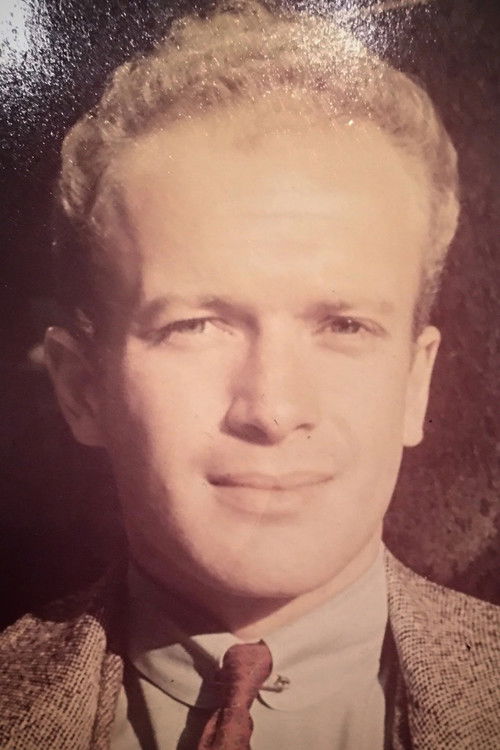
Howard Sackler
Screenplay

Lawrence Turman
Producer
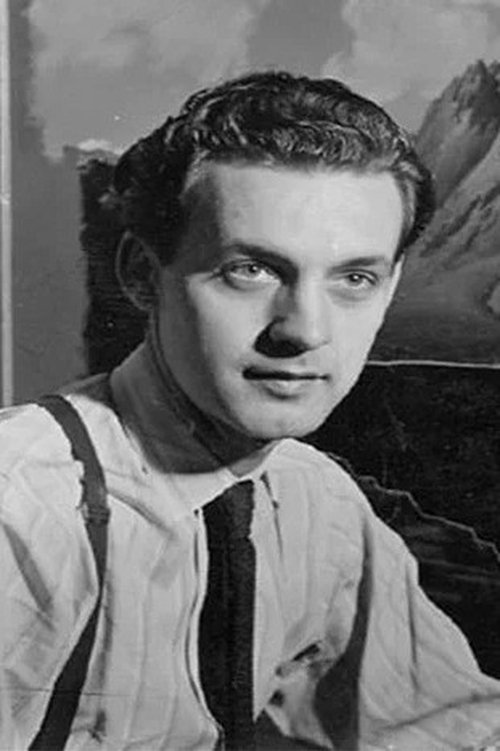
John DeCuir
Production Design
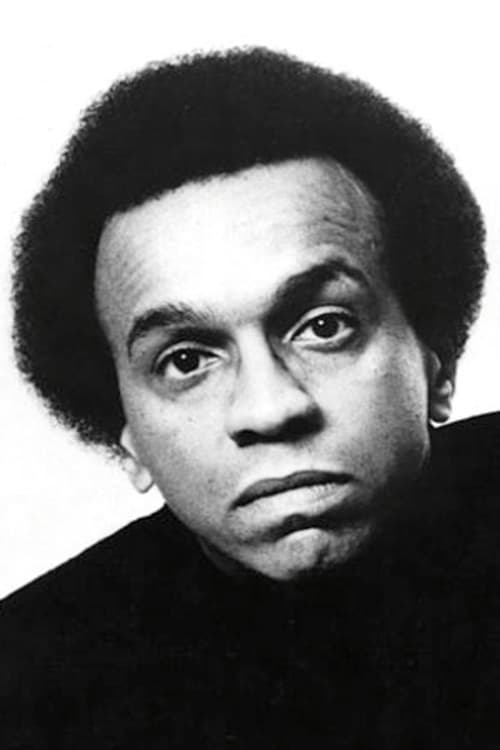
Donald McKayle
Choreographer
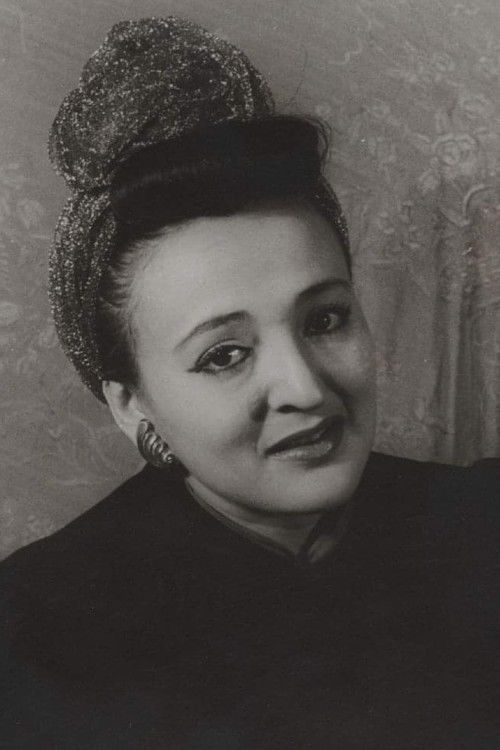
Irene Sharaff
Costume Design
Howard Sackler
Theatre Play
Popular Reviews
5 reviews
LeonDeon
9.0★ · 09/13/24
The Great White Hope details the eternal struggle of making your claim against the ruling class with grace, dignity, discipline, and beauty.
In the lone Academy Award nomination of the legendary career of James Earl Jones, it makes me wish the man had more leading roles because he is a captivating screen presence beyond his distinct, deep voice. This was obvious to anyone who paid attention to his work in theater, but seeing it translated to the screen is an entirely different beast. Jones understands the weight of his characters with a keen ability to project their pain in subtle ways—whether through the wavering of his voice, the flash of his eyes, or the smile that conceals his suffering. If anything is to be observed from The Great White Hope, it’s that Jones brings gravitas to all of his roles.
When you meet his character, Jack Jefferson—based on Jack Johnson, the first Black world heavyweight champion, who lived a flashy life and had a larger-than-life personality—you recognize Johnson as a living symbol of striving and succeeding against oppression. He wore his pride on his chest and carried it with him everywhere. As he did so, he won fight after fight, culminating in the “fight of the century,” where Johnson faced The Great White Hope, James J. Jeffries, a former world heavyweight champion, and defeated him in the 15th round by forfeit, as Jeffries didn’t want a KO on his record. Knowing this—and the race riots that erupted afterward—it’s clear that white society couldn’t accept a Black man being unapologetically proud of his success and achievements, especially one who shattered the myth of an American Übermensch and dashed the hope of racists who saw themselves as the dominant race. This is why I fuck with Jack Johnson.
In the film, the focus shifts away from that pivotal fight and centers on the fallout afterward and the emotional degradation of Jefferson. It’s a painful journey, charting his rise to world heavyweight champion and culminating in a final frame that is utterly haunting in its implications. Like the real Jack Johnson, Jefferson suffered under the watchful, hate-filled eyes of the legal system for marrying a white woman in 1910s America. It’s devastating to witness someone who, despite the relentless bigotry around him, managed to carve out a place for himself and his family, only to have it all stolen in the blink of an eye. What took a lifetime to build was destroyed in just a few short years. While the white world revered him for his skill, they never saw him as anything more than a spectacle.
The tenderness, sincerity, and kindness in the relationship between Jefferson and his wife, Eleanor (Jane Alexander), are most apparent in their scenes together. It reflects the ideal life anyone would want, and watching it slowly slip away from Jefferson and Eleanor is heartbreaking. Eleanor loved Jefferson for everything he was, standing by him through the most desperate times, refusing to let the world dictate who they could and couldn’t love. Her love is tested when she is dragged into the legal system, questioned about the validity of her feelings for Jefferson, and subjected to despicable accusations, including whether he had ever roofied her. Yet, she never wavered. If this was what she had to endure to love her husband, she would face it in every lifetime.
Because a Black man and a white woman chose to build a life together, systemic racism saw fit not only to strip Jefferson of his pride but also to revoke Eleanor’s "white status" for daring to love a Black man. For much of the film, Jefferson manages to smile and use his suave charm to navigate the world because his relationship isn’t public yet. But he’s not the type of man to live in the shadows. This becomes evident in a scene just before the "fight of the century," when several Black residents approach Jefferson to pray for him. One of them tells Jefferson that if he wins today, he can’t wait to feel proud tomorrow. Jefferson responds that he shouldn’t be the reason the man feels pride, whether he wins or loses; he should already be proud of who he is and where he comes from, today.
The Great White Hope stands as a testament to the acting powerhouse that James Earl Jones was. He had an unmatched ability to make every scene resonate, knowing precisely when to use his voice to convey deep-seated pain or dominance. Jones also understood how to use his body to express what words couldn’t—whether in the tender moments of Jefferson and Eleanor’s honeymoon or the brutal intensity of the final fight. His talent was a gift to the world, one we lost but will never forget, much like Johnson himself.
In the lone Academy Award nomination of the legendary career of James Earl Jones, it makes me wish the man had more leading roles because he is a captivating screen presence beyond his distinct, deep voice. This was obvious to anyone who paid attention to his work in theater, but seeing it translated to the screen is an entirely different beast. Jones understands the weight of his characters with a keen ability to project their pain in subtle ways—whether through the wavering of his voice, the flash of his eyes, or the smile that conceals his suffering. If anything is to be observed from The Great White Hope, it’s that Jones brings gravitas to all of his roles.
When you meet his character, Jack Jefferson—based on Jack Johnson, the first Black world heavyweight champion, who lived a flashy life and had a larger-than-life personality—you recognize Johnson as a living symbol of striving and succeeding against oppression. He wore his pride on his chest and carried it with him everywhere. As he did so, he won fight after fight, culminating in the “fight of the century,” where Johnson faced The Great White Hope, James J. Jeffries, a former world heavyweight champion, and defeated him in the 15th round by forfeit, as Jeffries didn’t want a KO on his record. Knowing this—and the race riots that erupted afterward—it’s clear that white society couldn’t accept a Black man being unapologetically proud of his success and achievements, especially one who shattered the myth of an American Übermensch and dashed the hope of racists who saw themselves as the dominant race. This is why I fuck with Jack Johnson.
In the film, the focus shifts away from that pivotal fight and centers on the fallout afterward and the emotional degradation of Jefferson. It’s a painful journey, charting his rise to world heavyweight champion and culminating in a final frame that is utterly haunting in its implications. Like the real Jack Johnson, Jefferson suffered under the watchful, hate-filled eyes of the legal system for marrying a white woman in 1910s America. It’s devastating to witness someone who, despite the relentless bigotry around him, managed to carve out a place for himself and his family, only to have it all stolen in the blink of an eye. What took a lifetime to build was destroyed in just a few short years. While the white world revered him for his skill, they never saw him as anything more than a spectacle.
The tenderness, sincerity, and kindness in the relationship between Jefferson and his wife, Eleanor (Jane Alexander), are most apparent in their scenes together. It reflects the ideal life anyone would want, and watching it slowly slip away from Jefferson and Eleanor is heartbreaking. Eleanor loved Jefferson for everything he was, standing by him through the most desperate times, refusing to let the world dictate who they could and couldn’t love. Her love is tested when she is dragged into the legal system, questioned about the validity of her feelings for Jefferson, and subjected to despicable accusations, including whether he had ever roofied her. Yet, she never wavered. If this was what she had to endure to love her husband, she would face it in every lifetime.
Because a Black man and a white woman chose to build a life together, systemic racism saw fit not only to strip Jefferson of his pride but also to revoke Eleanor’s "white status" for daring to love a Black man. For much of the film, Jefferson manages to smile and use his suave charm to navigate the world because his relationship isn’t public yet. But he’s not the type of man to live in the shadows. This becomes evident in a scene just before the "fight of the century," when several Black residents approach Jefferson to pray for him. One of them tells Jefferson that if he wins today, he can’t wait to feel proud tomorrow. Jefferson responds that he shouldn’t be the reason the man feels pride, whether he wins or loses; he should already be proud of who he is and where he comes from, today.
The Great White Hope stands as a testament to the acting powerhouse that James Earl Jones was. He had an unmatched ability to make every scene resonate, knowing precisely when to use his voice to convey deep-seated pain or dominance. Jones also understood how to use his body to express what words couldn’t—whether in the tender moments of Jefferson and Eleanor’s honeymoon or the brutal intensity of the final fight. His talent was a gift to the world, one we lost but will never forget, much like Johnson himself.
The Great White Hope details the eternal struggle of making your claim against the ruling class with grace, dignity, discipline, and beauty.
In the lone Academy Award nomination of the legendary career of James Earl Jones, it makes me wish the man had more leading roles because he is a captivating screen presence beyond his distinct, deep voice. This was obvious to anyone who paid attention to his work in theater, but seeing it translated to the screen is an entirely different beast. Jones understands the weight of his characters with a keen ability to project their pain in subtle ways—whether through the wavering of his voice, the flash of his eyes, or the smile that conceals his suffering. If anything is to be observed from The Great White Hope, it’s that Jones brings gravitas to all of his roles.
When you meet his character, Jack Jefferson—based on Jack Johnson, the first Black world heavyweight champion, who lived a flashy life and had a larger-than-life personality—you recognize Johnson as a living symbol of striving and succeeding against oppression. He wore his pride on his chest and carried it with him everywhere. As he did so, he won fight after fight, culminating in the “fight of the century,” where Johnson faced The Great White Hope, James J. Jeffries, a former world heavyweight champion, and defeated him in the 15th round by forfeit, as Jeffries didn’t want a KO on his record. Knowing this—and the race riots that erupted afterward—it’s clear that white society couldn’t accept a Black man being unapologetically proud of his success and achievements, especially one who shattered the myth of an American Übermensch and dashed the hope of racists who saw themselves as the dominant race. This is why I fuck with Jack Johnson.
In the film, the focus shifts away from that pivotal fight and centers on the fallout afterward and the emotional degradation of Jefferson. It’s a painful journey, charting his rise to world heavyweight champion and culminating in a final frame that is utterly haunting in its implications. Like the real Jack Johnson, Jefferson suffered under the watchful, hate-filled eyes of the legal system for marrying a white woman in 1910s America. It’s devastating to witness someone who, despite the relentless bigotry around him, managed to carve out a place for himself and his family, only to have it all stolen in the blink of an eye. What took a lifetime to build was destroyed in just a few short years. While the white world revered him for his skill, they never saw him as anything more than a spectacle.
The tenderness, sincerity, and kindness in the relationship between Jefferson and his wife, Eleanor (Jane Alexander), are most apparent in their scenes together. It reflects the ideal life anyone would want, and watching it slowly slip away from Jefferson and Eleanor is heartbreaking. Eleanor loved Jefferson for everything he was, standing by him through the most desperate times, refusing to let the world dictate who they could and couldn’t love. Her love is tested when she is dragged into the legal system, questioned about the validity of her feelings for Jefferson, and subjected to despicable accusations, including whether he had ever roofied her. Yet, she never wavered. If this was what she had to endure to love her husband, she would face it in every lifetime.
Because a Black man and a white woman chose to build a life together, systemic racism saw fit not only to strip Jefferson of his pride but also to revoke Eleanor’s "white status" for daring to love a Black man. For much of the film, Jefferson manages to smile and use his suave charm to navigate the world because his relationship isn’t public yet. But he’s not the type of man to live in the shadows. This becomes evident in a scene just before the "fight of the century," when several Black residents approach Jefferson to pray for him. One of them tells Jefferson that if he wins today, he can’t wait to feel proud tomorrow. Jefferson responds that he shouldn’t be the reason the man feels pride, whether he wins or loses; he should already be proud of who he is and where he comes from, today.
The Great White Hope stands as a testament to the acting powerhouse that James Earl Jones was. He had an unmatched ability to make every scene resonate, knowing precisely when to use his voice to convey deep-seated pain or dominance. Jones also understood how to use his body to express what words couldn’t—whether in the tender moments of Jefferson and Eleanor’s honeymoon or the brutal intensity of the final fight. His talent was a gift to the world, one we lost but will never forget, much like Johnson himself.
In the lone Academy Award nomination of the legendary career of James Earl Jones, it makes me wish the man had more leading roles because he is a captivating screen presence beyond his distinct, deep voice. This was obvious to anyone who paid attention to his work in theater, but seeing it translated to the screen is an entirely different beast. Jones understands the weight of his characters with a keen ability to project their pain in subtle ways—whether through the wavering of his voice, the flash of his eyes, or the smile that conceals his suffering. If anything is to be observed from The Great White Hope, it’s that Jones brings gravitas to all of his roles.
When you meet his character, Jack Jefferson—based on Jack Johnson, the first Black world heavyweight champion, who lived a flashy life and had a larger-than-life personality—you recognize Johnson as a living symbol of striving and succeeding against oppression. He wore his pride on his chest and carried it with him everywhere. As he did so, he won fight after fight, culminating in the “fight of the century,” where Johnson faced The Great White Hope, James J. Jeffries, a former world heavyweight champion, and defeated him in the 15th round by forfeit, as Jeffries didn’t want a KO on his record. Knowing this—and the race riots that erupted afterward—it’s clear that white society couldn’t accept a Black man being unapologetically proud of his success and achievements, especially one who shattered the myth of an American Übermensch and dashed the hope of racists who saw themselves as the dominant race. This is why I fuck with Jack Johnson.
In the film, the focus shifts away from that pivotal fight and centers on the fallout afterward and the emotional degradation of Jefferson. It’s a painful journey, charting his rise to world heavyweight champion and culminating in a final frame that is utterly haunting in its implications. Like the real Jack Johnson, Jefferson suffered under the watchful, hate-filled eyes of the legal system for marrying a white woman in 1910s America. It’s devastating to witness someone who, despite the relentless bigotry around him, managed to carve out a place for himself and his family, only to have it all stolen in the blink of an eye. What took a lifetime to build was destroyed in just a few short years. While the white world revered him for his skill, they never saw him as anything more than a spectacle.
The tenderness, sincerity, and kindness in the relationship between Jefferson and his wife, Eleanor (Jane Alexander), are most apparent in their scenes together. It reflects the ideal life anyone would want, and watching it slowly slip away from Jefferson and Eleanor is heartbreaking. Eleanor loved Jefferson for everything he was, standing by him through the most desperate times, refusing to let the world dictate who they could and couldn’t love. Her love is tested when she is dragged into the legal system, questioned about the validity of her feelings for Jefferson, and subjected to despicable accusations, including whether he had ever roofied her. Yet, she never wavered. If this was what she had to endure to love her husband, she would face it in every lifetime.
Because a Black man and a white woman chose to build a life together, systemic racism saw fit not only to strip Jefferson of his pride but also to revoke Eleanor’s "white status" for daring to love a Black man. For much of the film, Jefferson manages to smile and use his suave charm to navigate the world because his relationship isn’t public yet. But he’s not the type of man to live in the shadows. This becomes evident in a scene just before the "fight of the century," when several Black residents approach Jefferson to pray for him. One of them tells Jefferson that if he wins today, he can’t wait to feel proud tomorrow. Jefferson responds that he shouldn’t be the reason the man feels pride, whether he wins or loses; he should already be proud of who he is and where he comes from, today.
The Great White Hope stands as a testament to the acting powerhouse that James Earl Jones was. He had an unmatched ability to make every scene resonate, knowing precisely when to use his voice to convey deep-seated pain or dominance. Jones also understood how to use his body to express what words couldn’t—whether in the tender moments of Jefferson and Eleanor’s honeymoon or the brutal intensity of the final fight. His talent was a gift to the world, one we lost but will never forget, much like Johnson himself.

1

Henry Pransky
10.0★ · 09/10/24
Follow Proto
6.0★ · 05/11/23
Hank Pransky
9.0★ · 10/02/22
Seth H
5.4★ · 10/14/16