
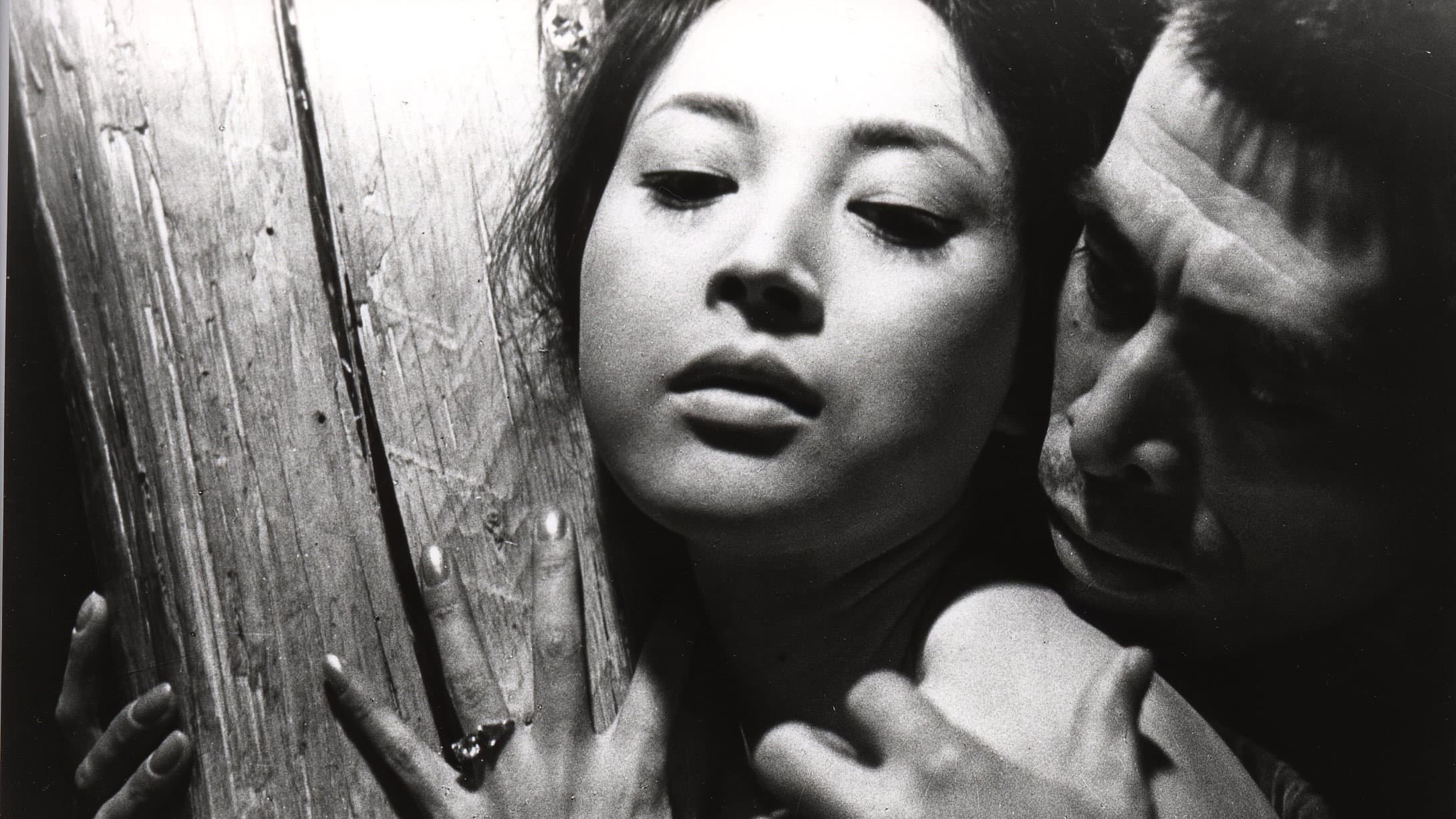
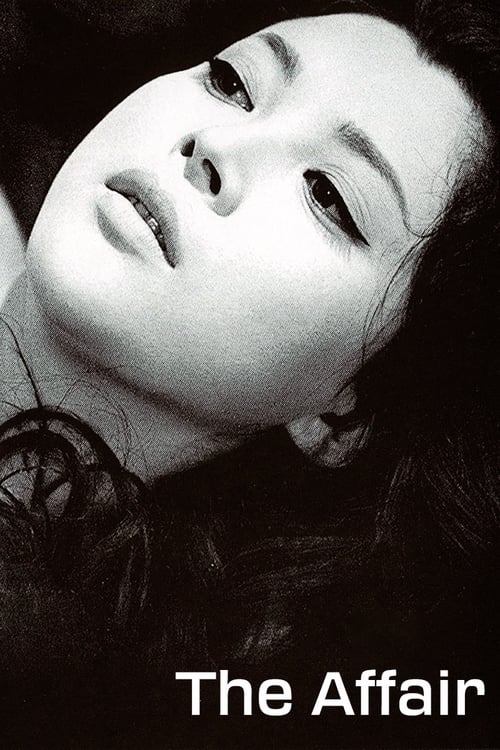
The Affair
1967·Drama·1h 37m
7.1
★
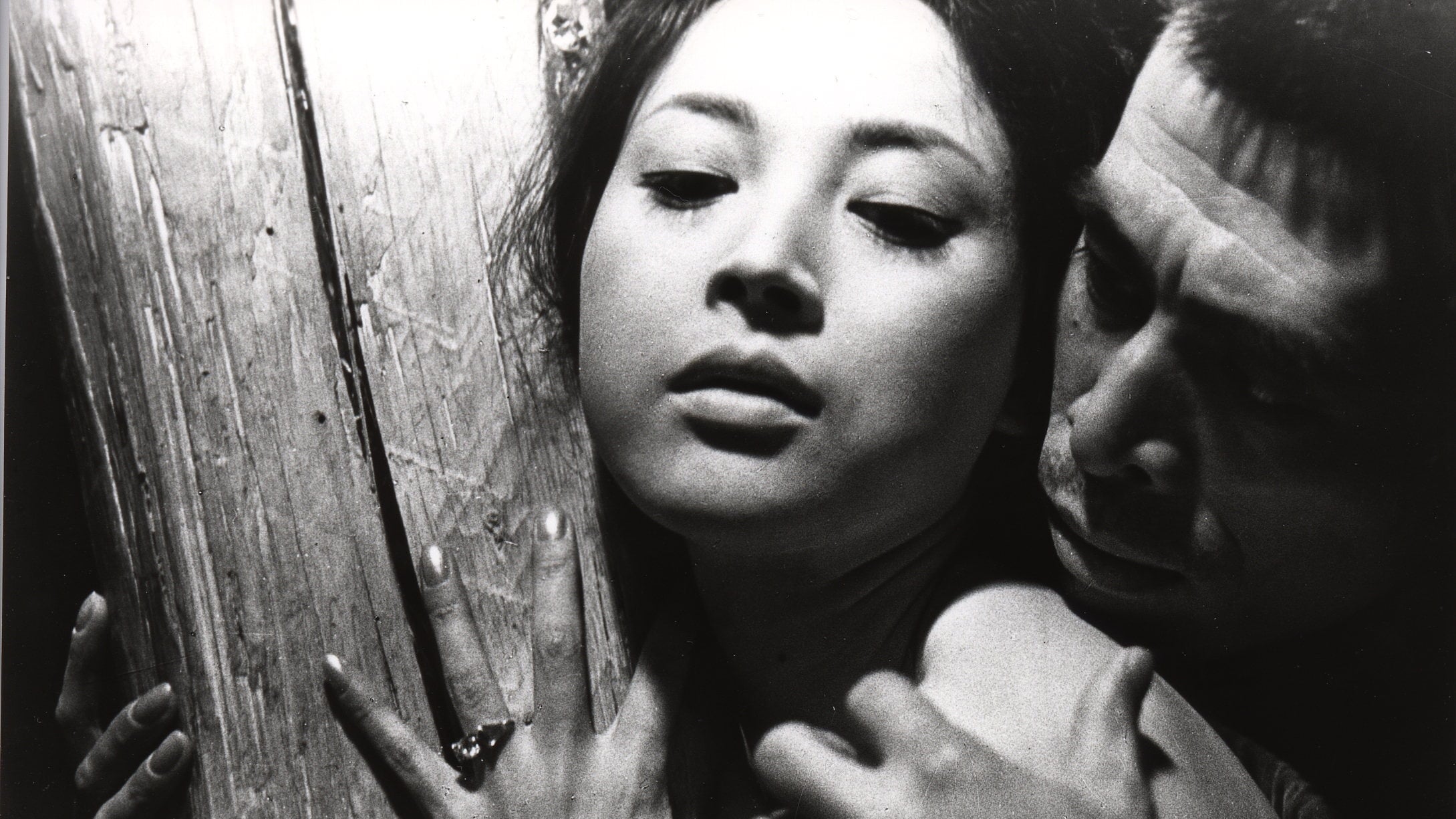
As a young woman, Oriko condemned her widowed mother for openly pursuing relationships with younger men. After her mother passes away, she finds herself in an unhappy, loveless marriage and begins to understand her mother’s actions.
Directed by Yoshishige Yoshida
based on novel or book
age difference
rape attempt
extramarital affair
hit by a car
japanese new wave

IMDB
N/A
Cast
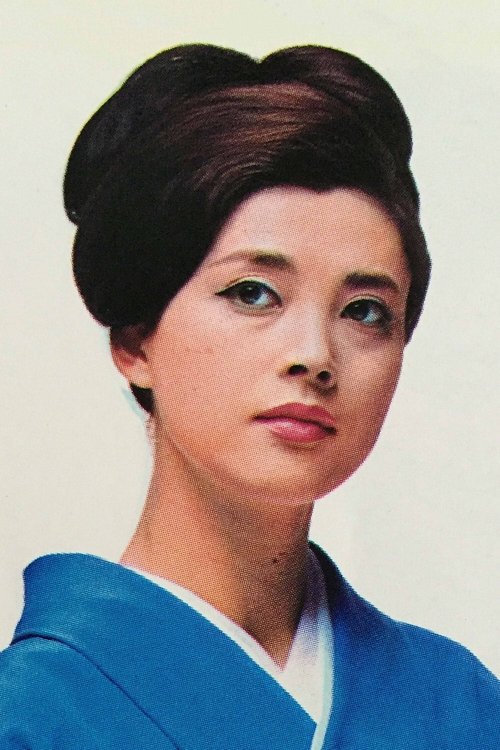
Mariko Okada
Oriko

Yoshie Minami
Oriko's Mother

Isao Kimura
Mitsuhuru
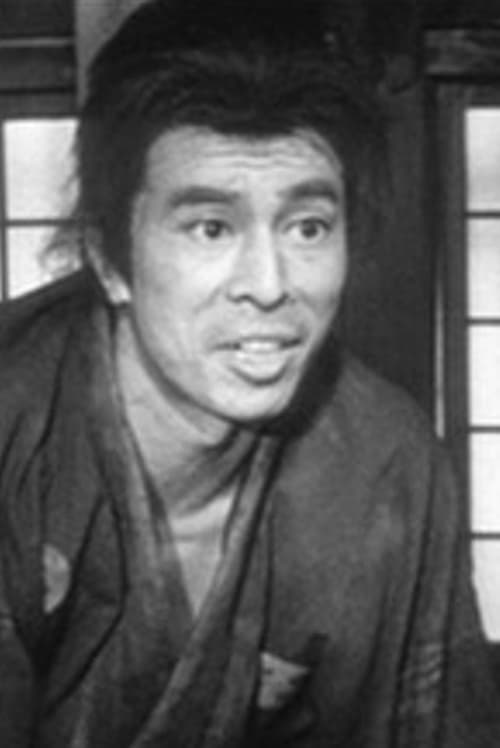
Etsushi Takahashi
Laborer
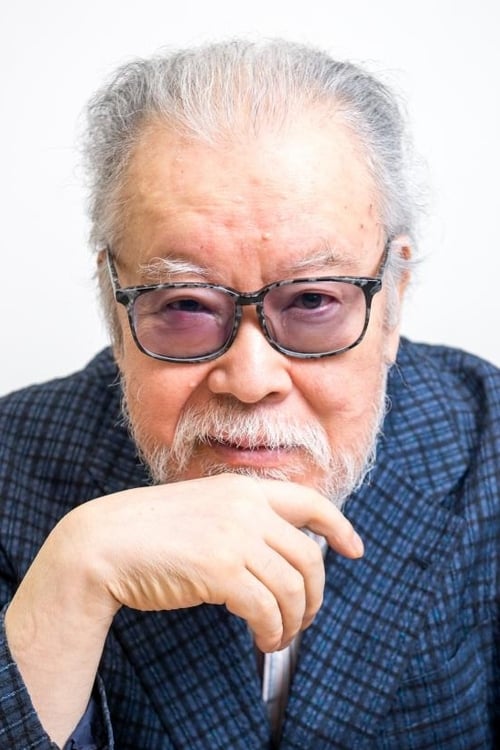
Tohru Emori
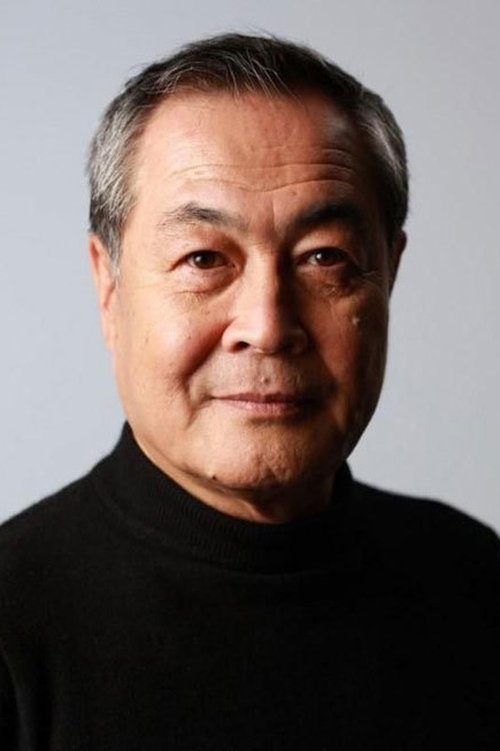
Takehiko Ono
Crew
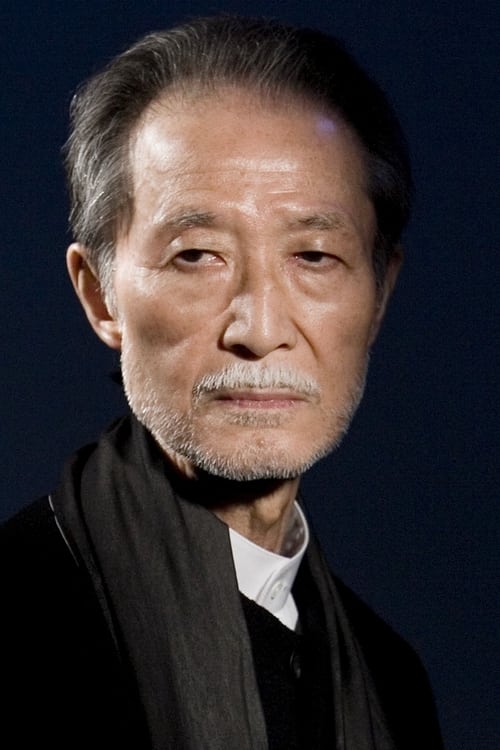
Yoshishige Yoshida
Director
Yoshishige Yoshida
Screenplay
Tsutomu Tamura
Screenplay
Sei Ikeno
Original Music Composer
Popular Reviews
4 reviews
Nick
9.0★ · 04/26/25
What strikes me most about Yoshida is his lens of the female viewpoint. Contrasting with the other Japanese New Wave movies I’ve seen, Yoshida’s female sensibilities seem to come closer to someone like Akerman. This review keenly identified that kind of link in Yoshida’s previous film, Woman of the Lake. Recurring actress Mariko Okada is often uniquely autonomous in her still-disadvantaged place in Japan’s sexual sociopolitical landscape.
While contextually, Okada’s roles’ decisions are negatively viewed by society, the films themselves seem to suggest a less clear moral picture. Here, in The Affair, Yoshida writes Oriko (Okada) as a deeply evolving woman. This evolution is uniquely captured by Yoshida’s novel editing. We see the parallels between mother and daughter unfold; Oriko is forced to face what she has buried deep inside.
Oriko is a remarkable character whose self-discovery feels powerful but arduous. Her navigation of this landscape and how her motivations change upon new knowledge reflects a deeply nuanced human. Like the images of Yoshida’s movies, every ounce of every feeling is powerful. There’s a unique mix between poetry and reality in Yoshida’s films. Here, the reality feels like the sexual navigation, but the poetry chains Oriko to her mother’s memory. Despite it feeling like Oriko is trying, she repeats or must relive, in some way, her mother’s life.
Recalling Akerman and Jeanne Dielmann, sexually charged experiences serve as transformative catalysts. Admittedly, I found the sexual violence here in the latter half of the movie troubling. Yoshida walks a fine line in the sexual encounter between Oriko and the beach man. While I think the holistic poetic tragedy of the film contextualizes this experience, I still felt a lingering tinge of the biased male perspective.
Yoshida is working with a different cinematographer, Mitsuji Kanau. I think I have a hunch now, where Yoshida ends and his cinematographer begins. For example, we get another wonderful shot rotating around a face in the bed. There is also another amazing spatial play he does as Oriko slowly paces around two men and speaks while the camera tracks her. Shadowplay is still a heavy component; the beach house is spooky. I loved the wide exterior shots; Yoshida has a knack for combining these images with sounds to create something off-kilter or even nightmarish.
I mused Yoshida’s films might benefit from being a hair shorter and sure enough this one ended up under 100 mins and I think it’s his best so far. It just feels marginally tighter, but it makes a meaningful difference. Lots of Bergman influence on this one I felt like, Wild Strawberries, especially. Yoshida is crafting breathtaking image after breathtaking image. When it comes to speaking the language of film, this guy gets it.
While contextually, Okada’s roles’ decisions are negatively viewed by society, the films themselves seem to suggest a less clear moral picture. Here, in The Affair, Yoshida writes Oriko (Okada) as a deeply evolving woman. This evolution is uniquely captured by Yoshida’s novel editing. We see the parallels between mother and daughter unfold; Oriko is forced to face what she has buried deep inside.
Oriko is a remarkable character whose self-discovery feels powerful but arduous. Her navigation of this landscape and how her motivations change upon new knowledge reflects a deeply nuanced human. Like the images of Yoshida’s movies, every ounce of every feeling is powerful. There’s a unique mix between poetry and reality in Yoshida’s films. Here, the reality feels like the sexual navigation, but the poetry chains Oriko to her mother’s memory. Despite it feeling like Oriko is trying, she repeats or must relive, in some way, her mother’s life.
Recalling Akerman and Jeanne Dielmann, sexually charged experiences serve as transformative catalysts. Admittedly, I found the sexual violence here in the latter half of the movie troubling. Yoshida walks a fine line in the sexual encounter between Oriko and the beach man. While I think the holistic poetic tragedy of the film contextualizes this experience, I still felt a lingering tinge of the biased male perspective.
Yoshida is working with a different cinematographer, Mitsuji Kanau. I think I have a hunch now, where Yoshida ends and his cinematographer begins. For example, we get another wonderful shot rotating around a face in the bed. There is also another amazing spatial play he does as Oriko slowly paces around two men and speaks while the camera tracks her. Shadowplay is still a heavy component; the beach house is spooky. I loved the wide exterior shots; Yoshida has a knack for combining these images with sounds to create something off-kilter or even nightmarish.
I mused Yoshida’s films might benefit from being a hair shorter and sure enough this one ended up under 100 mins and I think it’s his best so far. It just feels marginally tighter, but it makes a meaningful difference. Lots of Bergman influence on this one I felt like, Wild Strawberries, especially. Yoshida is crafting breathtaking image after breathtaking image. When it comes to speaking the language of film, this guy gets it.
What strikes me most about Yoshida is his lens of the female viewpoint. Contrasting with the other Japanese New Wave movies I’ve seen, Yoshida’s female sensibilities seem to come closer to someone like Akerman. This review keenly identified that kind of link in Yoshida’s previous film, Woman of the Lake. Recurring actress Mariko Okada is often uniquely autonomous in her still-disadvantaged place in Japan’s sexual sociopolitical landscape.
While contextually, Okada’s roles’ decisions are negatively viewed by society, the films themselves seem to suggest a less clear moral picture. Here, in The Affair, Yoshida writes Oriko (Okada) as a deeply evolving woman. This evolution is uniquely captured by Yoshida’s novel editing. We see the parallels between mother and daughter unfold; Oriko is forced to face what she has buried deep inside.
Oriko is a remarkable character whose self-discovery feels powerful but arduous. Her navigation of this landscape and how her motivations change upon new knowledge reflects a deeply nuanced human. Like the images of Yoshida’s movies, every ounce of every feeling is powerful. There’s a unique mix between poetry and reality in Yoshida’s films. Here, the reality feels like the sexual navigation, but the poetry chains Oriko to her mother’s memory. Despite it feeling like Oriko is trying, she repeats or must relive, in some way, her mother’s life.
Recalling Akerman and Jeanne Dielmann, sexually charged experiences serve as transformative catalysts. Admittedly, I found the sexual violence here in the latter half of the movie troubling. Yoshida walks a fine line in the sexual encounter between Oriko and the beach man. While I think the holistic poetic tragedy of the film contextualizes this experience, I still felt a lingering tinge of the biased male perspective.
Yoshida is working with a different cinematographer, Mitsuji Kanau. I think I have a hunch now, where Yoshida ends and his cinematographer begins. For example, we get another wonderful shot rotating around a face in the bed. There is also another amazing spatial play he does as Oriko slowly paces around two men and speaks while the camera tracks her. Shadowplay is still a heavy component; the beach house is spooky. I loved the wide exterior shots; Yoshida has a knack for combining these images with sounds to create something off-kilter or even nightmarish.
I mused Yoshida’s films might benefit from being a hair shorter and sure enough this one ended up under 100 mins and I think it’s his best so far. It just feels marginally tighter, but it makes a meaningful difference. Lots of Bergman influence on this one I felt like, Wild Strawberries, especially. Yoshida is crafting breathtaking image after breathtaking image. When it comes to speaking the language of film, this guy gets it.
While contextually, Okada’s roles’ decisions are negatively viewed by society, the films themselves seem to suggest a less clear moral picture. Here, in The Affair, Yoshida writes Oriko (Okada) as a deeply evolving woman. This evolution is uniquely captured by Yoshida’s novel editing. We see the parallels between mother and daughter unfold; Oriko is forced to face what she has buried deep inside.
Oriko is a remarkable character whose self-discovery feels powerful but arduous. Her navigation of this landscape and how her motivations change upon new knowledge reflects a deeply nuanced human. Like the images of Yoshida’s movies, every ounce of every feeling is powerful. There’s a unique mix between poetry and reality in Yoshida’s films. Here, the reality feels like the sexual navigation, but the poetry chains Oriko to her mother’s memory. Despite it feeling like Oriko is trying, she repeats or must relive, in some way, her mother’s life.
Recalling Akerman and Jeanne Dielmann, sexually charged experiences serve as transformative catalysts. Admittedly, I found the sexual violence here in the latter half of the movie troubling. Yoshida walks a fine line in the sexual encounter between Oriko and the beach man. While I think the holistic poetic tragedy of the film contextualizes this experience, I still felt a lingering tinge of the biased male perspective.
Yoshida is working with a different cinematographer, Mitsuji Kanau. I think I have a hunch now, where Yoshida ends and his cinematographer begins. For example, we get another wonderful shot rotating around a face in the bed. There is also another amazing spatial play he does as Oriko slowly paces around two men and speaks while the camera tracks her. Shadowplay is still a heavy component; the beach house is spooky. I loved the wide exterior shots; Yoshida has a knack for combining these images with sounds to create something off-kilter or even nightmarish.
I mused Yoshida’s films might benefit from being a hair shorter and sure enough this one ended up under 100 mins and I think it’s his best so far. It just feels marginally tighter, but it makes a meaningful difference. Lots of Bergman influence on this one I felt like, Wild Strawberries, especially. Yoshida is crafting breathtaking image after breathtaking image. When it comes to speaking the language of film, this guy gets it.


Eclectic Sorcerer
8.0★ · 05/15/26
Eclectic Sorcerer
8.0★ · 05/15/26
Eduarda
8.0★ · 11/15/25