

How Wings Are Attached to the Backs of Angels
1996·Animation·11m
7.1
★
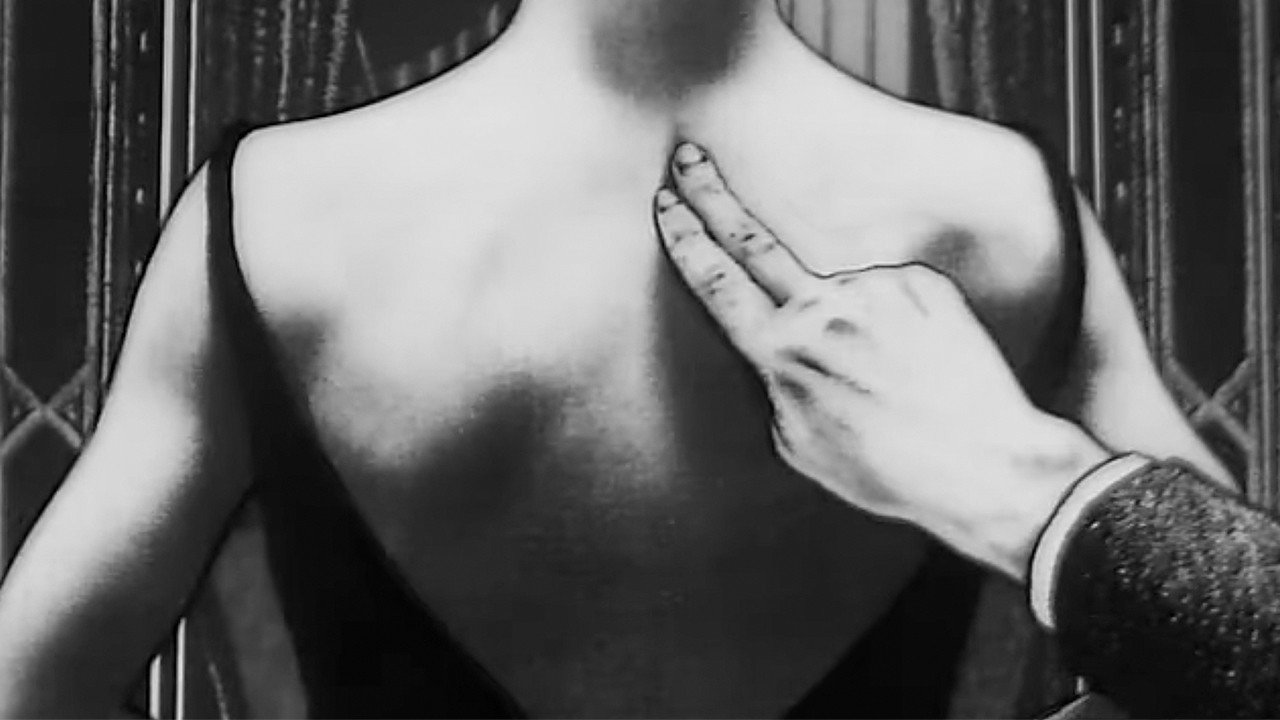
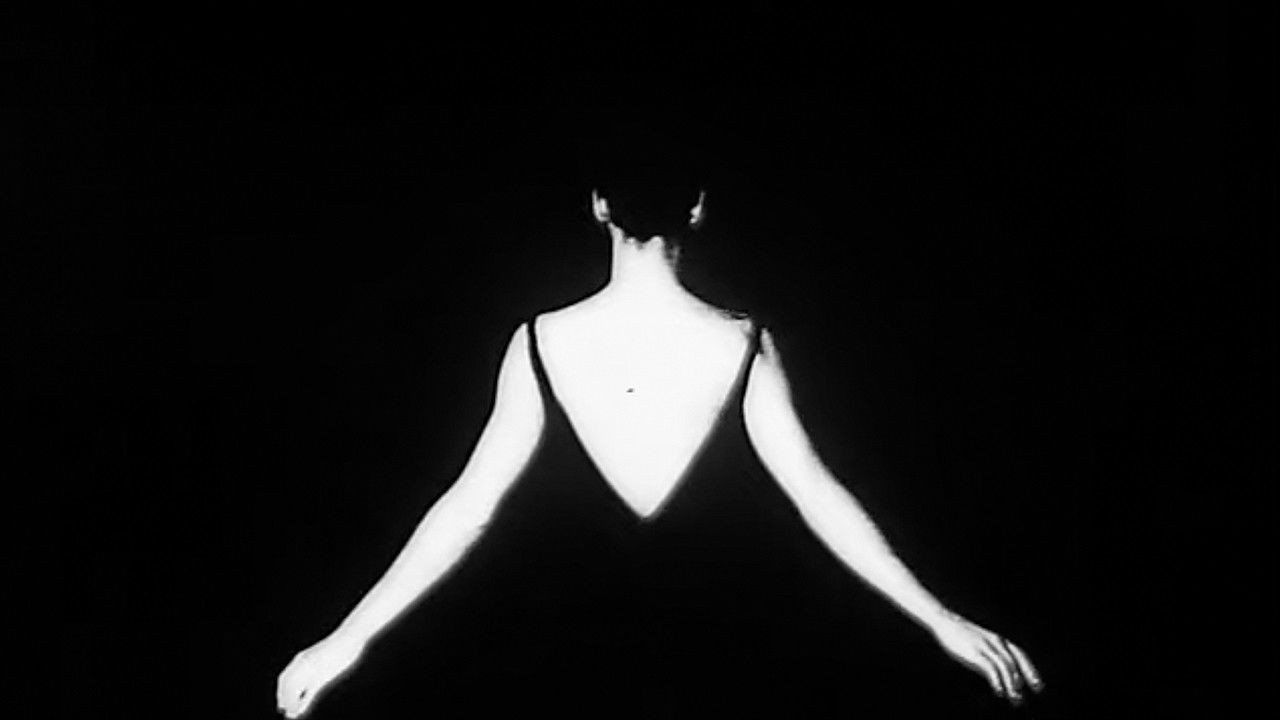
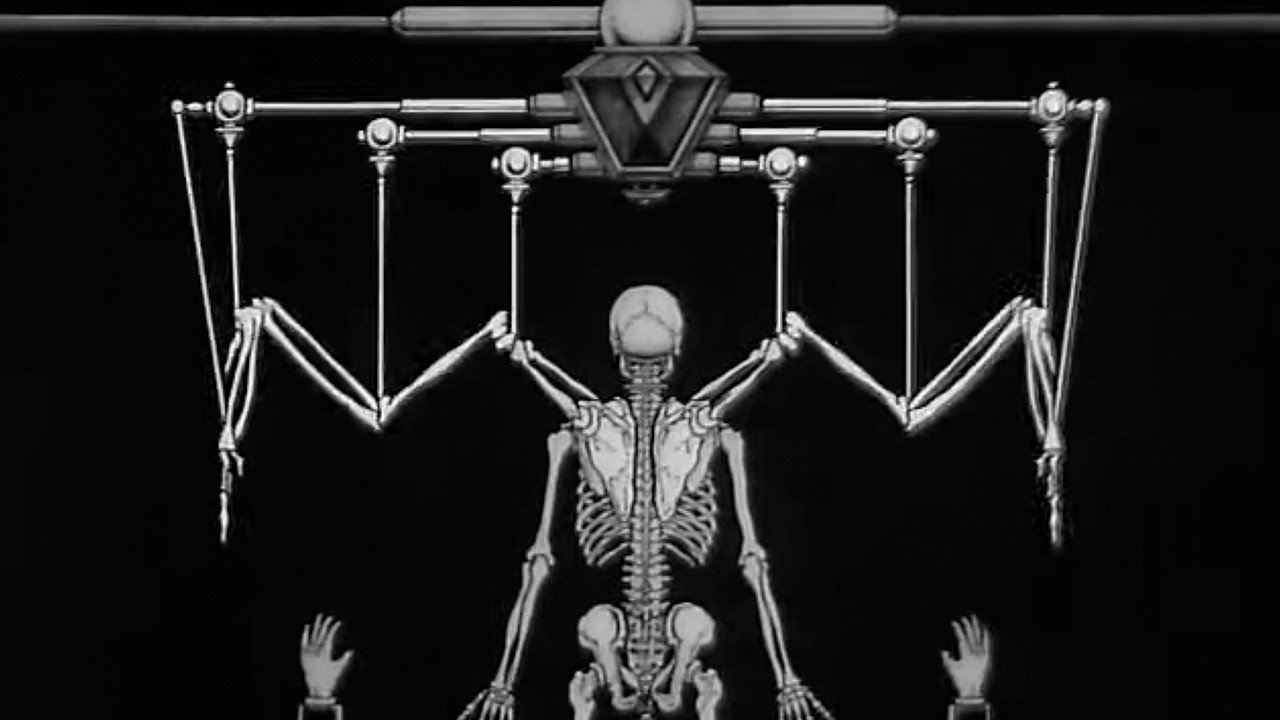
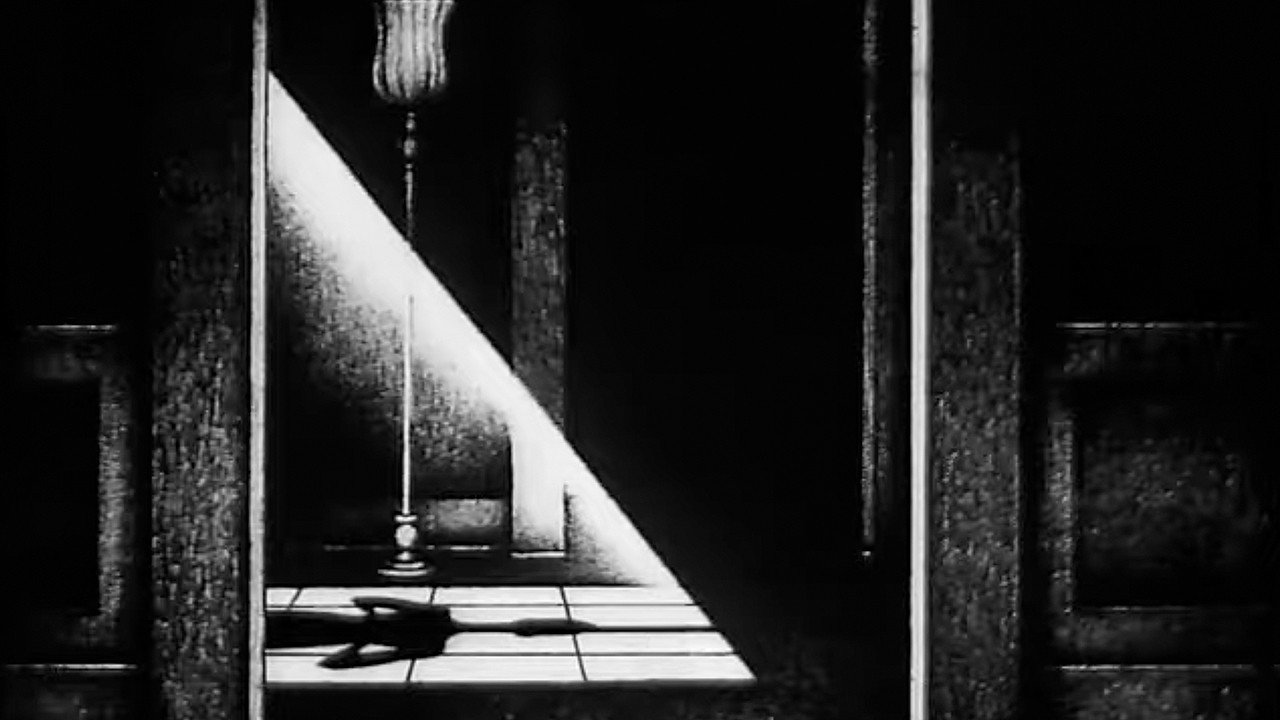
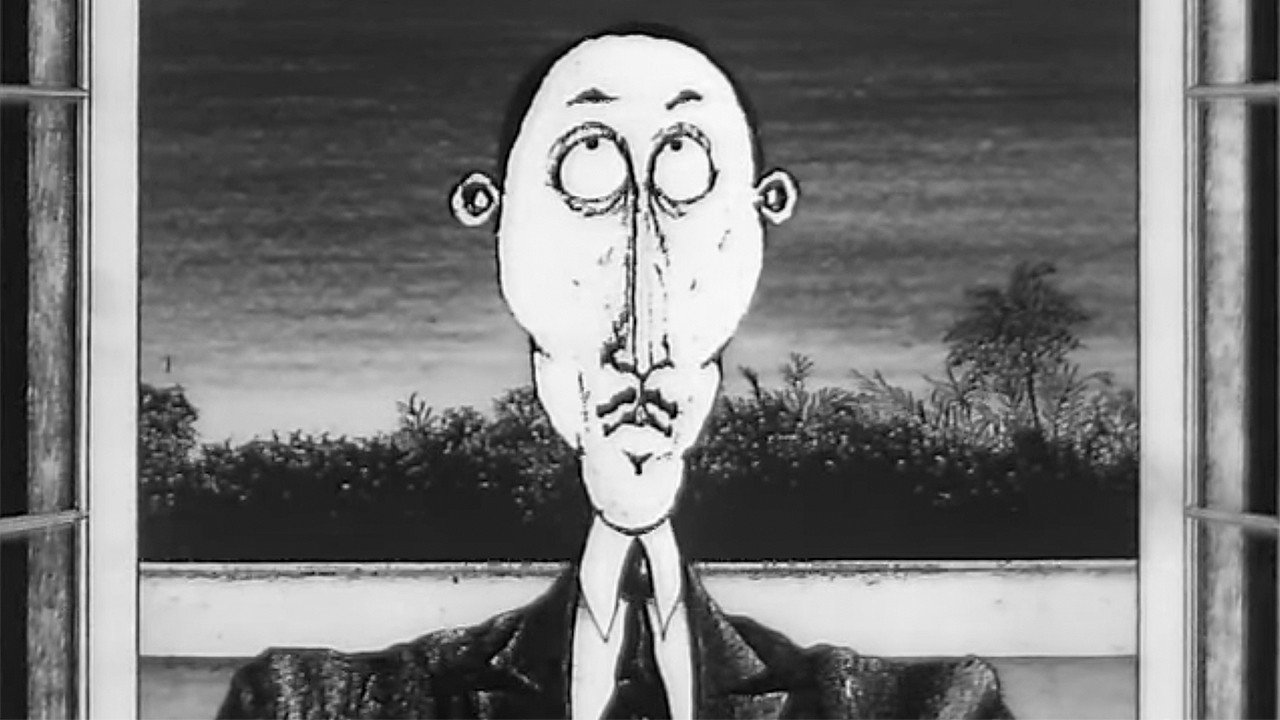
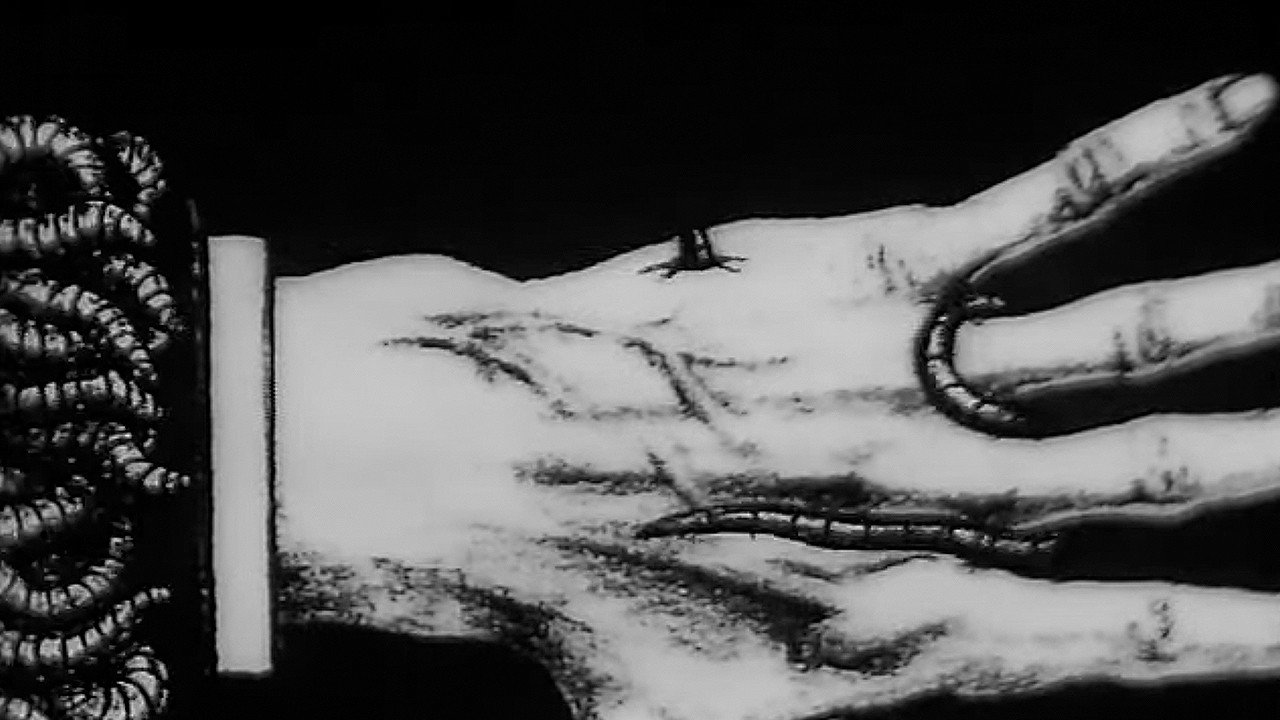
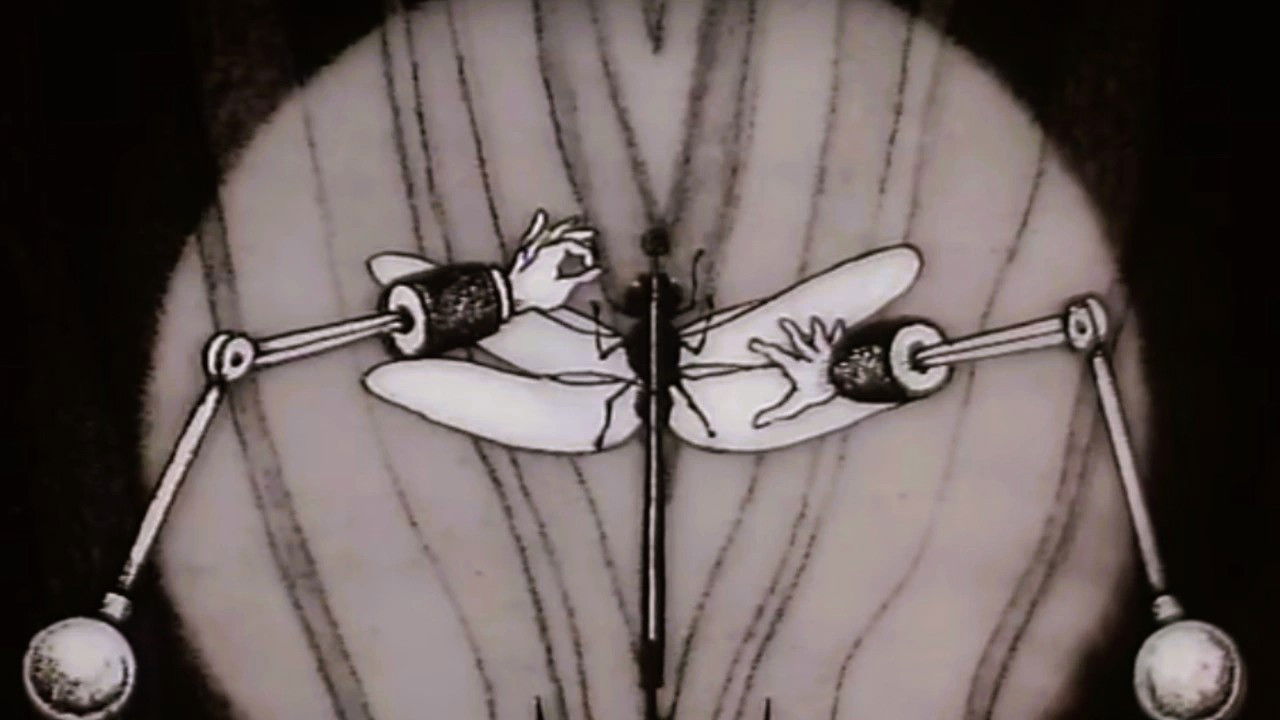
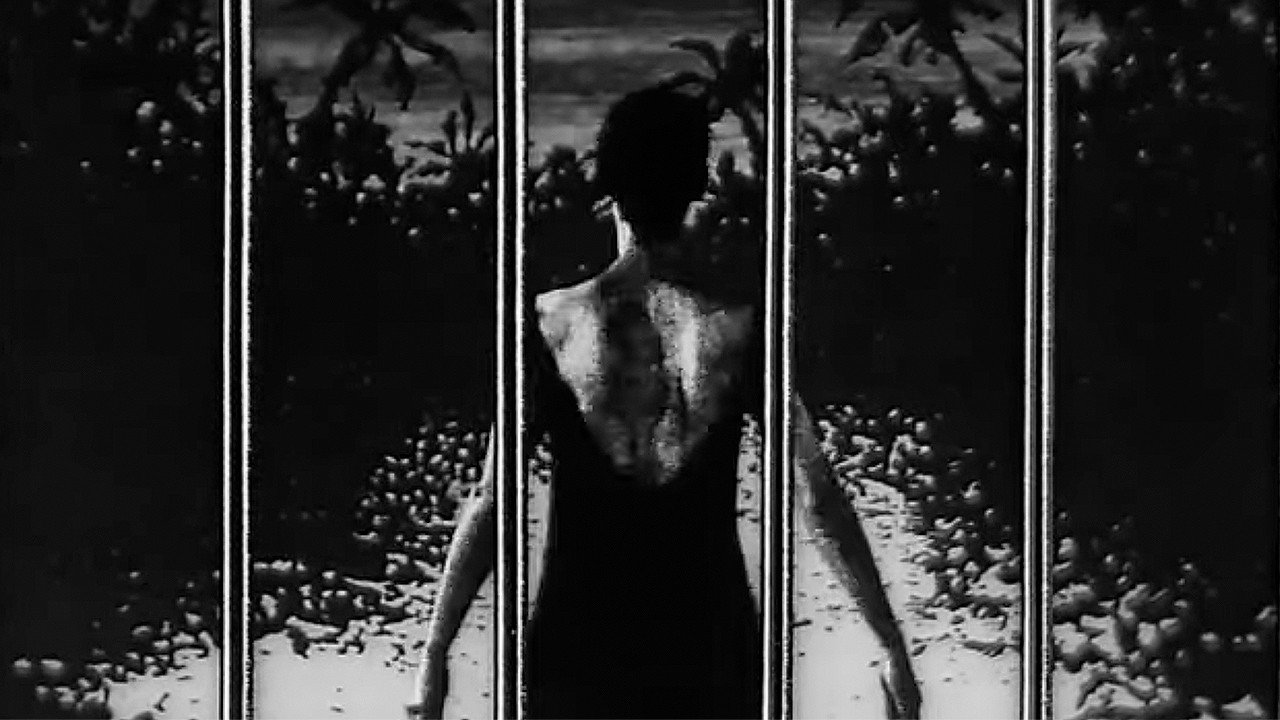
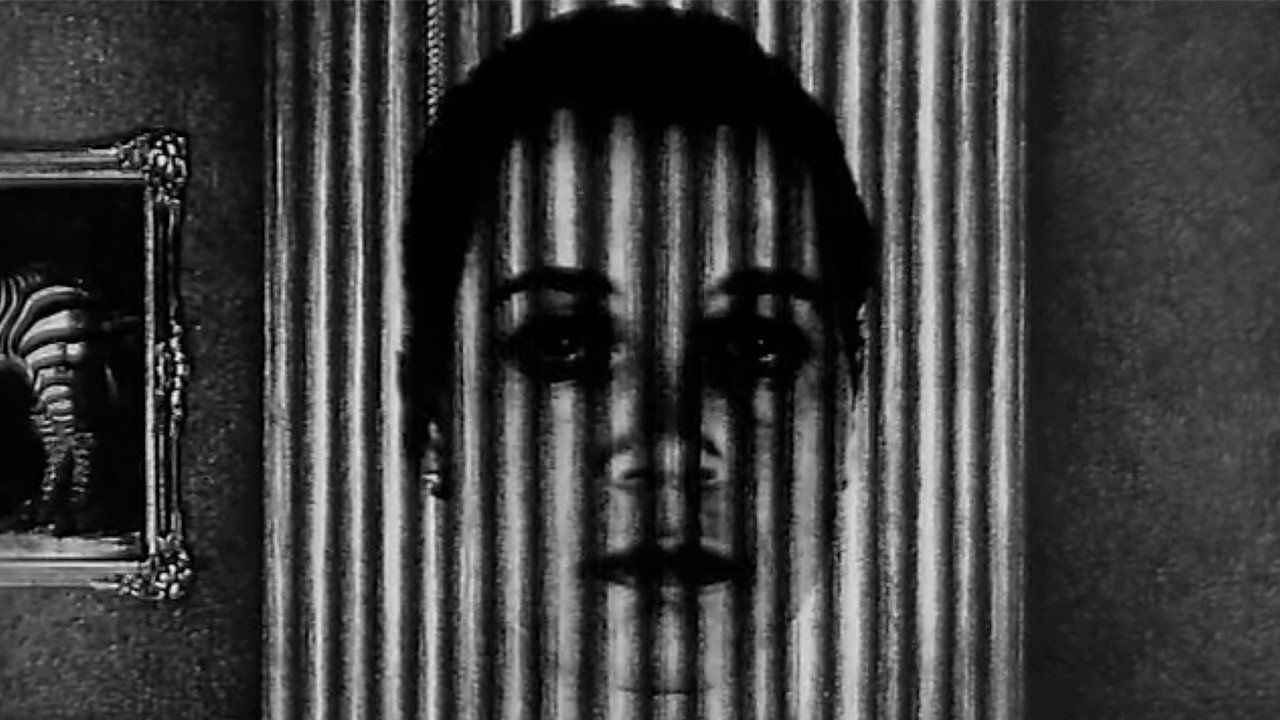
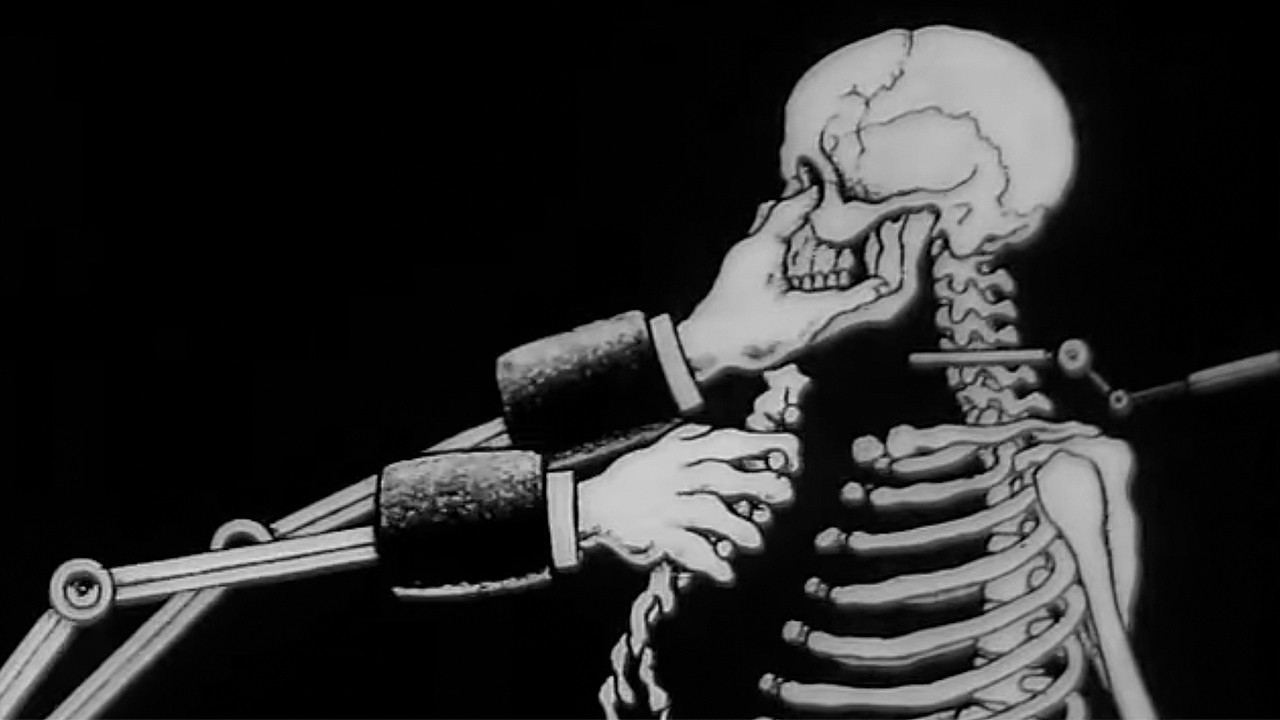
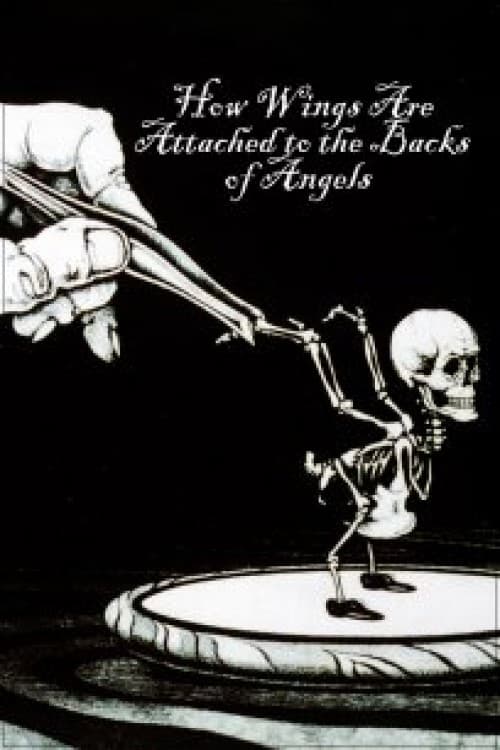
Black and white drawings blended with photographic images depict an old man, with various tiny gadgets, trying to find the anatomy of the wings of an angel.
Directed by Craig Welch
rotoscoping
short film

IMDB
N/A
Crew

Marcy Page
Producer
Popular Reviews
6 reviews
Ray
7.0★ · 10/03/25
the skeleton scene....oouough
the skeleton scene....oouough


Will
9.0★ · 08/02/25
Craig Welch’s How Wings Are Attached to the Backs of Angels is a striking example of how animation can transcend conventional storytelling and become a vessel for existential reflection. Released in 1996 by the National Film Board of Canada, this ten-minute short is a surreal, visually arresting meditation on mortality, obsession, and the ambiguous cost of transcendence. Welch’s background in animation and his interest in psychological and expressionist aesthetics are evident in every frame. The film unfolds in a monochromatic world full of stark shadows, distorted anatomy, and cryptic symbolism. Its visual language owes much to the traditions of German Expressionism and European surrealism, evoking the unnerving compositions of Egon Schiele and the grotesque distortions of Francis Bacon. Characters are stretched, contorted, and silhouetted against stark, empty environments, creating a visual atmosphere that feels suspended between dream and death.
The film centers around a silent, gaunt protagonist who moves through a barren, clinical world filled with preserved winged beings, strange instruments, and anatomical models. The wings referenced in the title are not ethereal or divine—they are surgically affixed, dissected, or hung on display, transformed from religious iconography into emblems of suffering and desire. These wings—fragile, grotesque, and haunting—serve as the film’s central metaphor: the yearning to transcend the human condition, whether through death, knowledge, or art, is shown not as beautiful or redemptive, but painful and ambiguous. Welch’s angels are not saviors but relics of suffering, more scientific specimen than spiritual entity.
There is no spoken dialogue in the film. Instead, Welch relies on atmosphere, gesture, and sound design to convey emotion and meaning. Normand Roger’s score is sparse and unsettling, consisting of low drones, ambient hums, and mechanical ticks that underscore the protagonist’s isolation. This soundscape blends seamlessly with the film’s slow pacing and minimalistic movement, creating an experience that is more psychological than narrative. The silence forces the viewer inward, drawing attention not to what is being said, but to what is being felt—loneliness, yearning, confusion, and dread. The sound becomes a subjective force, almost like the hum of the protagonist’s inner world, enhancing the sense that we are trapped within a mind that is fraying under the weight of its own thoughts.
The symbolism of the film is dense and evocative. The protagonist’s fixation on wings—on attaching them, observing them, or becoming part of them—suggests a desperate desire to escape his condition, to move beyond the limits of flesh and time. Yet in Welch’s world, transcendence does not come without cost. The film can be interpreted in multiple ways: as a meditation on death and the futility of denying it, as a metaphor for artistic ambition and the self-destructive drive to create, or as a philosophical inquiry into the human longing for meaning in a silent universe. The wings may represent spiritual aspiration, or they may be a cruel joke—illusions of escape sewn onto broken bodies.
Some have read the film through the lens of Freud’s concept of the death drive, the subconscious pull toward stasis, oblivion, or a return to an inorganic state. Others see in it a critique of the medical or scientific impulse to master the unknown, suggesting that our attempts to rationalize or capture beauty ultimately deform it. Still others interpret the film as an allegory for the burdens of creation, with the protagonist representing the artist himself, consumed by an unrelenting need to make something transcendent and paying for it with his peace of mind.
Welch has said that the film was inspired in part by the death of his father, and that personal loss permeates every aspect of the work. Yet How Wings Are Attached to the Backs of Angels is not narrowly autobiographical—it speaks to a universal experience of grief, longing, and the confrontation with mortality. In that sense, it fits comfortably within the tradition of Canadian animation fostered by the National Film Board, which has long supported artists who explore mature themes with experimental approaches. Welch’s film carries forward the spirit of pioneers like Norman McLaren and Caroline Leaf, who used animation not as a commercial tool but as a personal, expressive medium.
What makes the film so powerful is not its clarity, but its refusal to explain itself. It unfolds like a dream—lucid, symbolic, and disquieting—leaving interpretation up to the viewer. In doing so, it becomes a mirror, reflecting our own fears and fascinations back at us in distorted but strangely familiar forms. The film may frustrate those seeking a linear narrative or a moral conclusion, but for those willing to sit with its ambiguity, it offers something rare: a poetic meditation on the human condition that is as beautiful as it is bleak.
In the end, How Wings Are Attached to the Backs of Angels is not a story so much as a mood, an atmosphere, a lingering sense of awe and dread. It is a film about the cost of wanting something beyond reach—whether that is transcendence, meaning, or immortality. Welch does not tell us how wings are attached. He shows us. And in doing so, he lets us feel the weight of wanting them. Weirdly atmospheric and really really strange, and while on a first watch it appears creepy and off-putting, there is something beautiful that Craig Welch is trying to portray here and it shows us that not all fit requires speech or a 3 hour runtime (Martin!) but passion and a concept that is expanded upon masterfully by simply crafting something worth spending 11 minutes on.
The film centers around a silent, gaunt protagonist who moves through a barren, clinical world filled with preserved winged beings, strange instruments, and anatomical models. The wings referenced in the title are not ethereal or divine—they are surgically affixed, dissected, or hung on display, transformed from religious iconography into emblems of suffering and desire. These wings—fragile, grotesque, and haunting—serve as the film’s central metaphor: the yearning to transcend the human condition, whether through death, knowledge, or art, is shown not as beautiful or redemptive, but painful and ambiguous. Welch’s angels are not saviors but relics of suffering, more scientific specimen than spiritual entity.
There is no spoken dialogue in the film. Instead, Welch relies on atmosphere, gesture, and sound design to convey emotion and meaning. Normand Roger’s score is sparse and unsettling, consisting of low drones, ambient hums, and mechanical ticks that underscore the protagonist’s isolation. This soundscape blends seamlessly with the film’s slow pacing and minimalistic movement, creating an experience that is more psychological than narrative. The silence forces the viewer inward, drawing attention not to what is being said, but to what is being felt—loneliness, yearning, confusion, and dread. The sound becomes a subjective force, almost like the hum of the protagonist’s inner world, enhancing the sense that we are trapped within a mind that is fraying under the weight of its own thoughts.
The symbolism of the film is dense and evocative. The protagonist’s fixation on wings—on attaching them, observing them, or becoming part of them—suggests a desperate desire to escape his condition, to move beyond the limits of flesh and time. Yet in Welch’s world, transcendence does not come without cost. The film can be interpreted in multiple ways: as a meditation on death and the futility of denying it, as a metaphor for artistic ambition and the self-destructive drive to create, or as a philosophical inquiry into the human longing for meaning in a silent universe. The wings may represent spiritual aspiration, or they may be a cruel joke—illusions of escape sewn onto broken bodies.
Some have read the film through the lens of Freud’s concept of the death drive, the subconscious pull toward stasis, oblivion, or a return to an inorganic state. Others see in it a critique of the medical or scientific impulse to master the unknown, suggesting that our attempts to rationalize or capture beauty ultimately deform it. Still others interpret the film as an allegory for the burdens of creation, with the protagonist representing the artist himself, consumed by an unrelenting need to make something transcendent and paying for it with his peace of mind.
Welch has said that the film was inspired in part by the death of his father, and that personal loss permeates every aspect of the work. Yet How Wings Are Attached to the Backs of Angels is not narrowly autobiographical—it speaks to a universal experience of grief, longing, and the confrontation with mortality. In that sense, it fits comfortably within the tradition of Canadian animation fostered by the National Film Board, which has long supported artists who explore mature themes with experimental approaches. Welch’s film carries forward the spirit of pioneers like Norman McLaren and Caroline Leaf, who used animation not as a commercial tool but as a personal, expressive medium.
What makes the film so powerful is not its clarity, but its refusal to explain itself. It unfolds like a dream—lucid, symbolic, and disquieting—leaving interpretation up to the viewer. In doing so, it becomes a mirror, reflecting our own fears and fascinations back at us in distorted but strangely familiar forms. The film may frustrate those seeking a linear narrative or a moral conclusion, but for those willing to sit with its ambiguity, it offers something rare: a poetic meditation on the human condition that is as beautiful as it is bleak.
In the end, How Wings Are Attached to the Backs of Angels is not a story so much as a mood, an atmosphere, a lingering sense of awe and dread. It is a film about the cost of wanting something beyond reach—whether that is transcendence, meaning, or immortality. Welch does not tell us how wings are attached. He shows us. And in doing so, he lets us feel the weight of wanting them. Weirdly atmospheric and really really strange, and while on a first watch it appears creepy and off-putting, there is something beautiful that Craig Welch is trying to portray here and it shows us that not all fit requires speech or a 3 hour runtime (Martin!) but passion and a concept that is expanded upon masterfully by simply crafting something worth spending 11 minutes on.
Craig Welch’s How Wings Are Attached to the Backs of Angels is a striking example of how animation can transcend conventional storytelling and become a vessel for existential reflection. Released in 1996 by the National Film Board of Canada, this ten-minute short is a surreal, visually arresting meditation on mortality, obsession, and the ambiguous cost of transcendence. Welch’s background in animation and his interest in psychological and expressionist aesthetics are evident in every frame. The film unfolds in a monochromatic world full of stark shadows, distorted anatomy, and cryptic symbolism. Its visual language owes much to the traditions of German Expressionism and European surrealism, evoking the unnerving compositions of Egon Schiele and the grotesque distortions of Francis Bacon. Characters are stretched, contorted, and silhouetted against stark, empty environments, creating a visual atmosphere that feels suspended between dream and death.
The film centers around a silent, gaunt protagonist who moves through a barren, clinical world filled with preserved winged beings, strange instruments, and anatomical models. The wings referenced in the title are not ethereal or divine—they are surgically affixed, dissected, or hung on display, transformed from religious iconography into emblems of suffering and desire. These wings—fragile, grotesque, and haunting—serve as the film’s central metaphor: the yearning to transcend the human condition, whether through death, knowledge, or art, is shown not as beautiful or redemptive, but painful and ambiguous. Welch’s angels are not saviors but relics of suffering, more scientific specimen than spiritual entity.
There is no spoken dialogue in the film. Instead, Welch relies on atmosphere, gesture, and sound design to convey emotion and meaning. Normand Roger’s score is sparse and unsettling, consisting of low drones, ambient hums, and mechanical ticks that underscore the protagonist’s isolation. This soundscape blends seamlessly with the film’s slow pacing and minimalistic movement, creating an experience that is more psychological than narrative. The silence forces the viewer inward, drawing attention not to what is being said, but to what is being felt—loneliness, yearning, confusion, and dread. The sound becomes a subjective force, almost like the hum of the protagonist’s inner world, enhancing the sense that we are trapped within a mind that is fraying under the weight of its own thoughts.
The symbolism of the film is dense and evocative. The protagonist’s fixation on wings—on attaching them, observing them, or becoming part of them—suggests a desperate desire to escape his condition, to move beyond the limits of flesh and time. Yet in Welch’s world, transcendence does not come without cost. The film can be interpreted in multiple ways: as a meditation on death and the futility of denying it, as a metaphor for artistic ambition and the self-destructive drive to create, or as a philosophical inquiry into the human longing for meaning in a silent universe. The wings may represent spiritual aspiration, or they may be a cruel joke—illusions of escape sewn onto broken bodies.
Some have read the film through the lens of Freud’s concept of the death drive, the subconscious pull toward stasis, oblivion, or a return to an inorganic state. Others see in it a critique of the medical or scientific impulse to master the unknown, suggesting that our attempts to rationalize or capture beauty ultimately deform it. Still others interpret the film as an allegory for the burdens of creation, with the protagonist representing the artist himself, consumed by an unrelenting need to make something transcendent and paying for it with his peace of mind.
Welch has said that the film was inspired in part by the death of his father, and that personal loss permeates every aspect of the work. Yet How Wings Are Attached to the Backs of Angels is not narrowly autobiographical—it speaks to a universal experience of grief, longing, and the confrontation with mortality. In that sense, it fits comfortably within the tradition of Canadian animation fostered by the National Film Board, which has long supported artists who explore mature themes with experimental approaches. Welch’s film carries forward the spirit of pioneers like Norman McLaren and Caroline Leaf, who used animation not as a commercial tool but as a personal, expressive medium.
What makes the film so powerful is not its clarity, but its refusal to explain itself. It unfolds like a dream—lucid, symbolic, and disquieting—leaving interpretation up to the viewer. In doing so, it becomes a mirror, reflecting our own fears and fascinations back at us in distorted but strangely familiar forms. The film may frustrate those seeking a linear narrative or a moral conclusion, but for those willing to sit with its ambiguity, it offers something rare: a poetic meditation on the human condition that is as beautiful as it is bleak.
In the end, How Wings Are Attached to the Backs of Angels is not a story so much as a mood, an atmosphere, a lingering sense of awe and dread. It is a film about the cost of wanting something beyond reach—whether that is transcendence, meaning, or immortality. Welch does not tell us how wings are attached. He shows us. And in doing so, he lets us feel the weight of wanting them. Weirdly atmospheric and really really strange, and while on a first watch it appears creepy and off-putting, there is something beautiful that Craig Welch is trying to portray here and it shows us that not all fit requires speech or a 3 hour runtime (Martin!) but passion and a concept that is expanded upon masterfully by simply crafting something worth spending 11 minutes on.
The film centers around a silent, gaunt protagonist who moves through a barren, clinical world filled with preserved winged beings, strange instruments, and anatomical models. The wings referenced in the title are not ethereal or divine—they are surgically affixed, dissected, or hung on display, transformed from religious iconography into emblems of suffering and desire. These wings—fragile, grotesque, and haunting—serve as the film’s central metaphor: the yearning to transcend the human condition, whether through death, knowledge, or art, is shown not as beautiful or redemptive, but painful and ambiguous. Welch’s angels are not saviors but relics of suffering, more scientific specimen than spiritual entity.
There is no spoken dialogue in the film. Instead, Welch relies on atmosphere, gesture, and sound design to convey emotion and meaning. Normand Roger’s score is sparse and unsettling, consisting of low drones, ambient hums, and mechanical ticks that underscore the protagonist’s isolation. This soundscape blends seamlessly with the film’s slow pacing and minimalistic movement, creating an experience that is more psychological than narrative. The silence forces the viewer inward, drawing attention not to what is being said, but to what is being felt—loneliness, yearning, confusion, and dread. The sound becomes a subjective force, almost like the hum of the protagonist’s inner world, enhancing the sense that we are trapped within a mind that is fraying under the weight of its own thoughts.
The symbolism of the film is dense and evocative. The protagonist’s fixation on wings—on attaching them, observing them, or becoming part of them—suggests a desperate desire to escape his condition, to move beyond the limits of flesh and time. Yet in Welch’s world, transcendence does not come without cost. The film can be interpreted in multiple ways: as a meditation on death and the futility of denying it, as a metaphor for artistic ambition and the self-destructive drive to create, or as a philosophical inquiry into the human longing for meaning in a silent universe. The wings may represent spiritual aspiration, or they may be a cruel joke—illusions of escape sewn onto broken bodies.
Some have read the film through the lens of Freud’s concept of the death drive, the subconscious pull toward stasis, oblivion, or a return to an inorganic state. Others see in it a critique of the medical or scientific impulse to master the unknown, suggesting that our attempts to rationalize or capture beauty ultimately deform it. Still others interpret the film as an allegory for the burdens of creation, with the protagonist representing the artist himself, consumed by an unrelenting need to make something transcendent and paying for it with his peace of mind.
Welch has said that the film was inspired in part by the death of his father, and that personal loss permeates every aspect of the work. Yet How Wings Are Attached to the Backs of Angels is not narrowly autobiographical—it speaks to a universal experience of grief, longing, and the confrontation with mortality. In that sense, it fits comfortably within the tradition of Canadian animation fostered by the National Film Board, which has long supported artists who explore mature themes with experimental approaches. Welch’s film carries forward the spirit of pioneers like Norman McLaren and Caroline Leaf, who used animation not as a commercial tool but as a personal, expressive medium.
What makes the film so powerful is not its clarity, but its refusal to explain itself. It unfolds like a dream—lucid, symbolic, and disquieting—leaving interpretation up to the viewer. In doing so, it becomes a mirror, reflecting our own fears and fascinations back at us in distorted but strangely familiar forms. The film may frustrate those seeking a linear narrative or a moral conclusion, but for those willing to sit with its ambiguity, it offers something rare: a poetic meditation on the human condition that is as beautiful as it is bleak.
In the end, How Wings Are Attached to the Backs of Angels is not a story so much as a mood, an atmosphere, a lingering sense of awe and dread. It is a film about the cost of wanting something beyond reach—whether that is transcendence, meaning, or immortality. Welch does not tell us how wings are attached. He shows us. And in doing so, he lets us feel the weight of wanting them. Weirdly atmospheric and really really strange, and while on a first watch it appears creepy and off-putting, there is something beautiful that Craig Welch is trying to portray here and it shows us that not all fit requires speech or a 3 hour runtime (Martin!) but passion and a concept that is expanded upon masterfully by simply crafting something worth spending 11 minutes on.
Niamh Carruthers PRO
how wings are attached to the backs of angels,.. fuck it’s genius... why didn’t i think of that…
how wings are attached to the backs of angels,.. fuck it’s genius... why didn’t i think of that…
Michelle
8.0★ · 05/03/25
belladonic
7.5★ · 01/14/25