Before talking about Love Massacre, I gotta talk about how fucking bizarre sharing your name with a horror movie lead—especially a final girl—is. Every time they said “Ivy,” my brain DID NOT ENJOY that shit. Why am I getting involved in this bullshit? Why are y’all pulling ME into this mess? Why he say fuck me for? Anyways…
I have been uncharacteristically hesitant about claiming Love Massacre as an absolute favorite of mine. Usually, I don’t mind being impulsive about this shit—it’s art; I should be following where the emotions lead me. If I’m feelin’ a piece, I let myself feel it wholeheartedly. I ain’t got no rules or anything like that. Despite this, I caught myself maintaining a certain distance from Patrick Tam's idiosyncratic and structuralist interpretation of melodramas, psychosexual thrillers, and slashers.
When observing my filmic influences, it becomes evident that Love Massacre is one of my personal cornerstones—along with Edward Yang's entire filmography, Killer of Sheep, and The Company of Strangers. To claim that I have thought about Love Massacre on a near-daily basis since first seeing it wouldn’t be hyperbolic; conversely, the oddness of placing an abstracted slasher next to such realist texts, regardless of the poetic lens held by those films, does not go unnoticed by me. Unlike those other works, the obsessive, impassioned sense of inspiration manifested by Love Massacre lacks a direct autobiographical explanation, simultaneously rendering it with a sense of otherness and artistic purity. Though the piece stands to be distant from my driving factors, the repetition of these images in my day-to-day life suggests a spiritual connection of sorts, thus engaging with my theological devotion to cinema in a manner other works simply cannot.
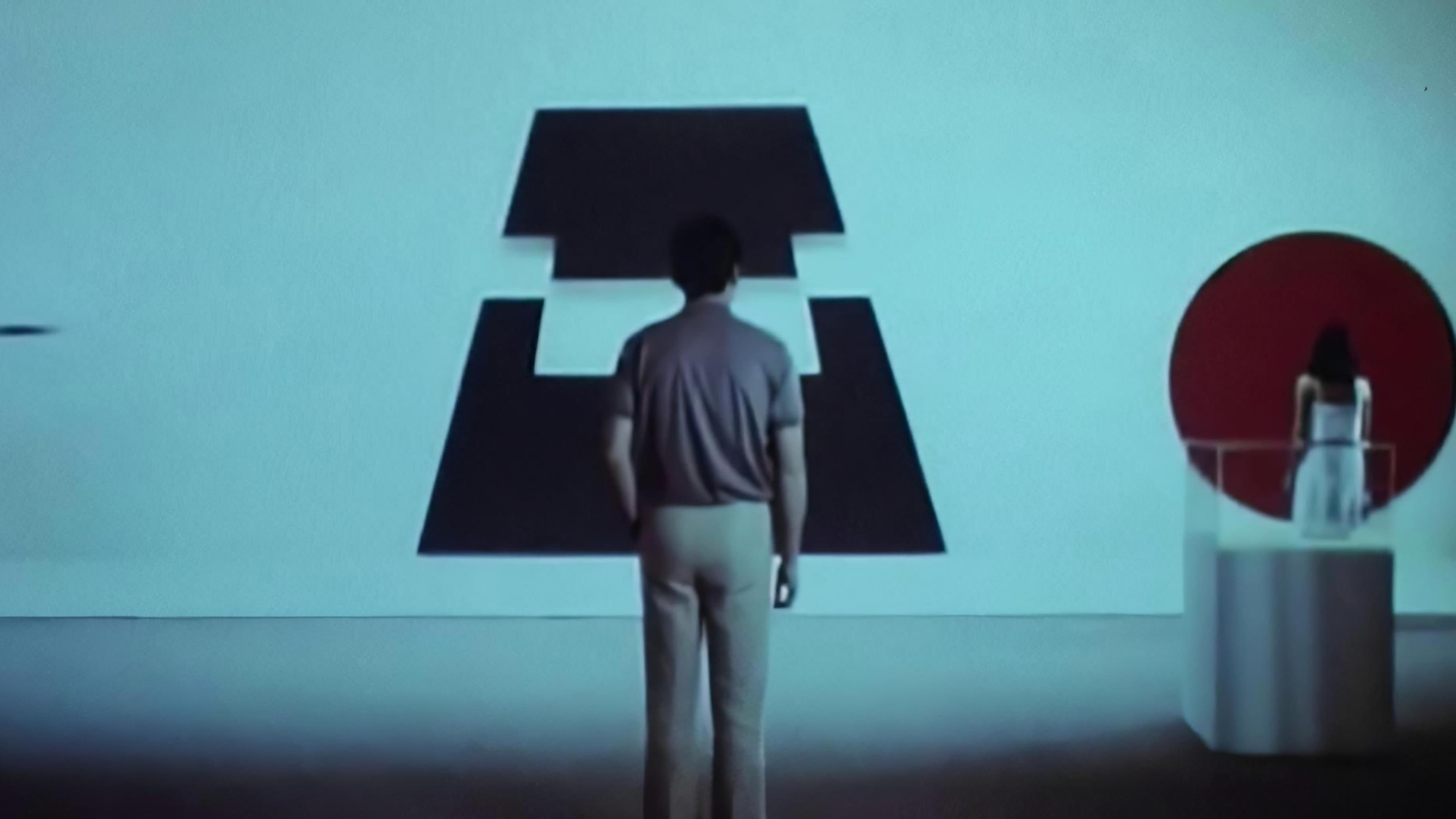
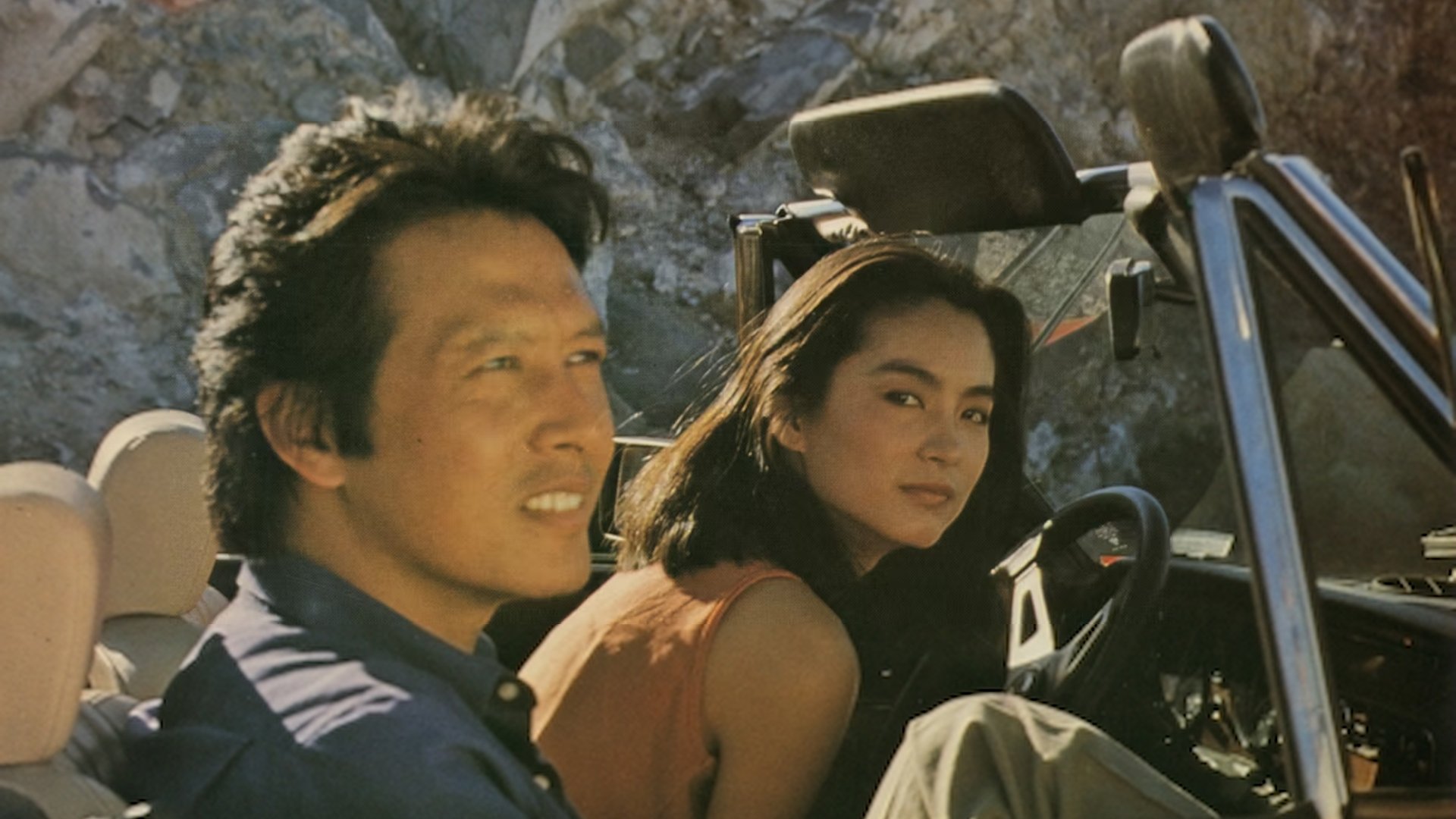
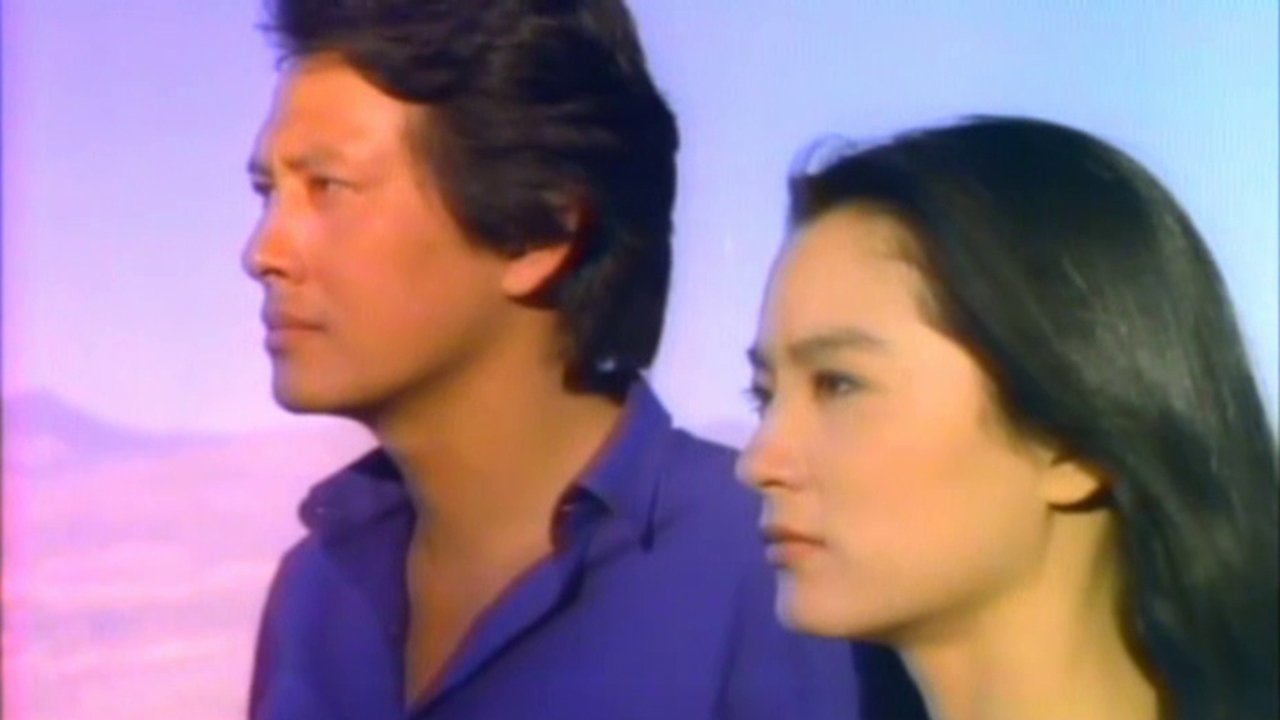
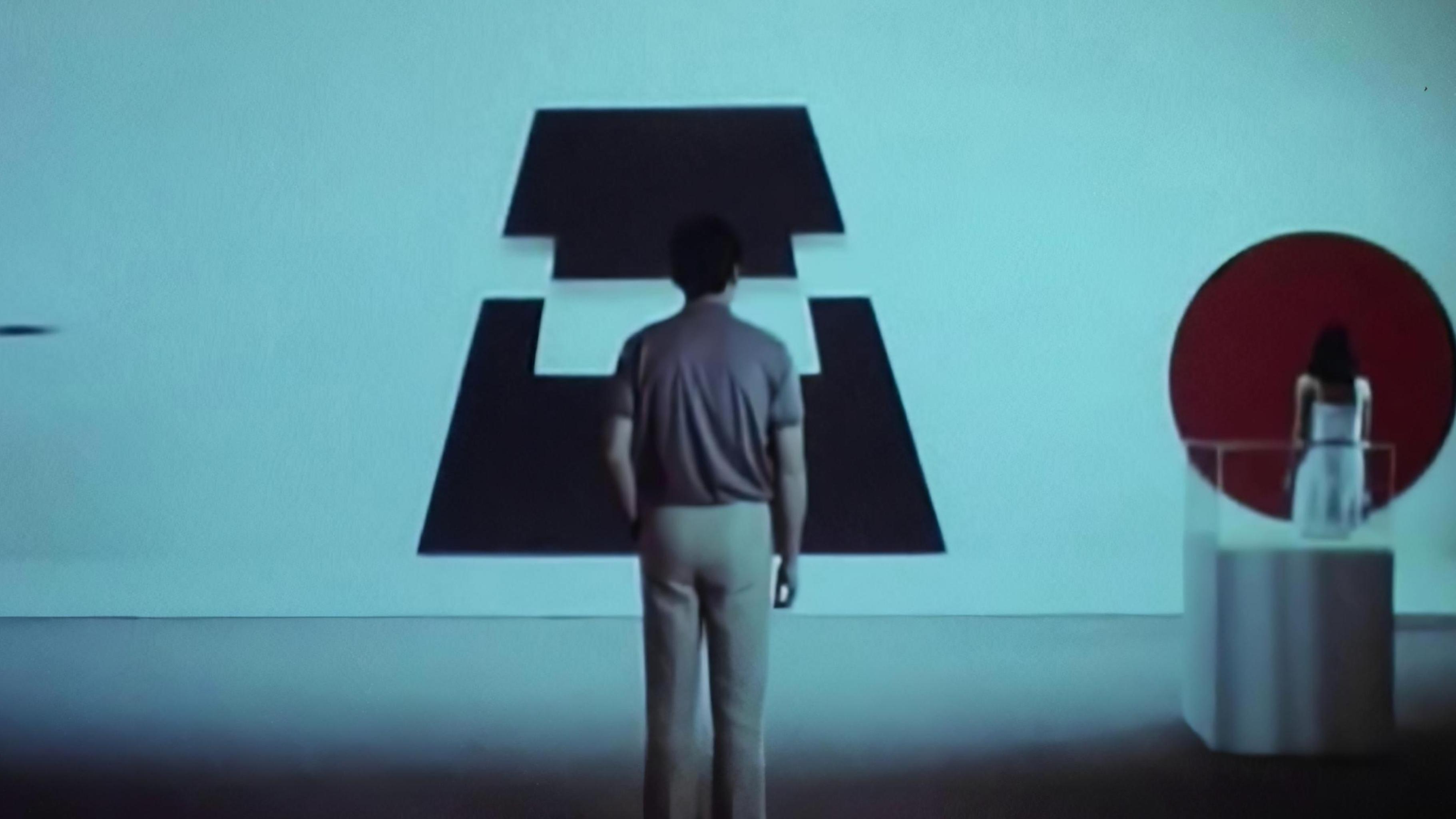
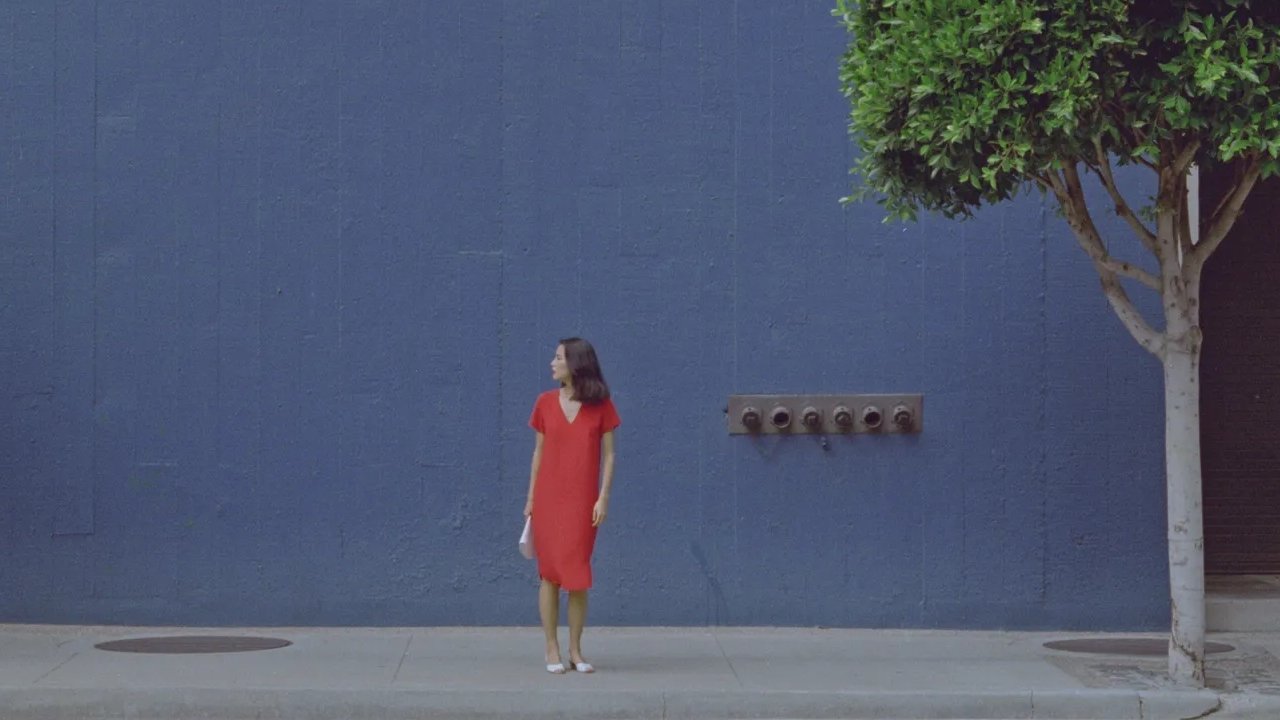
The monochromatic binary of extremity—all-encompassing colors, or rather emotions, are restricted by the distinctly defined lines within the frame; the structuralist framework found in Patrick Tam’s interpretation of the relationship between American individualism and Asian diaspora—and by extension, the alienation of immigrants—creates a system where emotional intensity is broken down to its logical conclusions: the cultural void of white supremacy crafts an environment of constant isolation, suffocating its subjects until their emotions of passion, grief, and pride are all consumed within the binary of this system. The manner in which overt and bold color theory is utilized as a producer of artificial emptiness and subconscious dread is endlessly inspiring to me as a filmmaker. Aesthetics turned hostile as every brushstroke is clinically put in dialogue with the characters’ emotional existence to the point where they—as well as the audience—eventually become numb to this environment. The piece never lacks larger-than-life emotions and suffocating madness, as expressed by the striking color scheme and MURDER, but the systematic construction of every frame creates a viewing experience that feels inhuman in its emptiness.Love Massacre unlocked something primally artistic in my brain. On the surface, the film should come off as a cold, avant-garde genre piece; however, the actual technique is socially motivated, obsessed with how the images are being processed by the audience’s subconscious. It’s pure linguistic trickery that serves the subjects perfectly, constantly enhancing the textual empathy on display. It’s intellectual, systematic, and bizarre without ever losing sight of the humanity of the text.
Fuck. I love this film. Not only is this my favorite horror film, Love Massacre has to be one of my top 10 films ever. The images have infected my brain, consistently leading my vision. I cannot create without this shit popping into my head. Send help ‘cause I don’t know if that’s healthy. Go watch Love Massacre for this Halloween season. It’s fucking fantastic.
Before talking about Love Massacre, I gotta talk about how fucking bizarre sharing your name with a horror movie lead—especially a final girl—is. Every time they said “Ivy,” my brain DID NOT ENJOY that shit. Why am I getting involved in this bullshit? Why are y’all pulling ME into this mess? Why he say fuck me for? Anyways…
I have been uncharacteristically hesitant about claiming Love Massacre as an absolute favorite of mine. Usually, I don’t mind being impulsive about this shit—it’s art; I should be following where the emotions lead me. If I’m feelin’ a piece, I let myself feel it wholeheartedly. I ain’t got no rules or anything like that. Despite this, I caught myself maintaining a certain distance from Patrick Tam's idiosyncratic and structuralist interpretation of melodramas, psychosexual thrillers, and slashers.
When observing my filmic influences, it becomes evident that Love Massacre is one of my personal cornerstones—along with Edward Yang's entire filmography, Killer of Sheep, and The Company of Strangers. To claim that I have thought about Love Massacre on a near-daily basis since first seeing it wouldn’t be hyperbolic; conversely, the oddness of placing an abstracted slasher next to such realist texts, regardless of the poetic lens held by those films, does not go unnoticed by me. Unlike those other works, the obsessive, impassioned sense of inspiration manifested by Love Massacre lacks a direct autobiographical explanation, simultaneously rendering it with a sense of otherness and artistic purity. Though the piece stands to be distant from my driving factors, the repetition of these images in my day-to-day life suggests a spiritual connection of sorts, thus engaging with my theological devotion to cinema in a manner other works simply cannot.
The monochromatic binary of extremity—all-encompassing colors, or rather emotions, are restricted by the distinctly defined lines within the frame; the structuralist framework found in Patrick Tam’s interpretation of the relationship between American individualism and Asian diaspora—and by extension, the alienation of immigrants—creates a system where emotional intensity is broken down to its logical conclusions: the cultural void of white supremacy crafts an environment of constant isolation, suffocating its subjects until their emotions of passion, grief, and pride are all consumed within the binary of this system. The manner in which overt and bold color theory is utilized as a producer of artificial emptiness and subconscious dread is endlessly inspiring to me as a filmmaker. Aesthetics turned hostile as every brushstroke is clinically put in dialogue with the characters’ emotional existence to the point where they—as well as the audience—eventually become numb to this environment. The piece never lacks larger-than-life emotions and suffocating madness, as expressed by the striking color scheme and MURDER, but the systematic construction of every frame creates a viewing experience that feels inhuman in its emptiness.Love Massacre unlocked something primally artistic in my brain. On the surface, the film should come off as a cold, avant-garde genre piece; however, the actual technique is socially motivated, obsessed with how the images are being processed by the audience’s subconscious. It’s pure linguistic trickery that serves the subjects perfectly, constantly enhancing the textual empathy on display. It’s intellectual, systematic, and bizarre without ever losing sight of the humanity of the text.
Fuck. I love this film. Not only is this my favorite horror film, Love Massacre has to be one of my top 10 films ever. The images have infected my brain, consistently leading my vision. I cannot create without this shit popping into my head. Send help ‘cause I don’t know if that’s healthy. Go watch Love Massacre for this Halloween season. It’s fucking fantastic.