“I've heard that there's a kind of bird without legs that can only fly and fly, and sleep in the wind when it is tired. The bird only lands once in its life... that's when it dies.”
The bird becomes the soul of Days of Being Wild. At first it sounds like a romantic idea, a symbol of freedom, of living without attachments. But as the film goes on, it starts to feel more like a curse.
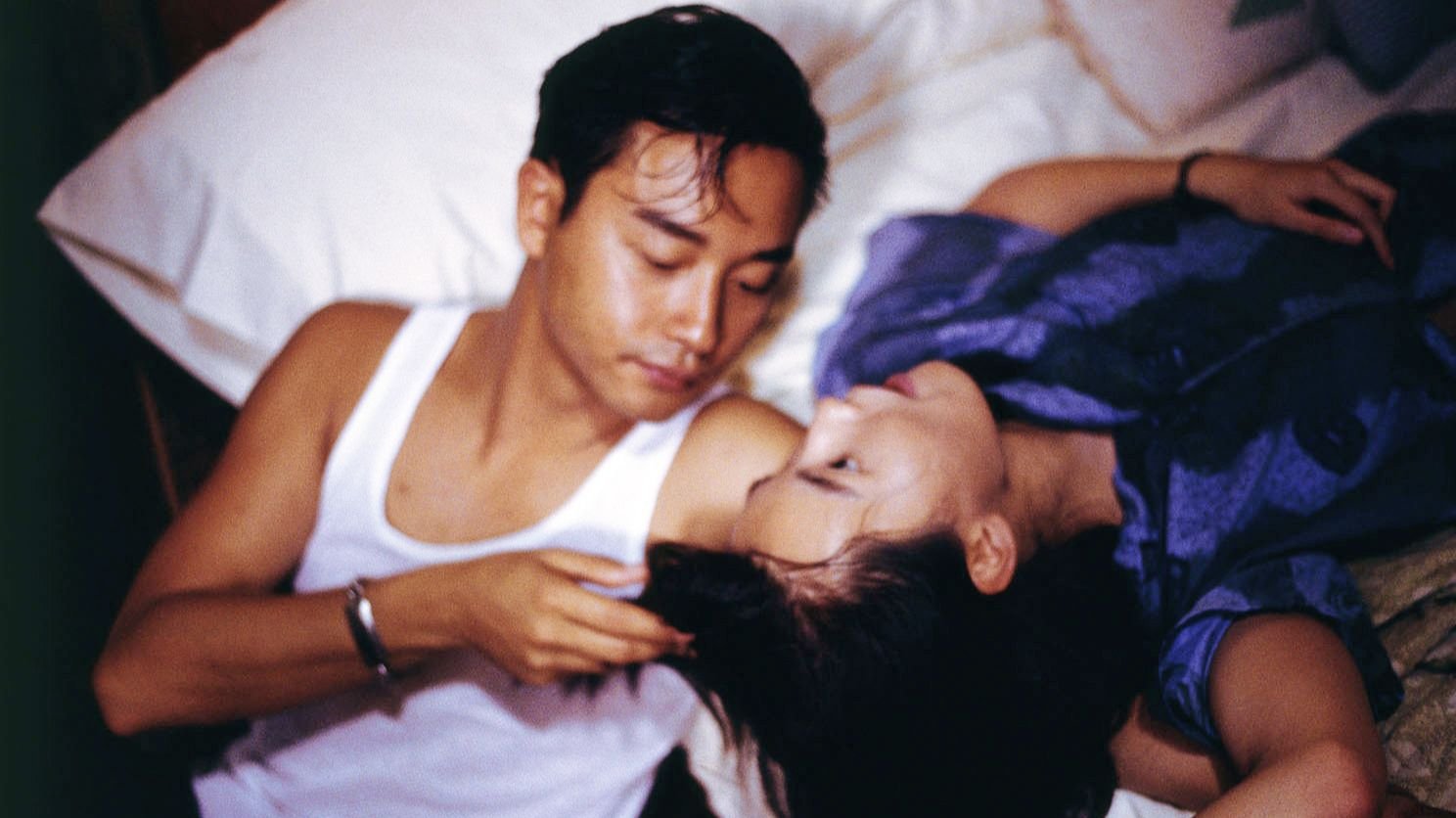
Almost every character in the film is searching for somewhere to belong. Su Lizhen waits for a love that has already left her. Tide spends his nights wandering through Hong Kong dreaming of a different life at sea. Mimi desperately follows Yuddy, hoping that if she loves him enough he might finally stay. They are all looking for a place to land.
Yuddy is the only one who never does.
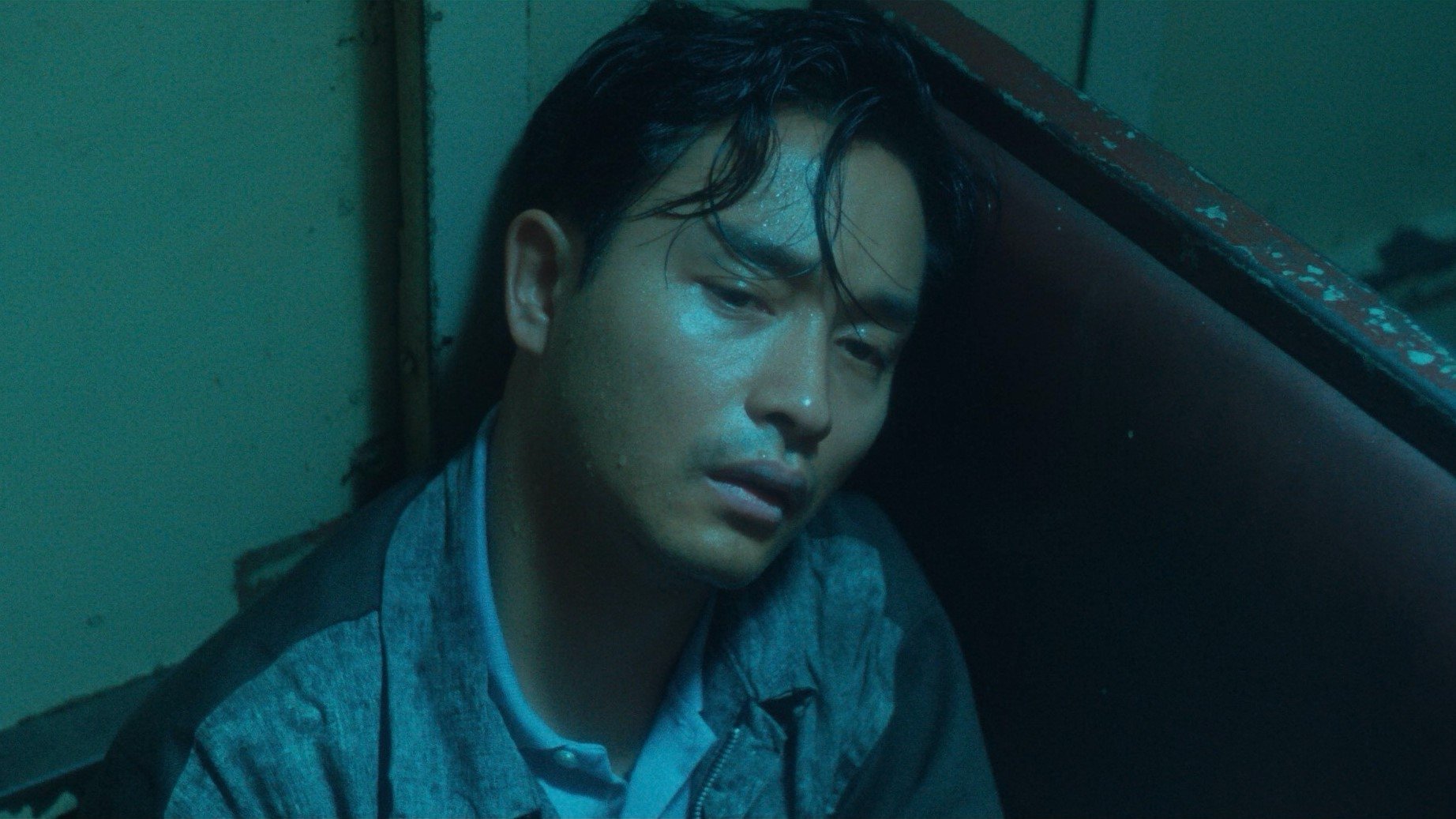
His obsession with finding his biological mother drives the entire film. He convinces himself that once he finds the answer to where he came from, everything else will make sense. But the closer he gets, the more distant he becomes from everyone around him. He rejects love before it can reject him. Every connection becomes temporary. Every goodbye arrives before a relationship has the chance to become real.
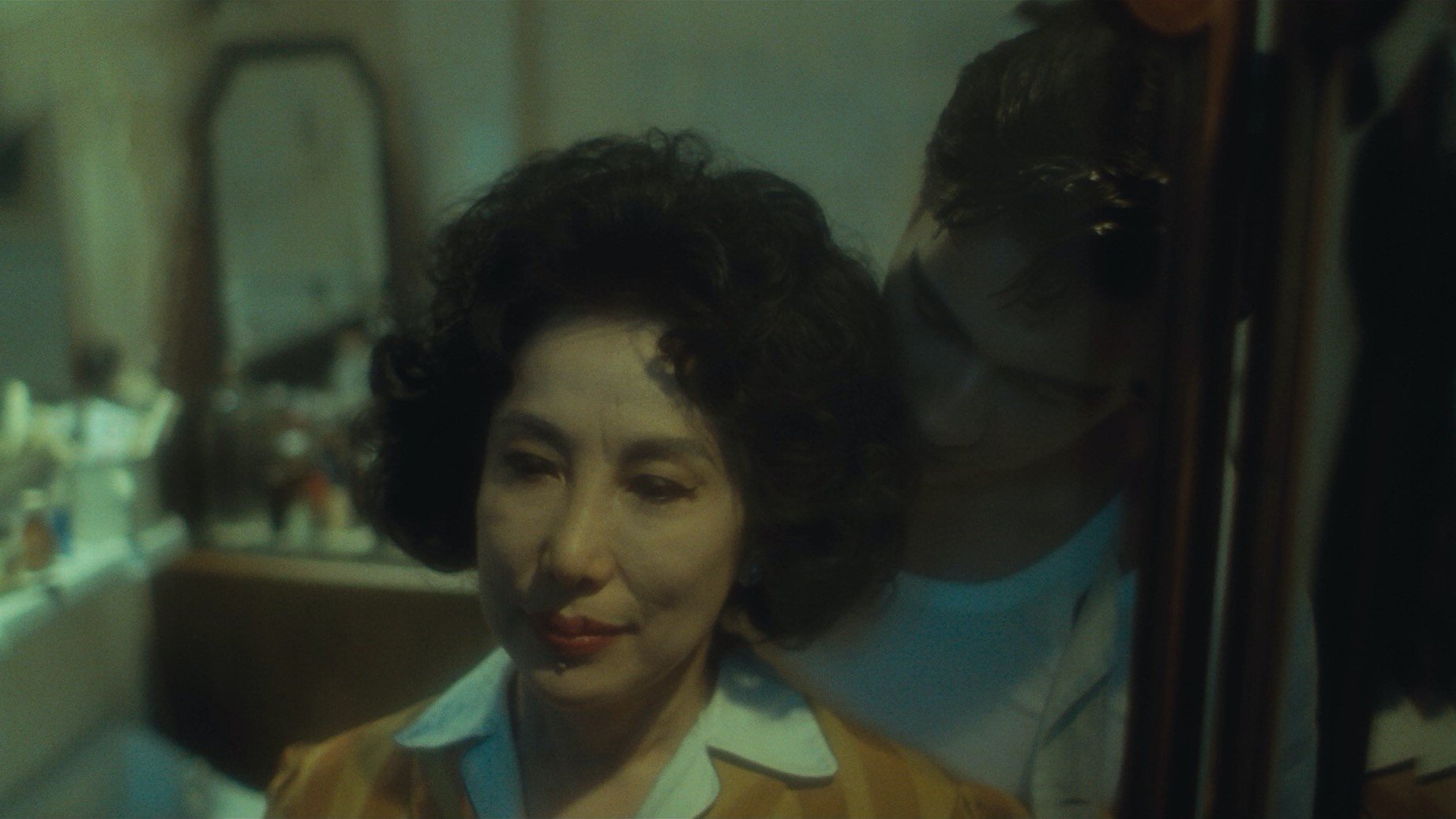
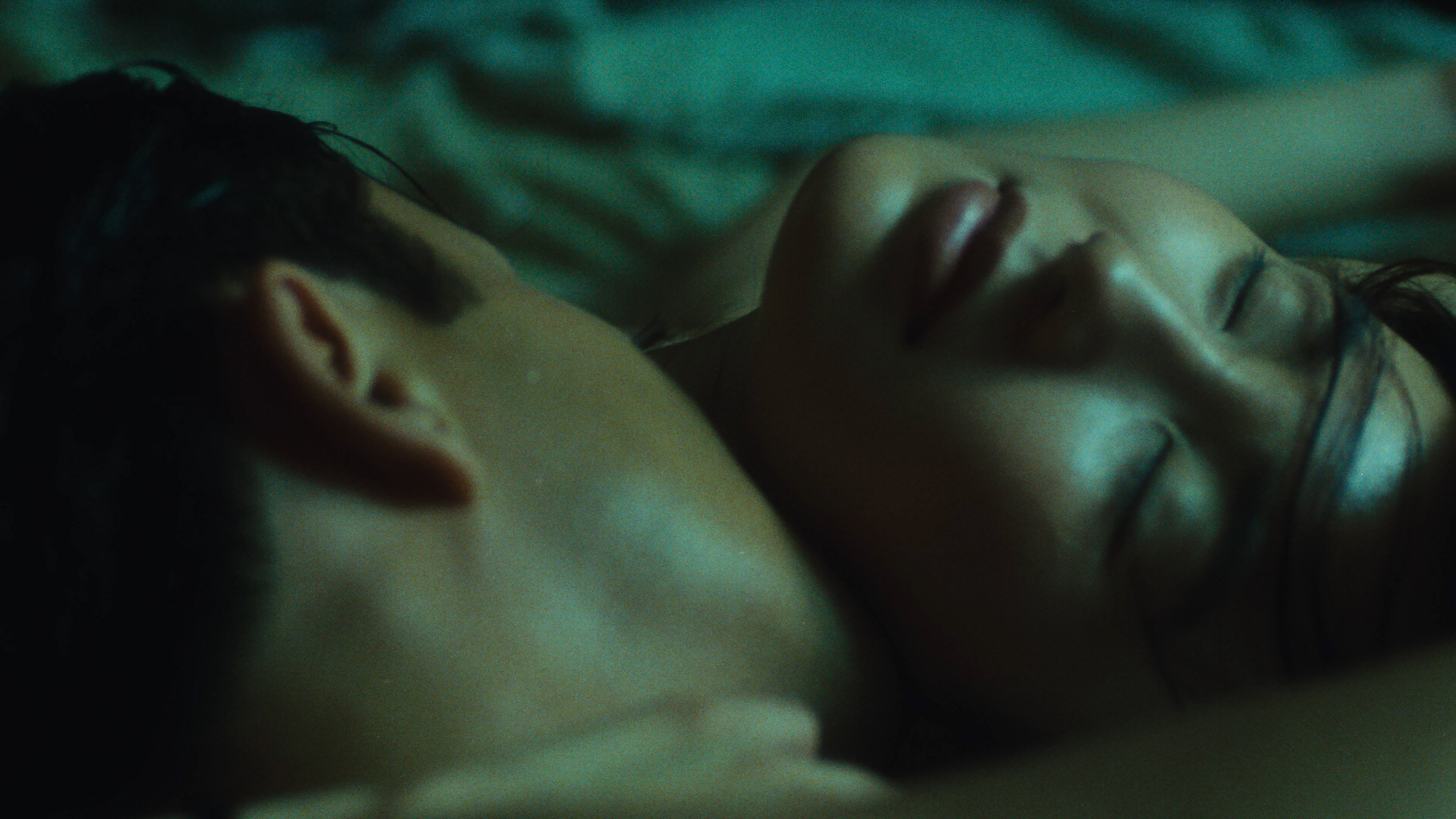
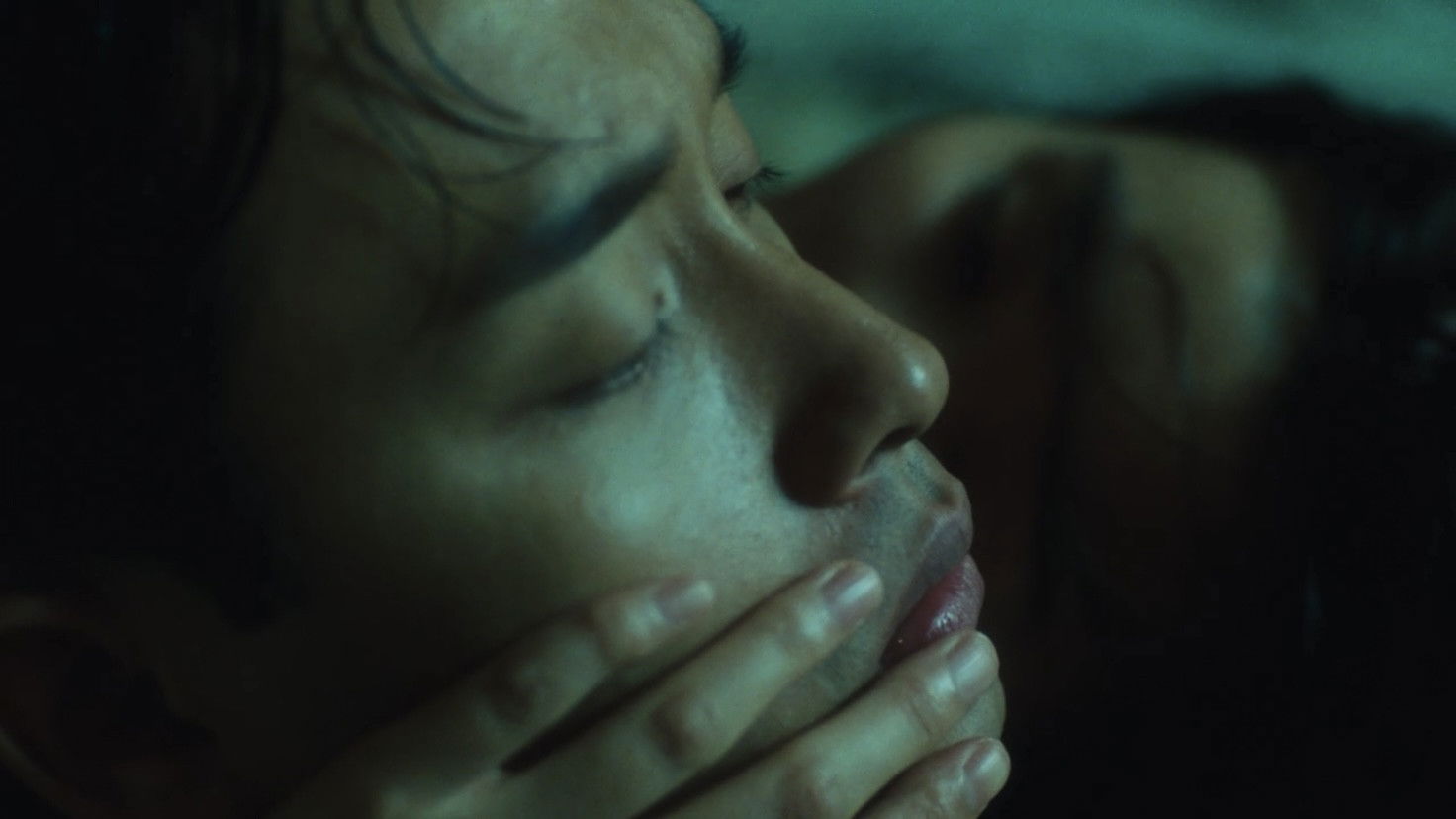
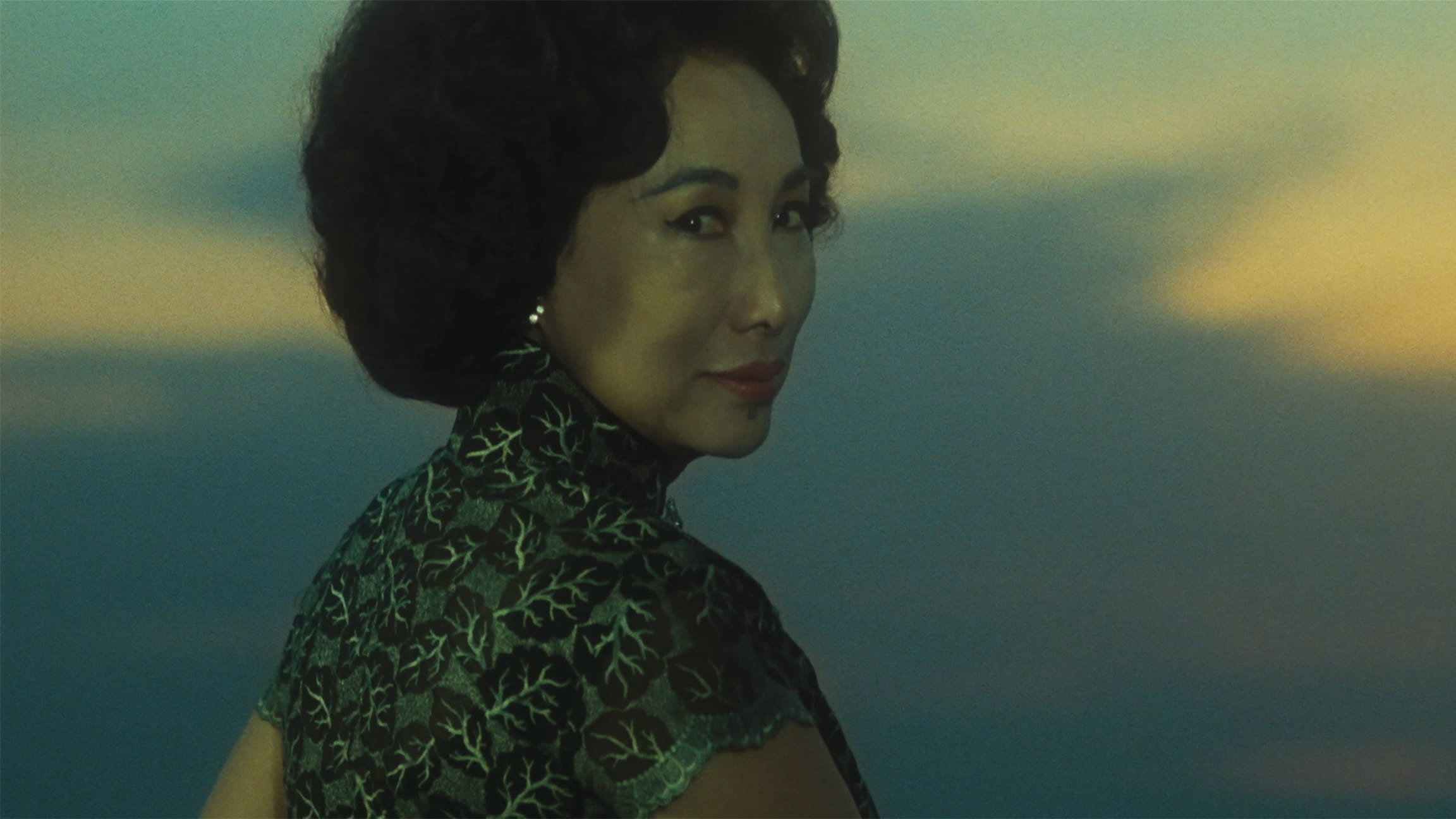
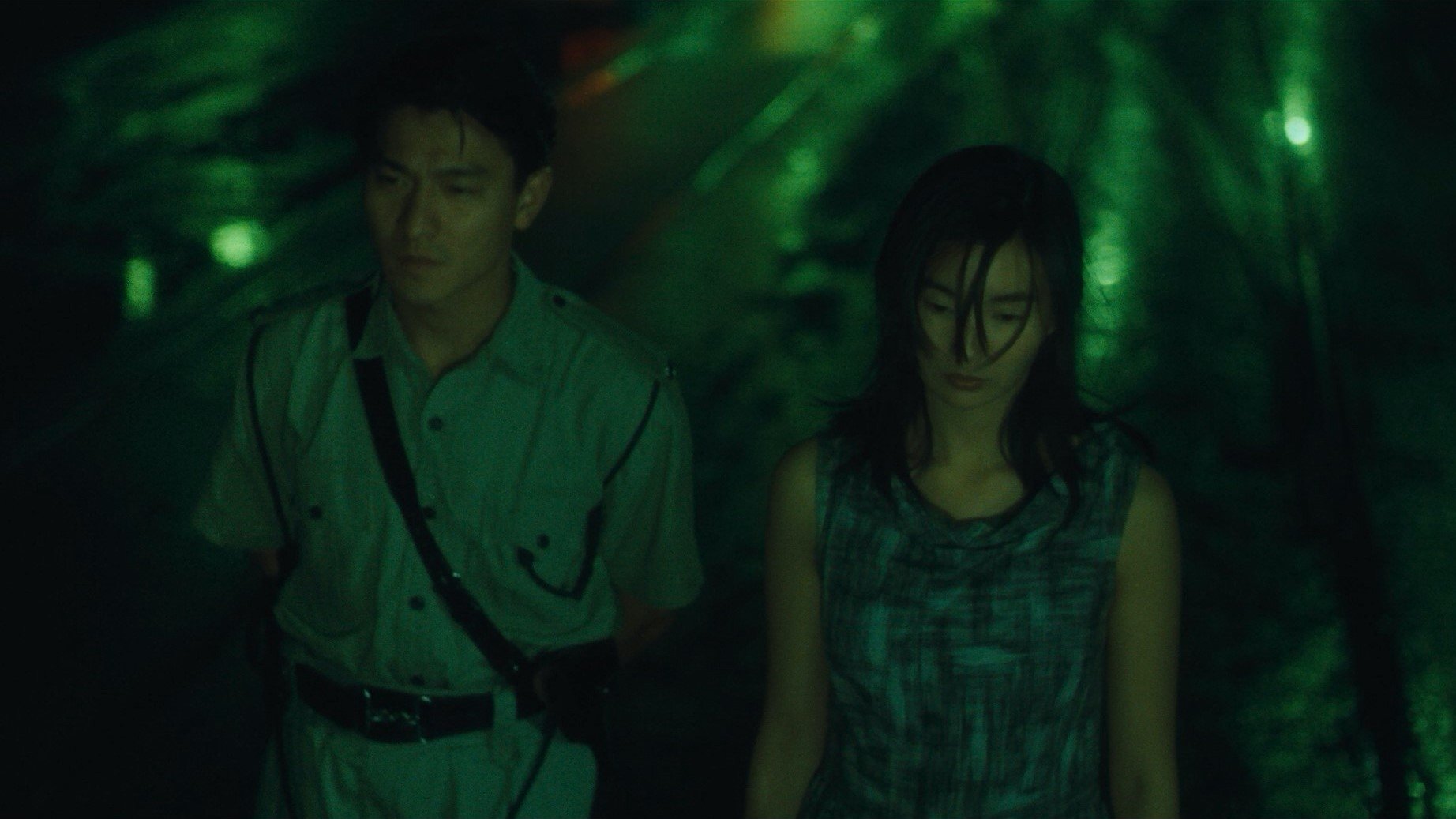
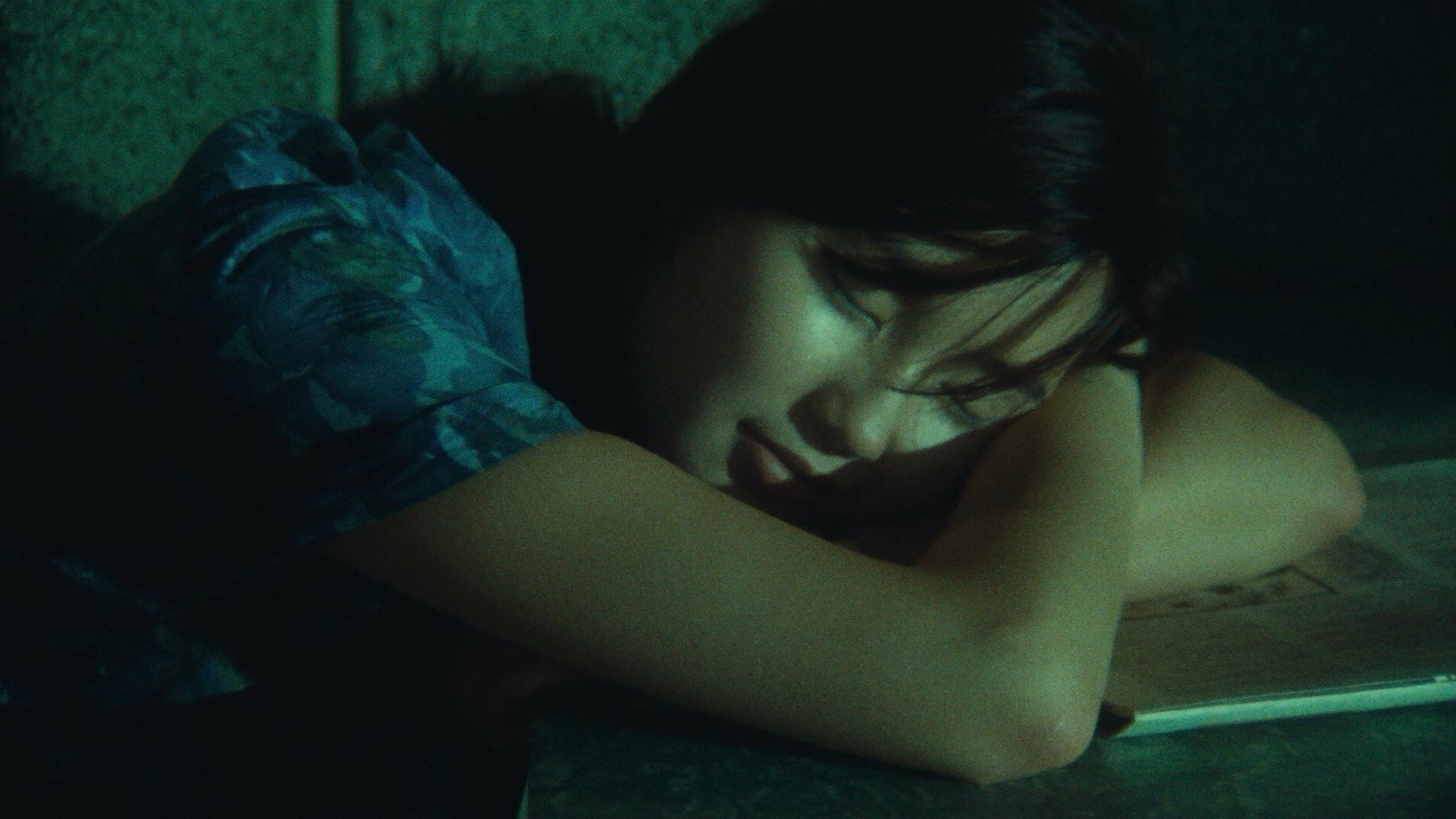
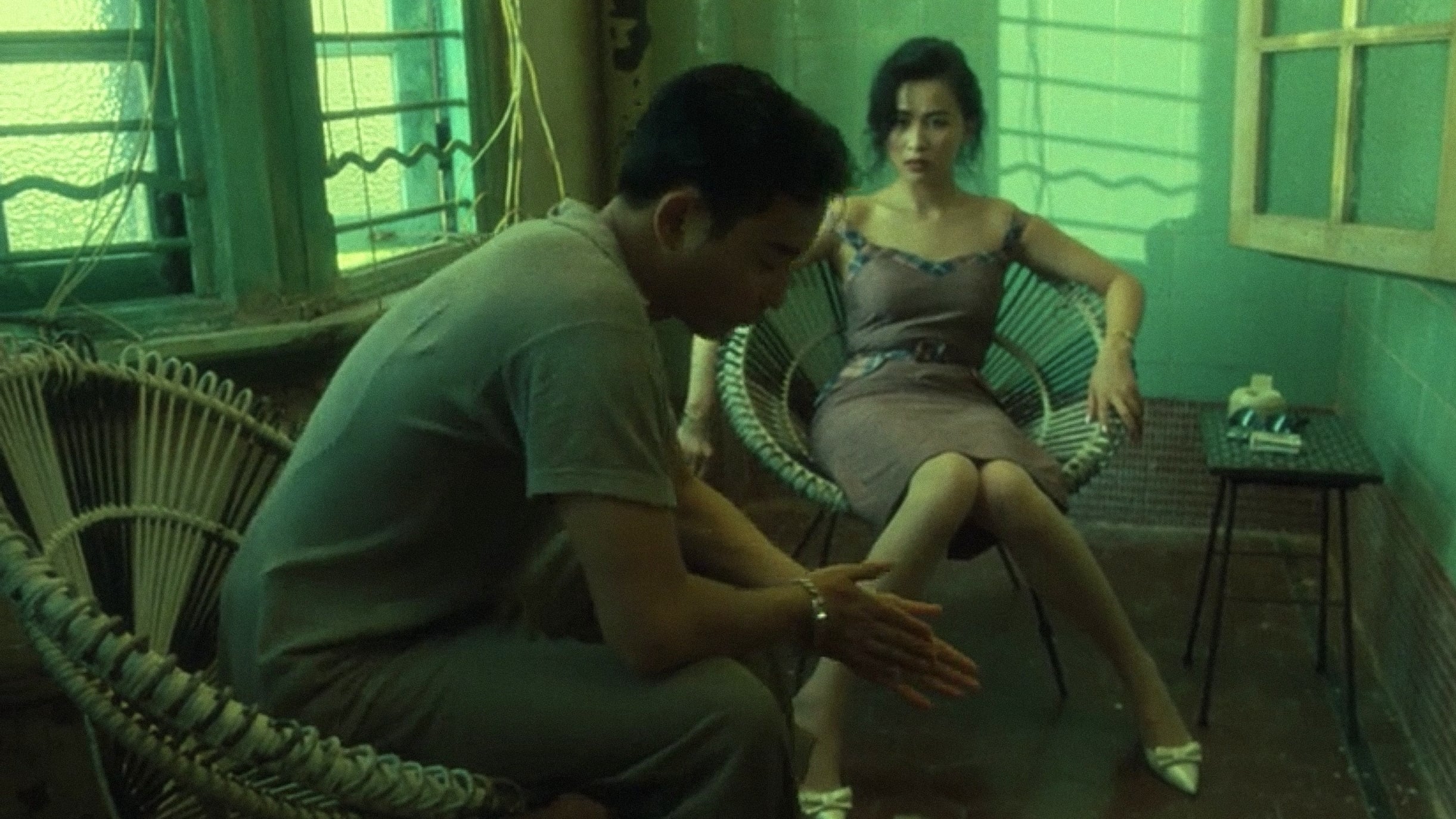
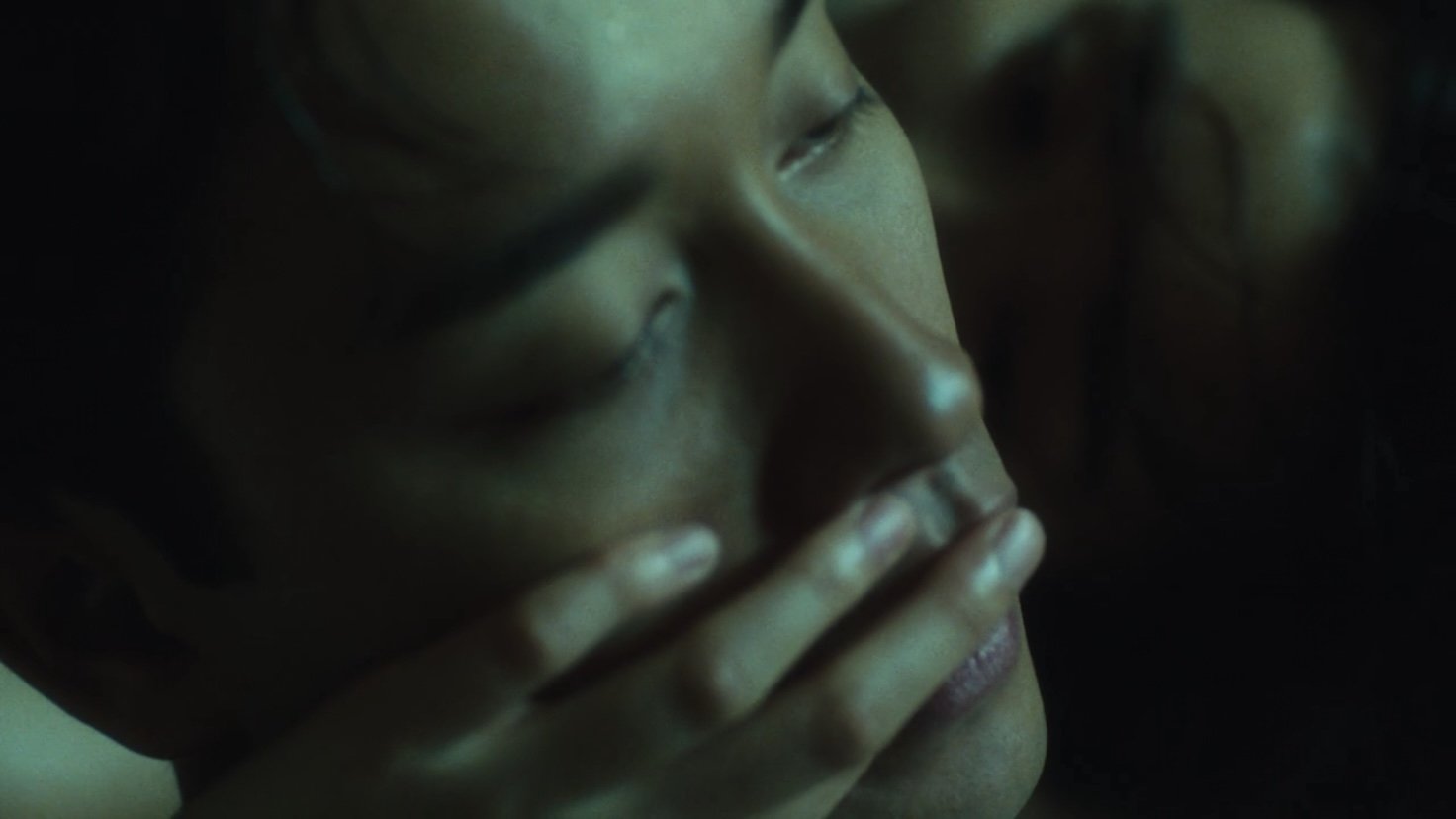
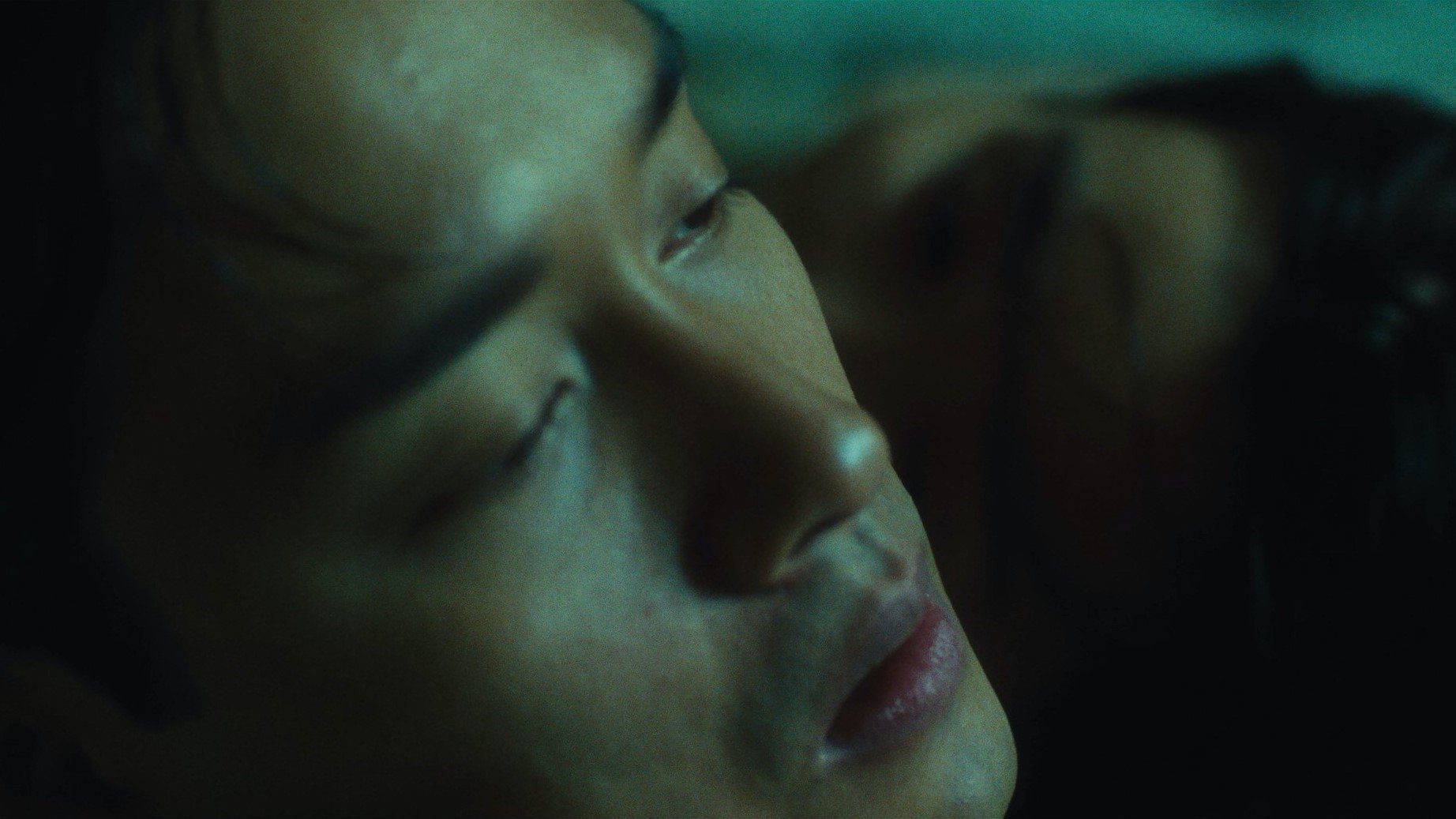
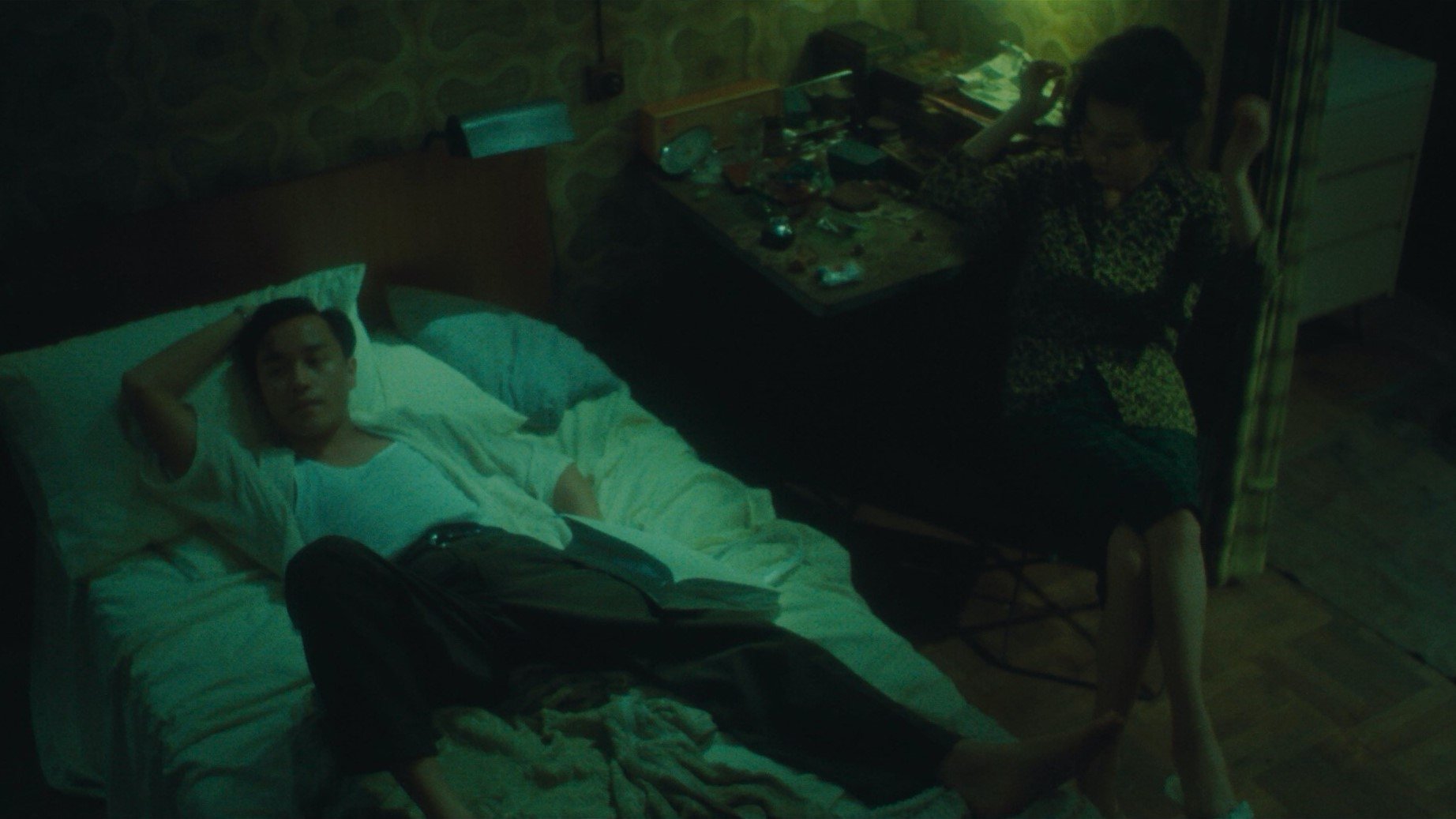
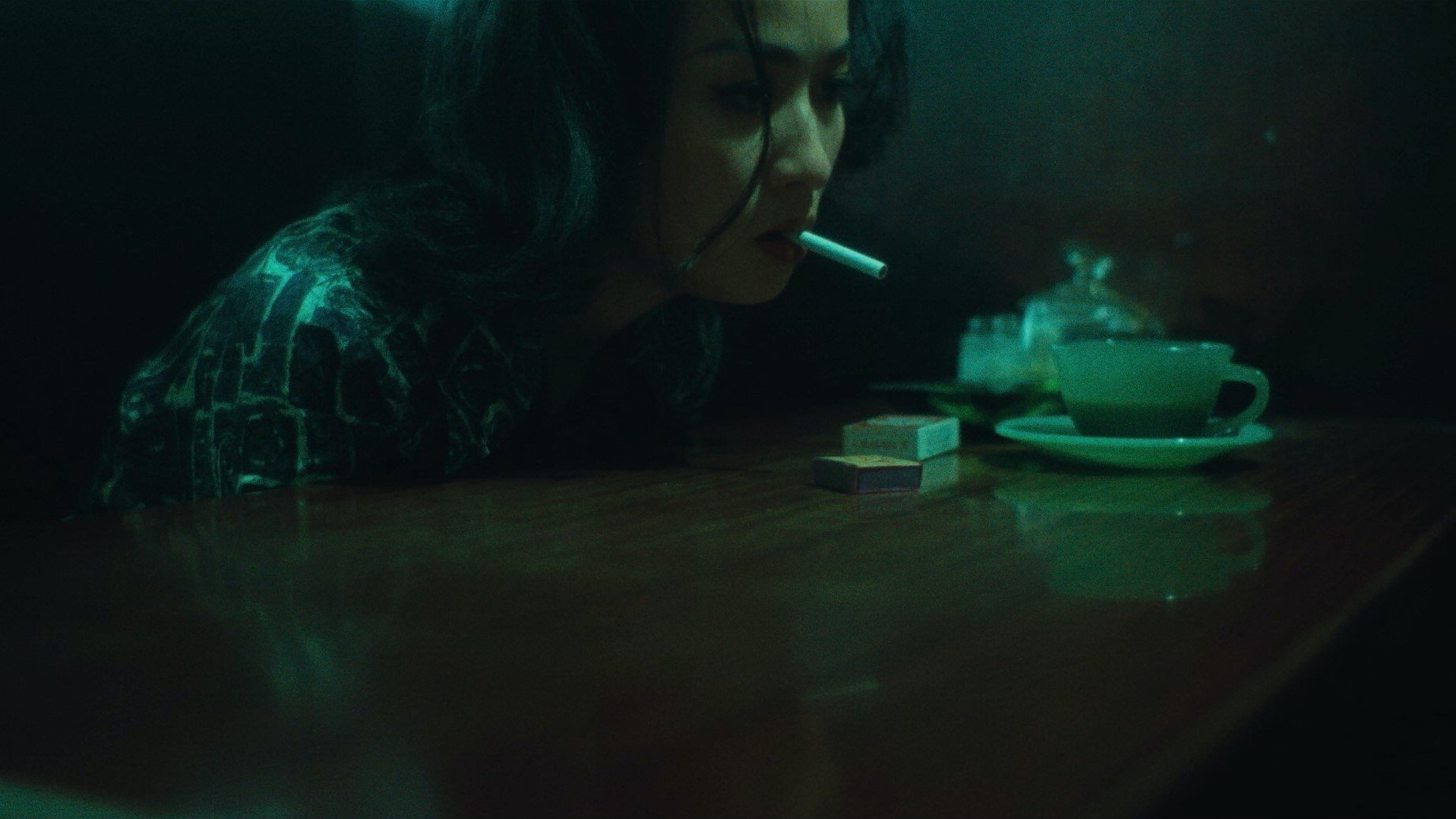
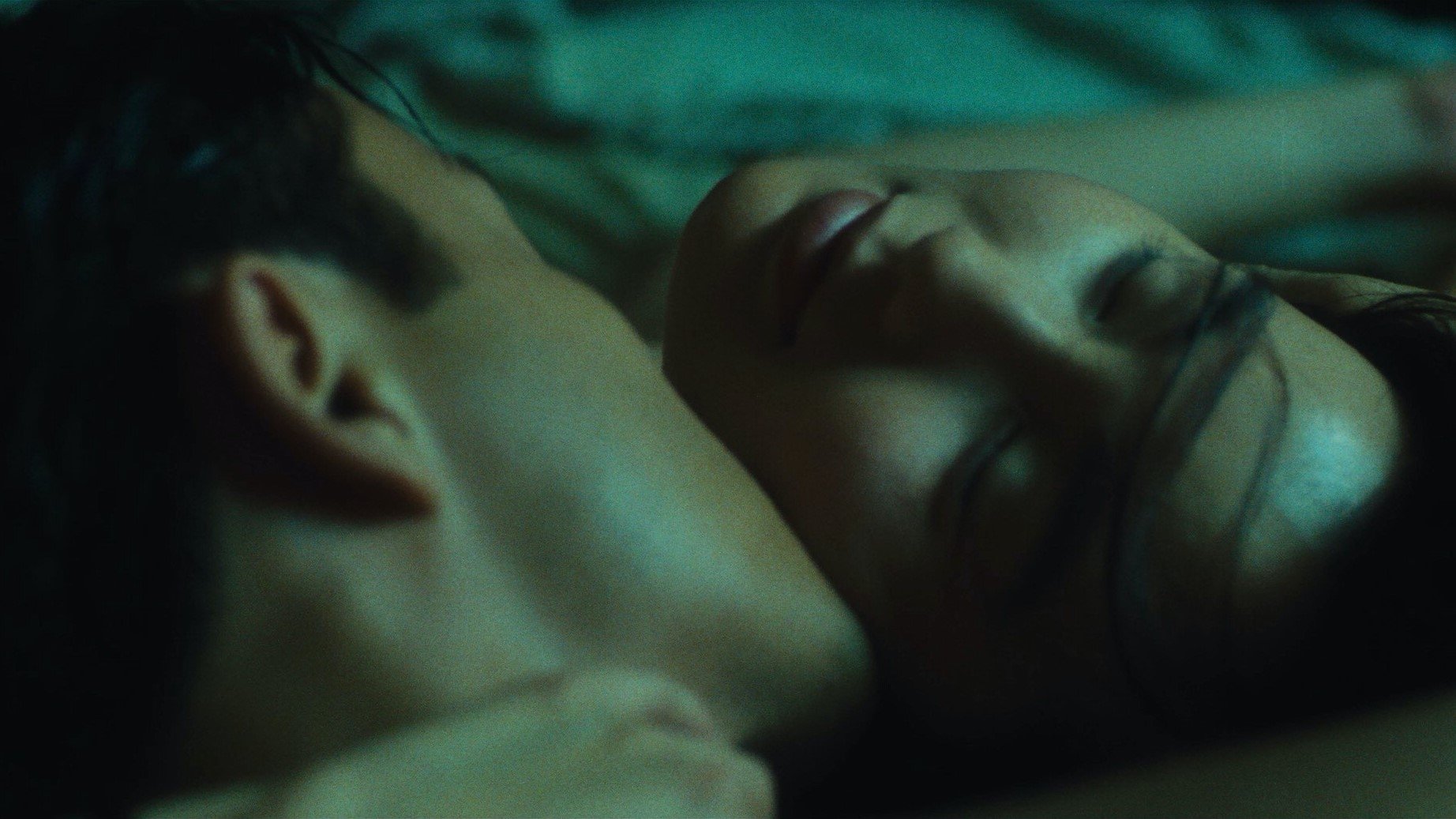
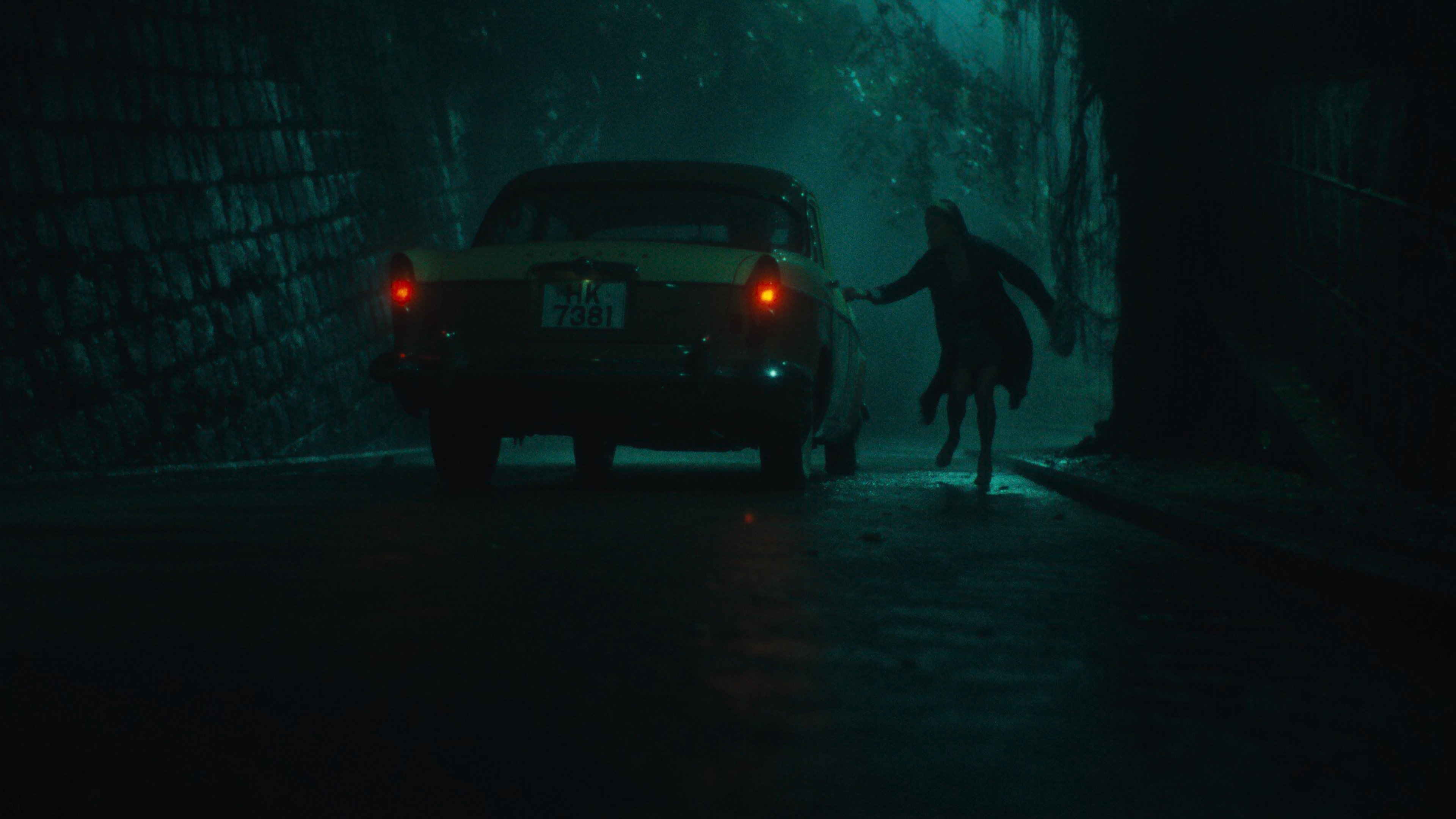
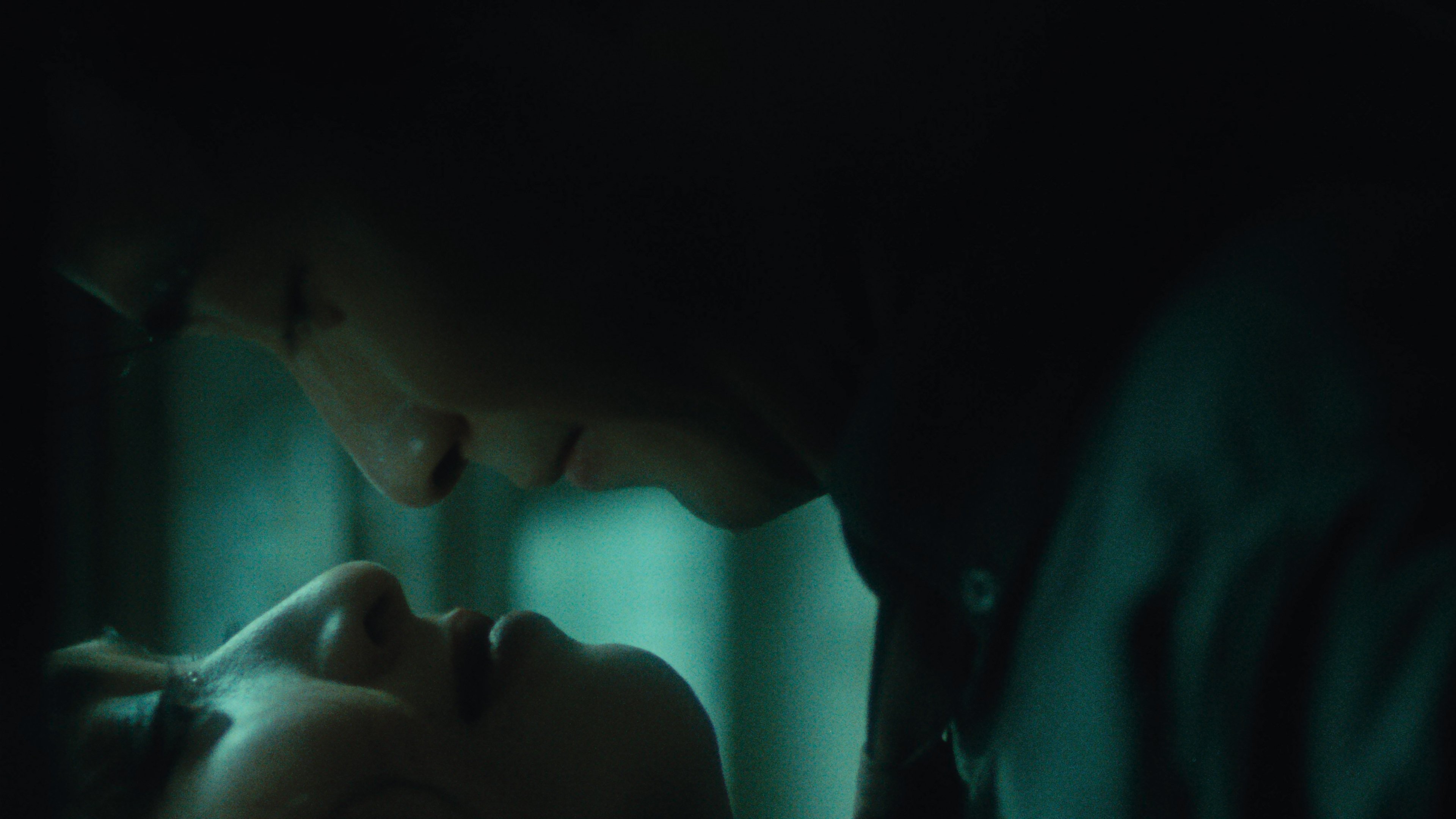
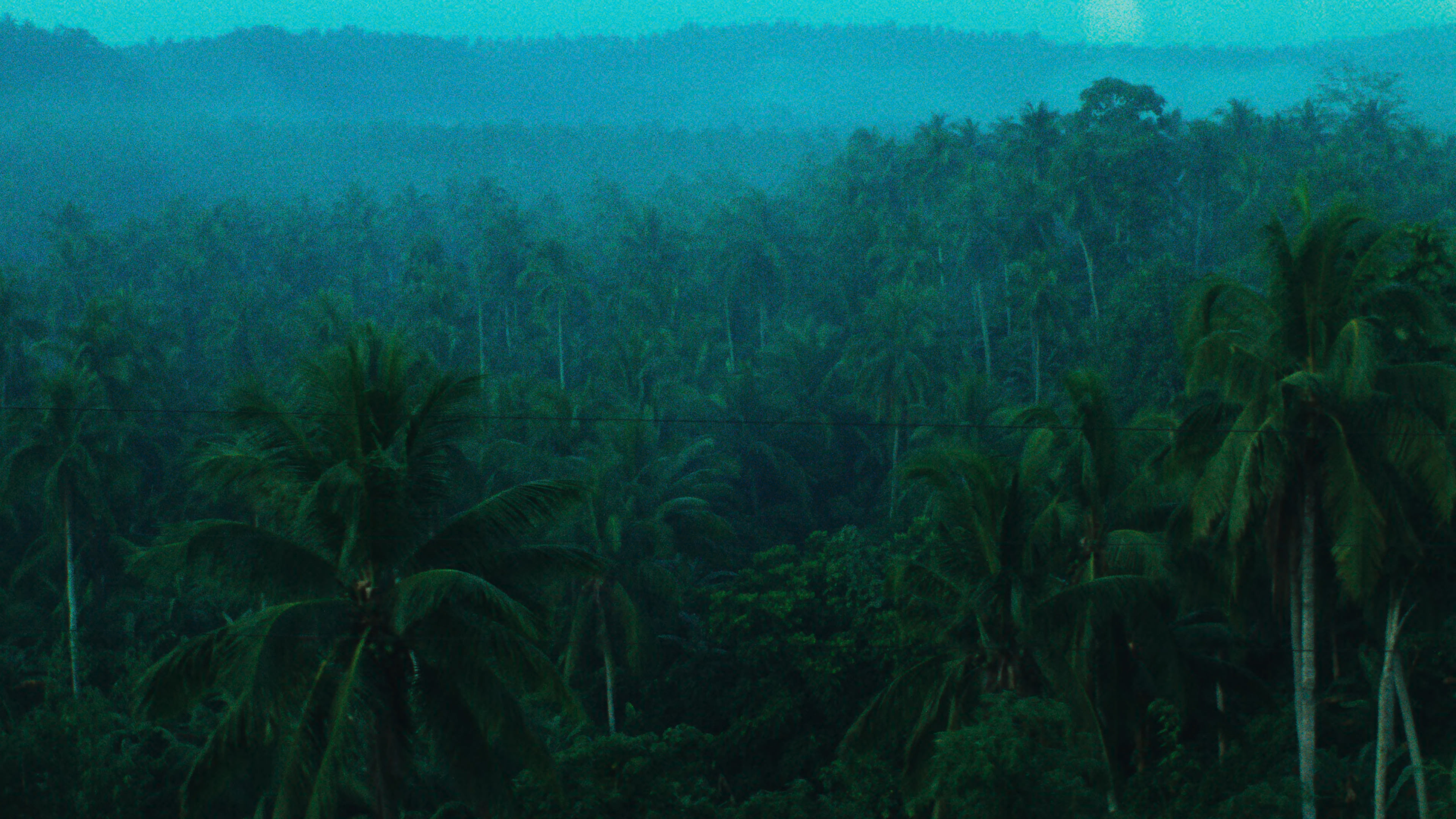
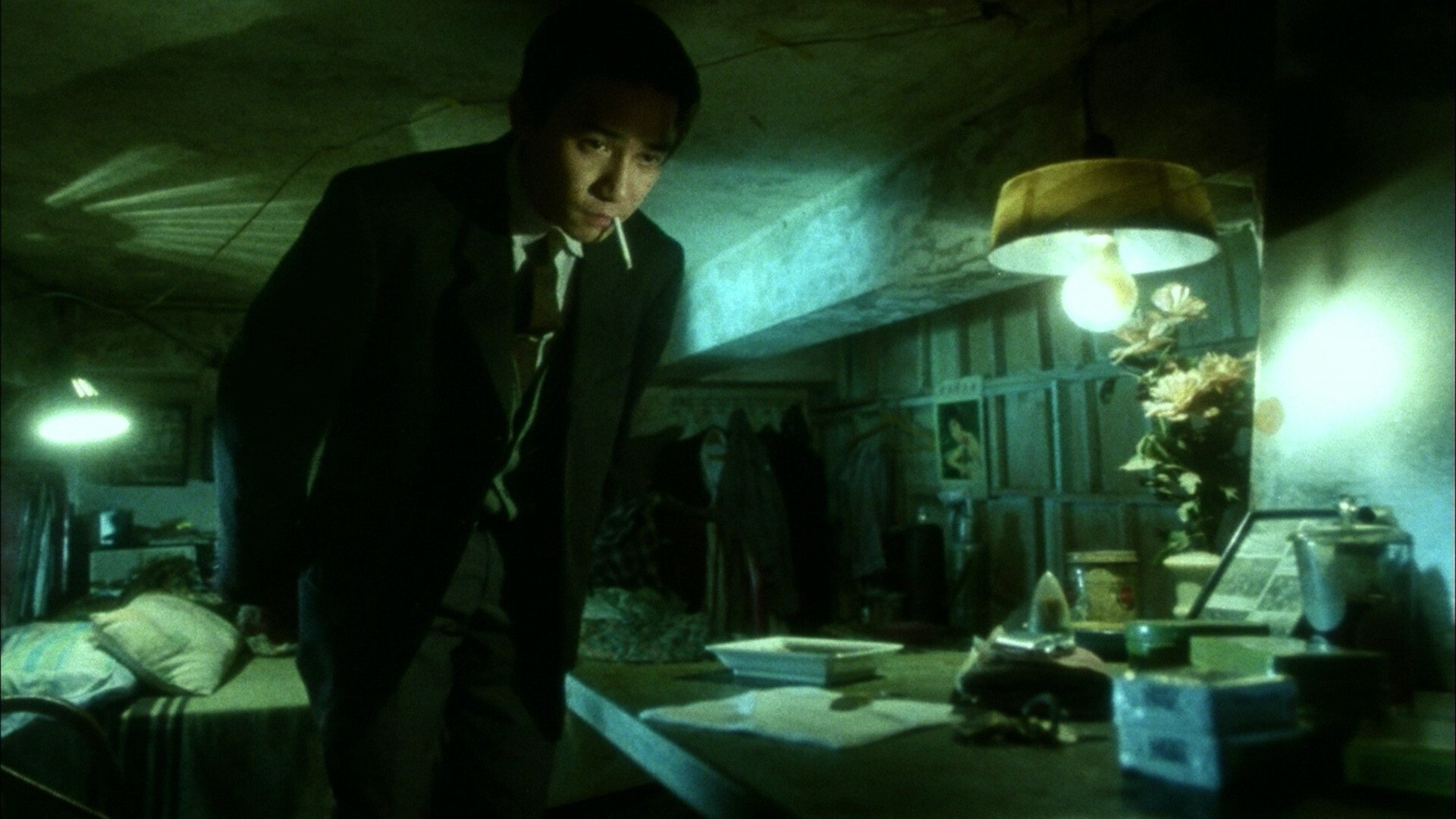
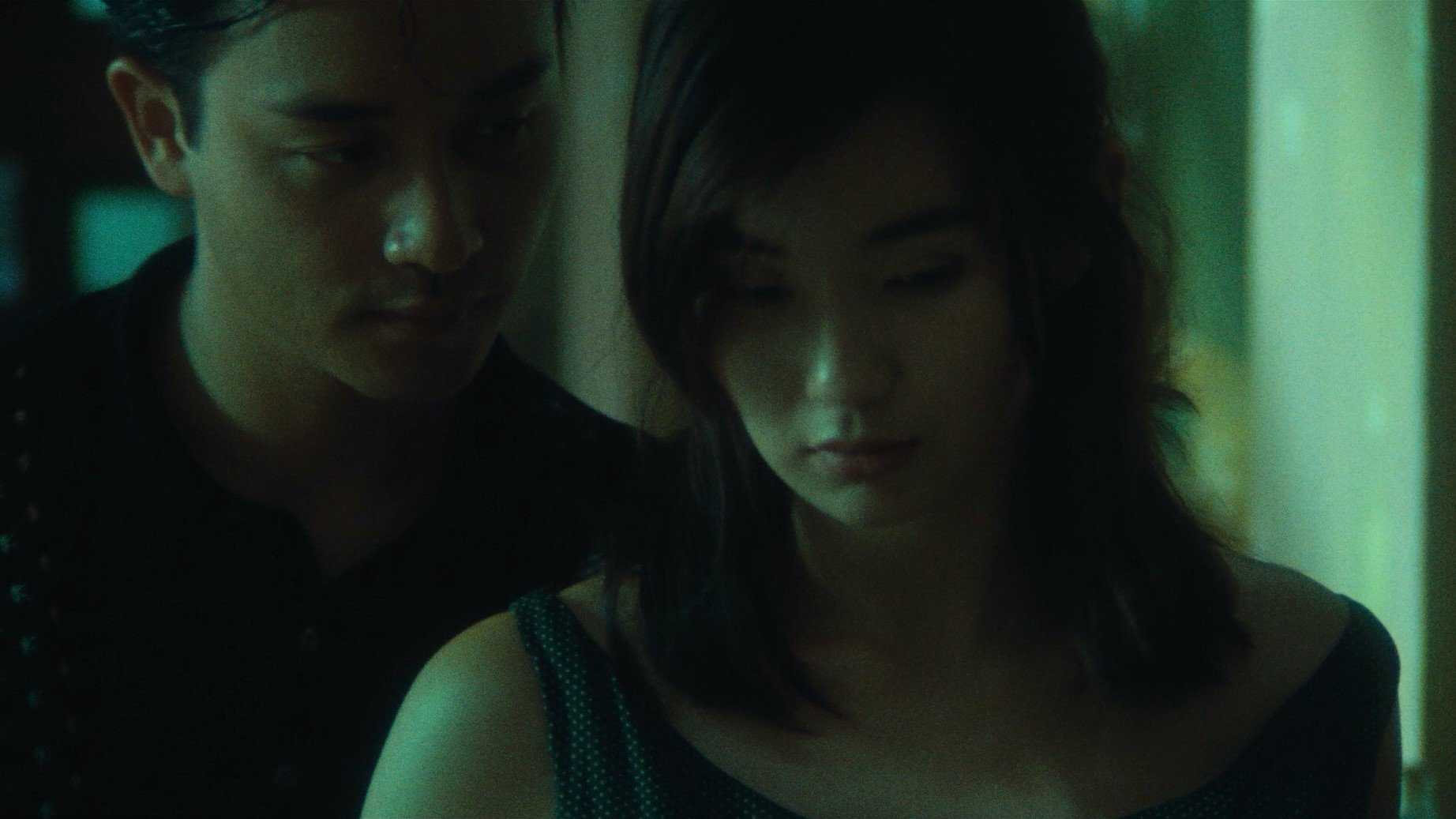
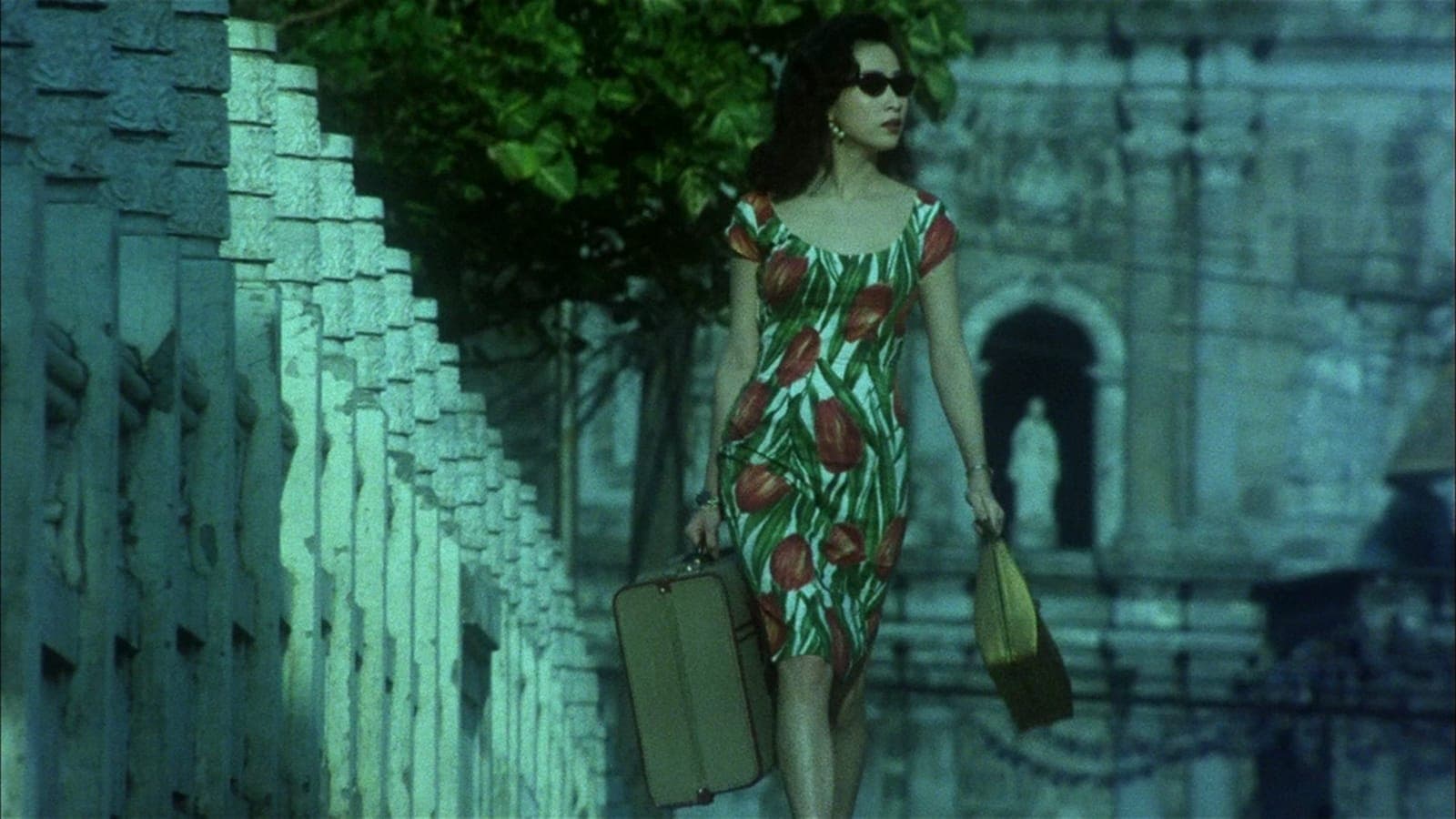
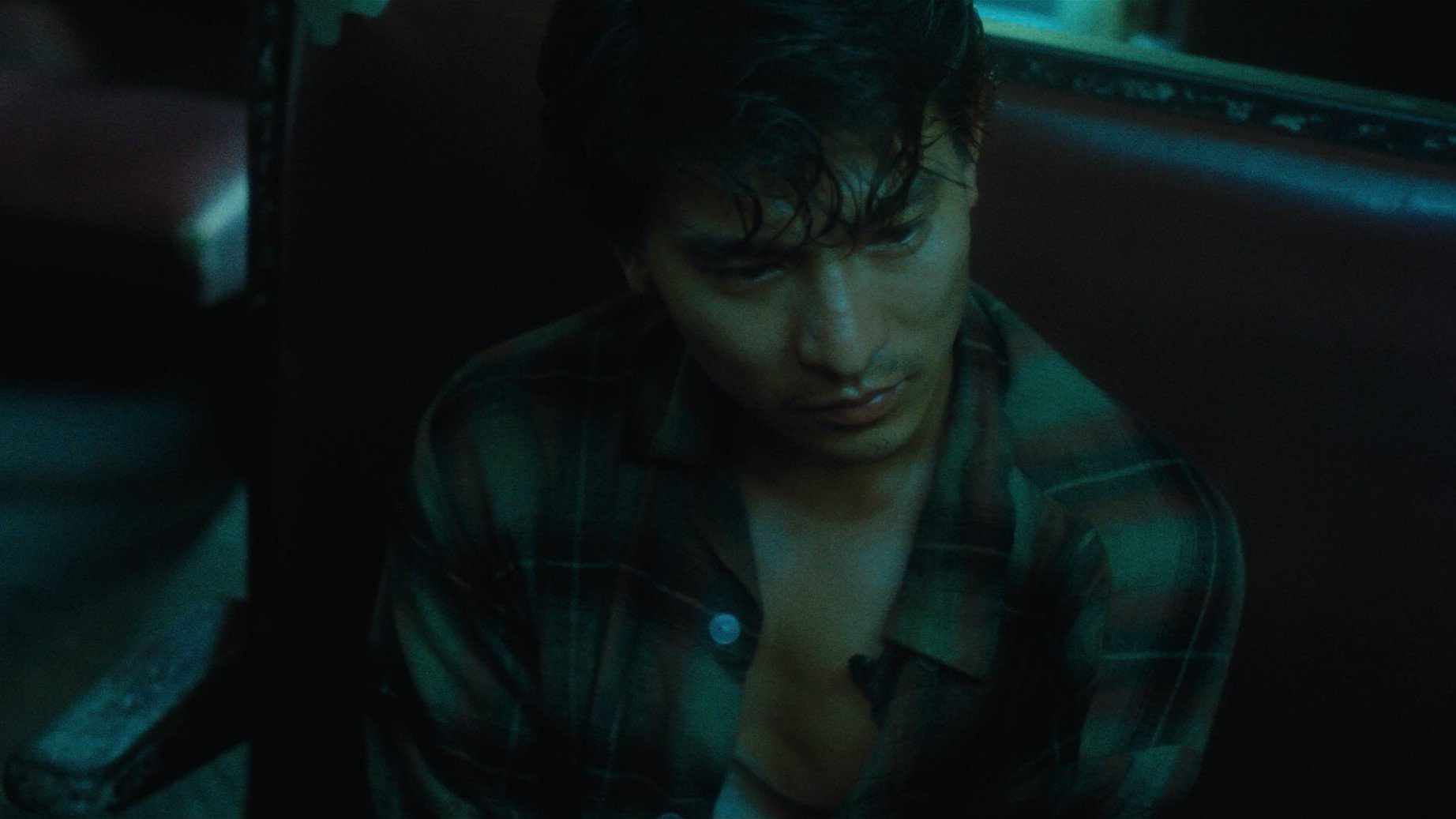
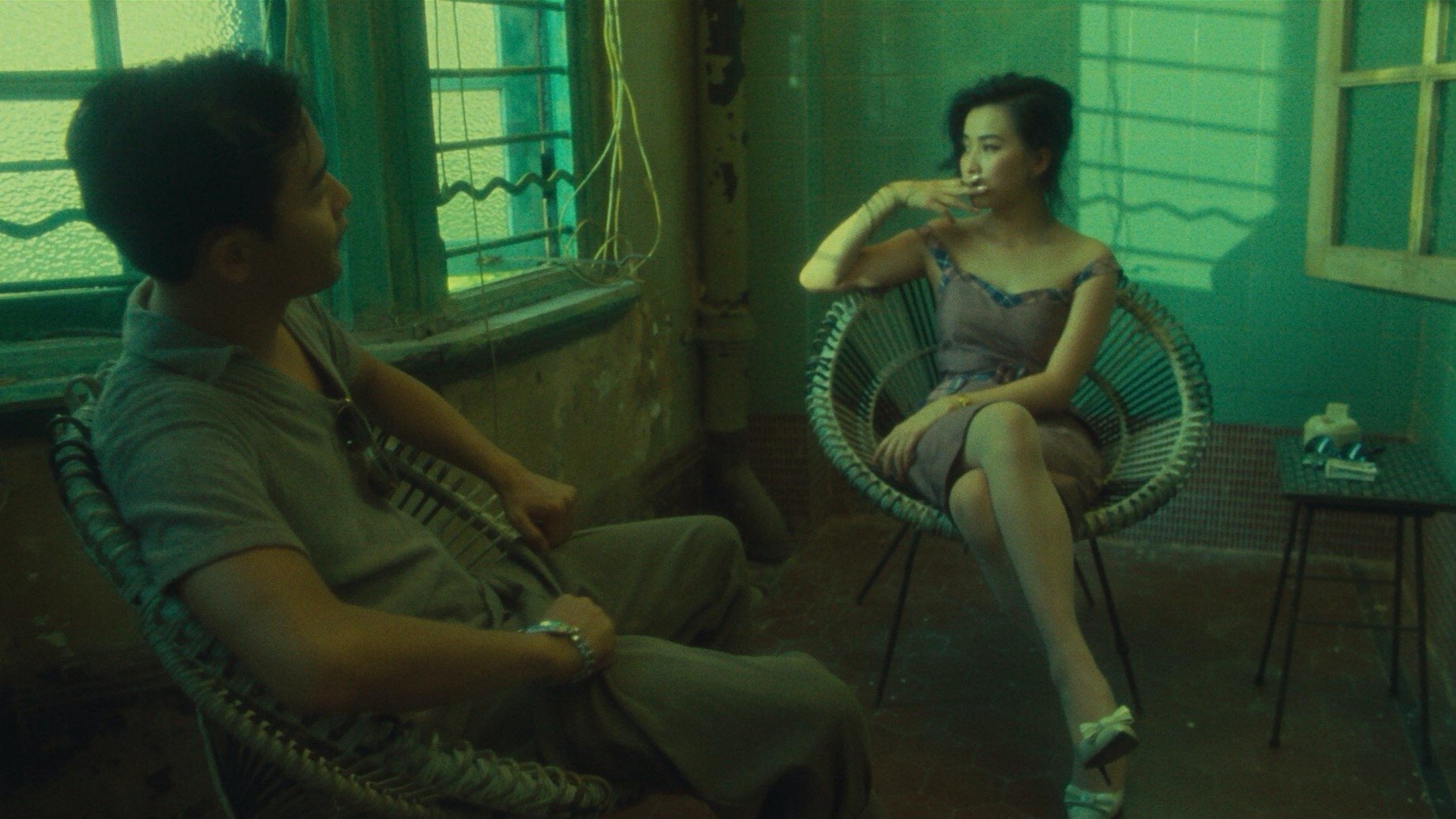
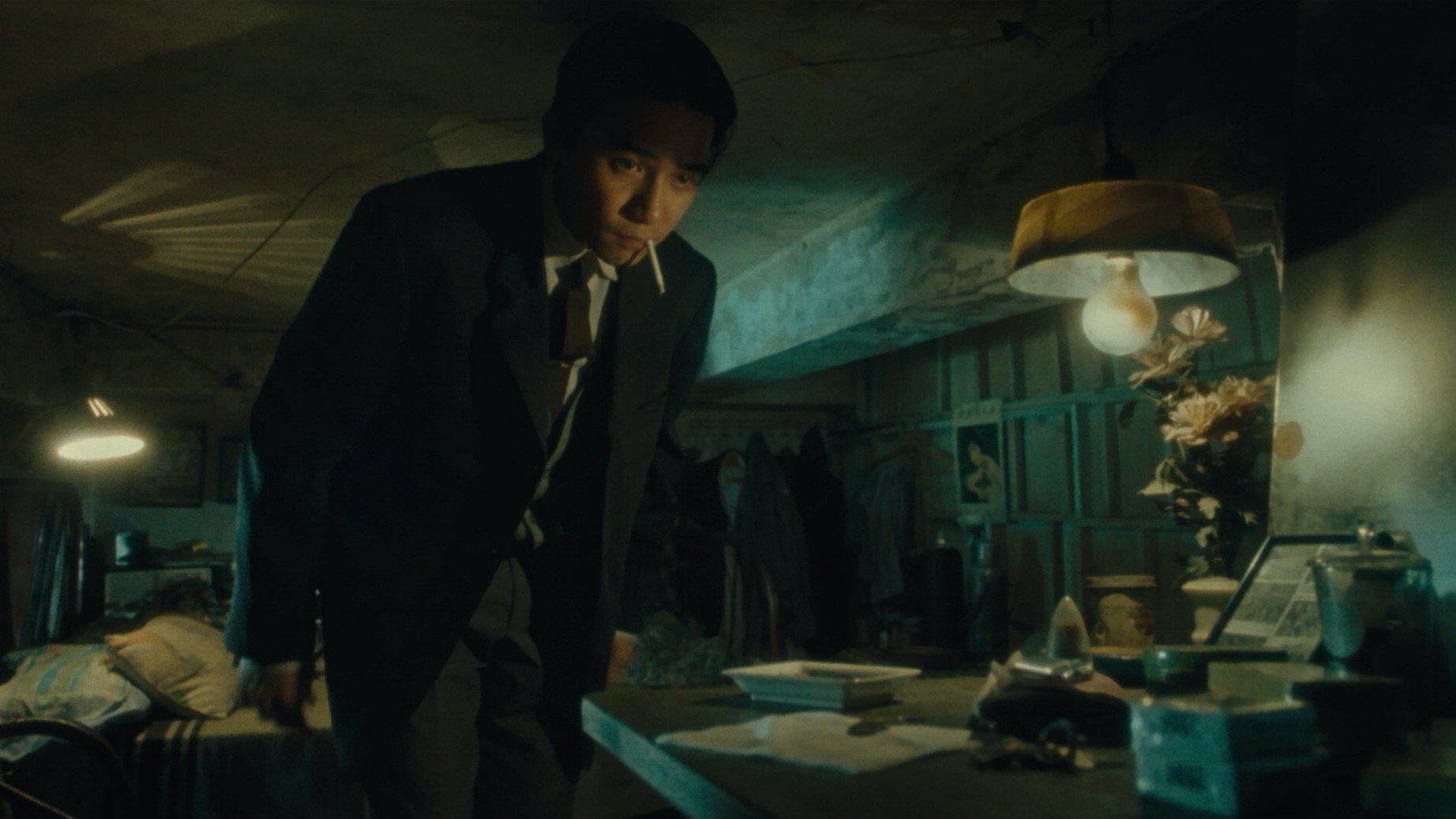
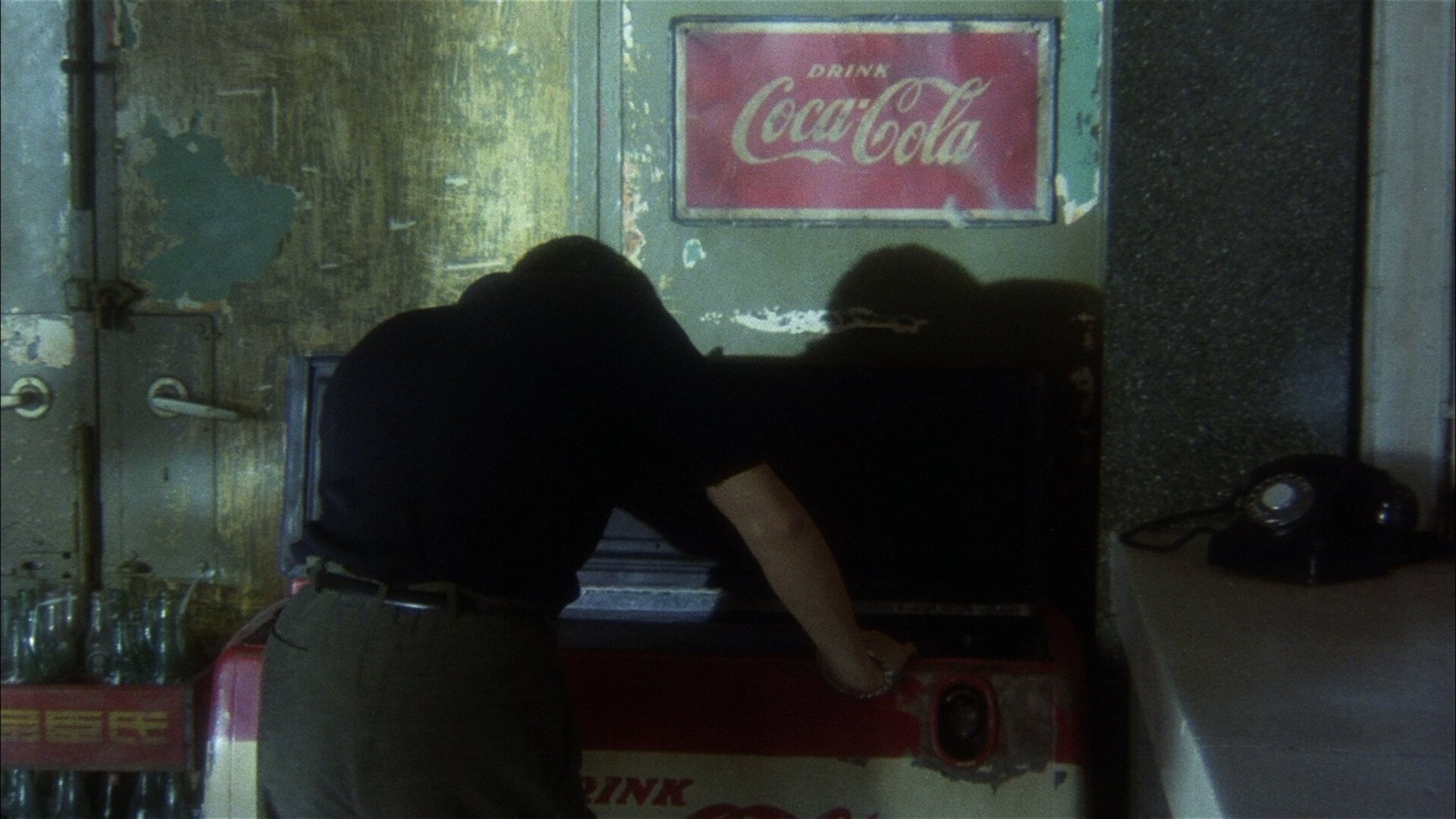
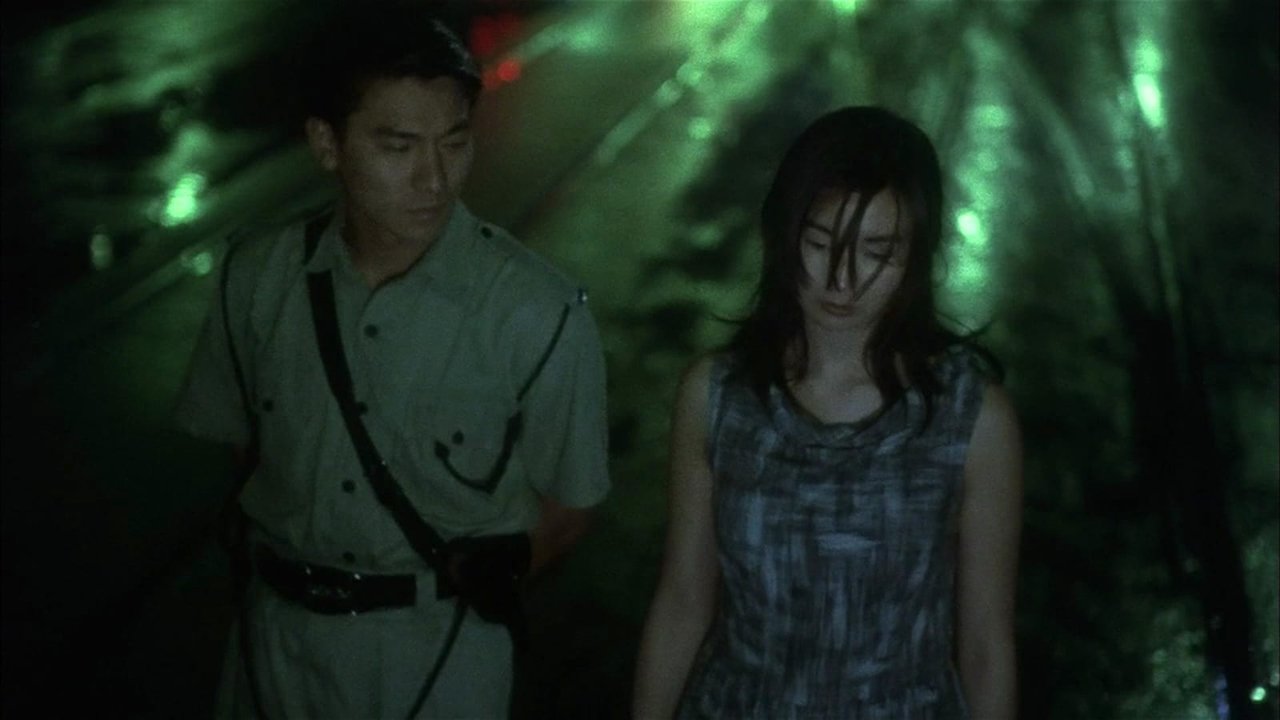
What I love most about the film is how loneliness is built into the city itself. The nights feel endless. Characters drift through empty streets, small apartments, train stations and dimly lit rooms painted in green and yellow hues. They are constantly surrounded by people yet unable to truly reach one another.
One scene that stayed with me is when Su Lizhen sits alone after Yuddy leaves her. Nothing dramatic happens. Wong Kar-wai simply lets the silence linger. Another is the train sequence near the end of the film, where movement itself becomes a form of loneliness. The characters keep travelling, keep searching, but never seem to arrive anywhere.
By the end, the bird without legs no longer sounds free. It sounds exhausted.
Maybe that’s the tragedy of Yuddy. He spends his entire life flying, convinced that landing would trap him, only to discover too late that never landing is its own kind of prison.