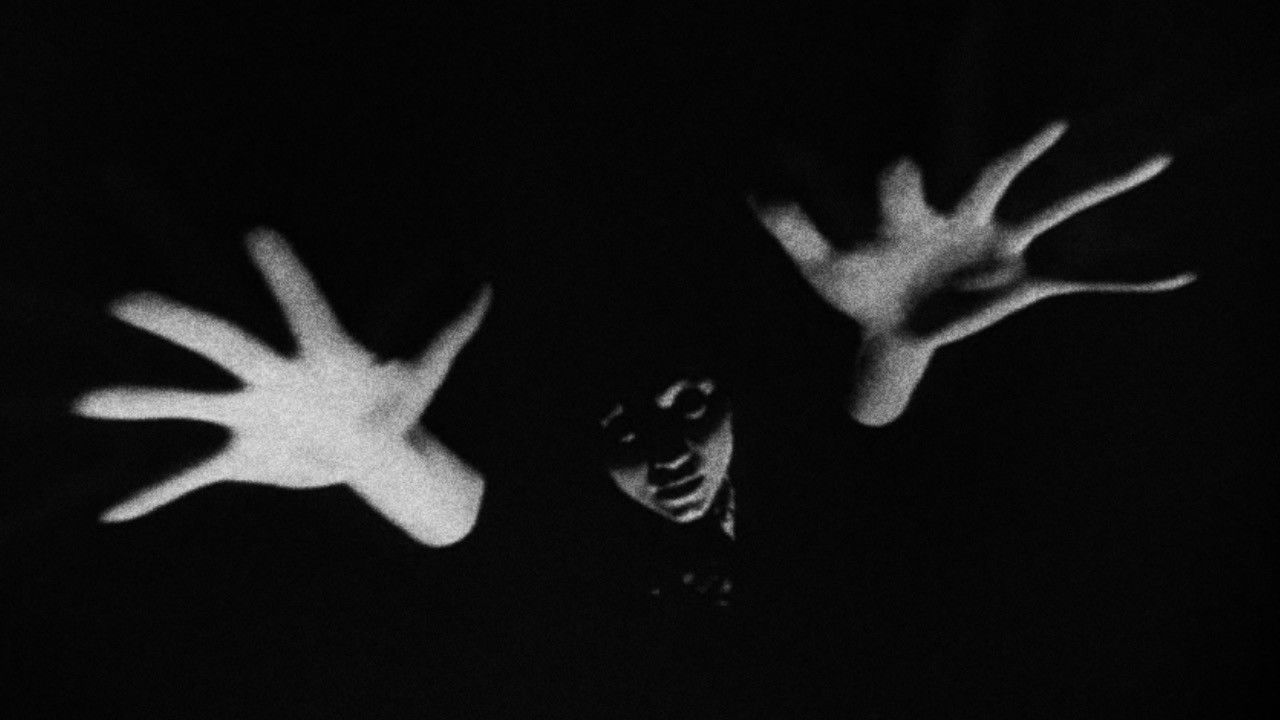
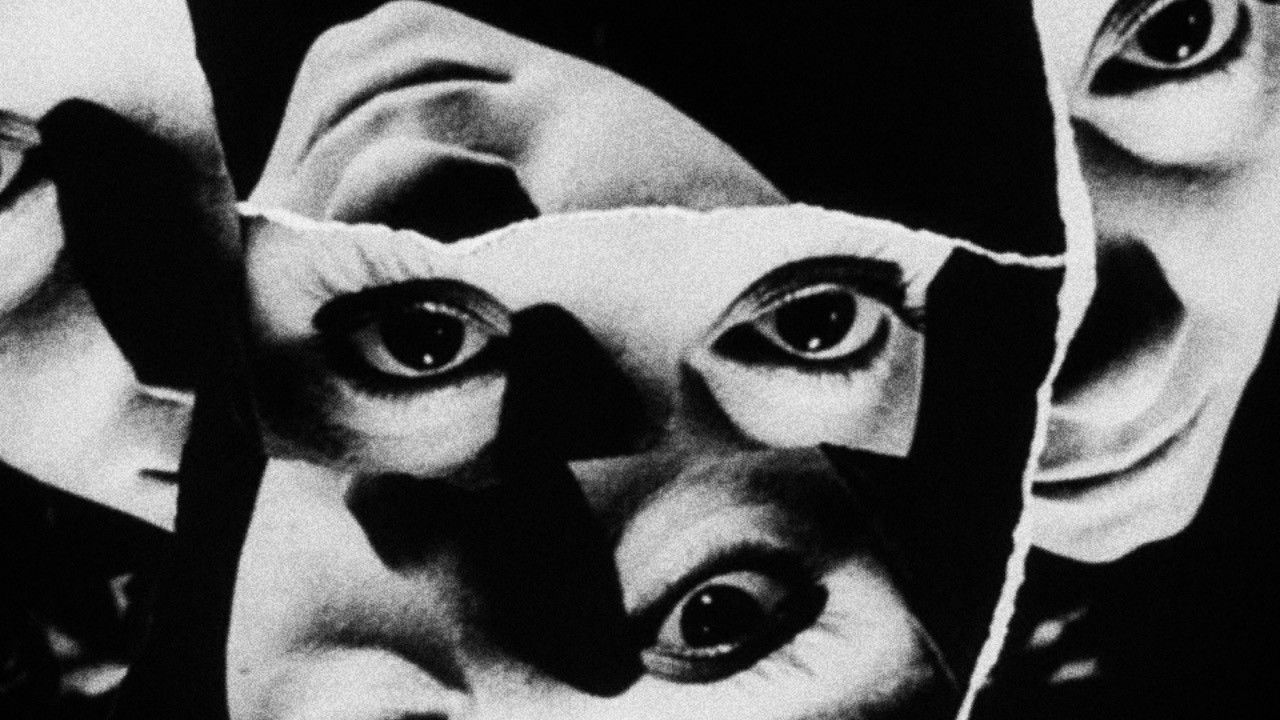
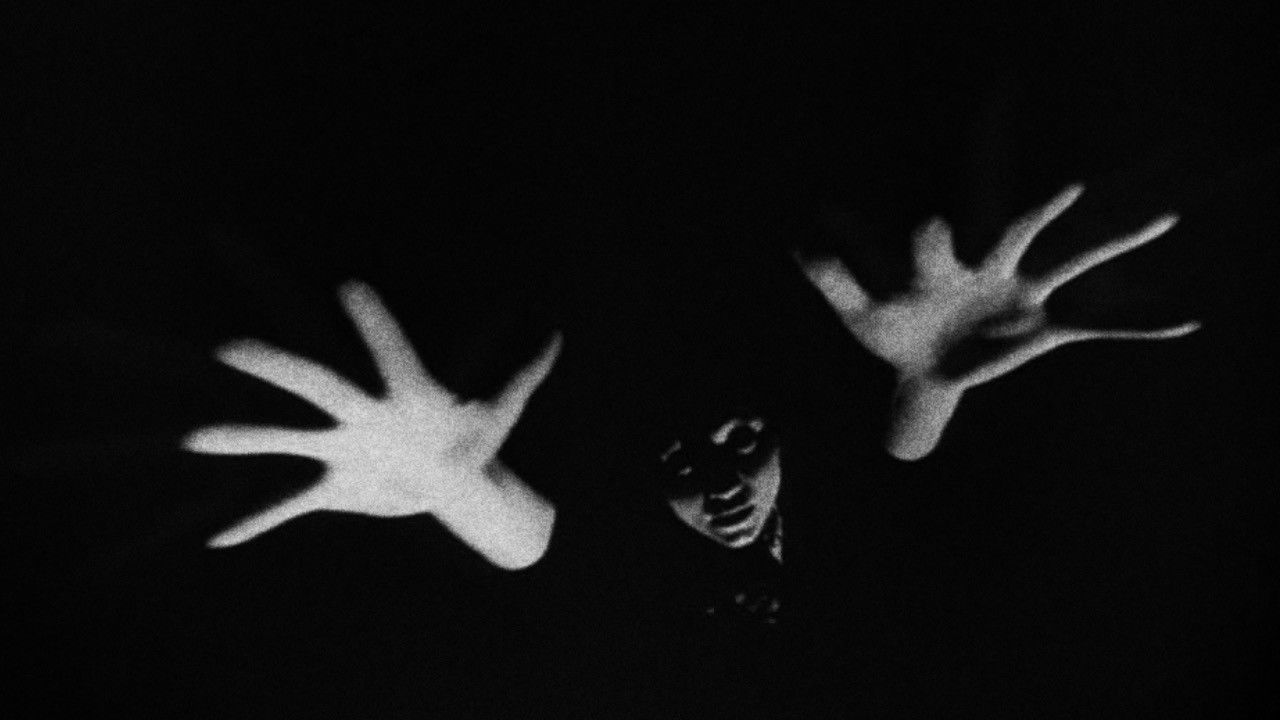
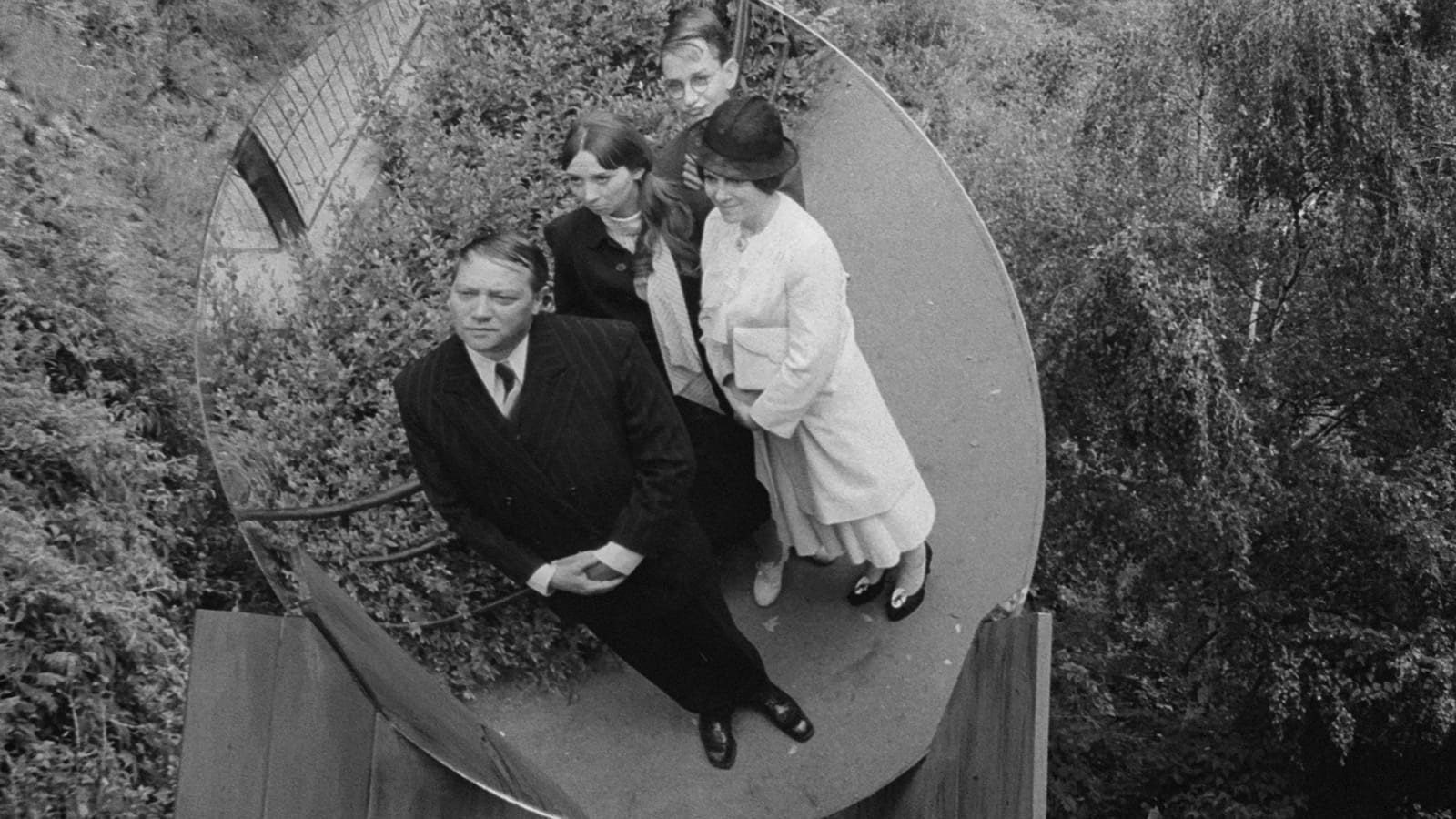
if you are getting into CS new wave, this considered one of the essentials. it's an unsettling mix of psychological horror, black comedy, political satire and expressionism.
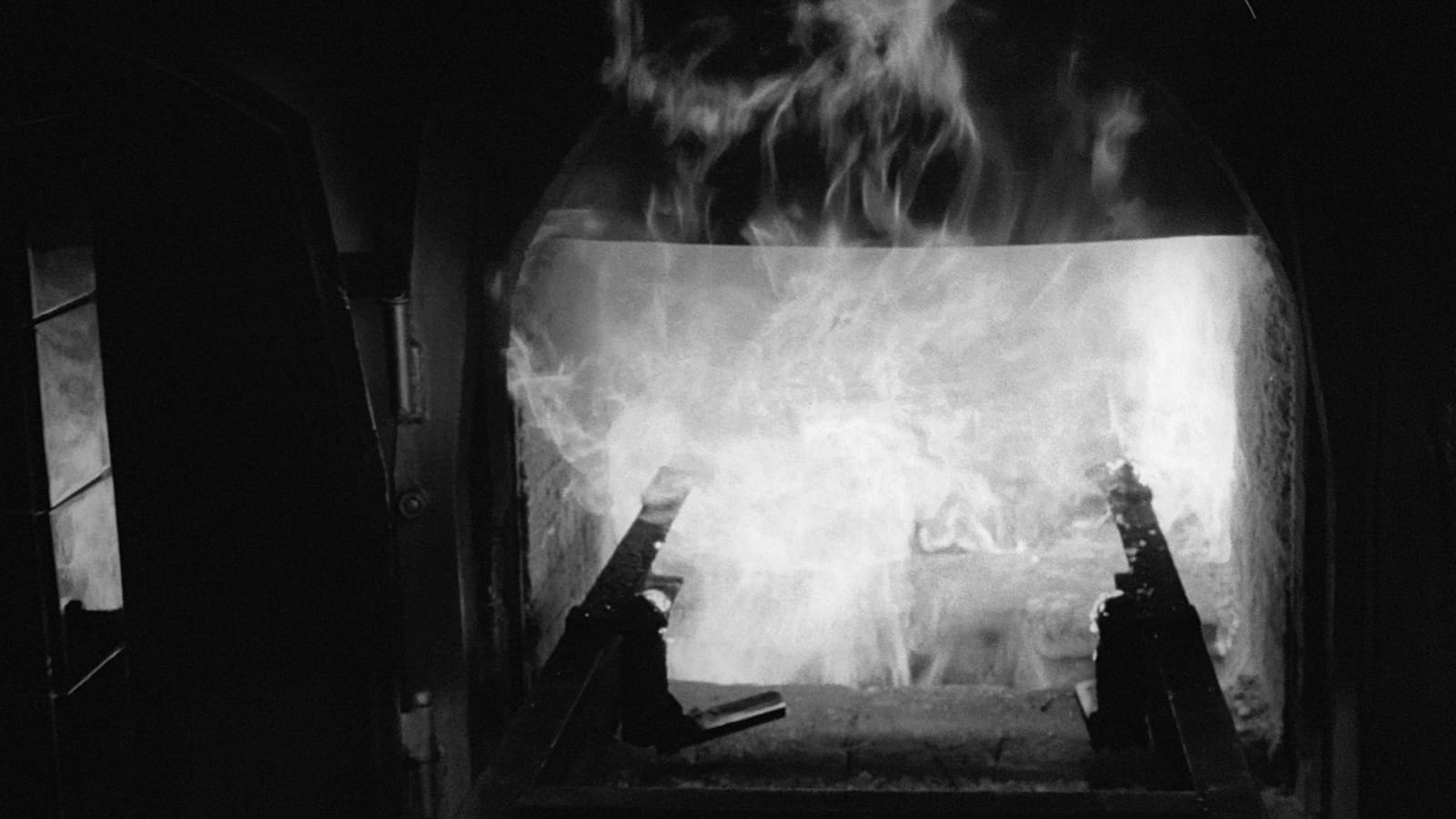
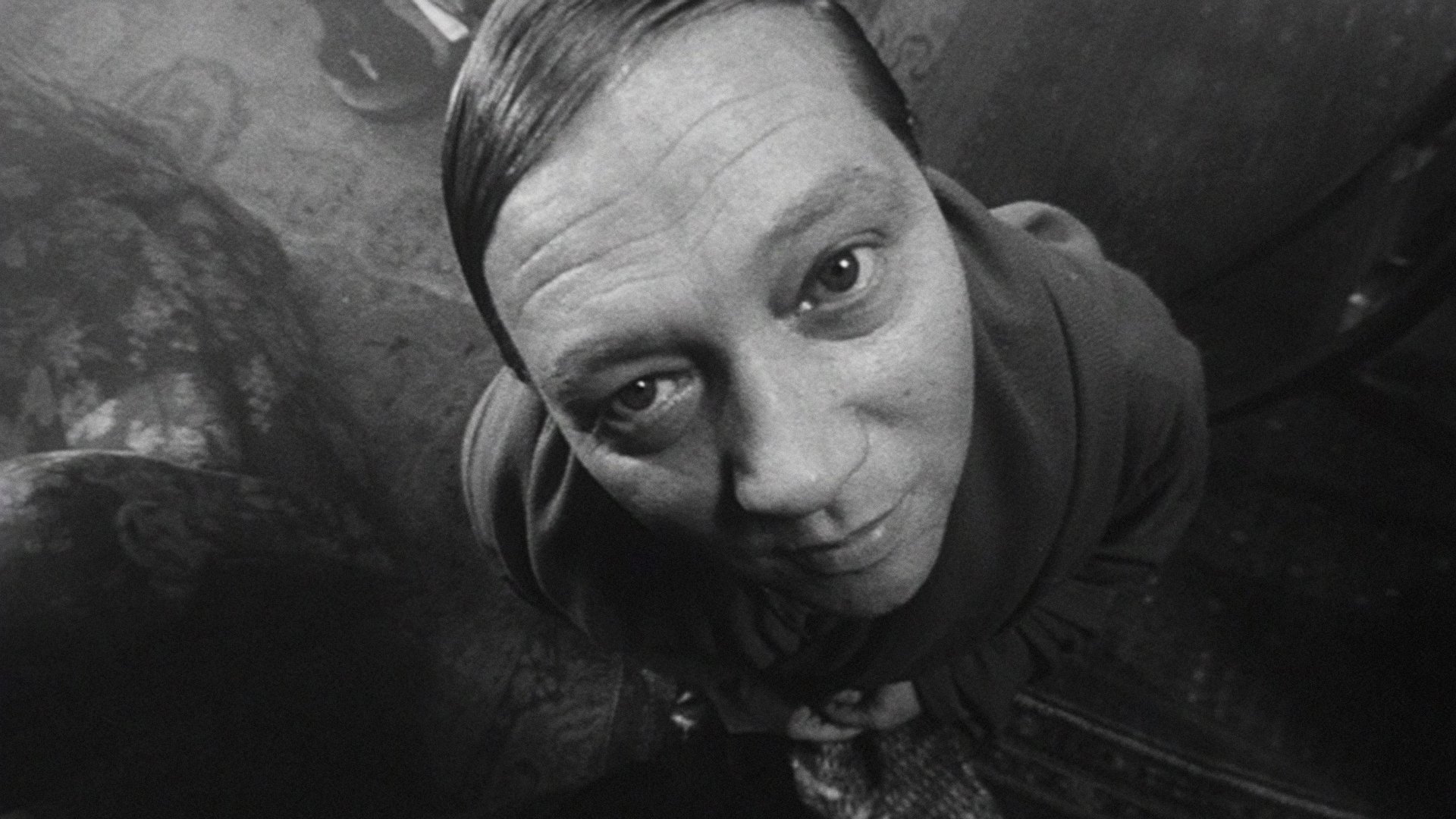
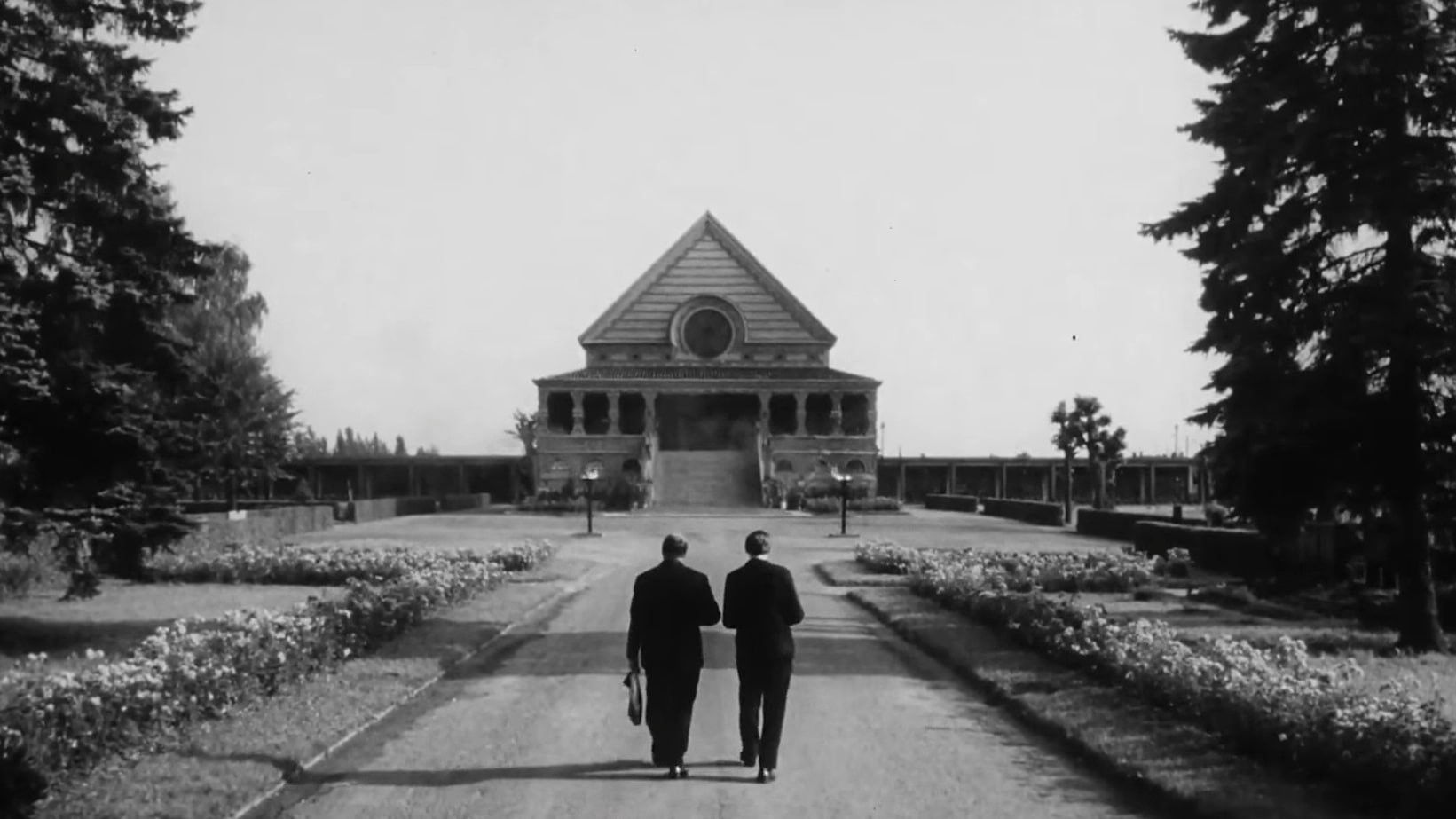
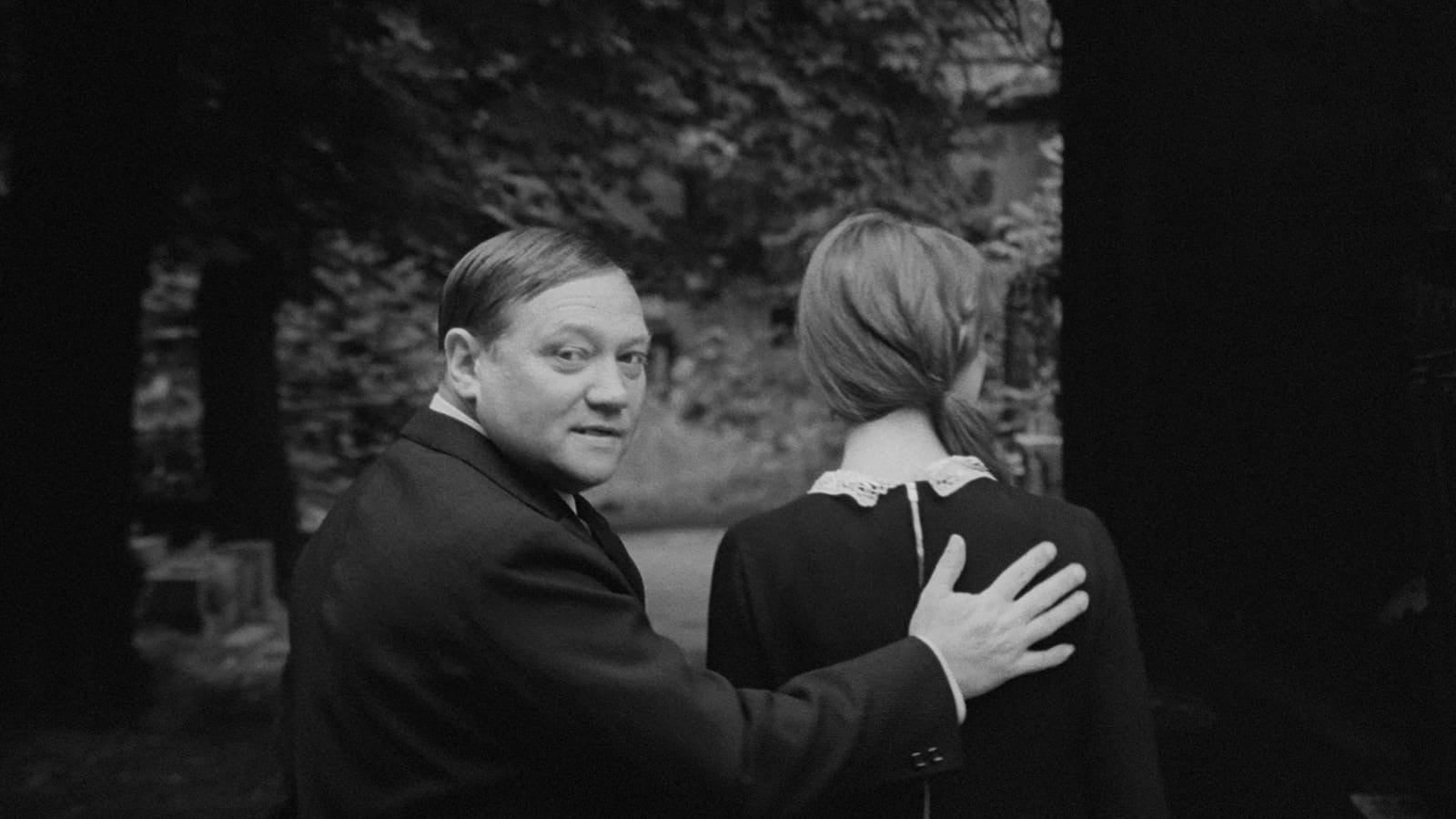
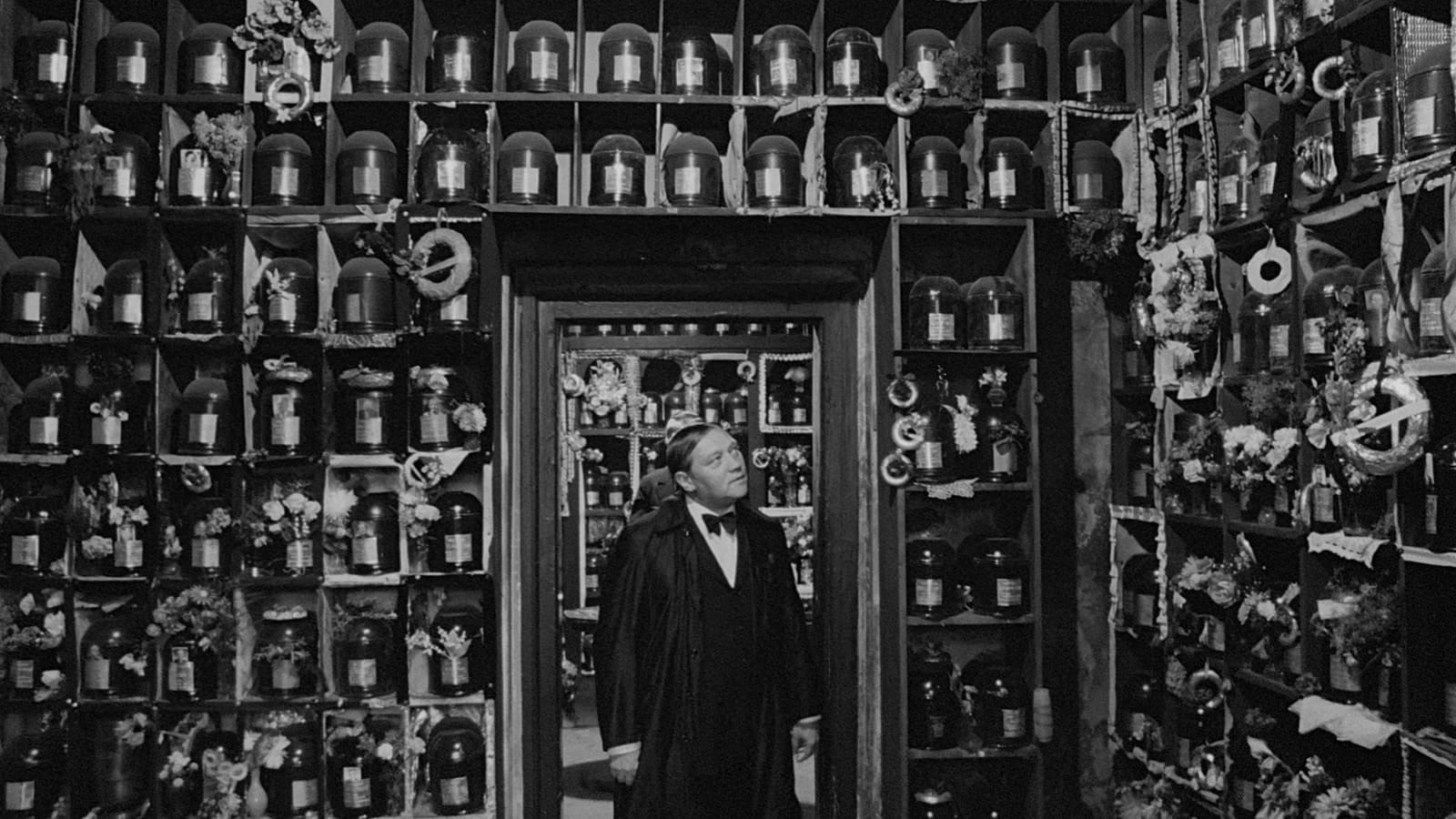
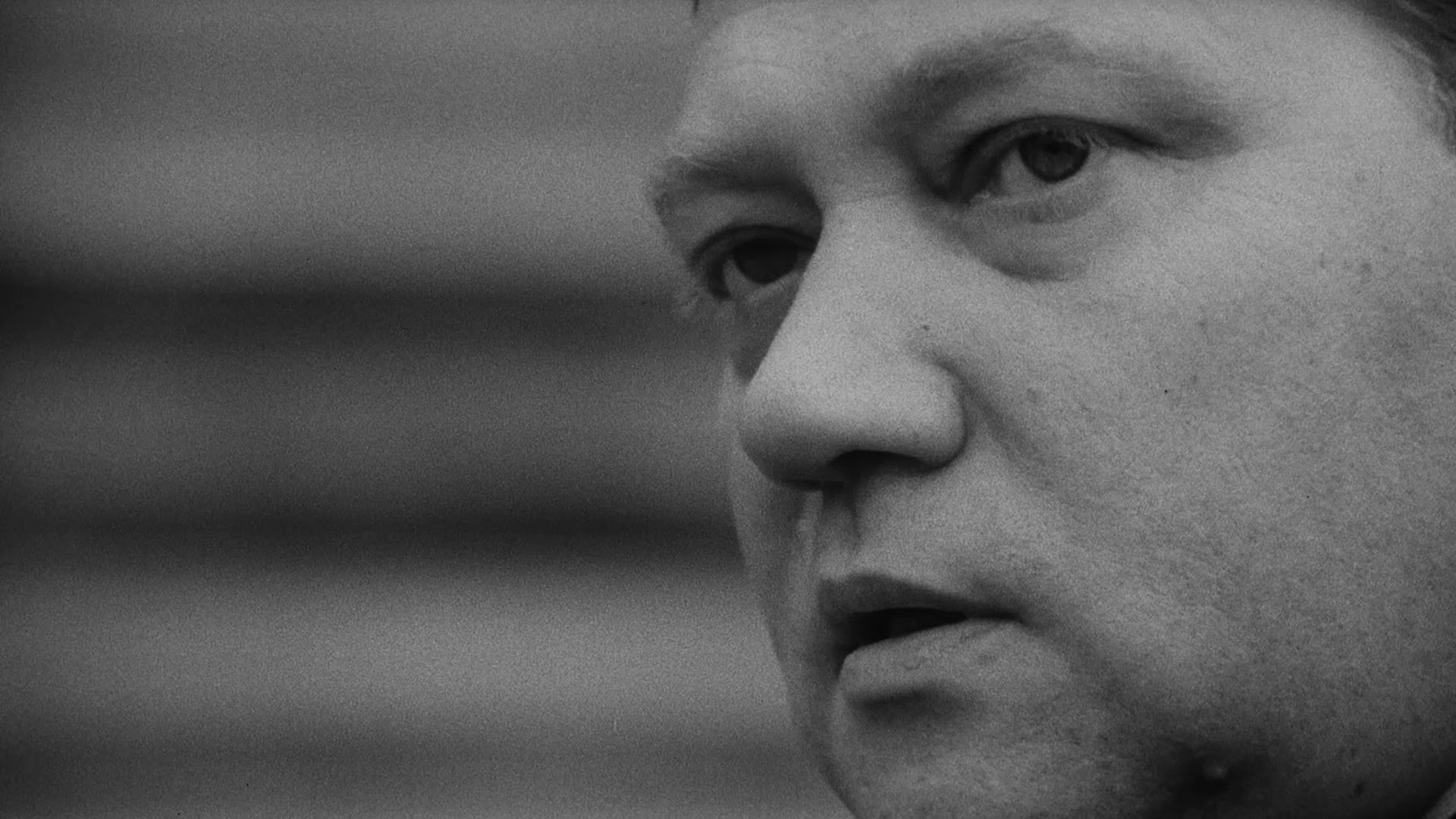
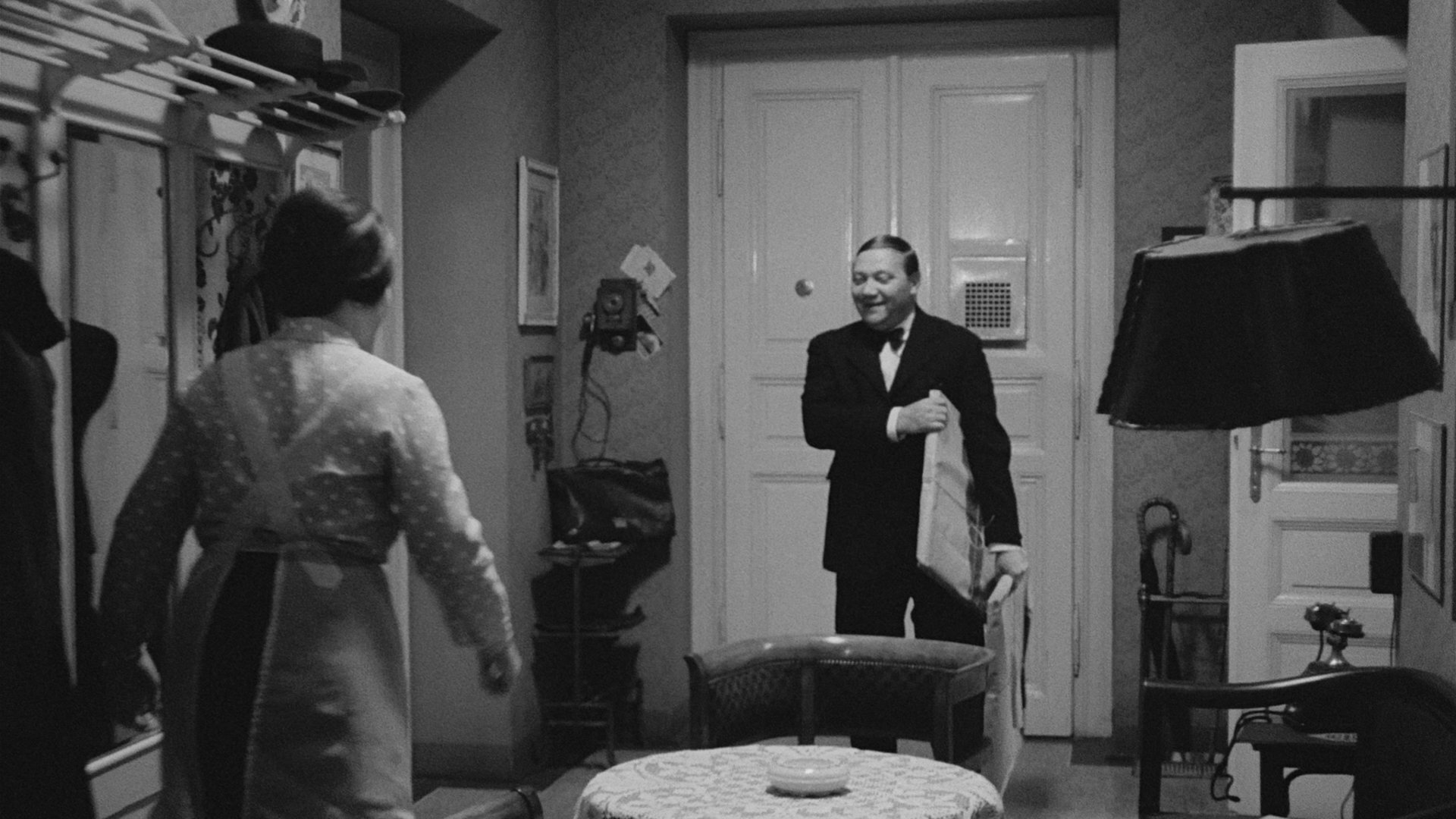
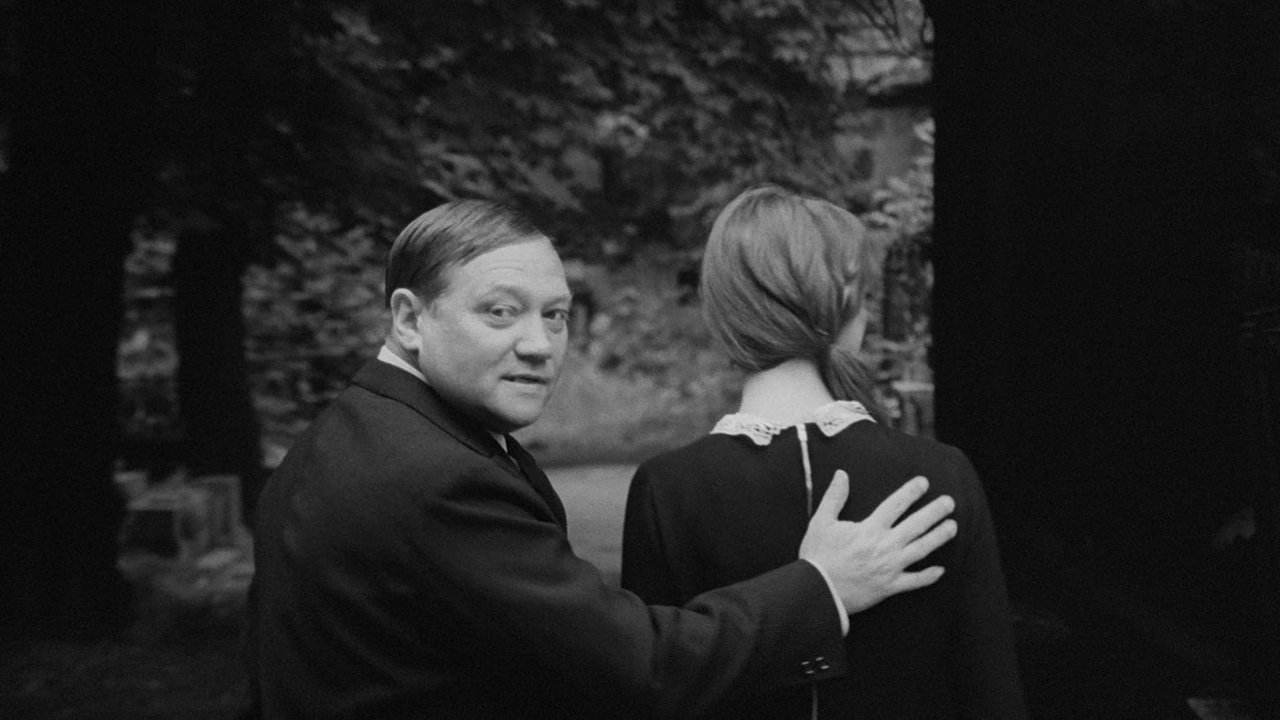
The film follows Karel, a seemingly polite and cultured crematorium manager. He becomes increasingly obsessed with death, spirituality, and eventually Nazi ideology.
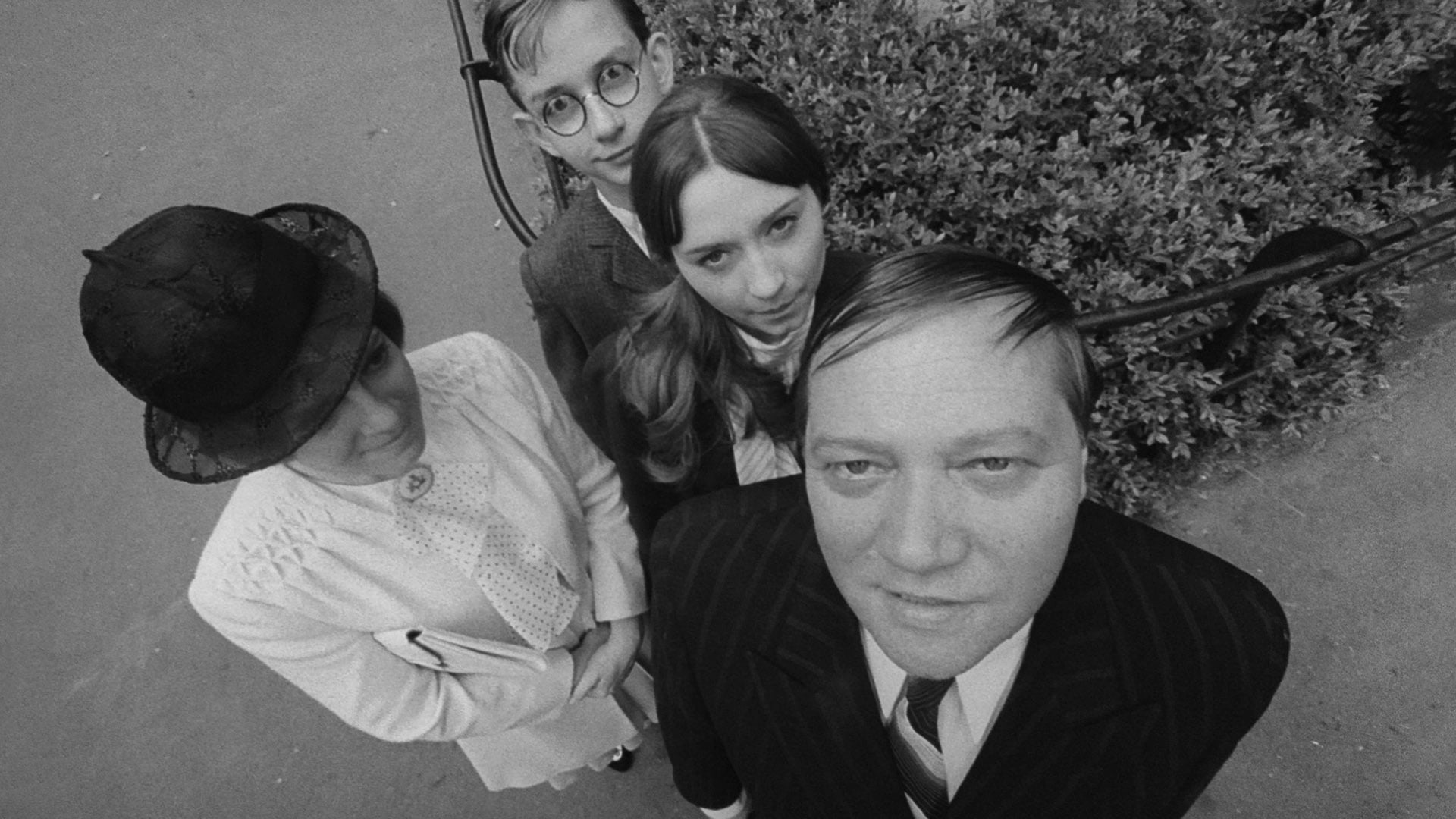
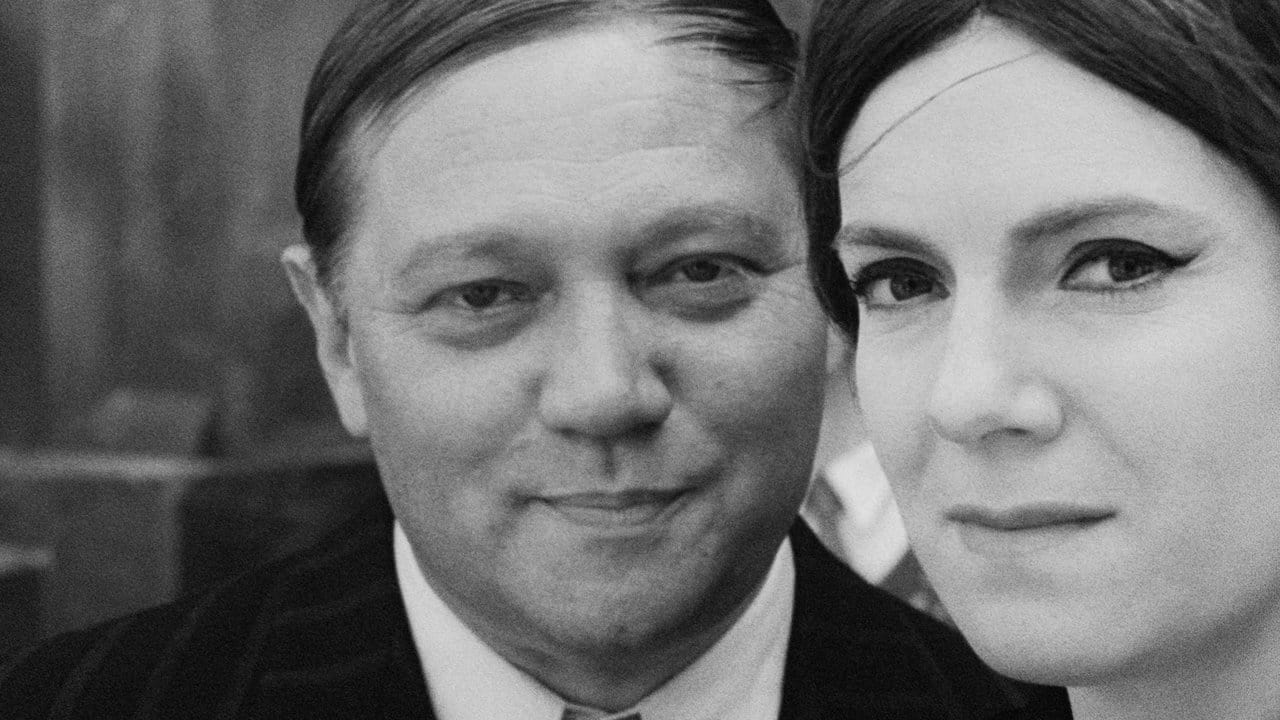
What is disturbing is that Mr. Kopfrkingl isn't portrayed as a stereotypical monster, he is charming, soft-spoken, and he's convinced he's doing good.
The film is basically a study on how ordinary people can rationalise evil when ideology, career ambition and self-delusion merge together. He doesn't wake up one day wanting to hurt people, he gradually constructs a worldview in which terrible actions seem noble and necessary .
Even before the Nazi phase, the viewer can sense something off about him, he uses spirituality to avoid reality, rather than seeing people as individuals, he sees them as abstract souls that need to be released.
The key point here is that he doesn't adopt Nazism because he carefully studied it, he adopts it because it fits his existing fantasies and crave for certainty, status and meaning.
The movie adopts Hannah Arendt's theory of "Banality of evil". her argument was not that evil is trivial, it was that terrible crimes are often committed by ordinary people performing ordinary tasks while convincing themselves that they are doing the right thing.
if you are getting into CS new wave, this considered one of the essentials. it's an unsettling mix of psychological horror, black comedy, political satire and expressionism.
The film follows Karel, a seemingly polite and cultured crematorium manager. He becomes increasingly obsessed with death, spirituality, and eventually Nazi ideology.
What is disturbing is that Mr. Kopfrkingl isn't portrayed as a stereotypical monster, he is charming, soft-spoken, and he's convinced he's doing good.
The film is basically a study on how ordinary people can rationalise evil when ideology, career ambition and self-delusion merge together. He doesn't wake up one day wanting to hurt people, he gradually constructs a worldview in which terrible actions seem noble and necessary .
Even before the Nazi phase, the viewer can sense something off about him, he uses spirituality to avoid reality, rather than seeing people as individuals, he sees them as abstract souls that need to be released.
The key point here is that he doesn't adopt Nazism because he carefully studied it, he adopts it because it fits his existing fantasies and crave for certainty, status and meaning.
The movie adopts Hannah Arendt's theory of "Banality of evil". her argument was not that evil is trivial, it was that terrible crimes are often committed by ordinary people performing ordinary tasks while convincing themselves that they are doing the right thing.