
2008·Comedy·1h 50m
7.1
★
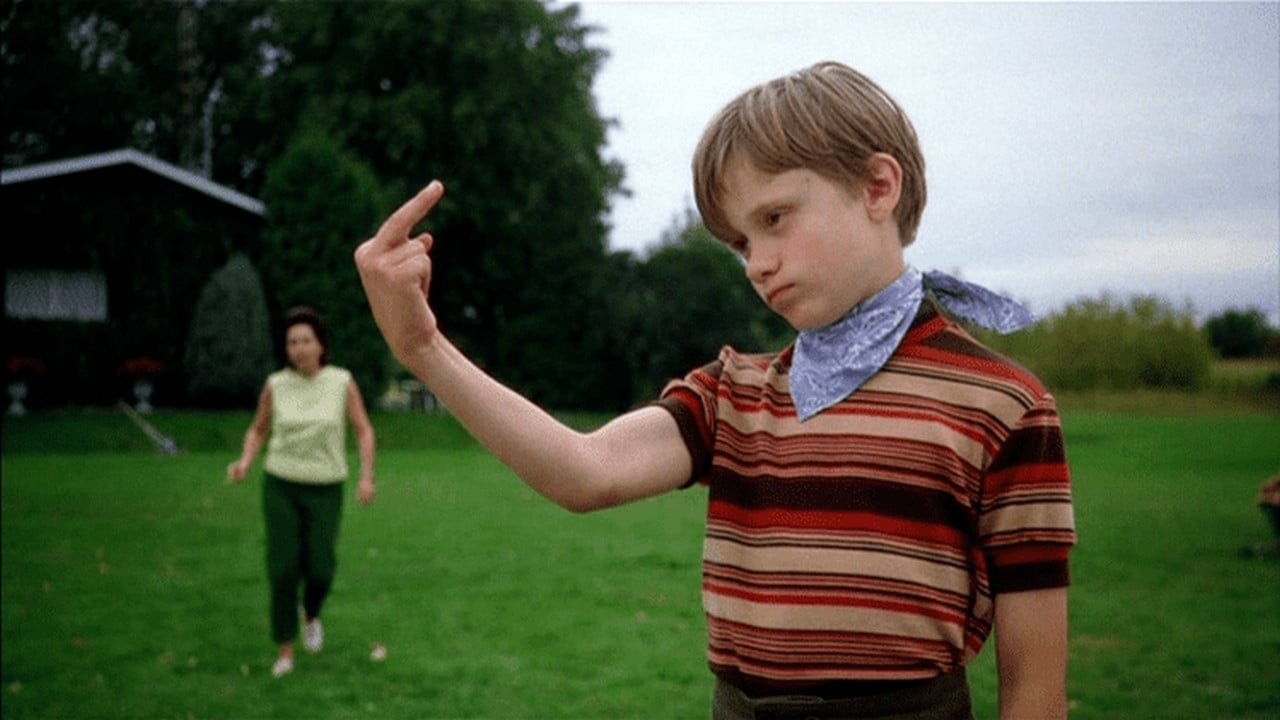
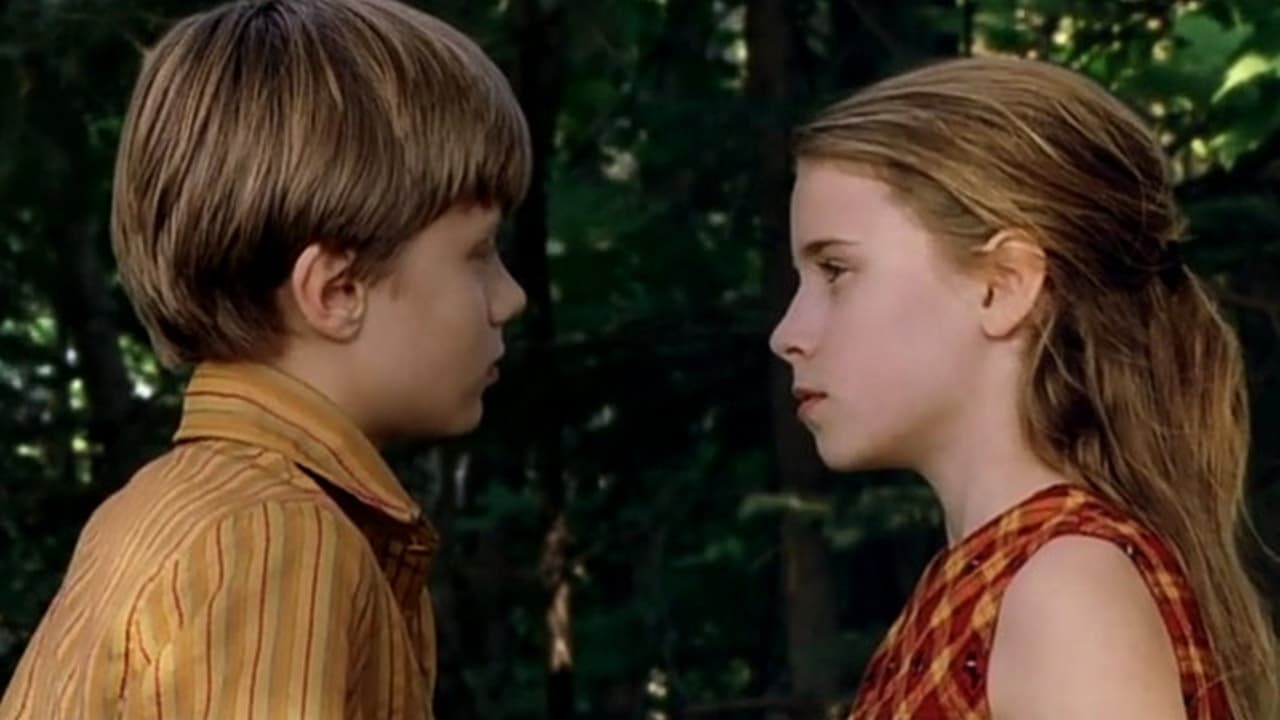
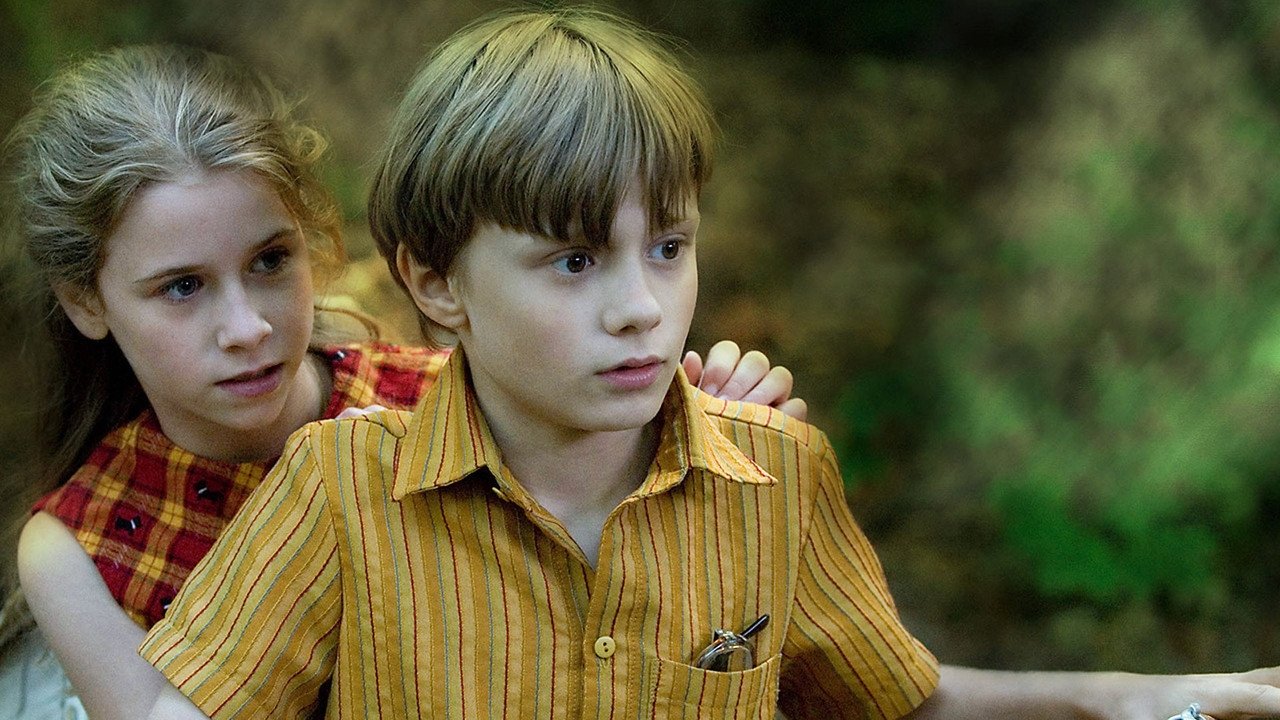
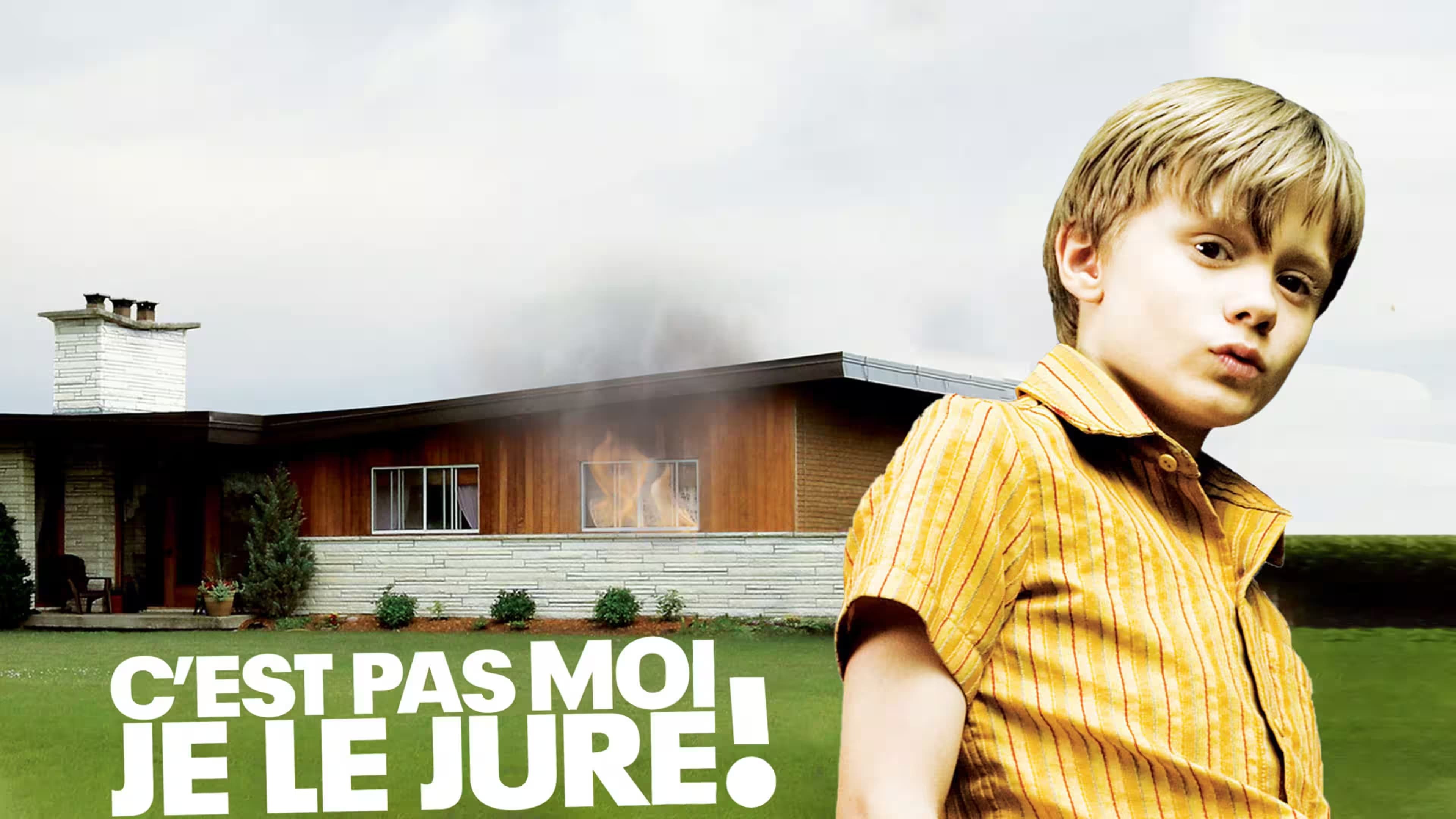
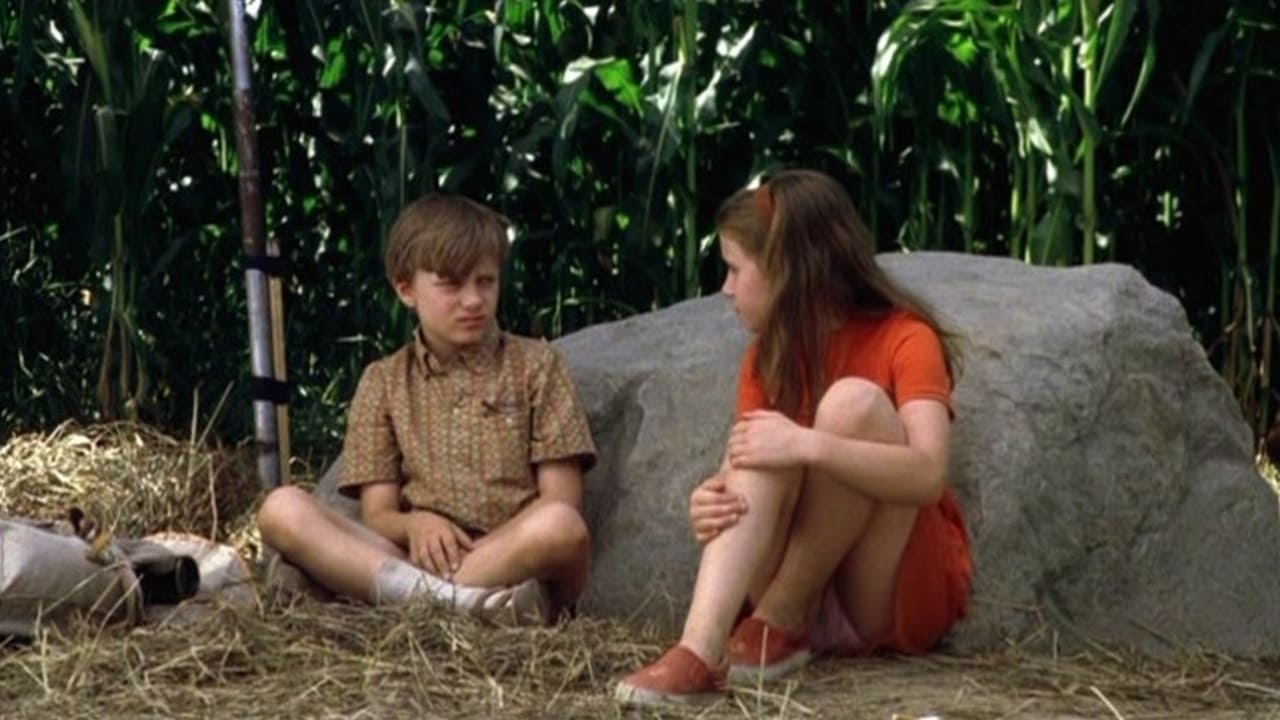
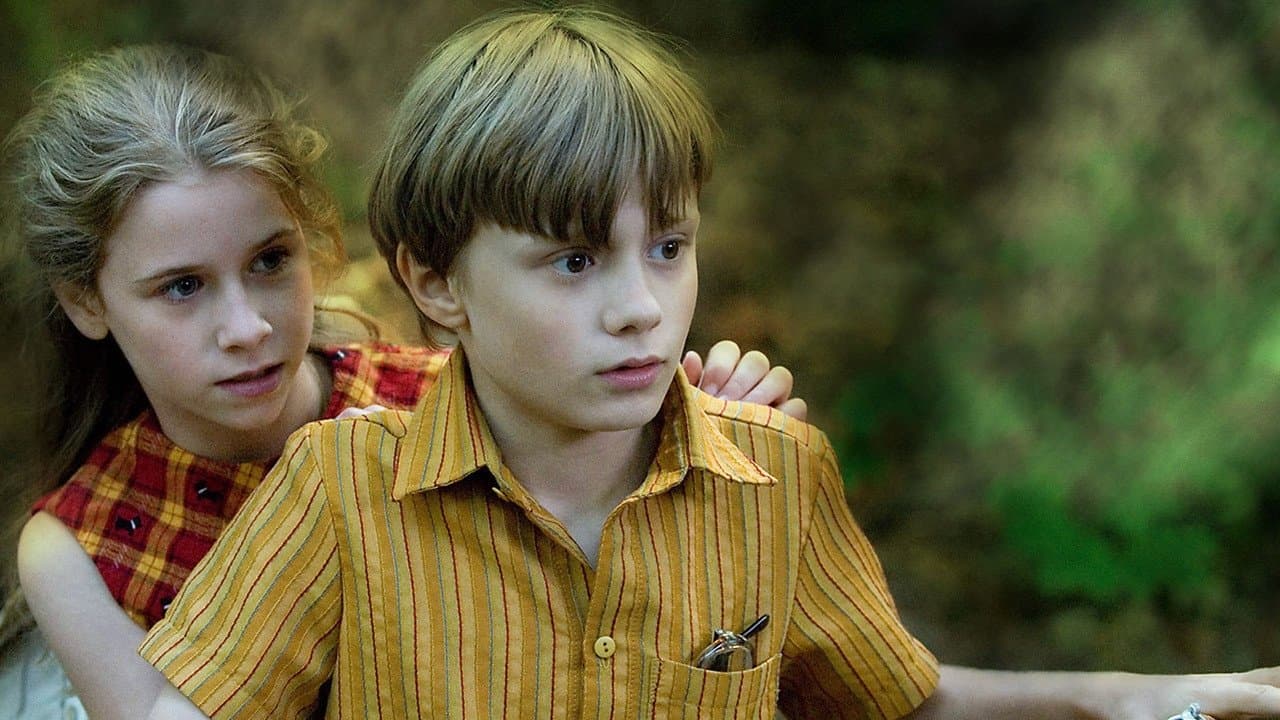
During the summer of 1968, Leon, a 10-year-old boy, navigates the hardships of young love, his lunatic mother's whims, and his urges to vandalize the house of his neighbors.
Directed by Philippe Falardeau

Trailer

IMDB
N/A
Cast

Antoine L'Écuyer
Léon Doré

Suzanne Clément
Madeleine Doré

Daniel Brière
Philippe Doré

Gabriel Maillé
Jérôme Doré
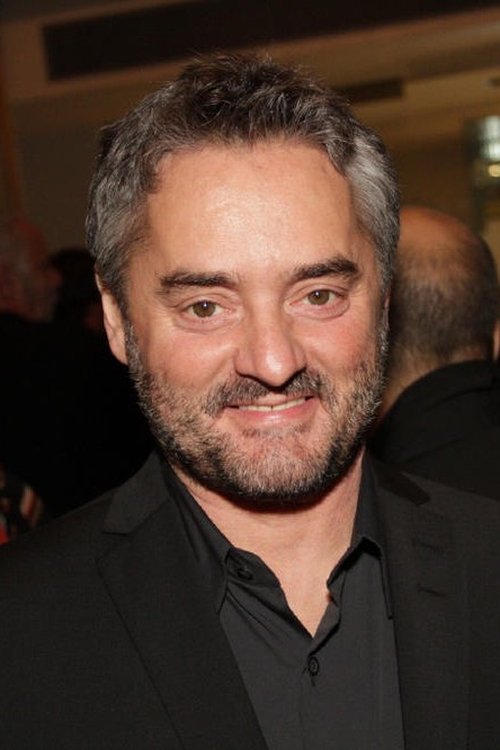
Jules Philip
Mr. Marinier

Micheline Bernard
Mrs. Brisebois

Jean Maheux
Bishop Charlebois

Évelyne Rompré
Madame Chavagnac

Pascale Desrochers
Woman from the Red House

Catherine Proulx-Lemay
Madeleine's Friend
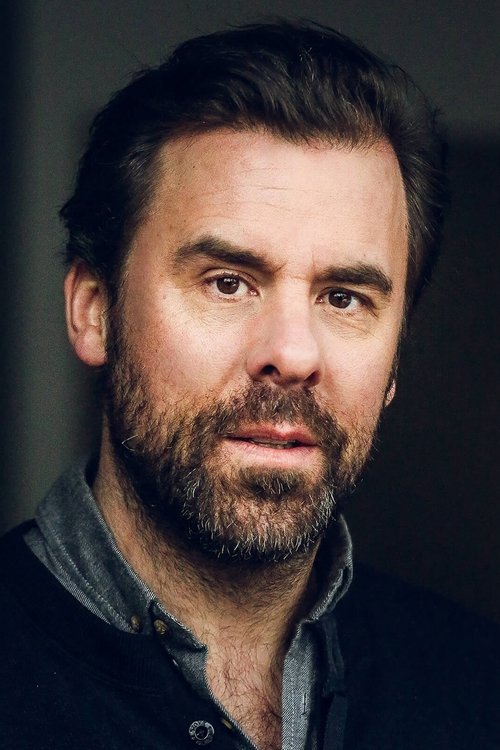
Bruno Marcil
Bowling Champion

Léo Caron
François Marinier
Crew

Philippe Falardeau
Director
Philippe Falardeau
Screenplay
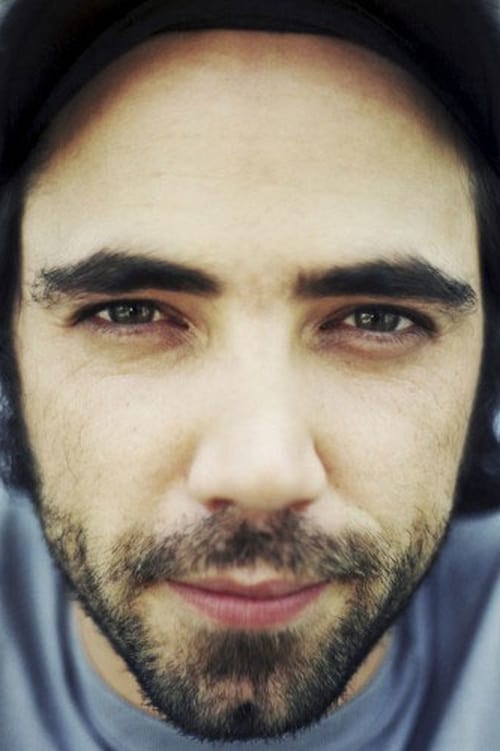
Patrick Watson
Original Music Composer

André Turpin
Director of Photography

Kim McCraw
Producer

Luc Déry
Producer

Jocelyne Bellemare
Makeup Artist

Nathalie Boutrie
Casting

Francesca Chamberland
Costume Design
Popular Reviews
16 reviews
eu.
9.0★ · 07/07/25

A STORM IN MINIATURE, LIT BY MATCHSTICKS AND MEMORY
emotionally blistering and psychologically textured, this film unfolds less as a conventional coming-of-age tale and more as a feverish, anarchic elegy for a childhood collapsing under the weight of adult failure. philippe falardeau crafts a tonal tightrope, darkly comic yet deeply melancholic where the manic energy of léon doré becomes both defense mechanism and primal scream. adapted from bruno hébert’s novels, the film captures the chaos of emotional abandonment not through melodrama but through cinematic language that mirrors a child’s fractured inner world. léon doesn’t just misbehave he spirals, flails, self-destructs, and fantasizes it, not just to manipulate but also to survive. this film isn’t cartoon mischief, but an existential dissonance a boy caught in a home where silence stings harder than discipline, and where rebellion becomes the only way to be heard. falardeau listens, through rhythm, through pacing, through shots that hold a little too long on the aftermath of destruction, making us feel the emptiness that follows every outburst. the film speaks the language of bruised innocence, where every suicidal game played is both symptom and syntax of something unspeakable. and in that space where humor masks horror the film says more about trauma, disconnection, and the violent tenderness of growing up than any neat narrative.
on the surface, this is a film about a chaotic boy in a broken household, but what it really stages is childhood trauma filtered through the language of absurdity. it doesn’t just blend comedy and pain, but it insists they’re the same thing, at least to a child who’s been taught that emotions are dangerous and attention must be earned through spectacle. the film doesn’t stylize léon’s behavior but frames it with a kind of deadpan sincerity, making the humor feel more like a defense mechanism than a narrative device. it’s quirk born from survival, an exaggerated theater of deflection. the tonal shifts are deliberate and disorienting, echoing the emotional instability of a world where adults are too self-absorbed to regulate, explain, or care. léon’s lies don’t read as mischievous but they register as acts of resistance trying to rewrite a reality that refuses to acknowledge him. in this way, the film becomes a surreal but painfully accurate portrait of what it means to be emotionally neglected: when the world feels too unreal to trust, a child might invent a louder version just to be heard. that’s what makes the absurdity so necessary, it’s not a genre choice, it’s a psychological one.
léon’s suicide attempts, lens of dark absurdity and emotional surrealism, carefully constructed expressions of invisible agony like a child’s only available language when tenderness is absent and difference becomes a threat. the film doesn’t treat these acts as plot points but as visual metaphors for psychological collapse, shot with an eerie stillness that turns comedy into discomfort and discomfort into empathy. his actions echo the silent despair of countless children who grow up feeling like misfits for a world that rewards conformity over complexity. his pain undeniable showing how when attention is rationed and love is inconsistent, even the most disturbing gestures can become pleas for recognition. what léon shows isn’t madness it’s logic born in neglect, the quiet reasoning of a mind learning that if softness won’t save you, spectacle might. in its refusal to moralize or explain away his behavior, the film exposes the cruelty of systems familial, educational, societal that pathologize difference instead of nurturing it, turning children like léon into problems instead of protectors of something rare: emotional truth untamed by fear.
rated 4.5 stars. this film adapts not just one, but two bruno hébert novels: C’est pas moi, je le jure! and its sequel Alice court avec René. i still can’t get over that his mother becomes a ghost in his life which hurts more than death because it leaves room for hope and self-blame.
“i dunno, but for me, in the beginning there was nothing. i was sleeping 20,000 leagues under the sea. that was before the word. one day, god ruined everything. the seawater drained out and life appeared at the end of the tunnel. the doctor said everything’s fine, that i was a normal boy. me, léon doré, a normal boy? some doctors should be suicided by a firing squad.”
: auteur-coded *:・
A STORM IN MINIATURE, LIT BY MATCHSTICKS AND MEMORY
emotionally blistering and psychologically textured, this film unfolds less as a conventional coming-of-age tale and more as a feverish, anarchic elegy for a childhood collapsing under the weight of adult failure. philippe falardeau crafts a tonal tightrope, darkly comic yet deeply melancholic where the manic energy of léon doré becomes both defense mechanism and primal scream. adapted from bruno hébert’s novels, the film captures the chaos of emotional abandonment not through melodrama but through cinematic language that mirrors a child’s fractured inner world. léon doesn’t just misbehave he spirals, flails, self-destructs, and fantasizes it, not just to manipulate but also to survive. this film isn’t cartoon mischief, but an existential dissonance a boy caught in a home where silence stings harder than discipline, and where rebellion becomes the only way to be heard. falardeau listens, through rhythm, through pacing, through shots that hold a little too long on the aftermath of destruction, making us feel the emptiness that follows every outburst. the film speaks the language of bruised innocence, where every suicidal game played is both symptom and syntax of something unspeakable. and in that space where humor masks horror the film says more about trauma, disconnection, and the violent tenderness of growing up than any neat narrative.
on the surface, this is a film about a chaotic boy in a broken household, but what it really stages is childhood trauma filtered through the language of absurdity. it doesn’t just blend comedy and pain, but it insists they’re the same thing, at least to a child who’s been taught that emotions are dangerous and attention must be earned through spectacle. the film doesn’t stylize léon’s behavior but frames it with a kind of deadpan sincerity, making the humor feel more like a defense mechanism than a narrative device. it’s quirk born from survival, an exaggerated theater of deflection. the tonal shifts are deliberate and disorienting, echoing the emotional instability of a world where adults are too self-absorbed to regulate, explain, or care. léon’s lies don’t read as mischievous but they register as acts of resistance trying to rewrite a reality that refuses to acknowledge him. in this way, the film becomes a surreal but painfully accurate portrait of what it means to be emotionally neglected: when the world feels too unreal to trust, a child might invent a louder version just to be heard. that’s what makes the absurdity so necessary, it’s not a genre choice, it’s a psychological one.
léon’s suicide attempts, lens of dark absurdity and emotional surrealism, carefully constructed expressions of invisible agony like a child’s only available language when tenderness is absent and difference becomes a threat. the film doesn’t treat these acts as plot points but as visual metaphors for psychological collapse, shot with an eerie stillness that turns comedy into discomfort and discomfort into empathy. his actions echo the silent despair of countless children who grow up feeling like misfits for a world that rewards conformity over complexity. his pain undeniable showing how when attention is rationed and love is inconsistent, even the most disturbing gestures can become pleas for recognition. what léon shows isn’t madness it’s logic born in neglect, the quiet reasoning of a mind learning that if softness won’t save you, spectacle might. in its refusal to moralize or explain away his behavior, the film exposes the cruelty of systems familial, educational, societal that pathologize difference instead of nurturing it, turning children like léon into problems instead of protectors of something rare: emotional truth untamed by fear.
rated 4.5 stars. this film adapts not just one, but two bruno hébert novels: C’est pas moi, je le jure! and its sequel Alice court avec René. i still can’t get over that his mother becomes a ghost in his life which hurts more than death because it leaves room for hope and self-blame.
“i dunno, but for me, in the beginning there was nothing. i was sleeping 20,000 leagues under the sea. that was before the word. one day, god ruined everything. the seawater drained out and life appeared at the end of the tunnel. the doctor said everything’s fine, that i was a normal boy. me, léon doré, a normal boy? some doctors should be suicided by a firing squad.”
: auteur-coded *:・

2

charlie
7.0★ · 01/23/26
Children movies are what I frequently pick to watch and that is how I ended here. This is somehow a similar kind of movie to 'Dennis the Menace'. Only the character wise, but there are plenty of differences illustrating a boy's nuisance and menace. Yeah, it was about a 9 year old boy and his strange and unexpected bahaviour. Don't think in a serious manner, I was saying kind of cute like the one from 'Le Petit Nicolas'.
Leon is not happy for their parents' everyday fights. He thinks he can stop it if some distracting thing happened them around. So decides to try with the dangerous game and make them to blame for it. But everything he attempted goes terribly wrong and one day he also loses his beloved one. Then is main focus turn to bring her back. While preparing for it, he falls in love for a neighbour girl. The mischievous boy with the series of unsuccessful event can turn everything back on track is what explained till the end.
''It's better not to lie, but it's worse to lie badly.''
Leon is not happy for their parents' everyday fights. He thinks he can stop it if some distracting thing happened them around. So decides to try with the dangerous game and make them to blame for it. But everything he attempted goes terribly wrong and one day he also loses his beloved one. Then is main focus turn to bring her back. While preparing for it, he falls in love for a neighbour girl. The mischievous boy with the series of unsuccessful event can turn everything back on track is what explained till the end.
''It's better not to lie, but it's worse to lie badly.''
Children movies are what I frequently pick to watch and that is how I ended here. This is somehow a similar kind of movie to 'Dennis the Menace'. Only the character wise, but there are plenty of differences illustrating a boy's nuisance and menace. Yeah, it was about a 9 year old boy and his strange and unexpected bahaviour. Don't think in a serious manner, I was saying kind of cute like the one from 'Le Petit Nicolas'.
Leon is not happy for their parents' everyday fights. He thinks he can stop it if some distracting thing happened them around. So decides to try with the dangerous game and make them to blame for it. But everything he attempted goes terribly wrong and one day he also loses his beloved one. Then is main focus turn to bring her back. While preparing for it, he falls in love for a neighbour girl. The mischievous boy with the series of unsuccessful event can turn everything back on track is what explained till the end.
''It's better not to lie, but it's worse to lie badly.''
Leon is not happy for their parents' everyday fights. He thinks he can stop it if some distracting thing happened them around. So decides to try with the dangerous game and make them to blame for it. But everything he attempted goes terribly wrong and one day he also loses his beloved one. Then is main focus turn to bring her back. While preparing for it, he falls in love for a neighbour girl. The mischievous boy with the series of unsuccessful event can turn everything back on track is what explained till the end.
''It's better not to lie, but it's worse to lie badly.''
Abby
I think I first watched this when I was 12 or so because of a video of it i saw on youtube. During the pandemic, 14 year old me watched this movie like 4 times a week. I drank a lot of coke and ate a lot of dry cereal and didnt go outside much. Now, I am quite older and somehow this movie still hits for me. It's so beautiful and really touching.
I wanted to rewatch, but its not streaming anywhere so I bought a dvd of it. Still one of my favorites of all time. I really appreciate this movie.
I wanted to rewatch, but its not streaming anywhere so I bought a dvd of it. Still one of my favorites of all time. I really appreciate this movie.
I think I first watched this when I was 12 or so because of a video of it i saw on youtube. During the pandemic, 14 year old me watched this movie like 4 times a week. I drank a lot of coke and ate a lot of dry cereal and didnt go outside much. Now, I am quite older and somehow this movie still hits for me. It's so beautiful and really touching.
I wanted to rewatch, but its not streaming anywhere so I bought a dvd of it. Still one of my favorites of all time. I really appreciate this movie.
I wanted to rewatch, but its not streaming anywhere so I bought a dvd of it. Still one of my favorites of all time. I really appreciate this movie.
mari
8.0★ · 07/19/25
eu vou me matar
eu vou me matar
Jacob Vargas
7.1★ · 06/18/25
una recomendación de mi amigo José.
la película es hermosa, un coming-of-age que revivió dentro de mí varias travesuras de mi infancia, incluso hasta me sentí un poco ansiosos esperando que no atraparan al chico en la jugada. Dentro de todo vuelvo a remarcar lo bella que es la película, lo bello que son los planos y sus movimientos de cámara.
tal vez es una película que no me termina de marcar en completo pero entiendo el porqué la gente la toma en cuenta y el porqué llega a ser significativa. La película es en su totalidad en 1968, pero a todos lados que veía se sentía esa estética del 2008 marcada en otras pelis, incluso en las pelis hechas por searchlight.
recordando travesuras me quedó muy marcado el como cuando somos niños nos creemos invencibles pero después de un rato se nos pasa aquello y sentimos vergüenza de por medio. La conexión con su mamá se me hizo muy cercana entre los personajes e incluso pude proyectarme en esa relación con mi propia madre.
una película para remarcar lo triste que es ser niño a veces, los primeros momentos en los que nos enamoramos e incluso, la complicada relación con la familia y la religión. Solo somos niños.
la película es hermosa, un coming-of-age que revivió dentro de mí varias travesuras de mi infancia, incluso hasta me sentí un poco ansiosos esperando que no atraparan al chico en la jugada. Dentro de todo vuelvo a remarcar lo bella que es la película, lo bello que son los planos y sus movimientos de cámara.
tal vez es una película que no me termina de marcar en completo pero entiendo el porqué la gente la toma en cuenta y el porqué llega a ser significativa. La película es en su totalidad en 1968, pero a todos lados que veía se sentía esa estética del 2008 marcada en otras pelis, incluso en las pelis hechas por searchlight.
recordando travesuras me quedó muy marcado el como cuando somos niños nos creemos invencibles pero después de un rato se nos pasa aquello y sentimos vergüenza de por medio. La conexión con su mamá se me hizo muy cercana entre los personajes e incluso pude proyectarme en esa relación con mi propia madre.
una película para remarcar lo triste que es ser niño a veces, los primeros momentos en los que nos enamoramos e incluso, la complicada relación con la familia y la religión. Solo somos niños.
una recomendación de mi amigo José.
la película es hermosa, un coming-of-age que revivió dentro de mí varias travesuras de mi infancia, incluso hasta me sentí un poco ansiosos esperando que no atraparan al chico en la jugada. Dentro de todo vuelvo a remarcar lo bella que es la película, lo bello que son los planos y sus movimientos de cámara.
tal vez es una película que no me termina de marcar en completo pero entiendo el porqué la gente la toma en cuenta y el porqué llega a ser significativa. La película es en su totalidad en 1968, pero a todos lados que veía se sentía esa estética del 2008 marcada en otras pelis, incluso en las pelis hechas por searchlight.
recordando travesuras me quedó muy marcado el como cuando somos niños nos creemos invencibles pero después de un rato se nos pasa aquello y sentimos vergüenza de por medio. La conexión con su mamá se me hizo muy cercana entre los personajes e incluso pude proyectarme en esa relación con mi propia madre.
una película para remarcar lo triste que es ser niño a veces, los primeros momentos en los que nos enamoramos e incluso, la complicada relación con la familia y la religión. Solo somos niños.
la película es hermosa, un coming-of-age que revivió dentro de mí varias travesuras de mi infancia, incluso hasta me sentí un poco ansiosos esperando que no atraparan al chico en la jugada. Dentro de todo vuelvo a remarcar lo bella que es la película, lo bello que son los planos y sus movimientos de cámara.
tal vez es una película que no me termina de marcar en completo pero entiendo el porqué la gente la toma en cuenta y el porqué llega a ser significativa. La película es en su totalidad en 1968, pero a todos lados que veía se sentía esa estética del 2008 marcada en otras pelis, incluso en las pelis hechas por searchlight.
recordando travesuras me quedó muy marcado el como cuando somos niños nos creemos invencibles pero después de un rato se nos pasa aquello y sentimos vergüenza de por medio. La conexión con su mamá se me hizo muy cercana entre los personajes e incluso pude proyectarme en esa relación con mi propia madre.
una película para remarcar lo triste que es ser niño a veces, los primeros momentos en los que nos enamoramos e incluso, la complicada relación con la familia y la religión. Solo somos niños.